
Flower Vase Arrangements: How to Style Any Vase for a Beautiful Floral Display
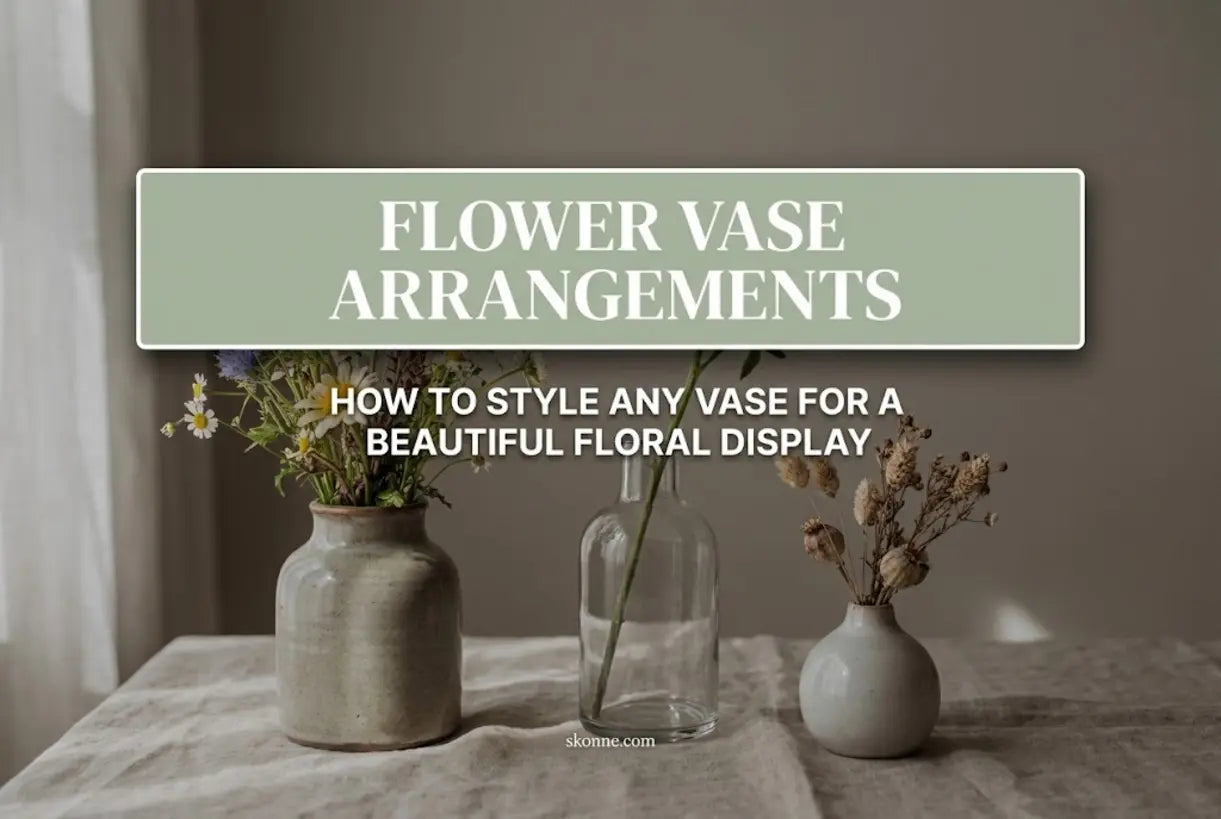
Summary›
- Understanding Vase and Flower Arrangement: The Foundation
- Choosing the Right Foundation for Your Arrangement
- Vase Types and Their Perfect Floral Partners
- The 3:5:8 Rule: A Framework for Beautiful Compositions
- Step-by-Step: Creating Your Styled Arrangement
- Matching Specific Vessels to Your Favorite Blooms
- Creating Atmospheric Centerpieces
- Flower Pairing Wisdom and Lasting Beauty
- Conclusion: Your Invitation to Floral Mindfulness
Few everyday rituals rival the quiet satisfaction of arranging fresh blooms in a well-chosen vessel. Whether you're preparing for a dinner gathering or simply elevating your morning coffee spot, mastering vase and flower arrangement transforms ordinary spaces into moments of intentional beauty.
Yet many of us hesitate, uncertain about which vessel suits which bloom, or how to achieve that effortless, artful look we admire in design magazines. The truth is, flower vase arrangement ideas are more accessible than they appear—once you understand a few foundational principles. In this guide, we'll explore how to select vessels, arrange stems with confidence, and bring Scandinavian-inspired hygge into your home—no formal training required. Along the way, you'll discover carefully crafted pieces that make this ritual even more rewarding.
Understanding Vase and Flower Arrangement: The Foundation
At its heart, floral styling is about harmony—between the vessel and the flowers, between the arrangement and its surroundings. A well-executed display doesn't merely host flowers; it amplifies them.
The most compelling modern flower arrangements in vase settings share one trait: intentionality. Each stem has space to breathe. Each line contributes to the overall composition. This is where Scandinavian design philosophy naturally intersects with floral artistry. The Nordic emphasis on simplicity, natural materials, and functional beauty translates beautifully to botanical displays.
Before choosing your first stem, consider the mood you wish to create. Are you seeking quiet minimalism, or something more abundant and joyful? Do you prefer monochromatic restraint or playful color combinations? Your answers will guide every subsequent choice.
Choosing the Right Foundation for Your Arrangement
The vessel you select sets the tone for your entire display. Material, shape, and scale all influence not only how your flowers appear but how they behave over time. Glass reveals the full journey of stem and water, while textured ceramics add sculptural interest even when empty.
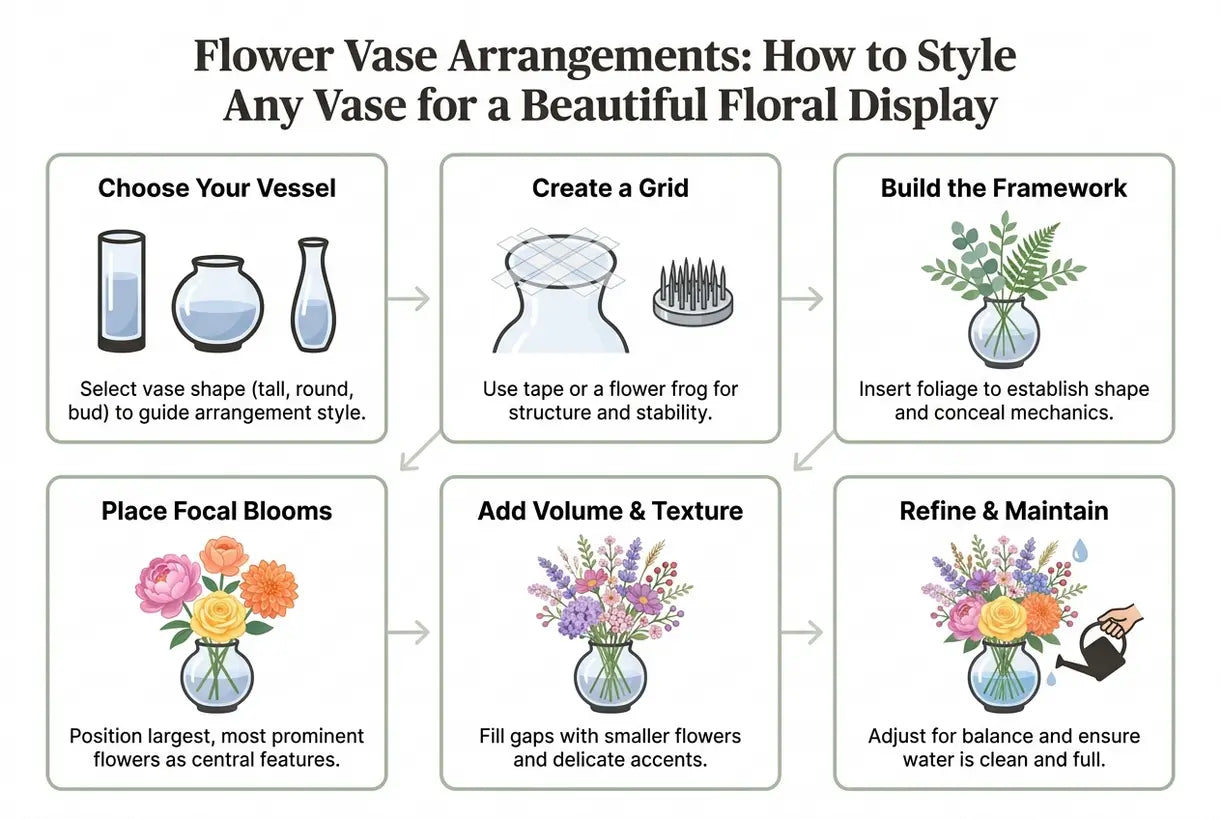
Consider these factors when selecting your base:
- Material transparency — Glass showcases stem architecture; ceramic emphasizes bloom clusters
- Neck width — Narrow openings support single stems; wider mouths accommodate fuller arrangements
- Scale proportion — Tall vases anchor table settings; small vessels work beautifully on shelves and side tables
- Surface texture — Smooth finishes complement delicate flowers; rustic textures pair well with wild, organic stems
Pro Tip: When in doubt, choose quality over quantity. One exquisite stem in a thoughtfully chosen vessel creates more impact than a crowded arrangement that hides each flower's natural beauty.
Vase Types and Their Perfect Floral Partners
Different vessels invite different arrangement styles. Understanding these pairings elevates your DIY flower arrangement from guesswork to artistry.
Bud vases and small vessels excel at celebrating single stems—think anemones, tulips, or a single branch of flowering quince. They're perfect for intimate spaces: bedside tables, bathroom counters, or clustered along a mantel.
Cylindrical glass containers showcase the full length of stems, making them ideal for long-stemmed roses, delphinium, or eucalyptus branches. The transparency allows you to appreciate the vertical line from bloom to base.
Wide-mouthed bowls encourage horizontal, garden-style arrangements. They accommodate clusters of shorter stems—ranunculus, peonies, or hydrangeas—that naturally want to spread outward.
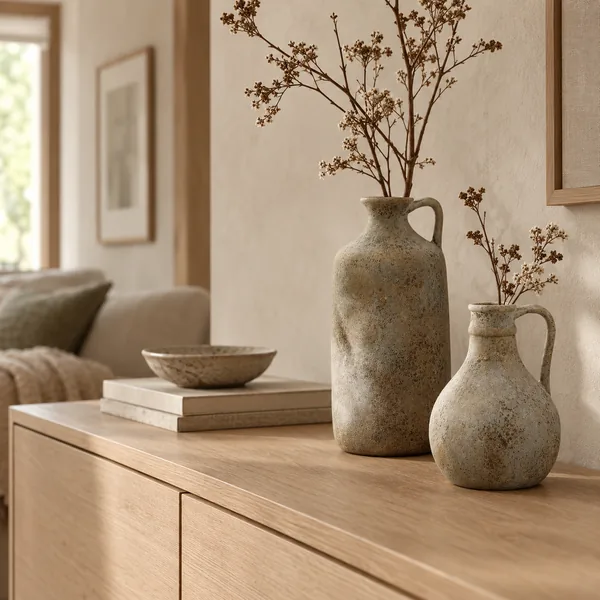
Narrow-necked ceramic pieces support dramatic, architectural compositions. These vessels excel at holding branches, dried botanicals, or stems that benefit from the support of their container.
Decorative Vases
Shop all Decorative Vases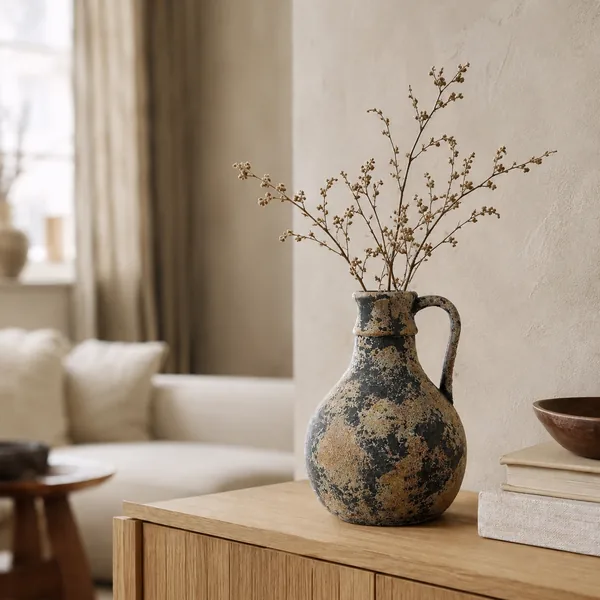
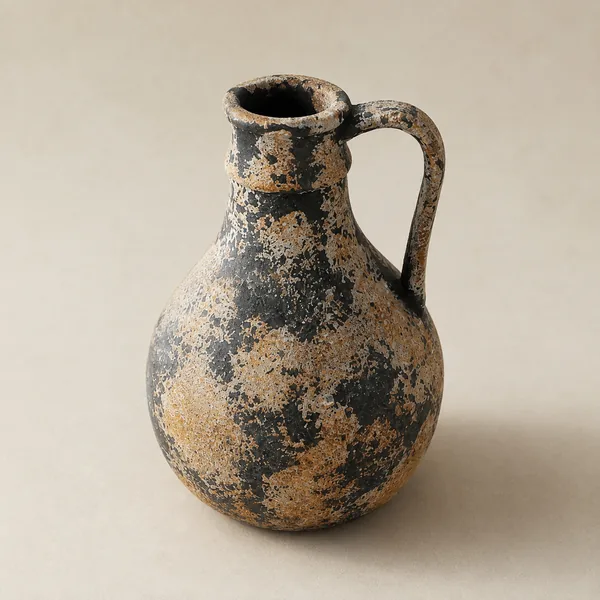
 Save $40.00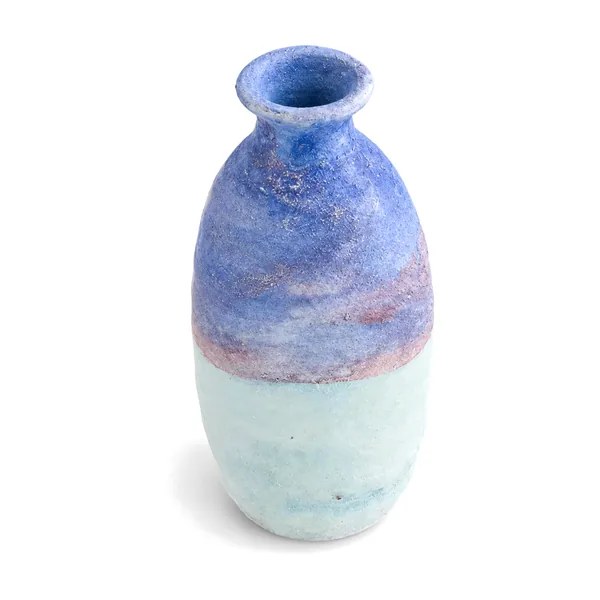
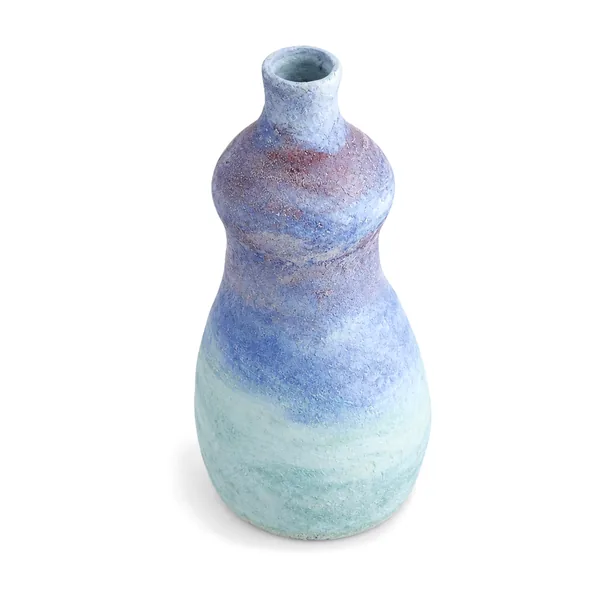
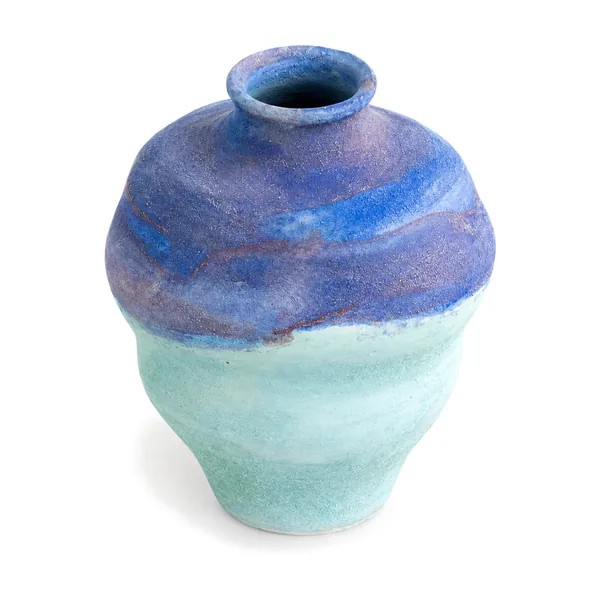
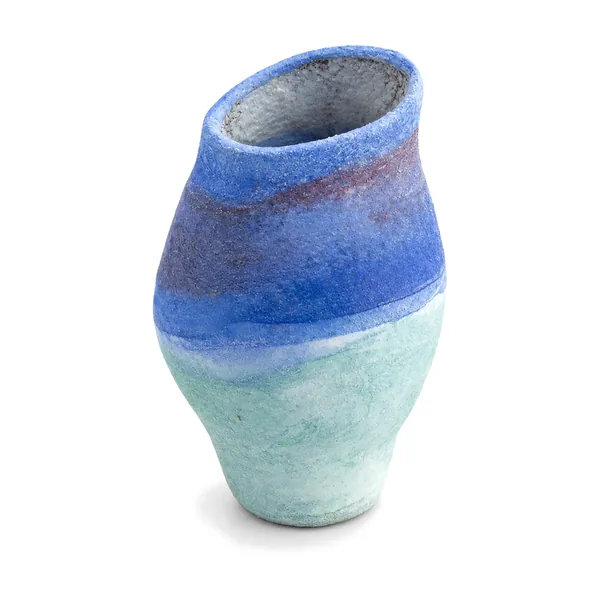 4 options
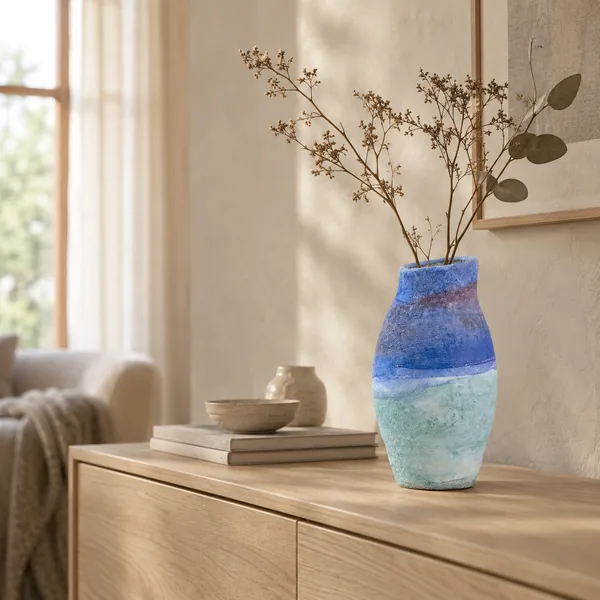
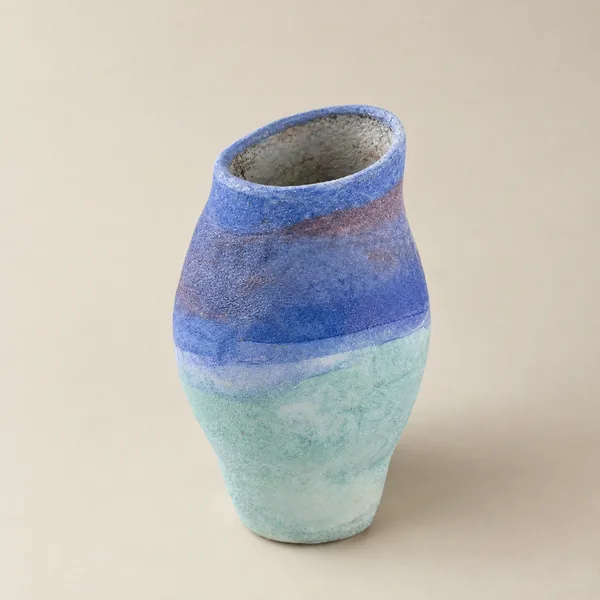
Dyvna Blue Gradient Ceramic Vase for Home Decor
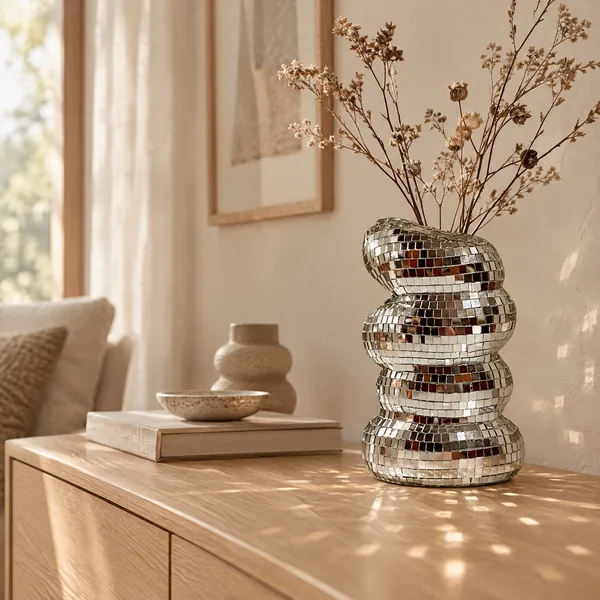
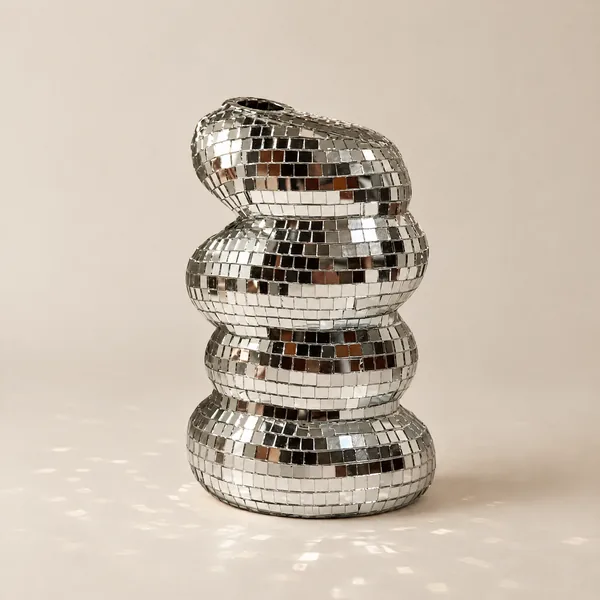
The 3:5:8 Rule: A Framework for Beautiful Compositions
If you're seeking a mathematical approach to aesthetic balance, the 3:5:8 rule provides an elegant solution. Derived from the Fibonacci sequence, this principle suggests using three main stems of the tallest height, five of medium height, and eight shorter filler stems or foliage pieces.
This golden ratio creates visual hierarchy without rigid uniformity. The tallest flowers draw the eye upward and outward, establishing the arrangement's overall silhouette. Medium stems add substance and transition, while the smallest elements fill gaps and add textural depth.
Remember, rules in floral styling are guidelines, not strictures. A perfectly proportioned arrangement that feels lifeless fails its purpose. Use the 3:5:8 rule as a starting point, then allow your intuition to guide adjustments until the composition feels right.
Remember: The most beautiful arrangements often have a deliberate imperfection—a stem that angles just slightly off-center or a bloom that unfurls in unexpected ways. This wabi-sabi philosophy celebrates the organic nature of flowers.
Step-by-Step: Creating Your Styled Arrangement
Now, let's walk through the practical process of bringing your vision to life. This hands-on approach ensures that anyone can achieve professional-looking results, regardless of experience level.
Begin by preparing your materials. Remove any leaves that would sit below the waterline—this prevents bacterial growth that shortens vase life. Cut stems at an angle using sharp scissors or pruning shears; angled cuts maximize water absorption. Professional florists recommend making these cuts under running water or in a filled sink to prevent air bubbles from forming in the stems.
Start with your focal flowers—the largest, most dramatic blooms. Place them first to establish your arrangement's height and form. Then layer in secondary flowers, adding volume and color. Finally, weave in foliage and filler to create cohesion and texture.
For those drawn to minimalist aesthetics, the Stille Small Jingdezhen Ceramic Wabi-Sabi Vase offers the ideal canvas. Handcrafted in China's ceramic capital, this vessel embraces the Japanese concept of wabi-sabi—finding beauty in imperfection. Its organic form and subtle textural variations make every arrangement feel considered and refined.
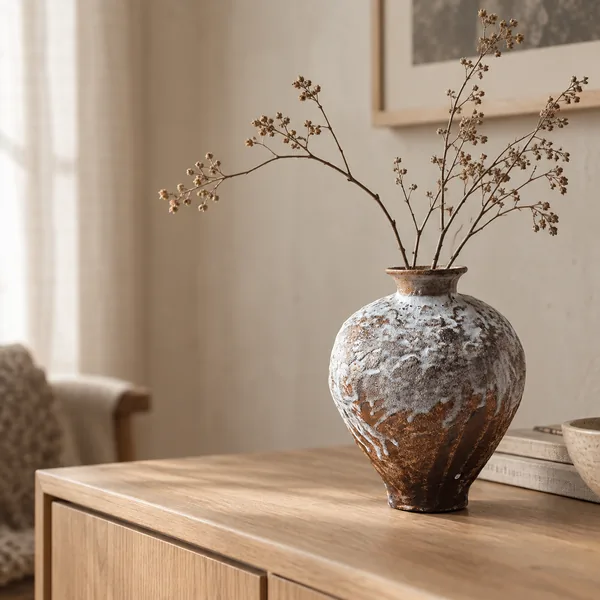 Stille Small Jingdezhen Ceramic Wabi-Sabi Vase$129.00$189.00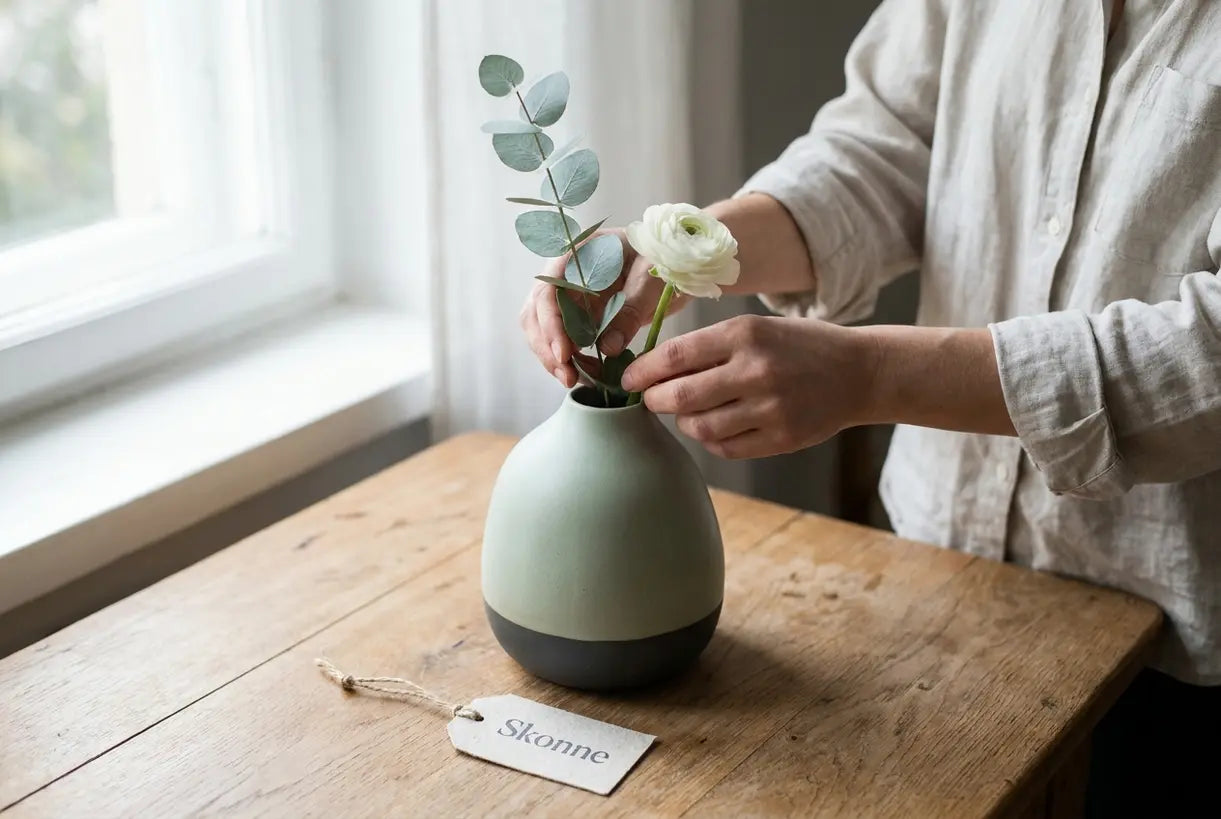
The intimate ritual of arranging flowers into a textured vessel connects us to generations of artists and homemakers who found meaning in this simple act. Whether you're working with a single stem or a fuller bouquet, the process itself becomes a form of meditation.
Matching Specific Vessels to Your Favorite Blooms
Certain flowers and vases have natural affinities. Understanding these pairings helps you make the most of each element.
Hydrangeas are perhaps the most water-dependent cut flowers. Their voluminous, globe-shaped heads look stunning in wide, low vessels that keep them hydrated and supported. They also make spectacular single-stem statements in generous, bowl-shaped vases.
Long-stemmed roses and tulips perform beautifully in tall, cylindrical glass containers that showcase their elegant lines. These flowers naturally want to droop slightly over time, which adds organic character to arrangements.
Wildflowers and garden herbs feel at home in rustic ceramic containers with narrow openings that help support their softer stems. The Premium Picks collection features several exceptional pieces for this style of arrangement.
Dried botanicals and pampas grass require minimal water but maximum support. Sculptural ceramic vessels with balanced proportions excel here, acting as statement pieces even when the botanicals are spare.
Creating Atmospheric Centerpieces
A dining table centerpiece sets the emotional tone for gatherings. The best conversation-piece arrangements invite guests in without overwhelming them or blocking sight lines across the table.
For rectangular tables, consider running several small vases rather than one large one. This creates movement and allows everyone to enjoy flowers from their seat. For round tables, a single, balanced arrangement in a low vessel encourages intimate conversation.
The Scandinavian approach favors lived-in elegance—arrangements that look gathered rather than constructed. Combine flowers in complementary tones, add a few foliage branches for structure, and let nature guide the final form.
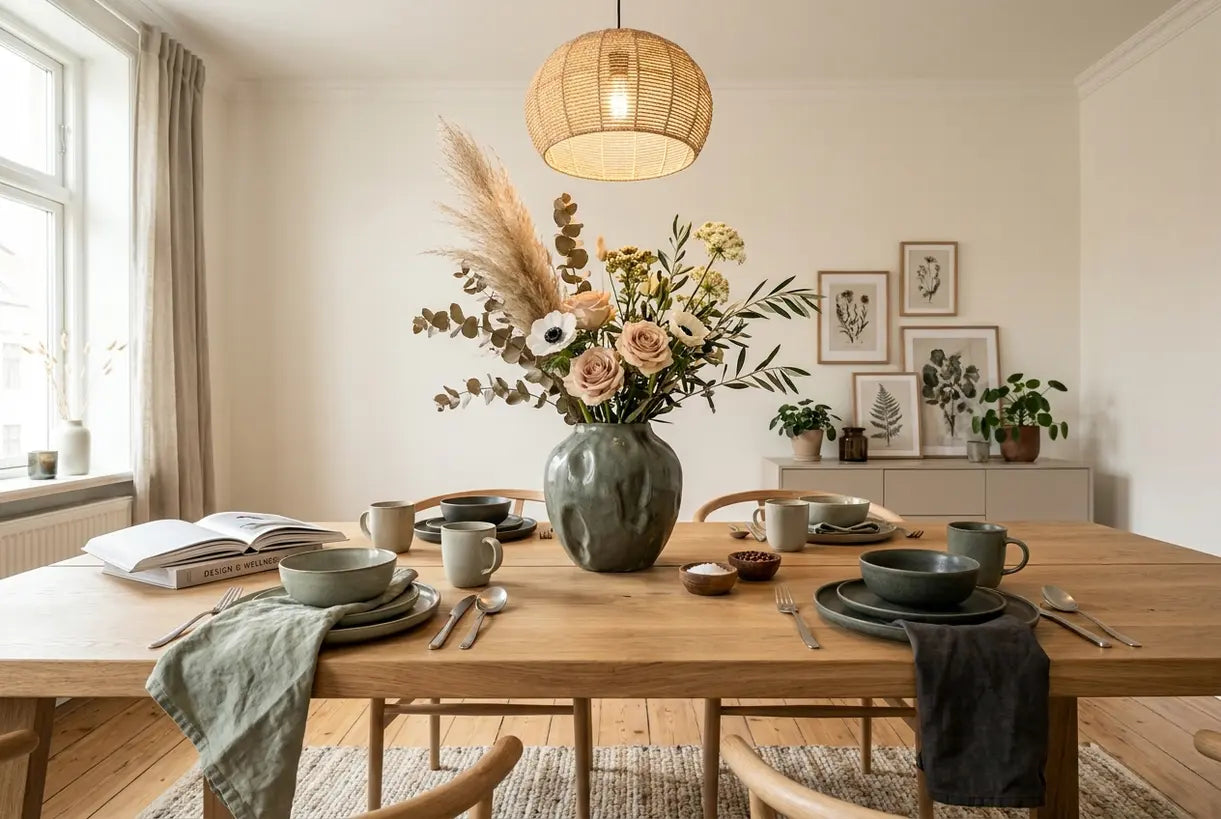
Consider the overall tablescape when planning your floral element. A well-chosen vase continues the visual story of your ceramics, linens, and lighting. It's not merely a container—it's an integral part of the atmosphere you're creating.
Home Decor
Shop all Home Decor
 Save $44.50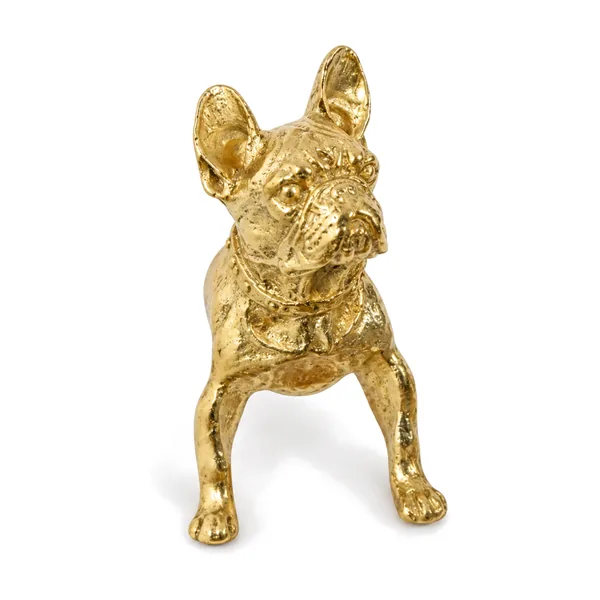
 2 options
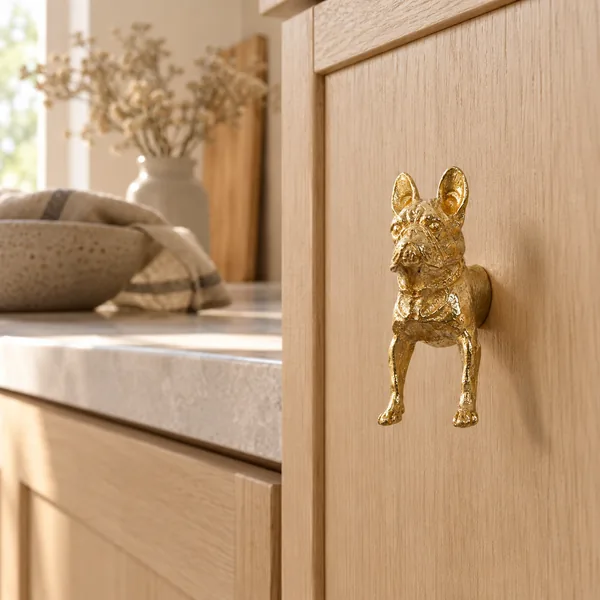
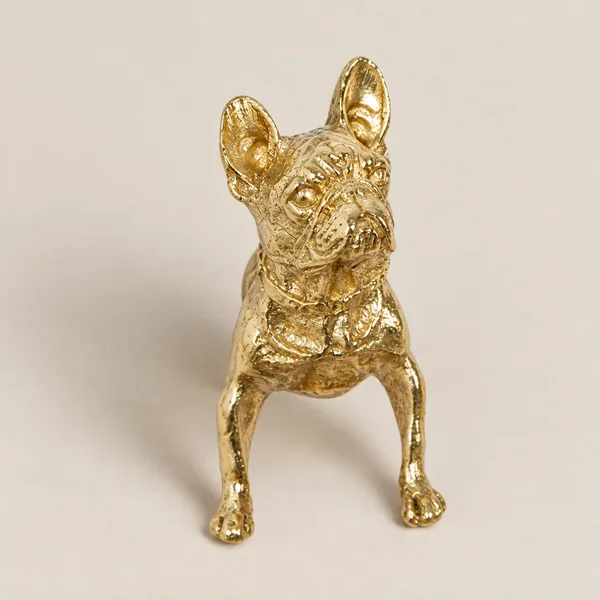
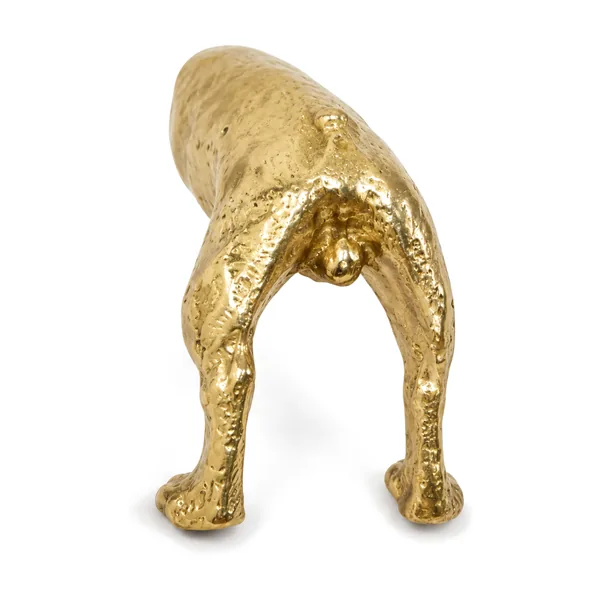
Tassa Polished Brass Dog Cabinet Pull Handle
 Save $110.00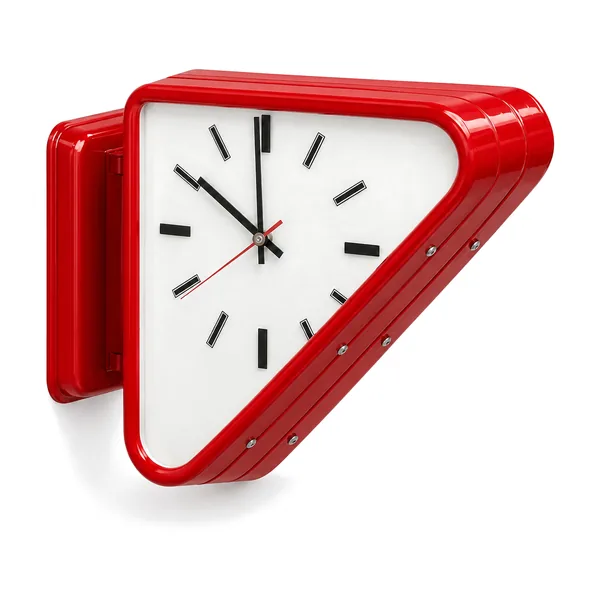
 +15 options
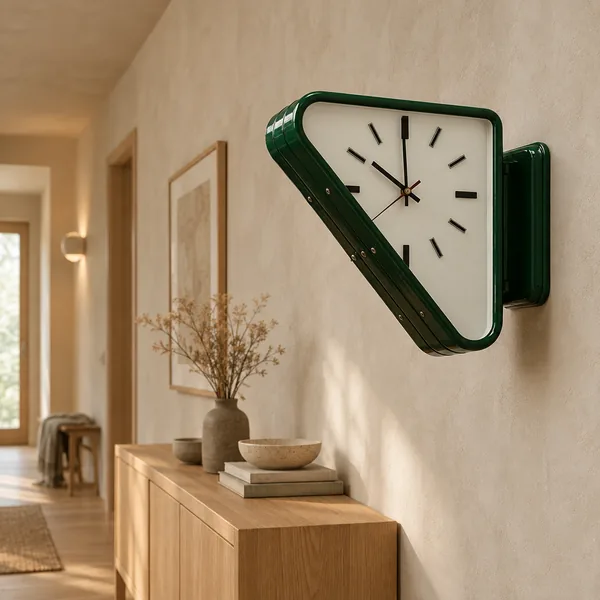
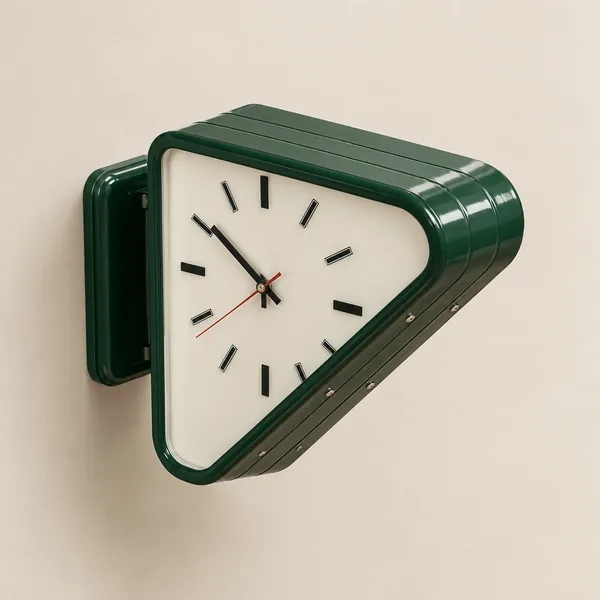
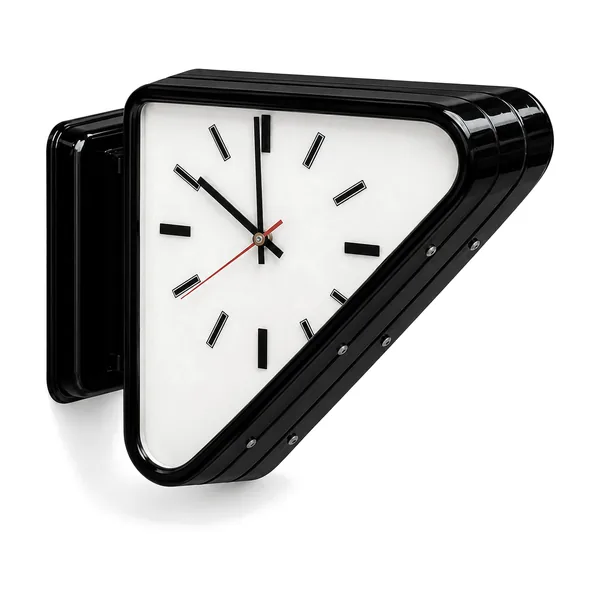
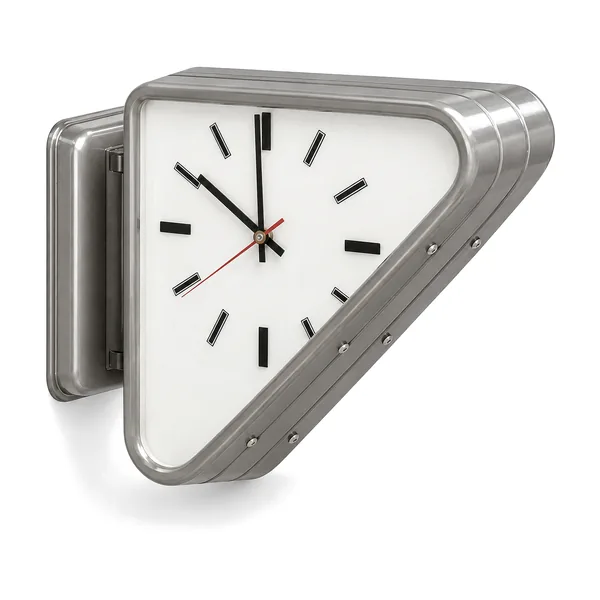
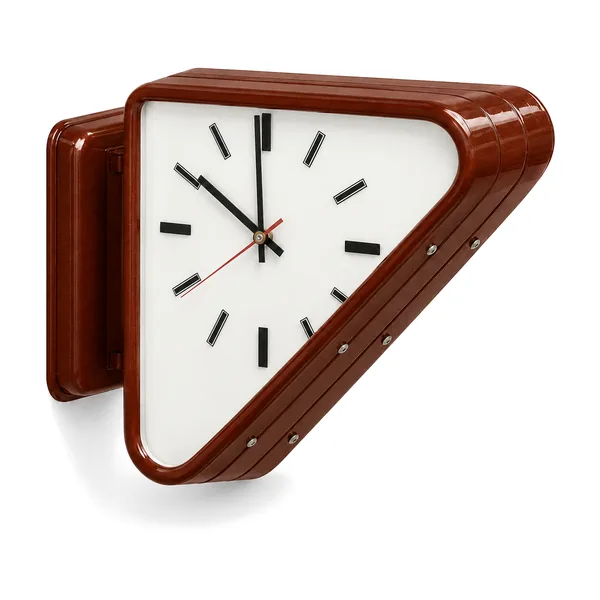
Tvilling Dual-Sided Geometric Metal Wall Clock
Flower Pairing Wisdom and Lasting Beauty
Not every flower plays well with others. Some varieties release substances that accelerate the aging of nearby blooms. Ethylene-sensitive flowers—including tulips, carnations, and iris—deteriorate faster when placed near ethylene-producing varieties like daffodils, delphiniums, or certain lilies.
Separate daffodils from other flowers entirely. Their sap can be toxic to other species in the same water. If you want to combine them, arrange daffodils separately and let their cut ends seal in their own vase water for at least 24 hours before mixing with other blooms.
To extend vase life, change the water every two days, recutting stems each time. Keep arrangements away from direct sunlight, heat sources, and ripening fruit (which releases ethylene gas). Adding a small amount of flower food to the water provides essential nutrients and inhibits bacterial growth.
When selecting vessels for premium blooms, consider how the container will support both the flowers and your interior vision. The Vårka Borosilicate Round Glass Vase showcases long stems with crystal clarity, while the textural warmth of the Torva Rustic Plaid Ceramic Vase adds artisan presence to any setting.
Curated Vases for Every Arrangement Style
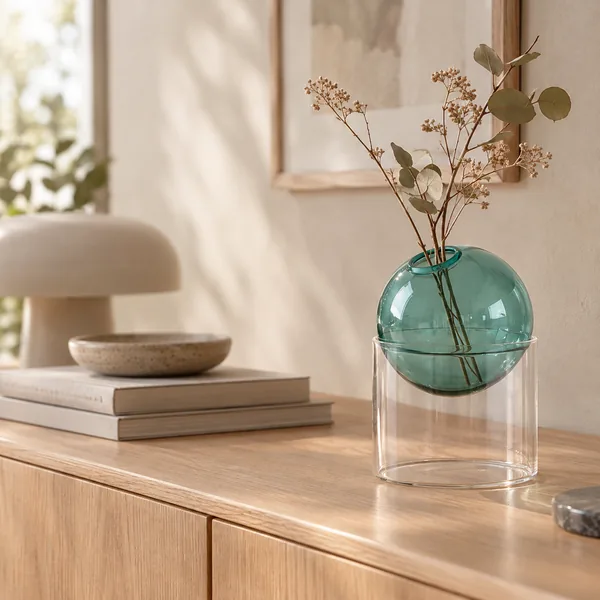 Vårka Borosilicate Round Glass Vase for Flowers$38.00$59.00
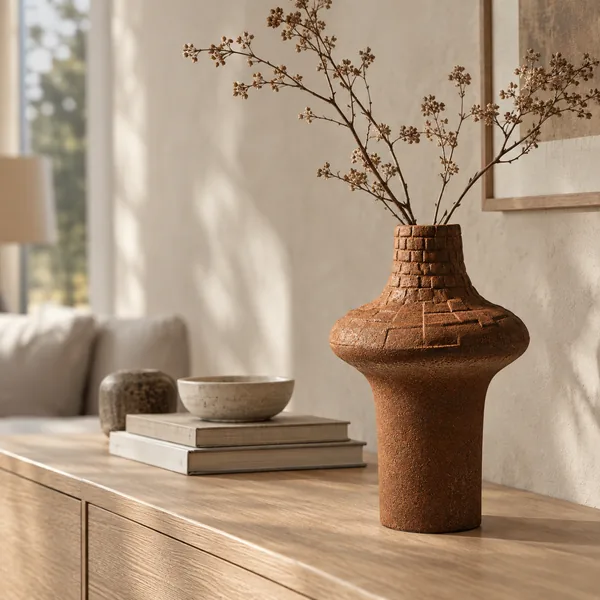 Torva Rustic Plaid Ceramic Vase Artisan Decor$149.00$219.00
Conclusion: Your Invitation to Floral Mindfulness
Mastering vase and flower arrangement isn't about achieving perfection—it's about cultivating presence. Each time you select a vessel, trim a stem, and find balance between form and flora, you're engaging in an act of everyday creativity that brings beauty into your environment.
The principles we've explored—proportion, material harmony, and intentional simplicity—serve as guideposts rather than rules. Your unique taste and the specific blooms available to you will always inform the final creation.
At Skonne, we believe that the objects we live with should support these moments of mindful living. Each piece in our ceramic vase flowers and glass vessel collections is selected with the same care you bring to arranging stems. They're designed not merely to hold flowers, but to frame them—to become part of the living art you create in your home.
Whether you're styling a single stem for quiet mornings or preparing an abundant centerpiece for gathering friends, the right vessel transforms routine into ritual. We invite you to explore our curated collection and discover the pieces that will become part of your own floral story.
Related Article
Brass Flower Vases: Warm Metallic Designs for Classic & Transitional InteriorsDiscover how brass flower vases add timeless warmth to classic and transitional interiors, from vintage heirlooms to modern sculptural designs.