
Victorian Table Lamps: Ornate, Antique-Inspired Designs for Period-Style Interiors
Summary›
- The Golden Age of Lighting: Victorian Table Lamps in Historical Context
- What Did Victorian Lamps Look Like? Defining Characteristics of the Style
- Identifying Quality: How to Evaluate Victorian-Inspired Lighting
- Tiffany Glass and Iconic Victorian Lighting: The Pink Lotus Mystery
- Integrating Victorian Table Lamps Into Modern Scandinavian Interiors
- Curated Selection: Victorian-Inspired Lighting for Today's Home
- Creating Your Perfect Period-Inspired Lighting Scheme
- Conclusion: The Enduring Appeal of Victorian Table Lamp Designs
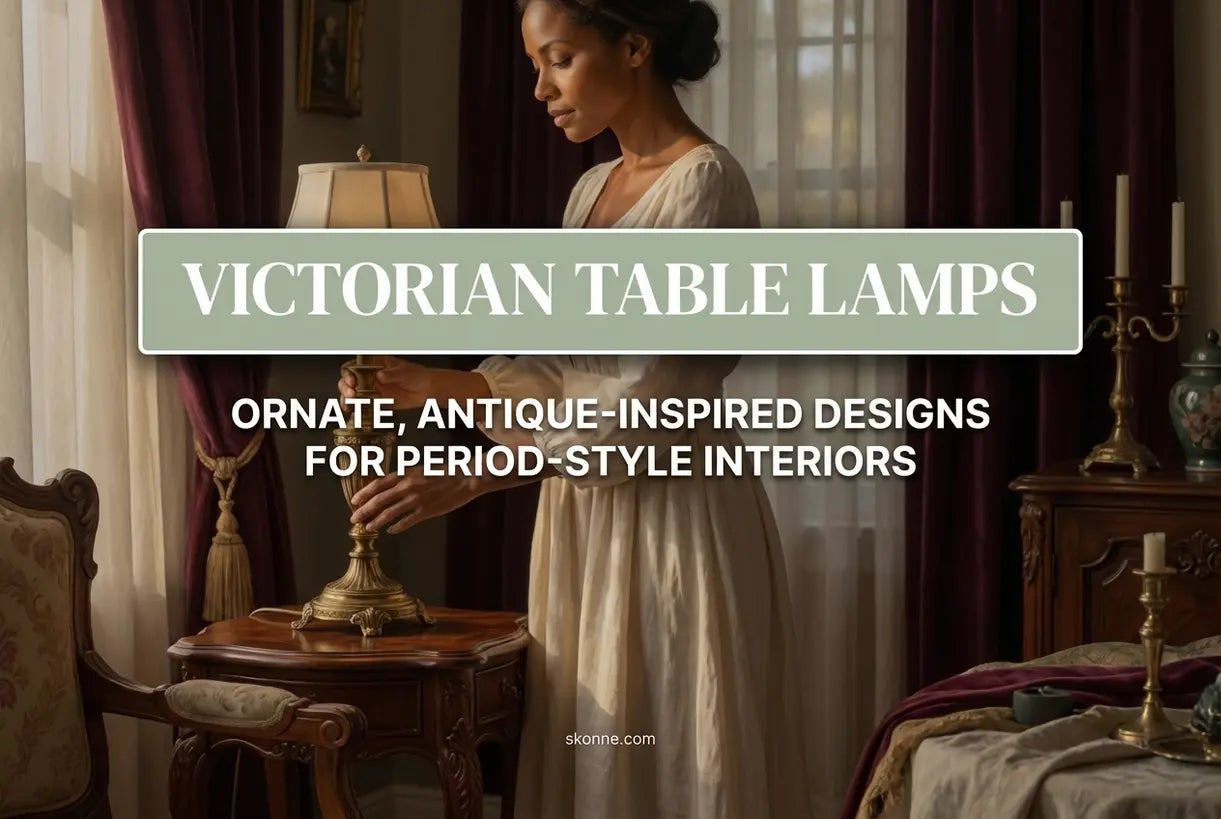
There's something undeniably enchanting about the soft, warm glow of a Victorian table lamp. These ornate fixtures transport us to an era of refined elegance, elaborate craftsmanship, and romantic evenings by candlelight—yet they remain surprisingly relevant for today's homeowners seeking character and sophistication in their living spaces. Whether you're curating a period-perfect parlor or simply want to add a touch of antique charm to your contemporary Scandinavian-inspired interior, understanding the artistry and history behind Victorian lighting is essential.
In this guide, we'll explore the distinctive characteristics that define Victorian table lamp designs, uncover their fascinating history rooted in the Industrial Revolution, and help you discover how to incorporate these timeless pieces into modern homes. You'll learn what makes authentic Victorian lighting so treasured, how to identify quality reproductions, and most importantly—how to create that coveted warm, intentional atmosphere that takes any room from ordinary to extraordinary. Along the way, we'll introduce you to curated lighting selections that honor the Victorian aesthetic while offering the functionality modern living demands.
The Golden Age of Lighting: Victorian Table Lamps in Historical Context
The Victorian era (1837–1901) marked a transformative period in lighting history that forever changed how homes were illuminated. During this time, the Industrial Revolution brought unprecedented innovations in both technology and decorative arts, giving rise to lighting fixtures that were far more than mere functional objects—they became status symbols and works of art.
Did lamps exist in the Victorian era? Absolutely—though not in the electrical form we know today. Early Victorian lighting relied on oil lamps, whale oil initially, then increasingly on kerosene as it became more affordable. Gas lighting emerged in wealthier homes mid-century, and by the 1890s, electricity began making its appearance in forward-thinking households. These technological advances allowed for increasingly elaborate designs, with artisans competing to create the most ornate and desirable pieces.
What distinguished Victorian table lamps from their predecessors was the sheer variety of materials and styles available. For those looking to explore more options, our Glass Lighting collection offers a curated selection of glass and crystal options that capture that same refractive beauty found in period Victoriana. The era embraced everything from hand-cut crystal and colored glass to intricate brass filigree and carved marble bases. This eclectic approach reflected the Victorian love of ornamentation and their belief that a well-appointed home reflected one's refinement and social standing.
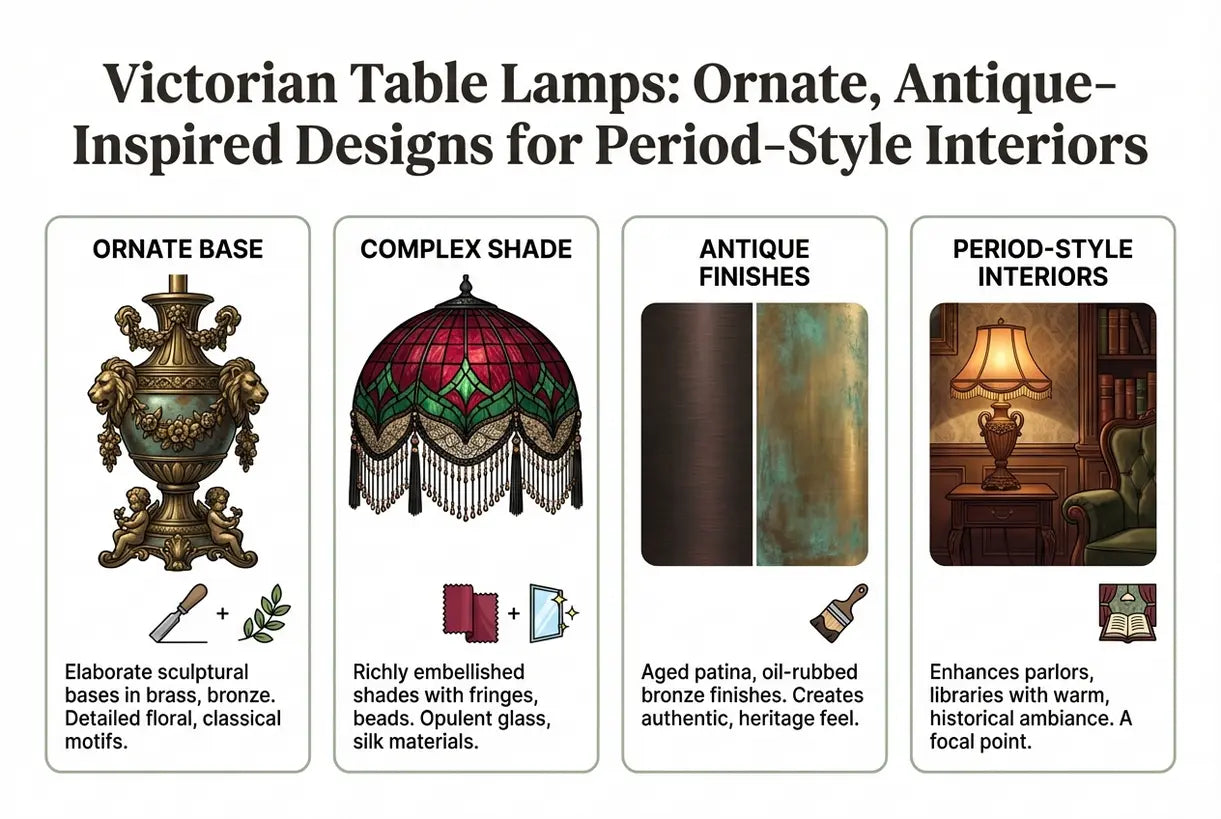
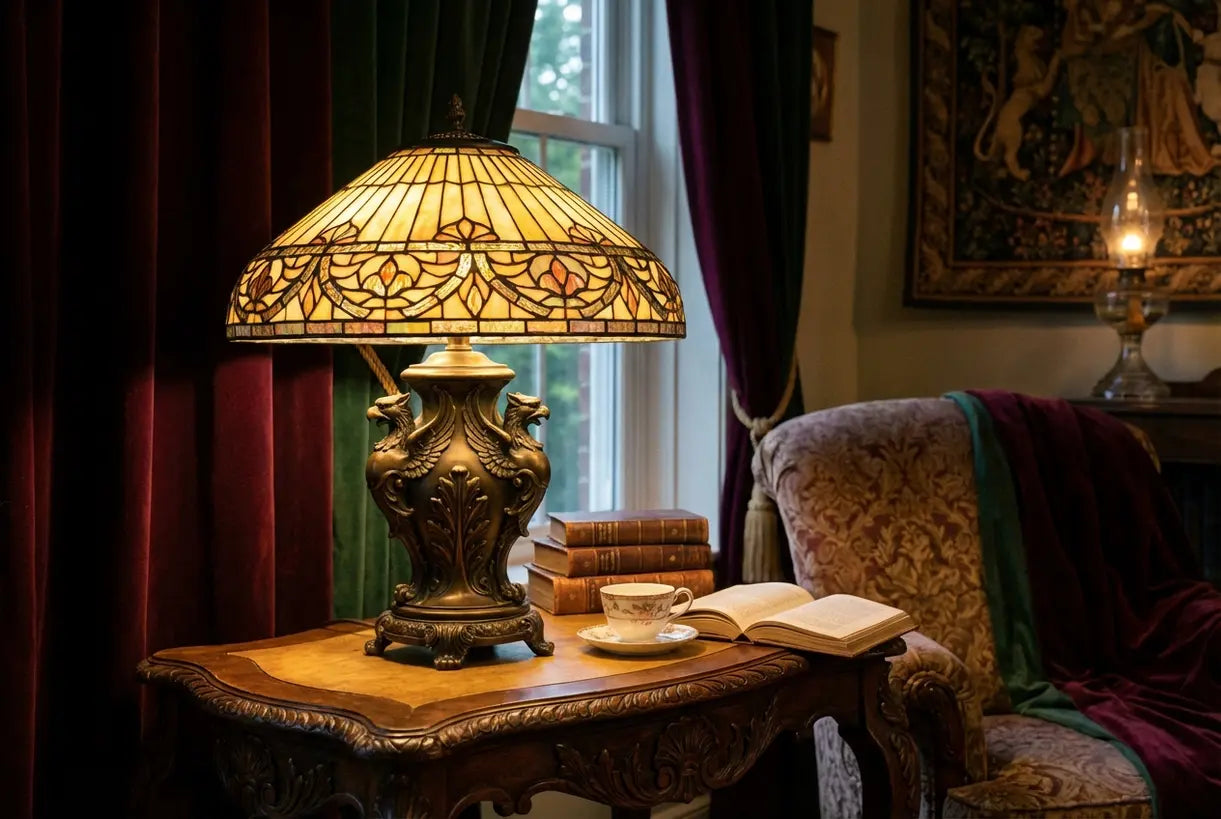
High-quality Victorian lighting typically featured heavy bases made from bronze, brass, or marble—materials chosen for both beauty and stability. The shades ranged from simple fabric to elaborate stained glass creations, with Tiffany-style leaded glass becoming particularly iconic toward the end of the era. These pieces were designed to cast a warm, flattering glow that softened the harshness of early electric light while creating intimate, romantic atmospheres perfect for evening entertaining.
Table Lamps
Shop all Table Lamps
 Save $30.00
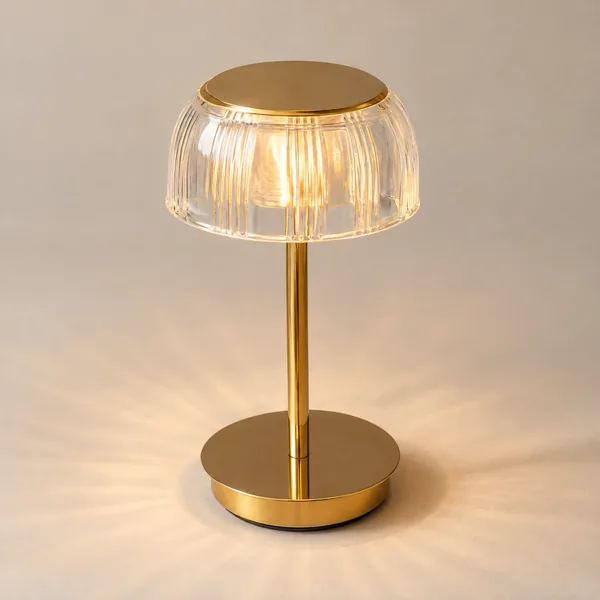
Kvalla Jellyfish LED Rechargeable Table Lamp
 Save $60.00
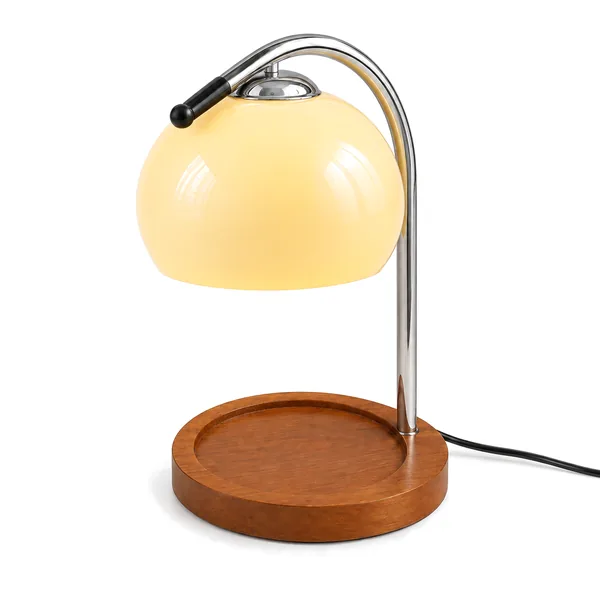 3 options
Solvarm Stained Glass Candle Warmer Table Lamp
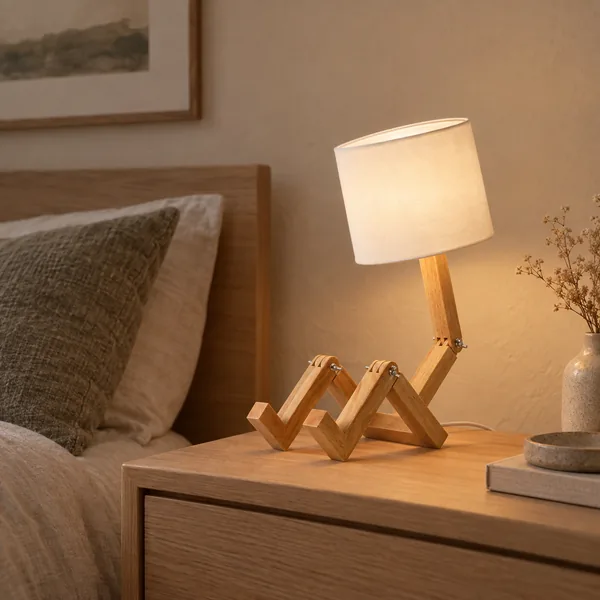
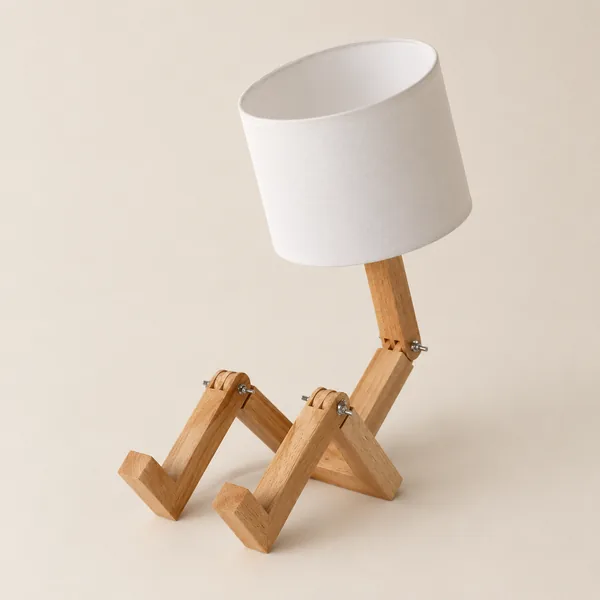
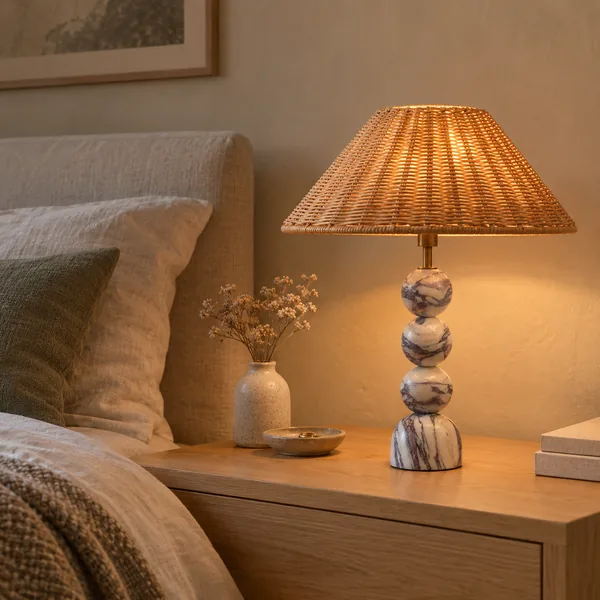
 Save $220.00
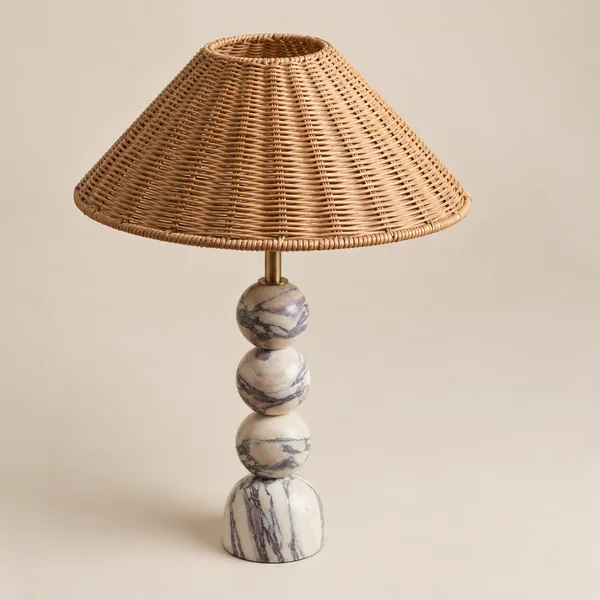
Stenglo Nordic Marble Table Lamp Rattan Shade
What Did Victorian Lamps Look Like? Defining Characteristics of the Style
When we speak of Victorian table lamp designs today, we're describing a rich visual language that continues to captivate interior designers and homeowners alike. But what exactly defines this enduring aesthetic?
Ornate table lamp bases were the foundation of Victorian design philosophy. These substantial fixtures eschewed minimalism in favor of elaborate decoration—think scrolling acanthus leaves, classical urn shapes, floral motifs, and intricate geometric patterns. Bronze and brass were favored metals, often given an aged patina or polished to highlight their warm golden tones. The bases were heavy and purposeful, ensuring that even the tallest oil lamps remained stable on parlor tables.
The shades were equally important to the overall design. Fabric shades in silk, velvet, or beaded fringe were popular choices, often featuring elaborate trim and tassels that moved gently with air currents. But perhaps the most celebrated Victorian innovation was the rise of stained glass lamps—particularly those in the Tiffany style that used hundreds of pieces of hand-cut glass joined to form patterns inspired by nature, geometric designs, or romanticized historical scenes.
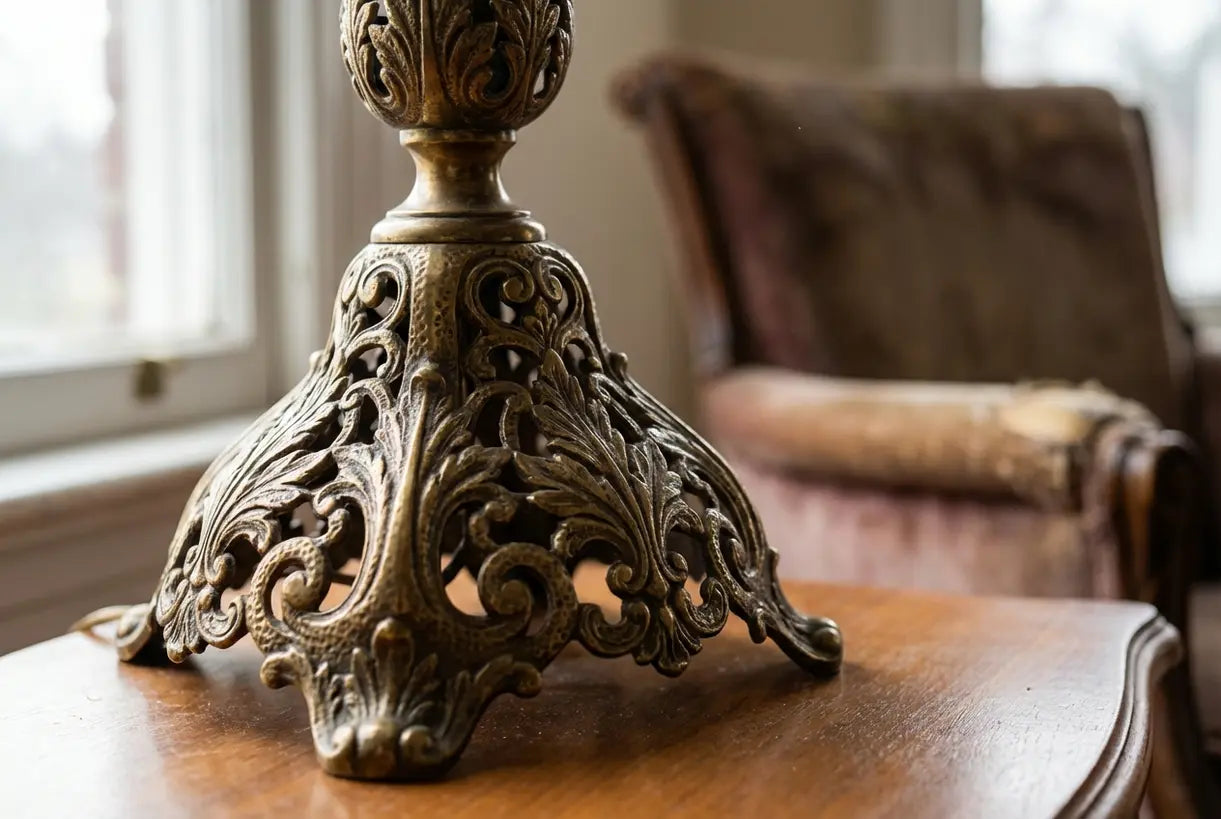
Victorian lighting embraced an eclectic mix of revival styles, drawing inspiration from Gothic, Rococo, Renaissance, and Asian influences. This "more is more" approach created deeply layered, visually rich environments. A typical victorian parlor lamp might combine a bronze base cast with classical figures, a hand-painted porcelain component, and a silk shade with beaded fringe—all in one spectacular piece.
The color palette favored deep, saturated jewel tones: ruby reds, sapphire blues, emerald greens, and amber golds. These rich hues were complemented by warm metallics and creamy white glass. Even when using electricity, Victorian designers sought to replicate the soft, golden quality of candlelight through tinted glass, amber-toned shades, and strategic fabric selections.
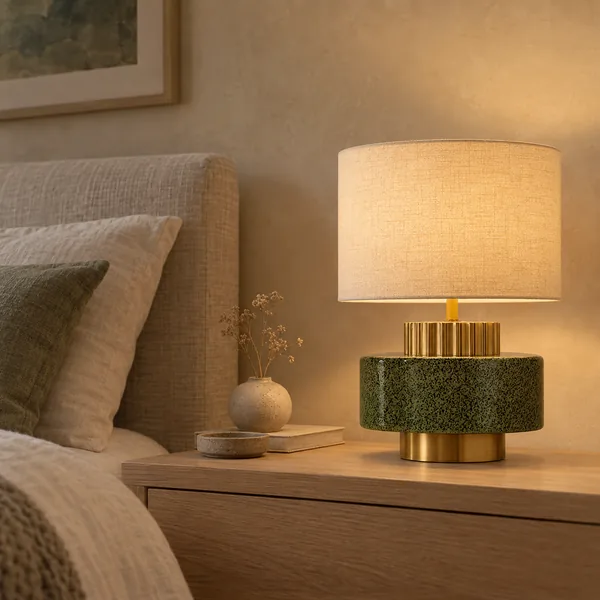 Leireld Artisan Ceramic Pottery Table Lamp Vintage$469.00$789.00
For modern homeowners drawn to this aesthetic, pieces like the Leireld Artisan Ceramic Pottery Table Lamp Vintage offer an accessible entry point into Victorian-inspired lighting. Its handcrafted ceramic base captures that same authentic, artisanal quality that made original Victorian lighting so treasured, while its proportions make it perfect for bedside tables or console displays.
Identifying Quality: How to Evaluate Victorian-Inspired Lighting
Whether you're seeking an authentic antique or a quality reproduction, understanding what to look for ensures you'll invest in lighting that brings genuine warmth and character to your space. How do I identify a Victorian table lamp? Here are the key indicators that separate exceptional pieces from mere imitations:
- Weight and Material Quality: Authentic Victorian lamps feel substantial. Solid brass, bronze, or marble bases indicate quality construction, while hollow, lightweight pieces often signal mass-produced replicas.
- Attention to Detail: Look for hand-finished elements, quality castings with crisp details, and thoughtful proportions. The best reproductions honor the craftsmanship standards of the original era.
- Glass Quality: For stained glass pieces, examine the leading and glass texture. Hand-cut glass will show slight variations that add character, while machine-made pieces appear too uniform.
- Patina and Finish: Quality brass and bronze develop a warm, lived-in patina over time. Avoid pieces with overly shiny, synthetic-looking finishes that lack depth.
The rule of thumb for table lamps placement remains as relevant today as in Victorian parlors: the bottom of the shade should sit at approximately eye level when you're seated. This positioning creates optimal ambient lighting while eliminating uncomfortable glare. For bedside applications, this typically means lamp bases between 24-28 inches tall, though this varies based on your mattress height and nightstand dimensions.
Tiffany Glass and Iconic Victorian Lighting: The Pink Lotus Mystery
No discussion of Victorian lighting would be complete without addressing the legendary pink lotus lamp that commands such extraordinary prices at auction. Why is the pink lotus lamp so expensive? These pieces represent the pinnacle of decorative arts craftsmanship from the period.
Authentic Tiffany Studios lotus lamps feature hundreds—sometimes thousands—of individual pieces of hand-selected favrile glass, each piece wrapped in copper foil and soldered together to create cascading petals that seem to glow from within. The pink coloration is particularly rare because it required specific glass formulas that were difficult to achieve consistently. When lit, these lamps transform entire rooms with their ethereal, otherworldly luminescence.
Original Tiffany lamps from the late Victorian and Edwardian periods can fetch tens of thousands to hundreds of thousands of dollars at auction, with rare models commanding over a million. However, the aesthetic principles that made these pieces so revolutionary—organic forms, nature-inspired motifs, and the marriage of art with functional objects—continue to influence contemporary lighting design. Modern vintage style lamp collections often incorporate these Tiffany-inspired elements at accessible price points.
Integrating Victorian Table Lamps Into Modern Scandinavian Interiors
You might wonder how ornate, elaborate Victorian pieces fit within today's predominant design aesthetic—particularly the clean lines and understated elegance of Scandinavian-inspired interiors that Skonne celebrates. The answer lies in intentional contrast and curated balance.
A single well-chosen Victorian table lamp can serve as a captivating focal point in a minimalist space, adding warmth, history, and visual interest without overwhelming the room's calm sensibility. The key is selecting pieces with refined proportions and warm material palettes that complement rather than compete with your existing decor.
Consider these strategies for successful integration:
- Create Purposeful Vignettes: Place an ornate lamp atop a streamlined console table or nightstand. The contrast highlights the best qualities of both pieces.
- Embrace Material Harmony: Warm brass tones and ceramic finishes found in quality Victorian reproductions pair beautifully with natural woods, linen textures, and the neutral palettes characteristic of Scandinavian design.
- Layer Your Lighting: Use Victorian-inspired table lamps as ambient lighting within a scheme that includes modern pendants or sconces. This creates depth through varied light sources and historical references.
- Focus on Quality Over Quantity: One exceptional piece makes a stronger statement than multiple mediocre items. Choose lamps that speak to you personally and support your home's narrative.
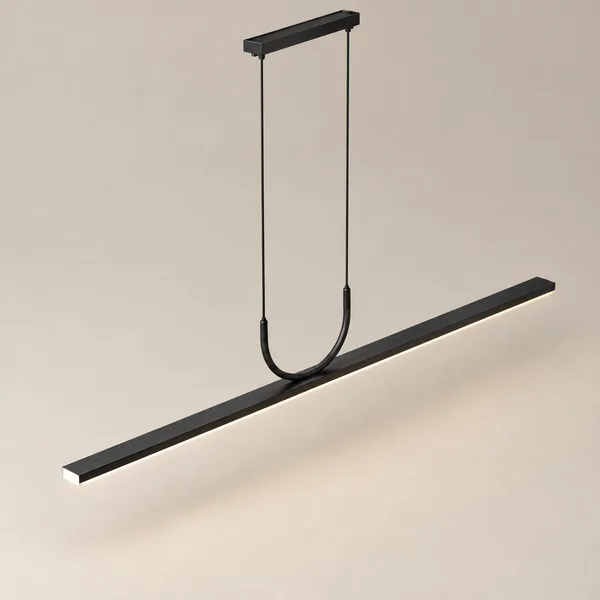
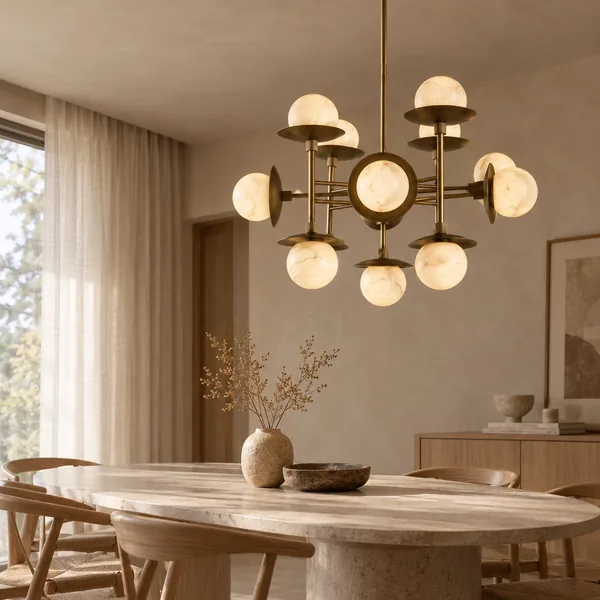
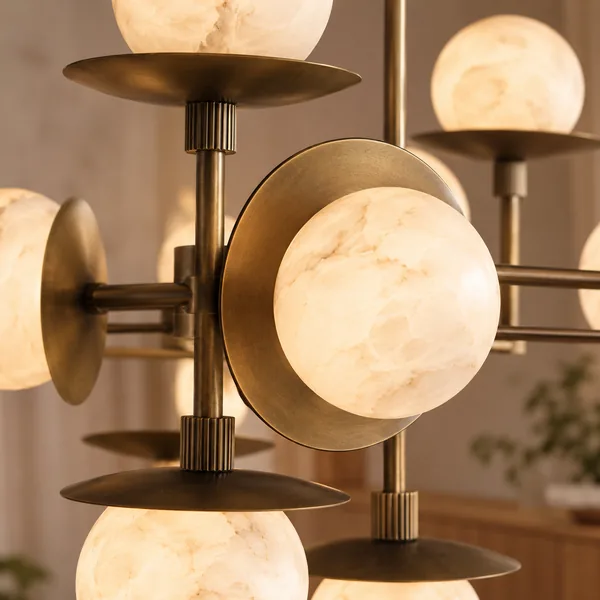
Chandeliers
Shop all Chandeliers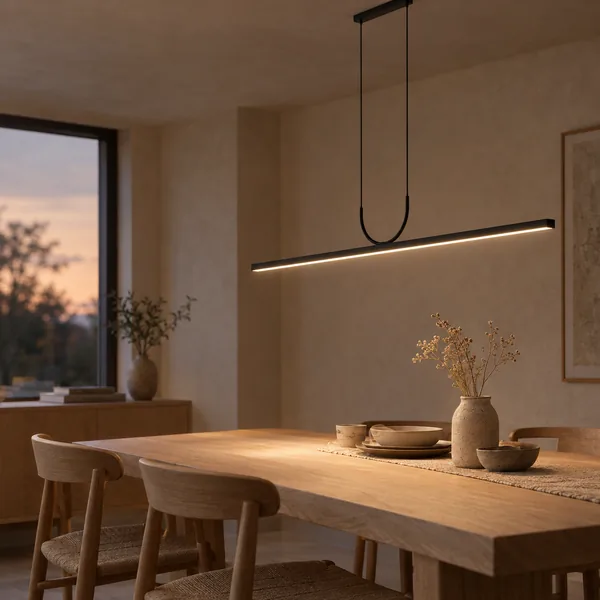
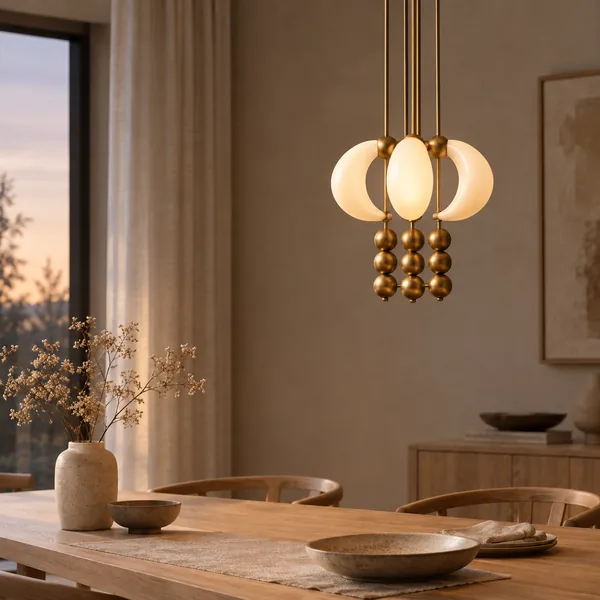
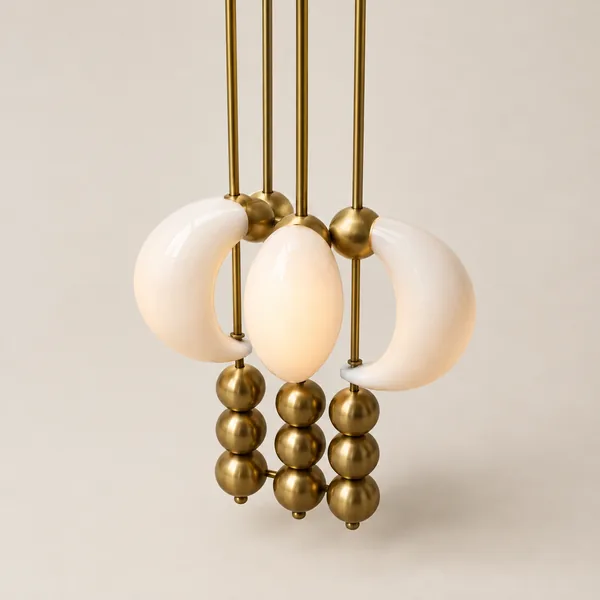
Curated Selection: Victorian-Inspired Lighting for Today's Home
While true antiques tell wonderful stories, today's busy lifestyles often demand the reliability and safety of modern electrical components. This is where thoughtfully designed Victorian-inspired lighting bridges the past and present—offering period-appropriate aesthetics with contemporary functionality.
When selecting Victorian-influenced lighting for your home, prioritize pieces that capture the era's essence through material quality, warm tones, and artisanal character. Look for antique brass table lamp finishes, hand-worked ceramic bases, and textured materials that reference the handcrafted quality of the original pieces.
Victorian-Inspired Table Lamp Recommendations
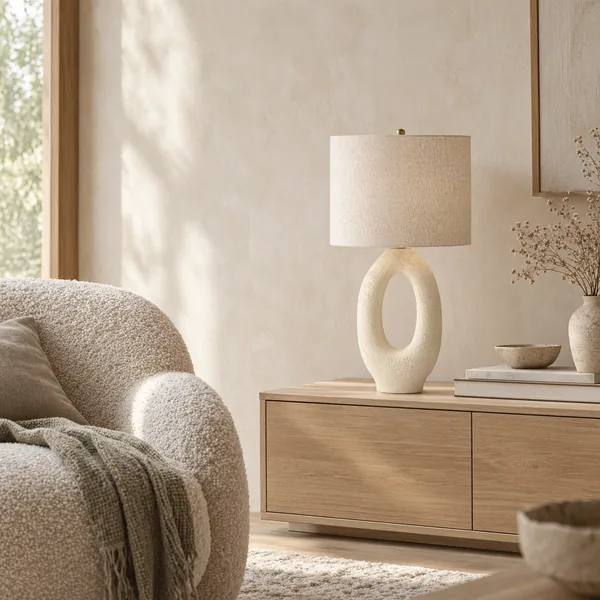 Kvela Sculptural Resin Table Lamp Nordic Glow$279.00$529.00
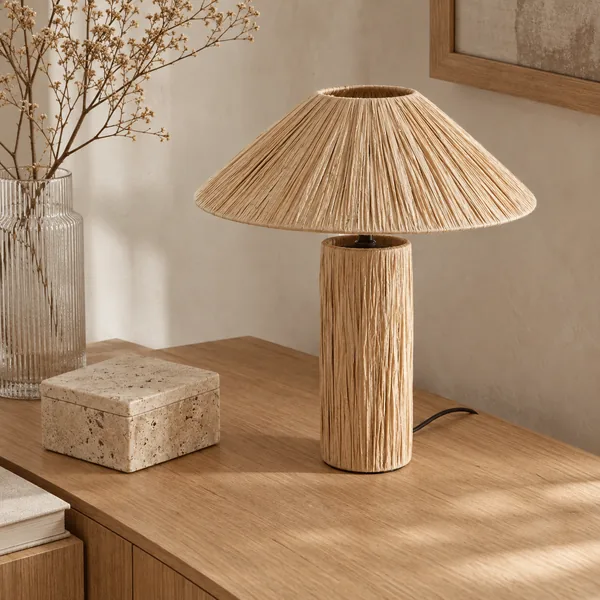 Fletta Handwoven Raffia Wabi-Sabi Table Lamp$289.00$379.00
The Kvela Sculptural Resin Table Lamp Nordic Glow demonstrates how Victorian-era elegance can translate into contemporary form. Its graceful curves and warm ambient lighting capture that romantic, period-inspired sensibility while maintaining the clean sophistication that works beautifully in modern homes.
Similarly, the Fletta Handwoven Raffia Wabi-Sabi Table Lamp brings an organic, old-world craftsmanship quality to bedside or accent table settings. The handwoven texture echoes the artisanal values of the Victorian era while creating the soft, diffused lighting that makes any space feel instantly more inviting and intimate.
Creating Your Perfect Period-Inspired Lighting Scheme
Whether you're furnishing an entire Victorian-era home or simply want to introduce some period style lighting into your contemporary space, the principles remain consistent: prioritize quality, embrace warmth, and choose pieces that resonate with your personal aesthetic.
Victorian lighting was never about matching sets—it was about curating collections of meaningful objects that reflected one's travels, interests, and status. The most successful modern interpretations honor this eclectic approach while ensuring that each piece earns its place through genuine beauty and functionality.
Remember that the best victorian table lamp designs do more than illuminate a room—they create atmosphere. They transform ordinary evenings into occasions, make reading nooks feel like sanctuaries, and remind us that our homes should be places of beauty as well as function. The warm, golden light that characterizes Victorian-inspired lighting supports the Scandinavian concept of hygge—the Danish art of creating cozy, contented environments—proving that the best design transcends any single historical period.
Conclusion: The Enduring Appeal of Victorian Table Lamp Designs
Victorian table lamps represent more than a nostalgic aesthetic choice—they embody a philosophy that values craftsmanship, beauty, and the transformative power of warm, intentional lighting. From the elaborate victorian era lighting that graced 19th-century parlors to today's carefully curated reproductions, these pieces continue to captivate because they deliver something increasingly rare in our fast-paced world: a sense of permanence, artistry, and contemplative calm.
At Skonne, we believe that exceptional lighting should tell a story while serving your daily life. Whether you're drawn to the ornate elegance of brass filigree, the rich colors of stained glass, or the organic warmth of handcrafted ceramics, the right table lamp becomes both functional object and sculptural art piece. Our curated collection of victorian inspired lamp options and period-influenced designs honors these timeless principles while meeting the needs of contemporary living.
As you consider your own lighting choices, remember that the best interiors blend influences and eras confidently. A Victorian-influenced table lamp can become the focal point that anchors your room, the warm glow that welcomes you home each evening, and the conversation piece that connects you to centuries of decorative arts tradition. Explore our complete lighting collection to discover pieces that illuminate not just your space, but your unique sense of style.
Related Article
Entry & Foyer Table Lamps: How to Make a Grand First Impression with the Right LampYour entryway sets the tone for your entire home. Learn how to choose the perfect entry table lamp for a stunning first impression that blends Scandinavian warmth with functional beauty.