
Vintage Ceramic Vases: Antique, Retro & Art Deco Designs for Classic Interiors
Summary›
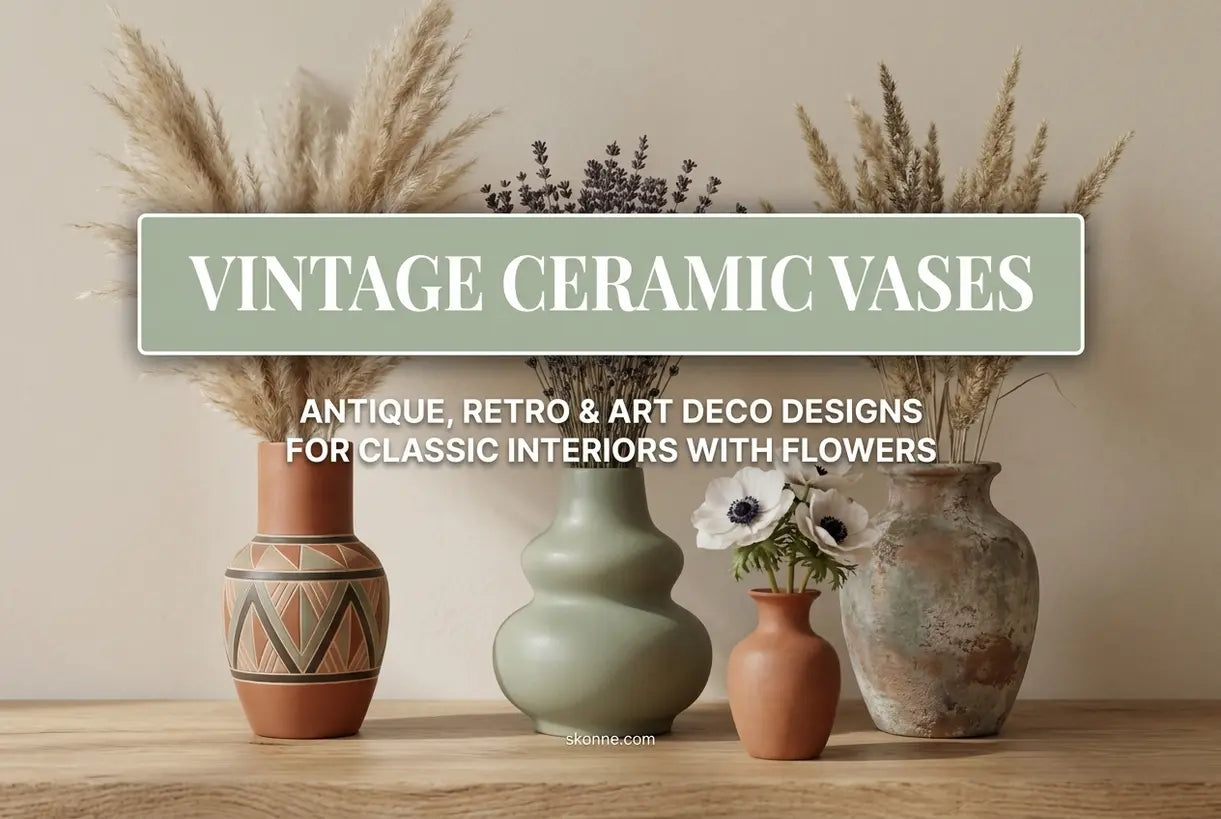
There's something undeniably captivating about a vintage ceramic vase with flowers—the way weathered glaze catches afternoon light, how organic imperfections tell stories of artisan hands, and the immediate warmth it brings to a carefully curated interior. Whether you're drawn to the geometric boldness of Art Deco designs, the clean lines of mid-century modern pieces, or the timeworn charm of antique pottery, these timeless vessels have become essential elements in creating homes that feel both intentional and deeply personal.
At Skonne, we believe that the right ceramic vase transcends mere decoration. It becomes a focal point, a conversation starter, and a bridge between eras of craftsmanship. In this guide, we'll explore the distinctive characteristics of vintage ceramic styles, help you understand what makes these pieces valuable, and show you how to style them with flowers to create that coveted Scandinavian hygge feeling in your own space.
Understanding Vintage Ceramic Vase Styles
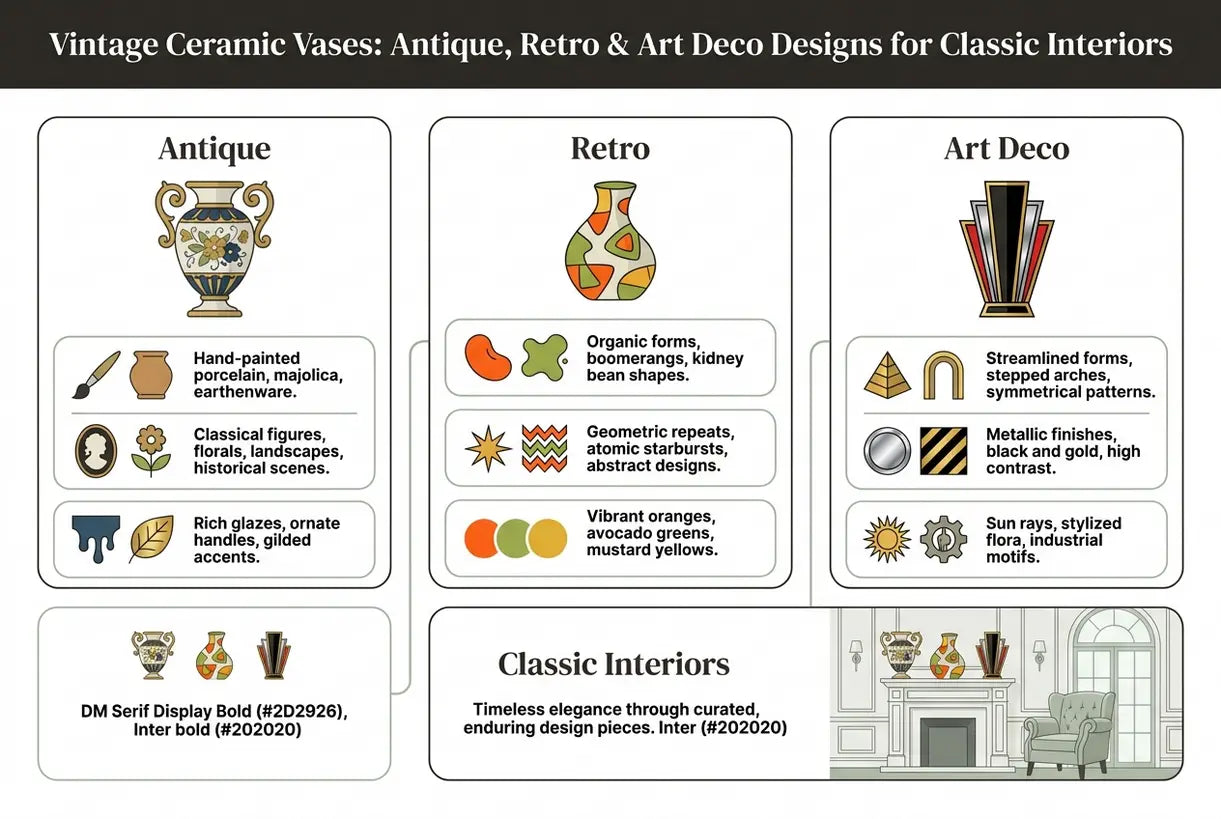
The world of vintage ceramics is rich with variety, each era bringing its own aesthetic philosophy and technical innovations. Recognizing these distinct styles helps you curate a collection that speaks to your personal taste while honoring the craftsmanship of bygone eras.
Art Deco Elegance
Art Deco vase designs emerged during the 1920s and 1930s, characterized by bold geometric patterns, streamlined forms, and luxurious materials. These pieces often feature stepped silhouettes, sunburst motifs, and high-gloss glazes in deep jewel tones or striking monochromatic schemes. When styling Art Deco ceramics, consider architectural flowers like calla lilies or bird of paradise that echo the vase's dramatic lines.
Mid-Century Modern Appeal
The mid-century modern ceramic vase movement of the 1950s and 1960s embraced organic shapes inspired by nature, matte earth-tone glazes, and functional simplicity. Designers like Stig Lindberg and Lisa Larson championed this aesthetic—think bulbous forms, incised surface patterns, and subtle color gradients. These vessels pair beautifully with wildflower arrangements or single statement blooms that complement their understated elegance.
Antique Rustic Charm
Antique ceramic vases from the late 19th and early 20th centuries often showcase hand-thrown irregularities, salt glazes, and traditional firing techniques. These pieces carry the marks of their makers—finger impressions, slight asymmetries, and organic glaze variations that make each vase unique. For those seeking Homeware that brings authentic character to contemporary spaces, these timeworn treasures offer unmatched warmth.
How to Identify Valuable Vintage Ceramic Vases
Understanding how to tell if a ceramic vase is valuable requires examining several key factors that collectors and interior designers prioritize. Whether you're hunting for retro ceramic vase designs at flea markets or investing in statement pieces, these indicators help distinguish true treasures from reproductions.
Key Valuation Factors: Maker's marks, glaze quality, condition, rarity, and provenance all contribute to a vintage vase's worth. Look for impressed stamps, incised signatures, or paper labels from renowned pottery houses.
First, examine the base for maker's marks or stamps—these can identify prestigious manufacturers like Rookwood, Weller, or Roseville in American art pottery, or European studios such as Royal Copenhagen and Rörstrand. The presence of artist signatures often indicates limited production pieces that command premium prices.
Next, assess the glaze quality and technique. Crystalline glazes, lustre finishes, and complex layering techniques require exceptional skill and firing precision. Vintage pieces often show slight imperfections that reveal hand-craftsmanship—tiny bubbles, glaze drips, or subtle color variations that machines cannot replicate.
Finally, consider the condition and rarity. While minor crazing (fine surface cracking) is acceptable in antiques and can even add character, chips, cracks, or repairs significantly impact value. Limited production runs, experimental glazes, or pieces from short-lived pottery studios often become the most valuable vintage vases to look for.
Decorative Vases
Shop all Decorative Vases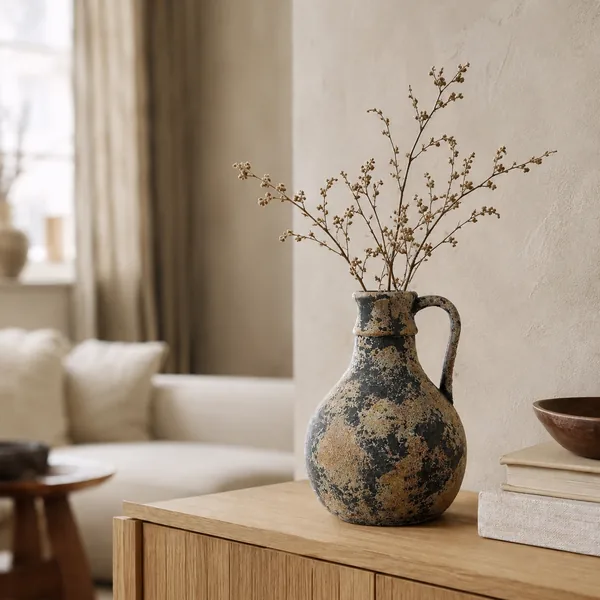
 Save $40.00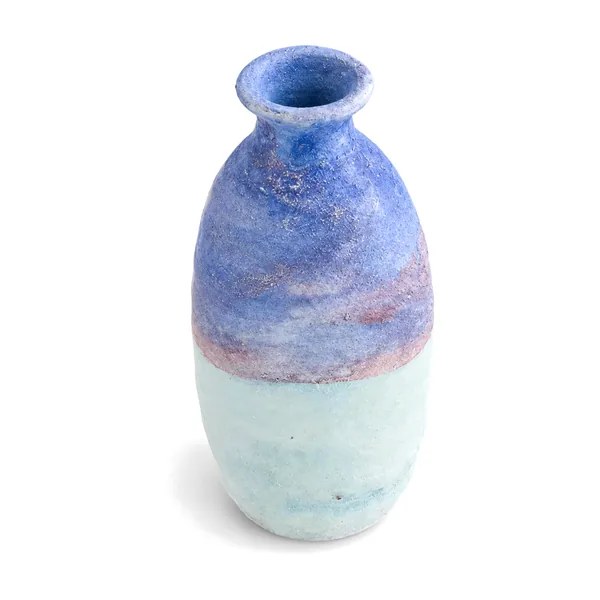
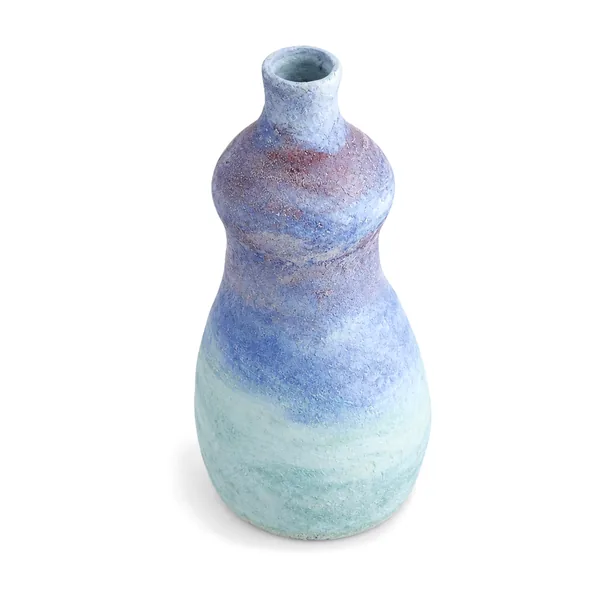
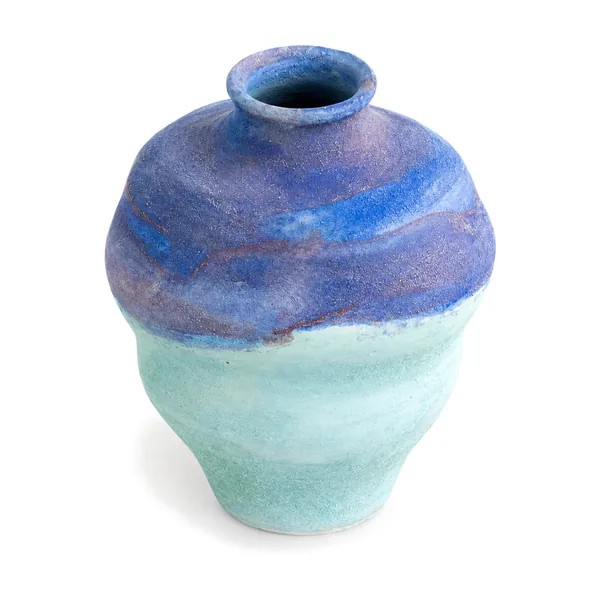
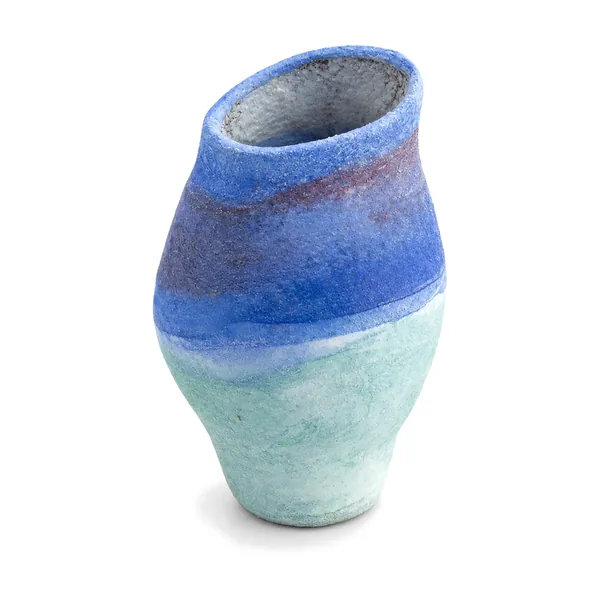 4 options
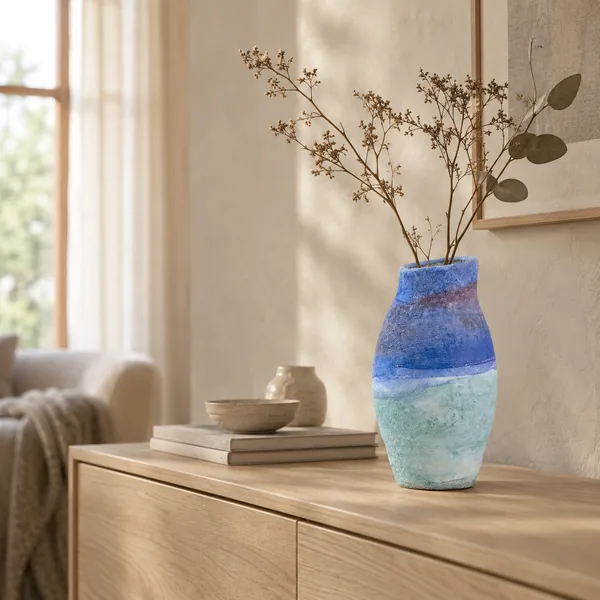
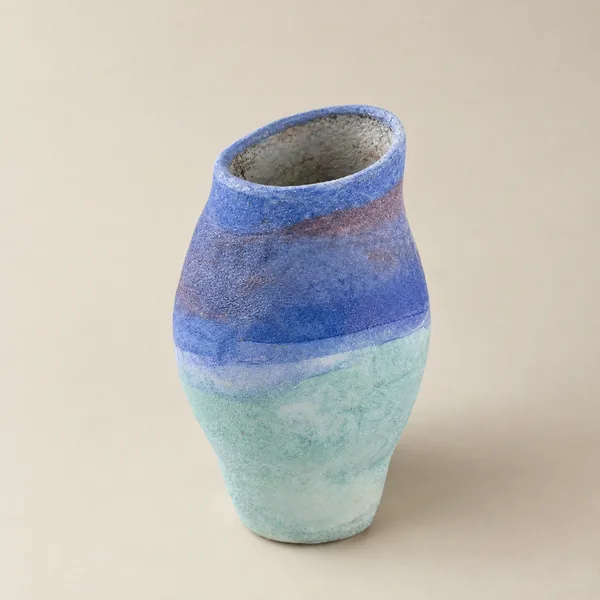
Dyvna Blue Gradient Ceramic Vase for Home Decor
Styling Vintage Ceramic Vases with Flowers
The art of styling a vintage ceramic vase with flowers lies in creating harmonious relationships between vessel and botanical. Unlike modern mass-produced containers, vintage ceramics possess inherent personality—they demand thoughtful pairing that respects their history while serving your contemporary aesthetic.
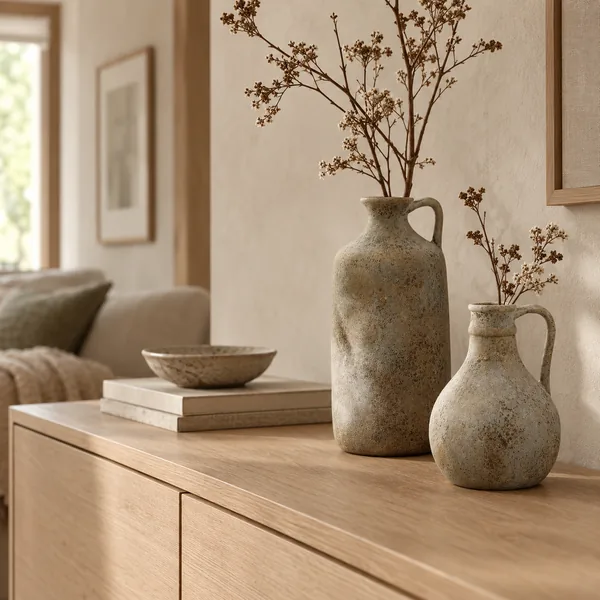
When selecting flowers, consider the vase's scale, color palette, and era. A tall Art Deco cylinder calls for vertical arrangements with gladiolus or delphinium, while a rounded mid-century vessel suits mounded compositions of hydrangeas or peonies. For rustic antique pieces, consider dried botanicals—pampas grass, wheat stalks, or preserved eucalyptus—that echo the vase's organic, weathered texture.
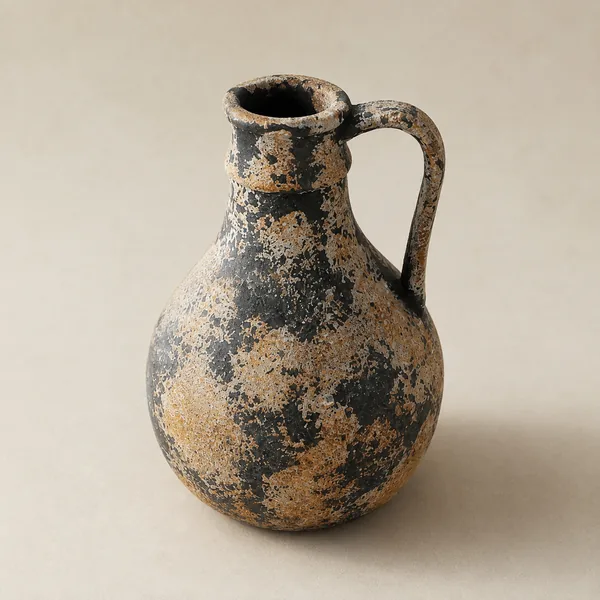
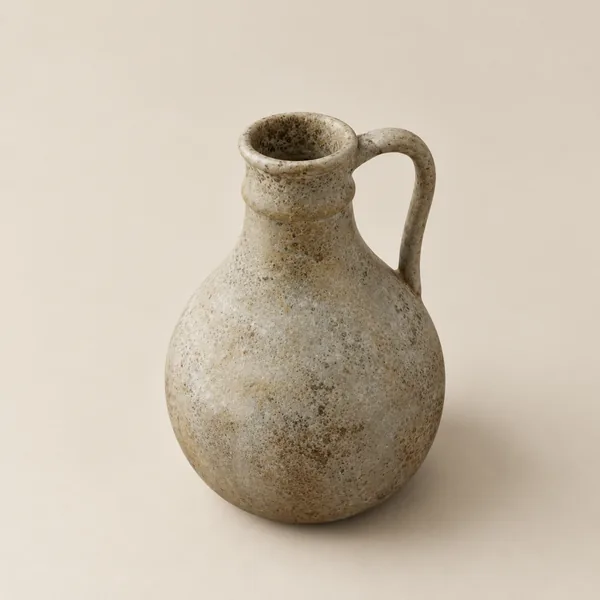
The marriage of vintage inspiration with contemporary craftsmanship creates something truly special. The Jorde Handmade Rustic Ceramic Vase Home Decor exemplifies this philosophy—handcrafted with an organic character and active glaze finish that honors traditional pottery techniques while serving modern Scandinavian interiors perfectly.
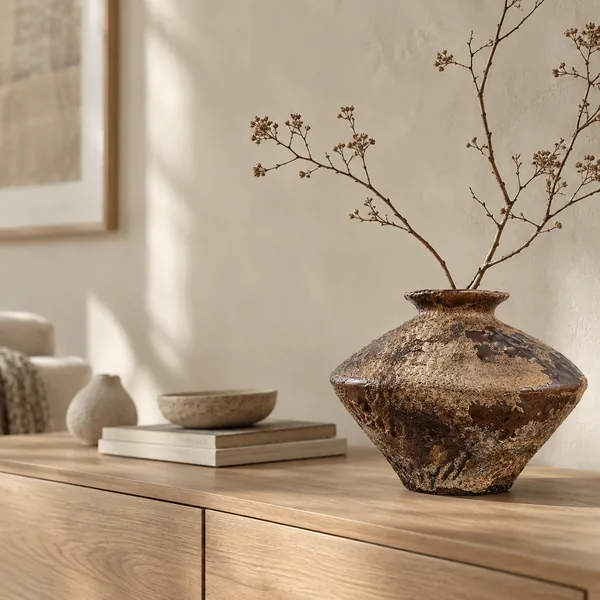 Jorde Handmade Rustic Ceramic Vase Home Decor$129.00$189.00
For fresh floral arrangements, consider the vessel's water capacity and opening width. Narrow-necked vintage vases excel at supporting tall stems individually, while wider mouths accommodate abundant garden-style bouquets. The key is allowing both vase and flowers to breathe—avoid overcrowding that obscures the ceramic's distinctive characteristics.
Curating Your Collection
Building a meaningful collection of vintage ceramic vases requires patience, education, and an eye for quality. Rather than accumulating mass-produced reproductions, focus on acquiring pieces that resonate with your aesthetic vision and demonstrate exceptional craftsmanship.
Start by defining your preferred era or style—perhaps you're drawn to the geometric precision of Art Deco vase designs, or maybe the wabi-sabi imperfection of handcrafted studio pottery speaks to your soul. Specialization often yields more satisfying collections than eclectic accumulation, though mixing complementary styles can create dynamic, layered interiors.
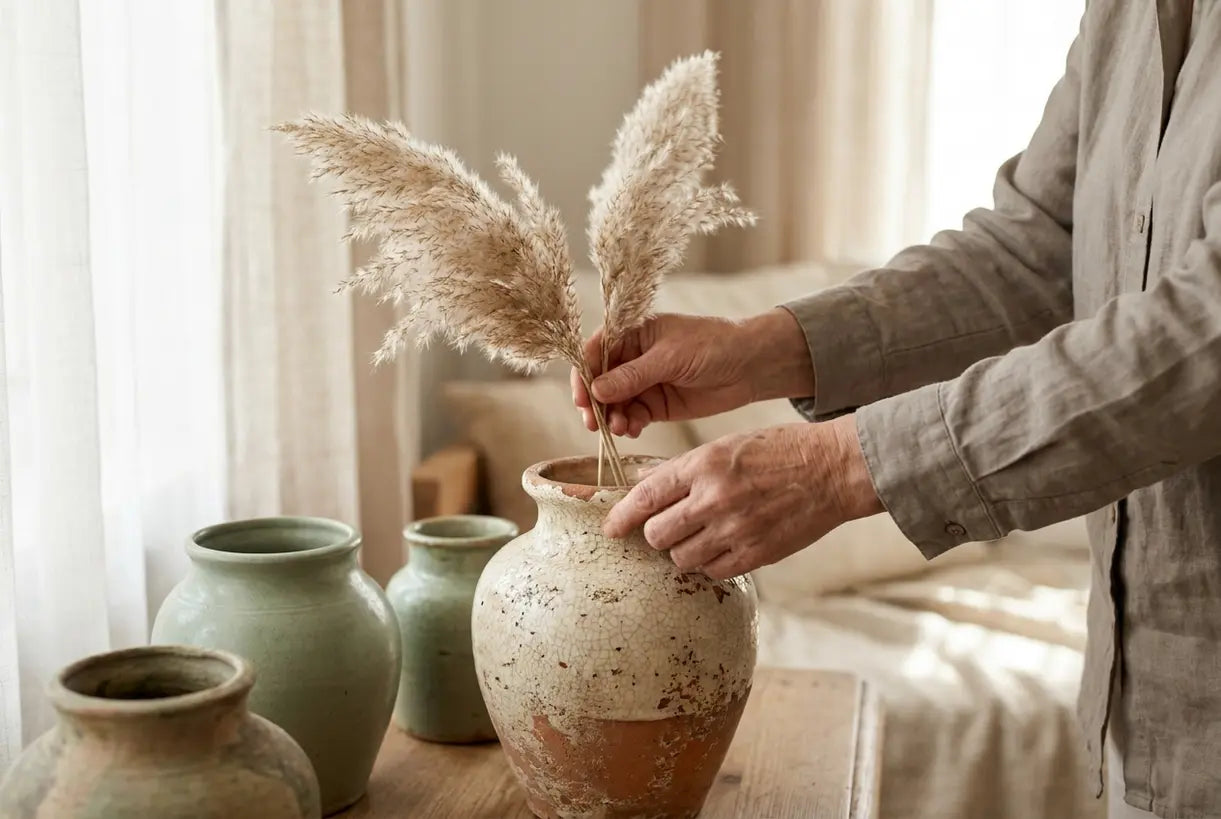
When sourcing pieces, establish relationships with reputable dealers, visit estate sales in historic neighborhoods, and explore online marketplaces with strong authentication practices. Always request detailed photographs of maker's marks, bases, and any damage before purchasing. Remember that knowing how to tell if a vase is vintage involves examining clay body color, wear patterns, and construction techniques that distinguish age from artificial distressing.
The Stille Small Jingdezhen Ceramic Wabi-Sabi Vase represents the beautiful intersection of vintage inspiration and contemporary artisan technique from China's historic porcelain capital. Its hand-built construction with deliberate imperfection makes it ideal for minimalist home decor and ikebana flower styling.
Home Decor
Shop all Home Decor
 Save $44.50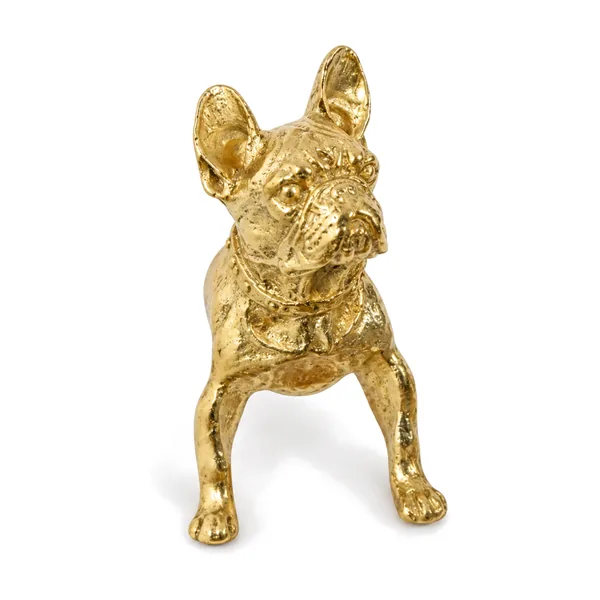
 2 options
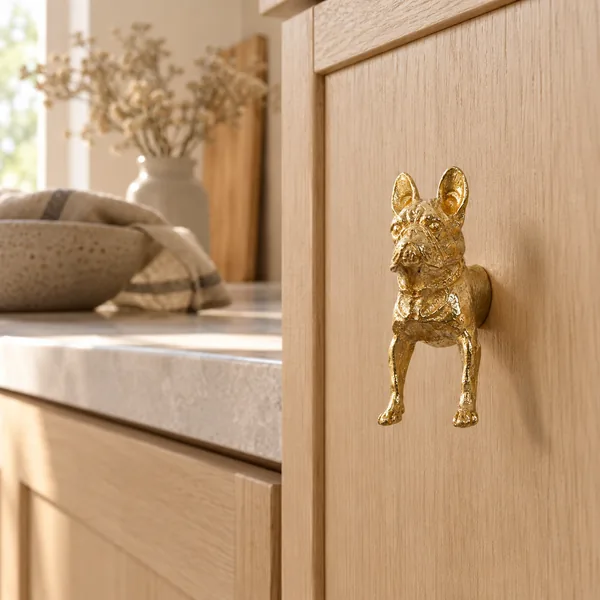
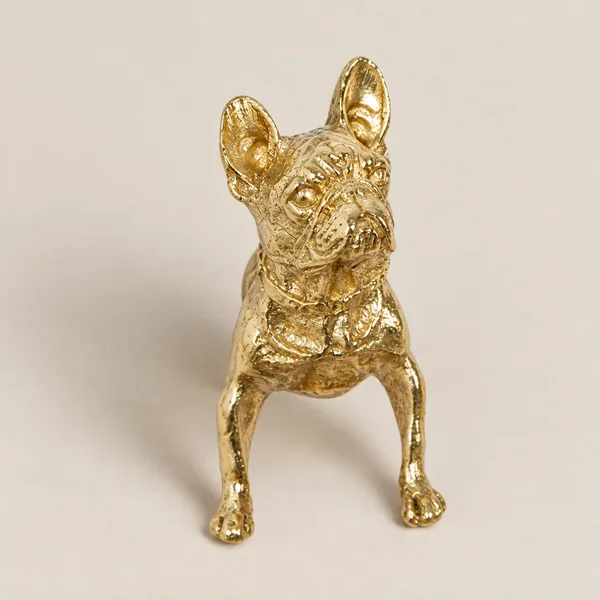
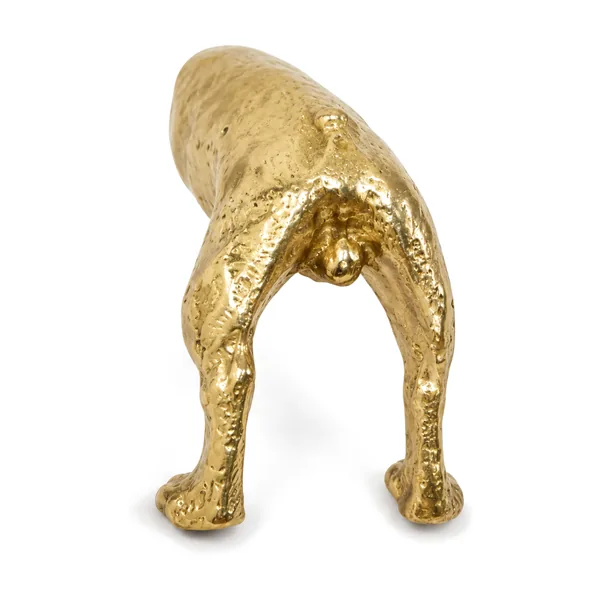
Tassa Polished Brass Dog Cabinet Pull Handle
 Save $110.00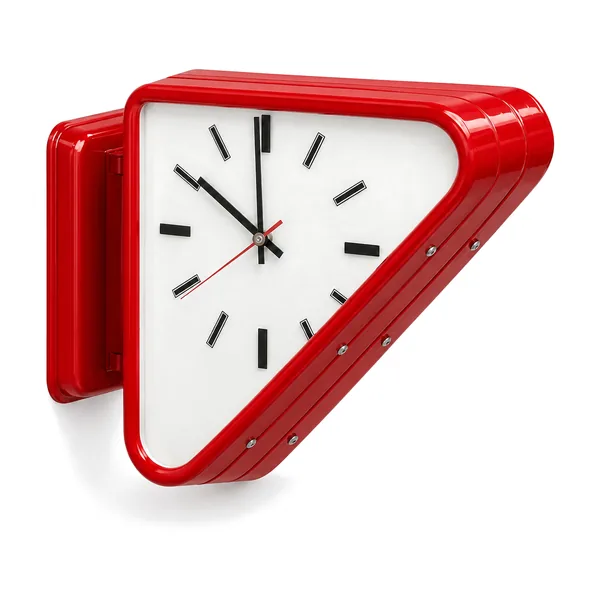
 +15 options
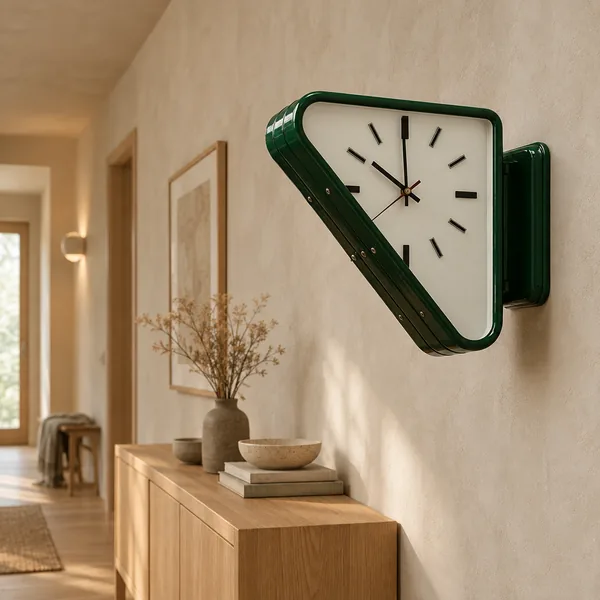
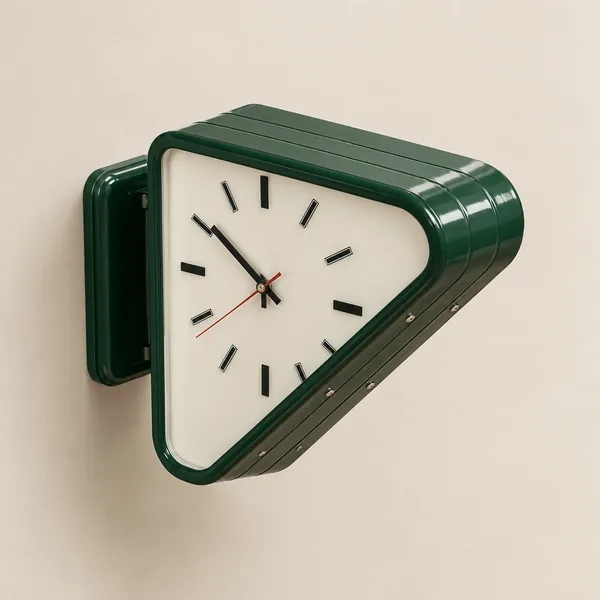
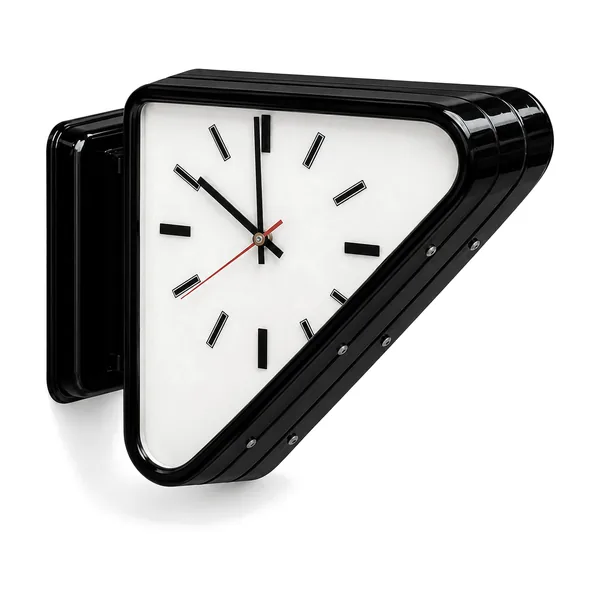
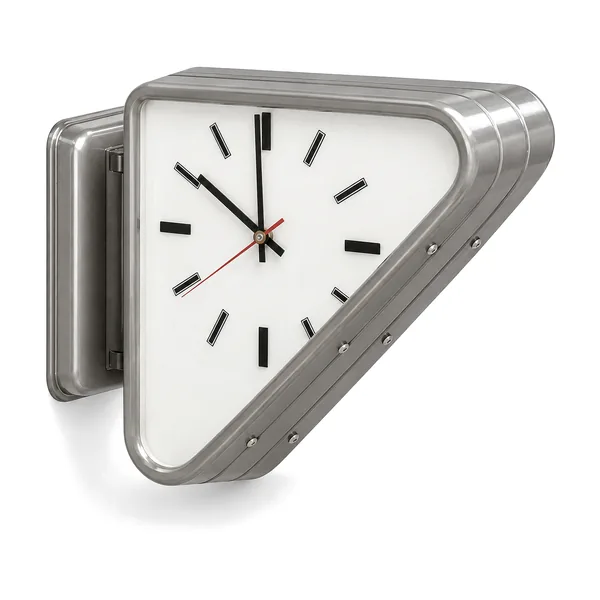
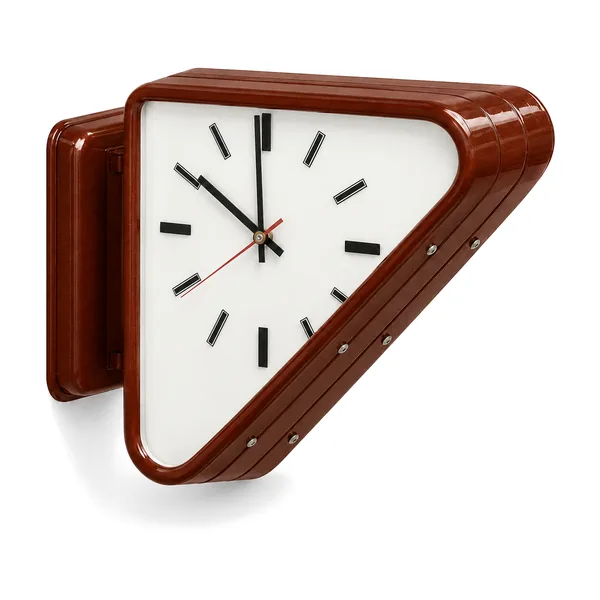
Tvilling Dual-Sided Geometric Metal Wall Clock
Similarly, the Torva Rustic Plaid Ceramic Vase Artisan Decor showcases high-fired artisan pottery with a distinctive plaid texture that brings organic warmth and sculptural presence to classic interiors. Both pieces honor vintage ceramic traditions while offering the reliability and consistency of contemporary production.
Artisan Ceramic Vases for Classic Interiors
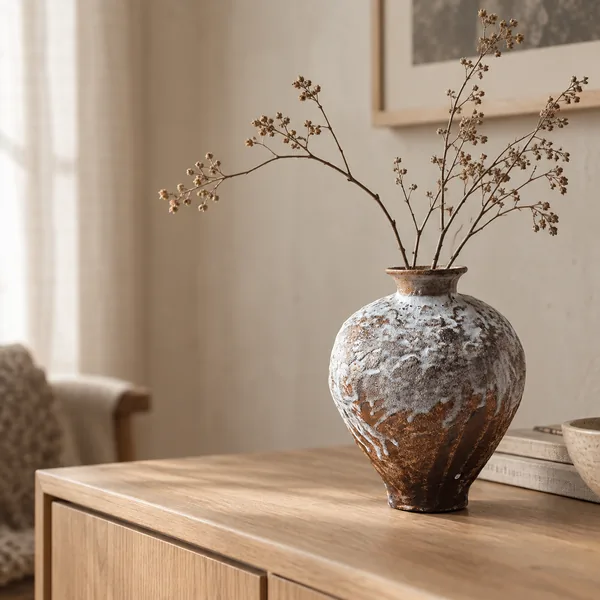 Stille Small Jingdezhen Ceramic Wabi-Sabi Vase$129.00$189.00
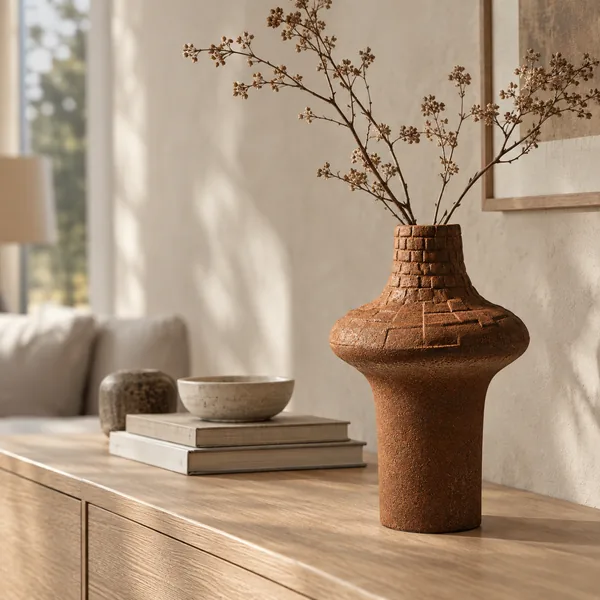 Torva Rustic Plaid Ceramic Vase Artisan Decor$149.00$219.00
Creating Timeless Interiors
Integrating vintage ceramic vase with flowers into your home requires thoughtful placement that allows these pieces to command attention while harmonizing with existing décor. The Scandinavian design philosophy—embracing simplicity, natural materials, and functional beauty—provides an excellent framework for showcasing these timeless vessels.
Consider creating intentional vignettes on mantels, console tables, or open shelving where your vintage ceramics can be appreciated from multiple angles. Pair vases with complementary objects—stacked art books, tarnished brass candlesticks, or weathered wooden boxes—that enhance their historical character without competing for attention.
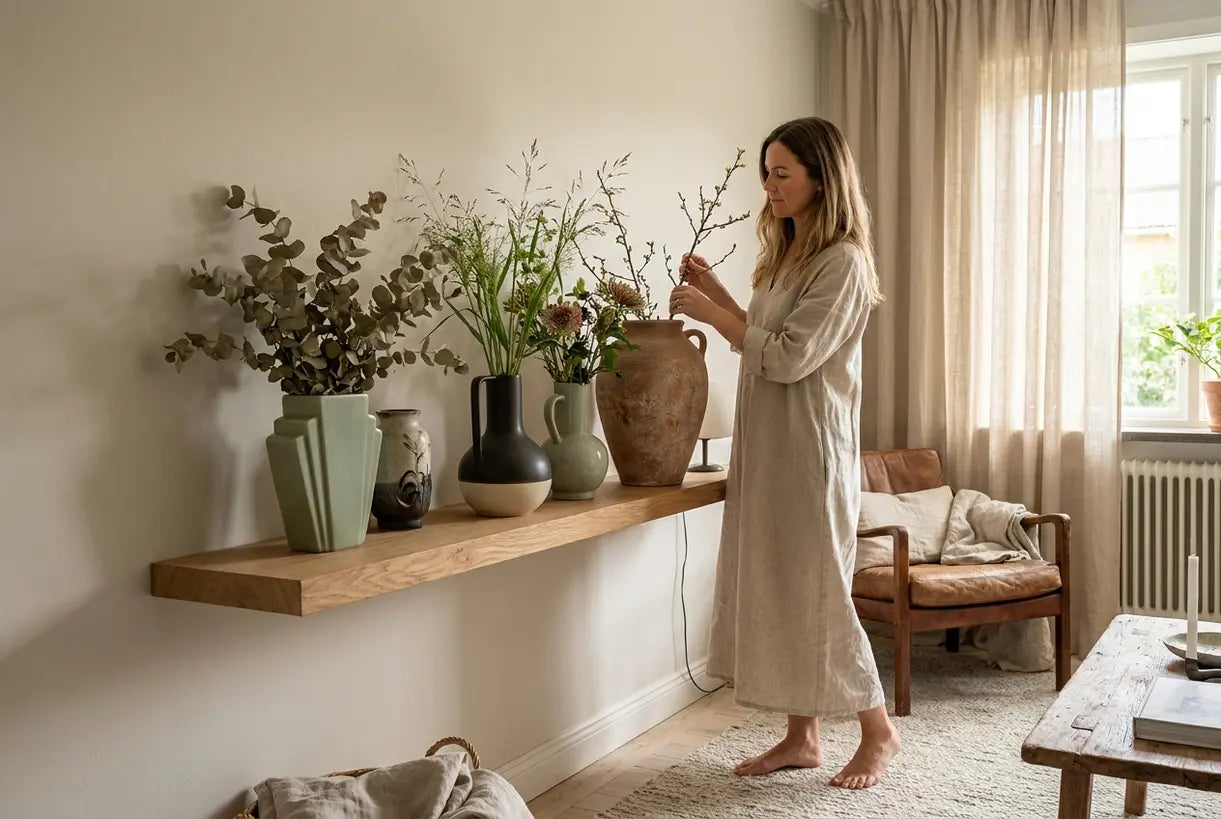
Styling Tip: Group vases in odd numbers—threes or fives—varying heights and widths while maintaining a cohesive color palette. This creates visual rhythm while allowing individual pieces to shine.
Lighting dramatically affects how vintage ceramics read in a space. Position vases where they receive natural daylight to highlight glaze depth and surface texture, or use directional spotlights to create dramatic shadows that emphasize sculptural forms. Avoid placing valuable antique ceramic vases in direct sunlight, which can fade glazes and damage delicate surfaces over time.
Understanding which vase is worth money helps you make informed acquisition decisions. While museum-quality pieces by renowned artists command significant investment, many beautiful vintage ceramics remain accessible to passionate collectors. Focus on condition, craftsmanship, and personal connection rather than speculative value—choose pieces that bring daily joy and inspire creative floral arrangements.
Conclusion
Vintage ceramic vases represent more than decorative objects—they are tangible connections to craftsmanship traditions, artistic movements, and the countless hands that shaped clay into enduring beauty. Whether you're drawn to the bold geometry of Art Deco designs, the organic warmth of mid-century modern forms, or the rustic authenticity of antique pottery, these vessels offer endless possibilities for elevating your interior spaces.
At Skonne, we honor this legacy through our curated collection of artisan ceramics that blend vintage inspiration with contemporary Scandinavian sensibility. From the handcrafted character of the Jorde Handmade Rustic Ceramic Vase Home Decor to the refined imperfection of the Stille Small Jingdezhen Ceramic Wabi-Sabi Vase, each piece invites you to create your own traditions of beauty and intention.
As you build your collection and experiment with floral styling, remember that the most compelling interiors tell personal stories. Let your vintage ceramics speak of your appreciation for craftsmanship, your eye for timeless design, and your commitment to creating spaces that nurture and inspire.
Related Article
Large Ceramic Vases: Statement Floor & Oversized Designs for Every RoomPractical rules and product picks to help you choose pendant lights that look great and light your kitchen island properly.