
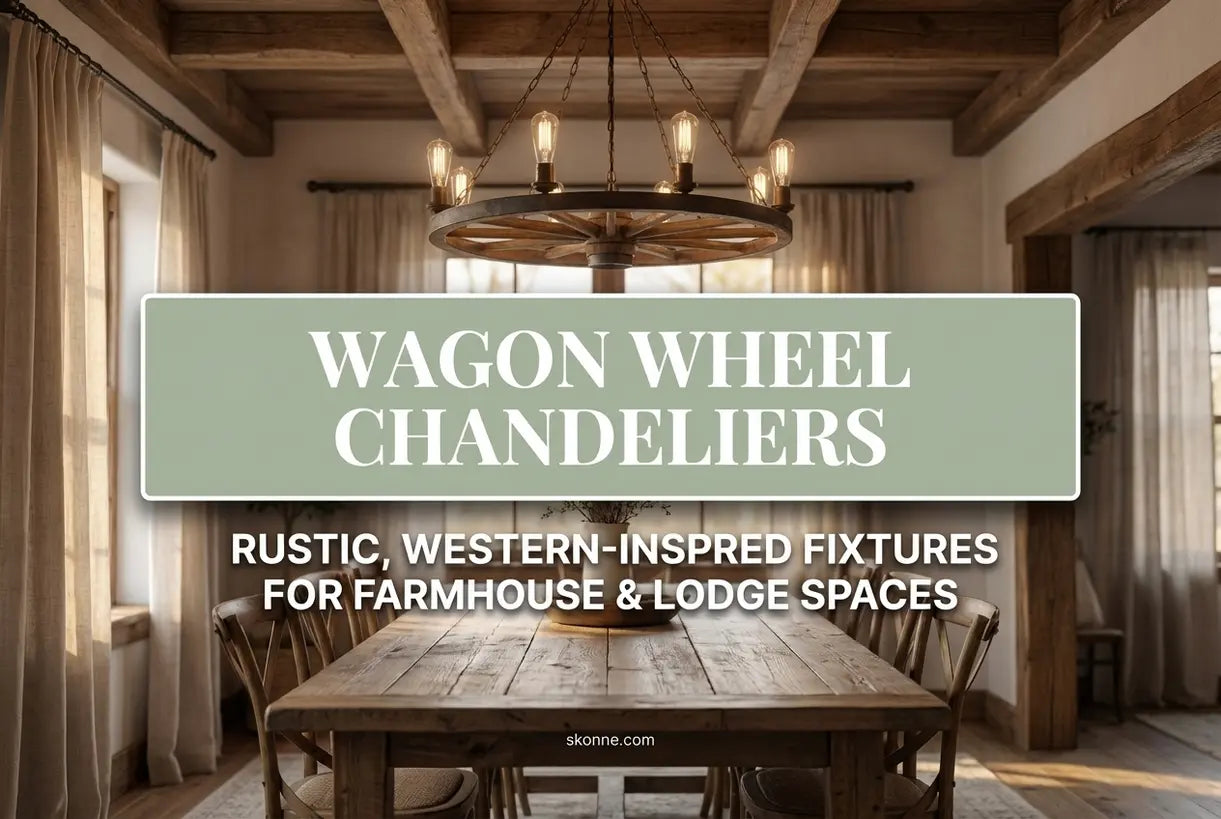
Wagon Wheel Chandeliers: Rustic, Western-Inspired Fixtures for Farmhouse & Lodge Spaces
Summary›
- The History and Enduring Appeal of Wagon Wheel Lighting
- Are Wagon Wheel Chandeliers Still in Style?
- Exploring Different Styles of Wagon Wheel Chandeliers
- Understanding Wagon Wheel Chandelier Light Configurations
- Materials Matter: Wood, Metal, and Glass Selection
- How to Install a Wagon Wheel Chandelier: Professional Tips
- Integrating Wagon Wheel Chandeliers into Modern Spaces
- Conclusion: Finding Your Perfect Wagon Wheel Fixture
There's something undeniably captivating about the wagon wheel chandelier: a piece that carries the spirit of frontier heritage into the heart of contemporary farmhouse and lodge interiors. Whether you're drawn to the rugged charm of the Old West or the understated warmth of Scandinavian-inspired rustic design, these fixtures represent more than illumination—they tell a story of craftsmanship, tradition, and intentional living.
At Skonne, we believe lighting should anchor your space with purpose while evoking that sense of hygge—comfort and connection—that transforms a house into a home. As you explore the world of western chandeliers and rustic chandeliers, you'll discover how these iconic pieces bridge eras, bringing vintage authenticity to modern farmhouse chandelier aesthetics. In this guide, we'll walk you through the styles, sizing considerations, and design principles that make wagon wheel lighting a timeless investment.
The History and Enduring Appeal of Wagon Wheel Lighting
The wagon wheel light fixture traces its origins to the practical ingenuity of early settlers who repurposed wagon wheels—symbols of journey and perseverance—into functional household items. As communities established roots, these wheels found new life as overhead lighting in frontier homes, barns, and gathering places. What began as necessity evolved into an enduring design motif that continues to resonate in lodge lighting and rustic interiors today.
History lesson aside, the modern appeal of wagon wheel chandeliers lies in their structural honesty. Unlike ornate traditional fixtures, these lights celebrate raw materials and straightforward silhouettes. For the design-conscious homeowner aged 28-45 seeking that curated, intentional aesthetic, a rustic wagon wheel chandelier offers the perfect balance: substantial enough to anchor a room, yet versatile enough to complement both reclaimed wood furniture and clean-lined Scandinavian pieces.
Are Wagon Wheel Chandeliers Still in Style?
The short answer: yes, and evolving beautifully. Today's farmhouse wagon wheel chandelier designs have transcended the kitschy associations of decades past. Contemporary iterations embrace refined craftsmanship, thoughtful proportions, and material palettes that speak to modern sensibilities.
Rather than the overly distressed, mass-produced versions of the 1990s, premium manufacturers now offer western style chandeliers featuring solid wood construction, patinated metals, and artisan glasswork. These elevated pieces integrate seamlessly into transitional spaces—think Scandinavian-inspired dining rooms with natural oak tables, or minimalist entryways where a wagon wheel ceiling light provides welcome textural contrast.
The versatility explains why interior designers continue specifying these fixtures. A black wagon wheel chandelier adds graphic sophistication to monochromatic schemes, while a wood wagon wheel chandelier introduces organic warmth to white-walled spaces. Whether your aesthetic leans toward Japandi minimalism or rustic Americana, there's a wagon wheel variant that enhances rather than overwhelms.
Chandeliers
Shop all Chandeliers
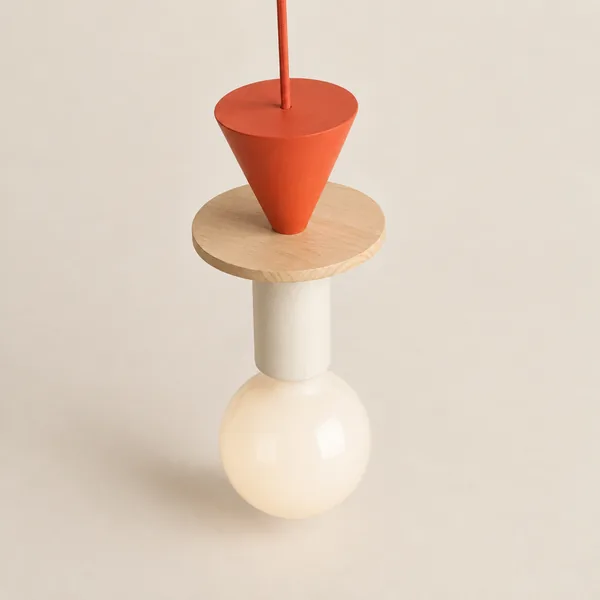
Exploring Different Styles of Wagon Wheel Chandeliers
Not all wagon wheel fixtures are created equal. Understanding the stylistic variations helps ensure your selection aligns with your home's architectural character and your personal design vision.
Traditional Western & Lodge Styles
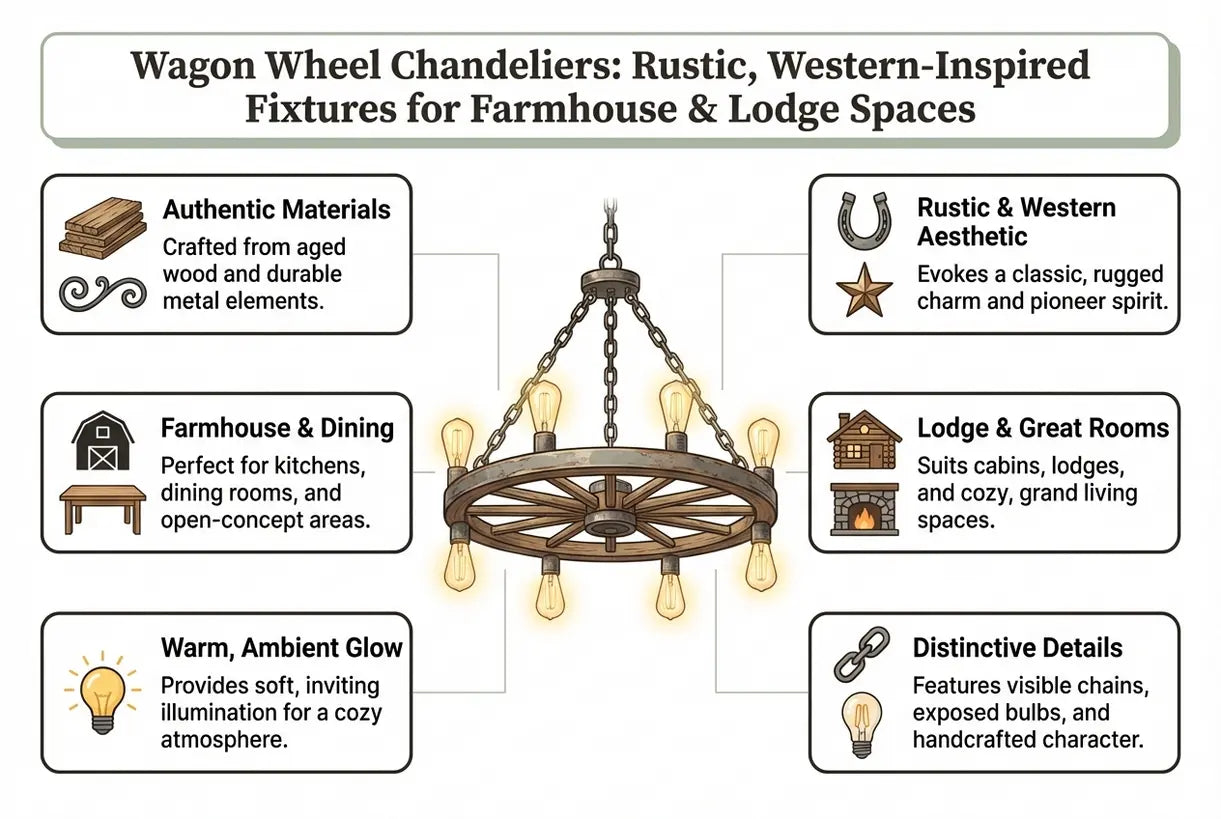
These embrace authentic frontier aesthetics: substantial timber construction, wrought iron accents, and often integrated details like horseshoes or antler motifs. Best suited for mountain homes, cabins, or spaces where you're intentionally cultivating a rugged, heritage-rich atmosphere. Pair with leather furnishings, stone fireplaces, and natural hide textiles for cohesive lodge lighting schemes.
Modern Farmhouse Interpretations
Streamlined and sophisticated, these versions distill the wagon wheel form to its essential geometry—often featuring slimmer profiles, painted finishes, and Edison bulb arrangements. The modern wagon wheel chandelier fits beautifully in open-concept homes, above farmhouse tables, or in vaulted entryways where you want rustic reference without literal theming.
Vintage & Industrial Hybrids
For those drawn to timeworn character, the vintage wagon wheel chandelier category includes reproductions with authentic patinas, salvaged materials, and mixed-metal constructions. These pieces pair exceptionally well with the refined industrial influence found in contemporary Scandinavian design—think exposed brick, concrete floors, and the warmth of aged brass against cool gray tones.
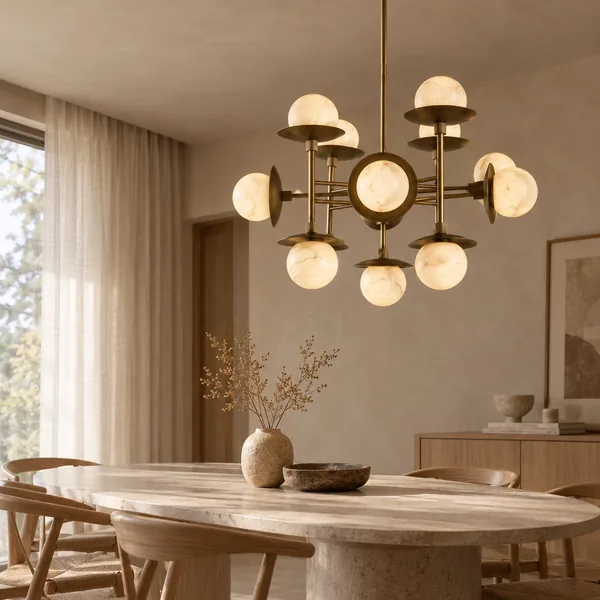
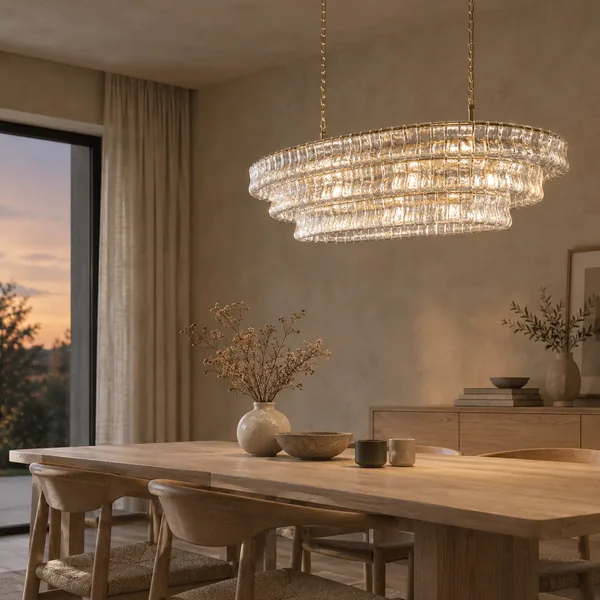 Stjerna Vintage French Clear Glass Chandelier$1,799.00$2,259.00
When selecting your fixture, consider how the Pendants & Chandeliers collection can provide complementary pieces throughout your home, creating a cohesive lighting narrative from entryway to bedroom.
Understanding Wagon Wheel Chandelier Light Configurations
One of the most common questions from homeowners: how many lights are typically on a wagon wheel chandelier? The answer depends on scale and intended application.
Entry-level fixtures often feature 4-6 lights arranged around the wheel circumference—sufficient for intimate dining rooms or breakfast nooks. Mid-size options (most popular for standard dining spaces) incorporate 8-12 lights, providing ample illumination for tables seating six to eight guests. Statement pieces designed for great rooms, grand entryways, or vaulted ceilings may feature 15+ lights, sometimes arranged in double-tier configurations.
Beyond quantity, consider light direction. Downward-facing lights provide focused task illumination—ideal over dining surfaces. Upward-facing configurations bounce light off ceilings for ambient glow, creating that coveted hygge atmosphere. Many contemporary fixtures offer mixed-direction lighting, combining both approaches for versatility.
Materials Matter: Wood, Metal, and Glass Selection
The material composition of your wagon wheel chandelier significantly impacts both aesthetics and longevity. For lasting quality, prioritize these elements:
- Solid hardwood construction: Look for kiln-dried oak, hickory, or maple rather than pressed wood or veneers. These resist warping and develop beautiful patinas over time.
- Wrought iron or steel hardware: Hand-forged metal components offer superior strength and authentic character compared to cast or stamped alternatives.
- Artisan glass elements: Whether seeded, seeded, or clear glass shades, quality glasswork diffuses light beautifully while adding textural interest.
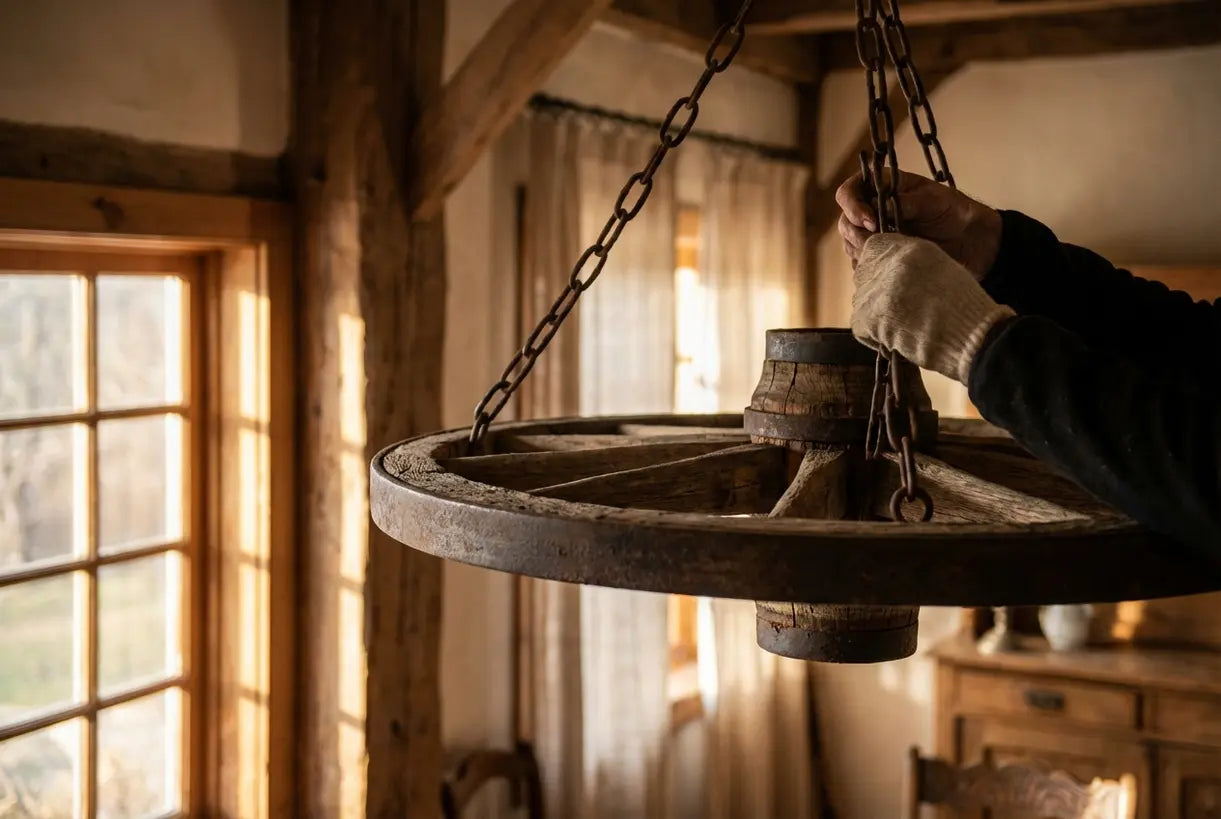
When evaluating options, remember that rustic chandelier quality varies dramatically across price points. Investment-grade pieces—like those found among our curated collection—feature solid joinery, UL-listed electrical components, and finishes applied by hand rather than mass-produced coatings.
Complete Your Rustic Lighting Scheme
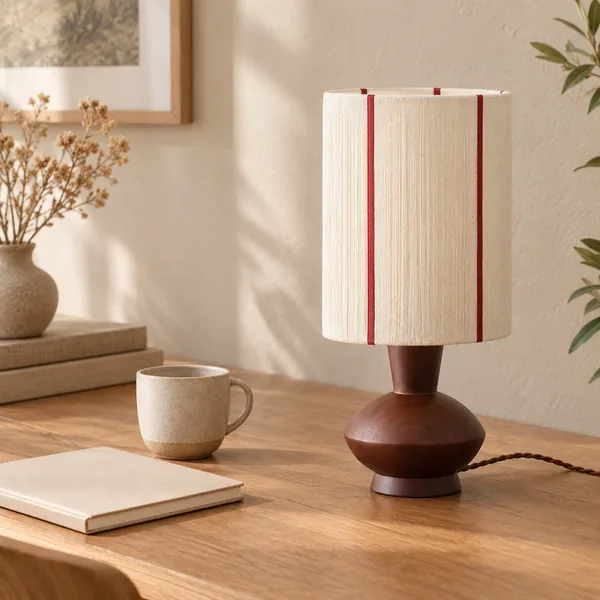 Vedra Solid Wood Vintage Table Lamp with Rope$299.00$509.00
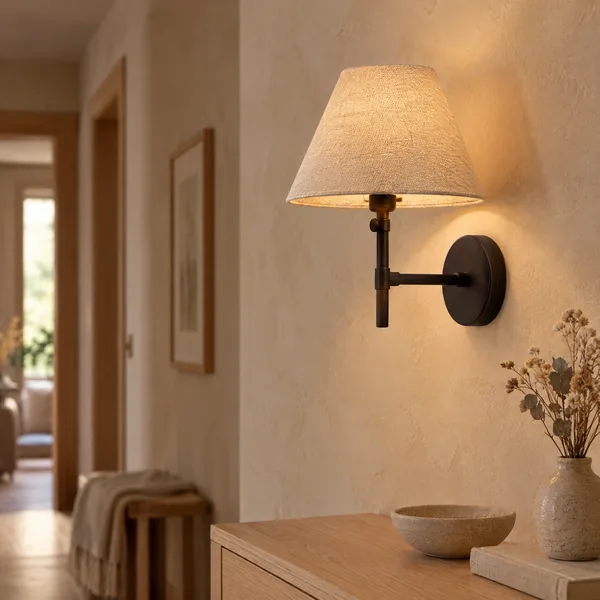 Eldorm Handcrafted Wabi-Sabi Iron Wall Sconce$199.00$259.00
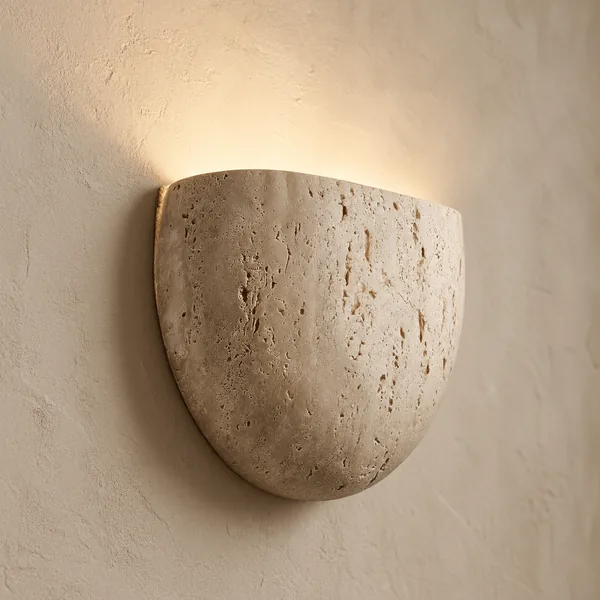
Mediterranean Lighting
Shop all Mediterranean Lighting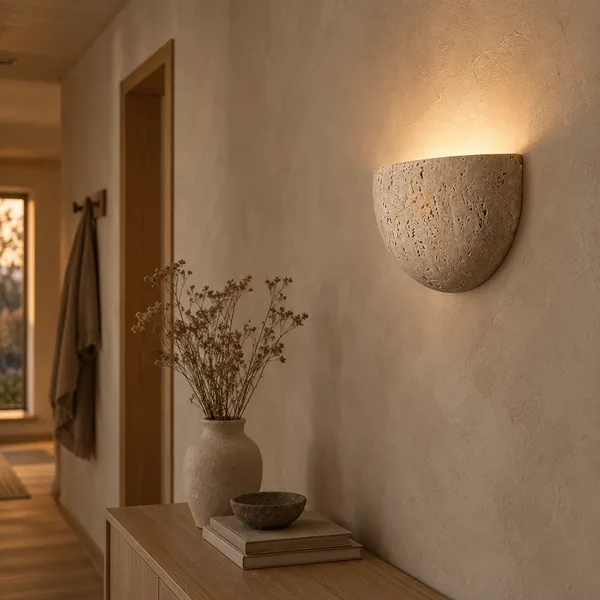
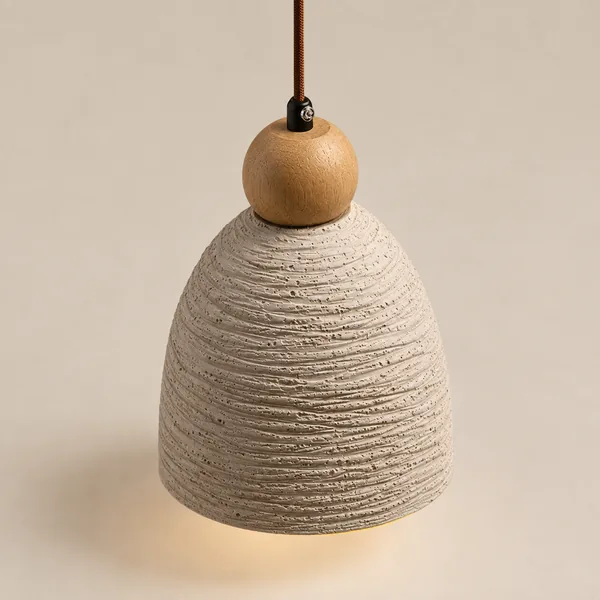 Save $170.00
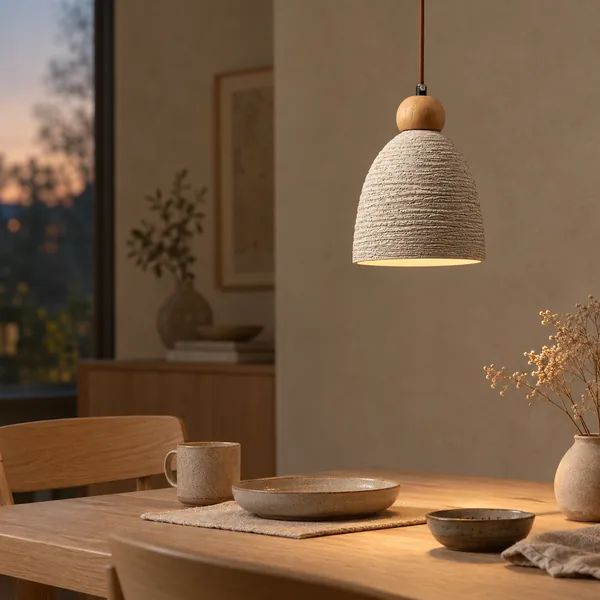
Steina Raw Microcement Industrial Pendant Light
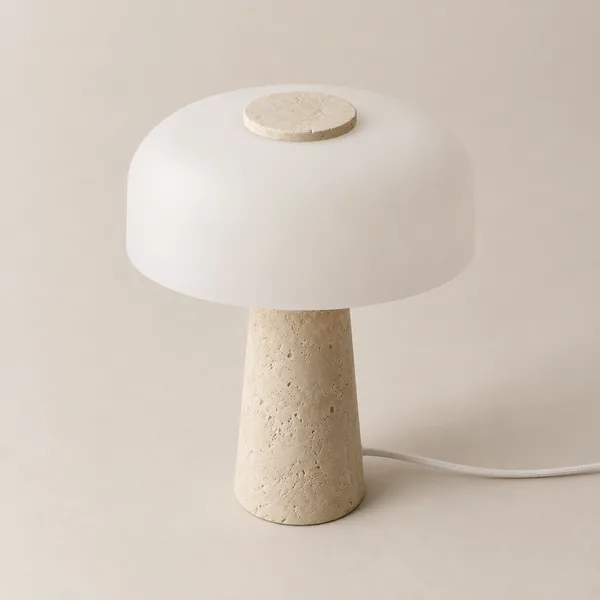
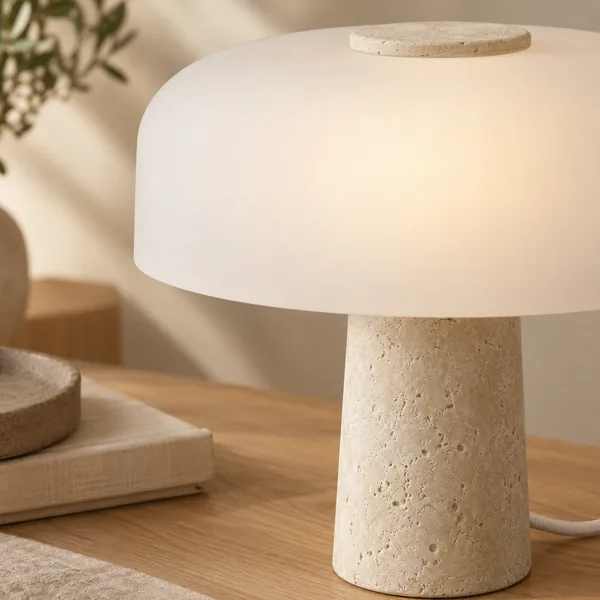 Save $510.00
Svalna Frosted Glass Marble Mushroom Table Lamp
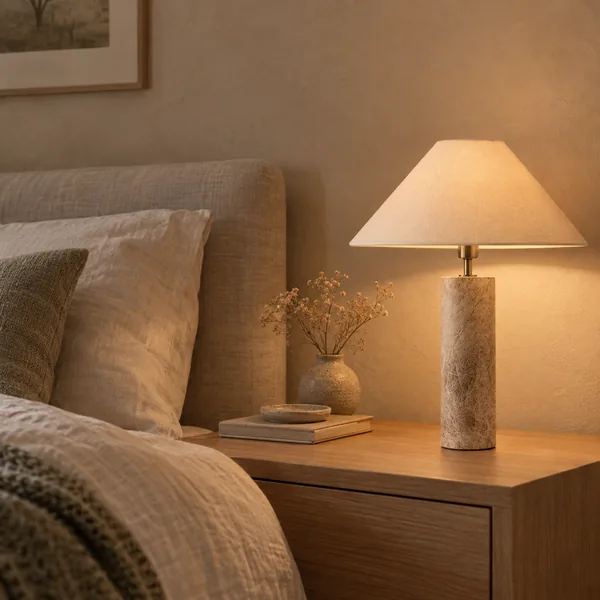
 Save $150.00
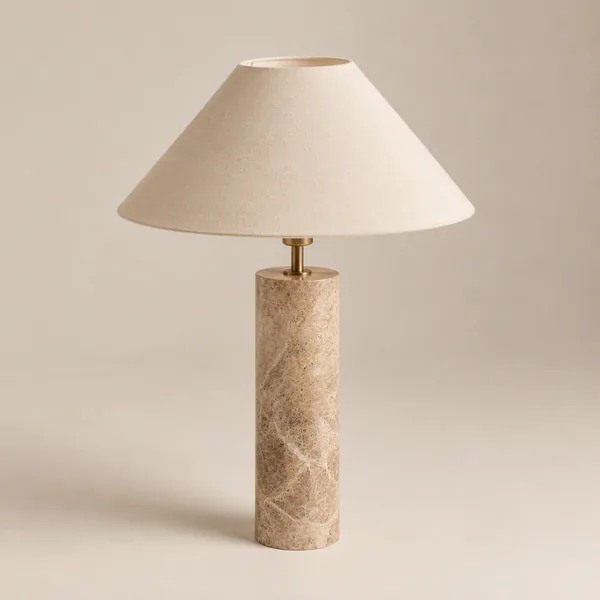
Steiva Natural Marble Table Lamp Nordic Style
How to Install a Wagon Wheel Chandelier: Professional Tips
Learning how to install a wagon wheel chandelier properly ensures both safety and visual impact. While we always recommend professional installation for electrical work, understanding the process helps you communicate effectively with your electrician and make informed preparation decisions.
First, assess your ceiling's structural support. Wagon wheel fixtures—particularly solid wood and iron models—weigh considerably more than standard flush-mount lights. Your electrician may need to install a fan-rated electrical box or additional bracing in the ceiling joists.
Height placement follows the same principles as other farmhouse chandelier styles: maintain 30-36 inches clearance above dining surfaces, or approximately 7 feet from the floor in open areas. For vaulted ceilings, consider chain or downrod extensions that position the fixture in the lower third of the vertical space—too high, and you lose intimacy; too low, and the piece overwhelms the room.
Once your primary wagon wheel light fixture is secured, layer in complementary lighting to eliminate dark corners. The Skonne approach emphasizes intentional light layering—combining your statement chandelier with sconces, table lamps, and candlelight for that perfect Scandinavian sense of warmth.
Integrating Wagon Wheel Chandeliers into Modern Spaces
The true art of western chandelier styling lies in balancing rustic elements with contemporary refinement. Rather than creating a theme-park aesthetic, aim for thoughtful juxtaposition.
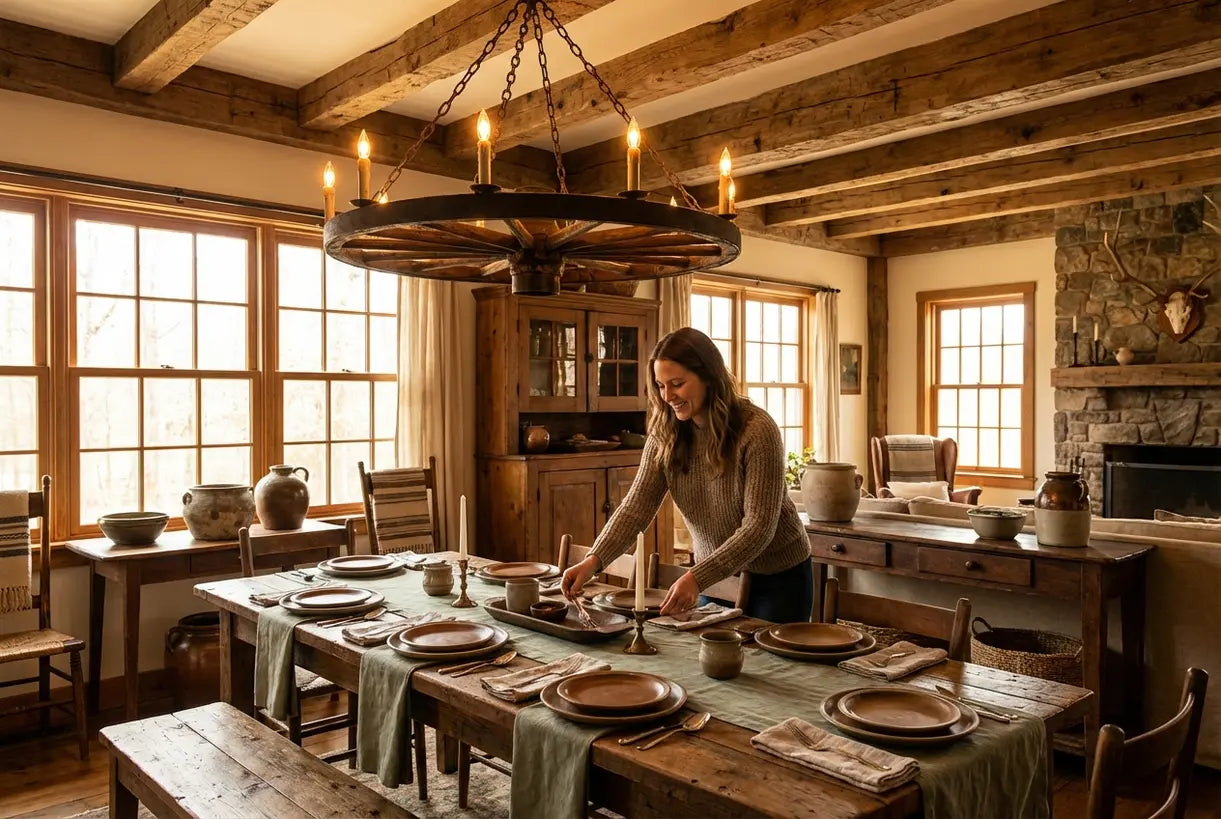
In Scandinavian-inspired interiors, pair a wood wagon wheel chandelier with white walls, natural linen textiles, and pale wood floors. The fixture's darkness grounds the space while its circular form echoes the organic shapes found in Nordic design. Add greenery—perhaps a trailing pothos or structured olive branches—to bridge the natural and constructed elements.
For those embracing transitional or eclectic styles, consider the power of contrast. A black wagon wheel chandelier above a marble-topped table creates compelling visual tension. Mix metals—combine the chandelier's ironwork with brass accents in your hardware or mirror frames. The key is intentionality: every element should feel curated rather than accumulated.
Conclusion: Finding Your Perfect Wagon Wheel Fixture
Selecting the ideal wagon wheel chandelier requires balancing practical considerations—size, scale, light output—with aesthetic vision. Whether you're drawn to the heritage authenticity of a vintage wagon wheel chandelier or the refined lines of a modern wagon wheel chandelier, prioritize quality construction and timeless design over passing trends.
At Skonne, we curate lighting that honors traditional craftsmanship while embracing the clean, intentional aesthetics of Scandinavian design philosophy. Our collection features pieces at accessible luxury price points—typically $100-$500 for core selections—making elevated design attainable for homeowners aged 28-45 establishing their signature style.
Remember, the best lighting doesn't just illuminate; it transforms daily rituals into meaningful experiences. Whether gathering for family dinner beneath your new fixture or enjoying a quiet evening with ambient hygge glow, your wagon wheel chandelier becomes part of your home's story—rooted in heritage, adapted for modern living, and uniquely yours.
Related Article
Murano Glass Chandeliers: Handcrafted Italian Artistry for Luxury InteriorsExplore the timeless elegance of Murano glass chandeliers, handcrafted Italian masterpieces that bring luxury and artistry to your home.