
Wall Art & Picture Lights: How to Illuminate Artwork, Galleries & Feature Walls

Summary›
- Why Proper Artwork Lighting Matters
- Types of Wall Art Light Fixtures
- How to Choose the Right Picture Light
- The Art of Positioning: Rules and Guidelines
- Scandinavian-Inspired Solutions for Modern Homes
- Creating Dynamic Gallery Walls with Light
- Installation Tips for Perfect Results
- Trending Styles in Art Lighting
- Maintaining Your Art Lighting System
- Conclusion: Illuminate with Intention
The right wall art light transforms a beautiful painting into a breathtaking focal point. Yet many homeowners struggle with artwork that looks flat, shadowed, or washed out—not because of the art itself, but because of inadequate illumination. Whether you're curating a single statement piece or designing an entire gallery wall, understanding how to properly light your artwork is essential for creating that warm, intentional atmosphere Scandinavian design celebrates.
At Skonne, we believe lighting should do more than just illuminate—it should elevate. The perfect picture light doesn't just show your art; it creates depth, reveals texture, and draws the eye exactly where you want it. In this guide, we'll explore everything from choosing the right fixtures to positioning them with precision, ensuring your favorite pieces receive the museum-quality presentation they deserve.
Why Proper Artwork Lighting Matters
Artwork without proper lighting is like a concert without sound—you're only experiencing half of what makes it special. The human eye is drawn to illumination, and strategic lighting guides viewers through your space while highlighting the pieces that matter most.
Beyond aesthetics, proper artwork illumination protects your investment. Quality LED wall art light fixtures emit minimal UV radiation and heat, preserving pigments and materials that might otherwise degrade under harsh or improper lighting. This preservation aspect is especially important for gallery walls featuring valuable prints, family photographs, or original paintings.
Picture lighting solutions also create psychological warmth. Studies in environmental psychology show that well-lit artwork contributes to a sense of curated comfort—exactly the hygge feeling Scandinavian design aims to achieve. When you walk into a room where art glows with intention, you immediately sense that someone thoughtful lives there.
Types of Wall Art Light Fixtures
Understanding your options is the first step toward creating stunning gallery lighting ideas in your own home. The market offers several distinct approaches, each suited to different artwork styles and spatial needs.
Picture Lights vs. Wall Sconces
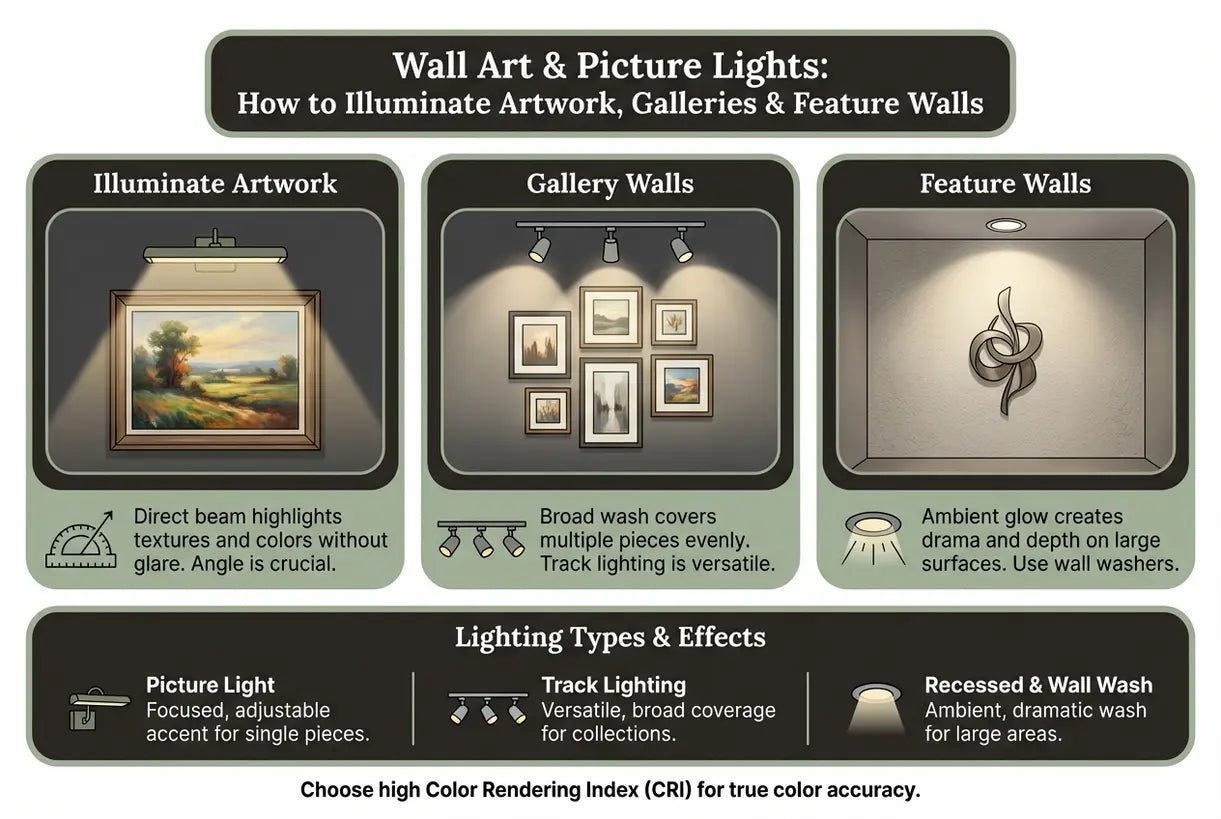
Traditional picture lights mount directly above or beside your frame, casting focused illumination downward onto the canvas. These are ideal for single statement pieces where you want controlled, directional light. Modern picture lights for paintings often feature adjustable heads, allowing you to fine-tune the beam angle for different artwork sizes and textures.
Wall sconce art lighting offers a more ambient approach. These fixtures mount on the wall beside or above artwork, providing broader illumination that can highlight multiple pieces while contributing to overall room lighting. For those exploring feature wall lights, sconces offer versatility—they're decorative elements even when not directly illuminating art, adding sculptural interest to your vertical surfaces.
The Rise of LED Picture Lighting
Today's LED picture lighting options have revolutionized how we approach canvas art lighting. Unlike halogen or incandescent bulbs that generate heat and fade colors, modern LEDs produce clean, color-accurate illumination that reveals every brushstroke without damage. Many contemporary options are also battery-operated, eliminating the need for hardwiring and making installation accessible for renters and homeowners alike.
How to Choose the Right Picture Light
Selecting the perfect wall mount picture light requires balancing practical considerations with aesthetic preferences. The fixture must serve your artwork while complementing your overall design vision.
Sizing considerations are paramount. A general guideline suggests your picture light should be approximately half to two-thirds the width of your artwork. This proportion ensures adequate coverage without overwhelming the piece. For a 36-inch wide painting, look for fixtures between 18 and 24 inches wide.
Light temperature significantly impacts how colors appear. Most experts recommend 2700K to 3000K (warm white) for residential artwork, as it creates cozy ambiance while accurately rendering hues. Cooler temperatures (4000K+) work better in contemporary galleries but can feel clinical in home settings.
Consider mounting style next. Plug-in options offer flexibility, while hardwired fixtures provide clean lines without visible cords. Battery-operated picture lights have improved dramatically in recent years, offering months of illumination between charges—perfect for gallery walls where multiple fixtures would require extensive electrical work.
Pro Tip: When selecting painting light fixtures, always view them with your actual artwork. Colors and textures can shift dramatically under different lighting conditions, so testing before committing ensures perfect harmony.
The Art of Positioning: Rules and Guidelines
Even the most beautiful wall art light fixture fails if positioned incorrectly. Understanding spatial relationships between light, artwork, and viewer creates that professional, gallery-quality presentation you're seeking.
Mount picture lights approximately 7-10 inches above the frame for optimal coverage. This distance allows light to wash evenly across the surface without creating harsh hotspots or distracting shadows. For oversized pieces, you may need two fixtures spaced equidistant from the center for uniform illumination.
The angle of illumination matters equally. Light should strike artwork at roughly 30 degrees to minimize glare while revealing texture. Many modern fixtures offer adjustability, allowing you to tilt heads or rotate shades to achieve this optimal angle regardless of placement constraints.
For gallery walls with multiple pieces, consider how individual lights interact. Overlapping light pools create visual connection between artworks, while distinct pools emphasize each piece as an individual statement. Planning these relationships before installation prevents a cluttered or chaotic appearance.
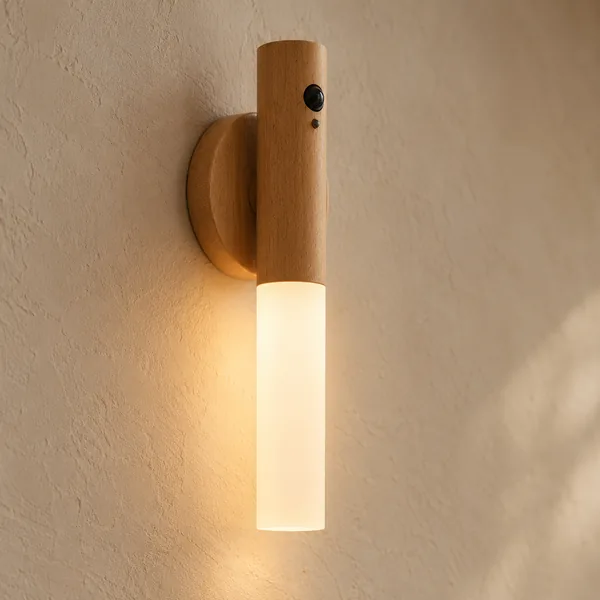
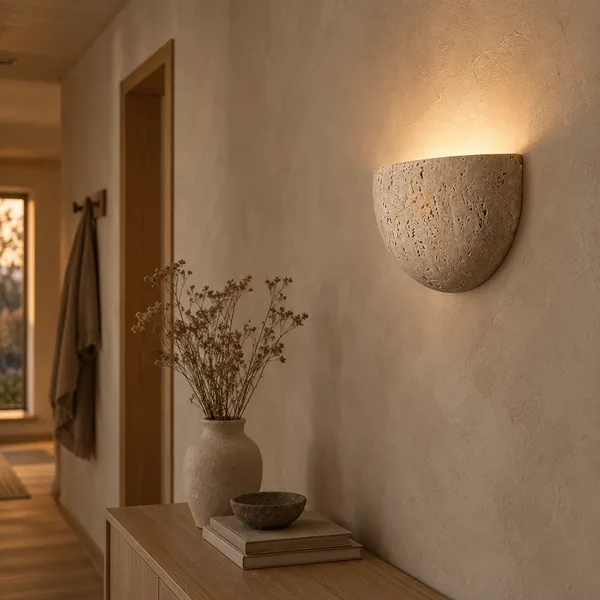
Wall Lights
Shop all Wall Lights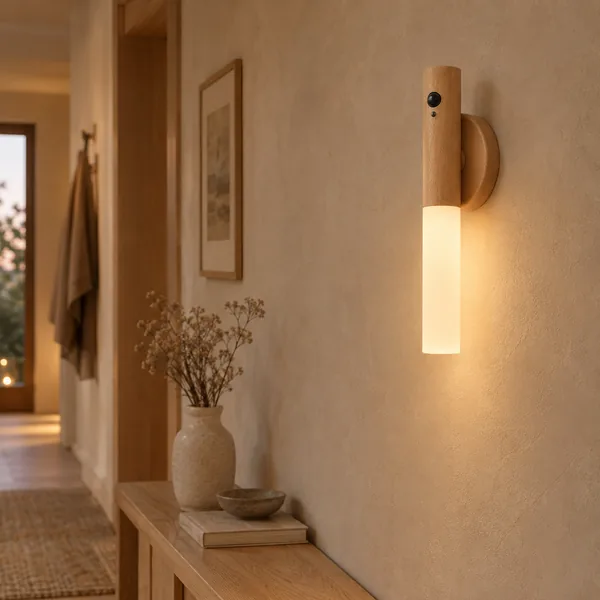
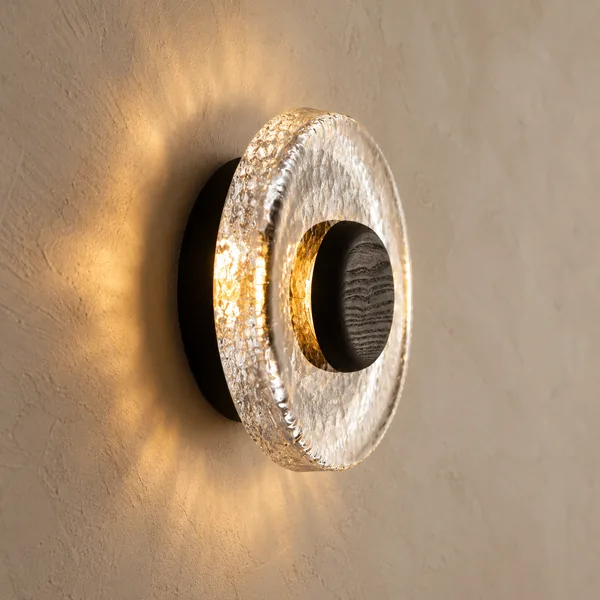
Scandinavian-Inspired Solutions for Modern Homes
The Scandinavian design philosophy emphasizes simplicity, functionality, and natural beauty—principles that translate perfectly to artwork lighting. Rather than ornate fixtures that compete with your art, Nordic-inspired lighting provides quiet sophistication that lets your pieces shine.
When selecting fixtures for a Scandinavian-inspired interior, look for clean lines, natural materials, and matte finishes. Avoid overly decorative elements that might distract from minimalist artwork. Instead, choose pieces that feel organic and intentional, as if they grew naturally from the architecture itself.
The Stille Minimalist Nordic LED Wall Sconce Light exemplifies this philosophy perfectly. With its sleek linear form and powder-coated aluminum finish available in White, Smoky Grey, or Amber, this fixture provides sophisticated illumination without visual clutter. The dimmable functionality allows you to adjust ambiance throughout the day, creating soft pools of light that enhance artwork while maintaining that signature Scandinavian warmth.
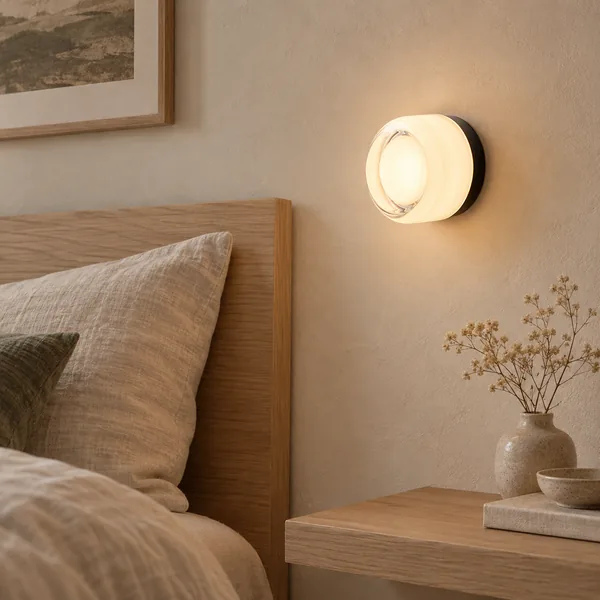 Stille Minimalist Nordic LED Wall Sconce Light$89.00$139.00
The Minimalist Approach to Art Illumination
Minimalist lighting doesn't mean boring lighting. The best Nordic fixtures use sophisticated engineering to create nuanced illumination from simple forms. Consider materials that age gracefully—brushed metals, textured glass, and quality plastics that maintain their appearance over years of use.
For those seeking versatile artwork lighting solutions, exploring our Flush-Mount Wall Lights offers additional options. These low-profile fixtures complement artwork beautifully while saving space in smaller rooms or gallery walls where projection might cause interference.
Positioning minimalist fixtures requires particular attention to the surrounding space. Because these designs lack ornamental distraction, any placement imperfections become more noticeable. Take time to ensure perfect level mounting and appropriate spacing from your artwork.
Creating Dynamic Gallery Walls with Light
A gallery wall with picture light installation represents the pinnacle of residential art display. Multiple pieces arranged intentionally, each receiving dedicated illumination, create museum-quality presentations in your living room, hallway, or bedroom.
Start by planning your layout on the floor before touching the wall. Arrange pieces with consistent spacing—typically 2-3 inches between frames for a cohesive grid, or varied spacing for a more organic, salon-style arrangement. Once satisfied with the composition, mark wall positions carefully.
Lighting a gallery wall requires strategic planning. You have three main approaches: individual picture lights above each piece, wall sconces positioned between artworks to illuminate multiple pieces simultaneously, or a combination approach using both techniques for layered illumination.
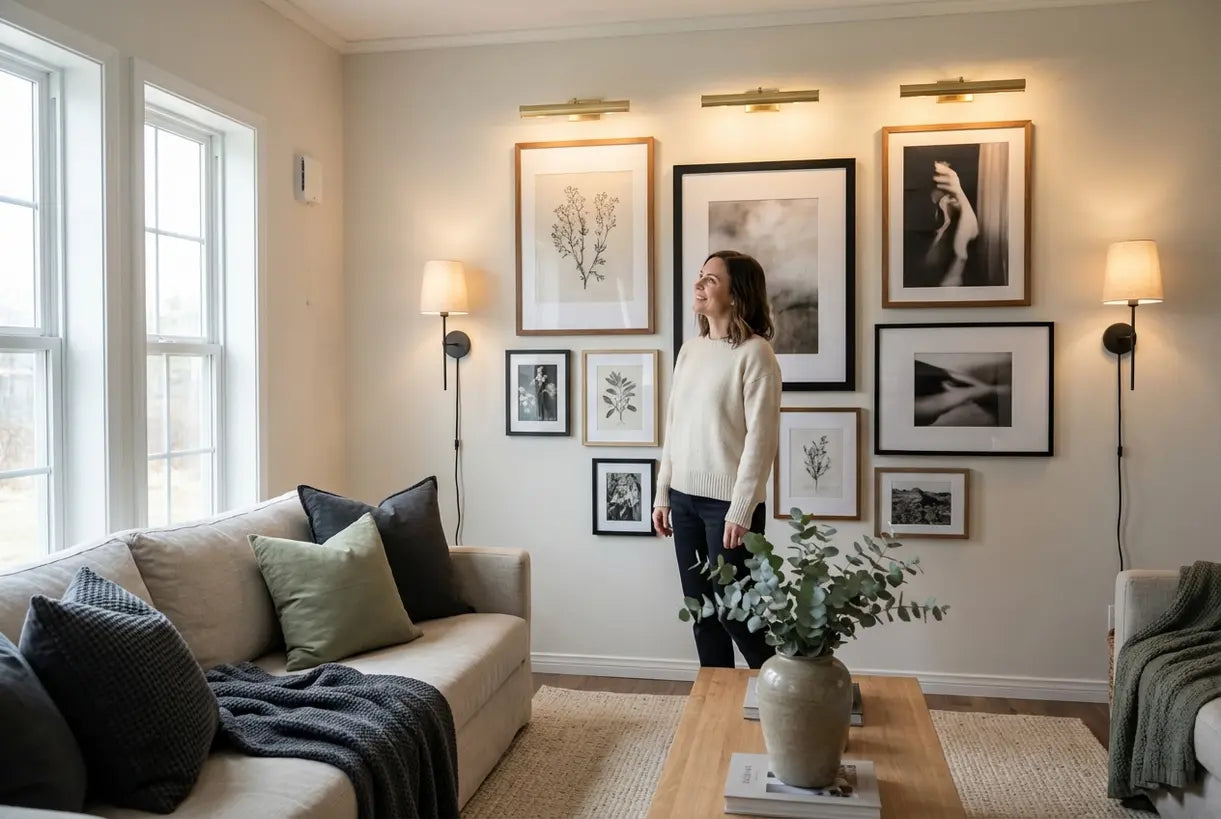
For mixed-media gallery walls, consider how different pieces interact with light. Photography often benefits from cooler, more precise illumination, while oil paintings glow beautifully under warmer tones. Textile art may require specialized lighting to reveal weave and texture without creating harsh shadows.
The Lysvei Sculptural Glass Wall Sconce Gold Finish offers an elegant solution for gallery wall lighting. Available in two sizes, its gold finish and milky glass shade diffuse light beautifully across multiple pieces while adding decorative presence. For a more dramatic statement, the Lenka Chrome Tassel Wall Sconce for Modern Homes brings sculptural artistry to your wall—this luxury piece features polished chrome chain tassels that catch and reflect light, creating dynamic shadow play while providing sophisticated ambient illumination.
Curated Lighting for Your Art Collection
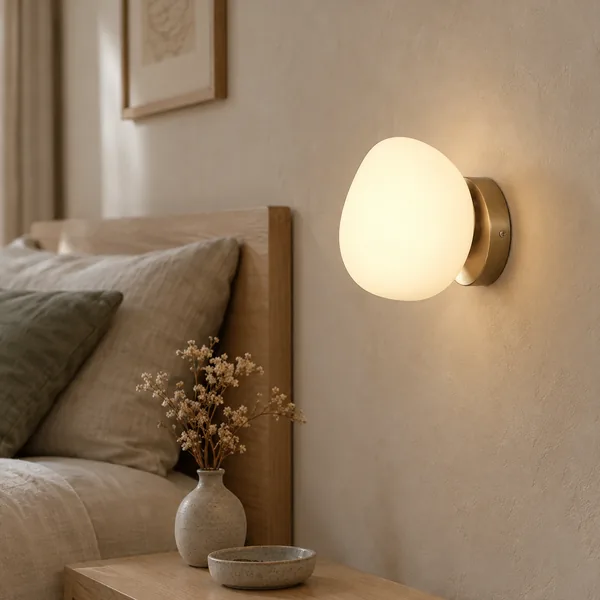 Lysvei Sculptural Glass Wall Sconce Gold Finish$89.00$129.00
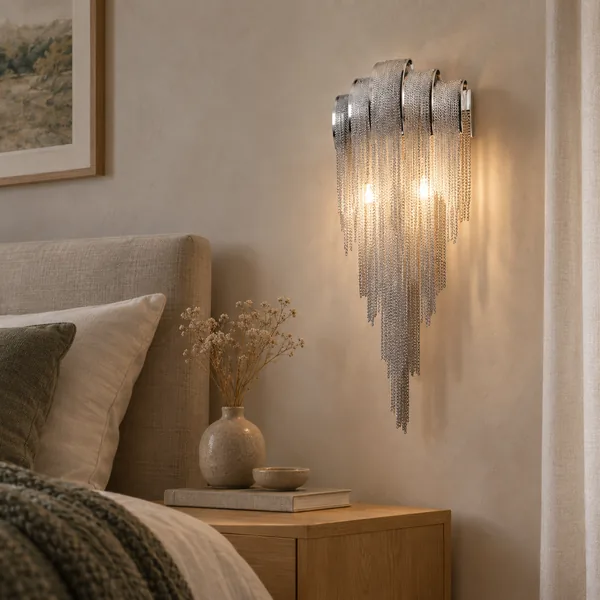 Lenka Chrome Tassel Wall Sconce for Modern Homes$399.00$579.00
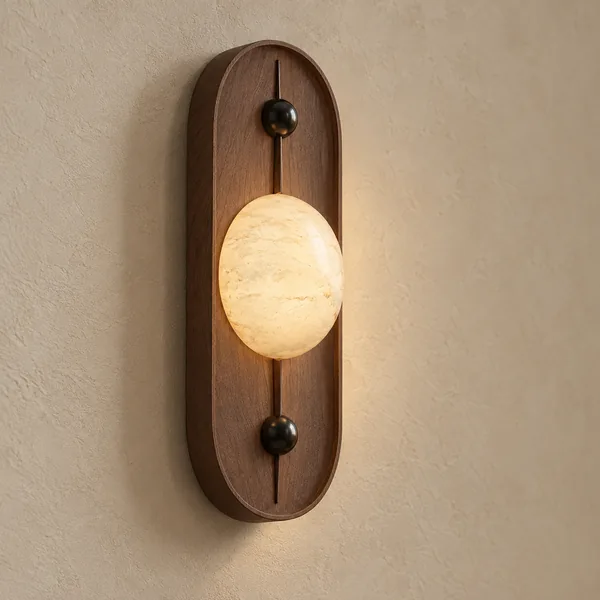
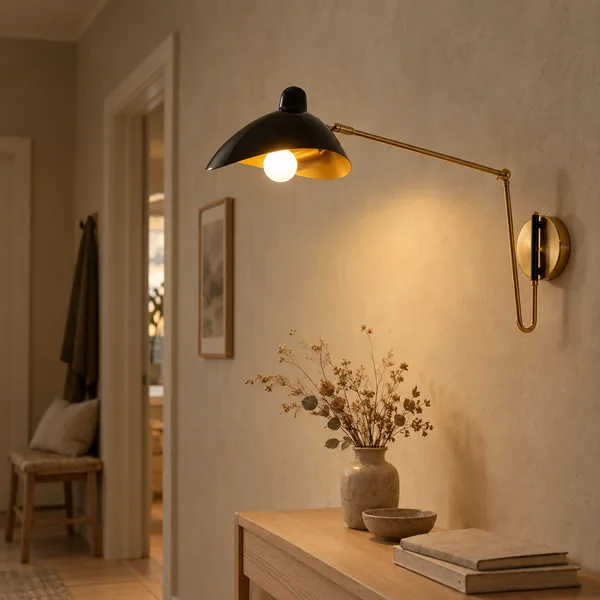
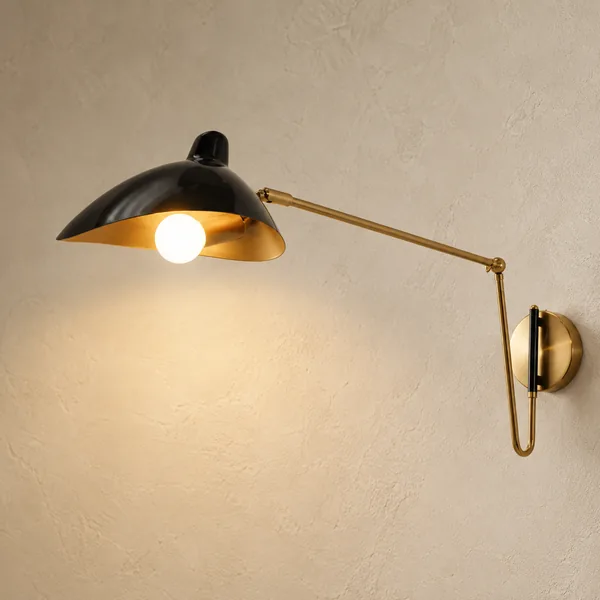
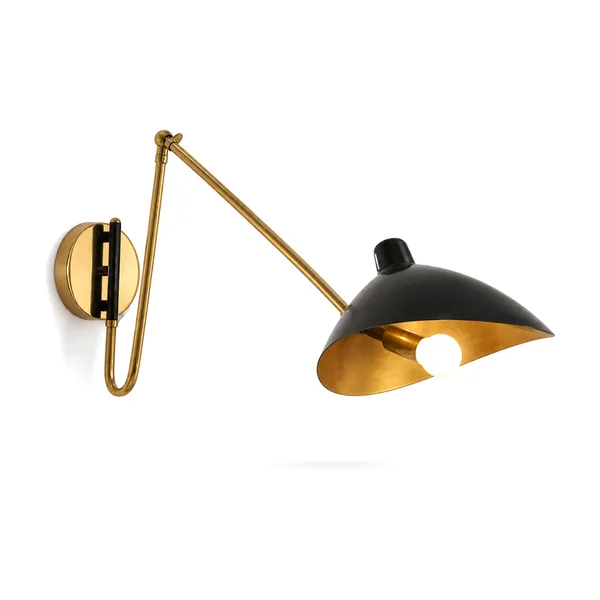
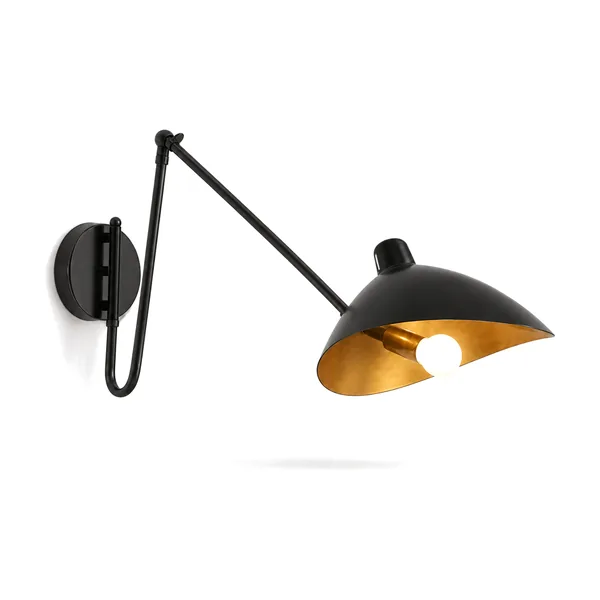
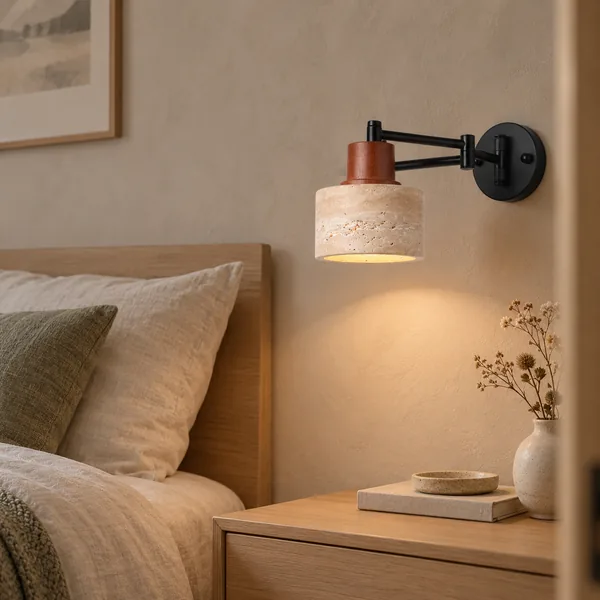
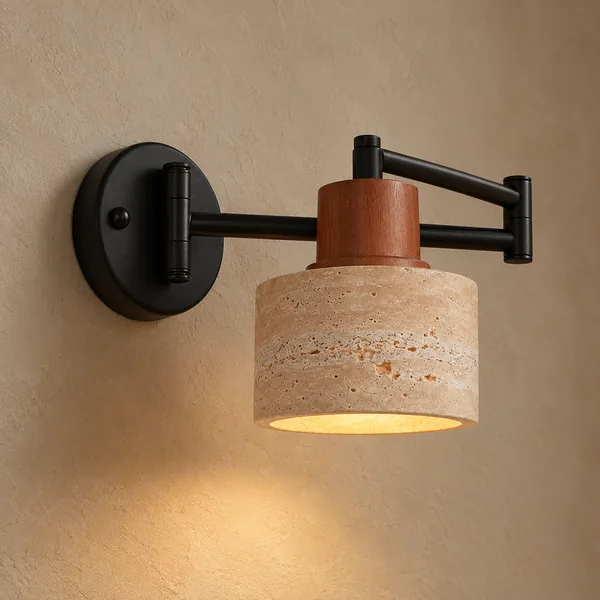
Adjustable Wall Lights
Shop all Adjustable Wall Lights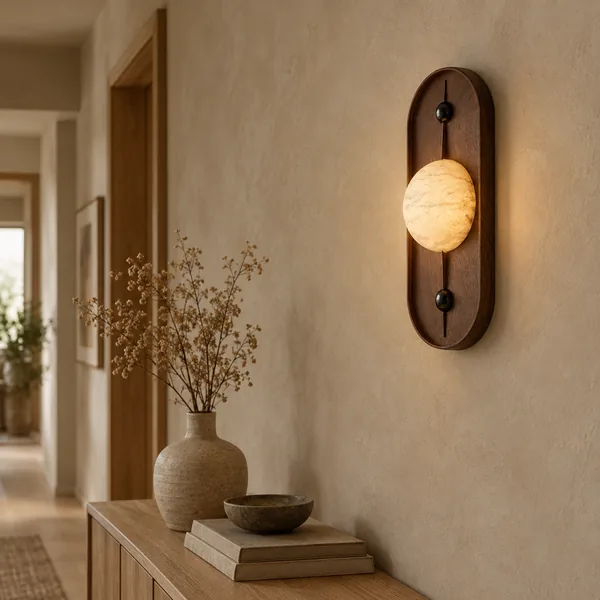
Installation Tips for Perfect Results
Installing wall art light fixtures requires precision, but the process is manageable for most homeowners. Proper preparation ensures professional results without the professional cost.
Electrical considerations come first. If hardwiring, locate junction boxes at appropriate heights (typically 66-72 inches from floor to center of artwork, depending on ceiling height). For plug-in options, plan cord management carefully—raceways, cord covers, or strategic furniture placement can conceal unsightly wires.
Tools needed include a level, stud finder, drill with appropriate bits, screwdriver, and measuring tape. For heavy fixtures, always anchor into studs or use appropriate wall anchors rated for the fixture weight plus safety margin.
Height placement follows the same principles as artwork hanging—center pieces at eye level (approximately 57-60 inches from floor to center of artwork) for optimal viewing. Adjust based on ceiling height and furniture placement, maintaining consistent heights throughout a room or gallery wall.
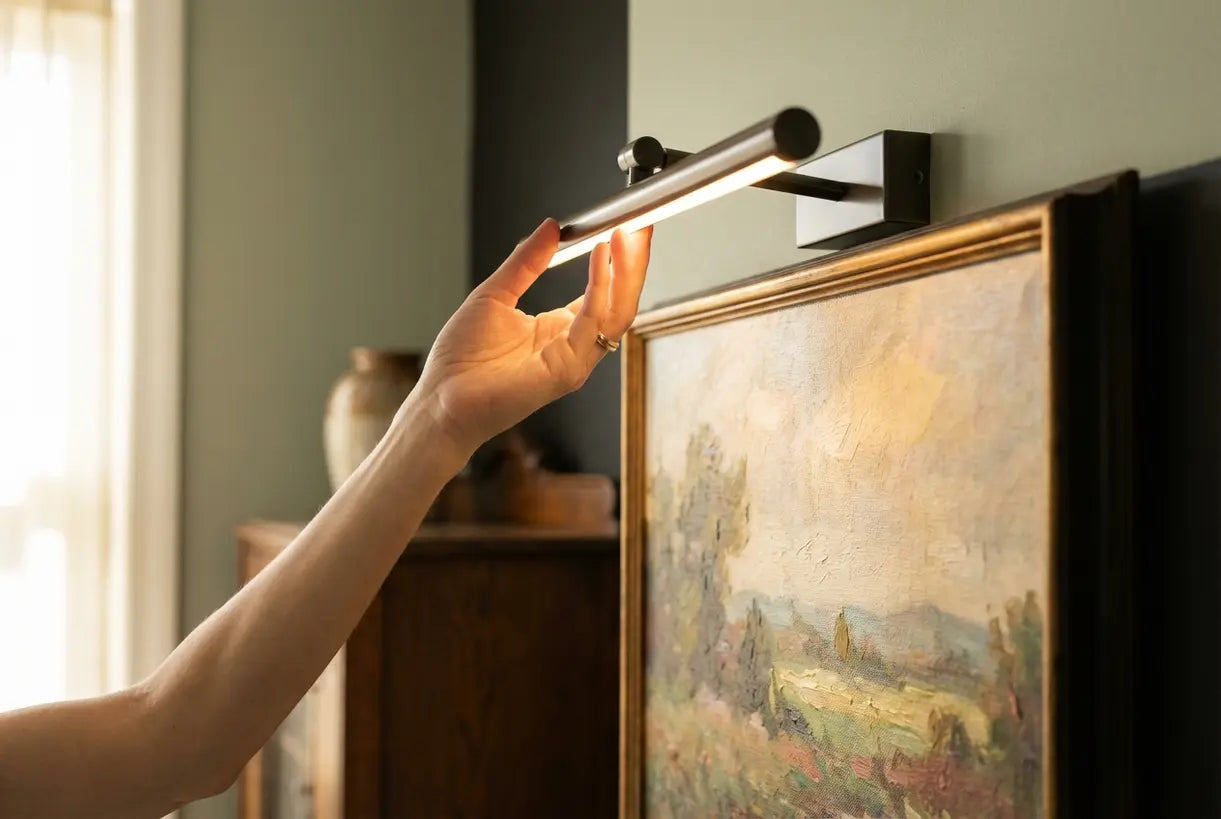
After installation, fine-tuning is essential. Adjust fixture angles, clean any fingerprints from glass or metal surfaces, and test lighting at different times of day. Natural light changes throughout the day affect how your wall art light interacts with ambient illumination—what looks perfect at noon may need dimming in the evening.
Safety First: Always turn off power at the breaker before attempting electrical work. If you're uncomfortable with wiring, hire a licensed electrician. The cost of professional installation is minimal compared to peace of mind and safety.
Trending Styles in Art Lighting
Current trends in museum-quality picture lights emphasize clean lines, sustainable materials, and smart functionality. Adjustable LED picture lights with remote dimming capabilities allow homeowners to customize ambiance effortlessly, while battery-operated options remove installation barriers for renters.
Mid-century modern influences remain strong, with brass and black finishes dominating contemporary collections. These warm metallics complement both colorful artwork and monochromatic pieces, providing sophisticated contrast without overwhelming the composition.
Scandinavian minimalism continues influencing lighting design, with an emphasis on natural materials and human-centered design. Fixtures increasingly consider the complete user experience—from easy installation to intuitive controls—reflecting Nordic values of functionality and accessibility.
For cutting-edge applications, some designers are experimenting with color-tunable LEDs that can shift from warm evening tones to cooler daytime illumination, supporting circadian rhythms while providing optimal artwork viewing at any hour. While this technology carries premium pricing now, it represents the future of residential art lighting.
Maintaining Your Art Lighting System
Quality artwork illumination represents an investment worth protecting. Simple maintenance extends fixture life and preserves optimal lighting conditions for your treasured pieces.
Cleaning routines should be gentle and regular. Dust fixtures weekly with soft, dry cloths. For deeper cleaning, use slightly damp microfiber cloths with mild soap, avoiding harsh chemicals that might damage finishes. Never spray cleaning solutions directly onto fixtures—apply to cloth first to prevent moisture damage.
LED maintenance is minimal but important. While LEDs last years longer than traditional bulbs, they do eventually dim. Replace bulbs or entire fixtures when you notice significant brightness reduction or color shifting. Keep spare bulbs on hand for fixtures with replaceable lamps.
Seasonal adjustments may be necessary if your home experiences significant humidity or temperature changes. Metal fixtures expand and contract with temperature fluctuations, occasionally requiring hardware tightening. Check mounting stability quarterly, especially for fixtures above frequently used spaces where vibrations might loosen connections.
Conclusion: Illuminate with Intention
Mastering the art of wall art light placement transforms your home from simply decorated to thoughtfully curated. Whether you're highlighting a single cherished painting or designing an entire gallery wall, the principles remain consistent: size appropriately, position precisely, and choose fixtures that serve both your artwork and your aesthetic vision.
At Skonne, we understand that lighting is deeply personal. The fixtures you choose become part of your daily experience—present when you sip morning coffee beneath your favorite print, when you entertain friends around a glowing gallery wall, when you wind down in the soft illumination of meaningful art. Our Scandinavian-inspired collection, from the minimalist Stille LED Wall Sconce to the sculptural Lenka Chrome Tassel, offers options for every style and space.
Remember that artwork lighting isn't just about visibility—it's about creating emotional resonance. The right fixture doesn't just show you what's on the wall; it reveals why that piece matters. It creates moments of pause in busy days, draws connections between art and environment, and ultimately transforms houses into homes filled with intention and warmth.
Related Article
Wall Washer Lights: What They Are & How to Use Them to Transform Your WallsLearn what wall washer lights are and how to use them to create stunning wall illumination. A complete guide to transforming your walls with ambient lighting.