
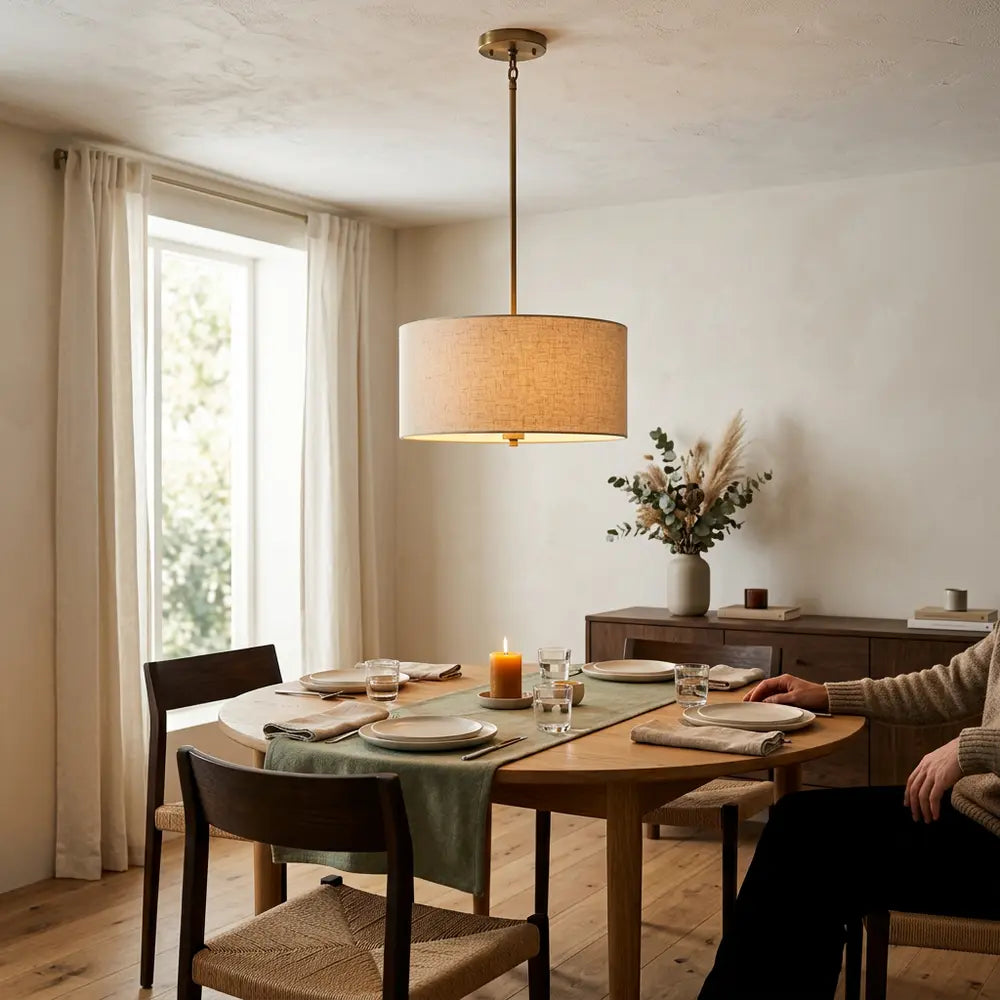
Dining Room Lighting
Showing 73 - 79 of 79 products
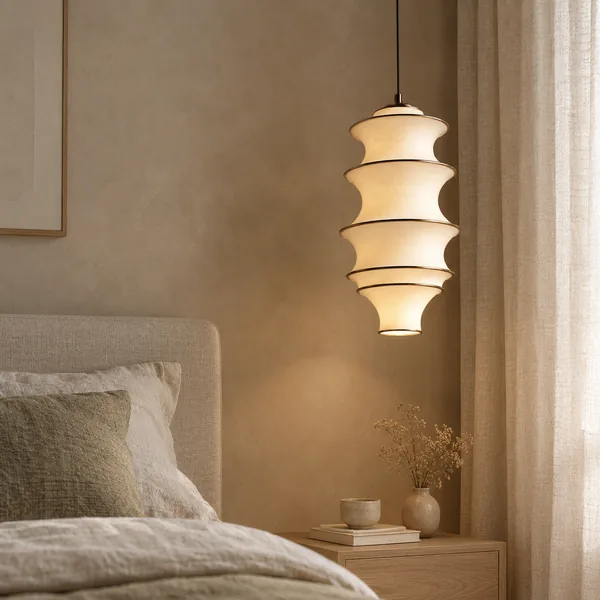
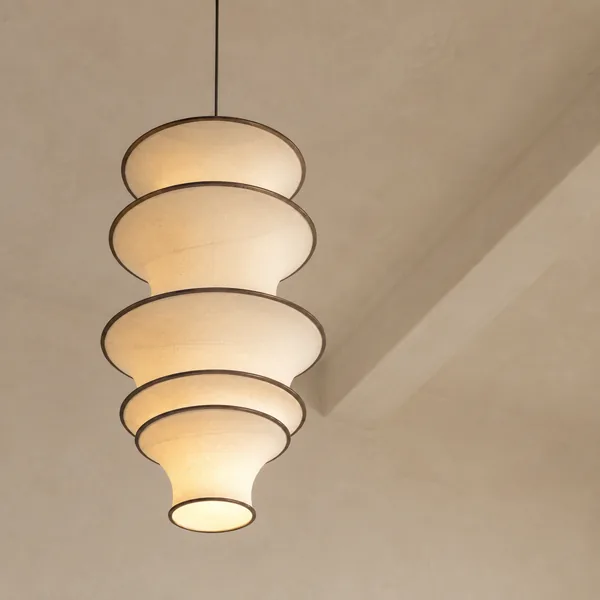 Save $180.00
Ljuva Sculptural Fabric Pendant Light in Ivory
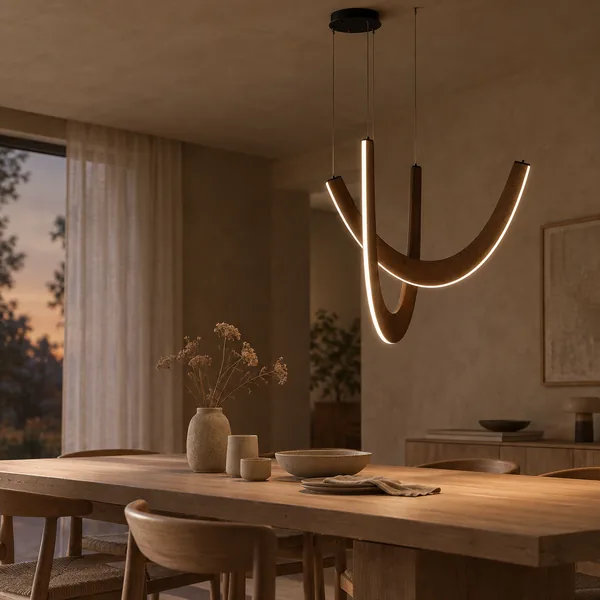
 Save $370.00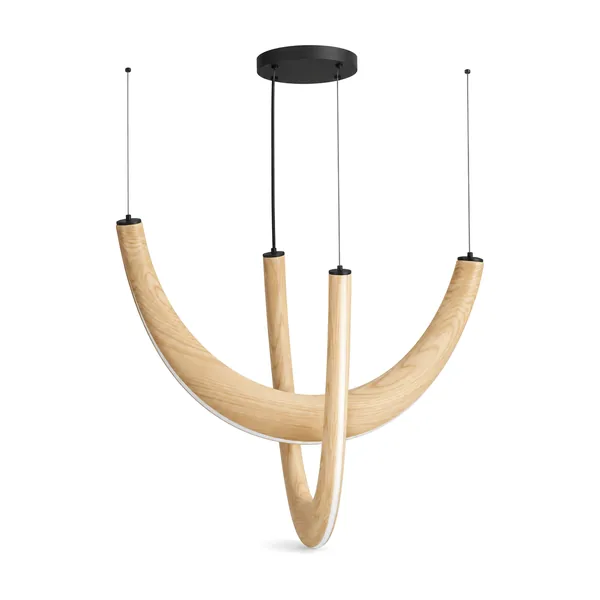
 3 options
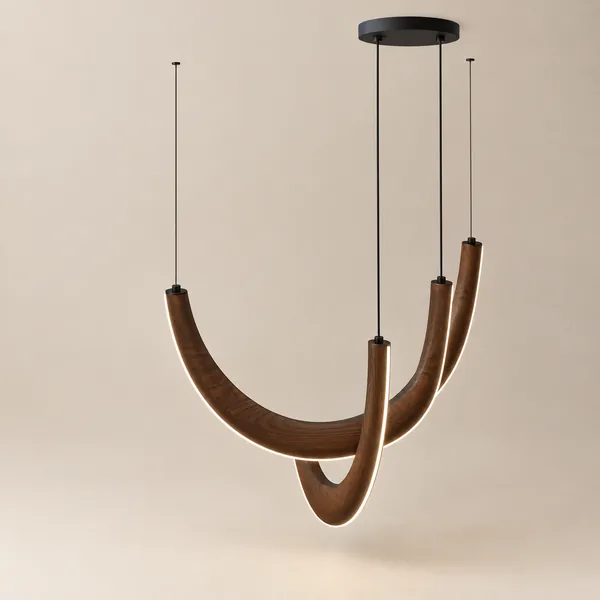
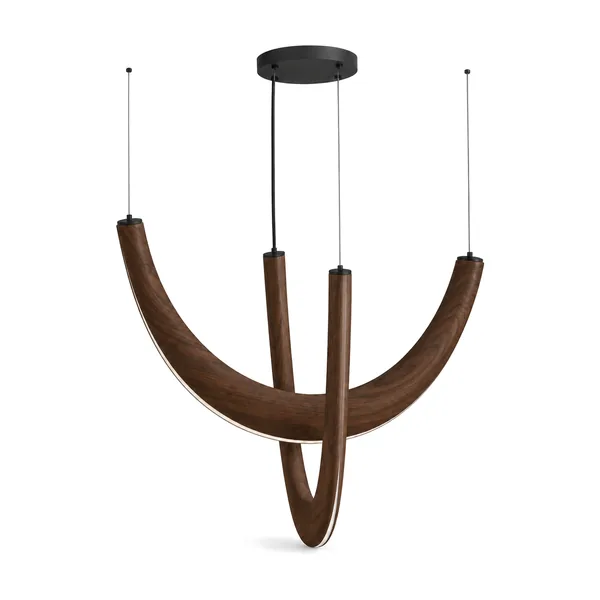
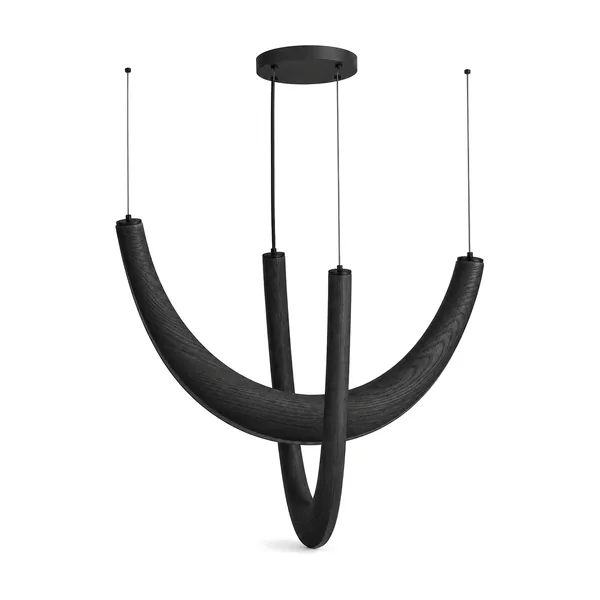
Lybue U-Shape Solid Wood Dimmable Pendant Light
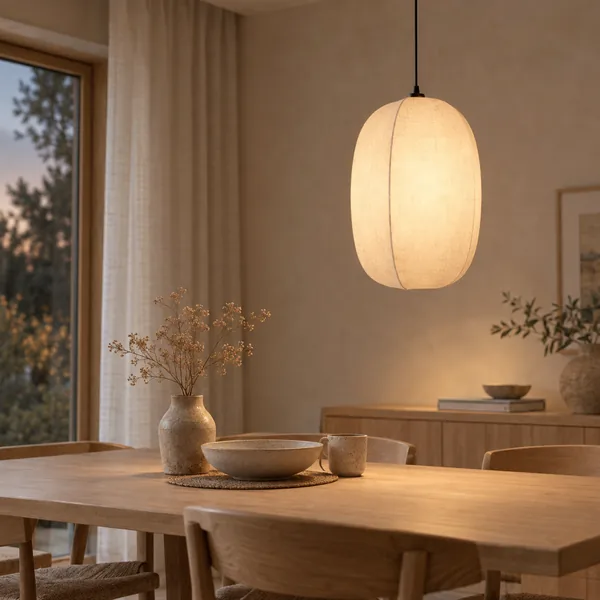
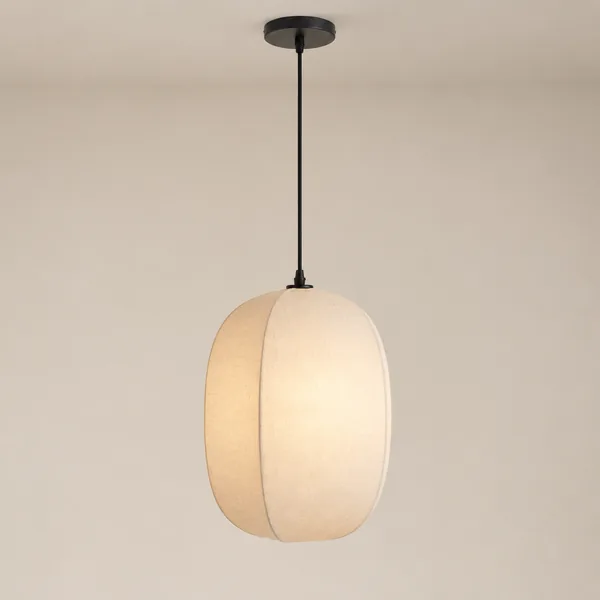 Save $110.00
Driva Linen Lantern Pendant Light Warm Ambiance
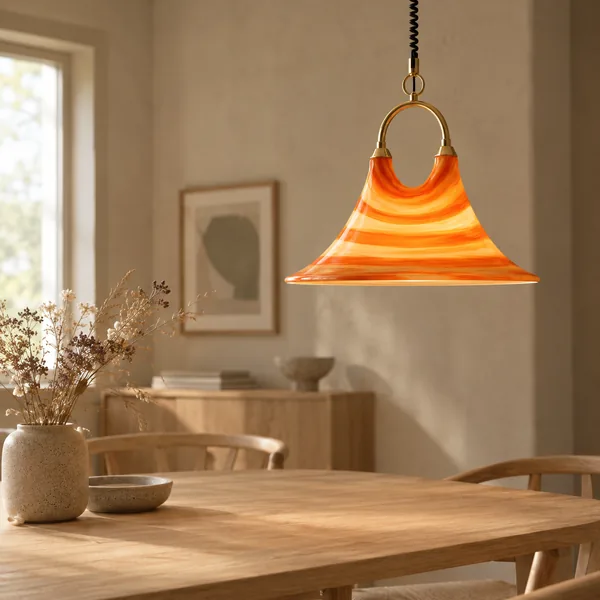
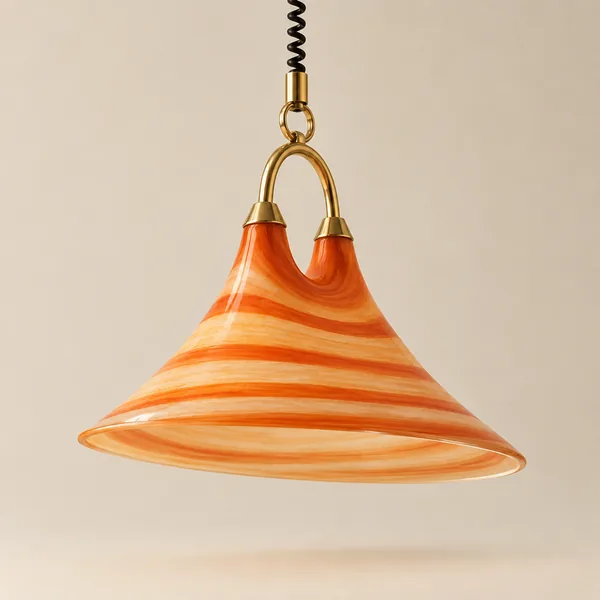 Save $120.00
Gloda Horn Pendant Light Modern Acrylic Lamp
 Save $460.00
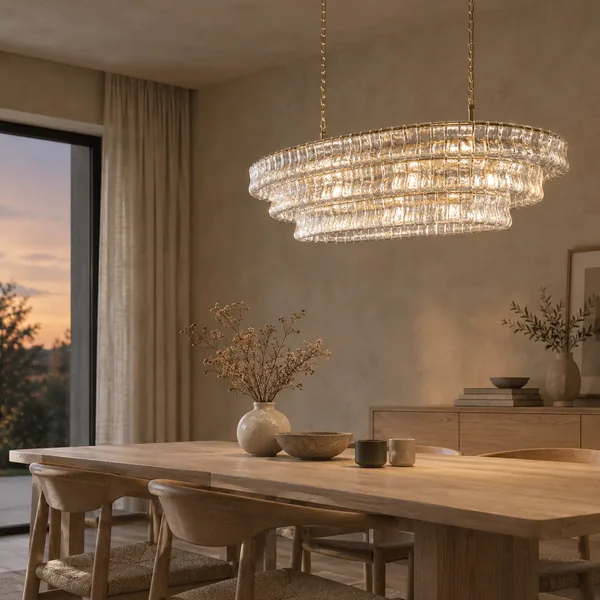
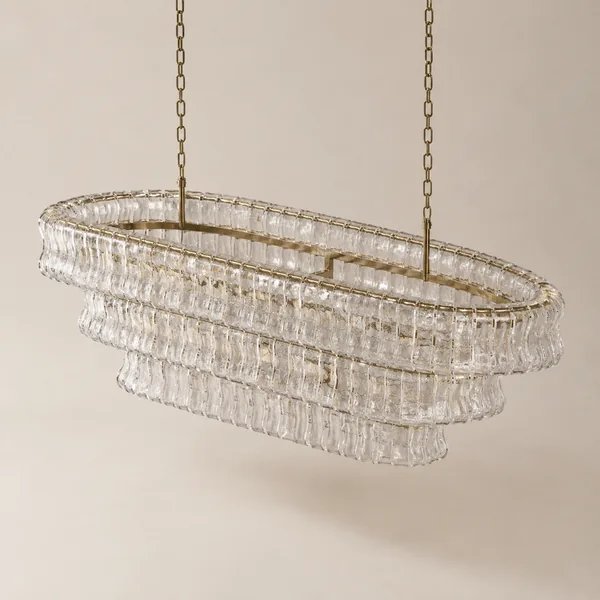
Stjerna Vintage French Clear Glass Chandelier
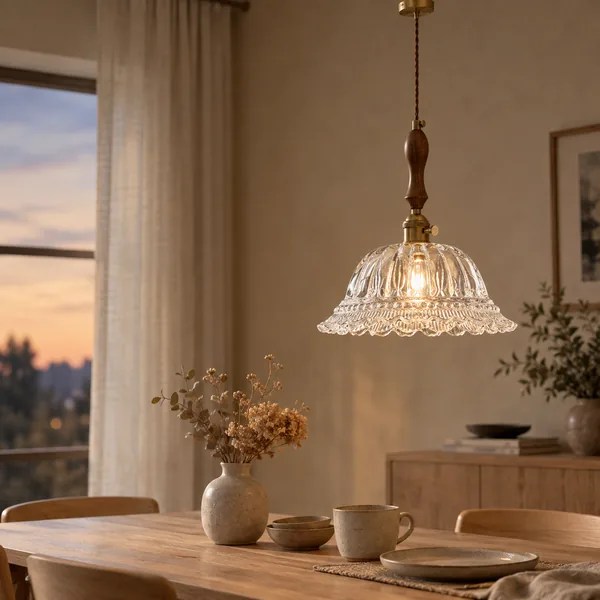
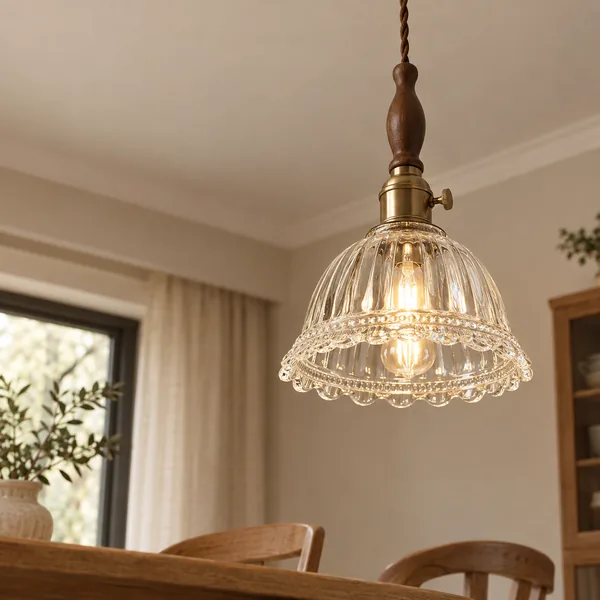
The dining room is where meals become memories — where morning coffee lingers, where celebrations unfold, and where the quiet ritual of gathering finds its rhythm. Dining room lighting is the element that sets the entire emotional tone of that space. At Skonne, we curate Nordic-inspired fixtures that do more than illuminate a table; they anchor a room, shape a mood, and invite people to stay a little longer.
Whether you're drawn to the sculptural drama of a statement chandelier or the understated elegance of a slim linear pendant, this collection brings together thoughtfully designed dining room light fixtures across a wide range of styles and price points — all rooted in the warmth and clarity of Scandinavian design philosophy.
Why Dining Room Lighting Deserves Careful Thought
No other room in the home relies so completely on a single light source. The dining table is a stage, and the fixture above it is the spotlight — it shapes how food looks, how faces glow, and how comfortable people feel sitting together for an hour or more.
Good over table lighting doesn't just provide visibility; it creates intimacy. It defines the boundary of the dining space within an open-plan home, adds architectural interest to a plain ceiling, and communicates your personal design sensibility the moment anyone enters the room.
This is why choosing a dining room fixture is one of the most rewarding — and most considered — decisions in any home refresh. Get it right, and everything else in the room seems to fall effortlessly into place.
The Skonne Approach to Dining Room Light Fixtures
Scandinavian design has always understood something essential about light: it should feel warm, intentional, and human-scaled. In the Nordic countries, where natural daylight is precious and seasonal, interior lighting has been elevated to an art form over generations.
At Skonne, that heritage informs every piece we select. Our dining room collection prioritizes fixtures with genuine material quality — aged brass hardware that develops character over time, alabaster shades that diffuse light with a gentle luminosity, hand-blown glass that catches the eye without overwhelming, and matte black finishes that offer graphic clarity against both light and dark interiors.
We also span a meaningful price range. Entry pieces begin around $150 and offer real design value — not disposable fast-fashion lighting, but considered forms with proper proportions. At the other end of the spectrum, our statement dining room chandeliers and bespoke linear systems represent genuine investment pieces that will anchor a dining room for decades.
Dining Room Chandelier Styles in Our Collection
The chandelier is the undisputed centerpiece of traditional and transitional dining rooms. A well-chosen chandelier adds height, drama, and a sense of occasion to the space beneath it.
Our dining room chandeliers range from understated Nordic clusters with warm-toned metal arms to more expressive multi-tier forms suited to high ceiling dining rooms with generous vertical space. For homes with contemporary interiors, we carry sculptural fixtures that reinterpret the chandelier concept through a cleaner, more geometric lens.
Materials matter enormously in this category. Fixtures with textural shades — woven rattan, linen, or ribbed glass — introduce softness and organic warmth. Solid brass constructions carry a sense of permanence and craftsmanship that instantly elevates a room's perceived quality.
Linear Pendants and the Modern Dining Table
For rectangular dining tables — now the dominant format in contemporary homes — the linear dining room chandelier or linear pendant has become the preferred solution. It mirrors the horizontal logic of the table beneath it, creating a sense of deliberate pairing that feels designed rather than accidental.
Our linear pendants range from slim single-bar forms with multiple adjustable bulb positions to more architectural systems with layered elements and mixed materials. Many feature dimmable compatibility, which is essential for a fixture that needs to serve both a bright Sunday brunch and a candlelit dinner party within the same week.
Dining room pendant lighting also works beautifully in pairs over very long tables, or as a single statement piece over a round table in a more intimate dining nook. The flexibility of pendant configurations makes them one of the most versatile choices in this collection.
Flush Mount and Semi-Flush Options for Lower Ceilings
Not every dining room has the ceiling height to accommodate a hanging fixture. For rooms with standard 8-foot ceilings, a flush mount or close-to-ceiling fixture is the practical and often the most elegant solution.
Our flush mount dining options are selected with the same design rigour as our pendants and chandeliers. These are not afterthoughts — they are properly considered forms that bring genuine aesthetic value to rooms where clearance is limited. Several of our flush mount pieces feature sculptural shade profiles or premium material details that make them just as visually compelling as their pendant counterparts.
Layered Lighting for a Complete Dining Room Scheme
While the central fixture is the star, a truly polished dining room benefits from layered lighting. This means combining your primary over-table fixture with ambient sources around the room — wall sconces, buffet lamps, or under-cabinet lighting in an adjoining kitchen — to create depth and flexibility.
Layering allows you to control the mood at different times of day. A bright overhead light at full power suits family meals and homework sessions. That same fixture dimmed, combined with a lit sideboard lamp, transforms the room into something far more atmospheric for evening entertaining.
At Skonne, several of our dining fixtures are part of broader collections that include coordinating wall sconces and table lamps, making it straightforward to build a cohesive, Nordic style lighting scheme across your entire dining space.
Matching Dining Room Lighting to Your Interior Style
One of the most common questions we hear is how to match a fixture to an existing interior without making the room feel mismatched or over-coordinated. The Scandinavian design approach offers a reassuring answer: focus on material honesty and proportion, and most fixtures will harmonize naturally.
For mid-century modern interiors with warm wood tones and tapered furniture legs, look toward brass fixtures with organic shapes or geometric forms inspired by the postwar Scandinavian design movement. These echo the period's sensibility without tipping into pastiche.
For contemporary interiors with clean lines and neutral palettes, our matte black and brushed steel fixtures provide graphic definition without competing with architectural details. For warmer, more eclectic spaces, woven shades and amber glass pendants add textural warmth that feels layered and collected over time.
If you're uncertain, our team is always available to help you match a fixture to your specific room — it's the kind of thoughtful support that separates a curated brand from a generic marketplace.
Sizing Dining Room Lights Correctly
Proportion is one of the most important and most underestimated factors in dining room lighting. A fixture that's too small will look tentative and lost above a large table; one that's too large will overwhelm the space and feel oppressive.
The most widely used guideline for dining table lights is that the diameter or width of your fixture should be roughly 12 inches less than the width of your table. For a 42-inch-wide table, aim for a fixture around 30 inches wide. For linear fixtures over rectangular tables, the pendant length should typically be about two-thirds the length of the table.
Hanging height matters equally. The standard recommendation is to hang a dining fixture so its bottom sits 30 to 36 inches above the tabletop — enough to avoid blocking sightlines across the table while keeping the light within an intimate range of the surface below it.
Explore Our Dining Room Lighting Categories
Our dining room collection is organized to help you find the right fixture type for your space, style, and ceiling configuration. Each category below focuses on a specific fixture format, making it easier to narrow your search without wading through options that simply won't work for your room.
- Dining Room Chandeliers: Statement multi-arm and cluster chandeliers suited to dining rooms with generous ceiling heights and a desire for sculptural presence above the table.
- Dining Room Pendant Lighting: Single and grouped pendants in a range of sizes, materials, and shade profiles — ideal for round tables and intimate dining spaces.
- Linear Dining Room Chandeliers: Horizontal bar pendants and linear suspension systems designed specifically to complement rectangular and oval dining tables.
- Modern Dining Room Light Fixtures: Contemporary fixtures with clean geometry, refined finishes, and a Scandinavian sensibility — for dining rooms that favor simplicity and quiet sophistication.
Every meal deserves beautiful light. Whether you're replacing a dated fixture or designing a dining room from scratch, Skonne's collection gives you the range, the quality, and the curatorial perspective to find a piece that genuinely transforms how your dining room feels — every single day.
Frequently Asked Questions about Dining Room Lighting
79 products