
Flush-Mount Wall Lights
Showing 25 - 45 of 45 products
 Save $100.00
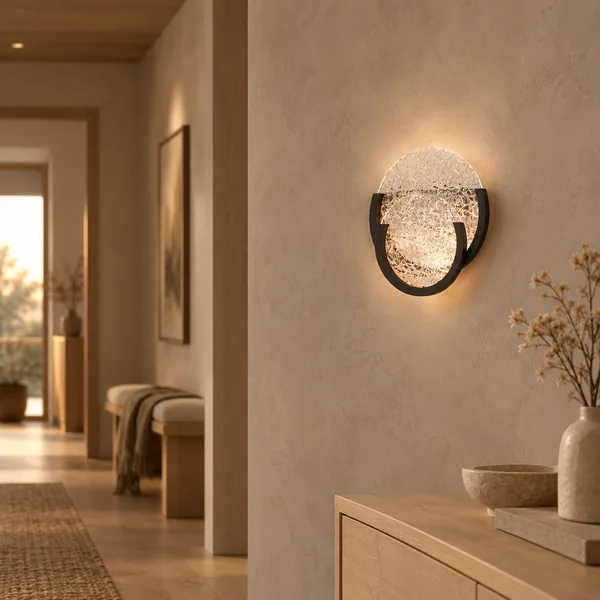
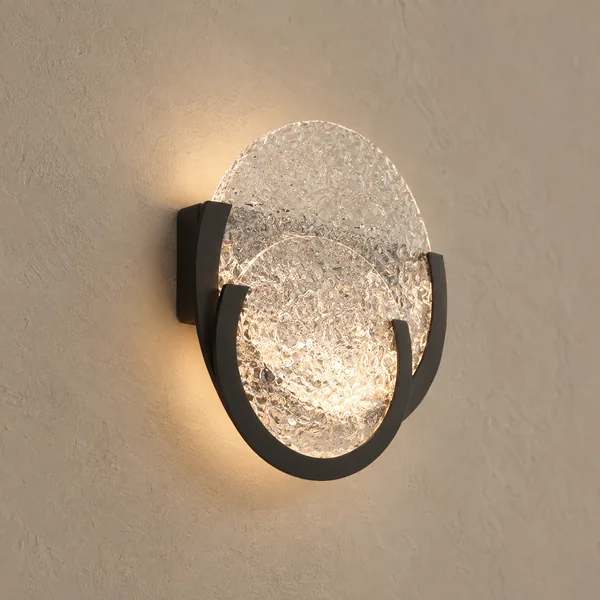
Klarvind Vintage Glass Acrylic Wall Sconce Lamp
 Save $120.00
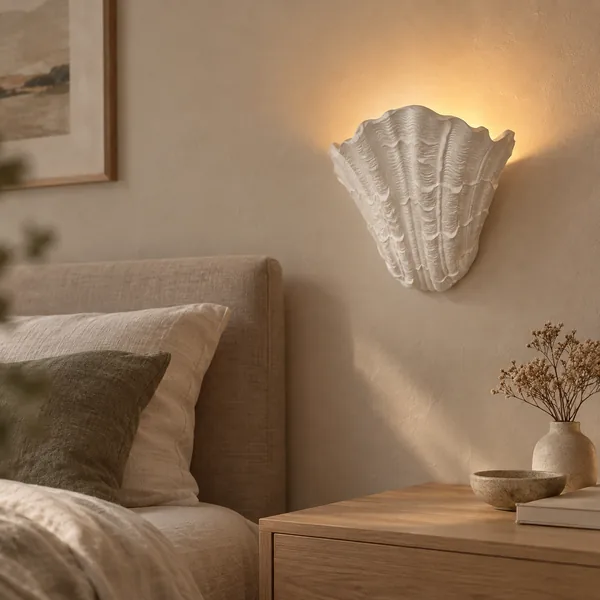
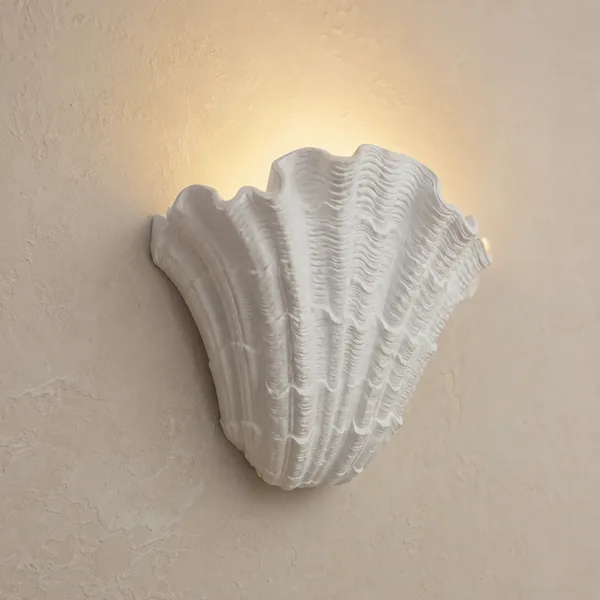
Skalva Handcrafted Gypsum Shell LED Wall Sconce
 Save $180.00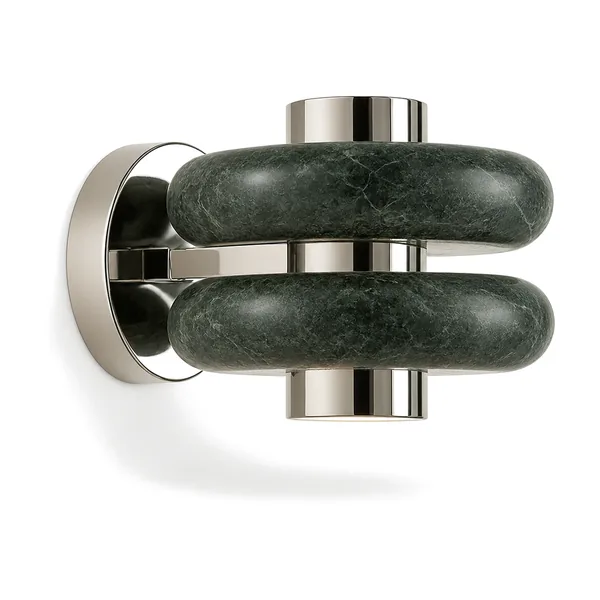
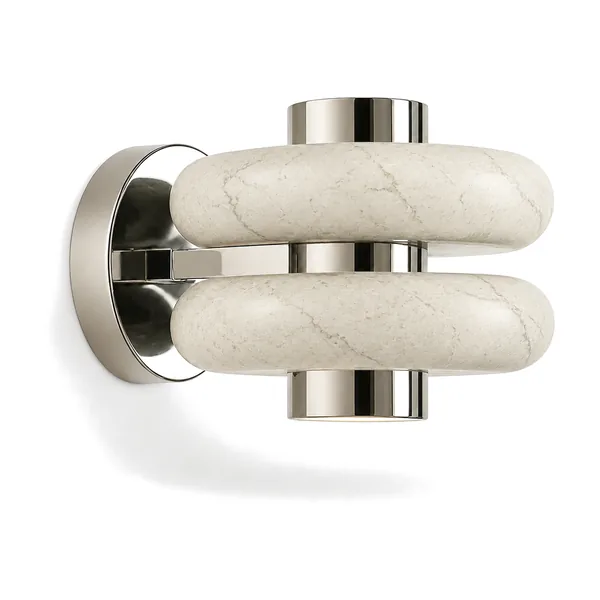 2 options
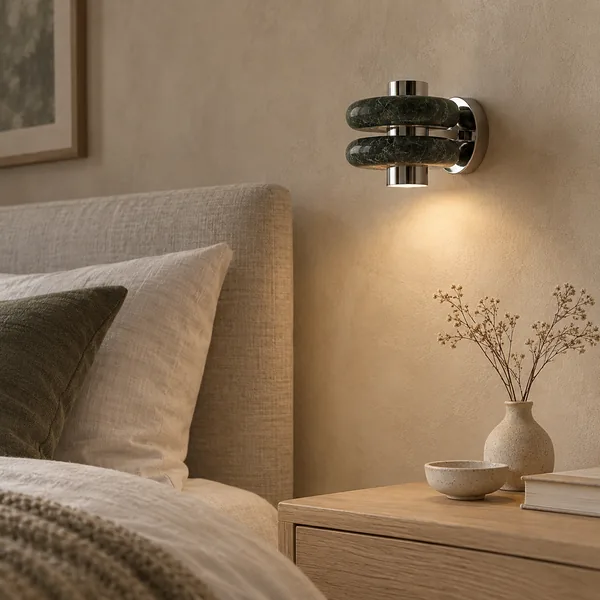
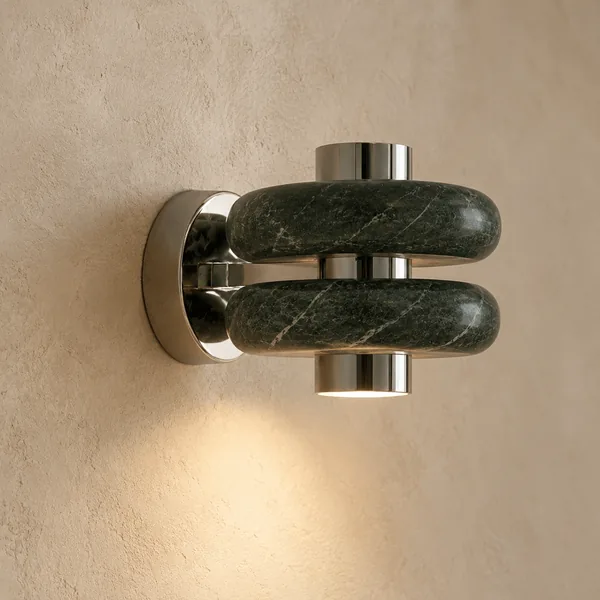
Grenvid Green Marble LED Wall Light Nordic Design
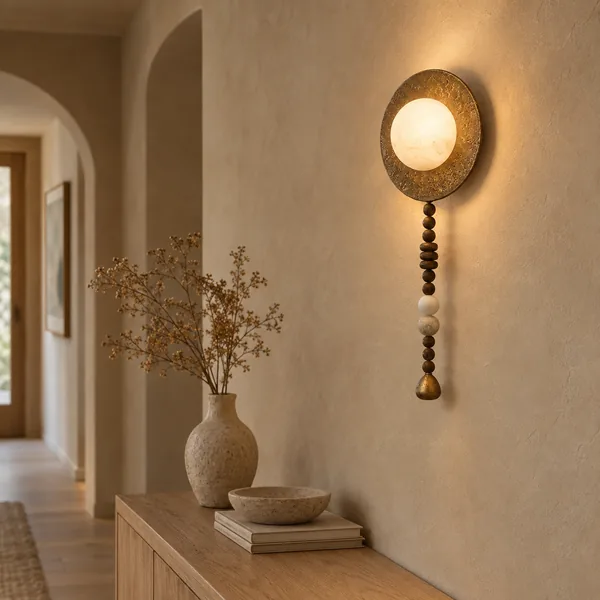
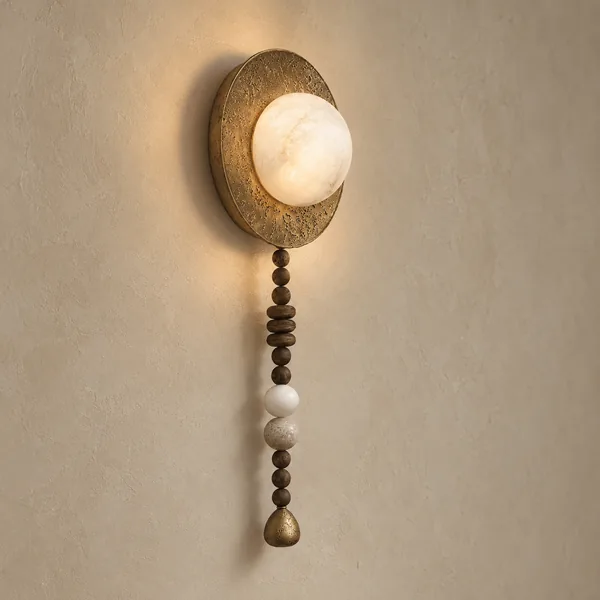 Save $190.00
Marved Art Deco Marble and Wood LED Wall Sconce
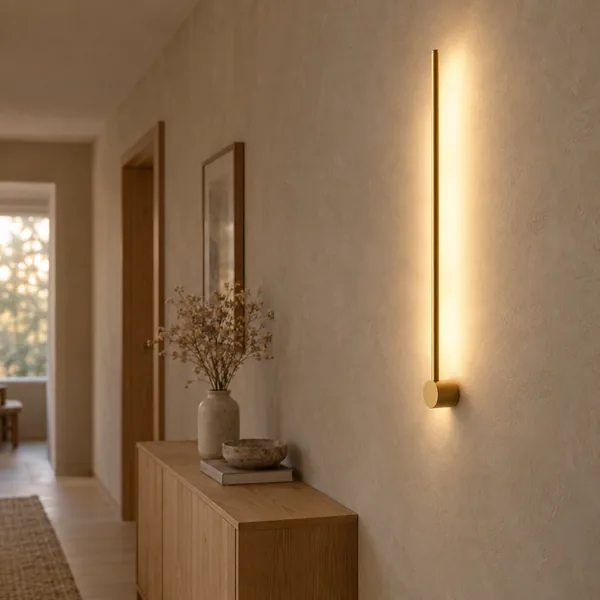
 Save $60.00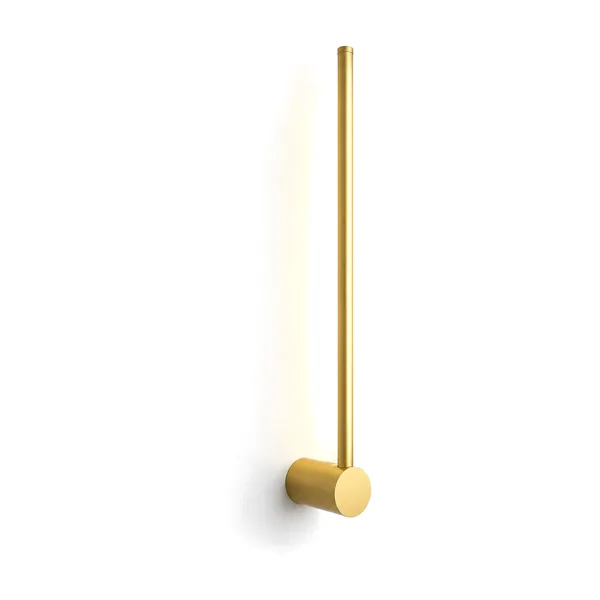
 48 options
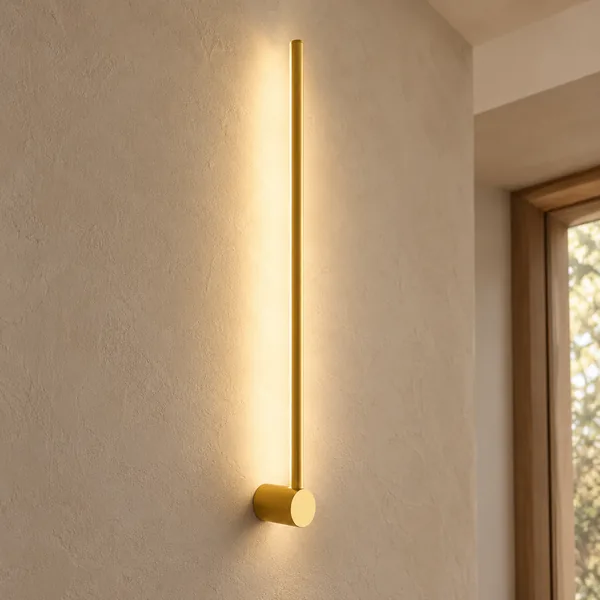
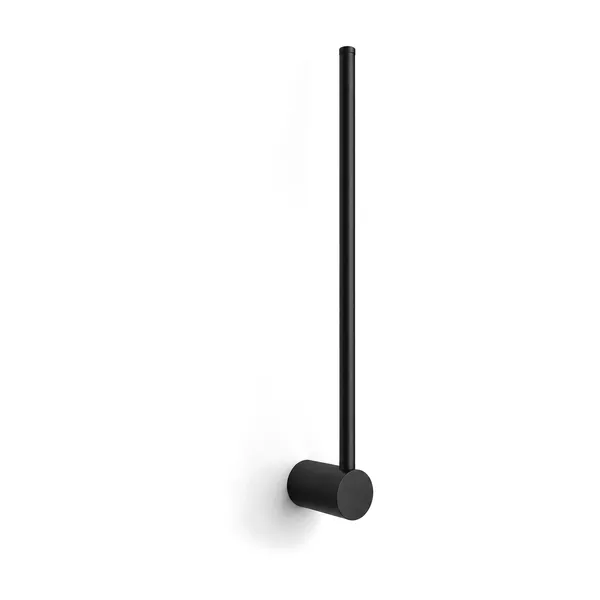
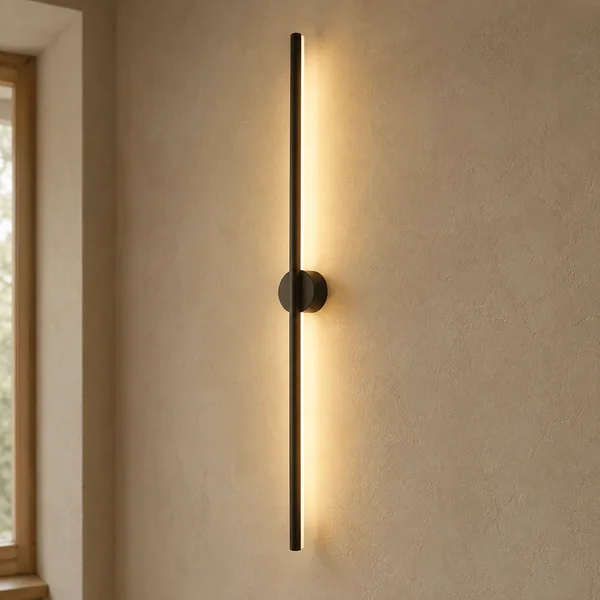
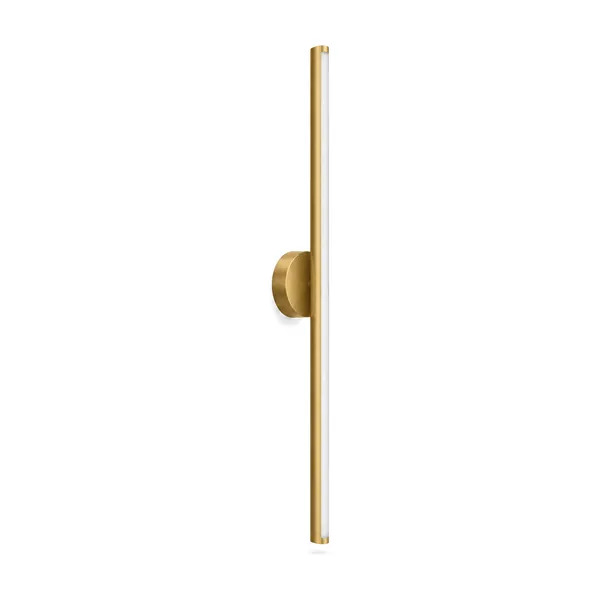
Strimla Nordic Minimalist Linear LED Wall Lamp
 Save $180.00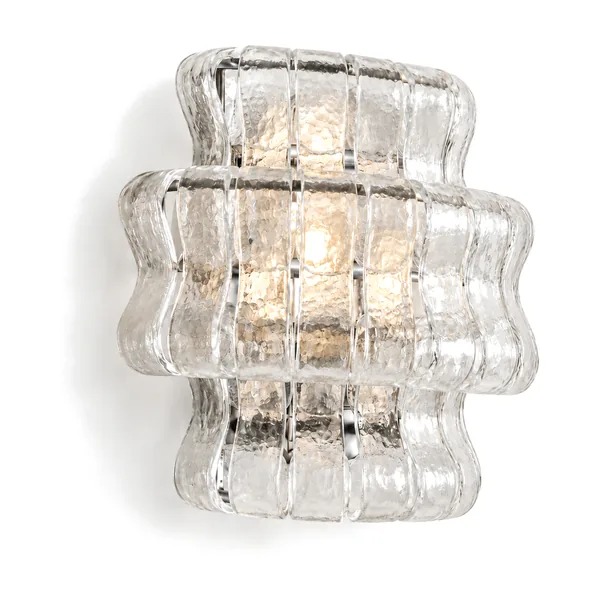
 8 options
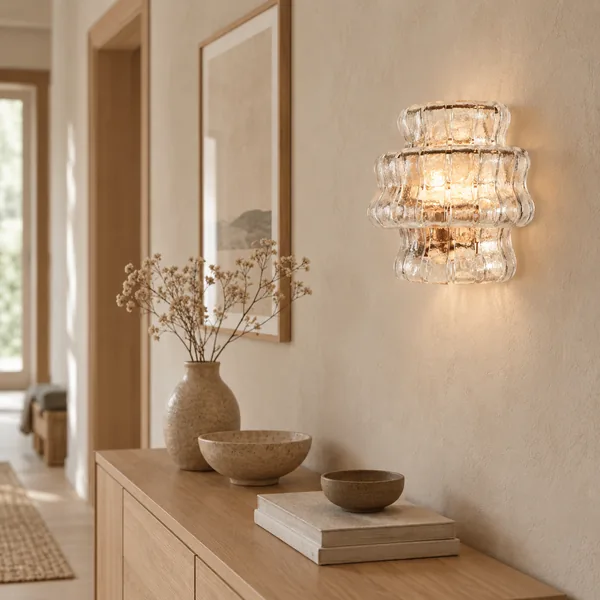
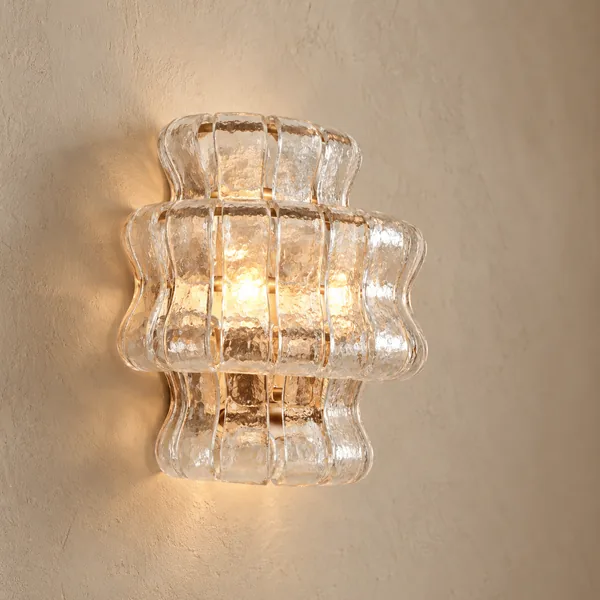
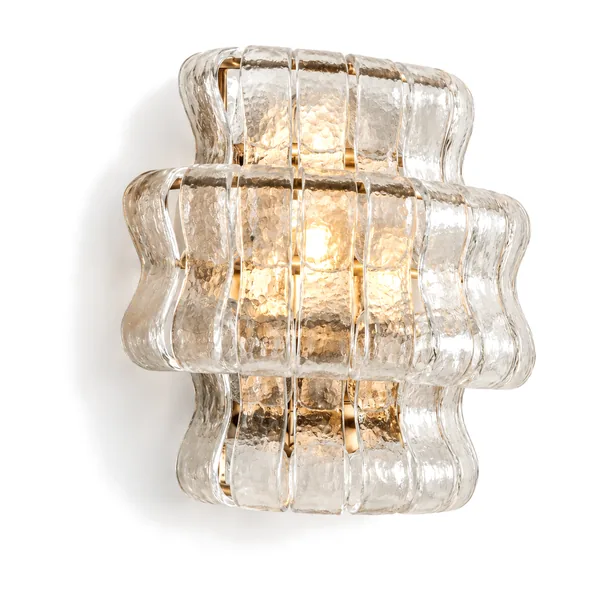
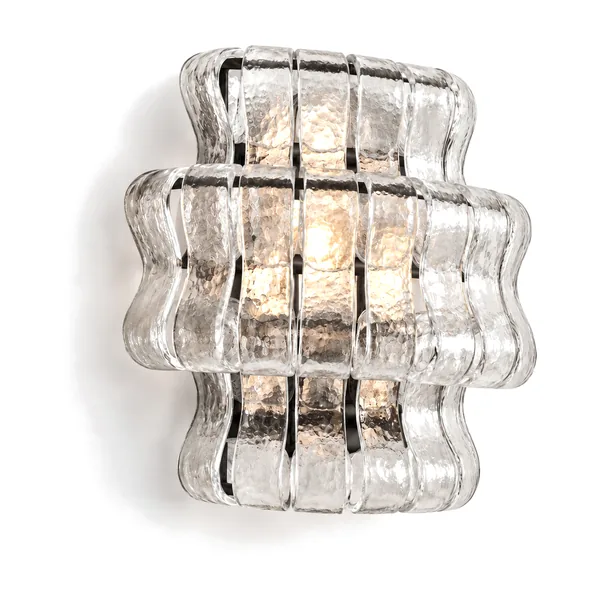
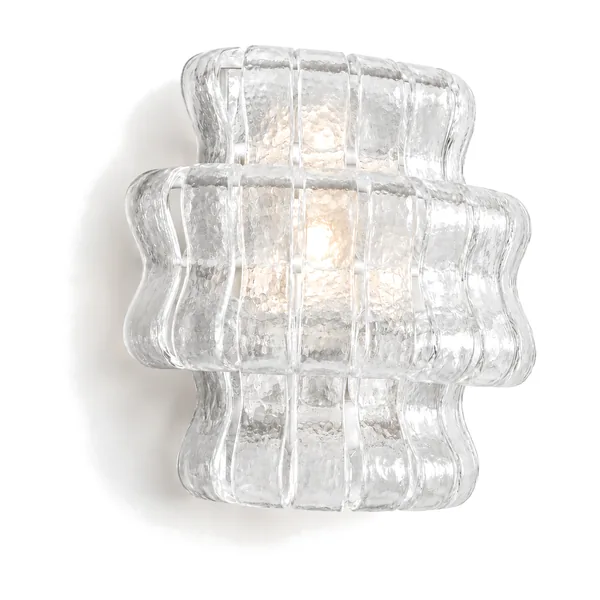
Vågla Sculptural Clear Glass Wall Light Dimmable
 Save $120.00
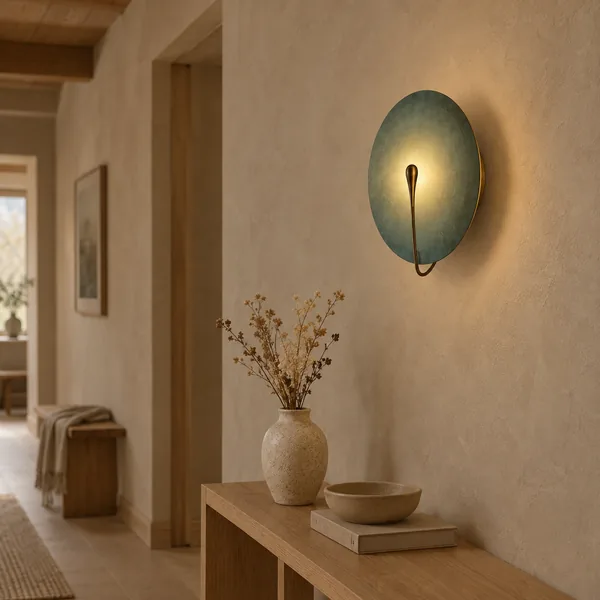
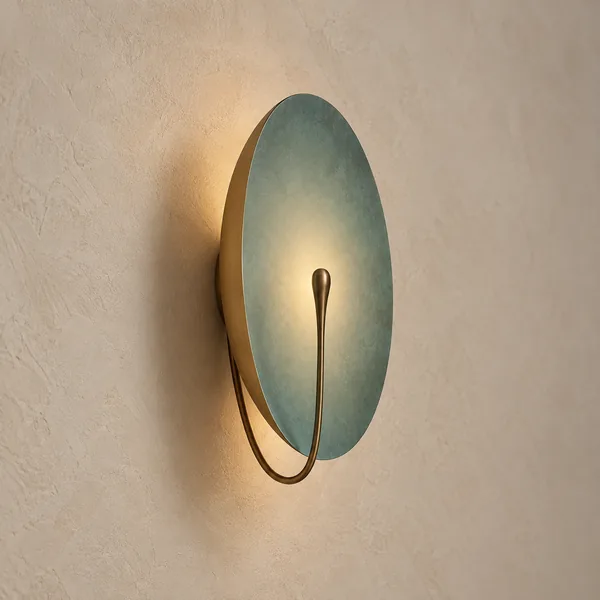
Lunveld Stainless Steel Round Disc Wall Light
 Save $60.00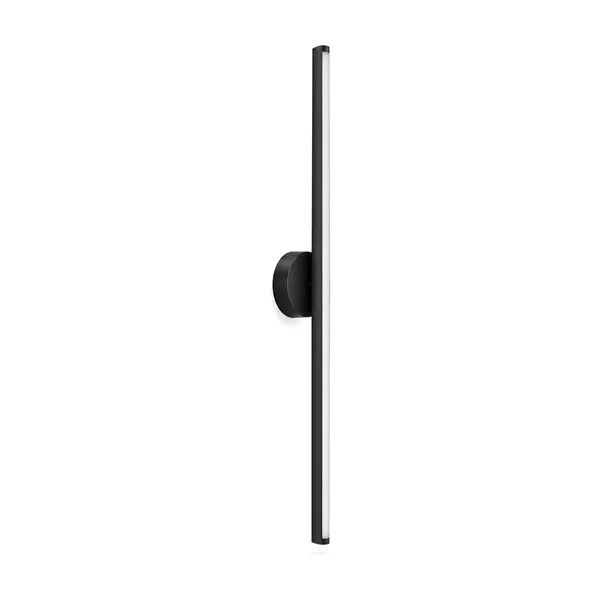
 48 options
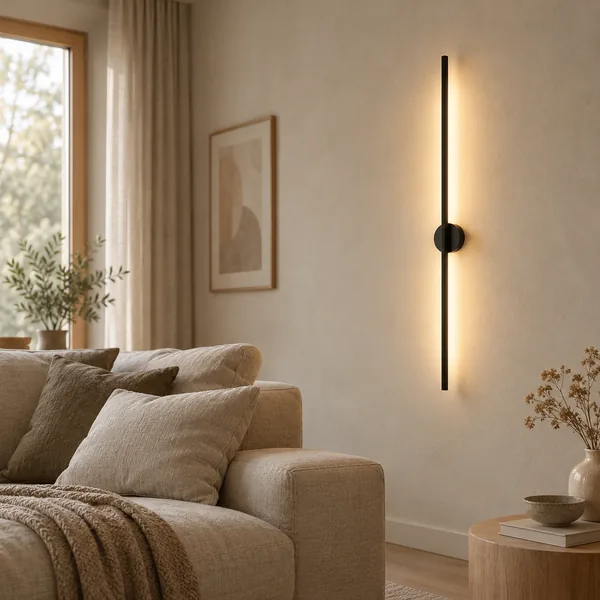
Strimla Nordic Minimalist LED Wall Lamp Dimmable
 Save $110.00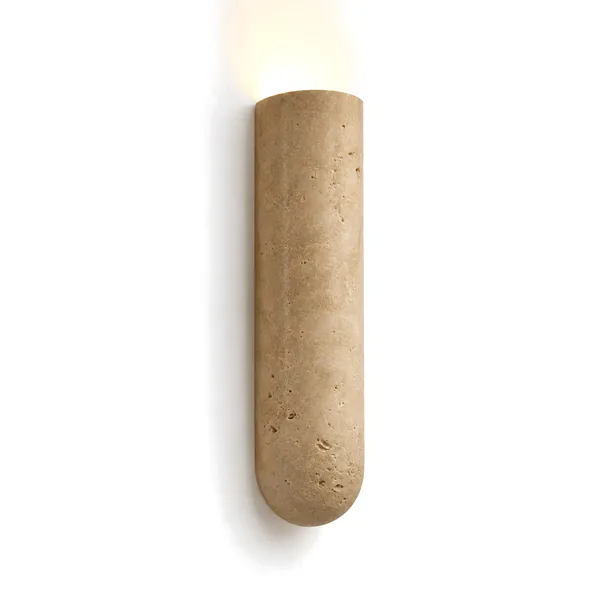
 2 options
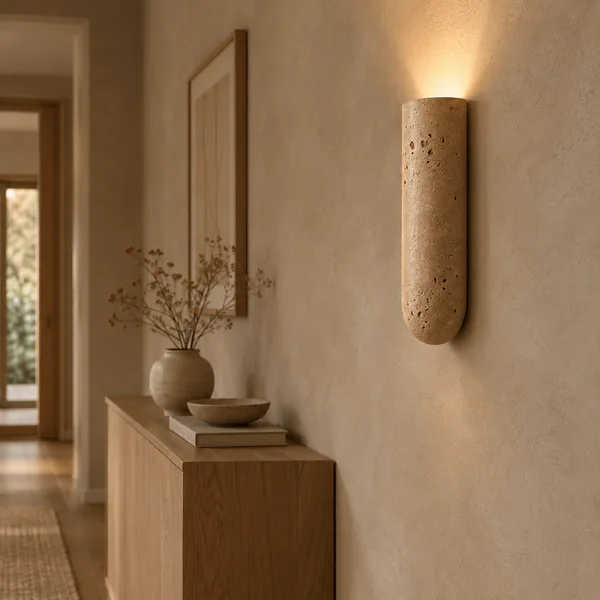
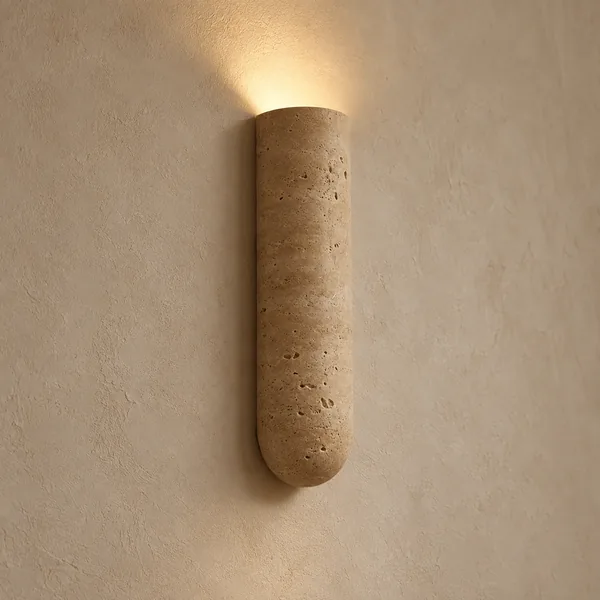
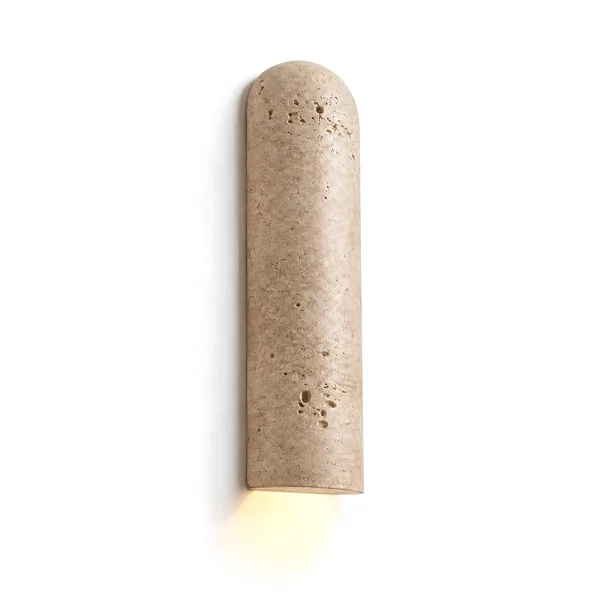
Glodsten Carved Travertine Stone LED Wall Lamp
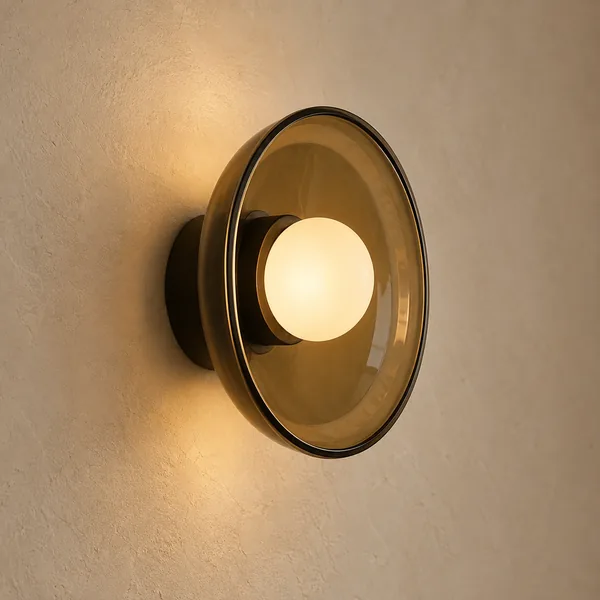 Save $100.00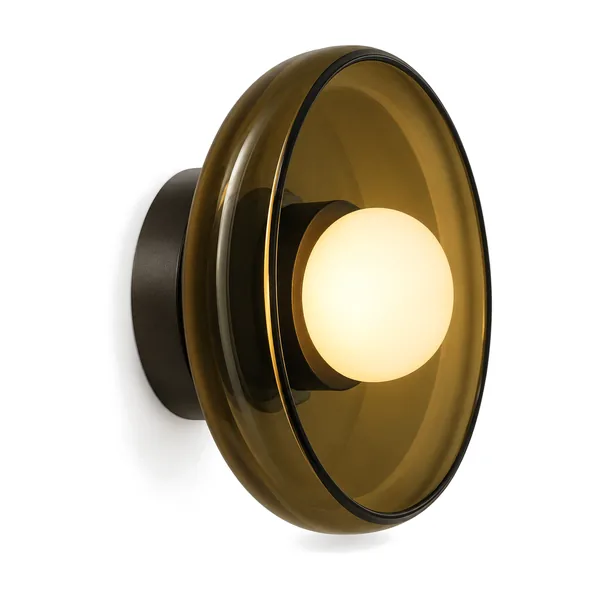
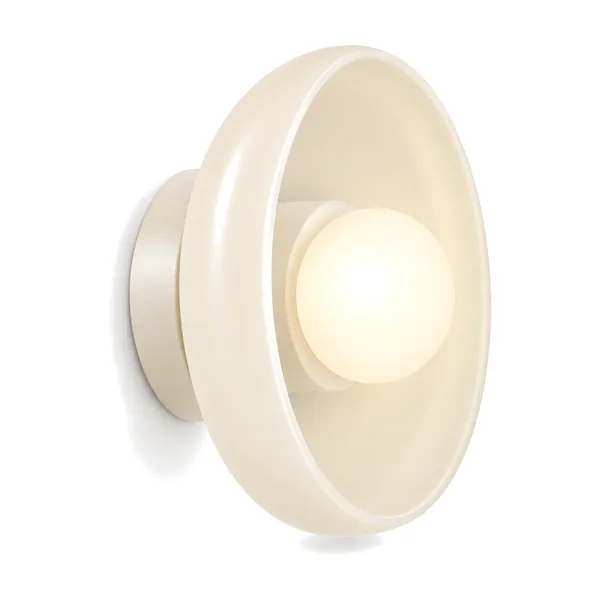 2 options
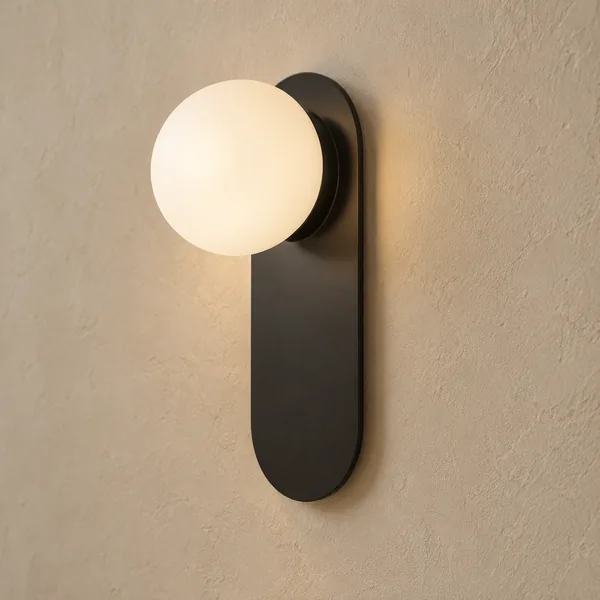
Rolys French Stained Glass Wall Sconce Light
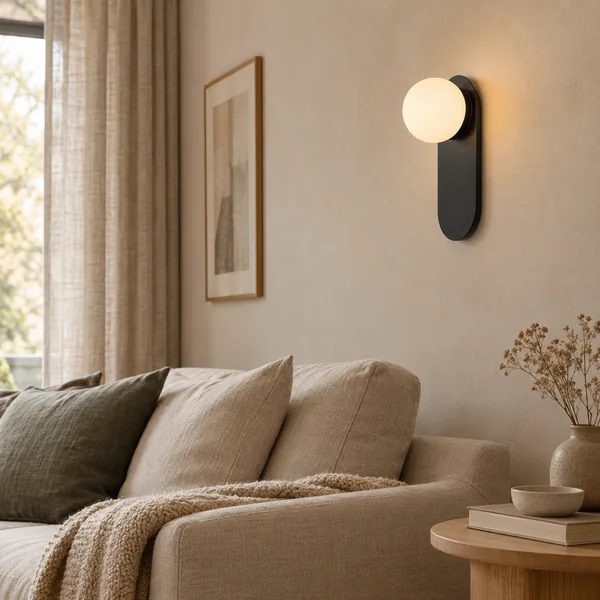
 Save $50.00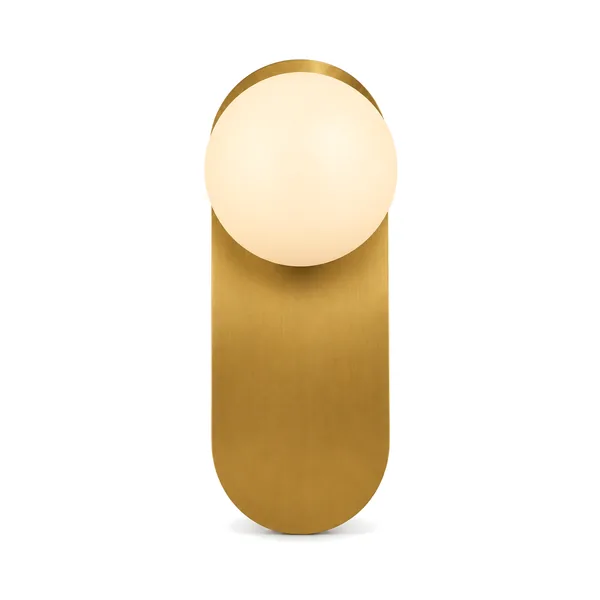
 6 options
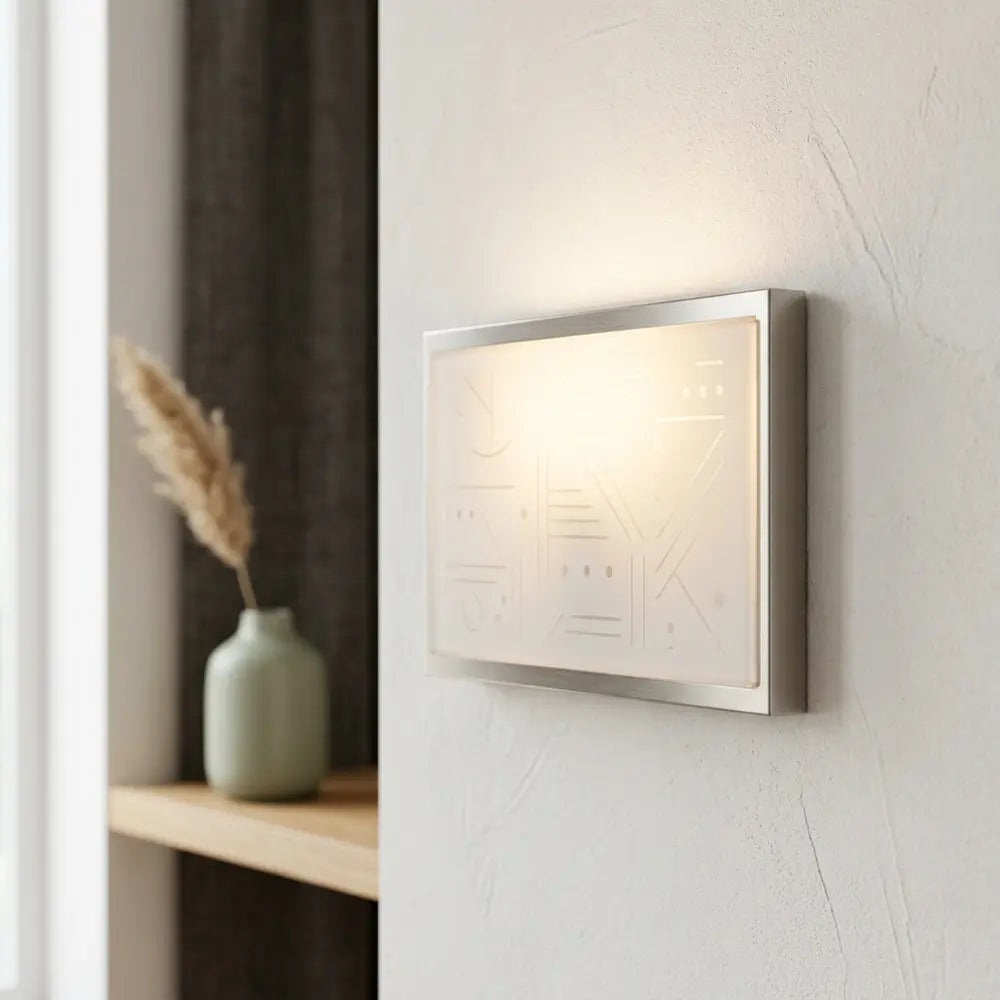
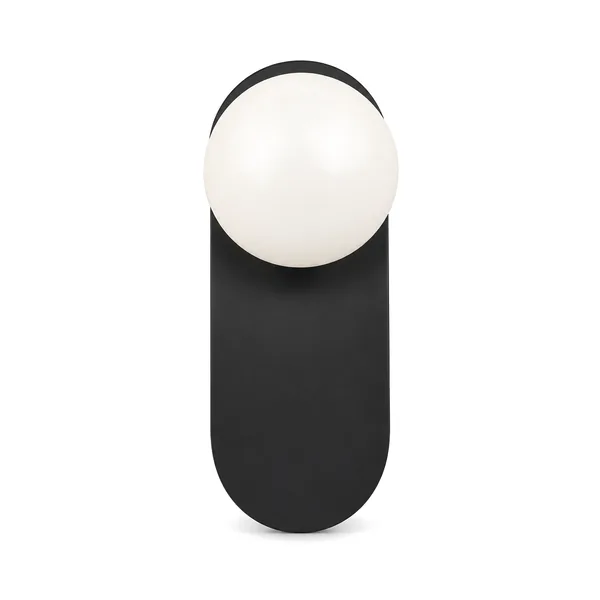
Ringa Modern LED Wall Sconce with Frosted Glass
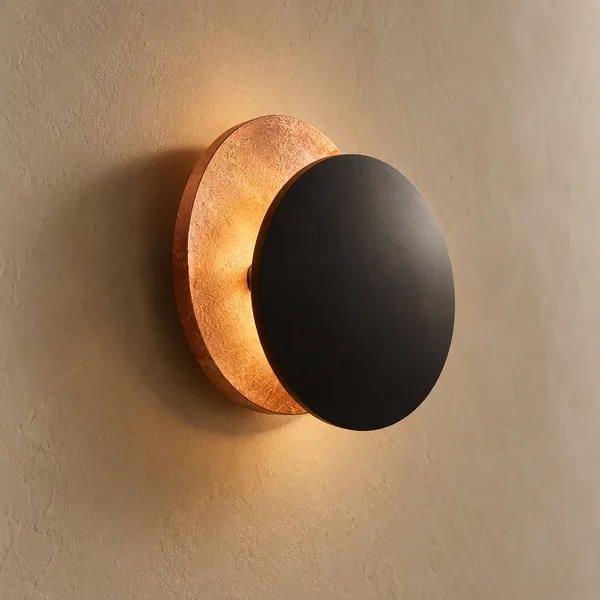 Save $70.00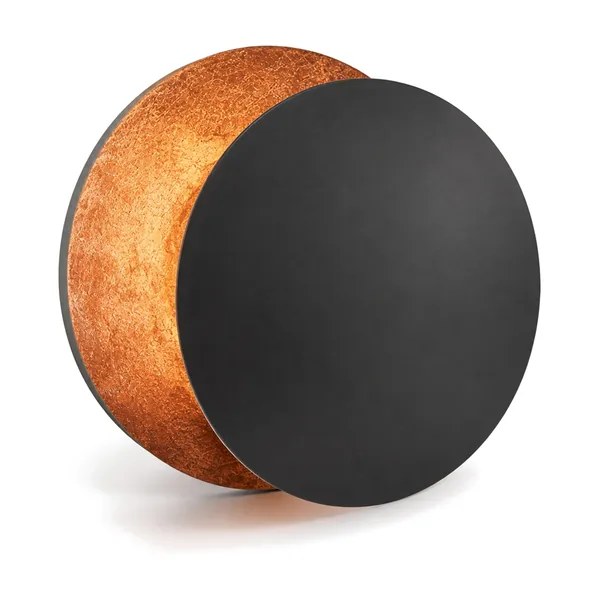
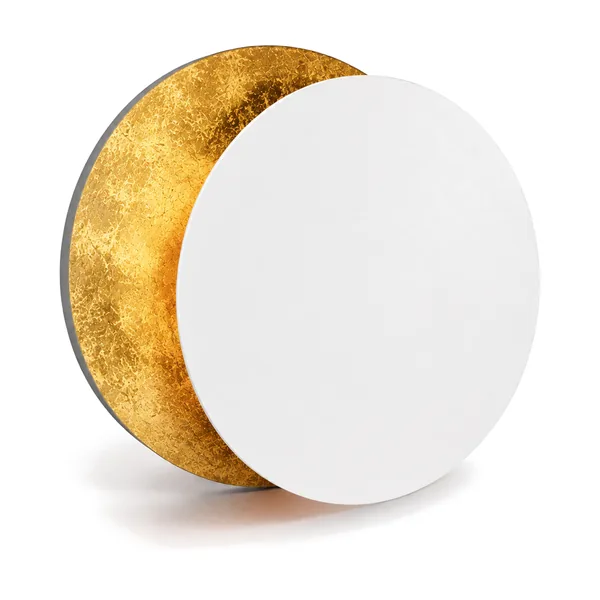
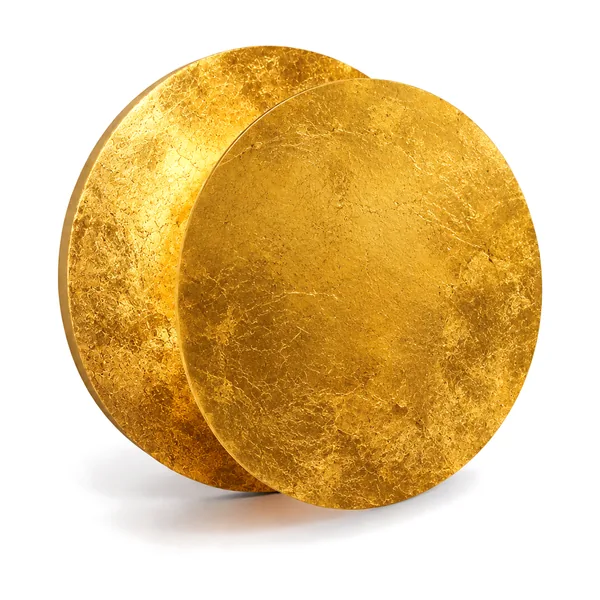
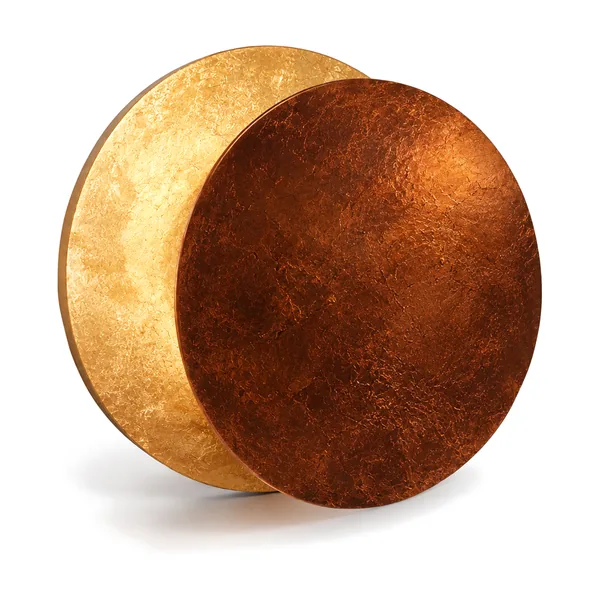 +212 options
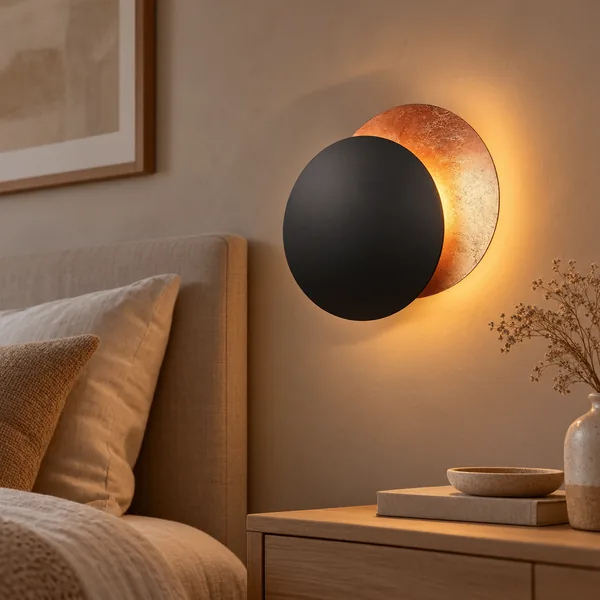
Måneglo Nordic LED Wall Sconce Warm Ambiance
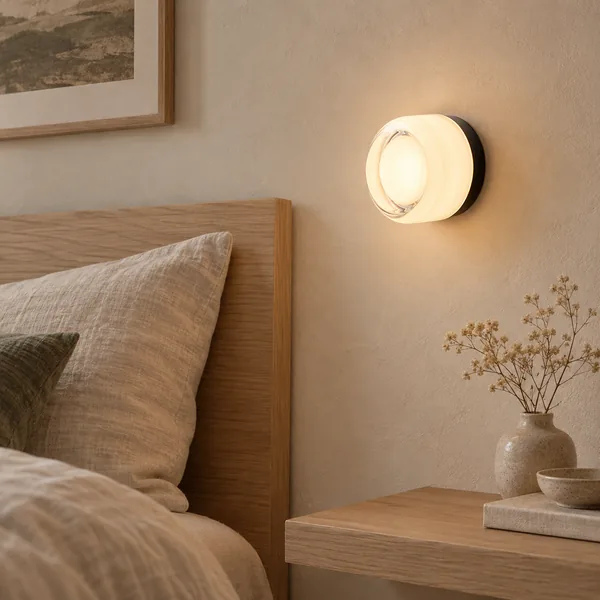
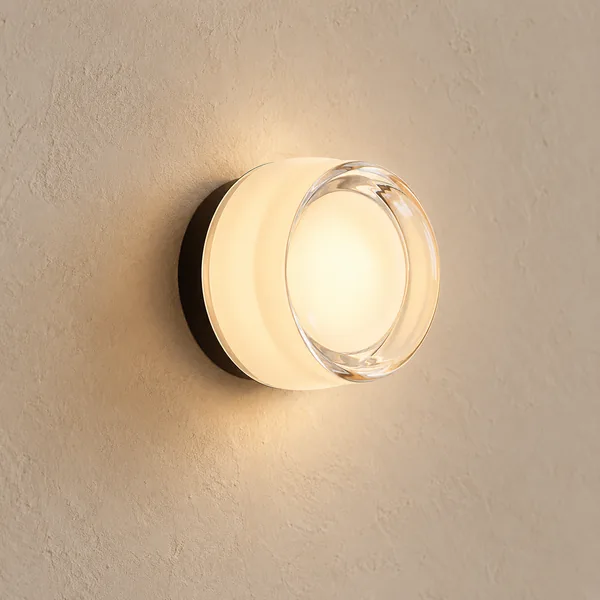 Save $50.00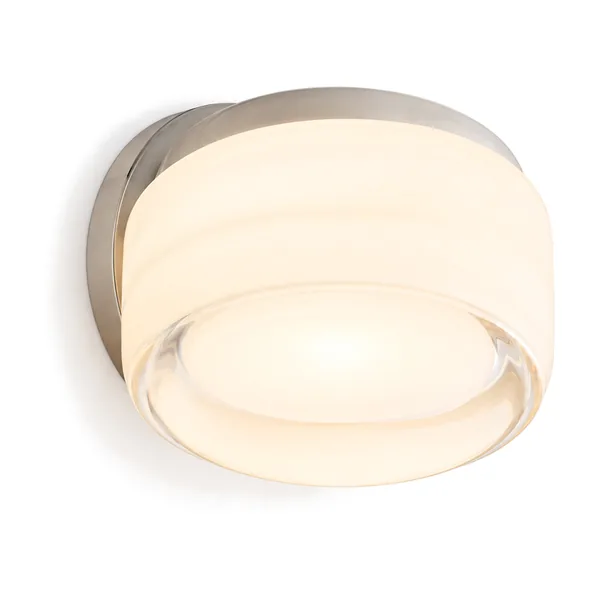
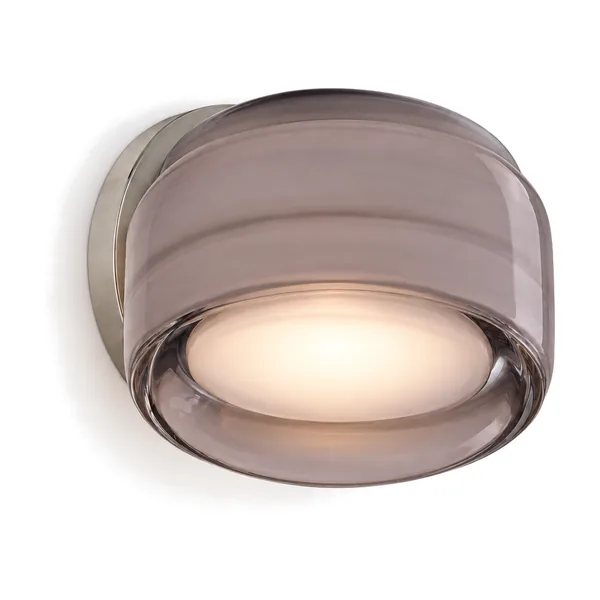
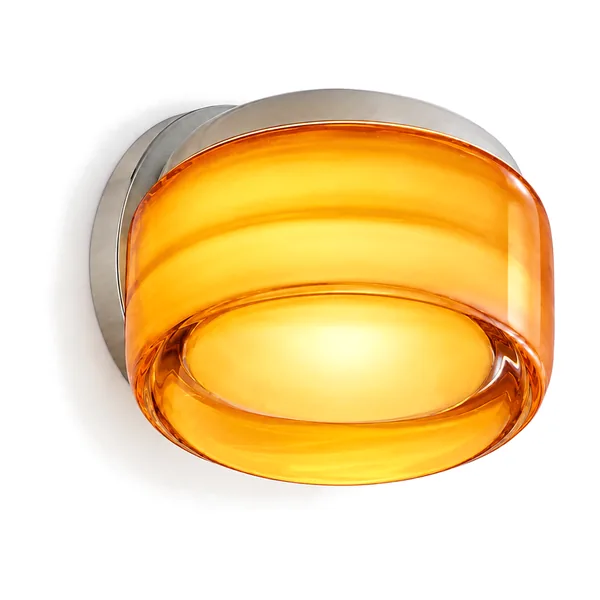 3 options
Stille Minimalist Nordic LED Wall Sconce Light
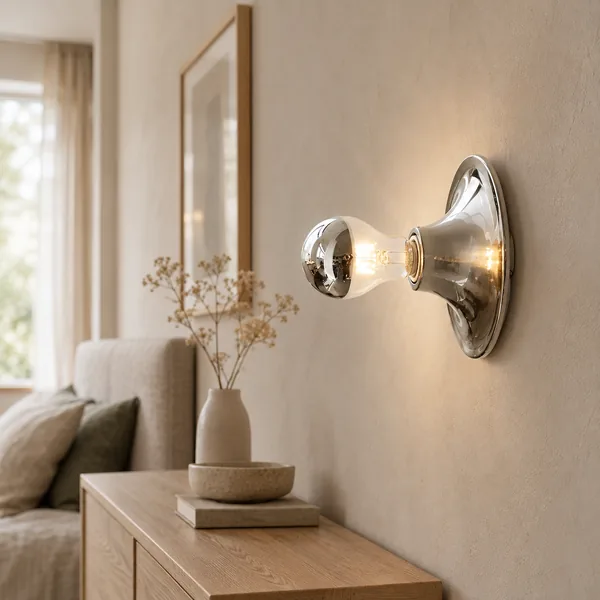
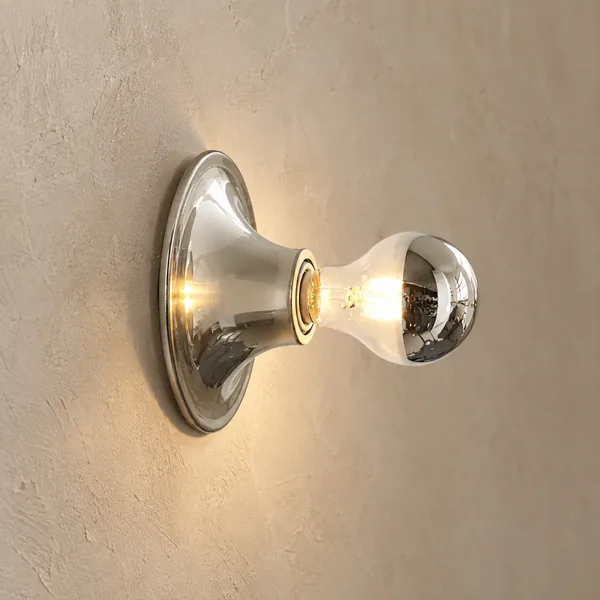 Save $40.00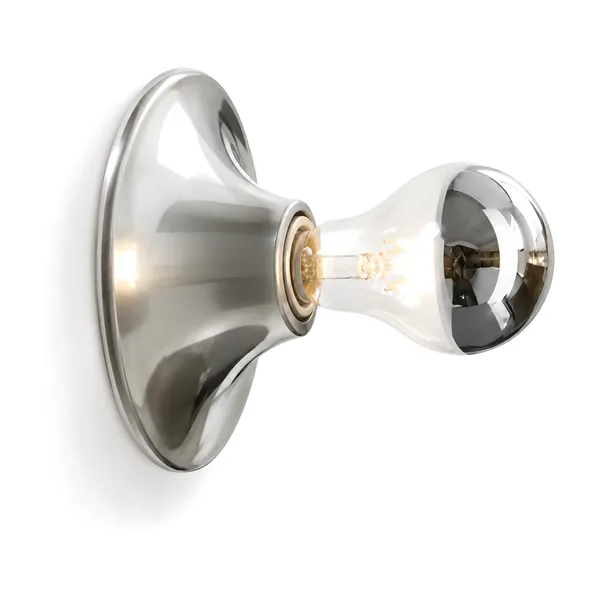
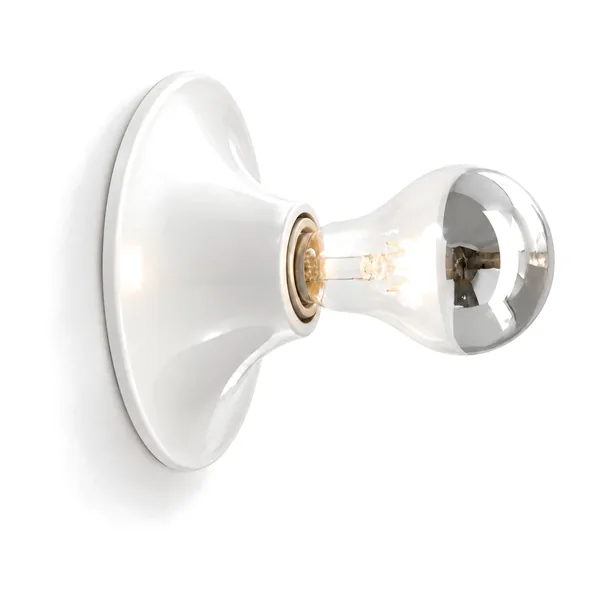
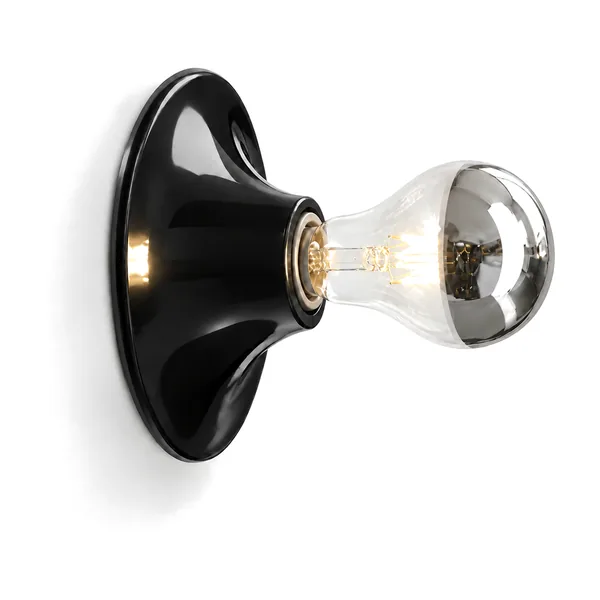
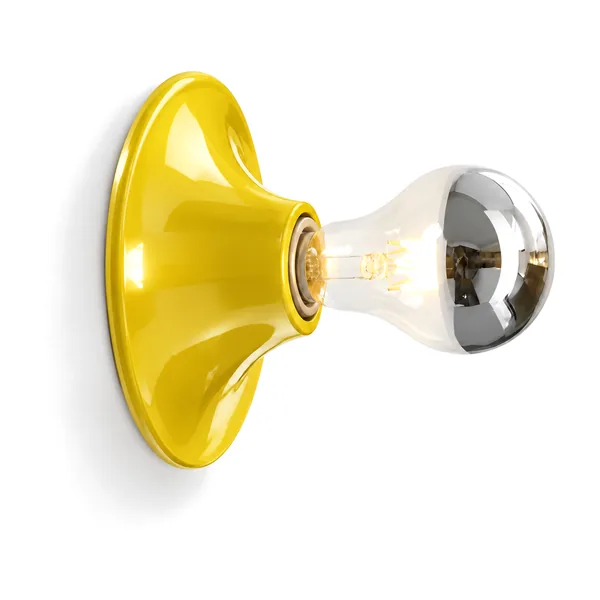 +26 options
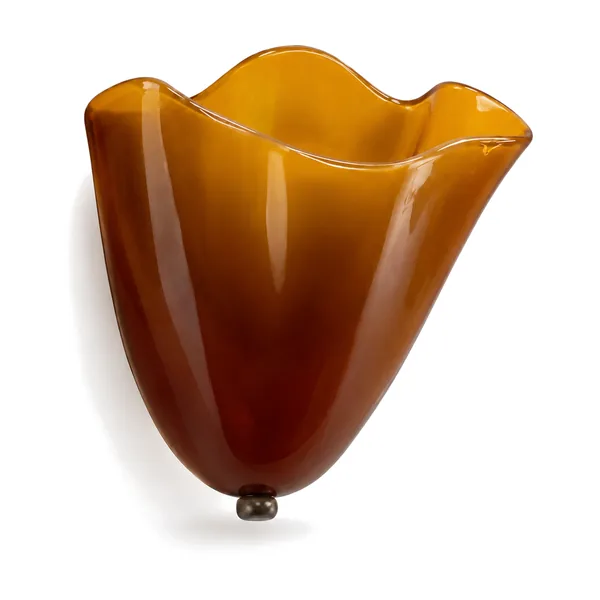
Glødvar Retro Iron Wall Sconce Nordic Design
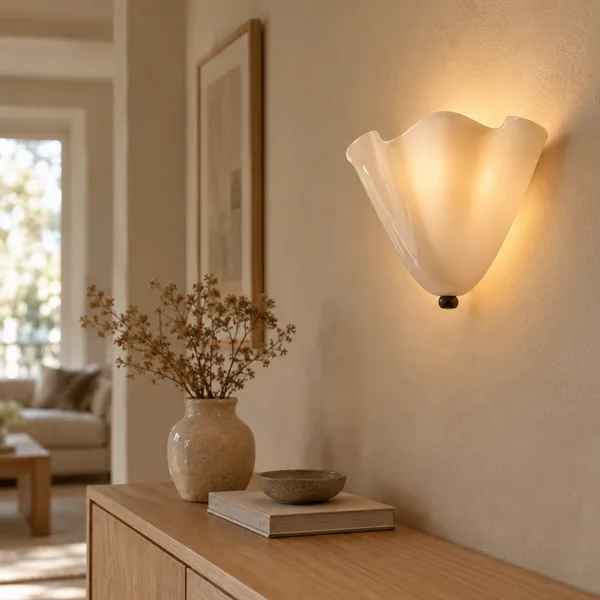
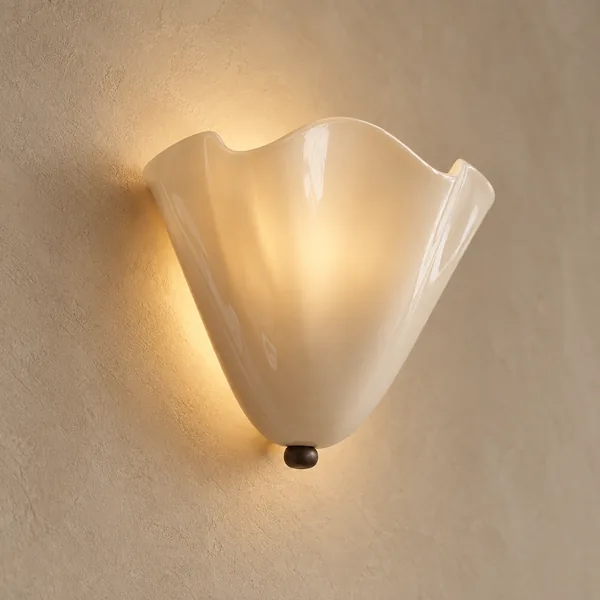 Save $60.00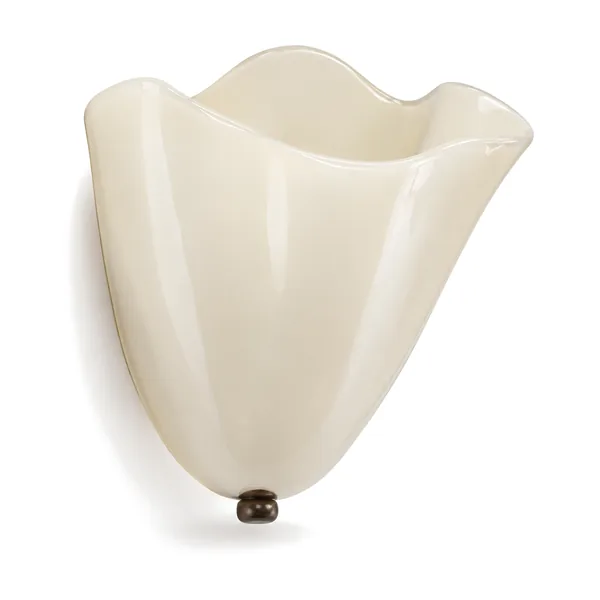
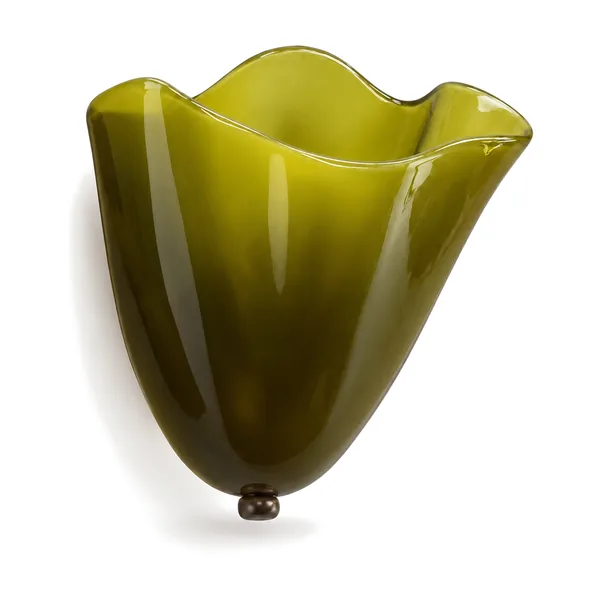
 4 options
Glodsten Handcrafted Glass Stone LED Wall Light
 Save $140.00
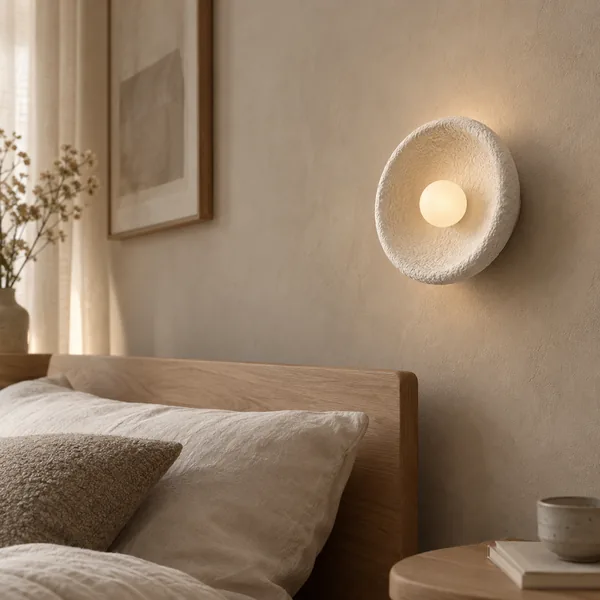
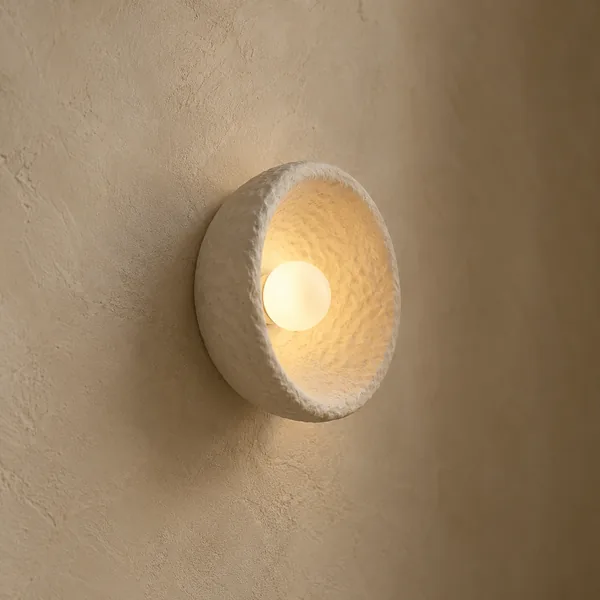
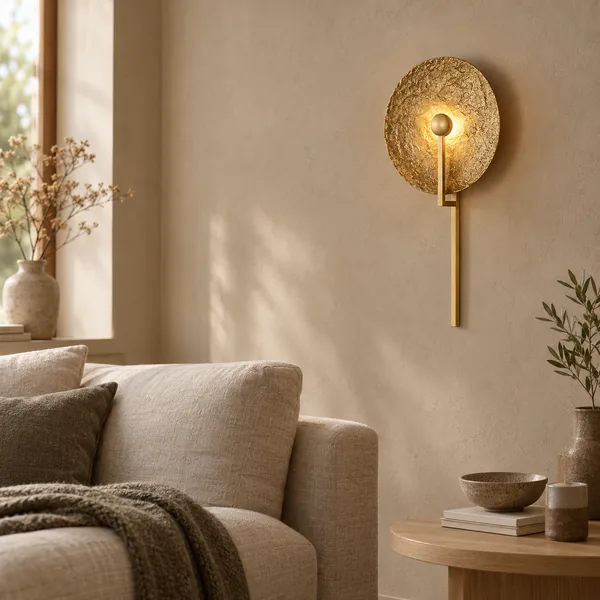
Dimma Wabi-Sabi Resin Frosted Glass Wall Lamp
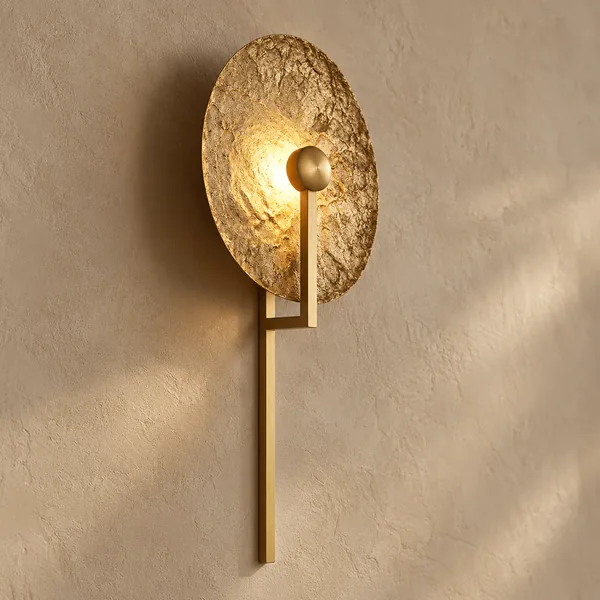
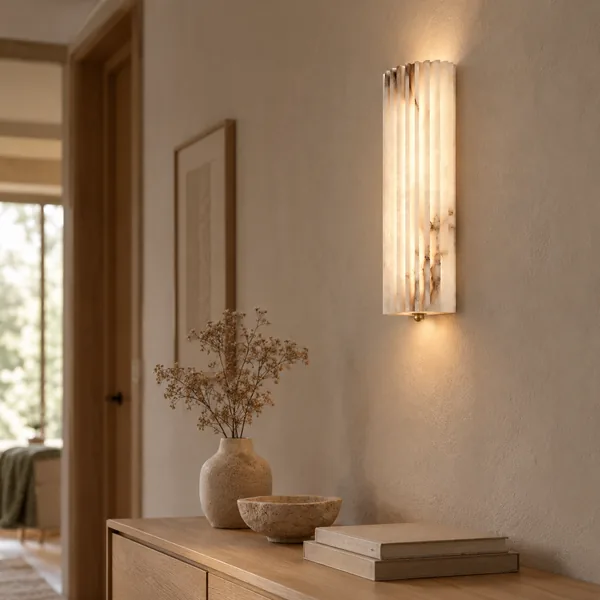
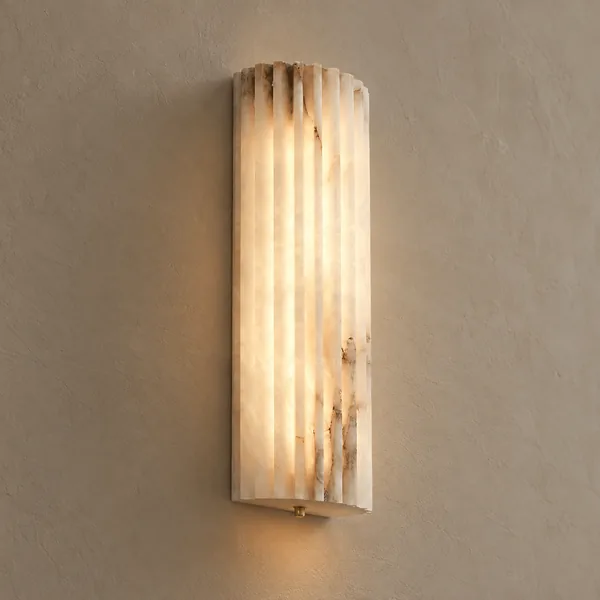
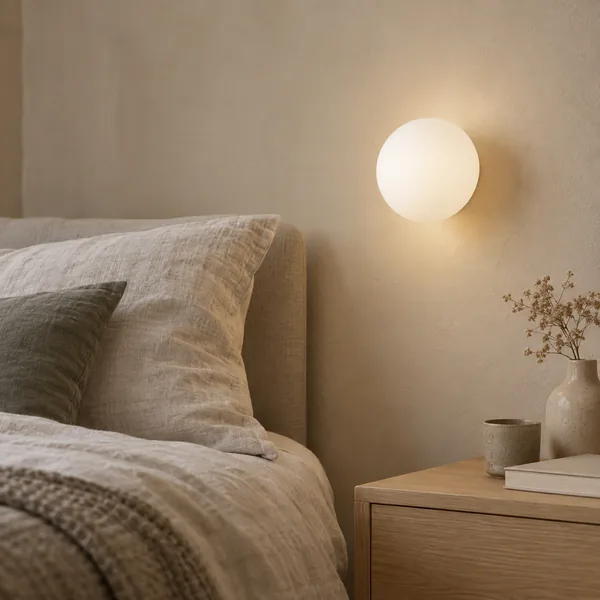
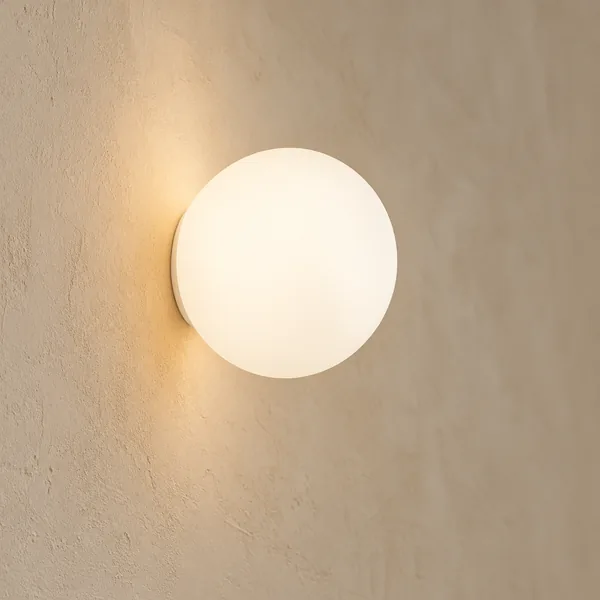
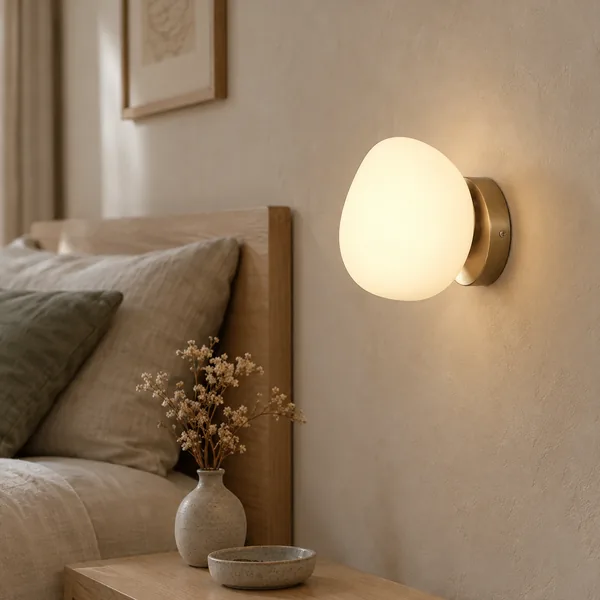
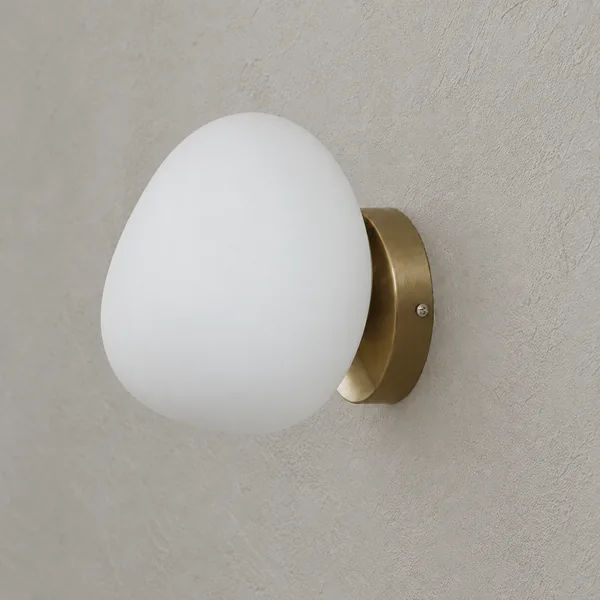
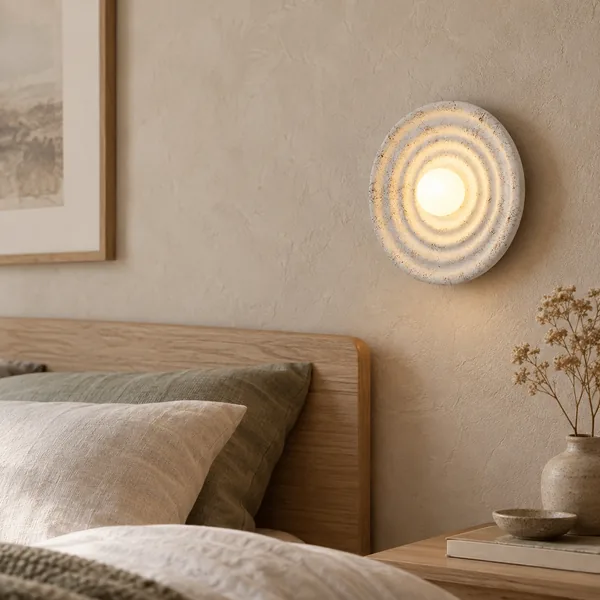
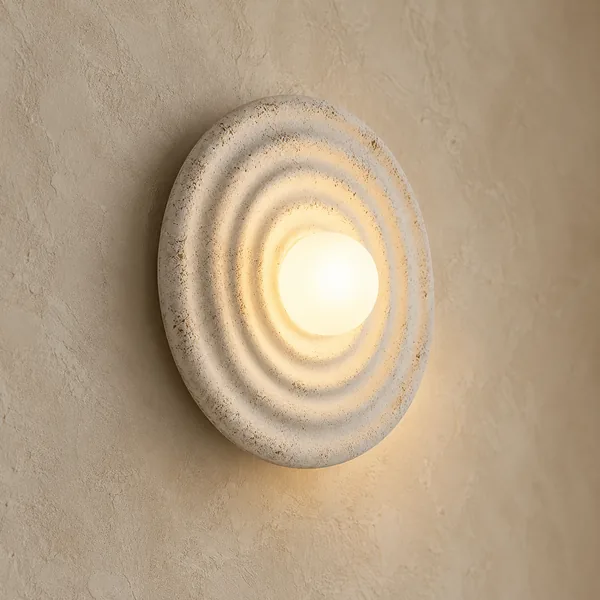
Some rooms simply don't have room to spare — and that's exactly where a flush mount wall light earns its place. Sitting flat against the surface, these sleek, low-profile sconces deliver beautiful, intentional illumination without encroaching on precious wall or floor space. At Skonne, we've curated a collection of flush mount wall lights that honour the clean lines and quiet confidence of Scandinavian design, from soft glass diffusers to refined black metal finishes.
Whether you're lighting a narrow hallway, layering warmth in a bathroom vanity zone, or adding a considered touch to an entryway, the right flush wall sconce does more than light up a room — it completes it.
What Makes a Flush Mount Wall Light Different
A flush mount wall light — sometimes called a flush mount wall sconce or flush wall sconce — is defined by the way it sits. Unlike traditional projecting sconces or arm-style fixtures that extend several inches outward from the wall, a flush mount design presses directly against the surface, with minimal or zero gap between the back plate and the wall itself.
This seemingly subtle distinction has a significant impact. In tighter spaces — think corridor widths under 90 cm, bathroom walls near doorframes, or stairwell landings where a protruding fixture becomes a hazard — a low-profile sconce is not just a stylistic preference but a functional necessity.
The result is a fixture that disappears into the architecture when off, and blooms softly outward when lit. It's a hallmark of restrained Nordic design: nothing unnecessary, everything purposeful.
Where Flush Mount Wall Lights Work Best
The space-saving lighting benefits of a flush mount wall lamp are felt most acutely in specific settings around the home.
Hallways and Corridors
Narrow hallways are among the most common use cases. A projecting sconce in a tight corridor is a collision waiting to happen. A flush mount wall lamp eliminates that risk entirely while still casting a warm, welcoming glow along the passageway. Placed symmetrically at intervals, they create a rhythmic flow of light that makes even modest-sized hallways feel intentional and curated.
Bathroom and Vanity Areas
In bathroom settings, a vanity flush mount light solves the classic mirror-and-sconce dilemma. Positioned either side of a mirror or directly above it, flush wall sconces provide even, flattering light without the bulk that can make a compact bathroom feel cluttered. The clean back-plate silhouette keeps sightlines tidy.
Stairwells and Landing Walls
Stairwell walls present similar spatial constraints. A surface mount LED fitting or hardwired flush sconce positioned at mid-height on a stair wall provides safe, directional illumination without the anxiety of a fragile protruding arm at shoulder height.
Entryways and Exterior Transitions
Exterior-rated flush mount exterior wall lights are ideal for porches, covered entries, and garden wall accents where a weather-resistant, unobtrusive profile is essential. More on IP ratings and outdoor suitability below.
Low-Profile Design and Space-Saving Benefits
The defining characteristic of a quality flush mount wall light is its depth — or lack of it. Most fixtures in this category project no more than 5–10 cm from the wall, with some ultra-slim low-profile wall mount light fixtures achieving a profile of just 3–4 cm.
This compactness translates into practical, measurable advantages. Passageways remain freely navigable. Furniture placement near walls becomes less constrained. The room reads as more spacious because there are fewer visual interruptions at eye level. In open-plan spaces, flush sconces used as ambient accent lighting complement rather than compete with architectural features.
From a design perspective, the flat, planar quality of a flush mount also creates a sense of order. There's a quietness to how these fixtures inhabit a wall — a minimalist aesthetic that aligns naturally with the Skonne approach to curated Nordic interiors.
Indoor vs Outdoor Use and IP Ratings Explained
Not all flush mount wall sconces are created equal when it comes to environmental durability. If you're considering a fixture for an outdoor wall, covered porch, bathroom, or any moisture-prone area, understanding IP (Ingress Protection) ratings is essential before purchasing.
An IP rating is a two-digit code — the first digit referring to protection against solid particles (dust), the second to liquids (moisture). For outdoor flush mount wall lights under a covered porch or canopy, a minimum of IP44 is typically recommended. For fully exposed exterior walls subject to rain, look for IP65 or higher.
For bathroom use, IP44 (splash-proof, suitable for Zone 2 placement) is generally the minimum standard. For areas directly above a bath or shower (Zone 1), IP65 is required under most electrical codes.
Indoor hallway, living room, or bedroom flush mount sconces require no specific IP rating, as they operate in dry, protected environments. Checking the IP rating of any fixture before installation ensures both longevity and safety compliance.
Hardwired vs Plug-in Flush Mount Wall Lights
One of the most practical decisions when choosing a flush mount wall lamp is the installation method. Both hardwired and plug-in options exist, and the right choice depends on your space, budget, and how permanent you want the installation to be.
Hardwired Flush Mount Wall Lights
A hardwired fixture connects directly to your home's electrical circuit, with no visible cord. This produces the cleanest result — the sconce sits flush against the wall with no trailing wires and can be switched via a wall plate. Hardwired installation typically requires an existing electrical outlet or junction box in the wall at the desired position, or a qualified electrician to add one.
For permanent installations in hallways, staircases, or bathroom vanity zones, hardwired flush mount sconces deliver the most polished, architectural finish. They also tend to support a wider range of LED flush mount wall light configurations and dimmer compatibility.
Plug-in Flush Mount Wall Sconces
Plug-in variants offer flexibility without electrical work. A short cord runs discreetly from the fixture to a nearby standard wall outlet. This option is ideal for renters, for spaces without a conveniently positioned junction box, or for those who want to experiment with placement before committing.
Some plug-in flush sconces feature cord covers or channels to minimise the visual impact of the cord against the wall. When planned thoughtfully — for example, positioned just above a furniture piece that visually absorbs the lower cord run — the result can be nearly as tidy as a hardwired solution.
Style, Finish, and Integration with Your Interior
A flush mount wall sconce is as much a decorative object as it is a light source. At Skonne, each fixture in this collection is selected for how it lives on the wall during the day, not only how it performs at night.
Finish is one of the most important decisions. A brushed nickel finish offers quiet versatility — neither too warm nor too cool — pairing beautifully with light timber, linen, and grey-toned Scandinavian interiors. A black metal finish provides a graphic, grounding contrast that anchors white walls and natural materials with confident definition. Brass and warm gold tones layer richness into neutral palettes, evoking a softer, more romantic Nordic mood.
Beyond finish, consider the diffuser material. Frosted or opal glass creates a gentle, even glow — ideal for hallway lighting solutions where you want soft ambient illumination without glare. Clear glass with a visible bulb makes a more deliberate design statement, working well in bathrooms or beside reading nooks where decorative character is as important as output.
For a cohesive scheme, select a finish that echoes other metal hardware in the space — door handles, tap fittings, mirror frames, cabinet pulls. This creates the understated sense of intentionality that defines well-considered Nordic interiors.
Achieving Balanced Light Diffusion and Symmetry
How you position your flush mount wall sconces affects both the quality of light in the room and the visual balance of the wall itself. Symmetry is a key principle in Scandinavian lighting design — not rigid, but considered.
In a hallway, sconces placed at equal intervals and consistent heights (typically 150–170 cm from floor to centre) create a rhythmic, welcoming light path. In a bathroom, two sconces placed at eye level either side of a mirror (rather than a single overhead source) eliminate the shadows that overhead lighting casts on the face.
For light diffusion, a fixture with a frosted or etched glass shade distributes light more evenly across the surrounding wall surface, creating a warm wash effect — sometimes referred to as a Nordic wash wall light quality. This reduces harsh contrasts and contributes to the soft, layered modern interior lighting that characterises a well-styled Scandinavian space.
When mixing flush mount sconces with other light sources — ceiling pendants, recessed downlights — position them to complement rather than duplicate. Sconces excel at mid-level, horizontal light that fills the zone between floor lamps and ceiling fixtures, contributing to a fully layered scheme.
LED Compatibility and Energy Efficiency
Most contemporary flush mount wall lights are fully compatible with LED bulbs, and many incorporate integrated LED modules directly into the fitting. LED flush mount wall lights offer significant advantages: reduced energy consumption, longer lamp life (typically 15,000–25,000 hours for quality LEDs), lower heat output, and compatibility with smart home dimming systems in many cases.
When selecting bulbs for non-integrated fixtures, pay attention to the colour temperature. For living areas and bedrooms, 2700–3000K (warm white) creates the hygge-adjacent warmth that defines Scandinavian interiors. For bathroom vanity use where colour accuracy matters, 3000–3500K is a practical range that remains flattering while providing clear, functional light.
Checking the fitting's dimmability before pairing with a dimmer switch is essential — not all LED drivers are dimmer-compatible, and mismatched combinations can cause flickering or reduced lamp life.
ADA Compliance and Safety Considerations
For commercial spaces, rental properties, or accessible home environments, ADA compliant lighting requirements may apply. ADA guidelines specify that wall-mounted objects protruding more than 4 inches (approx. 10 cm) from the wall and positioned between 27 and 80 inches (approx. 68–203 cm) from the floor must be detectable by a cane sweep — meaning they require a cane-detectable element at or below 27 inches, or must protrude no more than 4 inches.
True flush mount wall lights, with their minimal projection, typically meet or approach ADA protrusion standards more easily than traditional arm sconces, making them a natural choice for accessible design projects.
Explore Our Wall Lights Collection
Flush mount sconces are one expression of wall lighting — browse the full range of designs across the wider wall lights collection to discover every style, profile, and finish available.
- Wall Lights: The complete Skonne wall lighting collection, including adjustable, lantern, and marble styles alongside flush mount designs — a full picture of what Scandinavian wall lighting can look like.
Every flush mount wall light in this collection has been chosen because it earns its place — not just as a functional fitting, but as a considered detail that quietly elevates the rooms it lives in. From the first narrow hallway to a fully lit bathroom scheme, these are sconces built for real homes, designed with real intention. Discover the full breadth of Skonne's approach to wall lighting in our wall lights collection.
Frequently Asked Questions about Flush Mount Wall Lights
45 products