
1960s Home Decor: Mod, Pop Art & Retro Style Ideas for a Swinging Sixties Interior
Summary›
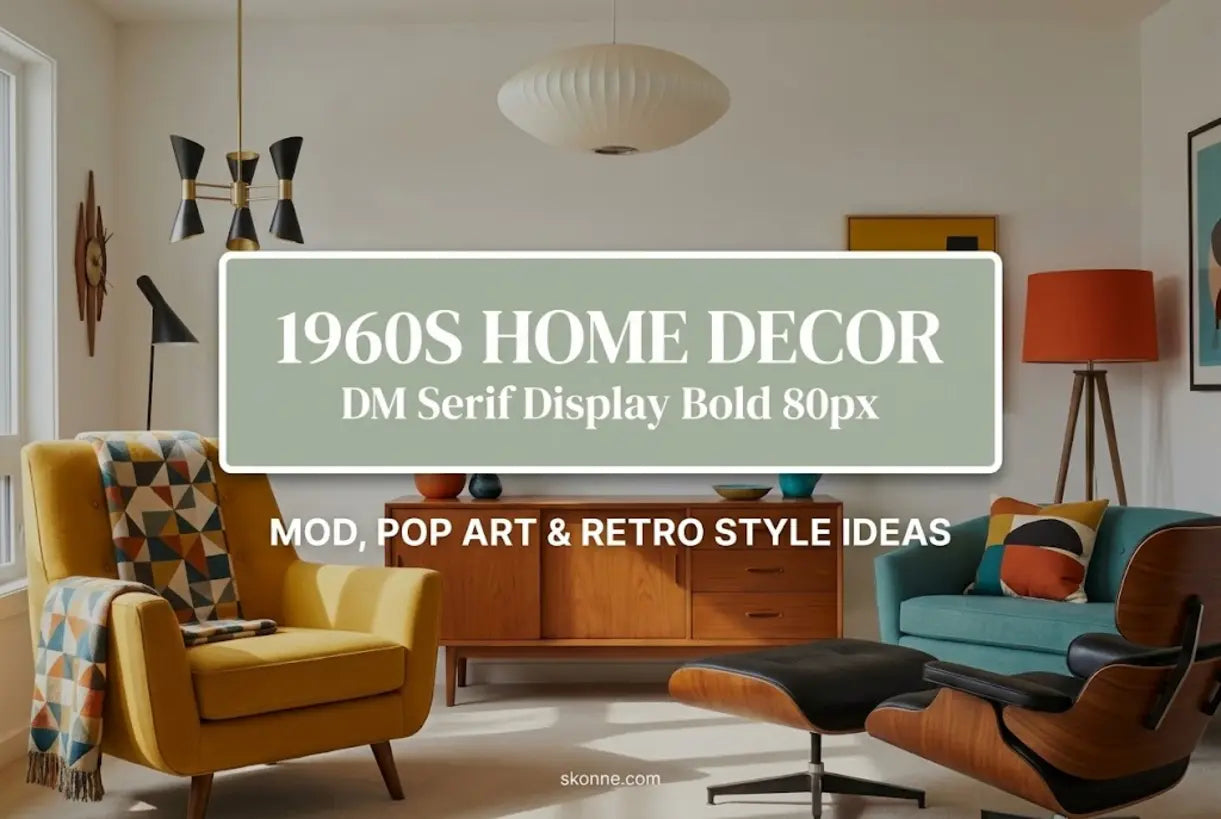
The swinging sixties represent one of the most transformative decades in interior design history. From the clean lines of mid-century modern to the bold energy of mod style and the artistic rebellion of pop art, 1960s home decor continues to captivate design enthusiasts seeking spaces with personality and timeless appeal.
Whether you're a homeowner looking to infuse your space with retro charm or a renter wanting to add character without permanent changes, this guide will walk you through authentic 1960s interior design principles and help you curate a space that feels both nostalgic and refreshingly contemporary.
What Defined 1960s Interior Design?
The 1960s marked a pivotal shift from the traditional aesthetics of previous decades toward something more daring, youthful, and experimental. This era saw the convergence of several influential movements that continue to shape how we decorate today.
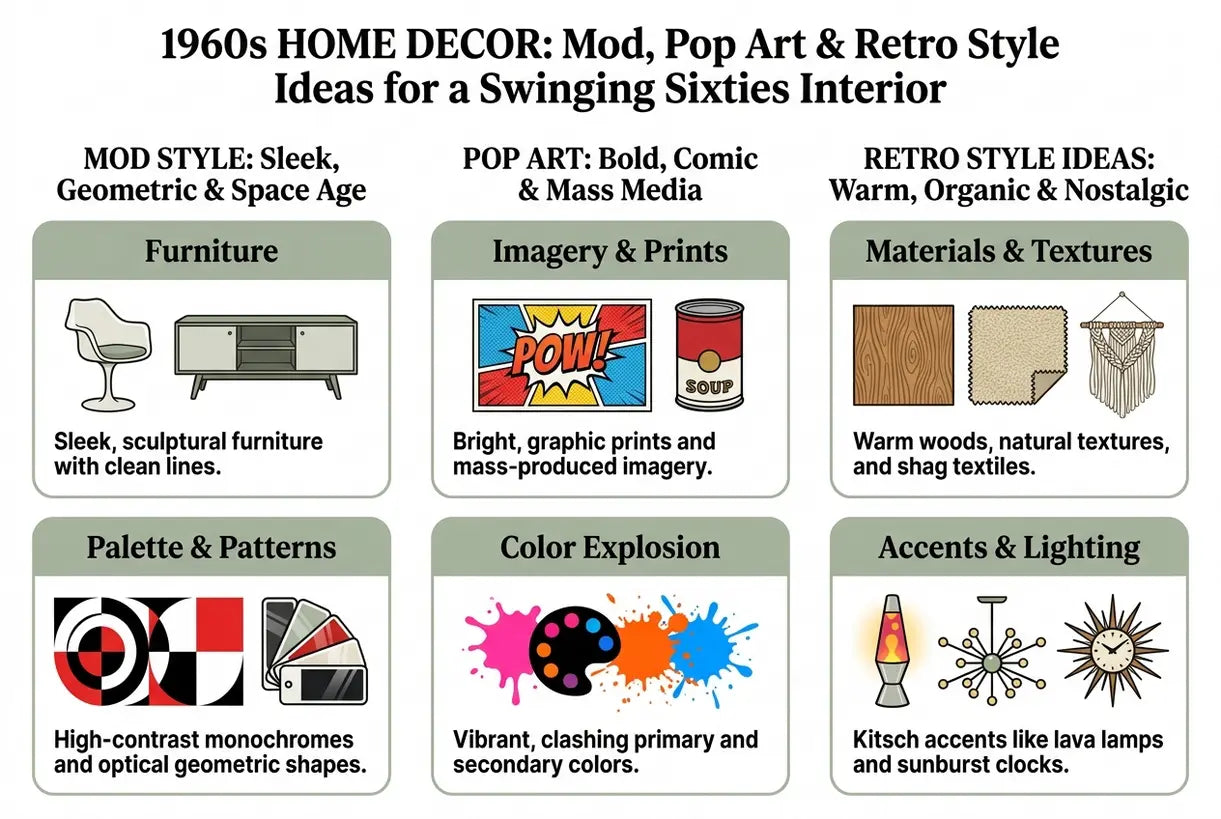
Mid-century modern principles established in the 1950s matured during the 1960s, emphasizing clean lines, organic curves, and a seamless connection between indoor and outdoor spaces. Meanwhile, the mod interior design movement emerged from London's fashion-forward Carnaby Street, bringing with it geometric patterns, bold color blocking, and futuristic aesthetics inspired by the Space Race era.
Pop art also made its mark on residential spaces, with homeowners embracing vibrant colors, graphic prints, and an irreverent attitude toward traditional decorating rules. The result was retro 60s decor that felt optimistic, forward-looking, and distinctly individual.
Iconic Elements of Swinging Sixties Style
Understanding the key components of 1960s style home aesthetics is essential for creating an authentic look. The decade was defined by several recurring themes that worked together harmoniously.
Geometric Patterns: From hexagons and circles to starbursts and abstract shapes, geometric motifs appeared everywhere—from wallpaper and textiles to furniture silhouettes and accessories. These patterns added visual energy and a sense of movement to spaces.
Organic Sculptural Forms: Alongside sharp geometrics, the era celebrated fluid, organic shapes inspired by nature. Sculptural lighting fixtures, curved furniture, and biomorphic accessories created balance and visual interest.
Mixed Materials: Wood remained essential, particularly teak and walnut, but designers increasingly incorporated plastic, acrylic, chrome, and glass. This material diversity reflected the era's enthusiasm for technological advancement and new manufacturing possibilities.
Pendant Lights
Shop all Pendant Lights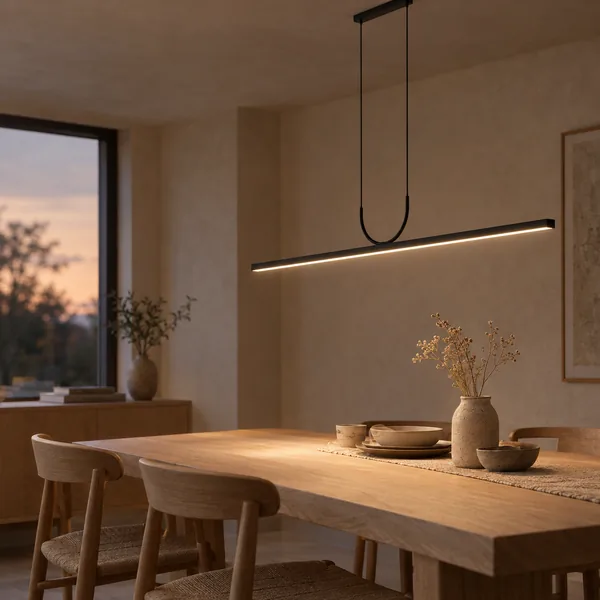
 Save $140.00
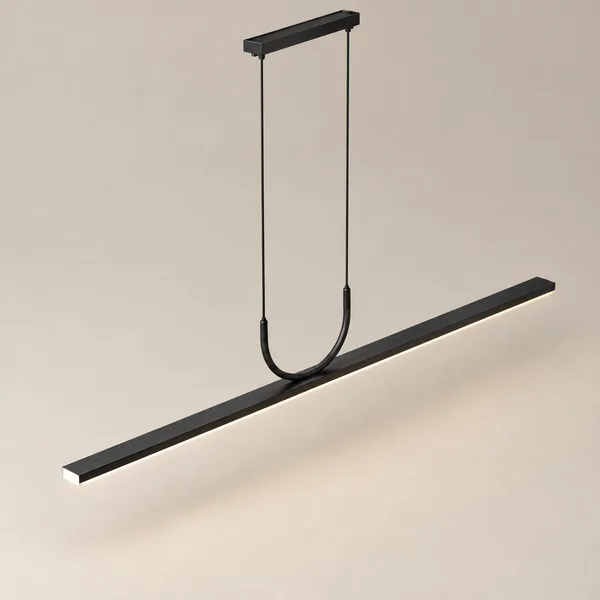
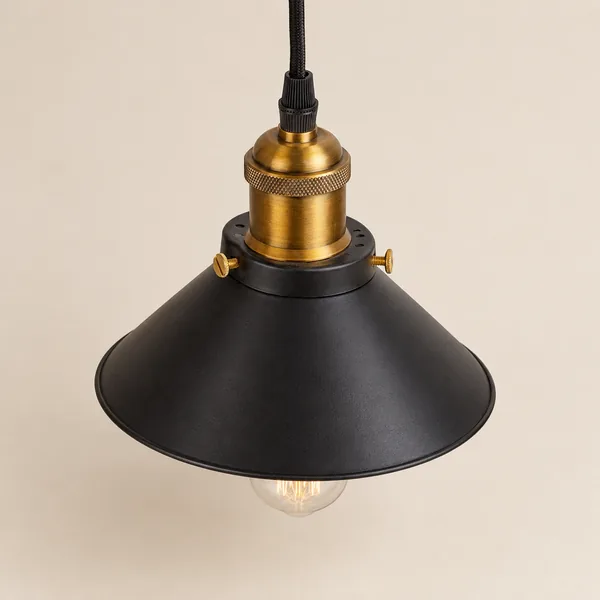
Linné Minimalist Linear Black LED Pendant Light
 Save $60.00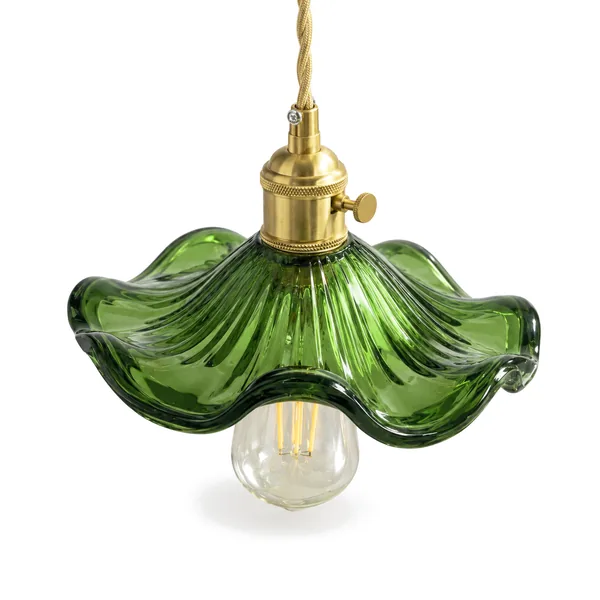
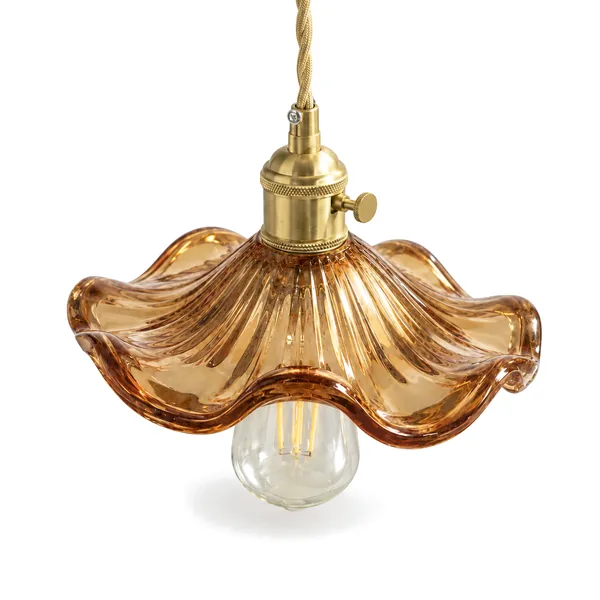 3 options
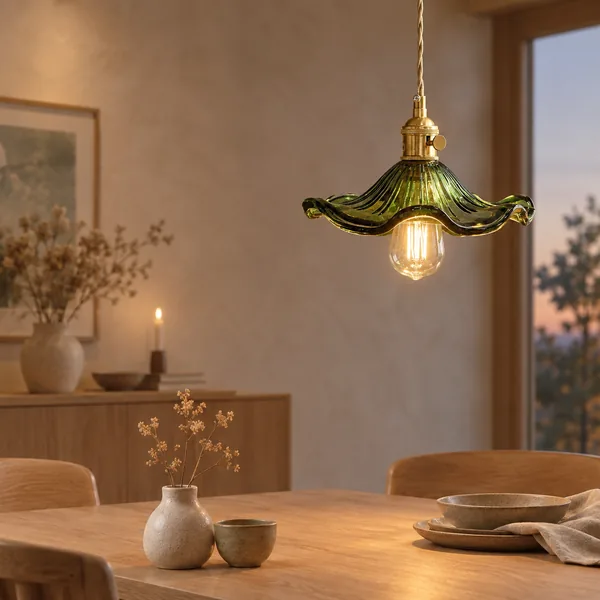
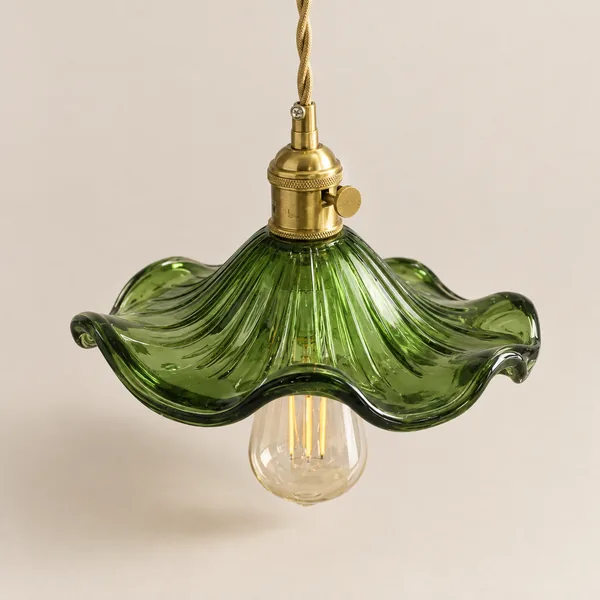
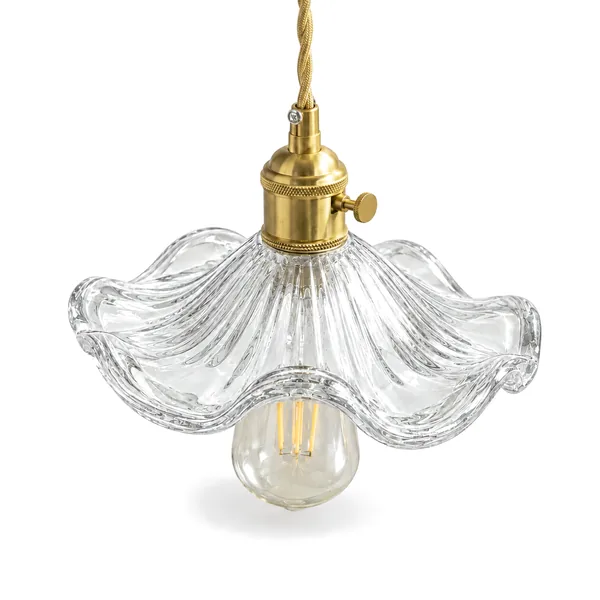
Glora Nordic Glass Pendant Light with Copper
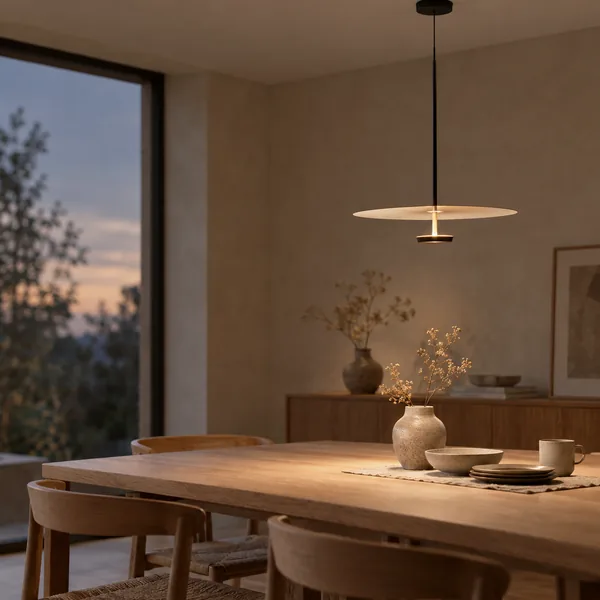
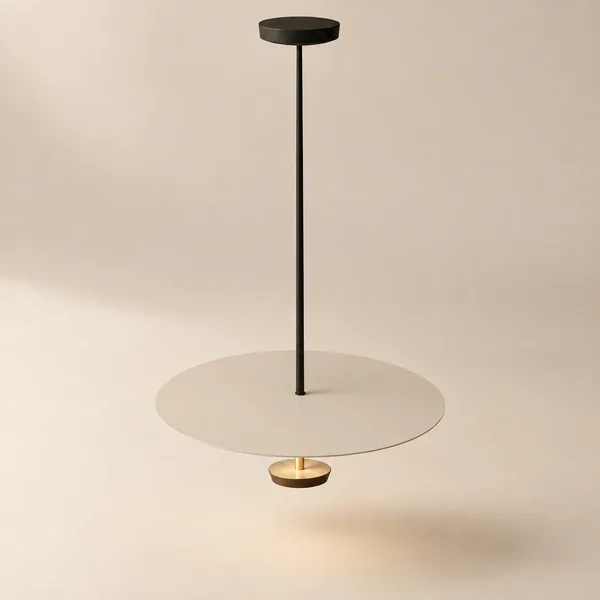 Save $120.00
Skiva Nordic Saucer Ceiling Pendant Light LED
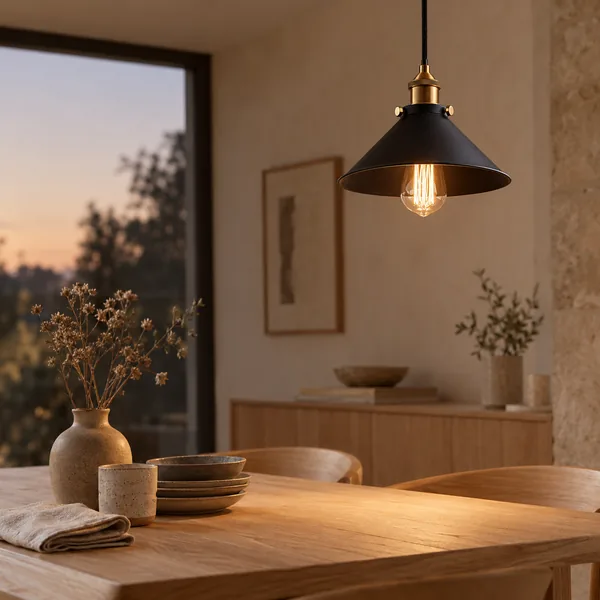
Color Palettes That Define the Era
What colors were popular in 1960s homes? The answer depends on which part of the decade you examine. The early 1960s maintained some of the muted, earthy tones of the 1950s—olive greens, harvest golds, and warm browns. By the mid-1960s, however, color preferences shifted dramatically toward high-contrast, saturated hues.
Iconic 1960s home decor color combinations included:
- Tangerine orange paired with chocolate brown
- Electric blue against crisp white
- Mustard yellow with charcoal gray
- Avocado green complemented by harvest gold
- Hot pink combined with black and white
These bold palettes reflected the era's optimism and willingness to challenge conventional taste. Today, you can embrace these colors through accent pieces while keeping larger furniture pieces neutral for a balanced, livable interpretation.
Recreating the 1960s Aesthetic Today
How can I recreate a 60s look in a contemporary home without making your space feel like a museum? The key lies in selective incorporation rather than total replication. Start by anchoring your room with one or two period-appropriate statement pieces, then layer in modern elements for contrast.
Scandinavian design principles, which heavily influenced 1960s interiors, align beautifully with modern sensibilities emphasizing simplicity, functionality, and natural materials. At Skonne, our curated collection bridges this connection, offering pieces that honor mid-century aesthetics while serving contemporary lifestyles.
The 3-5-7 rule in decorating—a design principle suggesting that arrangements look most pleasing when incorporating odd numbers of items—actually gained popularity during this era and remains relevant today. Apply this rule when styling shelves, gallery walls, or tabletop vignettes to create that effortlessly curated 1960s vibe.
The Impact of Sculptural Lighting
Lighting played a starring role in 1960s home decor, with fixtures functioning as sculptural art pieces as much as light sources. The era's fascination with space exploration translated into futuristic pendant lights, atomic-inspired sconces, and dramatic arc floor lamps.
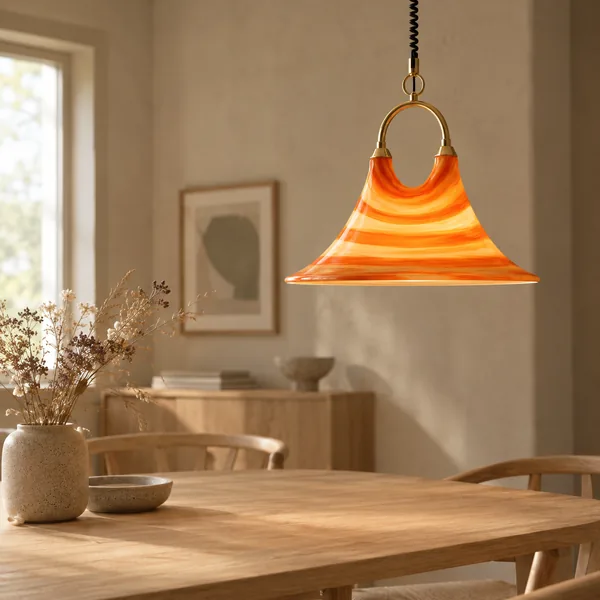 Gloda Horn Pendant Light Modern Acrylic Lamp$249.00$369.00
The Gloda Horn Pendant Light Modern Acrylic Lamp exemplifies this philosophy perfectly. Its bold horn shape channels authentic 1960s mod aesthetics while serving as a striking focal point above dining areas or kitchen islands. The sculptural quality captures that essential retro-futuristic spirit without overwhelming your space.
For more inspiration on achieving authentic period lighting, watch this comprehensive guide to mid-century modern decor principles:
Geometric Accents and Wall Decor
Beyond color and lighting, 1960s interior design relied heavily on geometric accents to create visual rhythm. Wall clocks, mirrors with starburst frames, and abstract art pieces helped define the era's look.
The Tvilling Dual-Sided Geometric Metal Wall Clock captures this essence beautifully with its bold geometric presence. Inspired by mid-century modern design, this statement piece serves as functional wall art that immediately establishes retro credibility in any room.
When incorporating geometric elements, consider placement carefully. A single large-scale geometric piece often has more impact than multiple smaller items competing for attention. This approach maintains visual breathing room—a principle that aligns with both Scandinavian and 1960s design philosophies.
Curated Pieces for Your Retro Revival
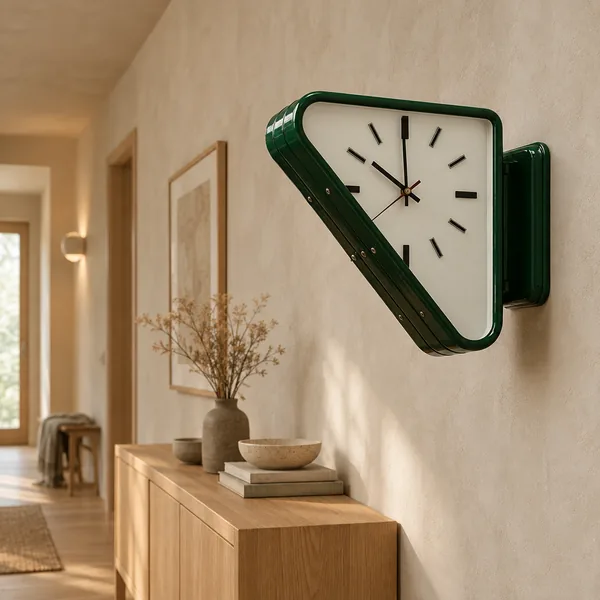 Tvilling Dual-Sided Geometric Metal Wall Clock$269.00$379.00
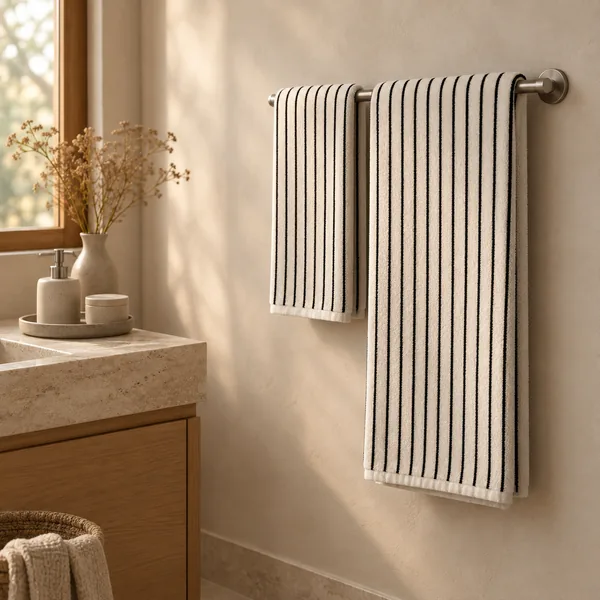 Randvik Combed Cotton Retro Striped Bath Towel$29.00
Extending Retro Style to Unexpected Spaces
While living rooms and dining areas naturally lend themselves to 1960s home decor, authentic retro style should permeate every corner of your home—including spaces often overlooked in vintage-inspired schemes.
The bathroom, for instance, presents unique opportunities for mod interior design touches. Introducing period-appropriate textiles like the Randvik Combed Cotton Retro Striped Bath Towel brings classic 1960s-inspired geometric patterns into your daily routine. These striped towels add subtle retro charm while maintaining the functionality modern life demands.
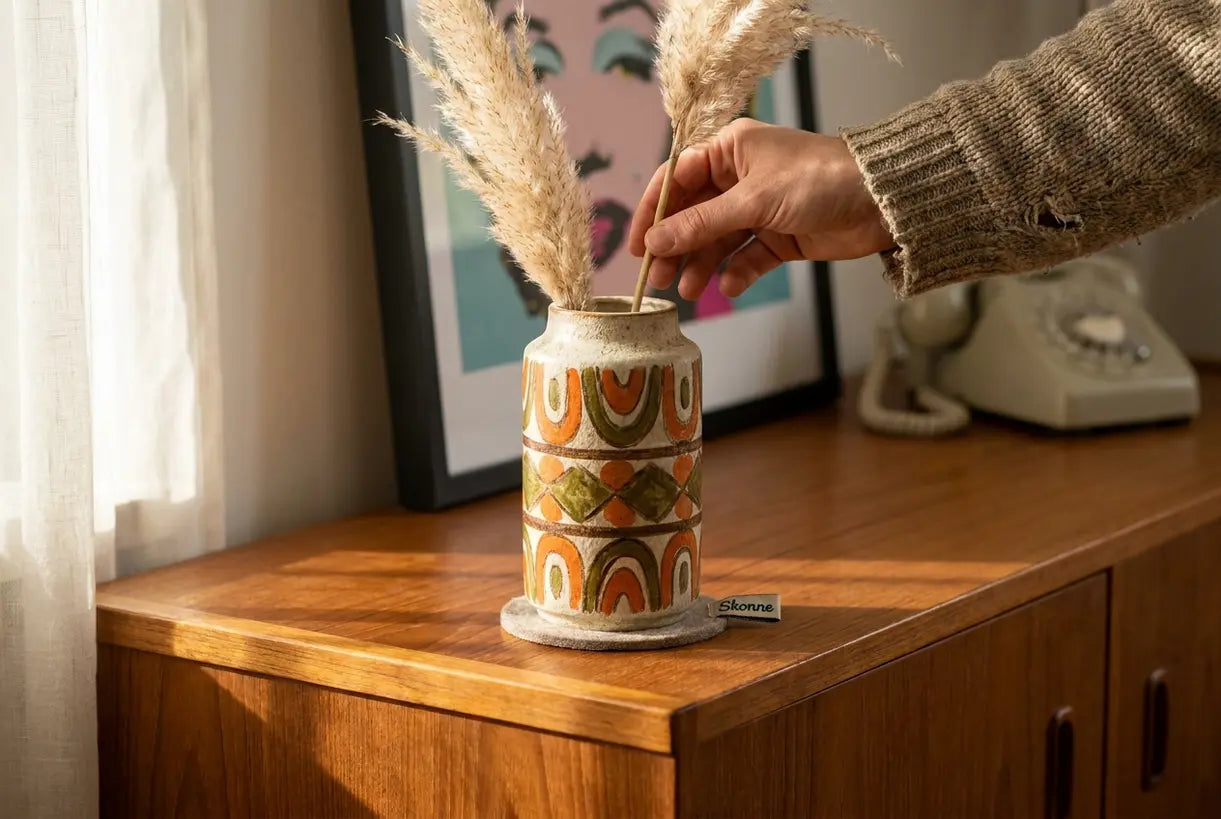
Similarly, accessorizing with vintage-inspired ceramic pieces featuring geometric motifs, sculptural candle holders, or atomic-age mirrors extends the aesthetic cohesively throughout your home. The key is consistency in spirit rather than period-perfect replication—mixing authentic vintage finds with quality reproductions creates a space that feels collected over time rather than assembled from a single source.
Floor Lamps
Shop all Floor Lamps
Balancing Retro with Modern Living
The most successful 1960s interior design schemes today honor the past while acknowledging present-day needs. This means incorporating storage solutions, technology integration, and comfort features that the original era couldn't provide.
Consider pairing a sleek mid-century modern sofa with contemporary performance fabric that withstands pets and children. Or hang authentic mod pop art decor alongside family photographs in sleek, minimal frames. These juxtapositions create spaces that feel personal and layered rather than themed.
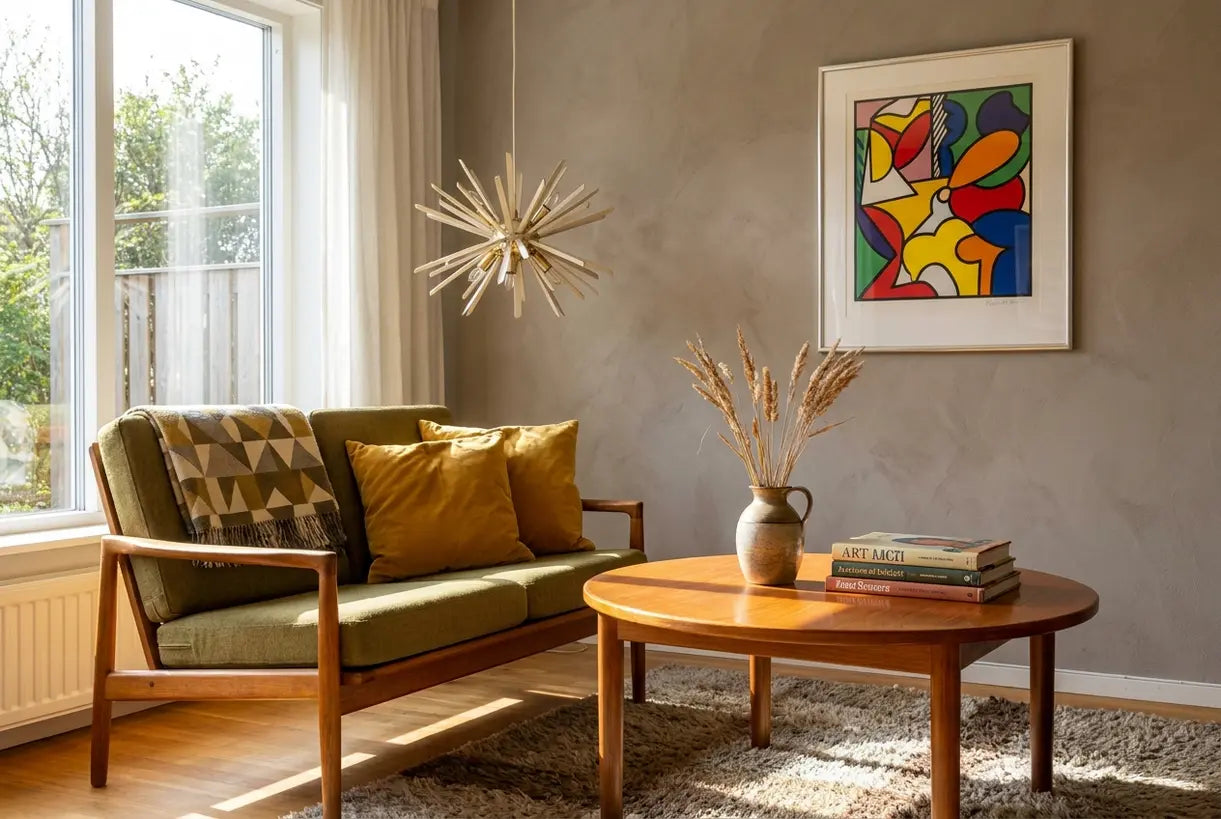
When shopping for authentic retro home decor, prioritize quality and condition. Look for solid wood construction, original hardware, and well-preserved upholstery. At Skonne, we curate lighting and accessories that capture the era's essence while meeting contemporary quality standards—pieces that will serve your home beautifully for years to come.
Design Tip: When working with bold 1960s color palettes, apply the 60-30-10 rule to maintain balance. Use 60% neutral tones as your base (walls and major furniture), 30% secondary colors in upholstery and textiles, and 10% for bold accent pieces that deliver that authentic swinging sixties impact.
Conclusion: Embracing Timeless Retro Appeal
1960s home decor offers more than mere nostalgia—it provides a framework for creating spaces that feel intentional, expressive, and warmly inviting. The decade's emphasis on bold self-expression, combined with its appreciation for organic forms and quality craftsmanship, resonates powerfully with contemporary design sensibilities.
As you embark on your retro revival journey, remember that the most successful interiors tell a personal story. Whether you gravitate toward the clean lines of Scandinavian mid-century design or the playful energy of mod pop art decor, let your choices reflect your personality while honoring the era's innovative spirit.
At Skonne, we believe that great design transcends decades. Our carefully curated collection of 1960s-inspired lighting and home accessories helps you capture that swinging sixties magic while maintaining the elevated, intentional aesthetic that defines Scandinavian design principles. Explore our collections and discover pieces that bridge past and present, creating spaces that feel both timeless and distinctly yours.
Related Article
Spanish Home Decor: Modern & Traditional Mediterranean Style for a Warm InteriorDiscover how to blend modern Spanish home decor with traditional Mediterranean warmth. Create an inviting interior with terracotta tones, textured walls, and timeless style.