
1990s Home Decor: Nostalgic, Retro Style Ideas & How to Bring the 90s Back
Summary›
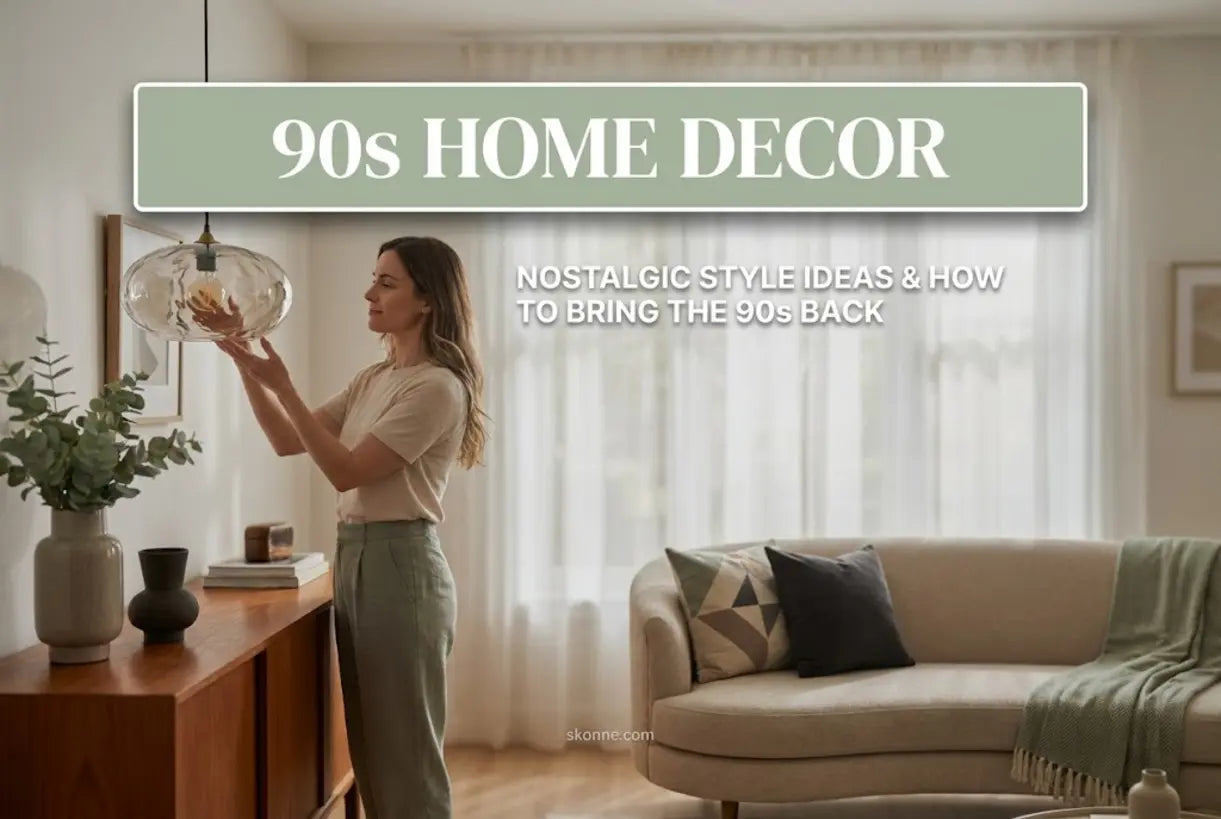
There's a certain charm to the 1990s that modern interiors are rediscovering. From the warm wood tones and natural materials to bold patterns and sculptural lighting, 90s home decor offered a refreshing departure from the excess of previous decades. Whether you're a millennial craving nostalgia or a design enthusiast drawn to retro aesthetics, this era's emphasis on authenticity and comfort has remarkable staying power.
In this guide, we'll explore how to thoughtfully incorporate classic 90s elements into contemporary spaces—without creating a time capsule. You'll learn which trends are genuinely making a comeback, how to balance vintage charm with modern living, and where to find curated pieces that honor this distinctive decade. By the end, you'll understand why so many homeowners are embracing this revival—and how you can too.
What Made 90s Interior Design So Distinctive
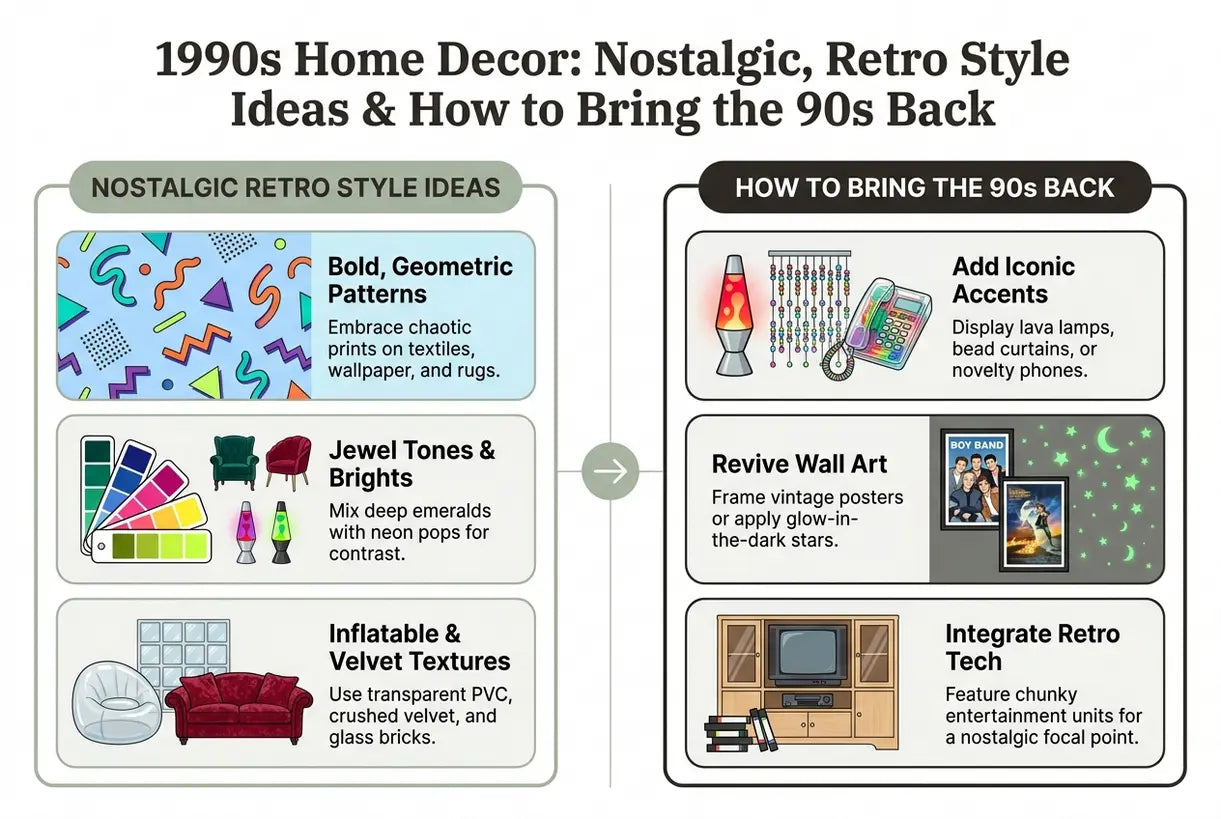
The 1990s interior aesthetic emerged from a cultural shift toward simplicity and natural materials. Unlike the bold neons of the 80s, this decade favored earthy palettes, organic shapes, and an unpretentious approach to home styling. Wicker furniture, wrought iron accents, and distressed wood finishes dominated magazine spreads, while decorative painting techniques like sponging and stenciling added personality to walls.
Lighting played an equally important role, with statement pendants and sculptural fixtures becoming focal points rather than afterthoughts. The era celebrated craftsmanship—hand-blown glass, turned wood, and metalwork were showcased rather than hidden. This appreciation for materiality and form created spaces that felt intentional yet approachable, a philosophy that resonates deeply with today's design-conscious homeowners.
Iconic 90s Elements Making a Comeback
Several unmistakable 90s trends are experiencing a genuine renaissance in contemporary interiors. Wicker and rattan furniture—once relegated to sunrooms—now anchor living spaces with their textural warmth. Bold geometric patterns and oversized florals are reappearing on textiles, while warm wood tones in furniture have displaced the gray-washed finishes that dominated recent years.
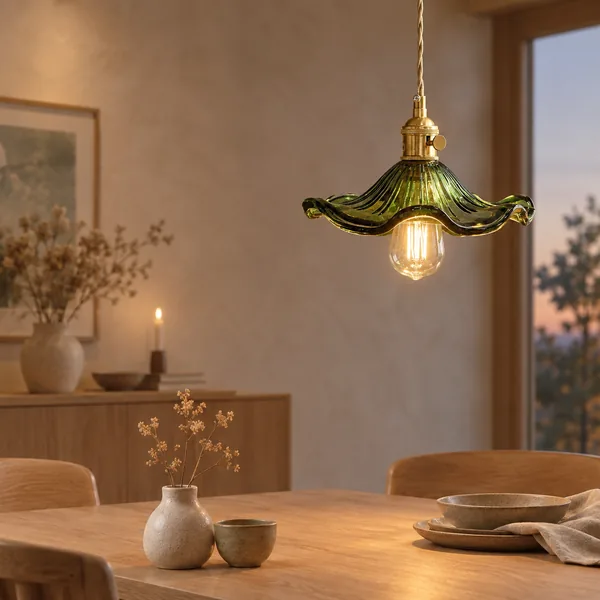
Perhaps most notably, 90s lighting is returning with full force. The era's preference for organic sculptural forms and natural materials like wood, brass, and glass feels remarkably current in today's Japandi-influenced spaces. These aren't mere reproductions; they're thoughtfully updated interpretations that honor the original spirit while meeting modern standards of craftsmanship and sustainability.
For those looking to explore more options, our Table Lamps collection offers a curated selection that bridges nostalgic warmth with contemporary minimalism—perfect for that 90s-meets-Nordic aesthetic.
Understanding how these elements work together is essential. The 90s weren't about minimalism for its own sake, but rather curated comfort—spaces that invited gathering while maintaining visual interest. This philosophy aligns beautifully with Scandinavian design principles, creating natural synergies for modern styling.
Pendant Lights
Shop all Pendant Lights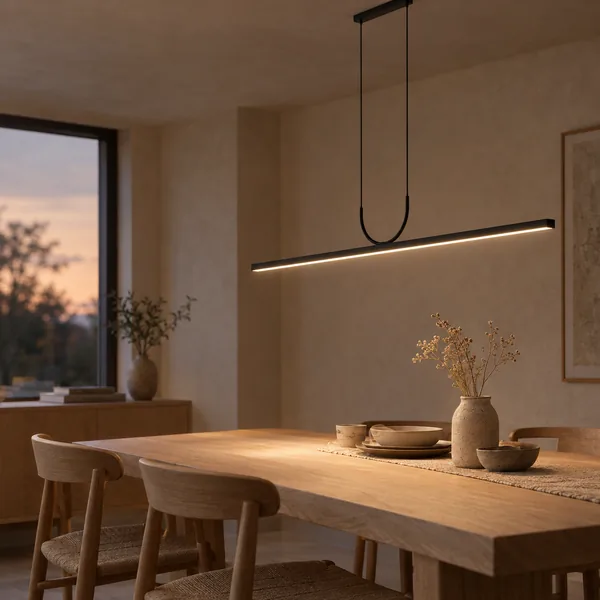
 Save $140.00
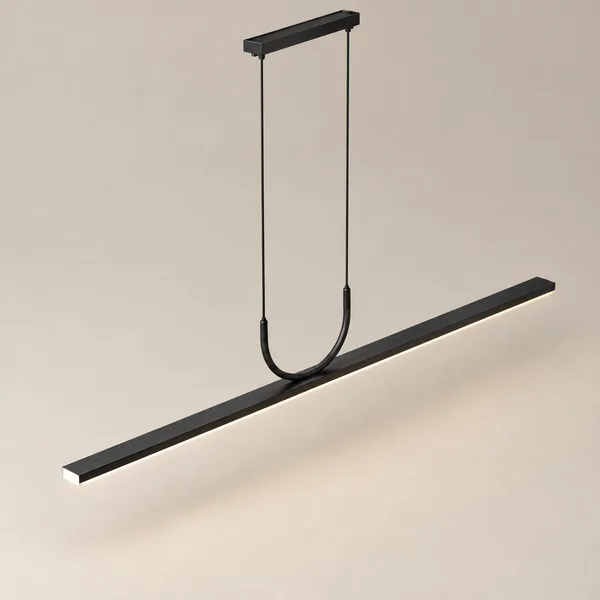
Linné Minimalist Linear Black LED Pendant Light
 Save $60.00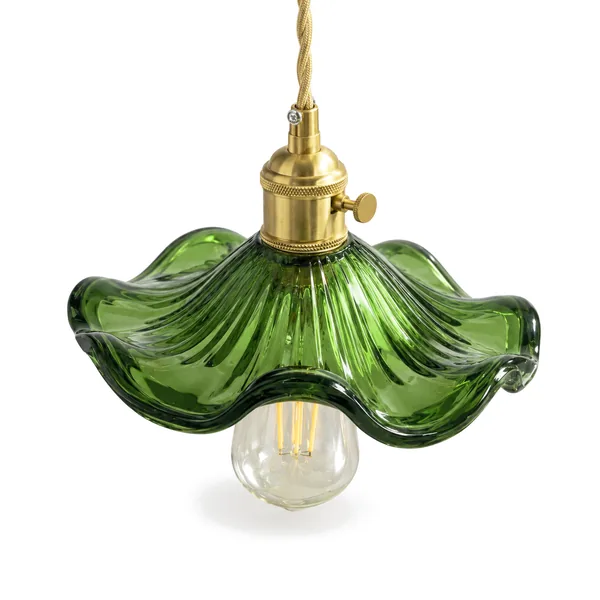
 3 options
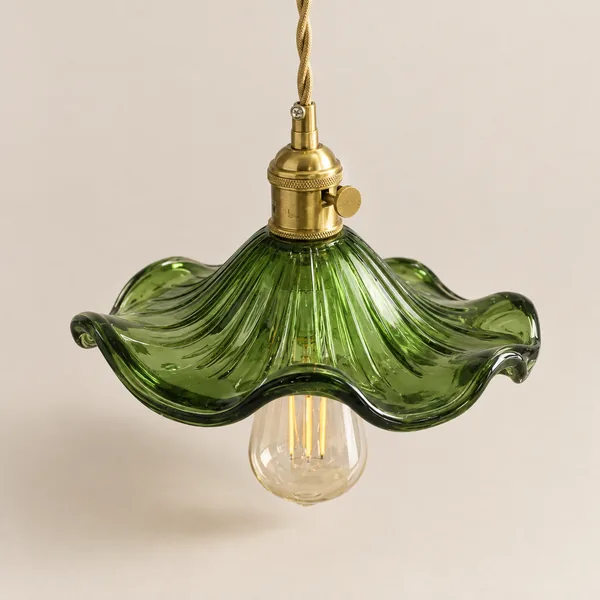
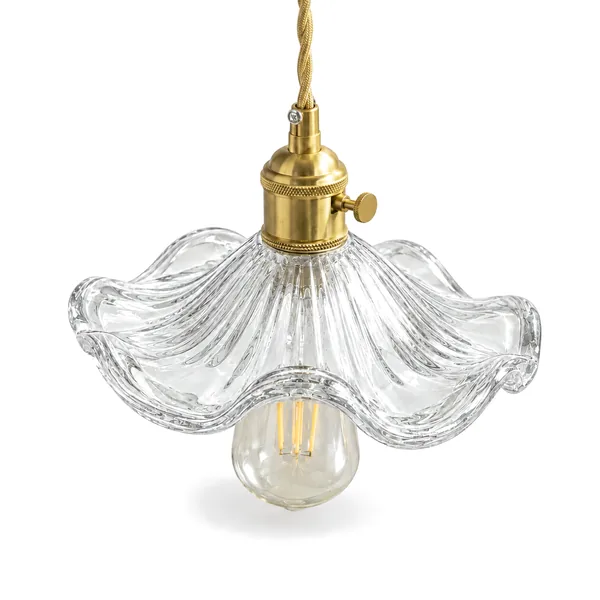
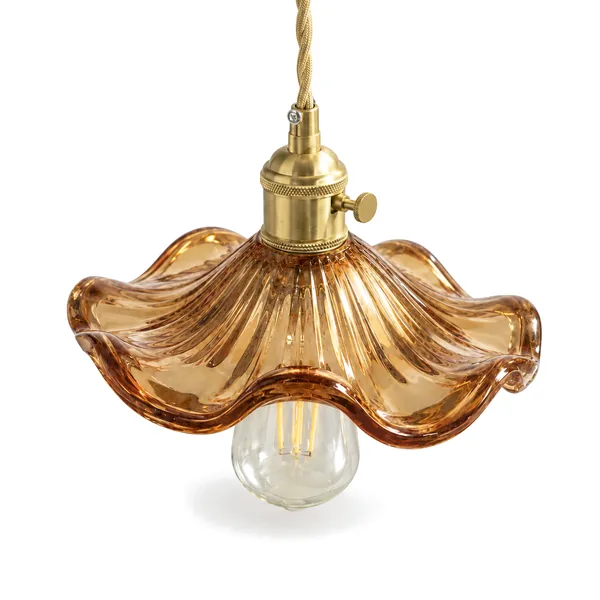
Glora Nordic Glass Pendant Light with Copper
 Save $120.00
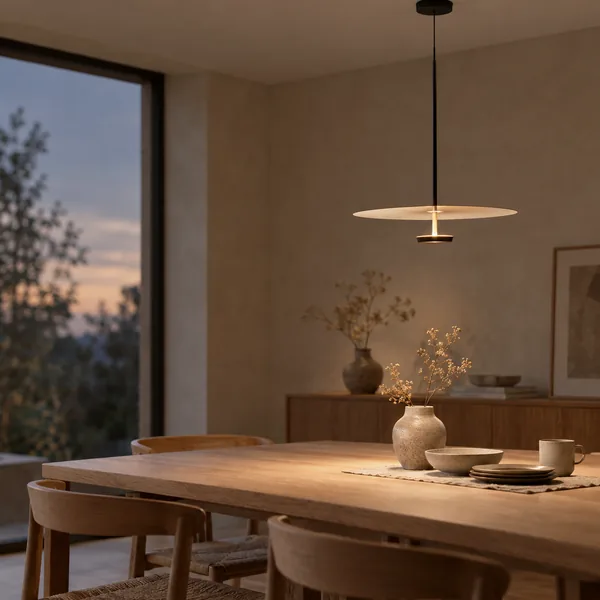
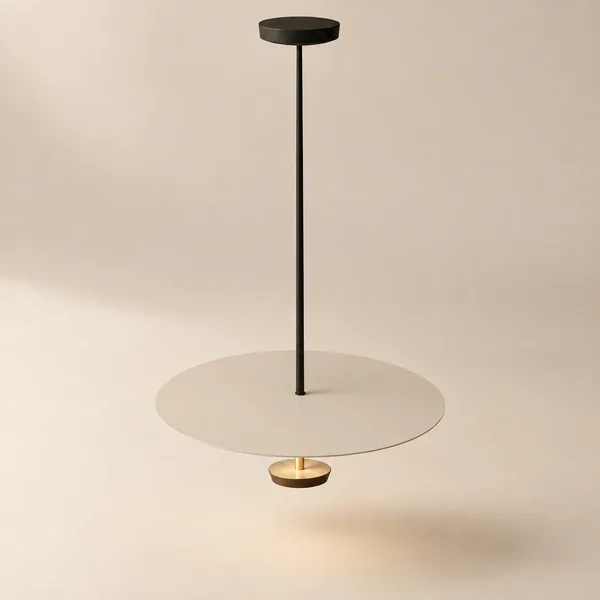
Skiva Nordic Saucer Ceiling Pendant Light LED
The Power of Statement Lighting in 90s Revival
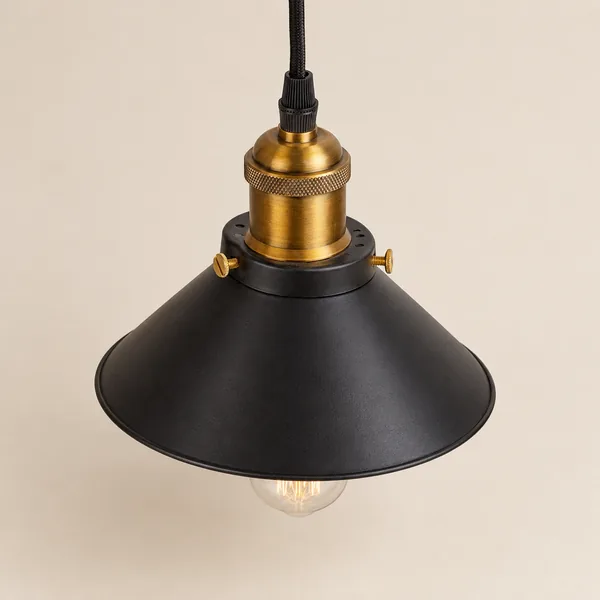
Lighting was the unsung hero of 1990s interiors. Rather than treating fixtures as purely functional, designers elevated them to sculptural art pieces that defined rooms. Pendants with organic silhouettes, warm amber glass, and mixed material compositions created ambient atmospheres that felt simultaneously sophisticated and accessible.
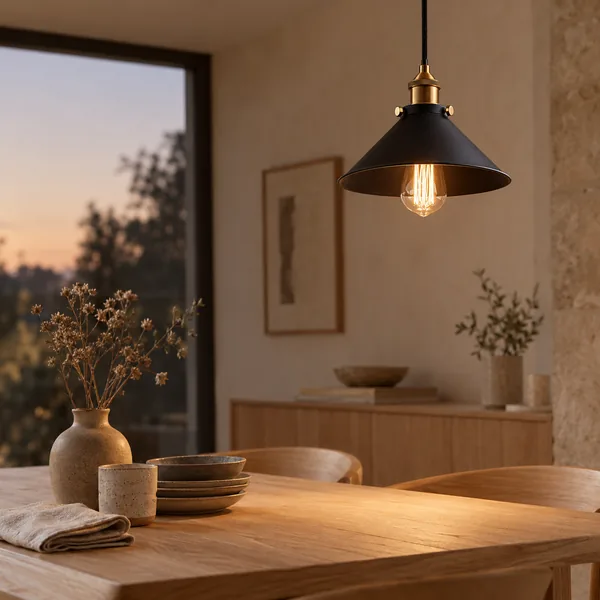
This approach remains remarkably relevant today. A single well-chosen pendant can transform a dining area from purely functional to genuinely memorable. When selecting 90s-inspired lighting, look for pieces that combine natural materials with flowing forms—think hand-blown glass with subtle imperfections, wood grain that tells a story, and metal finishes that patina beautifully over time.
Warm Materials and Organic Forms
The 90s embraced material honesty—wood, stone, glass, and metal appeared in their most natural states rather than disguised or over-processed. This appreciation for organic textures and imperfections created spaces that aged gracefully and felt deeply personal. Walnut, oak, and brass particularly defined the era's material palette.
Today's interpretation of this trend maintains that material authenticity while incorporating contemporary craftsmanship. Fixtures that combine walnut wood with brass accents, or rice paper with sculptural frames, nod to 90s sensibilities while feeling thoroughly modern. The Gloda Walnut Brass French Style Pendant Light exemplifies this harmony perfectly.
The key to successful 90s revival lies in selecting pieces that feel timeless rather than trendy. Look for fixtures with clean silhouettes that transcend specific decades, materials that develop character over time, and designs that balance sculptural presence with functional elegance. Even simple additions like the Shiro Rice Paper Table Lamp Nordic Minimalist can introduce that subtle 90s warmth without overwhelming your existing aesthetic.
Curated Lighting for Your 90s Revival
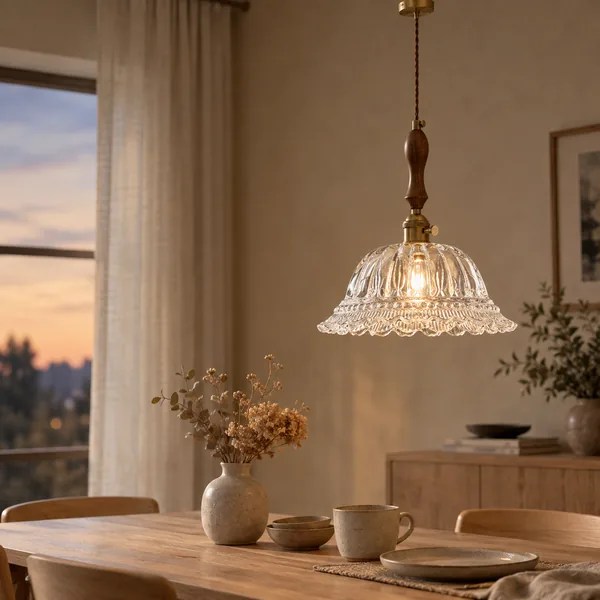 Gloda Walnut Brass French Style Pendant Light$169.00$229.00
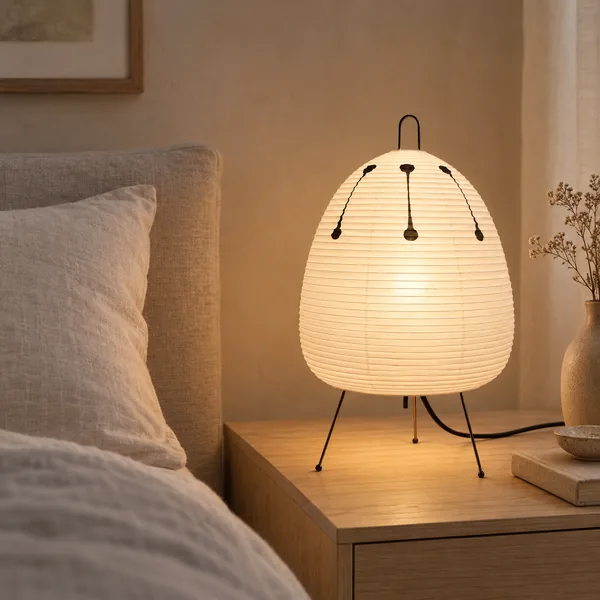 Shiro Rice Paper Table Lamp Nordic Minimalist$119.00$199.00
Practical Tips for Incorporating 90s Style Today
Successfully integrating 90s elements requires thoughtful restraint. Rather than recreating a period room, consider selecting a few key pieces that capture the decade's essence while complementing your existing decor. Start with lighting—a sculptural pendant or warm-toned table lamp can establish the mood without demanding a complete renovation.
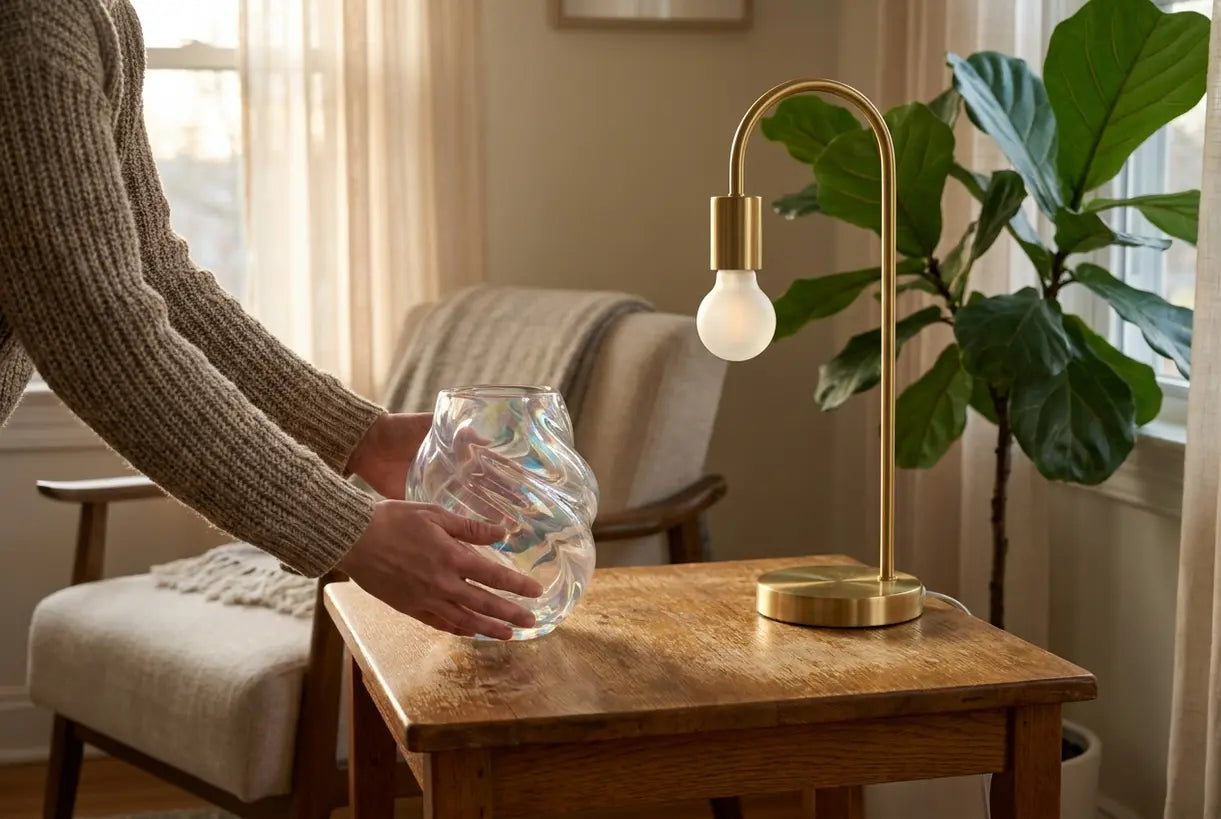
Color palettes from this era favored warm neutrals—cream, taupe, sage, and terracotta—with occasional bold accents. Natural textures like woven baskets, distressed leather, and unpolished metals add depth without overwhelming a space. The key is layering: combining different textures and finishes creates that signature 90s coziness while remaining visually sophisticated.
Consider proportion carefully as well. 90s design celebrated substantial, grounding pieces—large-scale pendants over dining tables, substantial table lamps on side tables, and furniture with presence. These anchor pieces provide the backdrop for more delicate styling touches like vases, textiles, and decorative objects.
Lamps
Shop all Lamps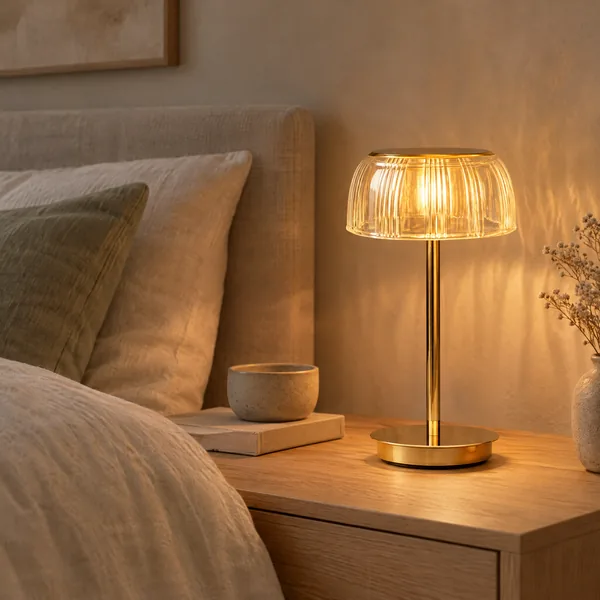
 Save $30.00
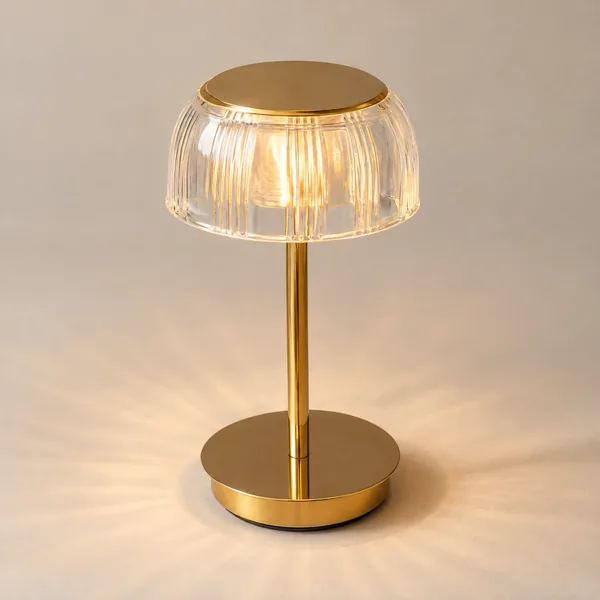
Kvalla Jellyfish LED Rechargeable Table Lamp
 Save $140.00
Linné Minimalist Linear Black LED Pendant Light
Save $60.003 optionsGlora Nordic Glass Pendant Light with Copper
Creating Timeless Spaces with 90s Inspiration
The enduring appeal of 90s home decor lies not in nostalgia alone, but in its fundamental principles: authenticity, comfort, and meaningful materiality. These values align closely with contemporary Scandinavian design, creating a natural bridge between eras and styles.
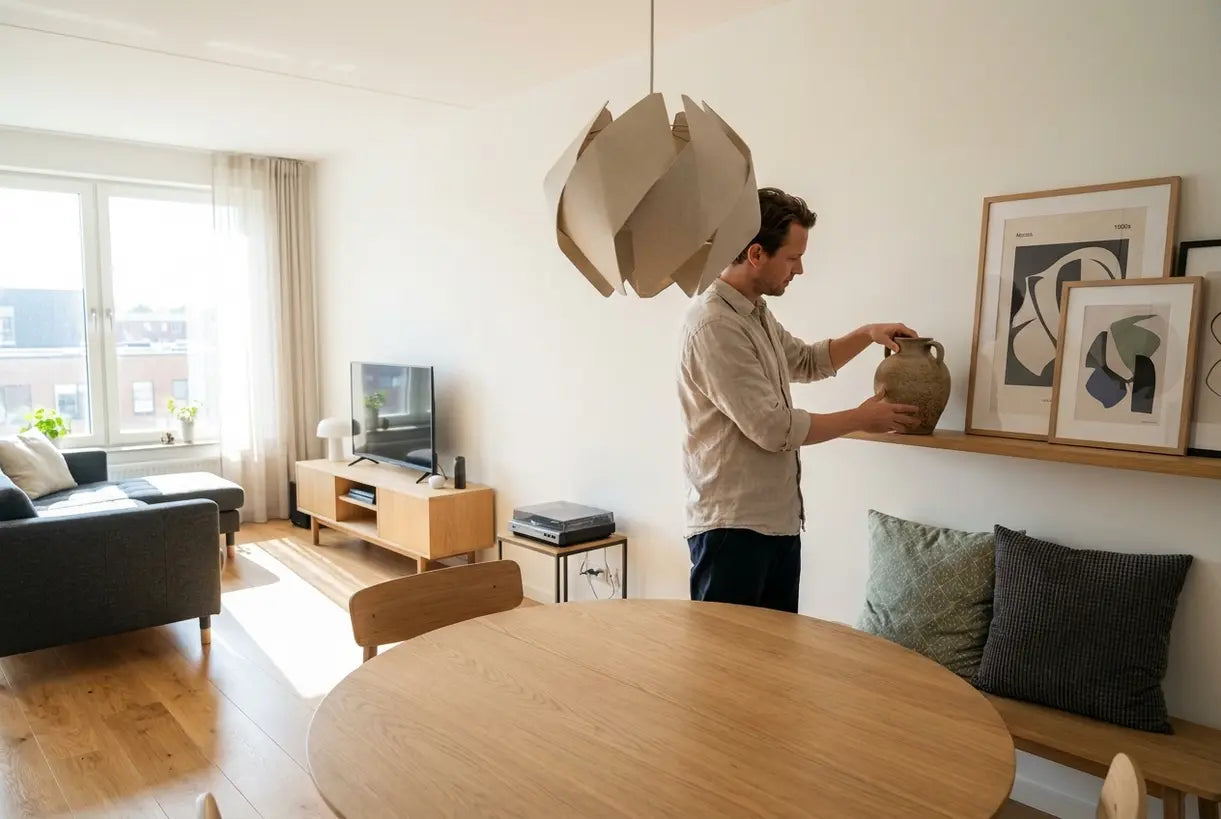
When approached thoughtfully, 90s-inspired elements can transform spaces into intentional sanctuaries that feel both current and timeless. The key is quality—a few well-crafted pieces in warm woods, natural glass, and honest metals will serve your space far better than trend-chasing reproductions ever could.
At Skonne, we curate lighting and decor that honors these principles. Each piece in our collection bridges nostalgic warmth with Nordic minimalism, offering that perfect balance of retro charm and contemporary sophistication. Whether you're seeking a statement pendant to anchor your dining room or a subtle table lamp to warm your bedroom, our thoughtfully selected pieces bring genuine craftsmanship to your 90s-inspired transformation.
Related Article
1960s Home Decor: Mod, Pop Art & Retro Style Ideas for a Swinging Sixties InteriorDiscover how to bring the swinging sixties into your home with mod furniture, bold colors, and retro styling ideas that capture 1960s charm.