
1980s Home Decor: Bold, Maximalist Style Ideas & How to Bring the 80s Back
Summary›
- Understanding 1980s Design Philosophy and Postmodern Influence
- Key Elements of 80s Maximalist Decor
- Iconic 80s Materials That Define the Era
- How to Incorporate 80s Style Without Being Kitschy
- 80s Design Trends Making a Modern Comeback
- Creating an 80s-Inspired Space: Room-by-Room Guide
- The Art of Curated Maximalism
- Conclusion: Embracing Bold Expression in Modern Homes
The 1980s marked a revolutionary era in interior design that rejected the subdued minimalism of previous decades in favor of bold self-expression and unapologetic maximalism. From the vibrant Memphis design movement to postmodern architectural influences, 80s interior design celebrated geometric patterns, saturated colors, and sculptural forms that transformed living spaces into personal galleries of style.
Today, this maximalist home decor is experiencing a sophisticated revival—modern homeowners are rediscovering the confidence and character that defined the decade while adapting these elements for contemporary spaces. Whether you're drawn to the playful geometry of Memphis design or the sleek sophistication of chrome and glass, incorporating 1980s home decor into your home doesn't mean surrendering to dated trends. Instead, it's about thoughtfully curating statement pieces that capture the era's fearless spirit while maintaining a refined, intentional aesthetic that feels fresh and relevant.
Understanding 1980s Design Philosophy and Postmodern Influence
The 1980s interior aesthetic emerged from a cultural moment that embraced excess, innovation, and breaking from tradition. Postmodern architecture and design rejected the "less is more" mantra, instead championing eclectic combinations, historical references, and bold visual statements. This philosophy translated into interiors that were layered, dramatic, and deeply personal.
Designers like Ettore Sottsass led the charge with the Memphis Group, creating furniture and objects that featured asymmetrical shapes, high-gloss finishes, and color palettes borrowed from Art Deco and Pop Art movements. The result was a visual language that felt simultaneously futuristic and nostalgic, sophisticated yet accessible.
Understanding this historical context helps explain why 80s style interiors remain so compelling today. The era celebrated individual expression at a time when mass production made unique design accessible to everyone. This democratization of style—combined with a willingness to experiment—created a design vocabulary that continues to inspire contemporary interiors.
Key Elements of 80s Maximalist Decor
Embracing 1980s home decor means understanding the foundational elements that defined the decade's aesthetic. These components work together to create spaces that feel dynamic, layered, and intentionally curated rather than chaotic or cluttered.
Bold Geometric Forms and Architectural Shapes
Geometry was the visual language of 80s design. Sharp angles, hexagonal patterns, triangular motifs, and circular elements appeared everywhere from wall art to furniture silhouettes. Unlike the organic, flowing lines of 70s design, the 80s embraced mathematical precision and dramatic silhouettes.
Modern interpretations of this trend focus on sculptural pieces that serve as functional art. The geometric lighting and decor pieces available today have evolved from their 80s predecessors, offering cleaner lines and more refined proportions that suit contemporary spaces while maintaining that signature visual impact.
Statement Colors and Pattern Mixing
The 80s color palette was anything but shy. Millennial pink, teal, black-and-white graphics, primary colors, and metallic accents created interiors that demanded attention. Patterns layered upon patterns—stripes with geometrics, florals with abstracts—creating visual depth and movement.
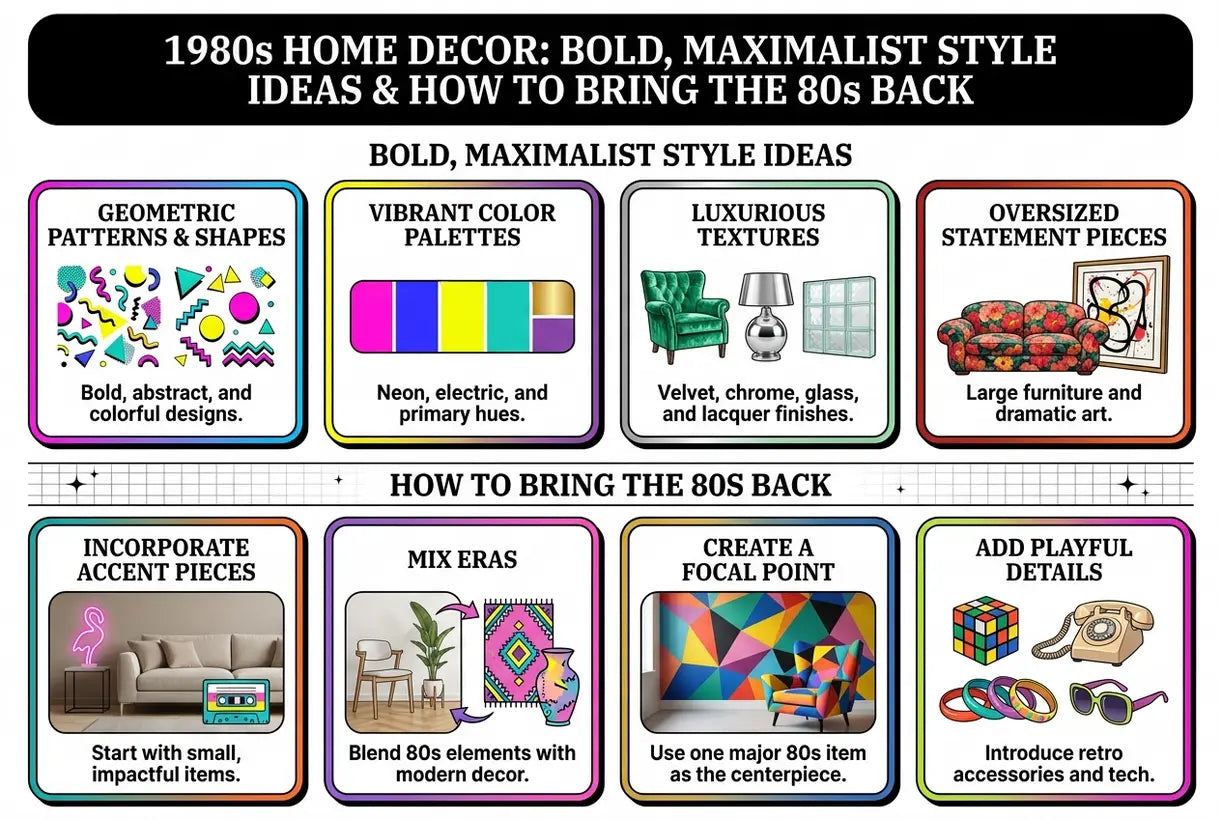
Today's approach to 80s maximalist home decor often involves selecting a focused color story—perhaps two or three signature hues—rather than embracing the full spectrum. This allows for bold expression without overwhelming the senses. For those looking to explore more options, our Marble Wall Lights collection offers sophisticated pieces that bridge the gap between 80s luxury and contemporary restraint, combining the era's love of rich materials with cleaner, more minimal forms.
Pendant Lights
Shop all Pendant Lights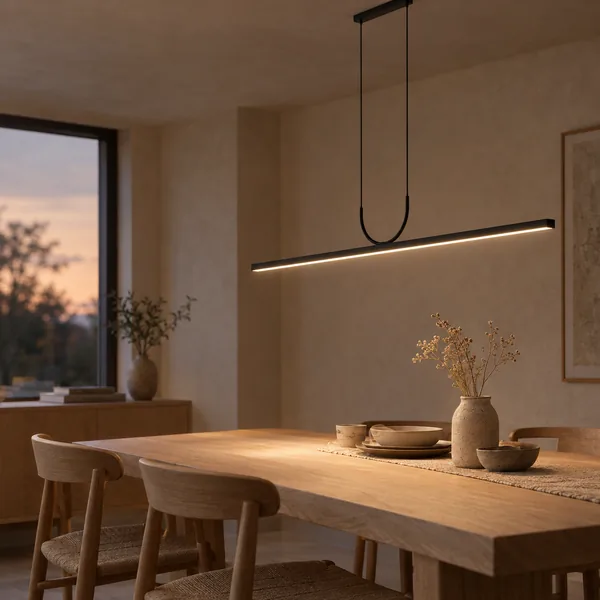
 Save $140.00
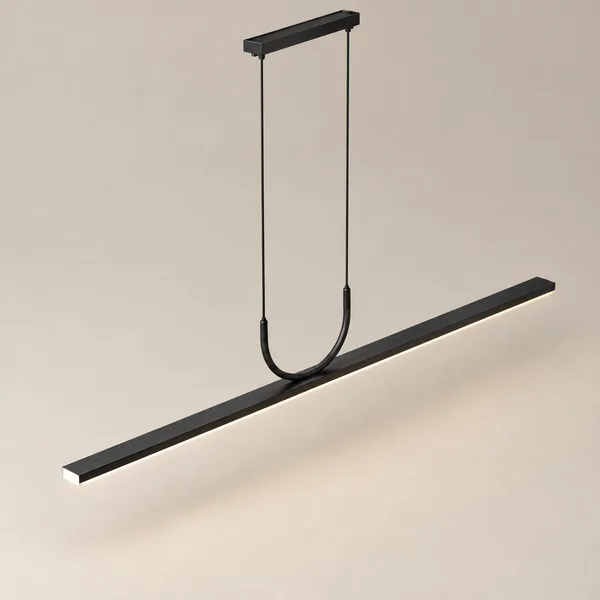
Linné Minimalist Linear Black LED Pendant Light
 Save $60.00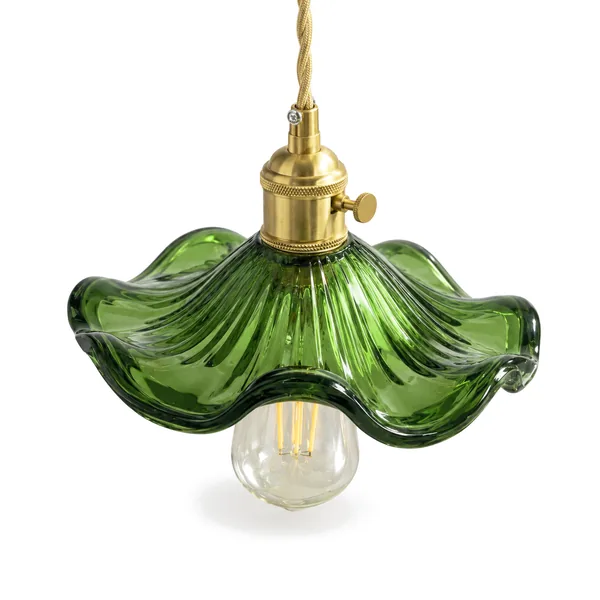
 3 options
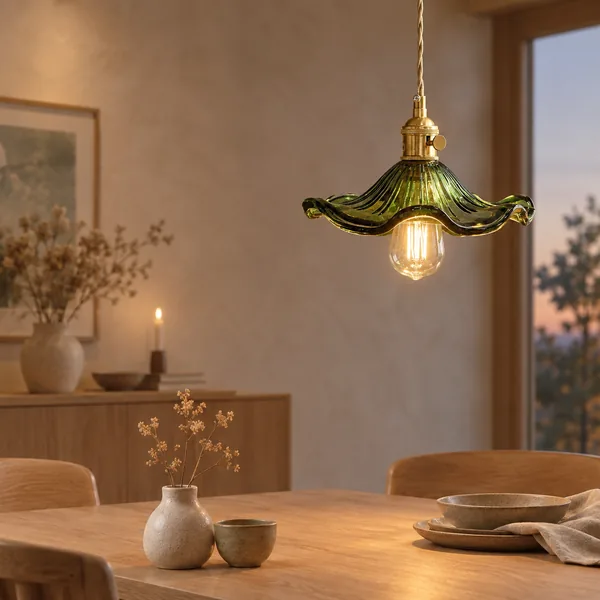
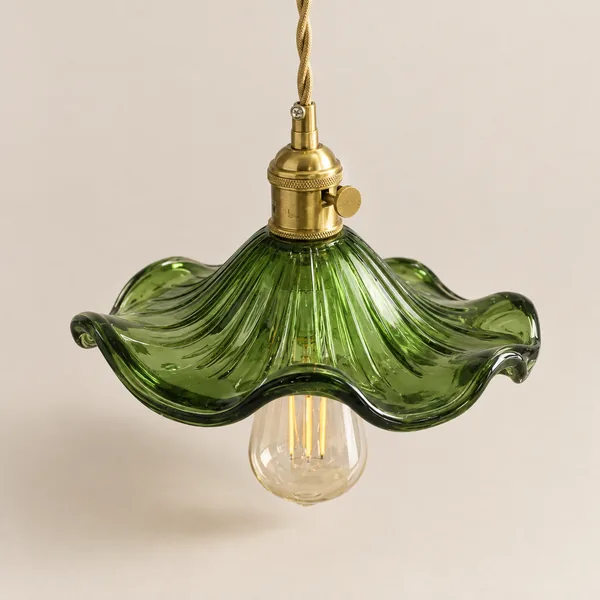
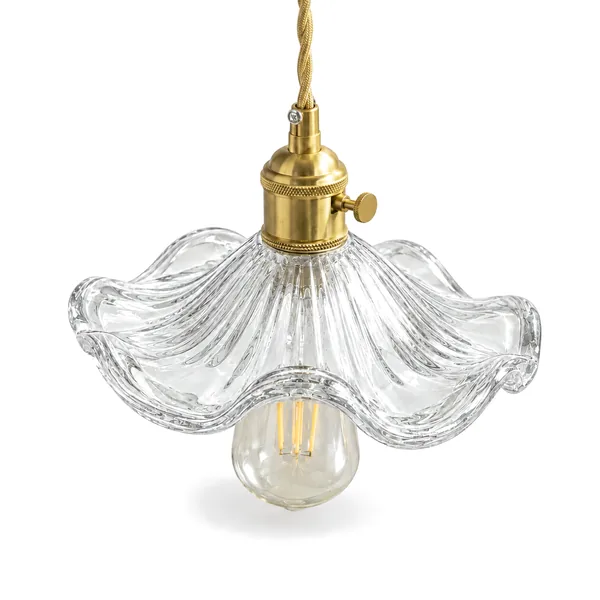
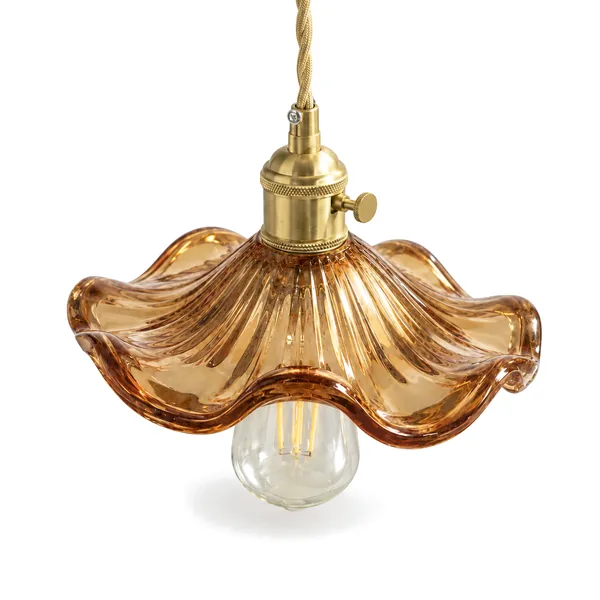
Glora Nordic Glass Pendant Light with Copper
 Save $120.00
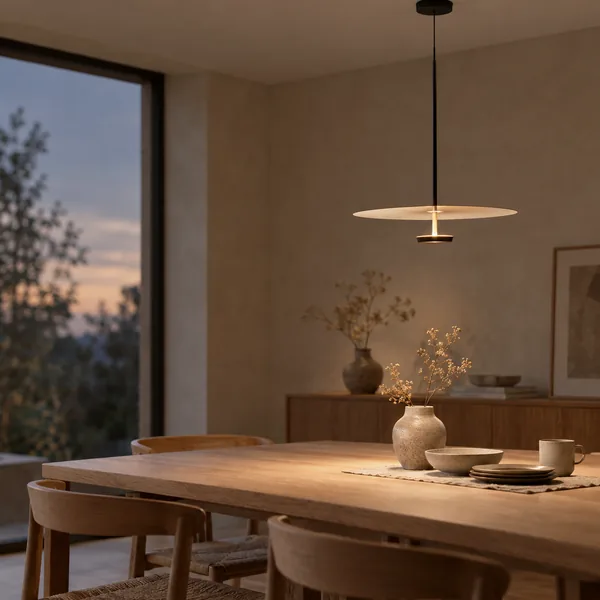
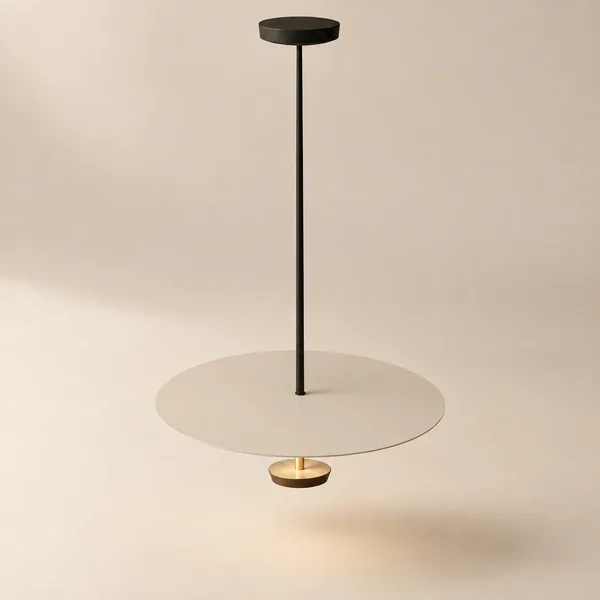
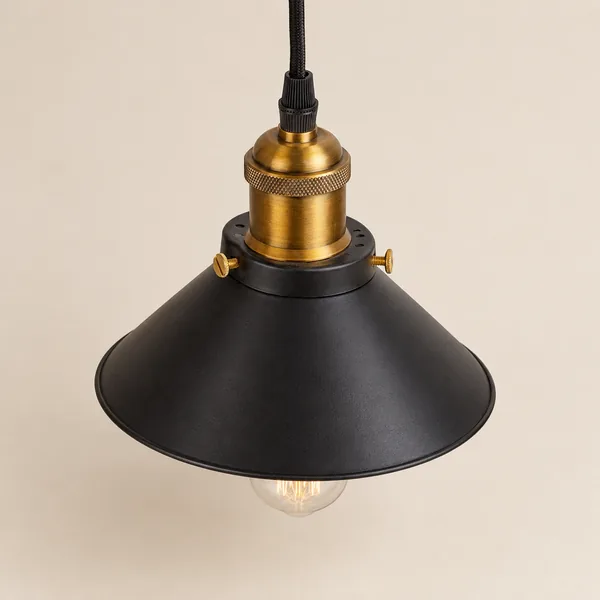
Skiva Nordic Saucer Ceiling Pendant Light LED
Iconic 80s Materials That Define the Era
Materiality played a crucial role in creating the distinctive look and feel of 1980s interiors. The decade's obsession with new technologies and manufacturing processes resulted in innovative combinations that still influence design today.
Lacquered Surfaces and High-Gloss Finishes
Lacquered furniture in bold colors—think red credenzas, black side tables, or blue dressers—was a hallmark of 80s sophistication. These glossy surfaces reflected light, added glamour, and created visual punctuation within rooms. The reflective quality of lacquer contributed to the era's love of theatrical, light-filled spaces.
Modern lacquered pieces have evolved to feature more muted tones and cleaner profiles, but the impact remains the same. These surfaces work beautifully in contemporary homes as statement pieces that anchor a room while adding that signature 80s polish.
Chrome, Brass, and Mixed Metallics
Metals in the 80s weren't meant to blend into the background. Chrome tubular furniture, brass accents, and mixed metallic finishes created industrial-luxe atmospheres that felt simultaneously futuristic and art deco. The contrast between warm brass and cool chrome became a signature of the era.
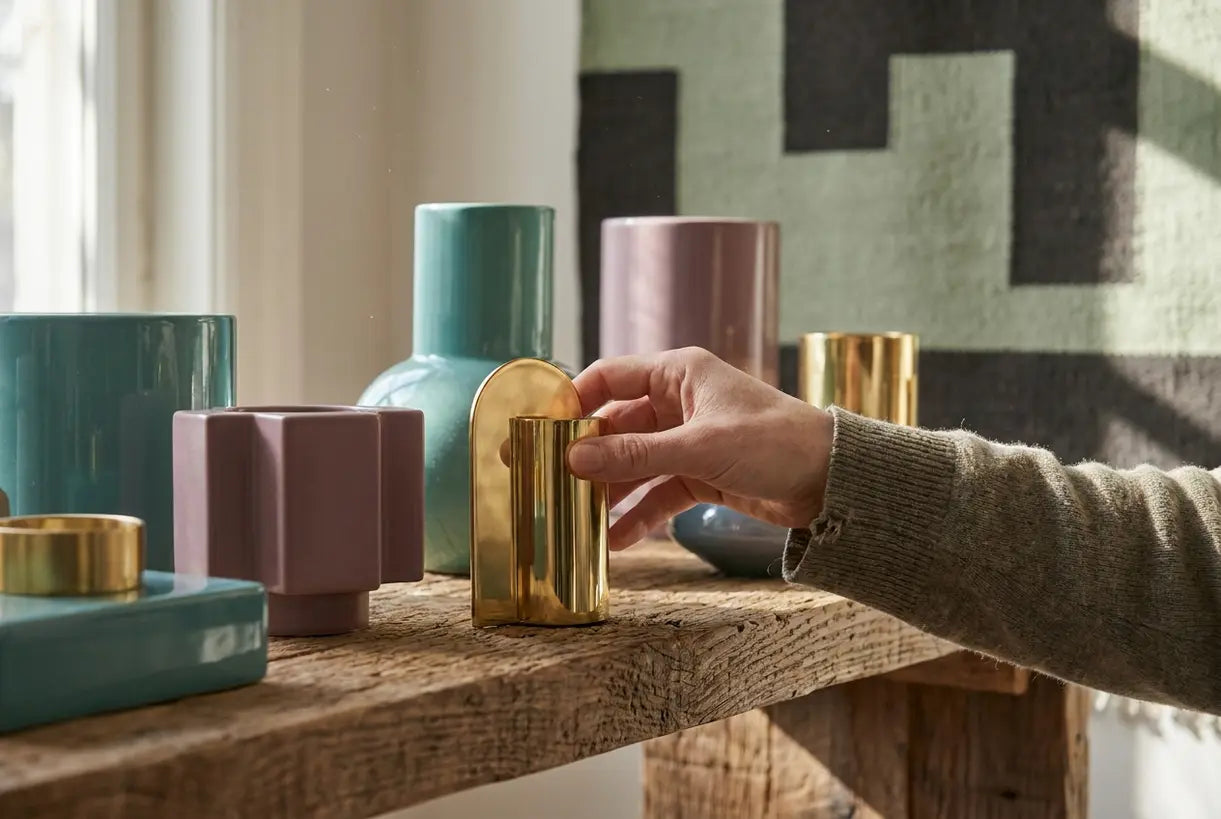
Today's interpretation often involves brushed or matte metallics that offer the same visual interest with a more refined finish. The interplay between different metal tones continues to add depth and sophistication to contemporary interiors inspired by 80s principles.
Glass, Lucite, and Transparent Elements
The 80s embraced transparency as a design element. Lucite furniture, glass tabletops, and acrylic accessories created the illusion of space while maintaining visual lightness. These materials allowed bold colors and patterns elsewhere in the room to take center stage without competition.
Incorporating transparent elements today provides the same benefit—maintaining an open, airy feeling even in smaller spaces while allowing your statement pieces to shine.
How to Incorporate 80s Style Without Being Kitschy
The challenge with any retro revival is honoring the aesthetic while avoiding the costume-like quality that makes a space feel like a time capsule rather than a home. The key lies in selective curation and modern context.
Start with one or two statement pieces rather than attempting to recreate an entire 80s room. A sculptural lamp, a geometric wall clock, or a boldly patterned textile can evoke the era's spirit without overwhelming your space. Balance these bold choices with contemporary neutrals and natural materials like wood and stone.
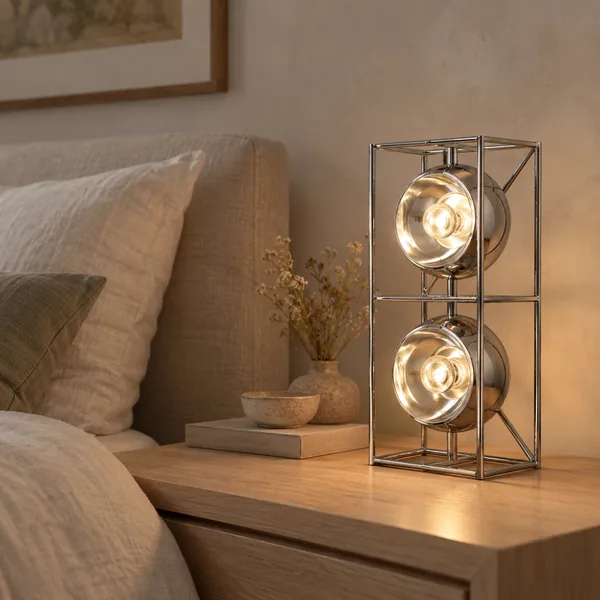 Forma Geometric LED Lamp Bauhaus Design Style$399.00$559.00
Consider the Forma Geometric LED Lamp Bauhaus Design Style as an example of how to approach this balance. Its sculptural spheres and metal framework reference the Memphis design influence while the Bauhaus-inspired geometry and LED technology ground it firmly in contemporary design language. Placed on a modern desk or side table, it becomes a conversation piece that bridges decades without feeling dated.
Another strategy involves updating color palettes. Instead of the neon brights that might feel too literal, consider deeper, more saturated versions of 80s favorites—emerald instead of kelly green, navy instead of primary blue, or burgundy instead of bright red. These sophisticated hues capture the era's confidence while feeling appropriate for modern living.
80s Design Trends Making a Modern Comeback
Several specific elements from 1980s home decor are currently experiencing major revivals, reinterpreted for contemporary sensibilities and lifestyles.
Memphis Design Geometry
The asymmetric, colorful, and deliberately playful aesthetic of the Memphis Group is everywhere in current design. From fashion to furniture, the movement's signature terrazzo patterns, squiggles, and bold geometric forms have been embraced by a new generation seeking personality in their spaces.
Today's Memphis-inspired pieces often feature more subdued colorways or monochromatic palettes that highlight the sculptural forms without the full electric color scheme of the original movement. This allows for greater versatility in different interior styles.
Statement Lighting as Sculpture
The 80s treated lighting as art, and this philosophy has returned with force. Oversized pendants, geometric chandeliers, and sculptural table lamps serve as focal points that illuminate while they decorate. The statement table lamp has become particularly popular as a way to add personality to bedside tables, desks, and reading nooks.
Graphic Prints and Bold Stripes
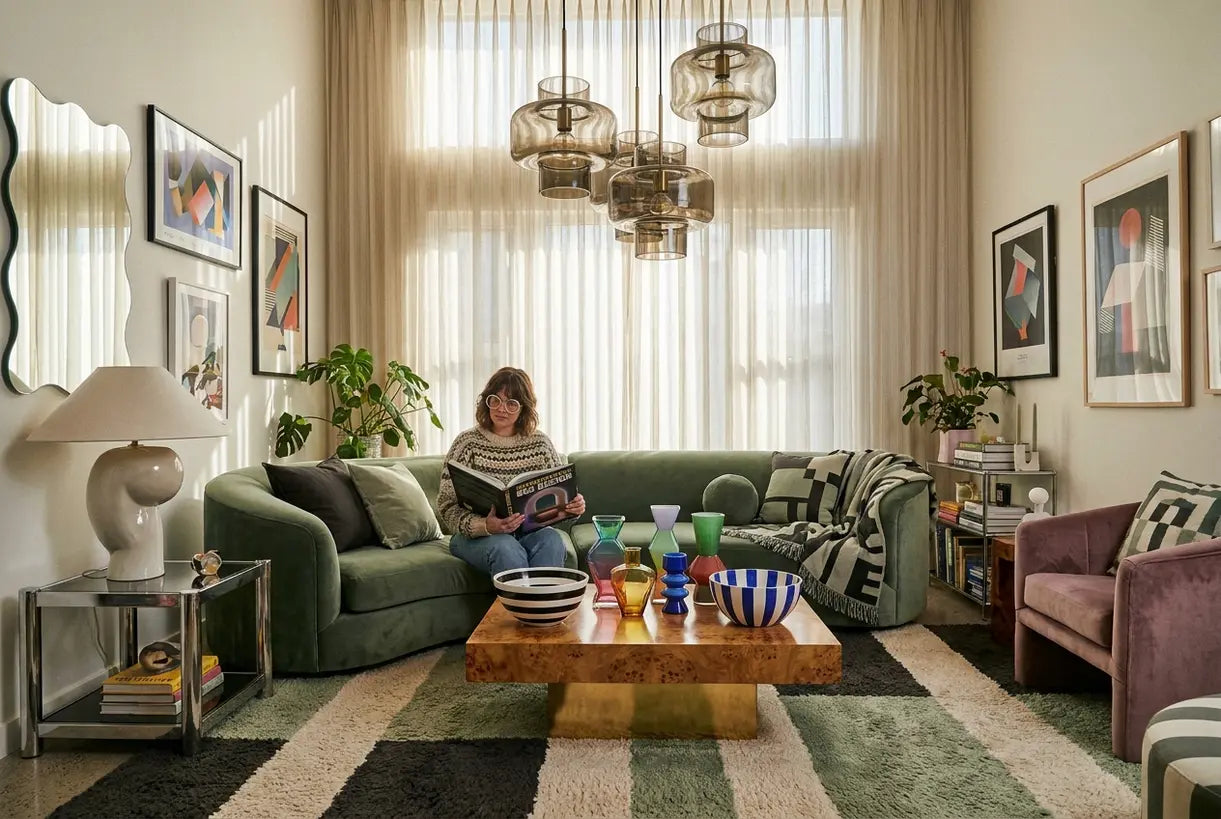
High-contrast patterns, especially black-and-white graphics and bold stripes, continue to channel that 80s energy. These patterns work particularly well in textiles, wallpaper, and accessories where they can be changed or updated as trends evolve.
Curved and Organic Forms
Interestingly, the latter half of the 80s saw a shift toward more organic, curved forms in furniture design—contrasting the sharp geometry of early Memphis influence. This bivalence between rigid and fluid shapes gave 80s interiors their dynamic tension, and both elements remain relevant today.
Table Lamps
Shop all Table Lamps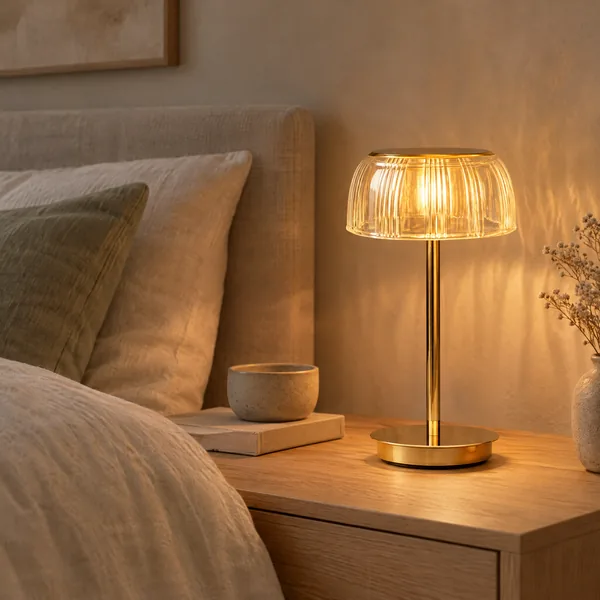
 Save $30.00
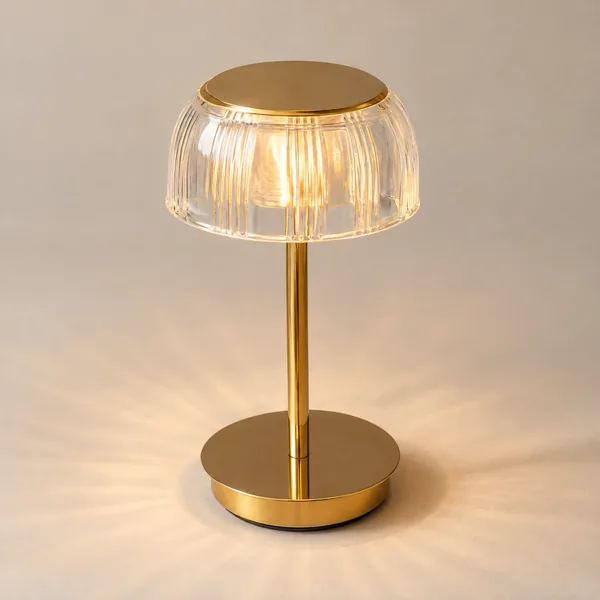
Kvalla Jellyfish LED Rechargeable Table Lamp
 Save $60.00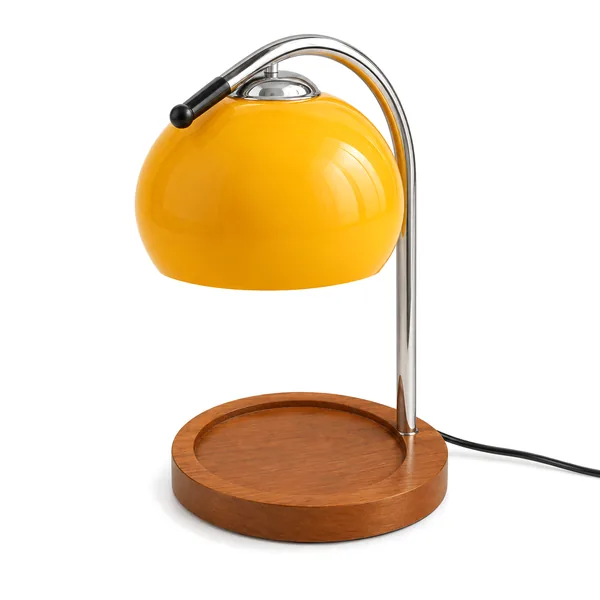
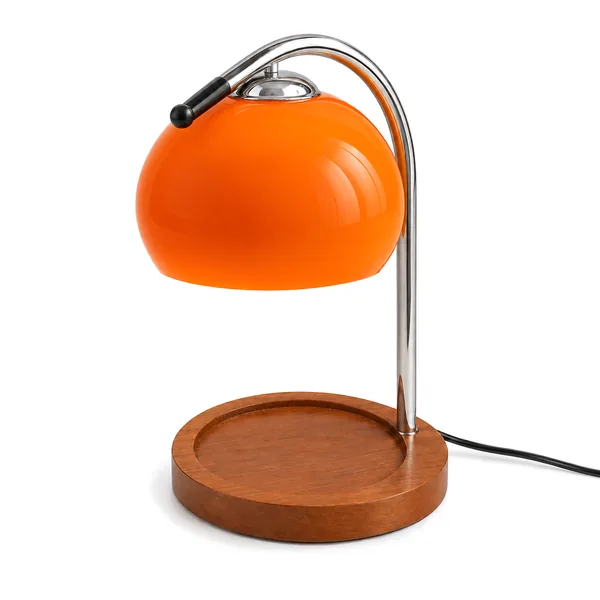
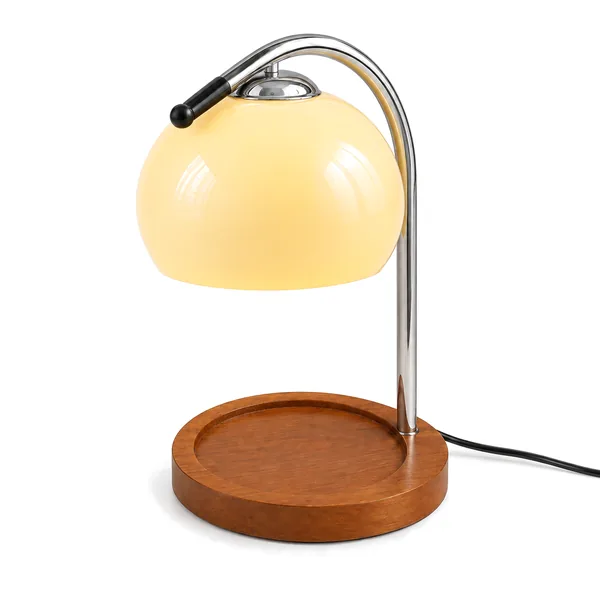 3 options
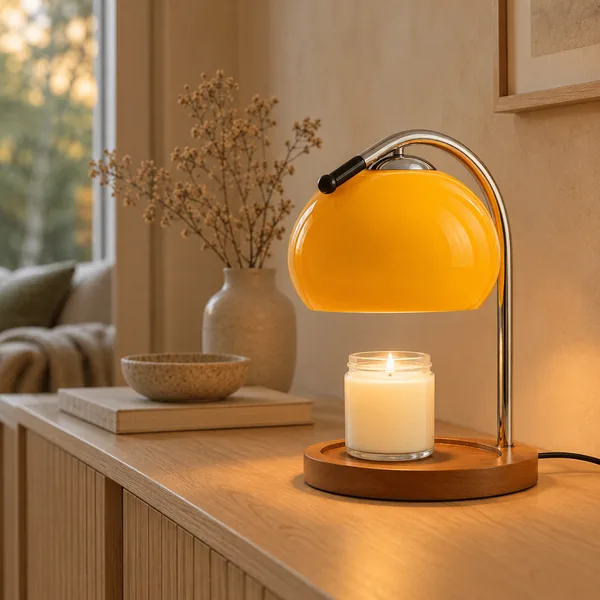
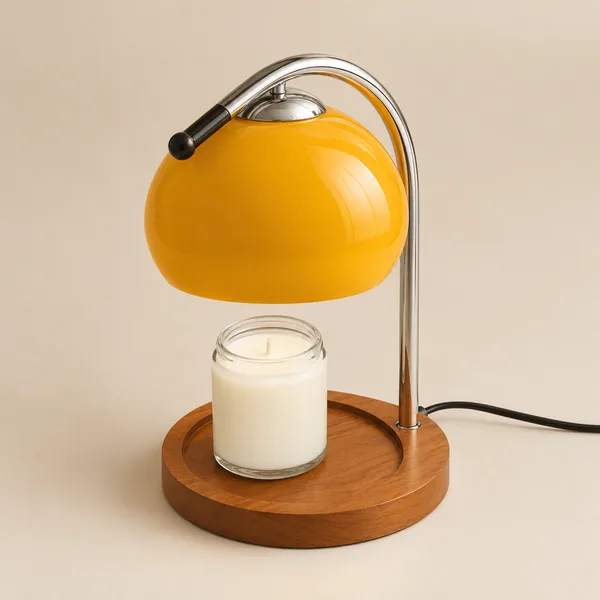
Solvarm Stained Glass Candle Warmer Table Lamp
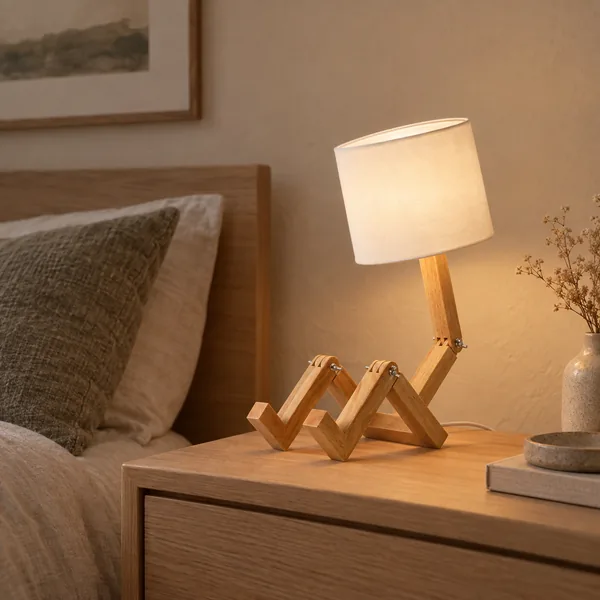
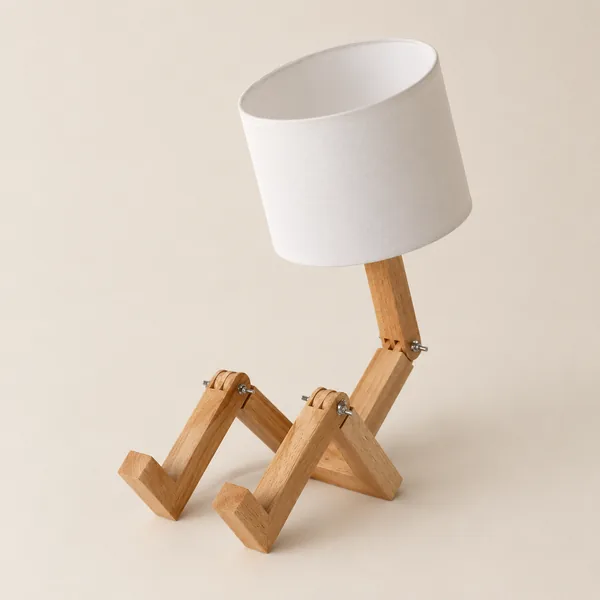
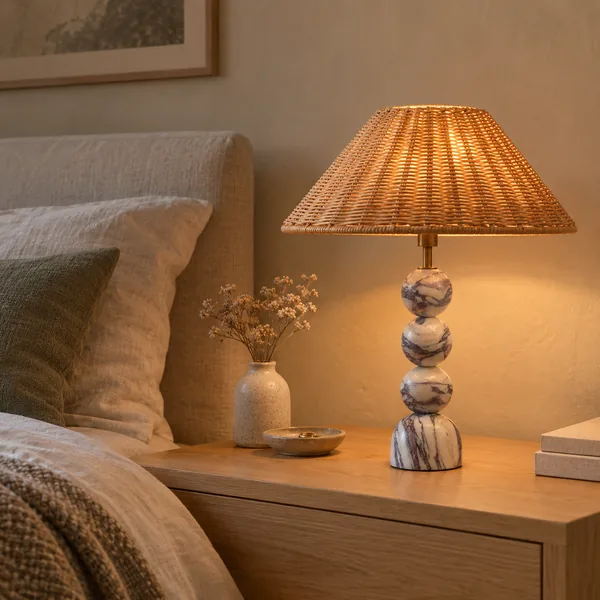
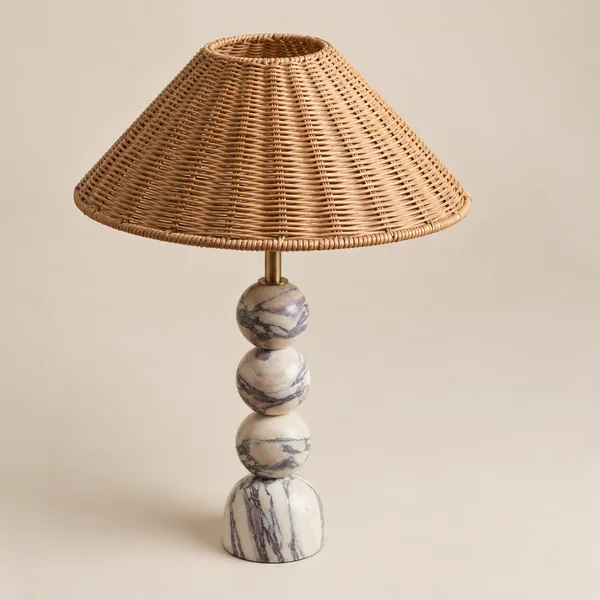 Save $220.00
Stenglo Nordic Marble Table Lamp Rattan Shade
Creating an 80s-Inspired Space: Room-by-Room Guide
Translating 80s maximalist home decor principles into your home requires thoughtful application. Here's how to approach different spaces:
Living Room: The Stage for Statement Pieces
The living room offers the most opportunity for 80s inspiration. Consider a geometric coffee table, bold artwork, or sculptural lighting that anchors the seating arrangement. Layer textures through throws and pillows in graphic patterns or rich velvets that recall the decade's tactile luxury.
Bedroom: Bold Yet Restrained
In the bedroom, restraint becomes more important. Choose one dramatic element—perhaps an oversized geometric mirror or a sculptural bedside lamp—and let it command attention against a more neutral backdrop. The goal is personality without sacrificing the restfulness essential to a bedroom.
Sculptural Lighting & Timepieces for Your 80s-Inspired Space
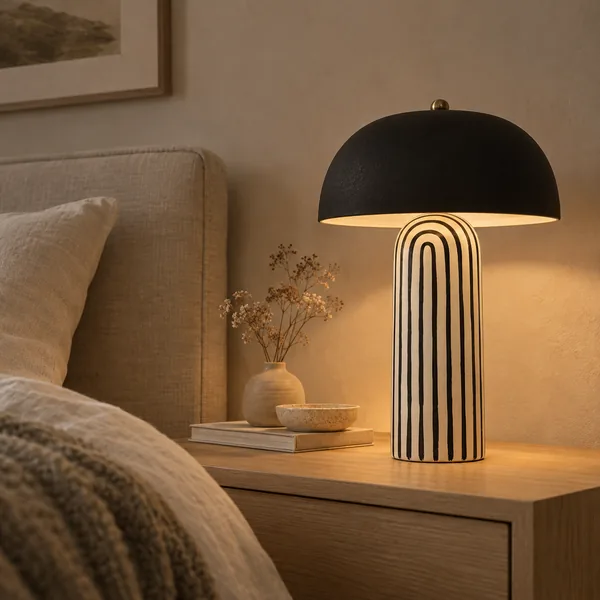 Remsa Striped Ceramic Table Lamp Nordic Design$369.00$499.00
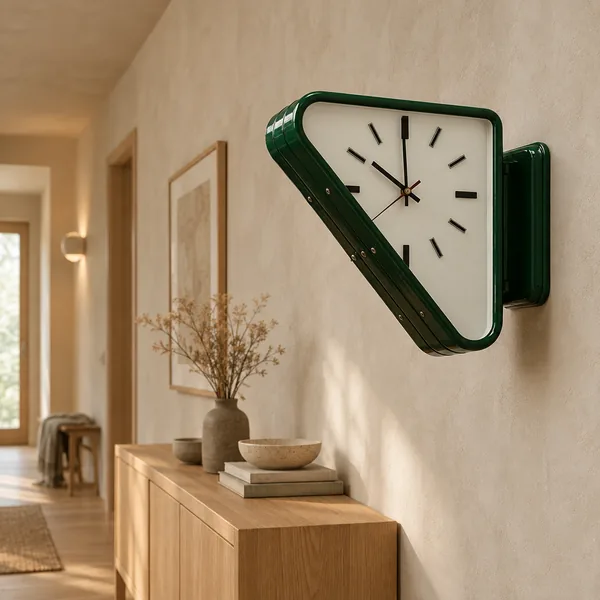 Tvilling Dual-Sided Geometric Metal Wall Clock$269.00$379.00
The Remsa Striped Ceramic Table Lamp Nordic Design exemplifies how retro home styling can feel contemporary. Its bold black and white stripes reference the graphic quality of 80s design while the ceramic material and Nordic influence provide grounding, natural textures. Similarly, the Tvilling Dual-Sided Geometric Metal Wall Clock captures the Memphis design obsession with triangular forms and sculptural presence, transforming a functional object into wall art that commands attention.
Dining Room: Drama and Conversation
The dining room is ideal for the theatrical qualities of 80s interior design. Consider a statement chandelier, lacquered dining chairs, or a boldly patterned rug beneath the table. The goal is creating an environment that encourages lingering conversation—very much in keeping with the social, expressive nature of 80s entertaining.
Home Office: Personality and Productivity
Remote work has made the home office a priority space for design investment. 80s-inspired pieces like the Forma Geometric LED Lamp add personality to what might otherwise feel purely functional. The era's celebration of individual expression makes its aesthetic particularly well-suited to personal workspaces.
The Art of Curated Maximalism
Successfully incorporating 1980s home decor into contemporary spaces comes down to what we might call "curated maximalism"—the intentional selection of bold, expressive pieces that work together in conversation rather than competition.
This approach acknowledges that more can indeed be more, but that "more" must be thoughtful. Each piece should earn its place through design merit, personal meaning, or functional contribution. The chaos of 80s interiors worked because it was orchestrated, not accidental; the same principle applies today.
When sourcing pieces for your retro home styling journey, look for items that honor the era's spirit through form and material while meeting contemporary standards of craftsmanship and function. The intersection of vintage inspiration and modern execution is where truly timeless design lives.
Key Takeaway: The best 80s-inspired spaces combine bold statement pieces with intentional negative space, allowing each element to command the attention it deserves without creating visual chaos.
Conclusion: Embracing Bold Expression in Modern Homes
The revival of 1980s home decor represents more than nostalgia—it's a response to the minimalist fatigue that has dominated design for the past decade. The 80s remind us that our homes can be spaces of joy, personality, and unapologetic self-expression. By understanding the era's design principles—bold geometry, rich materials, and sculptural presence—and applying them with contemporary restraint, you can create spaces that feel both nostalgic and fresh.
At Skonne, we believe that great design transcends decades. Our curated collection of lighting and decor draws from Scandinavian principles of quality and intentionality while embracing the bold, sculptural forms that defined 80s design. Whether you're seeking a geometric LED lamp to illuminate your workspace, a striped ceramic table lamp to add graphic contrast, or a dual-sided wall clock that doubles as art, our pieces are designed to help you express your unique style with confidence and sophistication.
Discover lighting and decor that honors the bold spirit of the 80s while fitting seamlessly into your modern lifestyle—because great design is timeless, but personal style is forever.
Explore our complete collection of sculptural lighting and design objects, and subscribe to our newsletter for more design inspiration delivered to your inbox.
Related Article
Traditional Home Decor: Timeless, Classic Style for Formal & Elegant InteriorsExplore traditional home decor for timeless elegance. Discover classic design principles, quality craftsmanship, and enduring style tips for formal, sophisticated interiors.