
Traditional Home Decor: Timeless, Classic Style for Formal & Elegant Interiors
Summary›
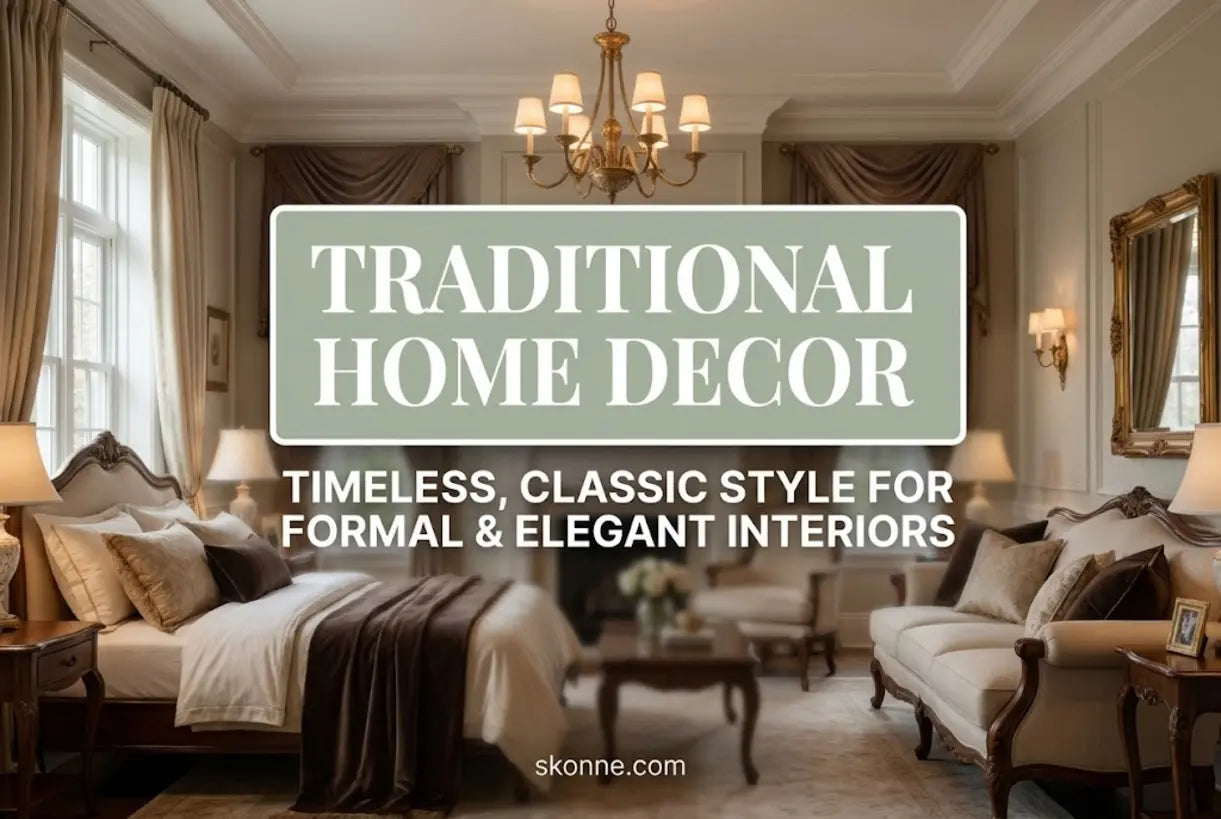
There's something undeniably comforting about walking into a space that feels established, refined, and intentionally designed. Traditional home decor has captivated homeowners for generations with its ability to create environments that feel both elegant and deeply welcoming. Unlike trends that come and go, this enduring approach to interior design draws from centuries of proven principles—symmetry, quality craftsmanship, and rich textures that tell a story.
Whether you're furnishing your first formal living room or seeking to bring timeless character to a modern space, understanding the foundations of traditional style helps you make intentional choices. In this guide, we'll explore what makes traditional decor distinctive, how to implement classic design principles, and why quality lighting serves as the cornerstone of sophisticated traditional interiors.
What Is Traditional Decor Style?
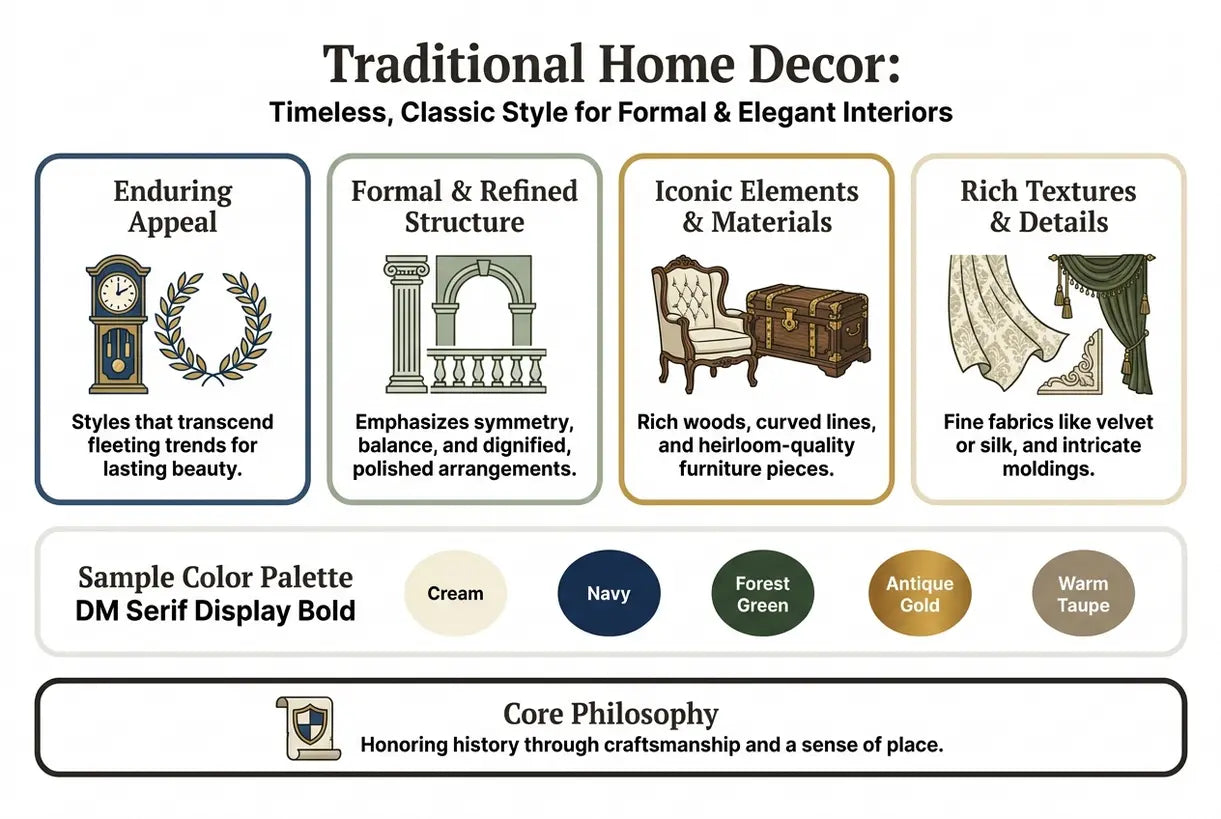
Traditional decor style emerges from 18th and 19th-century European design traditions, particularly English and French influences. At its core, this aesthetic celebrates order, proportion, and the beauty of handcrafted details. Unlike minimalist or industrial styles that strip away ornamentation, traditional home decor embraces decorative elements that have stood the test of time.
Key characteristics include:
- Symmetry and balance: Furniture arrangements that mirror each other, creating visual harmony
- Rich color palettes: Deep burgundies, forest greens, navy blues, and warm neutrals
- Natural materials: Solid woods, brass, aged metals, silk, and wool
- Ornate details: Crown molding, wainscoting, carved furniture legs, and decorative trim
- Heirloom-quality pieces: Furniture and objects designed to last generations
The overall effect is one of collected elegance—rooms that feel as though they've evolved naturally over time rather than being assembled from a single catalog.
Understanding Classic Design Principles
Timeless interiors don't happen by accident. They follow established rules that interior designers have relied upon for decades. Understanding these principles gives you a framework for creating spaces that feel cohesive and intentional.
The 3-5-7 Rule of Decorating
One of the most practical guidelines for styling surfaces is the 3-5-7 rule of decorating. This principle suggests varying the number of decorative items in a grouping based on the size of the surface:
- Small surfaces: 3 items (nightstands, small shelves)
- Medium surfaces: 5 items (console tables, dressers)
- Large surfaces: 7 items (mantels, large credenzas)
The key is mixing textures, heights, and shapes within these numbers. A balanced grouping might include a tall vase, a stack of books, and a sculptural object. This variation creates visual interest while maintaining the order that traditional design values.
The 3/4/5 Rule in Design
Another foundational principle is the 3/4/5 rule in decorating, which guides proportion and scaling. When selecting furniture, lighting, or art, elements should relate to each other in roughly these proportions to maintain visual hierarchy. This might mean choosing a chandelier diameter that's approximately three-fifths the width of your dining table, or selecting artwork that fills two-thirds to three-quarters of your wall space above a sofa.
The Most Timeless Home Decor Style
While design trends cycle through modern, bohemian, industrial, and farmhouse phases, traditional home decor remains consistently relevant. Why? Because it prioritizes quality over quantity, craftsmanship over convenience, and enduring beauty over novelty.
Timeless decorating isn't about living in a museum—it's about creating spaces that feel as appropriate today as they will in twenty years. This approach values:
- Investment pieces: Quality lighting, solid wood furniture, and natural textiles that age gracefully
- Neutral foundations: Classic wall colors and major furniture pieces in enduring palettes
- Thoughtful accents: Decorative elements that can be updated seasonally without disrupting the room's architecture
Scandinavian design principles align beautifully with traditional values in this regard. Both honor natural materials, celebrate skilled craftsmanship, and prioritize pieces that serve their purpose beautifully for decades. At Skonne, we believe that the best traditional spaces blend classic European sensibilities with the warm, intentional quality of Nordic design.
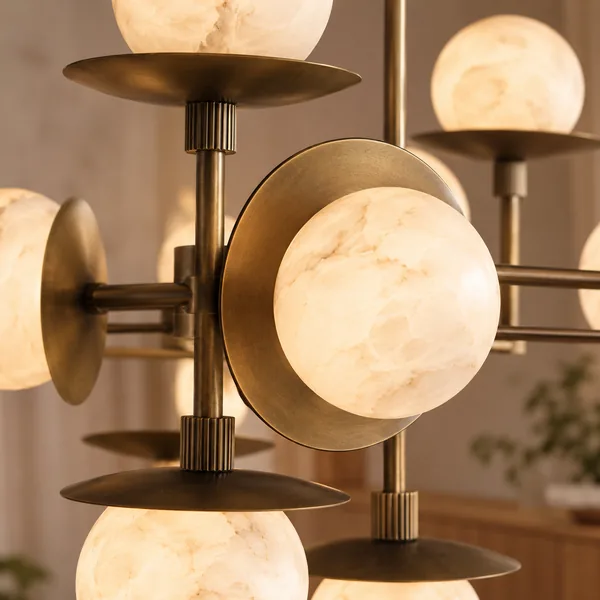
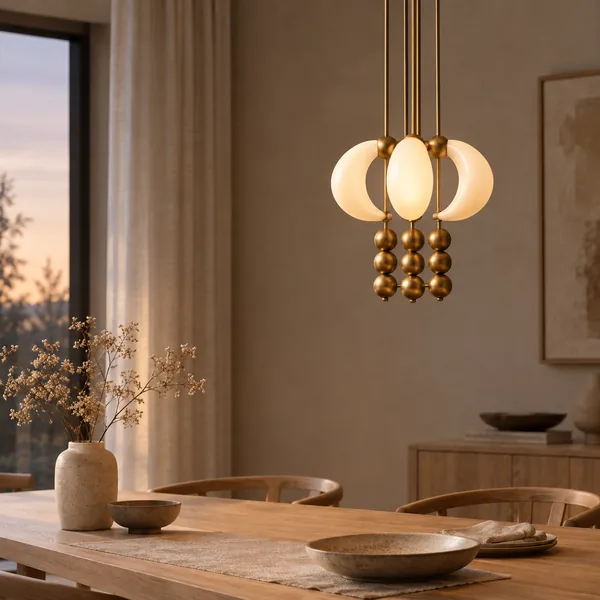
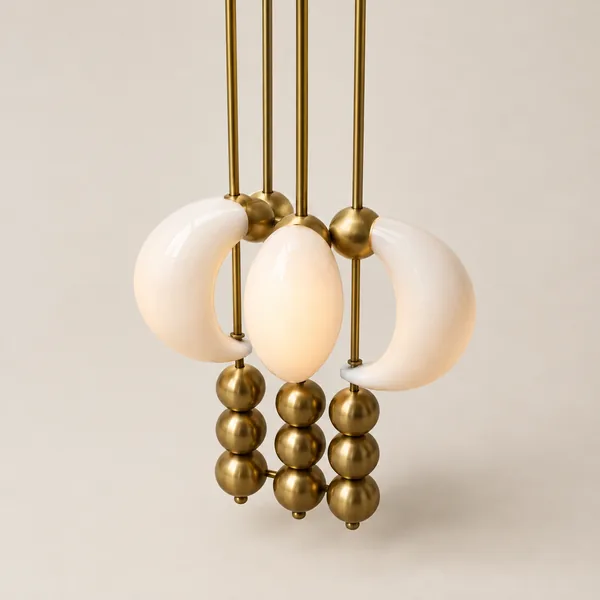
Chandeliers
Shop all Chandeliers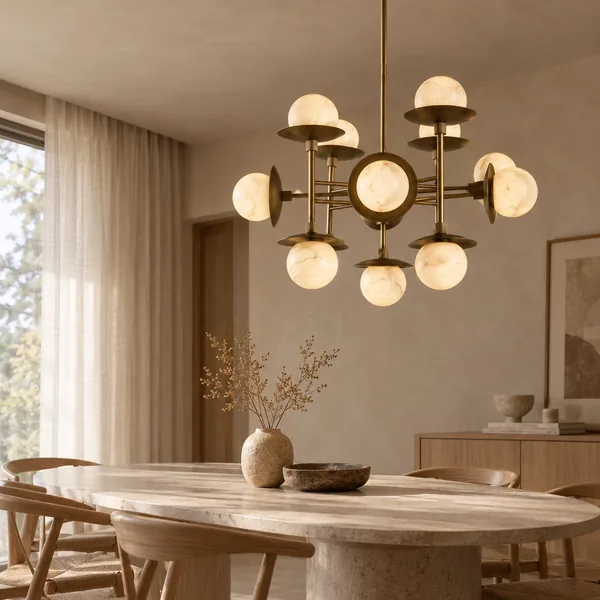
How to Make Your Interior More Traditional
Transitioning your space toward traditional style doesn't require a complete overhaul. Begin with these foundational changes that create immediate impact:
- Anchor with quality lighting: A statement chandelier or classic pendant sets the tone for the entire room
- Embrace symmetry: Arrange furniture in balanced pairs—flanking a fireplace with matching bookcases, or placing identical lamps on either side of a sofa
- Add architectural interest: Crown molding, picture frame molding, or wainscoting brings instant formality
- Layer textures: Combine silk pillows, wool throws, and wood surfaces for depth
- Choose classic patterns: Damask, toile, stripes, and florals in sophisticated colorways
The Ravglo Handcrafted Amber Stained Glass Chandelier exemplifies how the right lighting can transform a space. Its rich amber tones cast a warm, inviting glow that creates atmosphere while establishing formality. Handcrafted details honor the craftsmanship values central to traditional design.
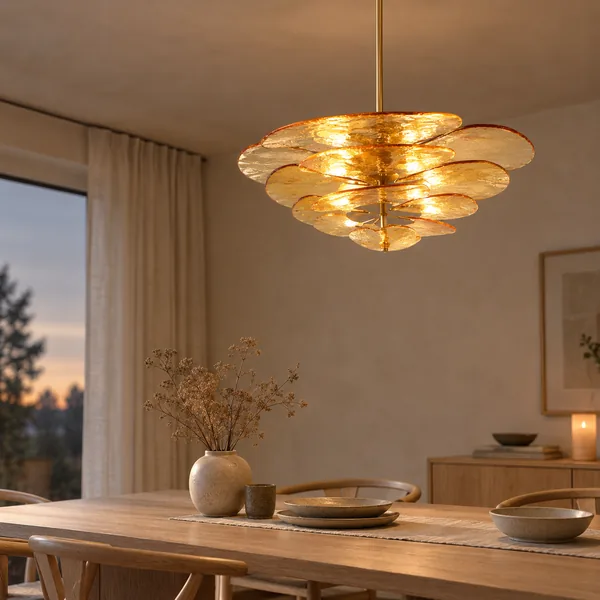 Ravglo Handcrafted Amber Stained Glass Chandelier$899.00$1,389.00
For a deeper exploration of traditional interior design principles and visual inspiration, this video offers valuable insights into creating spaces that honor classic aesthetics while remaining livable:
Traditional vs Modern: Finding Balance
The most compelling interiors often blend traditional foundations with contemporary comfort. Modern traditional home decor has emerged as one of the most sought-after aesthetics—preserving the formality and craftsmanship of classic design while embracing updated proportions and livable layouts.
Here are ways to achieve this balance:
- Technology integration: Traditional cabinetry featuring hidden charging stations and cord management
- Scaled comfort: Classic silhouettes with deeper seats and softer cushions
- Mixed metals: Combining warm brass and gold tones with modern matte black accents
- Contemporary art: Pairing antique frames with modern abstract prints
- Simplified palettes: Using traditional forms but limiting color schemes to two or three tones
This approach honors your home's architectural heritage while ensuring spaces function for contemporary life.
Craftsmanship in Traditional Spaces
The soul of traditional home decor lies in craftsmanship—those details you can both see and feel. In an era of mass production, choosing pieces made by skilled artisans connects your home to a longer tradition of quality.
Look for:
- Dovetail joints on drawers instead of staples or nails
- Hand-stitched details on upholstery and leather goods
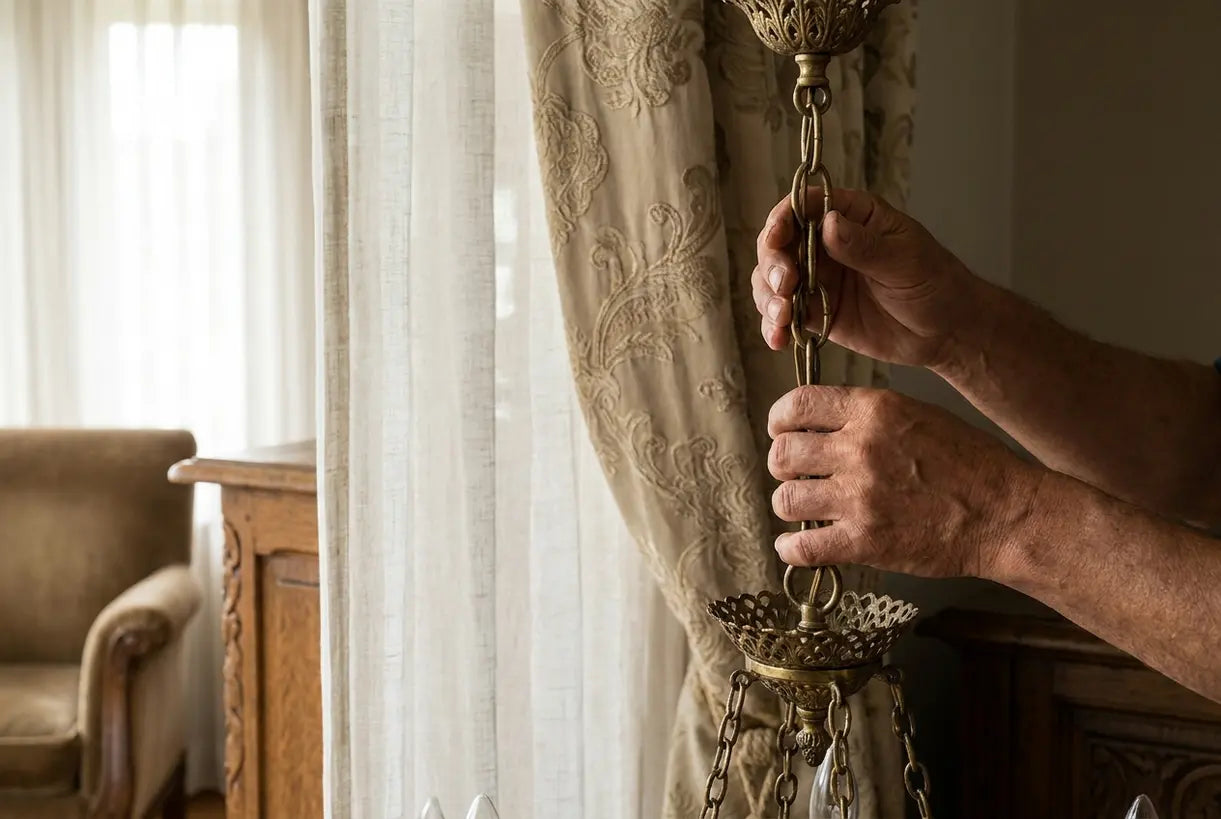
- Hand-blown glass in lighting fixtures, showing slight variations that indicate human touch
- Solid wood construction rather than veneers over particle board
- Natural finishing techniques that reveal wood grain and material character
These elements aren't merely decorative—they're functional investments that age beautifully. A handcrafted table lamp, for example, becomes more character-rich with time as the wood develops a patina and the finish shows gentle wear from daily use. For those looking to explore more options, our Table Lamps collection offers a curated selection of artisanal pieces that bring this warmth to traditional interiors.
Table lighting serves a crucial role in traditional spaces, grounding seating areas and providing the layered illumination that creates atmosphere. Unlike overhead lighting alone, well-placed lamps create pools of warmth that make formal spaces feel intimate.
Creating Elegant Formal Interiors
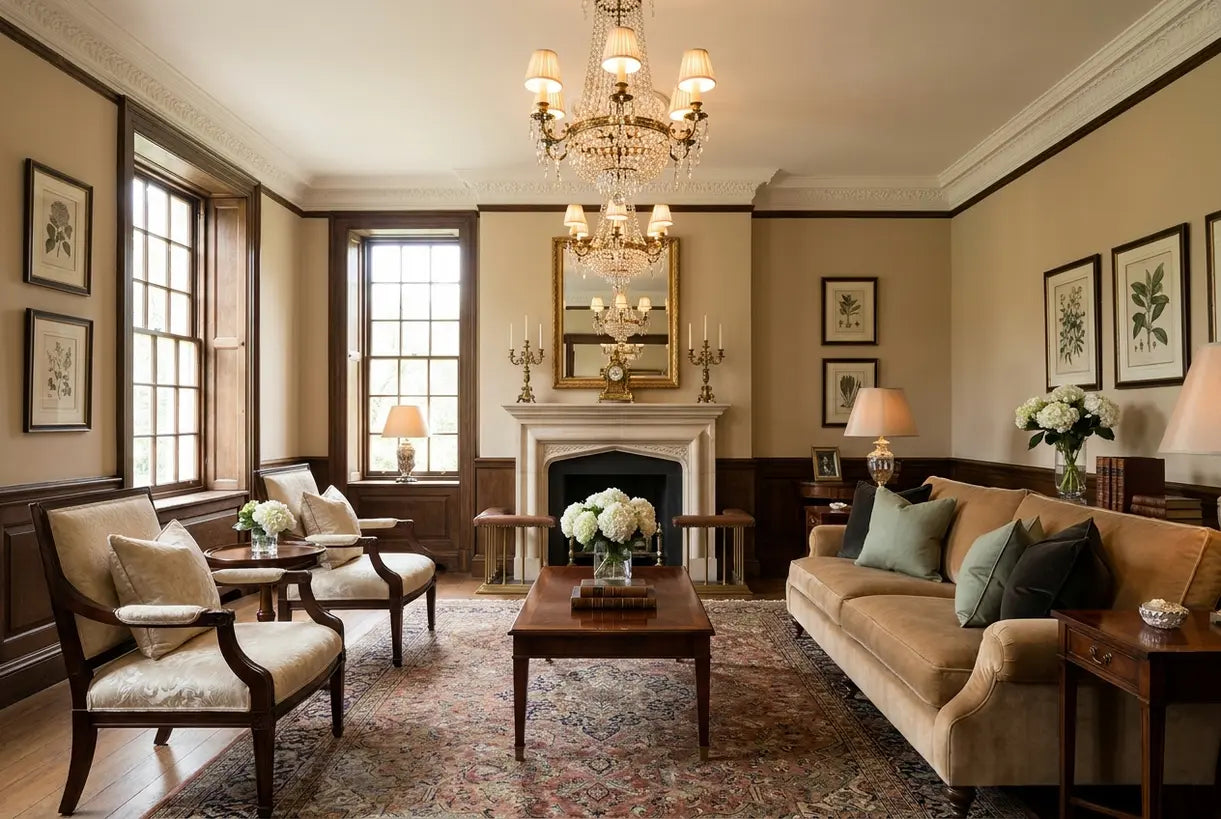
Formal spaces—dining rooms, sitting rooms, and entryways—benefit most from traditional design principles. These are the rooms where you welcome guests and mark special occasions, and they deserve a sense of occasion in their design.
To create elegant formal interiors:
- Establish a focal point: A fireplace, dramatic artwork, or statement lighting piece draws the eye and organizes the room
- Create conversation areas: Arrange seating so guests can easily interact, typically 8-10 feet apart
- Layer lighting: Combine ambient overhead light, task lighting for reading, and accent lighting for art and architectural features
- Dress the windows: Proper window treatments instantly elevate formality—think floor-length draperies, valances, or wooden shutters
- Edit carefully: Traditional spaces feel curated, not cluttered. Each piece should earn its place
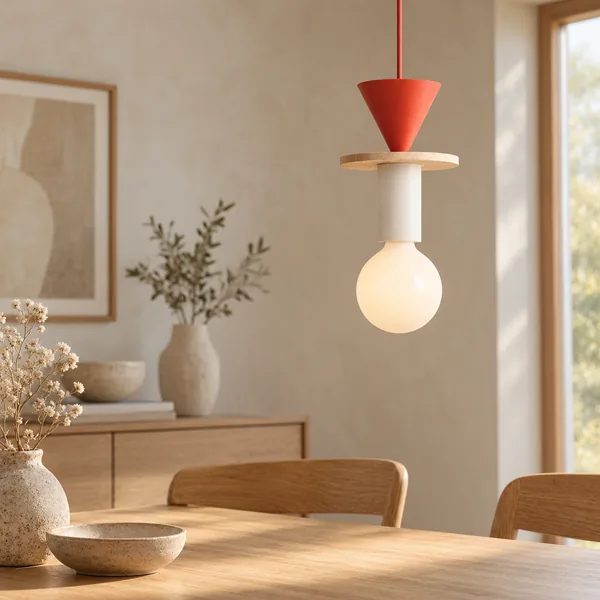
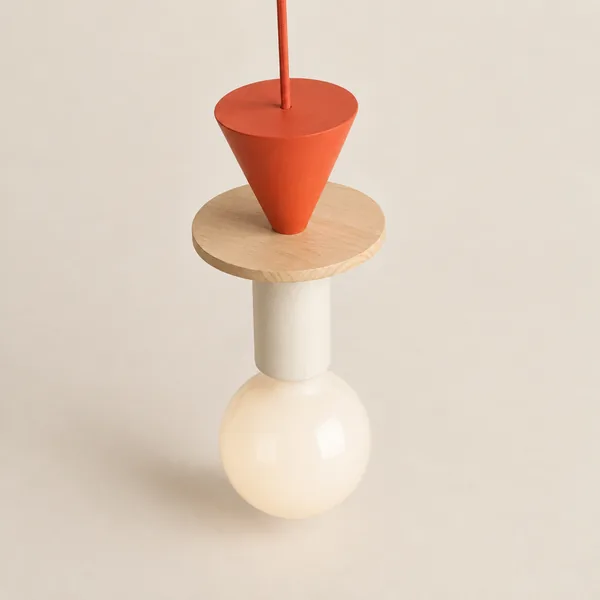
Pendant Lights
Shop all Pendant Lights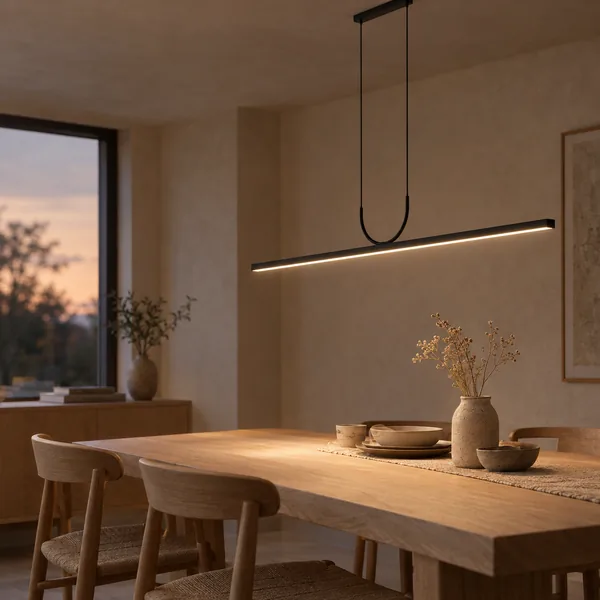
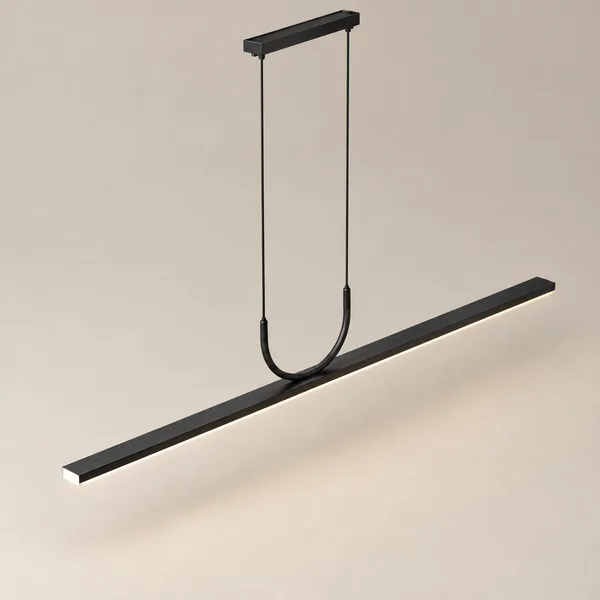 Save $140.00
Linné Minimalist Linear Black LED Pendant Light
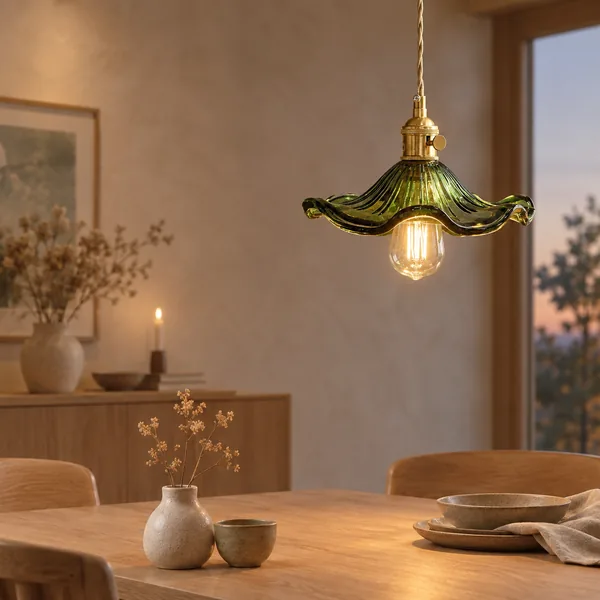
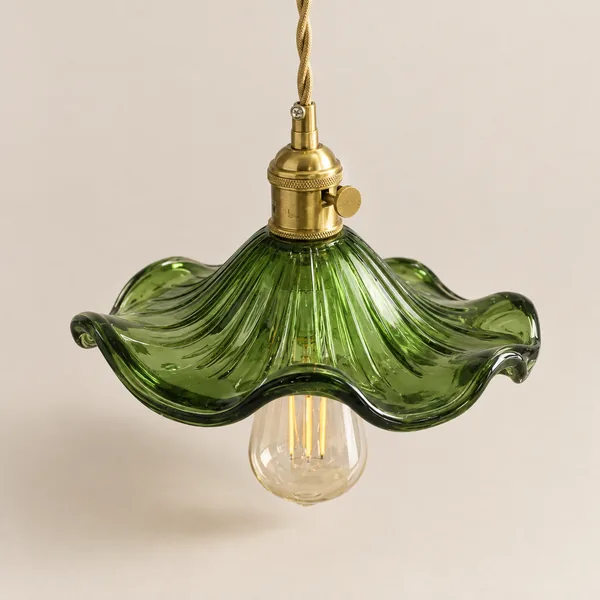 Save $60.00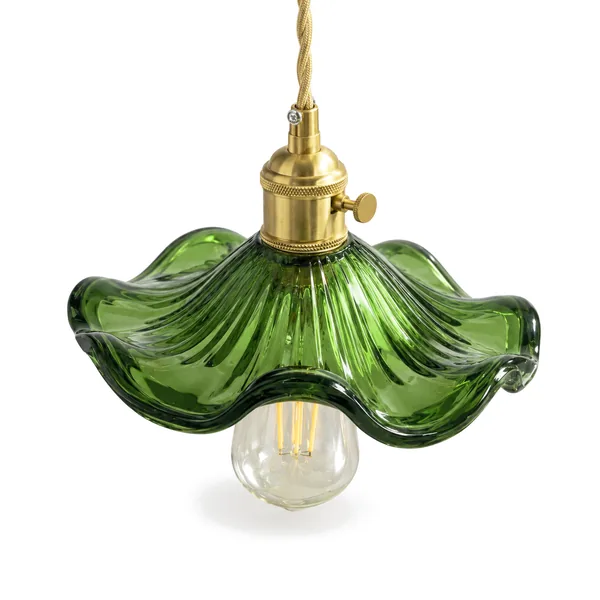
 3 options
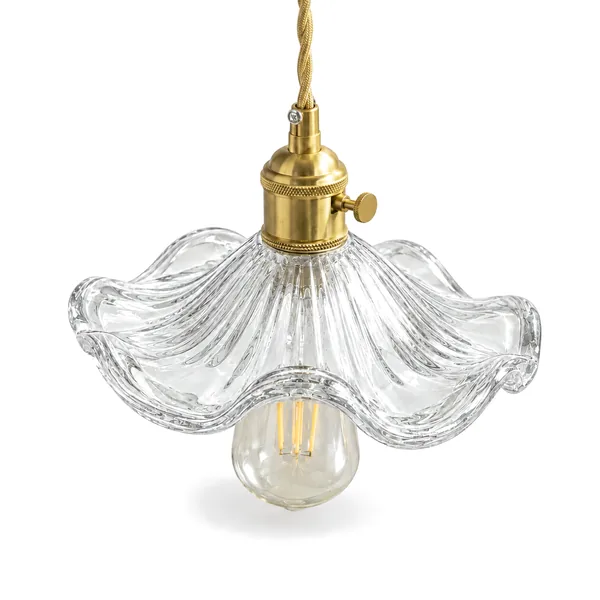
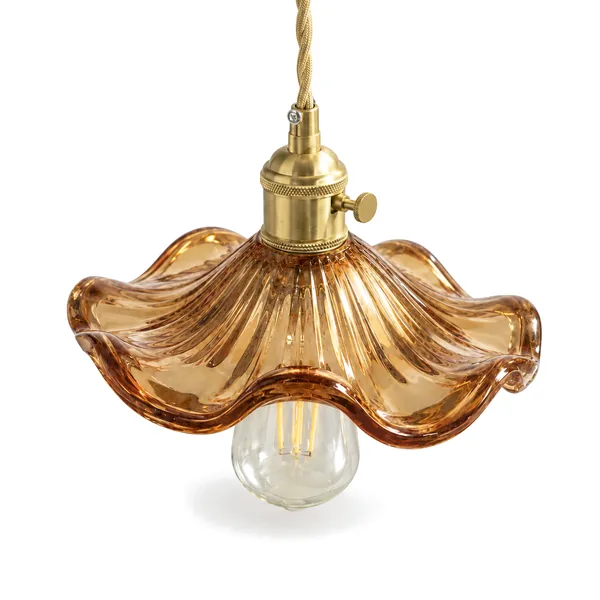
Glora Nordic Glass Pendant Light with Copper
 Save $120.00
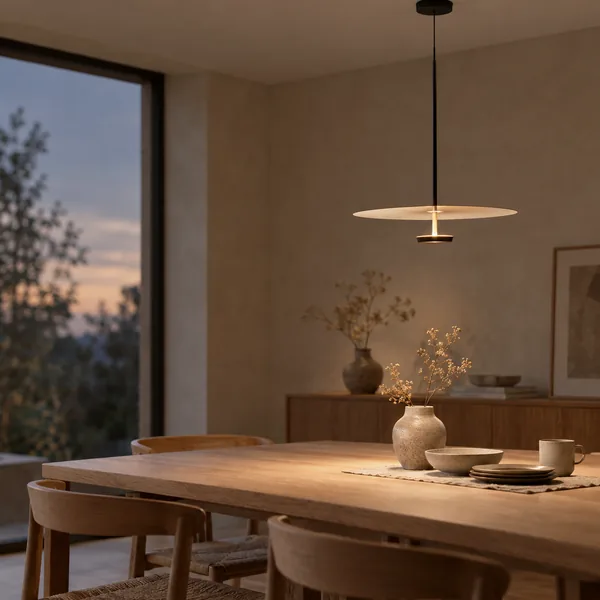
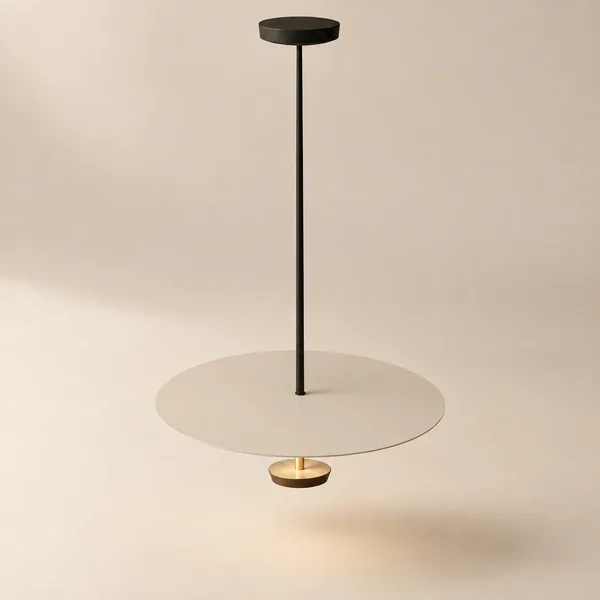
Skiva Nordic Saucer Ceiling Pendant Light LED
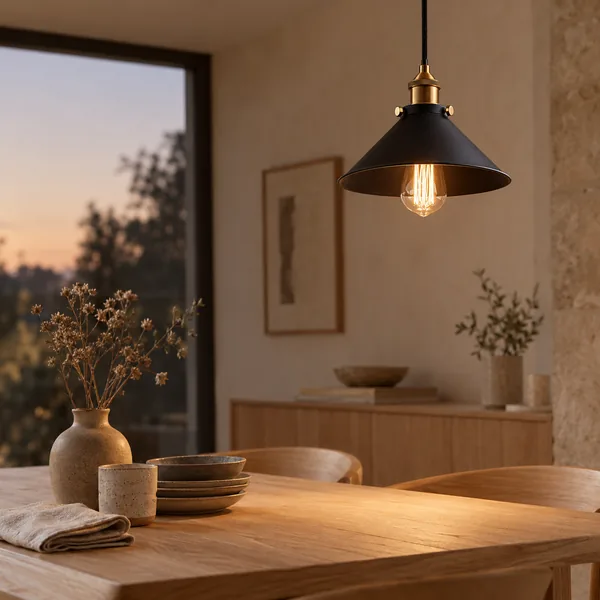
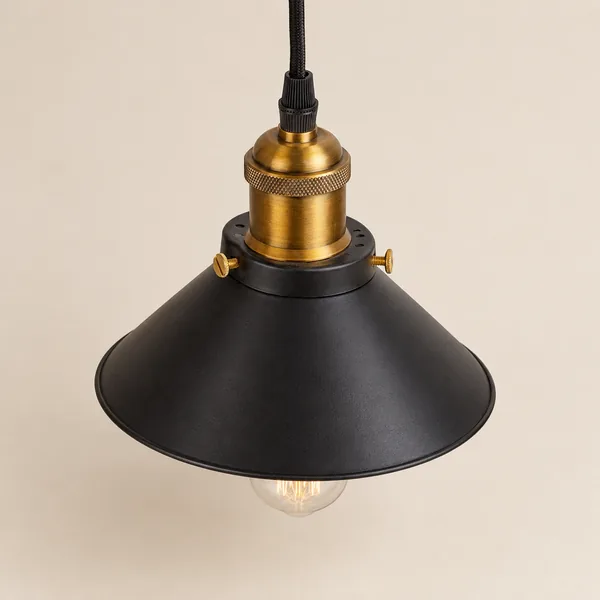
Complementing these formal spaces requires attention to every detail, including wall lighting that extends your design vision beyond central fixtures.
Essential Lighting for Traditional Interiors
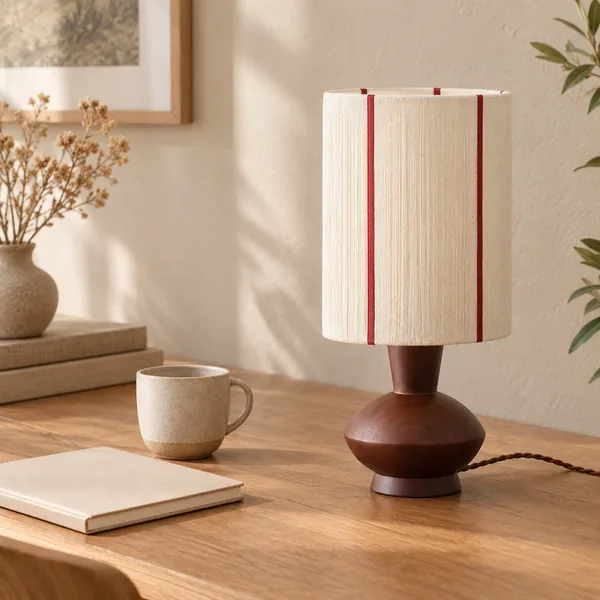 Vedra Solid Wood Vintage Table Lamp with Rope$299.00$509.00
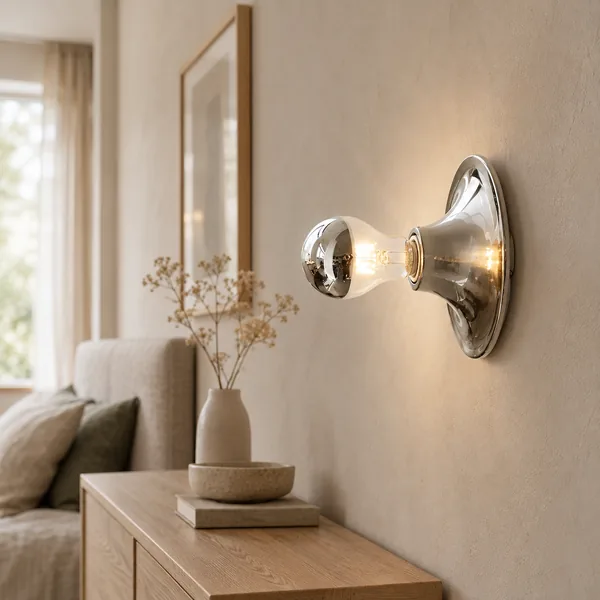 Glødvar Retro Iron Wall Sconce Nordic Design$89.00$129.00
The Vedra solid wood lamp brings natural warmth to study spaces and living areas, its rope-wrapped detail adding texture without overwhelming traditional surroundings. Meanwhile, the Glødvar iron wall sconce extends your lighting design to hallways, flanking mirrors, or accenting architectural features with vintage-inspired character.
Embracing Timeless Design
Traditional home decor offers something increasingly rare in our fast-paced world: permanence. These are spaces designed not for Instagram moments but for decades of living—spaces that improve with age as materials patinate and collections grow.
The principles we've explored—symmetry, quality craftsmanship, thoughtful layering, and timeless color palettes—provide a foundation that adapts to your life while maintaining its elegant character. Whether you're drawn to formal English countryside aesthetics or the refined simplicity of Scandinavian-traditional fusion, these guidelines help you create interiors that feel both established and deeply personal.
At Skonne, we believe that exceptional lighting is what transforms a house into a home. Our curated collection draws from Nordic craftsmanship traditions that complement and enhance traditional interior design. Each piece is selected not just for its beauty today, but for its ability to become more cherished over time.
Related Article
Home Exterior Decor: How to Style Your Facade, Porch & Outdoor SpacesLearn how to style your home exterior decor with Scandinavian-inspired tips for facades, porches, and outdoor spaces that elevate curb appeal.