
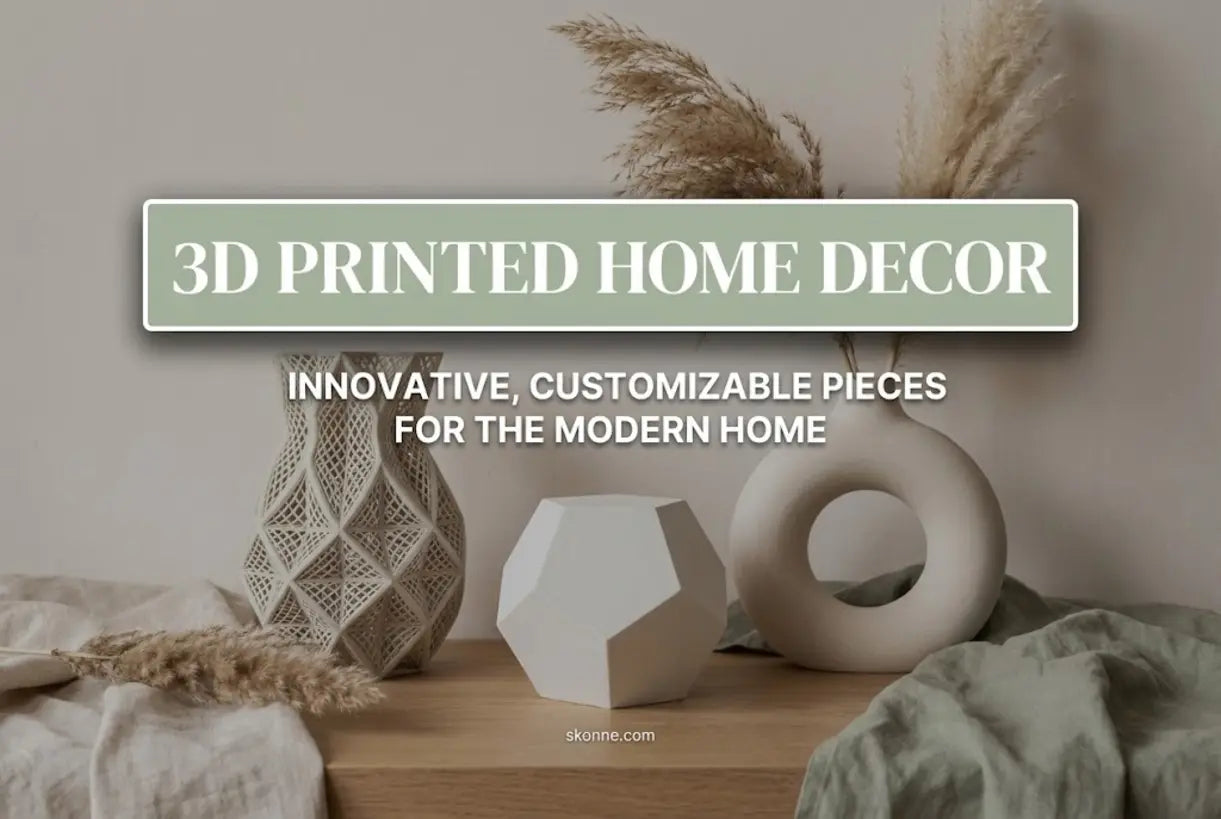
3D Printed Home Decor: Innovative, Customizable Pieces for the Modern Home
Summary›
- What is 3D Printed Home Decor and How Does It Work?
- The Benefits of 3D Printed Decor in Modern Interiors
- Styling 3D Printed Pieces in Your Scandinavian Interior
- Design Possibilities with Digital Fabrication
- Finding Quality 3D Printed Home Decor
- Durability and Care of 3D Printed Home Decor
- The Future of Home Decor is Personalized
- Conclusion: Embracing Innovative Design with Intention
Imagine walking into your living room and being greeted by a vase that seems to defy physics—interlocking geometric forms that cast intricate shadows as afternoon light filters through. This is the promise of 3D printed home decor, where digital fabrication meets interior design to create pieces that were impossible to manufacture just a decade ago. Whether you're a design enthusiast curious about the technology or actively seeking innovative pieces to elevate your space, understanding how additive manufacturing is reshaping home aesthetics opens doors to entirely new possibilities. At Skonne, we believe that the future of Scandinavian-inspired interiors lies in this beautiful intersection of technology and craftsmanship—a philosophy that guides our curated collection of sculptural decor.
What is 3D Printed Home Decor and How Does It Work?
At its core, 3D printed home decor represents objects created through additive manufacturing, a process where material is deposited layer by layer to build three-dimensional forms from digital models. Unlike subtractive methods that carve away material, this technique constructs objects from the ground up—allowing for internal lattice structures, organic curves, and complex geometries that traditional molding or casting cannot achieve.
The process begins with a digital design, often created using parametric modeling software that allows for infinite customization. This file is then sliced into horizontal layers and sent to a 3D printer, which extrudes materials like bioplastic, ceramic composite, or even metal powder to form the finished piece. For home decor, common materials include:
- PLA and bioplastics – Eco-friendly options derived from cornstarch or sugarcane
- Resin – For achieving glass-like transparency and fine detail
- Ceramic composites – Fired after printing for traditional durability
- Recycled plastics – Giving new life to post-consumer materials
This technology has democratized design, allowing independent creators to produce limited-edition pieces without the prohibitive costs of mold-making or mass production. The result? Modern decorative pieces that feel both cutting-edge and deeply personal.
The Benefits of 3D Printed Decor in Modern Interiors
Why are interior designers and homeowners increasingly drawn to 3D printed elements? The advantages extend far beyond mere novelty. First and foremost is unprecedented customization. Imagine ordering a vase perfectly sized for your specific shelf, in a color that matches your accent wall, with a pattern inspired by your favorite architectural movement. Digital fabrication makes this level of personalization economically viable.
Additionally, parametric design—the use of algorithms to generate forms—creates objects with organic, nature-inspired geometries that feel simultaneously futuristic and timeless. These pieces become conversation starters, adding layers of visual interest to minimalist Scandinavian spaces without overwhelming the calm aesthetic.
Sustainability is another compelling benefit. Many 3D printing materials are biodegradable or recycled, and the additive process generates minimal waste compared to traditional manufacturing. For environmentally conscious homeowners, this aligns beautifully with the Scandinavian principle of mindful consumption—choosing fewer, better things.
Finally, the ability to produce on-demand means reduced inventory waste and the option to support independent designers directly. When you choose innovative home decor created through digital fabrication, you're not just buying an object—you're participating in a design revolution.
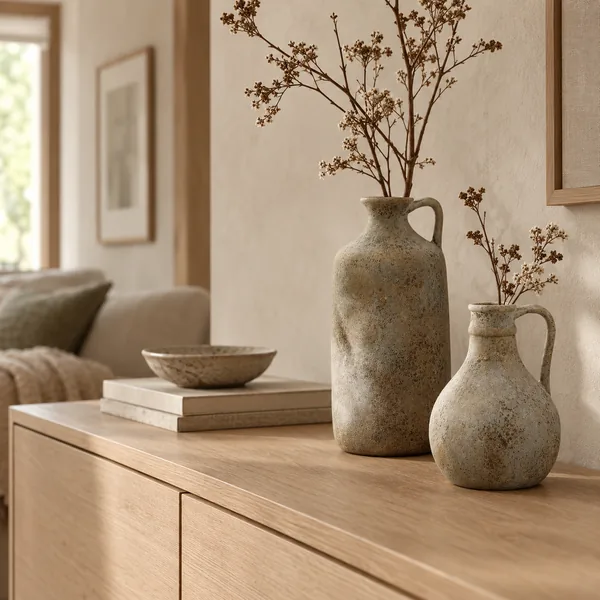
Decorative Vases
Shop all Decorative Vases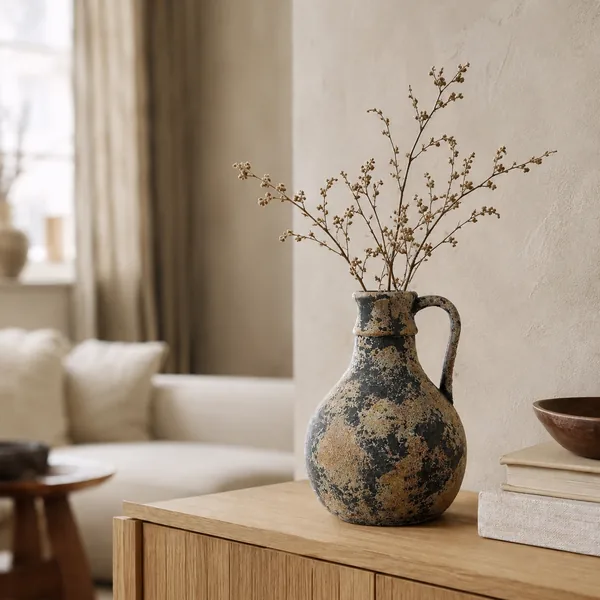


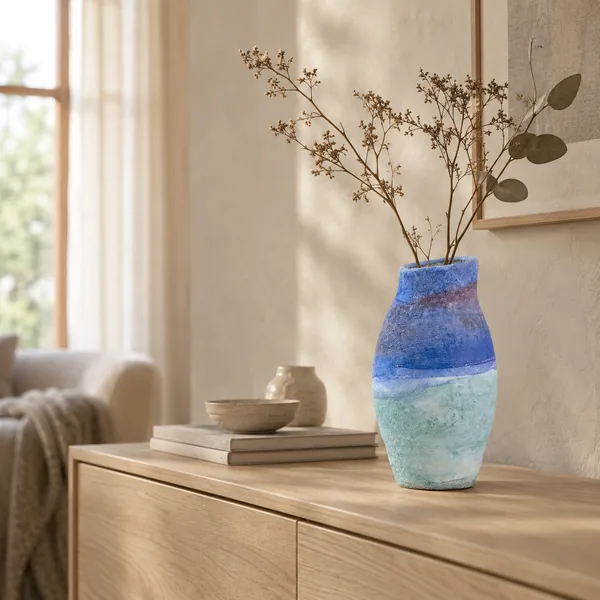
 Save $40.00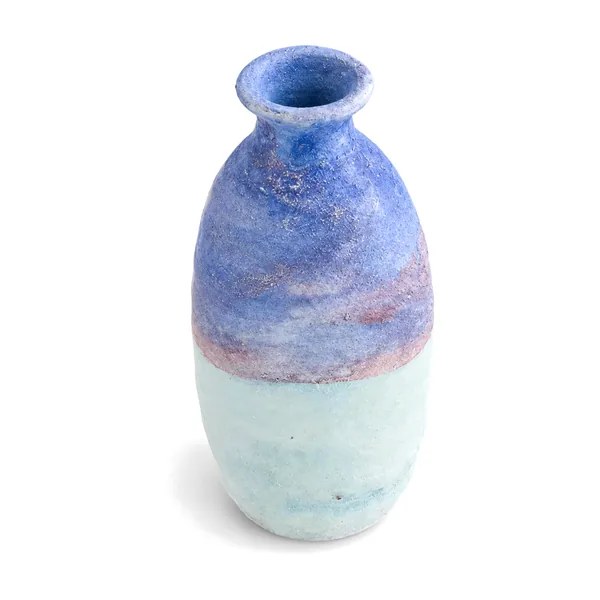
 4 options
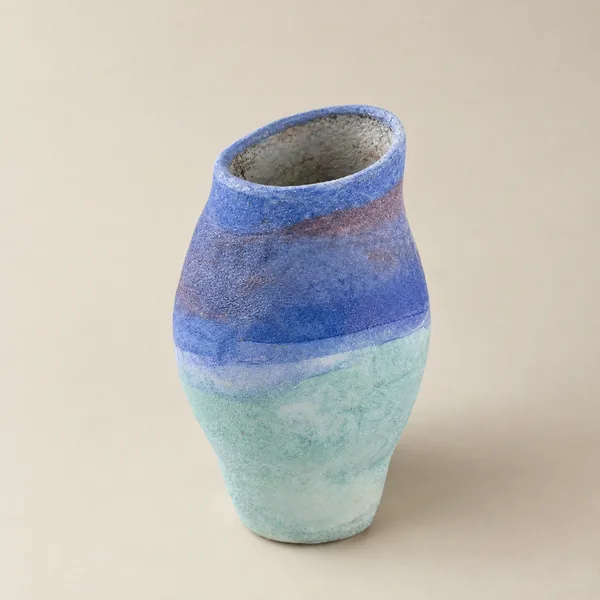
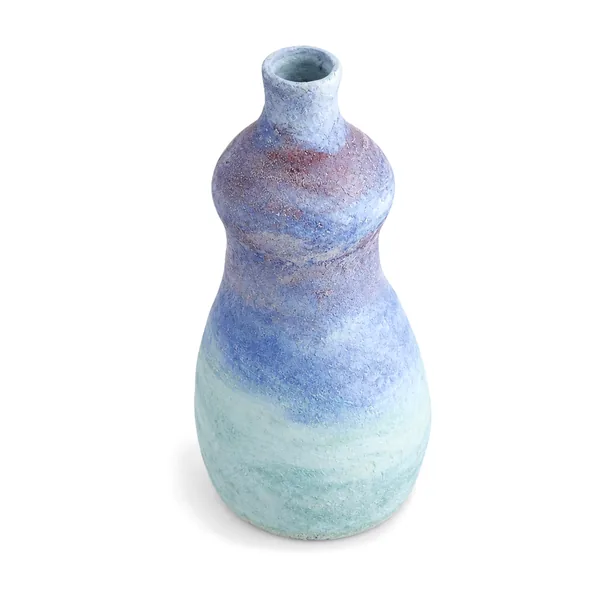
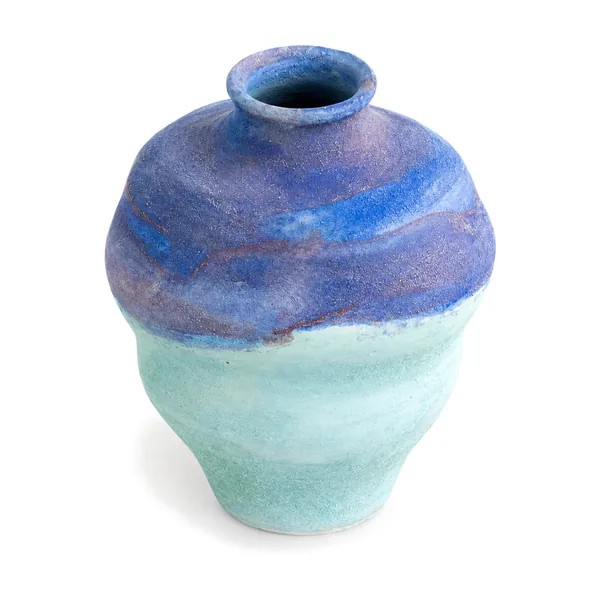
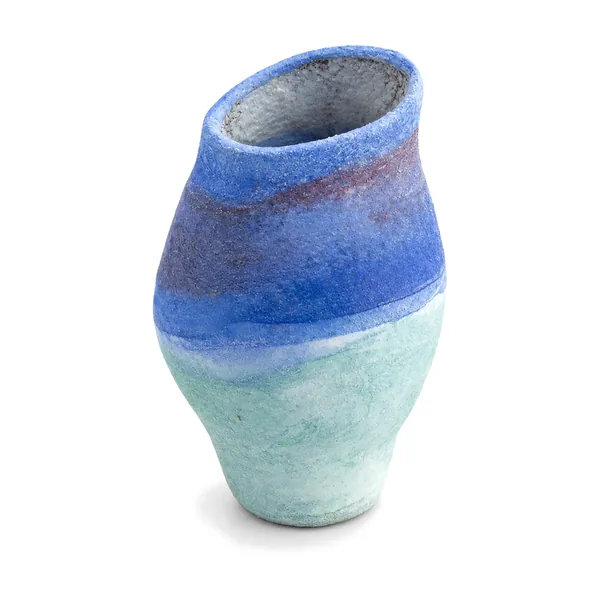
Dyvna Blue Gradient Ceramic Vase for Home Decor
Styling 3D Printed Pieces in Your Scandinavian Interior
One of the most common questions we hear is how to integrate these futuristic forms into warm, lived-in spaces. The key lies in balance. Scandinavian design embraces simplicity and natural materials, so customizable home decor with organic, flowing lines tends to harmonize best with this aesthetic.
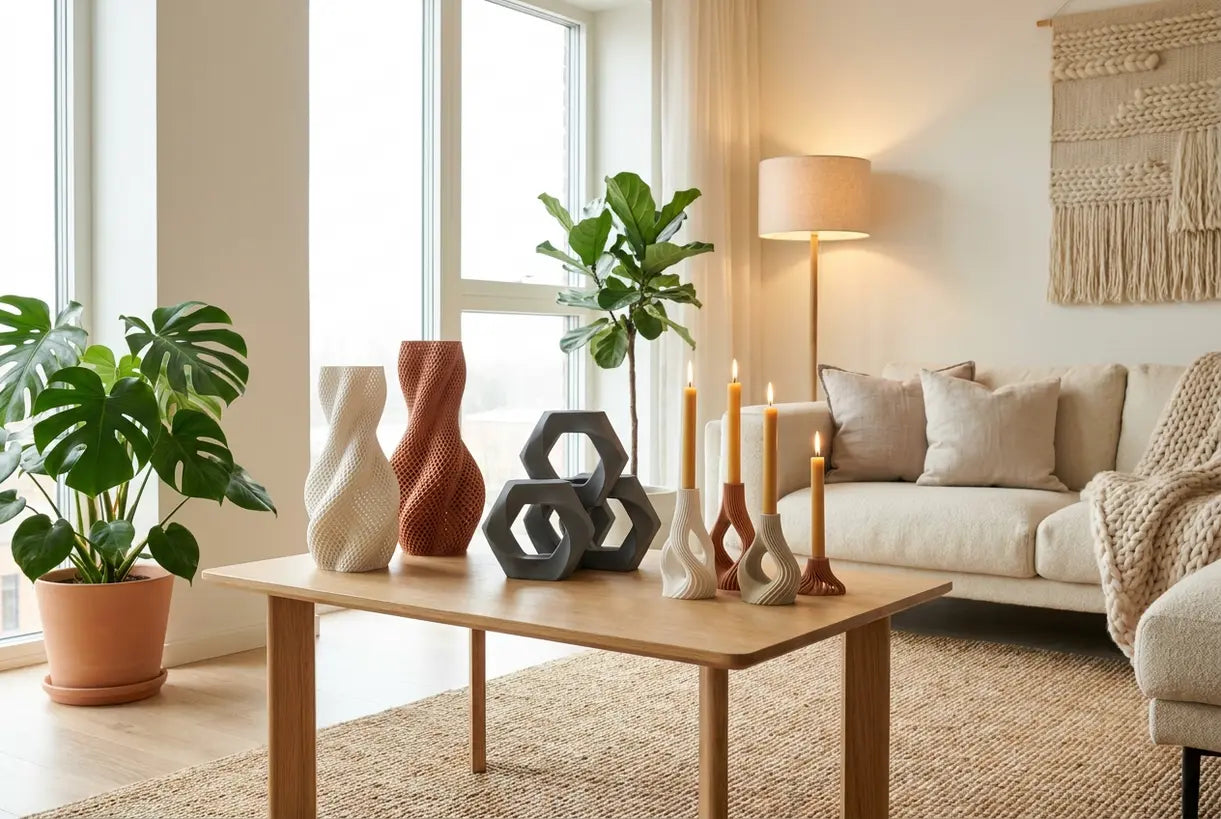
Consider placing a sculptural 3D printed vase alongside natural elements—raw wood surfaces, linen textiles, or potted greenery. The contrast between technological precision and organic imperfection creates a dynamic tension that feels intentional rather than jarring. For those seeking to explore more options, our Home Decor collection offers a curated selection of pieces that bridge this gap beautifully.
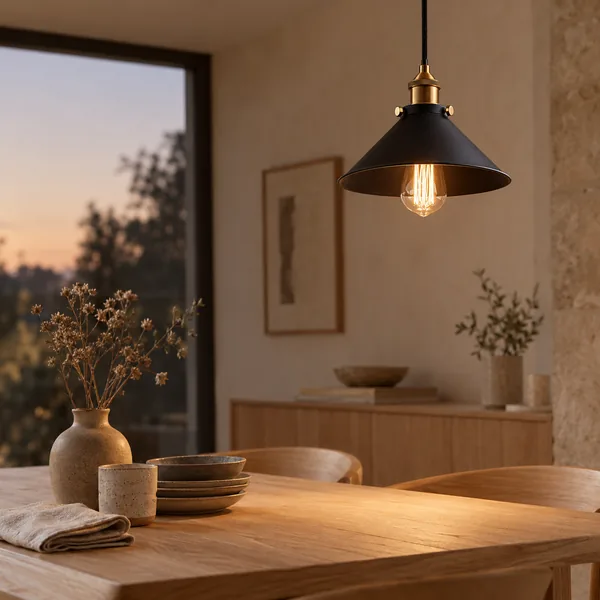
When incorporating statement pieces, follow the rule of one focal point per room. A dramatic parametric pendant light above a dining table, or an intricate lattice vase on a console, draws the eye without competing with other elements. Keep surrounding decor deliberately simple—let the 3D printed piece be the star.
Color palettes also matter. Monochromatic whites, soft grays, and warm beiges allow complex forms to speak for themselves. If you prefer color, look for pieces in muted terracotta, sage green, or dusty blue—hues that echo the Scandinavian landscape while showcasing modern design innovation.
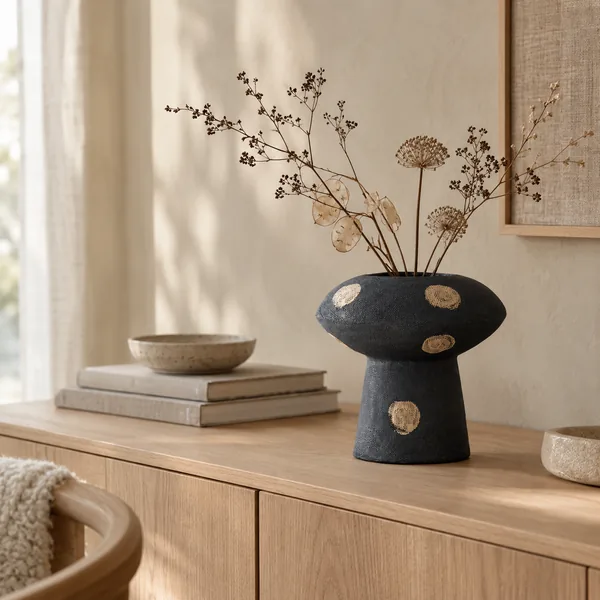 Prikka Handcrafted Ceramic Vase with Gold Detail$219.00$319.00
Design Possibilities with Digital Fabrication
The true magic of 3D printed interior design lies in the forms it can achieve. Parametric algorithms can generate Voronoi patterns—organic cellular structures inspired by nature—creating vases and decorative objects that appear grown rather than made. Lattice structures offer visual transparency while maintaining structural integrity, perfect for sculptural pieces that play with light and shadow.
Interlocking components represent another frontier. Some designers create vases assembled from multiple printed parts that slot together like three-dimensional puzzles, allowing for shipping efficiency and a satisfying assembly experience. Others experiment with gradient colors, transitioning from opaque to transparent within a single object.
For the modern home, this means access to bespoke 3D printed items that reflect individual taste. Want a planter precisely sized for your window sill? A wall-mounted organizer that fits your specific entryway dimensions? Digital fabrication makes these tailored solutions accessible.
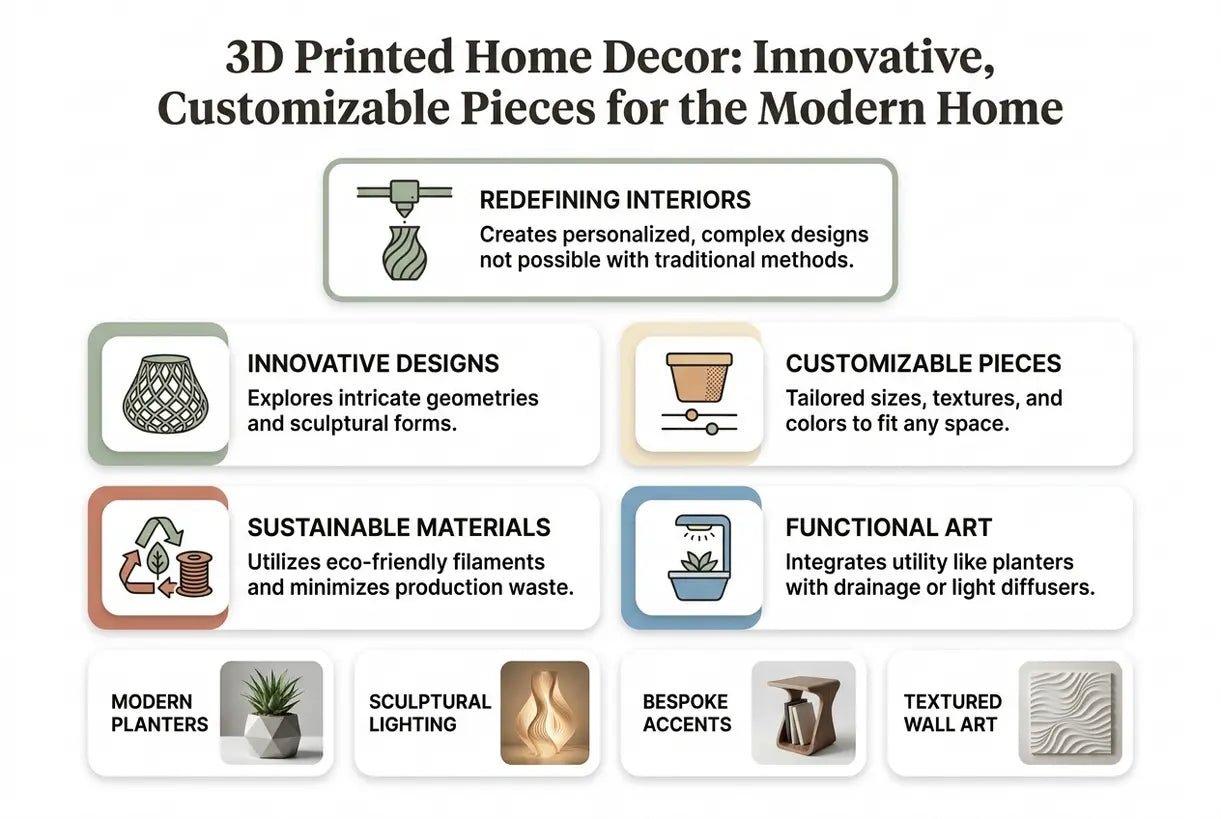
The video below showcases an inspiring collection of functional and decorative prints that demonstrate the versatility of this medium:
Finding Quality 3D Printed Home Decor
As interest in digital fabrication home decor grows, so do the options for sourcing pieces. Online marketplaces connect buyers directly with designers, while dedicated 3D printing services allow you to upload custom designs for production. For those with access to a printer, repositories like Thingiverse offer free STL files for home printing—though finished quality depends heavily on printer calibration and post-processing skill.
However, not everyone has the time, equipment, or expertise to navigate the technical aspects of 3D printing. This is where curated retailers play an essential role. At Skonne, we recognize that while the technology enables incredible design possibilities, the warmth and intentionality of handcrafted pieces remain irreplaceable. That's why we've selected decor that captures the geometric precision and sculptural boldness of 3D printed aesthetics while honoring traditional artisanal techniques.
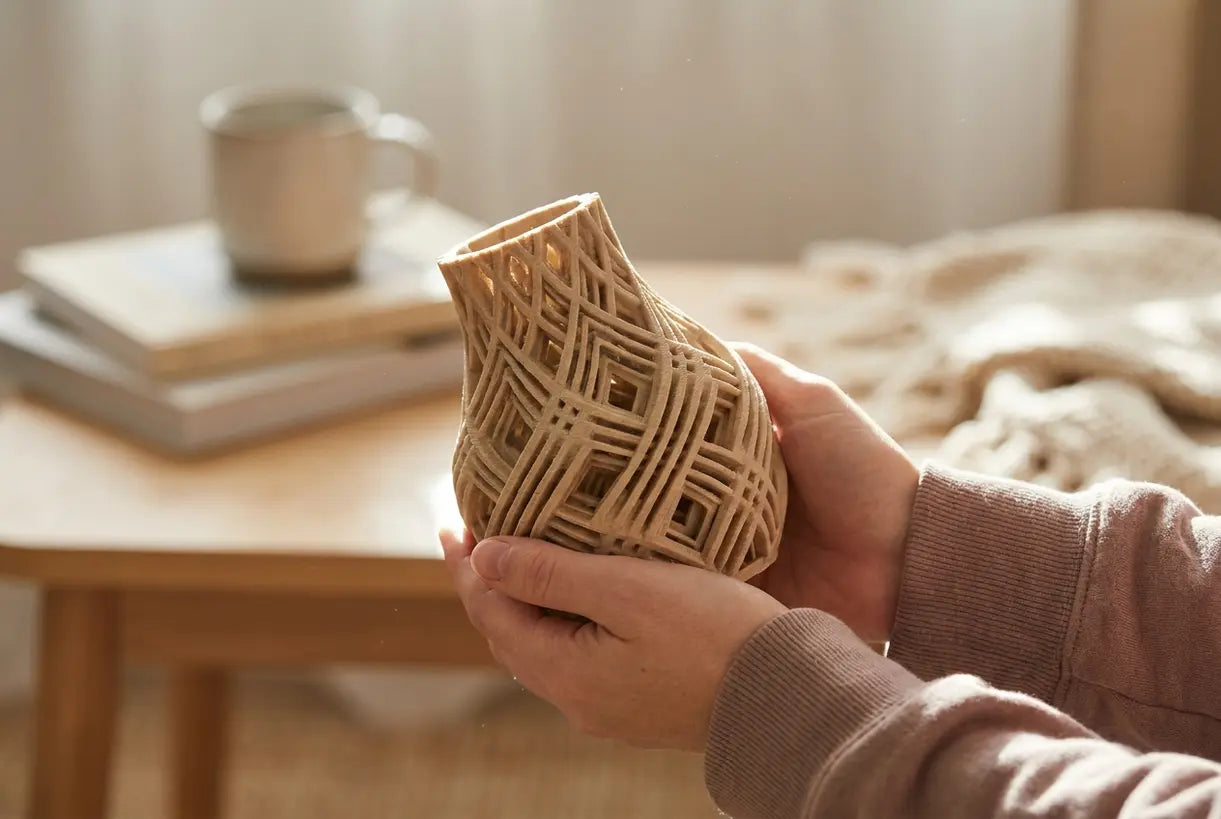
When evaluating 3D printed or digitally-inspired pieces, prioritize material quality and finish. The best examples show attention to detail in post-processing—smooth surfaces, clean edges, and durable construction that will withstand daily life. Look for designers who understand that technology is a tool, not a replacement for thoughtful design sensibility.
Sculptural Statement Pieces
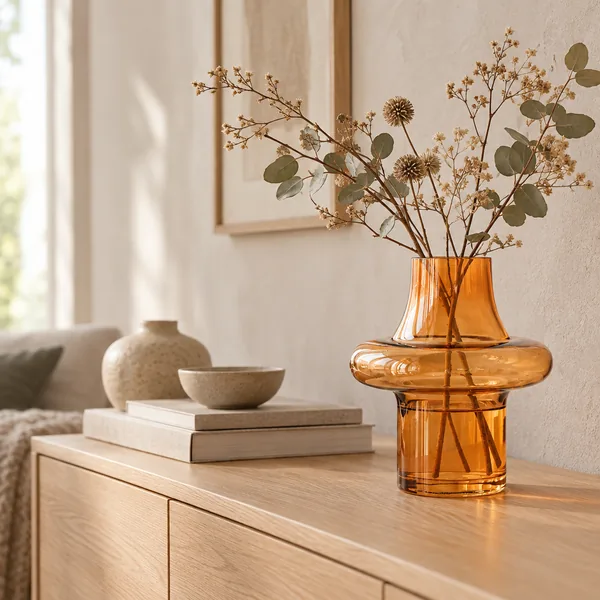 Glovik Amber Geometric Glass Sculptural Vase$89.00
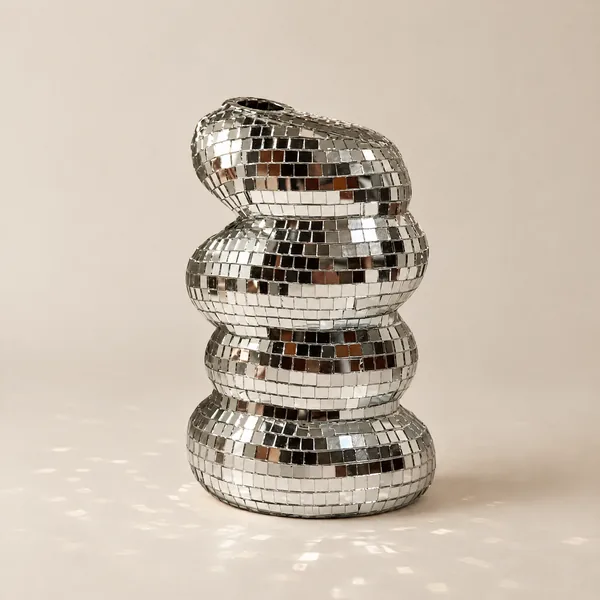
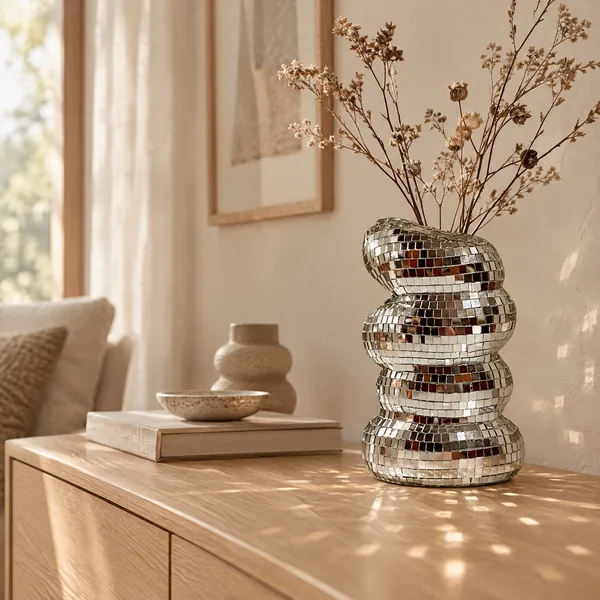 Glansa Reflective Disco Ball Glass Flower Vase$59.00$89.00
Pendant Lights
Shop all Pendant Lights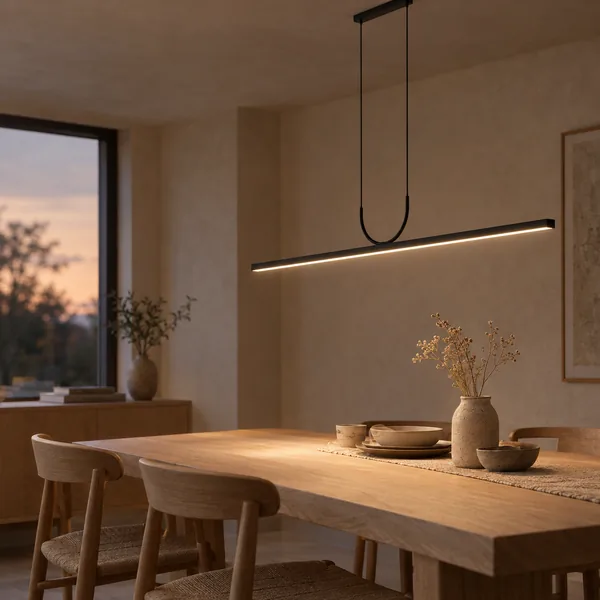
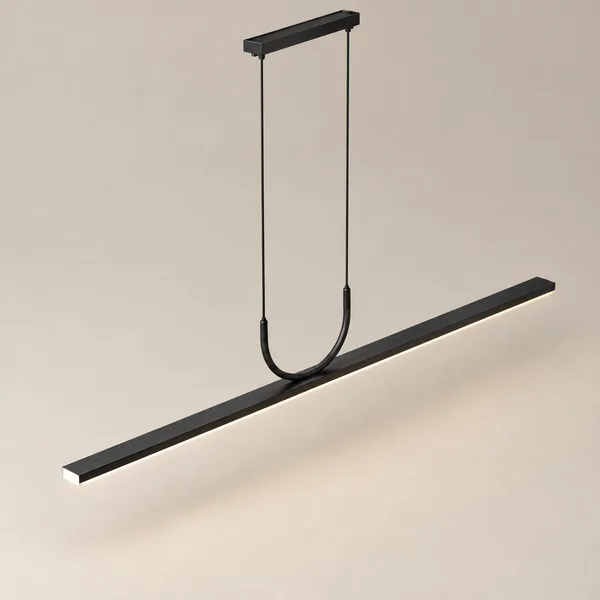 Save $140.00
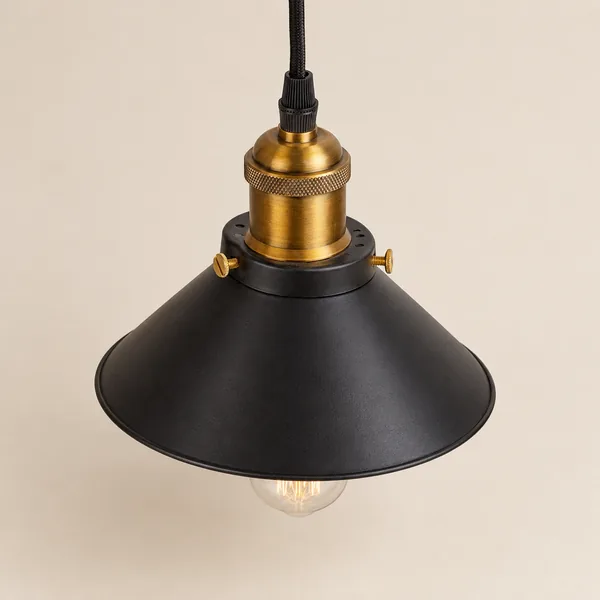
Linné Minimalist Linear Black LED Pendant Light
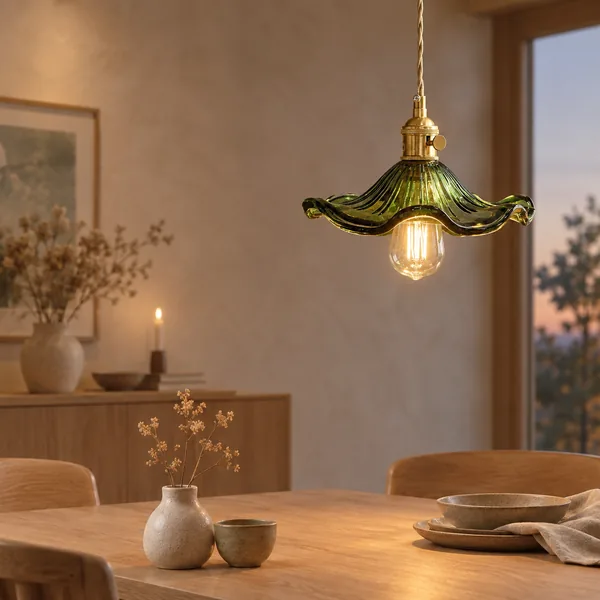
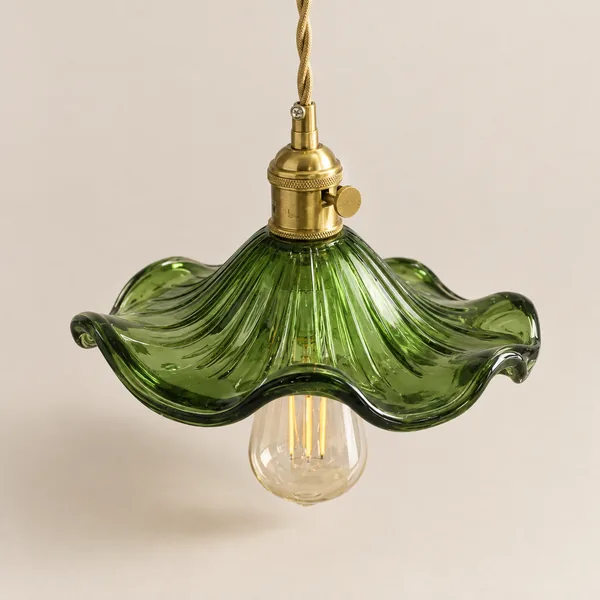 Save $60.00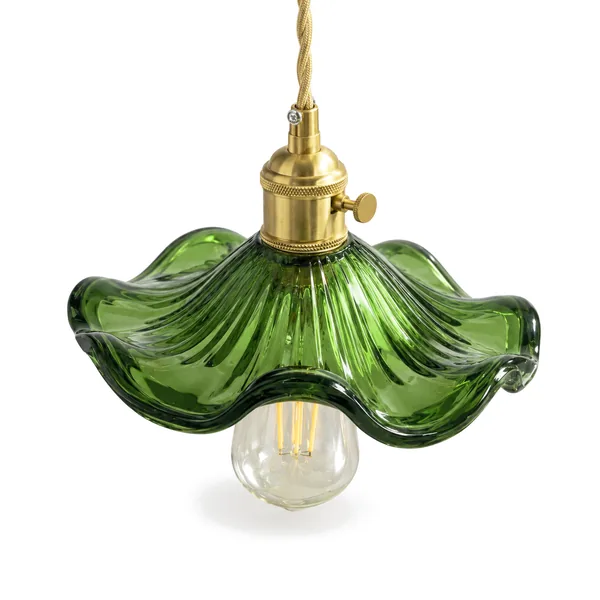
 3 options
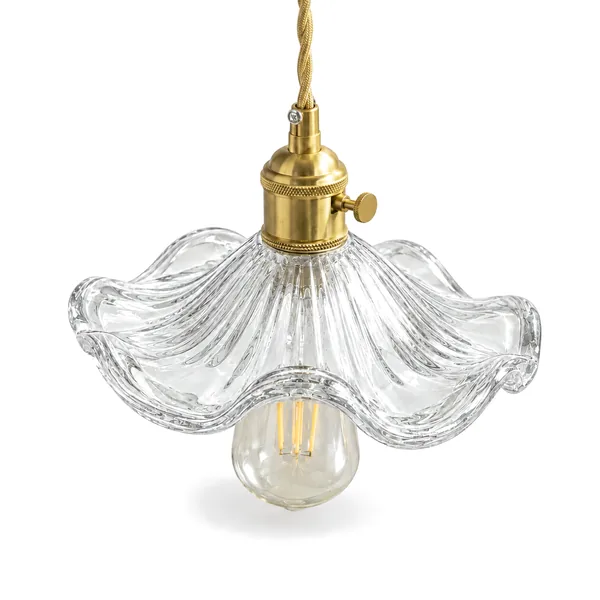
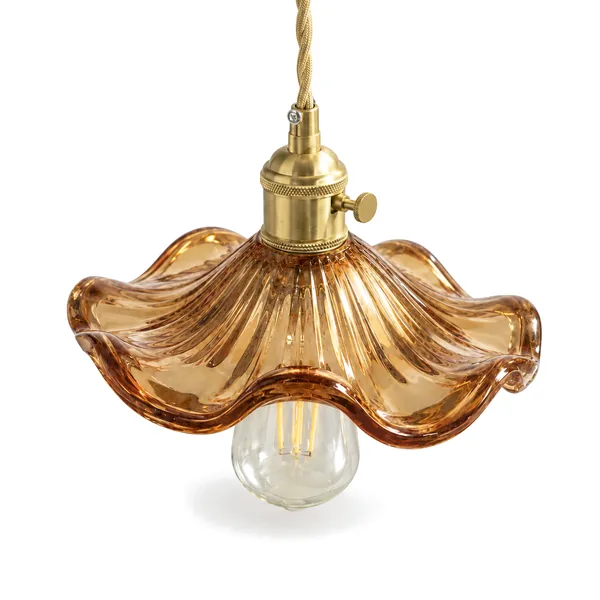
Glora Nordic Glass Pendant Light with Copper
 Save $120.00
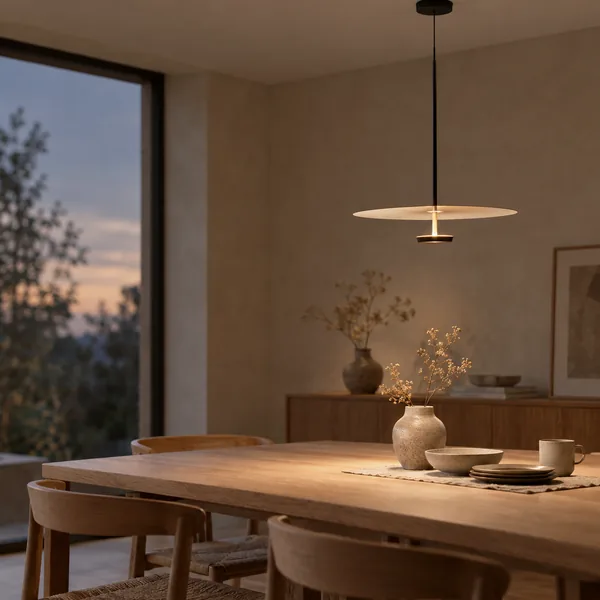
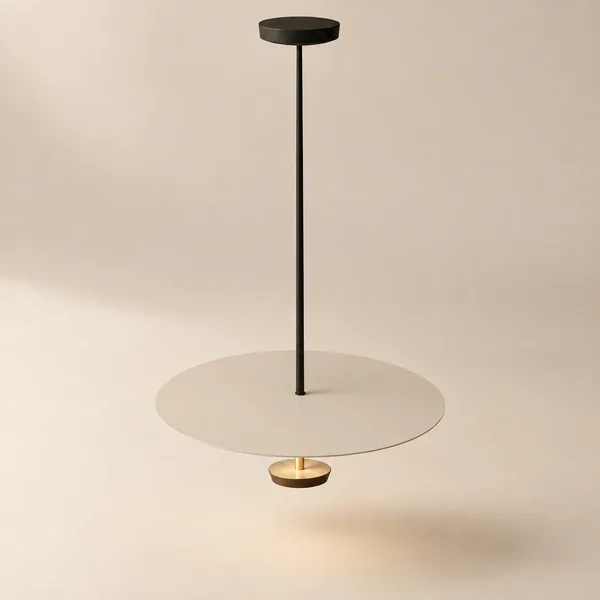
Skiva Nordic Saucer Ceiling Pendant Light LED
Durability and Care of 3D Printed Home Decor
A natural concern when considering printed home accessories is longevity. Will these pieces fade, warp, or deteriorate faster than traditional ceramics or glass? The answer depends largely on material choice and print quality.
High-quality PLA and bioplastics, when kept away from direct sunlight and extreme heat, can last for years without degrading. Resin prints offer exceptional detail and durability, resisting chips and cracks better than many ceramics. Metal-infused filaments produce objects with substantial weight and permanence.
For decorative objects displayed indoors, proper care ensures lasting beauty:
- Dust regularly with a soft, dry cloth to prevent buildup in intricate details
- Avoid direct sunlight, which can cause some plastics to yellow or become brittle
- Keep away from heat sources like radiators or fireplaces
- For water-tight vessels, verify the manufacturer has sealed internal layers
- Handle lattice or thin-walled pieces with care to prevent stress fractures
Many skonne.com customers appreciate that our curated pieces combine the visual intrigue of digital design with time-tested materials and construction methods—offering the best of both innovation and reliability.
The Future of Home Decor is Personalized
As 3D printing technology continues to evolve, we're approaching an era where customizable decorative objects become the norm rather than the exception. Imagine browsing a designer's collection, selecting a form you love, and adjusting the scale, color, and surface pattern before production begins. This level of personalization means your home becomes a true reflection of your individual aesthetic—not a reproduction of mass-market trends.
Yet even as technology advances, the principles of good design remain constant. Balance, proportion, materiality, and intention matter more than the method of production. Whether created by robotic precision or artisanal hand, the pieces that endure are those designed with care and meant to be lived with.
The parametric design decor movement encourages us to look at our living spaces as evolving compositions—places where traditional craftsmanship and technological innovation coexist beautifully. It's not about choosing one over the other, but about curating collections that speak to both heritage and possibility.
Conclusion: Embracing Innovative Design with Intention
3D printed home decor represents more than a technological trend—it's a philosophical shift toward personalized, sustainable, and boundary-pushing design. As you explore this exciting frontier, remember that the most successful interiors blend innovation with warmth, technology with tactility, boldness with balance.
At Skonne, we curate pieces that embody this ethos. Whether you're drawn to the geometric precision of digitally-fabricated forms or the artisanal interpretation of those concepts through handcrafted ceramics and glass, our collections offer pathways to creating spaces that feel both forward-thinking and deeply comfortable. The future of home decor isn't just about how things are made—it's about how they make you feel.
Ready to discover sculptural pieces that transform your space? Explore our thoughtfully selected vases and decorative objects, each chosen to bring that perfect intersection of modern decorative pieces and Scandinavian sensibility into your home.
Related Article
Wood Home Decor: How to Style Natural Wood Pieces for a Warm, Organic InteriorLearn how to style natural wood pieces to create warm, organic interiors with Scandinavian-inspired design tips from Skonne.