
Accent Wall Ideas: The Best Home Decor Looks for a Statement Feature Wall
Summary›
- Understanding the Fundamentals of Statement Feature Walls
- Material Matters: Exploring Texture and Dimension
- Styling Your Accent Wall: Beyond Paint and Texture
- Multiple Accent Walls: Can You Have More Than One?
- Bringing It All Together: Your Accent Wall Journey
- Conclusion: Creating Your Scandinavian Statement
An accent wall can transform a room from ordinary to extraordinary with a single brushstroke, texture, or thoughtfully placed light. Whether you're renting a cozy apartment or curating your forever home, accent wall home decor offers one of the most impactful ways to express your personal style without overwhelming your space. At Skonne, we believe that the best interiors tell a story—one where every element, from the paint on your walls to the sculptural pieces that adorn them, works in harmony to create that unmistakable feeling of hygge.
In this guide, we'll explore statement feature wall ideas that align with Scandinavian design principles: intentional, warm, and effortlessly elevated. You'll discover how to choose the right wall, select colors that soothe rather than compete, and incorporate lighting and decor that turn your accent wall into a living piece of art. By the end, you'll have the inspiration and practical know-how to create a space that feels both curated and welcoming.
Understanding the Fundamentals of Statement Feature Walls
Before diving into paint swatches and material samples, it's essential to understand what makes an accent wall successful. Unlike a room painted in a single color, a feature wall design creates a focal point that draws the eye and anchors your furniture arrangement. The key is intentionality—your accent wall should feel like a natural evolution of the space, not an afterthought.
Scandinavian design teaches us that beauty emerges from restraint. When planning your home decor walls, consider what you want to highlight. Is it a wall with interesting architectural details? The backdrop to your favorite piece of furniture? Or perhaps a canvas for showcasing curated artwork and lighting? The function should always precede the form.
How to Choose Which Wall for Your Accent Feature
Not every wall is destined for the spotlight. The most successful accent wall ideas living room and bedroom designs typically follow a few key principles. First, look for the wall that your eye naturally gravitates toward upon entering the room—often this is the wall opposite the entrance. This creates immediate visual interest and sets the tone for the entire space.
Avoid walls with windows or doors if possible, as these architectural breaks can fragment your design impact. Instead, opt for solid walls that can serve as a true canvas. If you have a fireplace, the wall behind it is almost always the ideal candidate for a statement treatment. This creates a natural gathering point and enhances the room's existing architecture rather than fighting against it.
For those working with open-concept spaces, your accent wall can also serve as a visual room divider, defining different functional areas without the need for physical barriers. A bold feature wall behind a dining area, for instance, can separate it from the living space while maintaining the airy flow that Scandinavian interiors are known for.
Color Psychology and Modern Accent Wall Home Decor
The question of whether accent walls should be lighter or darker than surrounding walls doesn't have a universal answer—it depends on the mood you want to create. Darker colors advance visually, making a large room feel cozier and more intimate. They also create dramatic backdrops for light-colored furniture and metallic accents. Lighter colors, on the other hand, recede and can make a small room feel larger while introducing subtle warmth.
In Scandinavian-inspired spaces, we often see a sophisticated palette of sage greens, warm terracottas, deep navies, and soft charcoals. These hues provide enough depth to create impact while maintaining the serene, grounded feeling essential to Nordic design. For a truly modern accent wall home decor approach, consider monochromatic schemes where your feature wall is two to three shades deeper than your other walls, creating depth without jarring contrast.
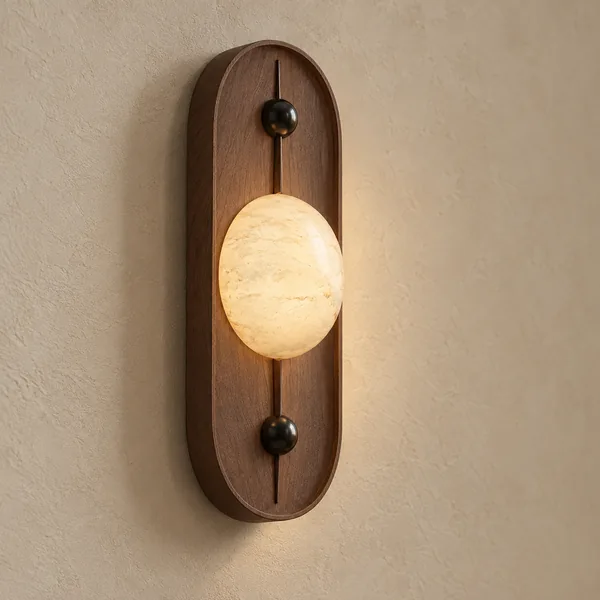
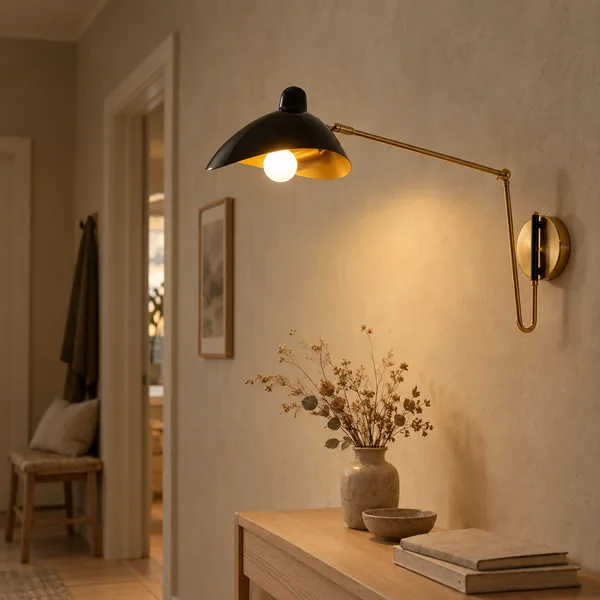
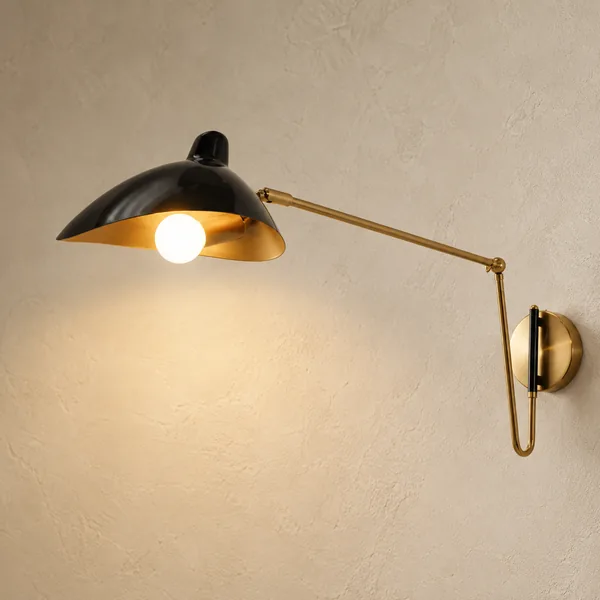
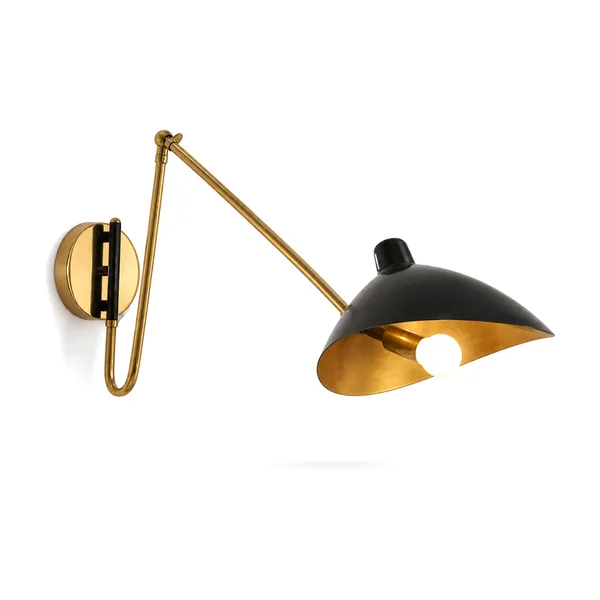
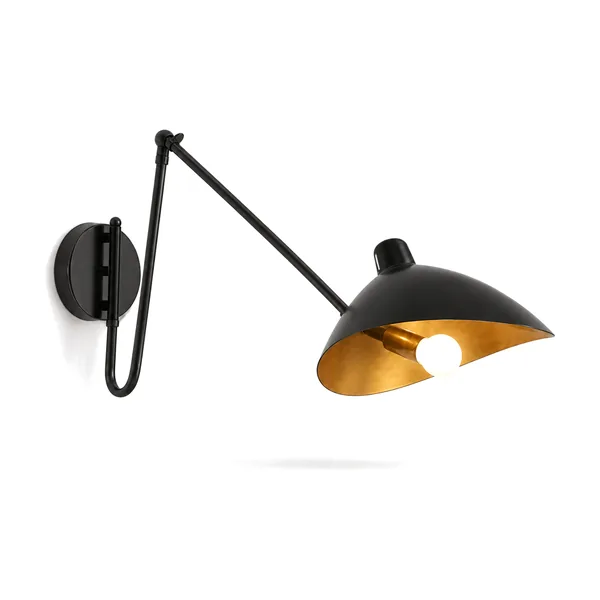
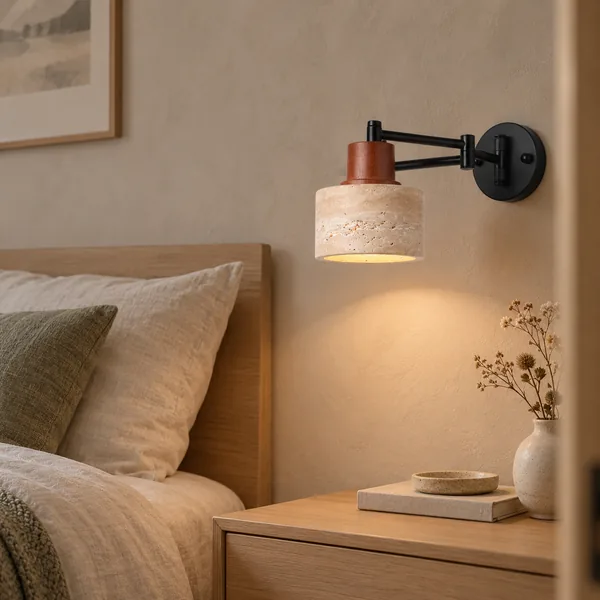
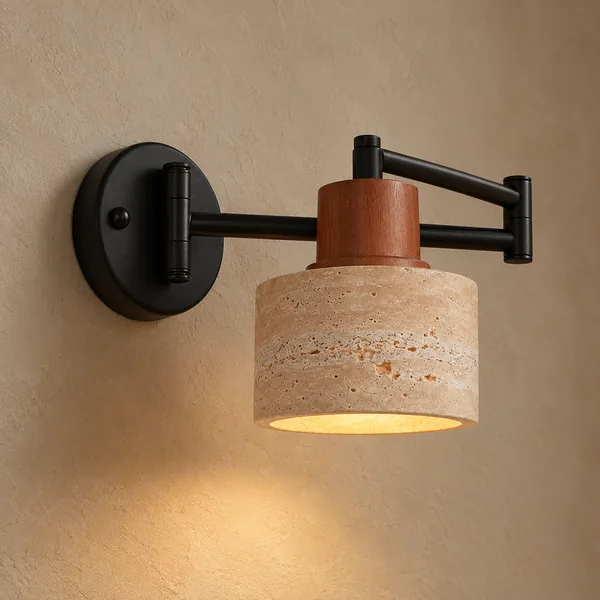
Adjustable Wall Lights
Shop all Adjustable Wall Lights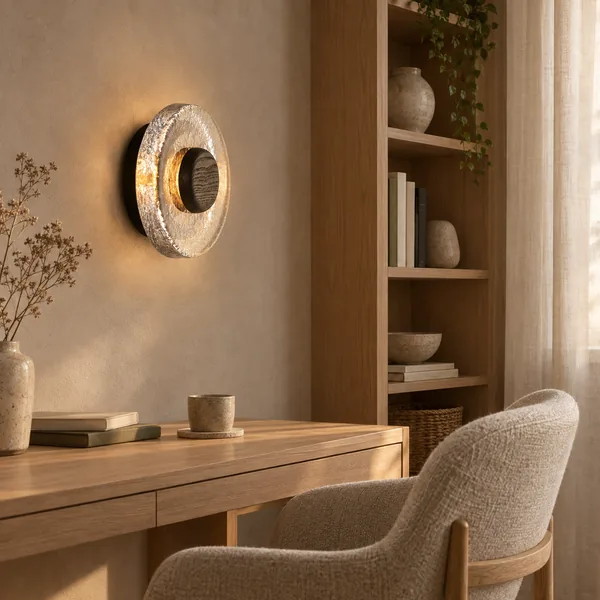
Material Matters: Exploring Texture and Dimension
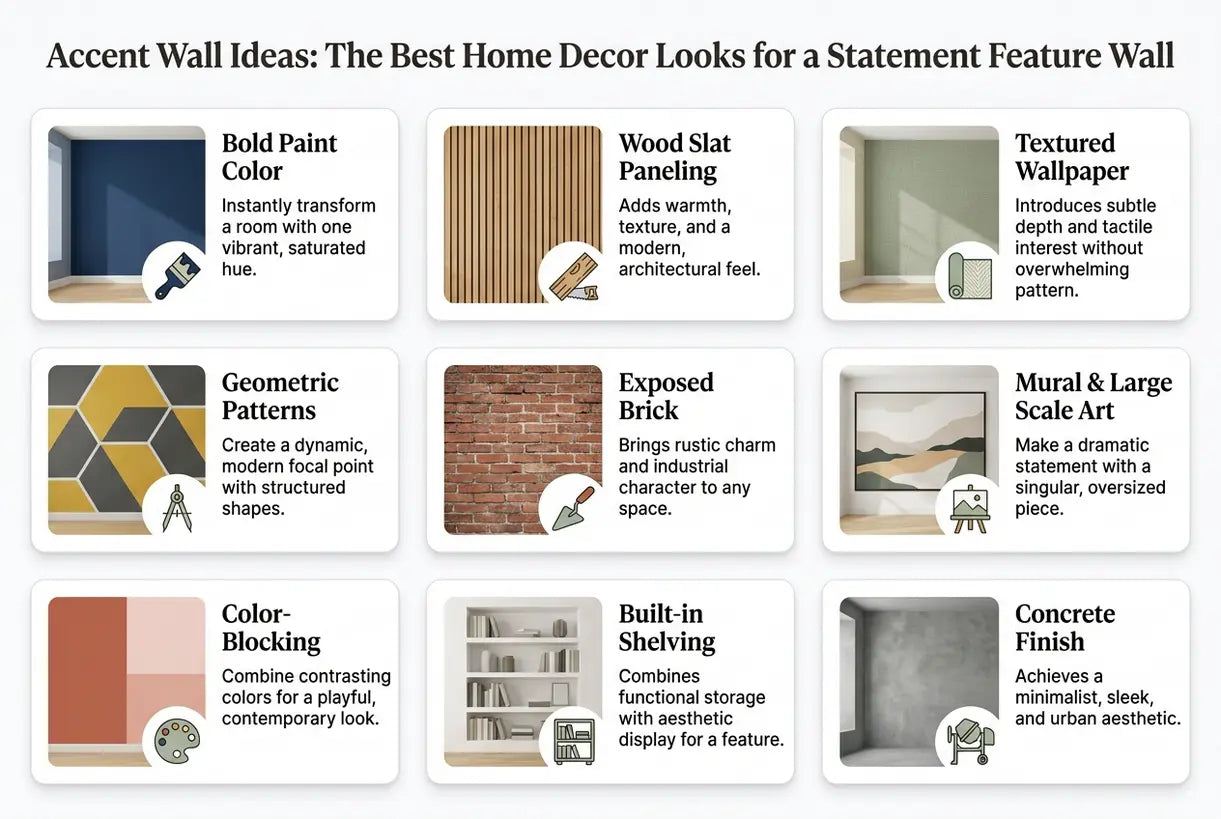
While paint remains the most accessible option for creating feature wall inspiration, modern home decor offers an array of materials that add tactile interest to your space. The best materials for accent walls range from traditional to innovative, each bringing its own character to your interior.
Wood paneling, particularly in light oak or walnut, remains a staple of Scandinavian design. Whether installed as vertical slats, geometric patterns, or traditional shiplap, wood introduces organic warmth that softens the often-crisp aesthetic of Nordic interiors. For those seeking something more contemporary, consider microcement or limewash finishes that create subtle texture and movement across your wall surface.
Fabric panels and upholstered walls offer acoustic benefits alongside visual appeal—perfect for bedrooms or media rooms where sound dampening enhances comfort. Meanwhile, 3D wall panels in geometric patterns can transform a flat surface into a sculptural element that changes appearance as light moves across it throughout the day.
Illuminating Your Feature Wall Design
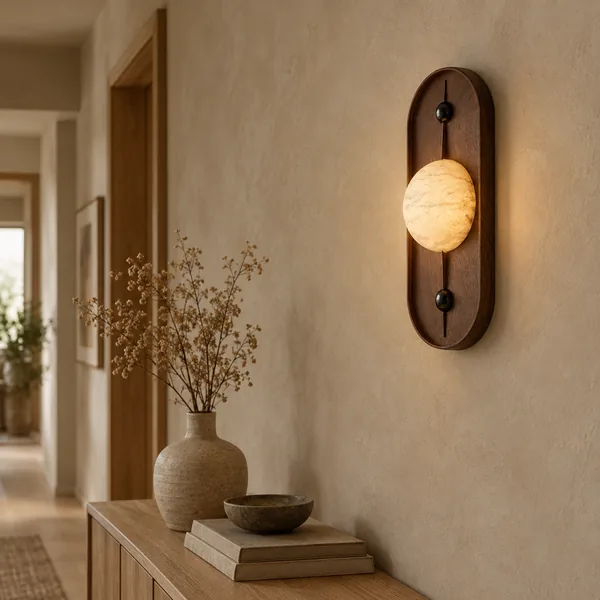
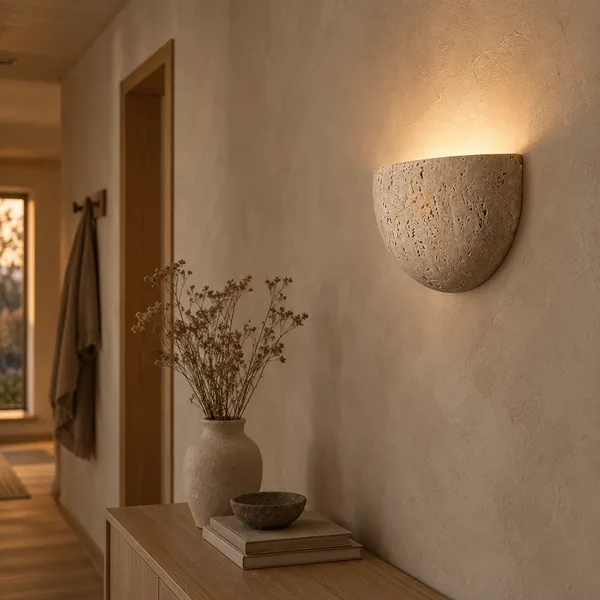
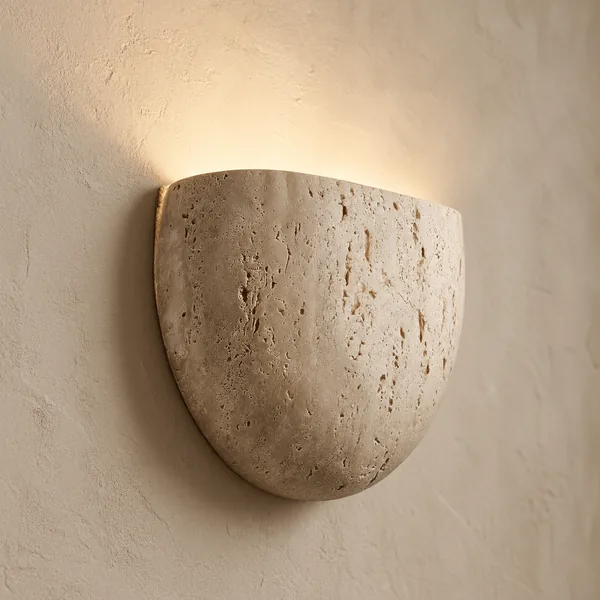
Lighting plays a crucial role in how your accent wall is perceived. The right fixture doesn't just illuminate your wall—it becomes part of the composition, casting shadows and creating depth that evolves from morning to evening. Wall sconces, in particular, offer a dual function: they provide ambient or task lighting while serving as sculptural elements that enhance your statement wall ideas.
Consider the interplay between your wall color and your light sources. Warm white bulbs (2700K-3000K) complement the earthy tones popular in Scandinavian design, while directional lighting can highlight textured surfaces, creating interesting shadow patterns that add dynamism to your space.
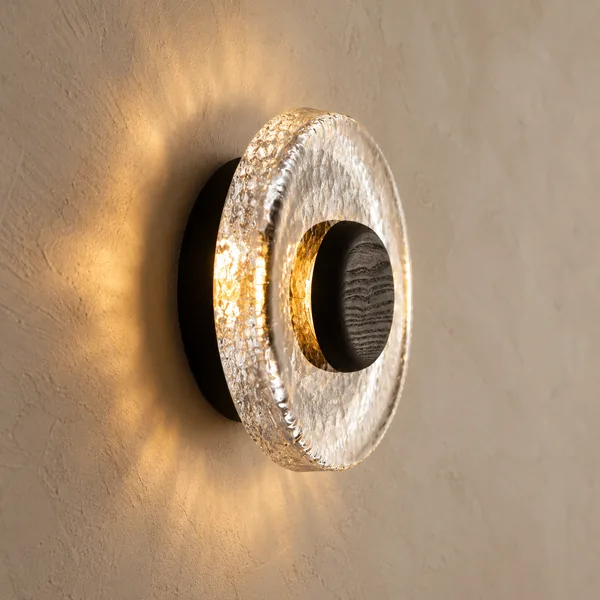
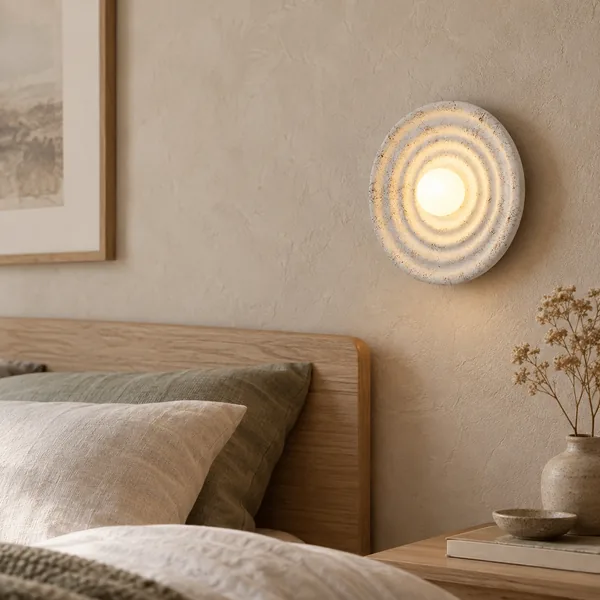 Lysring Circular LED Wall Light Wabi-Sabi Style$169.00$229.00
Styling Your Accent Wall: Beyond Paint and Texture
Once you've established your feature wall's foundation, the real magic happens in how you style it. An accent wall without thoughtful decoration remains an incomplete thought—it's the curated objects, artwork, and lighting that transform it from a pretty background into a living, breathing element of your home.
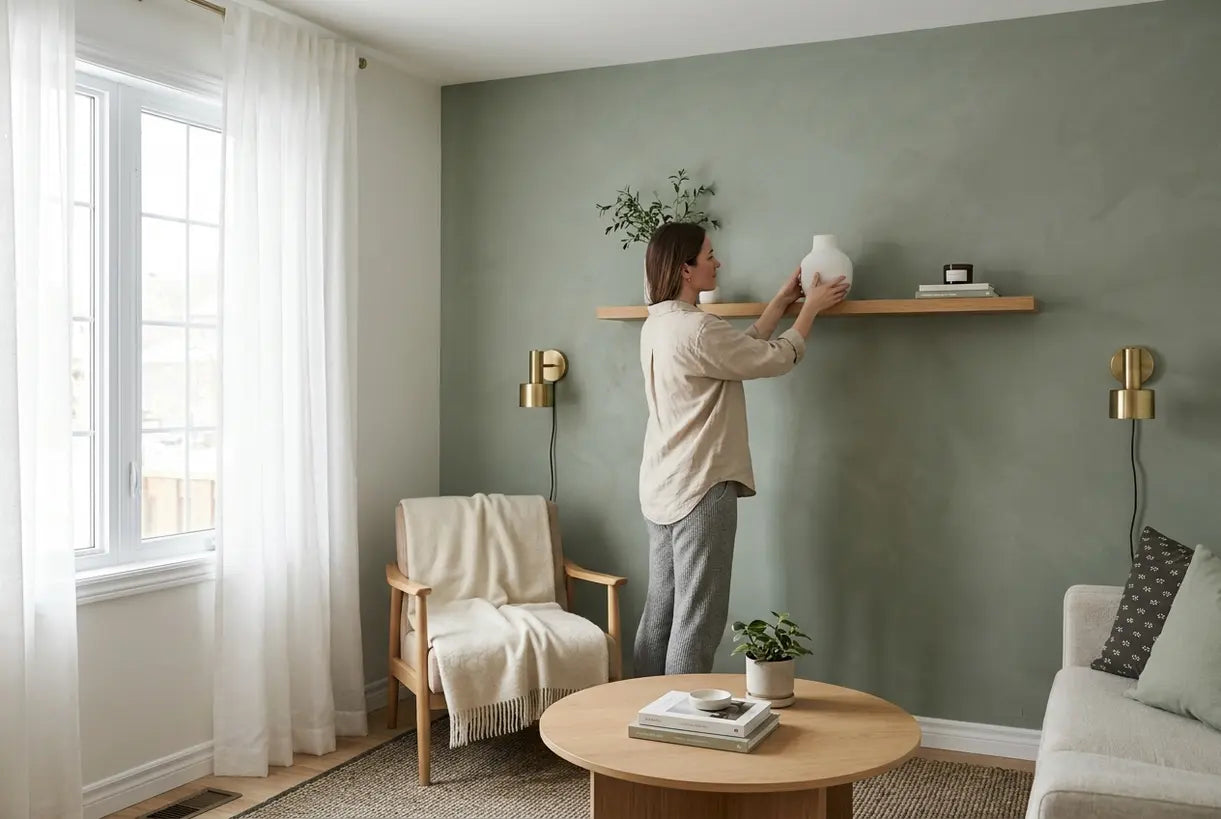
Scandinavian styling philosophy emphasizes quality over quantity. Rather than filling every inch of wall space, select a few meaningful pieces that speak to each other through complementary materials, colors, or scales. A single oversized piece of art can anchor a wall more effectively than a gallery of smaller frames. Similarly, a well-placed ceramic vessel or sculptural light fixture can serve as both functional object and artistic statement.
When arranging items on your accent wall, consider the rule of thirds and negative space. Your eye needs places to rest; overcrowding diminishes the impact of both your wall treatment and your decor. Leave breathing room around key pieces, and don't be afraid to let portions of your feature wall remain unadorned—the texture or color itself is part of the composition.
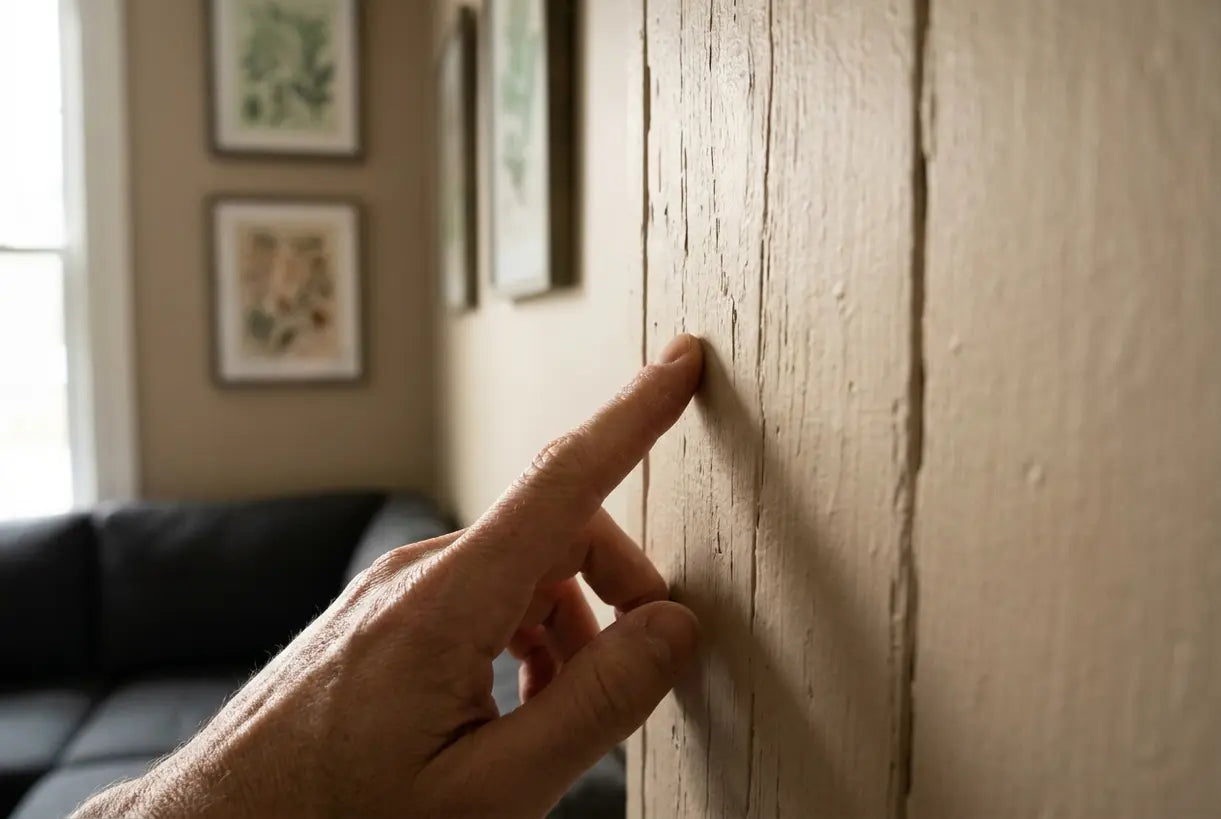
The Art of Layering Light and Objects
The most sophisticated accent wall decor creates dialogue between two-dimensional and three-dimensional elements. A painted wall becomes more dynamic when paired with a sconce that casts geometric shadows. A textured wood panel installation gains depth when illuminated by a Pendant Lights that draws the eye upward and creates vertical interest.
Vases and ceramic objects offer particular versatility in styling your feature wall. When placed on floating shelves or within wall-mounted niches, they introduce organic shapes and tactile surfaces that contrast beautifully with flat wall treatments. The key is varying heights and textures while maintaining a cohesive color palette that complements your wall color.
Curated Pieces for Your Statement Wall
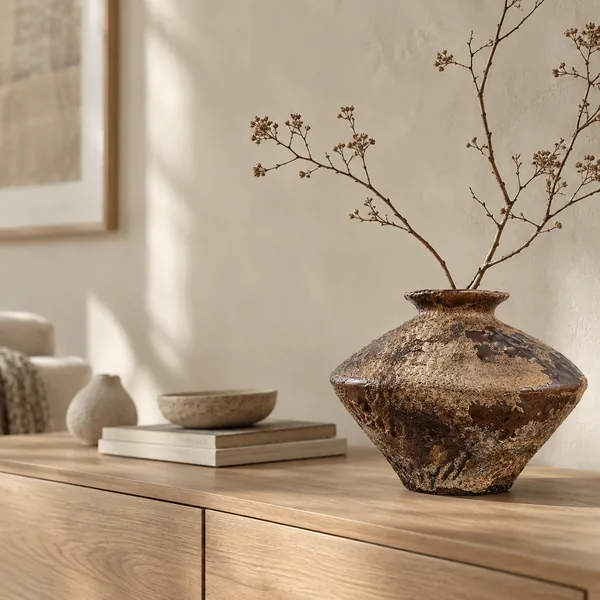 Jorde Handmade Rustic Ceramic Vase Home Decor$129.00$189.00
Multiple Accent Walls: Can You Have More Than One?
The question of whether you can have more than one accent wall in a room often divides design enthusiasts. The traditional advice suggests restraint: one accent wall per room to maintain focus and avoid visual chaos. However, contemporary Scandinavian design often challenges this convention through thoughtful repetition and symmetry.
In larger rooms or open-concept spaces, two opposing accent walls can create a sense of enclosure and intimacy. The key is using the same treatment on both walls—whether that's color, texture, or material—to create cohesion rather than competition. Think of it as bookends that frame your space and create a defined zone within a larger area.
For those feeling particularly bold, adjacent accent walls can work beautifully when executed with intention. Choose complementary colors from the same family—perhaps a sage green on one wall and a deeper forest green on the perpendicular surface. This approach works especially well in dining areas or reading nooks where you want to create a cocooning effect.
Living Room Lighting
Shop all Living Room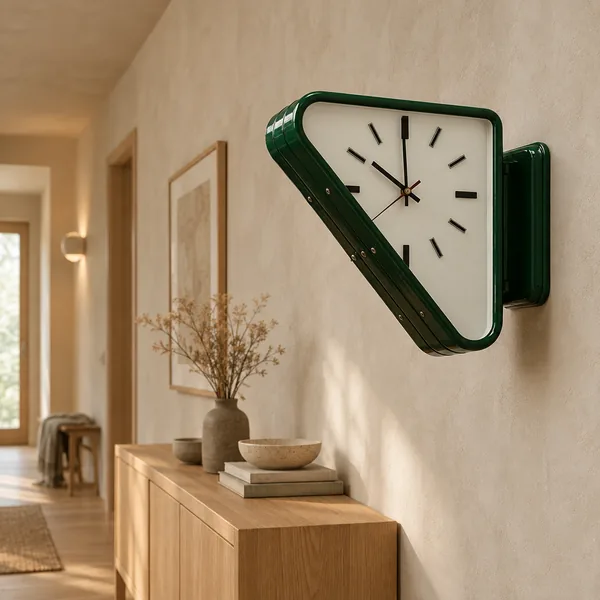
 Save $110.00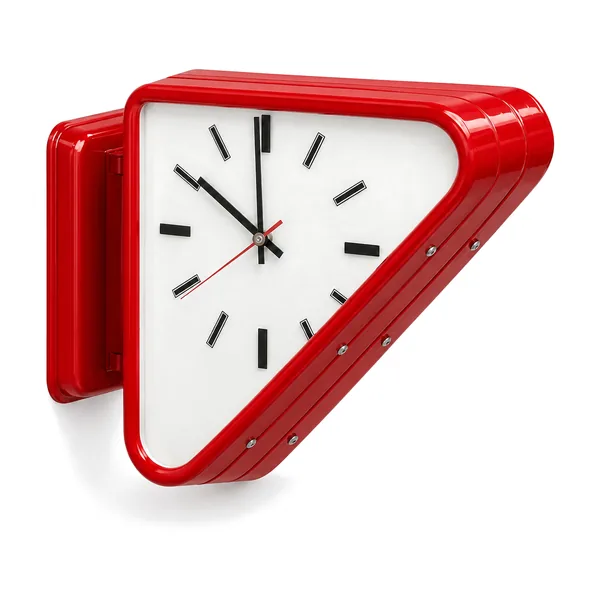
 +15 options
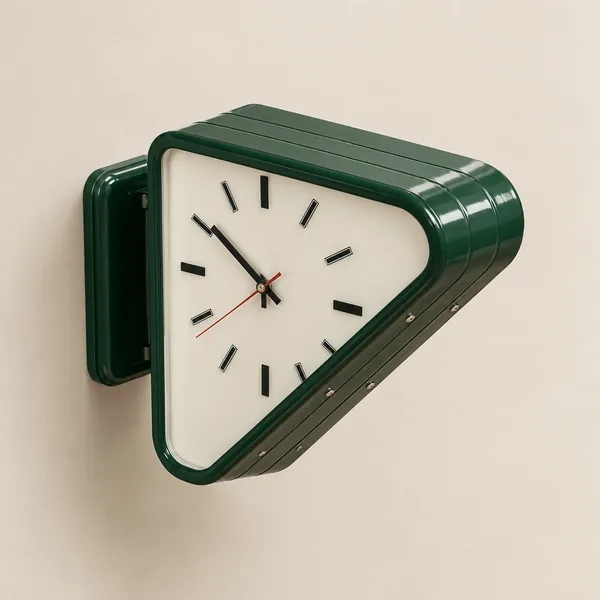
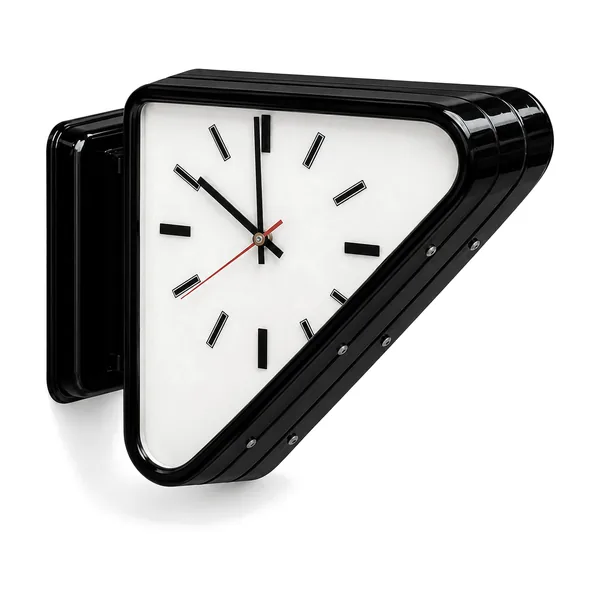
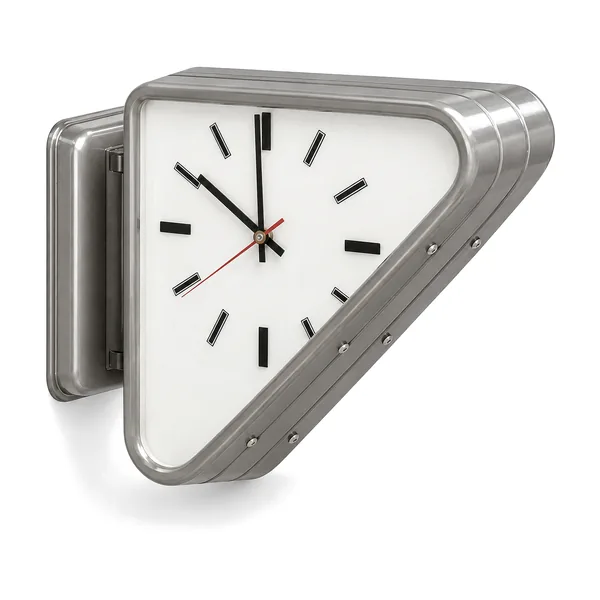
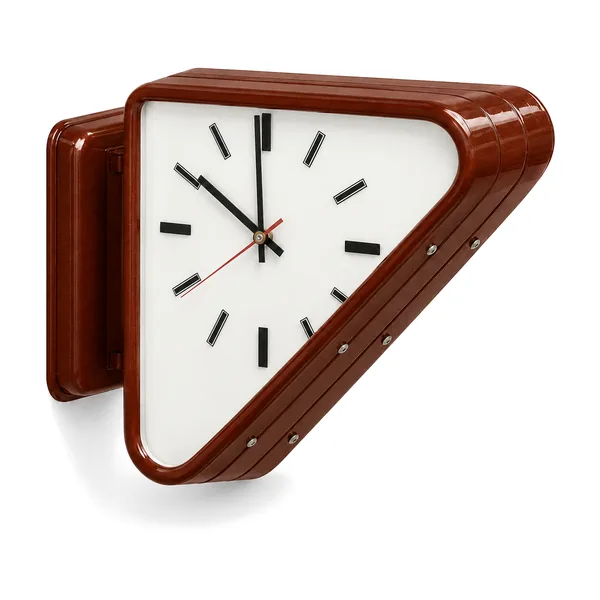
Tvilling Dual-Sided Geometric Metal Wall Clock
 Save $70.00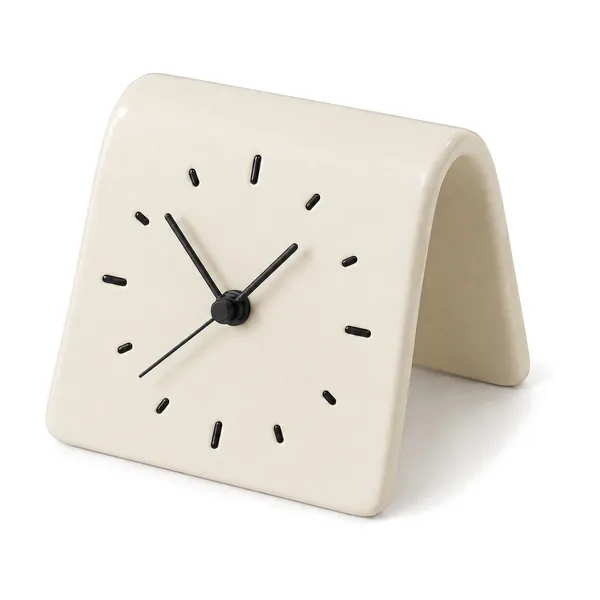
 +37 options
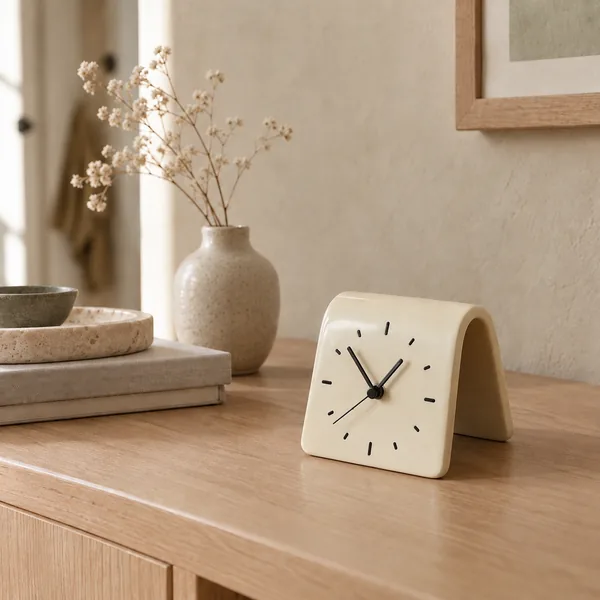
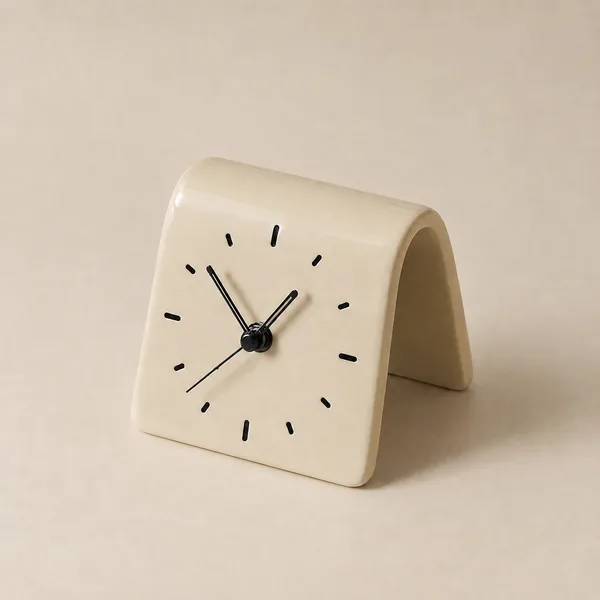
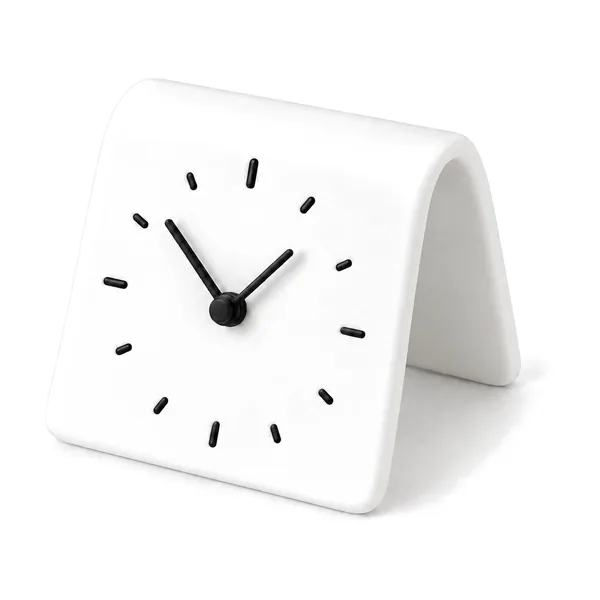
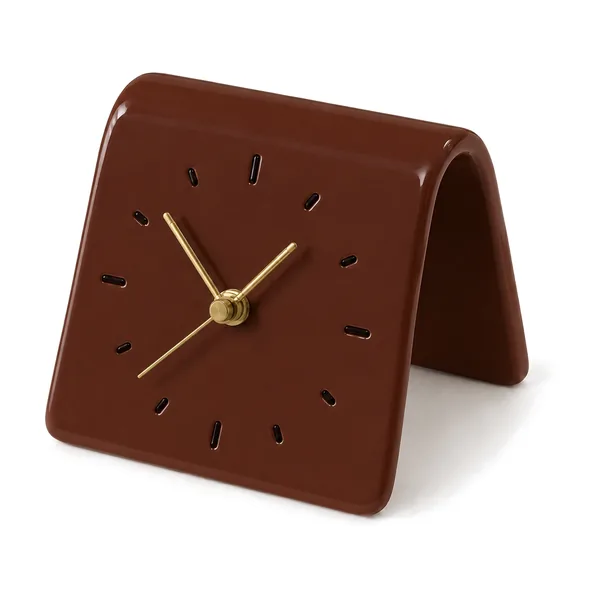
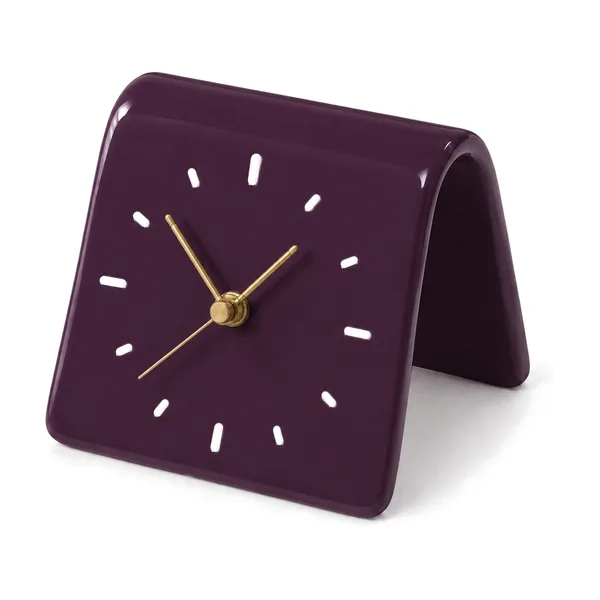
Tilje Silent Ceramic Desk Clock for Modern Homes
Avoiding Common Accent Wall Mistakes
Even the most well-intentioned accent wall ideas can fall flat when certain pitfalls aren't avoided. The most common mistake is choosing a wall simply because it's blank, without considering what it adds to the room's overall flow. Your accent wall should enhance, not confuse, the spatial experience.
Another frequent error involves color selection based on trends rather than context. That bold terracotta might look stunning in a magazine spread, but in your north-facing living room with limited natural light, it may feel heavy and oppressive. Always test colors in your actual space, observing them at different times of day before committing.
Finally, remember that your accent wall doesn't exist in isolation. Consider how it relates to your flooring, furniture, and adjacent rooms. The most successful feature wall design feels like a natural extension of your home's existing personality, not a jarring departure from it.
Bringing It All Together: Your Accent Wall Journey
Creating a statement feature wall is as much about the process as the result. It's an opportunity to slow down and consider what truly matters in your space—the colors that calm you, the textures that invite touch, and the objects that spark joy every time you enter the room.
As you embark on your accent wall project, remember that Scandinavian design isn't about perfection; it's about intention. Every choice should serve a purpose, whether that's creating warmth through wood tones, adding drama through strategic lighting with pieces like the Lysring Circular LED Wall Light, or introducing organic texture through handmade ceramics such as the Jorde Handmade Rustic Ceramic Vase.
The beauty of accent wall home decor lies in its accessibility—whether you're painting a rental wall that you'll restore someday or installing permanent architectural features in your forever home, the principles remain the same. Create with intention, style with restraint, and always prioritize the feeling of the space over fleeting trends.
Conclusion: Creating Your Scandinavian Statement
Transforming a wall into a statement piece is one of the most rewarding projects you can undertake in your home. From selecting the perfect color that whispers rather than shouts, to choosing materials that invite touch and contemplation, to layering lighting and decor that completes the composition—every decision contributes to a space that feels unmistakably yours.
At Skonne, we believe that great design should feel attainable and authentic. Our curated collection of Scandinavian-inspired lighting and home decor exists to help you bring your vision to life, whether that means illuminating your feature wall with sculptural sconces, adding organic warmth through handcrafted ceramics, or anchoring your space with ethereal pendant lighting. Your accent wall is more than a design choice—it's the backdrop to your daily life, the setting for memories yet to be made, and an expression of your unique aesthetic.
Ready to transform your space? Explore our collection of lighting and decor designed to elevate your statement walls from beautiful to breathtaking.
Related Article
Vases for Home Decor: How to Choose, Style & Display Them in Every RoomLearn how to choose, style and display vases for home decor in every room. Discover Scandinavian-inspired tips for decorative vases.