
Home Decor Styles: The Complete Guide to Every Interior Design Style
Summary›
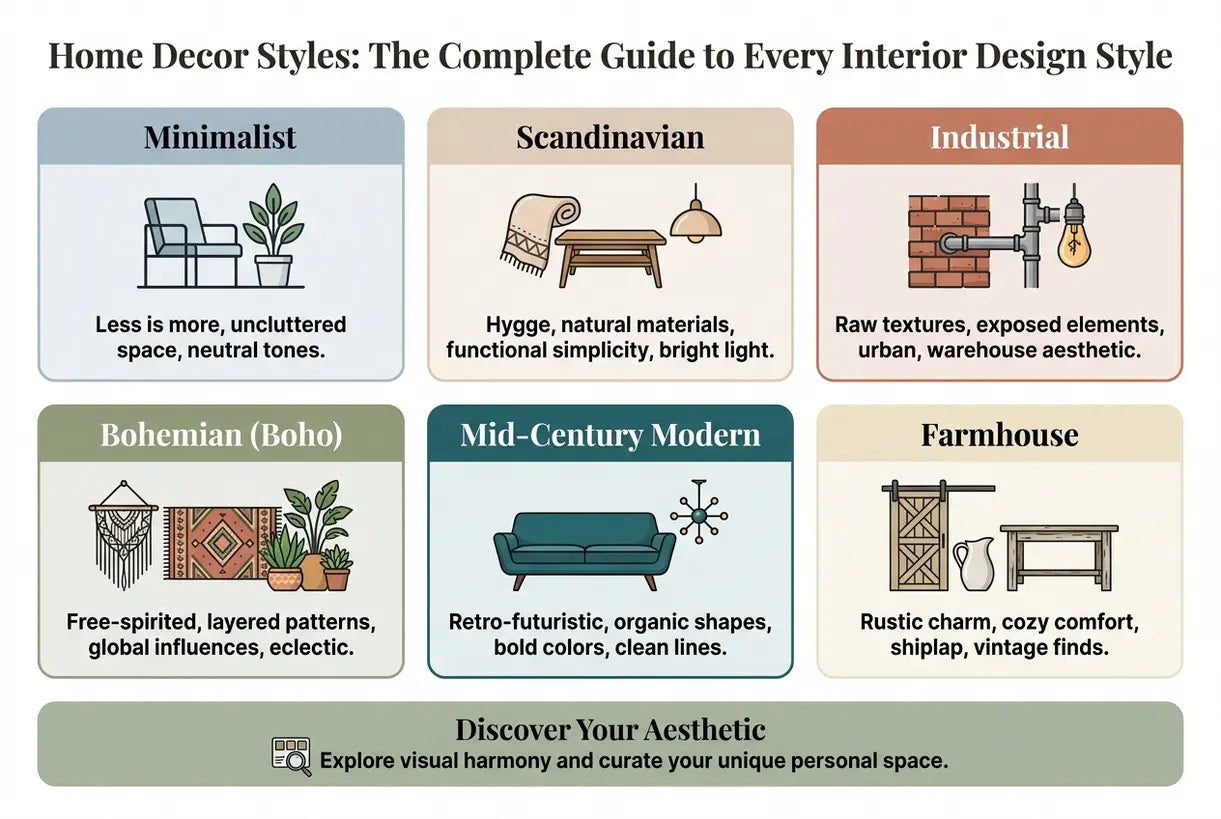
Walking into a beautifully designed home should feel like a deep exhale—the kind that settles your shoulders and invites you to stay awhile. But for many homeowners and design enthusiasts, achieving that feeling can feel overwhelming when faced with countless styles of home decor that each promise something different. Should you embrace the clean simplicity of Scandinavian design? The warm eclecticism of Bohemian spaces? Or perhaps the mindful imperfection of Wabi-Sabi?
This comprehensive guide will walk you through every major interior design style, helping you understand the distinctive characteristics that make each one unique. Whether you're renovating your entire home or simply refreshing a single room, understanding these different types of home decor styles will transform how you approach your space. Along the way, we'll share how thoughtfully chosen lighting and decor pieces—like those curated at Skonne—can bring your personal vision to life with intention.
What Are Home Decor Styles and Why Do They Matter?
Interior design styles are more than just labels or trends. They represent coherent visual languages—combinations of colors, materials, furniture shapes, and spatial arrangements that create harmonious, intentional spaces. When you understand types of home decor styles, you gain a vocabulary for articulating what you love and a framework for making confident design decisions.
The perfect style for your home reflects your personality, lifestyle, and the environment you want to create. It influences everything from your morning coffee ritual to how you welcome guests into your sanctuary. Rather than following fleeting trends, understanding timeless design principles helps you build a space that grows with you.
Popular Home Decor Styles Explained
While dozens of design aesthetics exist, certain styles have proven enduring for good reason. Each offers a distinct approach to creating beauty and function in the home.
Scandinavian Design
Rooted in Nordic principles of simplicity and function, Scandinavian design emphasizes light, neutral color palettes, natural materials like light woods and linen, and clean, uncluttered spaces. This style creates homes that feel bright, breathable, and deeply calming—perfect for those seeking sanctuary from busy modern lives. For those looking to explore more options, our Pendant Lights collection offers a curated selection that complements Scandinavian and minimalist spaces.
Japandi: The Perfect Fusion
One of the most popular emerging trends, Japandi blends Japanese wabi-sabi philosophy with Scandinavian functionality. This hybrid style celebrates imperfection, craftsmanship, and natural materials while maintaining the clean lines Northern European design is known for. The result is spaces that feel both organic and intentional—warm without being cluttered, simple without feeling cold.
Wabi-Sabi: The Beauty of Imperfection
This Japanese aesthetic prioritizes organic materials, handcrafted objects, and the natural aging process of materials. Unlike Western design's pursuit of perfection, wabi-sabi finds beauty in asymmetry, rough textures, and the patina that develops over time. It creates deeply personal spaces that feel authentic and grounded.
Modern & Contemporary
These often-confused terms have distinct meanings. Modern design refers to a specific historical period (roughly 1920s–1950s) characterized by minimal ornamentation, clean lines, and materials like chrome and glass. Contemporary design, by contrast, reflects current trends and can incorporate elements from multiple styles. Both favor uncluttered spaces and statement pieces that command attention.
Bohemian & Eclectic
For those who resist rigid rules, Bohemian style offers freedom through layered textiles, global influences, vintage finds, and abundant plants. Eclectic design takes this further by intentionally mixing periods and styles, requiring a sophisticated eye for balancing contrast with cohesion.
Mid-Century Modern
Defined by tapered legs, organic curves, and warm wood tones, this enduring style from the 1950s–60s continues to influence contemporary furniture design. Its versatility allows it to complement everything from minimalist to maximalist interiors.
Industrial & Farmhouse
Industrial style embraces raw materials—exposed brick, weathered wood, metal fixtures—for an urban, loft-like aesthetic. Farmhouse style offers rural warmth through rustic woods, vintage accessories, and comfortable, family-friendly spaces.
Lighting
Shop all Lighting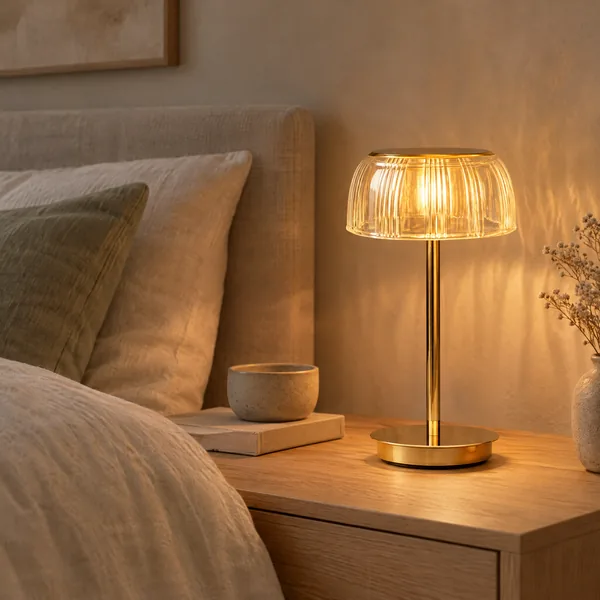
 Save $30.00
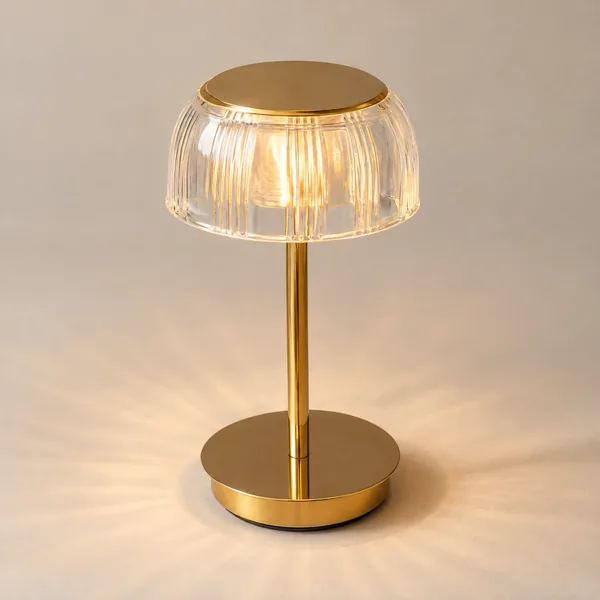
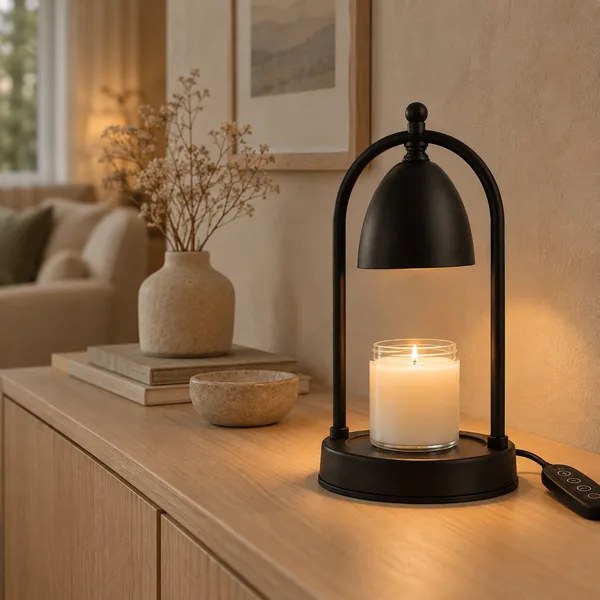
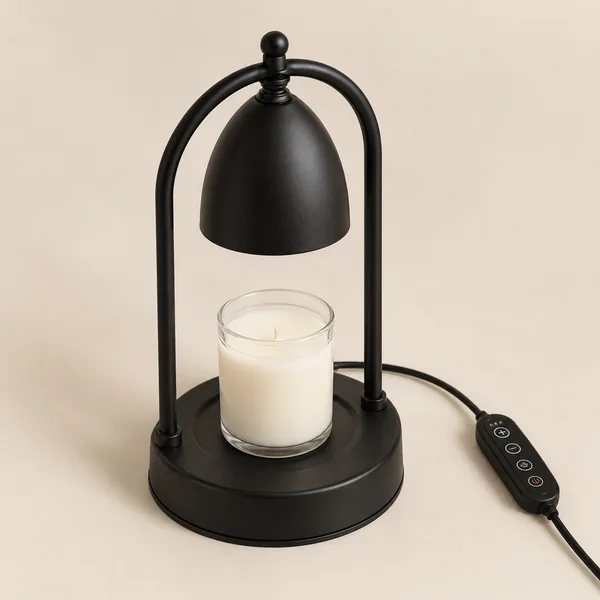
Kvalla Jellyfish LED Rechargeable Table Lamp
 Save $140.00
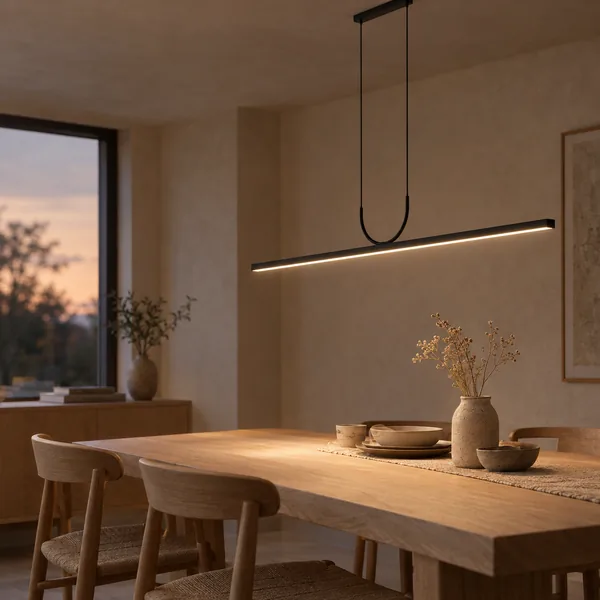
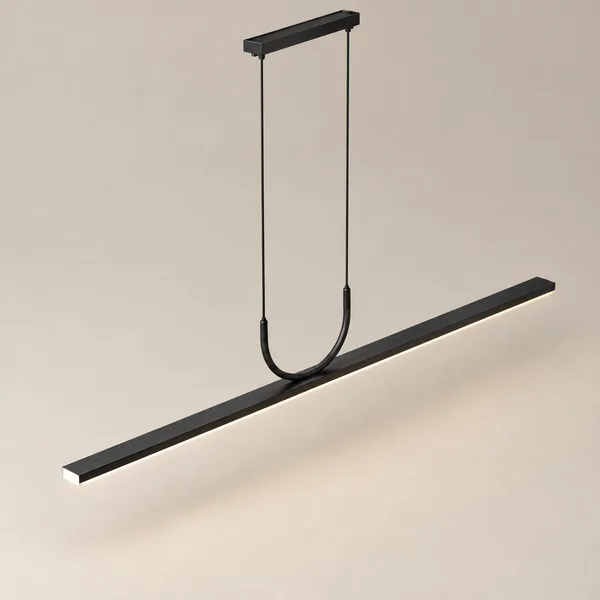
Linné Minimalist Linear Black LED Pendant Light
 Save $60.00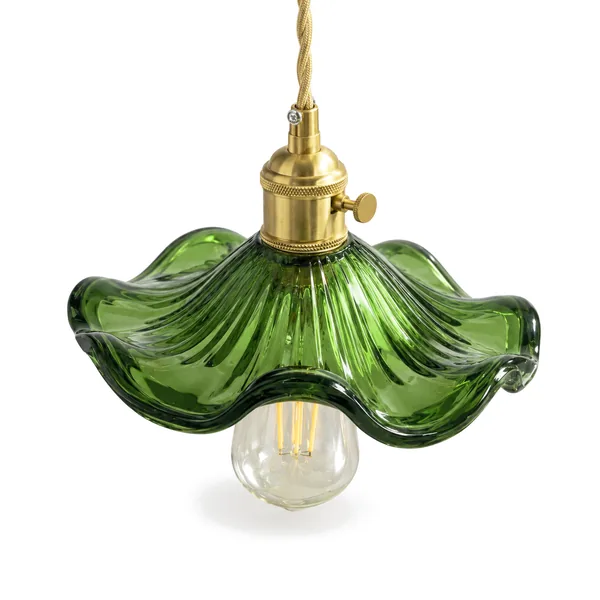
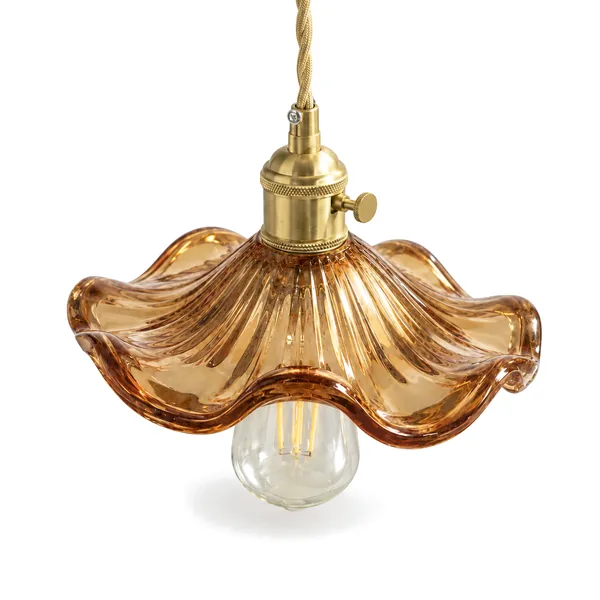 3 options
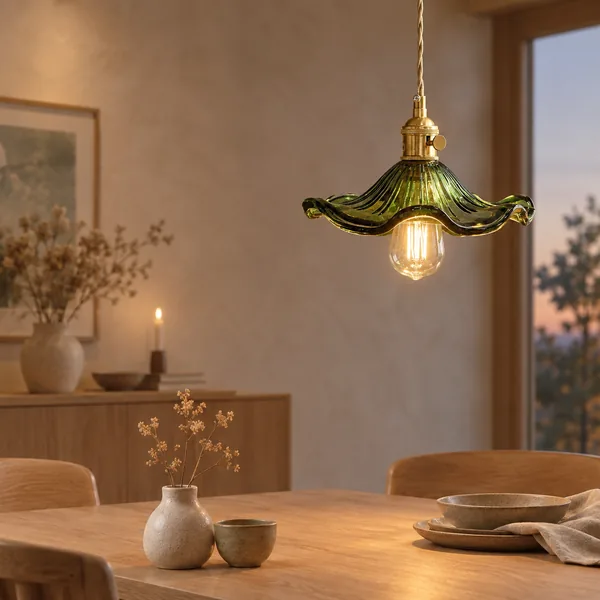
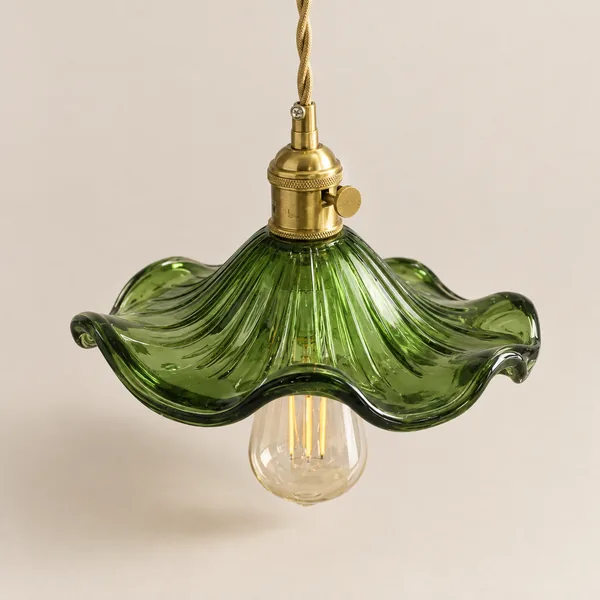
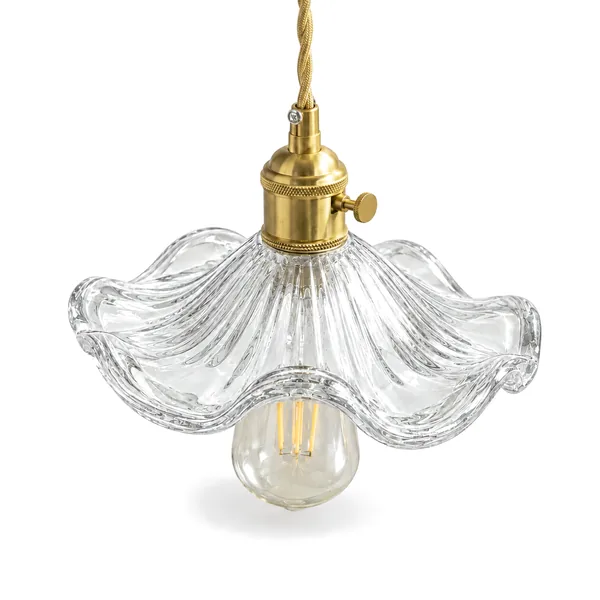
Glora Nordic Glass Pendant Light with Copper
How to Find Your Personal Home Decor Style
Identifying your aesthetic isn't about fitting into a single category—it's about recognizing patterns in what draws your eye and makes you feel at home. Taking a home decor style quiz can help crystallize your preferences, but understanding the underlying principles ensures your choices remain cohesive.
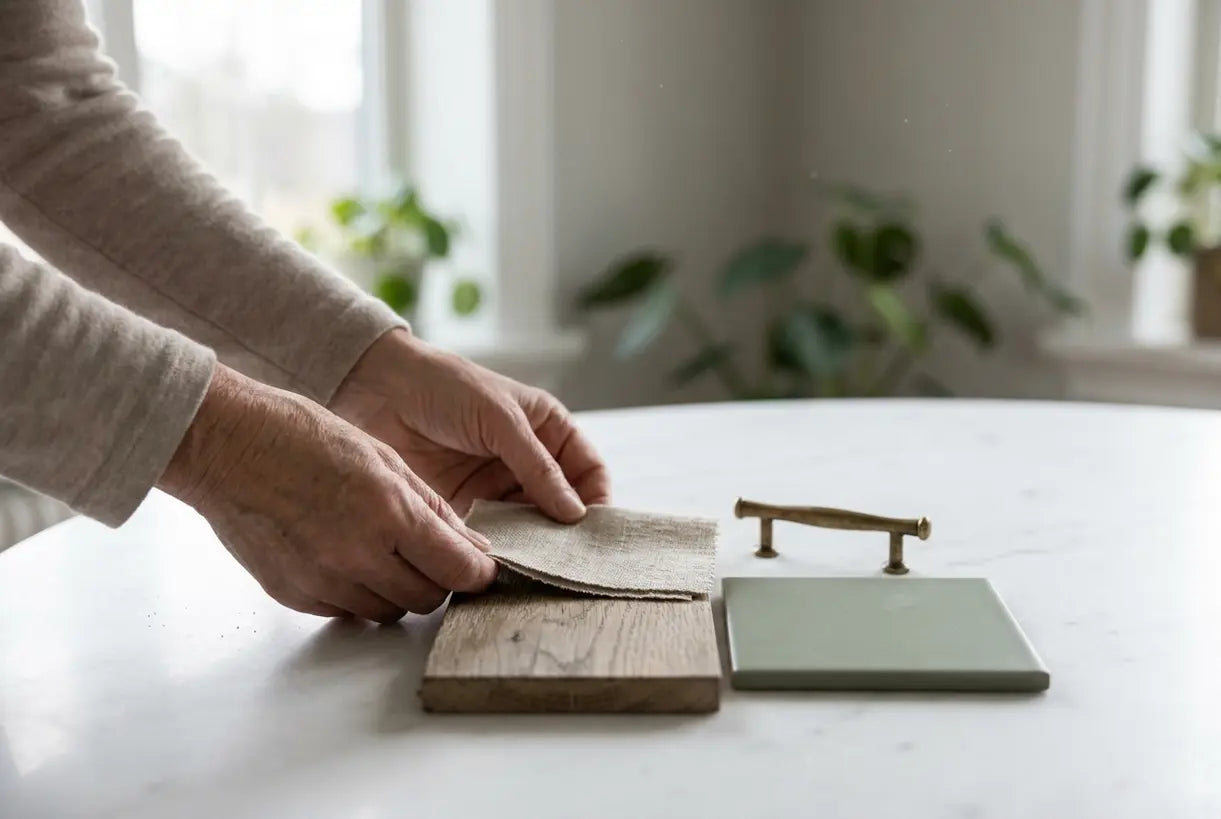
Start with Inspiration Gathering
Begin collecting images that speak to you—magazine pages, Pinterest boards, photographs of spaces you've visited. After several weeks, review your collection and look for recurring elements. Do you gravitate toward light, airy rooms or moody, enveloping spaces? Natural materials or sleek surfaces? Symmetrical arrangements or organic groupings?
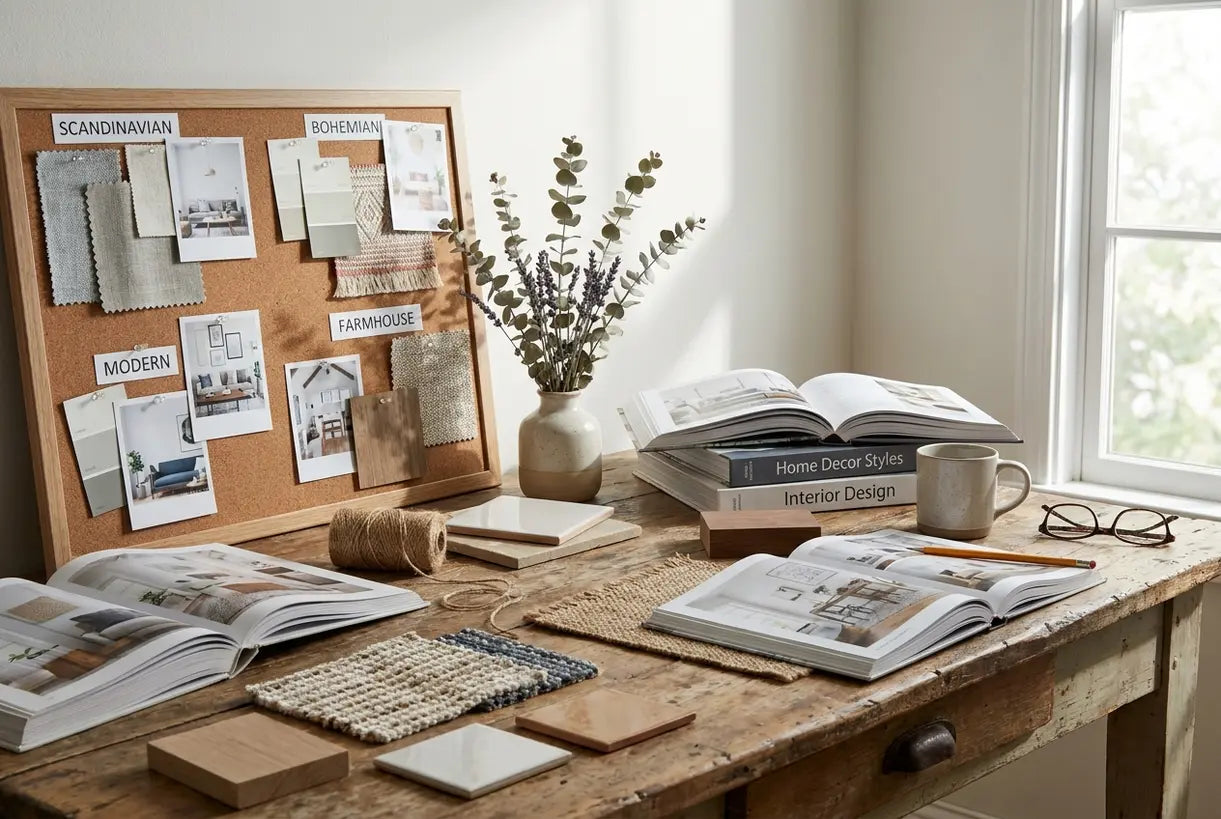
Create a Home Decor Mood Board
A home decor mood board transforms abstract preferences into a tangible visual reference. Gather fabric swatches, paint chips, material samples, and images that capture your desired feeling. This physical or digital board becomes your north star when making purchasing decisions, ensuring every element contributes to your cohesive vision.
Pay attention not just to how items look individually, but how they interact. The interplay between textures, the relationship between warm and cool tones, the balance between substantial furniture and open space—these relationships create the atmosphere that makes a house feel like home.
Essential Decorating Rules for Every Style
Regardless of which aesthetic guides your home, certain fundamental principles help create balanced, visually pleasing spaces. Understanding these rules gives you the confidence to break them intentionally when your vision calls for it.
What Is the 3-5-7 Rule in Decorating?
The 3-5-7 rule is a guideline for arranging decorative items in odd-numbered groupings. Display objects in sets of three, five, or seven rather than even numbers. This creates visual interest, dynamic asymmetry, and prevents arrangements from feeling overly formal or static.
For example, instead of placing two matching vases on a console table, add a third element like a small sculpture or stack of books. The eye naturally seeks patterns, and odd numbers create movement while even arrangements can feel rigid.
Scale, Proportion, and Visual Hierarchy
Successful rooms balance pieces of varying scales. A delicate side table disappears next to an oversized sofa, just as a tiny pendant light gets lost in a grand entryway. Consider the relationship between your furniture pieces and the room itself—each should feel appropriately scaled without overwhelming or underwhelming.
Lighting plays a crucial role in establishing this hierarchy. A statement chandelier draws the eye upward, creating vertical interest and defining the room's center. Our Klarglod Dimmable Nordic K9 Crystal Chandelier demonstrates how the right fixture can anchor a space with both warmth and sophistication.
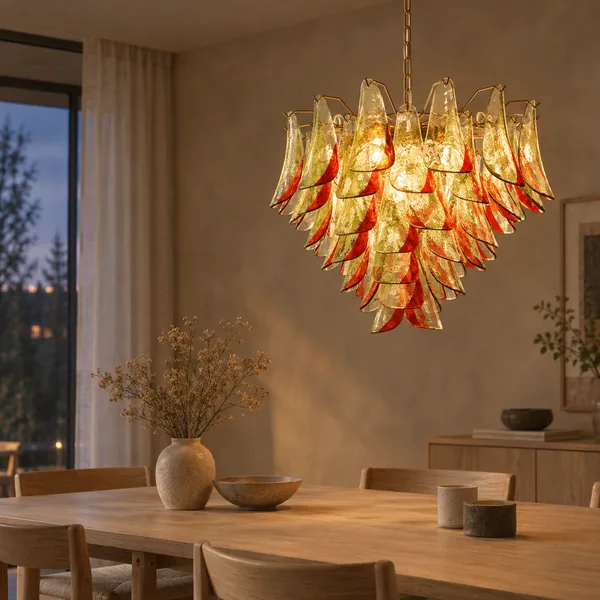 Klarglod Dimmable Nordic K9 Crystal Chandelier$889.00$1,279.00
Lighting and Decorative Accents: Defining Your Space
Lighting does more than illuminate—it shapes how we experience every room. The warmth or coolness of light, fixture silhouettes, and placement all contribute to your design story. Understanding how to layer ambient, task, and accent lighting creates spaces that function beautifully throughout the day.
For Scandinavian and minimalist interiors, lighting should enhance the sense of openness and calm. Materials like rice paper diffuse light beautifully, creating the gentle glow that makes these spaces feel like retreats. The Shiro Rice Paper Table Lamp Nordic Minimalist captures this essence perfectly, offering warm illumination without visual heaviness.
Decorative objects should tell your story. A carefully chosen vase, a handcrafted ceramic piece, or a sculptural object adds personality without clutter. In wabi-sabi-inspired spaces, imperfections become features to celebrate. The Stille Small Jingdezhen Ceramic Wabi-Sabi Vase embodies this philosophy—each piece carries the marks of its creation, making it uniquely yours.
Essential Pieces for Curated Spaces
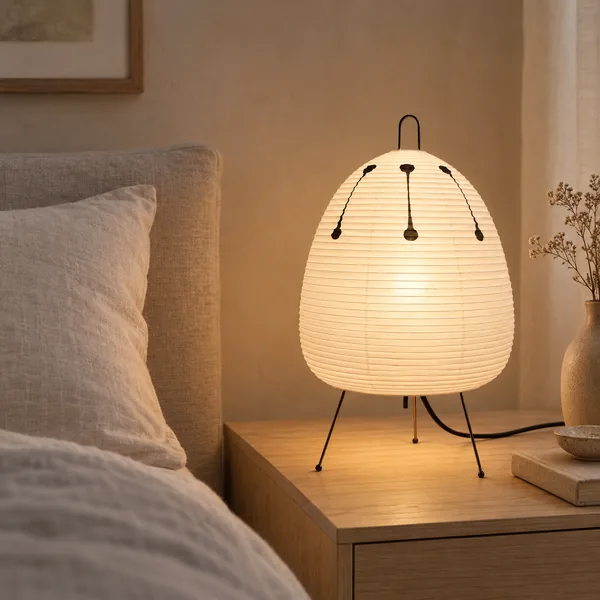 Shiro Rice Paper Table Lamp Nordic Minimalist$119.00$199.00
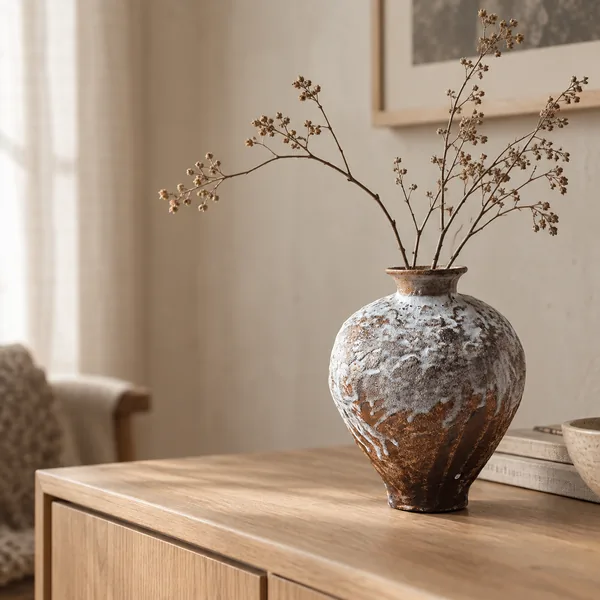 Stille Small Jingdezhen Ceramic Wabi-Sabi Vase$129.00$189.00
Bringing Your Style Home: A Practical Approach
Transforming your space doesn't require a complete overhaul or endless budget. The most successful home evolutions happen intentionally, one thoughtful choice at a time.
Start with Anchor Pieces
Identify the large elements that define your space—sofas, dining tables, lighting fixtures, area rugs. These investment pieces establish your room's personality and should align closely with your chosen aesthetic. Quality pieces in timeless silhouettes will serve you for years while flexible accessories refresh the look seasonally.
Layer Textures and Materials
Even the most minimalist spaces benefit from textural variety. Combine smooth ceramics with rough linen, polished metal with raw wood, glossy surfaces with matte finishes. These contrasts create visual depth and tactile interest that elevate simple arrangements into sophisticated compositions.
Scandinavian Lighting
Shop all Scandinavian LightingSave $60.003 optionsGlora Nordic Glass Pendant Light with Copper
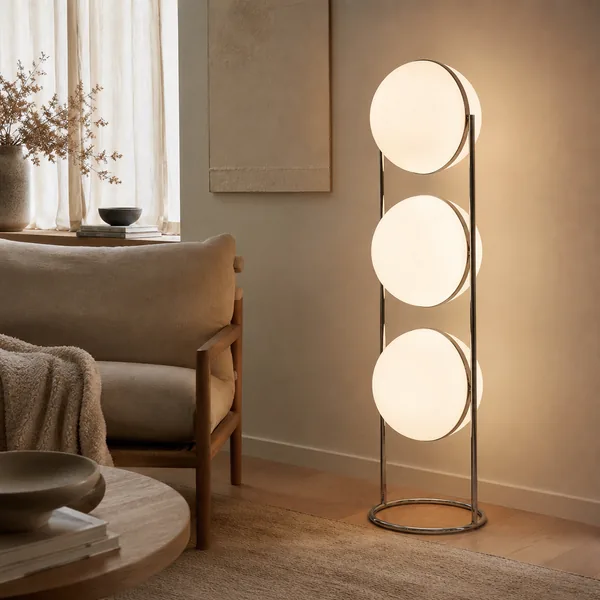
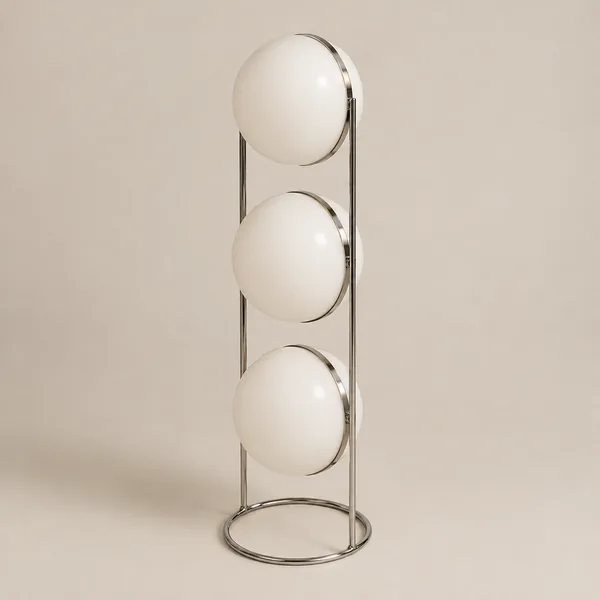 Save $150.00
Kulglod Bauhaus Chrome Acrylic Globe Floor Lamp
 Save $230.00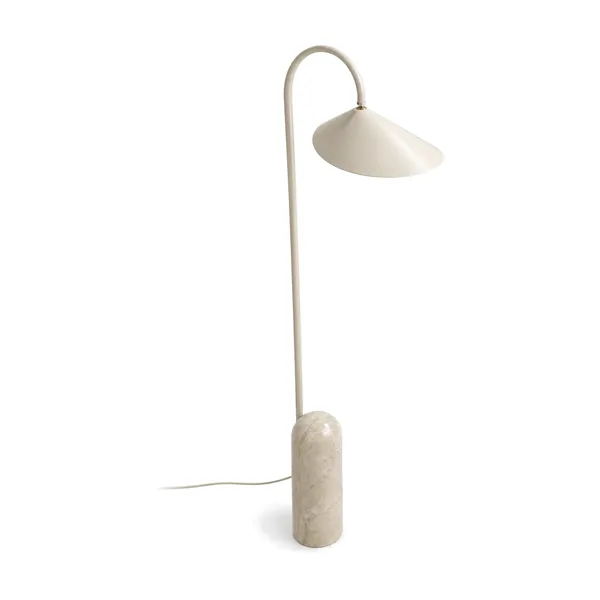
 2 options
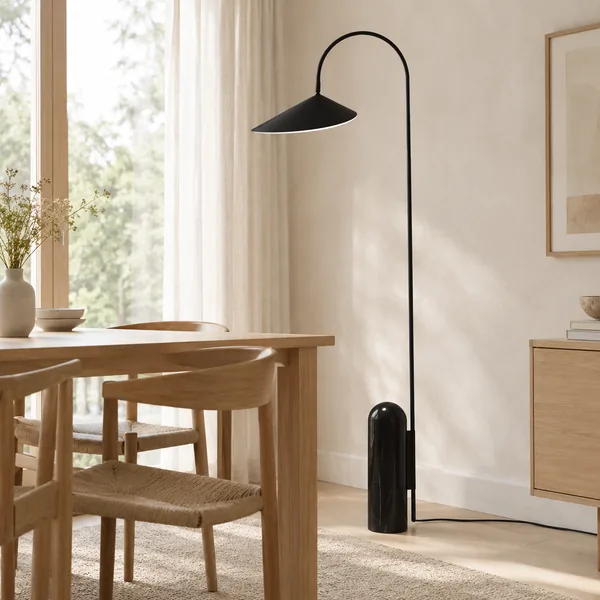
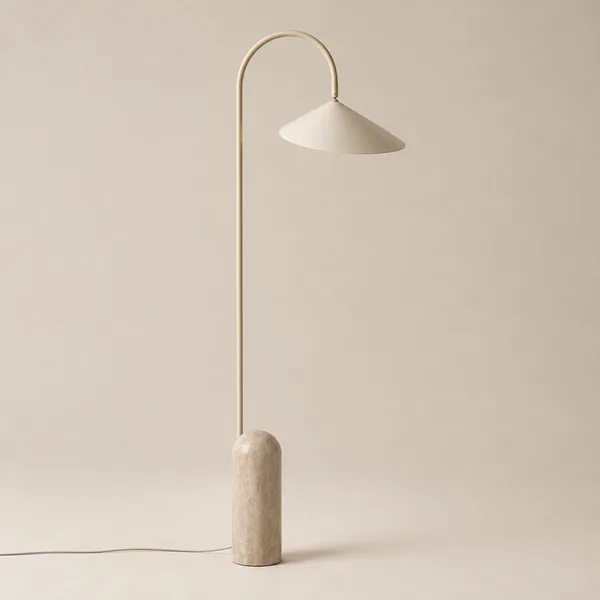
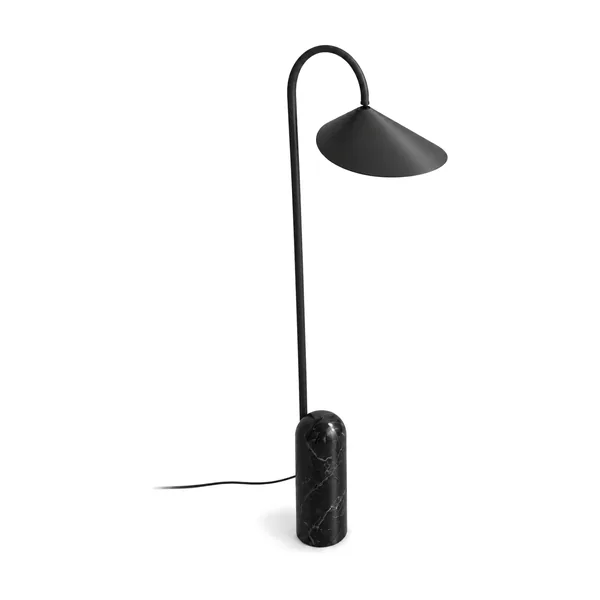
Velbue Marble Base Arc Floor Lamp Danish Design
 Save $210.00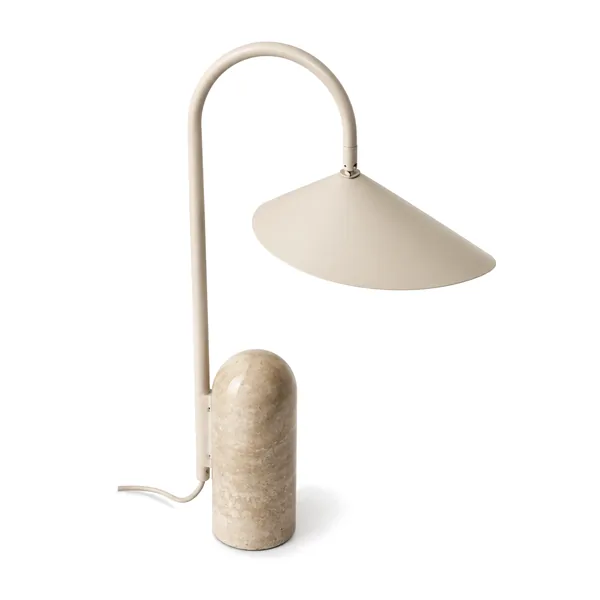
 2 options
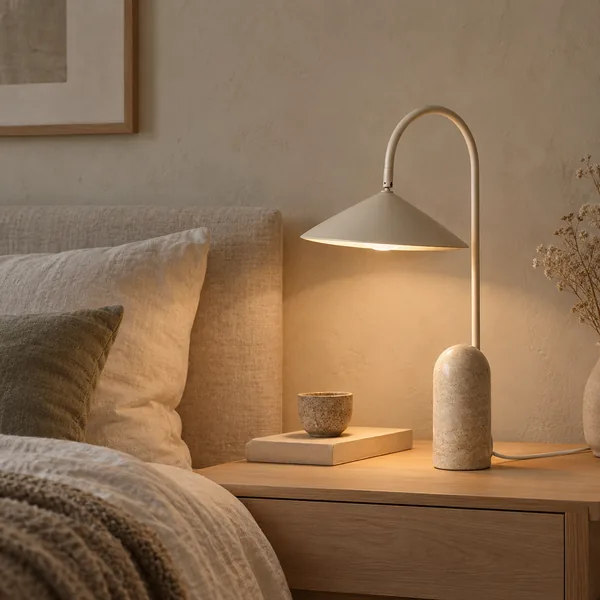
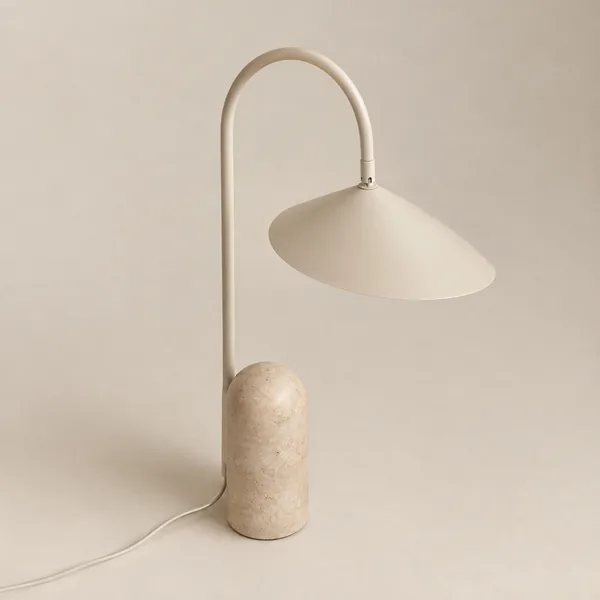
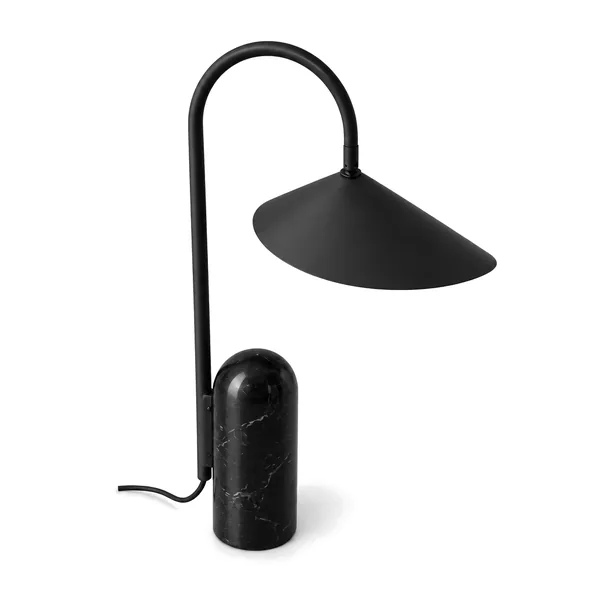
Solvei Danish Minimalist Arc Table Lamp Marble
Edit with Intention
The most cohesive homes aren't necessarily the fullest—they're the most considered. Regularly review your spaces and remove items that no longer serve your vision. This curation process reveals what truly matters to you and allows your best pieces to shine.
Your Home, Your Story
Understanding styles of home decor gives you tools, not rules. The most beautiful spaces ultimately reflect the people who inhabit them—layered with meaning, comfortable for real life, and intentional in every detail. At Skonne, we believe the objects you choose to live with should support your vision while bringing genuine joy to your everyday rituals.
Our Scandinavian-inspired collection offers pieces that honor the principles of simplicity, craftsmanship, and warmth that define truly timeless design. From statement chandeliers that anchor your living room to delicate vases that hold your favorite blooms, each item is selected to help you create spaces that feel like home in the truest sense.
Whether you're drawn to the quiet confidence of Nordic minimalism, the organic warmth of wabi-sabi, or a unique blend that's entirely your own, the right lighting and decor transforms a house into a sanctuary. Start with what speaks to you, build with intention, and trust that your personal style will emerge through every thoughtful choice.
Related Article
Accent Wall Ideas: The Best Home Decor Looks for a Statement Feature WallDiscover stunning accent wall home decor ideas that create visual impact. Transform any room with these designer-approved statement wall tips.