
Analog Wall Clocks: The Best Classic Face Designs for Every Room
Summary›
- Why Analog Clocks Endure in Our Digital Age
- The Four Essential Analog Clock Face Styles
- Room-by-Room Guide to Analog Clock Placement
- How to Choose the Perfect Wall Clock Size
- The Silent Revolution: Why Non-Ticking Clocks Matter
- Craftsmanship Details That Define Quality
- Scandinavian Design Philosophy in Modern Clocks
- Styling Your Analog Clock for Maximum Impact
- Bringing Timeless Design Into Your Home
In a world where digital screens dominate every moment of our day, there's something undeniably grounding about an analog wall clock. The gentle sweep of hands across a classic face doesn't just mark time—it creates a sense of rhythm, intention, and quiet presence in your home. Whether you're curating a minimalist Scandinavian interior or seeking the perfect finishing touch for your living room, the right timepiece can transform how a space feels.
When you choose a clock with a traditional dial over yet another digital display, you're making a statement about how you want to live. This guide explores the most enduring classic face designs, room-by-room placement strategies, and how to find the perfect silent companion for every corner of your home. Along the way, we'll introduce you to thoughtfully designed pieces that balance heritage craftsmanship with contemporary needs.
Why Analog Clocks Endure in Our Digital Age
Despite the ubiquity of smartphones and smart displays, analog clocks continue to hold a special place in thoughtfully designed homes. The question "Are analog clocks becoming obsolete?" misses the point entirely—these timepieces have evolved from mere utility into intentional design statements that digital alternatives simply cannot replicate.
There's psychological comfort in the visual representation of time. A traditional clock face lets you perceive time spatially—the distance between hands creates an intuitive understanding of how much day remains. This contrasts sharply with the anxiety-inducing precision of digital displays. In Scandinavian design philosophy, this aligns with hygge principles: creating environments that foster calm, presence, and wellbeing.
Beyond mood, analog wall clocks serve as anchors in interior spaces. A well-designed clock face draws the eye, creates focal points, and introduces circles and curves that soften architectural lines. They connect us to centuries of clockmaking tradition while adapting to contemporary lifestyles through silent movements and refined material choices.
The Four Essential Analog Clock Face Styles
Understanding the foundational types helps you choose a piece that resonates with your aesthetic. While the question "What are the 4 types of analog clocks?" typically refers to mechanism differences (spring-driven, weight-driven, quartz, and atomic), from a design perspective we can categorize clock faces by their visual language:
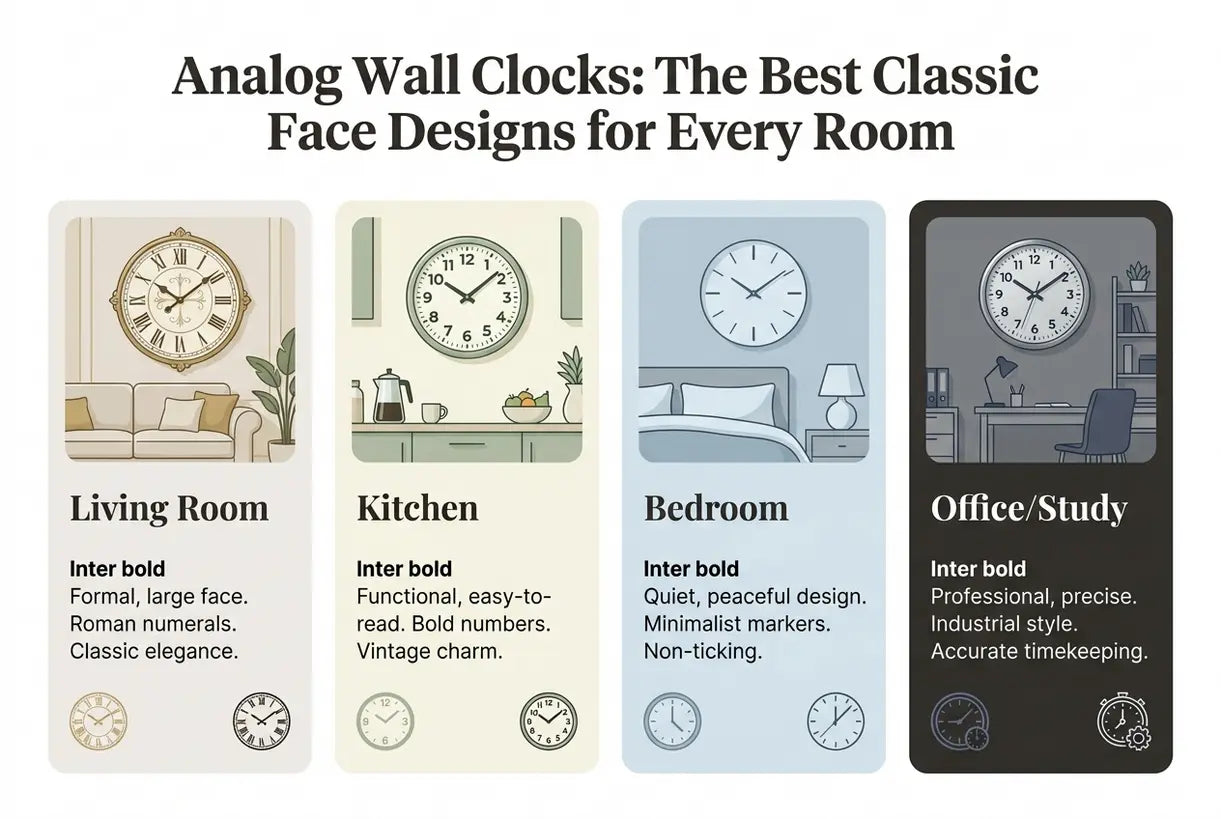
- Roman Numeral Faces: Timeless elegance with Roman numerals offering classical sophistication. These work beautifully in traditional and transitional spaces, bringing Old World charm to entryways and formal living areas.
- Arabic Number Faces: Clear, readable, and versatile. From vintage farmhouse styles to mid-century modern designs, Arabic numerals offer immediate legibility and a friendly, approachable aesthetic.
- Index/Marker Faces: Minimalist indicators—simple lines, dots, or dashes—replace numerals entirely. This Scandinavian-inspired approach emphasizes clean simplicity and works seamlessly in contemporary and Japandi interiors.
- Open/Exposed Movement Faces: These showcase the mechanical beauty underneath, with visible gears and mechanisms becoming part of the visual interest. Perfect for industrial or eclectic spaces where the clock doubles as kinetic art.
Room-by-Room Guide to Analog Clock Placement
Each room in your home presents unique opportunities for clock placement. Beyond simply finding a wall with space, consider sight lines, lighting conditions, and the psychological function of time awareness in that particular zone.
In living rooms, position your clock where it's visible from primary seating areas but not so dominant that it creates time-pressure anxiety. Above a console, flanking a fireplace, or centered on a feature wall all work beautifully. Bedroom Lighting & Decor principles also apply here—choose pieces that contribute to rest rather than stimulation.
Kitchens benefit from clocks positioned at natural sight lines while cooking—near prep areas or visible from the main work triangle. For home offices, classical face designs provide temporal awareness without the digital distraction of checking phones. Bedrooms deserve special consideration: this is where silent, non-illuminated movements become essential for quality sleep.
Decorative Wall Clocks
Shop all Wall Clocks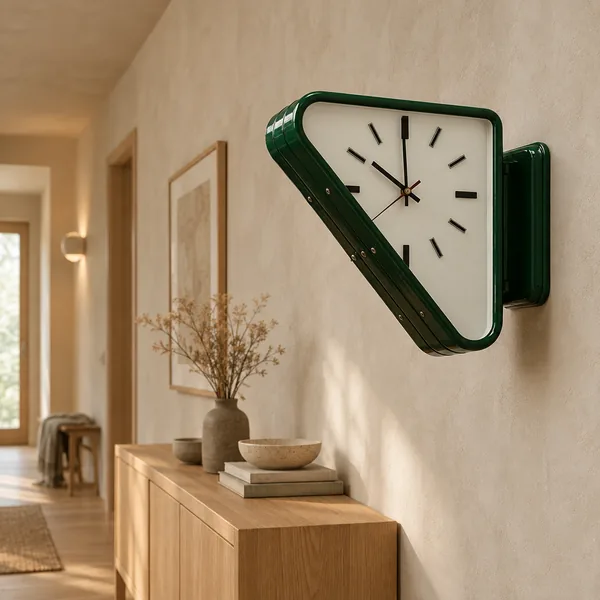
 Save $110.00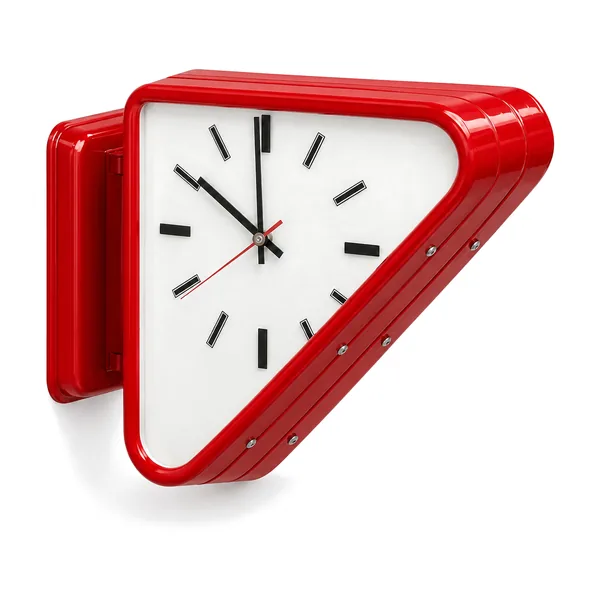
 +15 options
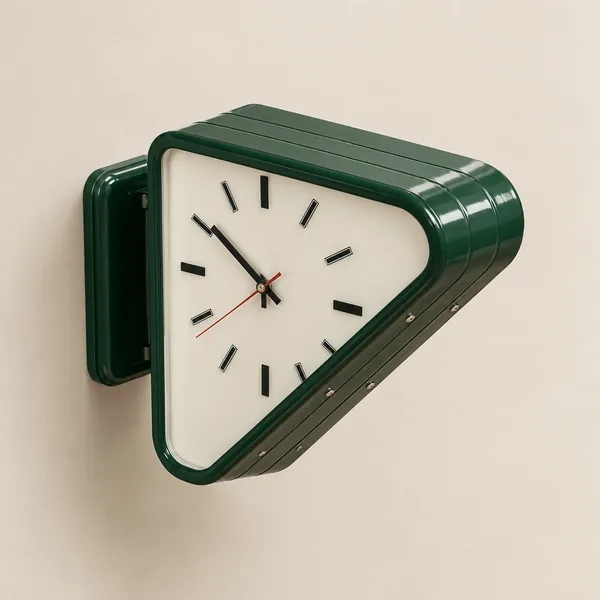
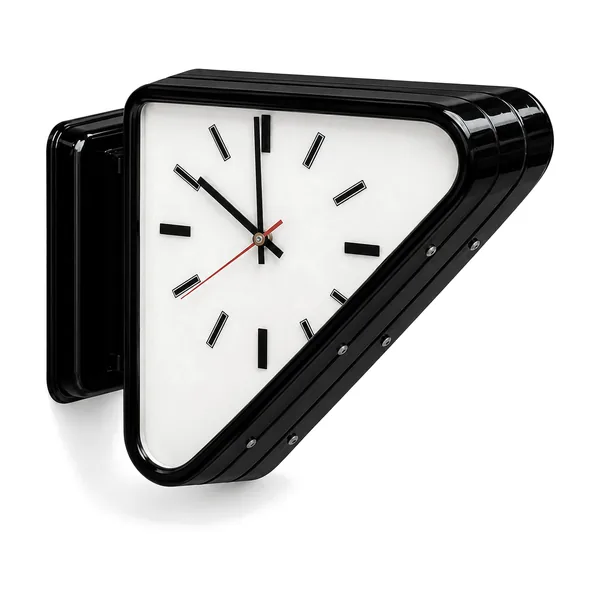
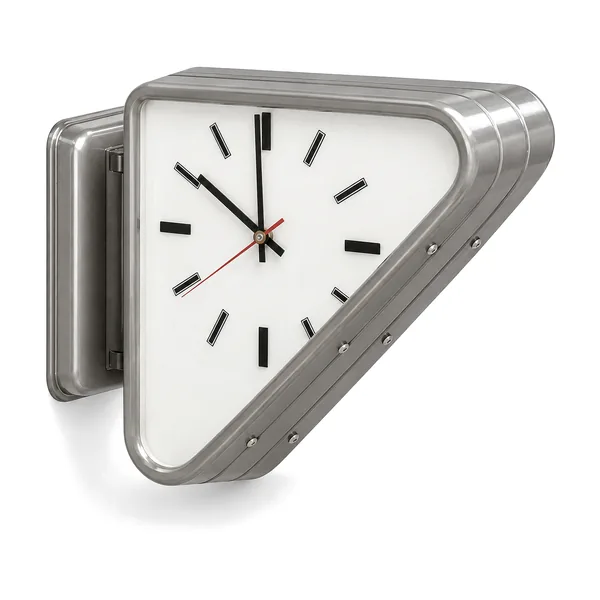
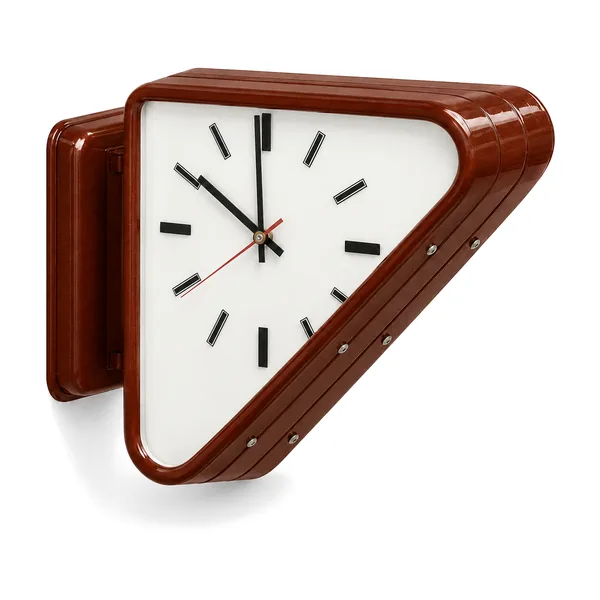
Tvilling Dual-Sided Geometric Metal Wall Clock
 Save $70.00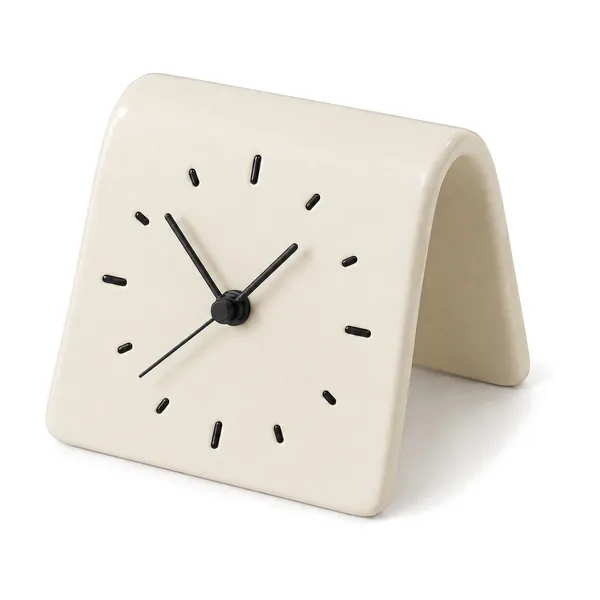
 +37 options
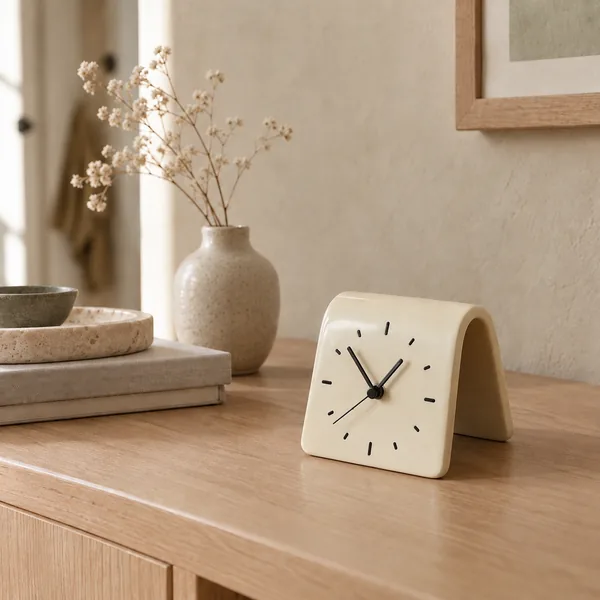
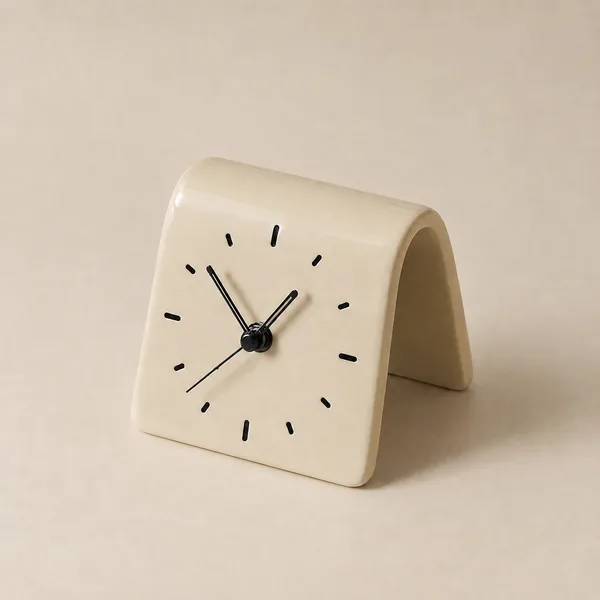
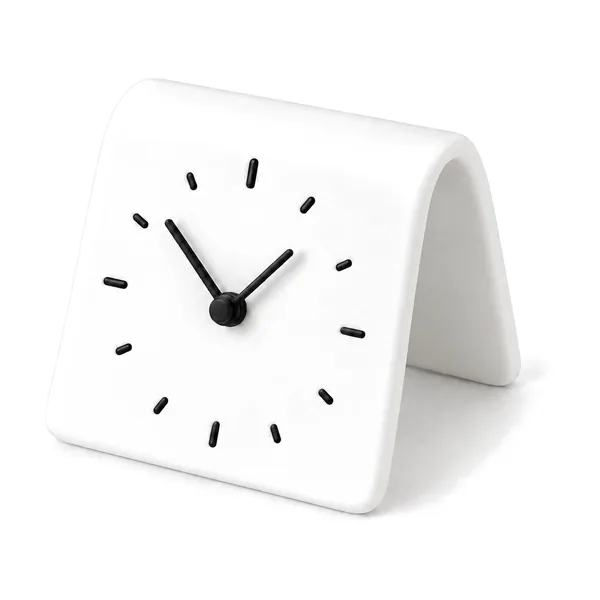
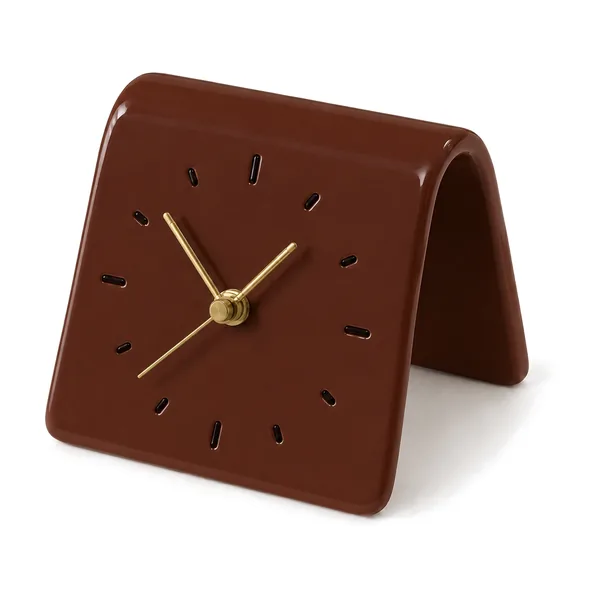
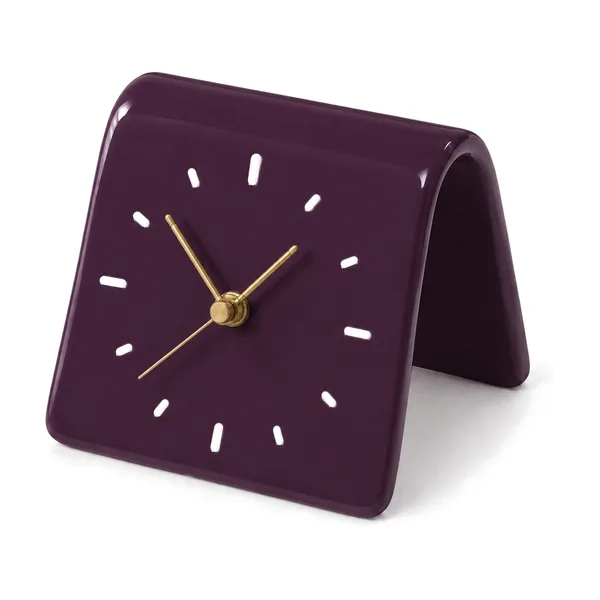
Tilje Silent Ceramic Desk Clock for Modern Homes
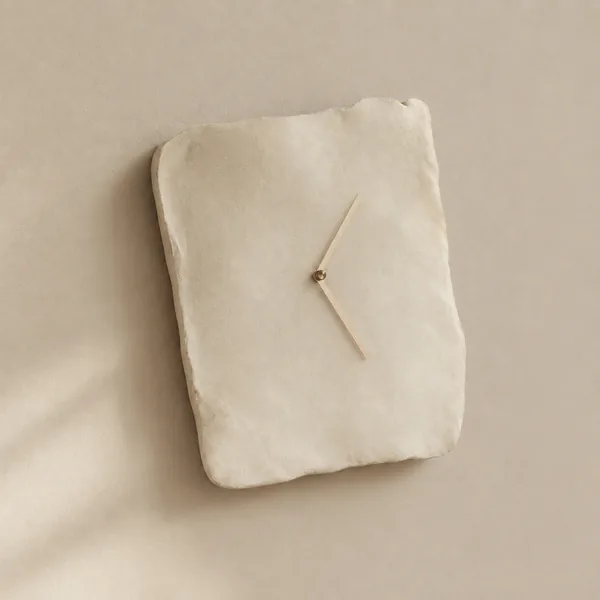
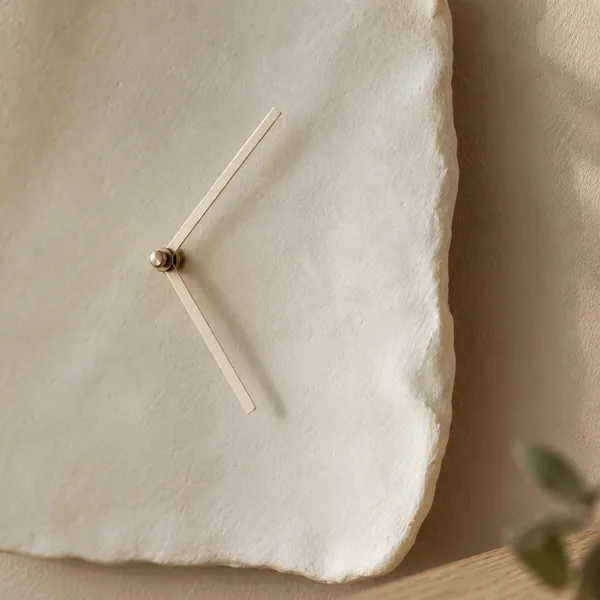 Save $120.00
Stilla Silent Resin Wall Clock Nordic Minimalist
How to Choose the Perfect Wall Clock Size
Proportion is everything when selecting an analog wall clock. The frequently asked question "How do I choose the right wall clock size?" deserves careful consideration, as scale dramatically impacts both aesthetics and functionality.
A general rule: the clock diameter should equal approximately half to two-thirds of the width of the furniture below it. For example, a clock above a 60-inch console should range from 30 to 40 inches in diameter. In rooms with high ceilings, larger clocks (24-36 inches) create proper visual balance and prevent the space from feeling cavernous.
For reading comfort, calculate visibility: a 12-inch clock is readable from about 10-12 feet away, while a 24-inch clock remains legible from 20-24 feet. In open floor plans, consider how the clock reads from multiple vantage points—this is where dual-sided designs become particularly advantageous.
Tvilling Dual-Sided Geometric Metal Wall Clock$269.00$379.00The Silent Revolution: Why Non-Ticking Clocks Matter
Modern analog wall clock design has evolved beyond the maddening tick-tock of childhood memories. Today's quartz movements can operate in complete silence, transforming how and where we place timepieces in our homes. This innovation has been particularly embraced by Scandinavian manufacturers who understand that tranquility is a design feature, not an afterthought.
The bedroom is the most obvious beneficiary of silent technology. Sleep science confirms that rhythmic, repetitive sounds—even subtle ones—can disrupt sleep cycles. A silent clock allows time awareness without sleep interference. But silence matters in living spaces too: open-concept homes amplify sound, and the cumulative effect of ticking from multiple rooms can create subtle background stress.
When shopping for silent options, look specifically for "sweep movement" or "silent quartz" specifications. These indicate the second hand glides continuously rather than advancing in discrete jumps, eliminating both the audible tick and the visual staccato that draws unconscious attention.
Craftsmanship Details That Define Quality
The difference between a disposable clock and a lasting timepiece often comes down to subtle details in material selection and construction. When examining potential purchases, inspect how elements come together—the relationship between the clock face, hands, and housing.
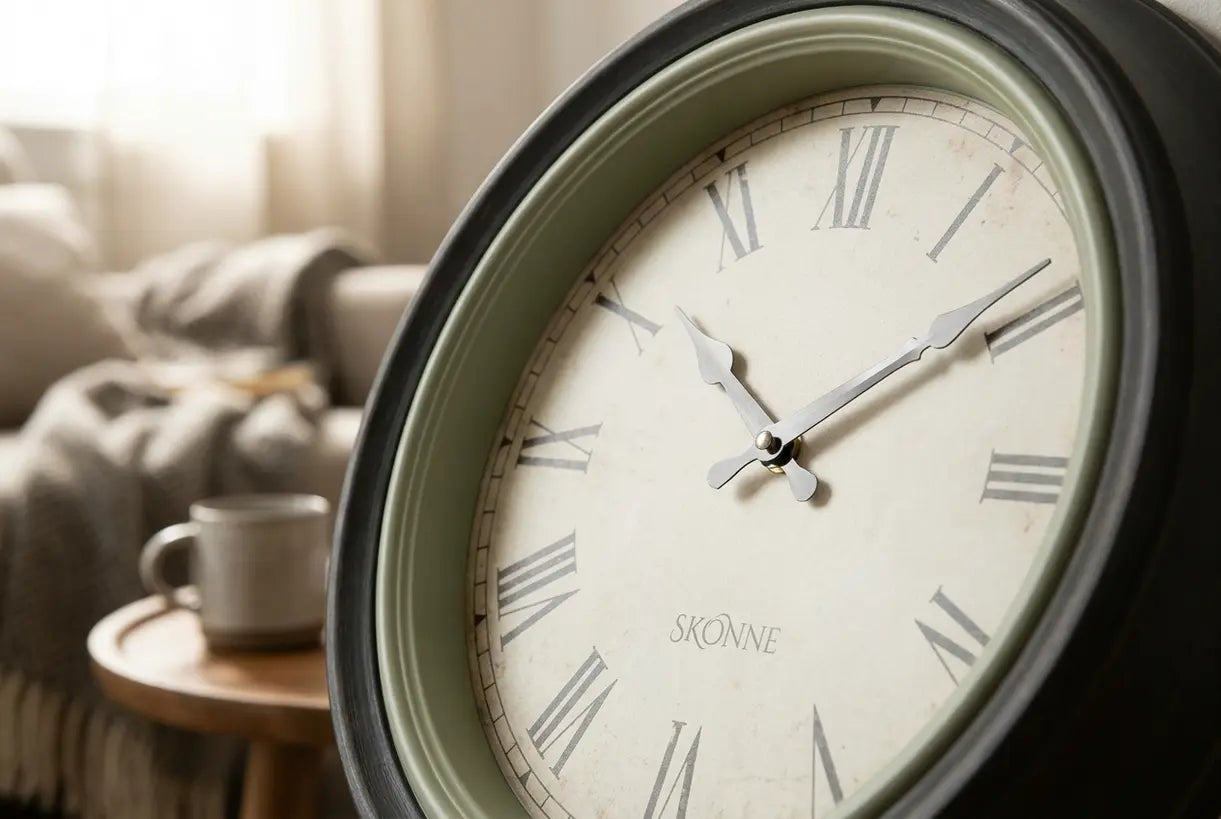
High-quality hands should be substantial enough to cast slight shadows, creating depth and dimensionality. The face backing should resist warping over time—ceramic, wood, and metal outperform composite materials. Numerals or markers should be applied with precision; slightly off-center printing or misaligned indices signal manufacturing compromises.
For those interested in the history and technical evolution of timekeeping, the science of horology offers fascinating insights into how analog mechanisms have been refined over centuries. Understanding this context helps appreciate why certain designs endure while trends fade.
Scandinavian Design Philosophy in Modern Clocks
Nordic design has profoundly influenced contemporary clockmaking, prioritizing intentional simplicity over decorative excess. This philosophy—born from long winters where interior objects receive close, sustained attention—values material honesty and functional beauty.
Scandinavian-inspired clocks typically feature muted color palettes: soft grays, warm whites, natural wood tones, and matte black. Forms tend toward organic curves rather than rigid geometry, recognizing that the home should feel like a living space, not a gallery. The focus remains on the essential: clear time-telling without visual clutter.
Curated Timepieces for Considered Interiors
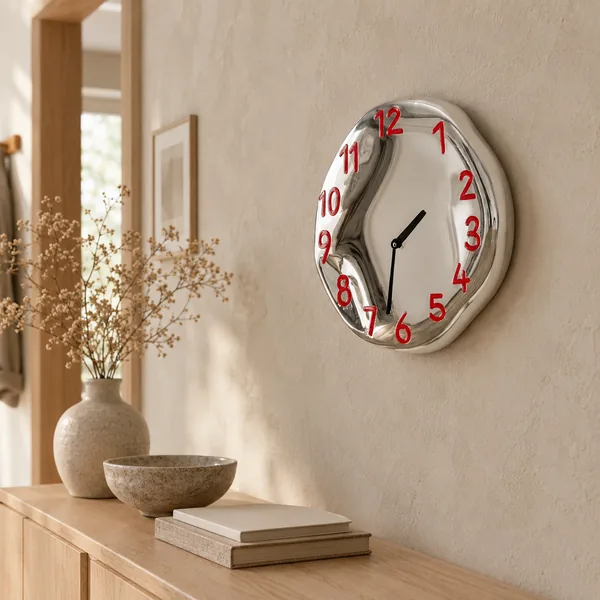 Glansa Chrome Ceramic Wall Clock Silent Quartz$329.00$479.00Stilla Silent Resin Wall Clock Nordic Minimalist$259.00$379.00
Wabi-sabi principles—finding beauty in imperfection and transience—also influence Nordic clock design. Hand-finished surfaces might show subtle variation; organic resin forms echo natural stone; materials age gracefully rather than deteriorating. This approach creates timepieces that become more beautiful with use, developing character rather than simply wearing out.
Living Room Lighting
Shop all Living RoomSave $110.00+15 optionsTvilling Dual-Sided Geometric Metal Wall Clock
 Save $70.00+37 options
Tilje Silent Ceramic Desk Clock for Modern Homes

Styling Your Analog Clock for Maximum Impact
A classic clock face deserves thoughtful presentation. Consider the surrounding wall color and texture—a clock placed on a bold accent wall becomes art, while one on white walls reads as quiet punctuation. The frame material should converse with other metallics and textures in your space.
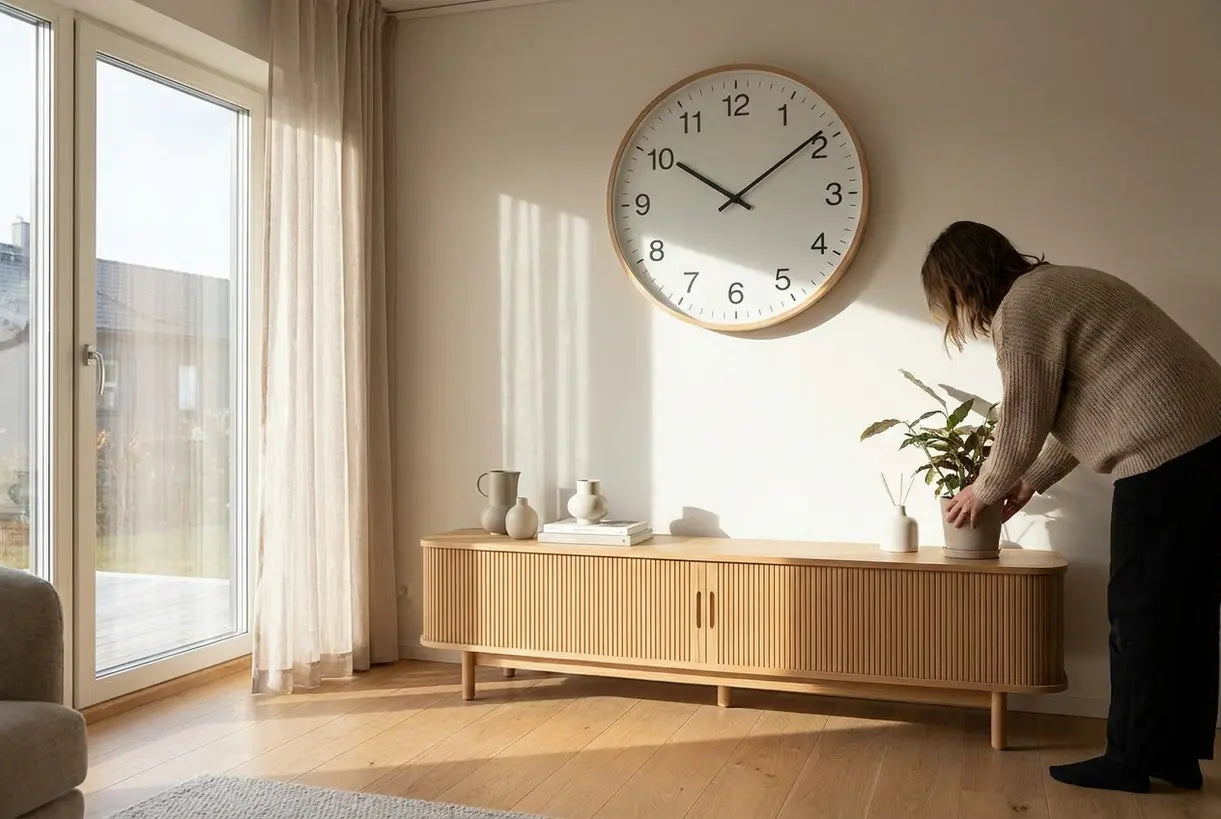
Grouping clocks of different sizes and styles creates gallery-wall interest, but be intentional—odd numbers work better than even, and maintaining some common thread (all metal frames, similar numeral styles) prevents visual chaos. Alternatively, let a single oversized clock command its space as a statement piece.
Lighting matters tremendously. Position clocks where natural or intentional artificial light illuminates the face without creating harsh glare. In the Northern European tradition, warm lighting at proper angles transforms a clock from invisible to inviting as evening approaches.
Design Tip: When styling a console or mantel beneath your clock, follow the "triangle rule"—arrange objects in a subtle triangular formation with the tallest point at the clock's center, creating visual flow between the timepiece and accessories below.
Bringing Timeless Design Into Your Home
Selecting an analog wall clock is ultimately about choosing how you want to experience time in your space. The best designs do more than tell hours and minutes—they create presence, encourage mindful moments, and contribute to the overall warmth of your home.
As you explore options, prioritize pieces that balance aesthetic appeal with genuine functionality. Consider where silence matters most, what size creates proper proportion in your space, and which face style speaks to your personal design language. A well-chosen clock becomes a daily companion, quietly marking the rhythm of your life.
At Skonne, we curate timepieces that honor Scandinavian design principles while meeting contemporary needs. Each piece in our collection has been selected for its ability to elevate everyday spaces—the places where you gather, rest, work, and dream. Discover clocks that don't just tell time, but help you treasure it.
Related Article
Minimalist Wall Clocks: Clean, Simple Designs for Understated InteriorsDiscover how minimalist wall clocks can anchor your space with quiet sophistication. Explore clean designs, styling tips, and Scandinavian-inspired timepieces for understated interiors.