
Antique & Vintage Milk Glass Pendant Lights: Timeless Opal Fixtures for Classic Interiors
Summary›
- Understanding Antique Milk Glass Pendant Lights
- Identifying Authentic Vintage Milk Glass Fixtures
- Popular Styles of Milk Glass Pendant Lights
- Where Should You Hang Milk Glass Pendant Lights?
- Modern Interpretations That Honor Vintage Aesthetics
- Caring for Your Antique Milk Glass Lighting
- Conclusion: Illuminating Your Space with Timeless Character
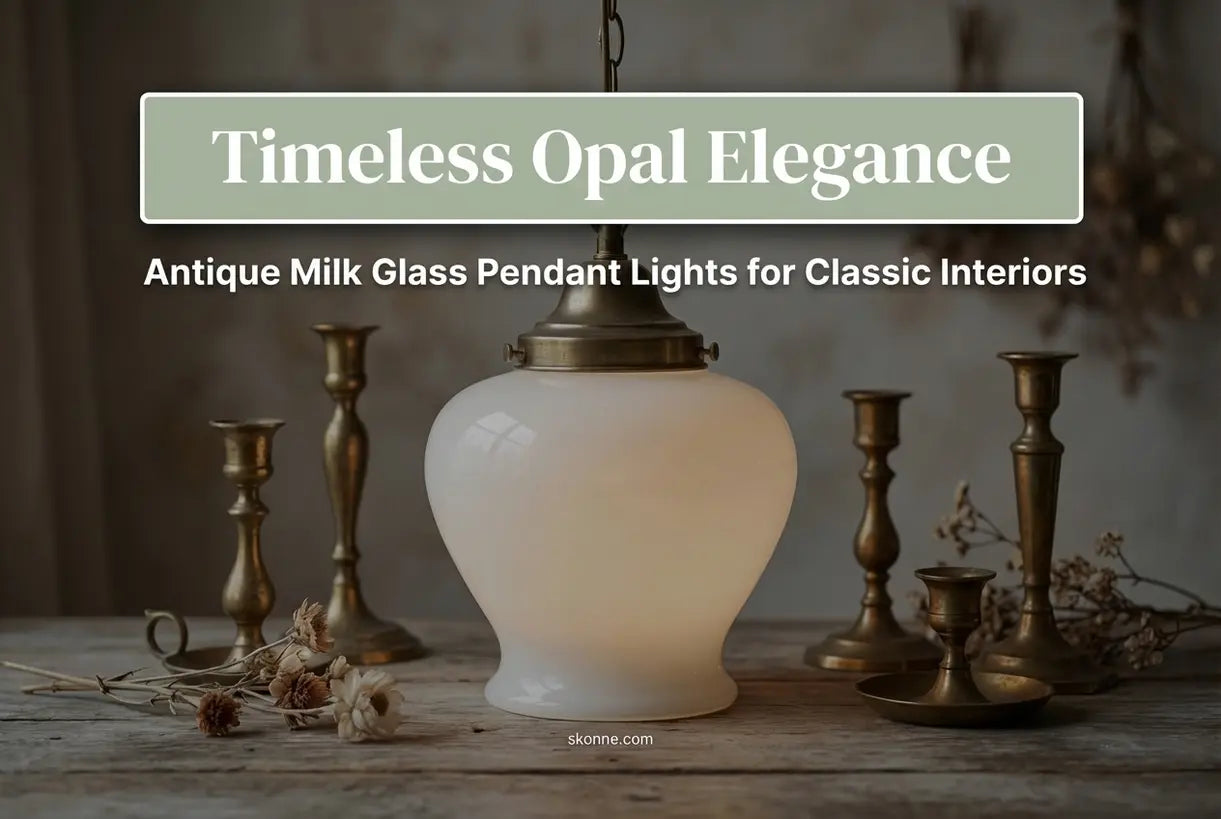
There's something undeniably enchanting about lighting that carries history within its form. Antique milk glass pendant lights have captivated interior designers and homeowners for generations, offering that rare combination of soft illumination and vintage elegance that transforms ordinary spaces into curated sanctuaries. Whether you're restoring a Craftsman bungalow, designing a farmhouse kitchen, or simply seeking to infuse your modern home with character, these opal glass fixtures provide the perfect bridge between past and present.
At Skonne, we understand the hygge-inspired longing for warmth and intentionality that draws people to vintage milk glass pendant light designs. This guide explores the timeless appeal of these translucent treasures—from identifying authentic antique pieces to understanding where they work best in contemporary interiors. We'll walk you through the distinctive styles available, share expert care tips for preserving delicate glasswork, and reveal how today's artisans are reimagining these classic silhouettes for modern living.
Understanding Antique Milk Glass Pendant Lights
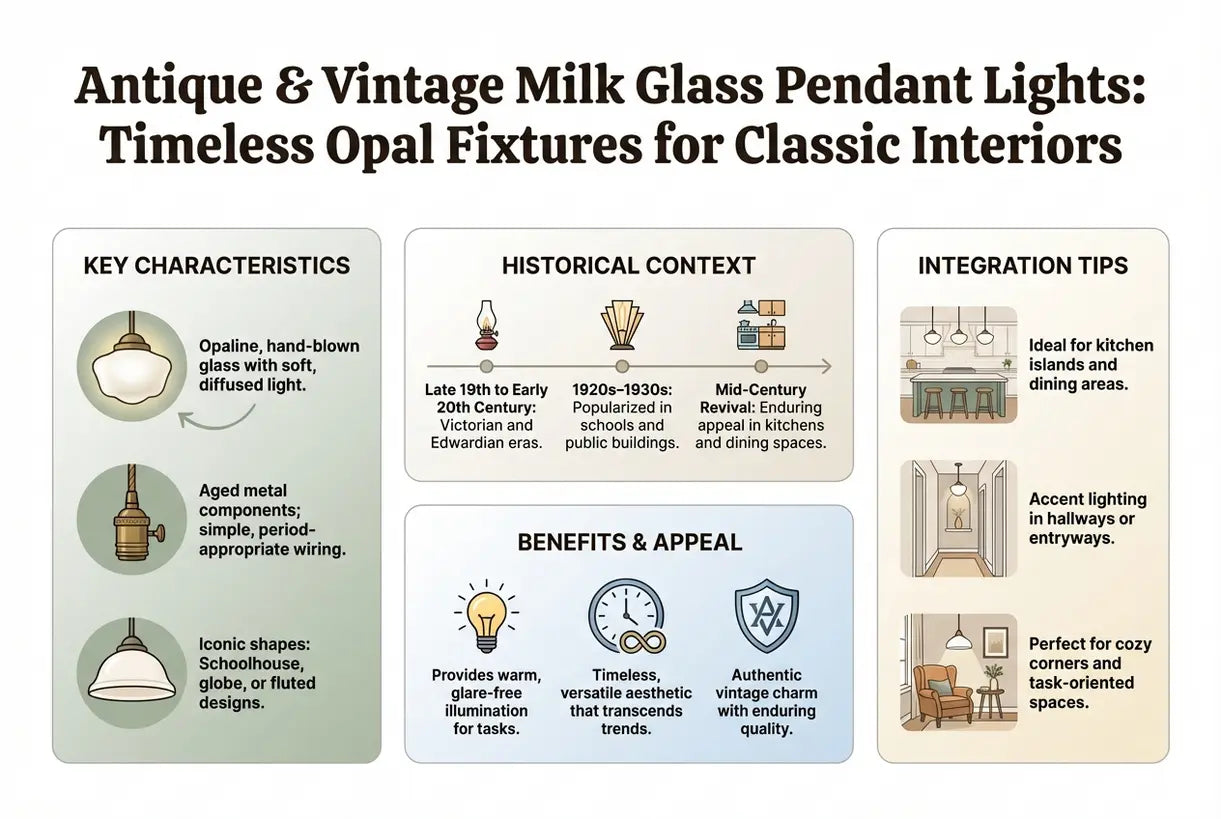
What is an antique milk glass pendant light? At its core, milk glass is an opaque or translucent white glass created by adding tin oxide, bone ash, or other opacifiers to molten glass. The result is that signature creamy, milky appearance that diffuses light beautifully, creating a soft glow rather than harsh illumination. When shaped into pendant form and suspended from the ceiling, these fixtures become focal points that draw the eye upward while bathing rooms in warm, atmospheric light.
The history of milk glass lighting spans over a century, with peak production occurring during the 1920s through 1950s. American glass manufacturers like Westmoreland, Fenton, and Federal Glass Company perfected techniques for creating durable yet delicate-looking shades that could withstand daily use while maintaining their ethereal beauty. These original vintage pieces were particularly popular in schoolhouses, libraries, and domestic kitchens—anywhere that required practical illumination without sacrificing aesthetic appeal.
The Enduring Appeal of Opal Glass
What makes antique milk glass lighting so sought-after today? Beyond nostalgia, these fixtures offer functional advantages that contemporary designs often overlook. The opal glass pendant light naturally filters LED and incandescent bulbs, reducing glare and creating that coveted "golden hour" ambiance at any time of day. Unlike clear glass shades that expose harsh bulb filaments, milk glass provides a diffused, moon-like glow that flatters skin tones and makes spaces feel immediately more inviting.
For collectors and design enthusiasts, each vintage piece tells a story. The slight variations in thickness, the hand-finished edges, and the subtle imperfections of antique manufacturing create character that mass-produced modern fixtures simply cannot replicate. This authenticity resonates deeply with the Skonne philosophy of intentional, curated living—surrounding yourself with objects that carry meaning and craftsmanship.
Identifying Authentic Vintage Milk Glass Fixtures
When hunting for genuine antique pieces versus reproductions, knowing what to look for ensures you invest in quality that lasts. Authentic vintage milk glass pendant lights typically feature specific characteristics that betray their age and provenance.
Hardware and Construction Clues
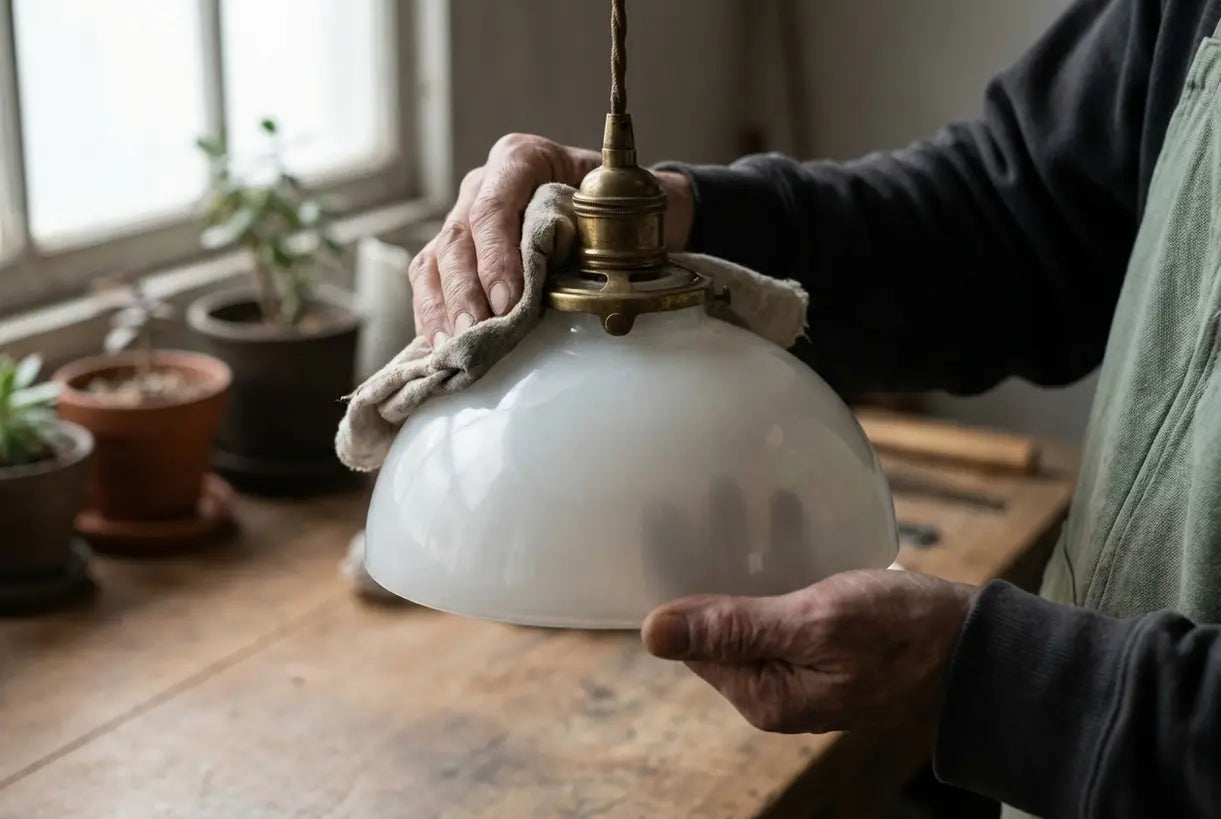
Original vintage fixtures often feature brass or bronze hardware that has developed a natural patina over decades. Look for cloth-wrapped wiring (which may need replacement for safety), cast metal sockets marked with manufacturer stamps, and mounting hardware that shows authentic wear patterns. The glass itself should feel substantial—antique milk glass is typically thicker and heavier than modern reproductions, with a slightly waxy or silky texture when touched.
Glass Quality and Markings
Examine the milk glass globe pendant light or shade for signs of hand-finishing. Vintage pieces often display subtle mold lines, slight variations in opacity, or tiny air bubbles trapped within the glass—these "imperfections" are actually hallmarks of artisanal manufacturing. Some high-end antique pieces bear etched manufacturer marks on the shade interior or socket housing, though many remain unmarked.
If you're drawn to the aesthetic but prefer modern electrical safety standards, consider contemporary fixtures that honor traditional forms. Our Glass Lighting collection offers pieces that capture the soul of vintage design while meeting today's safety certifications.
Glass Pendant Lights
Shop all Glass Pendant Lights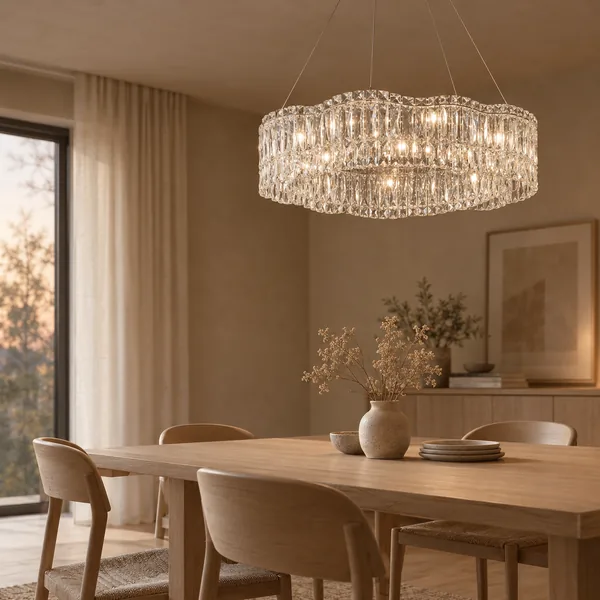
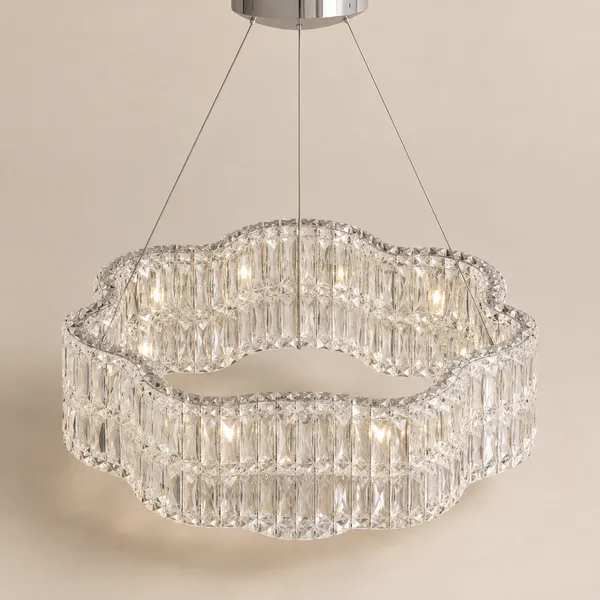 Save $200.00
Halvring K9 Crystal Halo LED Chandelier Light
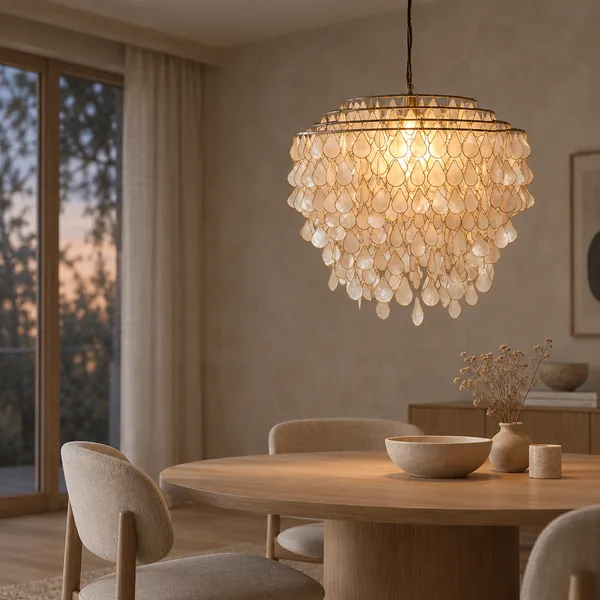
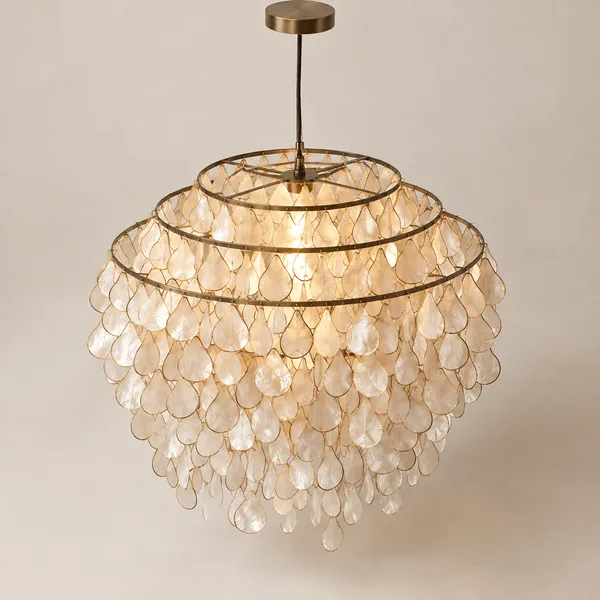 Save $370.00
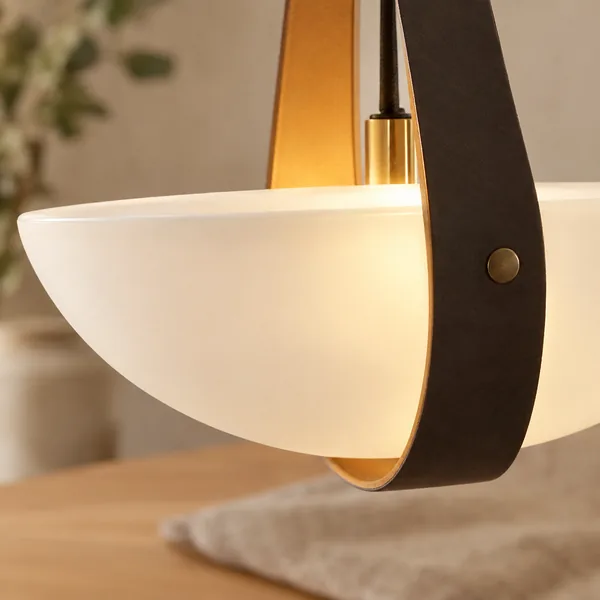
Skjelva Nordic Retro Shell Pendant Chandelier
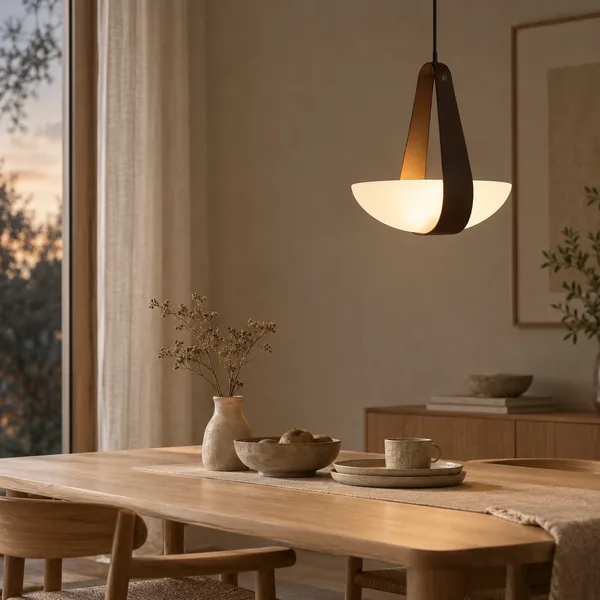
 Save $460.00
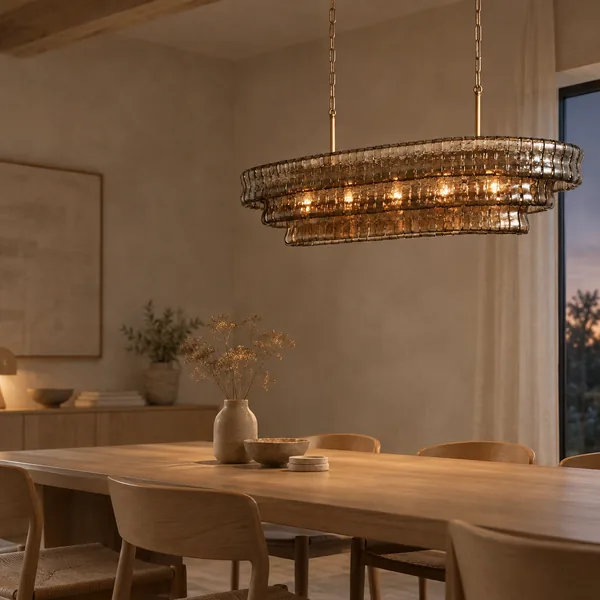
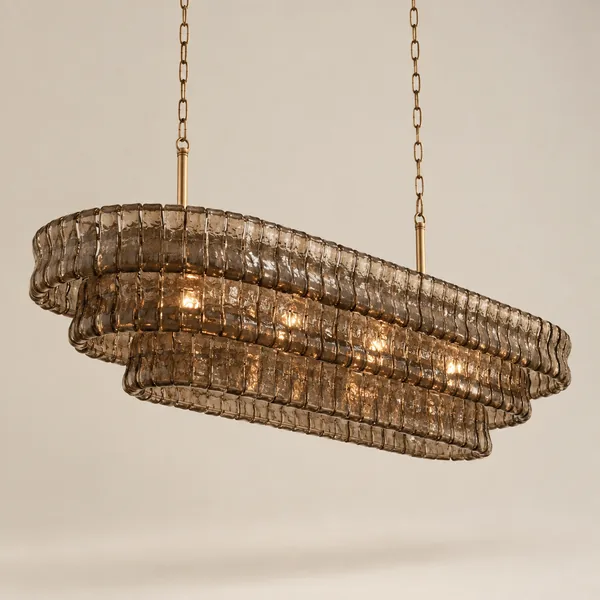
Dimma Smoky Gray Glass Chandelier Dining Room
Popular Styles of Milk Glass Pendant Lights
The world of art deco milk glass pendant light designs offers remarkable diversity, from the utilitarian to the ornate. Understanding these distinct styles helps you select fixtures that complement your architectural details and personal taste.
Schoolhouse Pendants
Perhaps the most recognizable style, schoolhouse milk glass pendant lights feature wide, cylindrical shades with flared edges. Popularized in public institutions during the early 20th century, these fixtures provided broad light distribution ideal for task lighting. Today, they bring vintage gravitas to kitchen islands and dining areas while maintaining a clean, utilitarian aesthetic that works surprisingly well in modern homes.
Scalloped and Ruffled Designs
For those drawn to more decorative options, scalloped milk glass pendants feature crimped or wavy edges that soften the fixture's profile. These romantic silhouettes pair beautifully with farmhouse sinks, vintage vanities, or cottage-style bedrooms. The undulating edges create interesting shadow patterns on walls and ceilings, adding another layer of visual interest to your lighting scheme.
Globe and Orb Fixtures
Spherical milk glass globe pendant light designs offer a mid-century modern appeal that bridges Art Deco glamour with Scandinavian minimalism. These fixtures work exceptionally well in clustering configurations above dining tables or in entryways where you want to make a sophisticated statement without overwhelming the space.
Where Should You Hang Milk Glass Pendant Lights?
Strategic placement maximizes the impact of these luminous fixtures while honoring their functional heritage. Where should you hang milk glass pendant lights? The answer depends on the atmosphere you wish to create and the architectural constraints of your space.
Kitchen Islands and Countertops
The diffused glow of milk glass schoolhouse lights makes them ideal for food preparation areas. Hang them 30-36 inches above countertop surfaces for task lighting that doesn't create harsh shadows. When using authentic antique pieces, ensure they are properly rewired and grounded by a professional electrician to meet current kitchen safety codes.
Dining Room Drama
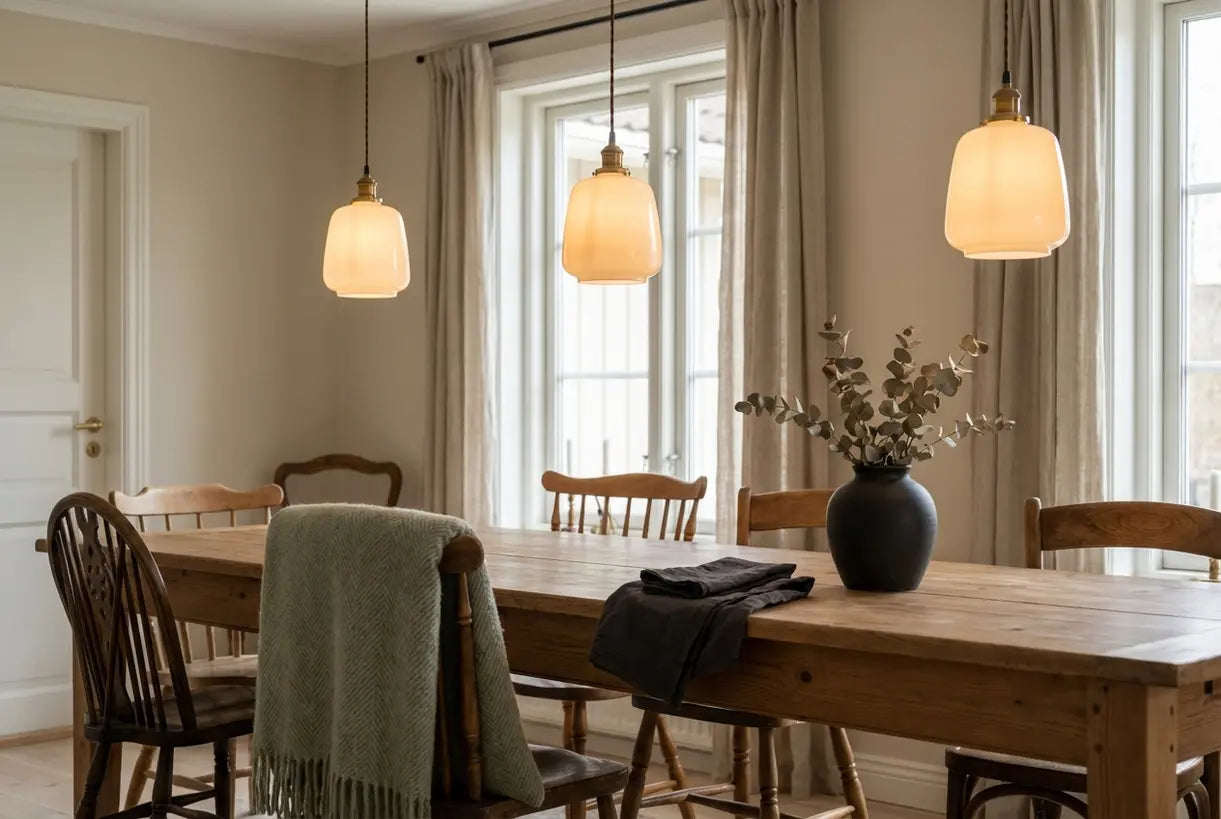
Over dining tables, vintage milk glass pendants create intimate pools of light that encourage lingering conversation. Consider hanging a single large scalloped pendant for smaller tables, or cluster multiple art deco milk glass pendant light fixtures at varying heights for modern interpretations of 1920s glamour. The key is maintaining 30-36 inches of clearance above the table surface for sightlines and ambiance.
Entryways and Hallways
The welcoming warmth of opal glass makes these fixtures perfect for transitional spaces. A single milk glass pendant in an entryway immediately signals thoughtful design to arriving guests, while hallway installations create rhythmic visual interest that draws visitors deeper into the home.
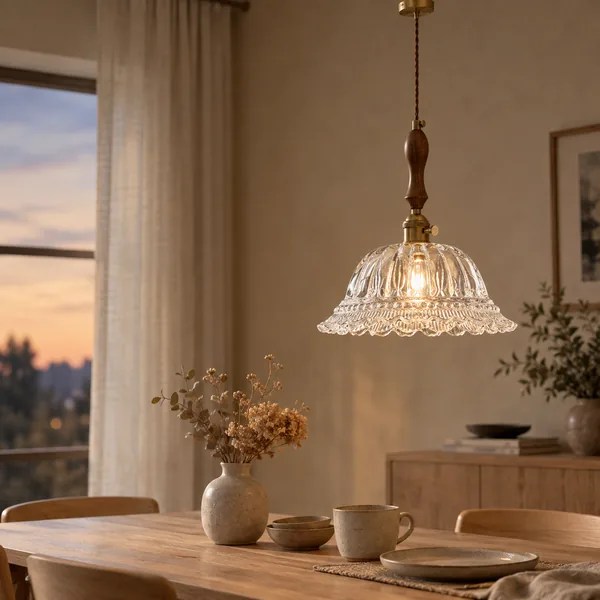 Gloda Walnut Brass French Style Pendant Light$169.00$229.00
Modern Interpretations That Honor Vintage Aesthetics
While antique originals hold undeniable charm, contemporary manufacturers have mastered the art of recreating that coveted milk glass aesthetic with modern conveniences. Today's vintage milk glass pendant light reproductions often feature dimmable LED compatibility, adjustable cord lengths, and UL-listed components that satisfy contemporary building codes.
The Gloda Walnut Brass French Style Pendant Light exemplifies this marriage of old and new, bringing French vintage warmth through its walnut and brass construction while offering the soft, diffused glow reminiscent of authentic milk glass through its frosted glass diffuser. Similarly, the sculptural Glødform Nordic Hand-Blown Glass Pendant Light employs artisan glassmaking techniques to capture the warm, atmospheric quality that made antique fixtures timeless, while the Glora Glass Globe Pendant Light offers an accessible entry point into the schoolhouse aesthetic with its minimalist globe silhouette.
Curated Milk Glass Inspired Pendants
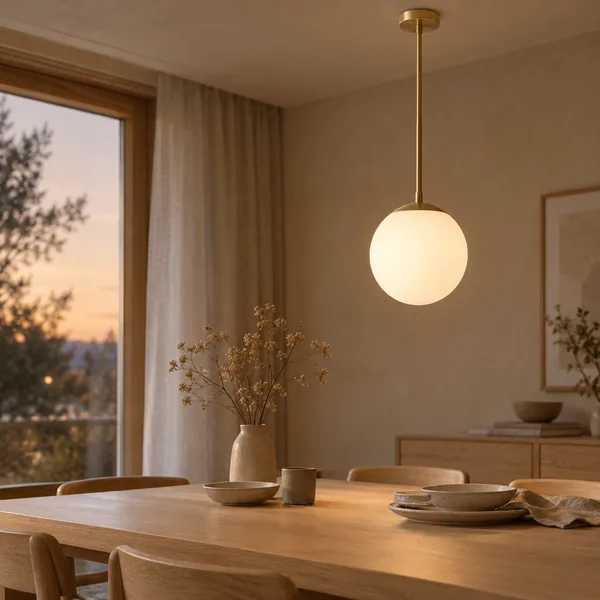 Glöra Minimalist Glass Globe Pendant Light Lamp$89.00$139.00
Caring for Your Antique Milk Glass Lighting
Preserving the beauty of vintage glass requires gentle handling and informed cleaning practices. How do you clean antique milk glass pendant lights? The key is avoiding harsh chemicals that can etch or discolor aged glass surfaces.
Safe Cleaning Protocols
Always turn off and cool the fixture completely before cleaning. Use a soft microfiber cloth dampened with warm water and mild dish soap—never spray cleaners directly onto the glass, as moisture can seep into antique hardware and socket assemblies. For stubborn dust in scalloped edges or etched patterns, use a soft-bristled camera lens brush or clean makeup brush to dislodge debris before wiping.
Preventing Damage
Avoid abrasive scrubbers, ammonia-based cleaners, and vinegar solutions, which can degrade the smooth surface of milk glass over time. When removing shades for cleaning, work over a padded surface and support the glass evenly—antique milk glass can develop hairline cracks from uneven pressure or thermal shock.
Pro Tip: If you own authentic 1920s milk glass chandeliers or pendants, consider having them professionally rewired every 15-20 years. Older wiring insulation becomes brittle with age and can pose safety hazards despite appearing intact externally.
Pendant Lights
Shop all Pendant Lights
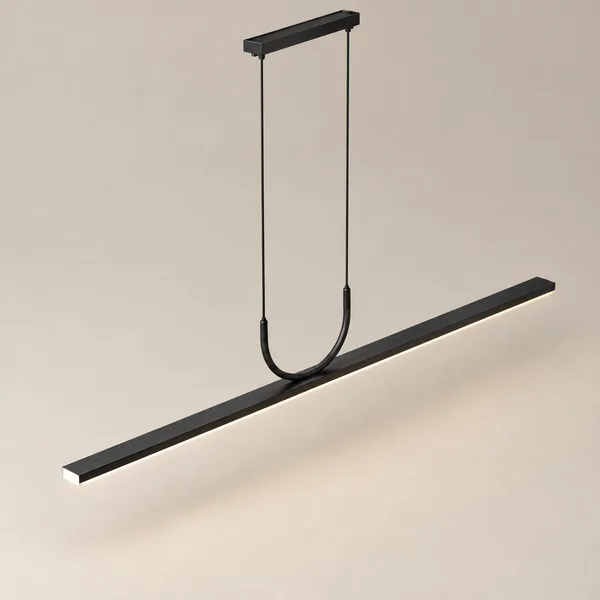 Save $140.00
Linné Minimalist Linear Black LED Pendant Light
 Save $60.00
 3 options
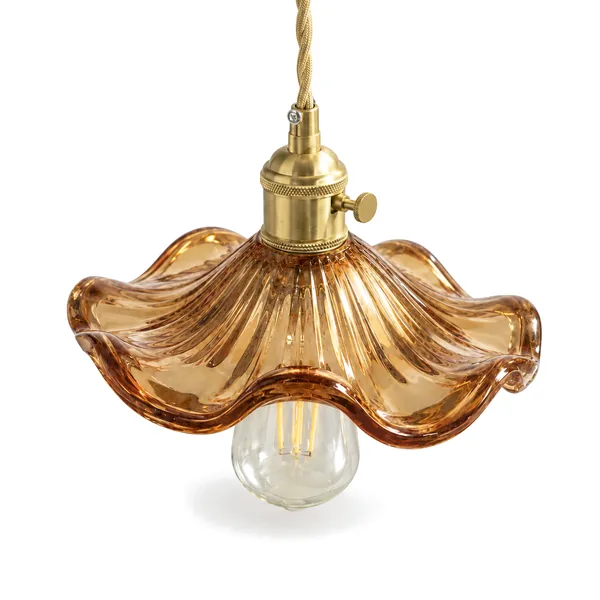
Glora Nordic Glass Pendant Light with Copper
 Save $120.00
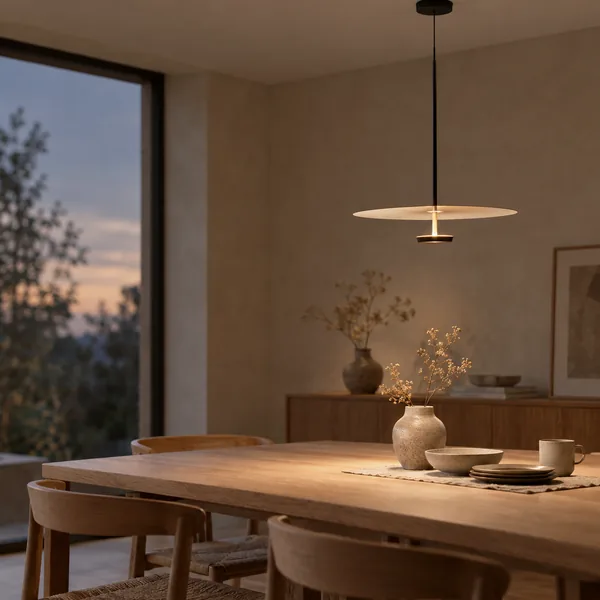
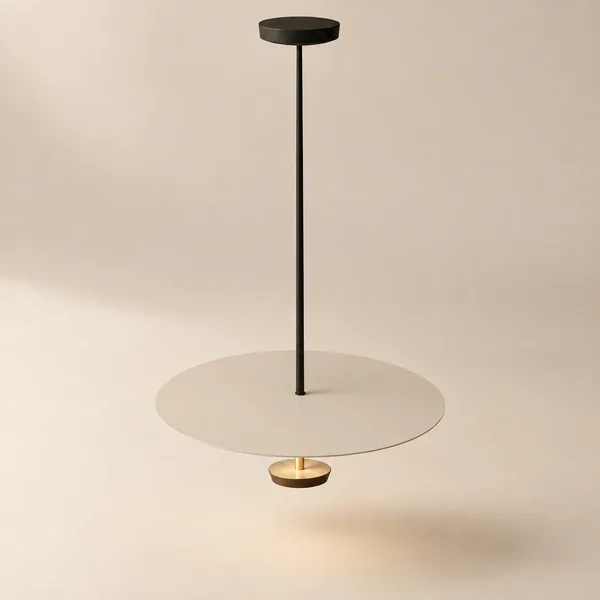
Skiva Nordic Saucer Ceiling Pendant Light LED
Conclusion: Illuminating Your Space with Timeless Character
Antique milk glass pendant lights offer more than mere illumination—they provide a tangible connection to craftsmanship traditions that valued beauty alongside utility. Whether you choose authentic vintage opal fixtures or contemporary interpretations that honor those classic silhouettes, these versatile pendants bring warmth, sophistication, and that ineffable hygge quality to any interior.
At Skonne, we curate lighting collections that capture the soul of Scandinavian and vintage European design while meeting modern standards for safety and functionality. From the walnut and brass warmth of our French-inspired pieces to the artisan glasswork of our Nordic collection, each fixture in our catalog is selected to help you create those meaningful, light-filled moments that transform houses into homes. Explore our complete Glass Lighting collection today and discover how timeless opal glass can elevate your everyday spaces.
Related Article
Glass Shade Pendant Lights: How to Choose the Right Shade Style for Every InteriorDiscover how to select the perfect glass shade pendant light for every interior. From clear to smoky finishes, learn which style suits your kitchen, dining room, and living spaces.