
Antique Table Lamps: Timeless Vintage Designs for Classic & Eclectic Interiors
Summary›
- Recognizing Valuable Antique Table Lamps
- Authenticating Vintage Character in Modern Pieces
- Proportions and Placement: The 58-64 Inch Rule
- Historical Periods That Define Vintage Lighting
- Creating Layered Lighting with Contemporary Vintage Designs
- Styling Antique Table Lamps in Modern Interiors
- Conclusion: Choosing Light That Lasts
An antique table lamp carries stories that mass-produced fixtures simply cannot replicate. Whether you are drawn to the weight of aged brass, the patina of handcrafted ceramics, or the organic warmth of vintage wood, these pieces do more than illuminate a room. They anchor your space with intention and character.
Finding the right vintage table lamp is not merely about aesthetics. It is about creating moments of calm in a busy world. When the evening arrives and your lamp casts that first golden pool of light across the room, everything shifts. The day softens. And for those curious about collecting, understanding what makes an antique lamp valuable opens up a world of craftsmanship worth preserving.
What draws people to these pieces is rarely complicated. It is the human element. The slight irregularity in a hand-turned base. The way decades of use have worn smooth a once-rough edge. In a world of disposable lighting, an antique table lamp reminds us that beautiful things age beautifully.
Recognizing Valuable Antique Table Lamps
The question of value extends beyond simple age. A genuine classic lighting piece from the 1920s or 1940s carries worth through its materials, construction methods, and provenance. Makers marks stamped into metal bases, manufacturer labels hidden beneath felt-bottomed bases, and hand-soldered joints all signal authenticity.
Materials matter enormously. Heavy cast bronze commands respect. Hand-blown glass retains a slight wobble that machine production erases. Original wiring, even when non-functional, tells a story. Collectors prize lamps from the Art Deco period for their geometric precision, while pieces from the 1950s showcase the organic curves that defined mid-century modern taste.
For those new to collecting, condition is negotiable. Patina is preferred over polish. Original shades, when present, multiply value significantly. The market for antique lamps 1920s through vintage lamps 1950s remains robust because these pieces bridge utility and sculpture so gracefully.
Table Lamps
Shop all Table Lamps
 Save $30.00
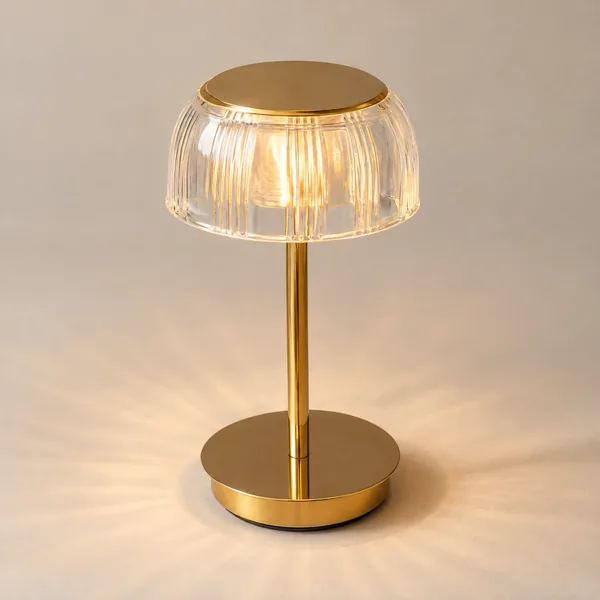
Kvalla Jellyfish LED Rechargeable Table Lamp
 Save $60.00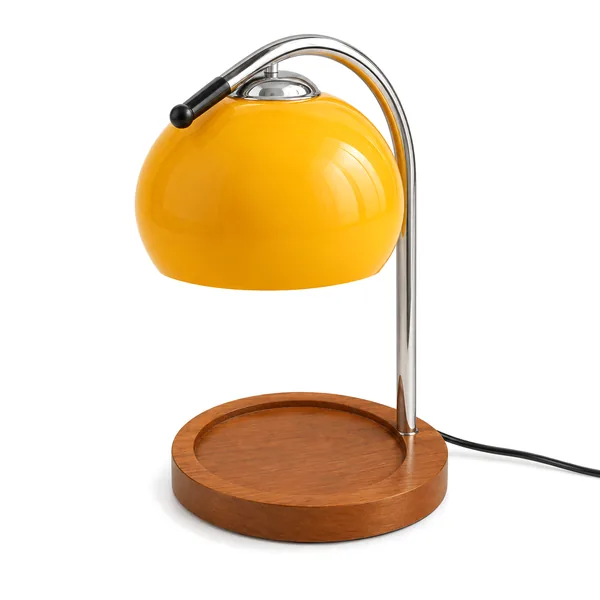
 3 options
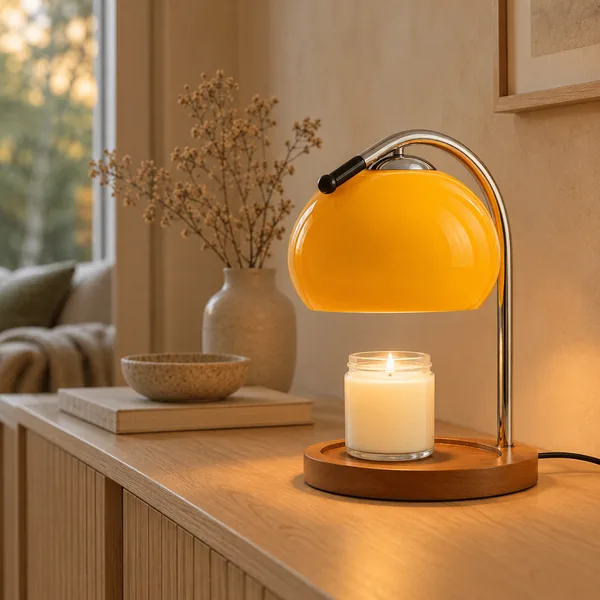
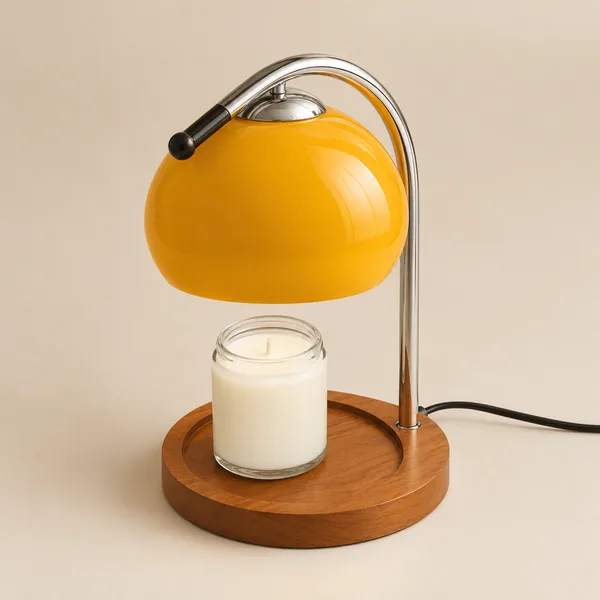
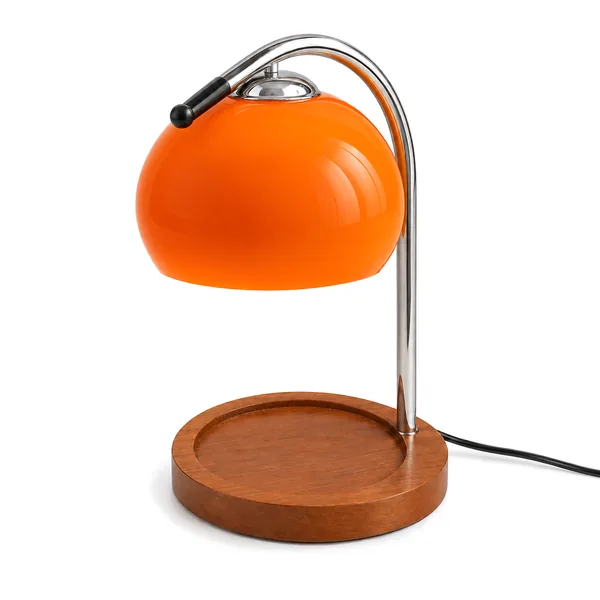
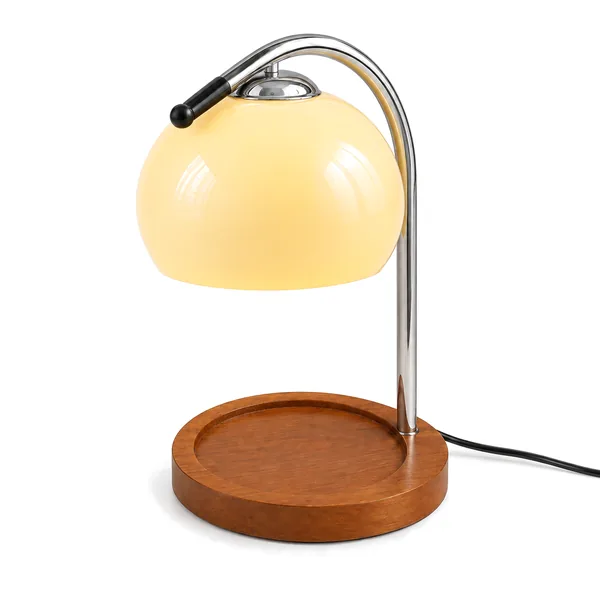
Solvarm Stained Glass Candle Warmer Table Lamp
 Save $220.00
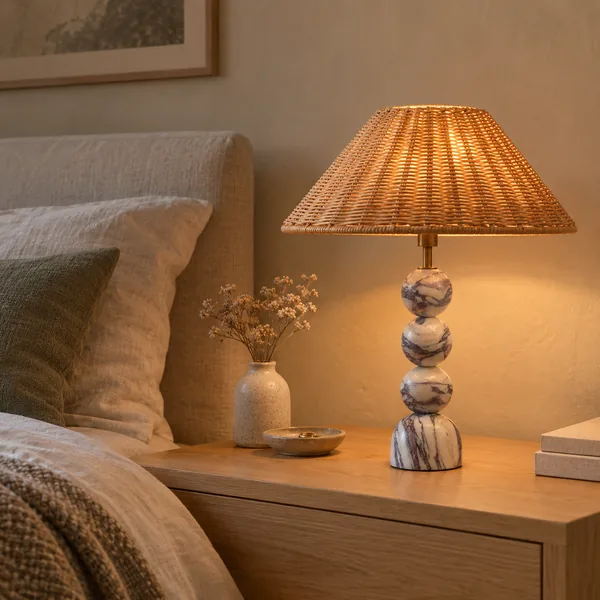
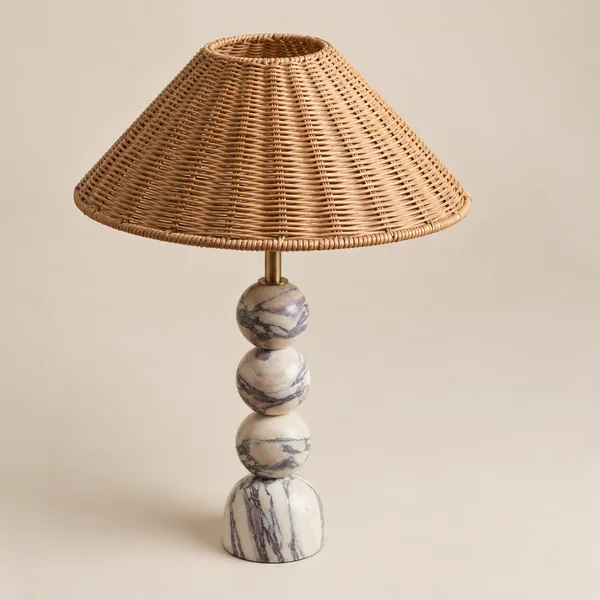
Stenglo Nordic Marble Table Lamp Rattan Shade
When authenticity feels uncertain, consult reference materials on manufacturers like Bradley & Hubbard, Handel, or the Pairpoint Corporation. These companies produced lamps intended to last generations, using techniques labor-intensive enough to seem almost extinct today.
Authenticating Vintage Character in Modern Pieces
Not everyone has the budget, time, or patience to hunt for authentic period pieces. Yet the desire for that layered, lived-in aesthetic remains strong. This is where thoughtfully designed contemporary lamps reference vintage sensibilities without the fragility or price point of genuine antiques.
The Scandinavian Lighting collection at Skonne bridges this gap beautifully. These pieces honor the materials and proportions that define classic lighting while offering the safety and efficiency of modern construction.
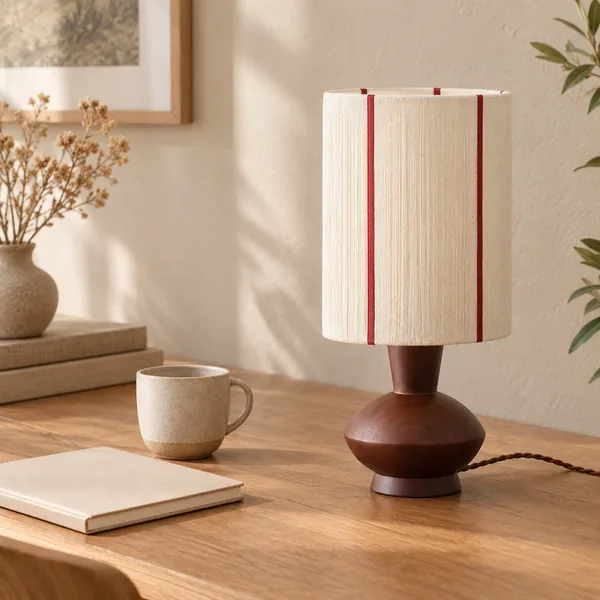 Vedra Solid Wood Vintage Table Lamp with Rope$299.00$509.00
Consider the Vedra Solid Wood Vintage Table Lamp with Rope. Its hand-wound hemp rope accents and warm wood tones do not mimic old design. They continue it. The texture invites touch. The silhouette feels familiar yet fresh. For anyone seeking the atmosphere of an antique without the complication of vintage wiring or missing parts, this piece delivers the vintage ambiance of a treasured find.
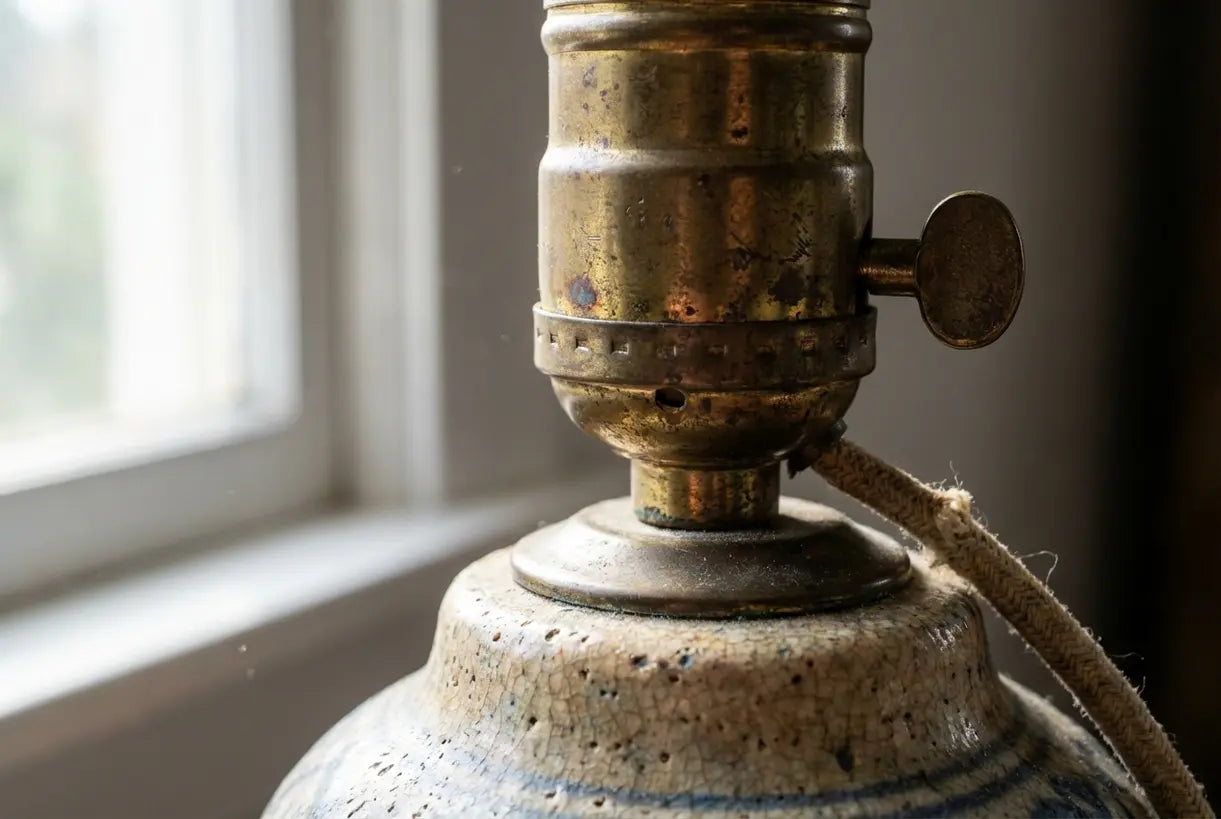
Authenticity in the antique sense requires patience. Tarnish patterns on genuine brass follow decades of oxidation, not chemical baths. Ceramic crazing on original stoneware bases shows irregular networks of fine cracks—too random to manufacture convincingly. These details accumulate slowly, telling stories that translate directly to value.
Proportions and Placement: The 58-64 Inch Rule
Interior designers reference a specific measurement when placing table lamps: the bottom of the shade should sit approximately 58 to 64 inches from the floor. This positions light at eye level when seated, eliminating harsh glare while maximizing ambient glow. This guideline applies whether your lamp is a genuine antique white table lamp from the Victorian era or a contemporary interpretation.
Height matters because light behaves differently at various elevations. Too high, and illumination becomes thin and atmospheric. Too low, and shadows pool oppressively. The sweet spot creates that enveloping warmth Scandinavian design calls hygge—a sense of shelter and comfort.
Placement extends beyond height. Consider proximity to windows where natural light completes the picture. Think about sight lines when entering a room. Classic lighting should please the eye even when unlit.
Historical Periods That Define Vintage Lighting
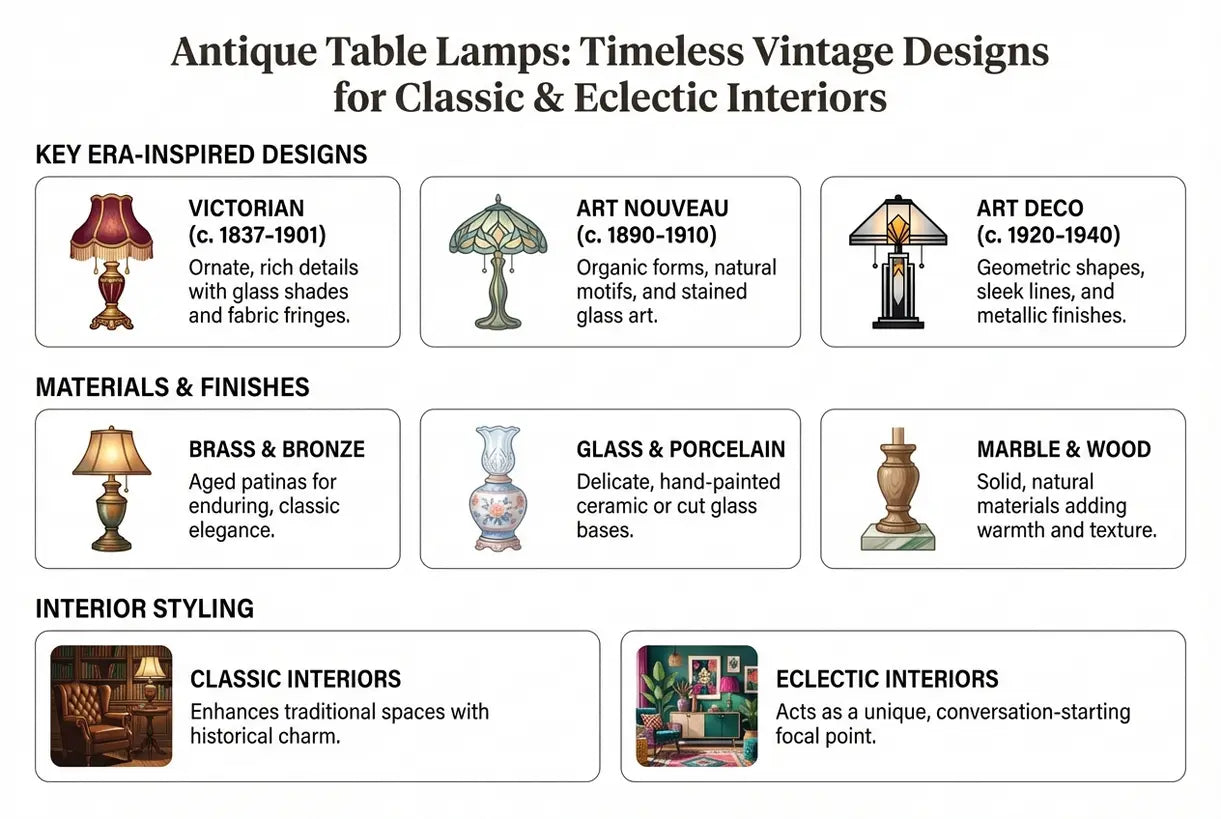
The antique lamps 1920s reflected Art Deco confidence—geometric bases, stepped forms, and exotic material combinations. These lamps often featured Tiffany-style glass or marble accents that commanded attention.
By the antique lamps 1940s, wartime material shortages influenced design. Chrome plating replaced solid brass. Bakelite, an early plastic, appeared in earthy tones. Shapes became more streamlined and functional, anticipating the mid-century aesthetic.
The vintage lamps 1950s fully embraced organic modernism. Tripod bases evoked Calder sculptures. Fiberglass shades diffused light into soft halos. Ceramic glazes explored atomic-age colors—mustard, olive, and vibrant turquoise. These pieces feel surprisingly contemporary today, their optimism undimmed by decades.
Floor Lamps
Shop all Floor Lamps
Creating Layered Lighting with Contemporary Vintage Designs
Building a room around an antique table lamp worth money or a quality vintage-inspired piece requires balance. The lamp becomes a focal point, so surrounding elements should support rather than compete.
Curated Vintage Lighting for Your Space
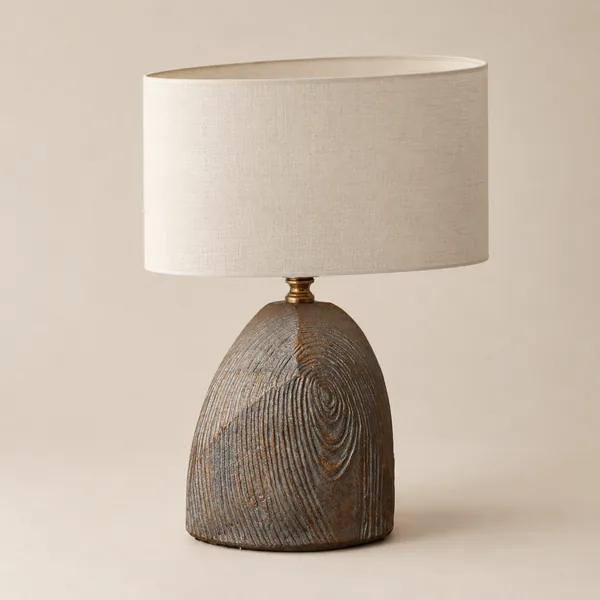 Skogvar Vintage Resin Tree Stump LED Table Lamp$449.00$649.00
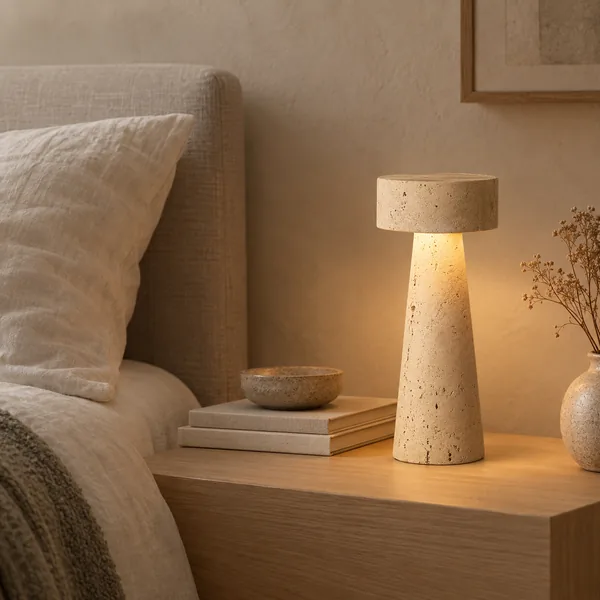 Stilla Wabi-Sabi Handcrafted Stone Table Lamp$389.00$479.00
The Skogvar Vintage Resin Tree Stump LED Table Lamp brings nature-inspired design into your home with sculptural presence. Each resin casting captures authentic tree stump details—the knots, grain patterns, and organic contours that ground a space in natural warmth. Its LED technology offers candlelit ambiance without the maintenance of wax or wicks.
Equally compelling, the Stilla Wabi-Sabi Handcrafted Stone Table Lamp embraces imperfection as beauty. Hewn from natural stone, no two pieces carry identical markings. The small variations become points of interest. This philosophy of embracing time and uniqueness defines both genuine antiques and thoughtfully crafted modern interpretations.
Styling Antique Table Lamps in Modern Interiors
The most successful interiors mix periods without creating museums. An antique table lamp beside a contemporary sofa creates dialogue between eras. The contrast sharpens appreciation for both.
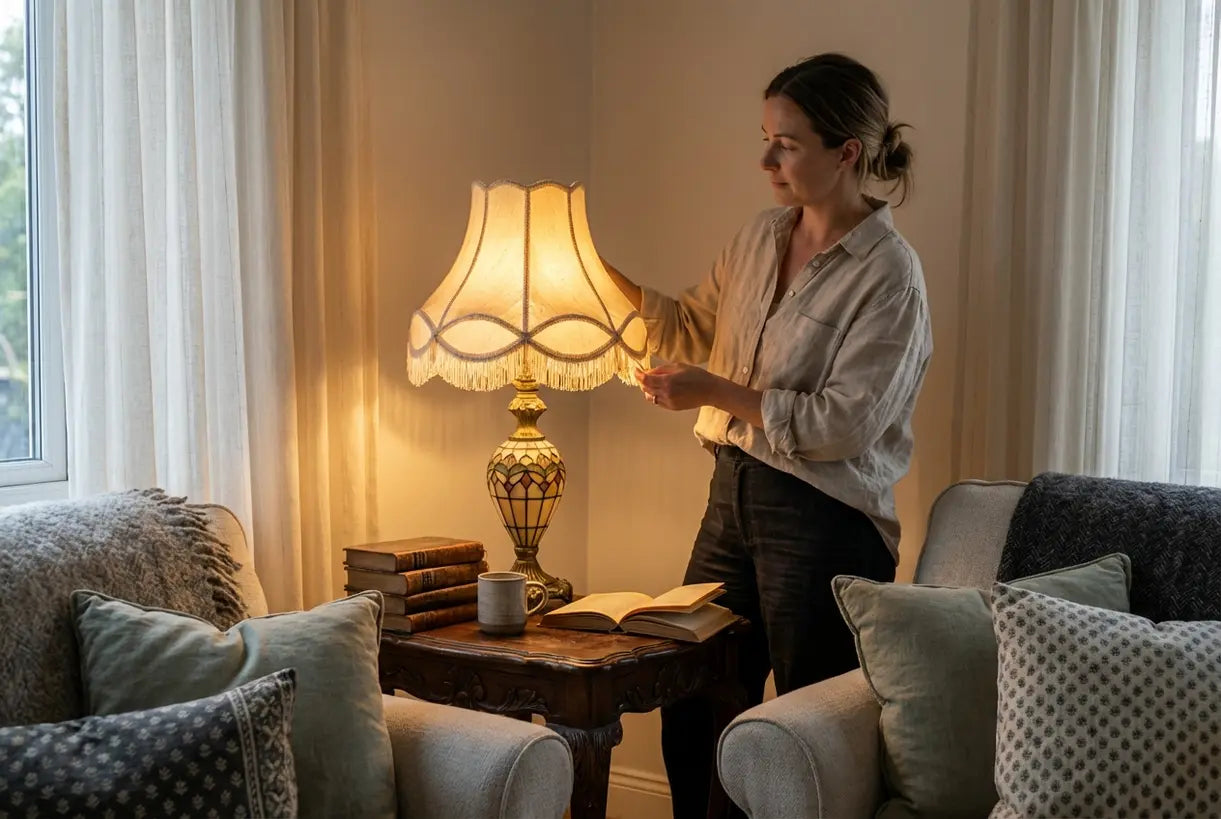
Try placing a vintage piece atop a clean-lined console table in a minimalist space. The lamp becomes sculpture. Or cluster a collection—mixing heights, materials, and periods—on a mantel or credenza for a salon-style arrangement. The key is intentionality. Every piece should earn its place through either beauty or function.
Color palettes benefit from vintage lighting too. Brass warms cooler grays and blues. Dark wood bases ground airy white interiors. Ceramic bases provide opportunities to pull accent colors throughout a room.
Conclusion: Choosing Light That Lasts
An antique table lamp or its thoughtful modern equivalent brings more than illumination to your home. It brings presence. The weight of craftsmanship. The warmth of patina and time. Whether you invest in a genuine piece from the 1920s or choose a contemporary design that honors those materials and methods, you are choosing to slow down the moment evening arrives.
The best vintage lighting does not demand attention. It rewards it. Each time you switch it on, you participate in a tradition of domestic comfort that spans generations. And when the light pools just right across your reading chair or dining table, you understand why these pieces endure.
Related Article
Table Lamps for the Dining Table: How to Light Your Dining Space with a Table LampLearn how to use table lamps on your dining table for warm, ambient lighting. Discover sizing tips, placement ideas, and Scandinavian styles for your dining space.