
Table Lamps for the Dining Table: How to Light Your Dining Space with a Table Lamp

Summary›
When it comes to creating a dining space that feels truly welcoming, lighting plays the starring role. While overhead pendants have long dominated dining room design, a thoughtfully chosen lamp for dining table placement can transform an ordinary meal into an intimate, hygge-inspired experience. Whether you are hosting a dinner party or enjoying Tuesday night takeout, the right table lamp brings warmth and intentionality to your dining area.
At Skonne, we believe dining room lighting extends beyond the ceiling. The strategic placement of a dining table lamp creates layers of ambient illumination that flatter both your space and your guests. In this guide, you will discover how to select, size, and style table lamps as part of your complete dining room lighting scheme.
Why Use a Table Lamp on Your Dining Table?
A common question among home designers asks: Can you put a lamp on a dining table? The answer is yes, with intention. Table lamps bring specific advantages to dining spaces that overhead fixtures cannot replicate.
Unlike ceiling lights that create harsh shadows and direct glare, a dining table lamp introduces soft, lateral illumination that wraps gently around faces and settings. This creates an intimate, seated conversation circle—ideal for both casual family meals and formal entertaining. Positioning your lamp on a sideboard, buffet, or even the center of a large table transforms harsh overhead brightness into a curated, multi-layered glow.
The Scandinavian approach to dining embraces this layered philosophy. By combining a strong architectural overhead fixture with the gentle presence of a table lamp for dining room side spaces, you achieve that coveted hygge balance: bright enough to navigate safely, dim enough to feel romantic and warm.
What Light Works Best for Dining Tables?
Understanding what light is best for a dining table depends on recognizing color temperature and brightness measured in lumens. The Illuminating Engineering Society recommends dining areas feature warm white light between 2700K and 3000K to enhance appetite and create comfortable visibility.
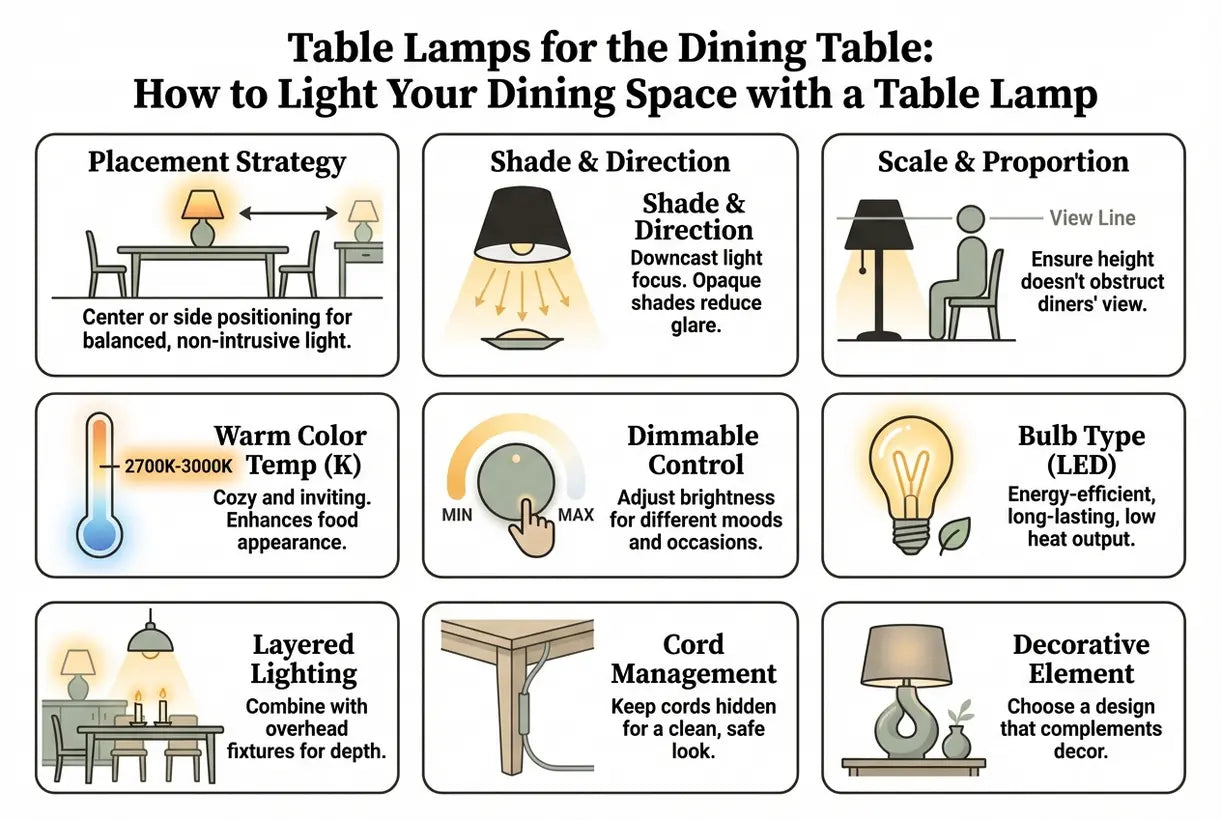
Your dining table lamp should contribute ambient lighting rather than task lighting. Look for lamps with linen, rice paper, or ceramic bodies that diffuse light gradually. Avoid exposed bulbs that create discomfort during seated conversations or compete with candlelight during dinner parties.
For optimal dining room atmospherics, consider these technical specifications:
- Color Temperature: 2700K to 3000K (warm white)
- Brightness: 200 to 400 lumens for secondary ambient sources
- CRI Rating: 90+ for accurate food color presentation
- Dimming Capability: Essential for adjusting from prep to dining modes
Styling and Placement Strategies
Knowing how to light up a dining table involves more than switching fixtures. Thoughtful placement creates visual rhythm in your dining space while solving practical illumination needs.
Position your table lamp for dining room usage on adjacent furniture such as credenzas, sideboards, or built-in shelving. This allows the light to graze across the table surface without occupying valuable serving space. For those exploring Scandinavian Lighting concepts, asymmetric placement often yields the most natural, curated results—place one lamp on a sideboard rather than forcing perfect symmetry.
Cordless dining table lamps offer particular flexibility for intimate centerpieces. Temporary placement of a small lamp at the table center creates a focal point during dinner parties, then returns to a console table for daily use. This versatility answers the modern homeowner's need for adaptable, multi-functional spaces.
Table Lamps
Shop all Table Lamps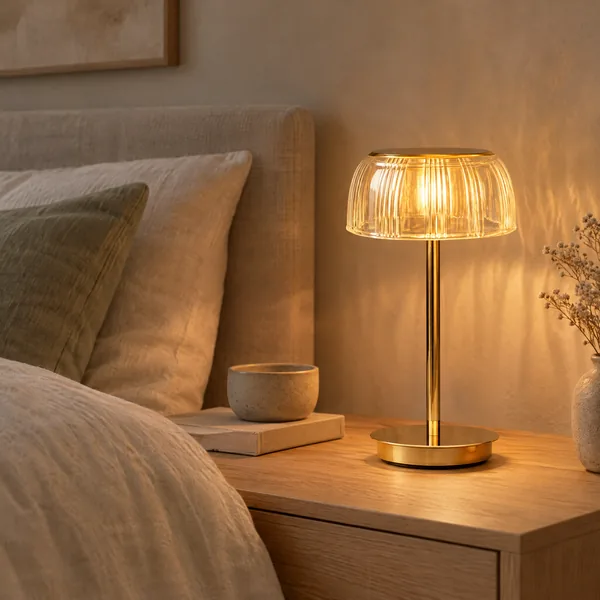
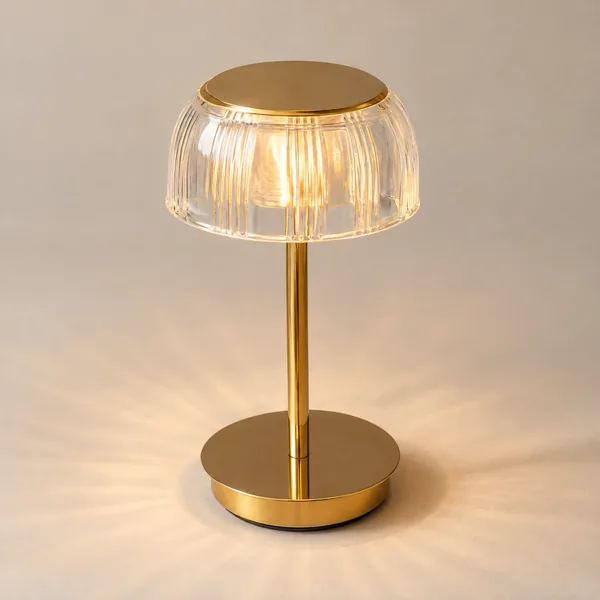 Save $30.00
Kvalla Jellyfish LED Rechargeable Table Lamp
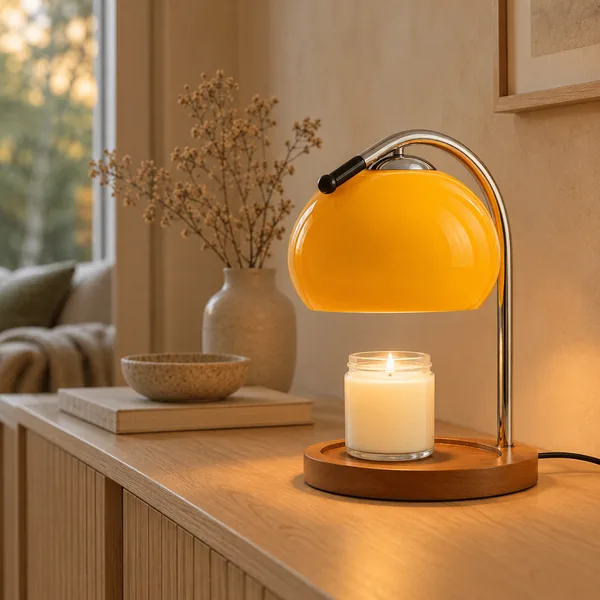
 Save $60.00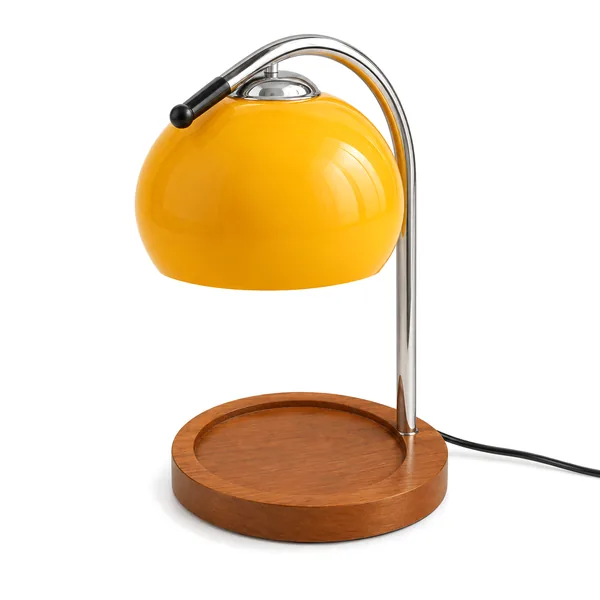
 3 options
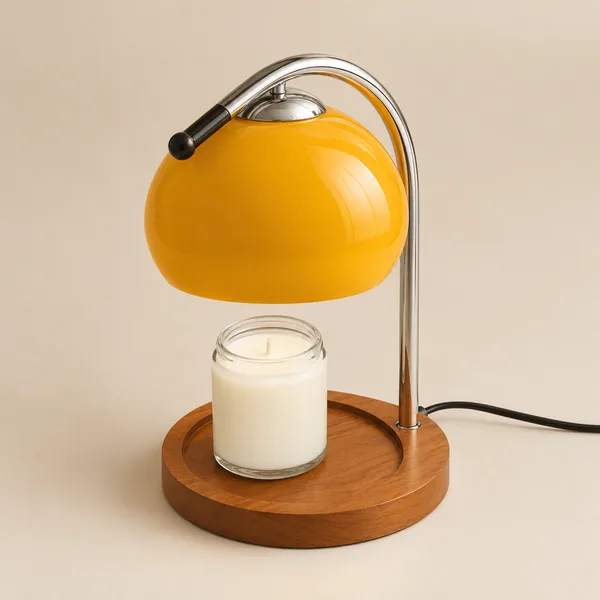
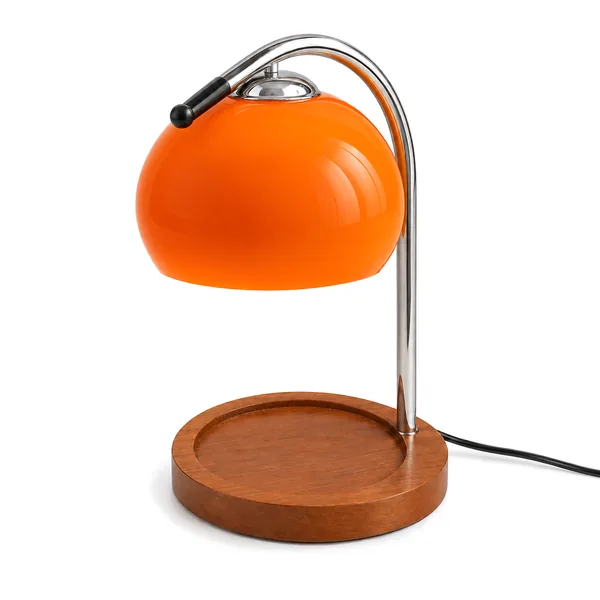
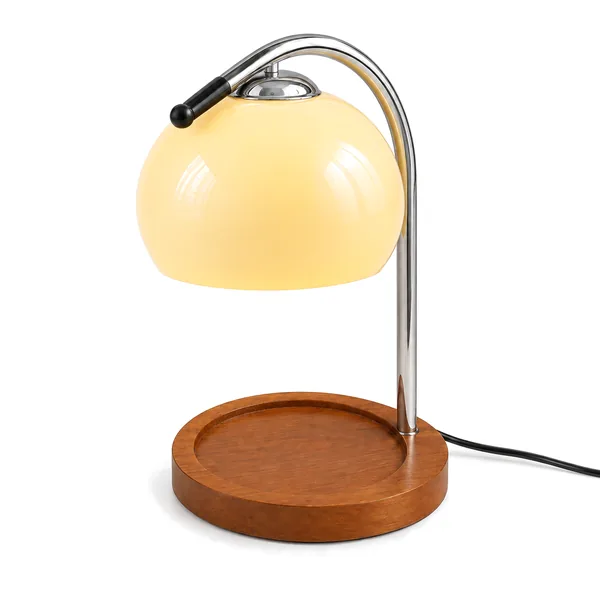
Solvarm Stained Glass Candle Warmer Table Lamp
 Save $220.00
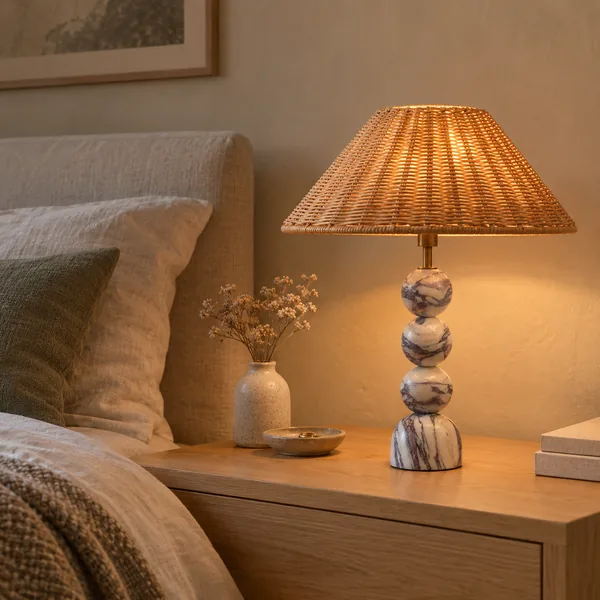
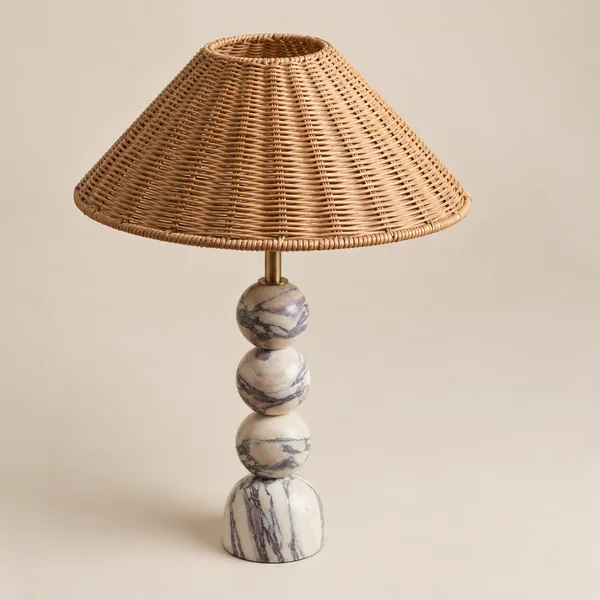
Stenglo Nordic Marble Table Lamp Rattan Shade
Getting the Height Right
Scale determines success when selecting your dining room table lamp. The essential question asks: How tall should a lamp be for a dining table? The general rule maintains that your lamp's total height, from base to finial, should sit between 24 and 28 inches tall.
However, context matters. Buffet-side lamps can reach 30 to 32 inches to spread light across the dining surface effectively. When placing lamps directly on the table—either as permanent centerpieces or temporary mood lighting—keep heights below 18 inches to preserve sight lines across the table.
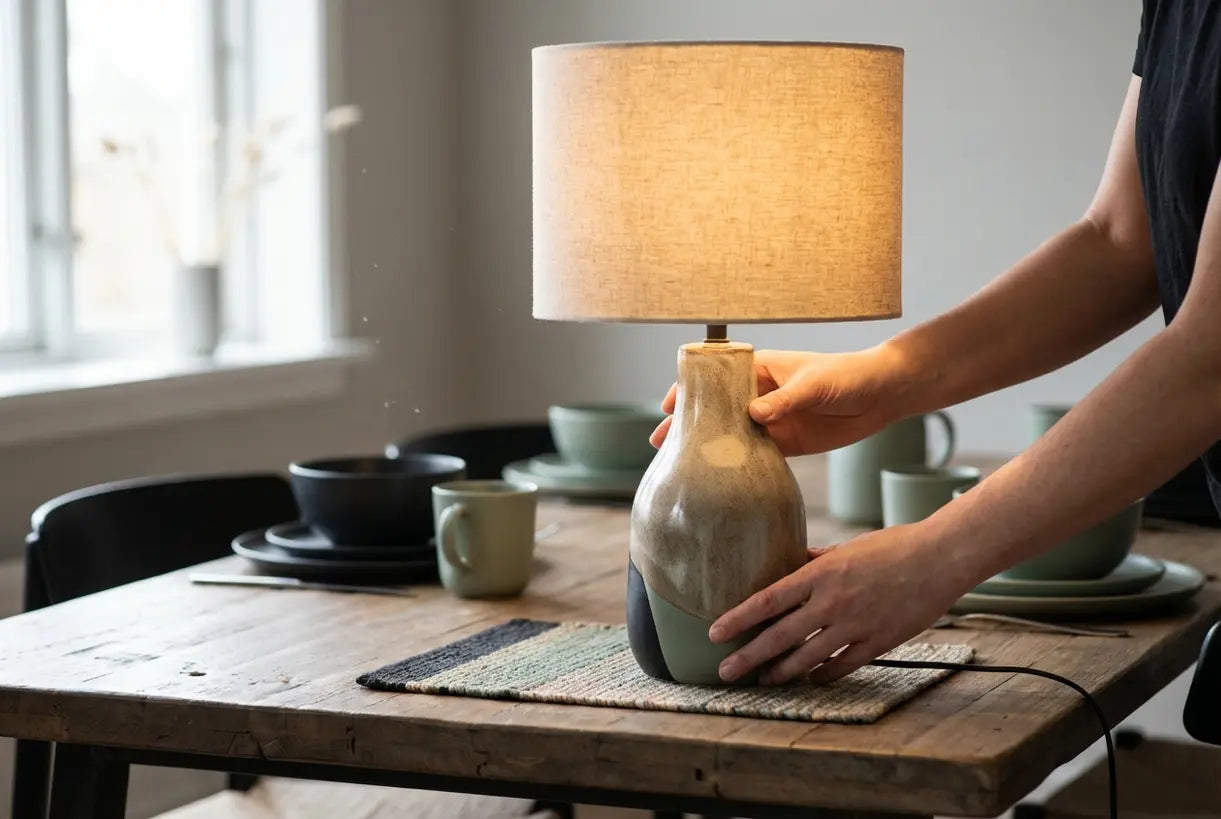
The base diameter should proportionally complement your furniture scale. A narrow buffet lamp suits intimate four-top dining setups, while substantial sculptural bases anchor larger farmhouse tables. Always ensure your shade width does not exceed your table edge by more than a few inches on each side to maintain safe, unobstructed serving paths.
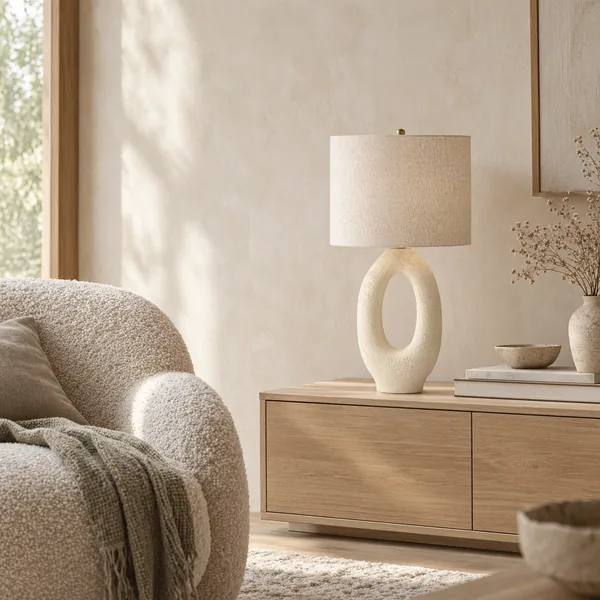 Kvela Sculptural Resin Table Lamp Nordic Glow$279.00$529.00
The Kvela Sculptural Resin Table Lamp Nordic Glow demonstrates ideal dining proportions, with a gracefully curved silhouette that sits comfortably at 26 inches tall. Its soft linen shade diffuses light across surfaces without overwhelming intimate table settings.
Current Trends in Dining Table Lighting
Design-savvy homeowners frequently ask: What lamps are in style now? Current dining room aesthetics favor organic materials, artisanal craftsmanship, and natural textures that complement minimalist Scandinavian interiors.
Wabi-sabi ceramics, sculptural resin forms, and rice paper constructions dominate contemporary lighting collections. These materials share an essential quality: they soften LED illumination into gentle, layered glows that feel timeless rather than trendy. Vintage-inspired pottery lamps and cordless rechargeable designs also rise in popularity, offering both aesthetic character and practical flexibility.
Color palettes remain neutral—warm whites, oatmeal tones, terracotta, and sage green—allowing the lamp form itself to serve as sculptural art when not illuminated. This dual-purpose functionality suits the Scandinavian design principle of intentional simplicity.
Curated Lamps for Your Dining Space
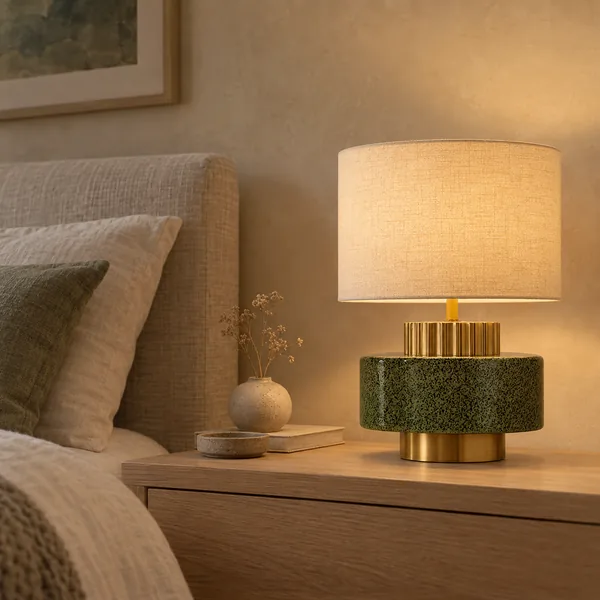 Leireld Artisan Ceramic Pottery Table Lamp Vintage$469.00$789.00
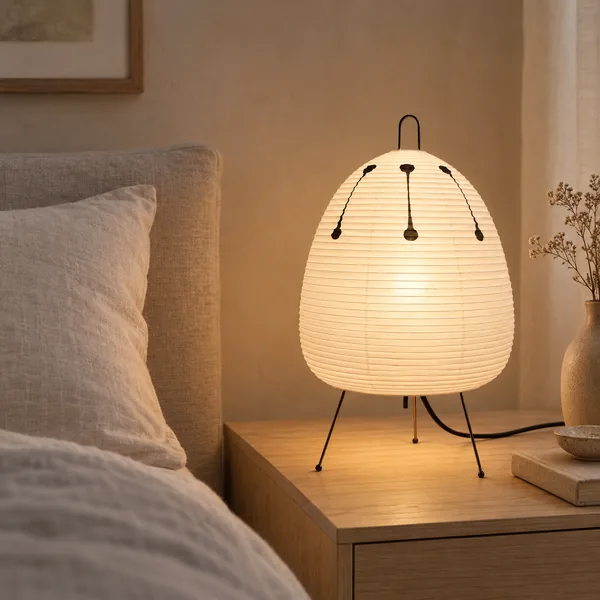 Shiro Rice Paper Table Lamp Nordic Minimalist$119.00$199.00
The Leireld Artisan Ceramic Pottery Table Lamp Vintage brings Japanese-inspired wabi-sabi character to buffet placements, while the Shiro Rice Paper Table Lamp Nordic Minimalist creates the layered, gentle illumination perfect for Japandi dining rooms. Both pieces illustrate how modern small lamp for dining table styling prioritizes material integrity over ornamental excess.
Dining Room Lighting
Shop all Dining Room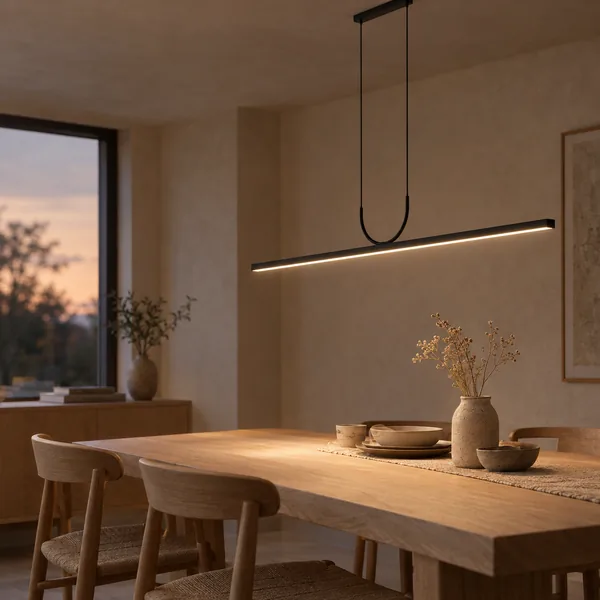
 Save $140.00
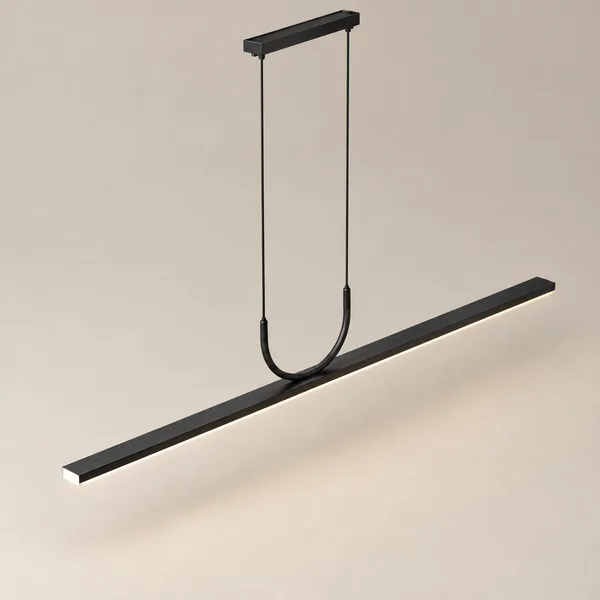
Linné Minimalist Linear Black LED Pendant Light
 Save $60.00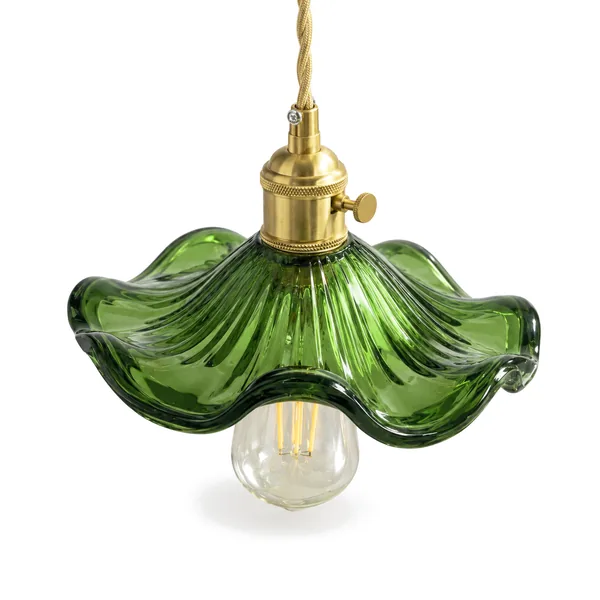
 3 options
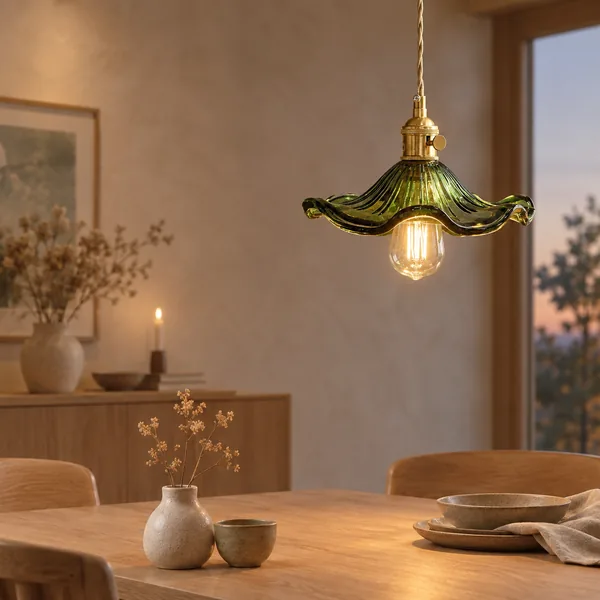
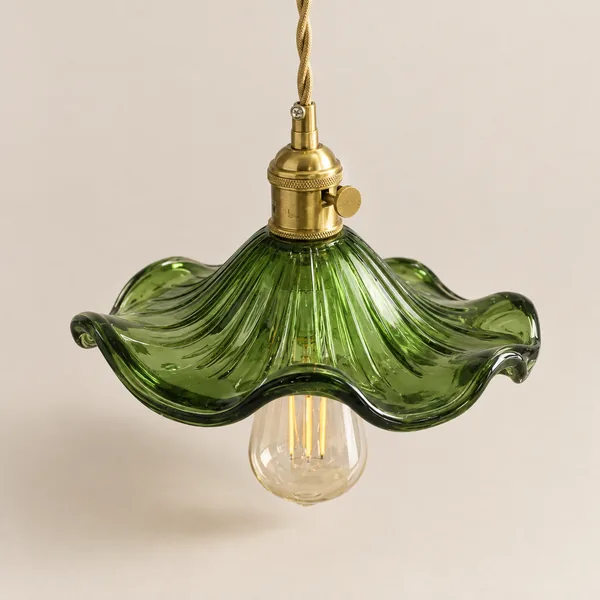
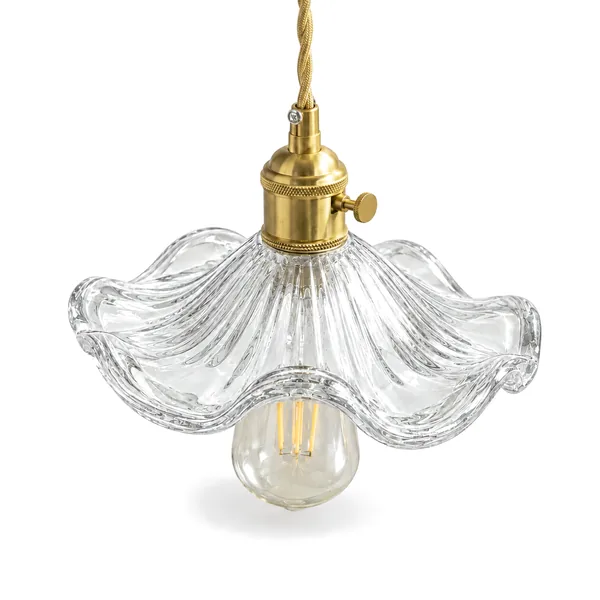
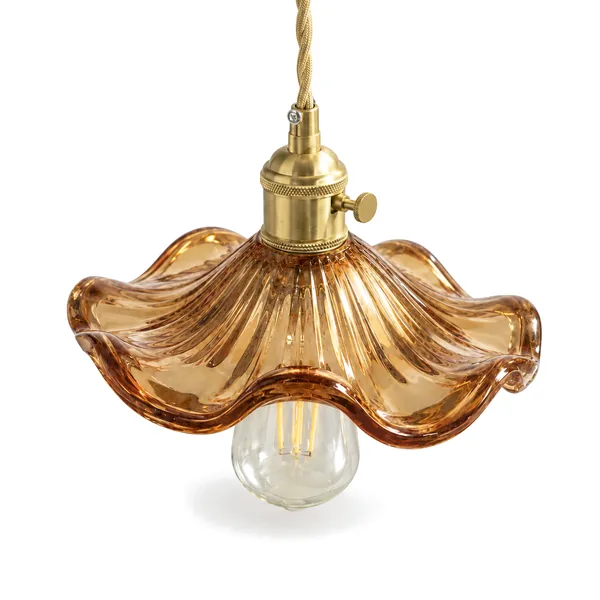
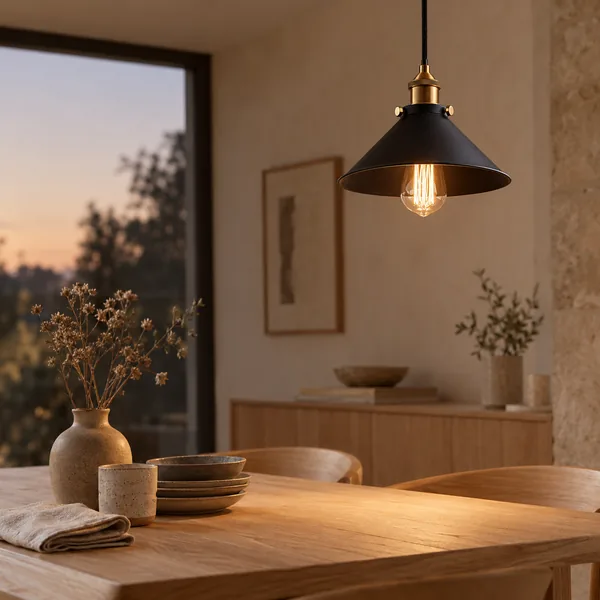
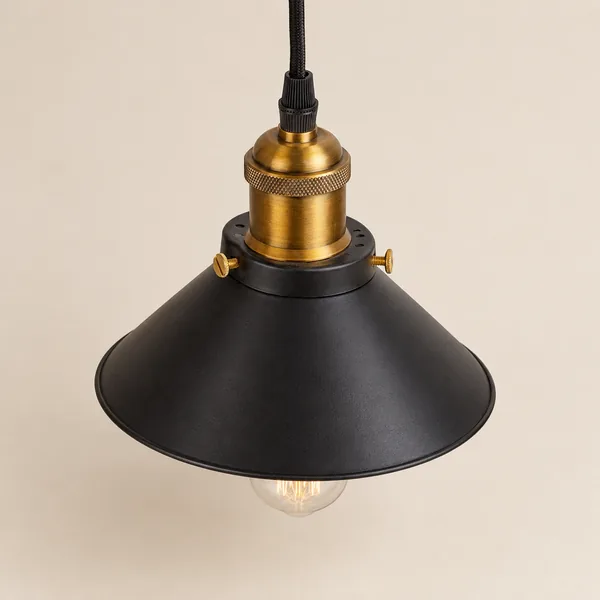
Glora Nordic Glass Pendant Light with Copper
 Save $120.00
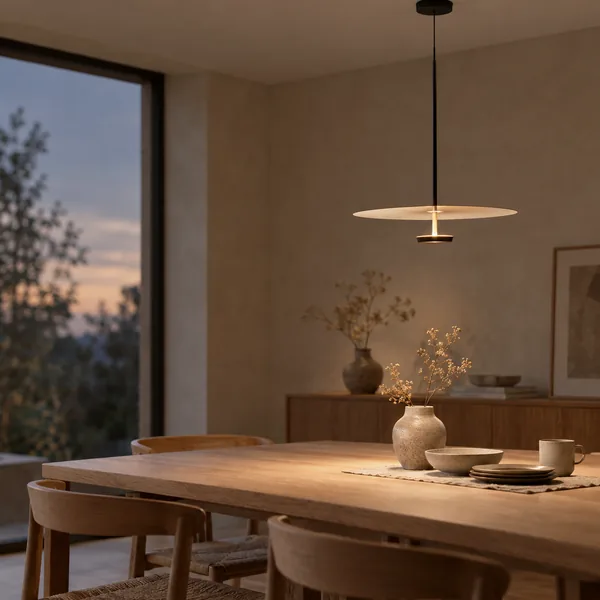
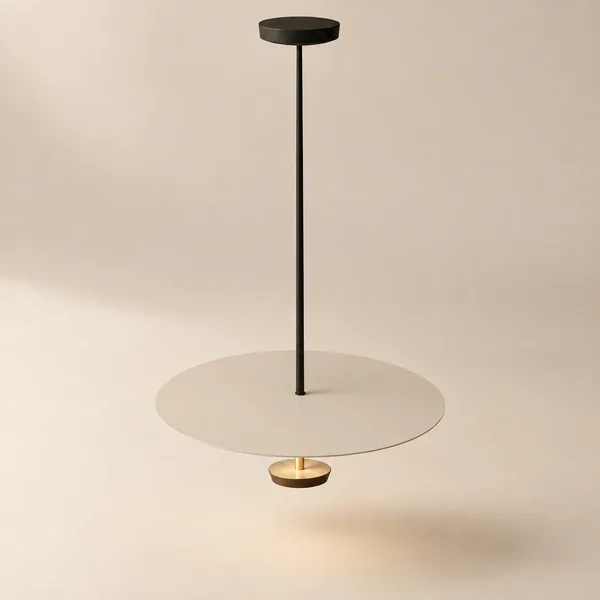
Skiva Nordic Saucer Ceiling Pendant Light LED
Creating a Complete Layered Lighting Scheme
A single lamp for dining table placement works best as part of a comprehensive lighting strategy. Professional interior designers recommend three distinct layers: ambient overhead light, task lighting for buffet or serving areas, and accent lighting including table lamps or candlelight.
Begin by dimming your overhead chandelier or pendant to approximately 60 percent capacity. Then introduce your table lamp to fill shadow gaps and create eye-level warmth. Finally, add candles or LED alternatives at the table center for that essential flicker that signals "dinner is served." This layered approach, supported by research from the Illuminating Engineering Society, ensures adequate illumination for safe dining while maintaining the intimate atmosphere that encourages lingering conversation.
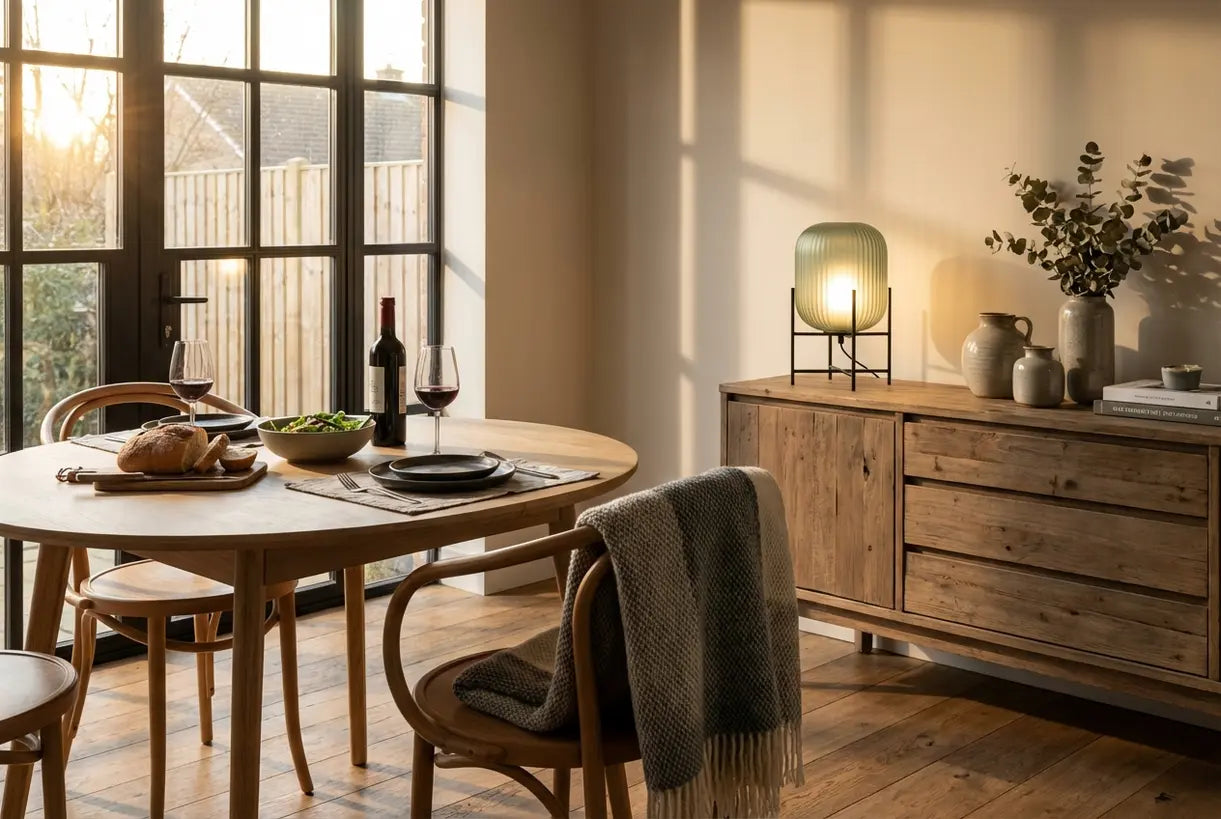
Design Tip: Match your lamp base material to another element in your dining room—such as wooden table legs, ceramic serveware, or brass curtain rods—to create subconscious visual cohesion without over-coordination.
Maintaining Your Dining Table Lamp
Longevity requires care. For ceramic and resin bases, regular dusting with a microfiber cloth preserves surface integrity. Rice paper shades benefit from gentle vacuuming with brush attachments or compressed air to remove accumulated dust.
Consider smart bulb integration for dining lamps. Programmable settings allow you to transition automatically from bright prep light (400 lumens, 3000K) to intimate dining mode (200 lumens, 2700K) without manual dimmer adjustments. This technology enhances the functionality of your dining room design while maintaining the warm aesthetic essential to Scandinavian interiors.
Bringing Warmth to Your Dining Experience
Choosing the right lamp for dining table usage represents more than a functional decision—it is an investment in the quality of your daily rituals. By understanding sizing principles, current material trends, and layered lighting techniques, you transform your dining room into a sanctuary of intentional Scandinavian design.
Whether you select a sculptural resin statement piece, an artisanal ceramic creation, or a minimalist rice paper design, Skonne's curated collection offers the perfect modern dining table lamp to complete your space. Embrace the warmth, embrace the layers, and most importantly, embrace the moments shared around your table.
Related Article
Green Table Lamps: Sage, Olive, Dark Green & Teal Designs for Nature-Inspired InteriorsExplore the most beautiful green table lamps for nature-inspired interiors. From sage and olive to dark green and teal, discover Scandinavian designs that bring organic warmth to any room.