
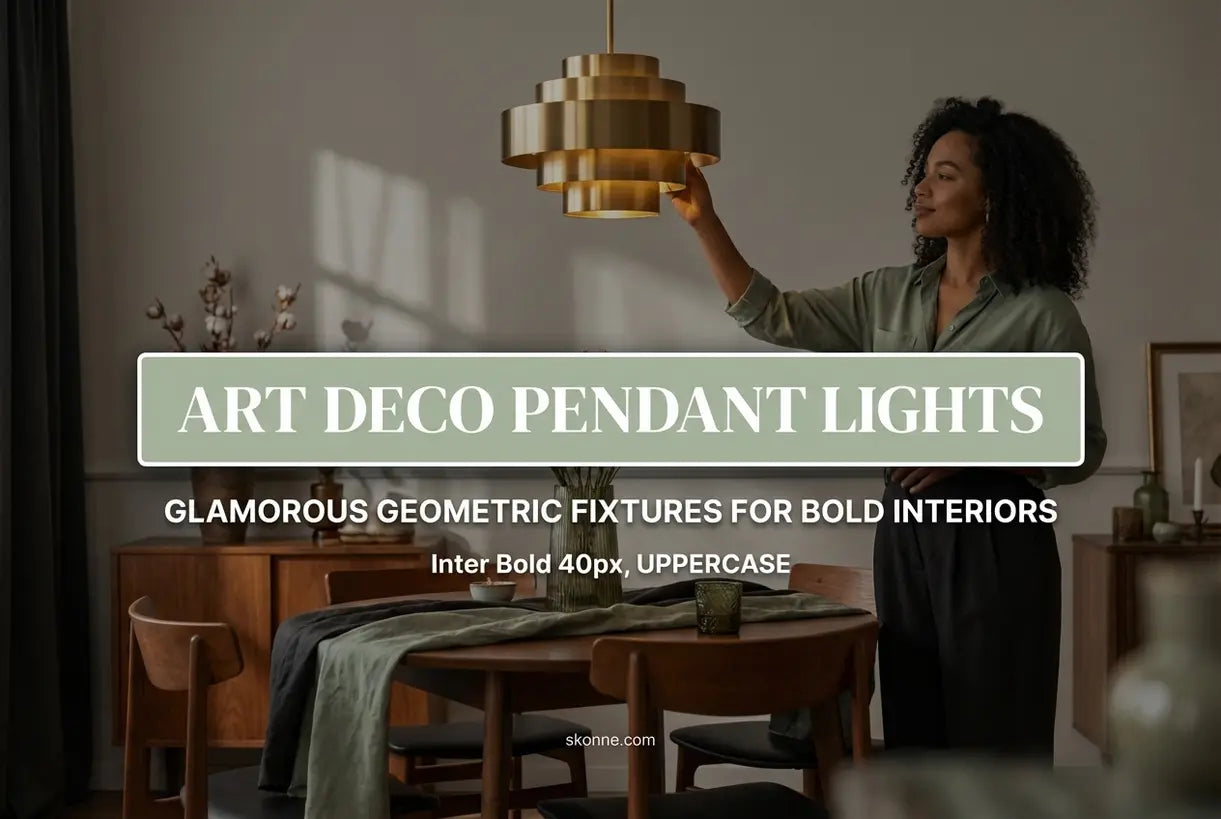
Art Deco Pendant Lights: Glamorous, Geometric Fixtures for Bold, Vintage-Inspired Interiors
Summary›
There's a reason art deco pendant light fixtures have never truly gone out of style. Born from the roaring twenties and refined through the 1930s, Art Deco represents an era when craftsmanship met bold geometry, when glamour wasn't just admired but lived. Today, as homeowners and design enthusiasts seek to create spaces that feel both curated and deeply personal, these vintage pendant lights offer something increasingly rare: the ability to transform an ordinary room into an extraordinary experience.
At Skonne, we believe lighting should do more than illuminate—it should inspire. Whether you're drawn to the angular precision of geometric forms or the warm allure of brass and glass, finding the right glamorous light fixtures can anchor your entire interior vision. In this guide, we'll explore what makes Art Deco lighting so enduringly captivating, how to identify authentic characteristics, and most importantly, where these statement pieces belong in your home.
What Makes Art Deco Lighting Timeless?
Art Deco emerged as a celebration of modernity and luxury, drawing inspiration from Cubist art, ancient Egyptian motifs, and the machine age. This design movement prized geometric patterns, symmetrical arrangements, and rich materials that caught and played with light in unexpected ways. When you bring an Art Deco piece into your home, you're not just adding a light source—you're introducing a sculptural element that commands attention.
The beauty of this style lies in its versatility. A well-chosen vintage pendant light can serve as the crown jewel in a minimalist Scandinavian interior, or it can complement an eclectic collection of textures and eras. The key is understanding what defines authentic Art Deco aesthetics.
The Three Types of Art Deco Design
When exploring art deco lighting options, it helps to recognize that this broad movement actually encompasses three distinct stylistic approaches. Each brings its own character to your space.
Streamline Moderne emphasizes horizontal lines, rounded corners, and nautical influences. Think smooth chrome surfaces and aerodynamic shapes that evoke the speed and optimism of the 1930s.
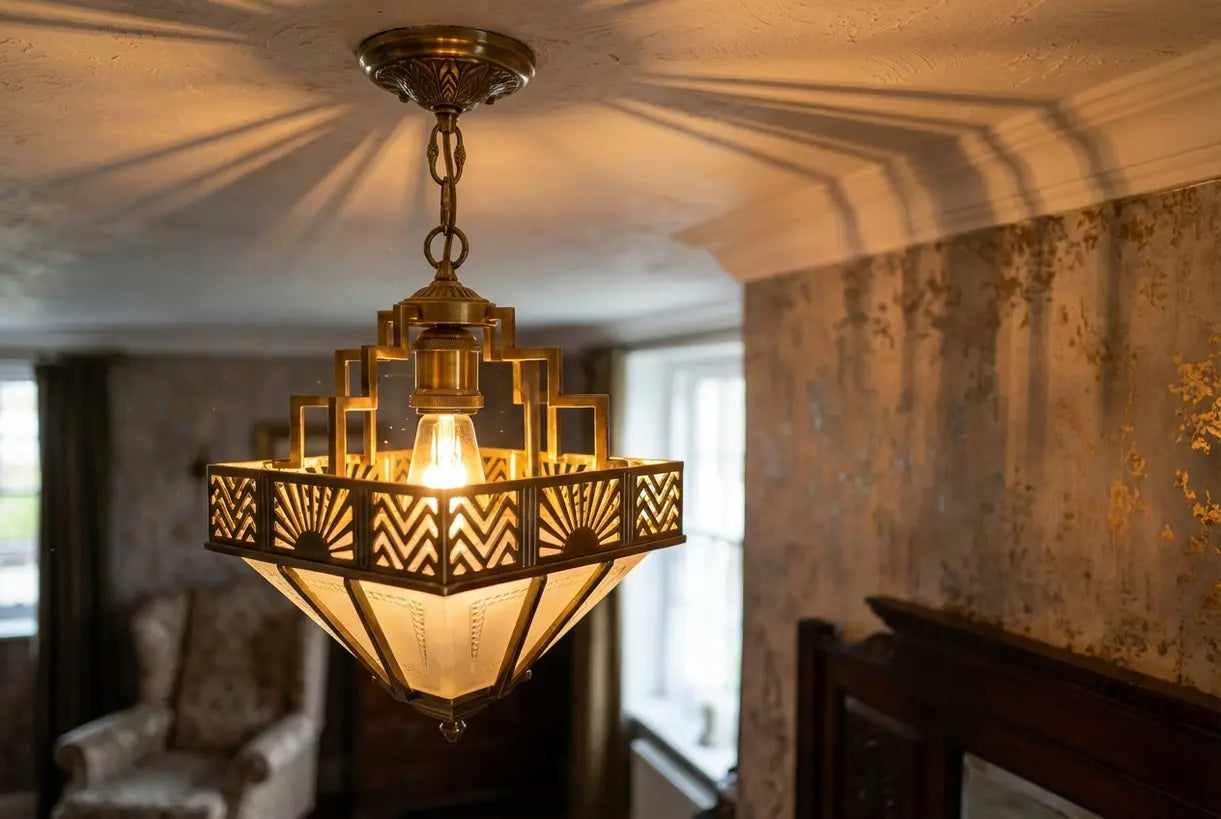
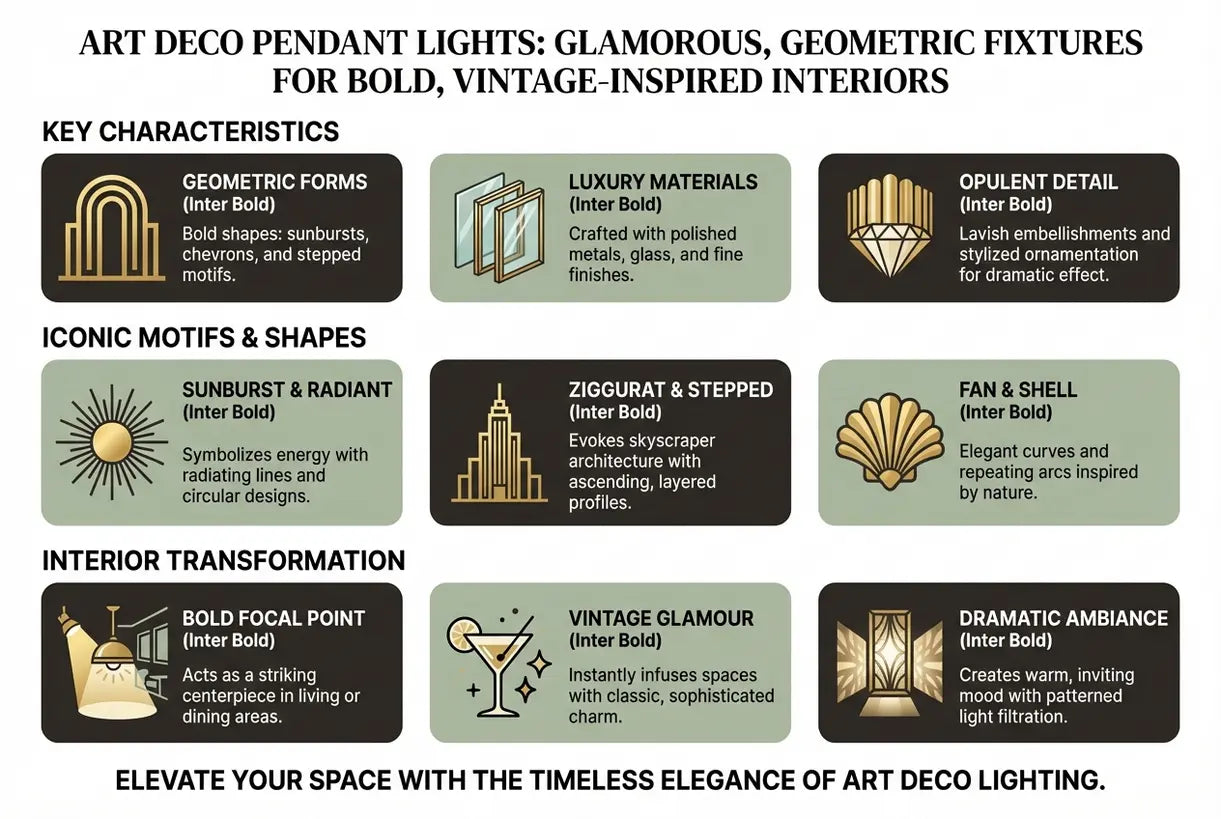
Zigzag Moderne celebrates the sharp angles and stepped forms that most people picture when they think of classic Art Deco. This style features dramatic chevrons, sunburst patterns, and the iconic tiered silhouettes that create such striking shadows.
Classical Moderne incorporates more traditional decorative elements—fluted columns, Egyptian lotus motifs, and stylized floral patterns—interpreted through the geometric lens of the era.
Understanding these distinctions helps you choose fixtures that align with your personal aesthetic while honoring the design principles that made this movement revolutionary.
Pendant Lights
Shop all Pendant Lights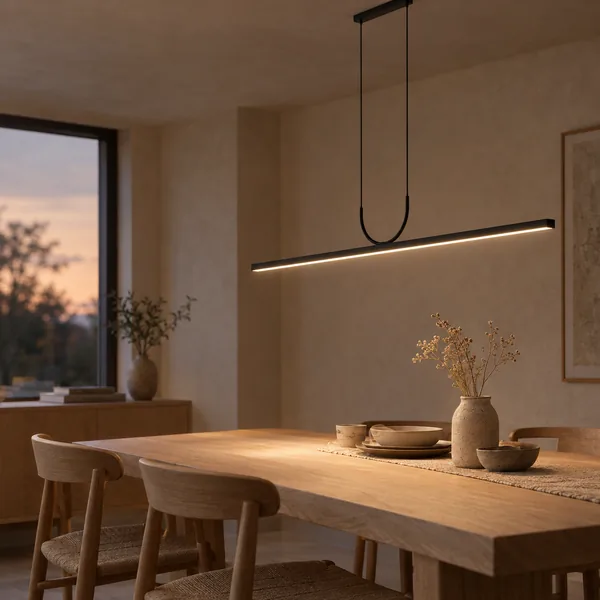
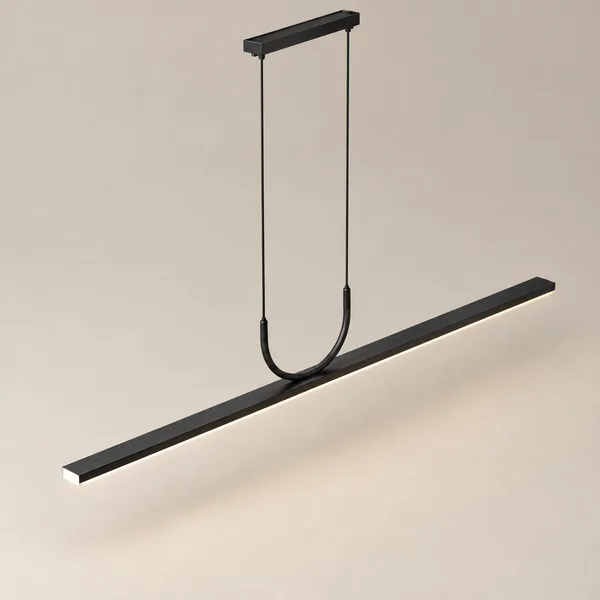 Save $140.00
Linné Minimalist Linear Black LED Pendant Light
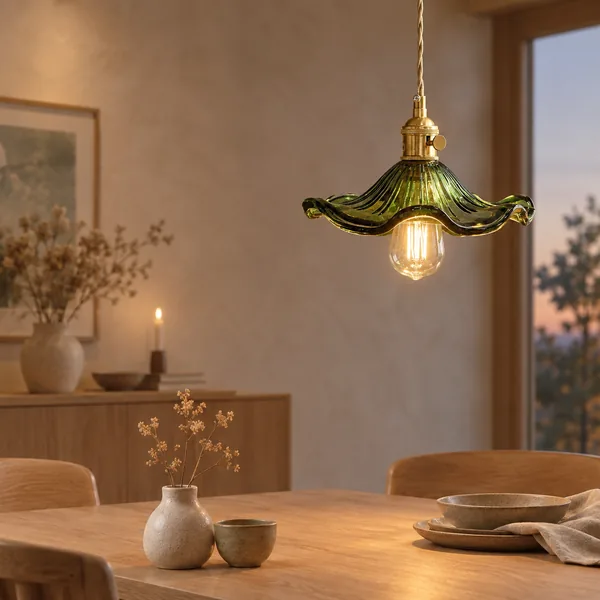
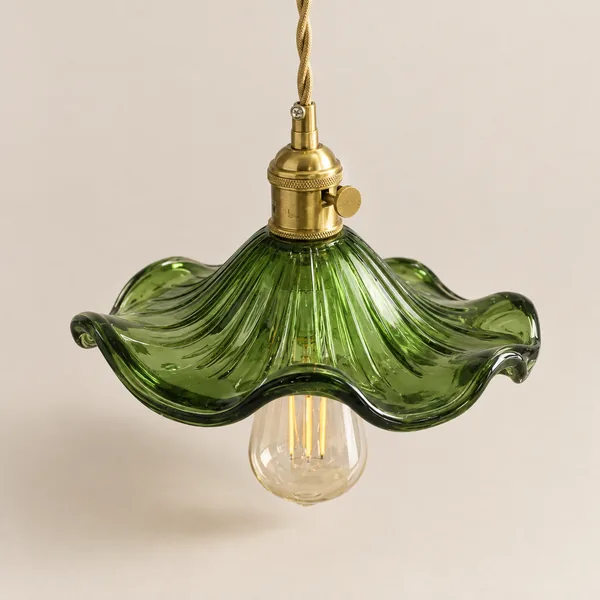 Save $60.00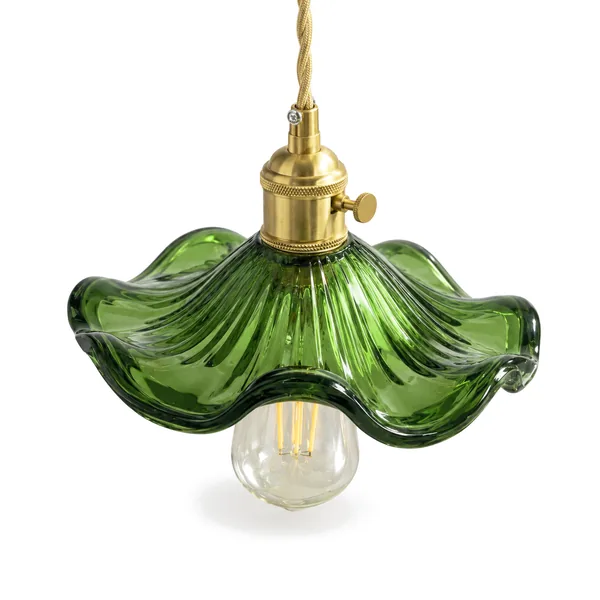
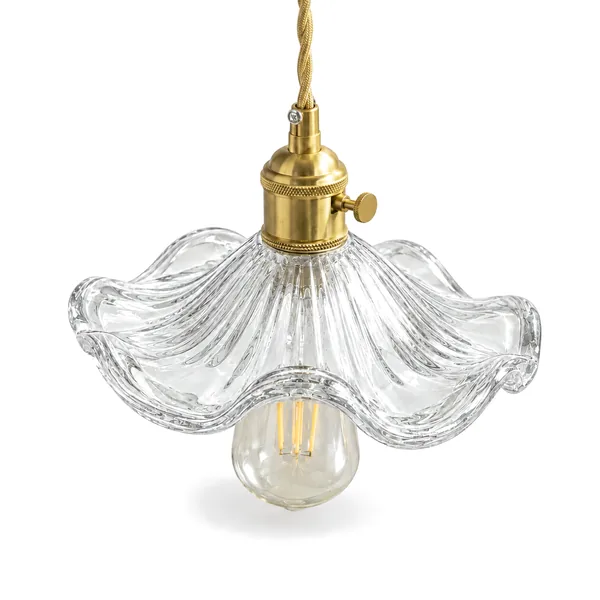
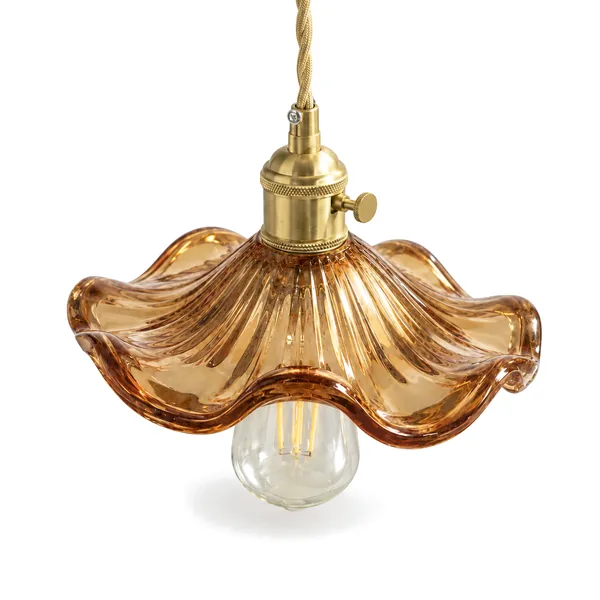 3 options
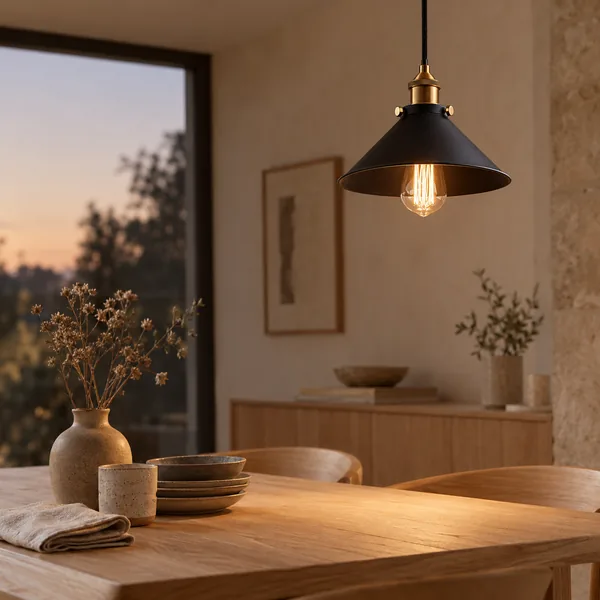
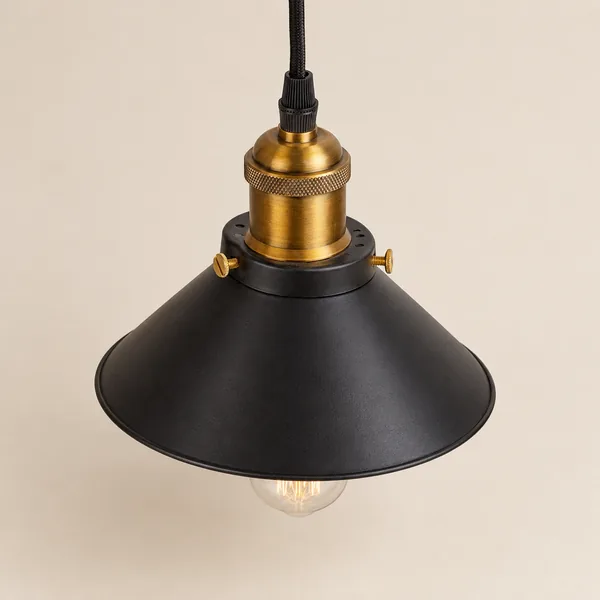
Glora Nordic Glass Pendant Light with Copper
 Save $120.00
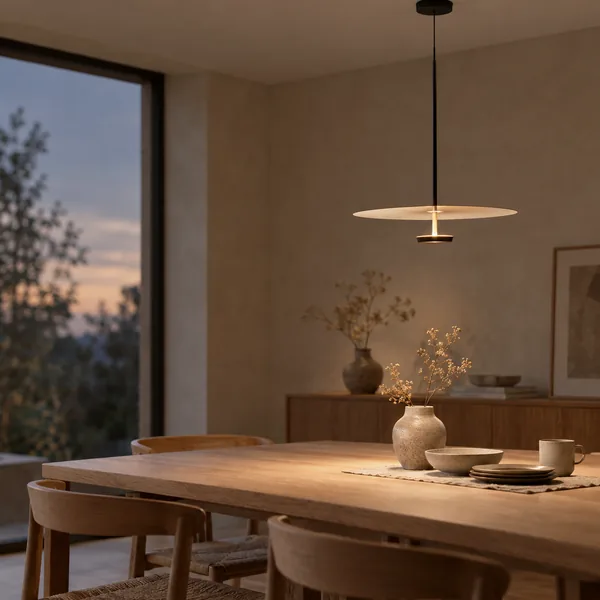
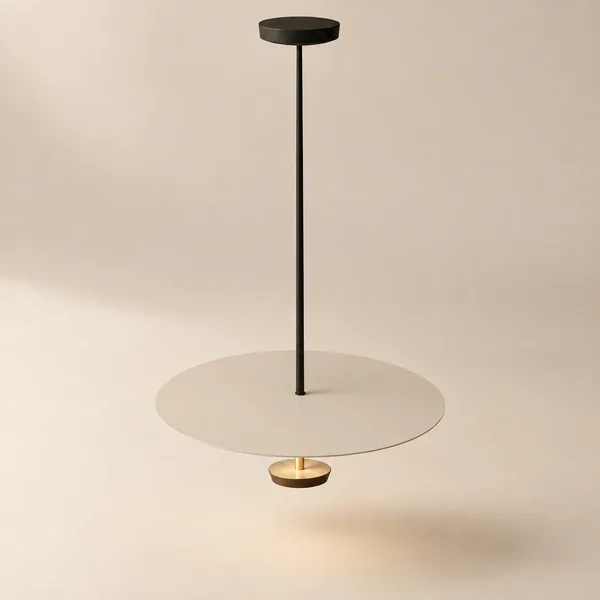
Skiva Nordic Saucer Ceiling Pendant Light LED
How to Identify Authentic Art Deco Characteristics
Authentic Art Deco pieces share certain telltale qualities that separate them from mere reproductions or loosely inspired designs. When evaluating a 1920s inspired pendant, look for these hallmarks:
- Materials: Premium brass, bronze, chrome, and nickel were the metals of choice, often paired with frosted or etched glass
- Geometric precision: Sunbursts, chevrons, zigzags, and stepped forms dominate the visual language
- Symmetry: Balanced compositions that feel intentionally structured rather than organic
- Craftsmanship: Hand-finished details and quality construction that stands the test of time
Modern interpretations of this style, like those curated at Skonne, honor these principles while incorporating contemporary functionality and sustainable practices.
Many homeowners struggle to find lighting that bridges the gap between vintage character and modern livability. The Gloda Walnut Brass French Style Pendant Light solves this exact dilemma, bringing French vintage warmth through its exquisite brass and walnut craftsmanship. This elegant pendant combines rich materials with Nordic refinement, creating that coveted hygge feeling while maintaining the bold presence Art Deco demands.
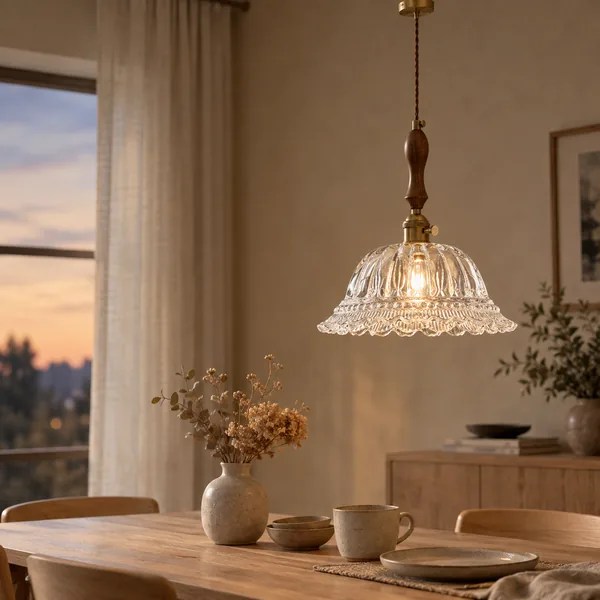 Gloda Walnut Brass French Style Pendant Light$169.00$229.00
Styling Art Deco in Modern Interiors
The magic of incorporating vintage glamour into contemporary spaces lies in creating intentional contrast. An Art Deco fixture becomes even more striking when placed within a clean, uncluttered environment. The juxtaposition of ornate brass against white walls, or geometric glass against natural wood, creates visual tension that makes both elements shine.
Consider these approaches for integrating geometric glass pendant fixtures into your home:
- Minimalist backdrop: Let your lighting be the star against neutral walls and simple furniture silhouettes
- Material harmony: Echo the brass or bronze tones in smaller accessories like picture frames or candle holders
- Scale consideration: In rooms with high ceilings, choose larger statement pieces that fill the vertical space appropriately
- Layered lighting: Combine your pendant with complementary sconces or table lamps that share similar material palettes
For those looking to explore more options, our Dining Room Lighting collection offers a curated selection of pieces designed to transform your gathering spaces into memorable environments.
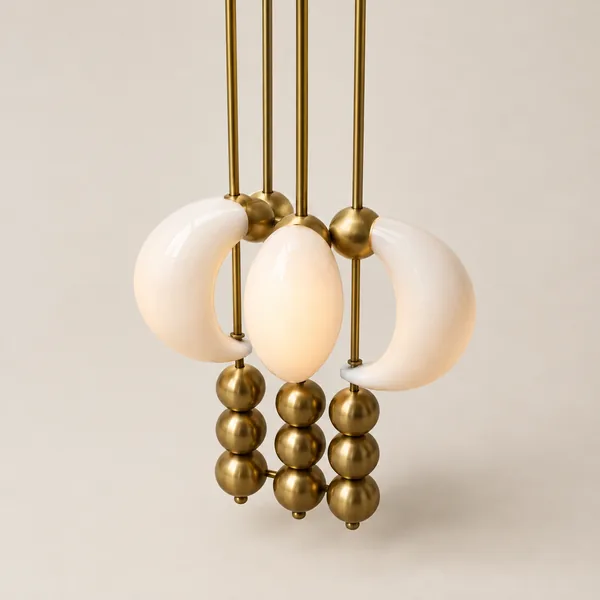
When your space calls for something that honors the artisan traditions of the 1920s while feeling utterly current, the Kolna Hand-Blown Glass Cylinder Pendant Light delivers architectural elegance through its geometric form. Meanwhile, the Driva Sculptural Cloud Pendant Light brings ethereal glamour reminiscent of 1920s luxury, with handcrafted artistry that transforms any room into a curated design statement.
Handcrafted Art Deco-Inspired Statement Pieces
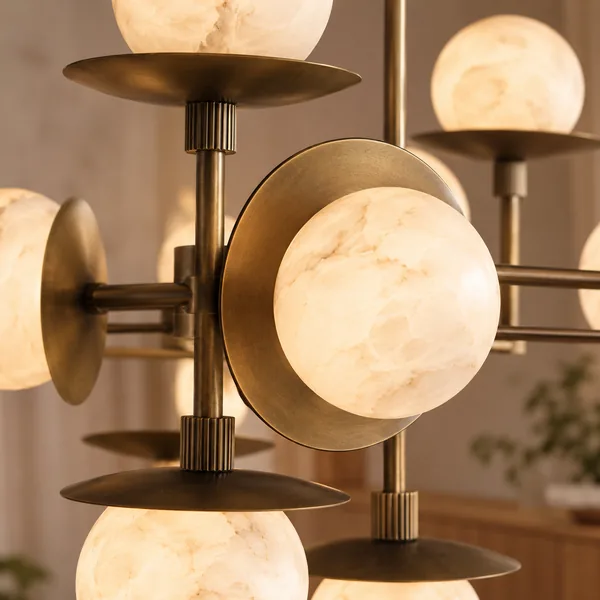
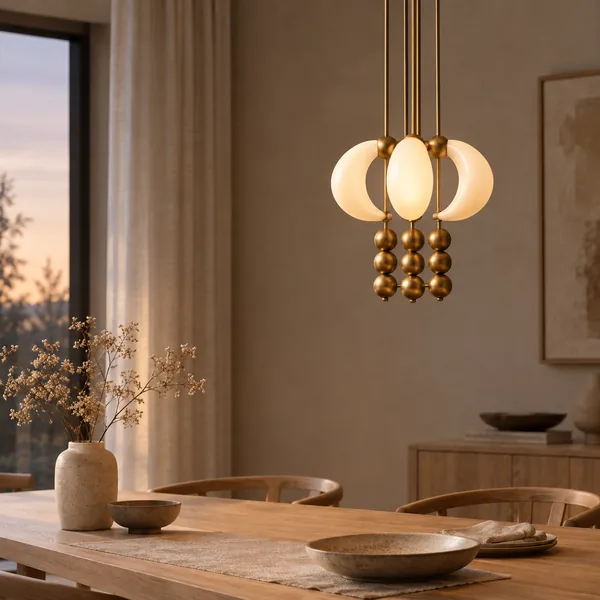
Chandeliers
Shop all Chandeliers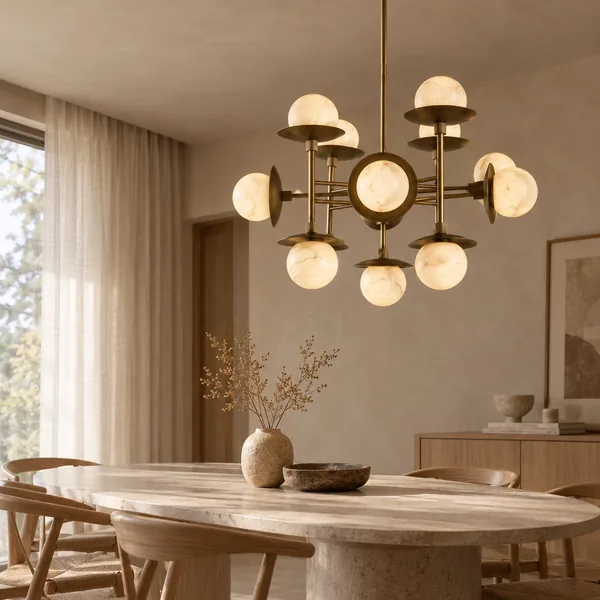
Where to Hang Your Art Deco Pendant Light
Placement is everything when working with statement lighting. The right location ensures your vintage style ceiling light becomes a focal point rather than an afterthought.
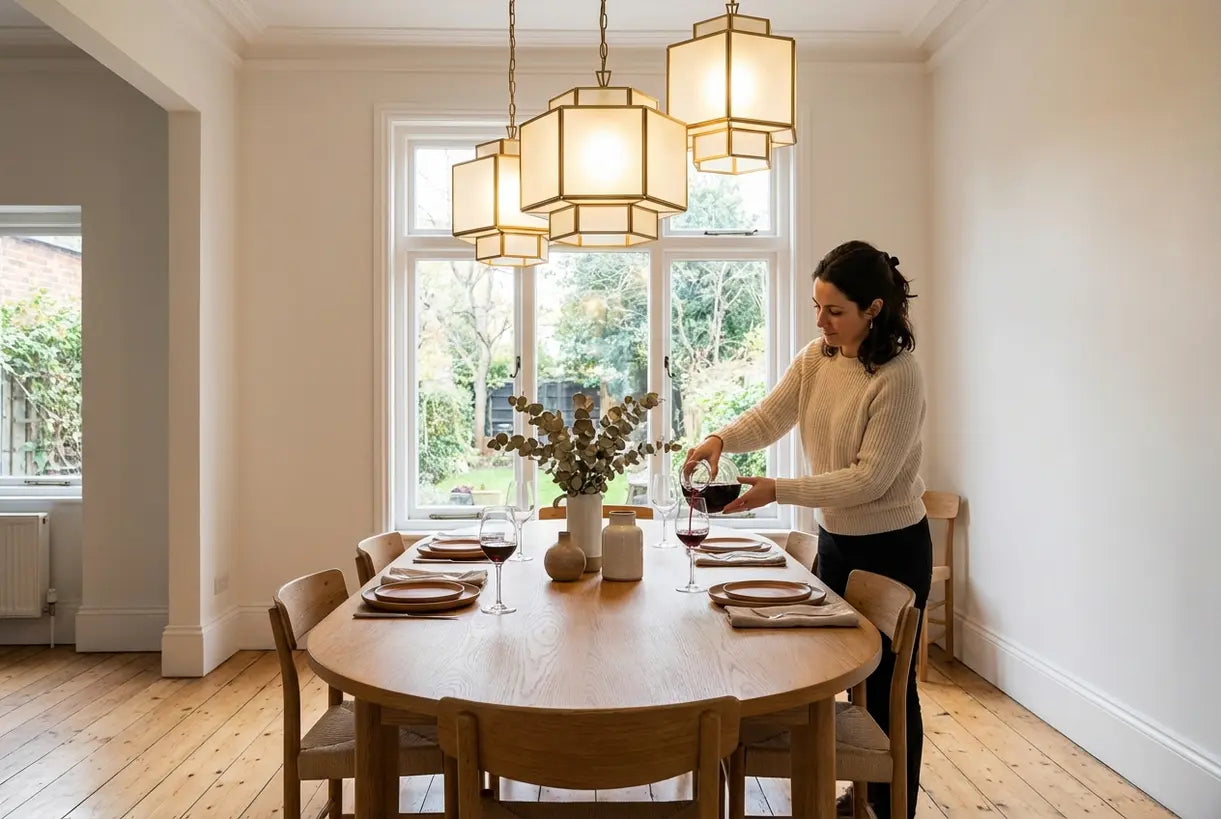
Dining rooms remain the classic choice for Art Deco pendants. Hung approximately 30-36 inches above your table surface, these fixtures create an intimate pool of light that transforms everyday meals into special occasions. The geometric forms cast intriguing shadow patterns across your tabletop as the evening progresses.
Entryways offer another prime opportunity. A bold pendant in your foyer immediately communicates your design sensibility to guests. Choose a piece proportionate to your ceiling height—taller ceilings can accommodate multi-tiered designs, while more modest spaces benefit from single geometric forms.
Bedrooms have emerged as unexpected but effective locations for Art Deco lighting. A brass art deco light hung beside the bed or centered in the room adds a layer of sophistication that elevates the entire space beyond mere functionality.
Color Palettes That Complement Art Deco
The colors you choose to surround your Art Deco lighting significantly impact the overall effect. While the era was known for bold contrasts, today's interpretations often favor more nuanced approaches that feel livable for years to come.
Traditional Art Deco color schemes included:
- Jewel tones: Emerald green, sapphire blue, and amethyst purple paired with gold accents
- High contrast: Black and white checkerboard patterns or zebra stripes
- Metallic warmth: Bronze, copper, and brass against deep navy or forest green
- Cream and gold: Softer variations that emphasize the luxurious materials
When selecting your art deco pendant lighting, consider how the fixture's finish will interact with your wall colors and furnishings. A brass piece glows beautifully against charcoal or navy, while chrome and silver finishes pop against warmer backgrounds like terracotta or cream.
Bringing Art Deco Home
The enduring appeal of Art Deco lies in its confidence. These pieces don't whisper—they announce. They remind us that our homes can be both functional and fantastical, both rooted in history and utterly contemporary. When you choose an art deco pendant light, you're making a deliberate statement about valuing craftsmanship, celebrating geometry, and embracing the drama of light and shadow.
As you consider your own space, think about where a touch of vintage glamour might bring new energy. Perhaps it's the dining room that deserves a centerpiece worthy of long, lingering dinners. Or maybe your entryway calls for a fixture that sets the tone for everything beyond. Wherever you land, remember that the best design choices feel both exciting and inevitable—the perfect piece waiting in exactly the right place.
Conclusion: Illuminate with Intention
Art Deco pendant lights offer something precious in our fast-paced, mass-produced world: the chance to live with objects that carry meaning, history, and undeniable beauty. Whether you're drawn to the sharp geometry of a geometric pendant light or the warm patina of vintage brass, these fixtures transform houses into homes and rooms into experiences.
At Skonne, we curate lighting that honors the Scandinavian principles of intentional living while celebrating the bold glamour of Art Deco design. Each piece in our collection is chosen not just for how it looks, but for how it makes you feel when you enter a room. Because ultimately, the best lighting doesn't just illuminate your space—it illuminates your life.
Explore our complete collection of statement lighting and discover how the right pendant can become the foundation for your most inspired interior yet. Your perfect art deco pendant light is waiting to cast its glow on memories yet to be made.
Related Article
Geometric Pendant Lights: Angular, Structural Fixtures for Modern & Eclectic InteriorsExplore angular, structural geometric pendant lights that transform modern and eclectic interiors. From honeycomb to ring designs, find your perfect statement fixture.