
Basement Bedroom Lighting: How to Brighten a Below-Grade Sleep Space with No Natural Light
Summary›
- The Psychology of Windowless Bedroom Lighting
- The Three Essential Layers of Basement Bedroom Illumination
- Ceiling Solutions for Low Basement Heights
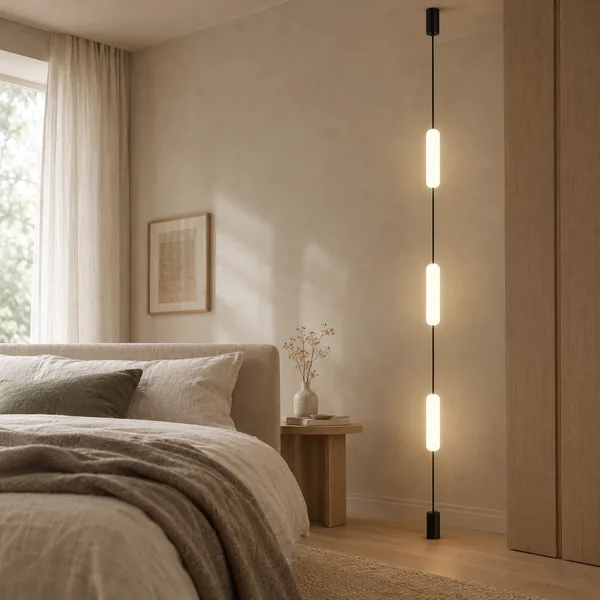
- Wall-Mounted Solutions for Space Efficiency
- Floor and Table Lamps for Layered Warmth
- Smart Controls and Dimmers: Adapting Light to Your Day
- Color Temperature and Bulb Selection
- Bringing Scandinavian Hygge to Your Basement Retreat
- Conclusion
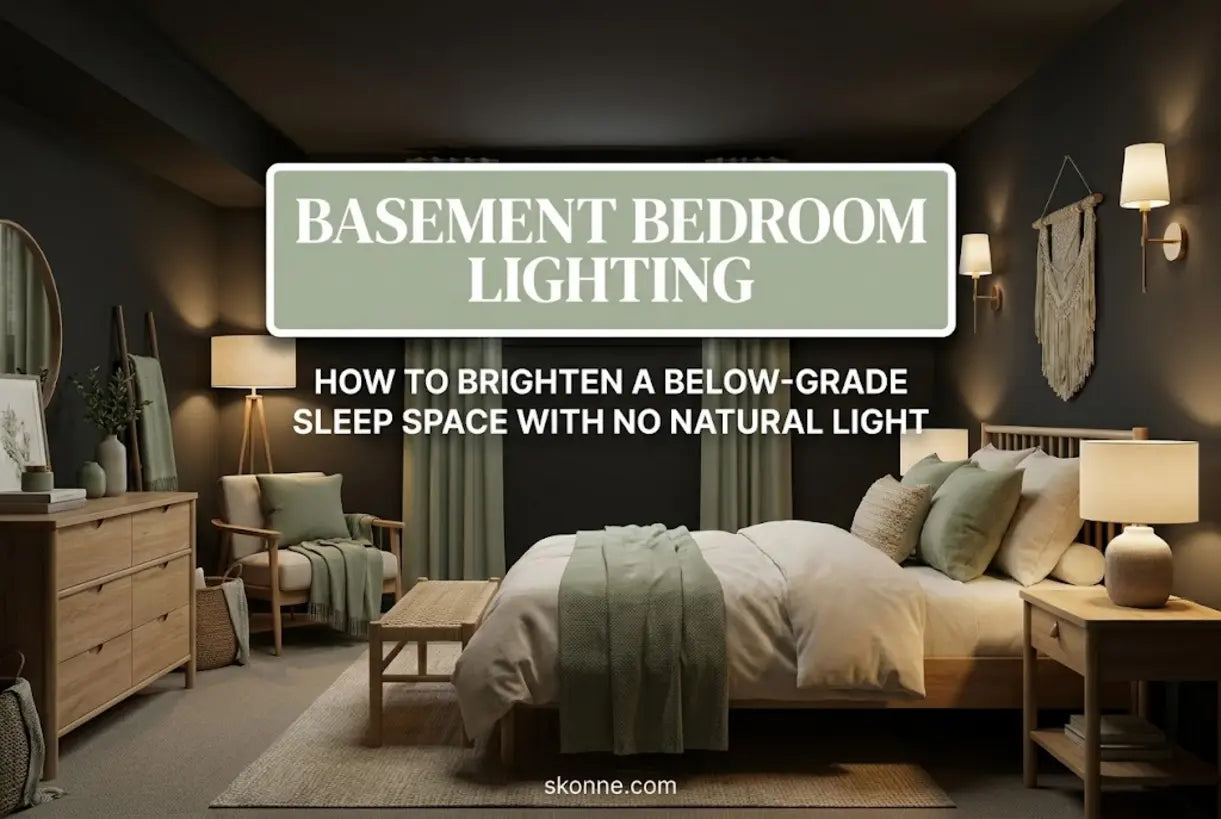
Transforming a below-grade bedroom into a welcoming sanctuary might feel like an uphill battle when you're working with concrete walls, low ceilings, and—most challenging of all—zero natural light. Yet there's something uniquely cozy about a well-lit basement retreat that above-ground bedrooms simply cannot replicate. The key lies in understanding that basement bedroom lighting isn't about mimicking daylight; it's about creating a warm, layered atmosphere that embraces the subterranean setting while banishing the cave-like feeling.
Whether you're converting an unused basement into a guest suite, creating a teenage retreat, or designing your own moody primary bedroom, the right lighting strategy can elevate your space from forgotten storage area to intentional sanctuary. In this guide, we'll explore how to strategically deploy ceiling fixtures, wall sconces, and ambient lamps to create a sleep space that feels open, inviting, and distinctly Scandinavian in its approach to hygge.
The Psychology of Windowless Bedroom Lighting
Basement bedrooms present unique challenges that standard lighting advice simply doesn't address. Without windows to provide natural illumination or circadian rhythm cues, your lighting scheme must work harder to support both physical visibility and emotional wellbeing. Research suggests that inadequate lighting in living spaces can increase feelings of confinement and even disrupt sleep patterns.
However, the absence of natural light also offers opportunity. Rather than fighting against the darkness, effective lighting solutions for basement bedrooms embrace the space's inherent coziness while providing enough illumination to prevent the room from feeling oppressive. This means moving beyond a single harsh overhead fixture and adopting a layered approach that creates depth, warmth, and visual interest.
For those looking to explore ceiling fixture options that work beautifully in basement settings, our Pendant Lights collection offers curated selections that can complement layered lighting schemes when ceiling height permits.
The Three Essential Layers of Basement Bedroom Illumination
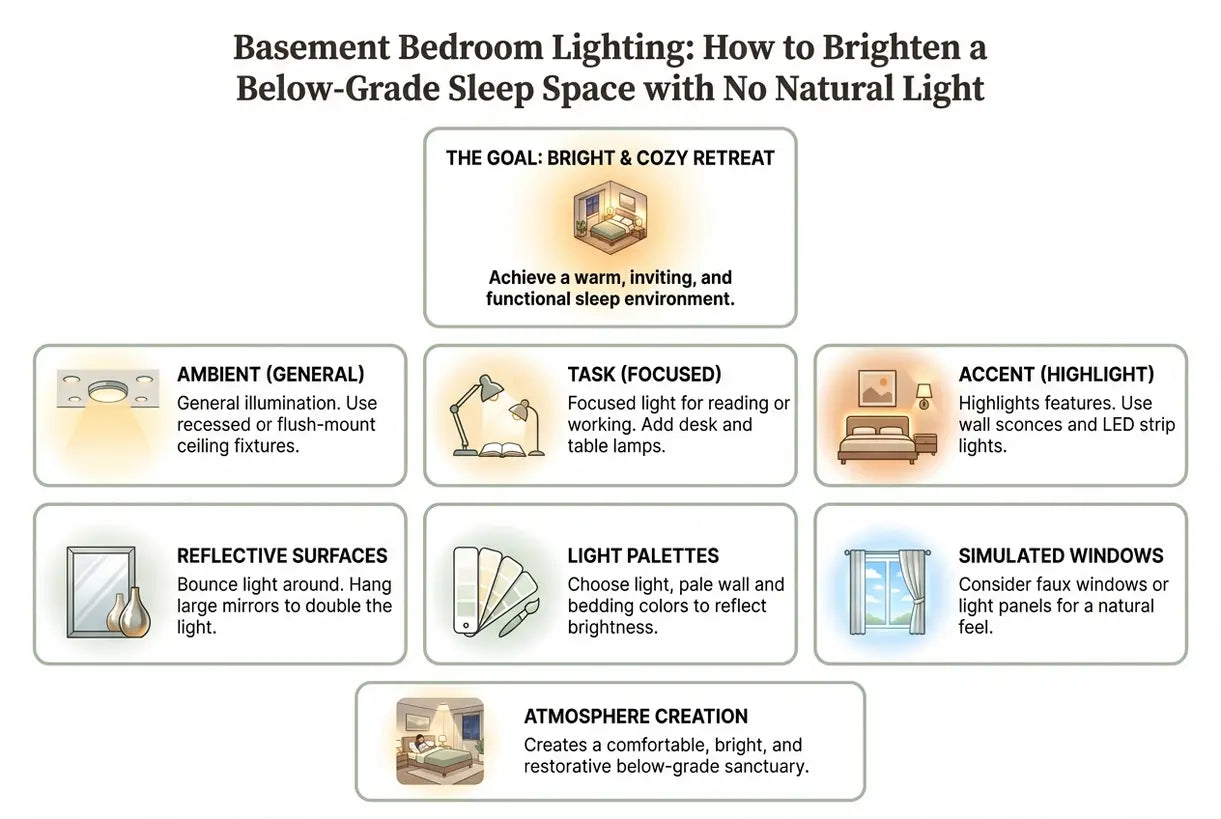
Successful basement bedroom lighting ideas rely on three distinct layers working in harmony. Each serves a specific purpose, and together they create a space that feels both functional and emotionally restorative.
Ambient Lighting: Your Foundation
Ambient lighting provides overall illumination and replaces the natural light your basement lacks. For low ceilings common in below-grade spaces, recessed can lights or flush-mount ceiling fixtures distribute light evenly without consuming precious headroom. Space recessed lights approximately 6 feet apart to eliminate dark pockets, and consider installing them on dimmer switches for flexibility.
Task Lighting: Functional Focus
Task lighting addresses specific activities like reading in bed or getting dressed. In basement bedrooms, concentrated light sources help reduce eye strain when ambient light feels too diffuse. Bedside table lamps, adjustable wall sconces, and focused floor lamps all serve this purpose while adding visual layers.
Accent Lighting: Creating Atmosphere
Accent lighting transforms purely functional illumination into an experience. This layer includes wall sconces that wash textured surfaces with light, floor lamps that create pools of warmth in corners, and even LED strips behind headboards. Accent lighting is particularly crucial in windowless bedroom lighting schemes because it adds the depth and dimension that natural light typically provides.
Bedroom Lighting & Decor
Shop all Bedroom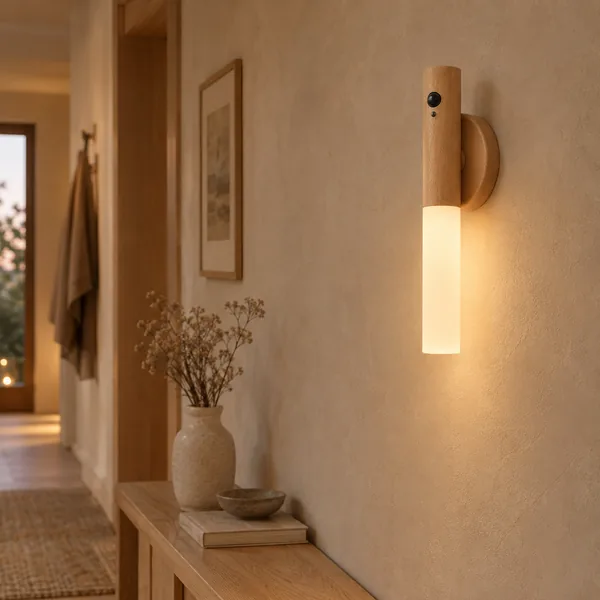
 Save $60.00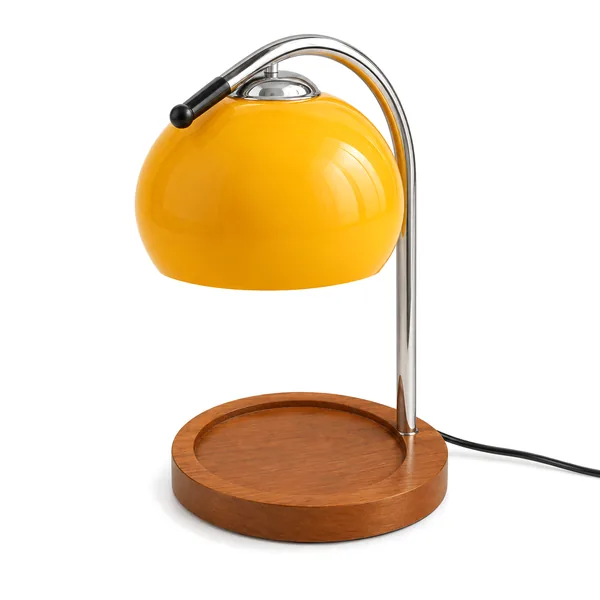
 3 options
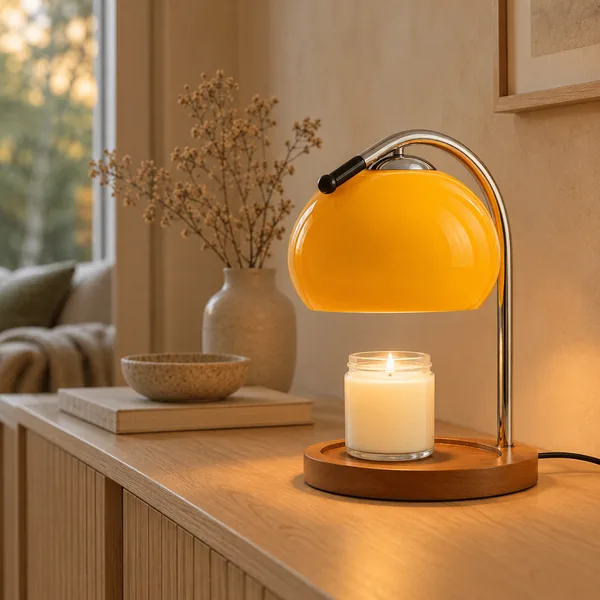
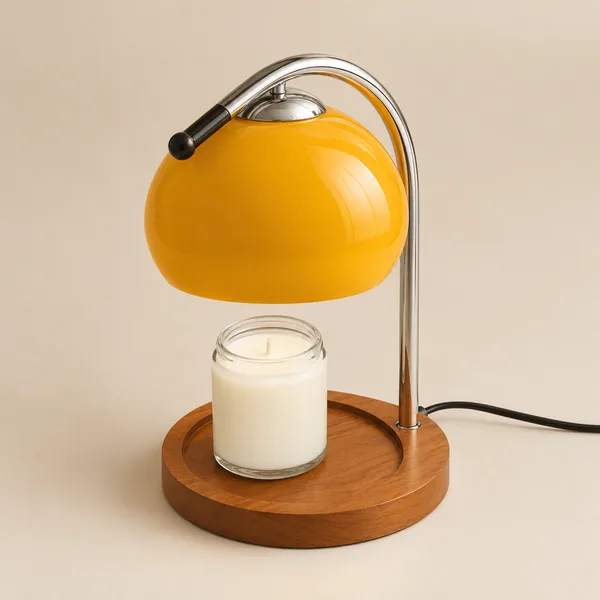
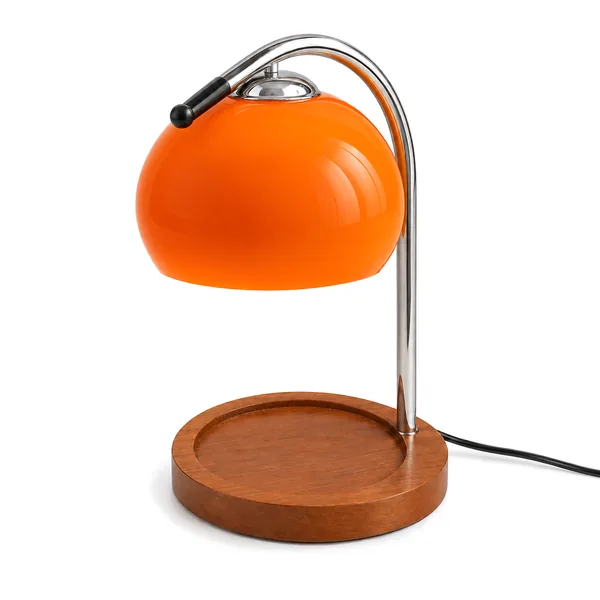
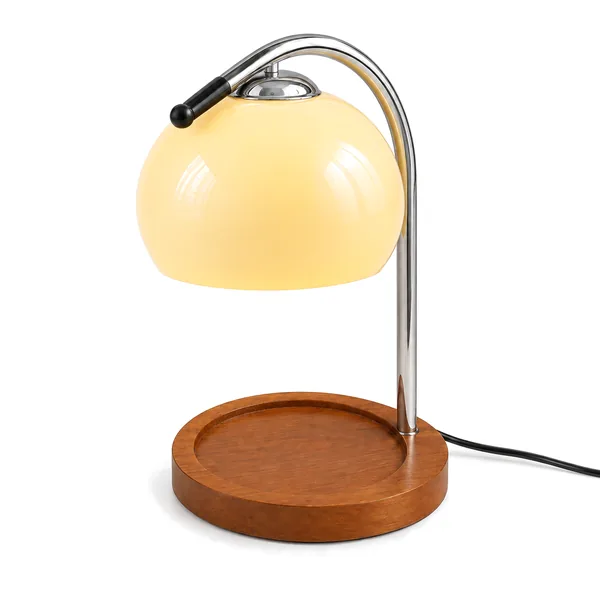
Solvarm Stained Glass Candle Warmer Table Lamp
 Save $120.00
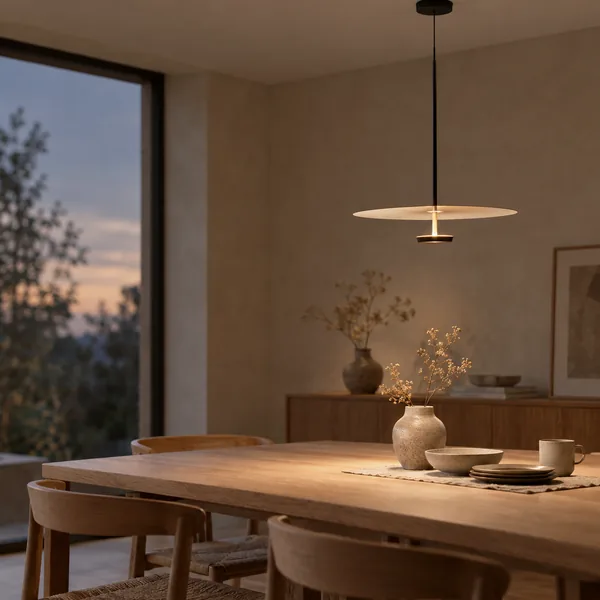
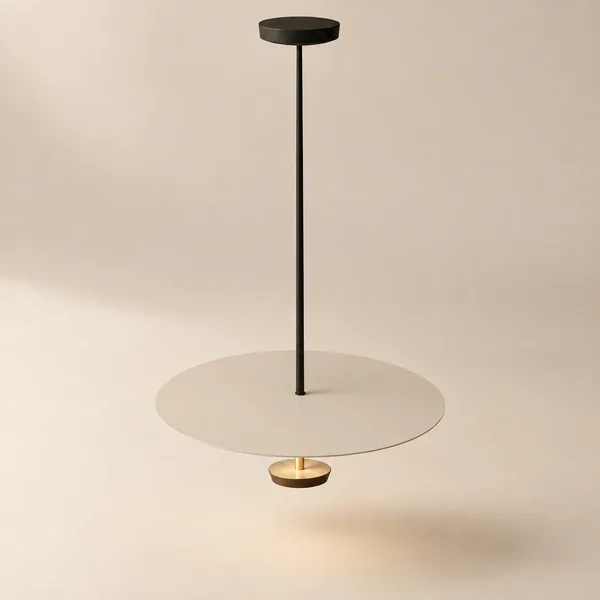
Skiva Nordic Saucer Ceiling Pendant Light LED
Ceiling Solutions for Low Basement Heights
Standard ceiling fixtures often feel intrusive in basements where every inch of headroom matters. Recessed can lights (pot lights) remain the gold standard for basement bedroom ceilings because they sit flush with the drywall, preserving maximum vertical space. Position them strategically to avoid casting shadows over beds and seating areas.
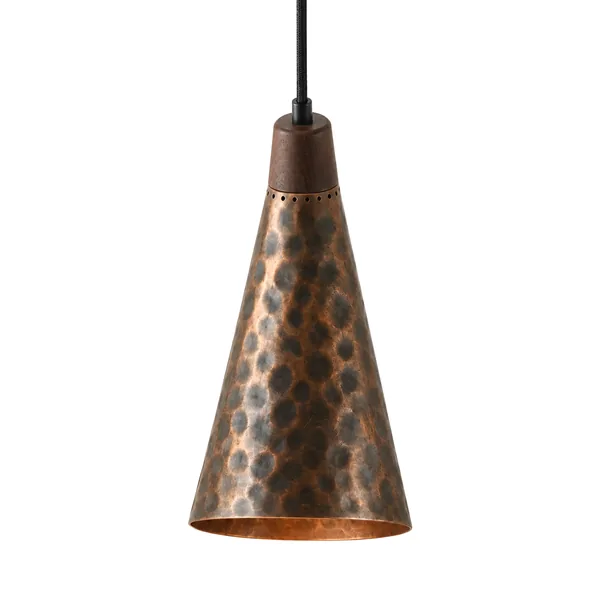
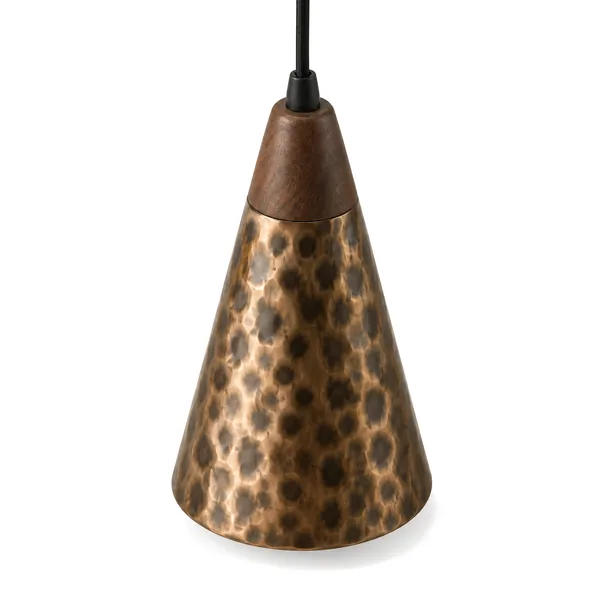
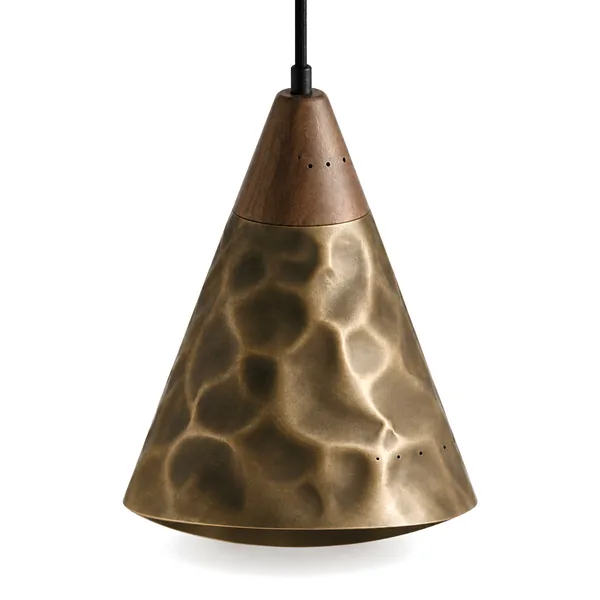
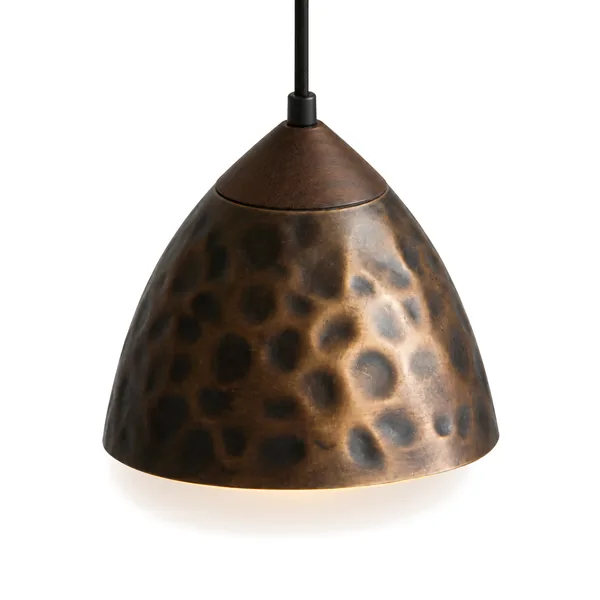
For basements with slightly more generous ceiling heights, semi-flush mounts offer decorative appeal without the hanging bulk of traditional chandeliers. Choose fixtures with upward-facing light sources that bounce illumination off white ceilings, effectively doubling your perceived light output while creating a soft, diffused glow.
Wall-Mounted Solutions for Space Efficiency
Floor space in basement bedrooms is often at a premium, making wall-mounted lighting particularly valuable. Wall sconces for basement bedrooms serve dual purposes: they free up nightstand real estate while directing light exactly where needed. Choose swing-arm sconces for reading nooks or fixed-position fixtures for ambient wall washing.
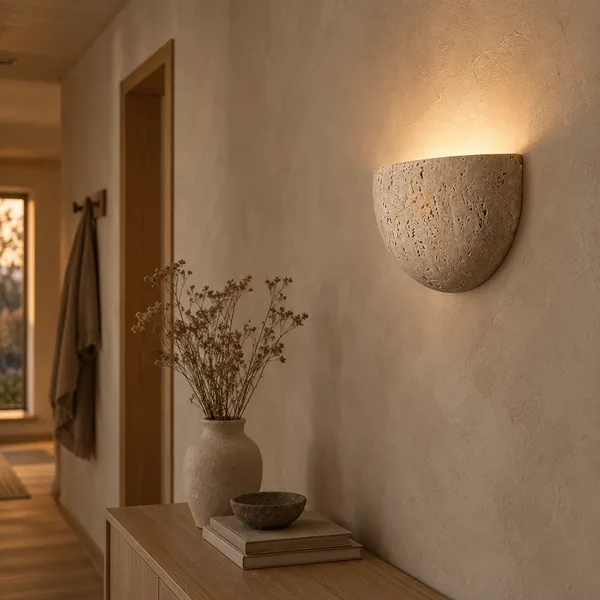
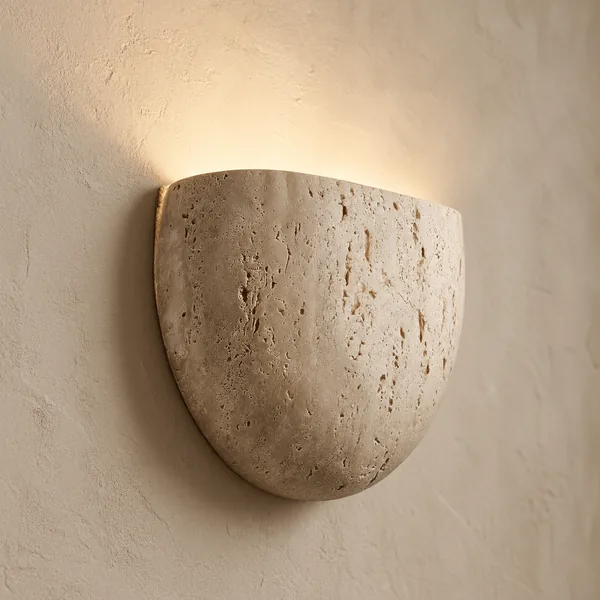
The Glov̈ar Retro Iron Wall Sconce Nordic Design offers an exceptional solution for basement walls requiring character and warmth. This vintage-inspired sconce casts a gentle, diffused glow that eliminates harsh shadows and creates soft ambient lighting in below-grade spaces. Its retro iron finish adds architectural interest to bare concrete or drywall while its warm light temperature prevents the clinical coldness often associated with basement environments.
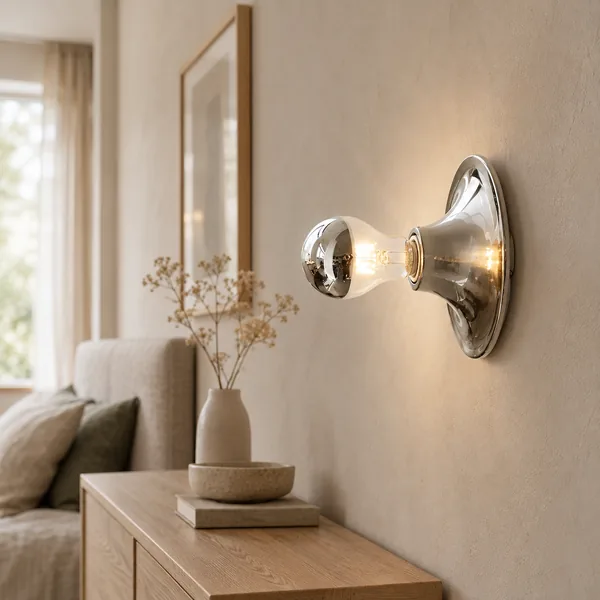 Glødvar Retro Iron Wall Sconce Nordic Design$89.00$129.00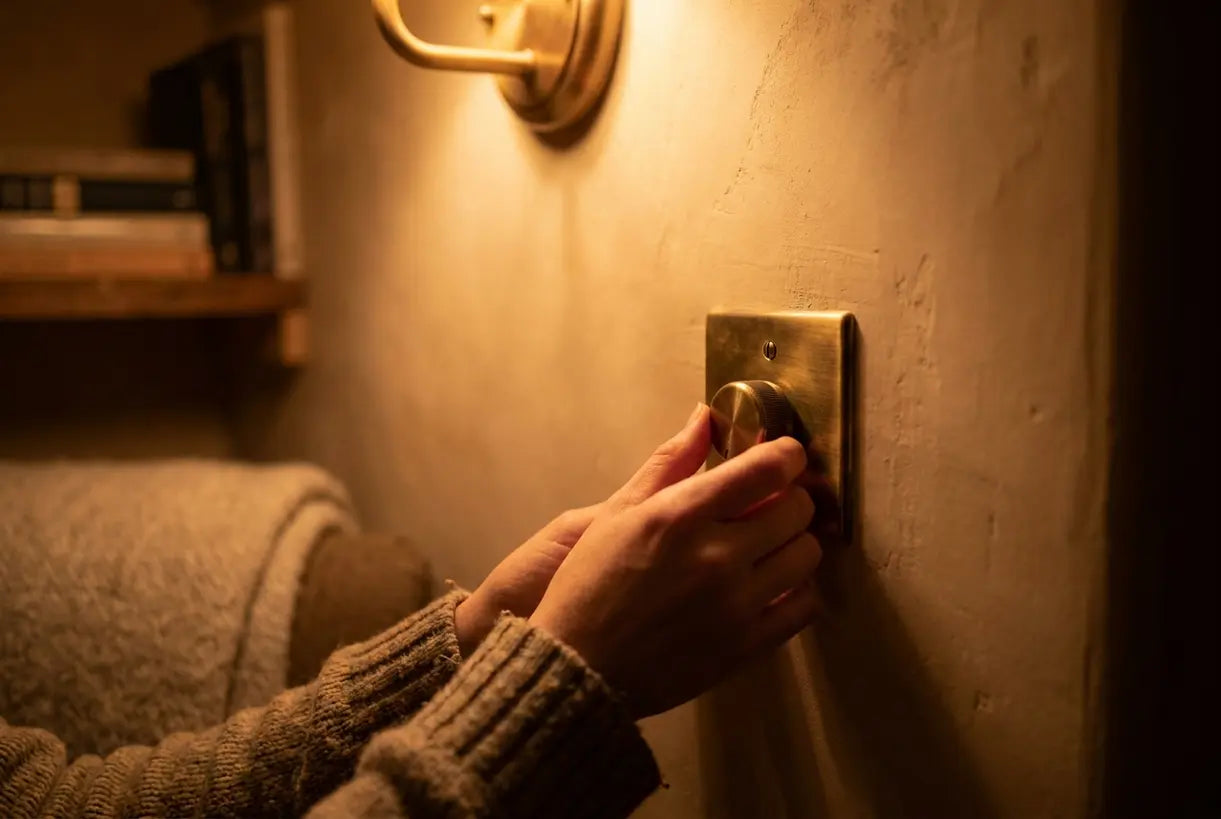
Floor and Table Lamps for Layered Warmth
Portable lighting becomes essential in basement bedrooms where hardwired options may be limited by existing construction. Floor lamps can brighten dark corners that ceiling fixtures miss, while table lamps provide intimate, controllable light zones. The Scandinavian design philosophy emphasizes creating "pools of light" rather than uniform brightness—perfect for windowless spaces where you want to define cozy nooks.
The Stillvei Wabi-Sabi Rice Paper Floor Lamp 57in transforms forgotten basement corners into design moments. Standing nearly five feet tall, this sculptural piece diffuses light through its rice paper shade, creating the kind of gentle, enveloping glow that makes basement bedrooms feel spacious rather than confined. Place it opposite your bed to bounce light off walls, or nestle it beside a reading chair for intimate task lighting.
For bedside illumination, the Shiro Rice Paper Table Lamp Nordic Minimalist delivers soft, layered light that makes harsh overhead fixtures unnecessary. Its compact footprint suits narrow nightstands while its warm ambient glow supports evening wind-down without the blue-light harshness that disrupts sleep cycles. Together, these pieces create a Nordic bedroom lighting scheme that embraces rather than fights the basement's inherent coziness.
Scandinavian Lighting Solutions for Basement Bedrooms
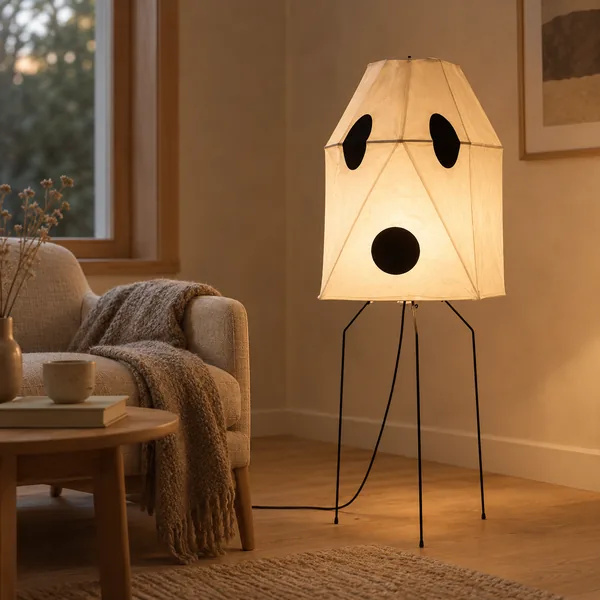 Stillvei Wabi-Sabi Rice Paper Floor Lamp 57in$389.00$529.00
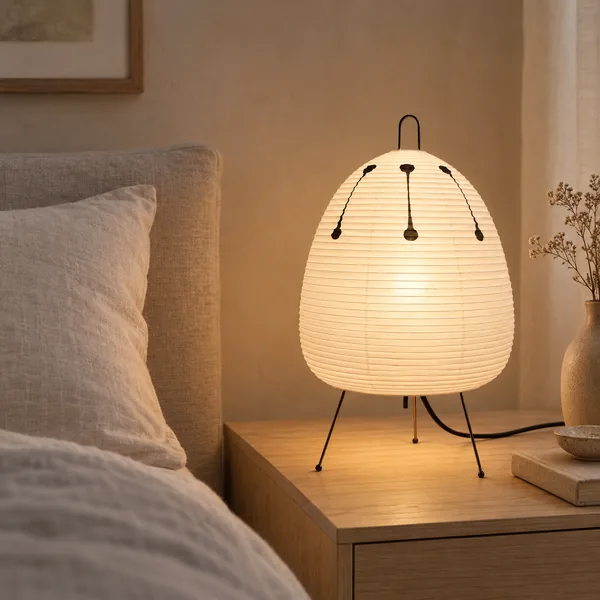 Shiro Rice Paper Table Lamp Nordic Minimalist$119.00$199.00
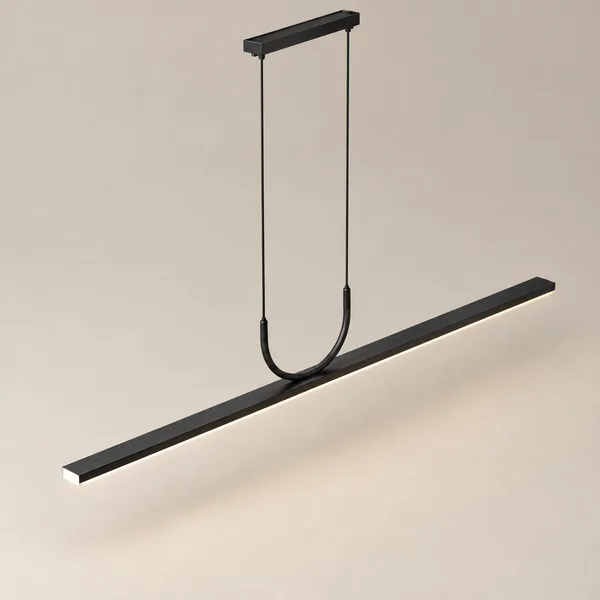
Mounted Ceiling Lights
Shop all Ceiling Lights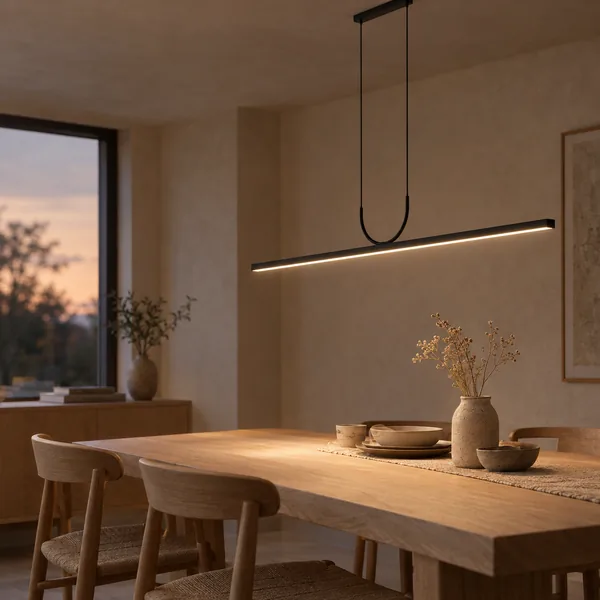

Smart Controls and Dimmers: Adapting Light to Your Day
One often overlooked aspect of below-grade bedroom lighting is the ability to adjust intensity throughout the day. Without natural light cues, your basement bedroom lighting should help signal your circadian rhythm—brighter, cooler light in morning hours transitioning to warm, dimmed illumination in the evening.
Install dimmer switches on all overhead fixtures and choose lamps with three-way bulbs or smart capabilities. This flexibility allows you to create energizing light for morning routines and wind-down ambiance for sleep preparation. Consider smart bulbs that can shift color temperature from energizing cool whites (4000K-5000K) during daytime to warm ambers (2700K) in the evening.
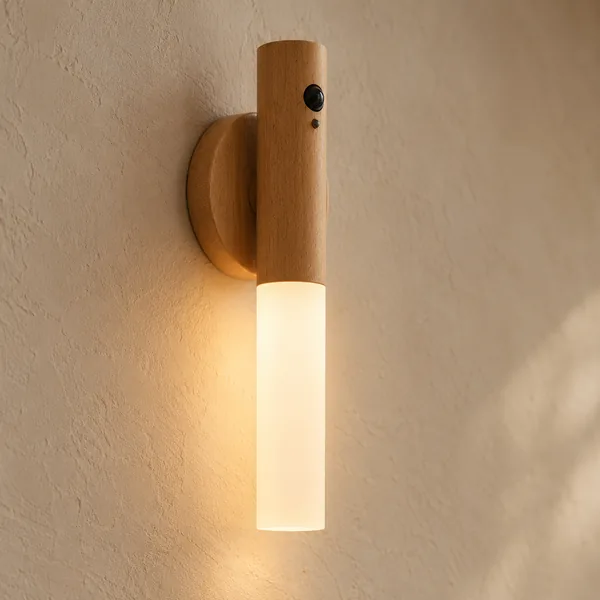
Pro Tip: Install motion-sensor night lights along the path from your basement bedroom to the bathroom. This safety feature provides just enough illumination for navigation without flooding your space with wakeful brightness during nighttime trips.
Color Temperature and Bulb Selection
The quality of light matters more than quantity in basement bedrooms. Look for LED bulbs with a high Color Rendering Index (CRI) above 90, which ensures colors appear true and skin tones look natural rather than sallow. For best lighting for basement bedroom results, select bulbs between 2700K and 3000K—warm enough to feel cozy without the yellow cast that can make spaces feel dated.
Avoid daylight bulbs (5000K+) in residential basement spaces, as they can feel institutional and harsh. Instead, embrace the inherently cocoon-like quality of below-grade rooms with warm-toned illumination that invites relaxation. Consider using bulbs with warm dim technology that automatically shifts to warmer color temperatures as you dim the brightness.
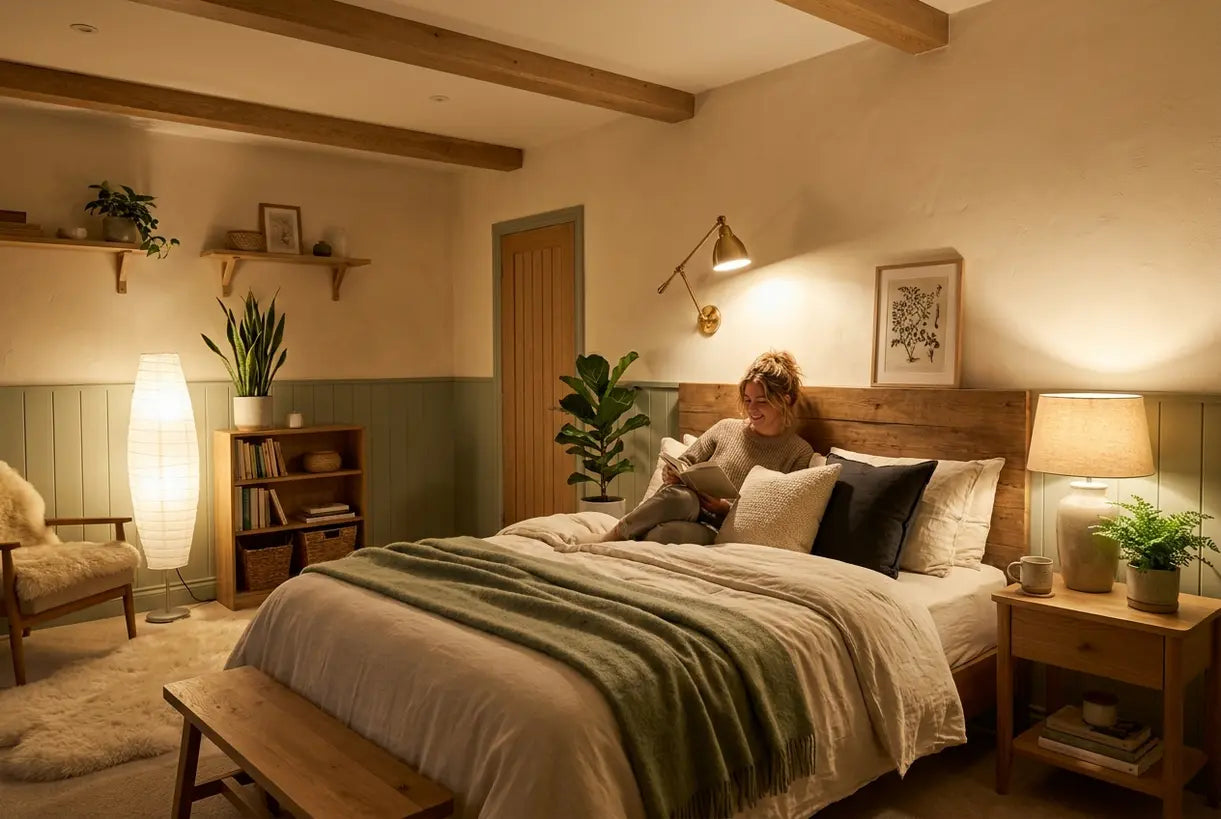
Bringing Scandinavian Hygge to Your Basement Retreat
The Danish concept of hygge—the feeling of cozy contentment—translates perfectly to basement bedroom design. Rather than attempting to flood your below-grade space with artificial brightness that mimics the sun, embrace the opportunity to create an intentionally intimate atmosphere. Layer multiple light sources at varying heights, incorporate natural materials like the rice paper and iron found in Nordic fixtures, and prioritize warm color temperatures.
Remember that mirrors become powerful tools in windowless bedrooms, reflecting and amplifying your carefully planned lighting scheme. Position mirrors opposite your primary light sources to effectively double their impact. Combined with the right lighting for basement bedroom fixtures, even the darkest below-grade space can become your favorite room in the home.
Conclusion
Creating a luminous, welcoming basement bedroom requires abandoning the single-overhead-fixture approach in favor of thoughtful layering. By combining recessed ceiling lights for ambient foundation, wall sconces like the Glødvar Retro Iron Wall Sconce for space-efficient character, and portable pieces like the Stillvei Wabi-Sabi Floor Lamp and Shiro Rice Paper Table Lamp for warmth and flexibility, you transform a challenging space into a curated retreat.
At Skonne, we believe every space deserves lighting that honors both form and function. Our Scandinavian-inspired collections are designed specifically for modern living situations—including the increasingly popular basement conversion. Whether you're tackling a full renovation or refreshing an existing below-grade bedroom, our curated lighting solutions bring Nordic warmth to even the most light-challenged environments.
Related Article
Feng Shui Bedroom Lighting: How to Arrange Light for Harmony, Rest & Positive EnergyTransform your bedroom into a peaceful sanctuary with feng shui-inspired lighting. Learn placement, layering, and balancing techniques for restful nights.