
Feng Shui Bedroom Lighting: How to Arrange Light for Harmony, Rest & Positive Energy
Summary›
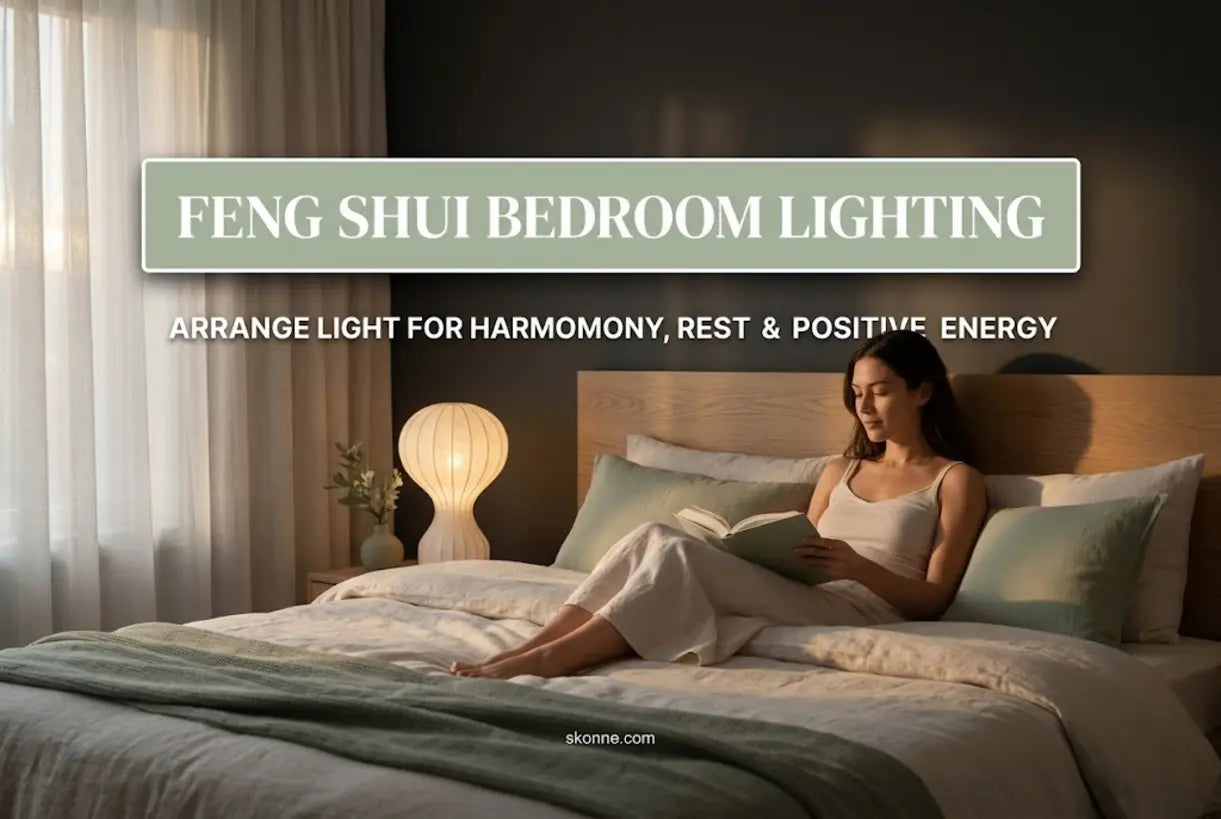
Your bedroom is more than just a place to sleep. It's your personal sanctuary for restoration, intimacy, and renewal. When the lighting feels off, everything feels off. Harsh overhead glare disrupts relaxation, mismatched fixtures create visual chaos, and the wrong color temperature can sabotage your circadian rhythm before you even close your eyes.
Feng shui lighting in bedroom design offers a transformative approach that goes beyond aesthetics. This ancient practice recognizes that light is energy, and the way we arrange it directly impacts our sleep quality, emotional wellbeing, and even our relationships. At Skonne, we believe the principles of feng shui align beautifully with Scandinavian hygge philosophy, both celebrating intentionality, warmth, and mindful living spaces.
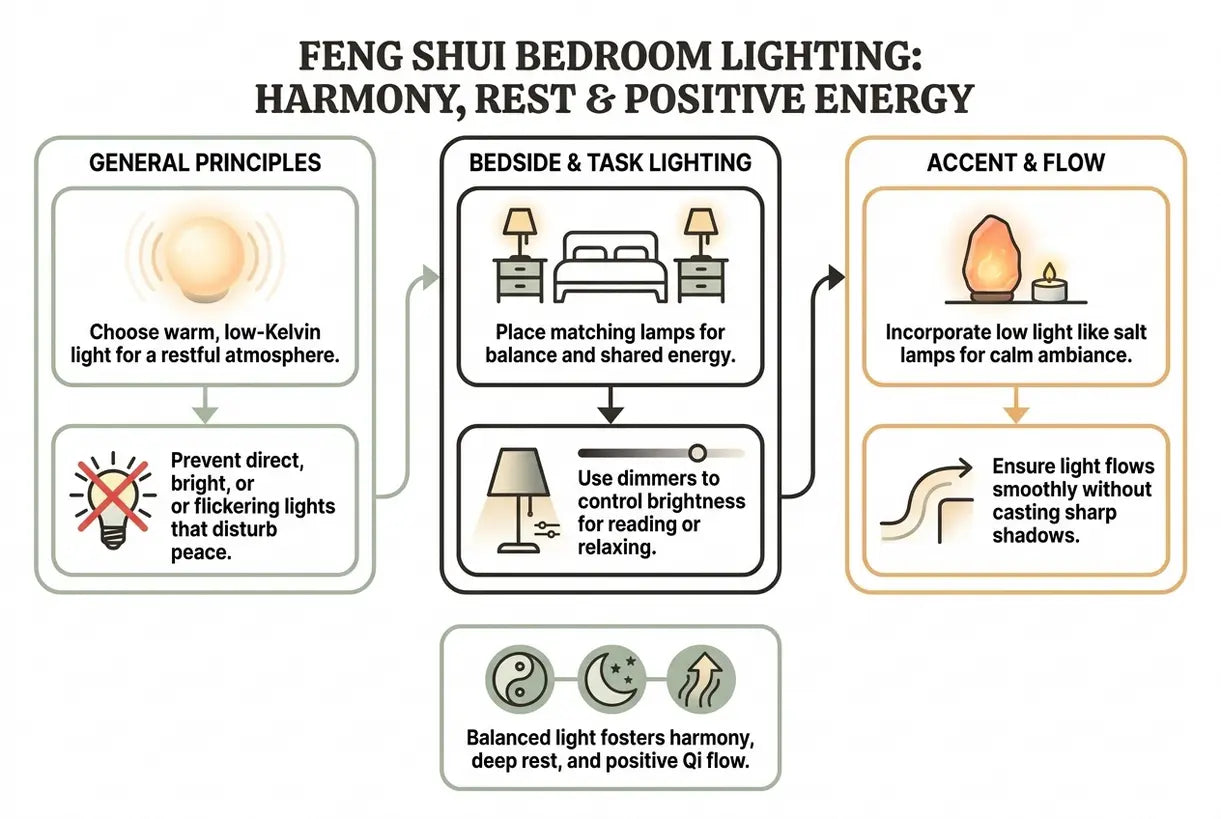
This guide will walk you through creating a bedroom lighting scheme that honors feng shui principles while embracing the clean, calming aesthetic you love. You'll discover how to arrange light sources for optimal energy flow, why symmetry matters more than you think, and which fixtures help cultivate the restful sanctuary you deserve.
Understanding Feng Shui Lighting Principles
Feng shui teaches that our environments directly influence our inner state. In the bedroom, this philosophy becomes especially important because we spend nearly a third of our lives in this space. The goal is creating yin energy: soft, receptive, nurturing, and conducive to deep rest.
Light represents fire energy in feng shui, and too much of it can overstimulate the nervous system. Conversely, insufficient lighting creates stagnant, heavy energy that drains vitality. The solution lies in soft ambient bedroom lighting that feels like a gentle embrace rather than a harsh interrogation.
Warm color temperatures between 2700K and 3000K naturally support melatonin production and signal to your body that it's time to wind down. This isn't merely about preference, it's biochemistry meeting ancient wisdom. For those looking to explore more options, our Adjustable Wall Lights offer a curated selection that allows precise control over your bedroom's illumination levels.
The most successful feng shui bedrooms use multiple light sources at varying heights rather than relying on a single harsh overhead fixture. This layering creates depth, reduces shadows, and allows you to adjust the atmosphere based on your activities and mood.
The Art of Layered Lighting for Bedroom Harmony
Layered lighting forms the foundation of any well-designed feng shui bedroom. Rather than flooding the space with uniform brightness from above, skilled practitioners create pools of gentle illumination that guide the eye and soothe the mind.
The three essential layers include ambient lighting for overall softness, task lighting for reading or dressing, and accent lighting to highlight artwork or architectural features. Together, they create dimension without competition, each source contributing to a cohesive whole.
Ceiling fixtures in feng shui should be chosen carefully. Flush mounts or semi-flush fixtures with frosted glass diffuse light upward and outward, avoiding the downward pressure that can create subconscious stress. Dimmable options allow you to lower intensity as bedtime approaches, gradually transitioning your body into rest mode.
Wall sconces positioned at eye level when seated create flattering, indirect illumination that eliminates harsh shadows. They free up valuable nightstand space while contributing to the room's vertical balance. When selecting fixtures, consider materials that feel grounded and natural: brushed metals, linen shades, and organic shapes that echo forms found in nature.
Bedroom Lighting & Decor
Shop all Bedroom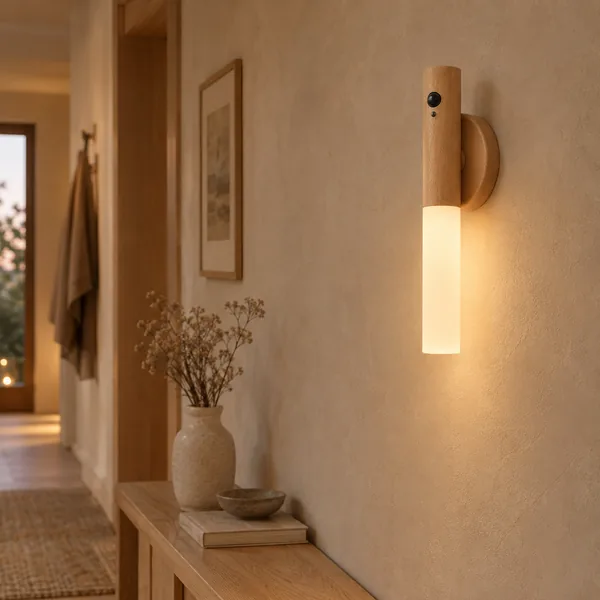
 Save $60.00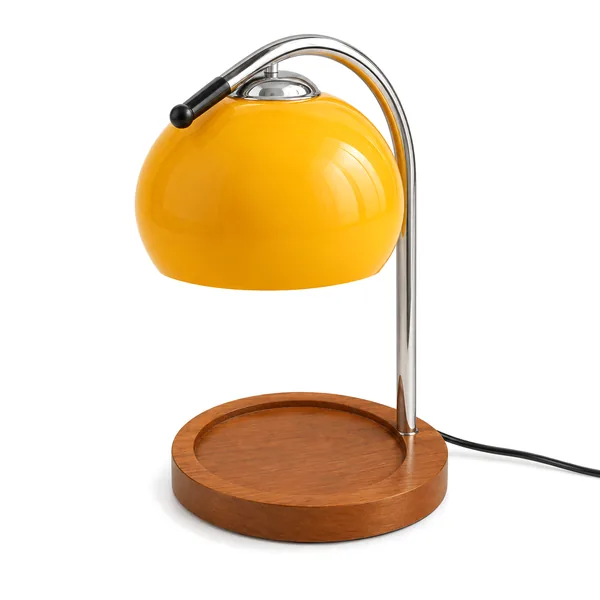
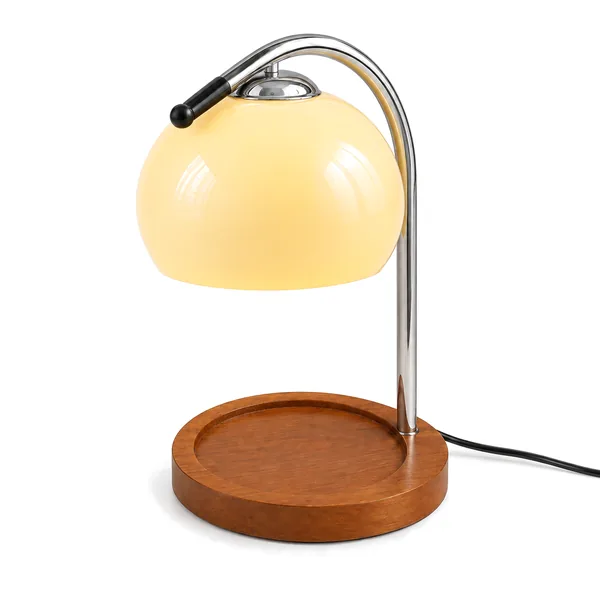 3 options
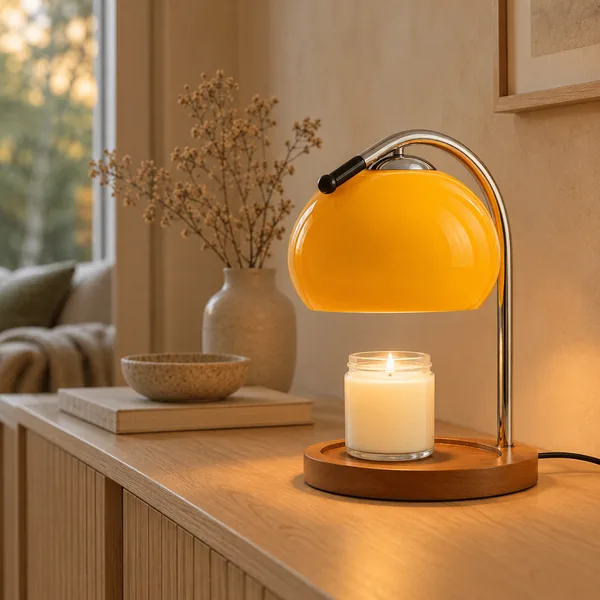
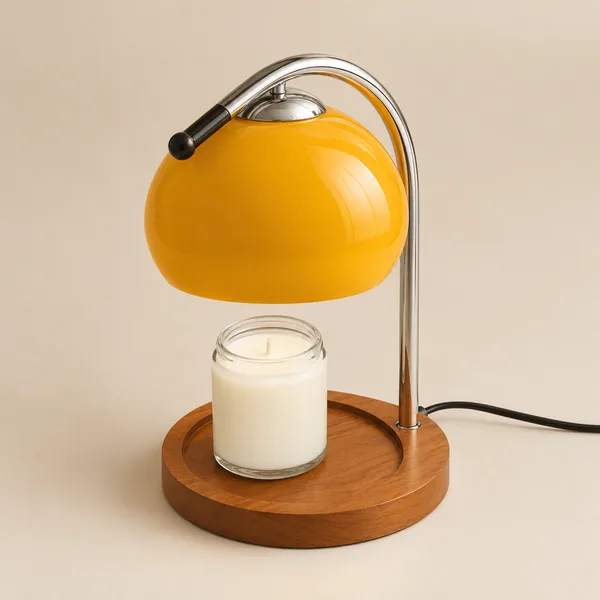
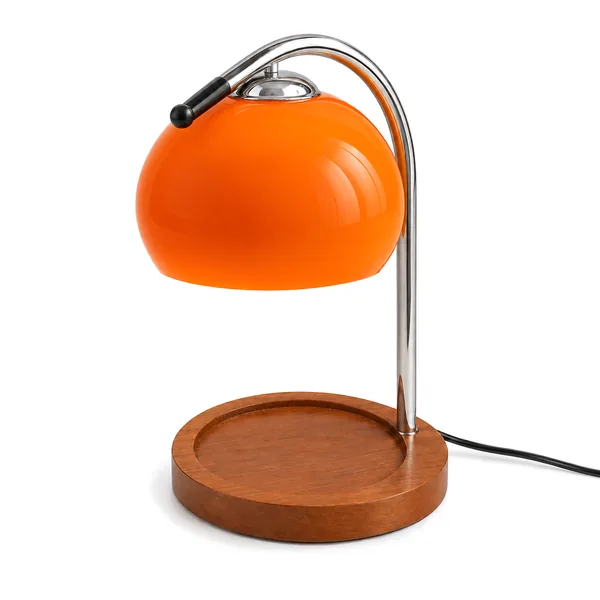
Solvarm Stained Glass Candle Warmer Table Lamp
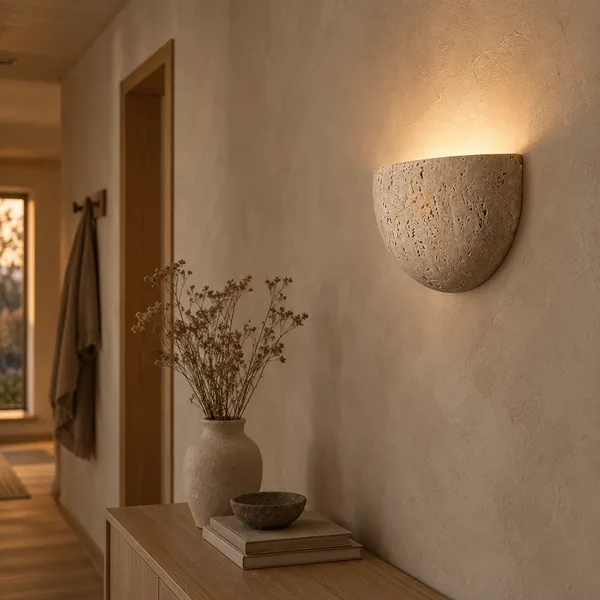
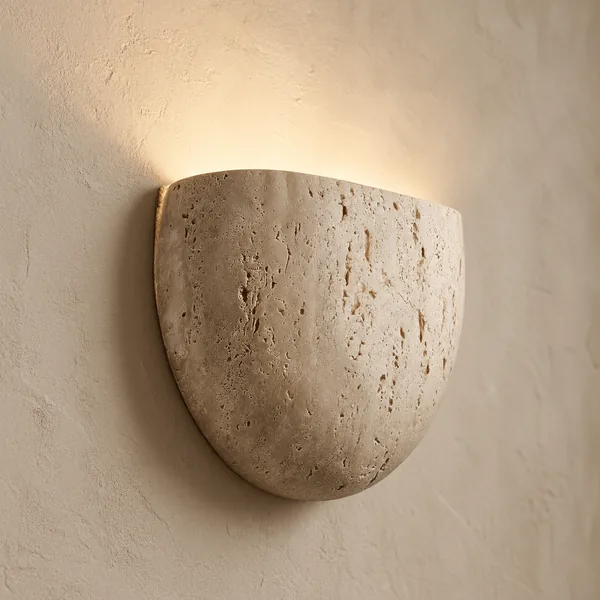
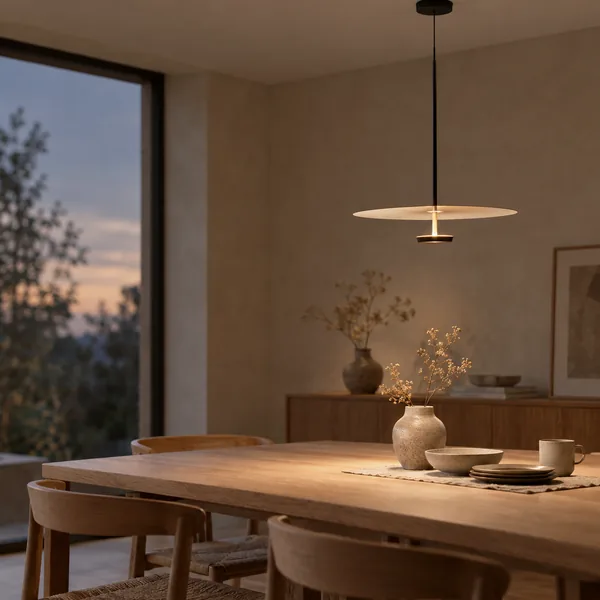
 Save $120.00
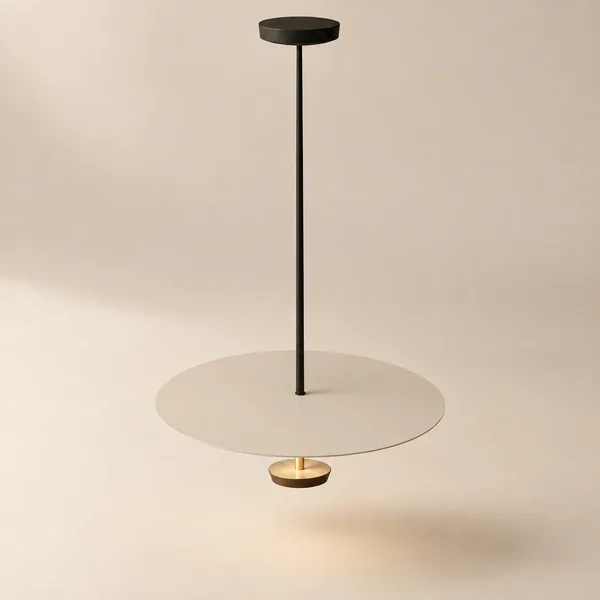
Skiva Nordic Saucer Ceiling Pendant Light LED
Creating Symmetry with Bedside Lighting
Symmetry represents one of feng shui's most powerful tools for creating energetic balance. In the bedroom, this principle manifests most clearly through symmetrical bedside lamps flanking your sleeping space. Even if you sleep alone, this arrangement honors the partnership energy of the room and creates visual equilibrium that calms the nervous system.
Matching lamps don't need to be identical twins, but they should share similar scale, height, and visual weight. When one side dominates with a towering fixture while the other offers a diminutive glow, the imbalance can subtly create feelings of inequality or restlessness.
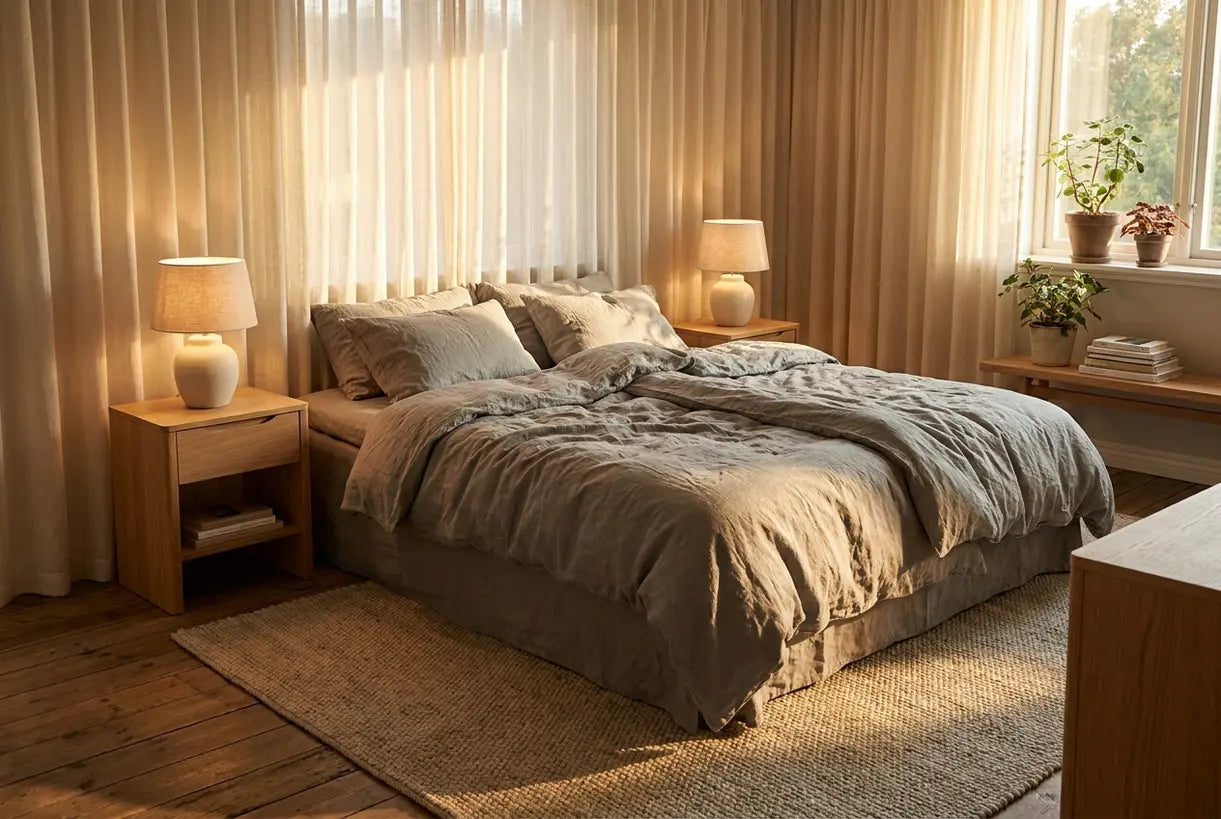
The height of your balanced bedside lighting matters significantly. Lamps should align with your chin level when sitting up in bed, typically 24 to 27 inches from the tabletop to the bottom of the shade. This positioning allows comfortable reading light without glare that would disturb a partner or create harsh shadows across the face.
Consider the shape of your lamp bases and shades as well. Rounded, organic forms support the gentle energy conducive to sleep, while sharp angles and aggressive geometry can create subtle subconscious tension. This is where Scandinavian design philosophy naturally aligns with feng shui, both favoring curves, natural materials, and intentional simplicity.
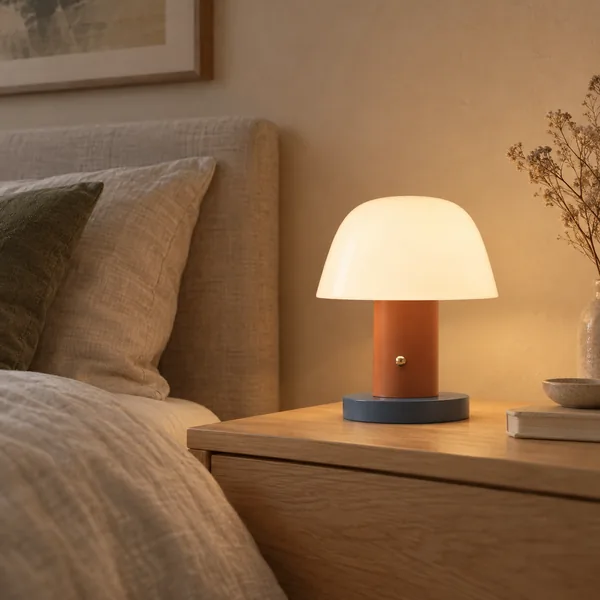 Mykva Nordic Mushroom Table Lamp USB Dimmable$99.00$189.00
The Mykva Nordic Mushroom Table Lamp exemplifies this philosophy beautifully. Its organic mushroom silhouette brings nature-inspired softness to your nightstand, while the touch-dimmable feature allows you to gradually lower light intensity as you transition toward sleep. The USB charging capability eliminates cord clutter that can disrupt a room's energy flow.
The Perfect Color Temperature for Restful Sleep
Not all warm light is created equal. Understanding the measurable characteristics of light helps you make informed choices that support your biological rhythms. Color temperature, measured in Kelvin, determines whether light appears warm and golden or cool and blue.
Warm light feng shui bedroom design favors temperatures between 2200K and 2700K for evening hours. This spectrum mimics candlelight and sunset, triggering the release of melatonin and preparing your body for rest. During morning routines, slightly cooler temperatures around 3000K can gently energize without the jarring effect of bright white light.
Smart bulbs and dimmable fixtures allow you to program these transitions automatically, though manual adjustment can become a mindful ritual that signals to your body it's time to unwind. The act of dimming lights becomes a boundary between the busy external world and your protected sanctuary space.
Consider also the Color Rendering Index (CRI) of your bulbs. Higher CRI values (90+) ensure that colors appear natural and true, which creates visual comfort and reduces eye strain. When your bedroom feels visually harmonious, your mind can more easily release the tensions of the day.
Strategic Placement of Light Sources
Feng shui ceiling light placement requires thoughtful consideration of how energy circulates. The center of the bedroom, known as the heart of the room, should not be dominated by a massive fixture that creates downward pressure. Instead, choose fixtures that distribute light evenly or direct it upward toward the ceiling.
Avoid positioning bright lights directly above the bed. This placement can create a sense of vulnerability and disrupt the protective energy needed for deep rest. If your room's wiring requires overhead lighting above the sleeping area, choose a fixture with a diffuser and install a dimmer switch to minimize intensity.

Corners hold particular significance in feng shui, as stagnant energy tends to accumulate in these spaces. Upward-facing floor lamps or well-placed wall sconces can activate these areas, ensuring that bedroom lighting for good energy flows throughout the entire room rather than pooling only near the bed.
Closets and dressing areas deserve dedicated lighting that allows you to see clearly without flooding the entire bedroom with bright illumination. LED strips or puck lights inside closets illuminate clothing choices without disturbing the room's overall atmosphere. Mirrors should never reflect the bed directly, but when positioned thoughtfully, they can amplify and distribute gentle light throughout the space.
Perfect Pairs for Feng Shui Harmony
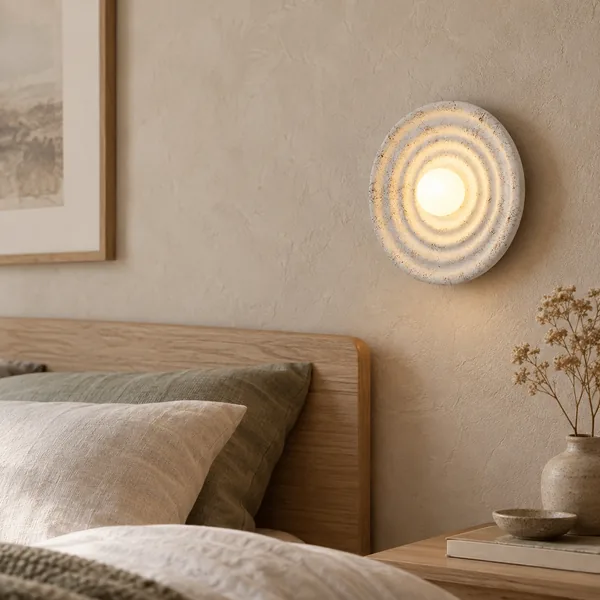 Lysring Circular LED Wall Light Wabi-Sabi Style$169.00$229.00
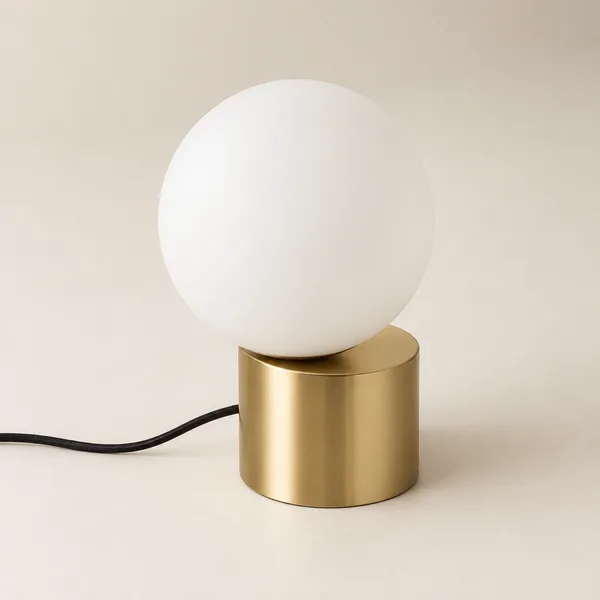 Glodra Brass Frosted Glass Ball Table Lamp$169.00$249.00
The Lysring Circular LED Wall Light offers an exceptional solution for creating symmetry without sacrificing nightstand space. Its halo form represents completeness and eternal cycles, while the soft, indirect glow creates exactly the kind of ambient layer feng shui masters recommend. Pair it with the Glodra Brass Frosted Glass Ball Table Lamp, which combines warm brass elements with diffused glass for the perfect yin balance of soft illumination.
Table Lamps
Shop all Table Lamps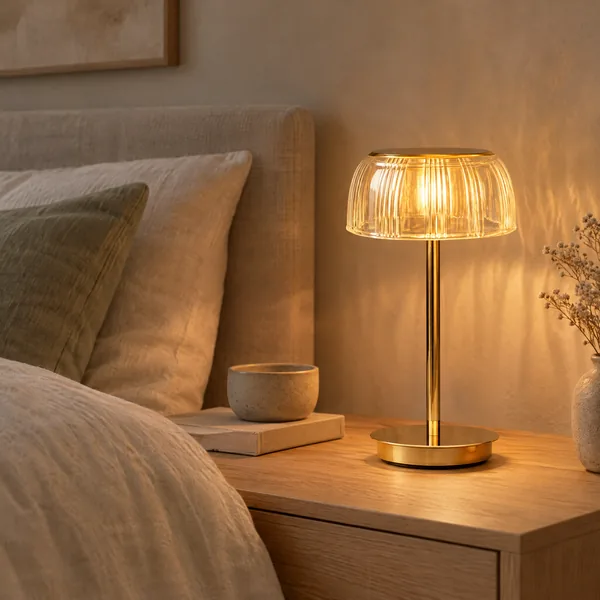
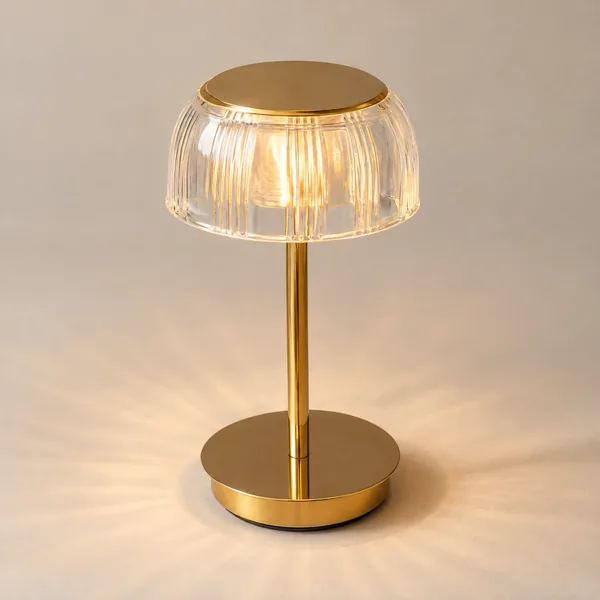 Save $30.00
Kvalla Jellyfish LED Rechargeable Table Lamp
Save $60.003 optionsSolvarm Stained Glass Candle Warmer Table Lamp
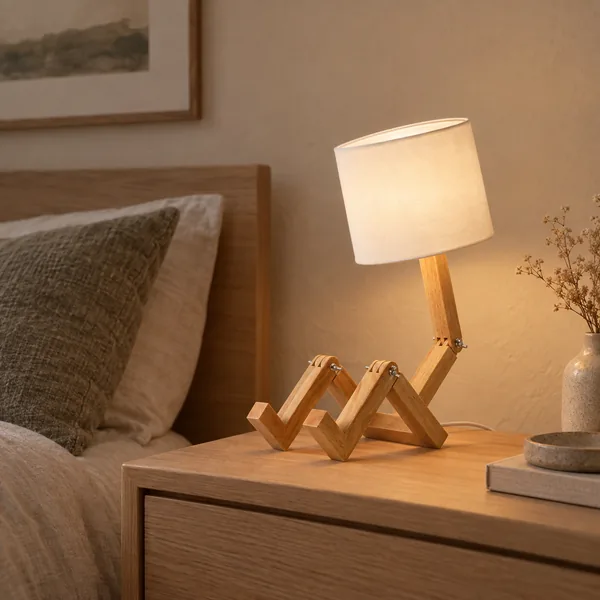
 Save $220.00
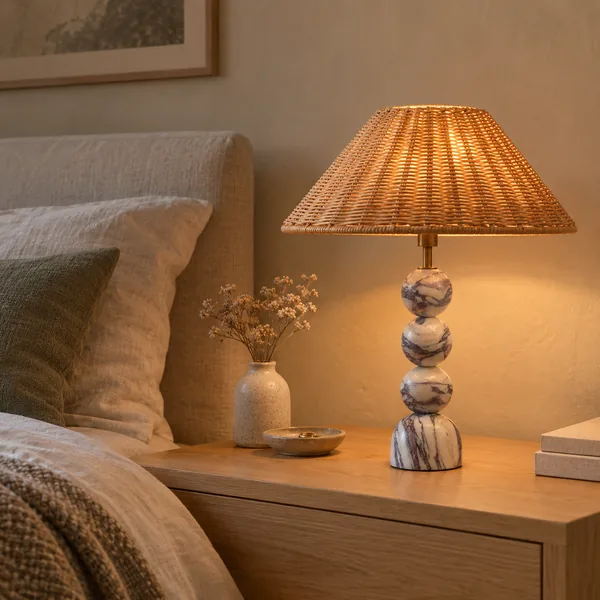
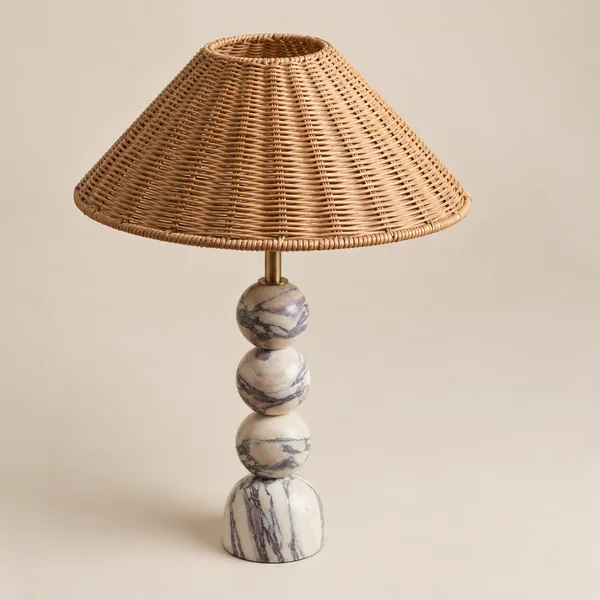
Stenglo Nordic Marble Table Lamp Rattan Shade
Common Feng Shui Lighting Mistakes to Avoid
Even with the best intentions, certain lighting choices can undermine your bedroom's energetic harmony. Recognizing these pitfalls helps you create a space that truly supports restoration and connection.
Harsh overhead lighting tops the list of feng shui offenders. Recessed can lights positioned directly over the bed create what practitioners call "poison arrows" of intense energy. Ceiling fans with integrated lighting can create similar problems while adding the energetic disturbance of moving blades above the sleeping area.
Television screens and electronic devices emit blue light that disrupts circadian rhythms and introduces stimulating energy into the rest space. If you must have a television in your bedroom, ensure it can be completely concealed behind cabinet doors when not in use, and never position it to reflect in mirrors.
Broken or flickering fixtures demand immediate attention. In feng shui, they represent unstable energy and can subtly contribute to feelings of anxiety or unease. Similarly, mismatched or single bedside lamps in a shared bedroom suggest energetic imbalance between partners.
Finally, avoid cluttered lighting schemes that compete for attention. Too many fixtures, conflicting styles, or excessive decorative lighting creates visual and energetic chaos. The Scandinavian principle of lagom, just enough, applies perfectly here: curate your lighting with intention and restraint.
Conclusion
Creating a bedroom that nurtures deep rest and positive energy requires more than simply installing fixtures. Feng shui lighting in bedroom design invites you to approach your space with mindfulness, recognizing that every illumination choice either supports or undermines your wellbeing.
The principles we've explored, layered ambient light, symmetrical arrangements, warm color temperatures, and strategic placement, all serve a singular purpose: creating a sanctuary where your body and mind can truly let go. When combined with the clean, intentional aesthetic of Scandinavian design, these practices create bedrooms that feel both timeless and deeply personal.
At Skonne, we curate lighting collections that honor these principles. From touch-dimmable bedside companions to sculptural wall sconces that free your nightstands, every piece is selected to help you cultivate the calm, intentional home you deserve. Explore our collections and discover how the right light can transform not just your bedroom, but your quality of rest.
Related Article
Vaulted Ceiling Lighting for the Bedroom: Best Fixtures & Tips for Angled & High CeilingsExpert guide to choosing and installing the perfect lighting fixtures for vaulted bedroom ceilings. Elevate your space with Scandinavian-inspired pendant lights and chandeliers.