
Decorative Sand Clocks & Hourglasses: The Best Designs for Stylish, Functional Decor
Summary›
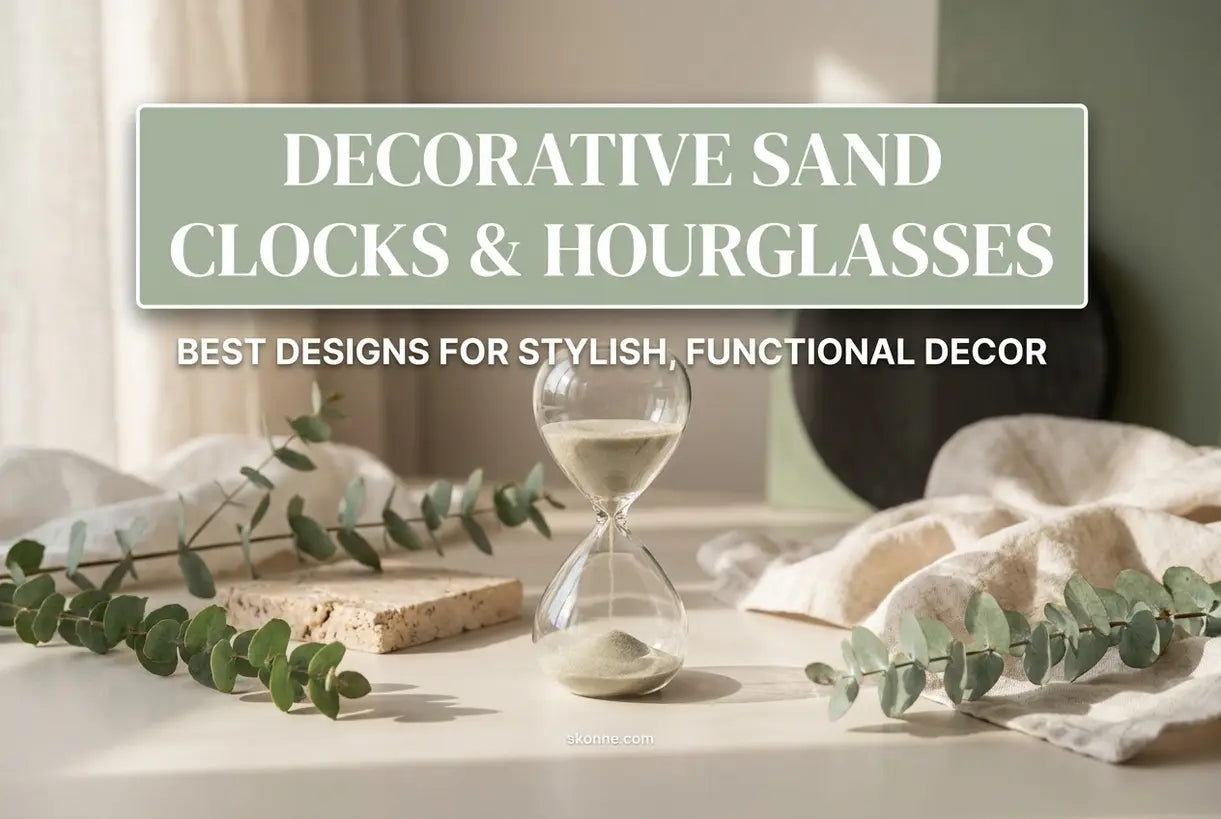
There's something deeply grounding about watching sand cascade through glass. In a world of digital notifications and constant connectivity, the decorative sand clock invites us to slow down and appreciate time as a tangible, flowing element. Whether perched on a bookshelf or commanding attention on a console table, these sculptural timepieces transform empty spaces into moments of quiet reflection.
This guide explores the best hourglass designs for stylish, functional home decor. We'll discover how modern interpretations honor this ancient timekeeping tradition while seamlessly integrating into contemporary Scandinavian interiors. By the end, you'll understand exactly how to select and place a sand timer that reflects your personal aesthetic—and where to find pieces that bring true hygge into your home.
What Makes Decorative Sand Clocks Special?
For centuries, these elegant instruments have symbolized the passage of time, life's impermanence, and the beauty of patience. Unlike their digital counterparts, sand hourglasses offer a mesmerizing visual experience—the steady, rhythmic descent of grains creates a meditative focal point that draws the eye and calms the mind.
Today's designers have reimagined the sandglass as both functional art and statement decor. From minimalist glass cylinders to sculptural metal frames, modern hourglasses serve dual purposes: they measure intervals with quiet precision while elevating your interior with organic texture and geometric simplicity.
The Art of Time in Scandinavian Design
Scandinavian aesthetics celebrate restraint, natural materials, and intentional living—qualities that align perfectly with the hourglass's essence. In Nordic homes, decorative hourglasses rarely stand alone. They're thoughtfully paired with complementary pieces that share similar material palettes and design philosophies.
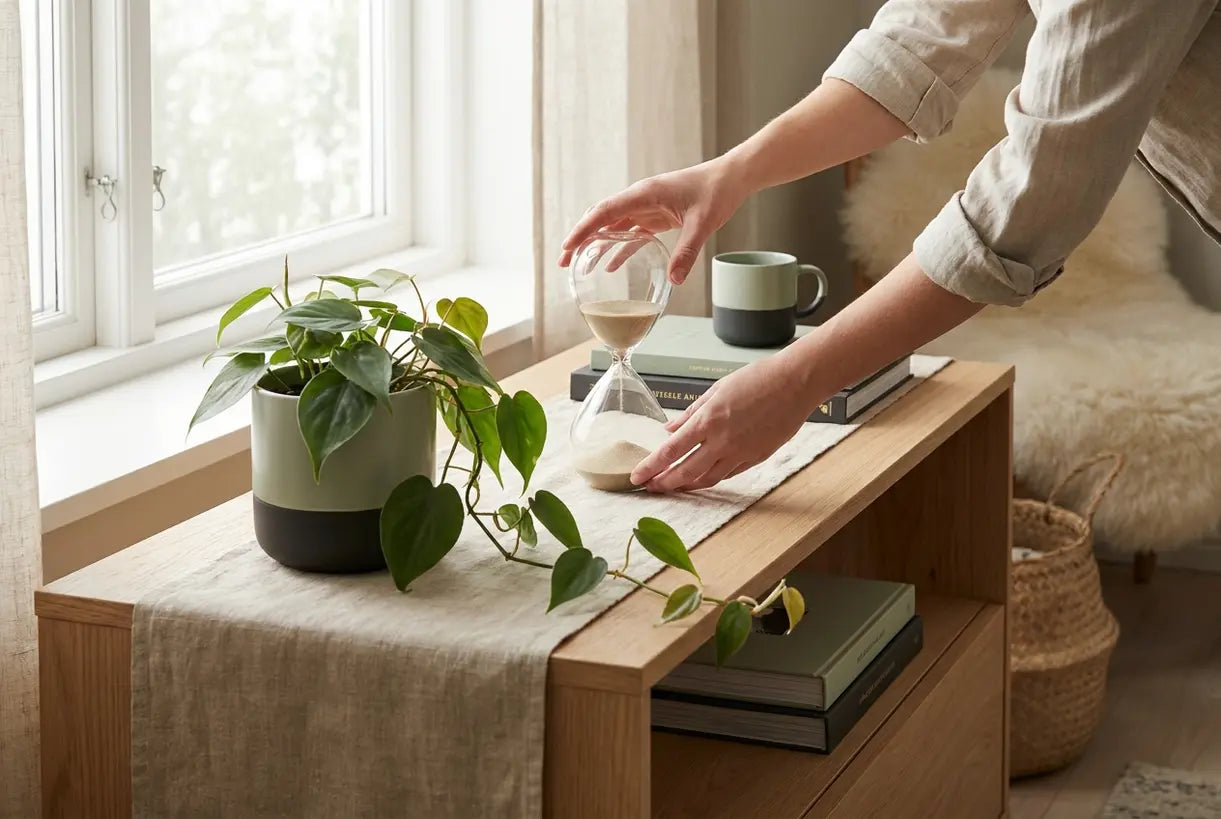
Consider how a travertine base echoes the organic warmth of wooden furniture, or how a glass vessel reflects the light filtering through sheer linen curtains. These material conversations create cohesive vignettes that feel both curated and effortlessly relaxed.
Types of Decorative Hourglasses for Modern Homes
Not all sand clocks are created equal. Understanding the variations will help you select one that complements your specific interior style.
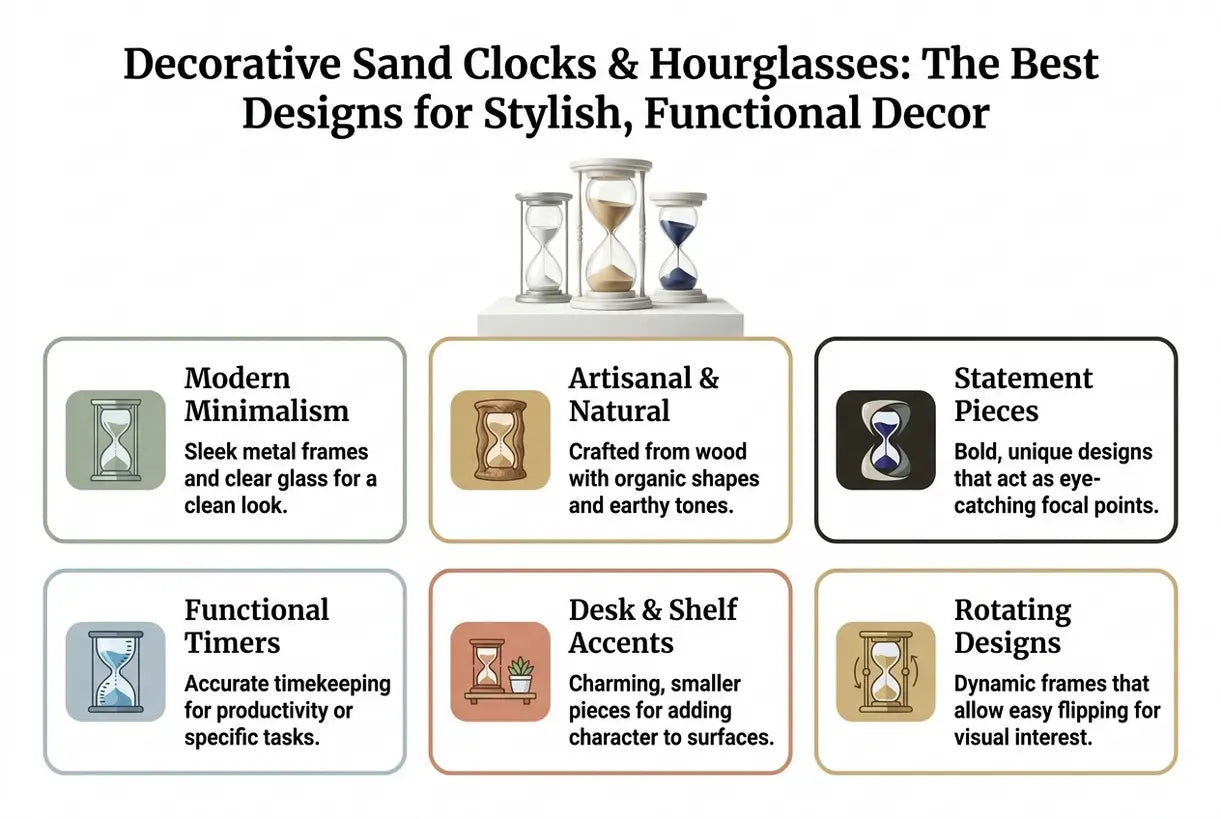
- Modern Hourglass Designs: Clean lines, geometric shapes, and industrial materials like brushed metal and borosilicate glass dominate this category. These pieces work beautifully in contemporary lofts and minimalist apartments.
- Minimalist Sand Clock: Stripped of ornamentation, these focus purely on form and function. Think single glass bulbs held by simple wooden stands or metal rings—perfect for nordic hourglass enthusiasts.
- Vintage Hourglass: Ornately carved wooden frames or brass fittings evoke old-world charm. These suit traditional study rooms, libraries, or eclectic bohemian spaces.
- Decorative Sand Timer: Artistic interpretations that prioritize sculptural appeal over precise timing. These range from oversized statement pieces to delicate, colored-sand versions in jewel tones.
Decorative Wall Clocks
Shop all Wall Clocks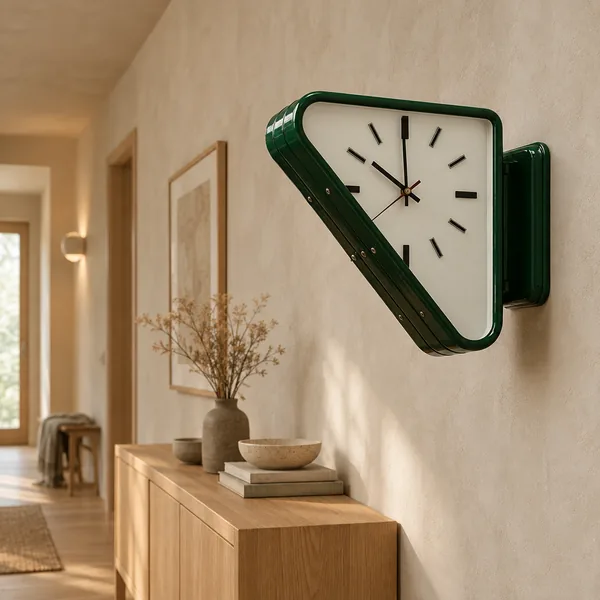
 Save $110.00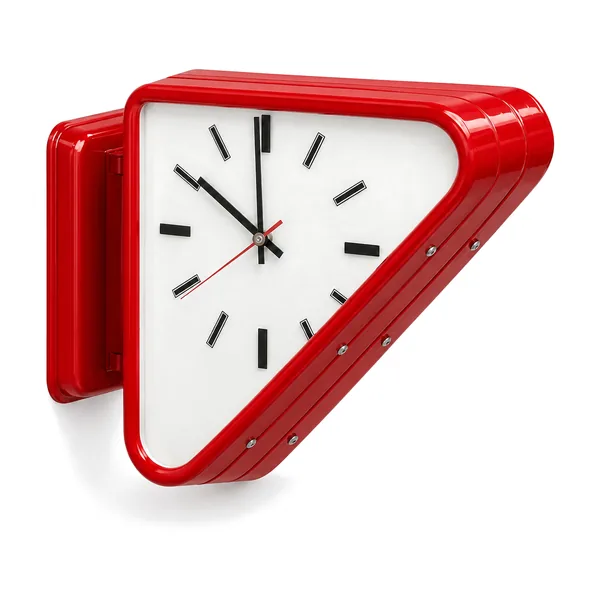
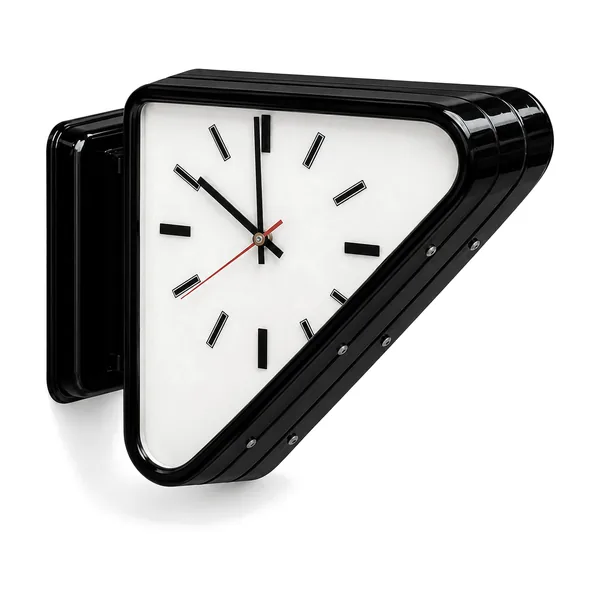
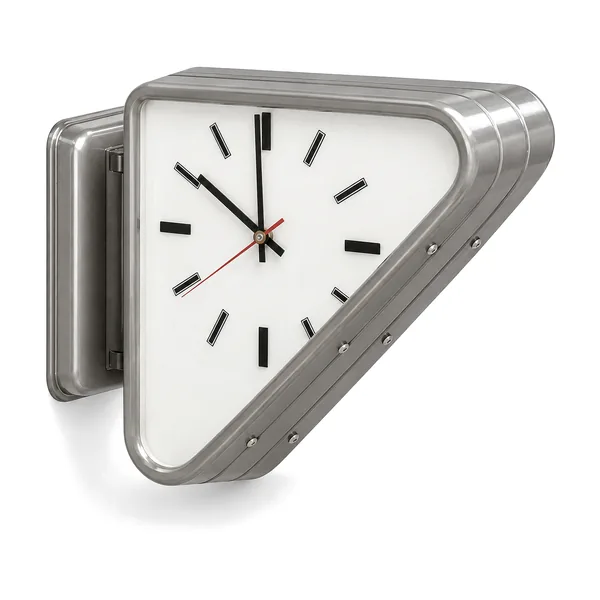
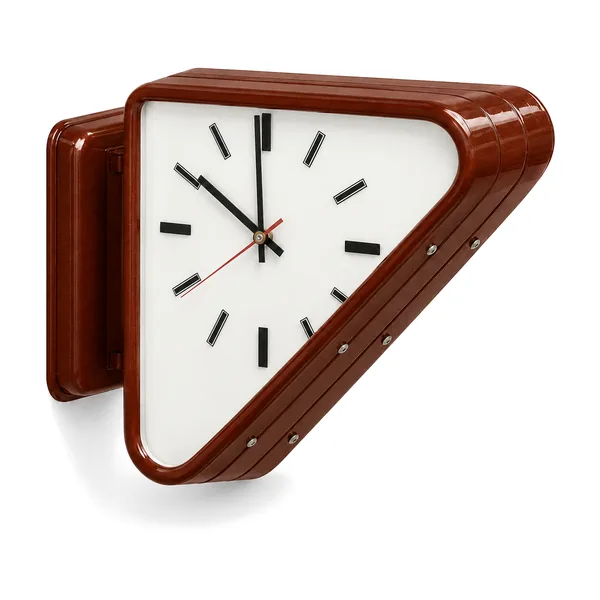 +15 options
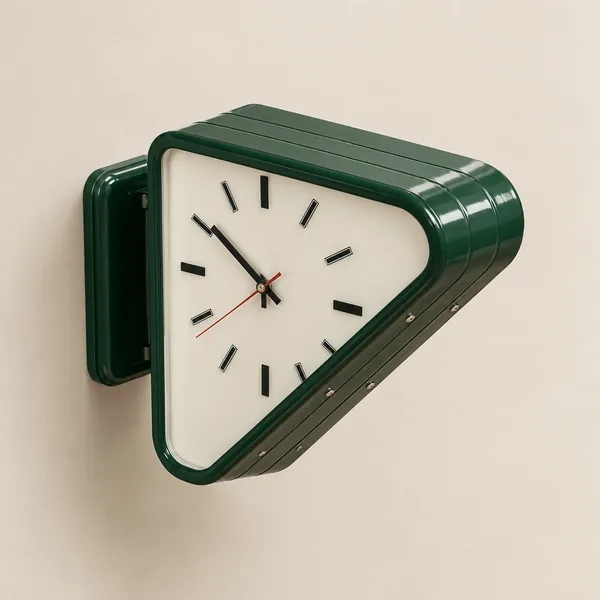
Tvilling Dual-Sided Geometric Metal Wall Clock
 Save $70.00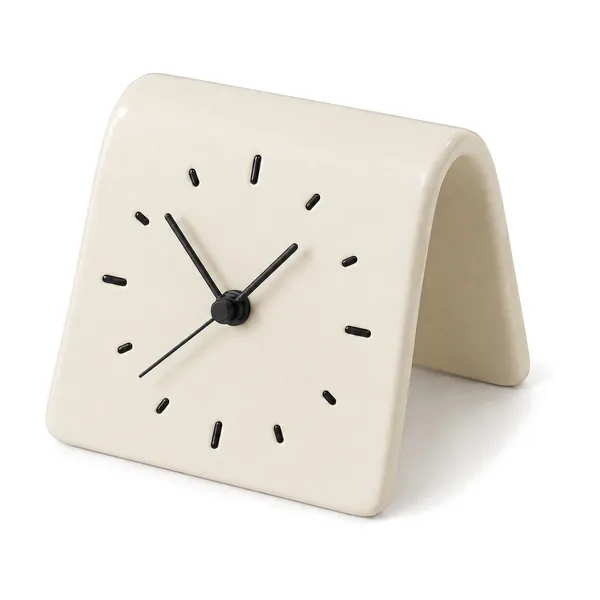
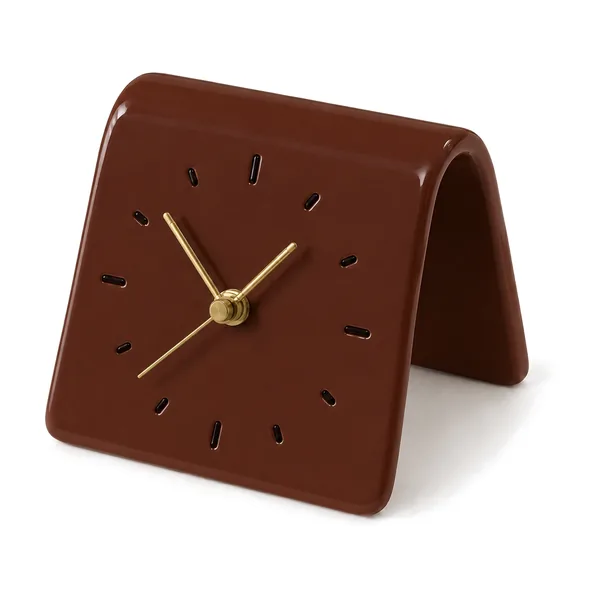
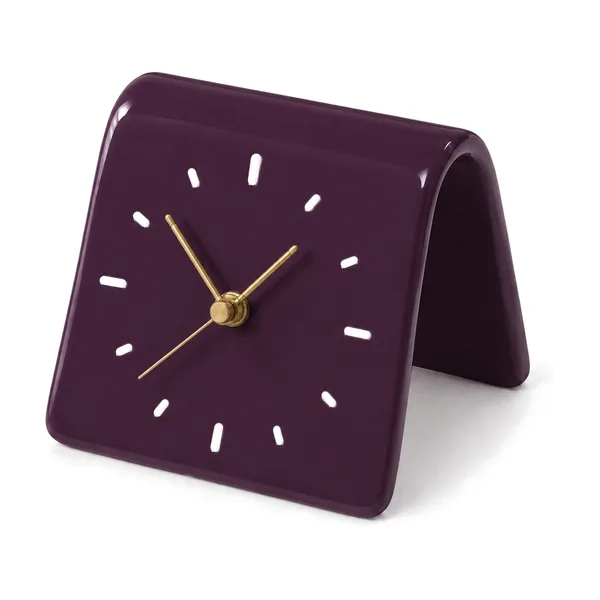 +37 options
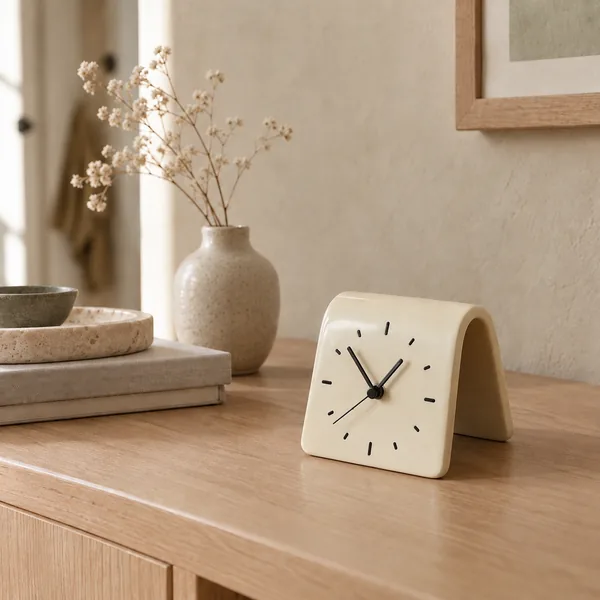
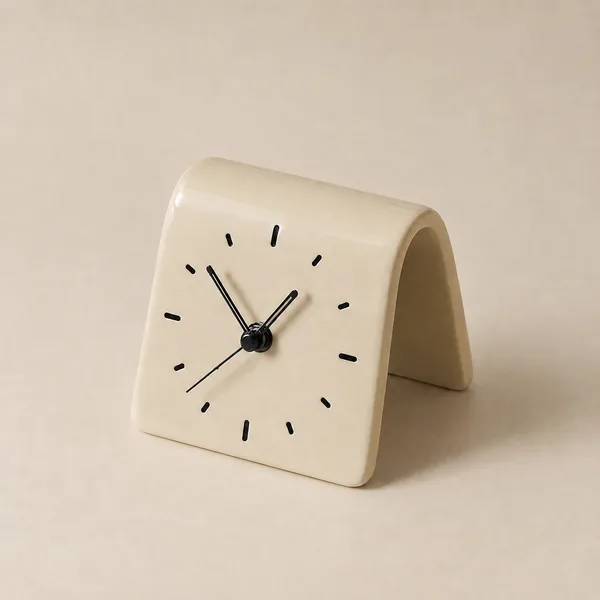
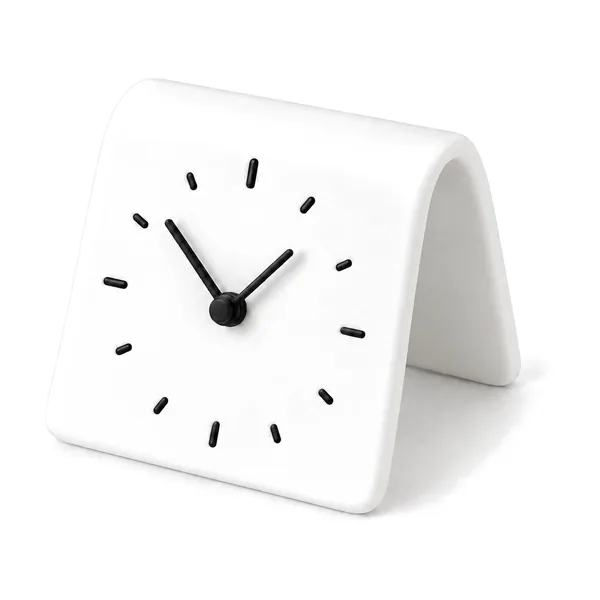
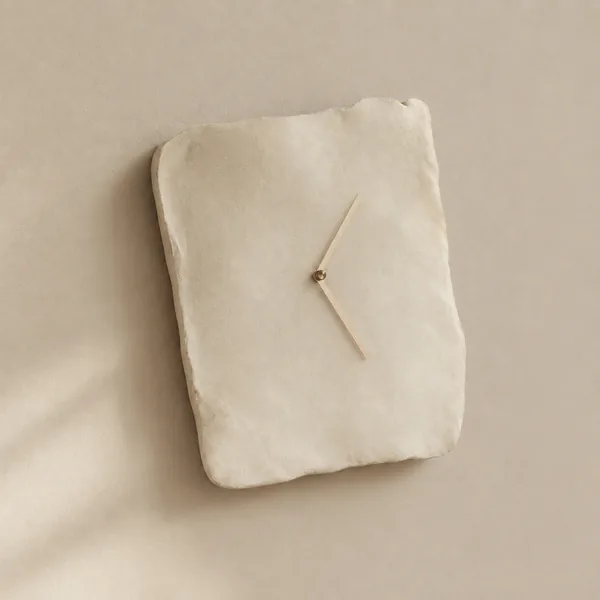
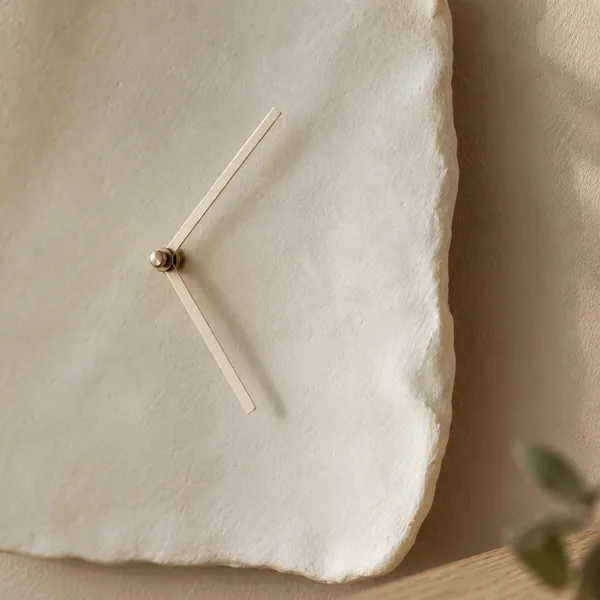
Tilje Silent Ceramic Desk Clock for Modern Homes
 Save $120.00
Stilla Silent Resin Wall Clock Nordic Minimalist
Styling Hourglass Decor in Your Home
The versatility of sand clocks makes them exceptional styling tools. Their vertical presence adds architectural interest, while their transparency keeps spaces feeling open and light.
Living rooms benefit from larger hourglasses placed on coffee tables or media consoles, where they anchor the seating area. Bedrooms welcome smaller, more intimate pieces on nightstands—watching sand fall becomes a pre-sleep ritual that promotes mindfulness. Home offices find balance with desk-friendly sizes that provide natural break reminders without the harsh interruption of phone alarms.
Lighting plays a crucial role in showcasing your hourglass. Position your piece where natural light can pass through the glass, highlighting the flowing sand inside. For evening ambiance, pair with soft, warm illumination from our Table Lamps collection to create dramatic shadows and glow.
Pairing Hourglasses with Other Timepieces
Creating a gallery of timekeeping instruments adds intellectual depth to your decor. While your decorative sand clock offers organic, analog beauty, consider complementing it with modern timepieces that share similar material sensibilities.
The Glansa Chrome Ceramic Wall Clock exemplifies this approach beautifully. Its sculptural ceramic form and reflective chrome finish echo the spherical symmetry of hourglasses while adding practical time-telling function. This pairing creates a sophisticated dialogue between flowing sand and sweeping hands—two interpretations of time's passage united in one space.

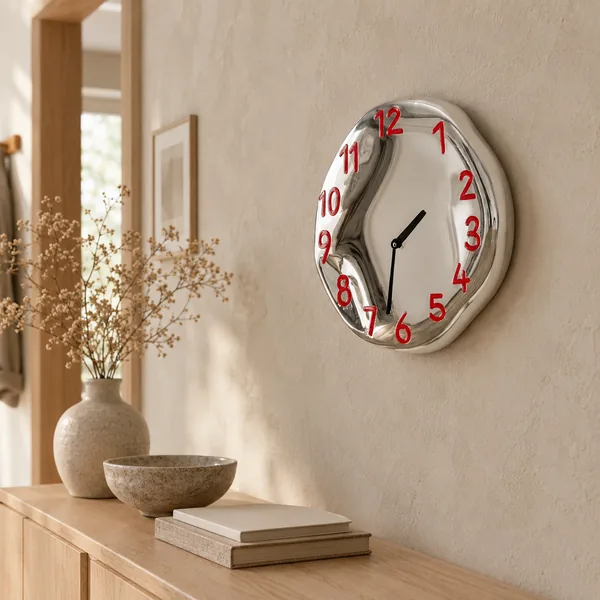 Glansa Chrome Ceramic Wall Clock Silent Quartz$329.00$479.00
Creating Intentional Moments with Sand Clocks
Beyond their visual appeal, sand hourglasses serve as powerful tools for intentional living. Many design enthusiasts use them as timers for focused work sessions, meditation practices, or simply as reminders to pause throughout the day.
A 15-minute sand timer on your desk creates natural productivity intervals without relying on digital devices. The visual cue of diminishing sand adds gentle urgency without stress. Similarly, a 30-minute hourglass beside your reading chair ensures you dedicate undistracted time to your book.
For those seeking complementary pieces that enhance these quiet moments, consider the understated elegance of ceramic timepieces. The Tilje Silent Ceramic Desk Clock offers the same mindful approach to time—with its quiet movement and minimalist square silhouette, it supports focused work without auditory distraction. Meanwhile, the Stenvarm Travertine Natural Stone Accent Lamp provides warm ambient lighting that pairs beautifully with sand clocks for a cohesive organic-modern aesthetic.
Complementary Timepieces & Lighting
Tilje Silent Ceramic Desk Clock for Modern Homes$89.00$159.00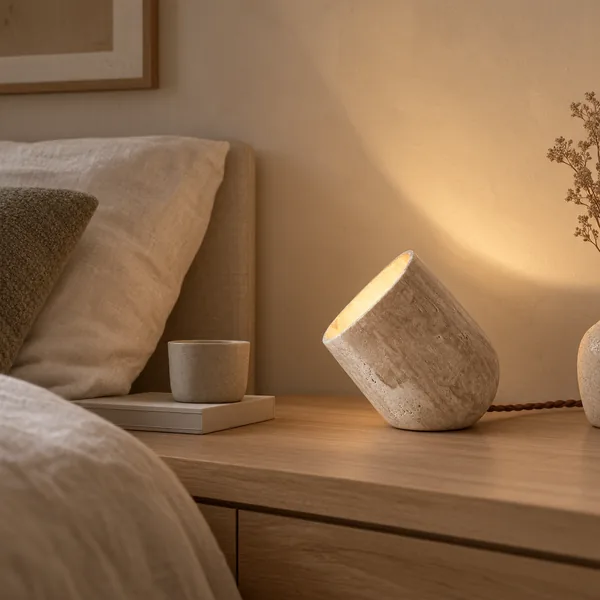 Stenvarm Travertine Natural Stone Accent Lamp$239.00$299.00
Home Decor
Shop all Home Decor
 Save $44.50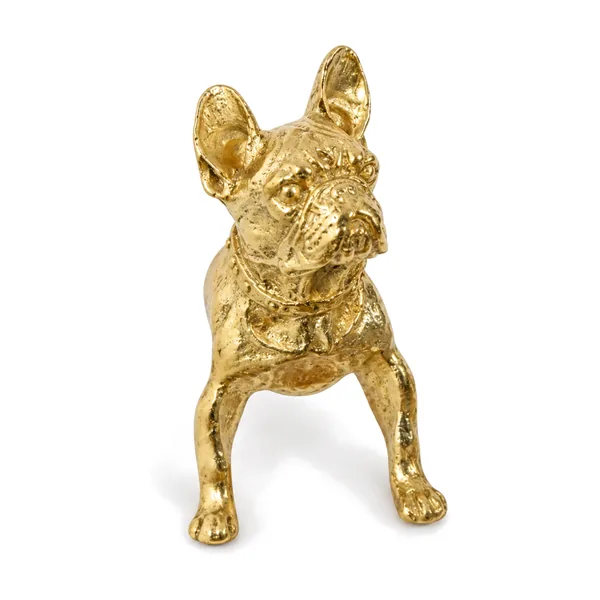
 2 options
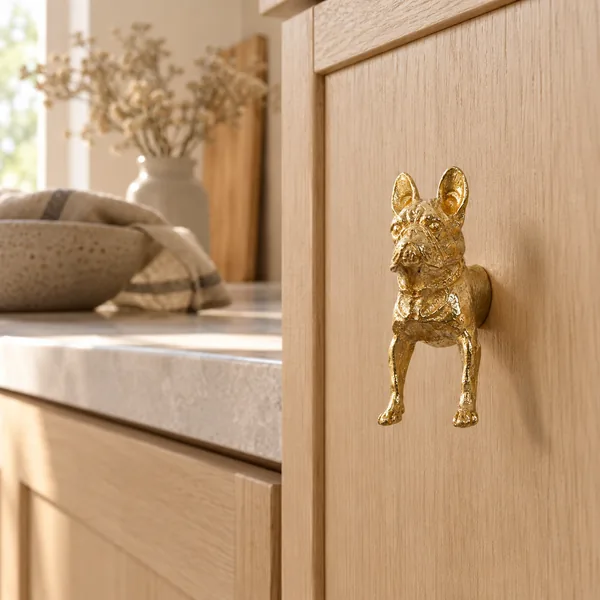
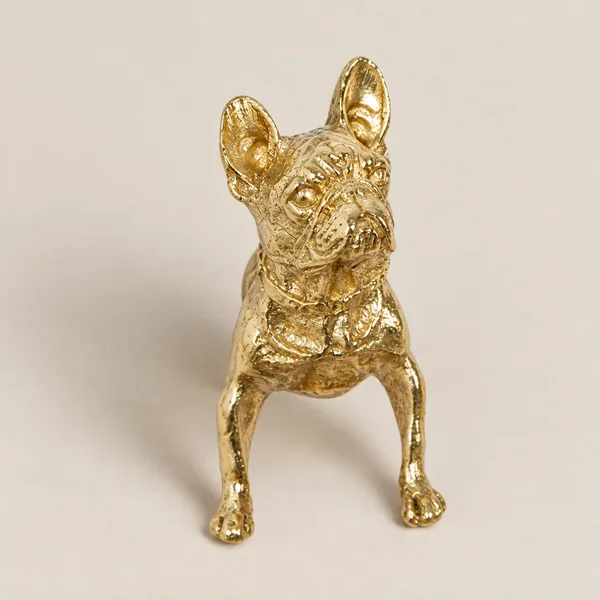
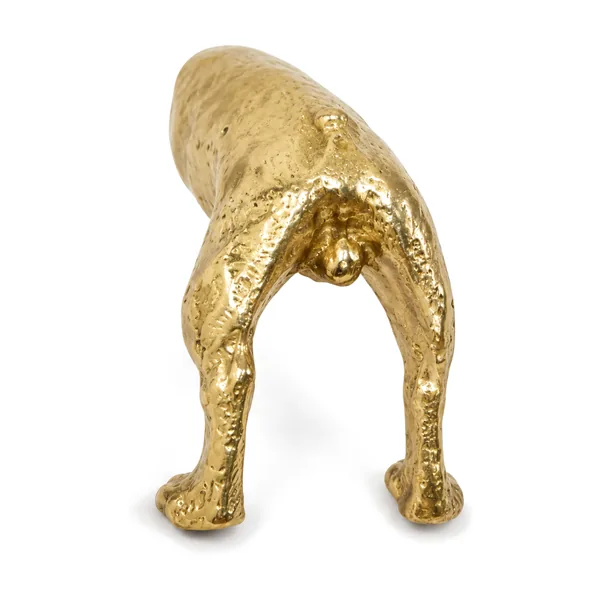
Tassa Polished Brass Dog Cabinet Pull Handle
Save $110.00+15 optionsTvilling Dual-Sided Geometric Metal Wall Clock
The Psychology of Slowing Down
Research into biophilic design—the practice of incorporating natural elements into built environments—suggests that organic movement patterns have measurable calming effects. The flowing sand in a decorative hourglass mimics patterns found in nature: streams, sand dunes, erosion. These familiar, predictable movements trigger parasympathetic nervous system responses that reduce stress and promote cognitive clarity.
Psychologists have documented that analog timepieces, including sand clocks, help combat time anxiety—the feeling of being rushed or controlled by schedules. Unlike digital clocks that demand constant checking, a sand hourglass provides a gentle, approximate sense of time remaining. This ambiguity paradoxically creates more comfort than precision.
To explore more about the historical significance of these timepieces, the Smithsonian and other historical archives document how hourglasses evolved from maritime navigation tools to modern design objects.
Caring for Your Decorative Hourglass
Maintaining your sand clock ensures it remains a cherished piece for years. Store upright to prevent sand migration between chambers. Avoid extreme temperatures, which can crack glass or affect sand flow rates. Clean the exterior gently with a soft microfiber cloth—never submerge in water.
If your hourglass becomes clouded inside, gentle inversion and rotation typically redistribute any static-clinging grains. For high-end pieces with wooden or metal frames, occasional application of appropriate wood oil or metal polish preserves the finish.
Conclusion: Time as Art
The decorative sand clock represents more than functional decor—it's a philosophy made tangible. In choosing to display an hourglass in your home, you're making a quiet statement about valuing presence over productivity, quality over quantity, and beauty over efficiency.
At Skonne, we curate timepieces that honor these principles. From sculptural wall clocks to minimalist desk pieces that complement sand hourglasses, every item in our collection reflects the intentional, Scandinavian approach to living well. Explore our full range of clocks and decor designed to transform houses into sanctuaries of calm, one carefully chosen piece at a time.
Related Article
Small Decorative Clocks: Best Tabletop, Mantel & Desk Designs for Every StyleElevate your space with small decorative clocks. From sleek tabletop designs to elegant mantel pieces, find the perfect timepiece for every room.