
Best Desk Lamps for Eyes: Eye-Care, Low-Glare & Full-Spectrum Designs
Summary›
- What Makes a Desk Lamp Eye-Friendly?
- The Scandinavian Approach to Eye-Comfort Lighting
- Product Spotlight: Handcrafted Eye-Care Solutions
- Material Matters: The Science of Diffusion
- Desk Lamp Ergonomics: Positioning for Protection
- The 20-20-20 Rule and Lighting Synergy
- Conclusion: Investing in Visual Wellness
Choosing the right lighting for your workspace isn't just about aesthetics—it's about protecting your vision and creating an environment where you can work comfortably for hours. Whether you're spending long hours at a computer, diving into a good book, or sketching creative ideas, the best desk lamp for eyes can make the difference between ending your day with energy and suffering from headaches and fatigue.
At Skonne, we believe that Scandinavian design philosophy has the answer to modern lighting challenges. The principles of hygge—creating warmth, comfort, and wellbeing—translate directly into lighting that nurtures rather than depletes. In this guide, we'll explore what makes desk lamps genuinely eye-friendly, from flicker-free LED technology to high CRI ratings that reveal true colors without strain.
You'll discover how to identify eye-care desk lamp features that matter, understand the science behind color temperature, and position your lighting for maximum visual comfort. We'll also share how our curated collection of Scandinavian-inspired designs brings together form and function to protect your eyes while elevating your space.
What Makes a Desk Lamp Eye-Friendly?
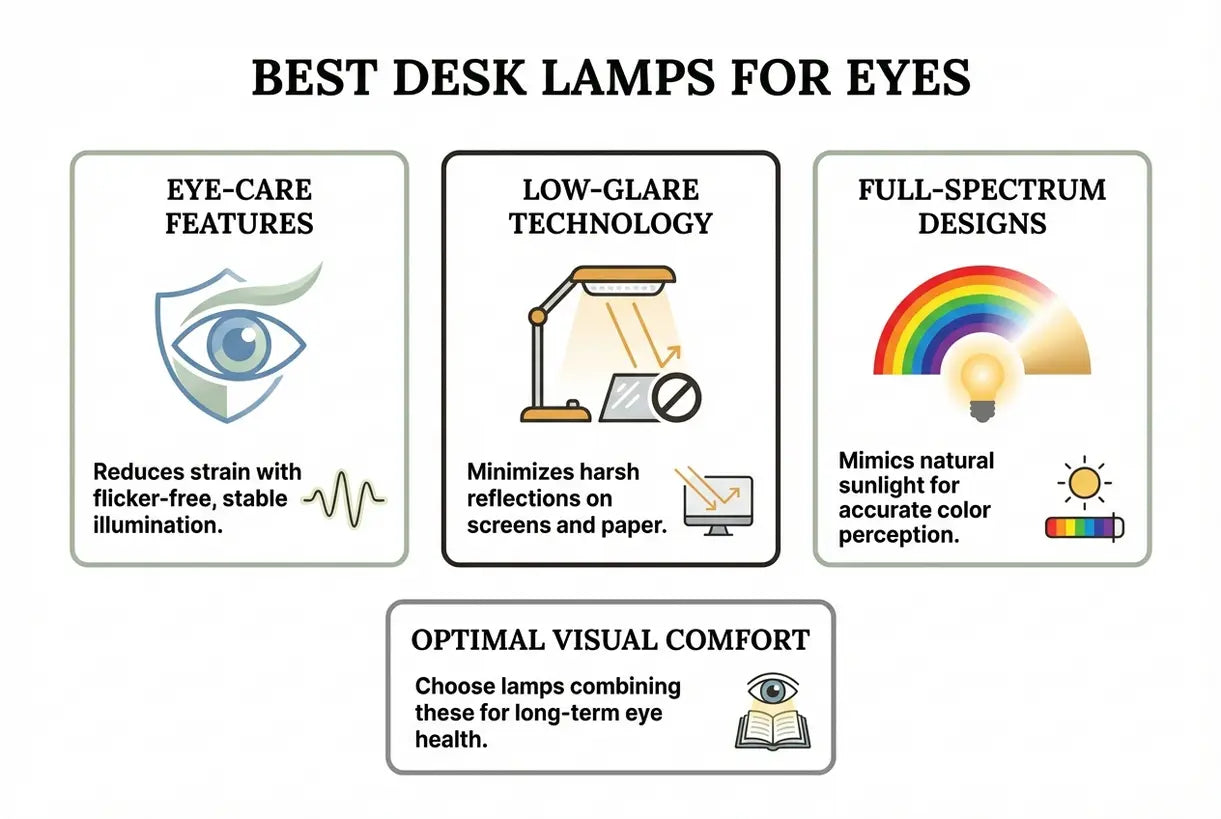
When searching for the best desk lamp for eyes, understanding the technical specifications is essential. Eye-care lighting goes beyond brightness—it's about the quality, distribution, and stability of illumination.
Flicker-Free LED Technology
Traditional fluorescent and even some LED bulbs produce invisible flickering that causes cumulative eye fatigue. Flicker-free desk lamps use high-quality drivers that maintain consistent current flow, eliminating the micro-oscillations that make your eyes work harder to maintain focus. When evaluating options, look for certifications indicating low flicker rates or zero flicker claims.
Adjustable Color Temperature
The human eye responds differently to light spectrums throughout the day. Cool, blue-enriched light (5000K-6500K) mimics daylight and enhances alertness, making it ideal for morning tasks and detailed work. Warm light desk lamps (2700K-3000K) promote relaxation and are gentler on eyes during evening hours. The most versatile eye-care desk lamps offer adjustable color temperature, allowing you to align your lighting with your circadian rhythm and task requirements.
Color Rendering Index (CRI)
High CRI lighting (90+ rating) ensures that colors appear natural and vibrant, reducing the cognitive load when distinguishing between similar shades—crucial for design work, reading, or any task requiring visual accuracy. Low CRI lighting forces your eyes to compensate for color distortion, accelerating strain over time.
Even Light Distribution
Harsh hotspots and sharp shadows force your pupils to constantly adjust, creating fatigue. The best eye-care desk lamps feature diffused shades and carefully engineered optics that spread light evenly across your workspace, eliminating glare while providing sufficient illumination for your tasks.
The Scandinavian Approach to Eye-Comfort Lighting
Scandinavian design has long prioritized human-centered lighting that supports natural rhythms. In Nordic countries, where winter brings extended darkness, the quality of artificial light becomes essential not just for productivity but for mental health and visual comfort.
Our approach at Skonne draws from these traditions, emphasizing soft light desk lamps that create pools of gentle illumination rather than harsh, clinical brightness. For those looking to explore more options, our Home Office Lighting collection offers a curated selection of designs that prioritize visual comfort while maintaining the clean, intentional aesthetic of Scandinavian interiors.
Natural materials play a significant role in this philosophy. Textured surfaces—whether handwoven fibers, rice paper, or fabric shades—act as natural diffusers, transforming direct LED light into a sunlight desk lamp experience that wraps your workspace in warmth rather than blasting it with intensity.
The relationship between material and light quality cannot be understated. Where mass-produced plastic shades create harsh reflections, organic materials absorb and scatter light softly. This diffusion is essential for desk lamp ergonomics—creating illumination that supports your posture by reducing the need to crane toward or away from your light source.
Desk Lamps
Shop all Desk Lamps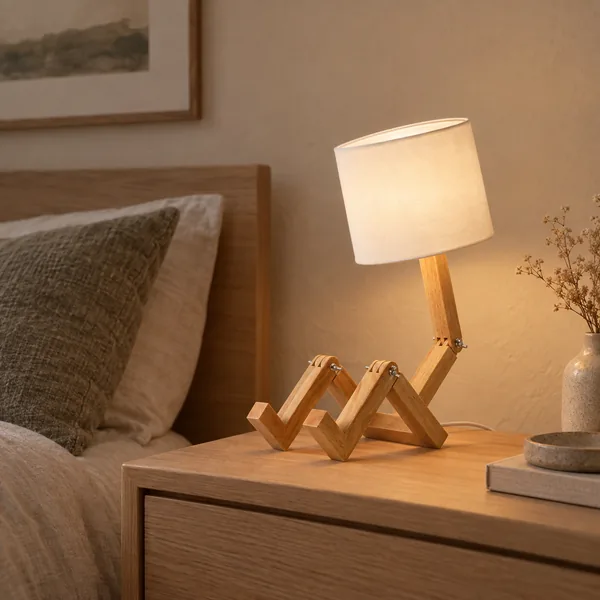
 Save $50.00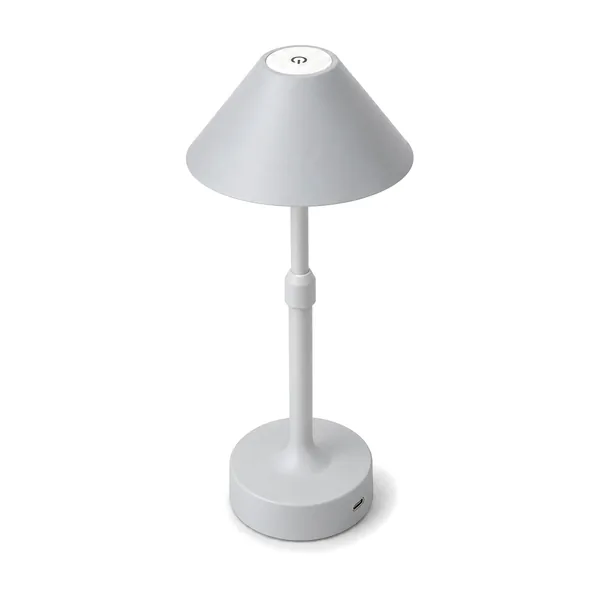
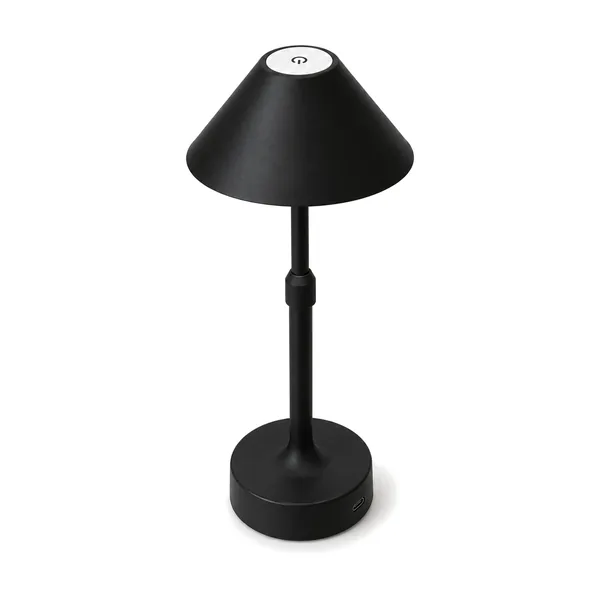
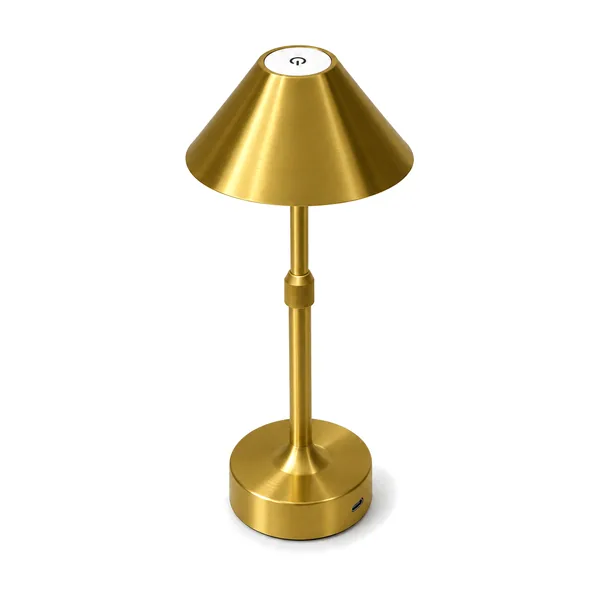 4 options
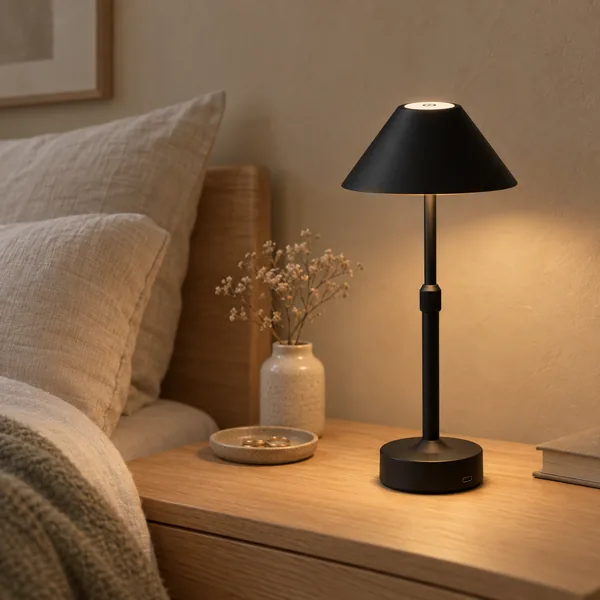
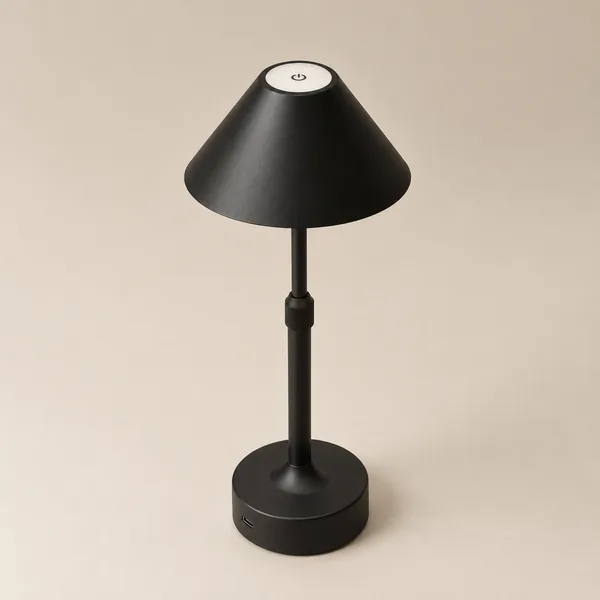
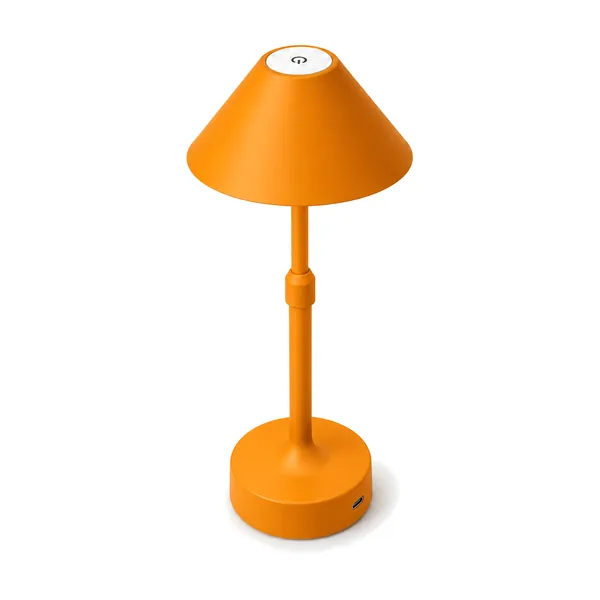
Solra Telescopic Cordless Dimmable Table Lamp
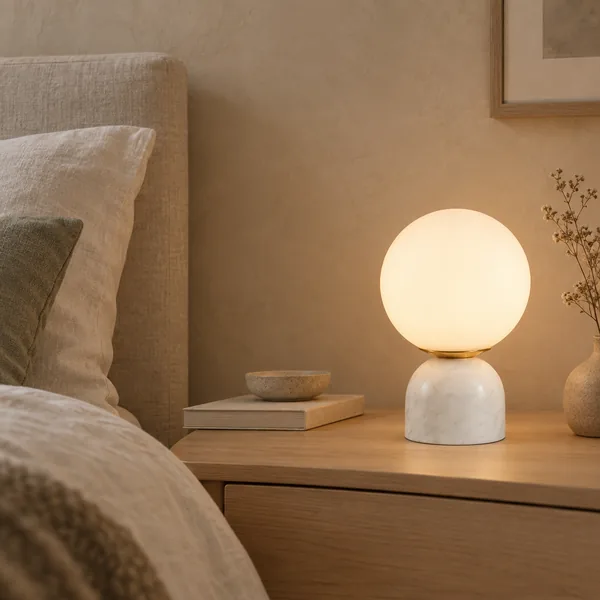
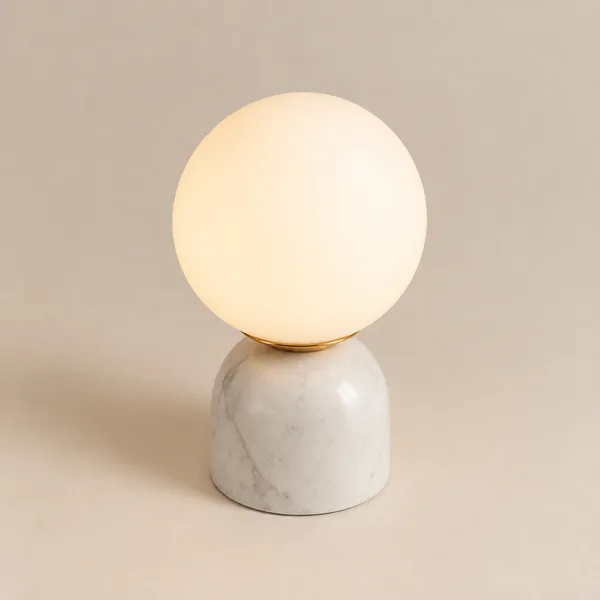 Save $140.00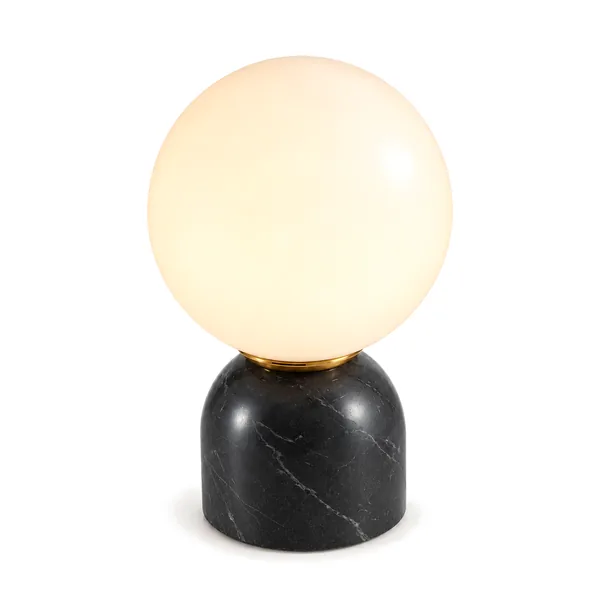
 3 options
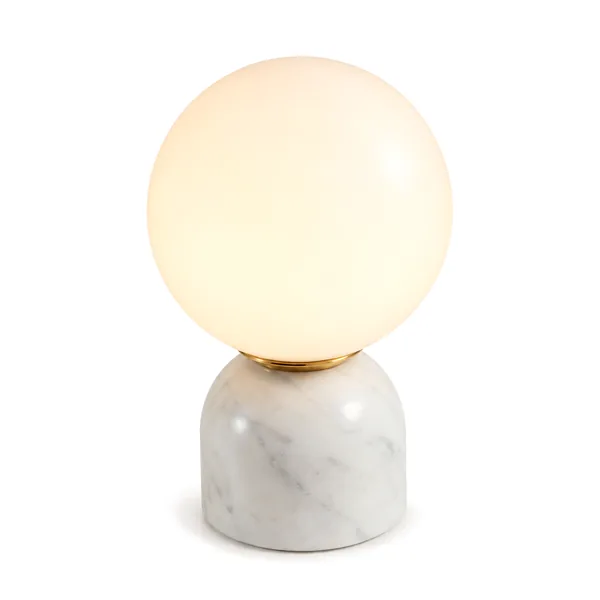
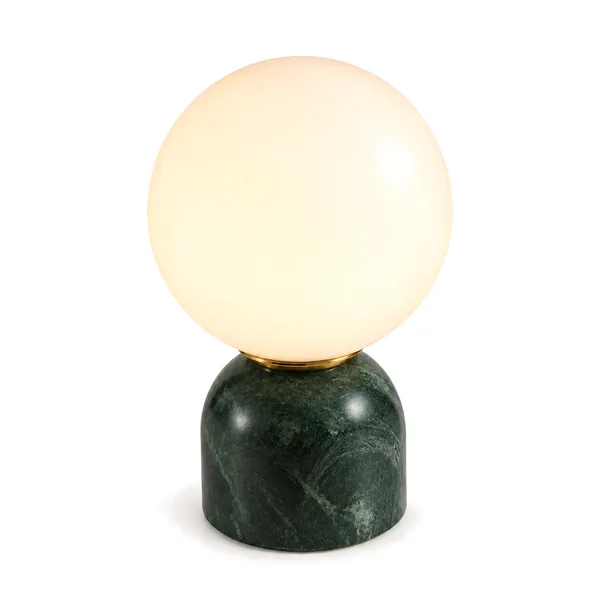
Marvei Marble Globe Table Lamp Nordic Minimalist
Product Spotlight: Handcrafted Eye-Care Solutions
When we select pieces for our collection, we prioritize designs that solve real problems—like eye strain—while bringing beauty to daily routines. The following selections represent our commitment to visual comfort through thoughtful materiality and Scandinavian design principles.
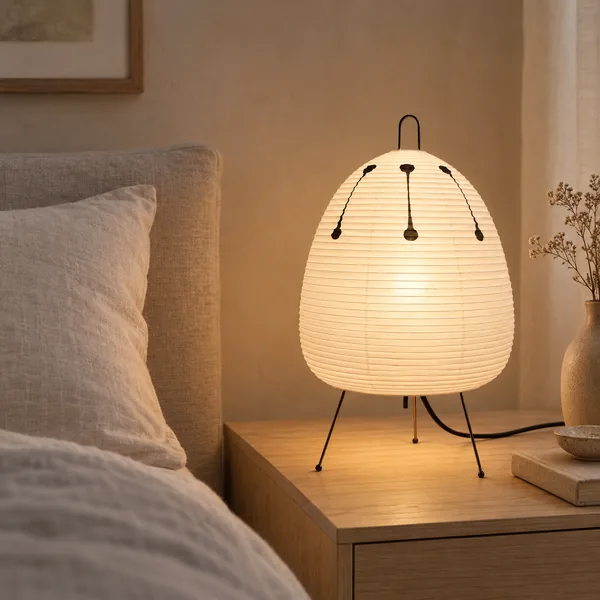 Shiro Rice Paper Table Lamp Nordic Minimalist$119.00$199.00
The Shiro Rice Paper Table Lamp demonstrates how traditional Japanese craft techniques can solve modern lighting challenges. The handmade rice paper shade diffuses LED light into a gentle, ambient glow that eliminates harsh shadows and hotspots. Unlike synthetic materials, rice paper creates a subtle texture in the light itself, adding visual interest to your space while reducing the harsh contrasts that cause pupil fatigue.
Understanding Full Spectrum Lighting
Full spectrum desk lamps aim to replicate the balanced color distribution of natural sunlight, providing the complete range of visible light wavelengths. This completeness matters for eye health because it prevents the color distortion that occurs when certain wavelengths are missing or overrepresented.
Our eyes evolved to process full spectrum daylight. When we use incomplete light sources—common in cheap LED bulbs—we force our visual system to work overtime, interpreting colors and contrasts without adequate information. Full spectrum lighting reduces this cognitive burden while also supporting better mood regulation through natural circadian alignment.
Material Matters: The Science of Diffusion
The material of your lampshade determines how light interacts with your environment. Understanding these interactions helps you choose a best desk lamp for eyes that matches your specific needs.
Fabric and Linen Shades
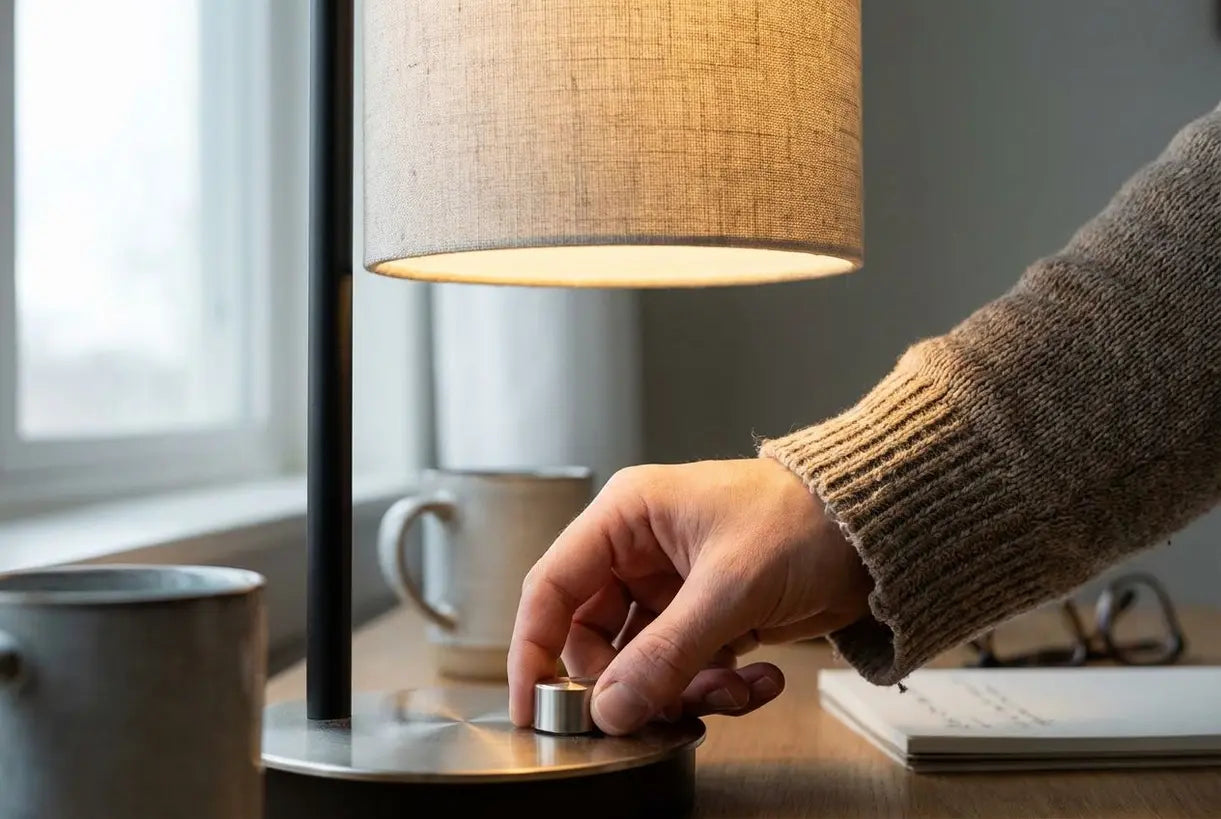
Textile shades offer superior diffusion compared to hard materials. The porous nature of natural fabrics allows light to filter through multiple layers, creating graduated illumination that eliminates sharp edges between light and shadow. This softness is particularly important for desk lamp for eye strain relief, as it prevents the harsh transitions that cause pupils to constantly contract and dilate.
Natural Fiber Weaves
Materials like raffia, rattan, and woven grasses create distinctive lighting patterns while providing excellent diffusion. These materials filter light through organic textures, creating ambient pools that feel natural and reduce the clinical harshness often associated with task lighting.
Natural Material Eye-Care Lamps
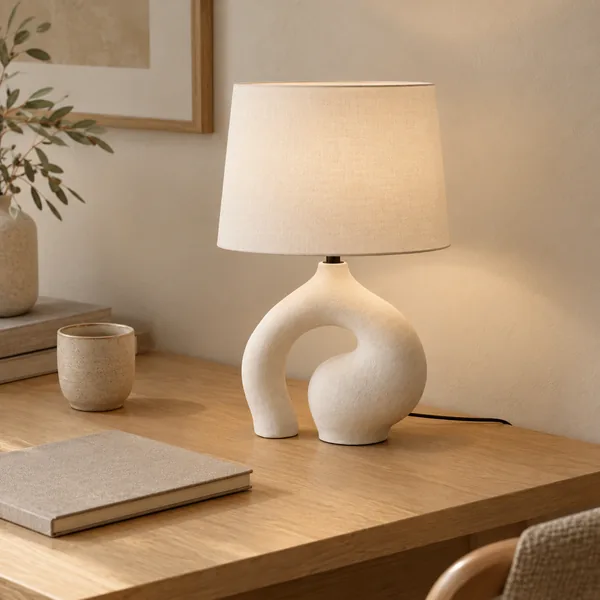 Formia Sculptural Resin Table Lamp Nordic Shade$399.00$579.00
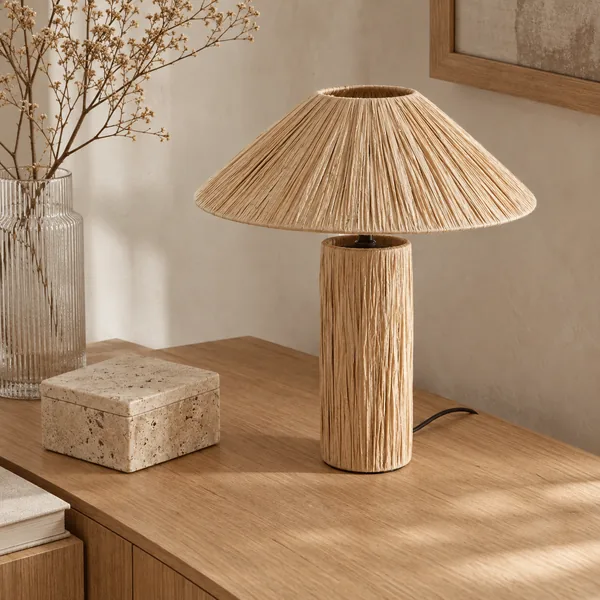 Fletta Handwoven Raffia Wabi-Sabi Table Lamp$289.00$379.00
The Formia Sculptural Resin Table Lamp incorporates a soft Nordic fabric shade that evenly distributes light, preventing the localized hot spots common in plastic or glass shades. This even dispersion is crucial for extended work sessions, ensuring that your entire task area receives consistent illumination.
For those drawn to organic textures, the Fletta Handwoven Raffia Table Lamp demonstrates how traditional craft can serve ergonomic needs. The woven natural raffia fibers filter light into a warm, ambient glow that softens harsh contrasts and supports visual comfort during long work sessions. The texture itself becomes part of the light experience, creating subtle variations that add depth to your workspace without causing distraction.
Desk Lamp Ergonomics: Positioning for Protection
Even the best eye-care desk lamp requires proper positioning to deliver its benefits. Understanding how to place your light source relative to your tasks and natural light sources maximizes protection while minimizing strain.
The 15-Degree Rule
Position your best desk lamp for eyes slightly to the side of your dominant hand, angled at approximately 15 degrees from the vertical plane. This positioning ensures that your hand doesn't cast shadows across your work while directing light onto the task surface at an angle that minimizes reflection and glare.
Balance with Ambient Light
One of the most common mistakes is creating excessive contrast between your task lighting and ambient room light. When your desk is significantly brighter than your surroundings, your eyes must constantly adapt between zones of high and low light. Experts recommend that your task light be no more than three times brighter than your ambient lighting.

Avoid Direct and Reflected Glare
Position your lamp so that neither the bulb itself nor reflections from shiny surfaces (computer screens, glossy paper, glass tabletops) enter your direct line of sight. The ideal daylight desk lamp or ambient task light sits high enough to illuminate your work without shining directly into your eyes or creating mirror-like reflections.
For computer work specifically, position your light source to the side rather than behind or in front of your screen. Front positioning causes screen glare, while rear positioning creates uncomfortable backlighting that forces your eyes to work harder to focus on the screen content.
Table Lamps
Shop all Table Lamps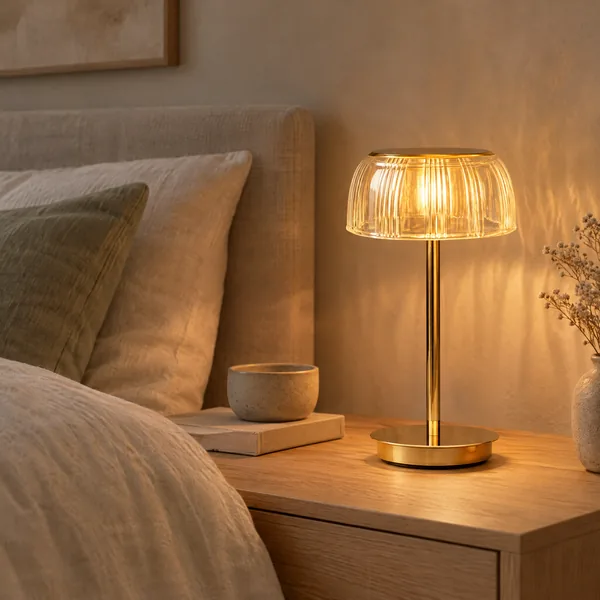
 Save $30.00
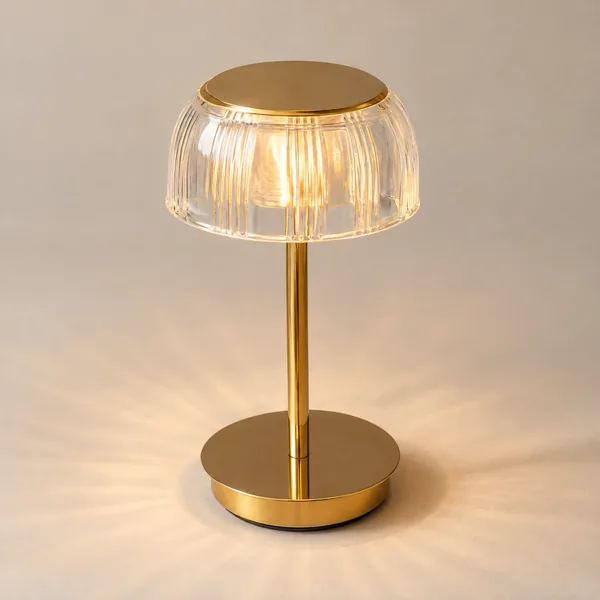
Kvalla Jellyfish LED Rechargeable Table Lamp
 Save $60.00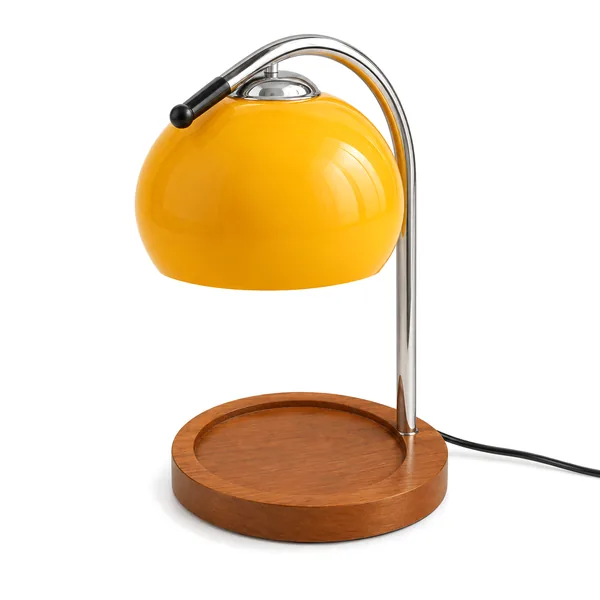
 3 options
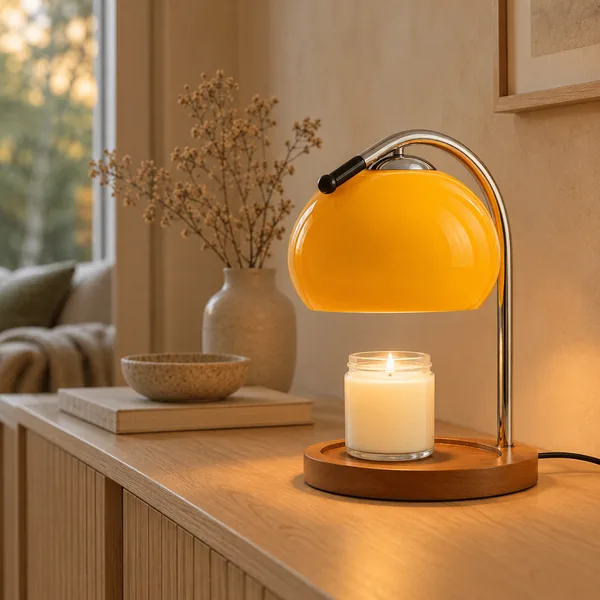
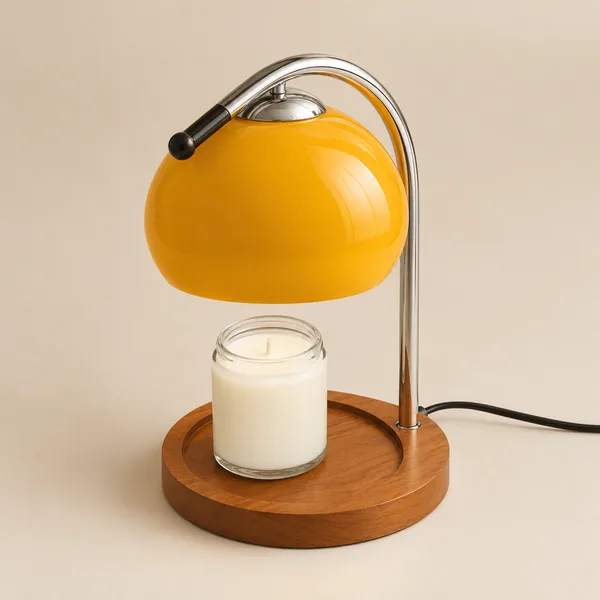
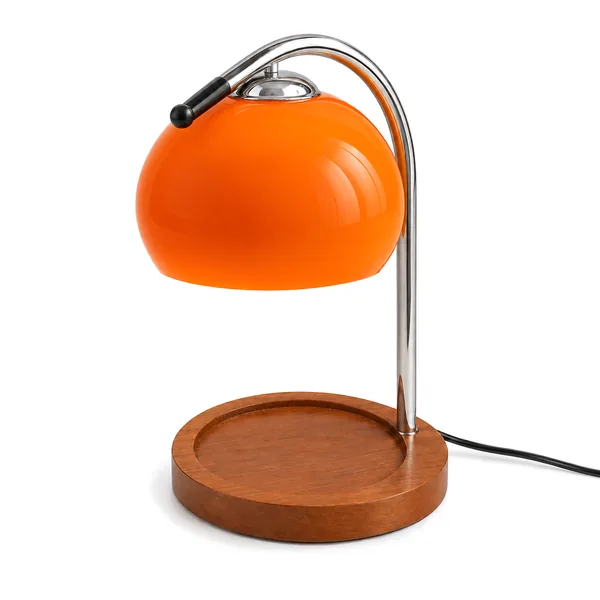
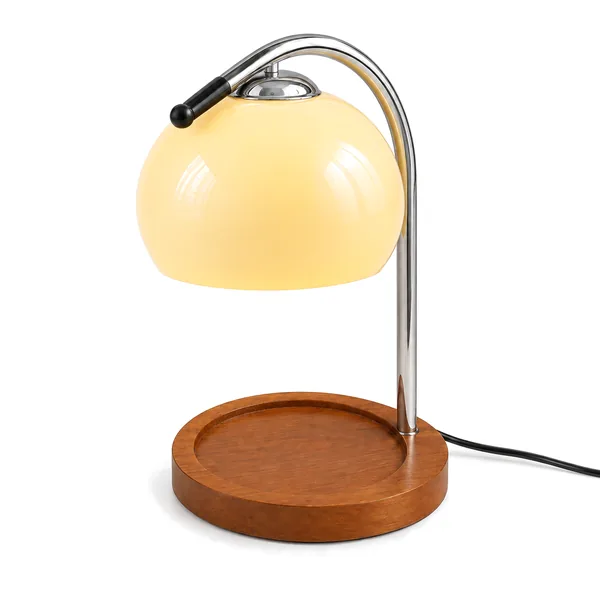
Solvarm Stained Glass Candle Warmer Table Lamp
 Save $220.00
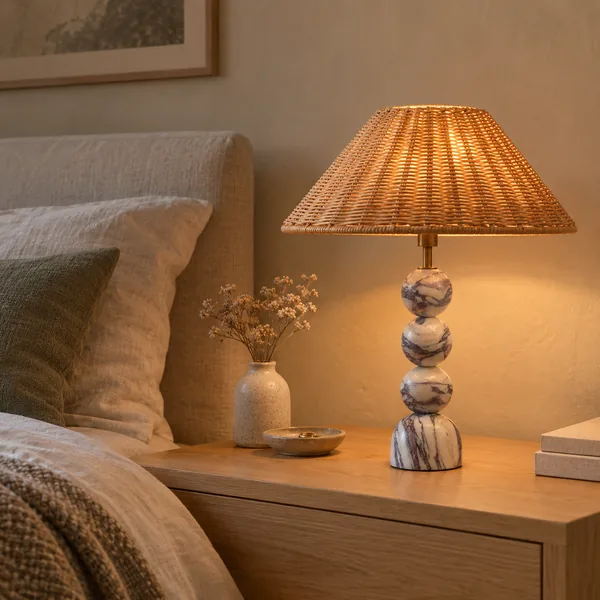
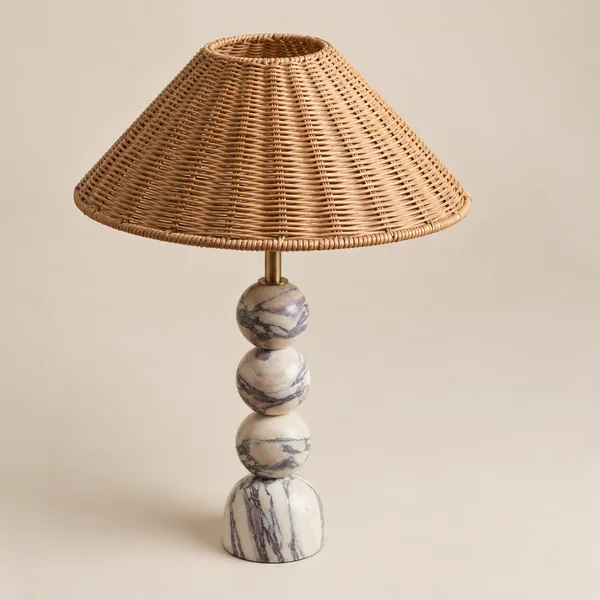
Stenglo Nordic Marble Table Lamp Rattan Shade
The 20-20-20 Rule and Lighting Synergy
While quality lighting is essential, it's most effective when combined with healthy viewing habits. The 20-20-20 rule—every 20 minutes, look at something 20 feet away for 20 seconds—gives your eye muscles a chance to relax and reset. This practice works synergistically with desk lamp warm light to prevent the cumulative fatigue that leads to eye strain.
Consider your adjustable brightness lamp as part of a broader eye-care strategy. Many eye-care desk lamps now include dimming capabilities and color temperature controls that allow you to fine-tune your illumination throughout the day, matching your lighting to your energy levels and task requirements.
Conclusion: Investing in Visual Wellness
Selecting the best desk lamp for eyes is an investment not just in productivity but in long-term visual health. The right lighting reduces eye strain, supports better sleep through circadian alignment, and creates a workspace that invites focus rather than fatigue.
At Skonne, we curate lighting that honors both the practical demands of modern work and the Scandinavian commitment to human-centered design. Our collection of handcrafted table lamps brings together natural materials, thoughtful engineering, and timeless aesthetics to deliver illumination that nurtures rather than depletes.
Whether you're drawn to the gentle diffusion of rice paper, the organic warmth of raffia weaving, or the soft embrace of Nordic fabric shades, each piece in our collection represents our belief that the best lighting is that which you forget is there—simply allowing you to see clearly, work comfortably, and live beautifully.
Related Article
Gooseneck Desk Lamps: Flexible Neck Designs for Precise, Adjustable Task LightingFind the perfect gooseneck desk lamp for your workspace. Discover flexible designs that deliver precise, adjustable task lighting for any desk setup.