
Black & White Modern Home Decor: Bold, High-Contrast Style for a Striking Contemporary Interior
Summary›
- The Timeless Appeal of Monochrome Interiors
- Understanding High-Contrast Design Principles
- Balancing Boldness with Scandinavian Warmth
- Adding Texture Through Ceramic and Iron
- Practical Implementation: Room-by-Room Strategies
- Budget-Friendly Monochrome Styling
- Integrating Strategic Color Pops
- Maintaining Your Monochrome Space
- Creating Spaces That Feel Like Home
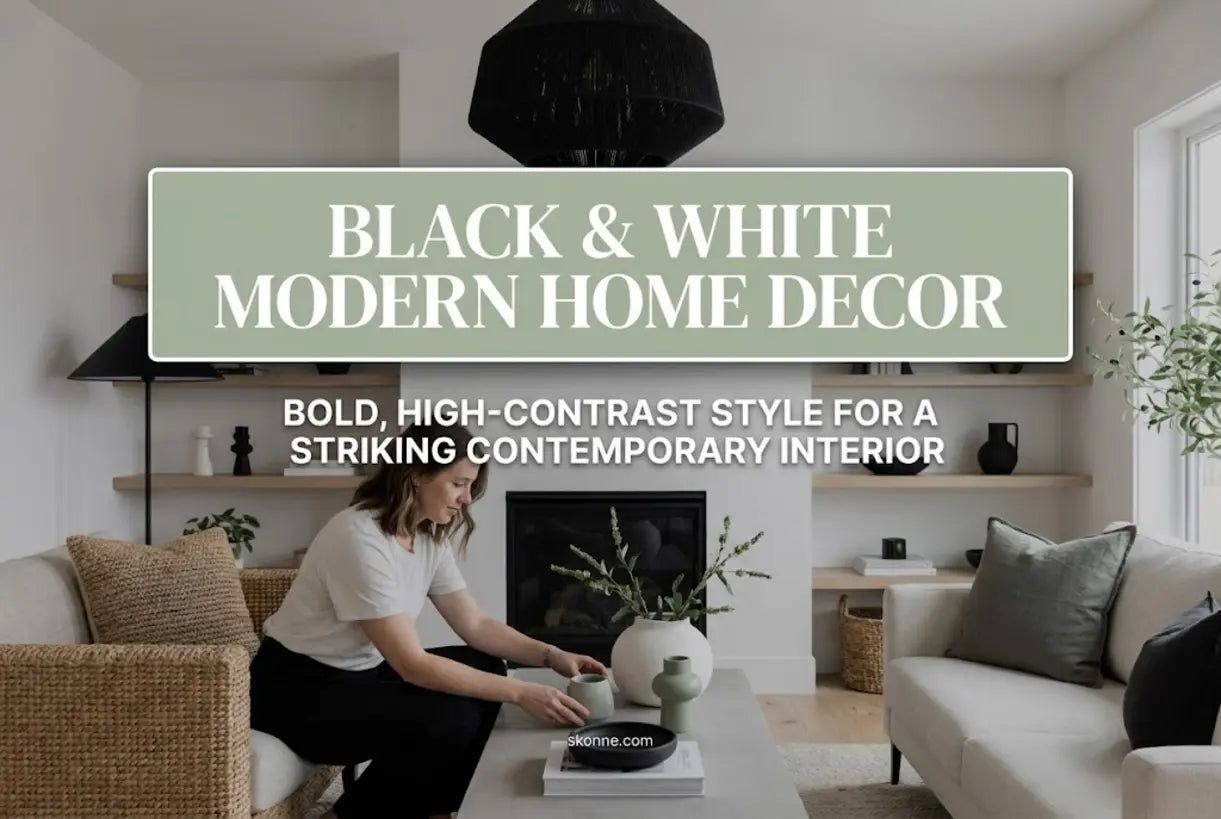
There's something undeniably powerful about walking into a room that embraces black and white modern home decor. The clarity. The intentionality. The way high contrast strips away visual noise and reveals the pure architecture of your space. But achieving this bold aesthetic isn't simply about removing color—it's about mastering the delicate balance between drama and warmth, edge and invitation.
At Skonne, we believe monochrome interior design is at its most captivating when filtered through a Scandinavian lens. That means welcoming the hygge philosophy into bold black and white spaces—creating rooms that command attention while wrapping you in comfort. Whether you're drawn to the graphic impact of a modern black home decor scheme or the serene sophistication of a black and white Scandinavian decor approach, this guide will walk you through creating striking interiors that feel curated, not cold.
We'll explore everything from foundational rules of high-contrast styling to specific lighting strategies that anchor your monochrome vision. Along the way, you'll discover how the right pieces—particularly those that blend architectural presence with artisanal warmth—transform stark contrast into livable luxury.
The Timeless Appeal of Monochrome Interiors
Black and white is rarely trendy because it never truly leaves. Unlike millennial pink or sage green that dominate specific eras, monochrome home decor maintains its relevance across decades. This duality speaks to something primal in design: the contrast between light and shadow, form and void, presence and absence.
But here's what many design resources miss about bold interiors: they're not about austerity. The most successful black and white spaces layer textures, embrace asymmetry, and introduce subtle warmth through materiality. Think matte black ceramic against raw linen. Glossy white marble beside oxidized iron. These textural conversations keep high-contrast rooms from feeling sterile.
Understanding High-Contrast Design Principles
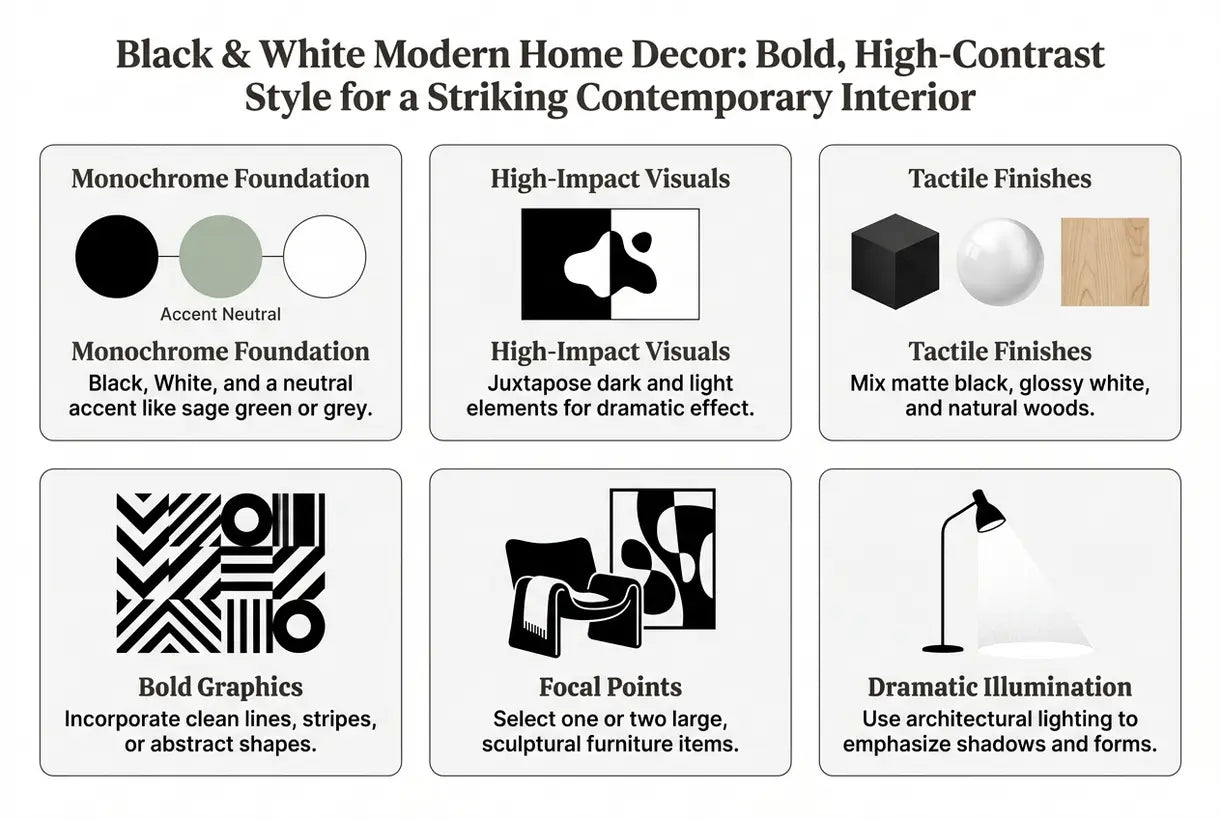
Before selecting furniture or fixtures, understanding the underlying rules of contrast helps you build a cohesive foundation. High-contrast design relies on intentionality—every element carries visual weight, so placement becomes critical.
The 60-30-10 Rule Reimagined
While traditional color theory uses the 60-30-10 rule for three-color palettes (dominant, secondary, accent), monochrome spaces adapt this differently. In high-contrast home decor, think 60% dominant tone (typically white or off-white in Scandinavian spaces), 30% contrasting tone (deep blacks and charcoals), and 10% textural bridge (natural wood, brass, ceramic, or linen).
This approach prevents the "prison chic" trap that amateur monochrome styling often falls into. By dedicating that crucial 10% to organic materials and varied textures, you maintain the graphic clarity of black and white while introducing the warmth necessary for actual living.
Pendant Lights
Shop all Pendant Lights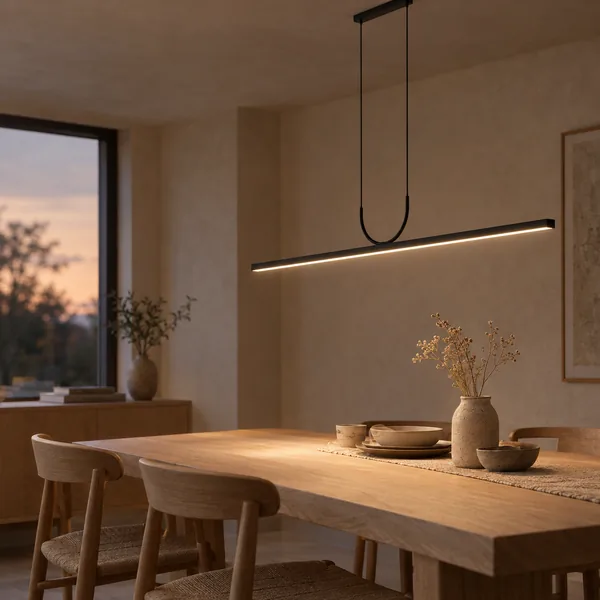
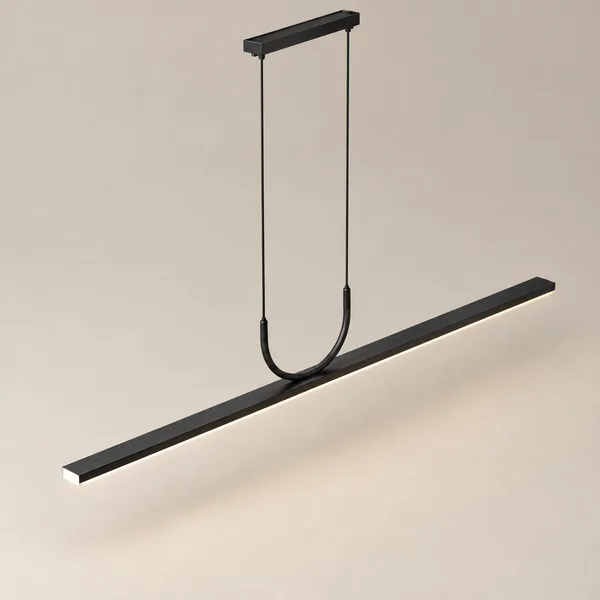 Save $140.00
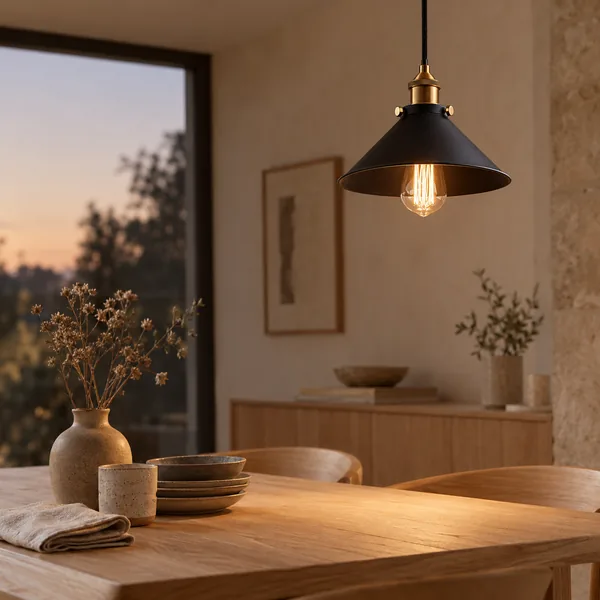
Linné Minimalist Linear Black LED Pendant Light
 Save $60.00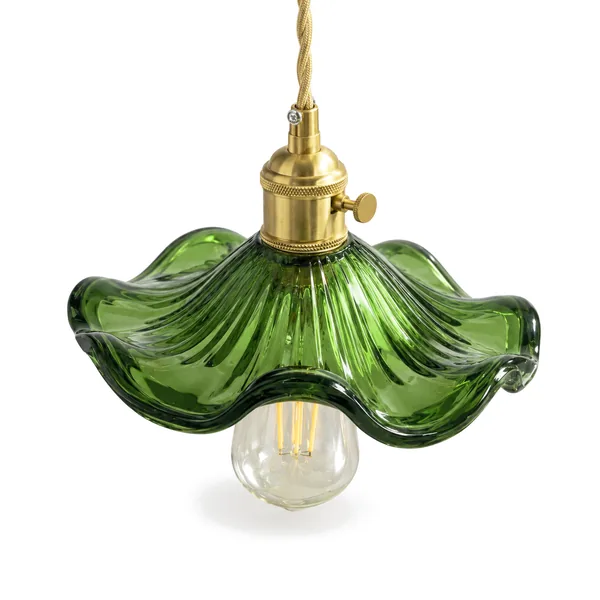
 3 options
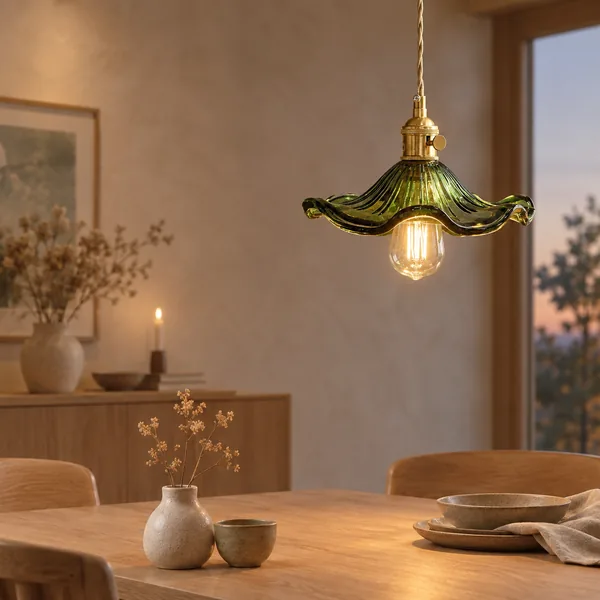
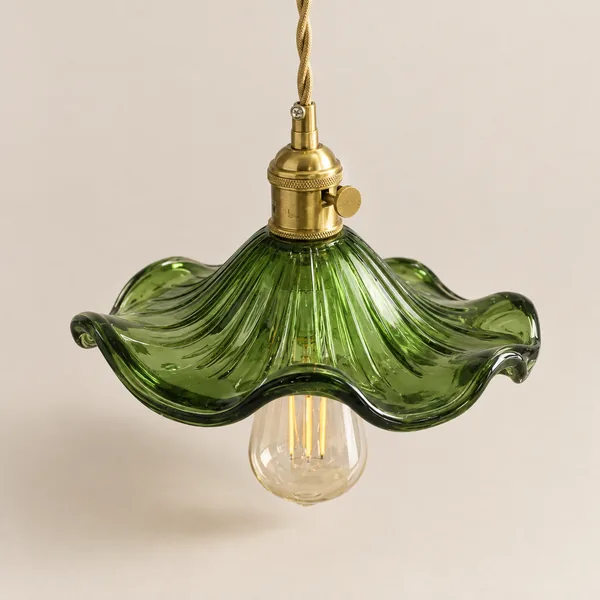
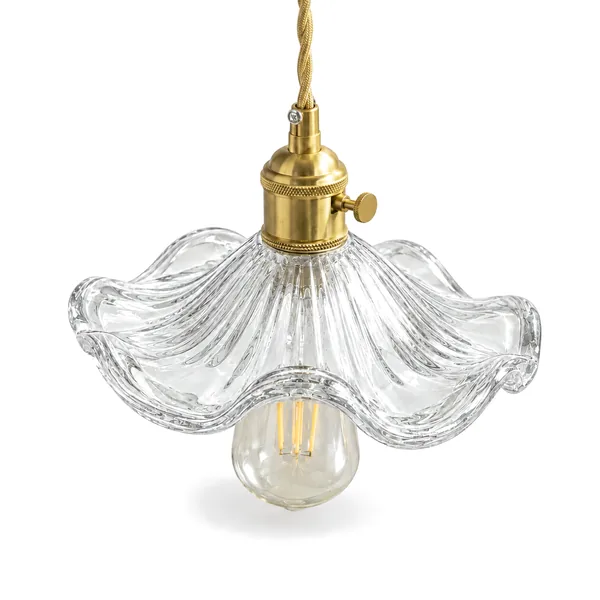
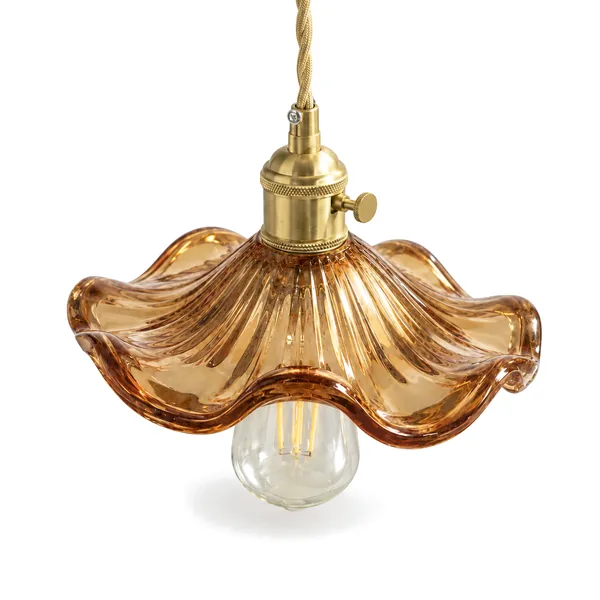
Glora Nordic Glass Pendant Light with Copper
 Save $120.00
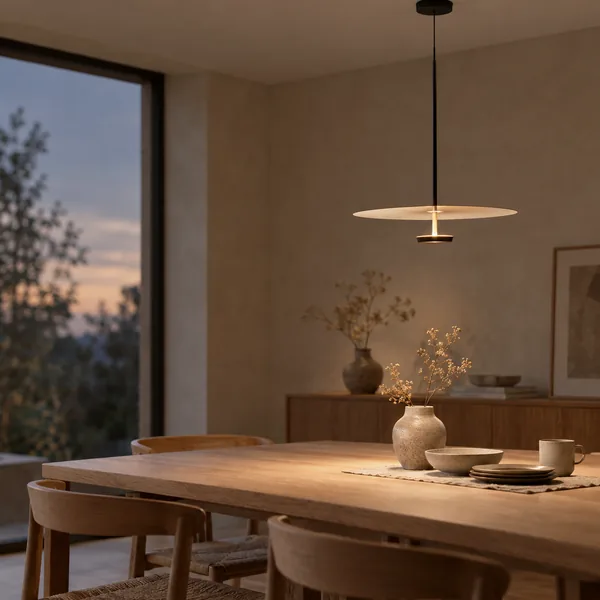
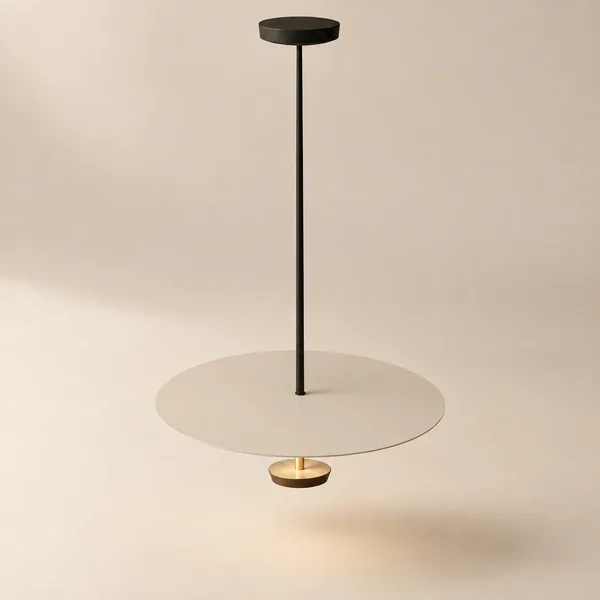
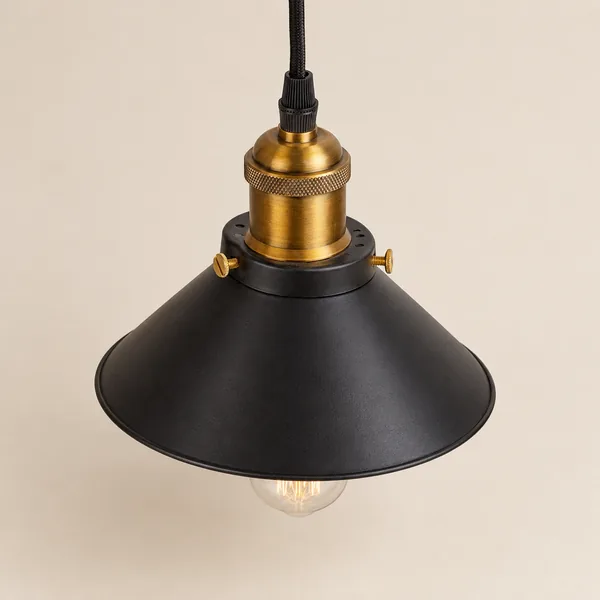
Skiva Nordic Saucer Ceiling Pendant Light LED
Balancing Boldness with Scandinavian Warmth
The most sophisticated black and white living room designs share a common thread: they honor the Scandinavian principle that beauty should serve comfort. This isn't about minimalism for its own sake—it's about curating only what matters and ensuring every piece earns its place.
True Scandinavian monochrome style introduces elements of wabi-sabi: the beauty of imperfection, the patina of use, the irregularity of handcrafted objects. A hand-thrown ceramic vase with subtle glaze variations. An iron sconce with visible weld marks. These pieces interrupt the perfection of black and white with human warmth.
Lighting plays a crucial role in this warmth equation. For those looking to explore more options, our Wall Lights collection offers a curated selection of fixtures designed to cast the gentle, ambient glow that makes monochrome spaces feel welcoming rather than stark.
The Role of Architectural Lighting
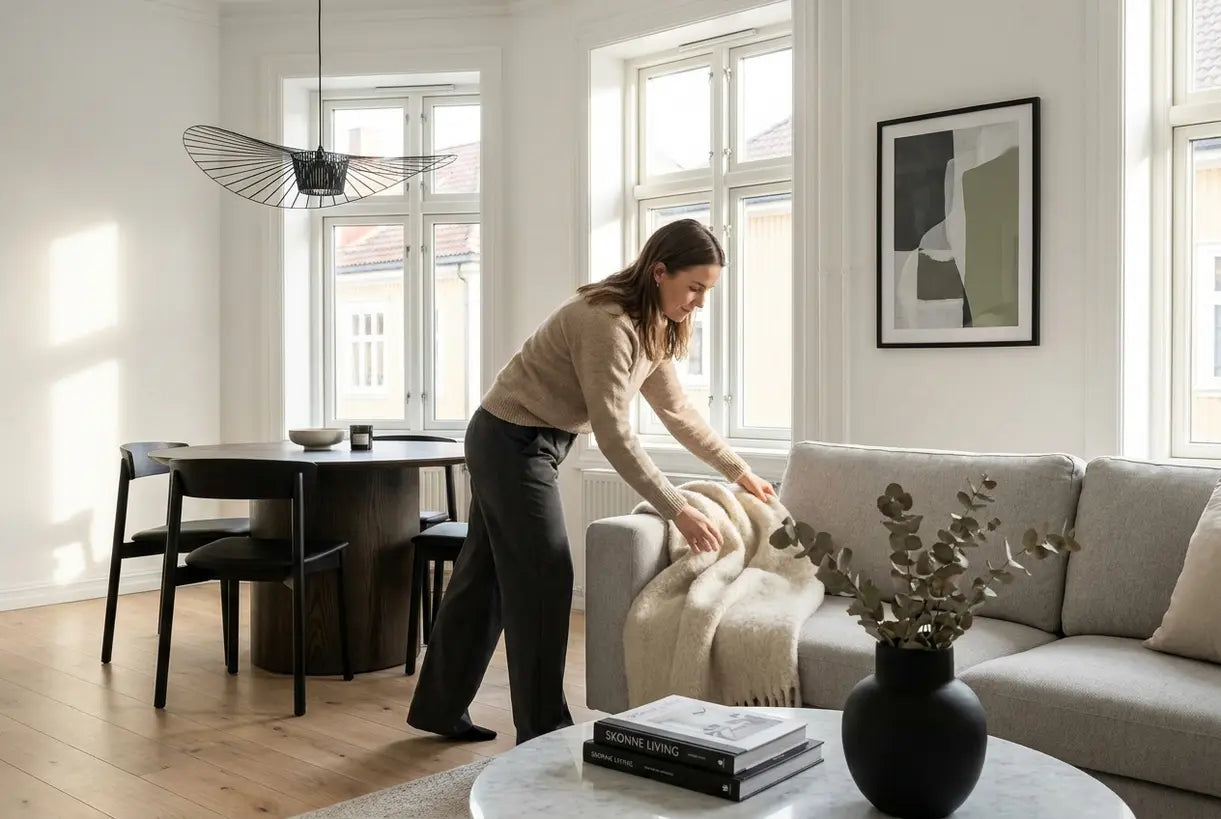
In monochrome interiors, lighting fixtures often serve as the "jewelry" of the room—sculptural pieces that break up planar surfaces and create focal points. A matte black pendant against a white ceiling becomes a piece of suspended art. A white ceramic table lamp against a charcoal wall reads as a luminous sculpture.
The key is choosing fixtures that understand their dual role: providing functional illumination while contributing to the aesthetic dialogue of your space. This is where Scandinavian design excels—marrying utilitarian purpose with poetic form.
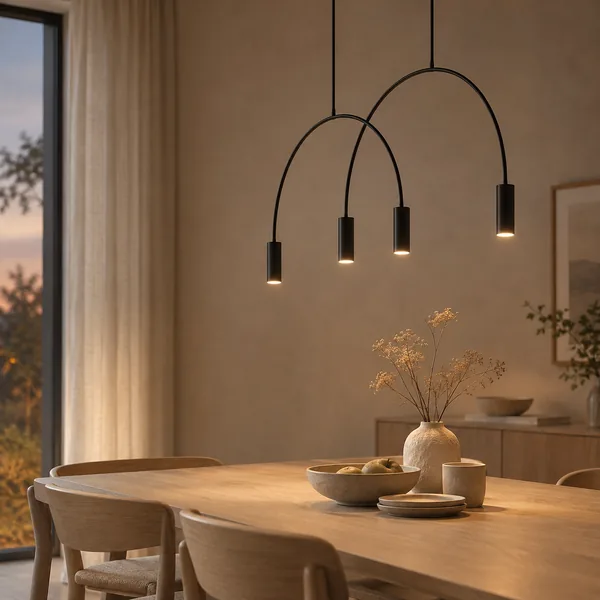 Sirkla Architectural Semi-Circle Black Pendant$569.00$819.00
Adding Texture Through Ceramic and Iron
When your color palette is restricted to black and white, texture becomes your substitute for color. The eye craves variation, and without chromatic diversity, surface quality carries the entire visual interest of a room.
Consider the tactile dialogue between materials: the rough-hewn quality of hand-formed ceramic against the smooth coolness of polished marble. The industrial weight of forged iron contrasting with the soft drapery of natural linen. In monochrome spaces, these textural conversations become the primary language of design.
Decorative objects in monochrome rooms serve a specific purpose—they're punctuation marks that break up fields of black and white. A sculptural vase on a console table. An artisanal sconce casting patterned shadows on a white wall. These aren't mere accessories; they're essential components that prevent high-contrast spaces from feeling flat.

Curated Pieces for Monochrome Spaces
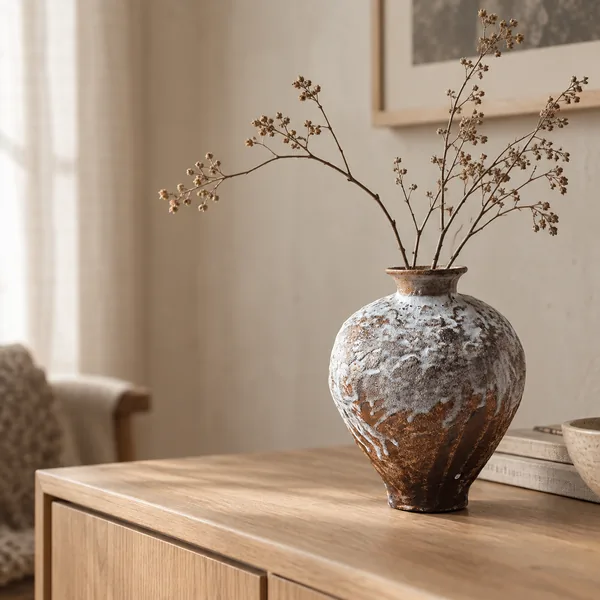 Stille Small Jingdezhen Ceramic Wabi-Sabi Vase$129.00$189.00
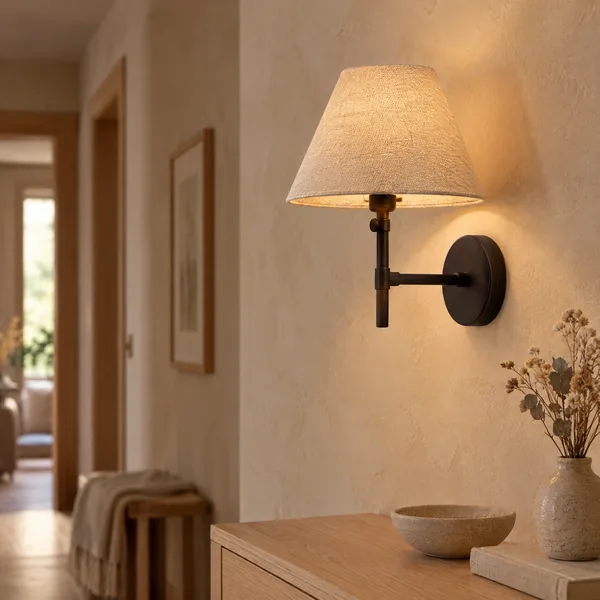 Eldorm Handcrafted Wabi-Sabi Iron Wall Sconce$199.00$259.00
Practical Implementation: Room-by-Room Strategies
Translating monochrome theory into practice requires room-specific strategies. Each space in your home serves different functions and demands different approaches to high-contrast styling.
The Living Room: Your Monochrome Statement
In living spaces, start with your largest surfaces—walls and floors. White walls with black flooring (or vice versa) establish immediate contrast. From there, layer in furniture that bridges both tones: a cream linen sofa with black matte legs, or a charcoal accent chair against white built-ins.
Lighting becomes particularly crucial here. Unlike colorful rooms where fixtures blend in, in monochrome spaces they stand out. Choose pieces with strong silhouettes that read as sculptural elements whether illuminated or not.
Bedrooms: Softening the Contrast
Sleep spaces benefit from a softened approach to high contrast interior design. Introduce "colors" of white and black—ivory, cream, charcoal, jet—creating tonal variation within the monochrome framework. Textiles become paramount:layered bedding in varying weaves, plush rugs against hard flooring, drapery that filters natural light into softness.
Design Tip: In bedrooms, reserve true black for accent pieces rather than large surfaces. A matte black pendant above the nightstand or black ceramic vases on the dresser provide definition without the intensity of black walls or furniture.
Kitchens and Dining: High-Impact Zones
These utilitarian spaces actually benefit most from monochrome treatment. The graphic clarity of black and white enhances the clean lines of cabinetry and built-ins. Consider matte black hardware against white cabinetry, or white marble countertops with dramatic veining that bridges both tones.
Budget-Friendly Monochrome Styling
One misconception about bold black and white interiors is that they require expensive investments. In reality, the limited palette often makes budget styling more effective—cohesion comes from color restraint rather than price point.
Paint remains your most powerful tool. A can of matte black paint transforms thrifted furniture into high-end pieces. White paint refreshes dated cabinetry. The uniformity of the monochrome palette unifies disparate pieces into a curated collection.
Focus your investment on anchor pieces—particularly lighting—that establish the room's character. Then layer in affordable ceramics, textiles, and accessories that carry the monochrome theme without demanding luxury budgets.
Integrating Strategic Color Pops
Purists might argue that black and white Scandinavian decor should remain unadulterated, but strategic color introduction—when done intentionally—can enhance rather than detract from the monochrome foundation.
Natural materials provide the most harmonious "color" additions: warm oak, raw brass, Josef Frank-inspired botanical prints in muted greens. These organic interventions acknowledge that black and white doesn't exist in a vacuum—the world outside your windows is full of chromatic life.
If you crave true color, consider desaturated options that read almost as neutrals: sage green, terracotta, dusty blue. These provide the visual interest of color without shattering the monochrome calm you've cultivated.
Living Room Lighting
Shop all Living Room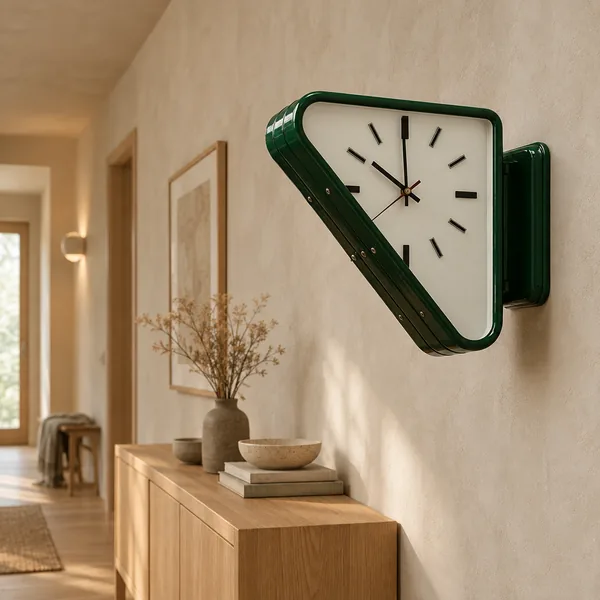
 Save $110.00
 +15 options
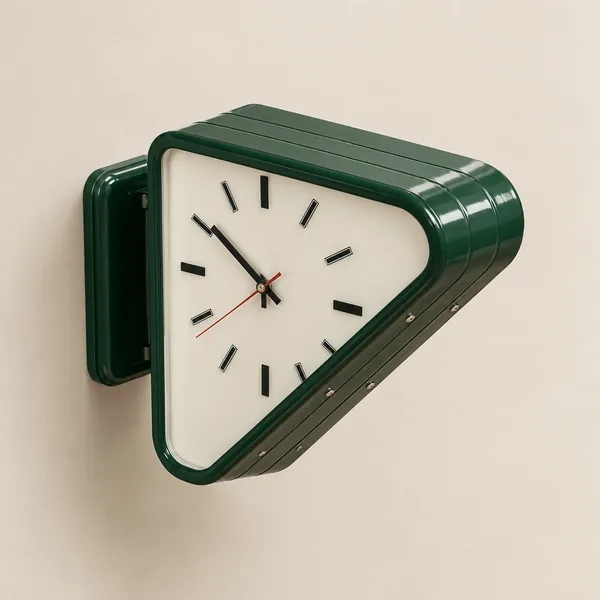
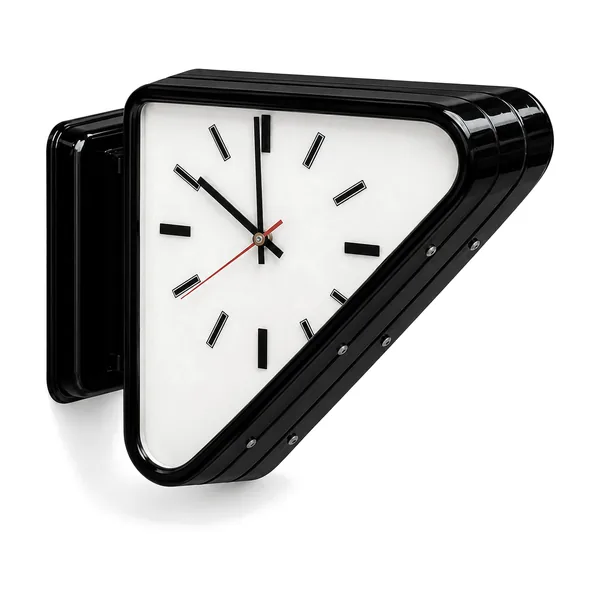
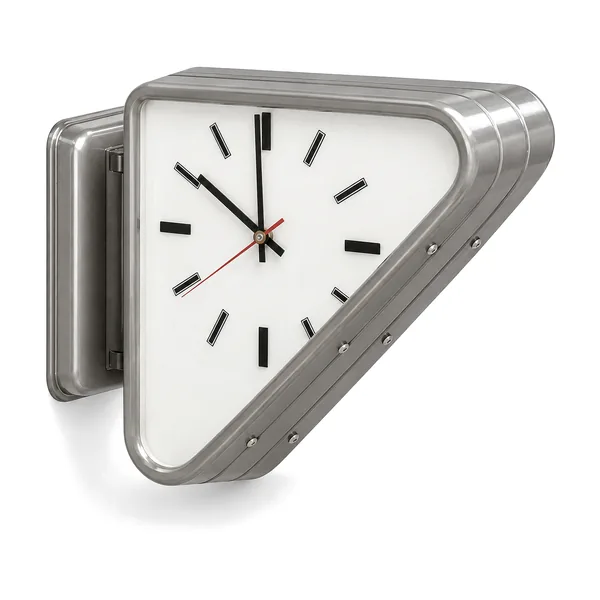
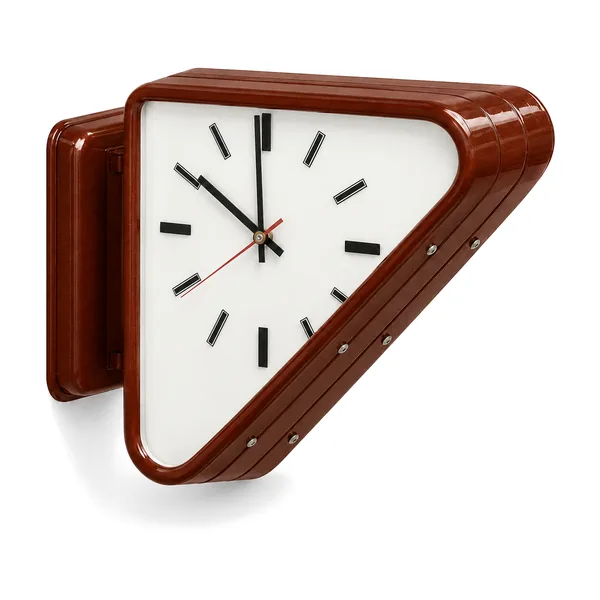
Tvilling Dual-Sided Geometric Metal Wall Clock
 Save $70.00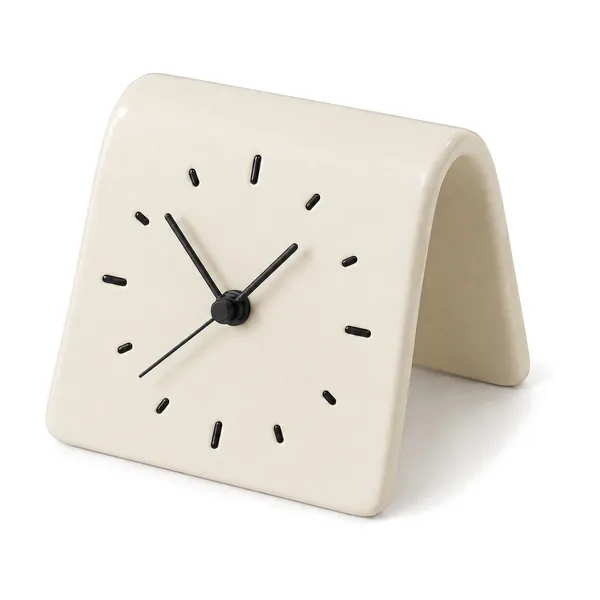
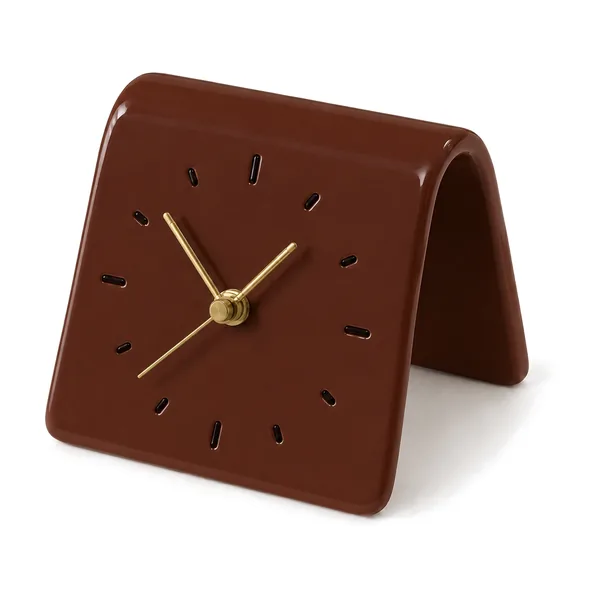
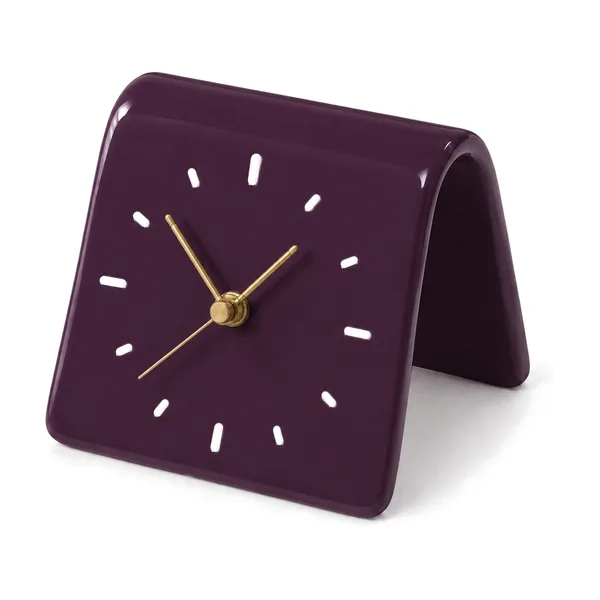 +37 options
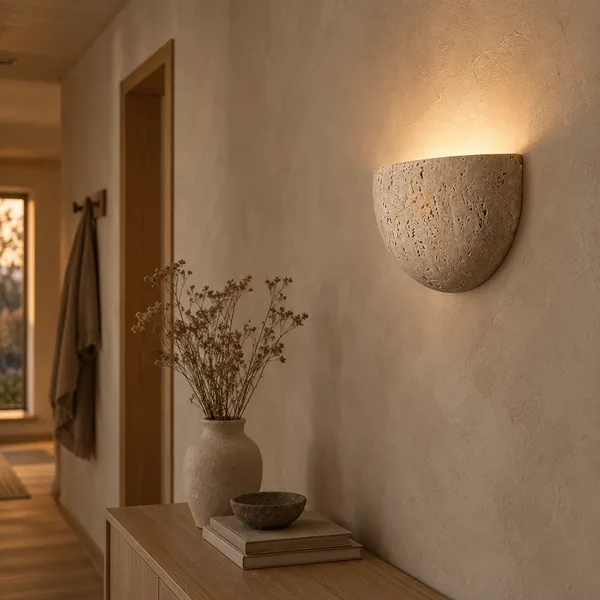
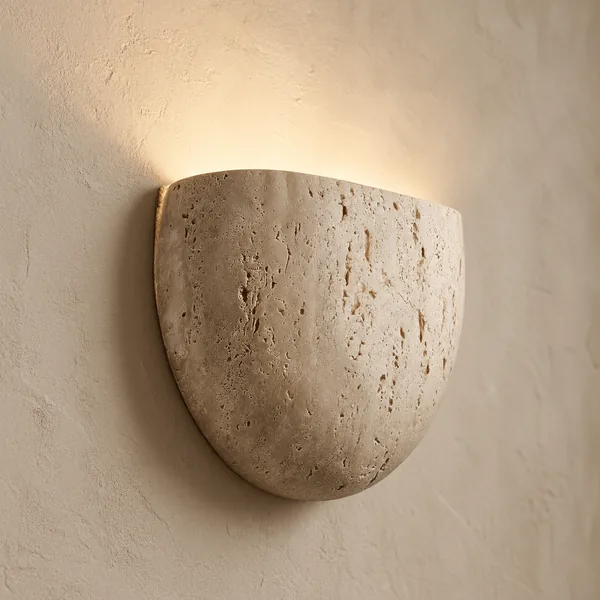
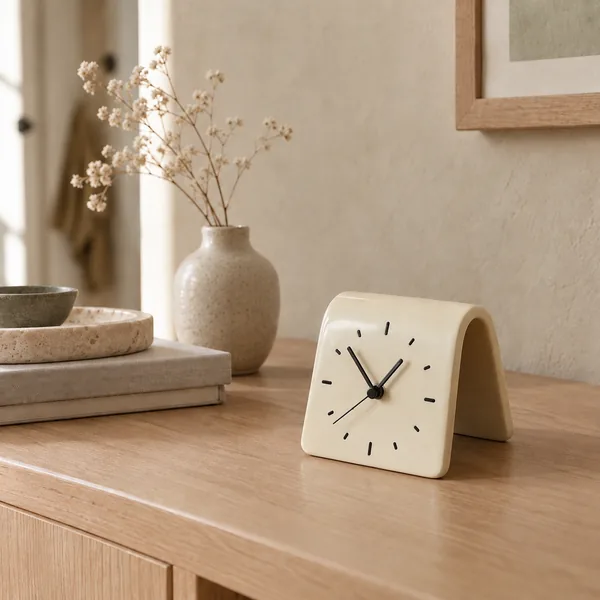
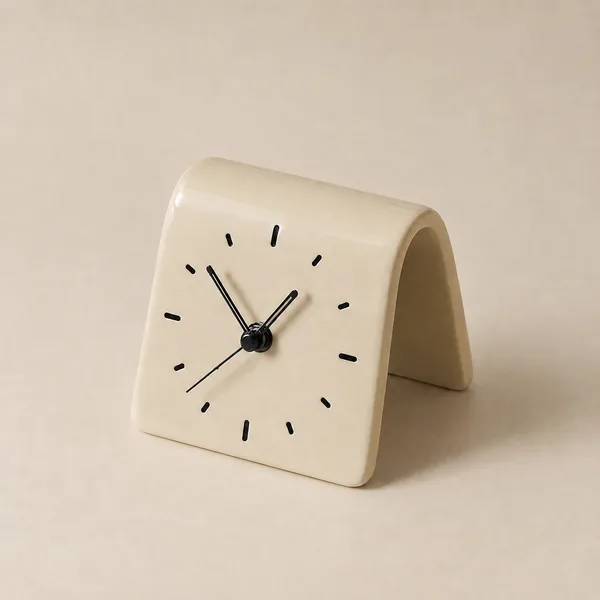
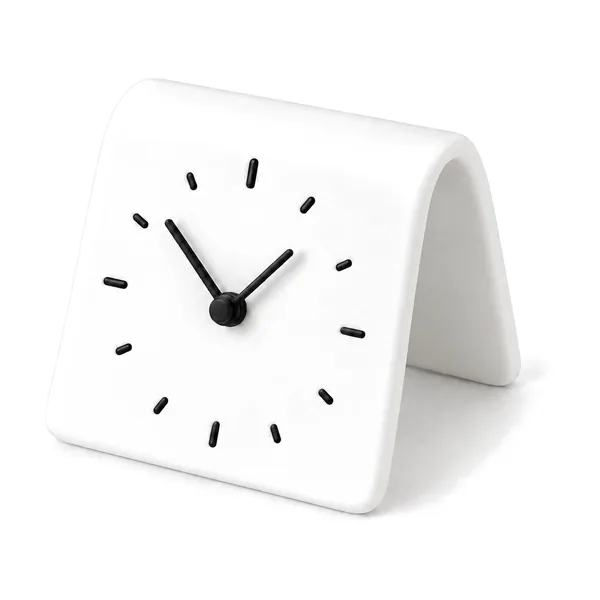
Tilje Silent Ceramic Desk Clock for Modern Homes

Maintaining Your Monochrome Space
One practical consideration often overlooked: white requires maintenance. In high-traffic monochrome homes, choose performance fabrics and washable paints. Embrace the Scandinavian practice of regular "refreshing"—rotating textiles, cleaning ceramics, and reassessing your space seasonally.
Black, while forgiving of stains, shows dust and fingerprints readily. Matte finishes hide imperfections better than gloss, while textured surfaces (like hammered metal or rough ceramic) maintain their appearance longer than smooth, reflective ones.
Scandinavian Wisdom: Cleanliness is part of the aesthetic. The clarity of monochrome design demands clarity of maintenance. This isn't a burden—it's an invitation to mindful stewardship of your space.
Creating Spaces That Feel Like Home
The ultimate goal of black and white modern home decor isn't creating a magazine spread—it's crafting a backdrop for your life that feels simultaneously edited and welcoming. The high-contrast approach provides visual architecture; the warmth you layer atop it provides soul.
At Skonne, we approach monochrome design as a canvas for Scandinavian living—spaces that honor both the boldness of contemporary design and the comfort of hygge. Whether through a statement pendant that anchors your living room or a handcrafted vase that softens your console table, each piece should earn its place through both beauty and function.
The enterprises of black and white aren't about limitation—they're about liberation. When color is removed, texture shines. When trends fade, timeless contrast remains. And when you curate with intention, every object in your home tells a coherent, compelling story.
Related Article
Modern Mountain Home Decor: Elevated, Nature-Inspired Style for Alpine & High-Altitude InteriorsTransform your space with modern mountain home decor. Explore nature-inspired designs, warm lighting, and Scandinavian touches for elevated alpine interiors.