
Living Room Lighting: The Complete Guide to Illuminating Your Lounge
Summary›
- The Three Layers of Living Room Lighting Design
- The 5-7 Lighting Rule Explained
- Understanding Color Temperature for Living Spaces
- Why Gen Z is Rejecting Overhead Lighting
- Layered Lighting in Action: Creating Your Perfect Atmosphere
- Creating Your Personal Lighting Plan
- Scandinavian-Inspired Lighting Solutions
- Conclusion: Illuminating Your Sanctuary
Walking into a thoughtfully lit living room feels like receiving a warm embrace. The gentle glow from multiple sources wraps around you, eliminating harsh shadows while creating pockets of intimacy perfect for everything from quiet reading to animated conversation. This is the essence of living room lighting done right—layered, intentional, and deeply personal to how you actually live.
Whether you're designing a brand new space or elevating your current lounge, understanding the principles of illumination transforms your room from merely functional to genuinely inviting. In this complete guide, we'll explore the three essential layers of lighting, demystify the 5-7 rule designers swear by, and show you how to curate fixtures that honor both your aesthetic preferences and your practical needs.
The Three Layers of Living Room Lighting Design
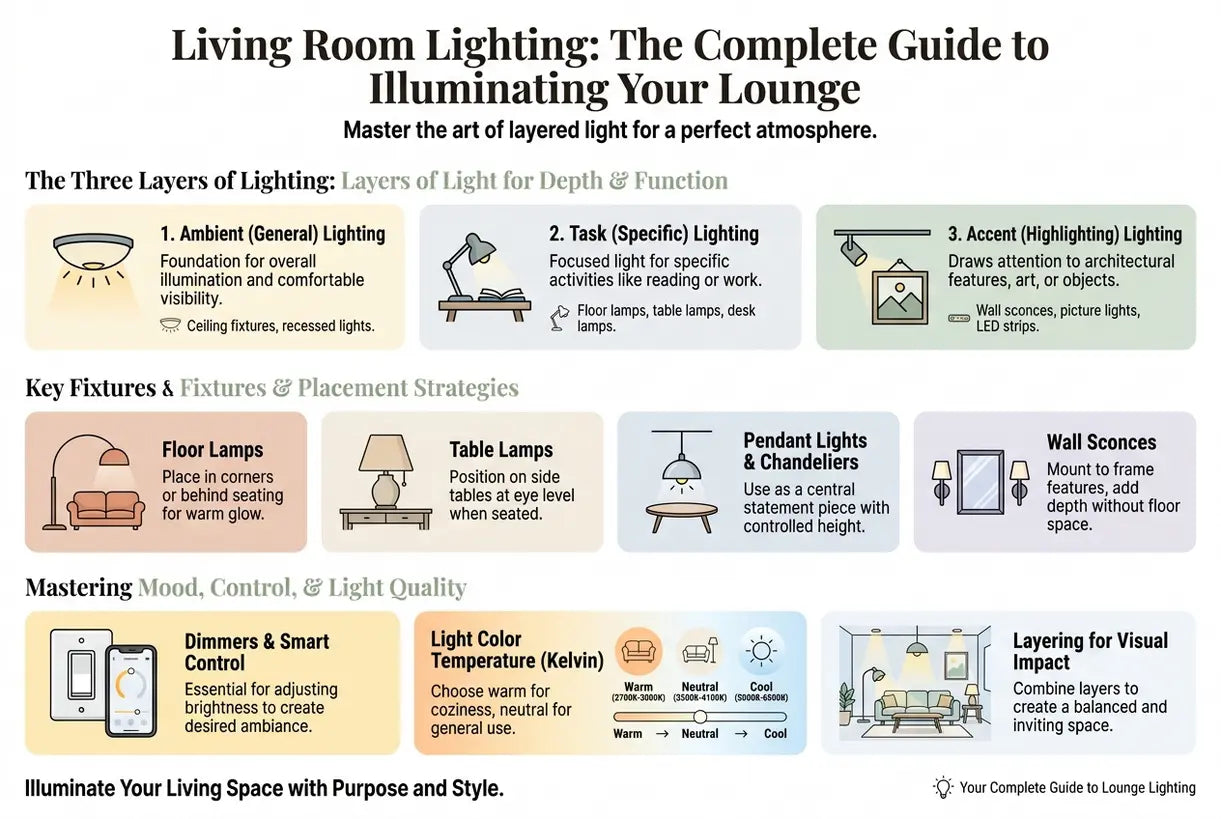
Professional interior designers approach lighting as a layered composition rather than a single solution. Picture your living room as a canvas where different light sources each play distinct roles in creating atmosphere and functionality.
Ambient Lighting: Your Foundation Layer
Ambient lighting provides the base illumination that allows you to navigate your space safely. This overhead glow—whether from a central pendant, recessed fixtures, or a statement chandelier—fills the room with general light. In Scandinavian design philosophy, ambient lighting should feel like the soft glow of Nordic twilight: present but never overpowering.
Task Lighting: Focused Illumination for Activities
Reading, working on puzzles, or enjoying craft projects require concentrated light exactly where you need it. Floor lamps beside reading chairs, table lamps on desks, and adjustable wall sconces all serve this purpose. The key is positioning these sources to eliminate glare and shadows on your task area.
Accent Lighting: Adding Drama and Depth
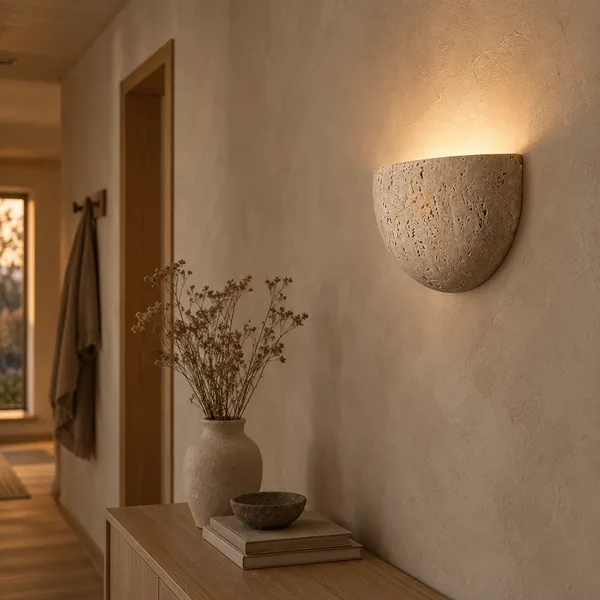
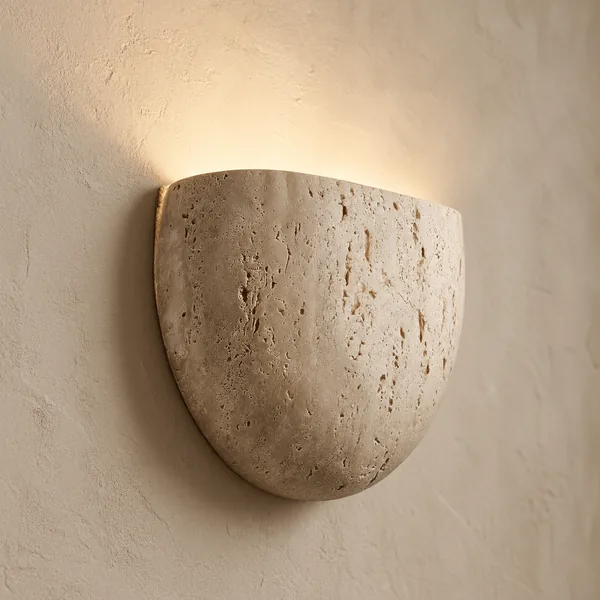
Accent lighting draws attention to architectural features, artwork, or textured walls. Picture lights above paintings, uplights behind plants, or LED strips highlighting shelving create visual interest and dimension. This layer transforms a flat space into one with depth and personality.
The 5-7 Lighting Rule Explained
One of the most practical concepts emerging from contemporary interior design is the 5-7 lighting rule. This guideline suggests incorporating between five and seven distinct light sources throughout your living room for optimal illumination and atmosphere.
This doesn't mean seven harsh overhead fixtures flooding your space. Rather, it encourages thoughtful distribution across all three lighting layers. For example:
- One ambient source (pendant or ceiling fixture)
- Two to three task lights (floor and table lamps)
- Two to three accent lights (wall sconces, picture lights, or candles)
The variation within this range accommodates room size and ceiling height. Compact apartments might thrive with five carefully chosen sources, while expansive open-concept living areas benefit from seven or even more distributed fixtures.
Understanding Color Temperature for Living Spaces
Color temperature profoundly impacts how a room feels. Measured in Kelvin (K), this scale ranges from warm candlelight (around 2700K) to cool daylight (5000K+). For living rooms—spaces dedicated to relaxation and connection—designers consistently recommend warm color temperatures between 2700K and 3000K.
This range mimics the golden hour glow that humans instinctively find calming and inviting. Cooler temperatures above 3500K create an alert, energized feeling better suited to kitchens and offices. When selecting bulbs for your living room lighting scheme, look for "warm white" or "soft white" designations, and consider LEDs labeled as 2700K for that perfect hygge ambiance.
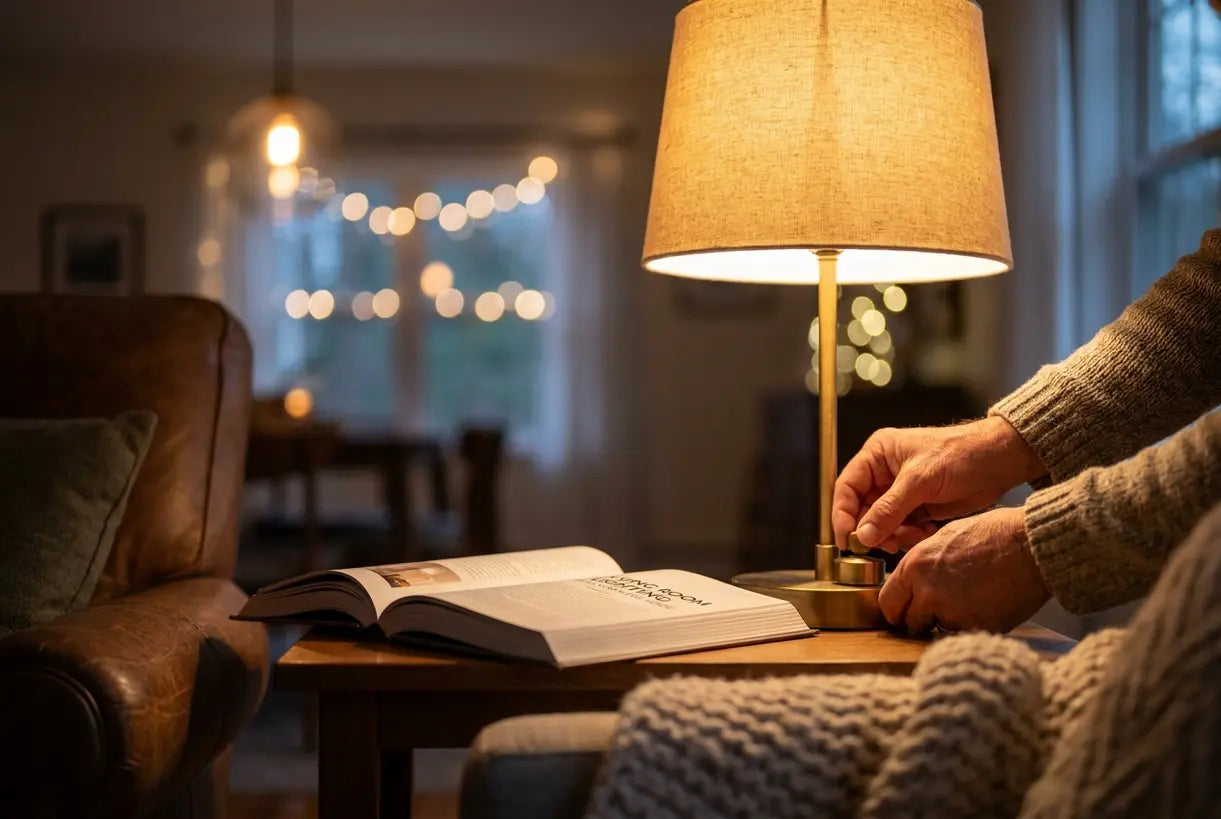
Equally important is the Color Rendering Index (CRI), which measures how accurately light reveals true colors. Aim for bulbs with a CRI of 90 or above to ensure your carefully curated furnishings and decor appear as intended.
Living Room Lighting
Shop all Living Room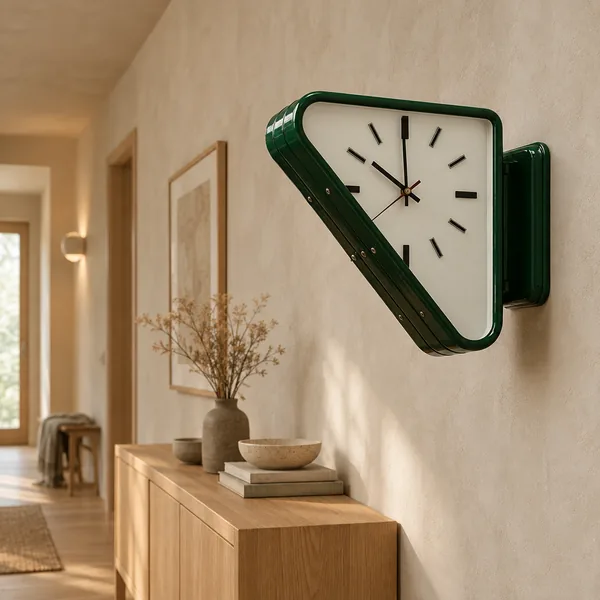
 Save $110.00
 +15 options
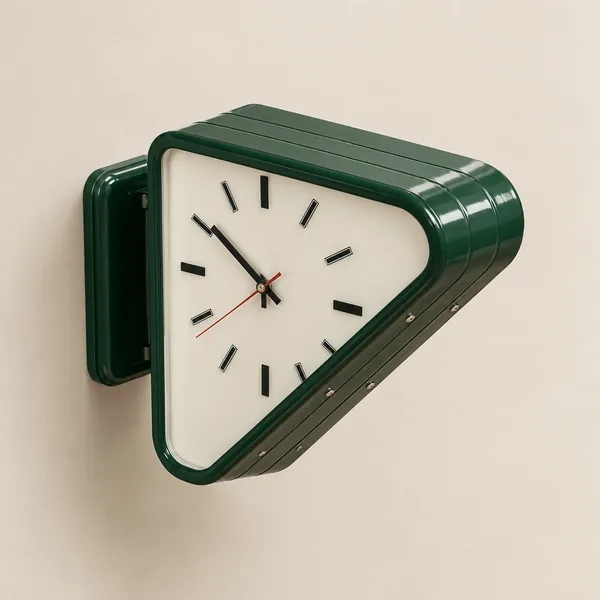
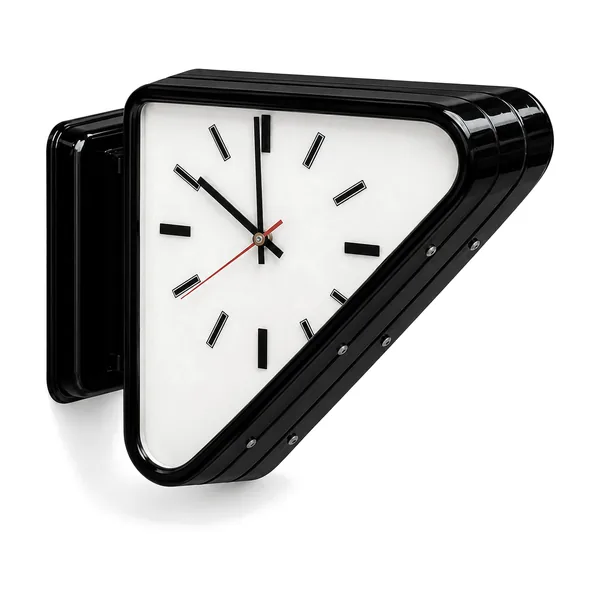
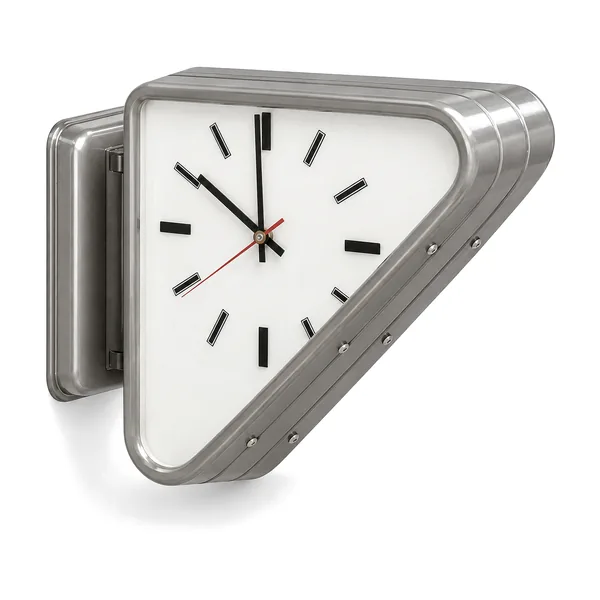
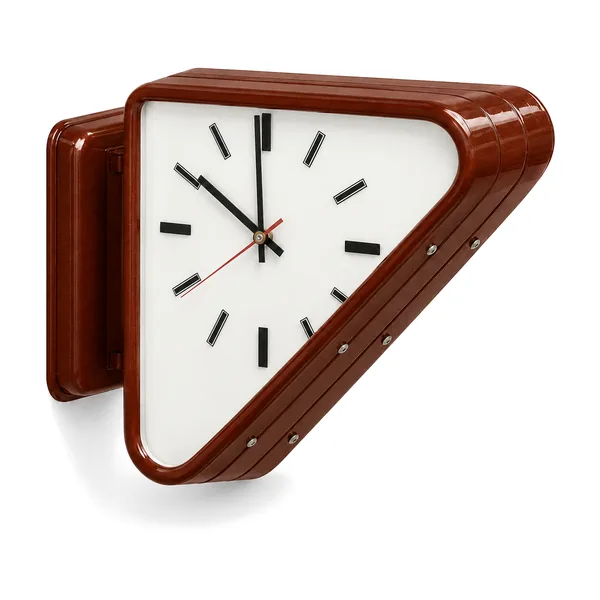
Tvilling Dual-Sided Geometric Metal Wall Clock
 Save $70.00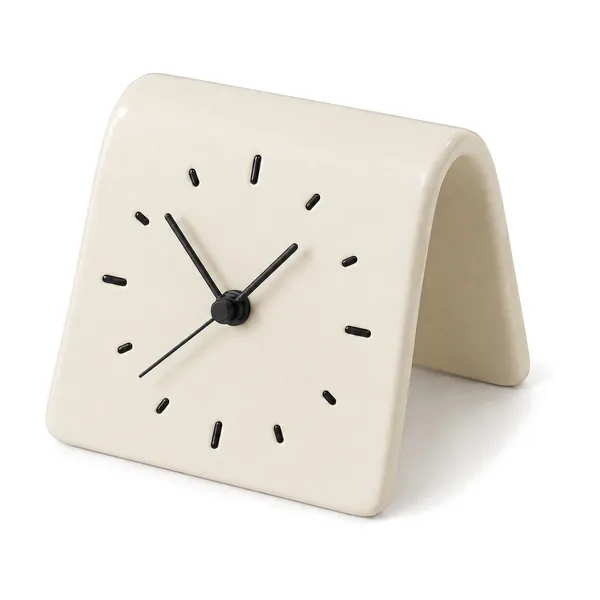
 +37 options
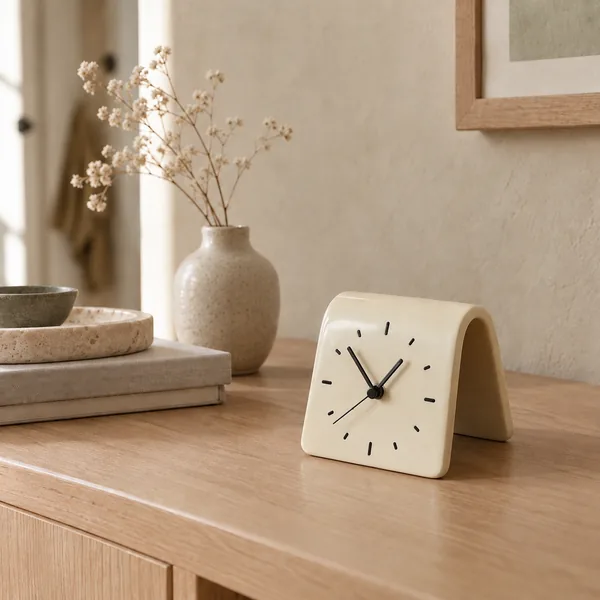
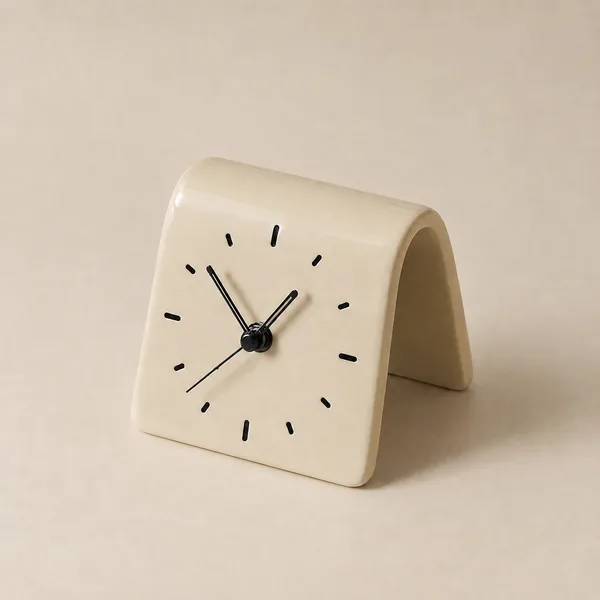
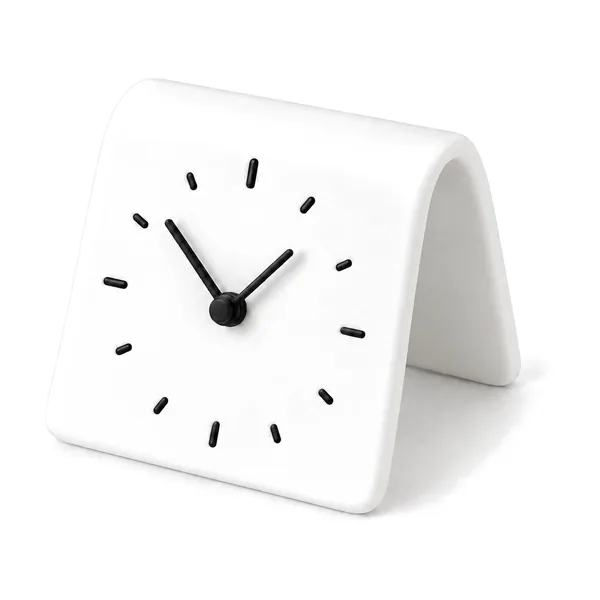
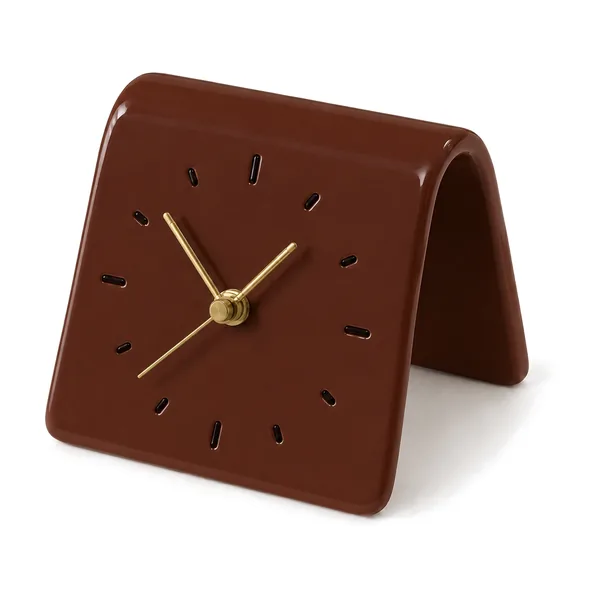
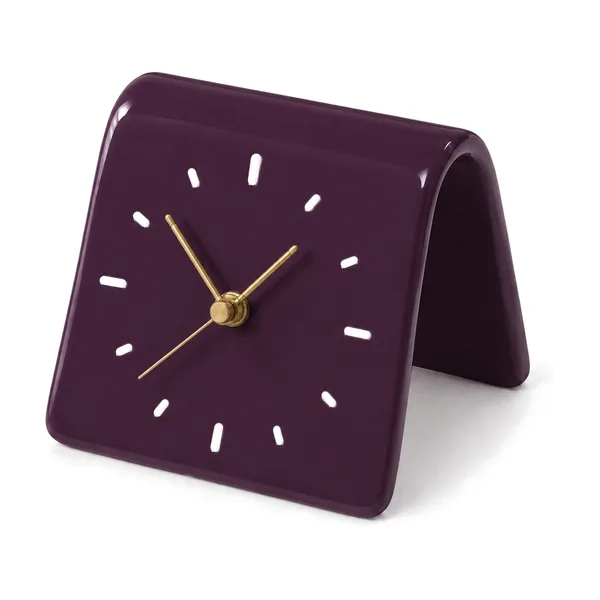
Tilje Silent Ceramic Desk Clock for Modern Homes

Why Gen Z is Rejecting Overhead Lighting
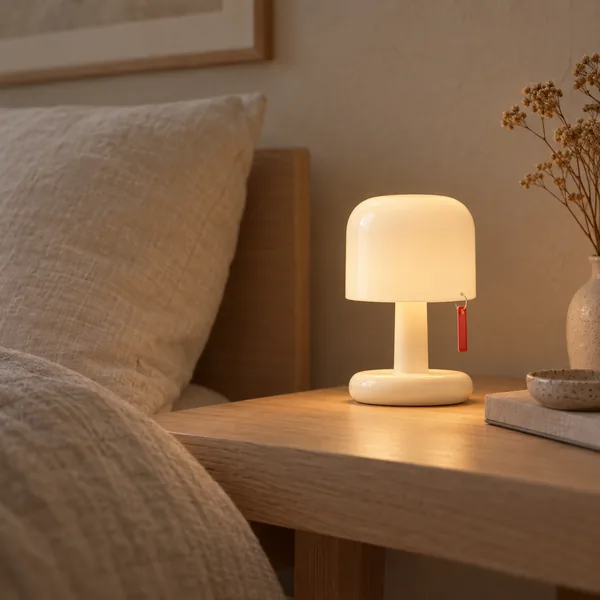
An fascinating shift is occurring in how younger generations approach living room lighting design. Gen Z has developed a notable aversion to overhead lighting, preferring instead to illuminate spaces through intentional combinations of floor lamps, table lamps, and string lights.
This preference aligns beautifully with Scandinavian principles—eschewing harsh, centralized illumination in favor of intimate, distributed glow. The movement toward "no overhead" lighting isn't about darkness; it's about control. Multiple smaller sources allow occupants to adjust ambiance moment by moment, creating the exact mood their activities and emotions require.
This generation's instinctive wisdom reminds us that great lighting isn't about flooding a room with brightness. It's about crafting pools of warmth where life actually happens—beside the sofa where you curl up with novels, near the coffee table where conversations unfold, and in corners where houseplants thrive.
Layered Lighting in Action: Creating Your Perfect Atmosphere
Putting theory into practice requires thoughtful fixture selection. Each piece should earn its place by solving a specific lighting challenge while contributing to your overall aesthetic vision.
Consider how different activities throughout your day demand different lighting scenarios:
- Morning coffee: Soft ambient light, perhaps dimmed, with gentle task lighting at your reading spot
- Afternoon work: Bright task lighting focused on your workspace, minimal accent lighting
- Evening entertaining: Dimmed ambient light, glowing accent fixtures, warm table lamps creating conversation zones
- Late-night relaxation: Minimal ambient light, perhaps just accent and task lighting at low levels
When designing reading nooks or conversation corners, the right floor lamp becomes essential. The Kveld Scandinavian Mushroom Floor Lamp embodies this principle beautifully—its diffused acrylic fabric shade casts a soft, ambient glow that eliminates eye strain while adding organic warmth through its walnut base.
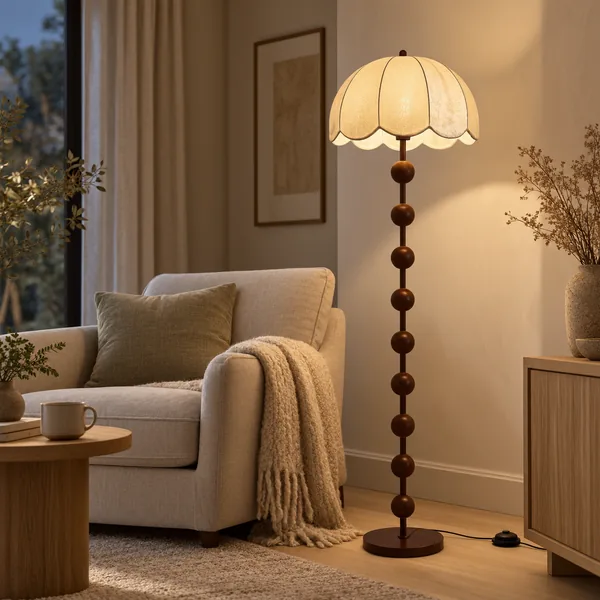 Kveld Scandinavian Mushroom Floor Lamp Walnut$219.00$349.00
Creating Your Personal Lighting Plan
Before purchasing fixtures, walk through your living room at different times of day. Notice where natural light falls and where shadows pool in the evening. Identify the activities you actually do in this space—reading, entertaining, working, relaxing—and map where each occurs.
Take inventory of your existing furniture arrangement. Task lighting should serve each functional zone: a floor lamp beside your reading chair, table lamps flanking the sofa, perhaps a spotlight for that gallery wall you've curated. Remember that good living room lighting anticipates how you move through and use your space.
Dimmers represent one of the highest-impact investments you can make. Even basic fixtures become versatile design tools when you can adjust their intensity. Install dimmers on your overhead lighting and seek floor and table lamps with multiple brightness settings or three-way bulbs.
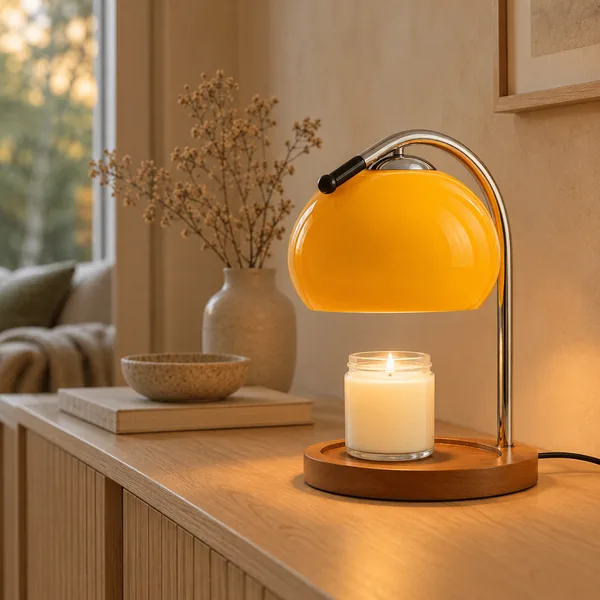
Don't overlook the power of candlelight and battery-operated LED alternatives. These provide the most intimate layer of ambient light, creating that coveted Scandinavian "hygge" feeling during evening hours.
Table Lamps
Shop all Table Lamps
 Save $30.00
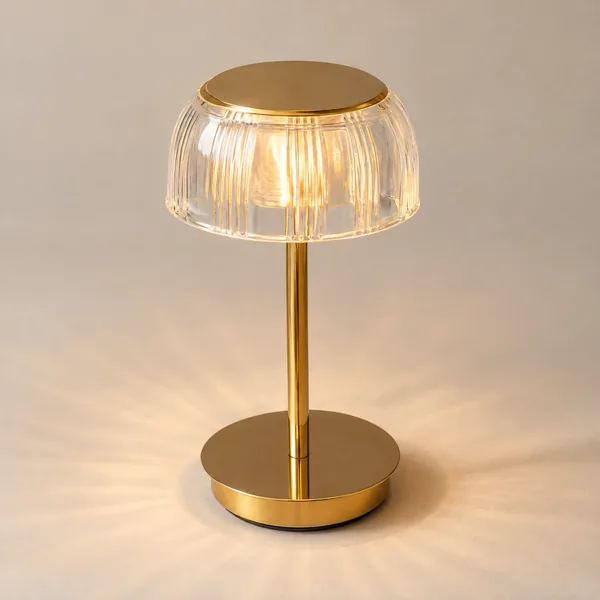
Kvalla Jellyfish LED Rechargeable Table Lamp
 Save $60.00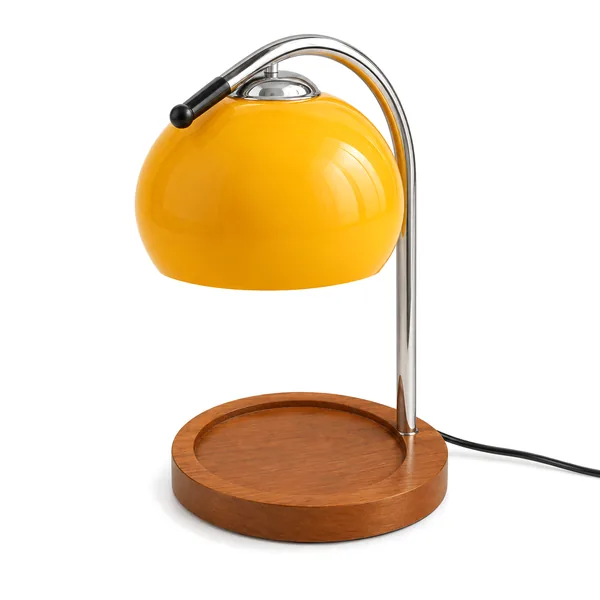
 3 options
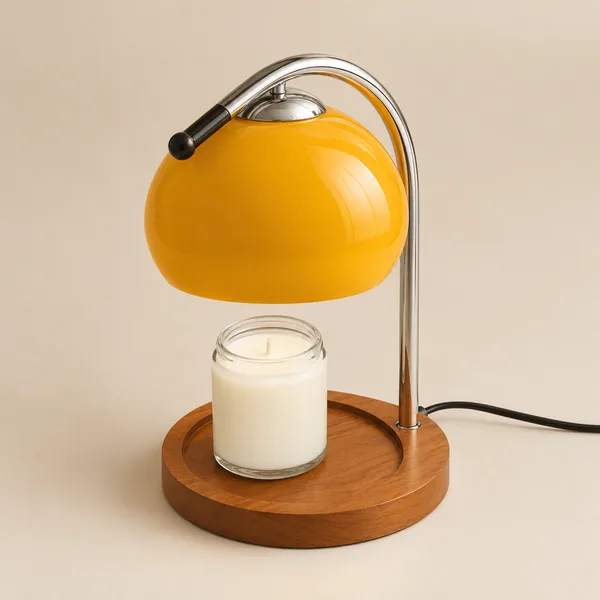
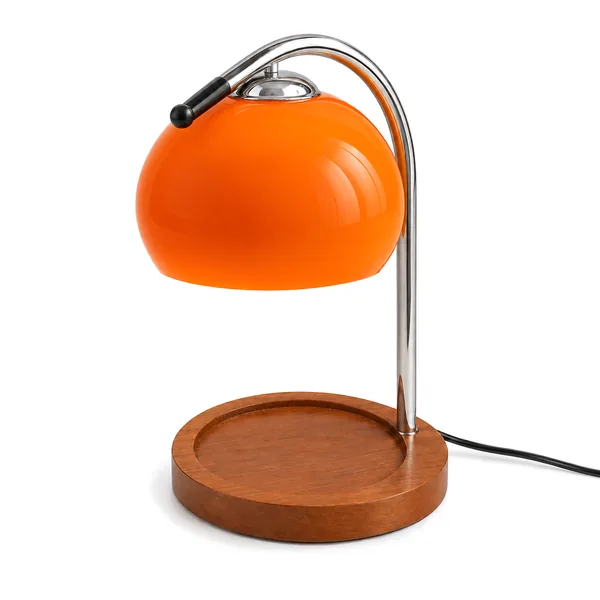
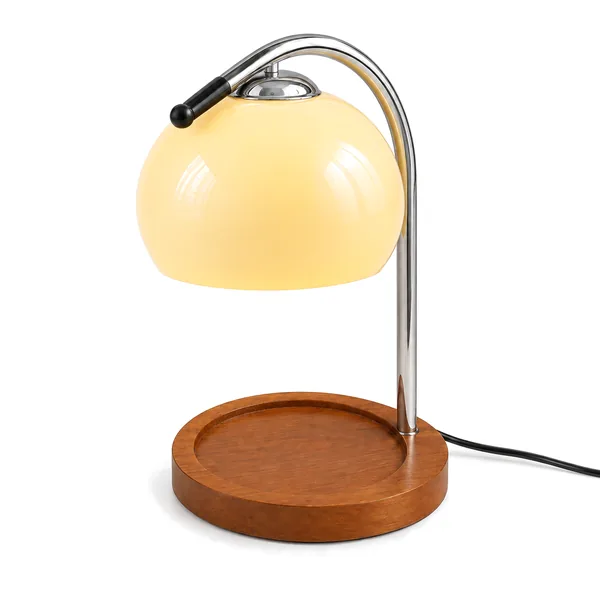
Solvarm Stained Glass Candle Warmer Table Lamp

 Save $220.00
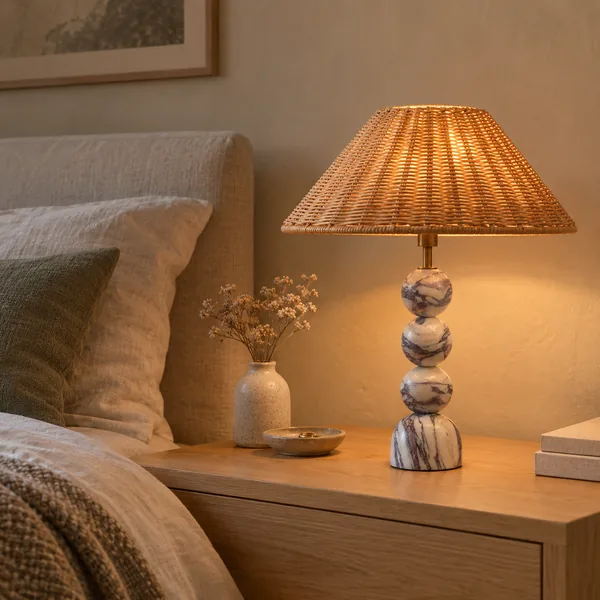
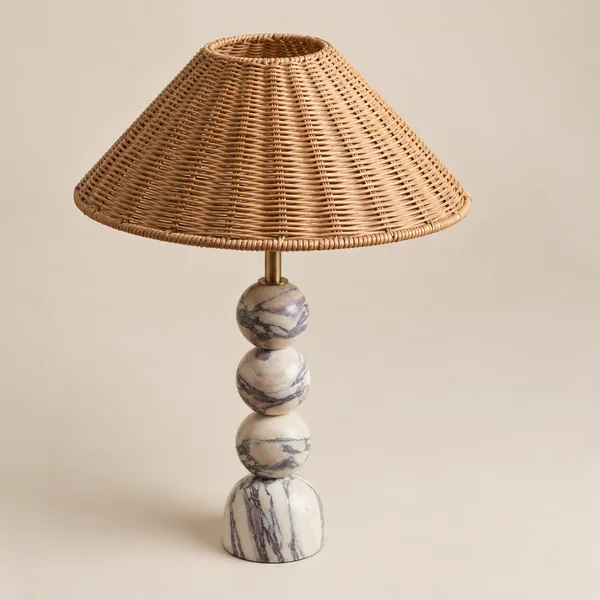
Stenglo Nordic Marble Table Lamp Rattan Shade
Scandinavian-Inspired Lighting Solutions
The Scandinavian approach to modern living room lighting prioritizes natural materials, soft diffusion, and sculptural simplicity. These fixtures don't merely illuminate—they become art objects that enhance your interior even when switched off.
Table lamps serve dual purposes in this design philosophy, providing both focused task lighting and warm accent glow. The Shiro Rice Paper Table Lamp exemplifies this beautifully—its handcrafted rice paper shade filters LED light into gentle, layered warmth that transforms any surface into a design moment.
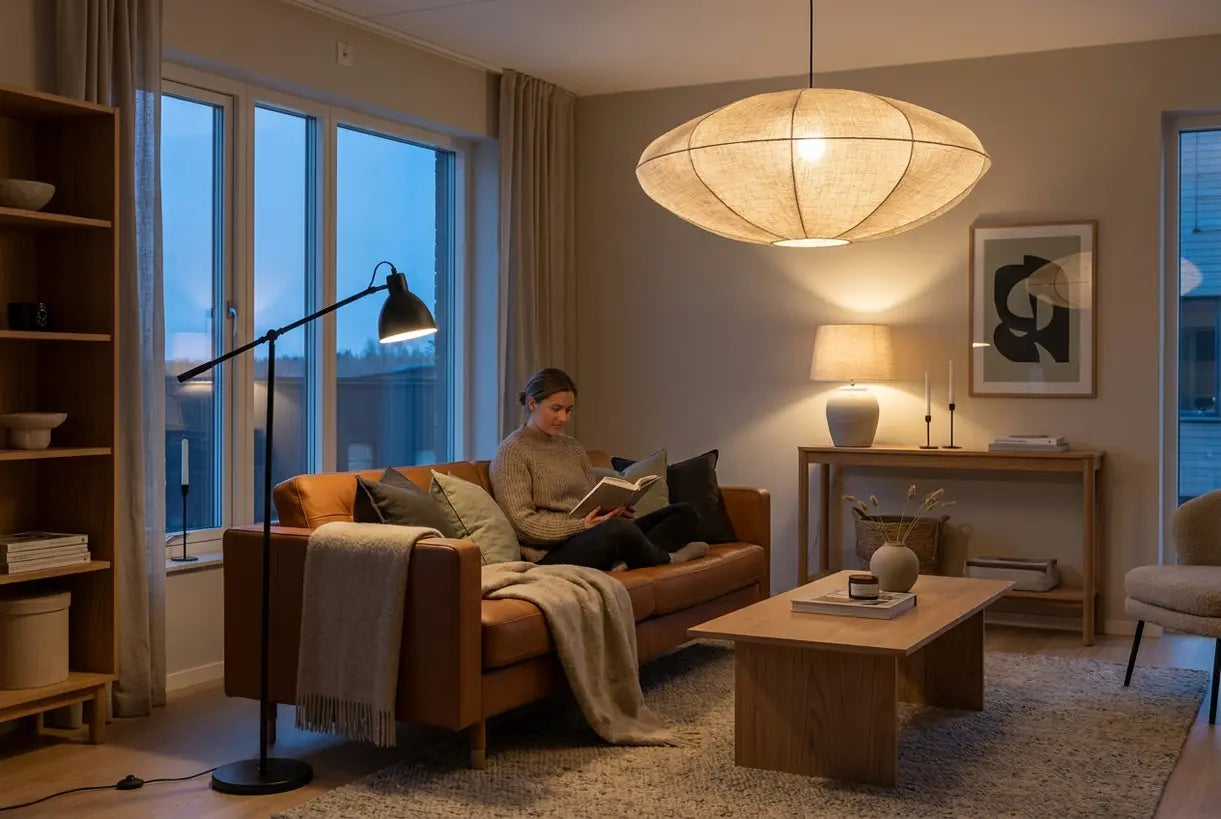
For ambient lighting that makes a statement without overwhelming, glass pendants offer an ethereal alternative to solid fixtures. These translucent pieces distribute light throughout a room while casting interesting shadows and reflections. The Driva Sculptural Cloud Pendant Light demonstrates how hand-blown glass can create an ambient focal point, individually shaped to cast ethereal, glare-free illumination throughout your living space.
When selecting ceiling options, consider exploring our Mounted Ceiling Lights collection for fixtures that provide even ambient distribution while maintaining the clean lines and thoughtful design principles central to Scandinavian aesthetics.
Curated Ambiance: Essential Living Room Lighting
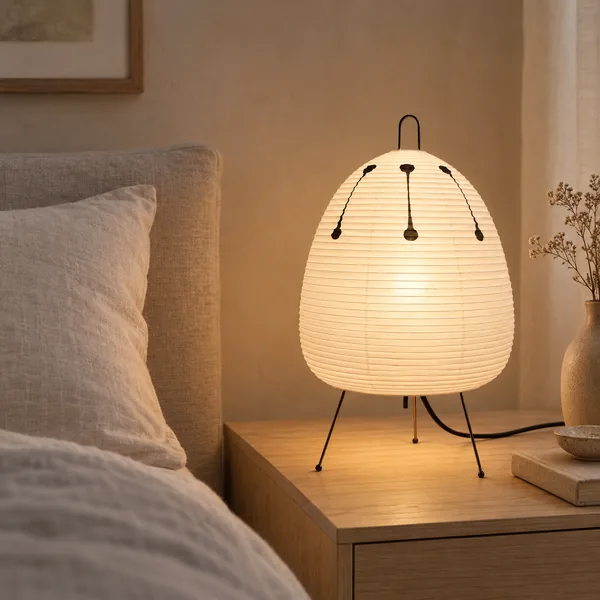 Shiro Rice Paper Table Lamp Nordic Minimalist$119.00$199.00
Conclusion: Illuminating Your Sanctuary
Thoughtful living room lighting design transcends mere functionality—it shapes how you feel, how you gather, and how you move through your sanctuary. By understanding the interplay of ambient, task, and accent layers, embracing warm color temperatures, and distributing light through multiple sources, you create spaces that adapt to your life rather than constrain it.
The best lighting plans grow organically with you, starting with quality foundational pieces that serve your immediate needs while leaving room to evolve. At Skonne, we curate Scandinavian-inspired fixtures—from sculptural pendants to organic floor lamps—that honor both the practical demands of modern living and the timeless pursuit of hygge comfort.
Whether you're beginning your lighting journey or refining an existing space, remember that every carefully placed glow brings you closer to that perfectly lit evening—the kind where conversations linger, pages turn effortlessly, and your living room truly feels like home.
Related Article