
Cabin Interior Design: Cozy, Rustic & Nature-Inspired Ideas for Log Cabins & Retreats
Summary›
- What Is Cabin Style Interior Design?
- The Colors and Materials That Define Cabin Interiors
- Modern Cabin Interior Design Ideas
- Small Cabin Design Strategies
- Lighting Solutions for Cozy Cabin Interiors
- Creating Intimate Spaces with Layered Lighting
- Nature-Inspired Decor Accents
- Conclusion: Crafting Your Cabin Sanctuary
There's something undeniably magical about stepping into a thoughtfully designed cabin. The scent of pine, the warmth of exposed timber, and the gentle glow of ambient lighting work together to create an atmosphere that feels like a warm embrace. Whether you're fortunate enough to own a mountain retreat or you're bringing cabin interior design principles into your city dwelling, the goal remains the same: to create a space that honors nature while providing genuine comfort.
Today's cabin aesthetics have evolved far beyond the stereotypical "wood everywhere" approach. Modern cabin style embraces a sophisticated blend of rustic authenticity and Scandinavian minimalism—think clean lines meeting organic textures, contemporary fixtures complementing weathered wood, and hygge-inspired coziness that invites you to slow down. In this guide, we'll explore how to transform any space into a nature-inspired sanctuary, with particular attention to the lighting solutions that make all the difference between a beautiful cabin and one that truly feels like home.
What Is Cabin Style Interior Design?
Cabin style interior design draws its essence from the architecture and lifestyle of traditional wilderness retreats—log cabins, mountain lodges, and lakeside cottages. At its core, this aesthetic celebrates the relationship between indoor spaces and their natural surroundings, creating interiors that feel grounded, authentic, and inherently peaceful.
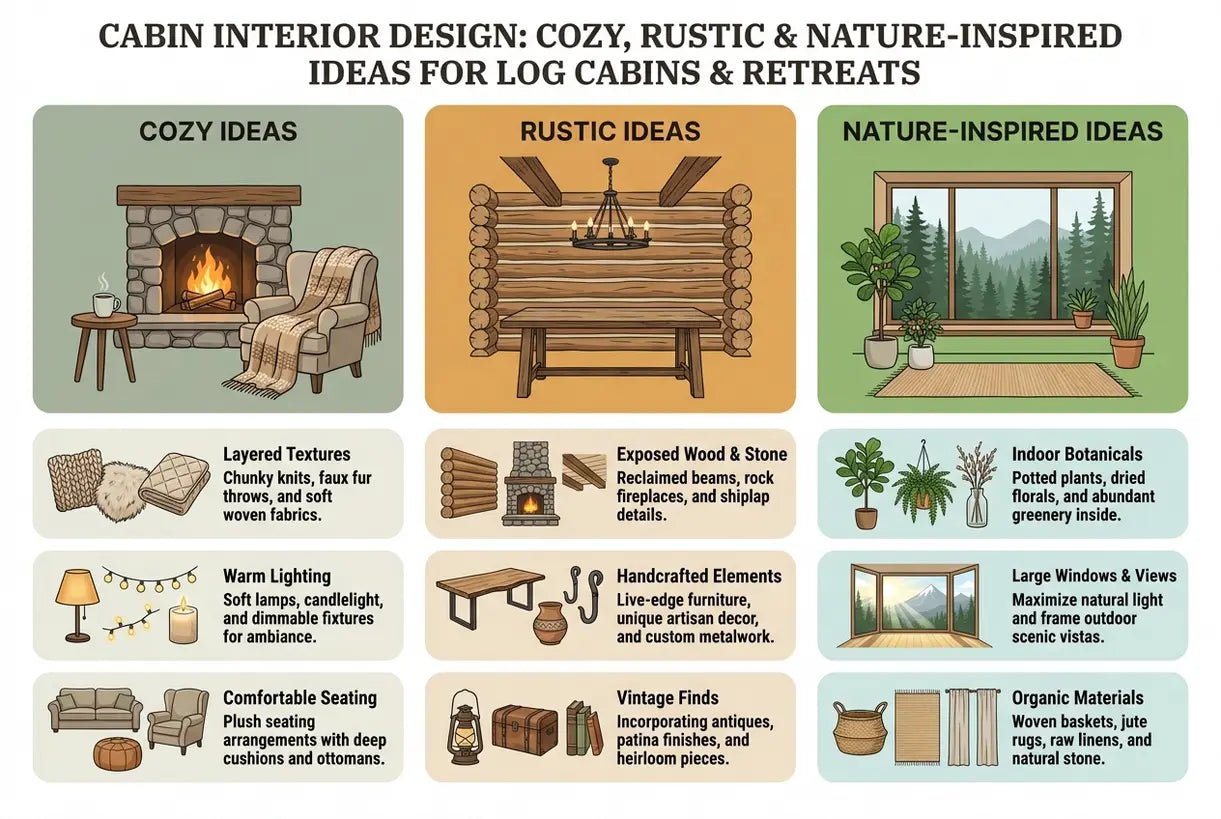
The philosophy behind cabin interiors goes beyond mere decoration. It is about creating environments that encourage disconnection from digital noise and reconnection with simpler pleasures. This is achieved through strategic use of natural materials, thoughtful space planning that accommodates both gathering and solitude, and—crucially—lighting that mimics the warm, organic quality of firelight and filtered daylight through forest canopies.
The Colors and Materials That Define Cabin Interiors
The foundation of any successful cabin aesthetic lies in its material palette. Rather than fighting against a cabin's inherent architectural character, the best designs amplify and refine it. Wood remains the hero material, but today's approach celebrates its variation—from honey-toned pine and warm cedar to weathered barn wood and dark-stained oak.
Complementary materials play equally important supporting roles. Stone accents—whether in the form of fireplaces, backsplashes, or decorative elements—ground the space and add textural contrast. Natural textiles like linen, wool, and organic cotton soften hard surfaces and introduce tactile warmth. Leather, whether in sleek modern silhouettes or vintage-worn patinas, adds sophistication without sacrificing authenticity.
The color palette for cabin interiors draws directly from the landscape visible through those picture windows. Earth tones dominate: deep forest greens, warm taupes, muted blues reminiscent of mountain lakes, and the full spectrum of browns from sand to espresso. Neutrals serve as the baseline, allowing seasonal changes outdoors to become part of the interior's evolving character.
Modern Cabin Interior Design Ideas
The most compelling cabin interiors today successfully bridge the gap between traditional rustic charm and contemporary sensibility. This modern cabin approach does not reject the past—it reinterprets it through a lens of intentionality and restraint.
Key characteristics of modern cabin design include:
- Open floor plans that maximize natural light and create flow between living spaces
- Clean-lined furniture that provides visual breathing room among organic architectural elements
- Minimalist approach to accessories, favoring fewer but more meaningful objects
- Integration of modern technology that is invisible or beautifully designed rather than intrusive
- Large windows and glass doors that dissolve boundaries between indoors and out
Scandinavian Cabin Style Elements
The convergence of Scandinavian design philosophy with cabin aesthetics creates particularly harmonious results. Both traditions prioritize light, simplicity, and connection to nature. Scandinavian cabin style emphasizes pale wood tones over dark stains, celebrates craftsmanship in joinery and textile work, and maintains a disciplined approach to color—often limiting palettes to three or four carefully chosen hues throughout an entire space.
This approach brings an airy freshness to what might otherwise feel heavy or dated. It is the difference between a cabin that feels like a time capsule and one that feels relevant, timeless, and genuinely livable.
Small Cabin Design Strategies
Many of the most charming cabins are modest in square footage, requiring strategic design thinking to maximize both function and atmosphere. The goal is not to make a small space feel larger—that would deny its cozy essence—but rather to make it feel perfectly complete, with everything you need and nothing extraneous.
Multi-functional furniture becomes essential in compact cabins. Storage-integrated seating, extendable dining tables, and convertible sleeping arrangements allow spaces to transform throughout the day. Vertical space should be maximized through built-ins and shelving that draws the eye upward, emphasizing the character of vaulted or beamed ceilings.
Perhaps most importantly in small cabins, every element must earn its place. This is where Scandinavian minimalism proves invaluable—the discipline of curating rather than accumulating ensures that small spaces never feel cluttered or overwhelming.
Pendant Lights
Shop all Pendant Lights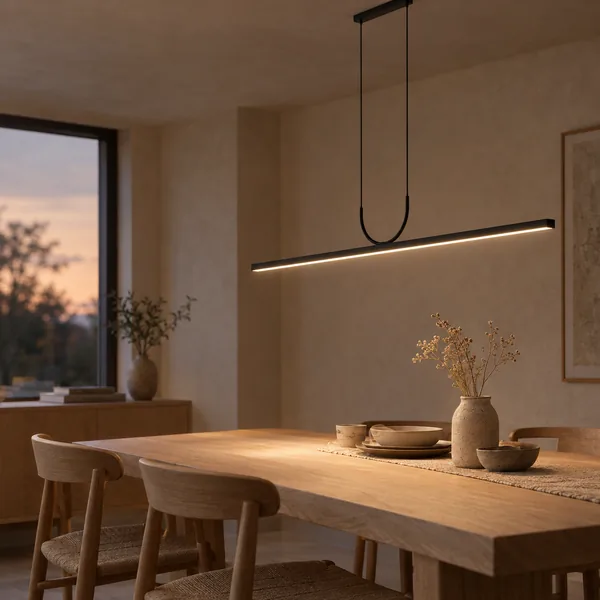
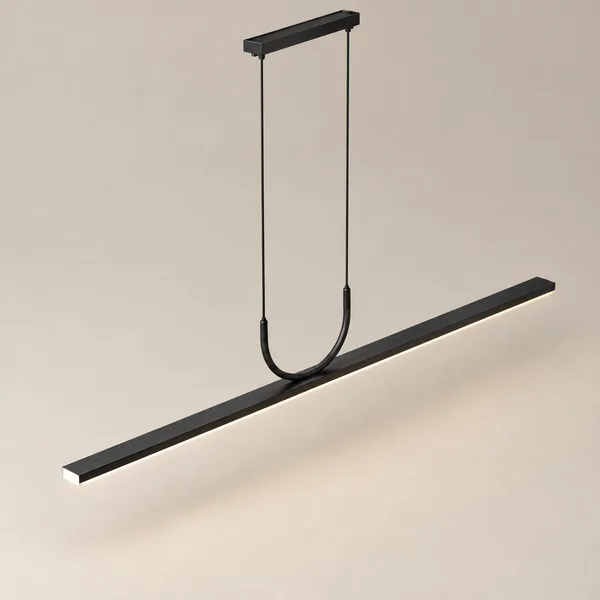 Save $140.00
Linné Minimalist Linear Black LED Pendant Light
 Save $60.00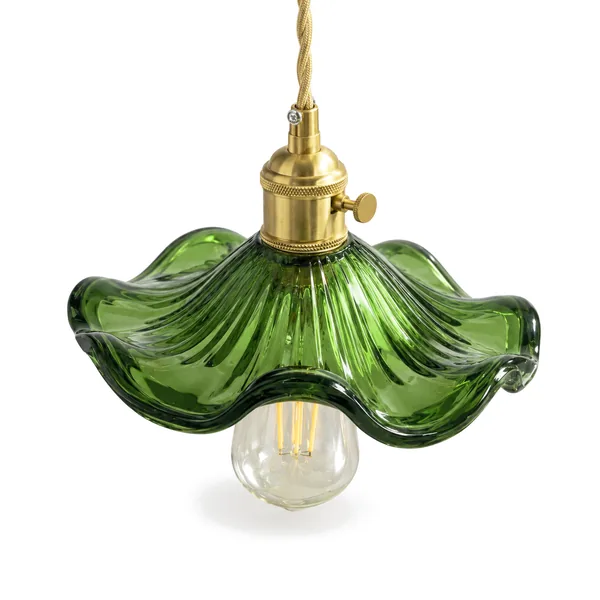
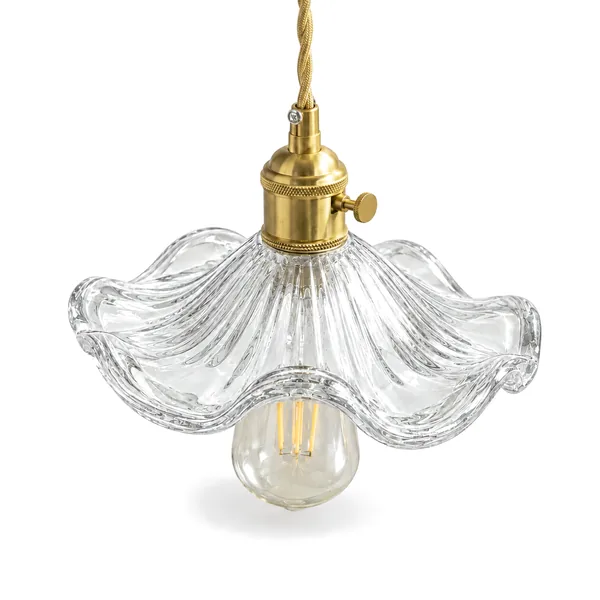
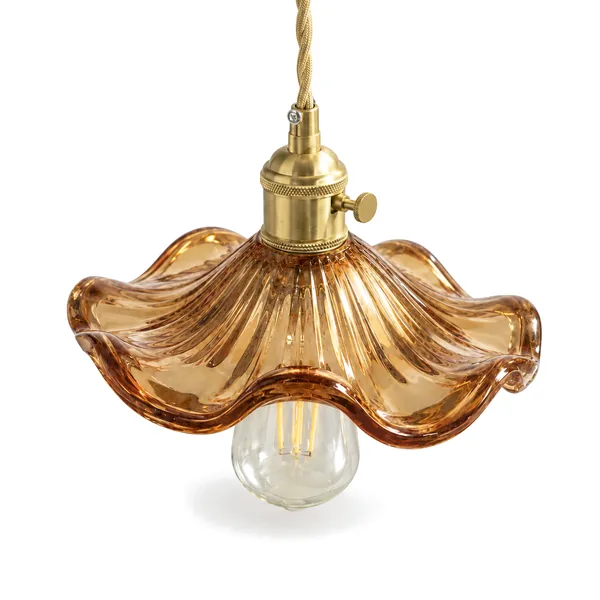 3 options
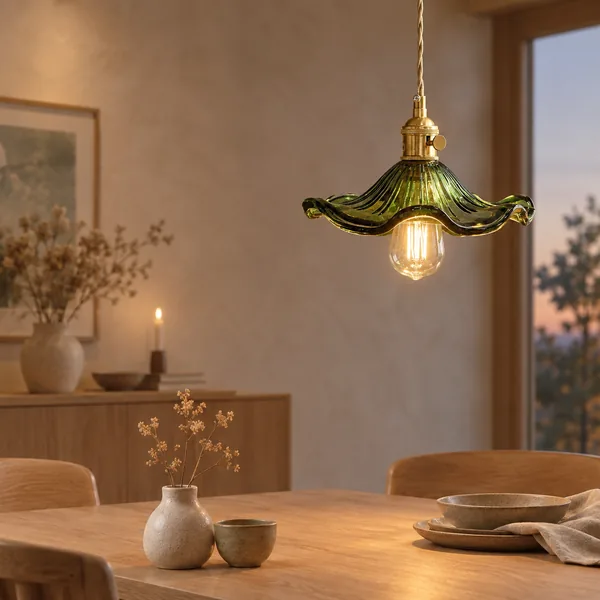
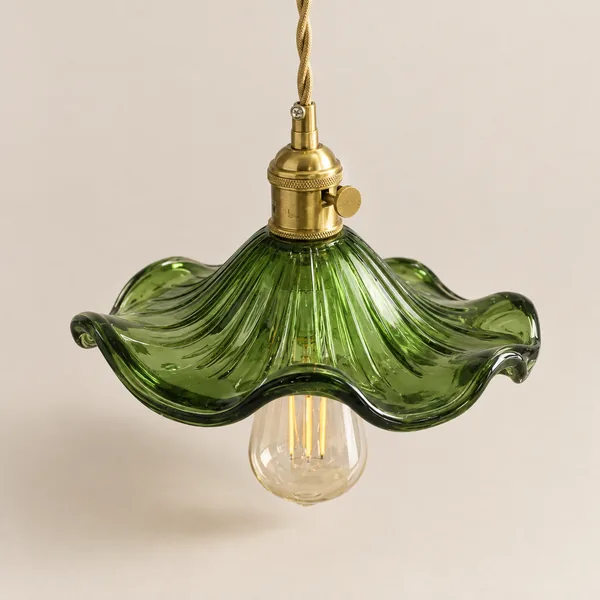
Glora Nordic Glass Pendant Light with Copper
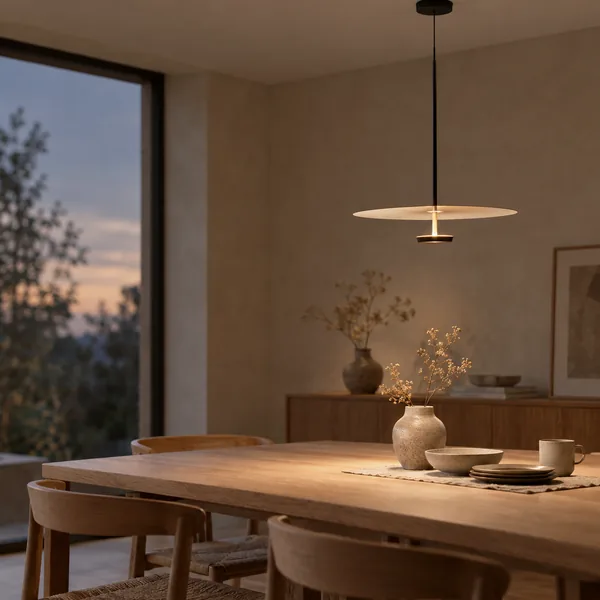
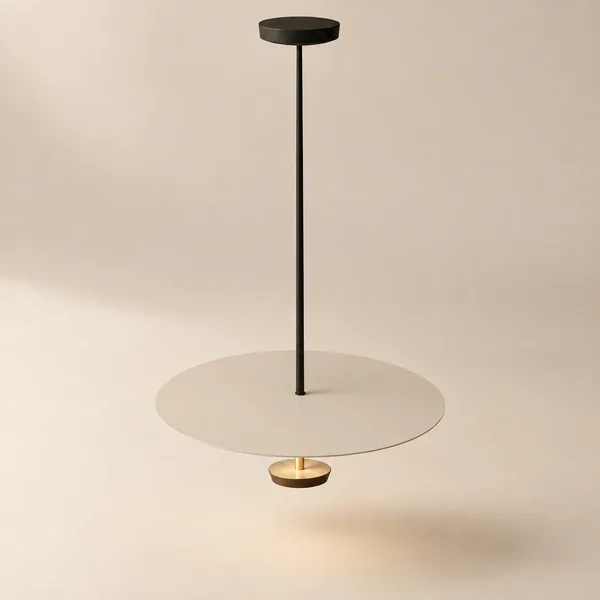 Save $120.00
Skiva Nordic Saucer Ceiling Pendant Light LED
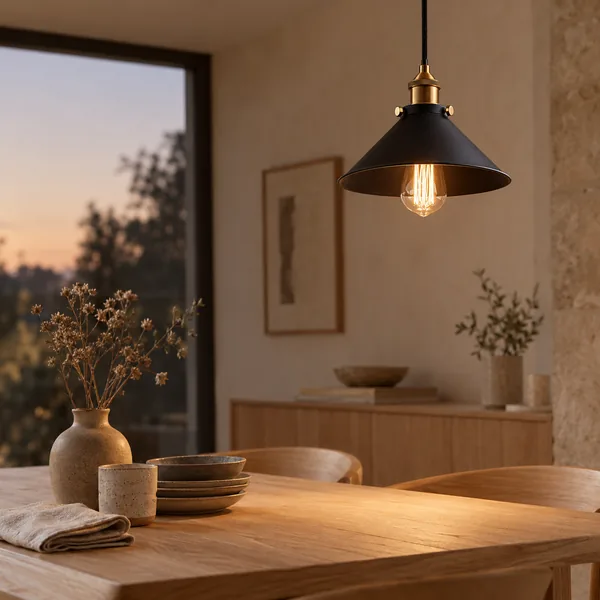
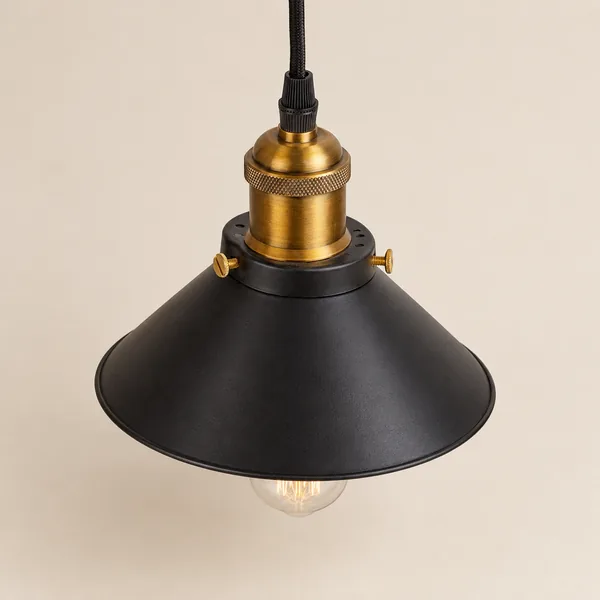
Lighting Solutions for Cozy Cabin Interiors
Lighting in a cabin serves a dual purpose: it must provide adequate illumination for daily activities while reinforcing the warm, intimate atmosphere that makes cabin living special. The challenge lies in balancing ambient, task, and accent lighting to achieve this harmony.
Overhead lighting in cabin spaces requires particular consideration. Vaulted ceilings, a common architectural feature, demand fixtures that can hang at appropriate heights while complementing the scale of the room. The right pendant can become a sculptural focal point while casting the gentle, diffused light that makes gatherings feel special.
For dining areas—often the heart of cabin living—consider a fixture that captures both modern sophistication and organic warmth. The Driva Sculptural Cloud Pendant Light in Glass exemplifies this balance, with its handcrafted glass form casting ethereal illumination that transforms meals into memorable occasions. Its adjustable cord accommodates various ceiling heights, making it equally suitable for intimate breakfast nooks and grand dining spaces beneath exposed beams.
Creating Intimate Spaces with Layered Lighting
Beyond the primary overhead fixtures, successful cabin interiors rely on layers of light at varying heights. Floor lamps and table lamps provide the warm pools of illumination that make corners feel inviting and reading nooks feel like sanctuaries. The key is selecting pieces that honor natural materials while offering contemporary silhouettes.
In reading nooks and beside favorite armchairs, the Stille Japanese Wabi-Sabi Solid Wood Floor Lamp brings both functional light and philosophical depth. Its solid wood construction celebrates organic grain patterns, while the wabi-sabi philosophy it embodies—finding beauty in imperfection—resonates perfectly with cabin living's embrace of authenticity over polish.
For bedrooms and side tables, the Vedra Solid Wood Vintage Table Lamp with Rope offers a study in textural contrast. The interplay of smooth wood grain and hand-wound hemp rope creates visual interest even when unlit, while the warm amber glow it produces transforms ordinary evenings into experiences of genuine comfort.
Create Warmth with Natural Light Sources
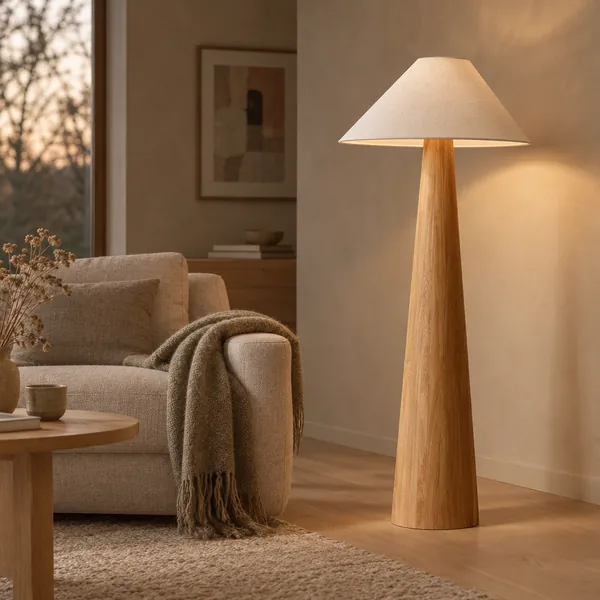 Stille Japanese Wabi-Sabi Solid Wood Floor Lamp$399.00$699.00
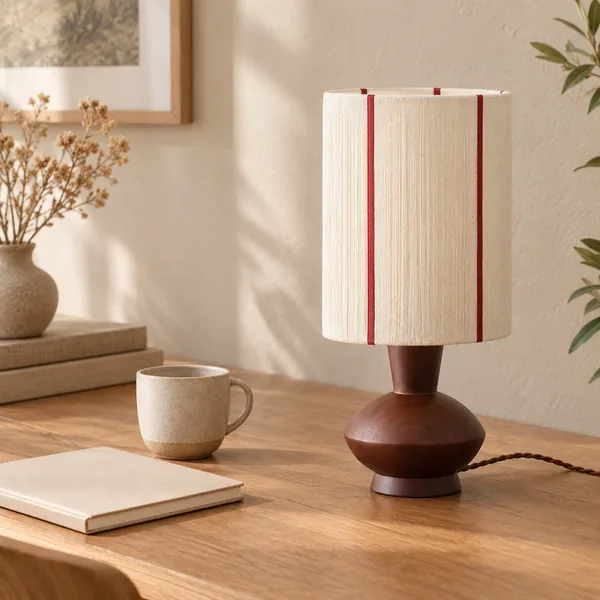 Vedra Solid Wood Vintage Table Lamp with Rope$299.00$509.00
Nature-Inspired Decor Accents
The finishing touches in cabin interiors should maintain the connection to nature that defines the aesthetic. Rather than filling shelves with manufactured trinkets, consider creating displays of found objects: interesting stones, weathered branches, antlers shed naturally, or pressed botanicals from the surrounding environment.
Textiles offer another opportunity to reinforce the cabin's relationship with its setting. Handwoven throws in wool or alpaca provide literal warmth while contributing visual texture. Natural fiber rugs—jute, sisal, or wool—ground furniture groupings and add layers of tactility underfoot.
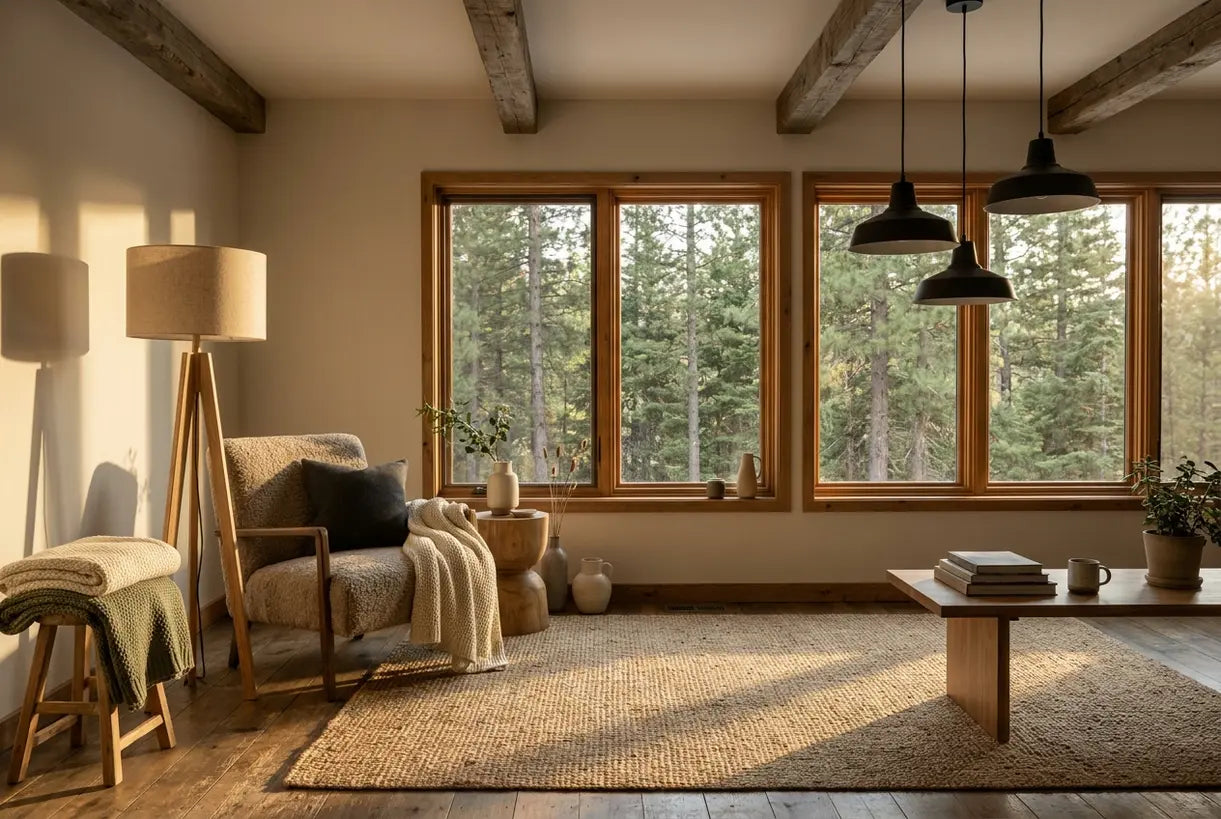
For those looking to explore more lighting options that complement these natural materials, our Wall Lights collection offers a curated selection of fixtures designed to provide the warm, indirect illumination that creates depth and atmosphere in cabin spaces without overwhelming their organic character.
Wall sconces are particularly valuable in cabins, where floor space may be limited and bedside or reading light is essential. Mounted at eye level or slightly above, they can wash walls with warm light that visually expands spaces while maintaining the intimate ambiance cabin living demands.
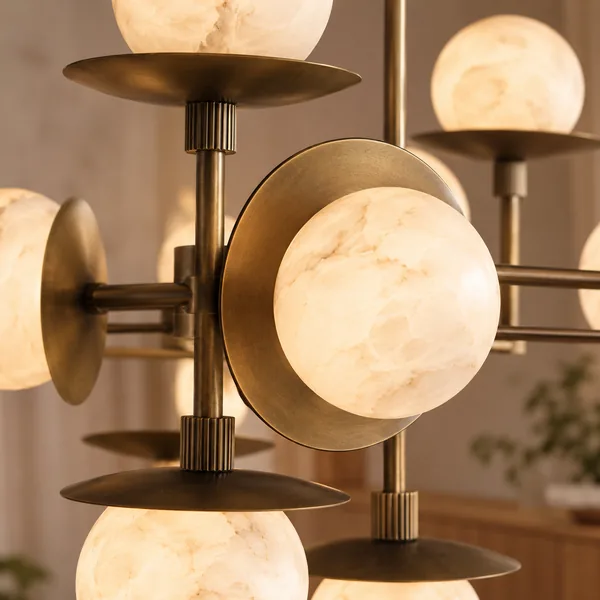
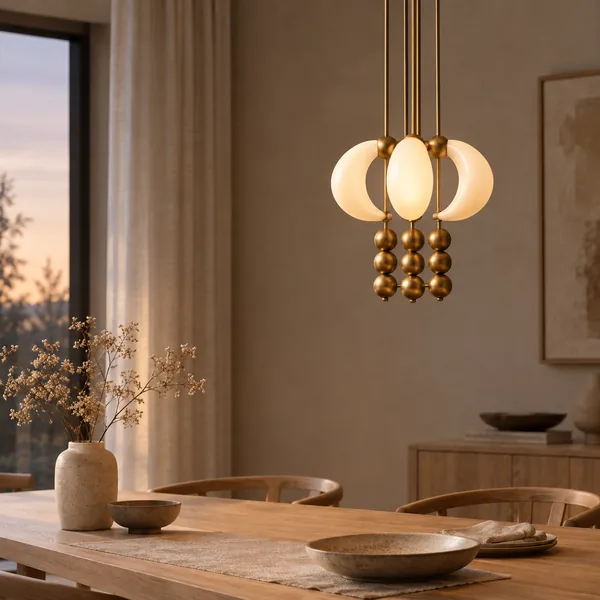
Chandeliers
Shop all Chandeliers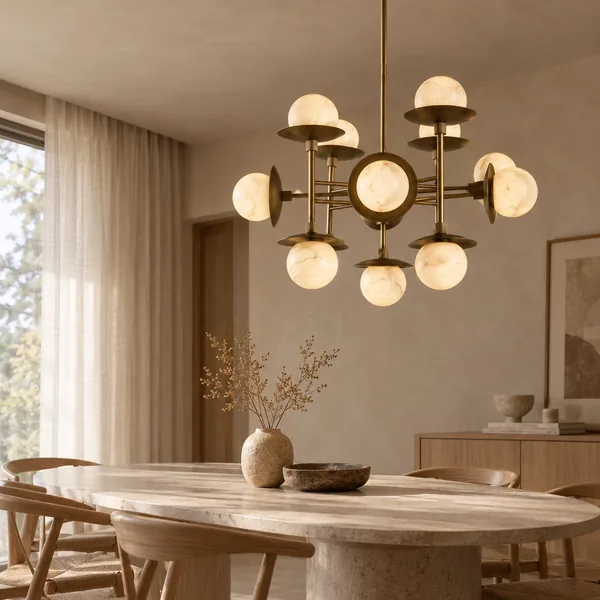
Conclusion: Crafting Your Cabin Sanctuary
Cabin interior design is ultimately about creating spaces that honor both shelter and setting. The best cabin interiors do not try to bring the city to the wilderness, nor do they sacrifice comfort for rustic authenticity. Instead, they find that essential balance where modern living meets timeless connection to place.
Whether you are designing a weekend retreat or bringing cabin principles to your primary residence, remember that the goal is atmosphere as much as aesthetics. The right materials, the thoughtful color palette, the intentional furniture choices—all of these matter. But it is lighting that ultimately determines whether a space feels truly welcoming or merely decorated.
At Skonne, we understand this relationship between light and living. Our Scandinavian-inspired lighting collections are designed to provide the warmth, quality, and thoughtful craftsmanship that cabin interiors deserve. From statement pendants that anchor great rooms to intimate lamps that transform corners into sanctuaries, each piece is created to help you build the kind of space where memories are made and the pace of life slows to match the rhythm of the natural world beyond your windows.
Related Article
Colonial Interior Design: Timeless Heritage Style & How to Bring It Into a Modern HomeColonial home interior design merges timeless elegance with practical charm. Learn how to bring heritage warmth into a modern home with authentic design tips.