
Colonial Interior Design: Timeless Heritage Style & How to Bring It Into a Modern Home
Summary›
- What Is Colonial Style Interior Design?
- Key Characteristics of Colonial Home Interior Design
- Understanding Design Rules for Balanced Spaces
- How to Blend Colonial Design with Modern Interiors
- Practical Implementation Strategies
- Room-by-Room Colonial Design Guidance
- Bringing Colonial Design Principles Into Your Home
- The Skonne Approach to Heritage-Inspired Lighting
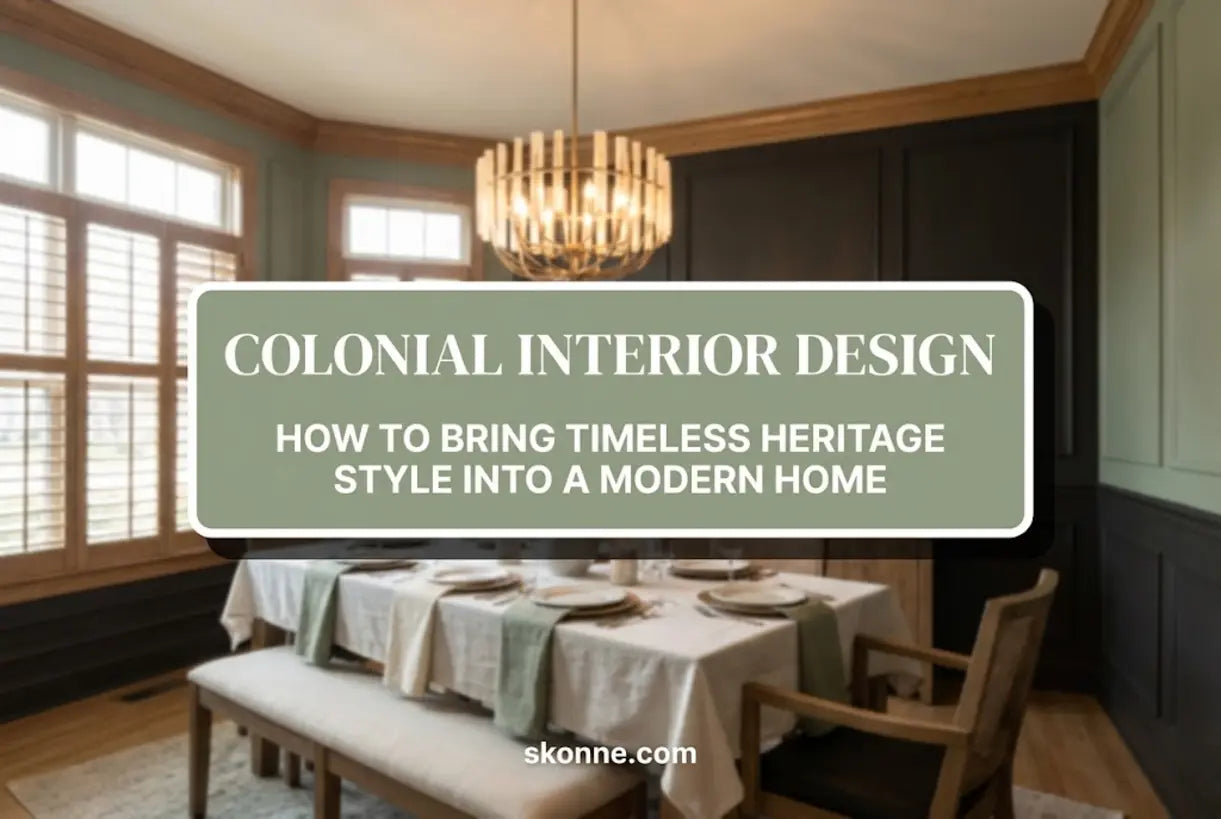
There's something quietly commanding about spaces that honor the past while embracing the present. Colonial home interior design carries a heritage weight that few styles can match—a sense of permanence, intention, and craftsmanship that speaks to those who appreciate the warmth of tradition without sacrificing modern comfort. Whether you're drawn to the symmetrical elegance of American colonial architecture or the layered richness of British colonial influences, this design philosophy offers a framework for creating homes that feel both grounded and elevated.
In this guide, we'll explore how to thoughtfully bring colonial style interior design into contemporary spaces. You'll discover the foundational principles that define heritage interiors, learn practical techniques for blending old-world charm with modern functionality, and find inspiration for creating spaces that honor traditional craftsmanship while meeting today's lifestyle needs. Along the way, we'll share carefully curated lighting and decor pieces that help you achieve authentic colonial warmth.
What Is Colonial Style Interior Design?
Colonial interior design refers to a family of architectural and decorative styles that emerged during colonial periods, reflecting the synthesis of European traditions with local materials and practical needs. At its core, colonial style interior design is defined by a sense of order, craftsmanship, and connection to natural materials.
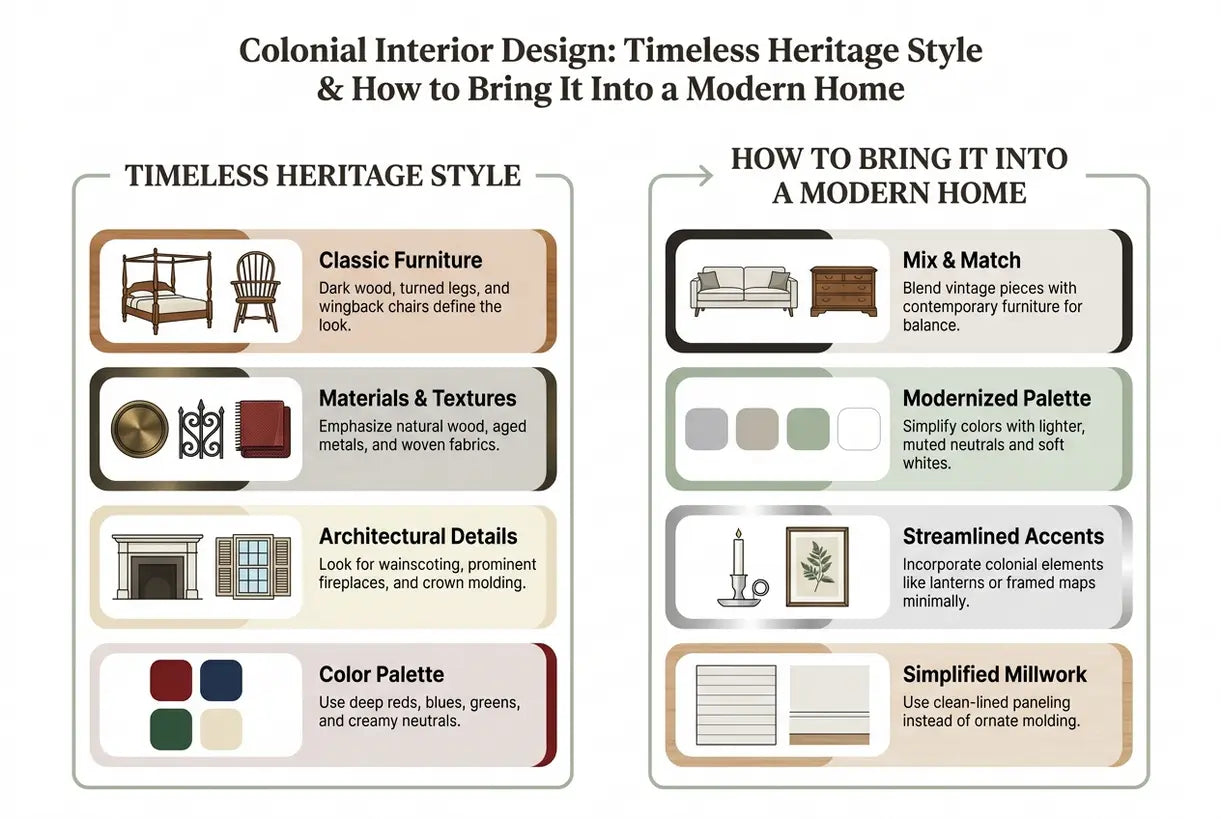
There are distinct regional variations within colonial design:
- American Colonial: Characterized by simple symmetry, local wood species, and functional beauty. New England colonial interiors emphasize simplicity and durability, while Southern interpretations embrace slightly more ornate details.
- British Colonial: Often more layered and eclectic, incorporating elements from across the British Empire with rattan, teak, and layered textiles alongside traditional European furniture forms.
- Colonial Revival: A later interpretation (late 19th and early 20th centuries) that romanticized and formalized colonial aesthetics with a focus on classical proportions and traditional craftsmanship.
Despite regional differences, all colonial styles share common threads: a respect for symmetry, natural wood tones, craftsmanship-focused construction, and spaces designed for both beauty and utility.
Key Characteristics of Colonial Home Interior Design
Understanding the defining elements of colonial interiors helps you identify authentic pieces and apply the style with confidence. Here are the core characteristics that distinguish this heritage aesthetic:
Symmetry and Balance
The hallmark of traditional colonial interior style is balanced composition. Rooms are often arranged around a central axis, with fireplaces serving as focal points flanked by matching windows or cabinetry. Furniture placement follows this principle, creating ordered spaces that feel inherently harmonious.
Natural Materials and Craftsmanship
Colonial design for modern homes still relies on authentic materials—solid woods (particularly oak, cherry, and maple), natural stone, and brass hardware that develops a patina over time. Handcrafted details are celebrated, from turned balusters to simple crown moldings that frame rooms with subtle elegance.
Neutral, Grounded Palettes
Colonial interiors favor earthy, muted tones: warm whites, soft umbers, sage greens, and deep navy accents. These colors reflect the natural pigments available during colonial periods and create a calming backdrop that lets furniture and architectural details shine.
Architectural Details
Wainscoting, chair rails, and crown moldings aren't afterthoughts in colonial spaces—they're integral to the design. These elements provide visual structure and reference the craftsmanship values that defined colonial construction.
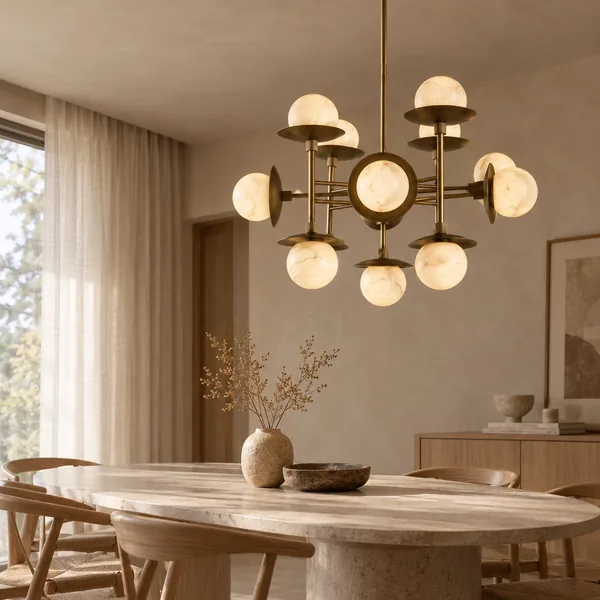
Chandeliers
Shop all Chandeliers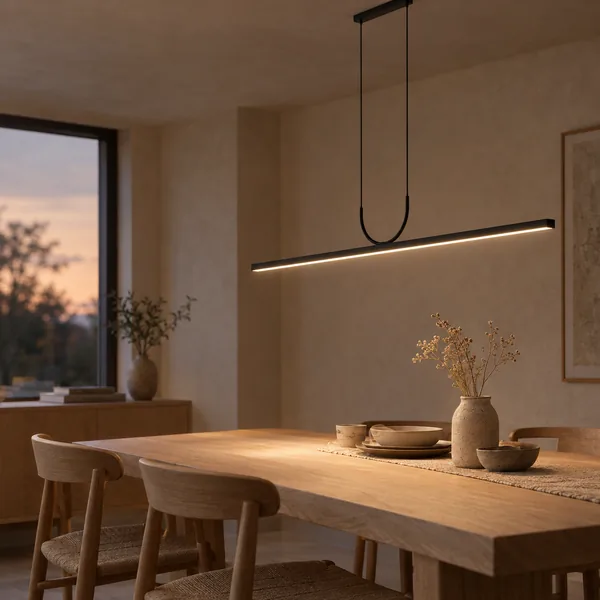


Understanding Design Rules for Balanced Spaces
Implementing colonial modern design successfully requires understanding fundamental design principles. The PAA questions reveal that readers want to know about specific rules—these frameworks help create the harmony and balance essential to colonial aesthetics.
The 70/30 Rule in Interior Design
This rule is particularly relevant for colonial revival interior and modern fusion projects. The 70/30 rule suggests dividing your space (or a single room) with 70% traditional/colonial elements and 30% contemporary pieces. This ratio maintains the character and warmth of colonial style while preventing spaces from feeling like period museums.
Apply this rule to:
- Individual rooms: 70% colonial furniture and materials, 30% modern accents
- Color palettes: 70% heritage tones, 30% contemporary colors
- Furniture styles: 70% traditional silhouettes, 30% modern shapes
The 3-5-7 Rule in Interior Design
Commonly applied to styling surfaces like fireplaces, sideboards, and mantels, the 3-5-7 rule creates visual interest through odd-numbered groupings. Arrange accessories in groups of 3, 5, or 7 items, varying heights and textures. In colonial spaces, this might mean three brass candlesticks, five leather-bound books, or seven collected curiosities on a surface.
The 3-4-5 Rule in Design
More commonly associated with architectural proportions, the 3-4-5 rule helps establish balanced furniture arrangement. Use this ratio when creating vignettes or arranging furniture: three pieces of varying heights, four items creating an implied square, or five elements forming a cohesive arrangement. This creates the visual rhythm that colonial interiors are known for.
How to Blend Colonial Design with Modern Interiors
The most successful colonial home interior design ideas emerge not from strict historical reproduction, but from thoughtful hybridization. Here's how to achieve that distinctive modern colonial design sensibility:
Start with Architectural Bones
Architectural details provide the foundation for colonial modern style. If your home has original trim, built-ins, or fireplace mantels, honor these features. In contemporary spaces, consider adding wainscoting, crown molding, or picture rails to establish that structural framework.
Mix Furniture Periods Intentionally
The art of blending lies in contrast. Pair a substantial, colonial-inspired dining table with streamlined modern chairs. Place contemporary art in traditional gilt frames. Layer vintage textiles over modern upholstery. These juxtapositions create visual tension that makes spaces feel curated rather than decorated.
Choose Lighting That Bridges Eras
Lighting plays a crucial role in establishing colonial character while maintaining modern functionality. The right fixtures provide ambient warmth that honors heritage aesthetics while meeting contemporary brightness needs. Our Dining Room Lighting collection offers pieces designed to complement this design philosophy.
Consider the Gloda Walnut Brass French Style Pendant Light to add timeless colonial warmth to your dining space. This walnut and brass pendant serves as the perfect centerpiece for heritage-inspired rooms, honoring traditional craftsmanship while providing contemporary illumination quality.
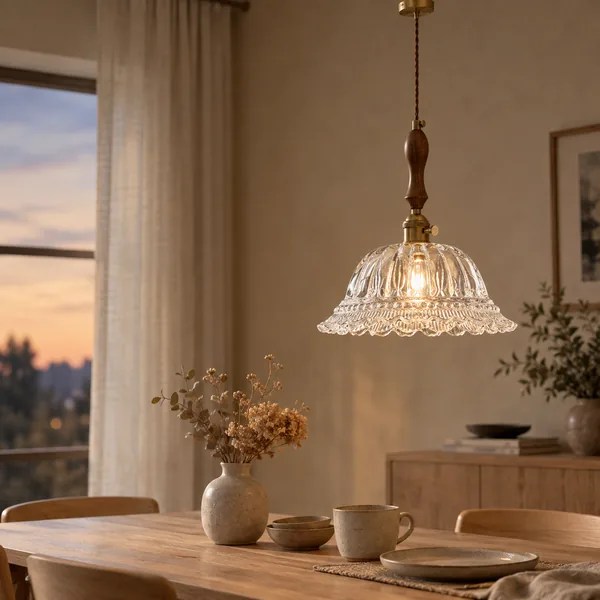 Gloda Walnut Brass French Style Pendant Light$169.00$229.00
Layer Textiles with Heritage Patterns
Colonial interiors—even modern interpretations—benefit from generous textile use. Think linen curtains that filter natural light, wool blankets in earth tones, or cotton ticking stripes. These materials add tactile warmth while maintaining the connection to natural goods that defines colonial character.
Curate Meaningful Accessories
Accessories in colonial spaces should feel collected rather than purchased. Display items with personal significance: brass candlesticks passed through generations, wooden bowls that show age, books with worn leather spines. These pieces tell stories and lend authenticity to modern colonial interiors.
Practical Implementation Strategies
Translating colonial interior design characteristics into your home requires intentionality across multiple design layers. Here are actionable strategies:
Color and Paint Selection
Modern colonial color schemes work best when grounded in heritage-inspired neutrals. Consider:
- Walls: Warm whites, soft greiges, or muted sage tones
- Trim: Crisp whites or natural wood tones
- Accents: Deep navy, forest green, or burgundy for traditional drama
Quick Tip: When mixing colonial and modern elements, use a consistent color palette as the unifying thread. This ensures disparate pieces feel intentionally connected rather than randomly assembled.
Lighting Schemes That Honor Tradition
Colonial interiors traditionally relied on layered lighting—candlelight, natural light through multi-paned windows, and fireplace glow. Translate this into modern spaces through:
- Ambient lighting that provides warm, diffused illumination
- Task lighting at appropriate heights
- Accent lighting to highlight architectural features
The Ravglo Handcrafted Amber Stained Glass Chandelier creates that coveted honeyed glow reminiscent of classic colonial lighting. Meanwhile, the Lenka Chrome Tassel Wall Sconce brings symmetrical elegance to hallways and living areas with its refined colonial-era detailing.
Lighting to Anchor Your Colonial Modern Space
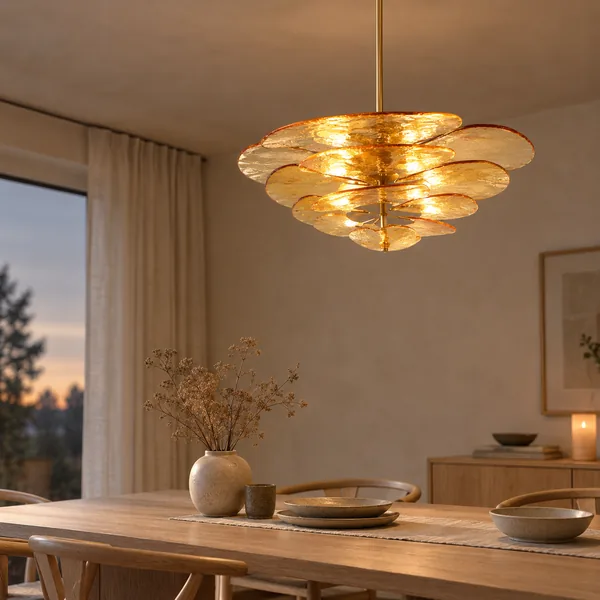 Ravglo Handcrafted Amber Stained Glass Chandelier$899.00$1,389.00
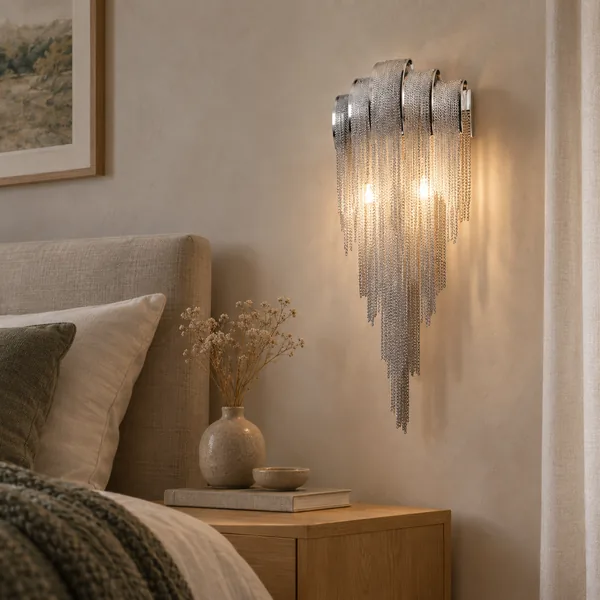 Lenka Chrome Tassel Wall Sconce for Modern Homes$399.00$579.00
Furniture Selection Principles
New England colonial interior style favors substantial pieces with clean lines. Look for:
- Solid wood construction with visible joinery
- Simple silhouettes without excessive ornamentation
- Proportional scale appropriate to room size
- Durable materials that age gracefully
Modern pieces can be introduced through sculptural forms, textural contrasts, or unexpected material pairings. The key is maintaining visual balance—if you choose a contemporary sofa with clean lines, pair it with a traditional wooden coffee table.
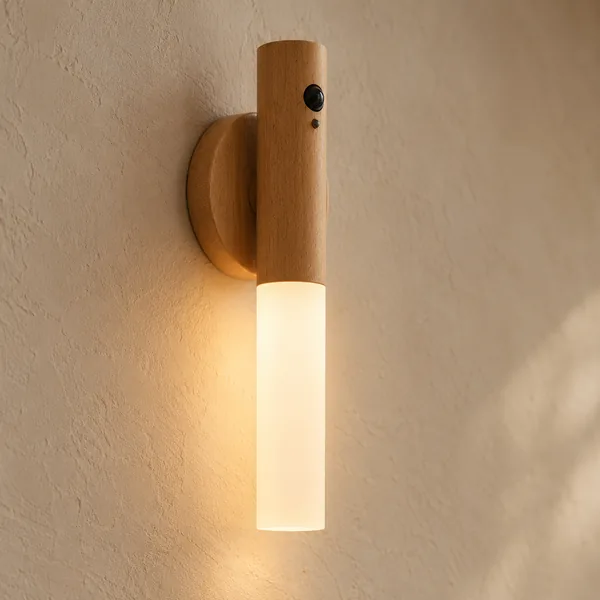
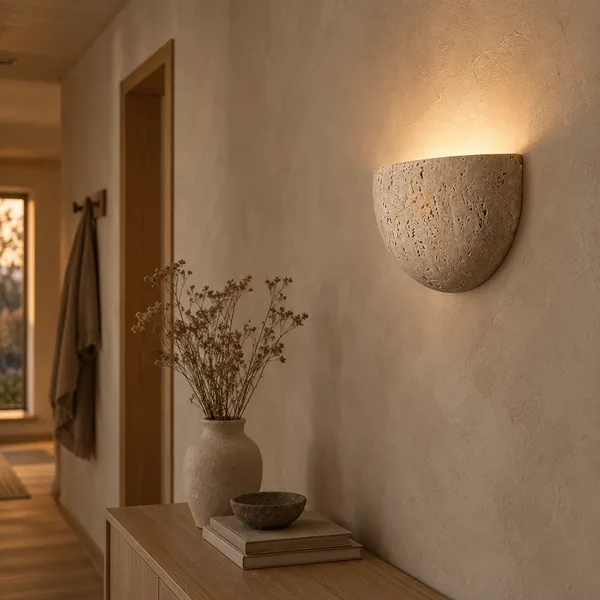
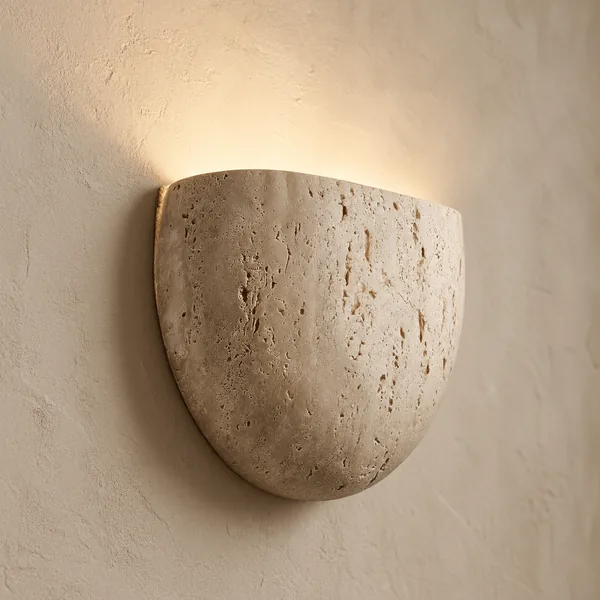
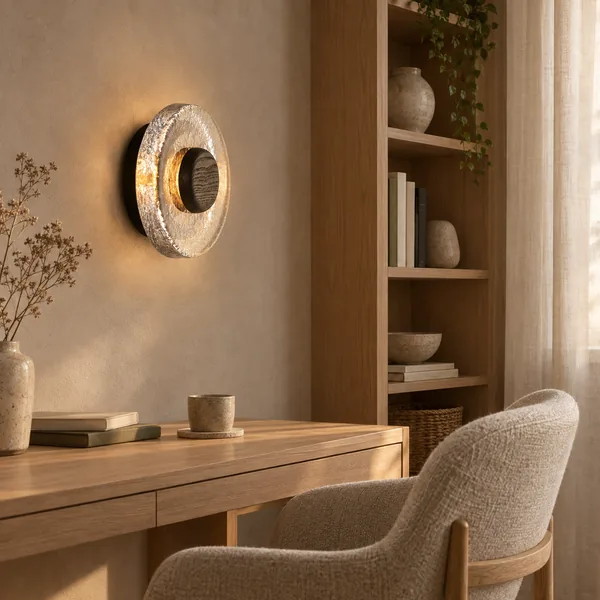
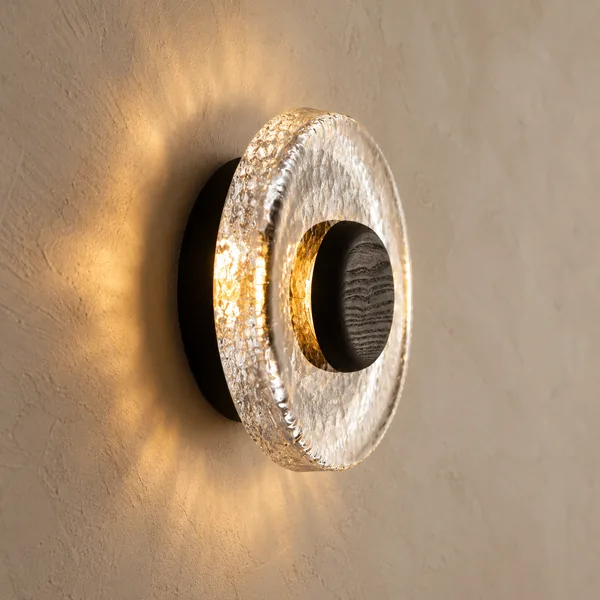
Wall Lights
Shop all Wall Lights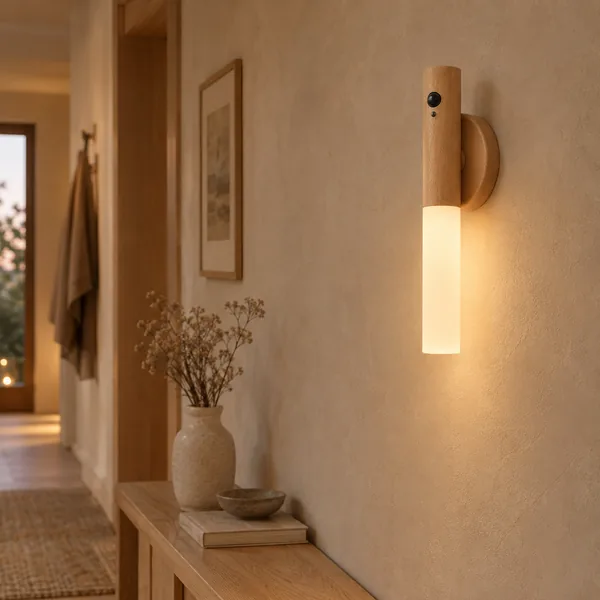


Room-by-Room Colonial Design Guidance
The Entryway
Entryways in colonial homes set the tone for the entire residence. Incorporate a substantial console table, a mirror with simple frame detailing, and practical hooks or a bench. Wall sconces like the Lenka provide symmetrical elegance perfect for greeting guests.
The Living Room
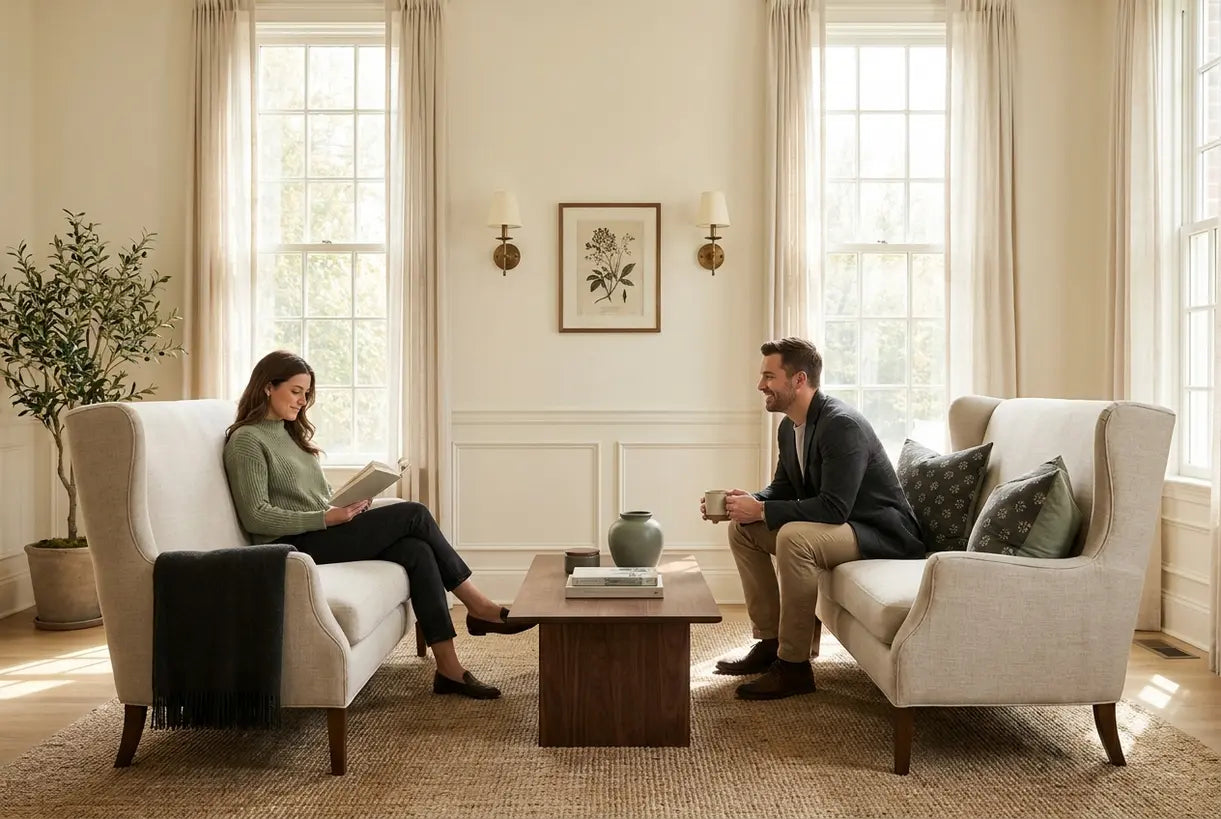
Achieve colonial revival interior character through balanced furniture arrangement—two sofas facing each other with a central coffee table, or a sofa flanked by matching armchairs. Layer books, natural objects, and collected accessories on surfaces. Use lighting to create warm pools of illumination in the evening.
The Dining Room
Dining rooms offer the purest expression of colonial home interior design. An ample dining table with turned legs, surrounded by simple chairs, forms the core. Overhead, a statement chandelier provides both function and atmosphere. For those looking to explore more options, our Dining Room Lighting offers a curated selection designed to complement heritage-inspired spaces.
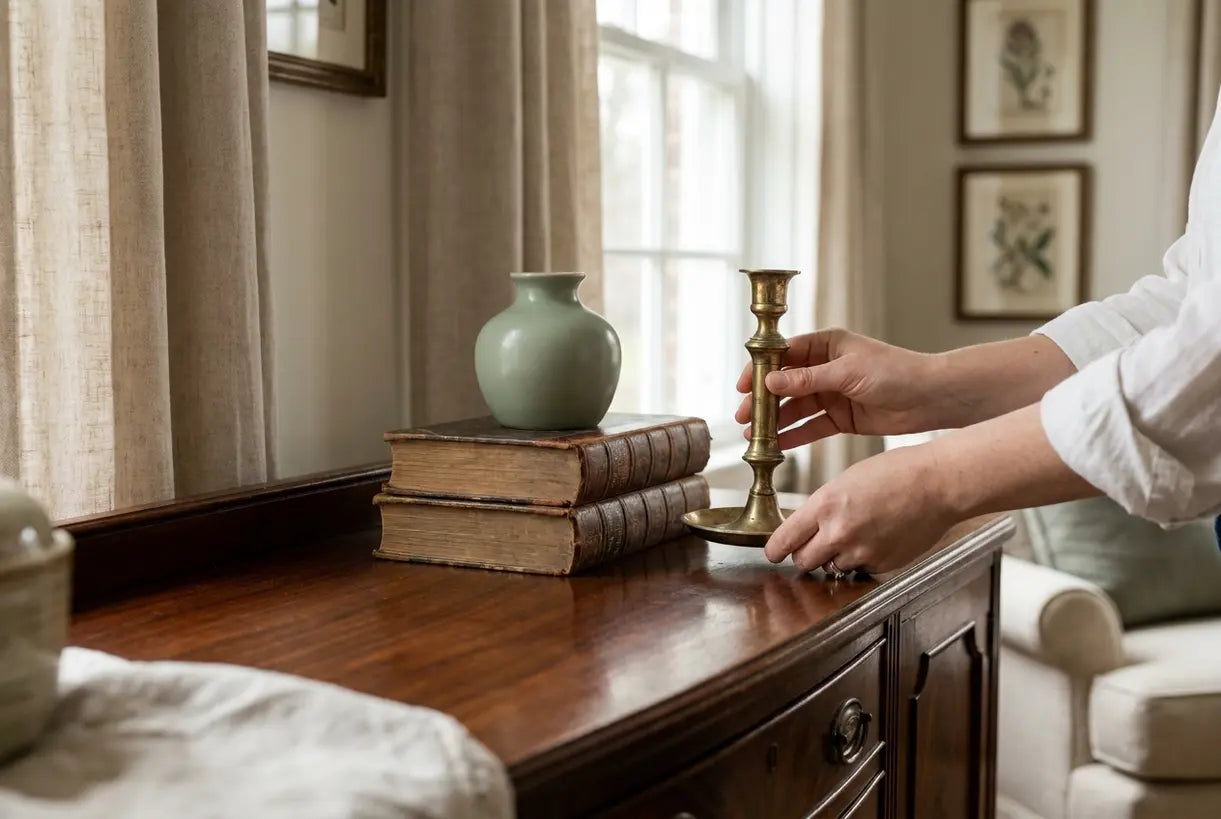
Design Note: British colonial style often incorporates natural fiber elements like rattan, wicker, or woven shades alongside dark wood tones. This creates a relaxed yet sophisticated atmosphere that translates beautifully into contemporary homes.
The Bedroom
Colonial bedrooms emphasize simplicity and comfort. Choose a substantial bed frame with simple detailing, dressers with visible wood grain, and textiles that prioritize natural fibers. Symmetry again guides arrangement—matching nightstands with identical lamps on either side of the bed.
Bringing Colonial Design Principles Into Your Home
Colonial interior design ideas offer more than aesthetic guidance—they provide a philosophy for creating spaces that feel intentional, crafted, and enduring. The beauty of modern colonial design lies in its flexibility: you need not recreate a period room to capture the warmth and character that makes colonial style appealing.
Design Note: The most successful colonial-modern interiors feel collected over time. Start with quality foundational pieces in traditional silhouettes, then add contemporary elements gradually. This organic approach creates spaces with depth and personal meaning.
Focus first on architectural elements and lighting—these create the framework within which other design choices will live. Invest in pieces that honor craftsmanship and use honest materials. Then introduce modern elements selectively, allowing contrast to highlight the character of each piece rather than creating competition.
The journey toward colonial decor ideas is ultimately about creating homes that honor heritage while serving contemporary life. It's a style that rewards intentionality, celebrates craftsmanship, and creates spaces that feel both elevated and approachable.
The Skonne Approach to Heritage-Inspired Lighting
At Skonne, we believe quality lighting does more than illuminate—it shapes atmosphere and anchors design intent. Our curated approach means every piece in our collection is selected for its ability to enhance spaces while standing the test of time.
The colonial modern aesthetic demands lighting that bridges centuries—pieces that reference heritage craftsmanship while meeting contemporary standards for performance and safety. The Gloda Walnut Brass French Style Pendant Light, Ravglo Handcrafted Amber Stained Glass Chandelier, and Lenka Chrome Tassel Wall Sconce represent our commitment to this philosophy. Each offers authentic character that enhances colonial-inspired spaces without feeling derivative.
When selecting lighting for your colonial home interior design project, consider how each fixture will age. Natural materials like walnut, brass, and handcrafted glass develop character over time, growing more beautiful with use. This aligns perfectly with the colonial ideal of investing in pieces built to last generations.
We invite you to explore our collections and discover lighting that honors tradition while embracing modern sensibility. Whether you're renovating a historic home or bringing heritage character to contemporary architecture, thoughtful lighting choices form the foundation of spaces that feel timeless yet personal.
Related Article
Interior Design Window Treatments: How to Choose Curtains, Blinds & Drapes for Every StyleLearn how to choose the perfect curtains, blinds, and drapes for your home with our expert guide to interior design window treatments for every style.