Candle Warmer Lamp Bulbs: How to Choose, Replace & Upgrade Your Bulb
Summary›
- What Are Candle Warmer Lamp Bulbs?
- Understanding GU10 Bulbs for Candle Warmers
- How to Choose the Right Candle Warmer Lamp Bulb
- Step-by-Step Candle Warmer Lamp Bulb Replacement
- Upgrading Your Candle Warmer Experience
- Troubleshooting Common Bulb Issues
- Maximizing Safety and Longevity
- Creating the Perfect Ambiance
There's something undeniably cozy about filling your home with the gentle glow and subtle fragrance of a warming candle. But when the light dims or the scent fades too quickly, the culprit is often hiding in plain sight: your candle warmer lamp bulbs. These small yet essential components are the heart of your candle warmer's performance, determining both the ambiance and the efficiency of fragrance release.
Whether you're new to candle warmers or looking to troubleshoot a dimming lamp, understanding how to select, replace, and upgrade your bulbs will transform your experience. In this guide, we'll walk you through everything you need to know about candle warmer lamp bulbs—from identifying the right wattage to installation tips that ensure safe, optimal performance. Along the way, you'll discover how the right lighting choices create that perfect Scandinavian hygge atmosphere Skonne celebrates.
What Are Candle Warmer Lamp Bulbs?
Unlike standard household bulbs designed primarily for illumination, candle warmer lamp bulbs serve a dual purpose: they provide ambient lighting while generating specific heat levels to melt wax and release fragrance. These specialized bulbs traditionally use halogen technology because it produces the intense heat necessary to liquefy candle wax without an open flame.
The typical candle melting lamp bulbs found in most quality warmers operate at higher temperatures than LED alternatives—often reaching 400°F or more at the surface. This heat dissipation is precisely calculated to warm your favorite candles evenly, creating a pool of melted wax that releases fragrance consistently without the soot or safety concerns of burning wicks.
Understanding that these aren't interchangeable with standard decorative bulbs is crucial. Using the wrong light bulb for candle warmer lamp fixtures can result in insufficient melting, wasted fragrance, or even safety hazards. That's why learning to identify the correct specifications ensures both the longevity of your fixture and the quality of your sensory experience.
Understanding GU10 Bulbs for Candle Warmers
The vast majority of GU10 bulb candle warmer fixtures share a common standard: the GU10 base. This twist-and-lock fitting features two short, square pins spaced 10 millimeters apart (hence the "10" in GU10), designed to handle high heat while maintaining secure electrical contact. When you look at the base of most warmer lamp bulb types, you'll recognize this distinctive bi-pin configuration.
GU10 halogen bulbs became the industry standard for candle warmers because they concentrate heat downward toward the candle surface while dissipating excess warmth through the fixture's housing. This directional heating is more efficient than Edison-style bulbs, which radiate heat omnidirectionally. For Skonne's curated collection of warmers, this means your halogen candle warmer bulb works in harmony with the shade design to create that signature pool of light and warmth.
How to Choose the Right Candle Warmer Lamp Bulb
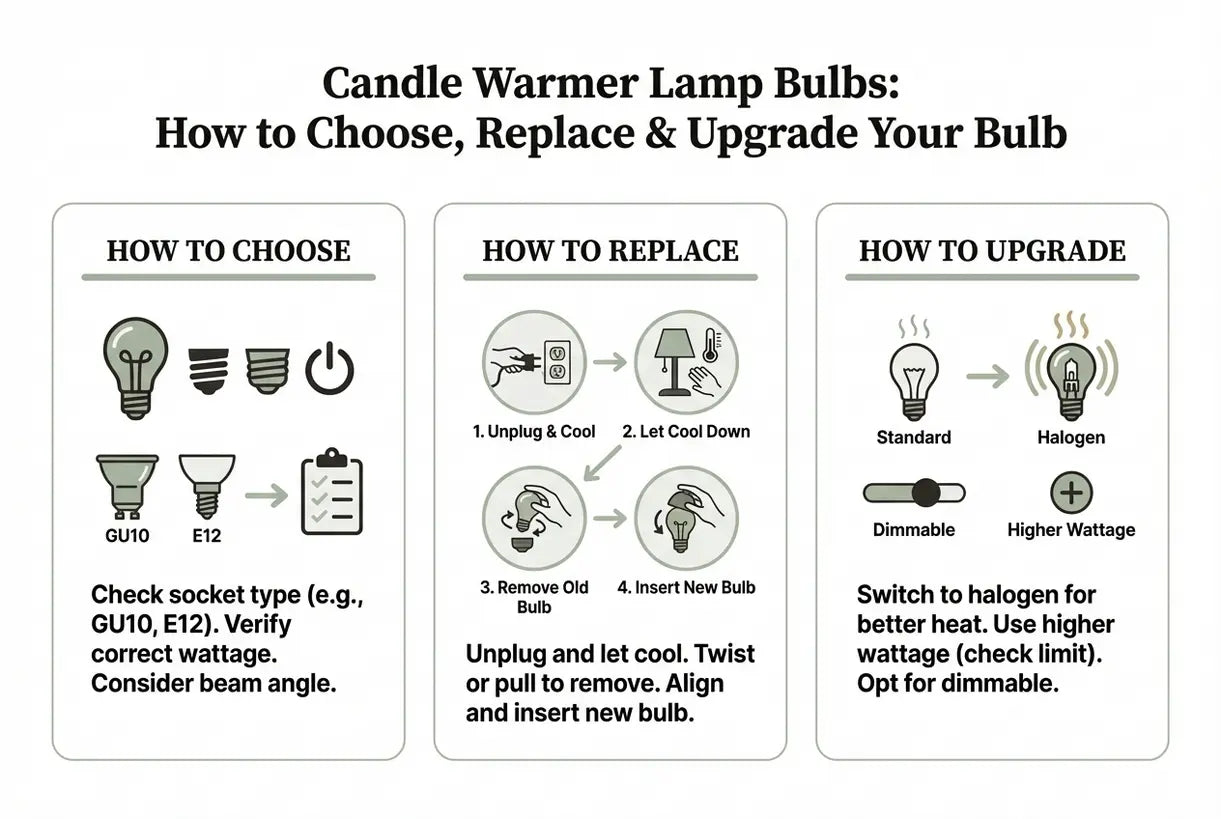
Selecting the appropriate replacement requires attention to three key factors: wattage, base type, and heat generation capability. While most manufacturers include specifications in their product manuals, knowing the standard guidelines helps you shop confidently for bulbs for candle lamps that will perform optimally.
Wattage Guidelines
For traditional halogen candle warmer bulbs, 50 watts represents the industry standard. This wattage provides sufficient heat to melt most standard jar candles within 30-45 minutes while maintaining safe operating temperatures for the fixture's housing. Some smaller warmers or those designed for tea lights may use 25W or 35W variants, while larger statement pieces occasionally accommodate up to 60W—though exceeding manufacturer specifications risks overheating.
Always check your specific fixture's rating before purchasing candle lamp light bulbs. The wattage limitation isn't merely about energy consumption; it relates to how much heat the lamp's shade and base can safely dissipate. Using a 50W bulb in a fixture rated for 25W can damage the finish or create fire hazards, while using insufficient wattage results in that dreaded "scentless" experience where the wax never fully liquefies.
Halogen vs. LED: Making the Choice
The lighting world has largely shifted toward LED technology for its energy efficiency and longevity, but candle warmer bulbs present a unique challenge. Standard LEDs simply don't generate the heat required to melt wax—their entire design philosophy centers on minimizing heat output. However, specialized high-heat LED alternatives have begun entering the market, offering intriguing possibilities for eco-conscious consumers.
As you curate your lighting throughout the home, particularly in spaces dedicated to rest, our Bedroom Lighting & Decor collection offers complementary pieces that share that same warm, intentional Scandinavian aesthetic.
For most traditional warmers, halogen remains the superior choice for heat generation. Yet if you're investing in modern LED-compatible candle warmers like those in Skonne's curated selection, you'll enjoy the benefits of lower energy consumption without sacrificing fragrance diffusion. The key is matching the bulb technology to your specific fixture's engineering rather than attempting universal substitutions.
Step-by-Step Candle Warmer Lamp Bulb Replacement
When your candle warmer lamp bulb replacement becomes necessary—typically indicated by dimming light, slower wax melting, or complete burn-out—proper installation ensures both safety and performance. Following these steps protects both you and your fixture:
First, ensure the lamp is unplugged and has cooled completely. Halogen bulbs operate at extreme temperatures, and attempting immediate replacement can result in serious burns. Once cooled, remove any shade or candle plate that might obstruct access to the bulb housing. Most Skonne candle warmers feature easily removable components designed for this purpose.
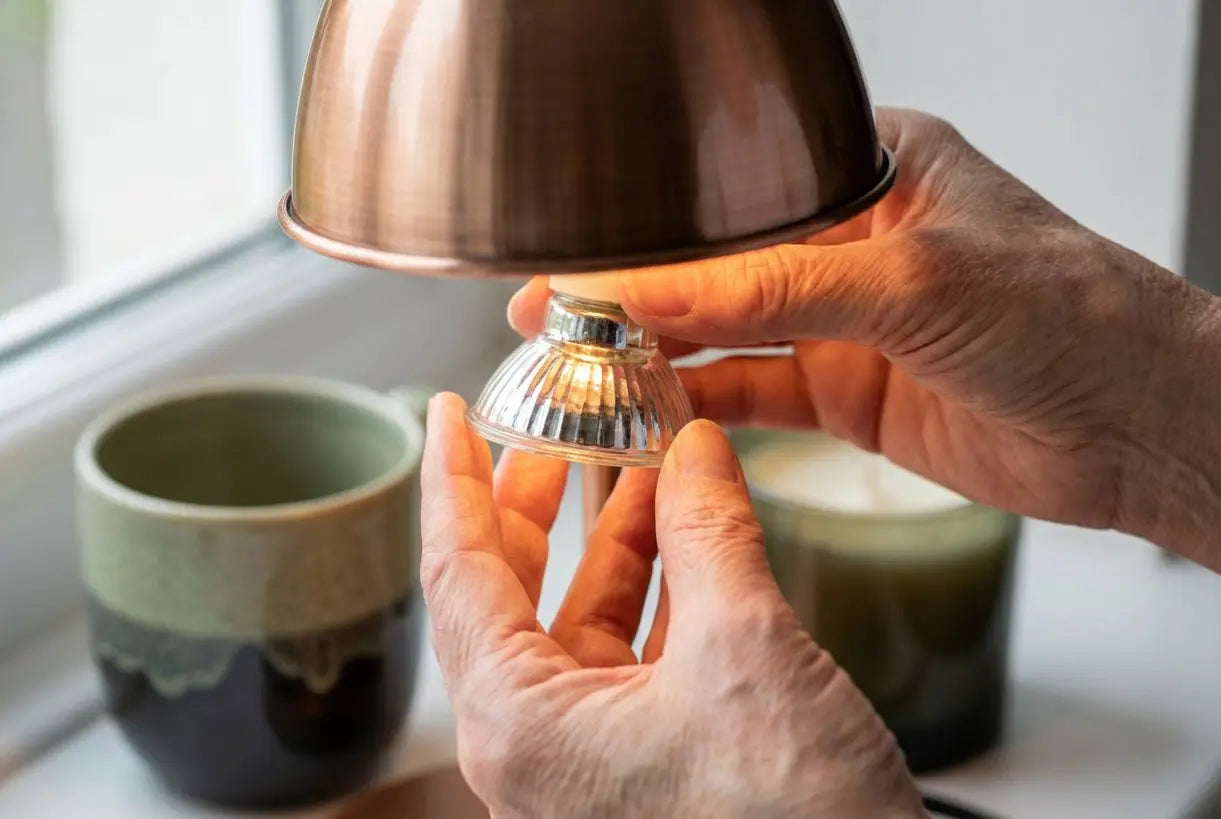
Wear clean gloves or use a soft cloth when handling your new light bulb for candle warmer lamp fixtures. The natural oils from your fingers can create hot spots on halogen glass, potentially shortening the bulb's lifespan or causing uneven heating. Grasp the old bulb gently and twist it counterclockwise approximately 45 degrees until you feel it release from the socket, then pull it straight out.
Insert the new GU10 bulb by aligning the pins with the socket slots, pushing gently inward, and rotating clockwise until you feel the locking mechanism engage. Avoid over-tightening, which can damage both the bulb base and the ceramic socket. Replace the shade and candle plate, plug in the fixture, and test your installation. The bulb should illuminate immediately with a bright, warm glow that you'll recognize as the signature of proper candle warming temperature.
Candle Warmer Lamps
Shop all Candle Warmers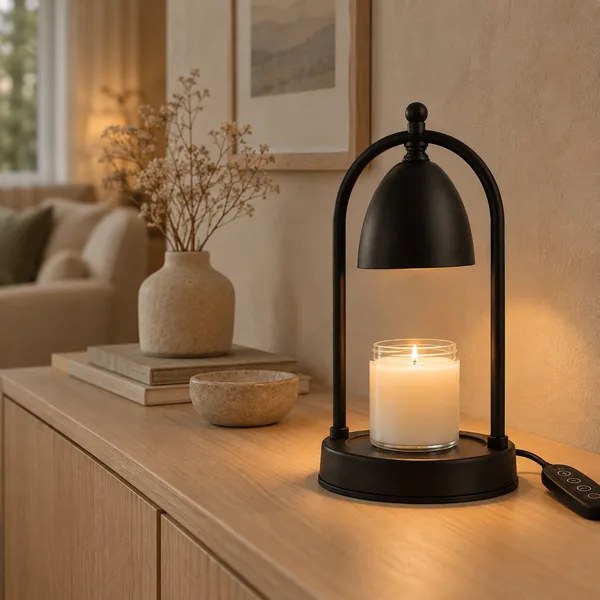
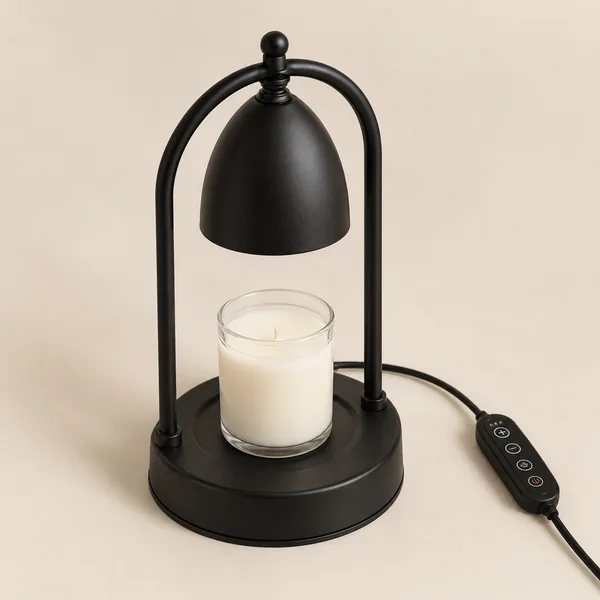
 Save $60.00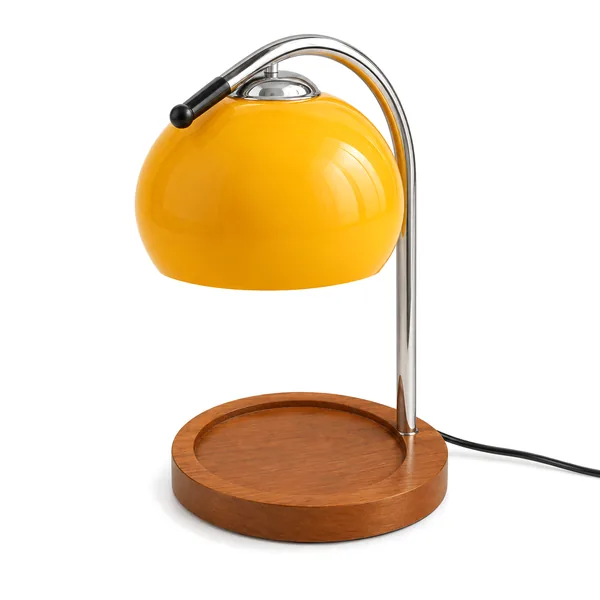
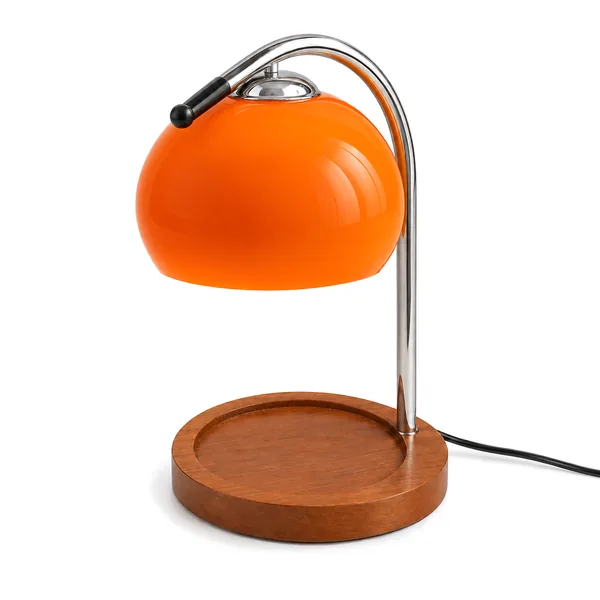
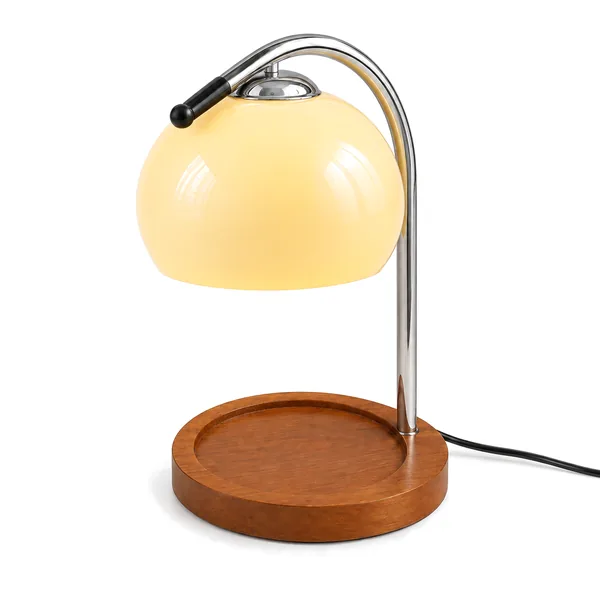 3 options
Solvarm Stained Glass Candle Warmer Table Lamp
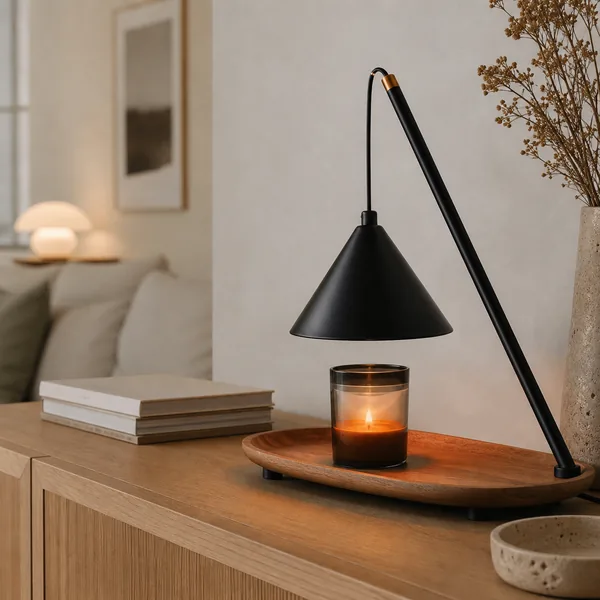
 Save $90.00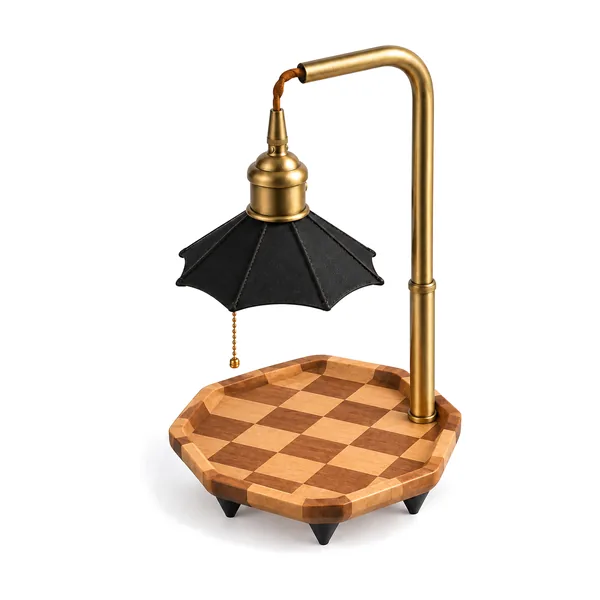
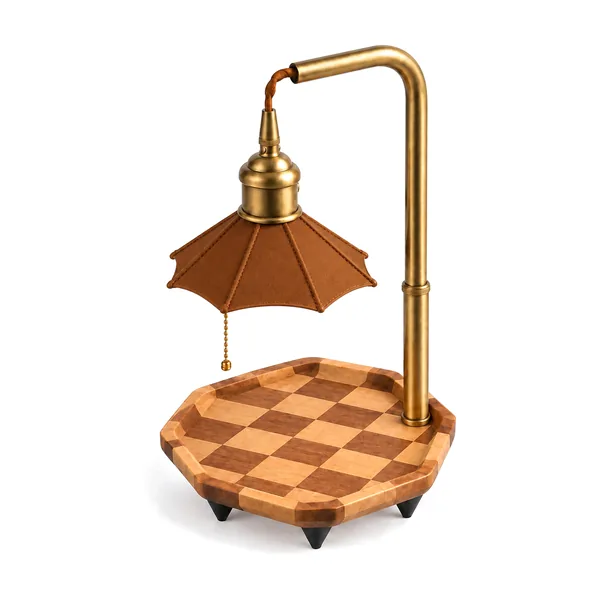 2 options
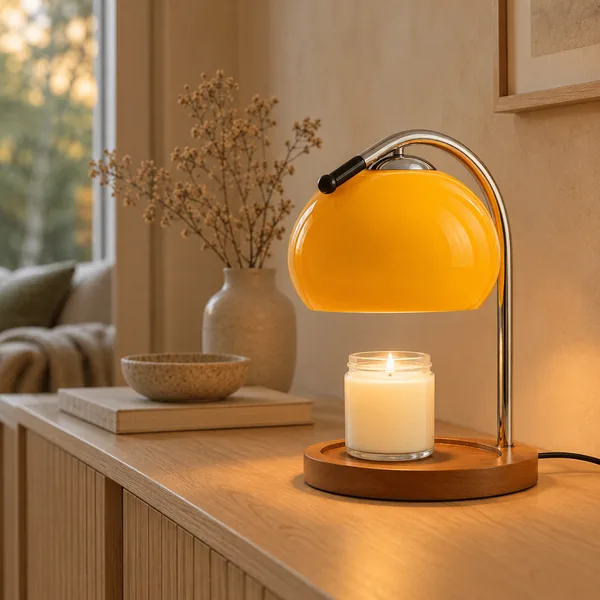
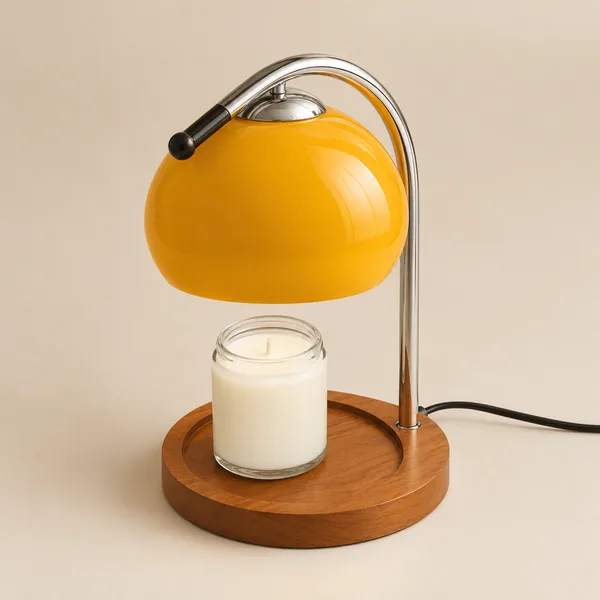
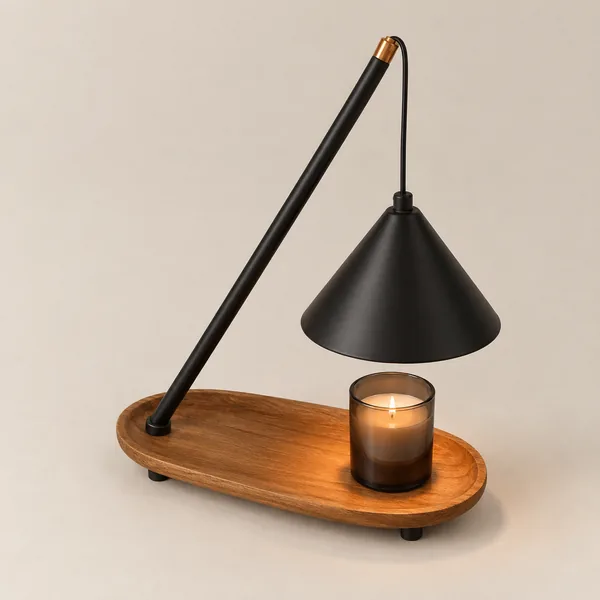
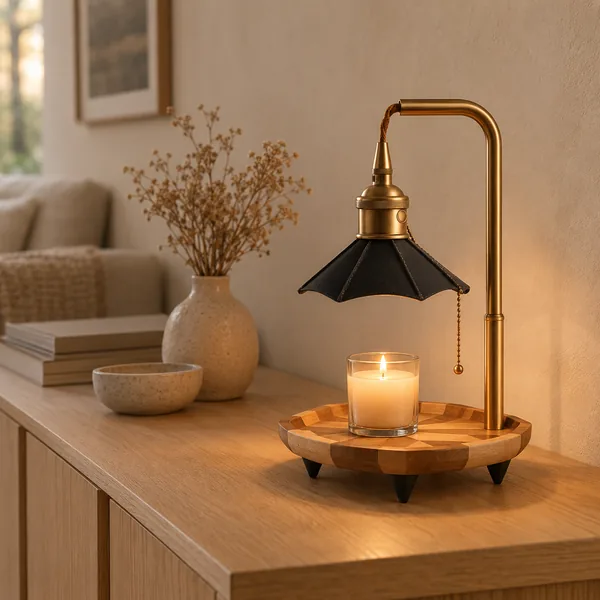
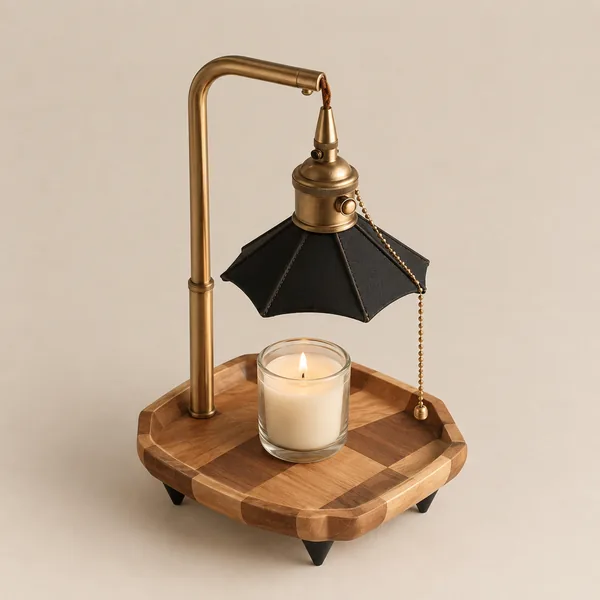
Glödra Retro Candle Warmer Lamp in Metal and Wood
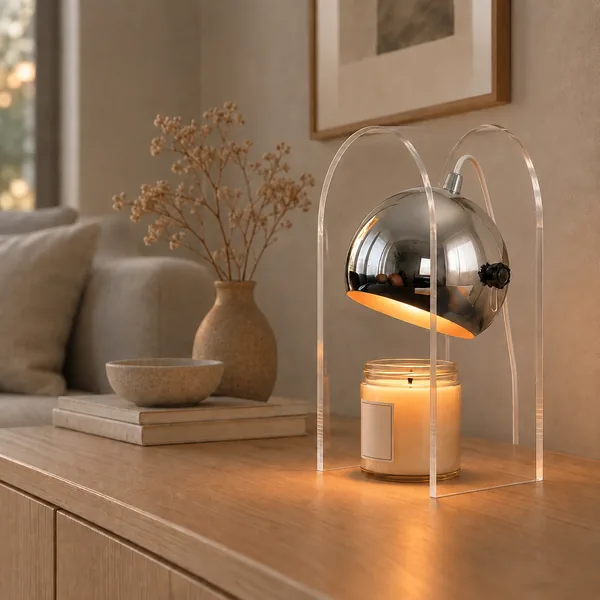 Doftlys Frosted Glass Candle Warmer Table Lamp$169.00$239.00
Upgrading Your Candle Warmer Experience
Beyond simple replacement lies the opportunity to enhance your candle warming practice through thoughtful upgrades. If you've been using the same standard bulb for years, modern alternatives might offer superior fragrance throw, energy efficiency, or ambiance control that transforms your daily routine into a curated sensory ritual.
Consider the evolution of your needs: perhaps you've moved to a larger space requiring more powerful fragrance diffusion, or you've developed preferences for specific wax types that demand different melting temperatures. Some premium warmers now offer dimmable capabilities or adjustable height settings that work in tandem with specialized bulbs to give you precise control over both light and scent intensity.
When selecting an upgrade, evaluate whether your fixture can accommodate enhanced features. Dimmable halogen options allow you to modulate heat output for smaller candles or create subtle evening ambiance without fully activating the scent throw. For those ready to transition to LED-compatible systems, investing in fixtures specifically engineered for this technology—rather than forcing LEDs into halogen housings—ensures you won't sacrifice the warming function for energy savings.
Modern Candle Warmers with Advanced Lighting
Glödra Retro Candle Warmer Lamp in Metal and Wood$199.00$289.00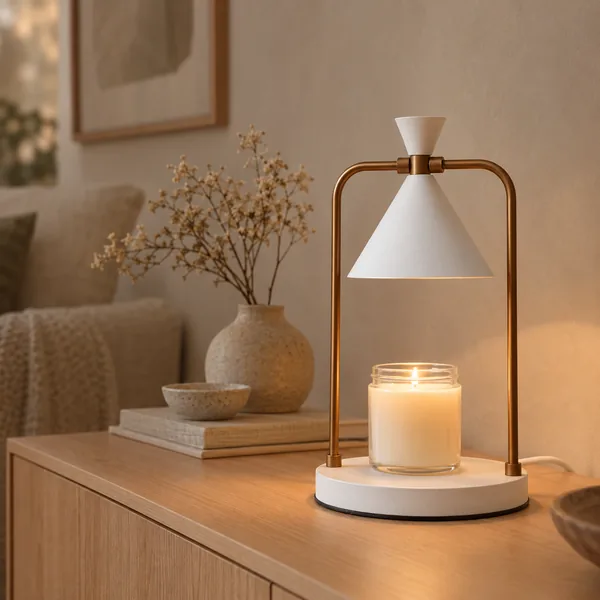 Varme Copper Dimmable Retro Candle Warmer Lamp$109.00$159.00
Troubleshooting Common Bulb Issues
Even with proper selection and installation, you may encounter occasional challenges with your candle warmer lamp bulbs. Recognizing these early prevents frustration and potential fixture damage. If your bulb flickers or fails to reach full brightness, the issue often stems from loose connections in the GU10 socket—try removing and reseating the bulb to ensure proper pin contact.
When fragrance release seems diminished despite using a fresh bulb, check whether the wax pool has formed properly. Incomplete melting often indicates insufficient wattage or a bulb that has degraded below optimal operating temperature. Remember that halogen bulbs lose efficiency over time, so replacement every 1,000 to 2,000 hours maintains peak performance even if the bulb hasn't completely burned out.
Maximizing Safety and Longevity
Extending the life of your halogen candle warmer bulb requires mindful usage patterns that balance enjoyment with conservation. Avoid moving your warmer while the bulb operates, as vibration can damage the delicate filament and cause premature failure. Similarly, ensure adequate ventilation around the fixture—while these bulbs need to generate heat, they shouldn't be enclosed in tight spaces that trap excessive temperatures.
Keep your fixture clean by regularly wiping away any wax drips or dust accumulation. Residue on the bulb surface creates hot spots that reduce efficiency and potentially crack the glass. When dusting your lamp, always unplug it first and allow complete cooling before using a soft, dry cloth on the bulb and shade. These simple maintenance habits ensure your candle warmer remains a safe, beautiful centerpiece in your Scandinavian-inspired home for years.
Finally, consider establishing a replacement schedule rather than waiting for complete failure. Marking your calendar for bulb inspection every six months allows you to replace aging bulbs before they impact your fragrance experience or potentially damage the fixture through irregular heat patterns.
Table Lamps
Shop all Table Lamps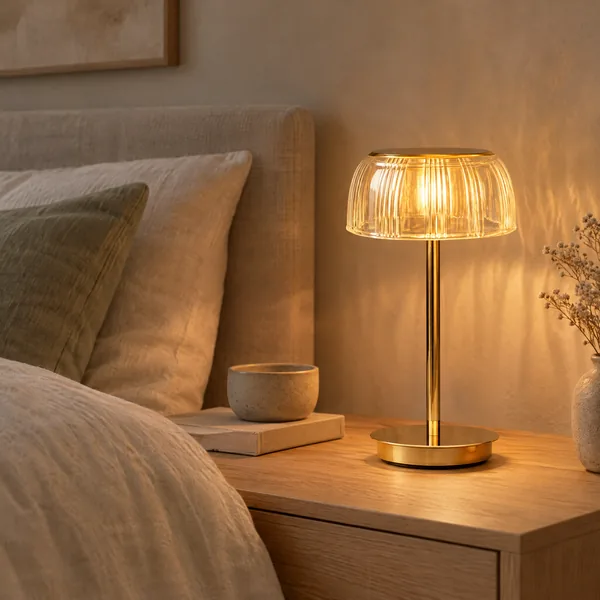
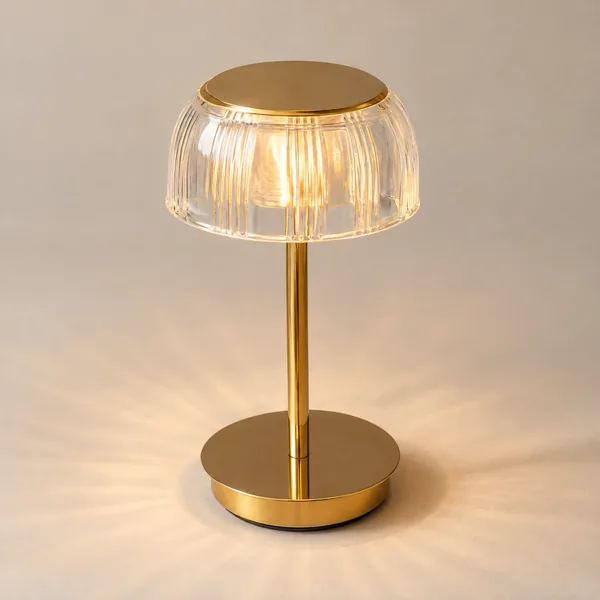 Save $30.00
Kvalla Jellyfish LED Rechargeable Table Lamp
Save $60.003 optionsSolvarm Stained Glass Candle Warmer Table Lamp
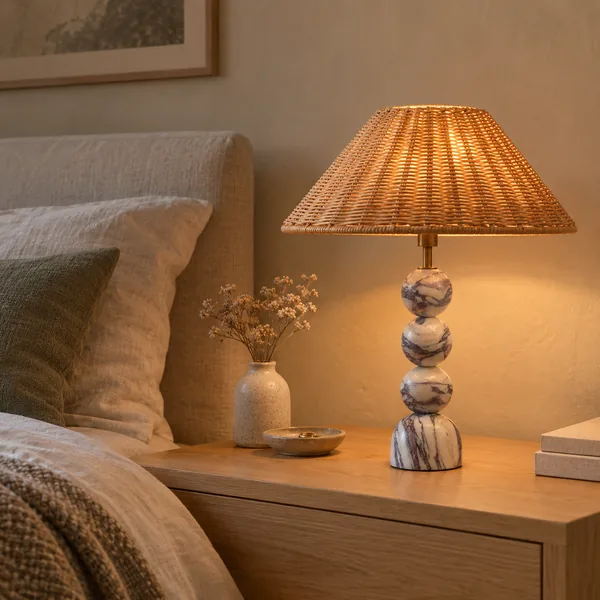
 Save $220.00
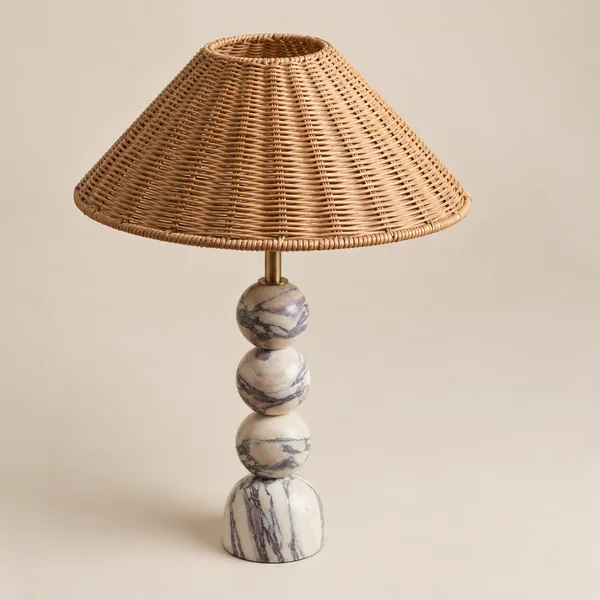
Stenglo Nordic Marble Table Lamp Rattan Shade
Creating the Perfect Ambiance
Beyond technical specifications, your candle warmer lamp bulbs contribute significantly to the atmospheric quality of your living spaces. The warm color temperature of halogen lighting—typically 2700K to 3000K—creates that golden, sunset-like glow that defines the hygge aesthetic central to Scandinavian design philosophy. This gentle illumination flatters skin tones and casts soft shadows that make rooms feel instantly cozier.