
Candle Warmer Lamp Not Working? Common Problems, Causes & How to Fix Them
Summary›
- The Most Common Reasons Your Candle Warmer Lamp Fails
- Diagnosing Bulb and Heating Element Issues
- Power Supply and Electrical Connection Problems
- Internal Component Failures and Safety Mechanisms
- Step-by-Step Troubleshooting Guide
- When Repair Isn't Worth the Effort
- Preventing Future Candle Warmer Problems
- Creating Lasting Ambiance with the Right Tools
There's nothing quite like the gentle glow and comforting fragrance of a candle warmer lamp to create that perfect hygge atmosphere in your home. But when you reach to turn on your beloved lamp and nothing happens—or the wax refuses to melt—that sense of calm can quickly turn to frustration. Whether you're preparing for a cozy evening with a book or setting the mood for a dinner gathering, a malfunctioning candle warmer disrupts the intentional ambiance you've carefully curated.
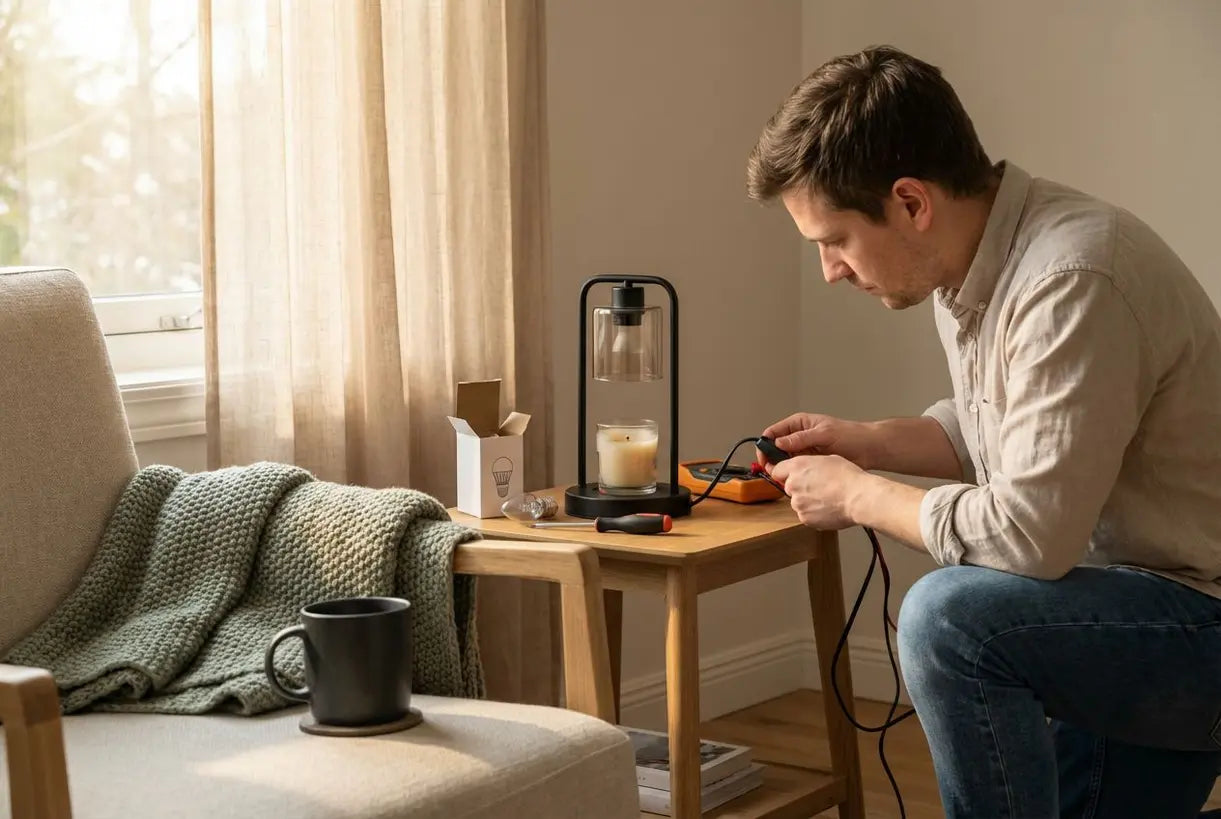
If you've found yourself wondering why is my candle warmer lamp not working, you're not alone. These elegant devices, while beautifully simple in design, can experience several common issues that prevent them from functioning properly. The good news? Most candle warmer lamp problems are easily diagnosed and often resolved without professional help. In this guide, we'll walk you through the most common failure points—from burned-out bulbs to power issues—and provide clear, actionable solutions to restore your lamp's warm glow. And for those moments when a lamp simply can't be saved, we'll show you how upgrading to a thoughtfully designed replacement can transform your space.
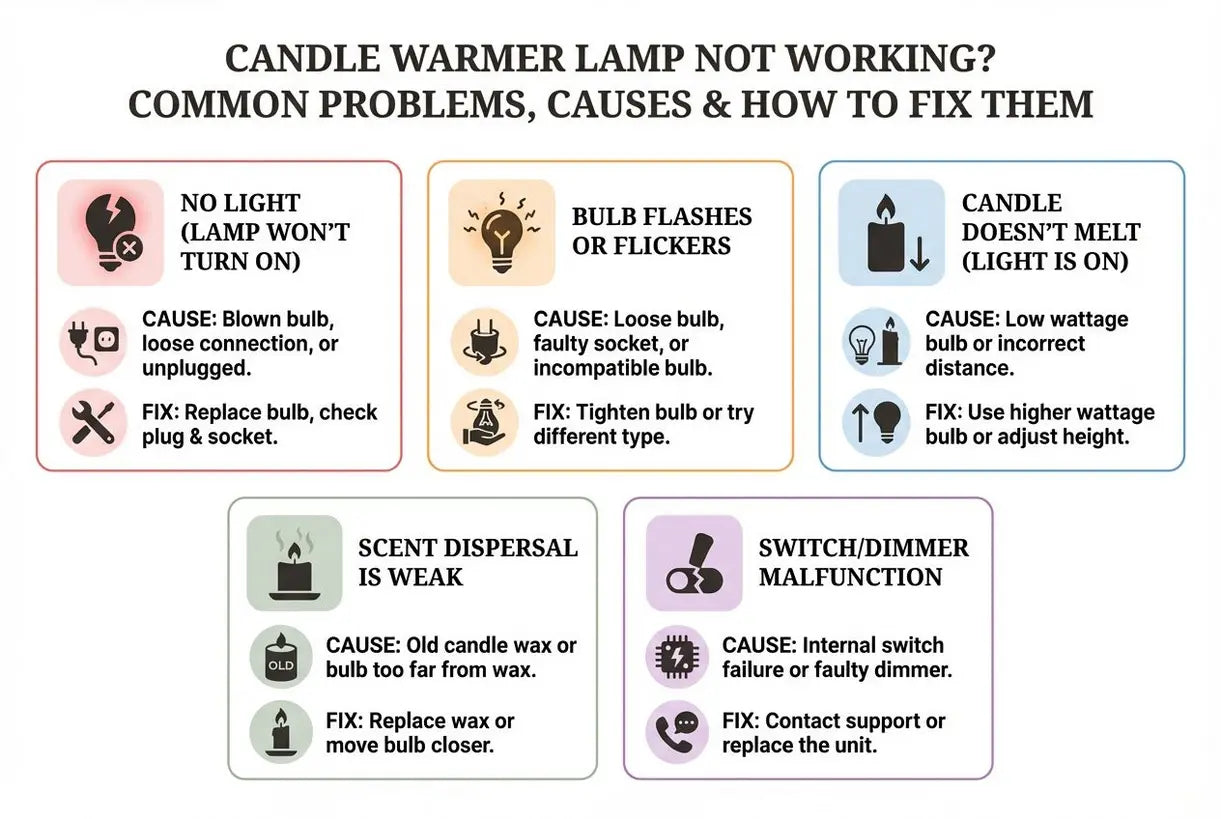
The Most Common Reasons Your Candle Warmer Lamp Fails
Understanding what causes your candle warmer to stop working is the first step toward fixing it. These devices operate on a simple principle: a heat source (typically a halogen bulb or LED plate) warms the candle from above or below, releasing fragrance without an open flame. When this heating mechanism fails, the result is a lamp that won't turn on, won't heat properly, or melts wax unevenly.
The majority of candle warmer lamp troubleshooting scenarios fall into three categories: bulb or heating element failure, electrical connectivity issues, and internal component wear. By systematically checking each potential problem area, you can isolate the cause and determine whether a simple DIY fix will restore your lamp or if it's time to consider a quality replacement that will serve your space for years to come.
Diagnosing Bulb and Heating Element Issues
The most frequent culprit behind a candle warmer not heating is the bulb itself. Halogen bulbs, while efficient and bright, have a finite lifespan—typically between 1,000 to 2,000 hours of use. When these bulbs burn out, your lamp may still power on (if it has an indicator light) but won't generate enough heat to melt wax. LED-equipped warmers can also experience plate heating element failure, though this is less common.
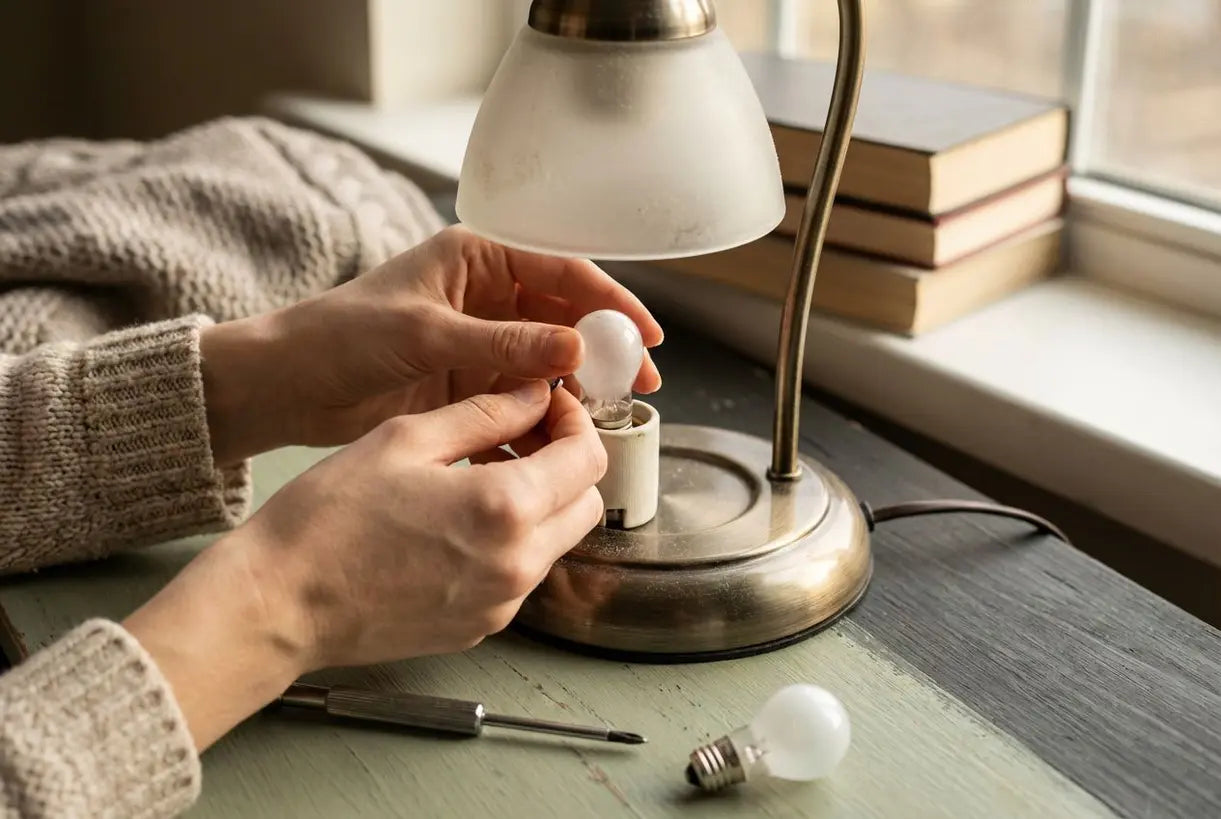
Signs Your Bulb Needs Replacement
You can often identify a burned-out bulb through simple observation. Look for darkened or blackened areas inside the glass, a broken filament visible through the bulb, or a lamp that turns on but remains cool to the touch after several minutes. Some candle warmer lamp won't turn on issues stem from bulbs that have loosened from their socket due to vibration or thermal expansion—something you can check by gently tightening the bulb after ensuring the lamp is unplugged.
For those wondering what wattage bulb does a candle warmer lamp need, most models require a 25-watt or 40-watt halogen bulb specifically designed for warming applications. Using the wrong wattage—whether too low to generate sufficient heat or too high risking safety hazards—is a common mistake that leads to performance issues. Always consult your manufacturer's specifications before purchasing replacement bulbs.
Power Supply and Electrical Connection Problems
Before assuming your lamp needs replacement parts, verify that it's receiving power. Start with the basics: test the outlet with another device to ensure it's functioning, check that the lamp's power cord is fully inserted, and inspect the cord for any visible damage like fraying or kinks. A candle warmer stopped working suddenly may have experienced a simple power disruption rather than component failure.
If your outlet and cord appear fine, examine the lamp's switch. Toggle switches can wear out over time, preventing the circuit from closing properly. You can test this by wiggling the switch gently while the lamp is plugged in to see if you get intermittent power. For touch-sensitive or dimmer switches, these electronic components can fail and may require professional repair or replacement of the entire unit.
Internal Component Failures and Safety Mechanisms
Modern candle warmer lamps often include safety features that can cause unexpected shutdowns. If you're asking why does my candle warmer lamp keep turning off, it might be a built-in thermal cut-off switch activating due to overheating. This can happen when the lamp is covered by objects, placed near heat sources, or left running for extended periods beyond recommended durations.
Internal wiring can also degrade, particularly at connection points where heat concentrates over time. While some handy homeowners can repair loose connections, internal electrical work carries risks and may void warranties. When internal components fail, particularly in older or lower-quality lamps, replacement often proves more cost-effective and safer than attempting complex repairs.
Candle Warmer Lamps
Shop all Candle Warmers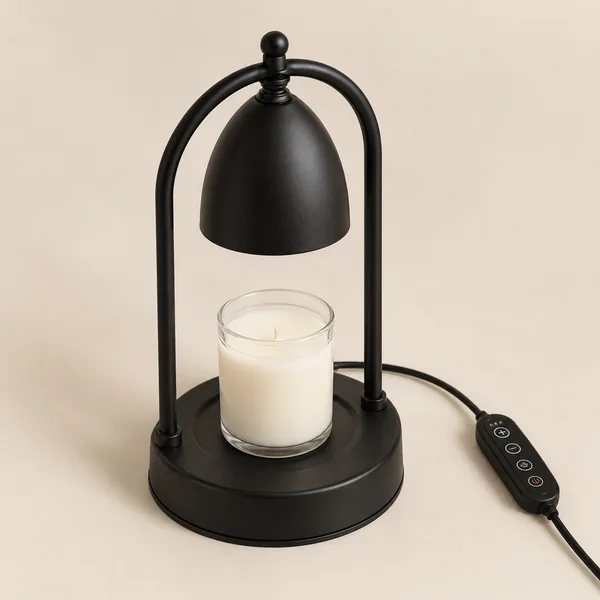
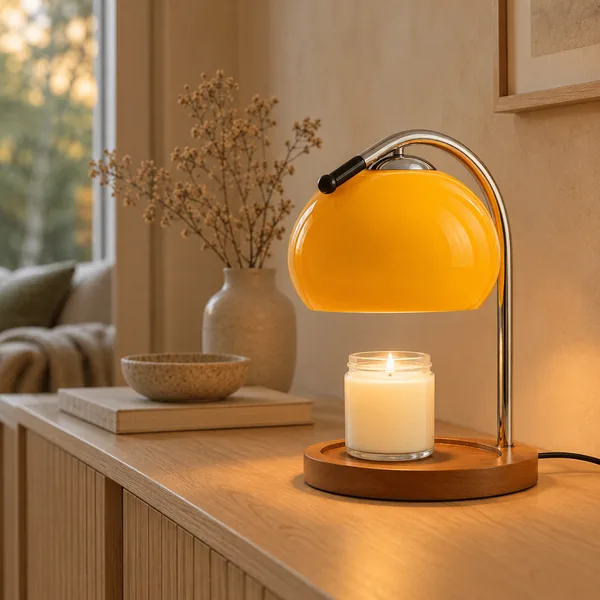
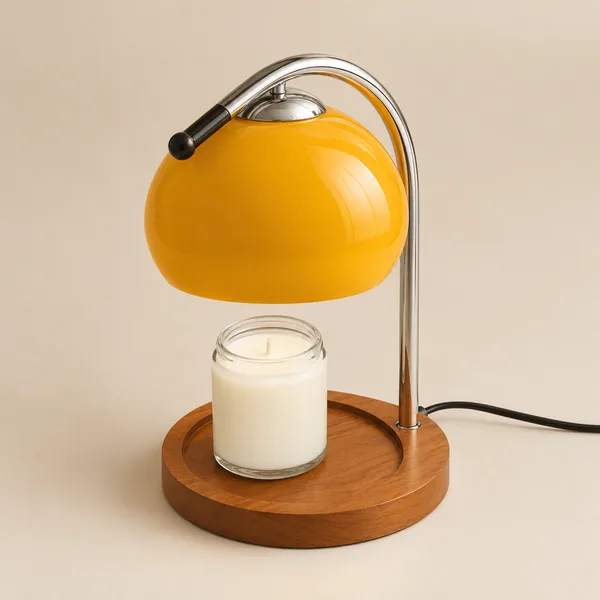 Save $60.00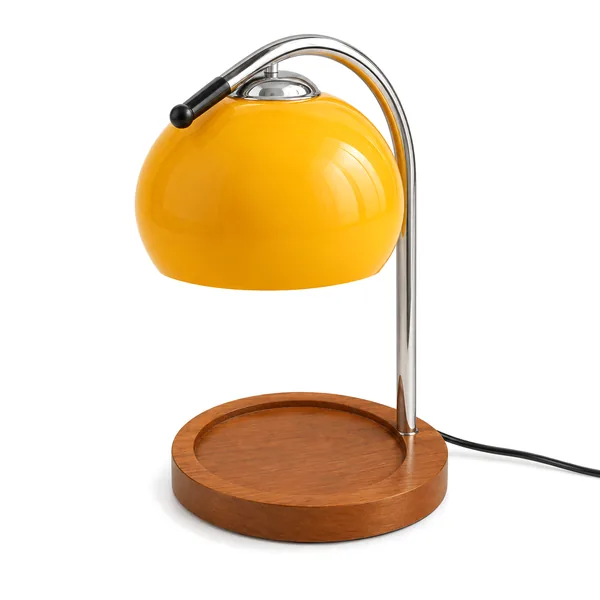
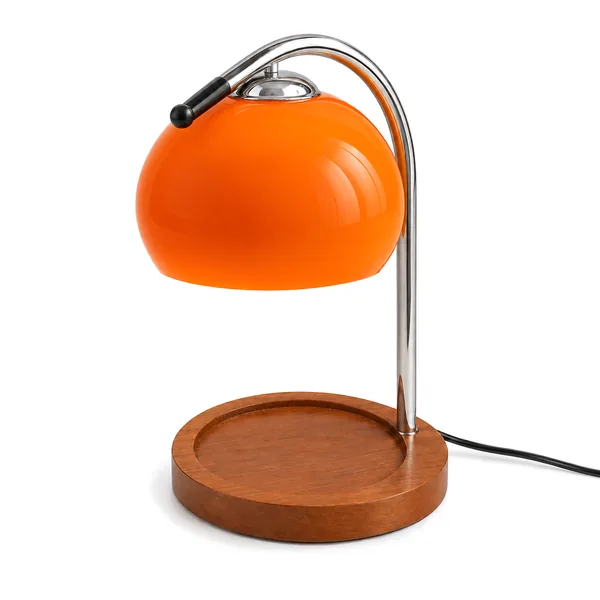
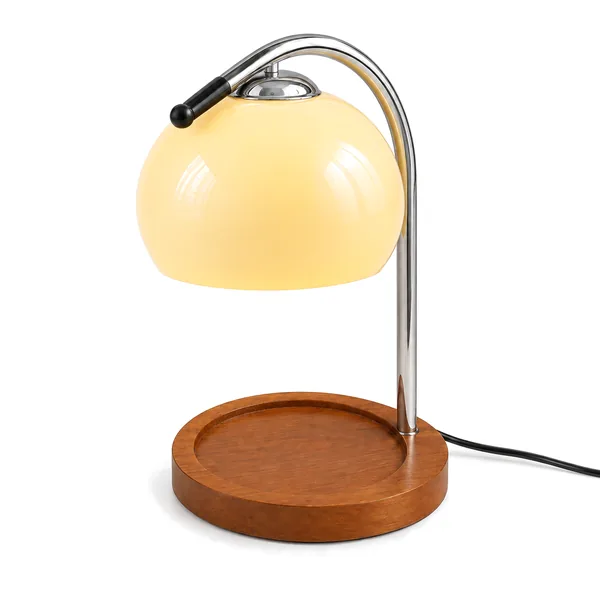 3 options
Solvarm Stained Glass Candle Warmer Table Lamp
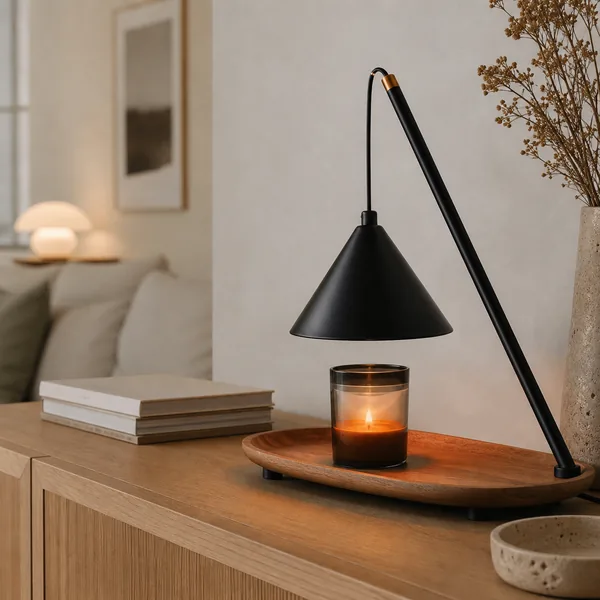
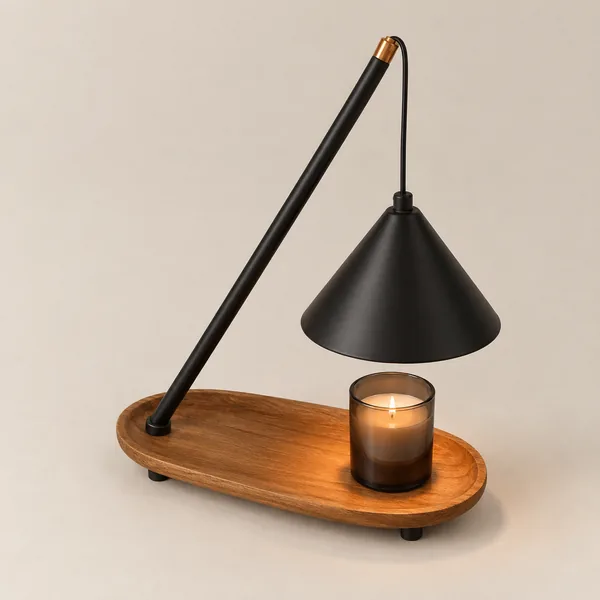
 Save $90.00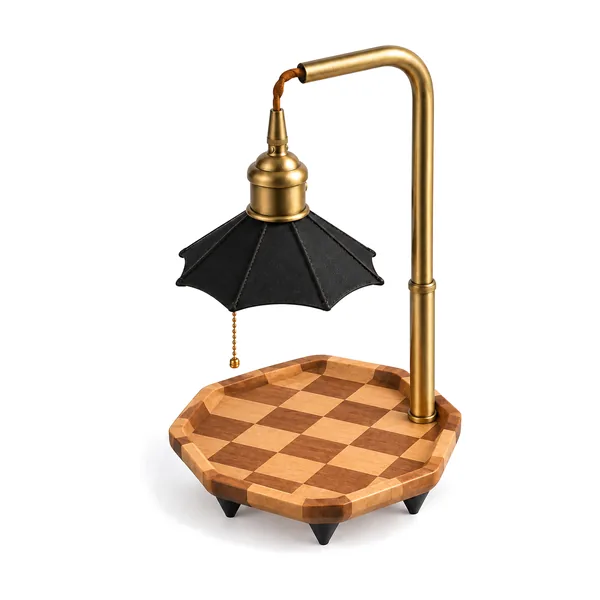
 2 options
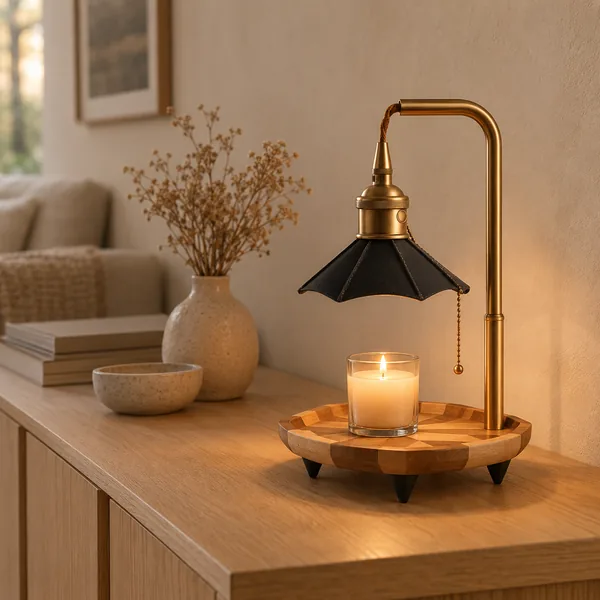
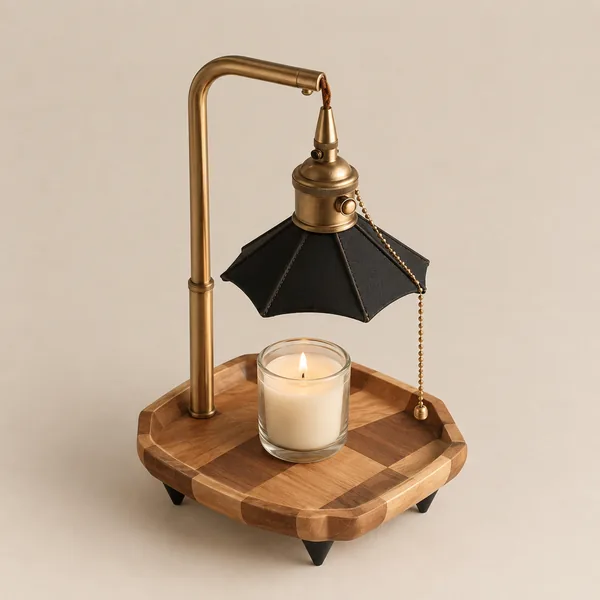
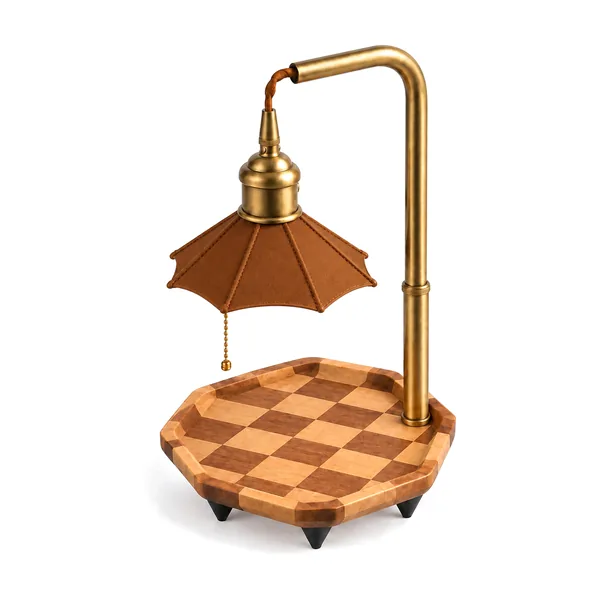
Glödra Retro Candle Warmer Lamp in Metal and Wood
Step-by-Step Troubleshooting Guide
When your lamp refuses to cooperate, follow this systematic approach to isolate the problem. This method addresses most candle warmer lamp common issues without requiring specialized tools or technical expertise.
- Power check: Verify the outlet works, ensure the cord is undamaged, and confirm the switch activates properly.
- Bulb inspection: Remove and examine the bulb for darkening, broken filaments, or loose connections. Tighten or replace as needed.
- Wattage verification: Confirm you're using the correct bulb type and wattage specified by the manufacturer.
- Cleanliness assessment: Remove dust and wax residue from the bulb and warming surface, as buildup can insulate heat and reduce efficiency.
- Thermal reset: Unplug the lamp for 30 minutes to allow any thermal cut-off switches to reset, then test again.
When Repair Isn't Worth the Effort
While many candle warmer lamp repair scenarios have happy endings, some situations indicate it's time to move on. If your lamp has suffered water damage, shows signs of electrical burning smells, or has suffered multiple component failures, continuing to use it poses safety risks. Similarly, if you've replaced bulbs and checked connections but the heating element itself has failed, professional repair costs often exceed the value of the unit.
This is where investing in quality matters. A well-crafted candle warmer lamp isn't just a utility—it's a design element that enhances your space while providing reliable performance. The Lysvarm Nordic Glass Candle Warmer Lamp Timer exemplifies this philosophy, featuring flameless operation with precision timer settings that prevent overheating and extend both bulb and candle life up to five months. The remote control functionality and adjustable brightness eliminate the wear-and-tear issues common with traditional toggle switches, addressing the root causes of many lamp failures before they occur.
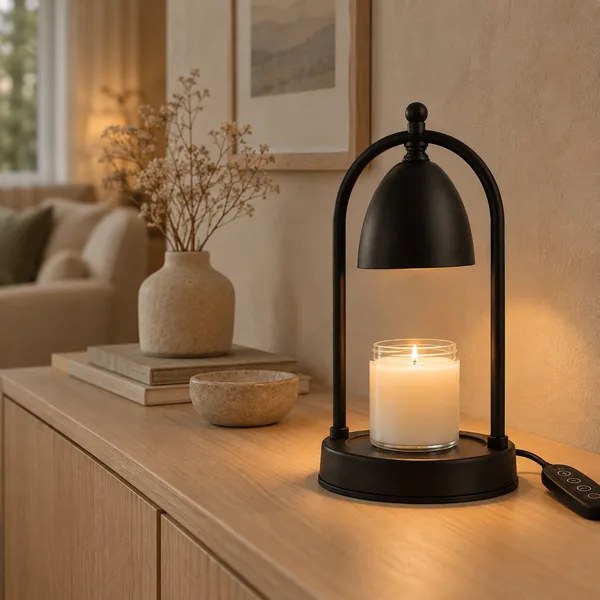 Lysvarm Nordic Glass Candle Warmer Lamp Timer$109.00$149.00
Upgrading to Quality Scandinavian Design
For those whose troubleshooting efforts reveal irreparable damage, consider this an opportunity to elevate your space with exceptional design. Table Lamps from Skonne's curated collection offer more than functionality—they bring the Nordic principles of intentional, beautiful utility into your daily rituals. Premium materials like marble and frosted glass don't merely look stunning; they provide superior heat distribution and durability that mass-market alternatives cannot match.
Preventing Future Candle Warmer Problems
Once you've resolved your current issue—or invested in a quality replacement—implement these practices to maximize your lamp's lifespan. Position your warmer on a stable, heat-resistant surface away from drafts that can cause uneven heating and temperature fluctuations. Clean the bulb and warming surface weekly to prevent wax and dust buildup that forces the heating element to work harder.
If you're using a model with replaceable bulbs, keep spares on hand and always handle bulbs with clean gloves or cloth to prevent oils from your skin creating hot spots that shorten bulb life. For maximum safety and efficiency, consider upgrading to models with integrated timers that prevent the overheating cycles responsible for many premature failures.
The Doftlys Frosted Glass Candle Warmer Table Lamp addresses these concerns through its elegant halogen design with timed dimming features, while the sculptural Glödra Nordic Marble Candle Warmer Book Lamp utilizes LED-heated plate technology that eliminates bulb replacement entirely while casting a warm ambient glow that transforms any room into a sanctuary.
Premium Upgrade Options
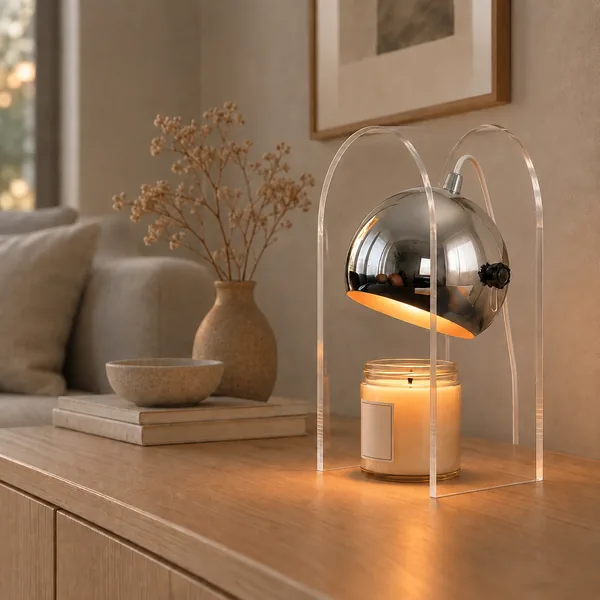 Doftlys Frosted Glass Candle Warmer Table Lamp$169.00$239.00
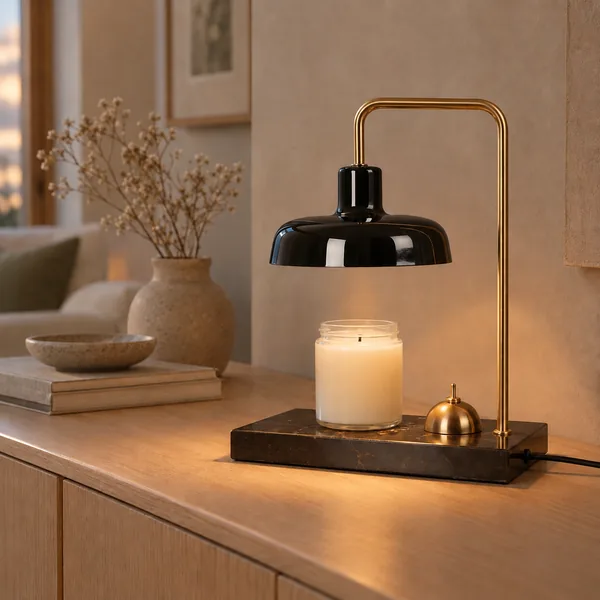 Glödra Nordic Marble Candle Warmer Book Lamp$269.00$339.00
Lamps
Shop all Lamps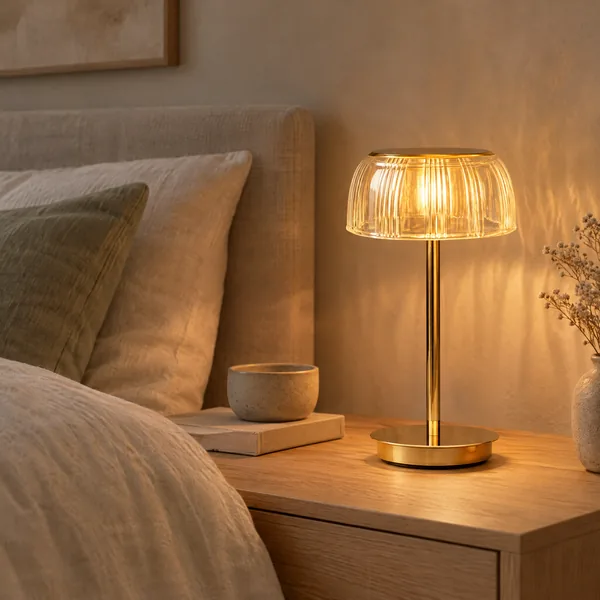
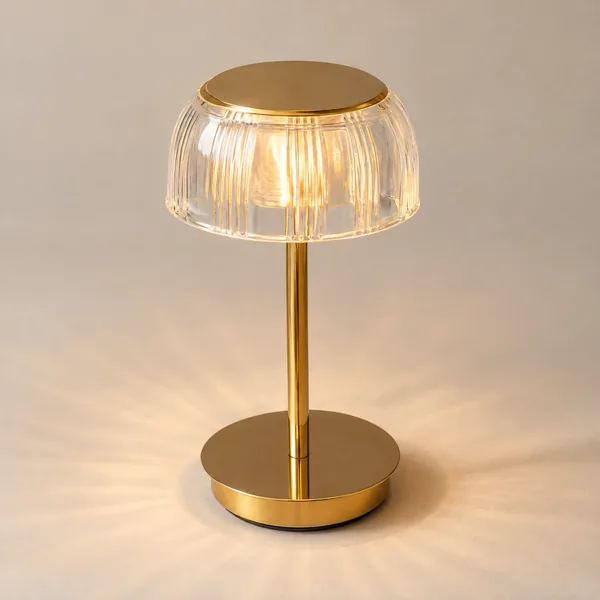 Save $30.00
Kvalla Jellyfish LED Rechargeable Table Lamp
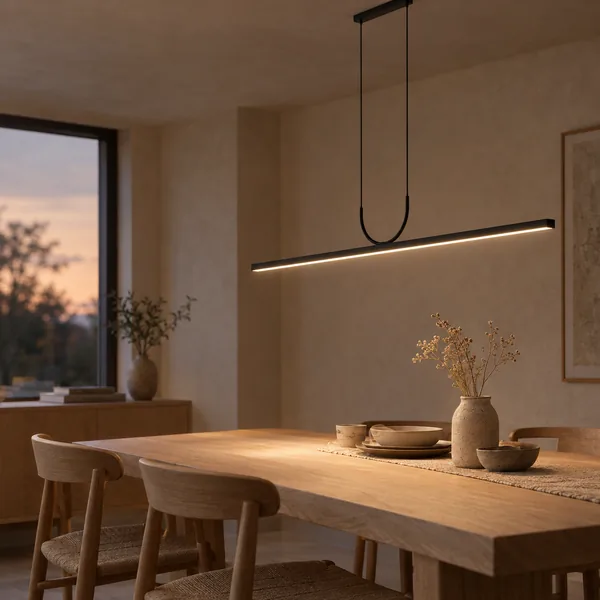
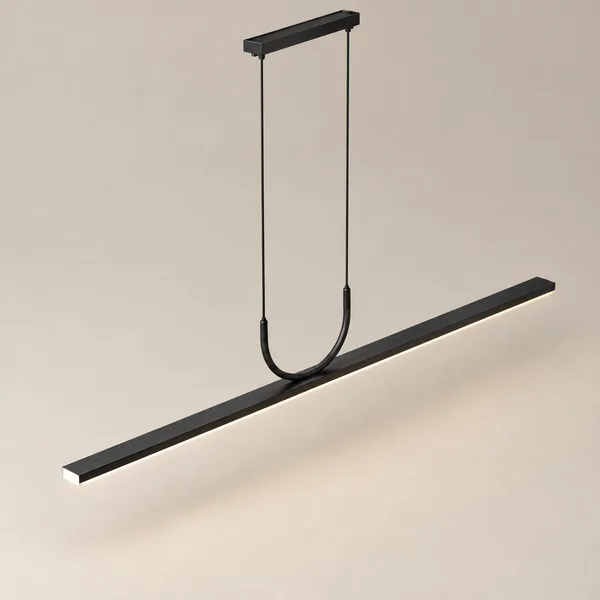 Save $140.00
Linné Minimalist Linear Black LED Pendant Light
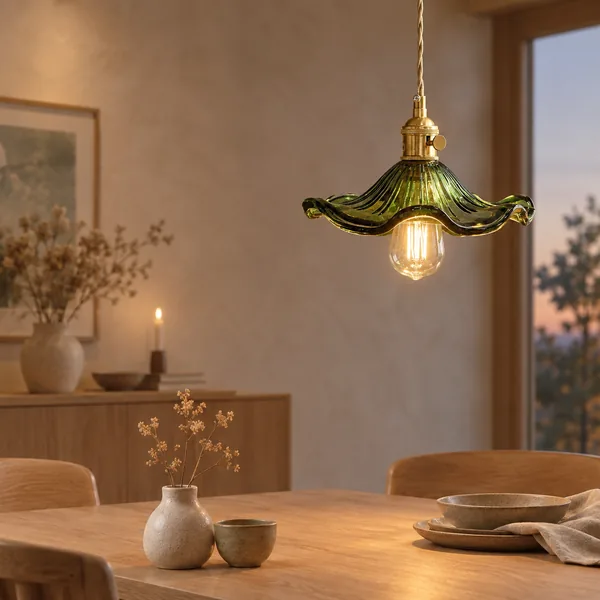
 Save $60.00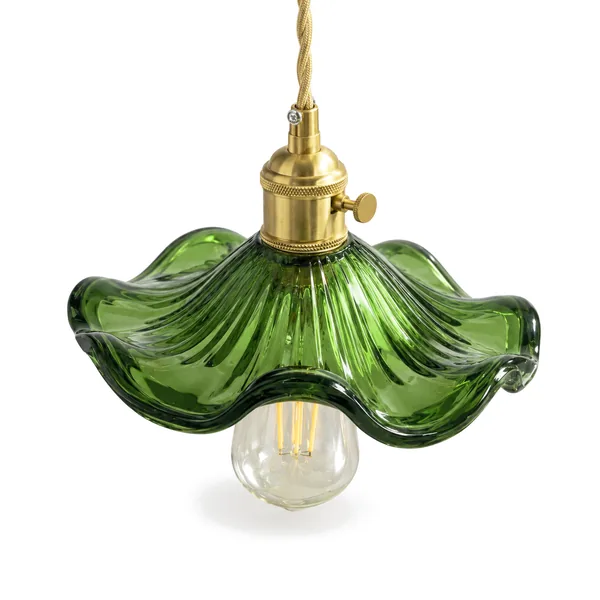
 3 options
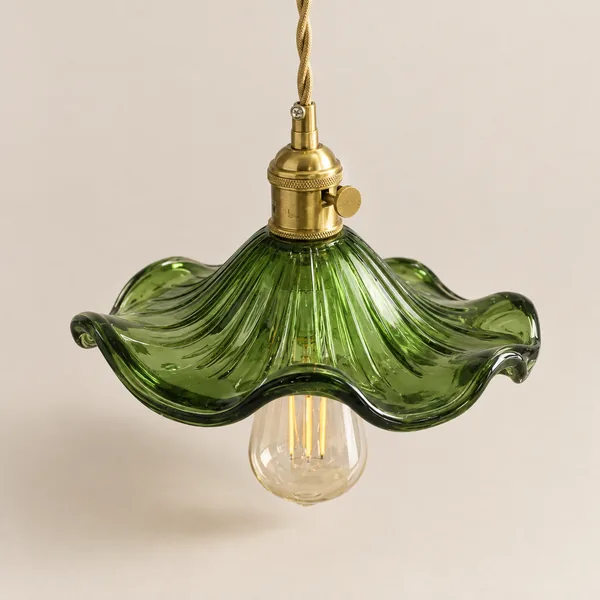
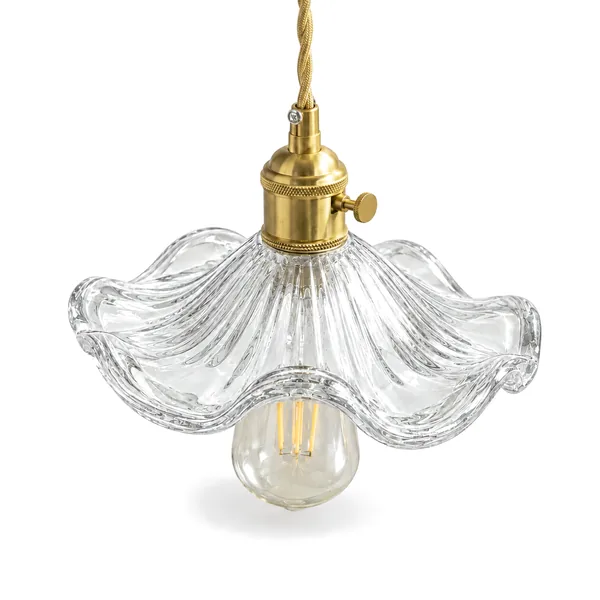
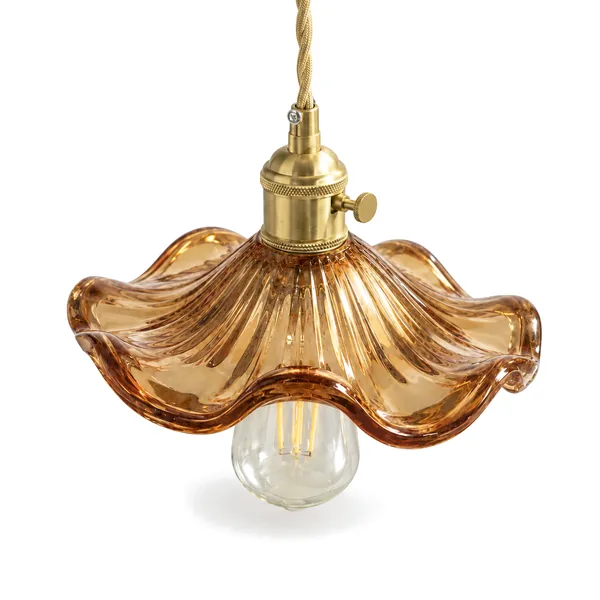
Glora Nordic Glass Pendant Light with Copper
Creating Lasting Ambiance with the Right Tools
The frustration of a broken candle warmer lamp reminds us that not all home accessories are created equal. While budget options may serve temporarily, investing in thoughtfully engineered pieces pays dividends in reliability, safety, and daily enjoyment. A quality candle warmer becomes more than a utility—it becomes part of your home's character, a fixture you reach for instinctively when seeking comfort.
Whether you've successfully revived your current lamp through careful troubleshooting or decided to upgrade to a superior alternative, the goal remains the same: creating that perfect atmosphere where memories are made and stresses melt away like warm wax. With proper maintenance and quality craftsmanship, your candle warmer should provide years of faithful service, casting that distinctive Nordic glow that makes a house truly feel like home.
Related Article
Battery Operated Candle Warmer Lamps: Cordless, Wireless Designs for Any SpaceTransform any room with battery operated candle warmer lamps - cordless, wireless designs offering safe flameless fragrance and Nordic ambiance without the need for outlets.