
Outdoor Lighting: The Complete Guide to Illuminating Your Home's Exterior
Summary›
- The Scandinavian Philosophy of Exterior Illumination
- Understanding Outdoor Lighting Categories
- Planning Your Lighting Layout
- Selecting Weather-Resistant Fixtures for Lasting Beauty
- Strategic Placement Guidelines
- Evaluating Solar Technology: Are Solar Outdoor Lights Worth It?
- Balancing Security and Aesthetics
- Conclusion: Illuminating with Intention
There's something undeniably welcoming about arriving home to a softly illuminated exterior—where warm pools of light guide your steps along the pathway, gently accent architectural details, and create an immediate sense of sanctuary. Yet for many homeowners, outdoor lighting remains an afterthought, often resulting in harsh security floods or dim, inadequate corners that do little to enhance the living experience.
The Scandinavian approach to residential outdoor lighting offers a refreshing alternative. Rather than viewing exterior illumination purely as a practical necessity, Nordic design embraces the concept of hygge—that feeling of cozy contentment—extending it beyond your walls to gardens, patios, and entryways. When executed thoughtfully, your home's exterior becomes an extension of your interior sanctuary, usable well after sunset and visually connected to the natural landscape.
In this complete guide, we'll explore how to transform your property using strategic exterior lighting. From selecting weather-resistant fixtures that withstand the elements to understanding optimal placement distances and determining whether solar technology fits your lifestyle, you'll gain the knowledge needed to create a layered, purposeful lighting scheme that balances security with serenity.
The Scandinavian Philosophy of Exterior Illumination
Scandinavian design principles center on intentionality and warmth, qualities often missing from standard landscape lighting installations. Instead of flooding your property with bright, cool-toned spotlights, the Nordic approach emphasizes patio lighting and pathway solutions that cast inviting golden hues at comfortable brightness levels.
This philosophy recognizes that outdoor home lighting serves multiple functions simultaneously: guiding movement through your property, highlighting the textural beauty of natural materials, providing safety against trips and falls, and establishing an atmosphere for evening gatherings. Rather than treating these as competing demands, Scandinavian design integrates them through careful layering—combining ambient wash lighting with focused accent illumination and gentle wayfinding markers.
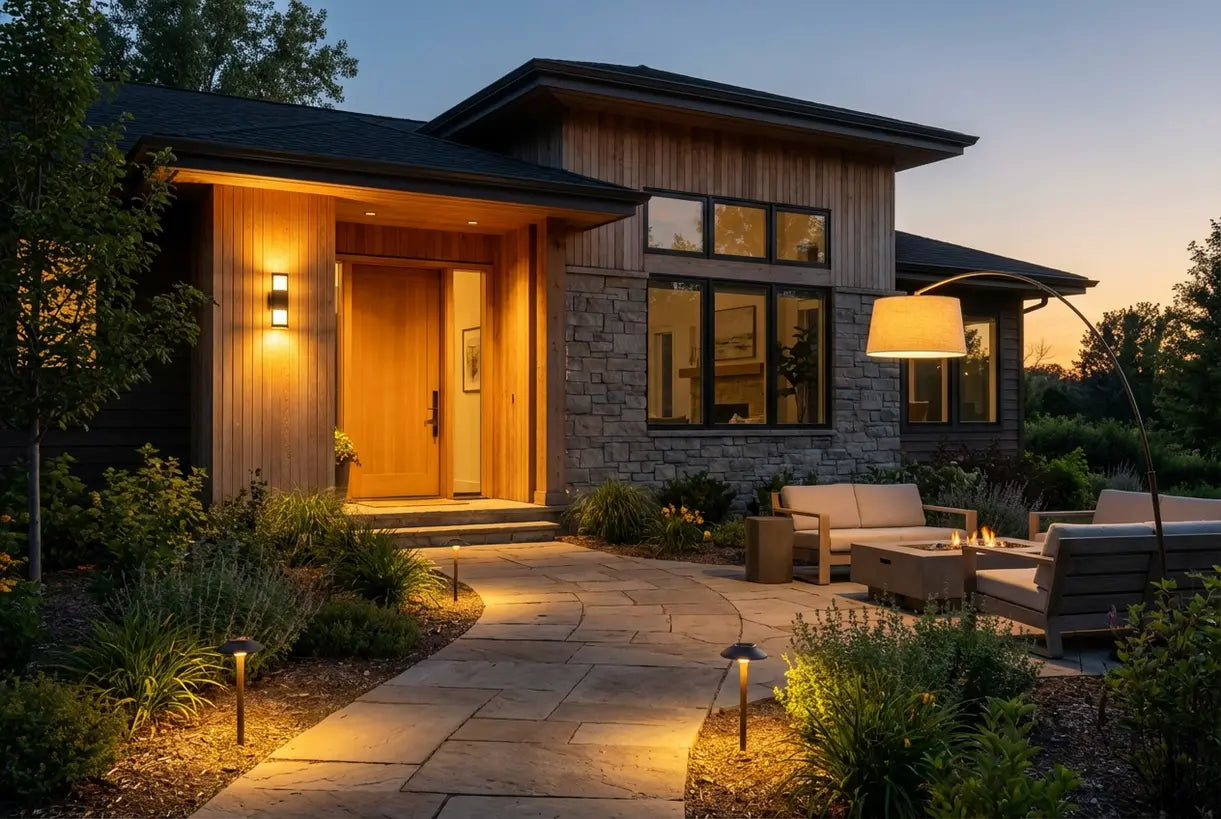
The result is a cohesive visual narrative that feels curated rather than chaotic. When selecting fixtures, consider how each light source contributes to this broader story. Wall sconces flanking your entry establish a focal point and provide essential security, while path lighting embedded in garden beds creates depth and visual interest across your entire property.
Understanding Outdoor Lighting Categories
Before selecting specific fixtures, understanding the distinct roles that different outdoor lighting types play will help you create a balanced design. Each category serves specific functions, and thoughtfully combining them creates the layered effect that distinguishes professional-quality installations from basic setups.
Entryway and Wall Sconces
Wall-mounted fixtures provide the foundation of your exterior lighting scheme. Positioned at doorways, along facades, and beside garages, these lights serve the practical function of illumination while establishing your home's architectural presence. When selecting wall sconces, prioritize fixtures with adequate IP ratings for weather resistance and downward or diffuse light distribution that minimizes glare for approaching visitors.
Path and Landscape Lighting
Low-level path lighting serves the essential safety function of defining walkways while also revealing the beauty of plantings and hardscaping. Unlike harsh overhead floods, properly positioned path lights create a gentle rhythm of illumination that draws the eye through the garden. For driveways and main walkways, solar outdoor lights have become increasingly sophisticated, offering wire-free installation and automated operation that complements natural surroundings.
Ambient and Decorative Accents
Beyond functional illumination, consider incorporating ambient sources like portable outdoor lamps and decorative floor fixtures that extend your living space into the garden. These elements invite movement and create destinations within your landscape—a lit patio corner for evening wine, a softly glowing deck for quiet conversation. Free-standing options that require no electrical hardwiring offer particular flexibility for renters or those wishing to reconfigure their outdoor spaces seasonally.
Planning Your Lighting Layout
Successful residential outdoor lighting begins with observation. Walk your property at dusk, noting natural pathways, areas that feel uncomfortably dark, and architectural features deserving emphasis. Consider how you actually use your outdoor spaces—do you entertain frequently on the patio, or do you primarily need safe passage from driveway to door?
Layer your plan by prioritizing safety illumination first (entries, steps, changes in elevation), then identifying architectural focal points worthy of accent lighting, and finally adding ambient elements that create atmosphere. This approach ensures your budget addresses essential needs before aesthetic enhancements.
Outdoor Lighting
Shop all Outdoor Lighting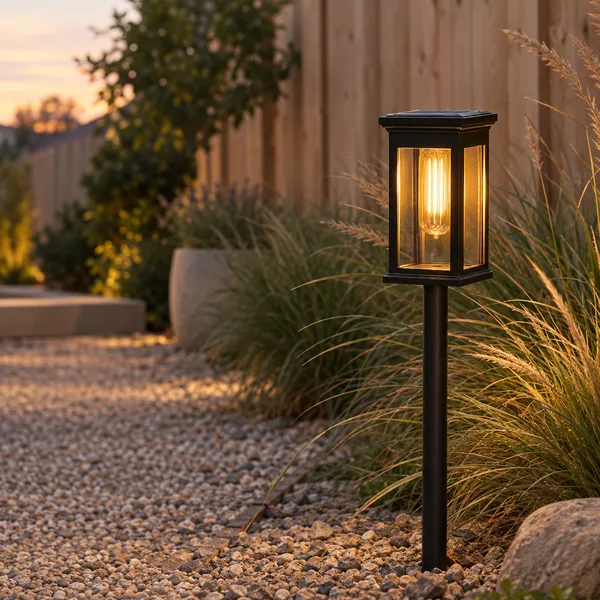
 Save $30.00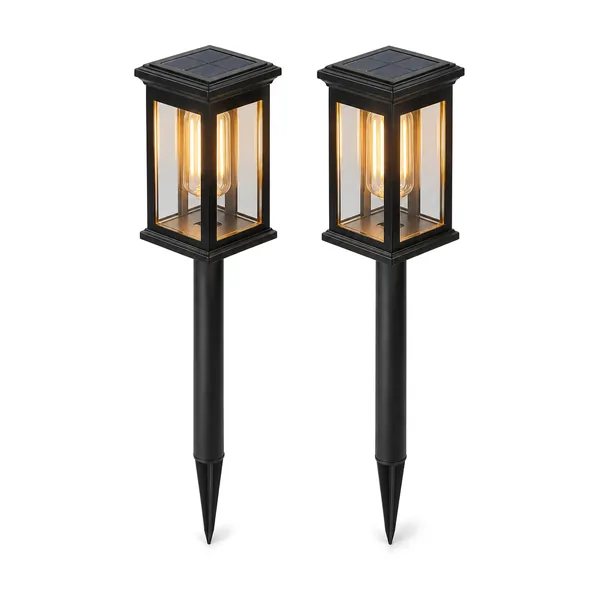
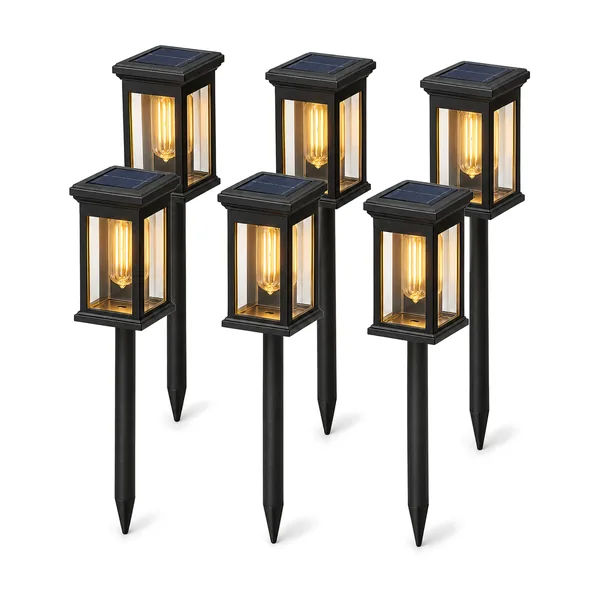
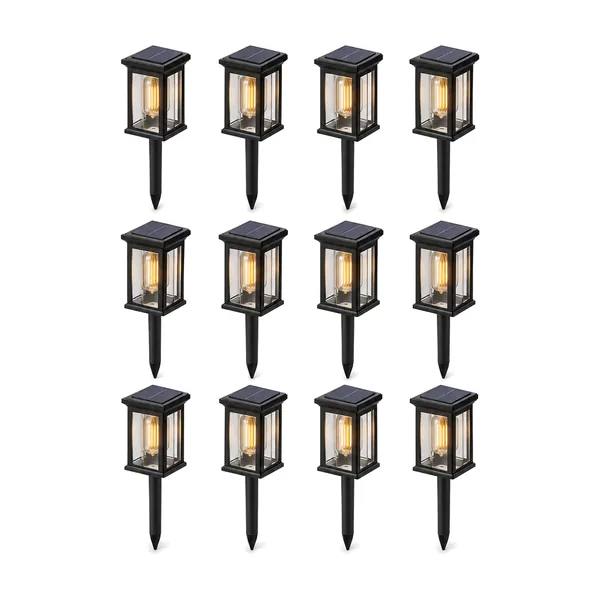 3 options
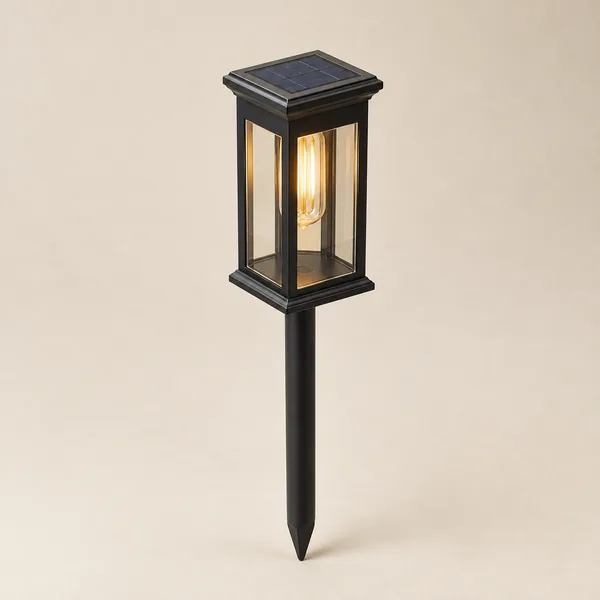
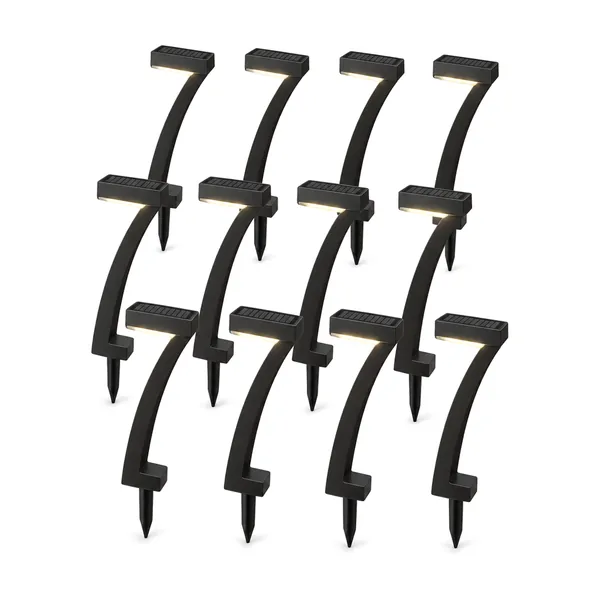
Solsti Solar Garden Path Lights 2700K Warm White
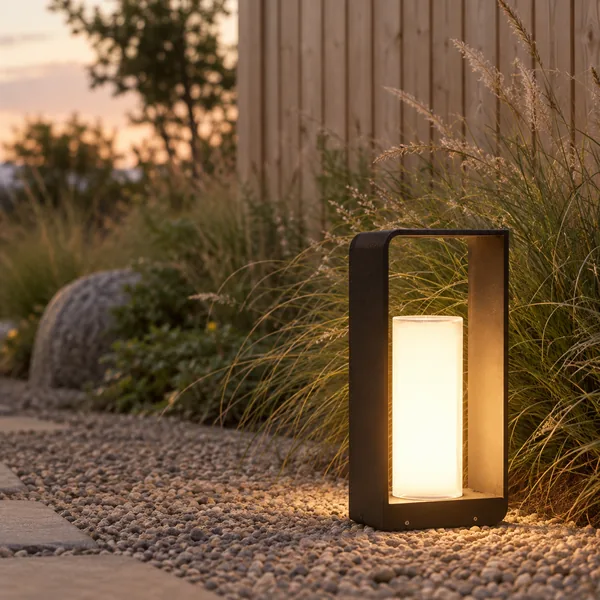
 Save $40.00
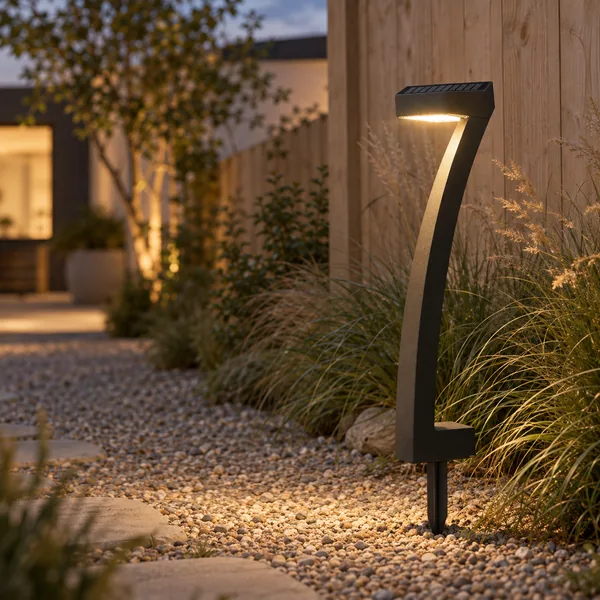
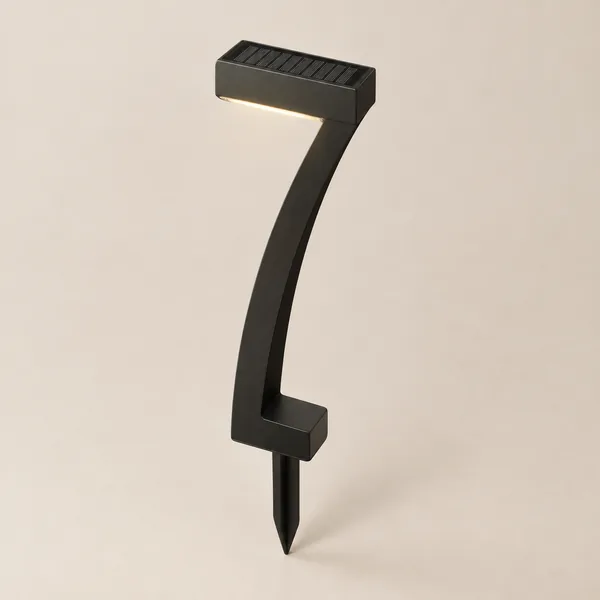
Kvelda Solar LED Garden Lawn Lamp Waterproof
 Save $30.00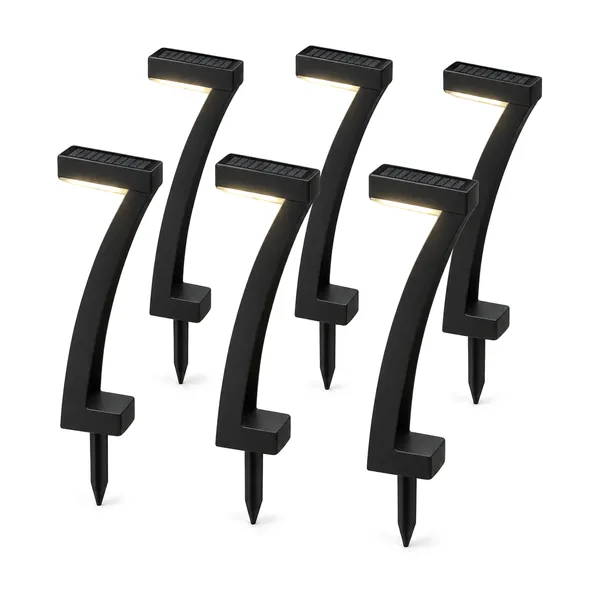
 2 options
Solsti Solar Outdoor Path Lights 2700K Warm White
Selecting Weather-Resistant Fixtures for Lasting Beauty
One of the most critical considerations when choosing outdoor lighting is environmental durability. Fixtures face constant exposure to moisture, temperature fluctuations, and UV radiation—conditions that quickly degrade materials not specifically engineered for exterior use. Understanding IP (Ingress Protection) ratings helps you select appropriately robust fixtures for your specific climate and mounting location.
An IP65 rating, for instance, signifies complete dust protection and resistance to low-pressure water jets from any direction—suitable for most wall-mounted and pathway applications. For areas subject to heavy rainfall or irrigation spray, seeking fixtures with these durable ratings ensures your investment maintains its appearance and function for years rather than seasons.
Equally important is the quality of light output. Scandinavian design favors warm color temperatures around 2700K that flatter natural materials like wood and stone while avoiding the harsh blue-white tones common in inexpensive LED fixtures. This warmth creates the inviting atmosphere that makes outdoor spaces feel like genuine extensions of your interior living areas.
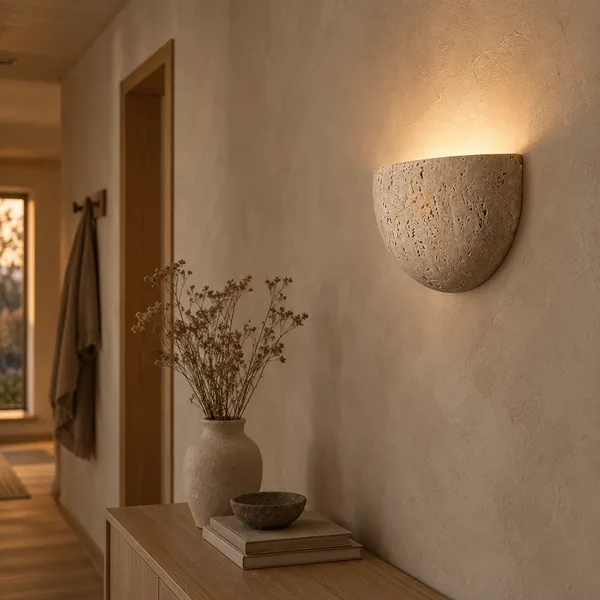
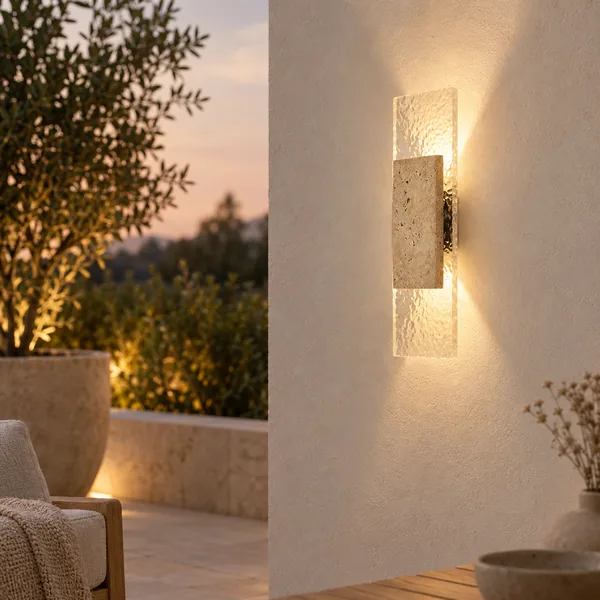 Steinglo Waterproof Stone Wall Sconce 18W LED$239.00$349.00
The Steinglo Waterproof Stone Wall Sconce exemplifies these principles, integrating natural stone materials with warm LED output within an IP65-rated housing designed to endure exterior conditions while maintaining its textural beauty.
Strategic Placement Guidelines
Placement precision distinguishes professional landscape lighting from amateur installations. While fixtures themselves provide the light, their positioning determines whether that illumination creates a cohesive, welcoming environment or resembles a scattered, disjointed array of light sources.
Optimal Spacing for Path and Step Lighting
One of the most common questions homeowners ask concerns proper distance between fixtures. For path lighting along walkways, the general rule suggests spacing fixtures approximately 6 to 8 feet apart along straight stretches, with closer placement (4 to 6 feet) as pathways curve or approach steps and elevation changes. This spacing creates overlapping pools of light that eliminate dark spots while maintaining gentle, rhythmic illumination.
When illuminating stairs, position lights to cast directly downward onto treads rather than upward into users' eyes. Low-profile fixtures mounted on adjacent walls or risers provide excellent visibility without creating harsh glare. For driveways, consider flanking the entrance with slightly brighter fixtures to mark the transition from public to private space, then spacing standard path lights along the edges at consistent intervals.
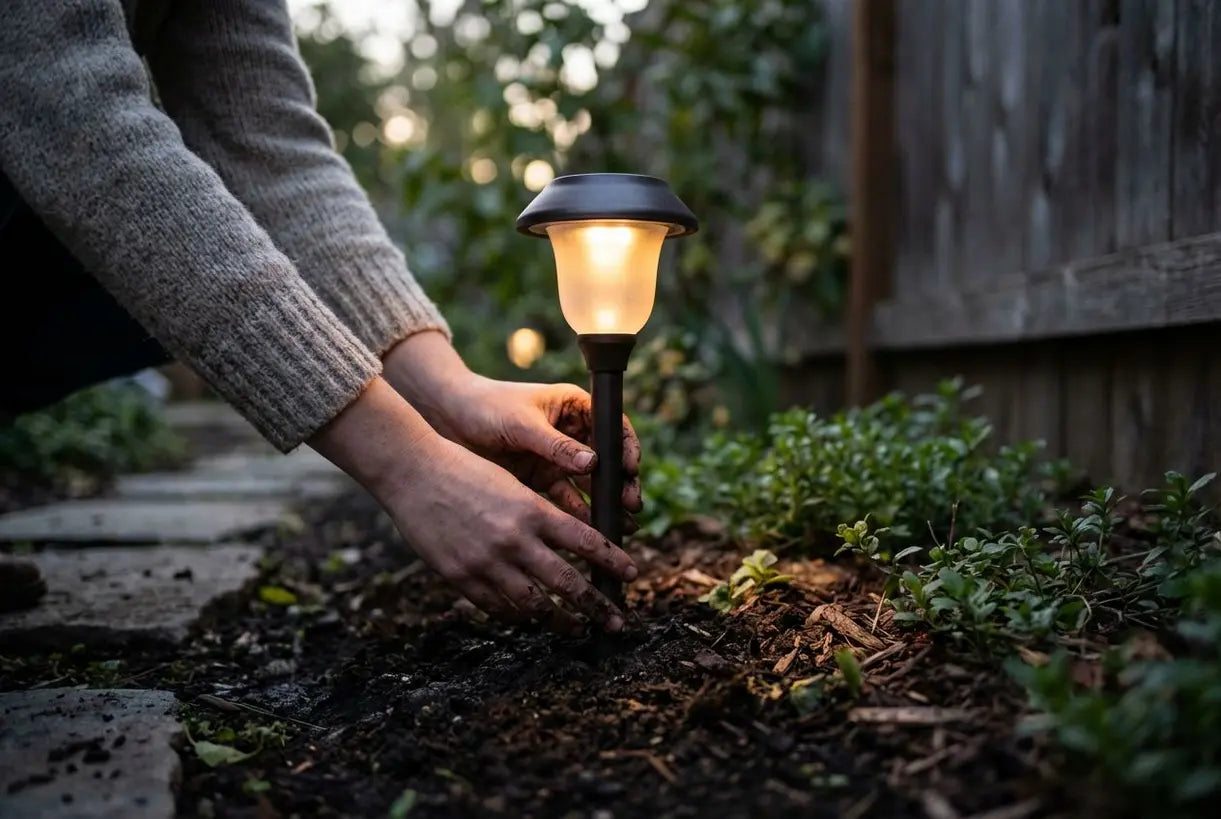
Installation timing also matters significantly. Planning your layout during daylight hours, then verifying the effect at dusk, allows you to identify shadows and dark spots invisible during initial placement. For solar outdoor lights, ensure panels receive adequate direct sunlight during peak hours, accounting for seasonal shifts in sun angle and foliage growth that might shade panels during summer months.
Wireless Solar Solutions for Effortless Installation
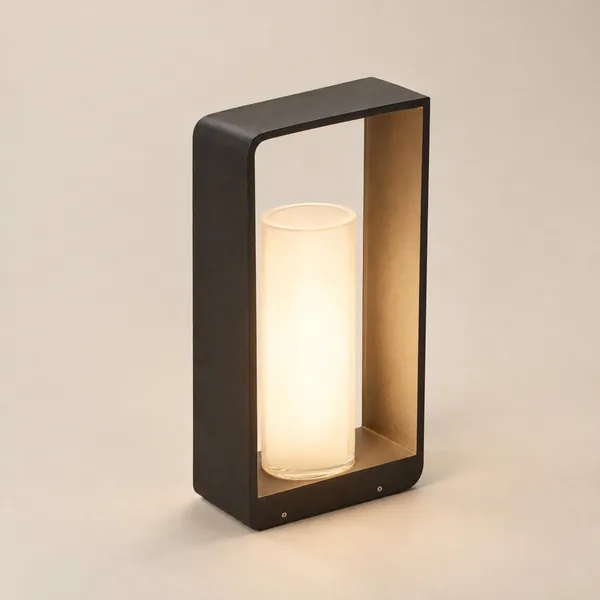
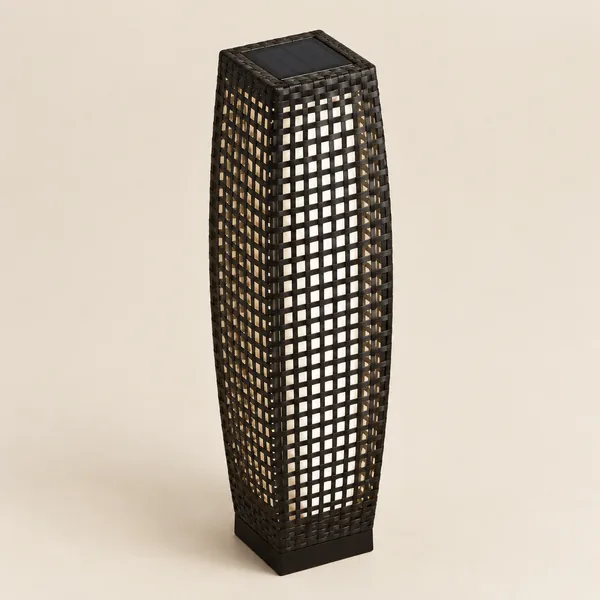
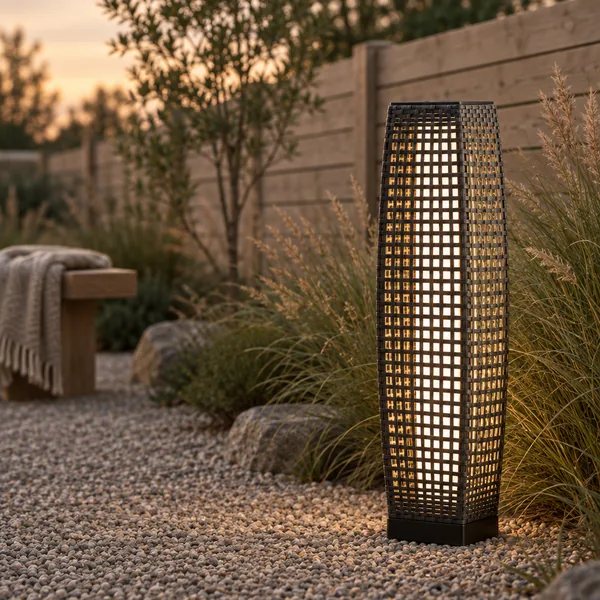 Solvik Art Deco Solar Outdoor Patio Floor Lamp$99.00$179.00Solsti Solar Outdoor Path Lights 2700K Warm White$119.00$149.00
The Solvik Art Deco Solar Outdoor Patio Floor Lamp offers sophisticated ambient illumination without requiring electrical wiring, while the Solsti Solar Outdoor Path Lights provide consistent wayfinding illumination that automatically adapts to seasonal light changes.
Evaluating Solar Technology: Are Solar Outdoor Lights Worth It?
Modern solar outdoor lights have evolved dramatically from the dim, short-lived garden accents of previous decades. Contemporary high-efficiency photovoltaic cells, improved battery storage technology, and advanced LED efficiency now enable solar fixtures that provide illumination quality rivaling hardwired alternatives—particularly for accent and path lighting applications.
The primary advantage of solar exterior lighting lies in installation flexibility. Without trenching for electrical cable or hiring certified electricians, you can position lights exactly where landscape aesthetics demand, even in areas far from your home's electrical panel. This freedom proves particularly valuable for illuminating mature gardens where root systems make trenching destructive, or for renters seeking temporary enhancements that relocate with them.
However, solar fixtures require sensible site assessment. They demand adequate sun exposure—typically 6-8 hours of direct light for optimal performance—and their output gradually diminishes during consecutive overcast days. For garden lighting in densely shaded areas or for security applications requiring constant bright output, hardwired solutions or those with battery backups may prove more reliable.
Cost considerations also favor solar options for many residential outdoor lighting projects. While individual fixture prices sometimes exceed basic wired alternatives, eliminating installation labor and material costs (outdoor-rated cable, transformers, conduits) often reduces total project expenditure significantly. Additionally, zero operating costs and minimal maintenance requirements (occasional panel cleaning) provide ongoing value over the fixture lifespan.
For those looking to explore more traditional wired alternatives that complement solar installations, our Lantern Wall Lights offer a curated selection of hardwired options that provide consistent illumination for entryways and architectural focal points where solar reliability may vary.
Professional installation techniques shown in the video above emphasize the importance of layout planning before committing to fixture placement. Whether installing solar units that simply press into soil or hardwired systems requiring electrical connections, establishing your complete layout during daylight hours and testing the evening effect before final anchoring prevents costly repositioning later.
Wall Lights
Shop all Wall Lights
Balancing Security and Aesthetics
When considering the best outdoor lighting for security, the goal isn't creating harsh floodlit zones that disturb neighbors and create harsh shadows, but rather eliminating concealment opportunities while maintaining visual appeal. The most effective security lighting employs a "layered deterrence" approach: accent lighting that eliminates dark corners near the home, motion-activated floods for perimeter detection, and pathway illumination that ensures safe movement.
Position security-minded fixtures to illuminate potential hiding spots—dense shrubbery near windows, recessed entries, and side yards—while avoiding light trespass onto neighboring properties. Choose fixtures with adjustable sensitivity and duration settings to prevent nuisance triggering from wildlife or wind-blown branches. The goal is creating an environment where intrusion feels exposed and difficult, not creating a prison-yard aesthetic that diminishes your home's welcoming character.
Integration with smart home systems allows exterior lighting to simulate occupancy during travel, automatically respond to security system triggers, and adjust schedules seasonally. However, even basic photocell-equipped fixtures that automatically activate at dusk provide essential security benefits without requiring complex programming.
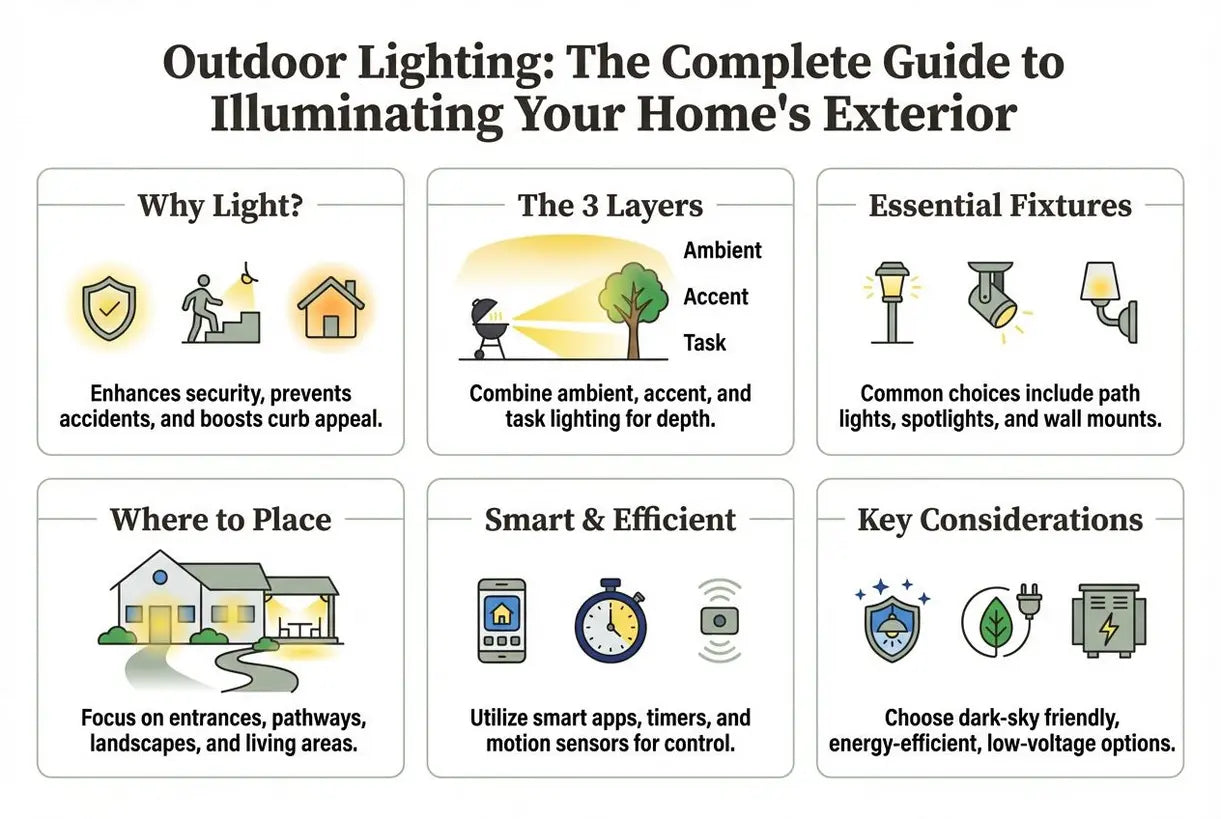
Successful outdoor home lighting ultimately depends on understanding your specific site's needs, your climate's demands, and your personal usage patterns. By layering entryway illumination, path lighting, and ambient accents—whether solar-powered or hardwired—you create that coveted Scandinavian sense of hygge, where your exterior spaces invite lingering, extend your functional living area, and provide genuine comfort rather than mere visibility.
Conclusion: Illuminating with Intention
Transforming your property with thoughtful outdoor lighting represents one of the highest-impact improvements available to homeowners. Unlike interior renovations hidden behind closed doors, a beautifully illuminated exterior enhances your daily arrival experience, creates curb appeal that lifts your entire neighborhood, and extends the usable hours of your garden and patio spaces.
The Scandinavian approach reminds us that illumination should serve human needs—safety, comfort, and beauty—rather than simply flooding spaces with the brightest possible output. By selecting weather-resistant fixtures rated for your climate, positioning them at optimal intervals to create rhythmic light patterns, and choosing technologies (whether efficient solar or sophisticated hardwired) that align with your maintenance preferences, you create an exterior environment that feels curated and intentional.
At Skonne, we believe that the right exterior lighting transforms houses into homes and gardens into gathering places. Whether you're seeking that perfect wall sconce to welcome evening guests, wire-free solar solutions for a garden path, or ambient floor lamps that extend your living room into the yard, our curated collection of Scandinavian-inspired designs offers the quality, warmth, and durability your home deserves.
Related Article