Ceiling Light Bulbs: How to Choose the Right Bulb Type, Base & Brightness
Summary›
- Understanding Bulb Types for Ceiling Fixtures
- Decoding Bulb Bases: E26, E12, GU10 & More
- Brightness & Color Temperature Demystified
- Selecting Bulbs for Specific Ceiling Fixtures
- Why Your Ceiling Light Bulb Choice Matters
- Understanding Bulb Types for Ceiling Fixtures
- Decoding Bulb Bases: E26, E12, GU10 & More
- Brightness & Color Temperature Demystified
- Choosing Ceiling Light Bulbs: Video Guide
- Ceiling Light Bulbs in Action: Real Fixture Examples
- Selecting Bulbs for Specific Ceiling Fixtures
- Ceiling Light Bulb Replacement Tips for Hard-to-Reach Fixtures
- Creating the Perfect Ambiance Room by Room
- Conclusion: Illuminate Intentionally
Choosing the right ceiling light bulbs might seem straightforward, but the difference between a warm, welcoming glow and harsh, clinical illumination can transform—or completely disrupt—your home's atmosphere. Whether you're refreshing a single fixture or planning a complete lighting overhaul, understanding bulb types, base sizes, and brightness levels ensures your ceiling fixtures deliver both functionality and the hygge-inspired warmth that makes a house feel like home.
In this guide, you'll discover everything you need to know about selecting LED ceiling light bulbs that complement your Scandinavian-inspired interiors. From decoding socket types like E26 and GU10 to understanding lumens and color temperature, we'll illuminate the path to perfect overhead lighting—while introducing you to thoughtfully designed fixtures that make your bulb choice truly shine.
Understanding Bulb Types for Ceiling Fixtures
The first step in your ceiling lighting journey is familiarizing yourself with the bulb types available today. While incandescent bulbs still exist, LED ceiling light bulbs have revolutionized home illumination with their energy efficiency, extended lifespans, and versatile designs.
When browsing overhead light bulbs, you'll encounter several popular shapes:
- A19 bulbs — The classic teardrop shape, ideal for pendant lights and exposed fixtures
- Candle (B11) bulbs — Elegant shapes perfect for chandeliers and decorative sconces
- BR30 and BR40 bulbs — Reflective bulbs designed specifically for recessed and can lighting
- MR16 and PAR bulbs — Directional options for track lighting and accent fixtures
The beauty of modern LED technology lies in its ability to mimic traditional warmth while consuming up to 90% less energy. For ceiling fixture bulbs in high-use areas like kitchens and living rooms, LED options offer both environmental consciousness and long-term cost savings.
Decoding Bulb Bases: E26, E12, GU10 & More
Before purchasing any ceiling lamp bulbs, you must understand your fixture's socket requirements. The base type determines whether a bulb will physically fit—and function—within your ceiling light.
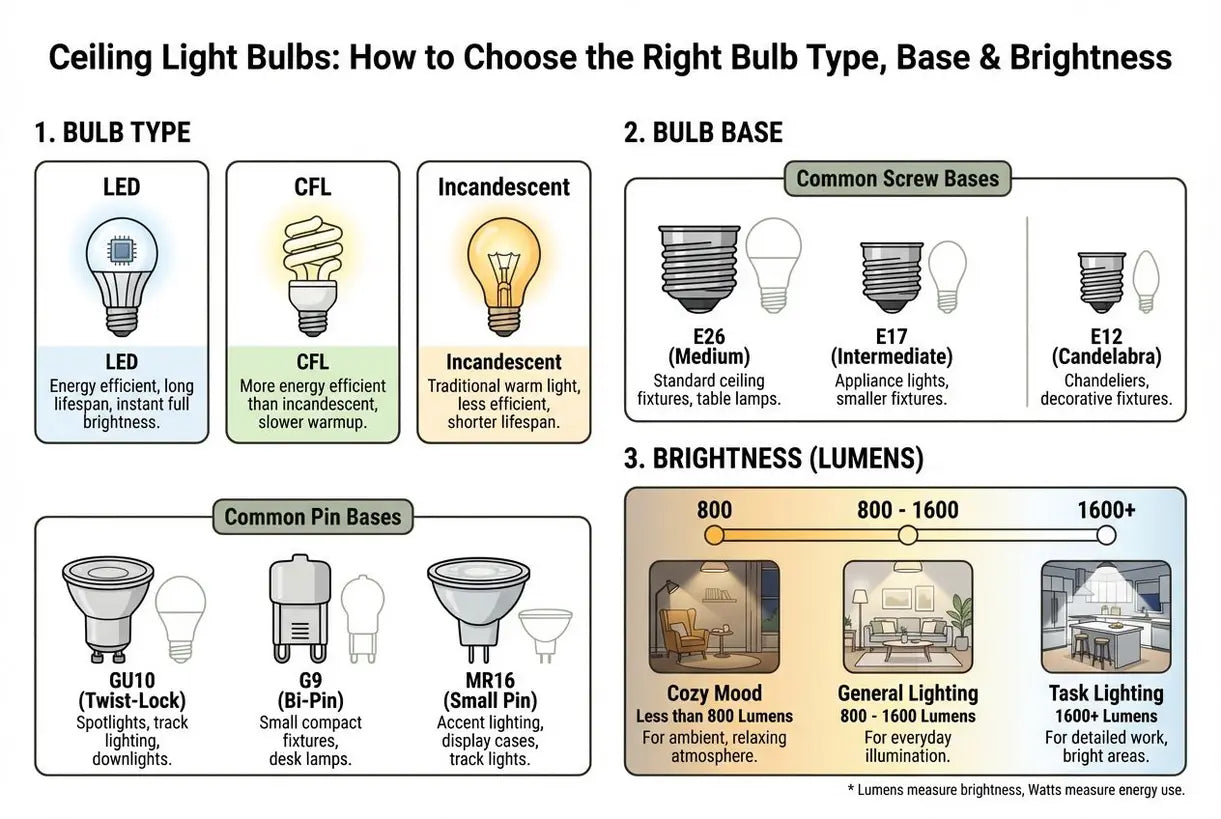
The terminology might seem cryptic at first, but these standard codes simply describe diameter and style. Here's a practical breakdown:
| Base Type | Best For | Common Fixtures |
| E26 (Medium) | Standard ceiling lights, pendants | Flush mounts, semi-flush fixtures |
| E12 (Candelabra) | Decorative applications | Chandeliers, wall sconces |
| GU10 | Recessed and track lighting | Pot lights, spotlighting |
| Pin Base (G4, G9) | Compact fixtures | Small pendants, under-cabinet lights |
E26 base bulbs remain the most common choice for American homes, fitting the majority of standard ceiling light socket configurations. For more ornate fixtures like our Chandeliers collection, smaller E12 candelabra bulbs create the delicate, refined aesthetic that Scandinavian design enthusiasts appreciate.
Brightness & Color Temperature Demystified
The era of shopping by watts has passed. Today's ceiling light bulbs are measured in lumens—actual light output—rather than energy consumption. This shift matters particularly for recessed ceiling bulbs and flush mount light bulbs where brightness directly impacts room functionality.
Consider these lumen recommendations for common spaces:
- Entryways: 1,000–1,500 lumens
- Kitchens (task areas): 3,000–4,000 lumens
- Living rooms: 1,500–3,000 lumens
- Bedrooms: 1,800–3,000 lumens
But brightness is only half the story. Color temperature—measured in Kelvin (K)—determines whether your pendant light bulbs cast a warm, golden glow or a crisp, energizing white light.
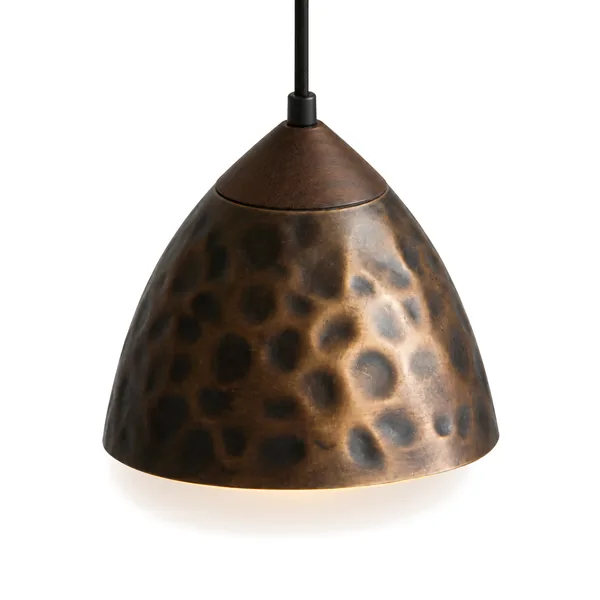
Mounted Ceiling Lights
Shop all Ceiling Lights
2700K–3000K (Warm/Soft White) creates that coveted hygge feeling—perfect for living rooms and bedrooms where relaxation is paramount. 3500K–4100K (Cool White) offers clarity for kitchens and home offices. 5000K–6500K (Daylight) mimics natural sunlight and works beautifully in craft rooms or laundry areas.
Many homeowners find that mixing temperatures creates the most intentional lighting design. Warm chandelier bulbs over a dining table foster intimate conversation, while cooler task lighting in prep areas keeps functionality at the forefront.
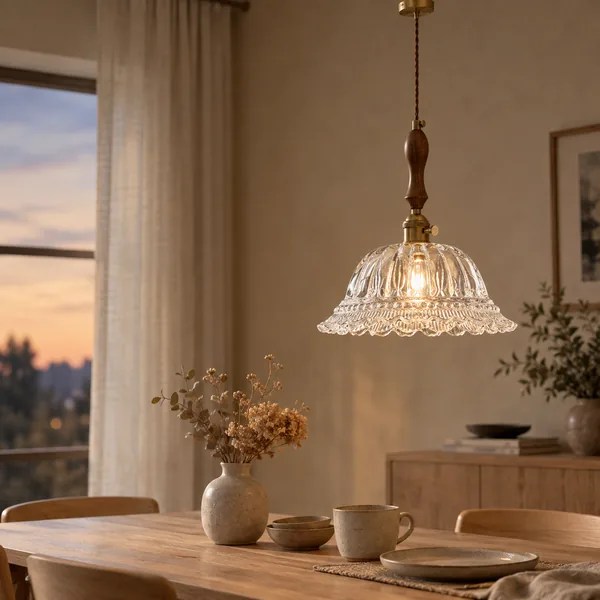 Gloda Walnut Brass French Style Pendant Light$169.00$229.00
The Gloda Walnut Brass French Style Pendant Light exemplifies how thoughtful fixture selection enhances your bulb choices. Its frosted glass diffuser softens standard E27 LED bulbs, creating an even, glare-free illumination that's perfect for kitchens and dining areas where bulb visibility matters.
Selecting Bulbs for Specific Ceiling Fixtures
Different ceiling fixtures demand different ceiling fixture bulbs—not just for aesthetics, but for safety and performance. Understanding these relationships prevents overheating, ensures proper light distribution, and maximizes the lifespan of your investment.
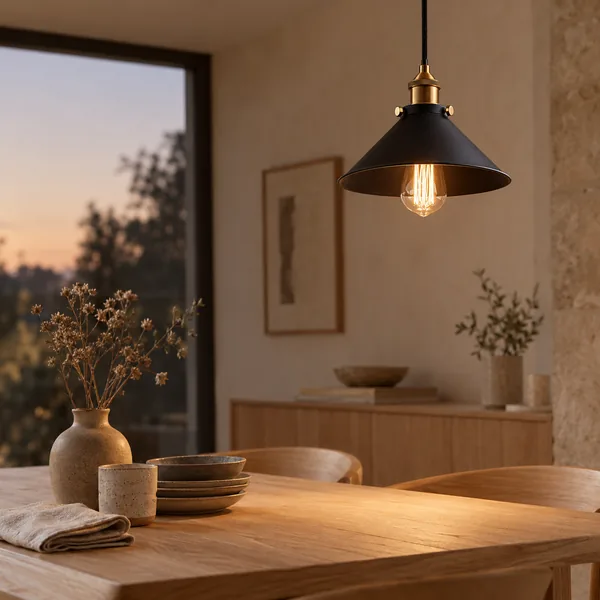
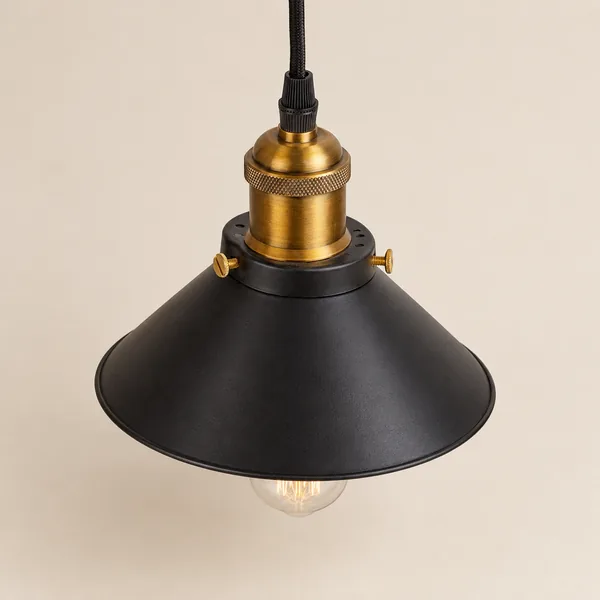
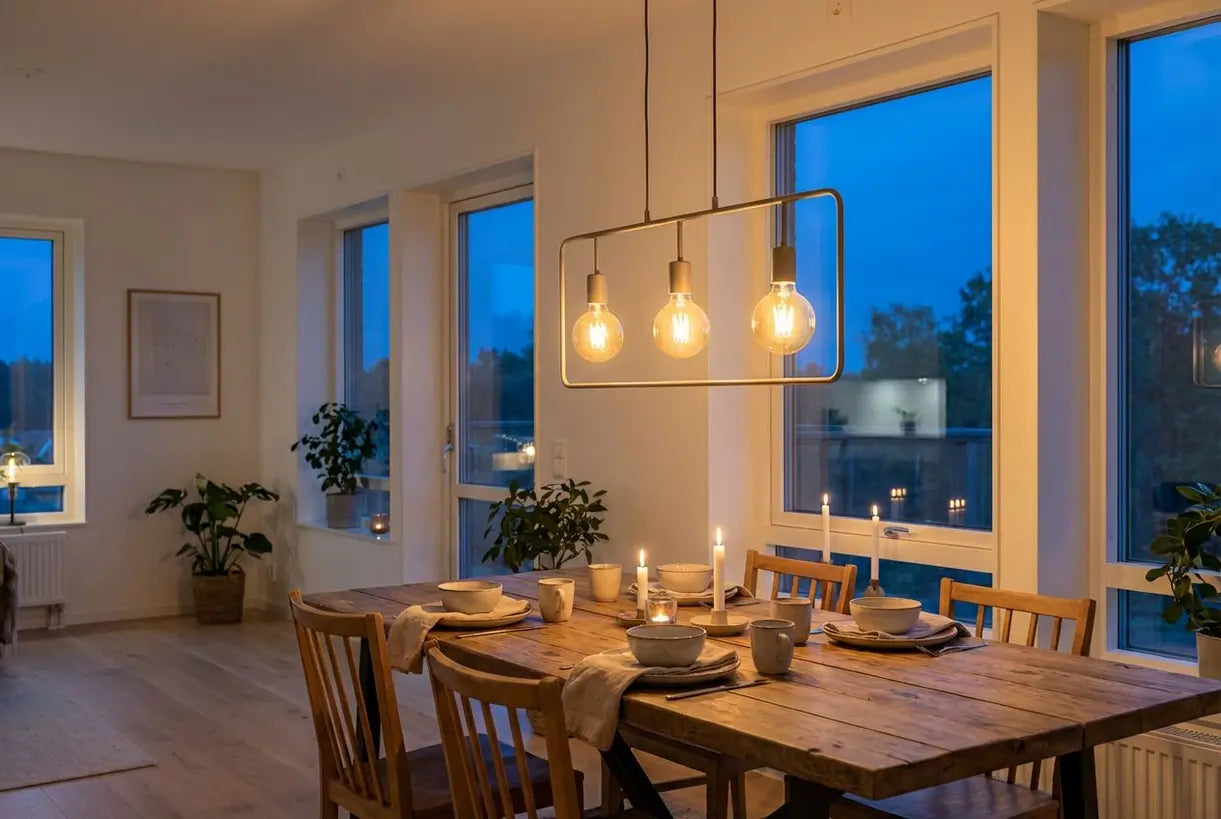
For pendant fixtures: Exposed bulb designs call for decorative Edison-style LEDs or filament bulbs that enhance the industrial-chic aesthetic. When the bulb is hidden behind a shade, standard A19 LEDs offer reliable, efficient illumination.
For chandeliers: Scale matters. Small arms require compact candelabra bulbs (E12 base), while larger fixtures might accommodate medium-base alternatives. Consider dimmable options to adjust mood throughout the day.
For flush and semi-flush mounts: These fixtures often limit bulb height, so check your ceiling light's maximum height clearance before purchasing. A19 bulbs typically fit well, but oversized decorative bulbs may interfere with the shade.
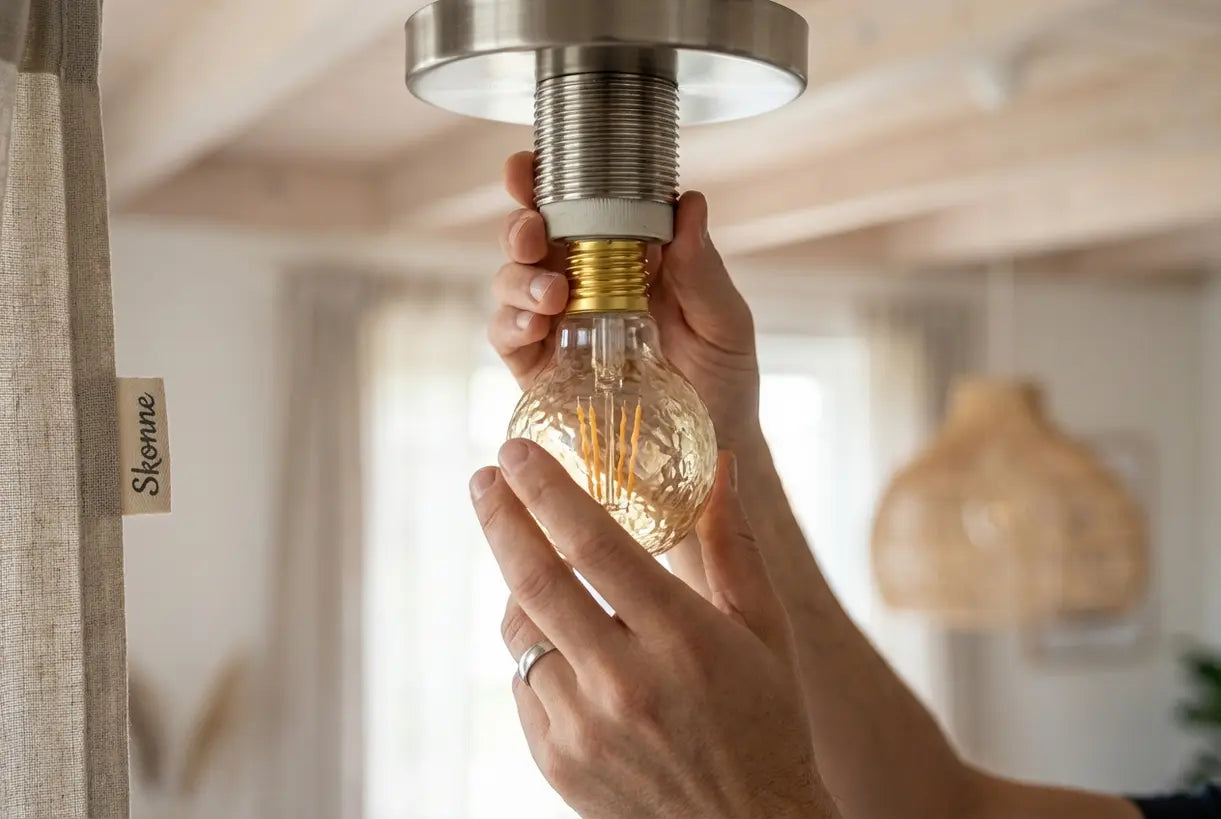
For recessed lighting: BR30 and BR40 bulbs are engineered specifically for can lights, with reflectors that direct light downward. Using standard A-shaped bulbs in recessed fixtures wastes light and creates uneven illumination.
Lighting Solutions That Simplify Your Decisions
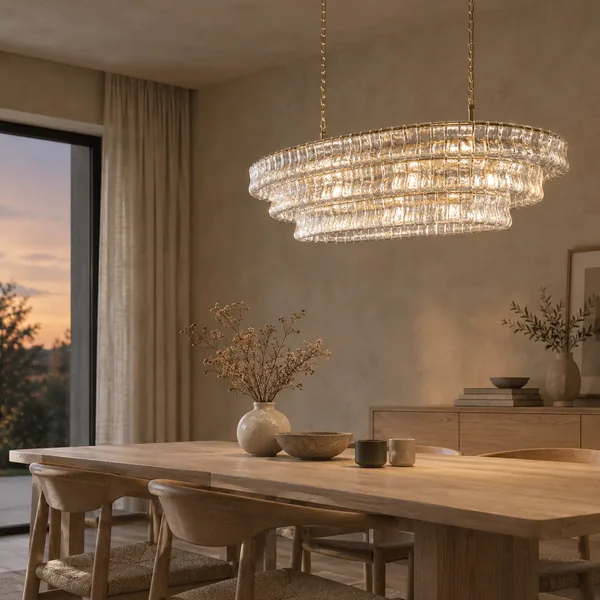 Stjerna Vintage French Clear Glass Chandelier$1,799.00$2,259.00
This comprehensive guide walks you through everything you need to know about ceiling light bulbs—from socket compatibility and brightness levels to LED efficiency and color temperature. Whether you're replacing a single recessed bulb outfitting an entire home, or simply tired of living under harsh fluorescent glare, you'll discover how to make intentional choices that transform your living environment. And as you explore the nuances of illumination, you'll see how thoughtful lighting design aligns perfectly with Skonne's Scandinavian-inspired philosophy: warm, curated, and effortlessly beautiful.
Why Your Ceiling Light Bulb Choice Matters
The bulb in your ceiling fixture does far more than simply push back darkness. Overhead light bulbs establish the foundational layer of illumination in any room, affecting everything from your daily energy levels to your home's aesthetic cohesion. A poorly chosen bulb can cast unflattering shadows, create eye strain, or clash with your carefully selected decor.
Modern LED ceiling light bulbs have revolutionized home lighting, offering unprecedented control over brightness, color warmth, and energy consumption. Unlike the incandescent bulbs of the past, today's LED options last up to 25,000 hours—meaning you might replace your ceiling light bulb just once over a decade. But with this longevity comes the need for careful initial selection.
Understanding Bulb Types for Ceiling Fixtures
Not all bulbs work in every ceiling fixture. The shape of your ceiling fixture bulbs affects both light distribution and aesthetic appearance. Here are the most common types for overhead illumination:
- A19 (Standard): The classic bulb shape, ideal for exposed fixtures and lamps where the bulb remains visible
- BR30/BR40 (Flood): Wide, rounded bulbs designed for recessed can lights and track lighting
- PAR38: Directional bulbs with focused beams, excellent for accent lighting and high ceilings
- Globe (G25): Round, decorative bulbs perfect for bathroom vanities and exposed pendant fixtures
- Candle (B10): Flame-shaped bulbs designed specifically for chandeliers and wall sconces
When shopping for recessed ceiling bulbs or flush mount light bulbs, always check your fixture's maximum wattage rating and physical dimensions. Some recessed fixtures require specific bulb depths to fit properly within the housing.
Decoding Bulb Bases: E26, E12, GU10 & More
The base—the metal part that screws or twists into your ceiling light socket—is where many DIY projects stall. Incompatible bases won't fit, no matter how perfect the bulb otherwise seems. Here's your essential guide to common base types:
| Base Type | Common Name | Best For |
|---|---|---|
| E26 | Medium/Standard Base | Most ceiling fixtures, pendants, flush mounts |
| E12 | Candelabra Base | Chandeliers, small decorative fixtures |
| GU10 | Twist & Lock | Track lighting, spotlights, European fixtures |
| GU24 | Pin Base | Energy-efficient fixtures, California Title 24 |
E26 base bulbs remain the North American standard for household lighting, fitting the vast majority of ceiling fixtures. However, if you're shopping for E12 candelabra bulbs for a vintage chandelier or GU10 ceiling bulbs for modern track lighting, verify your fixture's socket before purchasing.
Brightness & Color Temperature Demystified
The era of choosing bulbs by wattage has ended. Modern LED ceiling light bulbs are measured in lumens (brightness) rather than watts (energy consumption). Understanding this distinction helps you select appropriate illumination for each space.
Lumens Guide for Ceiling Fixtures:
- 450 lumens: Soft accent lighting, small closets
- 800 lumens: Equivalent to old 60W bulb, standard rooms
- 1100 lumens: Equivalent to 75W, larger living spaces
- 1600+ lumens: Equivalent to 100W+, kitchens and task areas
Equally important is color temperature, measured in Kelvin (K). This determines whether your light feels warm and cozy or crisp and energizing:
- 2700K (Soft White): Warm, yellowish glow ideal for living rooms and bedrooms
- 3000K (Warm White): Slightly cooler, perfect for kitchens and bathrooms
- 4000K (Cool White): Neutral white, excellent for home offices
- 5000K+ (Daylight): Blue-white light, best for detailed tasks and garages
Pro Tip: For spaces where you want flexibility, consider fixtures with selectable color temperature. These allow you to adjust warmth throughout the day, supporting your natural circadian rhythm.
Mounted Ceiling Lights
Shop all Ceiling LightsChoosing Ceiling Light Bulbs: Video Guide
Sometimes seeing the selection process in action clarifies what text alone cannot. This comprehensive walkthrough from Lowe's demonstrates how to evaluate bulb specifications in real-world scenarios.
Ceiling Light Bulbs in Action: Real Fixture Examples
Understanding theory becomes easier when you see how specific bulbs interact with different fixture types. Let's explore how proper bulb selection transforms actual ceiling fixtures.
The Gloda Walnut Brass French Style Pendant Light showcases how bulb visibility shapes your lighting design. Because this warm walnut and brass fixture features a frosted glass diffuser, your bulb choice directly affects the quality of light cast into your kitchen or dining room. Standard E27 LED bulbs pair perfectly with this pendant, offering both energy efficiency and beautiful, diffused illumination that complements Scandinavian-inspired interiors.
Gloda Walnut Brass French Style Pendant Light$169.00$229.00Selecting Bulbs for Specific Ceiling Fixtures
Not all ceiling fixtures accommodate the same bulbs. Matching your ceiling lamp bulbs to your fixture type ensures both safety and optimal performance.
Pendant Lights
Pendant light bulbs often remain visible, making aesthetics as important as function. Globe-shaped G25 bulbs or vintage-style Edison bulbs create visual interest while providing downward task lighting. For fixtures without shades, consider frosted bulbs to reduce glare.
Chandeliers
Chandeliers typically use E12 candelabra bulbs or small E26 base bulbs, depending on socket size. The right chandelier bulbs enhance sparkle and elegance. Look for flame-tip shapes that complement the fixture's arms, and choose dimmable options to adjust ambiance for different occasions. For those seeking fixtures with included bulbs, our Chandeliers collection offers curated options designed for effortless elegance.
Flush Mount & Semi-Flush Fixtures
Flush mount light bulbs require particular attention to heat dissipation. Because these fixtures sit close to the ceiling, LED bulbs are strongly recommended—they generate less heat than incandescent alternatives and reduce fire risk in enclosed housings.
Recessed Can Lights
Recessed ceiling bulbs must fit within the can housing without protruding. BR30 bulbs work for 6-inch cans, while BR20 fits 4-inch versions. Always check your can's rating—some require IC (insulation contact) rated bulbs for safety.
Track Lighting
Track systems typically use MR16 or PAR bulbs with GU10 or bi-pin bases. These directional GU10 ceiling bulbs allow you to aim light precisely where needed, making track lighting ideal for highlighting artwork or architectural features.
When installing bulbs, always turn off power at the switch or breaker, and ensure the bulb base matches your ceiling light socket before applying pressure. Never force a bulb—if it doesn't fit easily, verify the base type.
Complete Ceiling Lighting Solutions
Stjerna Vintage French Clear Glass Chandelier$1,799.00$2,259.00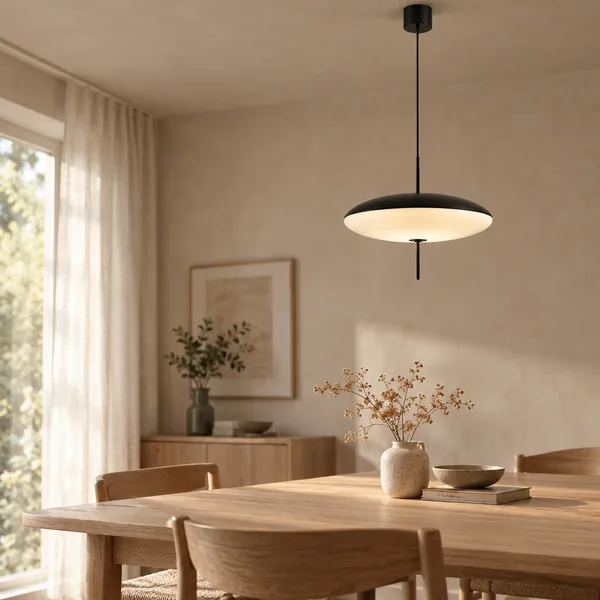 Skiva Saucer Nordic LED Pendant Ceiling Light$179.00$219.00
Consider the Stjerna Vintage French Clear Glass Chandelier—an elegant piece that demonstrates how different bulbs transform a room. It includes LED bulbs with selectable color temperatures from 2700K warm white to 6000K daylight, letting you experience how Kelvin values affect ambiance without purchasing multiple bulb sets.
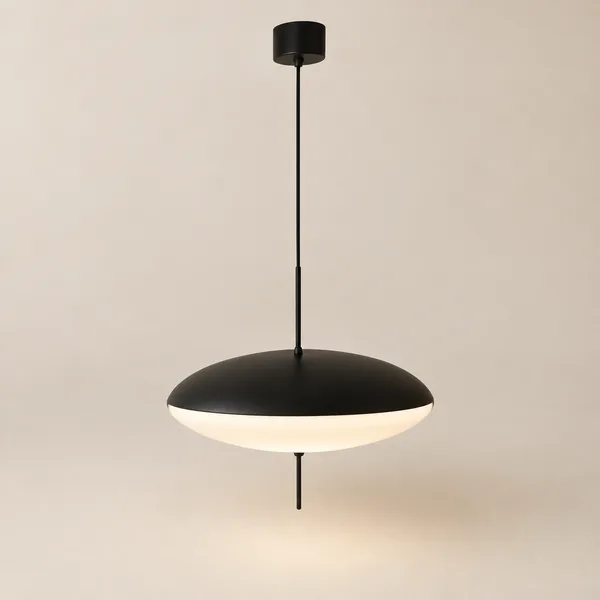
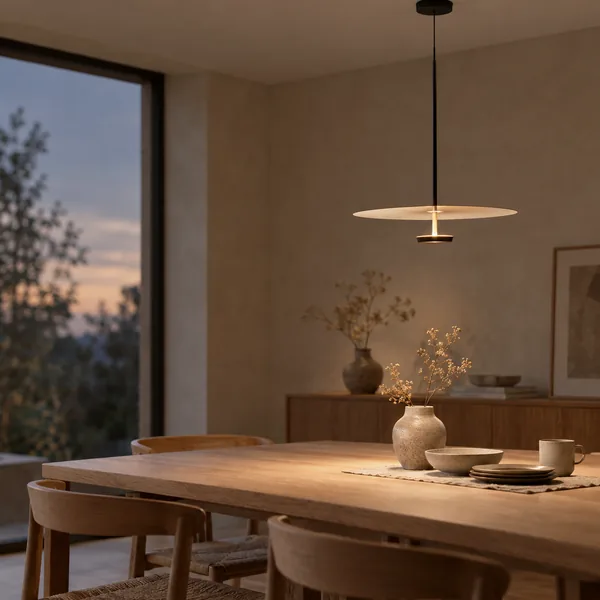
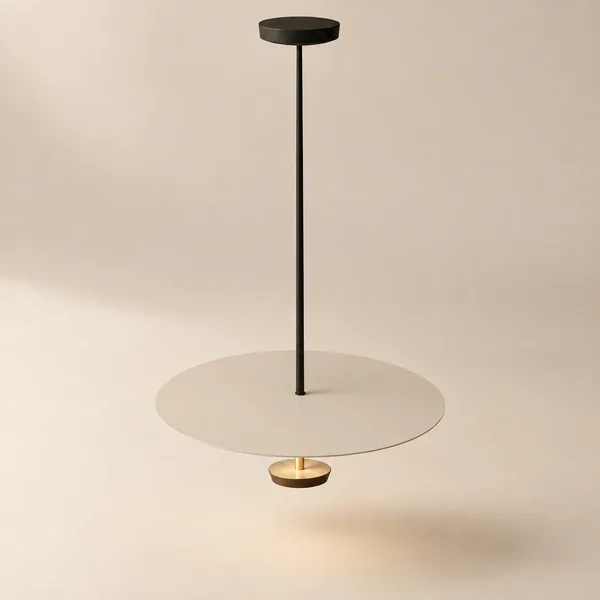
For those seeking simplicity, the Skiva Saucer Nordic LED Pendant Ceiling Light offers integrated warm white LED illumination with no bulb selection required. This plug-and-play approach eliminates compatibility concerns entirely, delivering consistent Scandinavian minimalism from day one.
Ceiling Light Bulb Replacement Tips for Hard-to-Reach Fixtures
Changing bulbs in vaulted ceilings and high fixtures presents unique challenges. The ceiling light bulb replacement process for elevated fixtures requires proper tools and safety precautions.
Essential Tools for High Ceilings:
- Extension pole with bulb changer attachment (available at most hardware stores)
- Sturdy step ladder rated for your weight plus the bulb
- Headlamp or work light to illuminate the socket
- Gloves for grip and to prevent oils from transferring to the bulb
Consider installing long-life LED bulbs in ceiling light socket locations that require ladders. The initial investment pays dividends when you avoid frequent risky climbs. For permanently installed fixtures in inaccessible locations, hiring an electrician for hardwired LED retrofit kits often proves safer and more cost-effective long-term.
Pendant Lights
Shop all Pendant Lights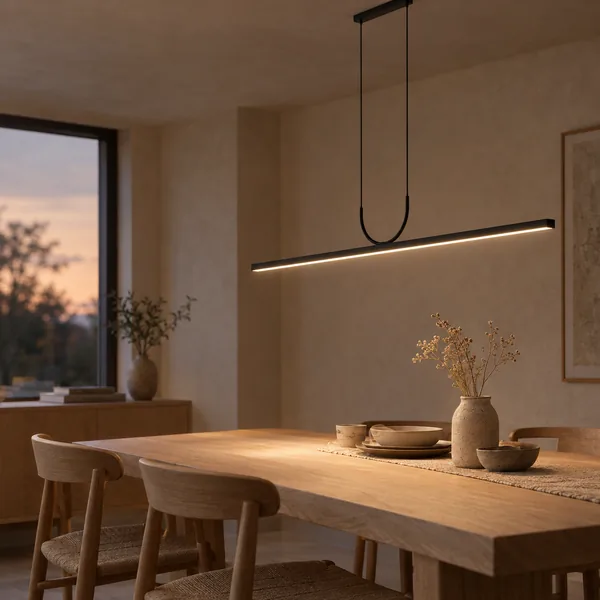
 Save $140.00
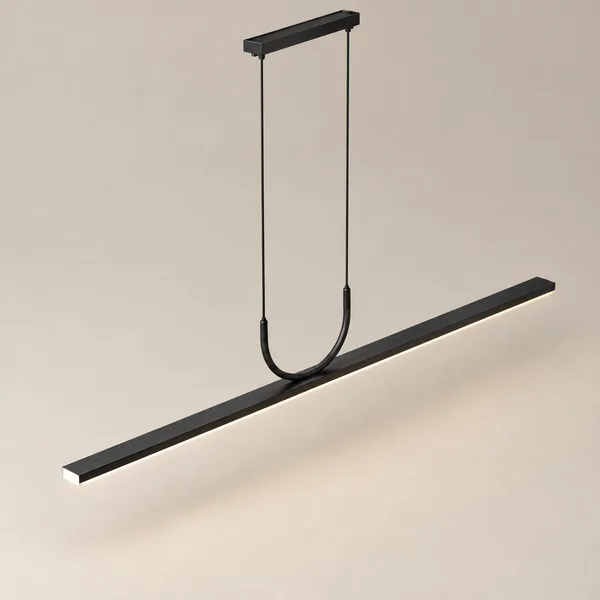
Linné Minimalist Linear Black LED Pendant Light
 Save $60.00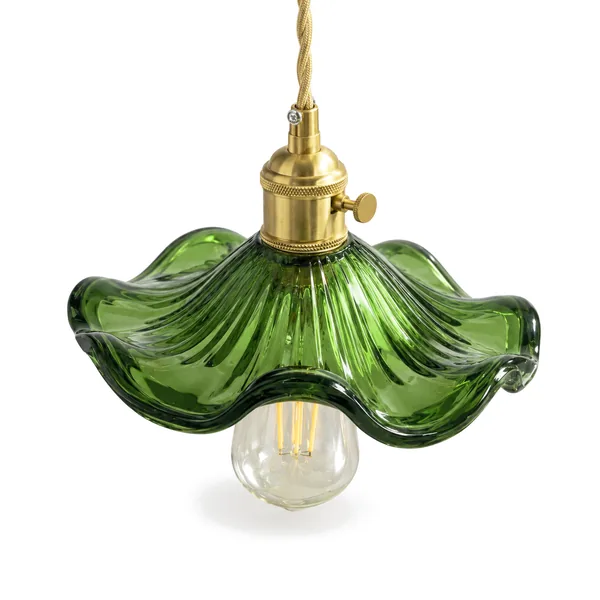
 3 options
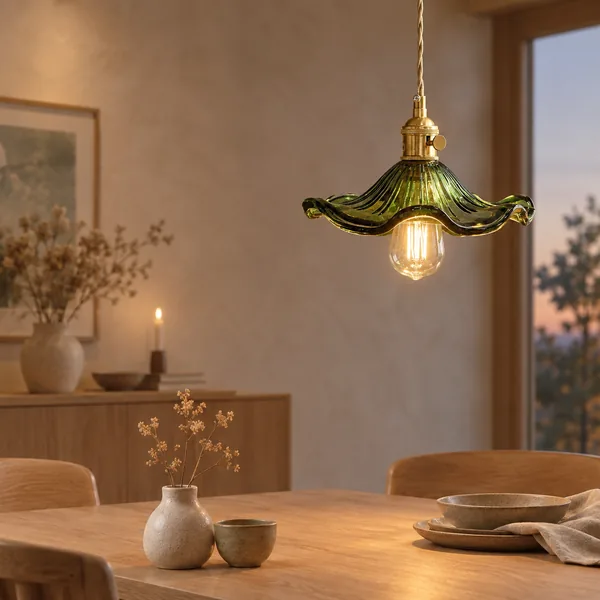
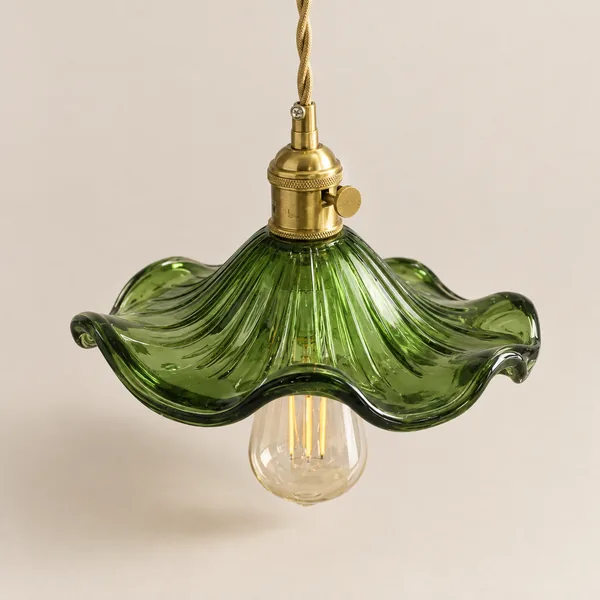
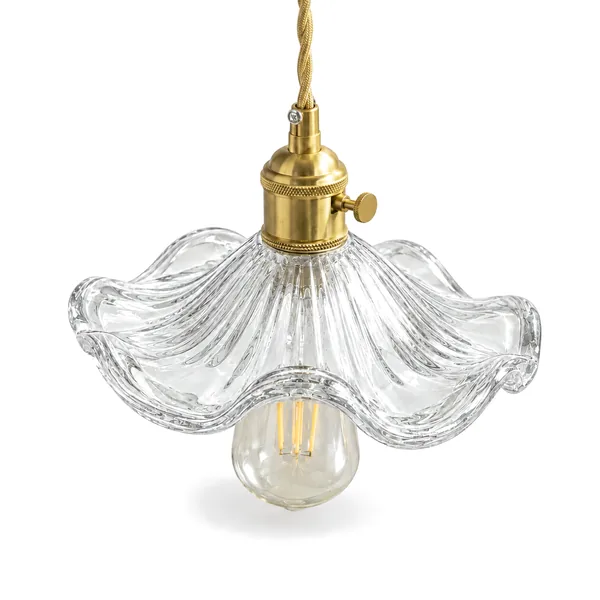
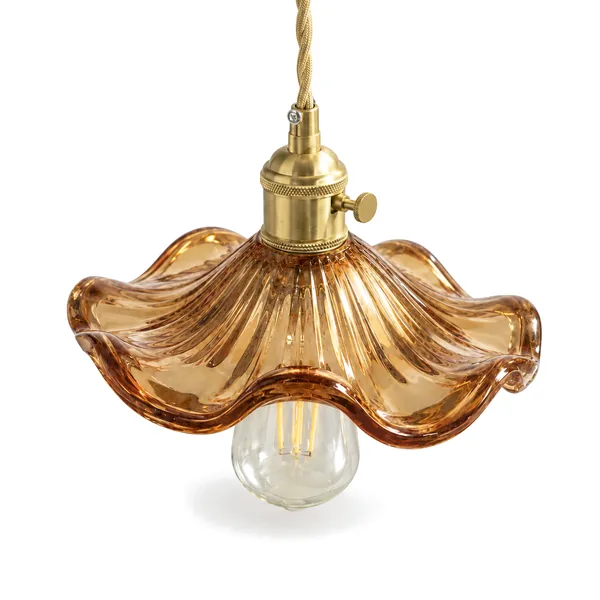
Glora Nordic Glass Pendant Light with Copper
 Save $120.00
Skiva Nordic Saucer Ceiling Pendant Light LED
Creating the Perfect Ambiance Room by Room
Different spaces demand different lighting approaches. Your LED ceiling light bulbs should serve each room's specific functions while creating cohesive flow throughout your home.
Living Room: Layer overhead lighting with table lamps. Use 2700K soft white bulbs in dimmable fixtures to transition from bright afternoon reading to cozy evening gatherings.
Kitchen: This is where the daylight versus soft white debate matters most. Is daylight or soft white better for the kitchen? The answer depends on your needs. Daylight (5000K+) excels for food prep and detailed tasks, while warm white (3000K) creates a welcoming atmosphere for casual dining. Many homeowners install under-cabinet task lighting in daylight while keeping overhead pendants in warm white.
Bedroom: Prioritize circadian health with warm, dimmable lighting. Amber-tinted bulbs or smart bulbs that automatically shift toward warmer temperatures in the evening support better sleep quality.
Home Office: Cool white (4000K) overhead bulbs reduce eye strain during computer work without the harshness of pure daylight.
Circadian Lighting Tip: Current research confirms that light color temperature significantly impacts our sleep-wake cycles. Exposure to cooler light during daytime hours enhances alertness, while warmer evening light promotes natural melatonin production. Consider smart bulbs or color-tunable fixtures from the Department of Energy for more information on LED efficiency and healthy lighting practices.
Conclusion: Illuminate Intentionally
Choosing ceiling light bulbs isn't simply a functional necessity—it's an opportunity to craft how each room feels and functions. By understanding bulb types, socket compatibility, brightness levels, and color temperature, you transform from a confused shopper into an informed designer of your own environment.
The ceiling light bulbs you select today will cast light on your daily life for years to come. Make those choices count by prioritizing quality LED options that balance efficiency with beautiful, warm illumination. At Skonne, we curate Scandinavian-inspired lighting fixtures designed to showcase exceptional bulbs while enhancing your home's natural beauty. Whether you're drawn to the warm glow of French-inspired pendants or the clean lines of Nordic minimalism, our collection reflects the philosophy that lighting should feel intentional, approachable, and effortlessly elegant.
As you stand in that hardware store aisle—or browse options online—you now possess the knowledge to select bulbs confidently. Trust your understanding, honor your space's unique needs, and create the warm, curated atmosphere your home deserves.
Related Article
Cloud Ceiling Lights: Dreamy, Sculptural Overhead Fixtures for Bedrooms & NurseriesTransform your space with dreamy cloud ceiling lights. Discover sculptural fixtures perfect for bedrooms and nurseries, creating a soft, whimsical ambiance.