
Ceiling Medallions: How to Choose & Install a Decorative Ceiling Medallion for Your Light Fixture
Summary›
- What Is a Ceiling Medallion and What Does It Do?
- Are Ceiling Medallions Dated? Debunking the Myth
- Ceiling Medallion Sizing: How to Choose the Right Dimensions
- Ceiling Medallion Installation Guide
- Light Fixtures That Work Best with Ceiling Medallions
- The Skonne Approach to Ceiling Medallions
- Conclusion: Elevating Your Space with Intention
Transforming a plain ceiling into a statement piece requires more than just a beautiful light fixture—it demands an intentional foundation that draws the eye upward and creates visual harmony. Enter the ceiling light medallion, a decorative element that has evolved from Victorian grandeur to contemporary Scandinavian minimalism. Whether you're renovating a historic home or adding character to a modern apartment, understanding how to select and install the perfect decorative ceiling medallion can elevate your entire space. In this guide, you'll discover everything from sizing principles to installation techniques, plus curated lighting recommendations that pair beautifully with these architectural accents.
At Skonne, we believe that intentional design transforms houses into homes. Our approach to Dining Room Lighting and ceiling elements reflects the Scandinavian principle of hygge—creating warmth through thoughtful curation. Let's explore how ceiling medallions can become the refined detail your space has been missing.
What Is a Ceiling Medallion and What Does It Do?
A ceiling light medallion is a decorative element that mounts directly to your ceiling, creating a framed transition between the ceiling surface and your light fixture. Historically associated with ornate Victorian and French interiors, these architectural details served both aesthetic and practical purposes. Today, they've been reimagined for contemporary spaces while retaining their core functionality.
The primary purpose of a decorative ceiling medallion extends beyond mere decoration. Functionally, it conceals the electrical box and any ceiling imperfections around the fixture mounting point. Aesthetically, it creates a visual anchor that elevates ordinary lighting into a intentional design statement. The medallion acts as jewelry for your ceiling—adding depth, texture, and architectural interest to an otherwise flat surface.
Modern interpretations range from intricate traditional patterns to sleek geometric forms. For Scandinavian-inspired interiors, medallions with clean lines, subtle relief details, or matte finishes complement minimalist aesthetics without overwhelming the space. The key lies in selecting a medallion that speaks to your overall design vision while serving its functional role.
Are Ceiling Medallions Dated? Debunking the Myth
The perception that ceiling medallions belong solely to period homes is one of the most persistent misconceptions in interior design. While ornate plaster medallions确实 evoke historical grandeur, contemporary iterations have successfully transcended their traditional associations. Today's ceiling medallion ideas embrace minimalism, geometric forms, and unexpected materials that feel entirely current.
Interior designers increasingly specify medallions in modern and transitional spaces because they solve a universal problem: the visual disconnect between a sculptural light fixture and a flat ceiling plane. A well-chosen medallion creates intentionality, signaling that every element in the room has been carefully considered. In Scandinavian design specifically, medallions with subtle profiles and natural material finishes add warmth without compromising the clean aesthetic.
The secret to avoiding a dated look lies in proportion and pairing. Contemporary ceiling medallion modern styles favor slimmer profiles, larger diameters relative to the fixture, and finishes that complement rather than compete with your lighting. When selected thoughtfully, a medallion becomes a timeless architectural detail rather than a trend-driven accessory.
Ceiling Medallion Sizing: How to Choose the Right Dimensions
Understanding ceiling medallion sizing is crucial for achieving visual balance. An undersized medallion disappears beneath your fixture, while an oversized one overwhelms the room. The general rule suggests selecting a medallion diameter approximately one-third to one-half the width of your room, or slightly larger than your light fixture's widest point.
For precise calculations, consider these guidelines:
- Rooms up to 140 square feet: medallions 16-20 inches in diameter
- Rooms 140-210 square feet: medallions 20-30 inches in diameter
- Rooms over 210 square feet: medallions 30+ inches or consider multiple medallions
When measuring for a light fixture medallion, account for ceiling height as well. Higher ceilings can accommodate larger medallions that draw the eye upward, while lower ceilings benefit from streamlined profiles that add interest without visual weight. For vaulted or sloped ceilings, consider custom sizing or specialized mounting solutions.
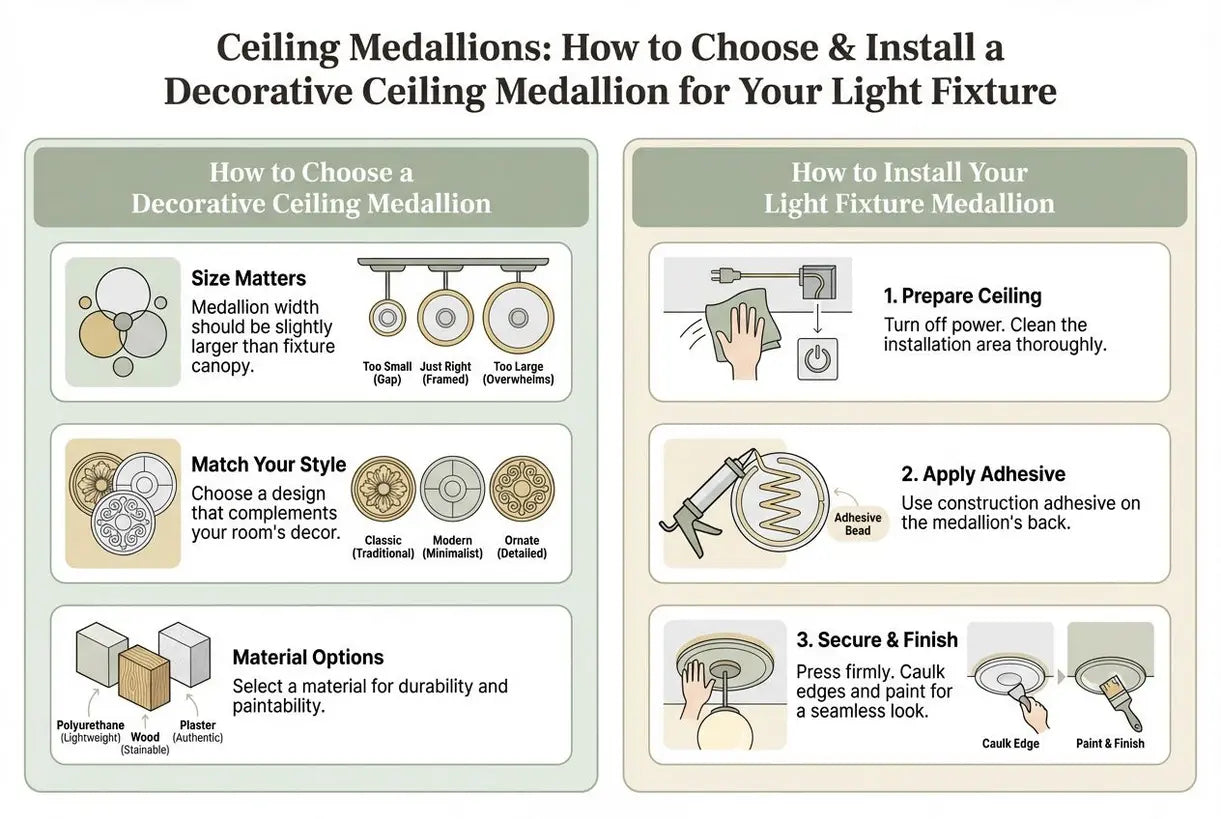
Beyond diameter, pay attention to the medallion's center opening, which must accommodate your fixture's canopy or mounting hardware. Most quality medallions offer standard opening sizes, but verify compatibility with your specific fixture before purchasing. For fixtures with large canopies, consider a 2 piece ceiling medallion design that installs around existing wiring without requiring electrical disconnection.
Understanding Medallion Terminology
The vocabulary surrounding ceiling medallions varies by region and design tradition. In European contexts, you may encounter the term "ceiling rose," particularly in British design parlance. Other alternative names include rosettes, ceiling disks, and canopy plates, though these terms sometimes carry specific technical distinctions.
Understanding this terminology helps when researching products across different markets or working with international suppliers. Whether called a ceiling light medallion, ceiling rose, or rosette, the function remains consistent: to elegantly frame your light fixture while concealing mounting hardware and ceiling imperfections.
Chandeliers
Shop all Chandeliers
Ceiling Medallion Installation Guide
Ceiling medallion installation represents a manageable DIY project for most homeowners, though professional assistance may be warranted for heavy plaster pieces or complex electrical configurations. The fundamental process involves surface preparation, adhesive application, mechanical fastening, and finish work—but the nuances vary based on your specific medallion material and ceiling condition.
Watch this comprehensive tutorial for visual guidance through the installation process:
The video demonstrates key techniques for achieving professional results. Critical considerations include ensuring your ceiling surface is clean and level, selecting appropriate adhesive for your medallion material (polyurethane, MDF, or plaster), and allowing proper curing time before installing your fixture. Always verify electrical safety before beginning any ceiling work.
For lightweight polyurethane or composite medallions, construction adhesive combined with finishing nails typically provides sufficient support. Heavier vintage ceiling medallion pieces may require screw anchors and additional structural consideration. Plan your installation timing to allow adhesive to fully cure—typically 24 hours—before attaching the light fixture and applying paint or finish.
Light Fixtures That Work Best with Ceiling Medallions
The relationship between your medallion and light fixture defines the overall aesthetic impact. While nearly any ceiling-mounted light can benefit from a medallion, certain fixture types particularly shine when paired with this architectural element. Chandeliers and pendant lights create the most dramatic medallion pairings, as their vertical orientation draws the eye to the ceiling transition point.
Consider these fixture categories for your medallion installation:
- Chandeliers: The classic medallion companion, chandeliers benefit from the visual grounding a medallion provides. The medallion echoes the fixture's circular form while concealing the mounting hardware.
- Pendant Clusters: Multiple pendants arranged together create contemporary appeal when framed by a medallion, especially in dining or kitchen settings.
- Semi-Flush Mounts: These fixtures, which hang slightly from the ceiling, particularly benefit from medallions that extend their visual presence upward.
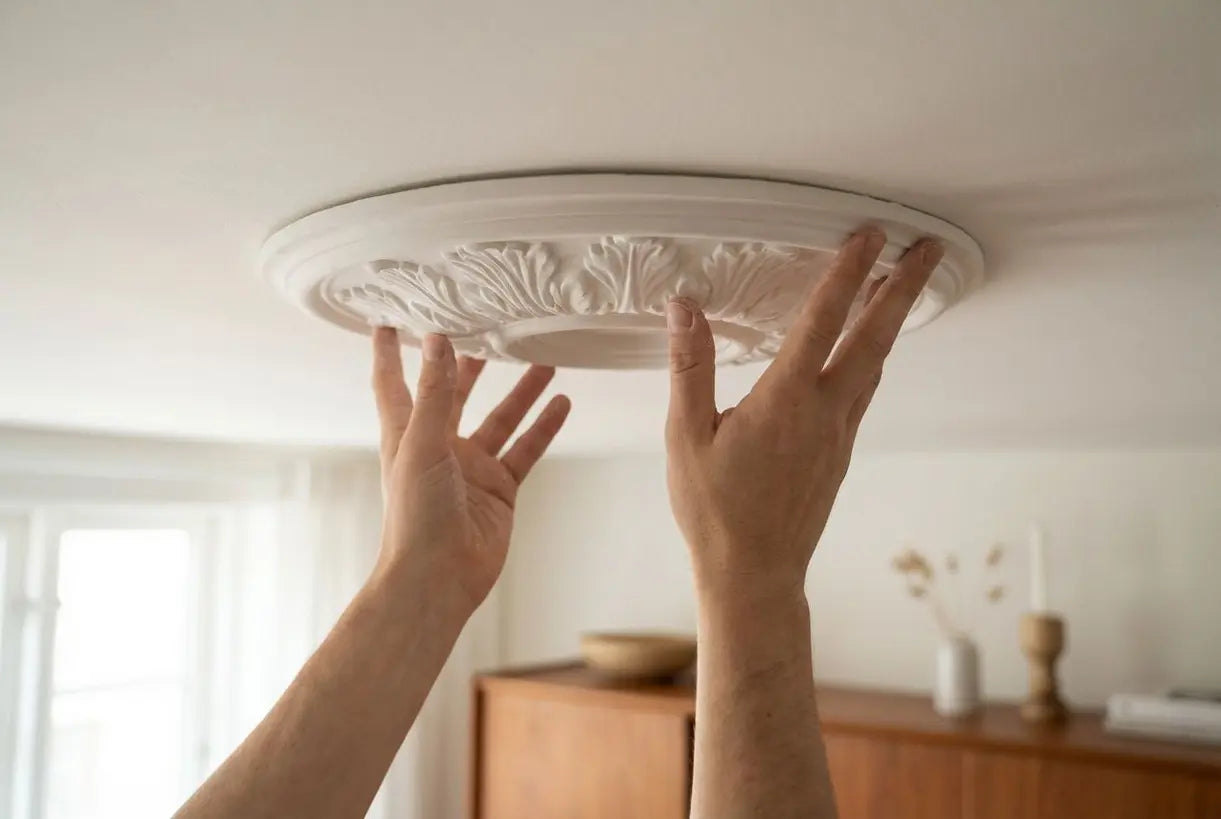
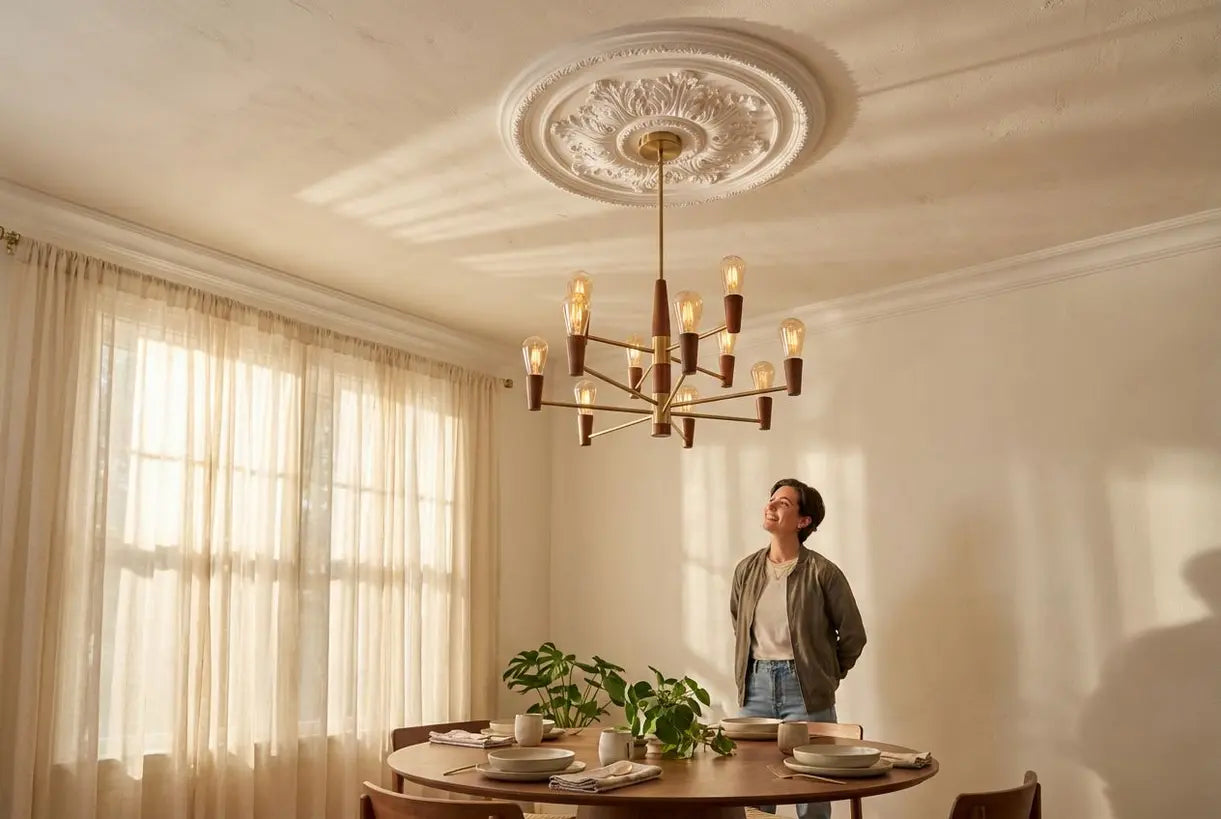
The scale relationship between fixture and medallion matters significantly. A petite medallion beneath a substantial chandelier looks accidental rather than intentional. As a general principle, your medallion should extend at least 2-4 inches beyond your fixture's canopy on all sides, creating a visible frame even when viewed from below.
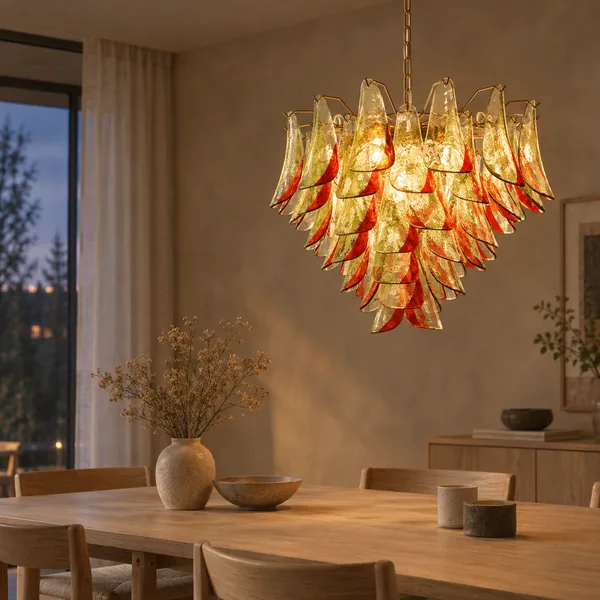 Klarglod Dimmable Nordic K9 Crystal Chandelier$889.00$1,279.00
Scandinavian-Inspired Medallion Styling Ideas
Integrating ceiling medallions into Scandinavian interiors requires balancing traditional decorative elements with minimalist principles. The Nordic design ethos emphasizes intentionality—every element should serve a purpose while contributing to overall harmony. When selecting a ceiling medallion for your Scandi-inspired space, prioritize clean lines over ornate details.
Consider these styling approaches:
- Monochromatic Integration: Paint your medallion the same color as your ceiling for subtle texture without visual interruption
- Natural Material Palettes: Choose medallions in off-white, soft gray, or warm beige tones that complement Nordic color schemes
- Geometric Simplicity: Select medallions with concentric circles or subtle relief rather than floral or scroll motifs
The Klarglod Dimmable Nordic K9 Crystal Chandelier exemplifies this philosophy with its refined gold frame and crystal accents that catch light beautifully without overwhelming the space. When paired with an appropriately scaled medallion, this fixture becomes a true focal point that honors Scandinavian elegance.
Pendant Lights
Shop all Pendant Lights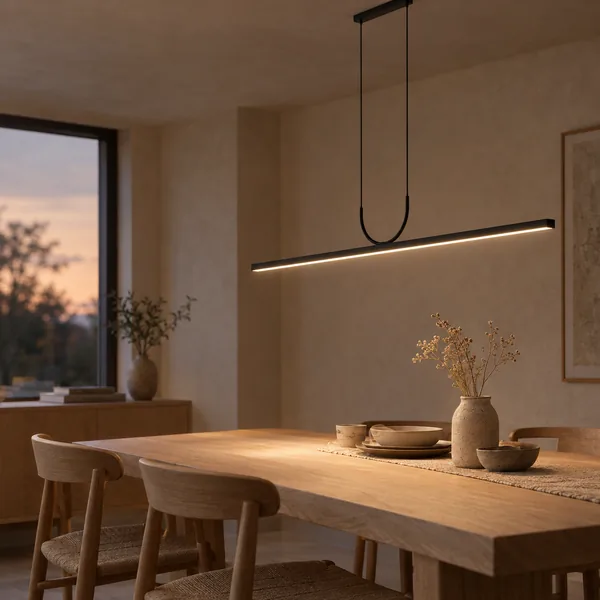
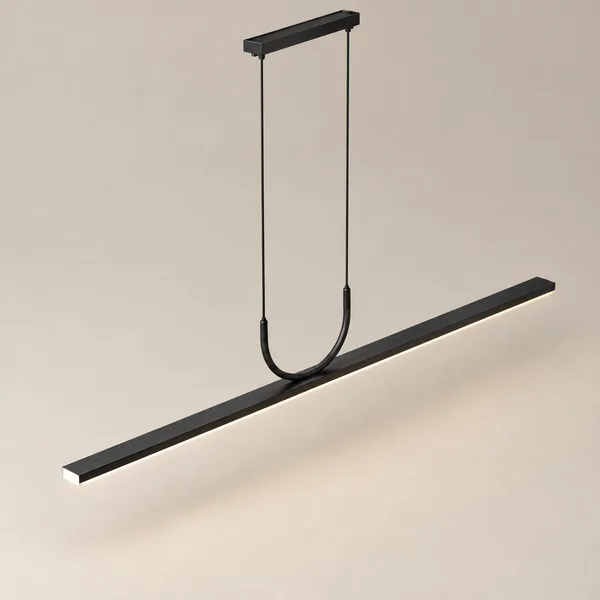 Save $140.00
Linné Minimalist Linear Black LED Pendant Light
 Save $60.00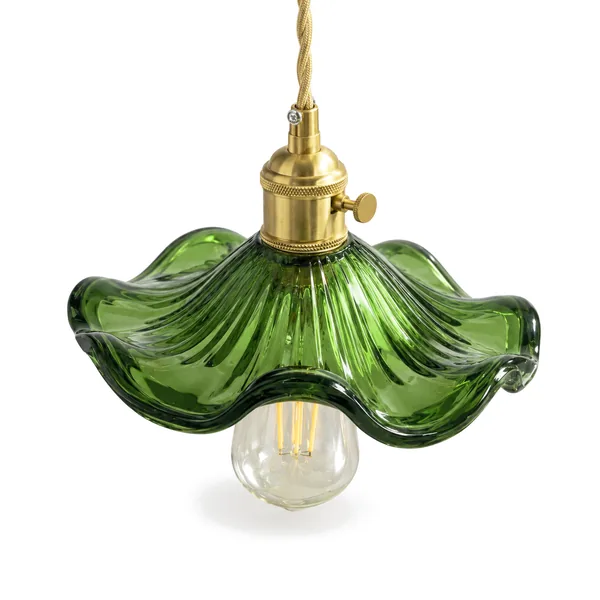
 3 options
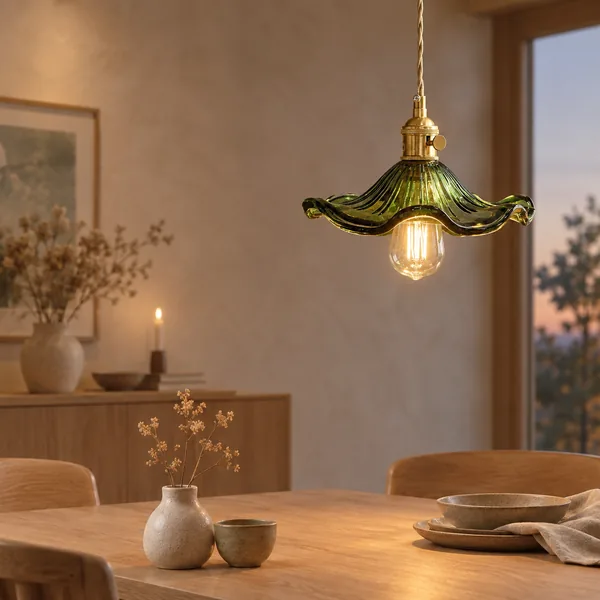
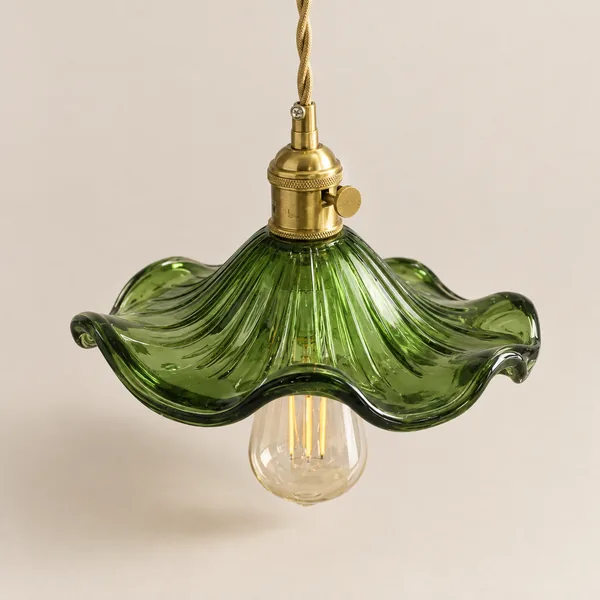
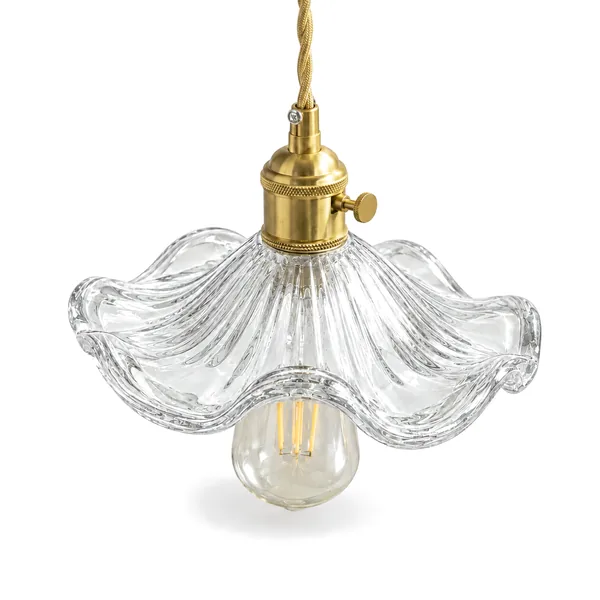
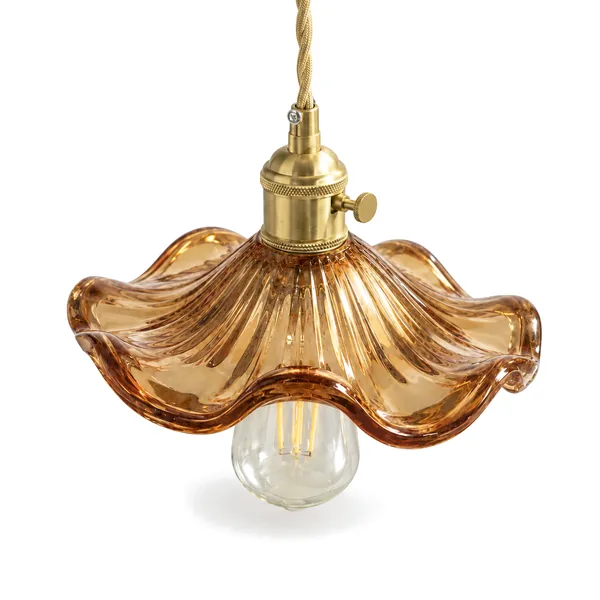
Glora Nordic Glass Pendant Light with Copper
 Save $120.00
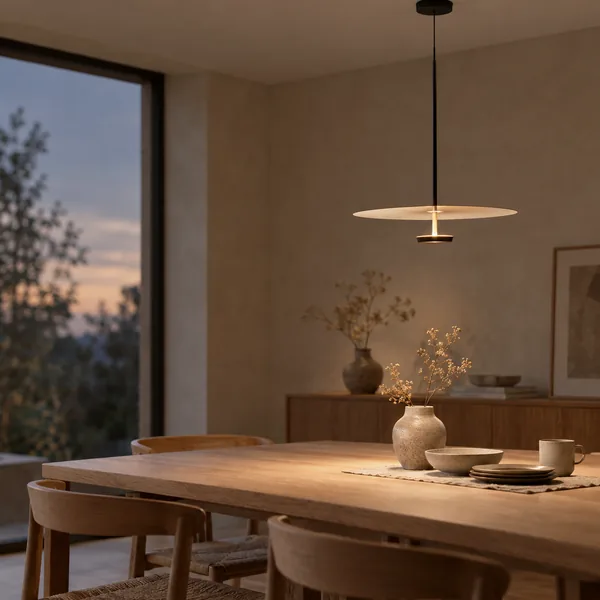
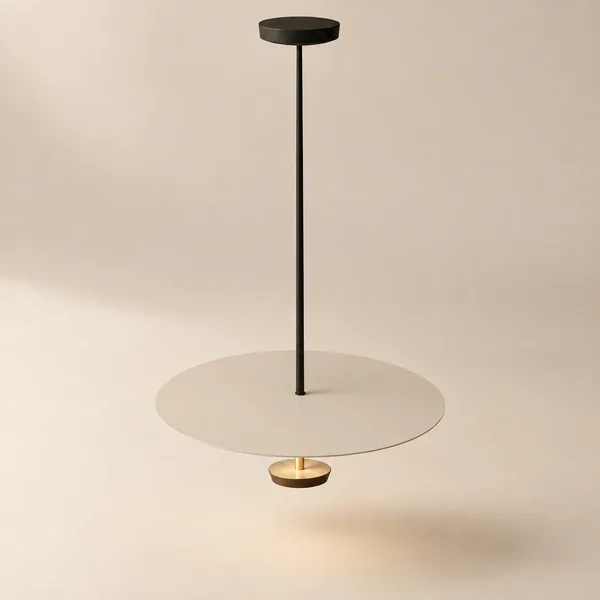
Skiva Nordic Saucer Ceiling Pendant Light LED
The Skonne Approach to Ceiling Medallions
At Skonne, we view ceiling medallions as opportunities to practice intentional design. Our curated approach emphasizes quality materials, thoughtful proportions, and that essential Scandinavian quality of hygge—creating spaces that feel warm, welcoming, and beautifully considered. Whether you're drawn to modern minimalism or vintage character, the right medallion elevates your lighting from mere illumination to artful statement.
The transformative power of a decorative ceiling light medallion lies in its ability to create visual hierarchy. In open-concept spaces, medallions help define zones by anchoring dining or seating areas with intentional overhead elements. In smaller rooms, a well-proportioned medallion adds architectural interest that makes the space feel more finished and professionally designed.
When selecting lighting to pair with your medallion, consider how materials and finishes interact. The Kolna Hand-Blown Glass Cylinder Pendant Light offers sculptural presence with its organic glass form, while the Driva Sculptural Cloud Pendant Light brings ethereal softness that complements medallions in neutral tones. Both fixtures demonstrate how modern Nordic design honors traditional elements while embracing contemporary forms.
Perfect Pairings: Nordic Pendants for Your Medallion
Conclusion: Elevating Your Space with Intention
The journey from considering a ceiling light medallion to successfully implementing one involves thoughtful planning, proper sizing, and careful installation. By understanding what these architectural elements do, how to select appropriate dimensions, and which fixtures best complement their presence, you've gained the knowledge to transform ordinary ceilings into considered design features.
Ceiling medallions need not be relegated to historical homes or ornate interiors. When approached with a modern sensibility and paired with quality fixtures like those in the Skonne collection, they become versatile tools for adding warmth, sophistication, and intentional detail to any space. The key lies in proportion, pairing, and that Scandinavian principle of choosing elements that serve both function and beauty.
As you plan your ceiling transformation, remember that the right lighting makes all the difference. Explore our curated collections to discover fixtures designed to harmonize with decorative ceiling medallions, creating the elevated atmosphere your home deserves. From the crystalline elegance of the Klarglod to the organic forms of the Kolna and Driva, each piece represents our commitment to bringing Scandinavian intentionality to contemporary interiors.
Related Article
Ceiling Light Bulbs: How to Choose the Right Bulb Type, Base & BrightnessThe complete guide to choosing ceiling light bulbs—learn about LED options, base types like E26 and E12, lumens vs watts, and color temperature for every room.