
Ceramic Flower Vases: Best Styles for Displaying Fresh & Dried Blooms
Summary›
- Why Ceramic Vases Belong in Every Modern Home
- Decoding Ceramic Flower Vase Styles
- Fresh Blooms: Selecting Vases for Living Flowers
- Dried Arrangements: Embracing Texture and Permanence
- Ceramic vs. Glass vs. Porcelain: Making the Right Choice
- The Art of Scandinavian Vase Styling
- Statement Pieces for Modern Interiors
- Finding the Perfect Size for Every Space
- Curating Your Ceramic Collection
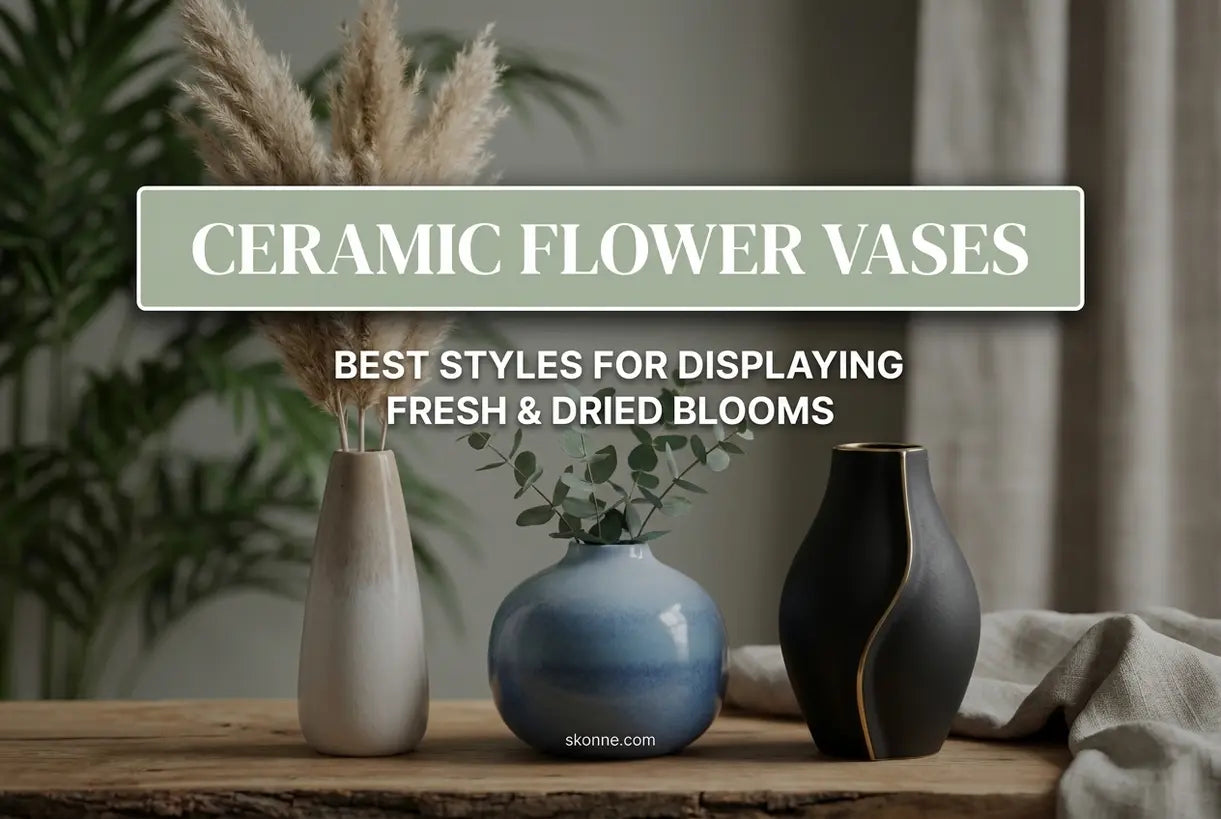
There's something undeniably grounding about a beautifully crafted ceramic flower vase sitting on a windowsill or dining table. Unlike glass containers that disappear into the background, ceramic vases command attention while honoring the natural beauty of botanicals—whether you're showcasing freshly cut peonies from the garden or a sculptural arrangement of dried pampas. For the design-conscious homeowner seeking that perfect balance between functionality and artistic expression, ceramic vessels offer a warmth and tactility that transforms simple flower displays into intentional moments of hygge.
At Skonne, we believe the right vase doesn't just hold your blooms—it completes your vision. From rustic ceramic vase styles that celebrate earthy textures to sleek minimalist forms that define modern Scandinavian interiors, this guide explores how to select and style the perfect vessel for both fresh and dried arrangements. You'll discover why ceramic has become the preferred choice for discerning decorators, learn to navigate the nuances between materials, and find inspiration for every room in your home.
Why Ceramic Vases Belong in Every Modern Home
When selecting the ideal container for your botanicals, material matters profoundly. Ceramic vases for flower arrangements have surged in popularity—and for good reason. The natural clay body provides excellent insulation, helping regulate water temperature for fresh flowers while offering substantial weight that prevents tipping, even with top-heavy dried stems.
Unlike transparent glass that demands constant cleaning to maintain its pristine appearance, ceramic offers a more forgiving canvas. Minor water spots or residue become part of the patina, particularly with handmade ceramic vase pieces featuring reactive glazes. The opaque nature also means you can use floral frogs, tape grids, or simple bundled stems without worrying about visible mechanics—allowing the focus to remain entirely on the flowers themselves.
For those building a cohesive home collection, ceramic pieces create visual warmth while maintaining the clean lines essential to Scandinavian design. The matte textures and earth tones typical of Nordic ceramics pair effortlessly with natural wood furniture, linen textiles, and soft ambient lighting.
Decoding Ceramic Flower Vase Styles
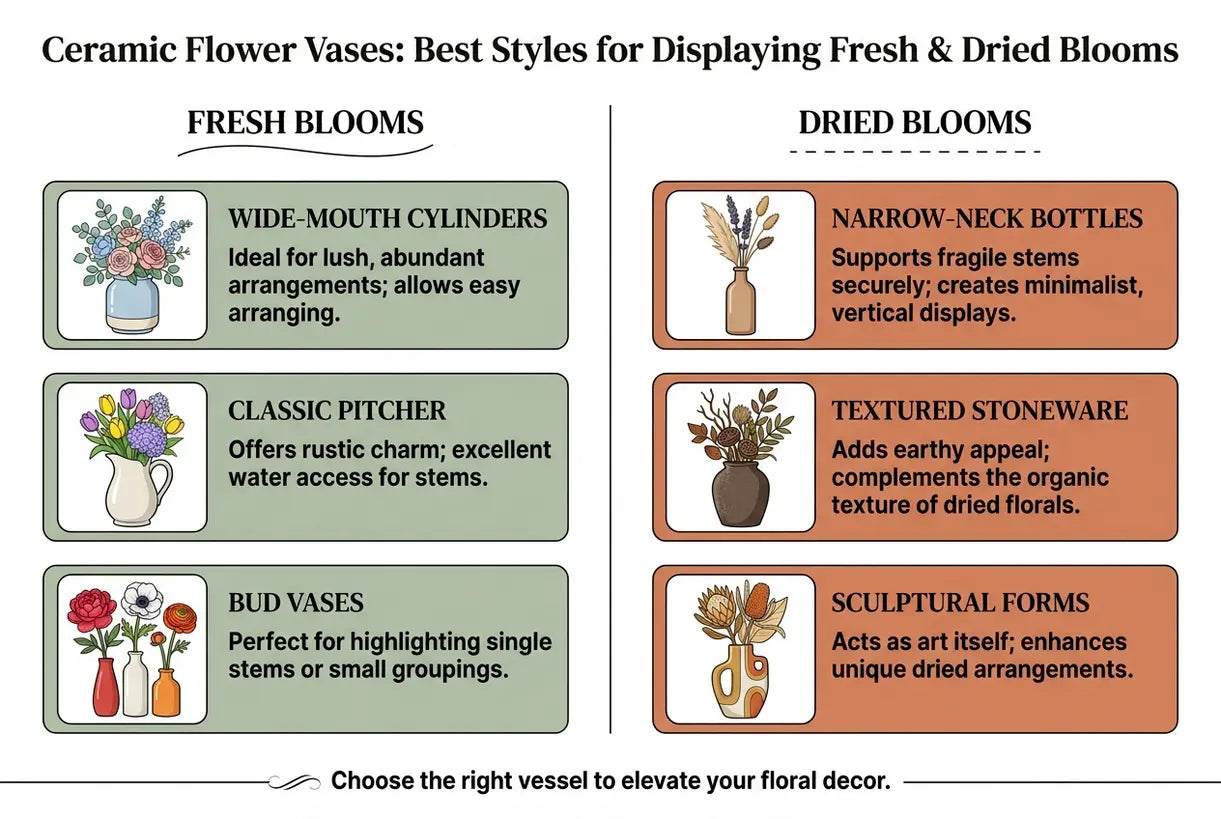
The world of ceramic vessels extends far beyond simple cylindrical forms. Understanding distinct silhouettes helps you select pieces that complement both your flowers and your interior aesthetic:
- Tulip Vases: Characterized by bulbous bases that narrow at the neck, these ceramic tulip vase designs cradle individual blooms or small bouquets while providing structural support to delicate stems.
- Compote Vases: Low and wide with a footed base, ceramic compote vase styles excel at horizontal arrangements, making them ideal for dining table centerpieces where conversation across the table remains unobstructed.
- Leaf Vases: Inspired by organic forms, ceramic leaf vase designs feature undulating rims and asymmetrical openings that mimic nature's irregularity—perfect for unstructured, garden-picked arrangements.
- Bottle and Jug Vases: Tall narrow necks suit singular statement branches or long-stemmed flowers like delphiniums and snapdragons.
- Bud Vases: Small ceramic vessels designed for single stems, ideal for clustering on shelves or mantels.
For those looking to explore more options, our Homeware collection offers a curated selection of complementary decorative objects that pair beautifully with ceramic floral displays.
Decorative Vases
Shop all Decorative Vases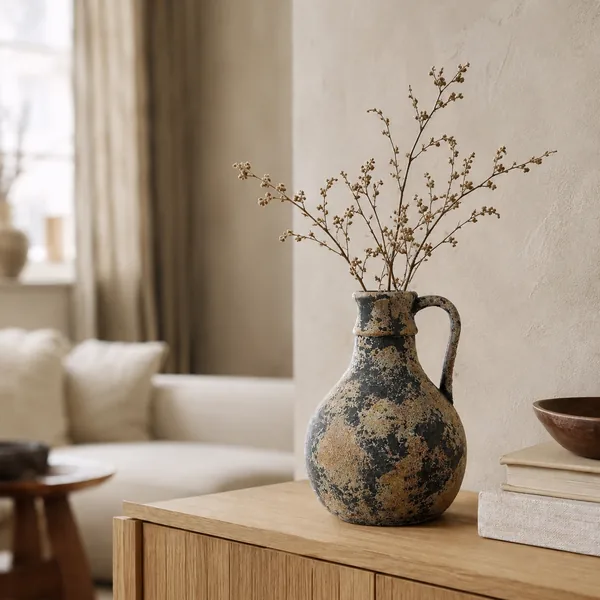
 Save $40.00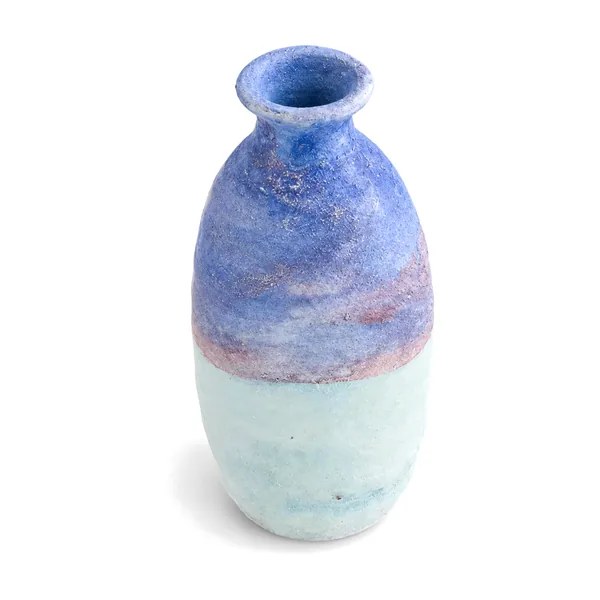
 4 options
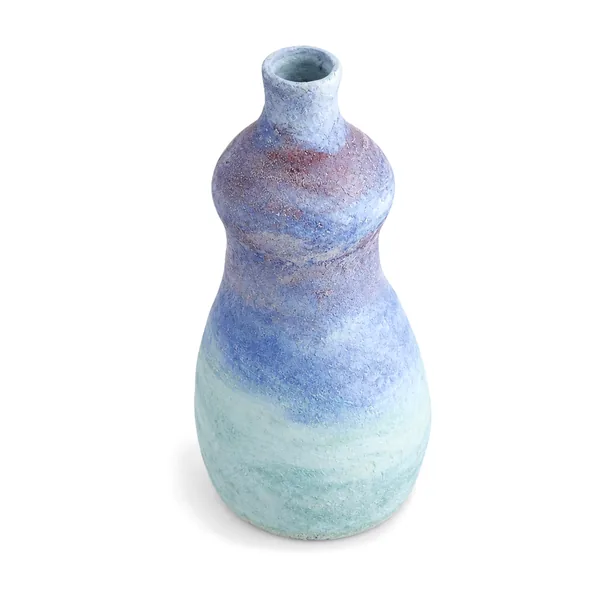
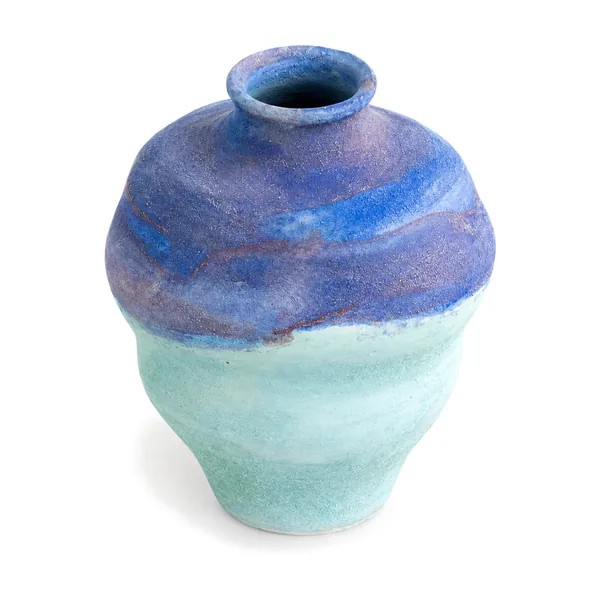
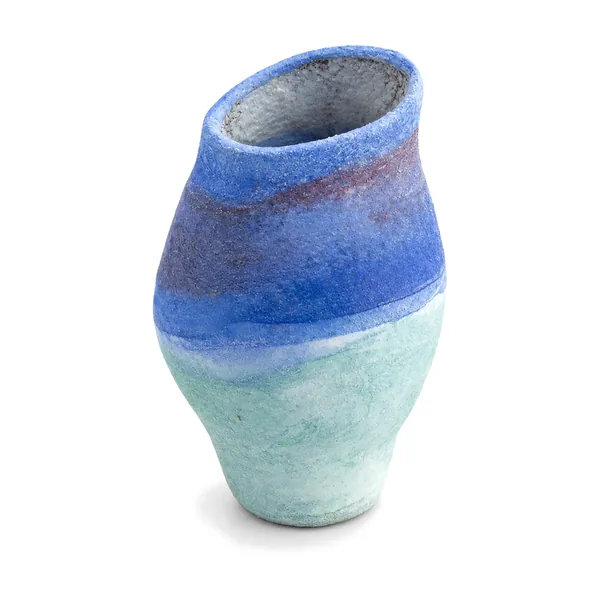
Dyvna Blue Gradient Ceramic Vase for Home Decor
Fresh Blooms: Selecting Vases for Living Flowers
When displaying fresh arrangements, functionality meets aesthetics. The best ceramic flower vase for cut flowers features a glazed interior that prevents water absorption into the clay body, ensuring longevity for both the vessel and your botanicals. Look for pieces with adequate depth—stems generally need at least one-third of their length submerged for proper hydration.
White ceramic vases offer particular versatility for fresh flowers. The neutral backdrop allows vibrant petal colors to pop without competing for attention. Alternatively, blue ceramic vase options create stunning contrast against yellow sunflowers, orange ranunculus, or pink peonies, introducing subtle color therapy into your space.
For generous bouquets or kitchen table arrangements where you gather daily, consider large ceramic flower vase options that provide stability and ample water capacity. These substantial pieces anchor a room while supporting fuller arrangements that might overwhelm lighter glass alternatives.
Dried Arrangements: Embracing Texture and Permanence
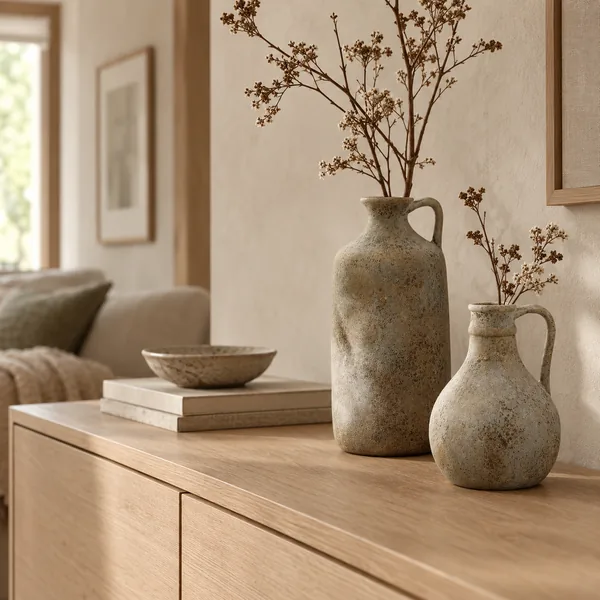
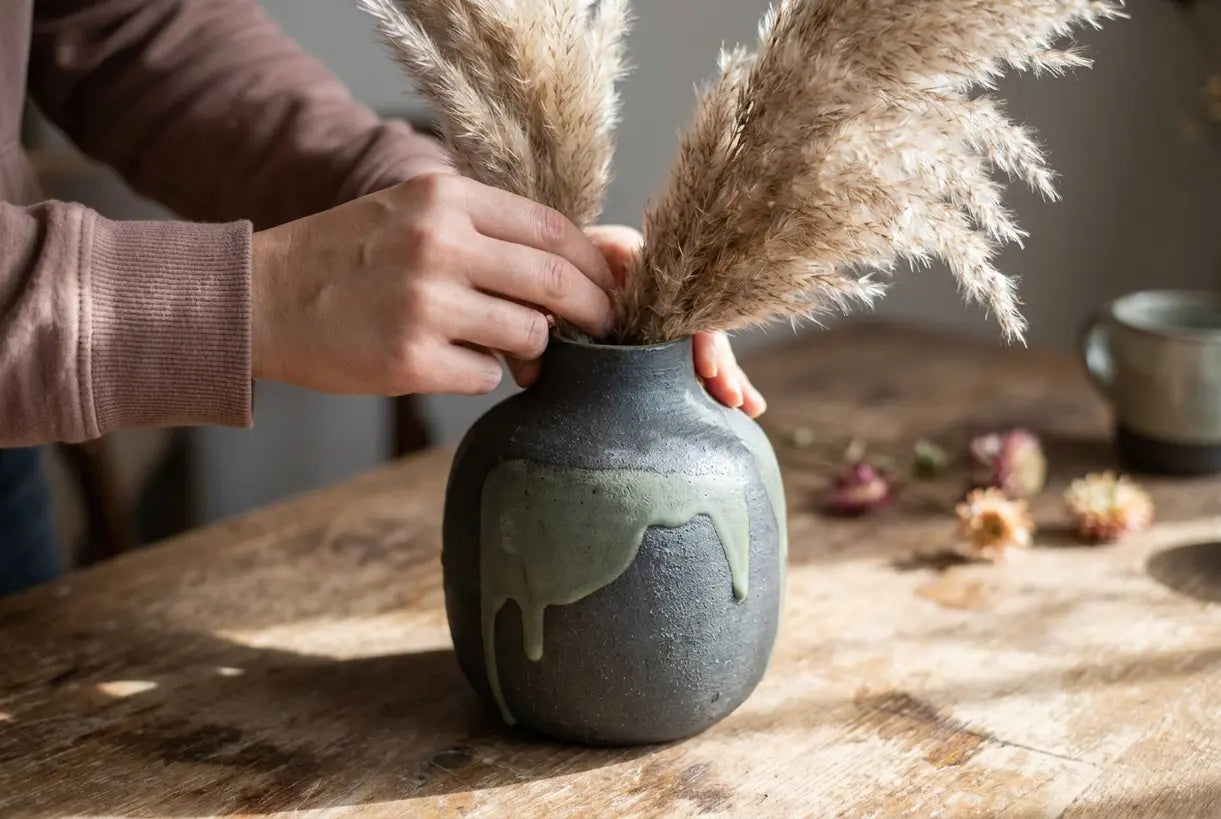
The resurgence of dried botanicals—from pampas grass to bleached ruscus—has elevated the rustic ceramic vase to must-have status. Unlike fresh flowers that require water-tight vessels, dried arrangements allow you to appreciate the full textural quality of unglazed or partially glazed ceramics. The matte, earthy surfaces of artisan pottery echo the natural, muted tones of preserved botanicals.
When styling dried arrangements, embrace asymmetry. A handmade ceramic vase with slight variations in form couples beautifully with wild, unstructured stems. Place these pairings on floating shelves, coffee tables, or bedroom dressers where their sculptural presence creates year-round visual interest without maintenance.
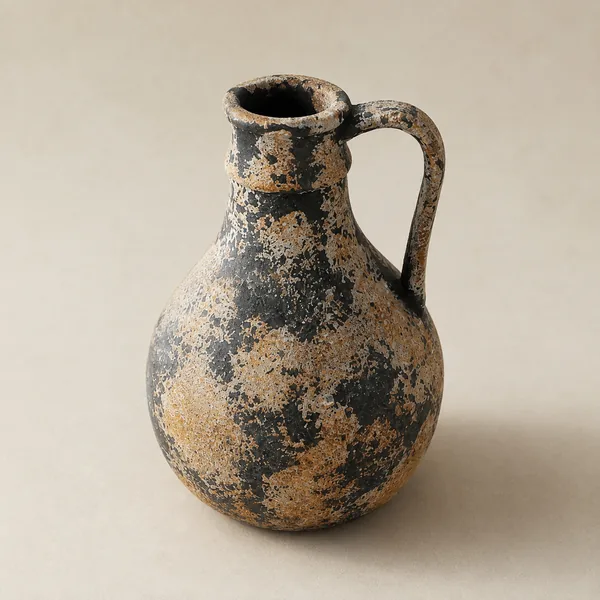
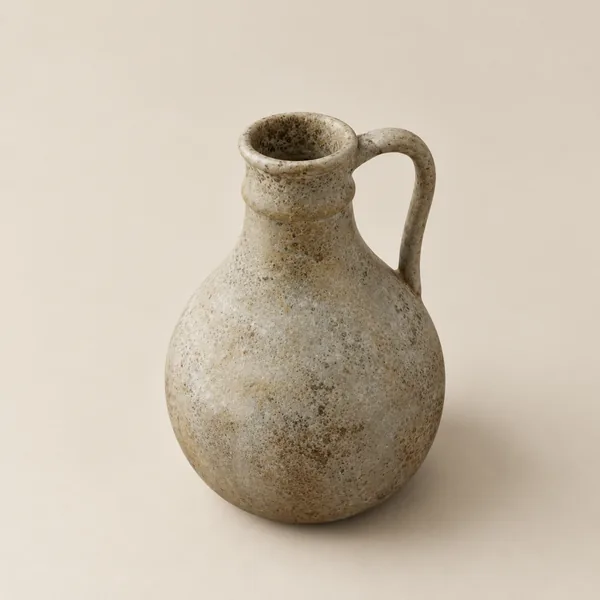
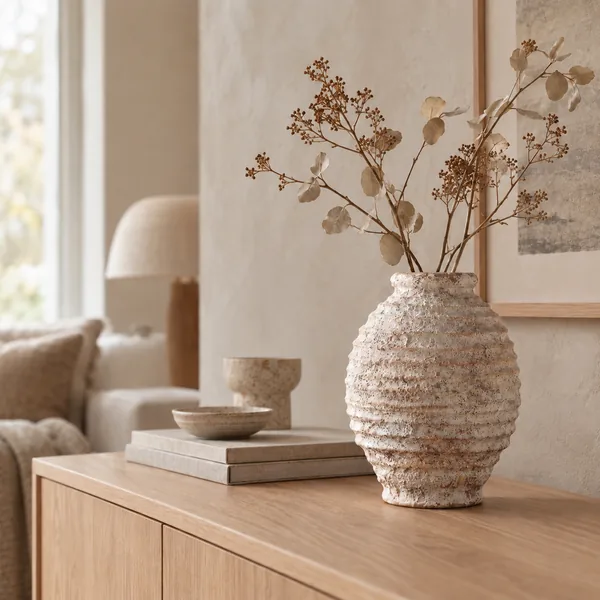 Stille Rustic Handmade Ceramic Vase Earth Tone$99.00$169.00
The Stille Rustic Handmade Ceramic Vase Earth Tone exemplifies this organic approach. Hand-poured from natural clay with a distinctive reactive glaze, it brings quiet character to any space. Available in both Small and Large sizes, this piece transitions seamlessly from displaying dried pampas grass to holding a few stems of dried lavender or honesty pods.
Ceramic vs. Glass vs. Porcelain: Making the Right Choice
Understanding material distinctions helps answer common questions about vessel selection. When comparing ceramic or glass vases for flowers, consider your lifestyle and aesthetic priorities. Ceramic offers superior stability—essential for homes with pets or children—and provides better insulation against temperature fluctuations that can shock delicate blooms. Glass, meanwhile, allows you to monitor water levels and root development, though it requires frequent cleaning and offers less design versatility.
The distinction between ceramic or porcelain vase selections comes down to refinement and weight. Porcelain represents a specific ceramic category fired at higher temperatures, resulting in a finer, often translucent body that's typically more delicate and formal. Standard ceramic—particularly stoneware and earthenware—embraces a more robust, earthy character that aligns with contemporary casual living and Scandinavian design principles.
For everyday use and versatility across seasons, ceramic strikes the ideal balance. It's durable enough for daily handling, substantial enough to support tall branches, and stylistically adaptable enough to complement both casual and refined interiors.
The Art of Scandinavian Vase Styling
Scandinavian design philosophy emphasizes intentional simplicity—and this extends to floral displays. Rather than overwhelming a space with abundant blooms, Nordic styling typically features carefully considered stems in vessels that speak to handcrafted authenticity.
The key lies in restraint. A single branch of cherry blossom in a tall ceramic vase creates more impact than a cluttered bouquet. Alternatively, cluster three small ceramic vase pieces of varying heights, each holding a single stem of dried oat grass or fresh eucalyptus. This approach honors the concept of lagom—not too much, not too little, just right.
When working with faux botanicals—which offer practical benefits for busy households—the principles remain similar. The video above demonstrates how thoughtful arrangement techniques paired with quality vessels create displays indistinguishable from fresh flowers.
Consider placement carefully. Entryways welcome guests with low, wide vessels that don't obstruct sightlines. Dining tables favor horizontal forms that encourage conversation. Bedroom nightstands suit petite pieces that add charm without clutter. Kitchen counters accommodate practical vessels for herb cuttings or market flowers.
Statement Pieces for Modern Interiors
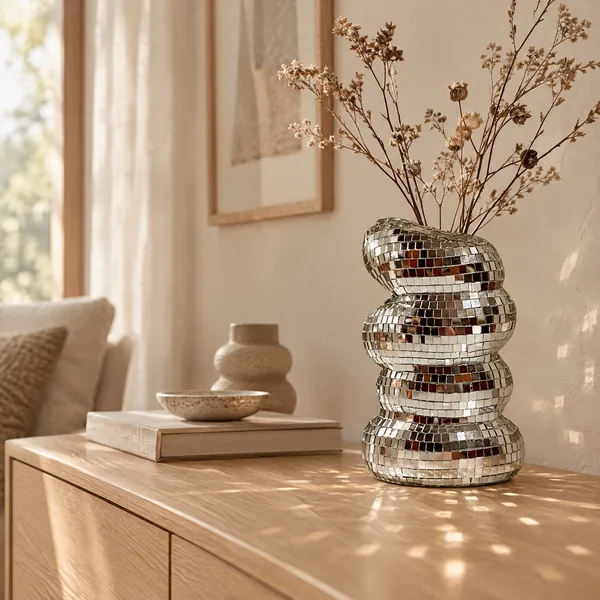
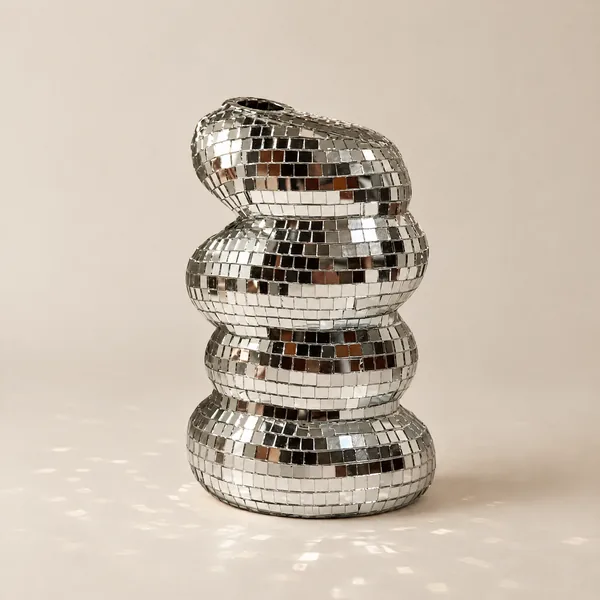
While understated ceramics anchor a room's foundation, statement vases function as standalone sculpture. Contemporary ceramic design has evolved to embrace bold geometries, metallic accents, and gradient glazes that command attention even without botanicals.
For design enthusiasts seeking gallery-quality presence, look for pieces that challenge traditional vessel forms. Decorative ceramic vase options featuring asymmetrical openings, textured surfaces, or unexpected color transitions serve as focal points on console tables, bookshelves, or foyer pedestals. These pieces work particularly well in minimalist spaces where they provide necessary visual warmth and artistic interest.
Elevated Ceramic Designs for Discerning Interiors
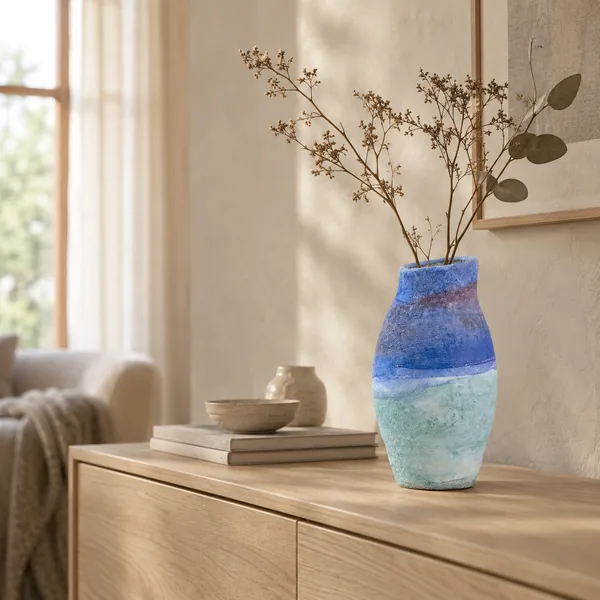
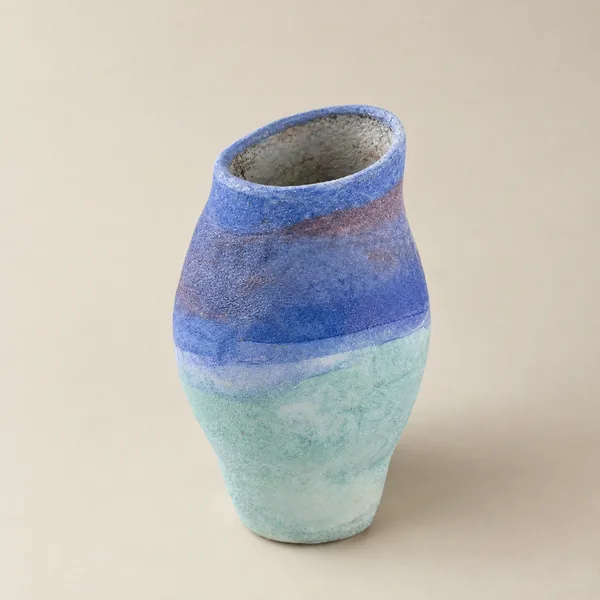
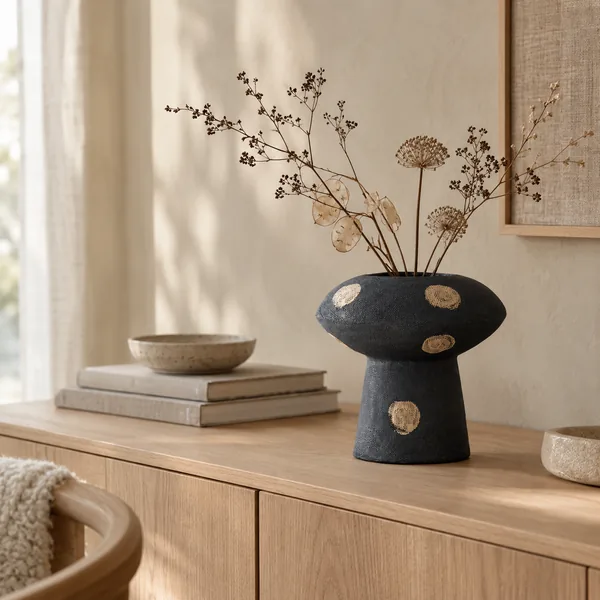 Prikka Handcrafted Ceramic Vase with Gold Detail$219.00$319.00Dyvna Blue Gradient Ceramic Vase for Home Decor$129.00$169.00
The Prikka Handcrafted Ceramic Vase with Gold Detail exemplifies this sculptural approach. Available in Orb Stem, Halo Form, and Luna Shade designs, each features matte black ceramic adorned with hand-applied gold dot accents—bringing sophisticated glamour to console tables or bookshelf vignettes. For those drawn to color, the Dyvna Blue Gradient Ceramic Vase for Home Decor captures Nordic coastal inspiration with glazes shifting from soft sky to deep ocean, available in four sizes from Azure to Ocean for versatile styling across multiple rooms.
Home Decor
Shop all Home Decor
 Save $44.50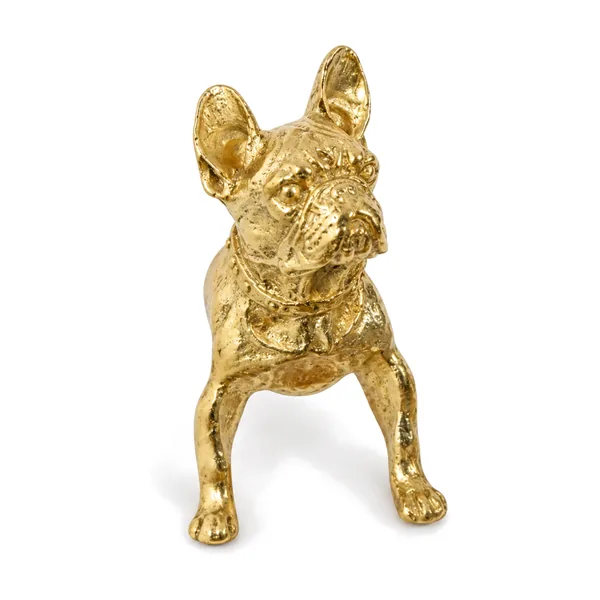
 2 options
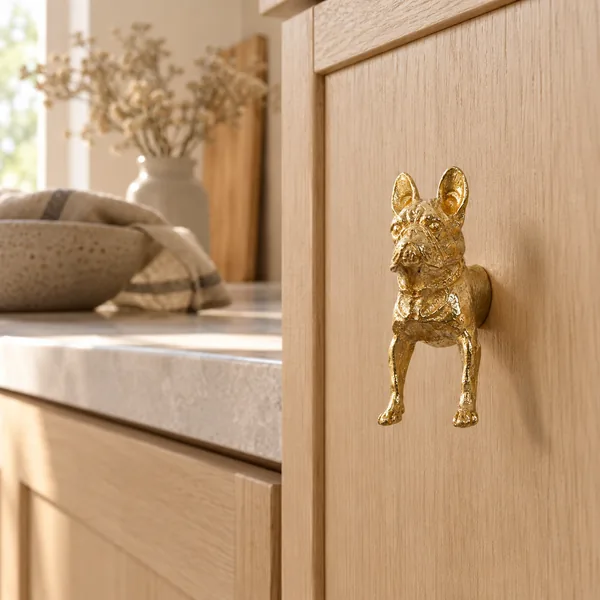
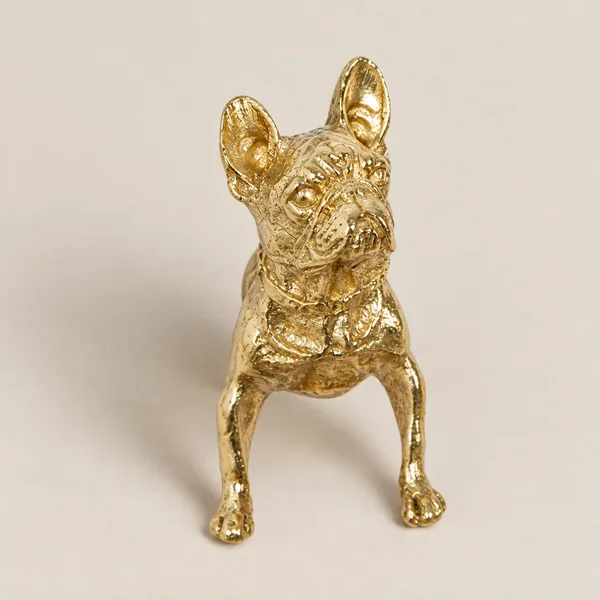
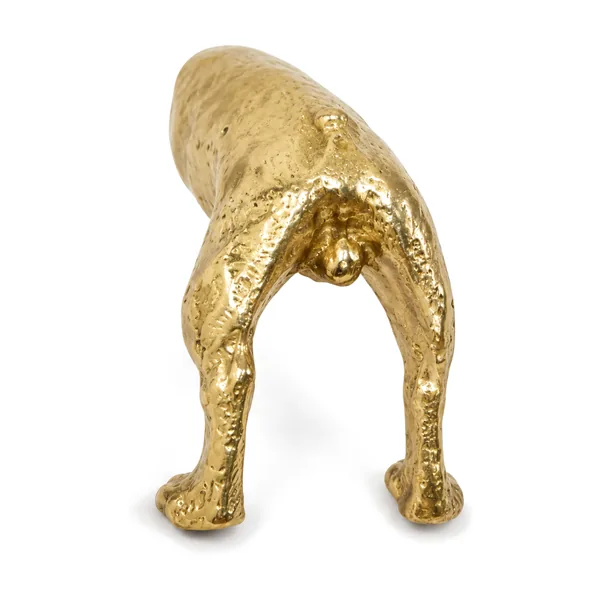
Tassa Polished Brass Dog Cabinet Pull Handle
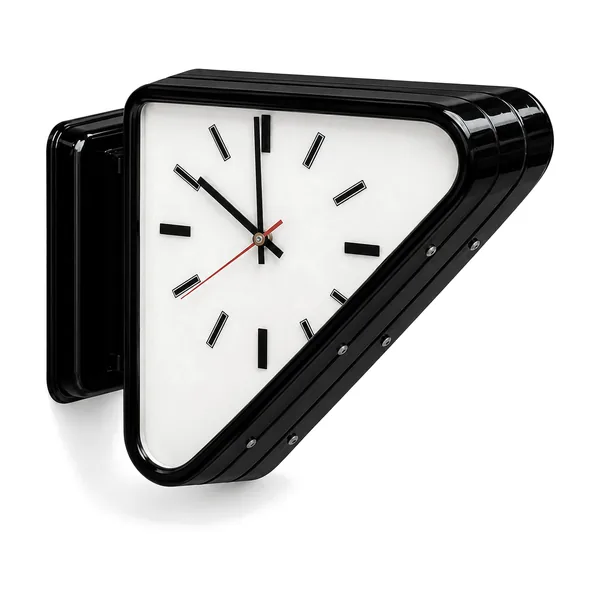
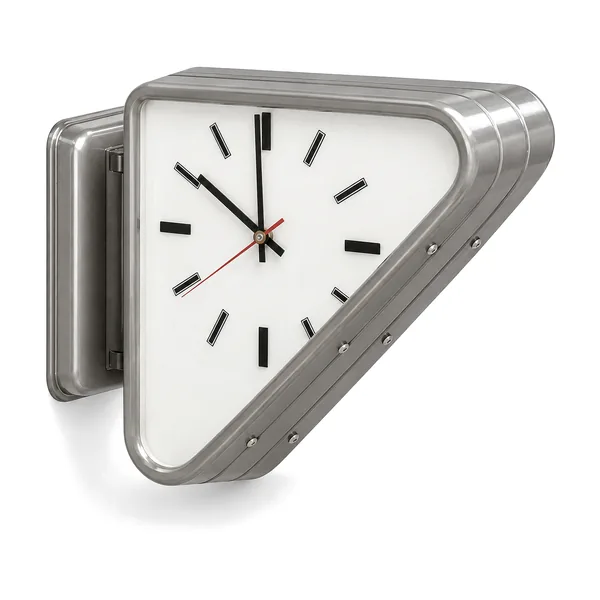
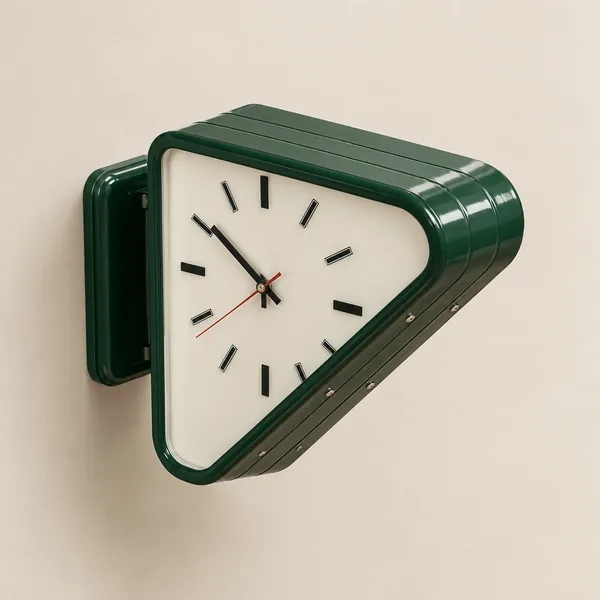 Save $110.00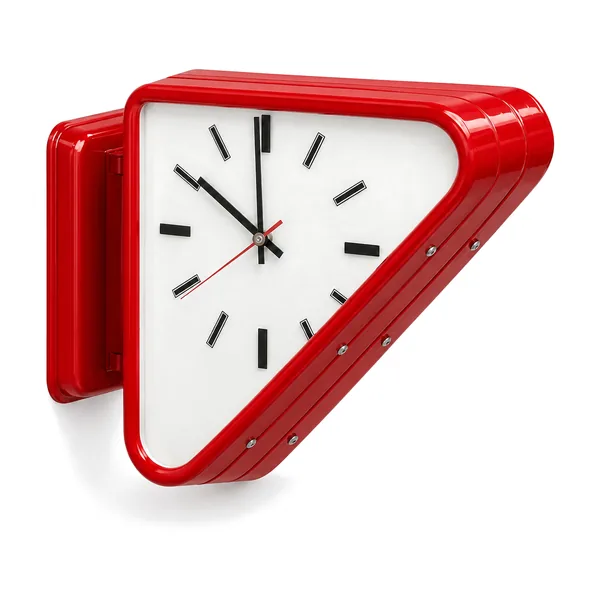
 +15 options
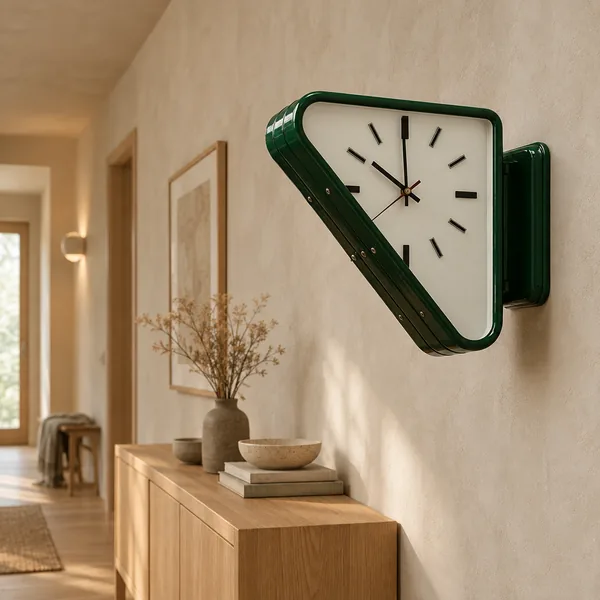
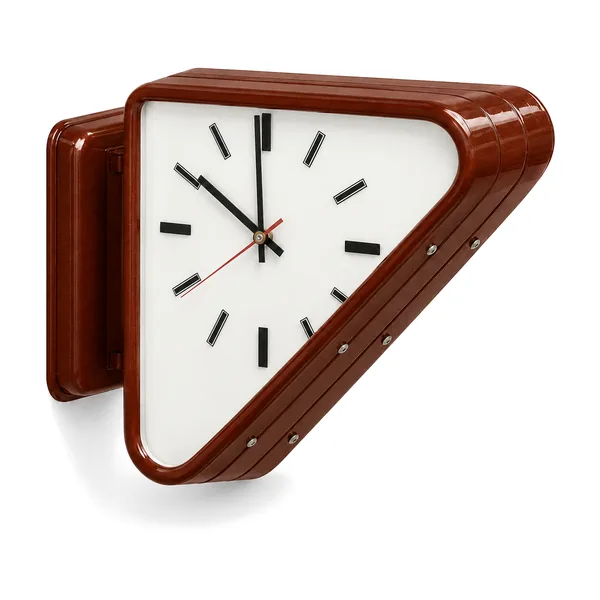
Tvilling Dual-Sided Geometric Metal Wall Clock
Finding the Perfect Size for Every Space
Scale dramatically impacts how ceramic vessels integrate into your décor. A disproportionately large vase overwhelms a petite side table, while a diminutive piece disappears on a grand dining surface.
Tall ceramic vase selections (16 inches and above) suit floor placement beside sofas or in corners, anchoring vertical space with branches or tall grasses. These substantial pieces work best with substantial stems—think pampas grass, olive branches, or dried palms that echo the vase's commanding presence.
Medium vessels (8-12 inches) represent the most versatile category, transitioning easily from coffee tables to kitchen counters to bedroom dressers. These accommodate standard bouquets while remaining manageable for daily arrangement.
Small ceramic vase options (under 6 inches) excel at intimate vignettes. Place them on bathroom vanities, windowills, or desk corners for moments of botanical beauty without spatial intrusion. Cluster odd numbers together for gallery-like displays.
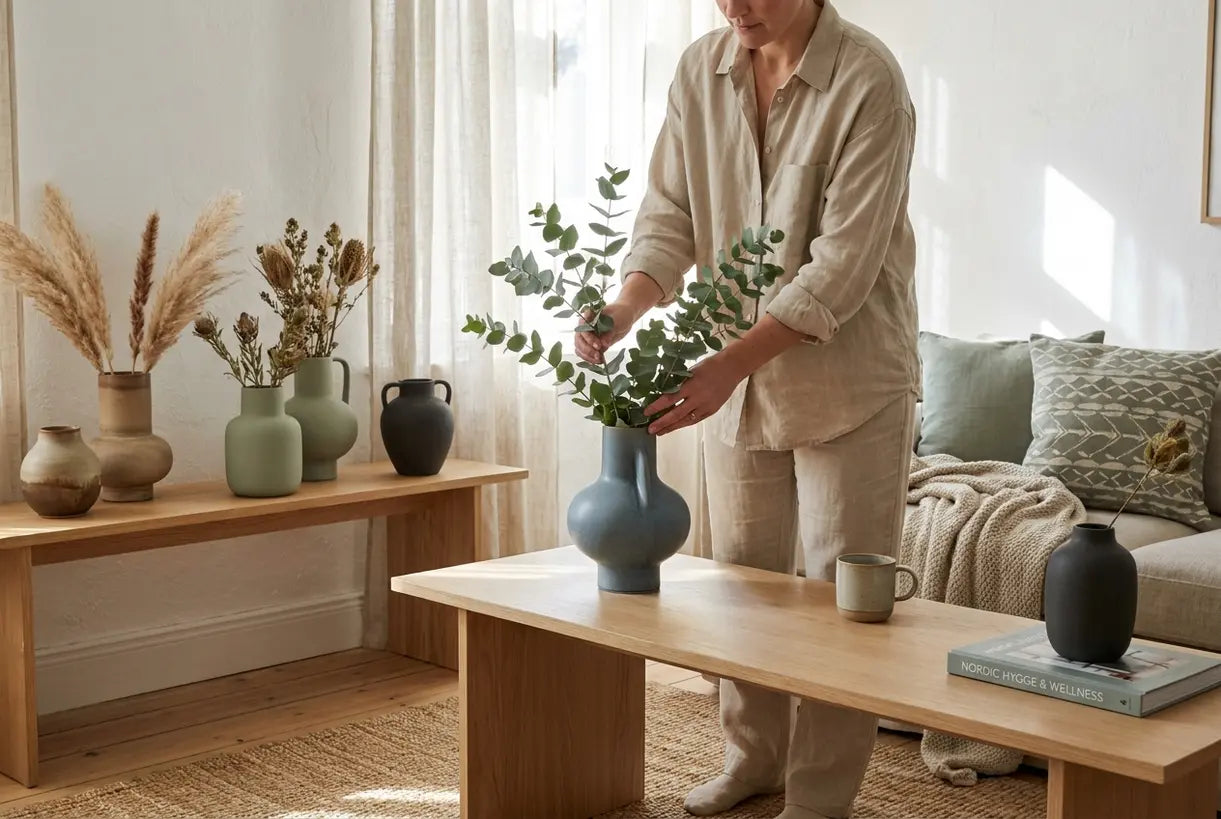
Consider proportion in relation to your furniture. A good rule maintains that vessel height should not exceed one-third of the surface width it occupies. This ensures visual balance while leaving practical space for other objects or daily use of the surface.
Pro Tip: When styling open shelving, vary vessel heights and textures while maintaining a cohesive color palette. Pair a tall narrow ceramic vase with a short wide one, separating them with books or sculptural objects for curated, collected-over-time appeal.
Curating Your Ceramic Collection
Building a meaningful collection of ceramic vessels happens gradually and intentionally. Start with versatile neutrals—a creamy white vessel for fresh flowers, an earth-toned piece for dried arrangements. Add a statement piece that reflects your personality, perhaps with metallic accents or an unexpected silhouette. Finally, incorporate specialty shapes for specific functions: a low compote for dining tables, a slender bottle vase for tall branches.
Quality ceramics age beautifully, developing character while maintaining structural integrity. Unlike trendy décor that demands replacement, investment ceramic pieces transition between seasons and homes, becoming heirlooms that tell your design story.
At Skonne, we curate handmade ceramic vase selections that honor both artisanal traditions and contemporary Scandinavian aesthetics. Each piece undergoes careful selection for quality of craftsmanship, aesthetic integrity, and functional performance—ensuring your floral displays bring joy for years to come.
Related Article
Ceramic Vases: The Complete Guide to Styles, Shapes & How to ChooseExplore our complete guide to ceramic vases. Discover popular styles, shapes, and expert tips for choosing the perfect decorative piece for your home.