
Ceramic Vases: The Complete Guide to Styles, Shapes & How to Choose
Summary›
Exploring the Ceramic Vase Landscape: Styles and Types
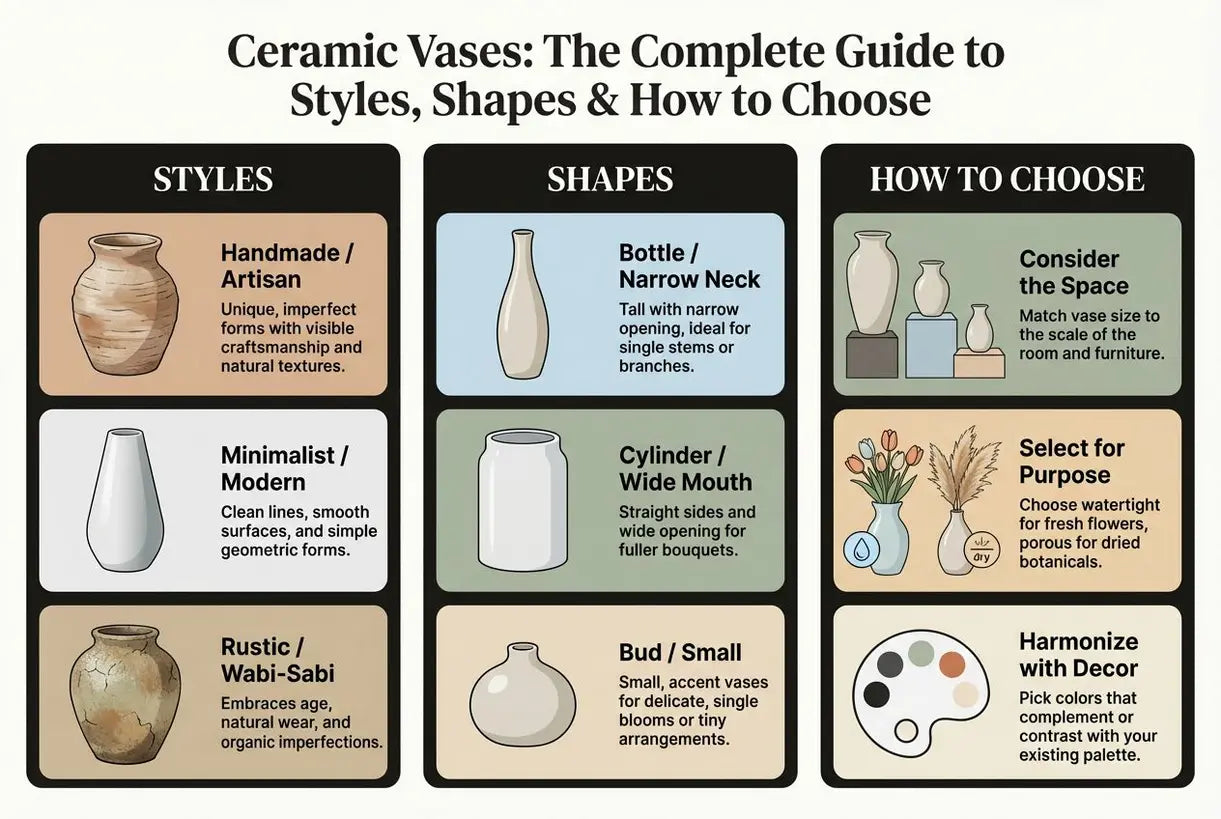
Before selecting the perfect vessel for your space, understanding the vocabulary of ceramic vase shapes helps you make intentional choices. Each silhouette serves distinct purposes and evokes different moods—from minimalist restraint to organic warmth.
Classic Cylinder and Sleeve Vases
The cylinder vase represents the quintessential ceramic vase shape—straight sides, consistent width, and clean lines. Perfect for architectural arrangements and minimalist interiors, these vessels excel at showcasing long-stemmed blooms or sculptural branches. The simplicity of a cylinder form allows the texture, glaze, and material quality to speak for itself, making it a staple in Scandinavian and Japandi design schemes.
Bud and Bottle Vases
Small but intentional, bud vases are designed for single stems and delicate botanicals. These compact pieces work beautifully when grouped in threes or scattered across a shelf or credenza. Their slender necks and varied body shapes create visual rhythm without overwhelming a space—ideal for those seeking ceramic vase ideas for smaller apartments or minimalist styling.
Urn and Amphora Forms
For spaces craving gravitas, urn-shaped and amphora-style vases offer timeless elegance. With their generous proportions, curved shoulders, and often decorative handles or detailing, these vessels command attention as standalone sculptural objects. They're particularly effective in entryways, on dining tables, or anchoring larger furniture arrangements.
Organic and Sculptural Designs
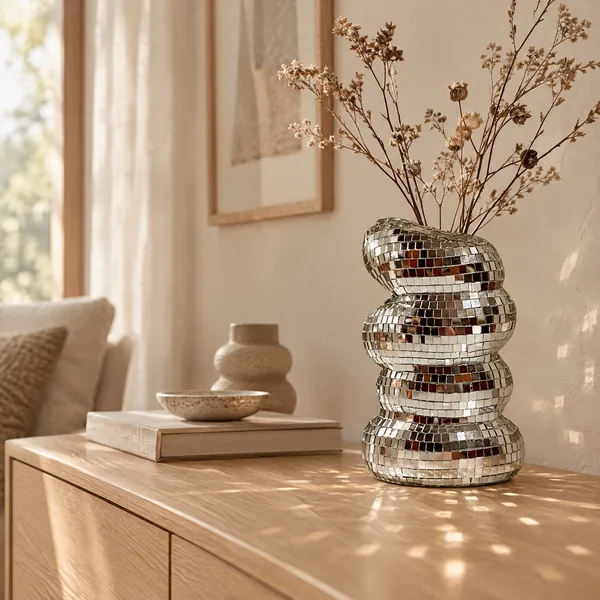
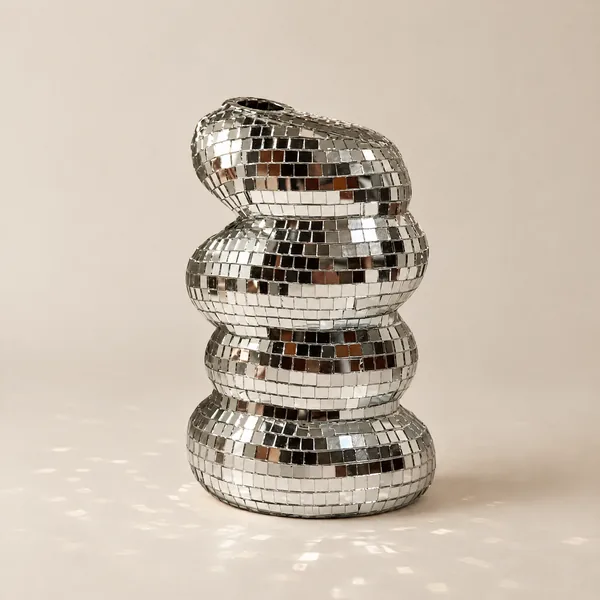
Modern ceramic artistry has embraced irregularity, creating pieces that feel entirely unique. These sculptural forms challenge traditional expectations—some appear almost wind-worn or nature-formed. The Premium Picks collection showcases exceptional examples of this design philosophy, where each piece functions as both vessel and art object.
Ceramic vs. Porcelain: Understanding the Materials
A common source of confusion when shopping for decorative vessels is the distinction between ceramic and porcelain. While both begin as clay and undergo firing, their composition and characteristics differ significantly.
Ceramic vases are created from natural clay mixed with water and other minerals, then fired at temperatures ranging from 1,800°F to 2,200°F. This process creates porous, durable vessels with organic textures and earthy tones. The lower firing temperature compared to porcelain means ceramic maintains more of its natural character—perfect for those drawn to warmth and authenticity.
Porcelain, by contrast, incorporates kaolin clay and undergoes firing at much higher temperatures (up to 2,600°F). The result is a vitrified, non-porous, and often translucent material prized for its fine, glass-like finish. While porcelain offers elegance and refinement, ceramic vases typically provide greater everyday durability and a more approachable, handcrafted aesthetic aligned with Scandinavian design values.
Why Choose Ceramic? The Enduring Benefits
Beyond aesthetic considerations, ceramic vases offer practical advantages that make them perennial favorites among interior designers and homeowners alike.
Durability and Longevity
When properly cared for, a quality ceramic vase can last generations. Unlike glass, ceramic resists chipping and cracking under normal conditions. Its weight provides stability that lighter materials lack—important considerations for homes with pets, children, or high-traffic areas.
Versatile Styling Possibilities
The neutral, earthy palette typical of most ceramic vase designs means they complement virtually any color scheme or design style. From bohemian eclecticism to strict minimalism, ceramic adapts. Many homeowners style them empty as sculpture, with dried botanicals for year-round warmth, or with fresh seasonal flowers.
Sustainable and Timeless
Unlike trend-driven plastic or synthetic decor, handmade ceramic pieces represent sustainable craftsmanship. They don't fade yellow, develop surface scratches that dematerialize their appearance, or fall victim to fleeting fashion cycles.
Decorative Vases
Shop all Decorative Vases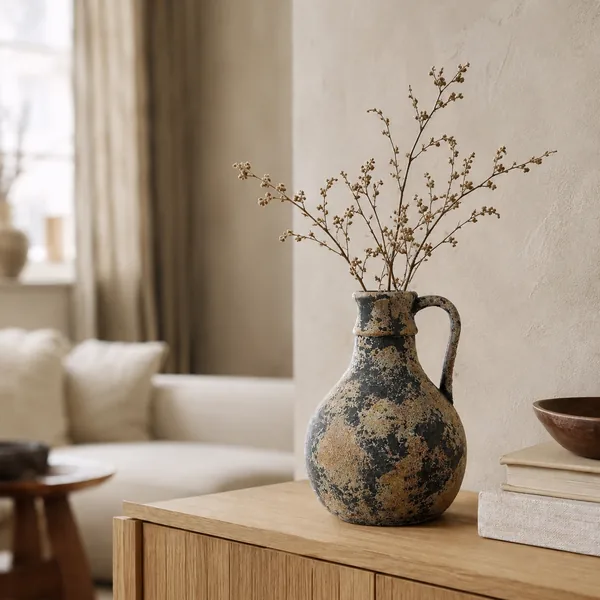
 Save $40.00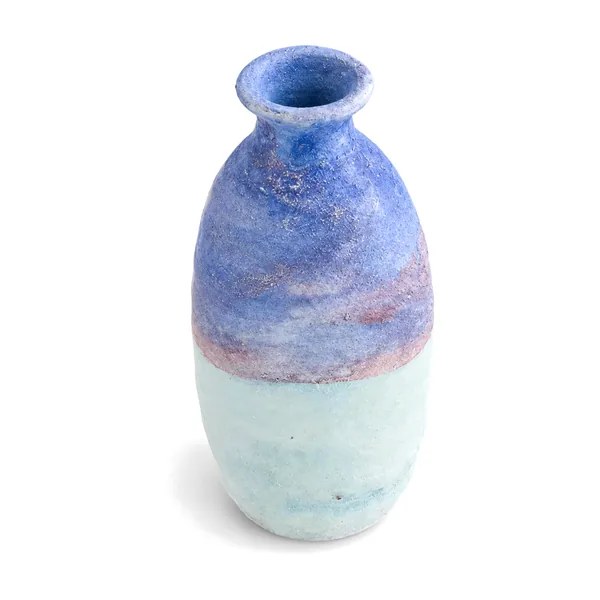
 4 options
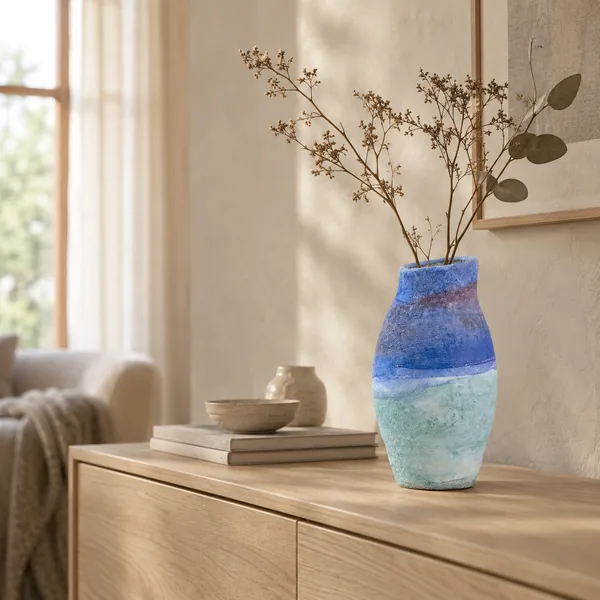
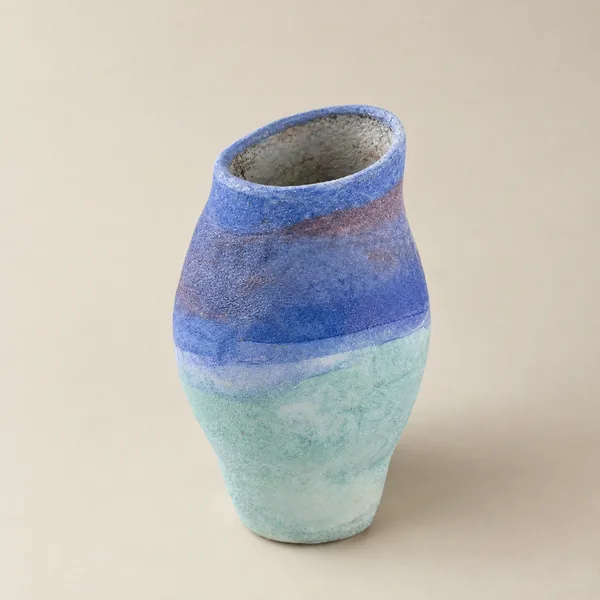
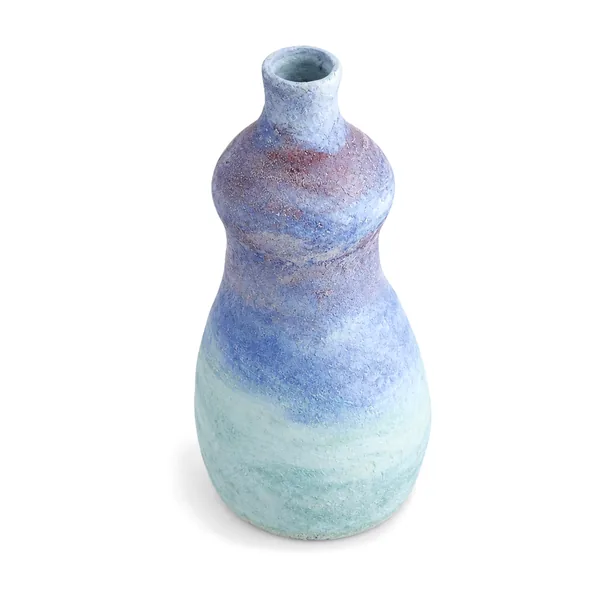
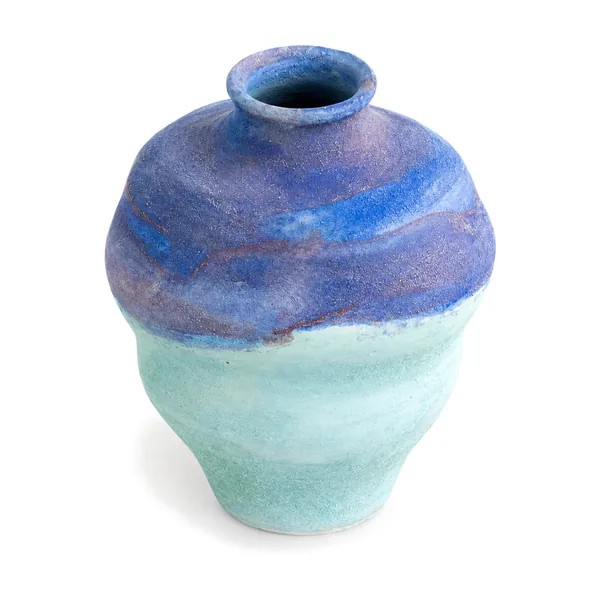
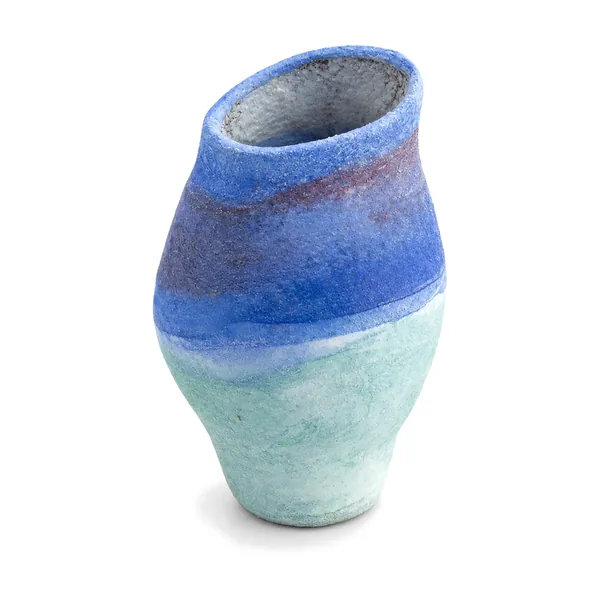
Dyvna Blue Gradient Ceramic Vase for Home Decor
Expert Tips for Choosing Your Perfect Ceramic Vase
With countless options available, narrowing your search requires thoughtful consideration of your space, lifestyle, and design goals.
Assess Your Space and Scale
Before purchasing, measure your intended display area. A common mistake is selecting vases that are either too small to register visually or too large for their intended surface. As a general guideline, mantelpieces and consoles accommodate medium-to-large pieces (12-18 inches), while shelves and smaller tables suit compact designs (6-10 inches).
Consider Your Existing Palette
Look to your current textiles, wall colors, and wood tones. Warm terracotta and cream glazes complement natural oak and linen interiors. Cooler gray-blue ceramics pair beautifully with cooler Scandinavian palettes featuring ash and birch. For maximum versatility, neutral tones—white, cream, gray, and terracotta—integrate seamlessly across seasons.
Balance Form and Function
Ask yourself how you'll primarily use the vase. Will it display fresh flowers regularly? Water resistance becomes crucial. Purely decorative? Sculptural forms matter more. The opening width determines what stems will fit—a bud vase accommodates single stems, while wider mouths suit fuller arrangements.
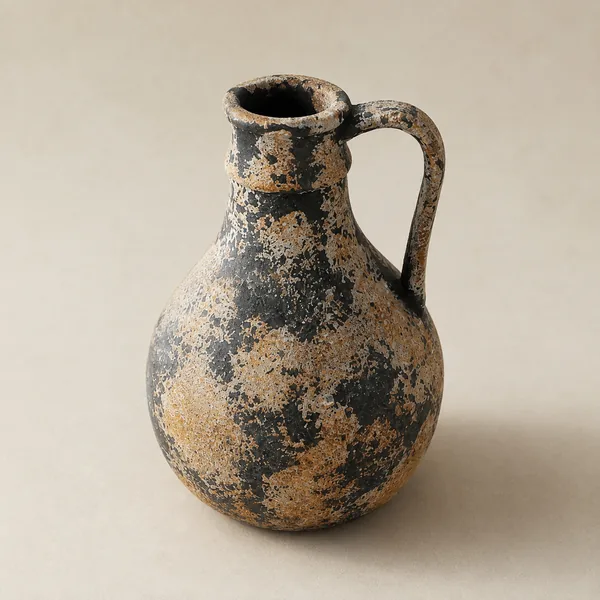
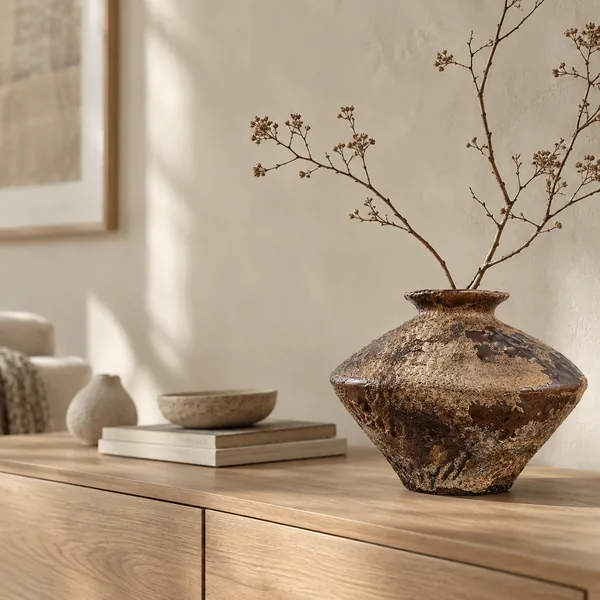 Jorde Handmade Rustic Ceramic Vase Home Decor$129.00$189.00
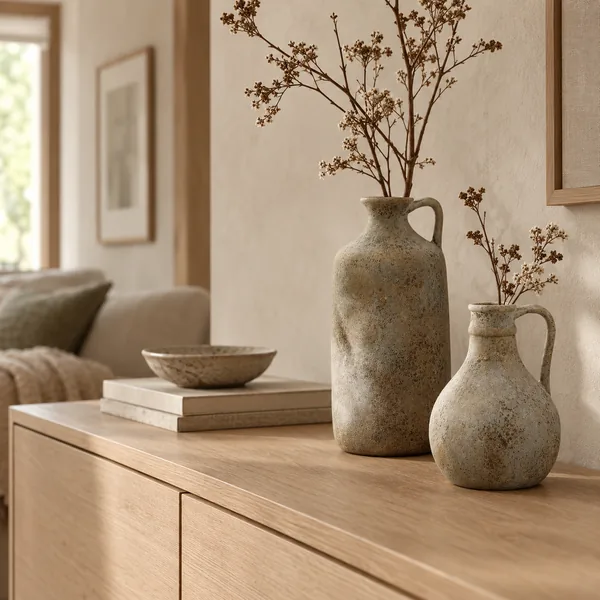
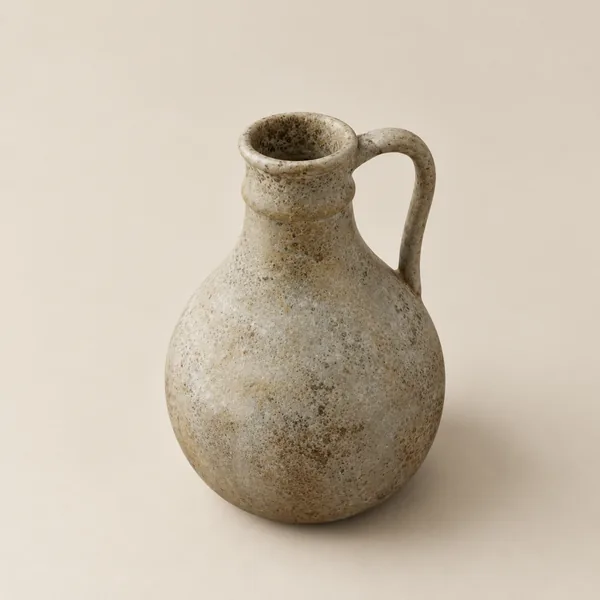
If you're seeking rustic warmth without sacrificing refinement, the Jorde Handmade Rustic Ceramic Vase exemplifies how intentional craftsmanship bridges Scandinavian minimalism with farmhouse authenticity. Its active glaze finish creates organic character that photographs beautifully and catches morning light in subtle, shifting ways that mass-produced pieces simply cannot replicate.
Using Ceramic Vases with Fresh Flowers and Water
While ceramic offers tremendous versatility as a purely decorative element, many homeowners want their vases to serve functional purposes with fresh botanicals.
Most glazed ceramic vases are fully waterproof and hold fresh flowers without issue. The glazed surface creates a barrier that prevents water from seeping into the porous clay body below. However, unglazed terracotta or earthenware vessels will absorb water and may develop mineral staining over time, making them better suited for dried arrangements or as standalone sculptural pieces.
When arranging fresh flowers in ceramic vessels, consider these tips:
- Always check the interior glaze—fully glazed interiors indicate water-safe use
- Change water every 2-3 days to prevent bacterial growth and mineral buildup
- Place cut flower food in the water to extend bloom life
- Clean vases thoroughly between uses with mild soap and water
Some ceramic artisans intentionally leave interiors unglazed for aesthetic reasons. These pieces work beautifully with dried grasses, pampas, lavender, or botanical stems that don't require hydration.
Ceramic Vase Styles for Every Design Philosophy
The breadth of modern ceramic vase designs means there's truly something for every interior philosophy. Whether your home embraces Japanese wabi-sabi principles or bold contemporary statements, ceramic offers appropriate expressions.
Wabi-Sabi and Artisan Ceramics
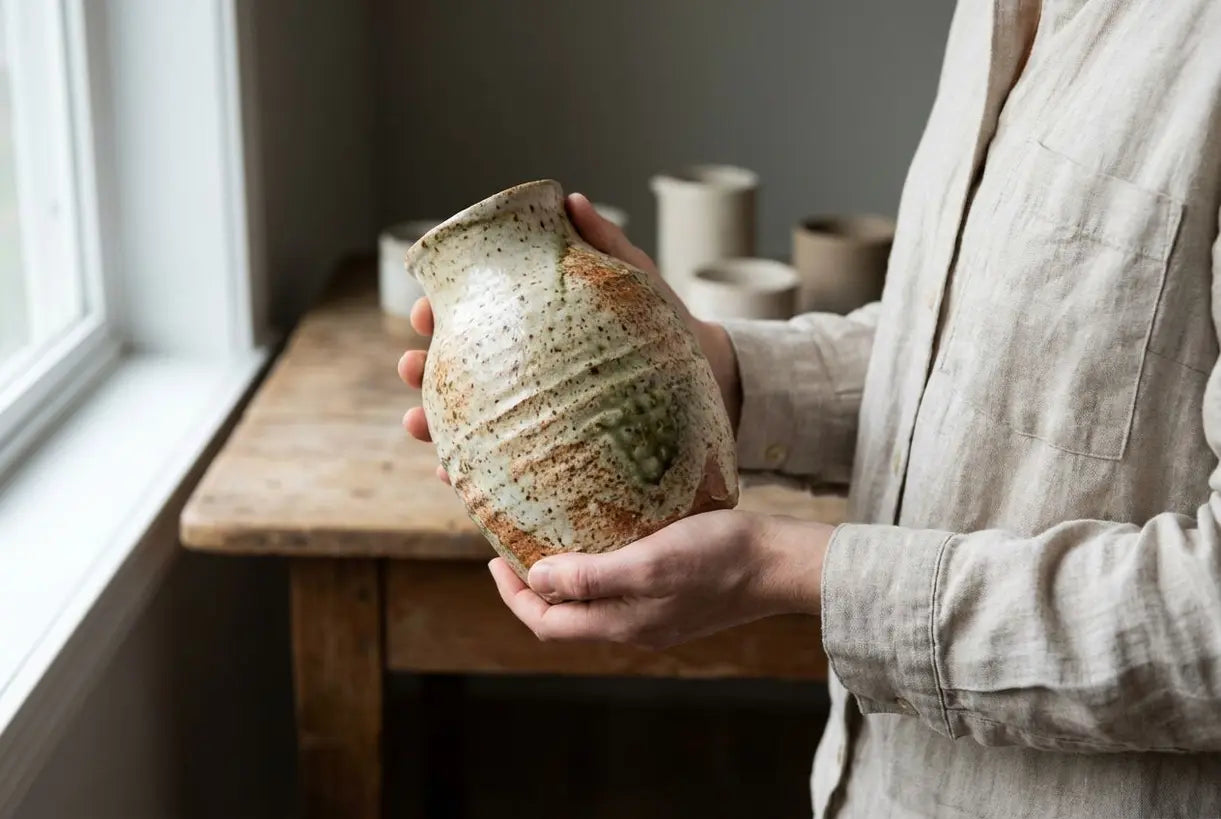
The Japanese concept of wabi-sabi—beauty in imperfection, impermanence, and incompleteness—has profoundly influenced modern ceramic design. Wabi-sabi vases feature intentional irregularities: slightly asymmetrical forms, organic glaze drips, finger marks, or kiln variations that make each piece one-of-a-kind. These vessels bring soul and character to minimalist spaces that might otherwise feel sterile.
Artisan Pieces for Thoughtful Spaces
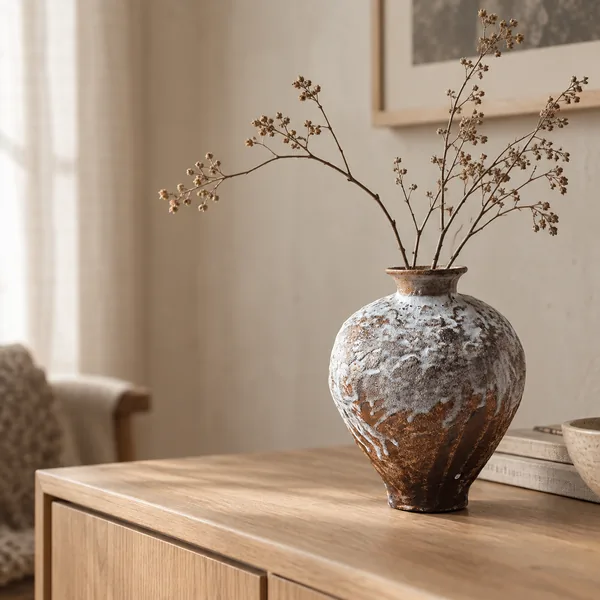 Stille Small Jingdezhen Ceramic Wabi-Sabi Vase$129.00$189.00