
Ceramic Urn Vases: Classic Amphora, Ginger Jar & Footed Designs for Elegant Interiors
Summary›
- The Enduring Appeal of Ceramic Urn Vases
- Classic Urn Vase Styles Explained
- Texture, Craftsmanship & Material Quality
- Selecting the Perfect Ceramic Urn Vase for Your Space
- Curated Pairs: Handcrafted Pieces with Character
- Styling Urn Vases in Scandinavian-Inspired Interiors
- Conclusion: Elevate Your Space with Timeless Ceramic Form
There is something undeniably captivating about a ceramic urn vase resting on a mantelpiece, console table, or bookshelf. These sculptural forms carry centuries of artistic tradition while feeling perfectly at home in contemporary interiors. Whether you are curating a minimalist Scandinavian living room or adding character to a transitional bedroom, the right urn-shaped vessel becomes more than décor—it becomes a statement of intentionality and refined taste.
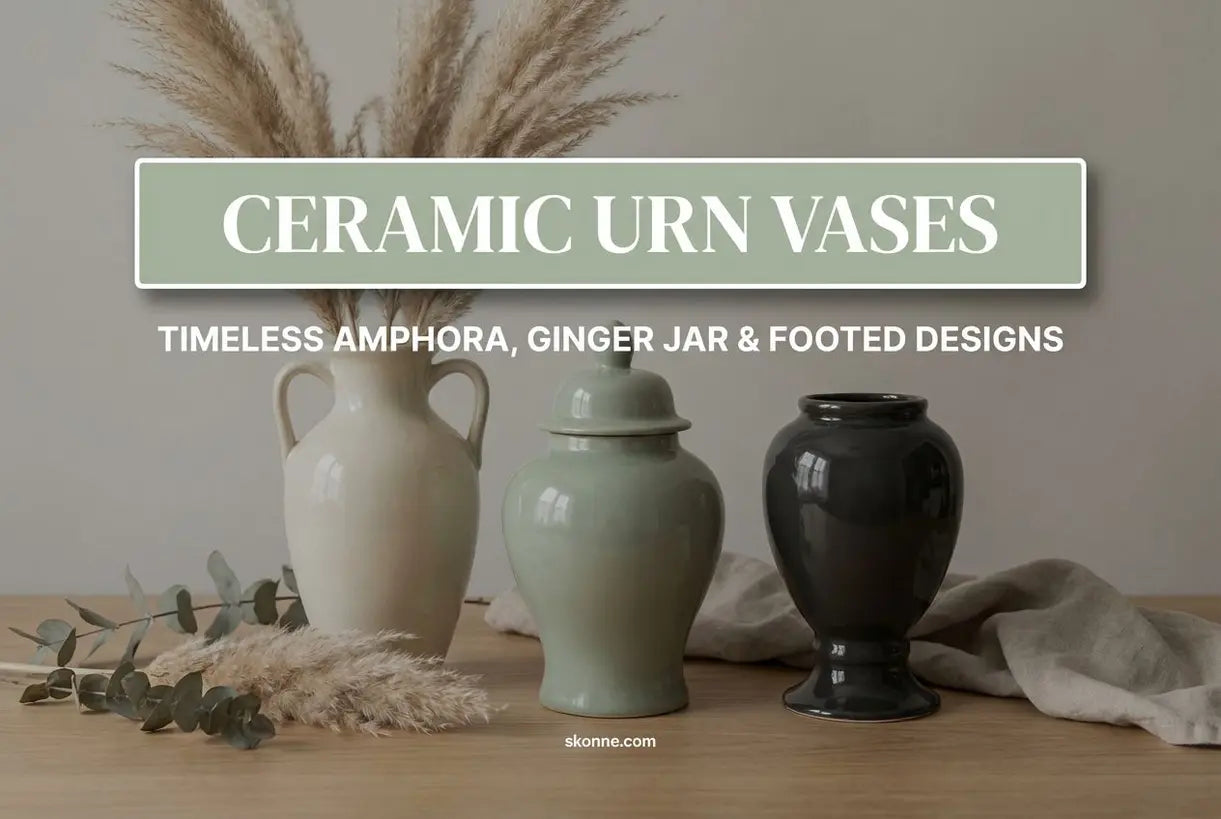
In this guide, we will explore timeless urn vase styles that have graced interiors for generations. From the graceful curves of amphora designs to the striking silhouette of ginger jars and footed forms, you will discover how to select and style these pieces to elevate your space. Along the way, we will introduce you to carefully crafted options that embody the warm, elevated aesthetic Skonne is known for.
The Enduring Appeal of Ceramic Urn Vases
The urn shape is one of humanity's oldest vessel designs, dating back to ancient civilizations where form followed function. Today's decorative urn vase draws from this rich heritage while serving primarily aesthetic purposes in our homes. The silhouette—typically featuring a narrower neck, wider body, and stable base—creates visual balance that draws the eye without overwhelming a space.
What makes ceramic urns particularly compelling for modern interiors is their chameleon-like quality. A crisp white ceramic urn vase brings serene elegance to a bright, airy room. A rustic, textured piece adds warmth and organic character to neutral palettes. This versatility explains why urn styles have remained relevant across design movements from classical to contemporary.
For design enthusiasts seeking that coveted Scandinavian hygge aesthetic, urn vases offer the perfect intersection of form and function. They provide sculptural interest even when empty, serve as vessels for seasonal branches or dried botanicals, and ground a room with their substantial presence.
Classic Urn Vase Styles Explained
Understanding the distinctive characteristics of different urn styles helps you curate a collection that resonates with your personal aesthetic. Each variation carries its own history and visual language.
Amphora Vase Design
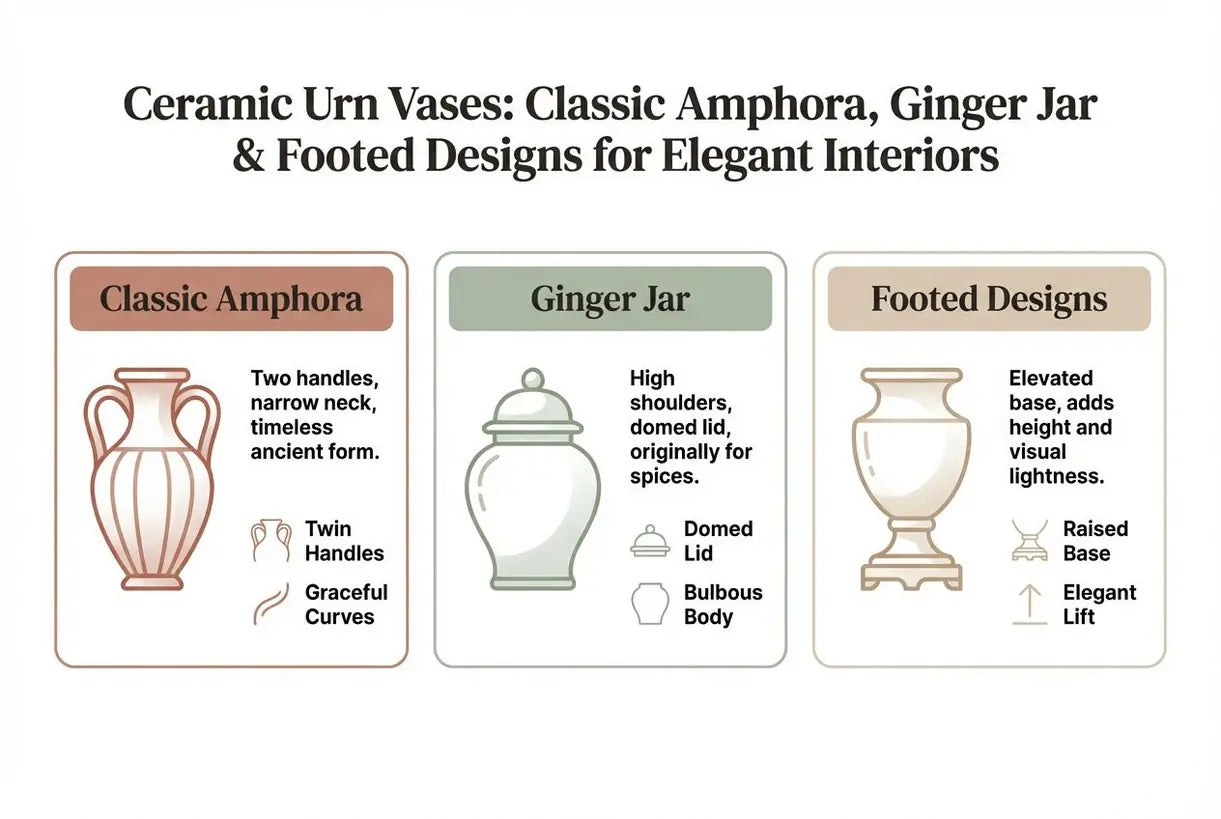
The amphora vase design traces its origins to ancient Greece, where these vessels transported wine, oil, and grain. Characterized by two handles and an elongated oval body tapering to a narrow neck, the amphora brings classical elegance to any setting. Modern interpretations often streamline the form, sometimes eliminating handles while maintaining that distinctive elongated silhouette.
Amphora-style urns excel in spaces where you want to introduce vertical interest. Their height makes them ideal for floor arrangements or as commanding mantelpiece centerpieces. The narrower neck naturally supports tall branches, pampas grass, or architectural stems without additional support.
Ginger Jar Vases
With their rounded bodies, wide shoulders, and domed lids, ginger jar vase styles originated in China as storage containers for precious spices. Today, these pieces bring sophisticated chinoiserie influence to interiors, though modern Scandinavian interpretations favor clean lines over traditional ornate patterns.
The lidded ginger jar offers unique versatility. Displayed with its lid, it reads as a sculptural object or decorative urn. With the lid removed, it transforms into a generous vessel for lush floral arrangements. The wide mouth accommodates abundant bouquets, making ginger jars perennially popular for entryways and dining rooms.
Footed Ceramic Vases
Footed ceramic vase designs elevate the urn quite literally, resting on a distinct base or pedestal that creates visual breathing room beneath the vessel. This footed construction adds refinement and prevents the heavy ceramic form from feeling grounded or static.
Footed urns particularly shine on reflective surfaces like polished wood or marble, where the raised base creates beautiful shadow play. They also work wonderfully on shelves where the elevation allows the piece to stand proud among books and smaller objects. The footed form bridges traditional and contemporary aesthetics with graceful ease.
Texture, Craftsmanship & Material Quality
The tactile quality of a ceramic vessel communicates its authenticity and value. Mass-produced pieces often feel cold and uniform, while handcrafted ceramics carry the unmistakable warmth of human touch. When selecting an elegant vase decor piece, examining texture and surface quality reveals the level of craftsmanship invested.
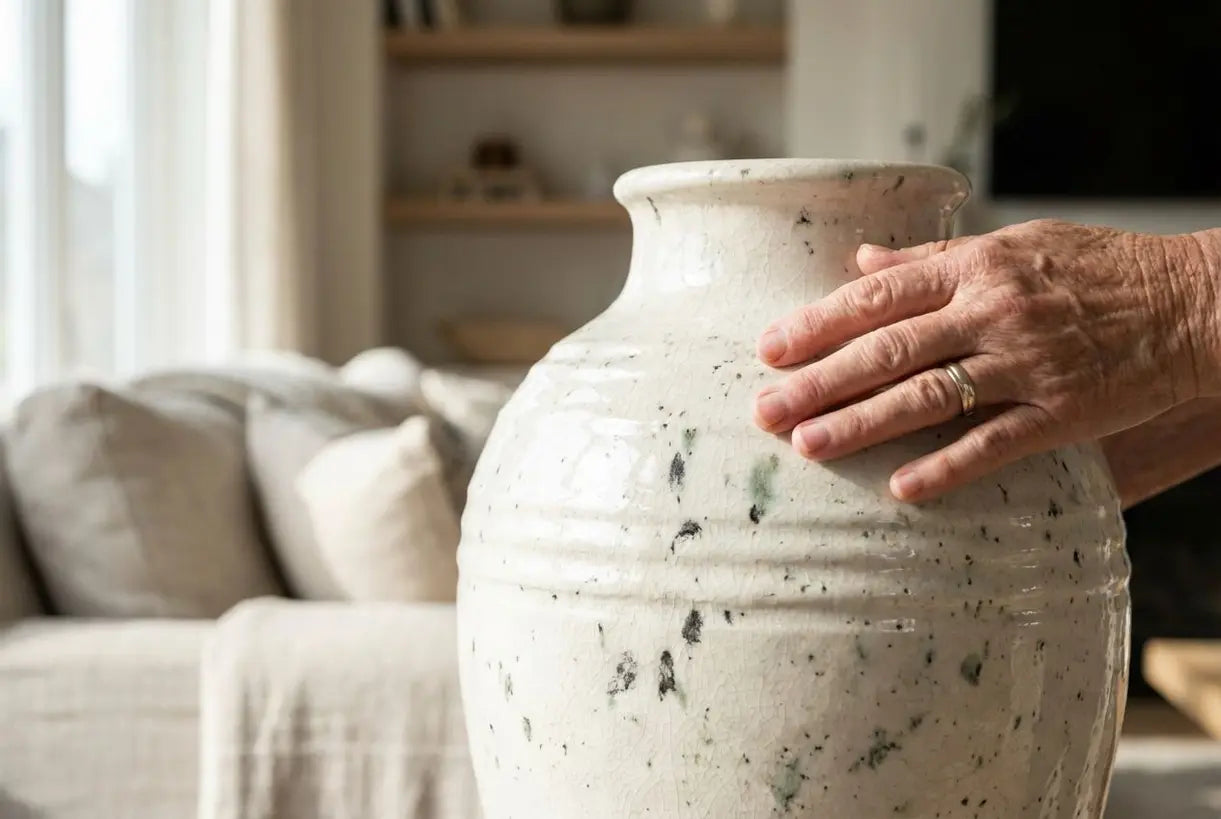
Reactive glazing—a technique where minerals in the glaze create unpredictable, organic color variations during firing—produces truly one-of-a-kind surfaces. No two pieces are identical. This natural variation celebrates imperfection as beauty, a philosophy central to both wabi-sabi Japanese aesthetics and Nordic design principles.
Pay attention to the weight and wall thickness of the ceramic. Substantial pieces feel anchored and permanent, while thin-walled vessels may feel insubstantial. Quality craftsmanship ensures the urn sits level without wobbling and features smoothly finished edges that will not damage surfaces.
Decorative Vases
Shop all Decorative Vases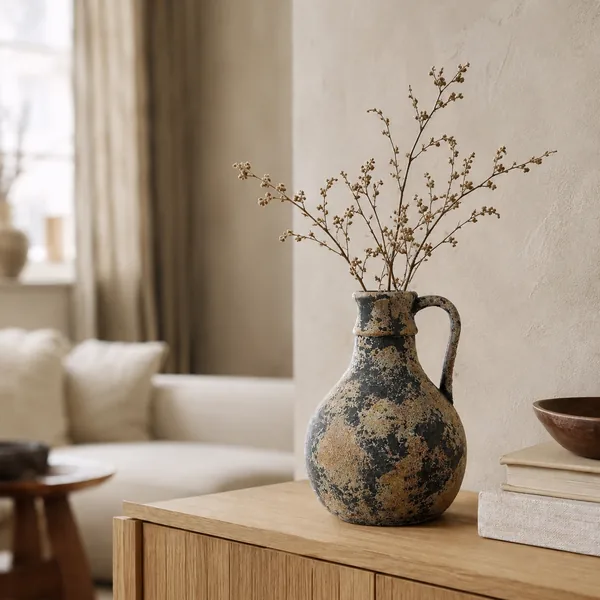
 Save $40.00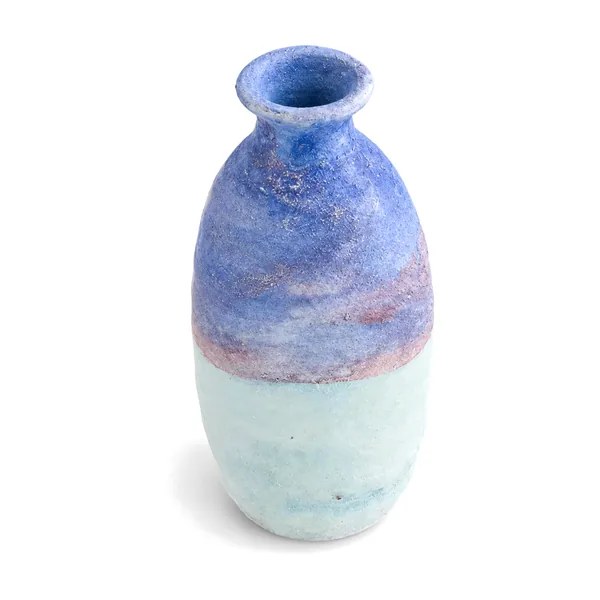
 4 options
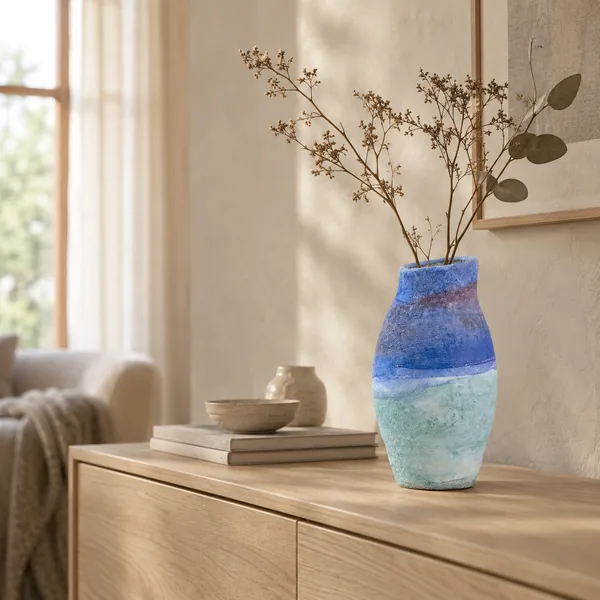
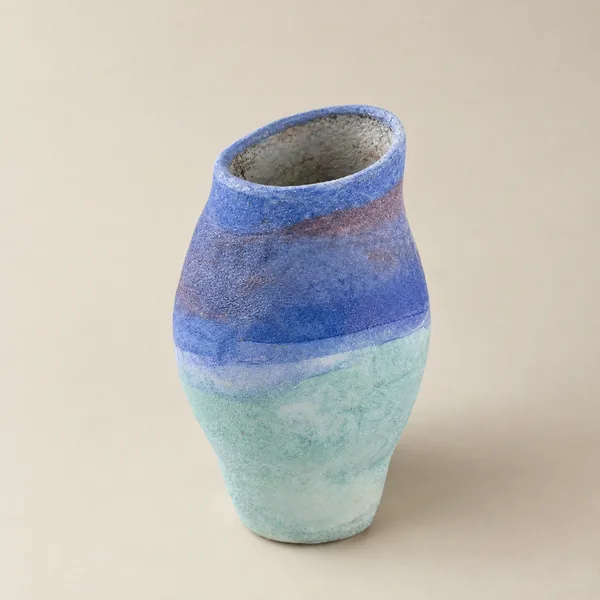
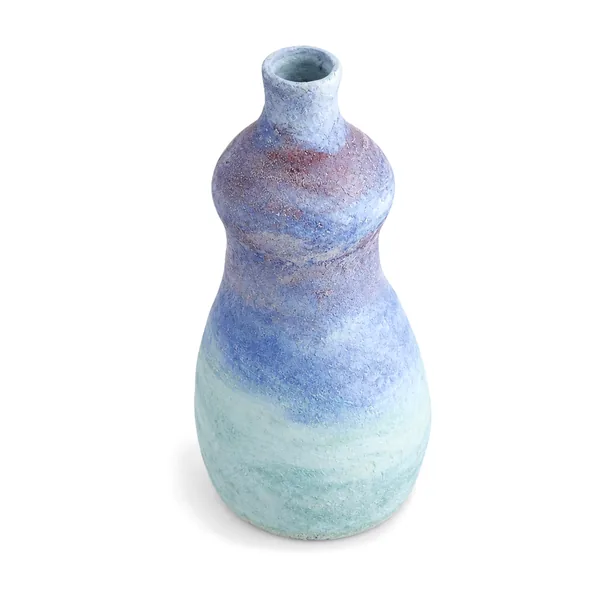
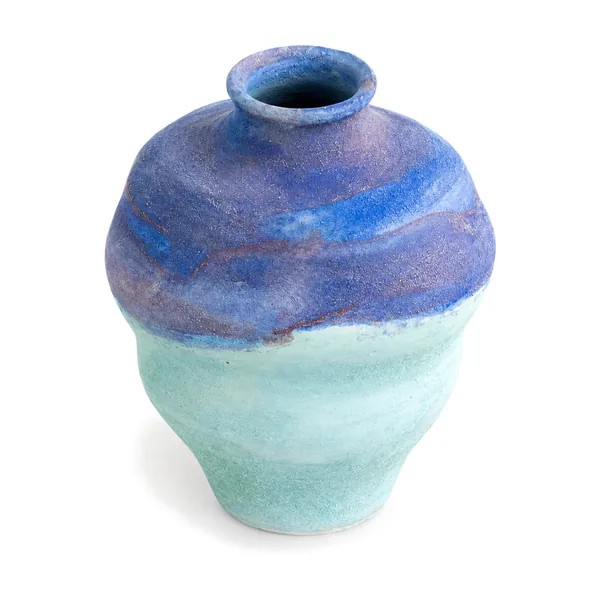
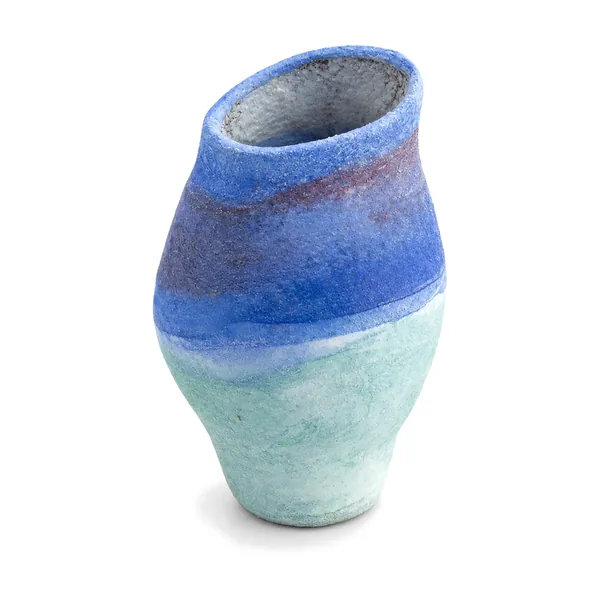
Dyvna Blue Gradient Ceramic Vase for Home Decor
Selecting the Perfect Ceramic Urn Vase for Your Space
Finding your ideal urn vase requires balancing scale, color palette, and intended use with your existing décor. Consider where the piece will live—a dramatic floor urn demands different proportions than a tabletop accent. Think about what you will display: dried botanicals require less structural support than fresh water arrangements, though many quality ceramics handle both beautifully.
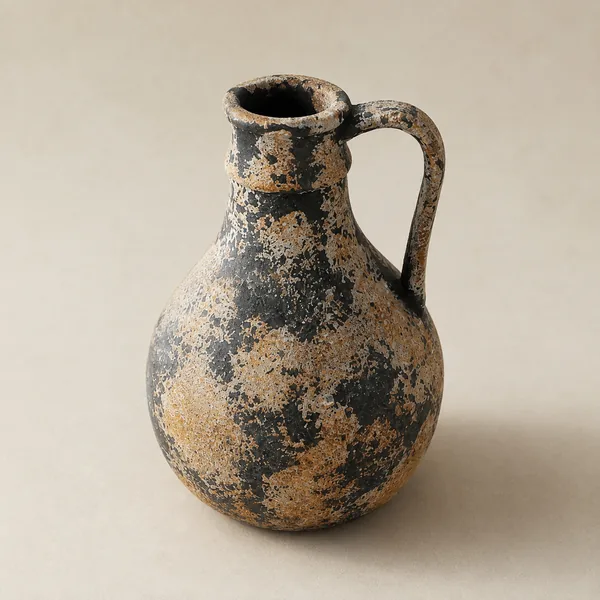
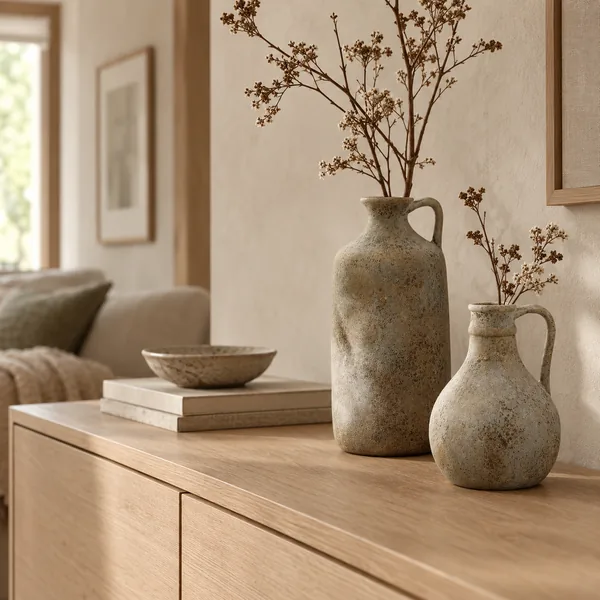
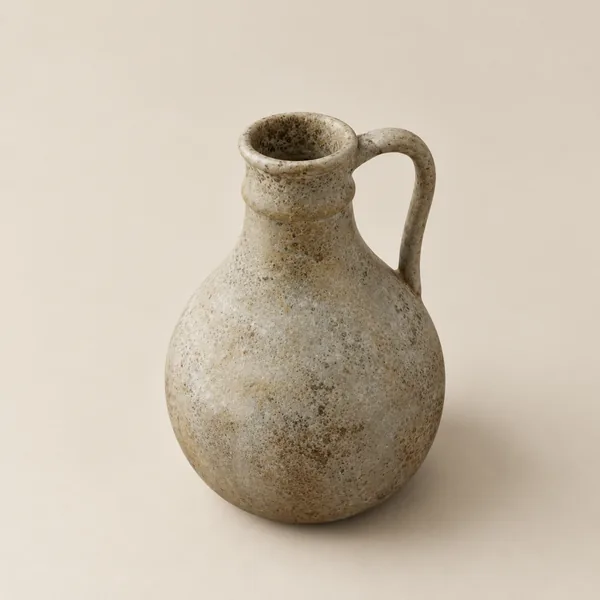
For those drawn to organic, nature-inspired aesthetics, the Jorde Handmade Rustic Ceramic Vase offers exceptional character. The expressive active glaze creates depth and movement across the surface, while the organic form channels Nordic warmth into any interior.
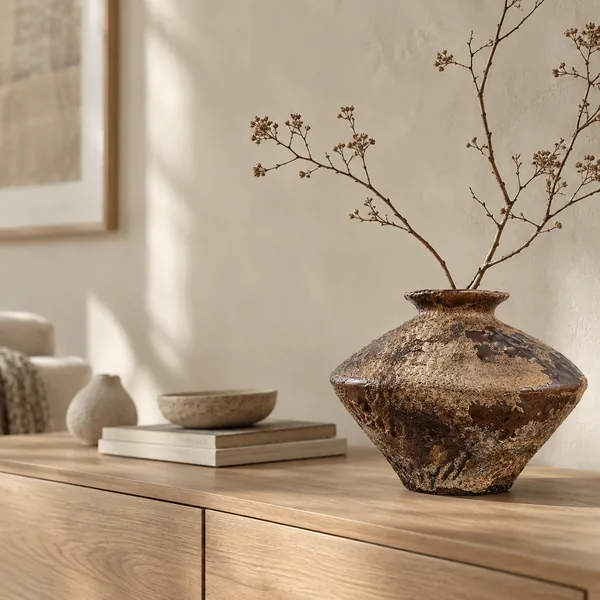 Jorde Handmade Rustic Ceramic Vase Home Decor$129.00$189.00
Available in Terra and Solace forms, this handcrafted piece demonstrates how contemporary ceramics honor tradition while speaking a distinctly modern design language. The Jorde serves beautifully as a standalone sculptural element or as a vessel for dried floral arrangements that complement its earthy palette.
Those looking to explore complementary pieces should browse our Homeware collection, where curated home accessories await discovery. From tabletop accents to statement pieces, each item has been selected to bring that signature Scandinavian warmth to your space.
Curated Pairs: Handcrafted Pieces with Character
Building a collection of ceramic vessels creates opportunities for thoughtful arrangement and visual storytelling. Mixing scales, textures, and silhouettes produces dynamic displays that evolve with the seasons and your changing tastes. When pieces share a unified material language—quality clay, artisan glazing, intentional form—they harmonize effortlessly even when styles vary.
The Stille Rustic Handmade Ceramic Vase Earth Tone exemplifies the quiet beauty of hand-poured natural clay finished with reactive glaze. Each piece carries unique tonal depth that shifts subtly in changing light, perfect for minimalist and wabi-sabi inspired spaces where authenticity speaks louder than ornamentation.
For interiors requiring bolder textural interest, the Torva Rustic Plaid Ceramic Vase delivers distinctive character through its plaid texture and coarse pottery finish. This quietly commanding piece anchors shelves, dining tables, or console arrangements with undeniable artisan soul.
Artisan Vessels for Elevated Spaces
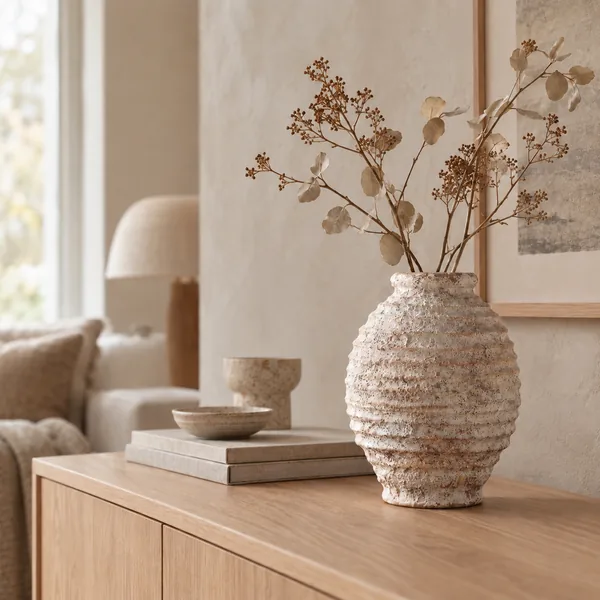 Stille Rustic Handmade Ceramic Vase Earth Tone$99.00$169.00
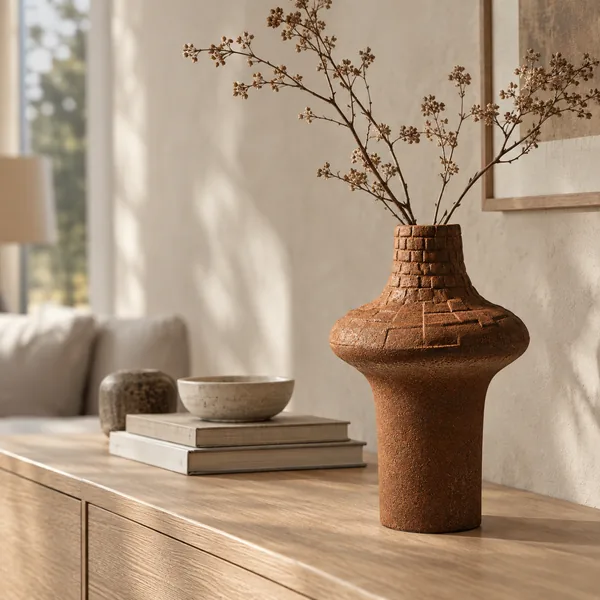 Torva Rustic Plaid Ceramic Vase Artisan Decor$149.00$219.00
Displaying these pieces together—perhaps the Stille's smooth earth tones alongside the Torva's textured plaid surface—creates sophisticated contrast while maintaining material cohesion. Both pieces invite touch and closer inspection, rewarding attention with their handcrafted details.
Home Decor
Shop all Home Decor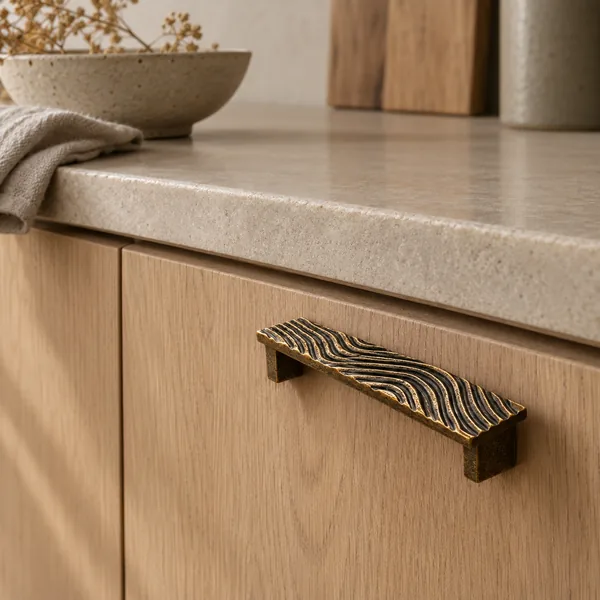
 Save $44.50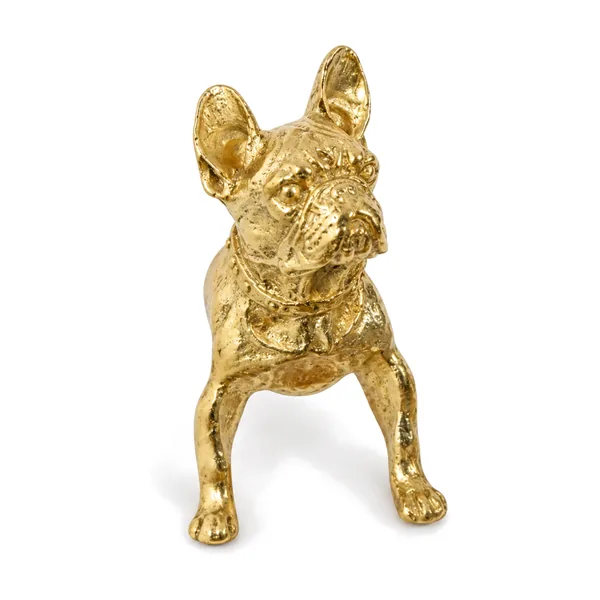
 2 options
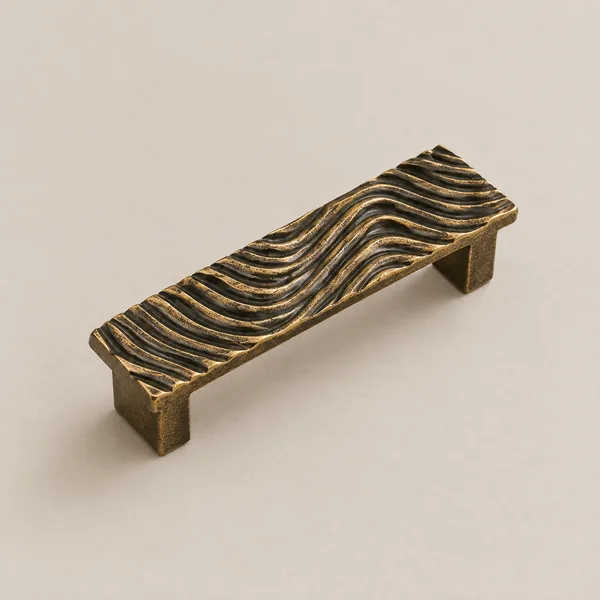
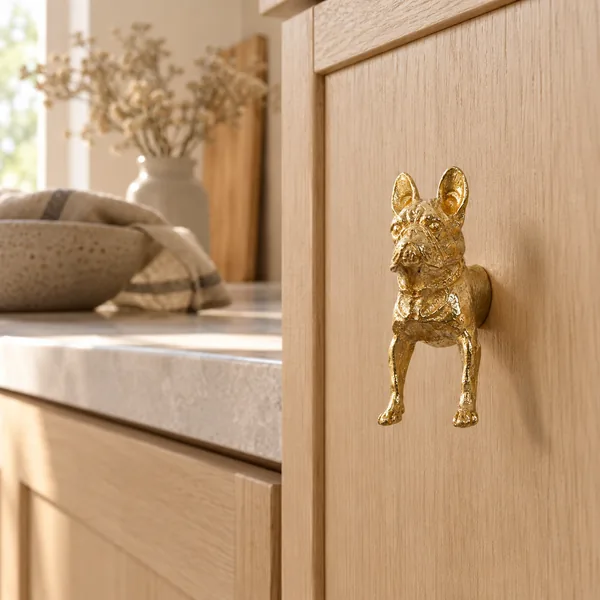
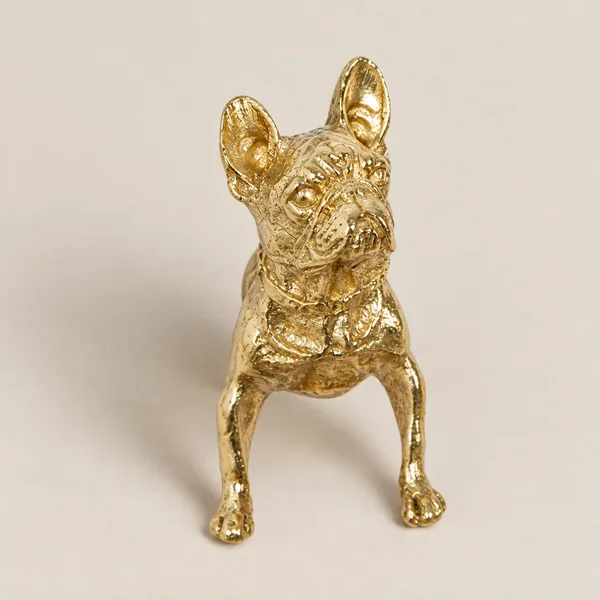
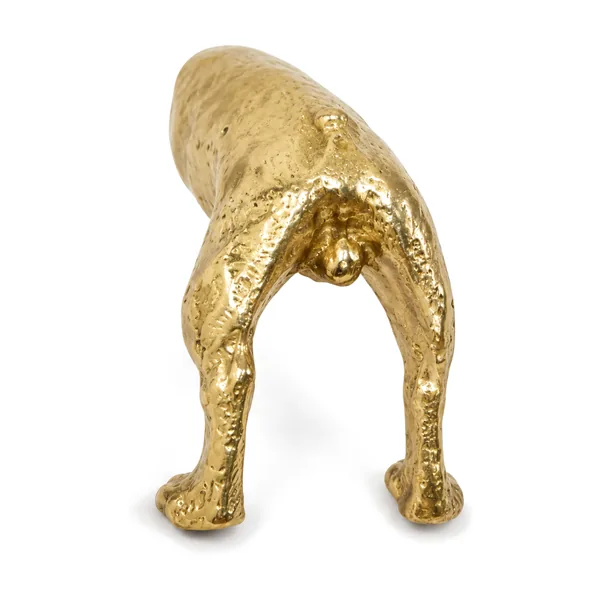
Tassa Polished Brass Dog Cabinet Pull Handle
 Save $110.00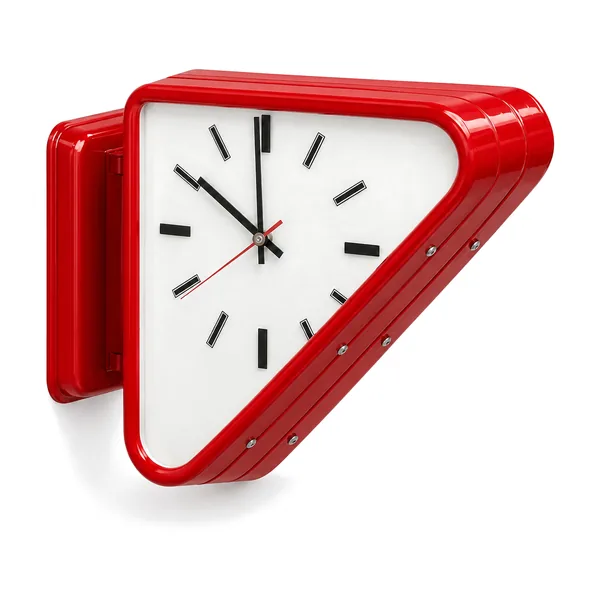
 +15 options
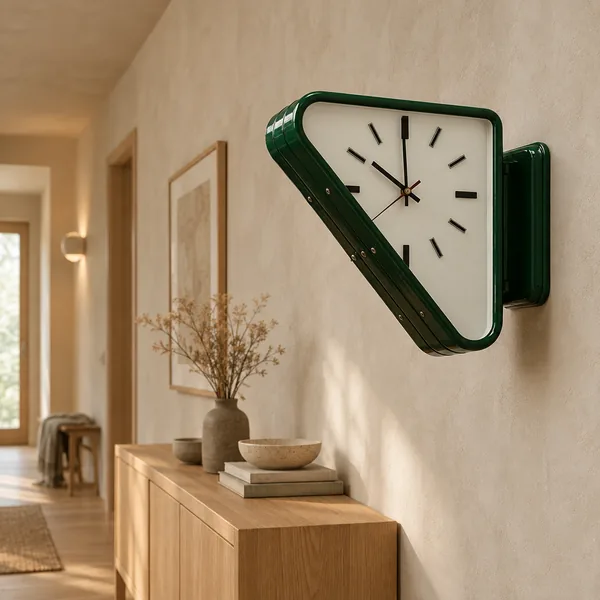
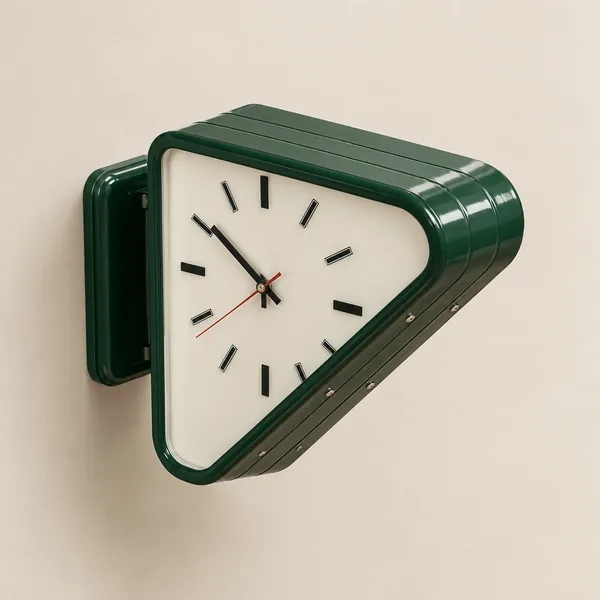
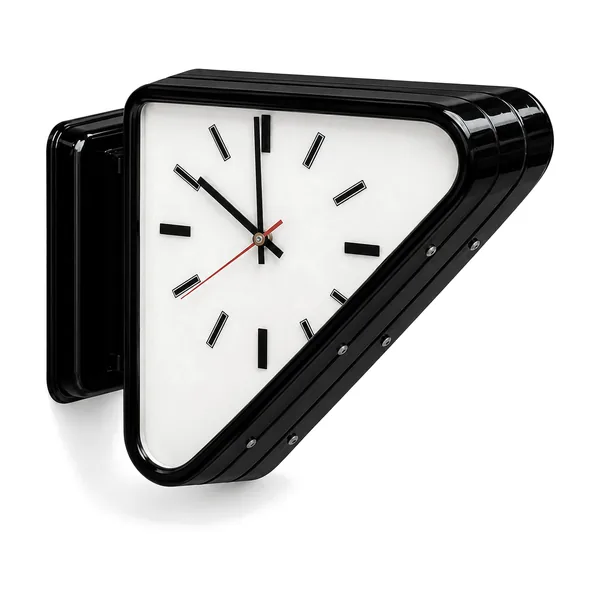
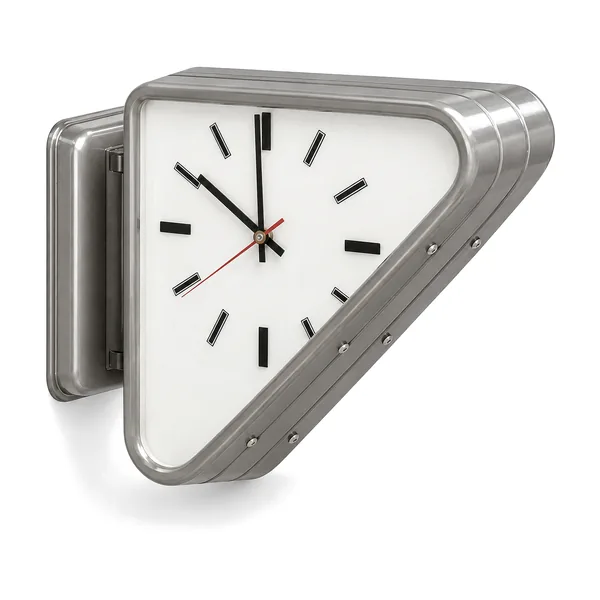
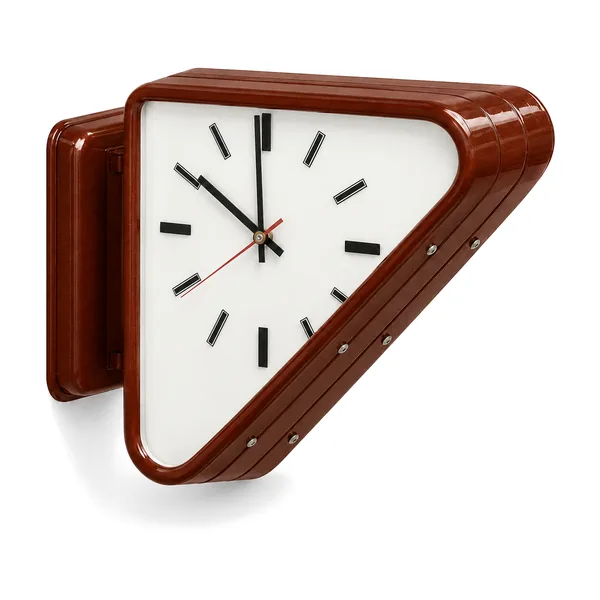
Tvilling Dual-Sided Geometric Metal Wall Clock
Styling Urn Vases in Scandinavian-Inspired Interiors
The question of how to style a ceramic urn vase in modern interiors has no single answer—these versatile pieces adapt to countless arrangements. In Scandinavian-inspired spaces, restraint and intentionality guide every placement decision.
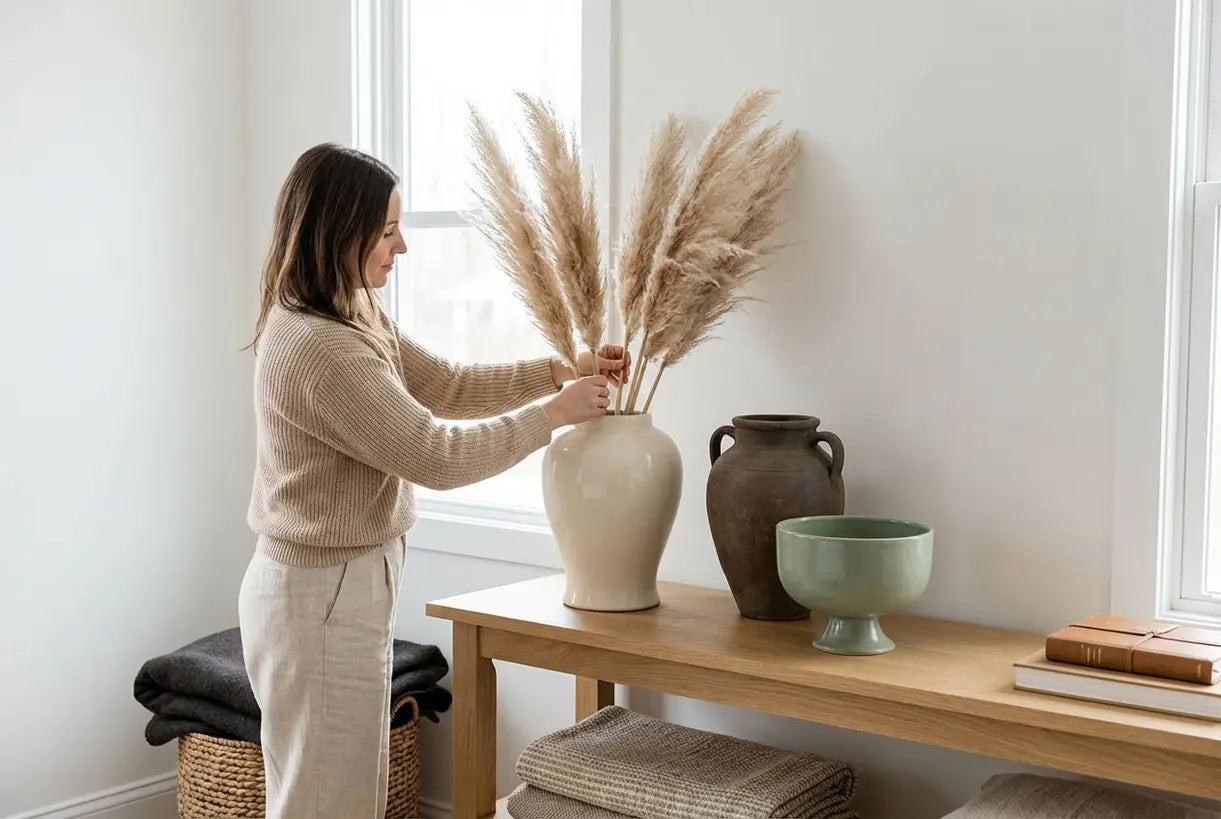
Consider these principles for elevated styling:
- Odd numbers prevail: Group vessels in threes or fives rather than symmetrical pairs for organic, collected-over-time appeal.
- Vary heights thoughtfully: A tall footed ceramic vase anchors the arrangement while smaller pieces create rhythm and visual interest.
- Embrace negative space: Scandinavian design celebrates breathing room. Allow your urn to sit quietly without competing objects nearby.
- Natural palettes dominate: Earth tones, warm whites, and muted greys in your ceramic choices complement Nordic color schemes.
- Botanical companions: Pampas grass, dried lunaria, olive branches, or foraged twigs extend the organic narrative without requiring water.
For visual inspiration on creating beautiful arrangements within your urn vases, this tutorial demonstrates professional techniques for working with faux florals:
Whether positioned on a reclaimed wood mantel, arranged atop a credenza, or placed on a bathroom vanity with a single dried stem, your ceramic urn becomes a daily reminder to embrace beauty in intentional moments. These pieces age gracefully, developing patina and sentimental value that mass-produced alternatives simply cannot replicate.
Conclusion: Elevate Your Space with Timeless Ceramic Form
The ceramic urn vase endures because it satisfies our fundamental desire for objects that feel both beautiful and meaningful. Whether you gravitate toward the classical elegance of amphora forms, the generous proportions of ginger jars, or the refined elevation of footed designs, these vessels bring grounded presence to contemporary interiors.
Investing in quality handcrafted ceramics means welcoming pieces that will accompany you through years of evolving décor. Each Skonne ceramic collection honors Nordic design principles—warmth, authenticity, quiet luxury—while celebrating the individual character that only handmade processes can achieve. Your space deserves pieces that tell a story, and these timeless urn vases speak volumes through their form, texture, and craft.
Explore our curated collection today and discover the ceramic piece that will transform your house into a home filled with intention and hygge.
Related Article
Fluted & Ribbed Ceramic Vases: Textured, Grooved Designs for Modern & Transitional InteriorsExplore fluted and ribbed ceramic vases that bring texture and Nordic elegance to modern and transitional interiors. Find your perfect piece today.