
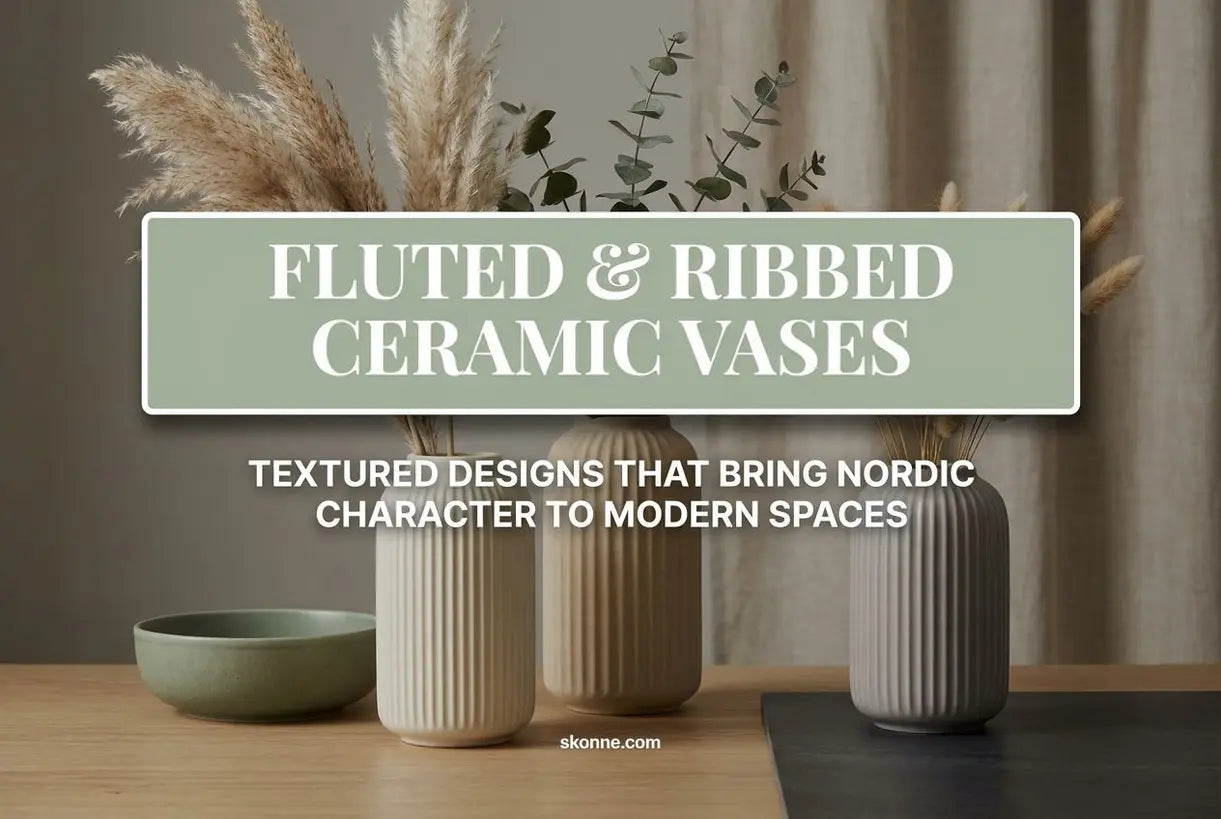
Fluted & Ribbed Ceramic Vases: Textured, Grooved Designs for Modern & Transitional Interiors
Summary›
- Understanding Fluted & Ribbed Ceramic Designs
- Why Textured Vessels Matter in Modern Interiors
- Styling Fluted & Ribbed Vases Throughout Your Home
- Floral Arrangements and Botanical Pairings
- Selecting Colors and Finishes for Your Space
- Curated Selections: Artisan Vessels for Discerning Spaces
- Caring for Your Textured Ceramic Vessels
- Conclusion: Embracing Intentional Texture
Texture transforms a house into a home. In an era of sleek minimalism, we often forget that our spaces crave tactile dimension—the kind that invites touch, catches light, and creates visual rhythm. The fluted ceramic vase has emerged as one of the most versatile pieces in contemporary interior design, bridging the gap between sculptural art and functional decor. These grooved vessels speak a language of intentional craftsmanship that resonates deeply with Scandinavian design philosophy.
Whether you're a homeowner seeking to refresh your living space or a design enthusiast curating vignettes that matter, understanding how these textured pieces work within modern and transitional interiors can elevate your aesthetic. This guide explores everything from the artisan techniques behind ribbed ceramic surfaces to practical styling strategies that honor both form and function.
Understanding Fluted & Ribbed Ceramic Designs
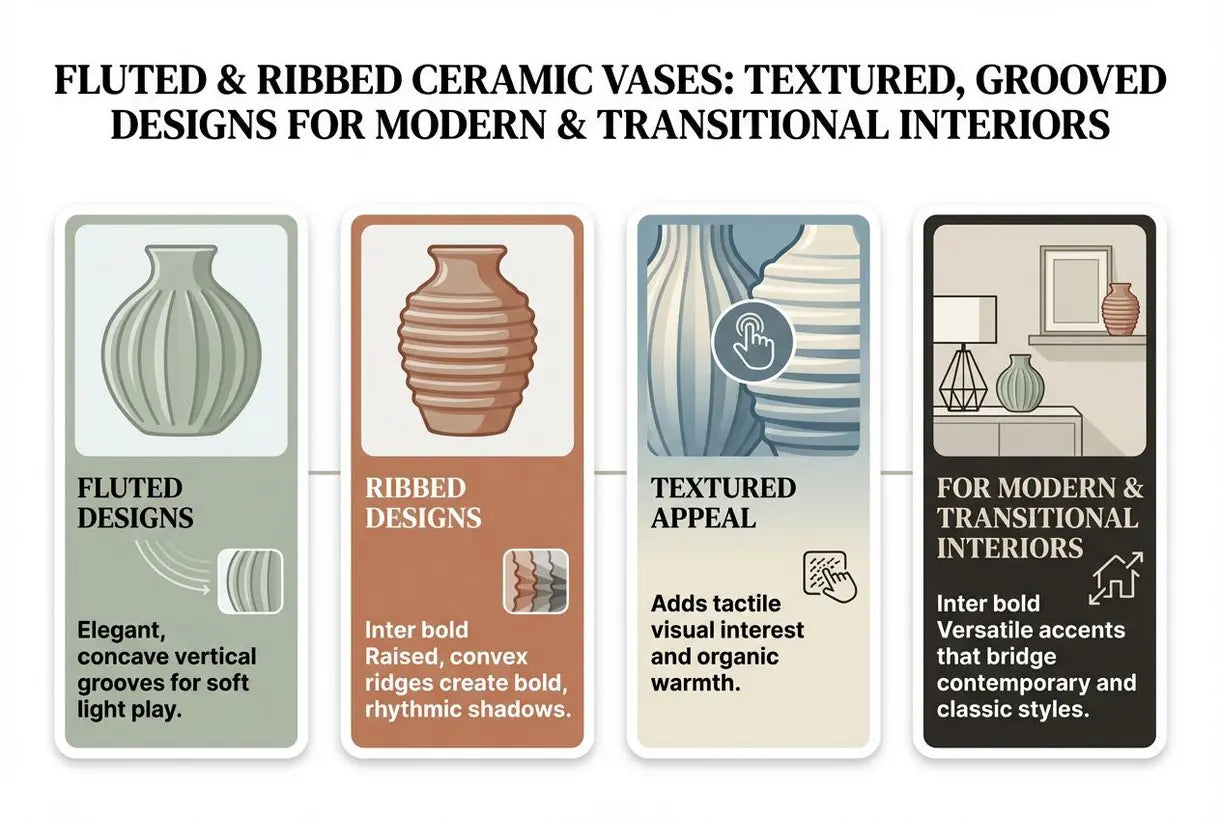
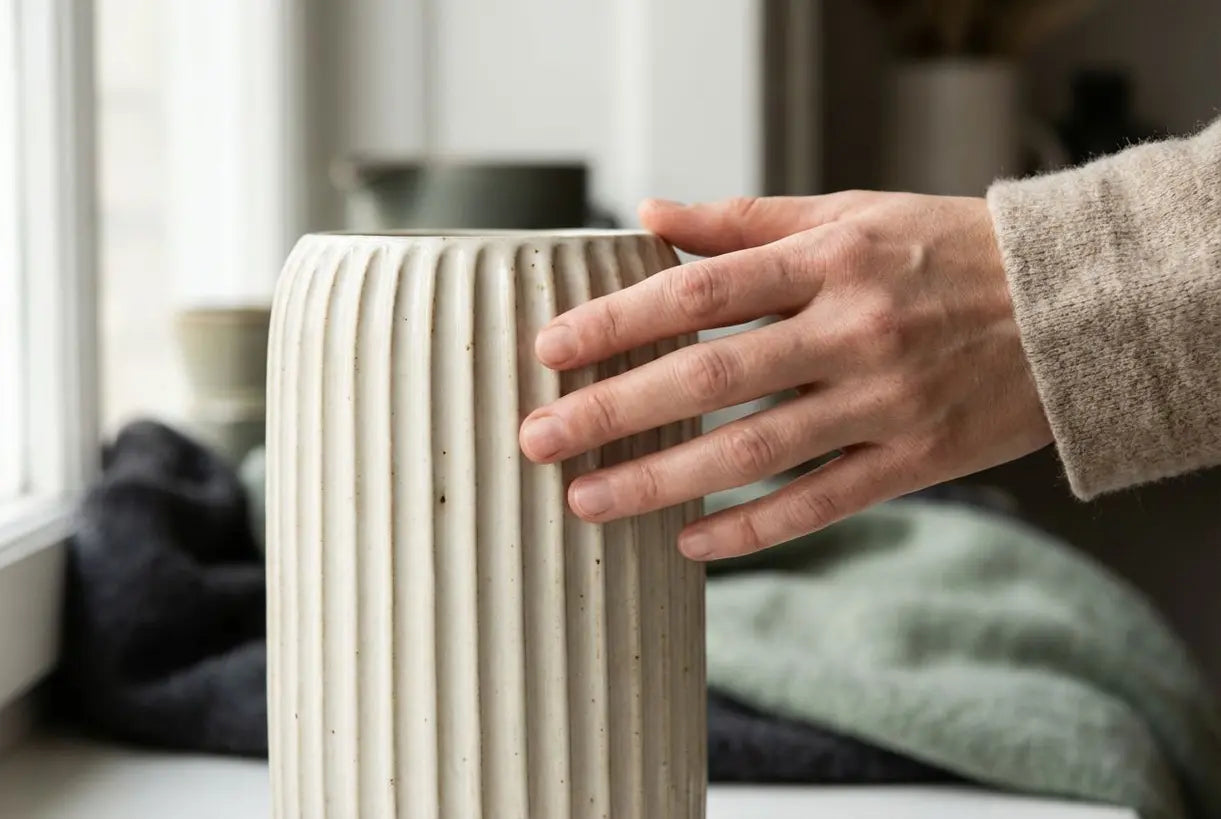
Fluted and ribbed ceramic vases represent a marriage between ancient pottery techniques and contemporary aesthetic sensibilities. The term "fluted" refers to the vertical grooves carved into the ceramic surface, creating channels that play with shadow and light. These grooved ceramic vases draw inspiration from classical architecture—think of the columns on ancient Greek temples—translated into intimate, domestic scale.
Ribbed designs take this concept further with horizontal stripes or bands that wrap around the vessel. A striped ceramic vase creates horizontal movement, while traditional fluting emphasizes verticality and height. The distinction matters when choosing pieces for your space. Vertical fluting draws the eye upward, making it ideal for grounding tall arrangements or creating visual lift in compact rooms. Horizontal ribbing, conversely, creates breadth and presence, perfect for wider mantels or console tables.
The creation of these textures requires skilled hand-building or thoughtful molding techniques. Artisans work the clay before firing, creating ridges that become permanent through the kiln's transformative heat. For those interested in exploring more options, our Homeware collection offers a curated selection of textured vessels that honor this craft tradition.
Why Textured Vessels Matter in Modern Interiors
In minimalist spaces, texture becomes the primary tool for creating visual interest without clutter. A textured vase introduces organic complexity to environments dominated by clean lines and smooth surfaces. This contrast—the interplay between sleek interiors and tactile ceramics—creates the hygge warmth that defines Scandinavian-inspired design.
Modern interiors often struggle with what designers call "visual flatness." When everything is smooth, polished, and monochrome, spaces can feel sterile rather than serene. The ridged vase solves this problem naturally. Its surface catches morning sunlight differently than evening lamplight, creating an ever-changing tableau that keeps your space feeling alive and intentional.
Transitional interiors—those bridging traditional and contemporary elements—find particular harmony with fluted ceramics. The classical reference of vertical grooves connects to furniture with turned legs or paneling details, while the modern, often matte finishes keep the look current rather than dated. For interior professionals specifying pieces that satisfy diverse client tastes, these vessels offer universal appeal.
Decorative Vases
Shop all Decorative Vases
 Save $40.00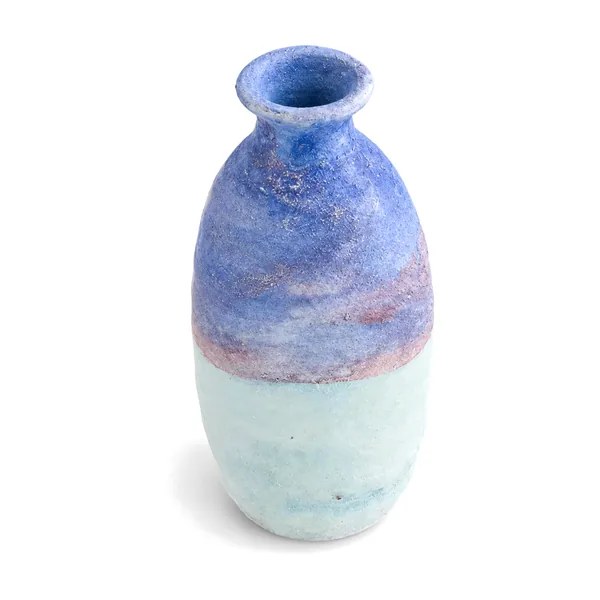
 4 options
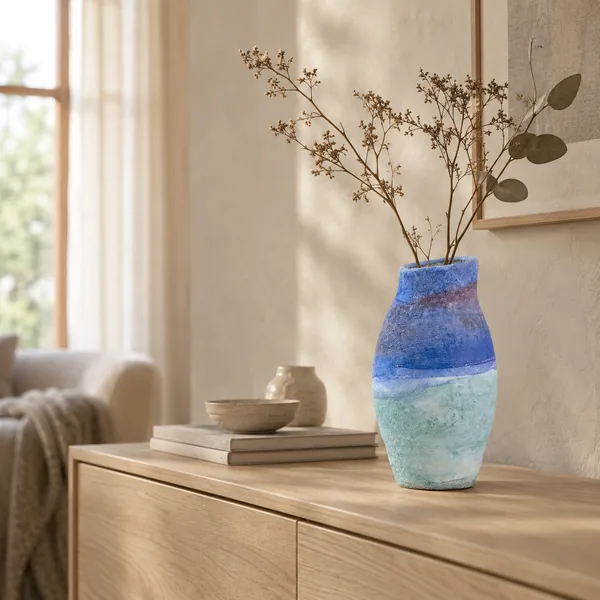
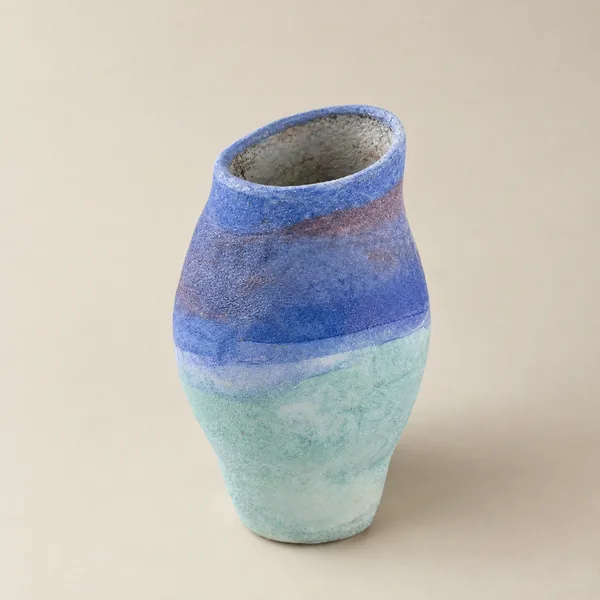
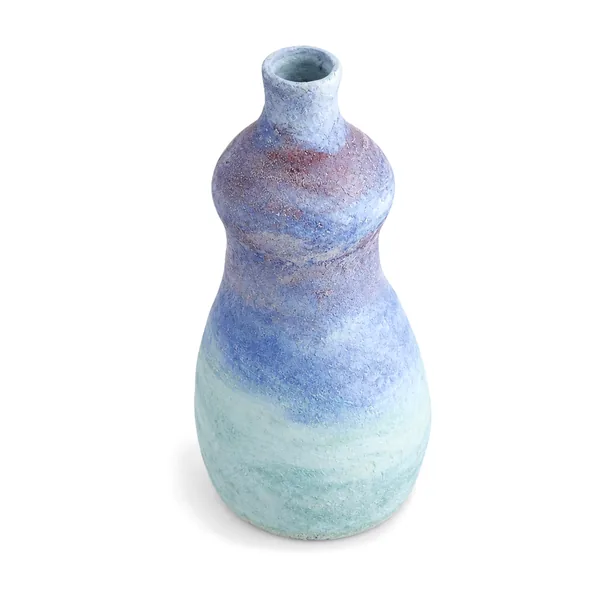
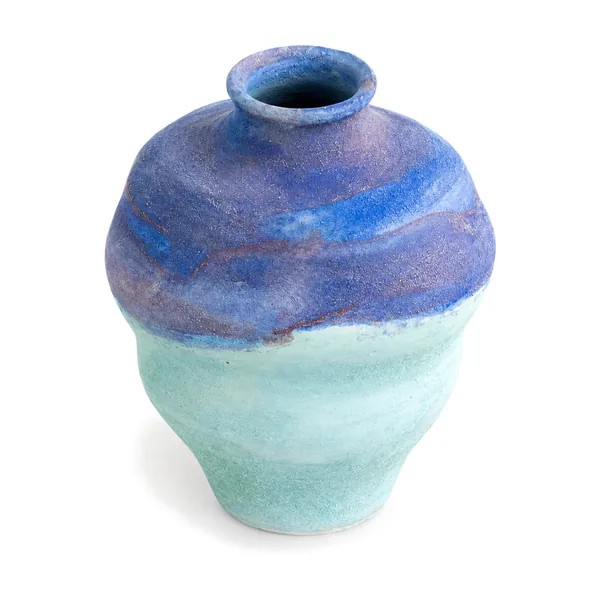
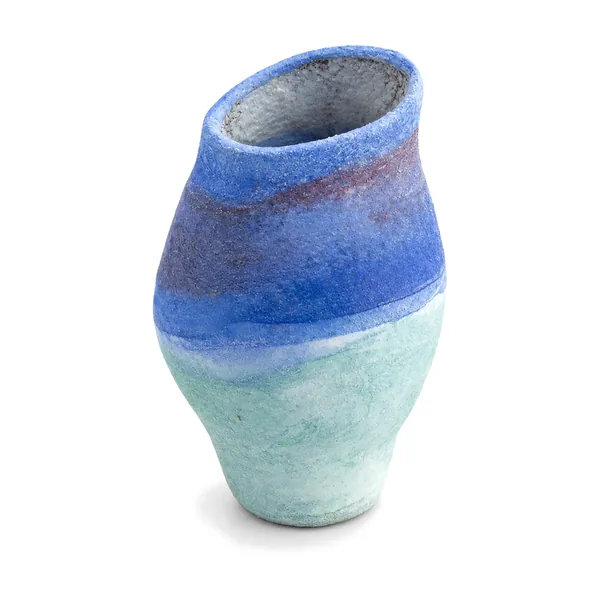
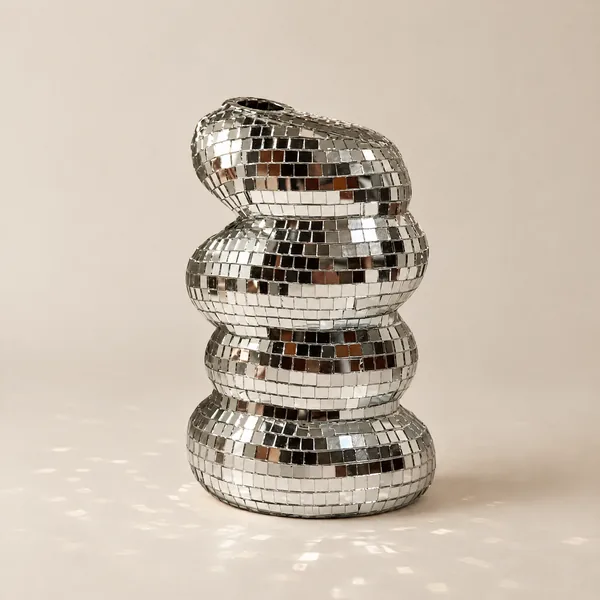
Dyvna Blue Gradient Ceramic Vase for Home Decor
Styling Fluted & Ribbed Vases Throughout Your Home
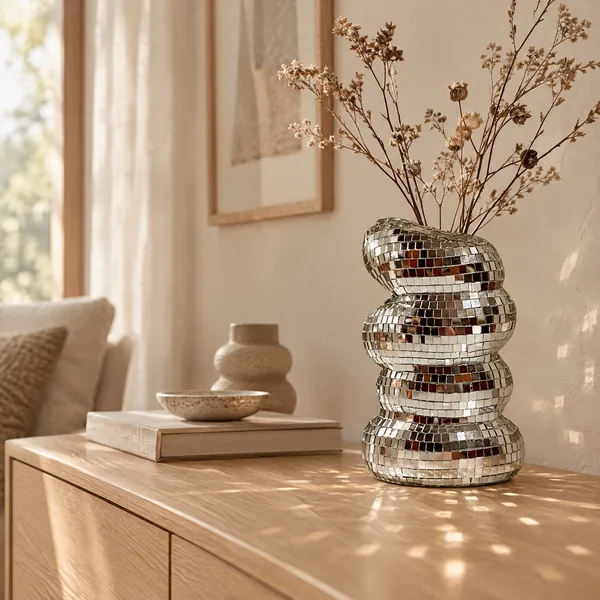
The versatility of the carved ceramic vase lies in its chameleon-like ability to adapt to different environments while maintaining its distinctive character. Each room presents unique opportunities for showcasing these textured designs.
In living rooms, a column vase with pronounced vertical fluting serves as an anchor for coffee table arrangements. Position it where natural light streams through windows—the shadows cast by the grooves create an ever-changing pattern throughout the day. Pair with design books and a sculptural candle holder for a curated look that feels collected rather than decorated.
Entryways benefit from the bold presence of larger ribbed pieces. These transitional spaces set the tone for your entire home. A substantial ribbed pottery vase on a console table immediately communicates that texture and craftsmanship matter here. The tactile quality invites guests to pause and appreciate the intentional details before moving deeper into your space.
Bedrooms and intimate spaces call for softer interpretations. Smaller fluted vessels in muted tones create gentle bedside table vignettes or vanity accents. In these private spaces, the vase becomes a personal touchpoint—a reminder of the beauty found in handmade imperfection.
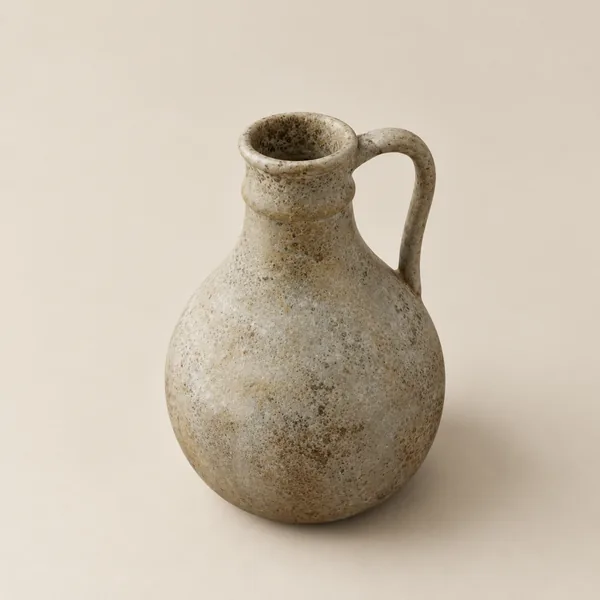
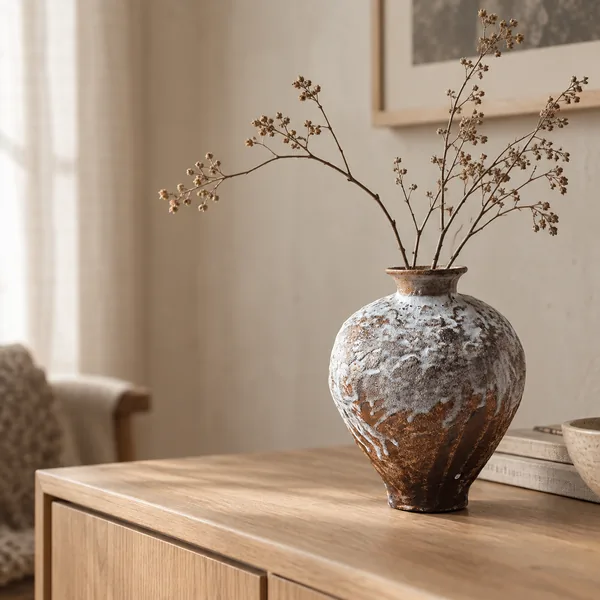 Stille Small Jingdezhen Ceramic Wabi-Sabi Vase$129.00$189.00
Floral Arrangements and Botanical Pairings
The relationship between a vase and its botanical contents determines the success of any arrangement. Fluted and ribbed ceramics offer unique advantages for displaying both fresh and dried materials.
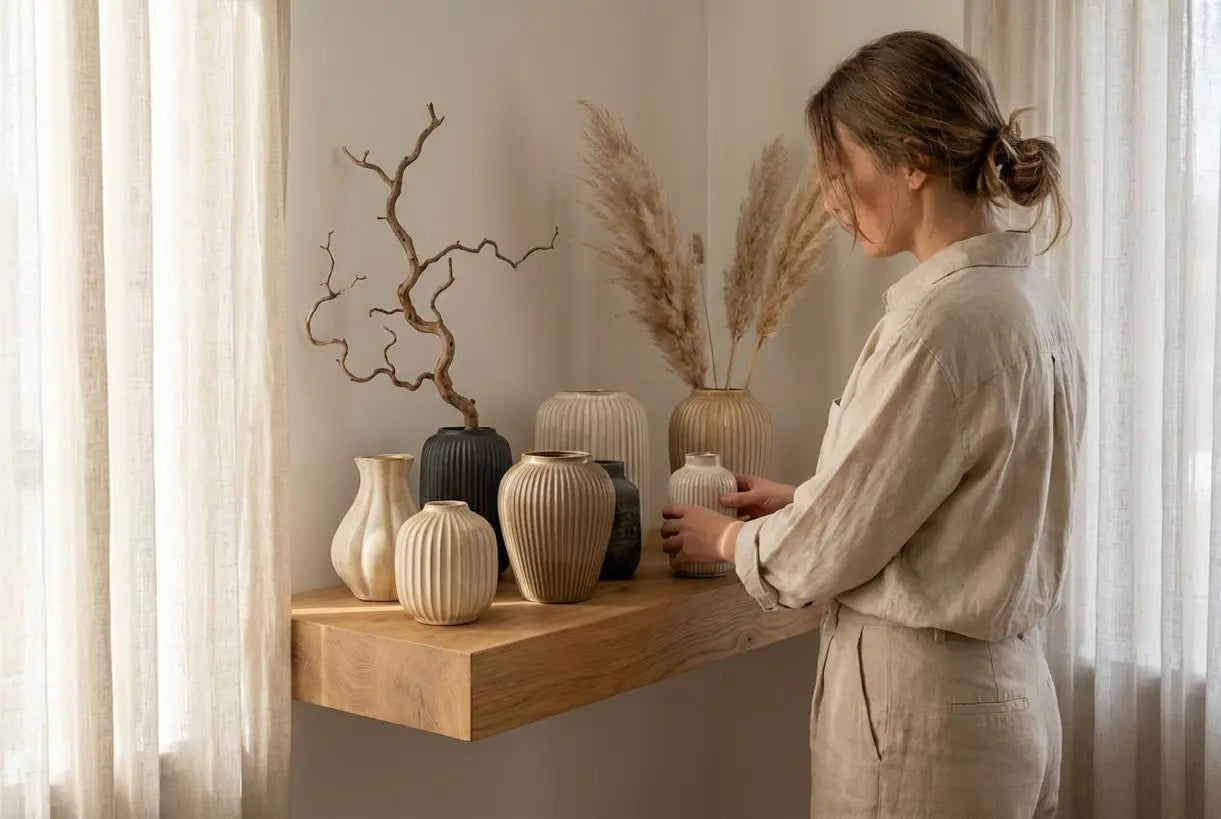
Wide-mouthed fluted vessels accommodate abundant bouquets with natural flow. The vertical grooves echo the direction of stems, creating harmonious verticality. Narrow-necked versions excel at supporting singular statement branches or dried botanicals—think pampas grass, bleached wheat, or architectural seed pods that extend the sculptural quality of the vase itself.
When choosing flowers for your fluted pottery vessel, consider texture relationships. Soft, billowy blooms like peonies or garden roses create beautiful contrast against rigid grooves. Alternatively, spiky varieties such as thistle or protea extend the architectural quality of ribbed surfaces. For a truly Nordic approach, embrace the trend of leaving your vase empty—let the form speak for itself as a standalone sculptural object.
Selecting Colors and Finishes for Your Space
The Nordic vase palette tends toward earthy, grounded tones that honor natural materials. Warm whites, soft greys, terracotta, and sage greens dominate contemporary collections. These hues work because they complement rather than compete with interior color schemes.
Matte finishes amplify the tactile quality of fluted surfaces. Without gloss to reflect light uniformly, matte glazes allow shadows to settle naturally in grooves, emphasizing texture over shine. This subdued quality aligns perfectly with the Scandinavian aesthetic of quiet luxury—beauty that reveals itself slowly through touch and contemplation rather than demanding immediate attention.
When integrating a statement ribbed piece into your existing decor, consider your room's dominant materials. Wood tones warm up ceramic surfaces. Metal accents—brass or blackened steel—create sophisticated contrasts. Natural linen and wool textiles echo the organic quality of handcrafted vessels. Your vase should feel like it belongs in conversation with these elements.
Home Decor
Shop all Home Decor
 Save $44.50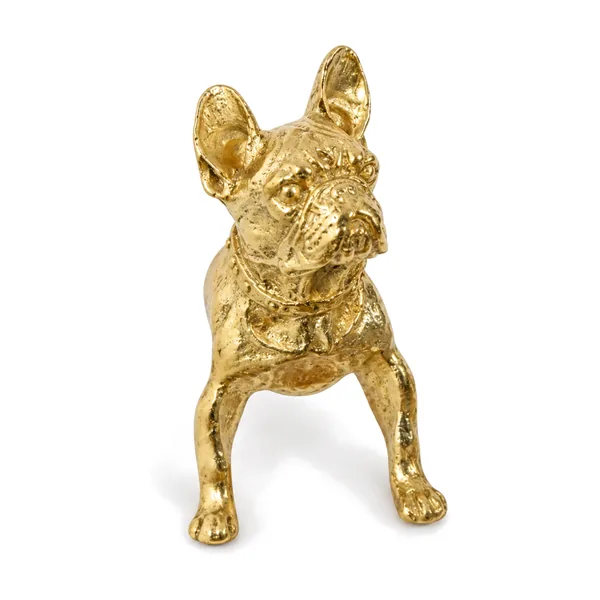
 2 options
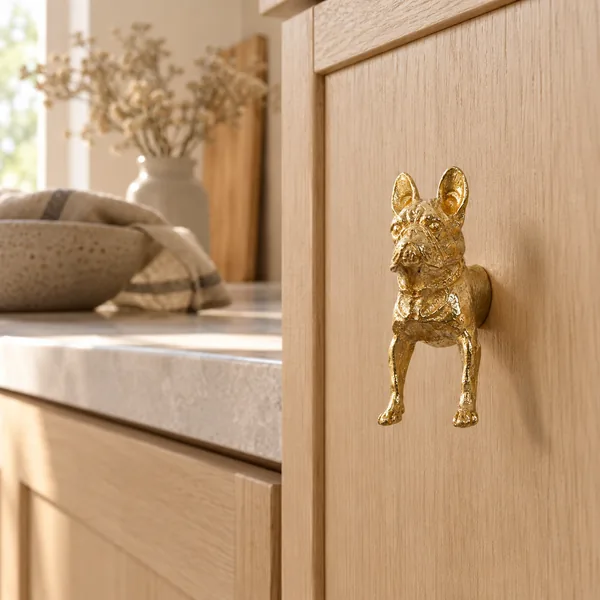
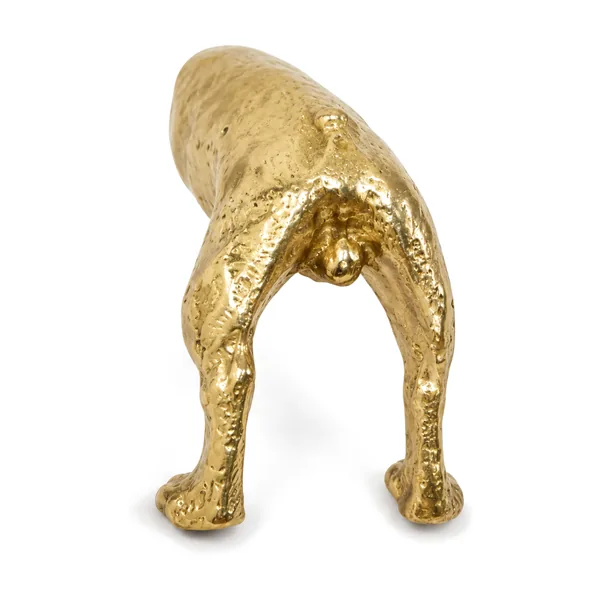
Tassa Polished Brass Dog Cabinet Pull Handle
 Save $110.00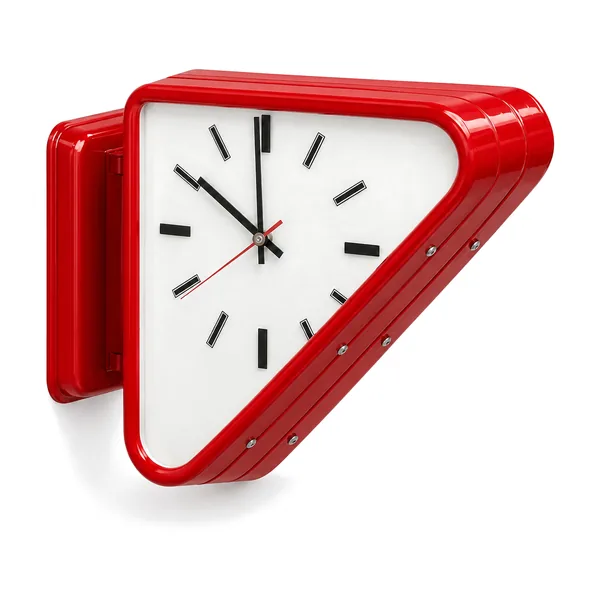
 +15 options
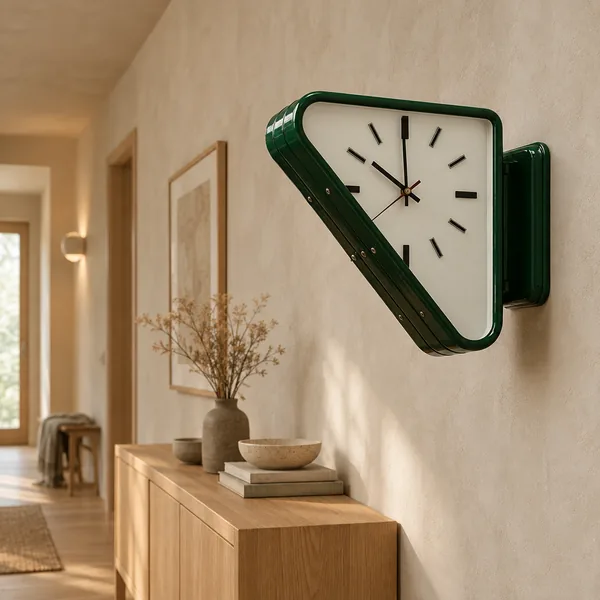
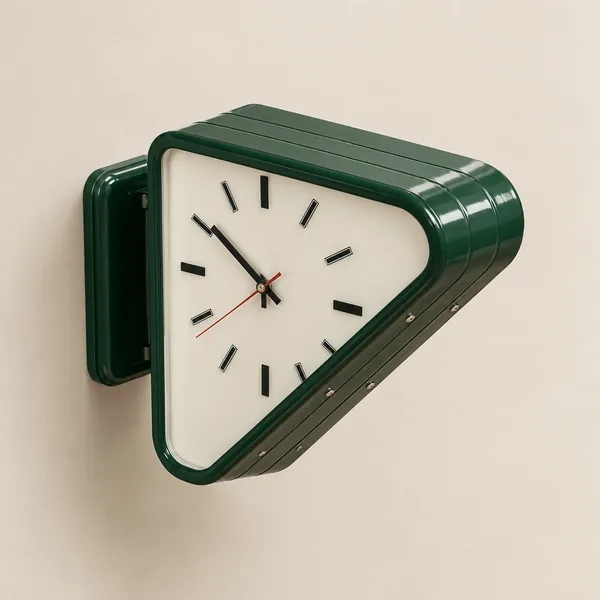
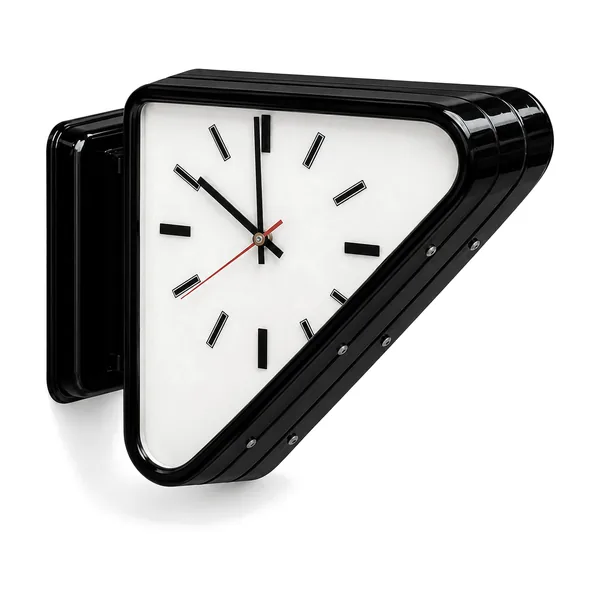
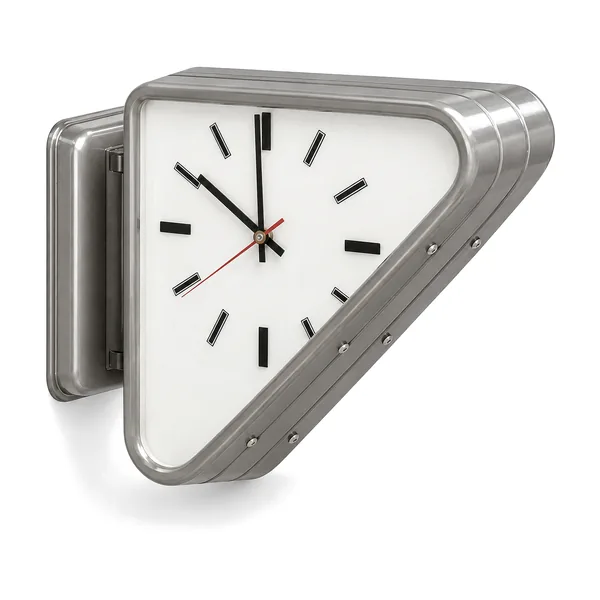
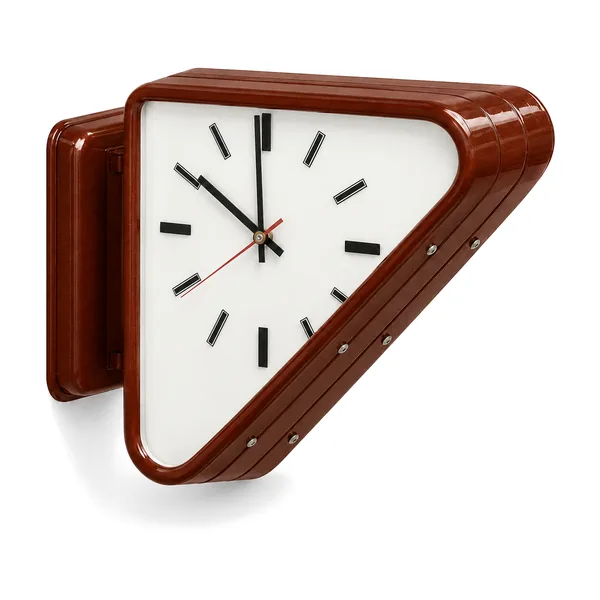
Tvilling Dual-Sided Geometric Metal Wall Clock
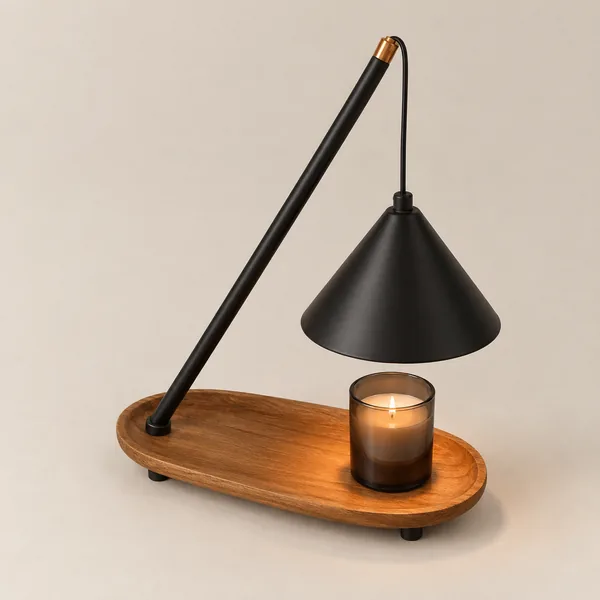
Curated Selections: Artisan Vessels for Discerning Spaces
True ceramic home decor transcends trends. It carries the marks of the maker's hand—the slight irregularities that distinguish craft from commodity. For those who value authenticity and artisan heritage, selecting pieces that honor traditional techniques while speaking contemporary design language is essential.
The intersection of Japanese wabi-sabi philosophy and Nordic design creates particularly compelling vessels. Both traditions find beauty in imperfection, in the passage of time, and in natural materials. The resulting ceramics possess a timeless quality that transcends seasonal decorating cycles.
Artisan Textured Vases for Your Collection
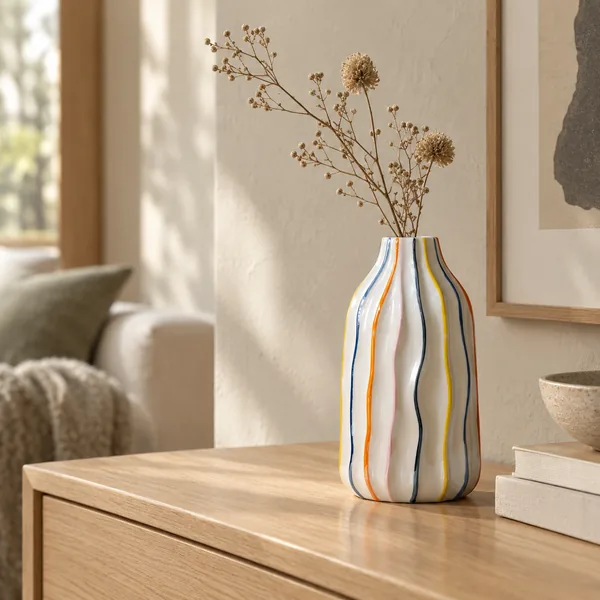 Randal Multicolor Striped Ceramic Vase Decor$69.00$119.00
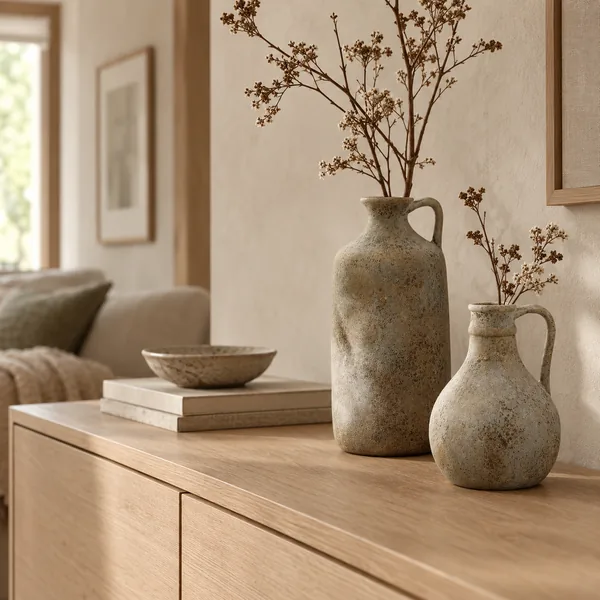 Kvista Handmade Ceramic Vase for Nordic Decor$119.00$169.00
Caring for Your Textured Ceramic Vessels
Textured ceramics require thoughtful maintenance to preserve their beauty. Unlike smooth glazed surfaces that wipe clean easily, the grooves and ridges of fluted designs can accumulate dust and debris over time.
Regular dusting with a soft, dry brush—an old paintbrush or makeup brush works beautifully—keeps channels clean without risk of scratching. For deeper cleaning, use a soft cloth dampened with warm water and mild dish soap. Avoid submerging unglazed ceramic, as porous clay can absorb water and develop stains.
When displaying dried botanicals, remove them periodically to prevent dust accumulation in both the stems and vase crevices. Fresh flower arrangements benefit from frequent water changes to prevent bacterial growth in hard-to-reach grooved areas. With proper care, your Nordic vase will develop a patina that enhances rather than diminishes its character—a living object that ages gracefully within your home.
Conclusion: Embracing Intentional Texture
The enduring appeal of the fluted ceramic vase lies in its ability to satisfy multiple design needs simultaneously. It brings texture to minimalist spaces, warmth to contemporary environments, and artisan authenticity to curated interiors. These vessels honor ancient pottery traditions while speaking the visual language of modern design.
At Skonne, we believe that the objects we surround ourselves with should bring both beauty and meaning to our daily lives. Our curated collection of ribbed ceramic vase designs celebrates the craft traditions and materials that create soulful homes. Whether you're styling a single statement piece or building a collection of complementary vessels, the quality and intention behind each selection determines the ultimate success of your interior.
Transform your space with the tactile dimension and timeless elegance of textured ceramics—discover pieces designed to be lived with, loved, and passed down through generations.
Related Article
Grey & Cream Ceramic Vases: Neutral, Minimal Designs for Scandinavian & Modern InteriorsElevate your space with our curated collection of grey and cream ceramic vases. Perfect for minimalist, Scandinavian, and modern interiors.