
Chiming Wall Clocks: The Best Westminster & Musical Designs for a Classic Home

Summary›
There's something undeniably captivating about a wall clock with chimes marking the passing hours. The resonant tones of Westminster chimes drifting through a home create an atmosphere of timeless elegance—a gentle reminder to pause and appreciate the present moment. Yet in our increasingly connected world, where notifications constantly vie for attention, many homeowners find themselves drawn to the aesthetic heritage of chiming timepieces while seeking a more peaceful daily experience.
This guide explores the art of chiming wall clocks, from the storied tradition of Westminster melodies to how modern Scandinavian design has reimagined the classic timepiece for contemporary living. Whether you're attracted to the nostalgic charm of a pendulum's gentle swing or prefer the sculptural beauty of a silent statement piece, you'll discover how to bring intentional timekeeping into your home.
Understanding Westminster Chimes: The Sound of Heritage
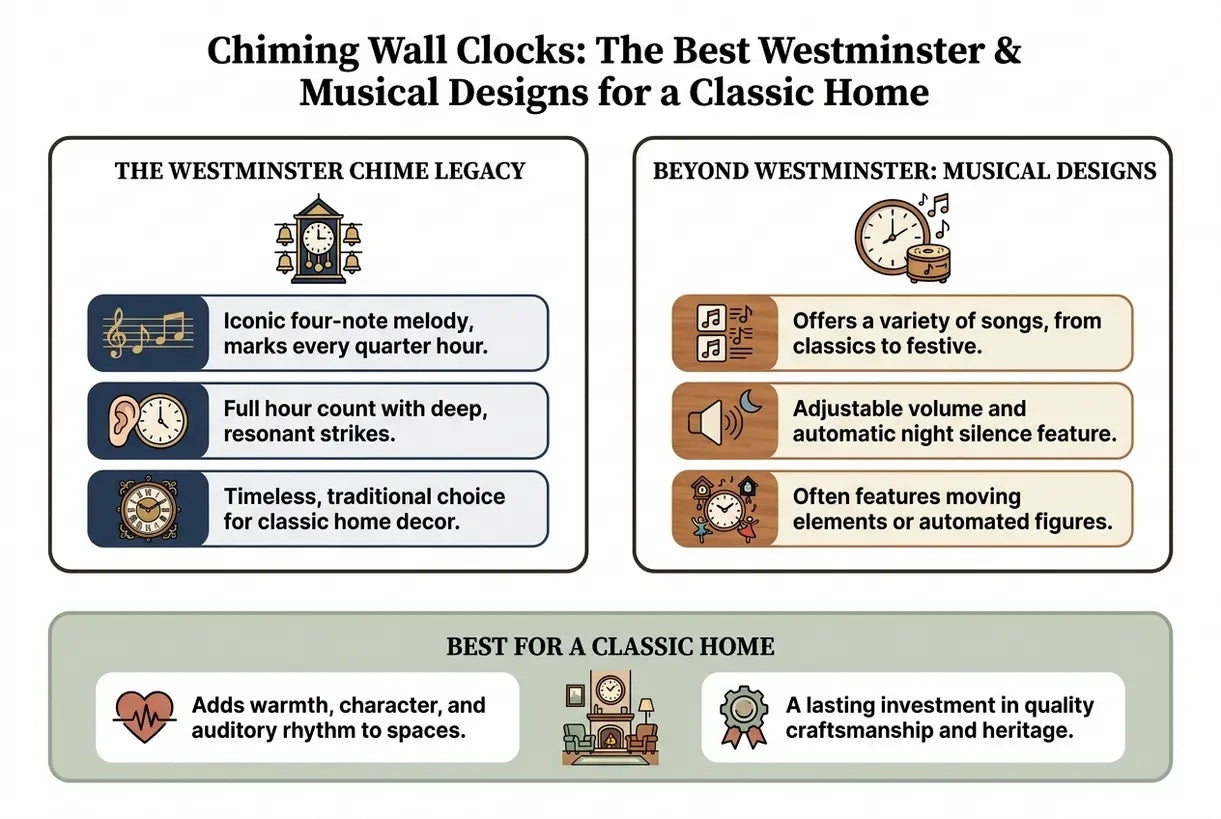
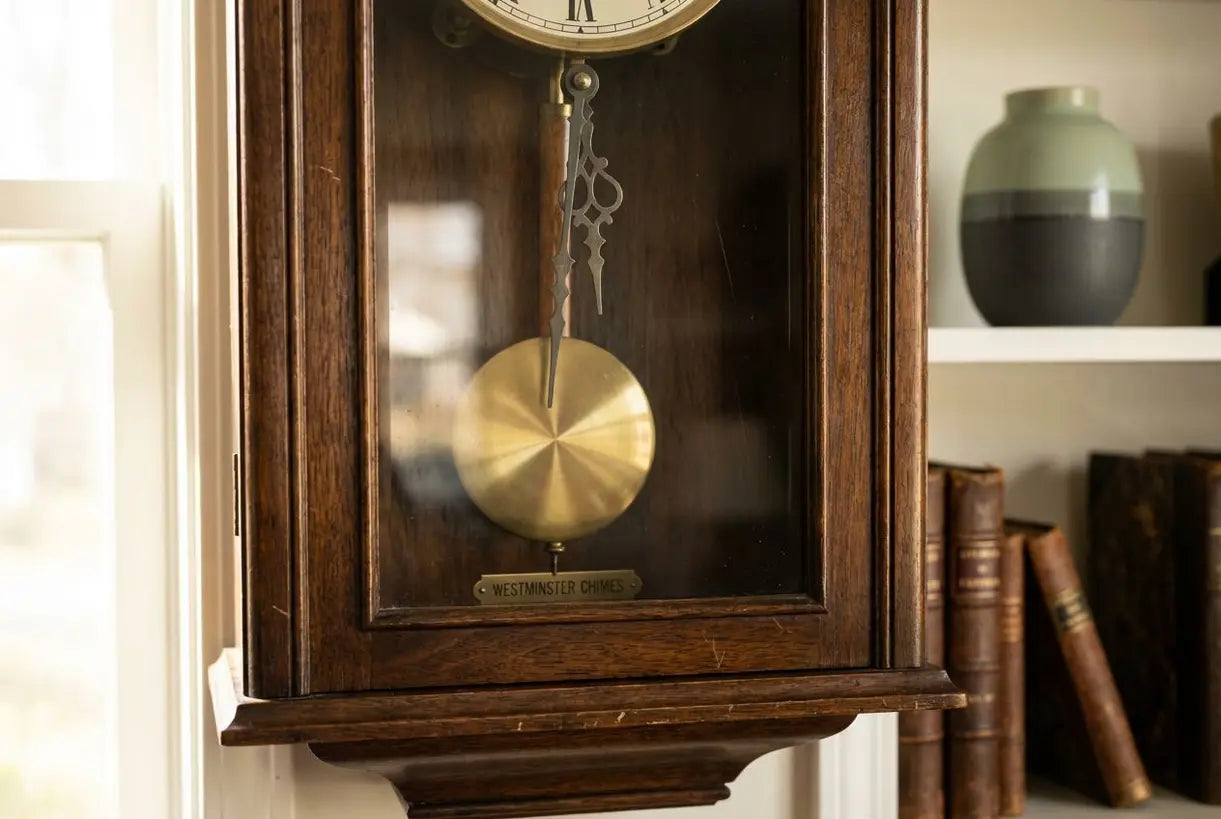
The Westminster chime melody is perhaps the most recognizable clock sound in the world. Originally created for the clock tower of the Palace of Westminster in London—home to Big Ben—this four-phrase melody has become synonymous with quality timekeeping and British craftsmanship. Each quarter-hour brings a distinct progression of notes, culminating in the full melody and hour count at the top of the hour.
Traditional Westminster chiming wall clocks use either mechanical movements requiring weekly winding or battery operated chiming clocks with quartz mechanisms. The former offers an authentic, heirloom-quality experience with visible gears and often a swinging pendulum. The latter provides convenience and reliability, with many offering volume controls and nighttime silencers for undisturbed sleep.
Did You Know? The Westminster chime sequence follows a mathematical pattern based on the Cambridge Chimes. The melody consists of five permutations of four notes, originally derived from Handel's Messiah.
The Enduring Appeal of the Wall Clock with Pendulum and Chimes
A wall clock with pendulum and chimes represents more than mere timekeeping—it's a connection to centuries of horological tradition. The visible pendulum serves both functional and aesthetic purposes. Physics dictates its swinging motion: the regular arc ensures consistent timekeeping through gravitational force. Visually, it creates a meditative focal point, bringing kinetic energy to a room's design.
For those drawn to vintage wall clocks with chimes, the market offers everything from restored 19th-century grandfather styles to mid-century modern interpretations. These pieces often feature rich hardwood cases, brass accents, and glass doors that reveal intricate mechanical movements. The patina of age adds character that new pieces simply cannot replicate.
The appeal of a classic wall clock lies in its ability to anchor a space. Hung above a fireplace, in a foyer, or as the centerpiece of a gallery wall, it commands attention while serving a practical purpose. The melodic announcement of each hour transforms a household routine into a moment of acoustic beauty.
Decorative Wall Clocks
Shop all Wall Clocks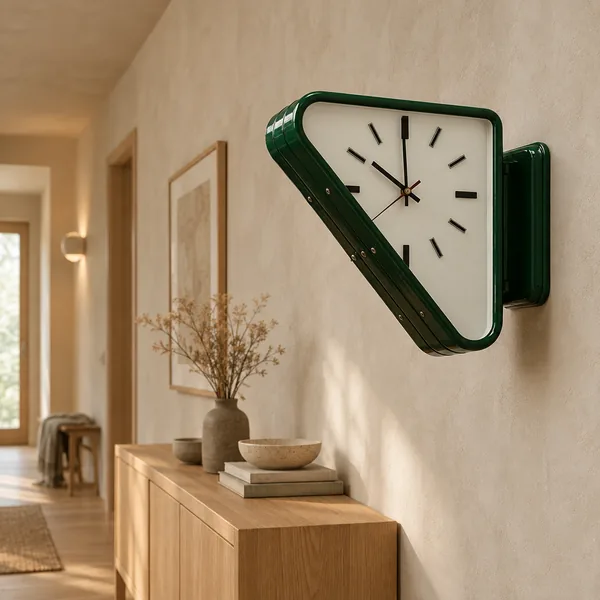
 Save $110.00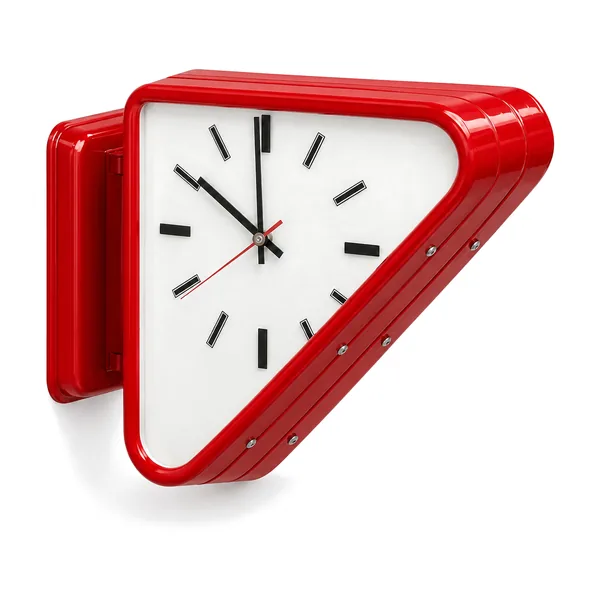
 +15 options
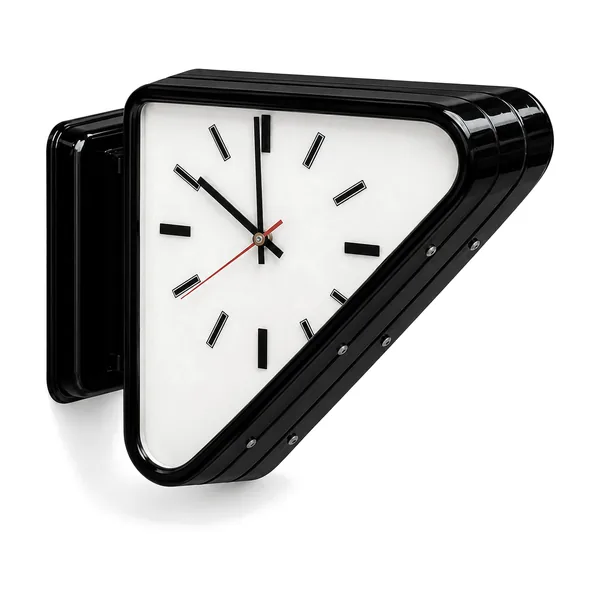
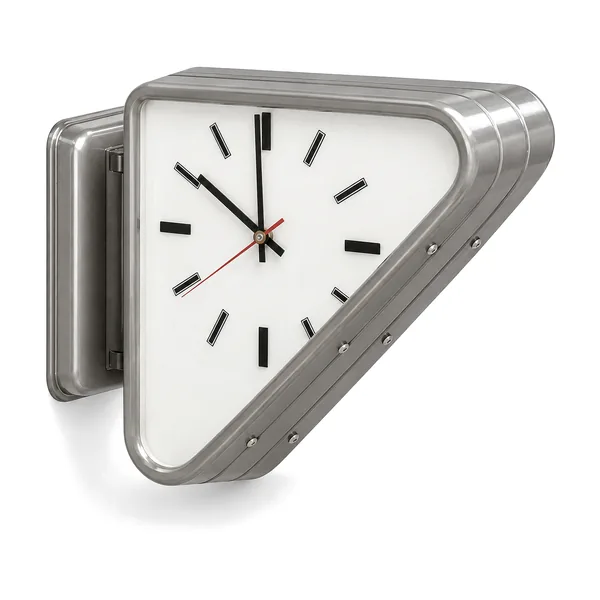
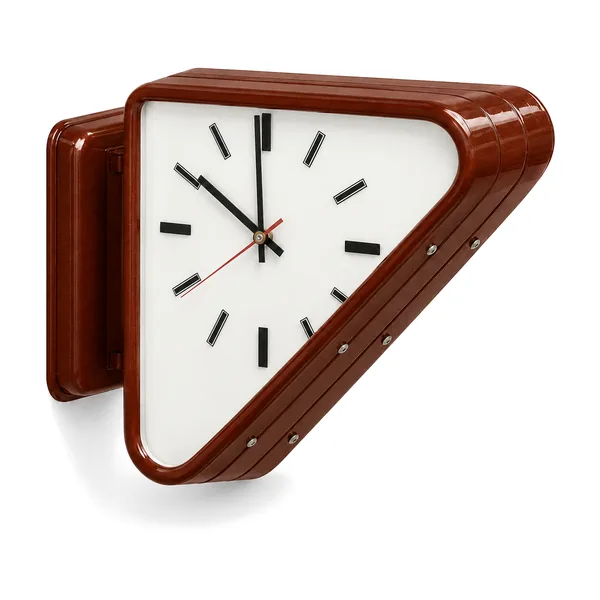
Tvilling Dual-Sided Geometric Metal Wall Clock
 Save $70.00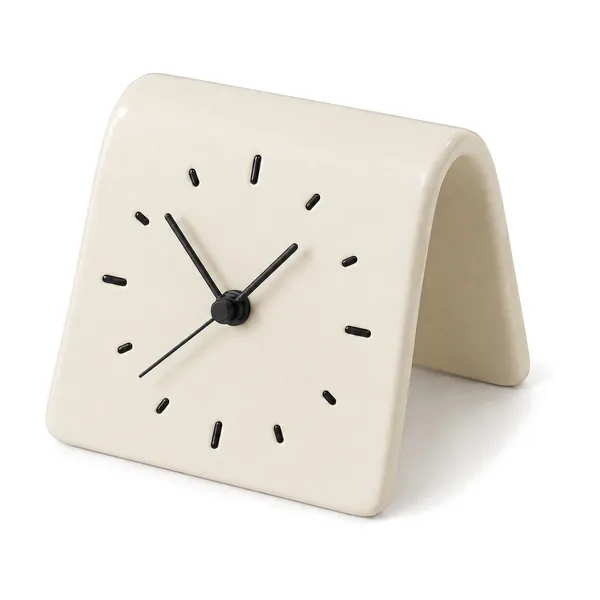
 +37 options
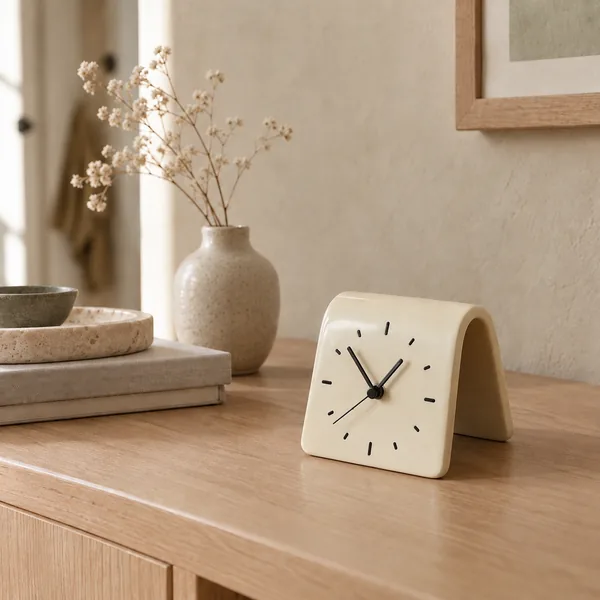
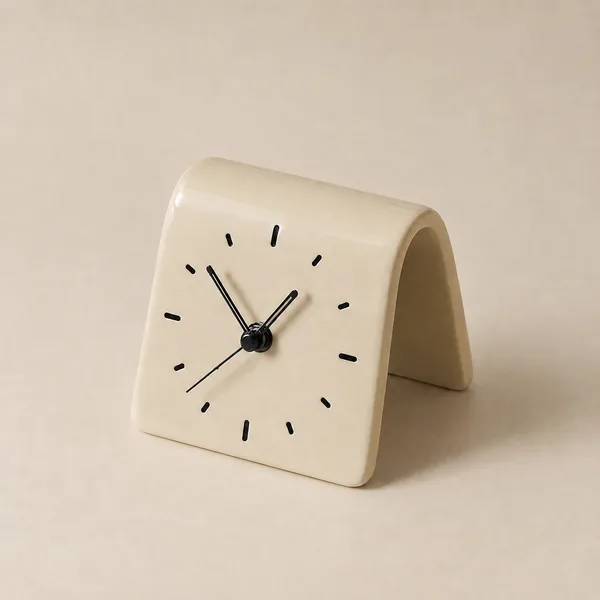
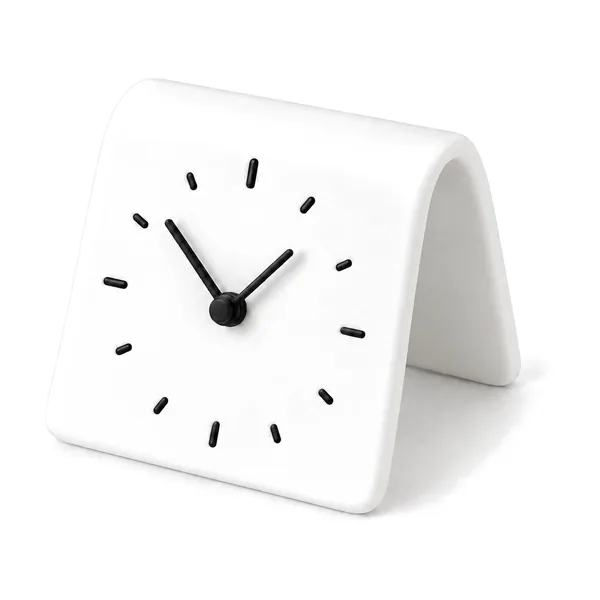
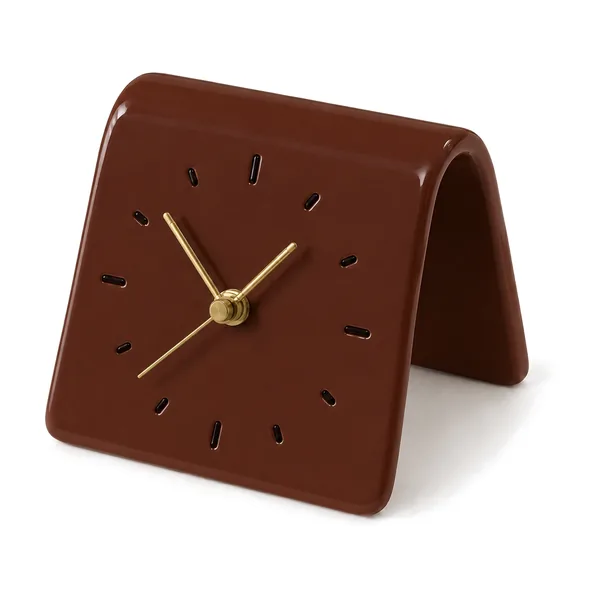
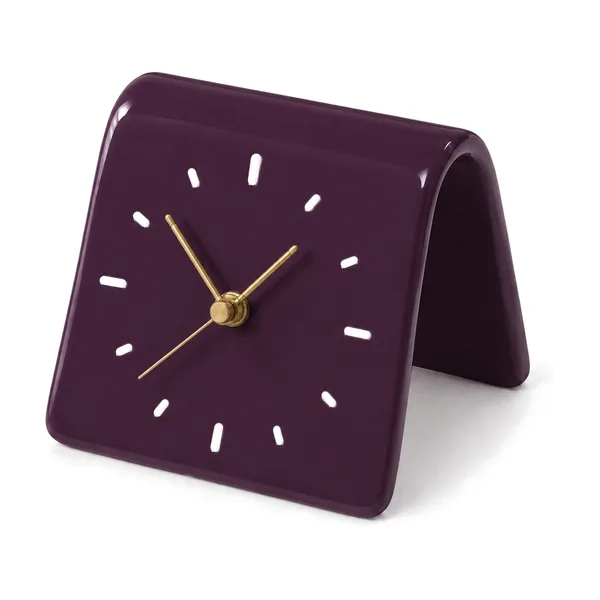
Tilje Silent Ceramic Desk Clock for Modern Homes

 Save $120.00
Stilla Silent Resin Wall Clock Nordic Minimalist
When Silence Becomes Sacred: Modern Interpretations
While the romance of chiming clocks endures, modern living often demands quieter solutions. Open-concept homes, home offices, and bedrooms require timepieces that respect the need for uninterrupted focus and rest. This shift has given rise to a new category: modern chiming clocks that honor traditional aesthetics while embracing silent quartz movements.
The Scandinavian design philosophy—central to Skonne's curation—embraces this evolution beautifully. Rather than viewing silence as an absence, Nordic design treats it as a positive quality, creating space for contemplation and calm. A silent wall clock becomes not a lesser version of its chiming ancestor, but a distinct expression of intentional living.
The Tvilling: Dual-Sided Drama for Open Spaces
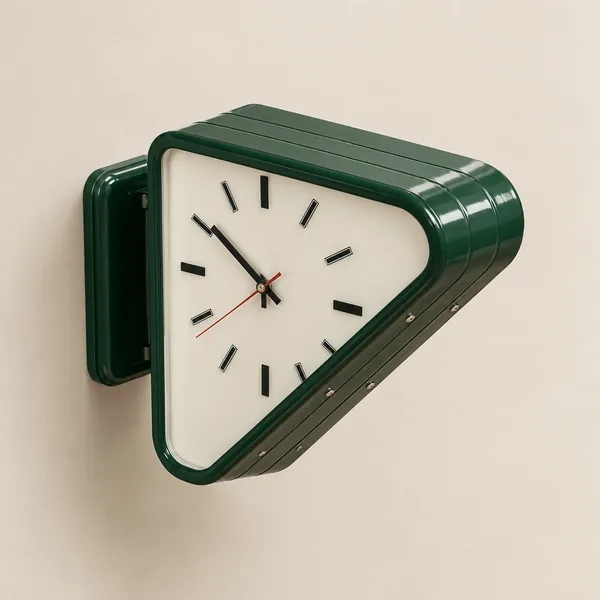
For those who love the commanding presence of a substantial wall clock but prefer peaceful surroundings, the Tvilling Dual-Sided Geometric Metal Wall Clock offers an inspired solution. This sculptural piece reads as architectural art first and timepiece second, with its dual-sided display visible from multiple angles—perfect for open-concept living areas where a traditional single-sided clock would feel limited.
Available in five sophisticated finishes, the Tvilling adapts to diverse interiors while maintaining its gallery-worthy presence. The silent movement ensures that while its geometric form catches the eye, it never competes for attention acoustically. This makes it ideal for spaces where you might otherwise consider a chiming pendulum wall clock but need the flexibility of quiet operation.
Tvilling Dual-Sided Geometric Metal Wall Clock$269.00$379.00The Art of Quiet Elegance: Ceramic and Resin Interpretations
Modern timepiece design has expanded beyond traditional materials, embracing ceramics, resins, and mixed media that would be impossible in mechanical quartz chiming clocks. These contemporary materials allow for organic shapes, unexpected textures, and finishes that catch ambient light in ever-changing ways.
The evolution from classic pendulum mechanisms to sculptural wall pieces represents more than technological advancement—it's a shift in how we relate to time itself. Where musical wall clocks announce each hour with authority, silent designs invite personal awareness. Both approaches have merit; the choice depends on your lifestyle, space, and the atmosphere you wish to cultivate.
Complementing your timepiece with thoughtful lighting creates a cohesive design statement. For those looking to explore more options, our Flush-Mount Wall Lights collection offers fixtures that pair beautifully with statement clocks, providing the perfect ambient illumination for both silent and chiming timepieces alike.
Sculptural Designs That Replace Sound with Texture
The Glansa Chrome Ceramic Wall Clock Silent Quartz embodies this principle perfectly. Its ceramic body with chrome electroplated finish reads as sculpture first, catching and reflecting light throughout the day. Like a vintage wall clock with chimes might anchor a traditional study, the Glansa commands attention through material presence rather than acoustic resonance.
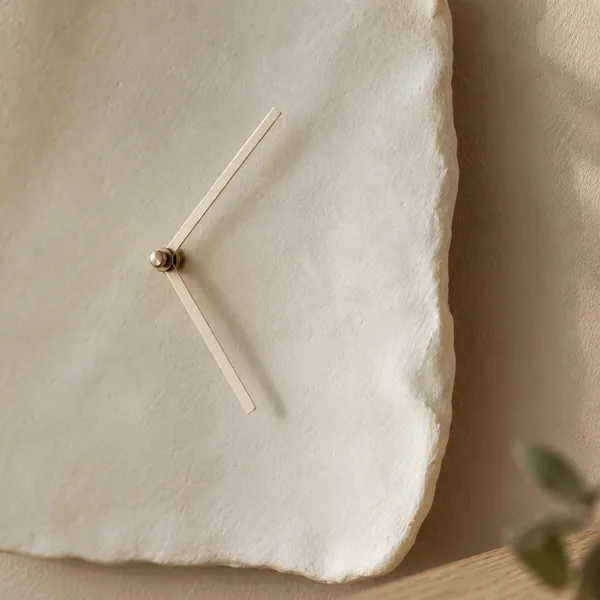
For those drawn to organic, natural forms, the Stilla Silent Resin Wall Clock Nordic Minimalist offers irregular contours and a matte stone-like surface that brings gallery-art sophistication to residential spaces. Its no-tick movement ensures complete acoustic neutrality—ideal for bedrooms, meditation spaces, or anywhere peace matters most.
Modern Silent Alternatives for Contemporary Living
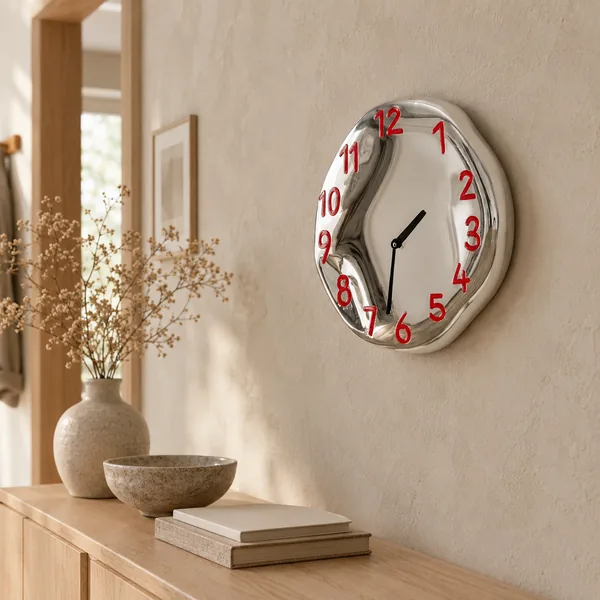 Glansa Chrome Ceramic Wall Clock Silent Quartz$329.00$479.00Stilla Silent Resin Wall Clock Nordic Minimalist$259.00$379.00
Lighting
Shop all Lighting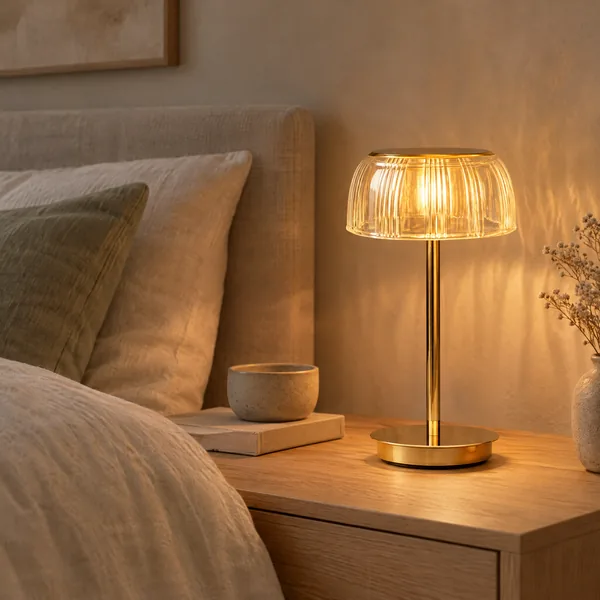
 Save $30.00
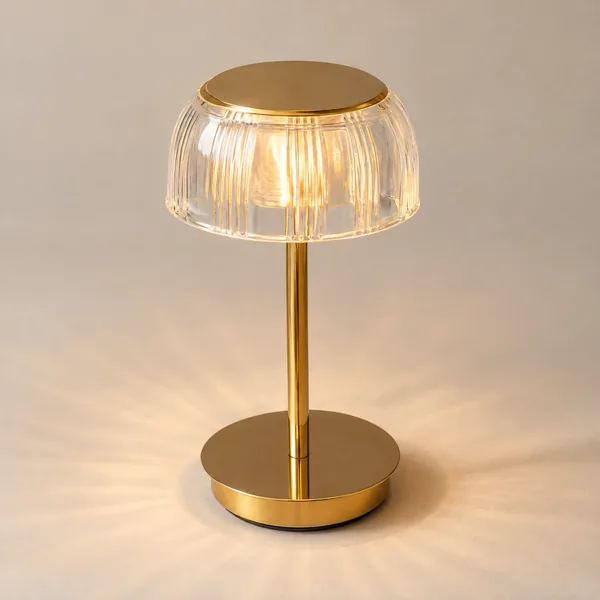
Kvalla Jellyfish LED Rechargeable Table Lamp
 Save $140.00
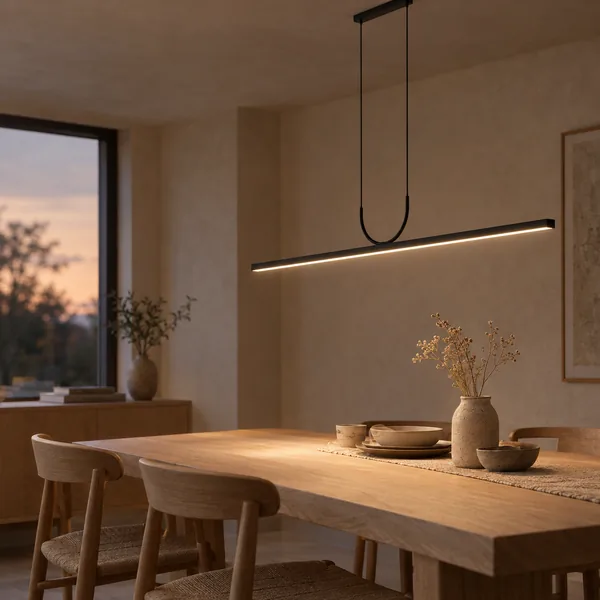
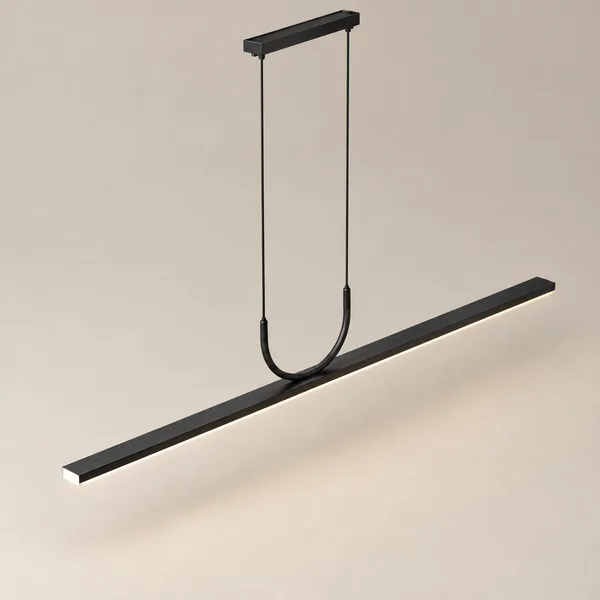
Linné Minimalist Linear Black LED Pendant Light
 Save $60.00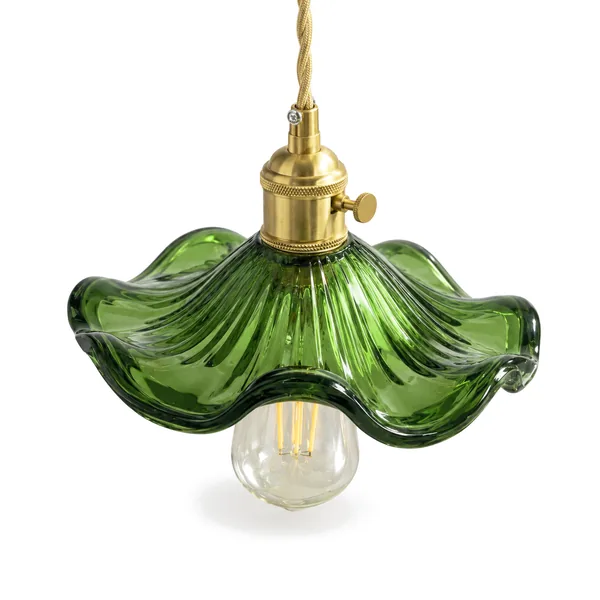
 3 options
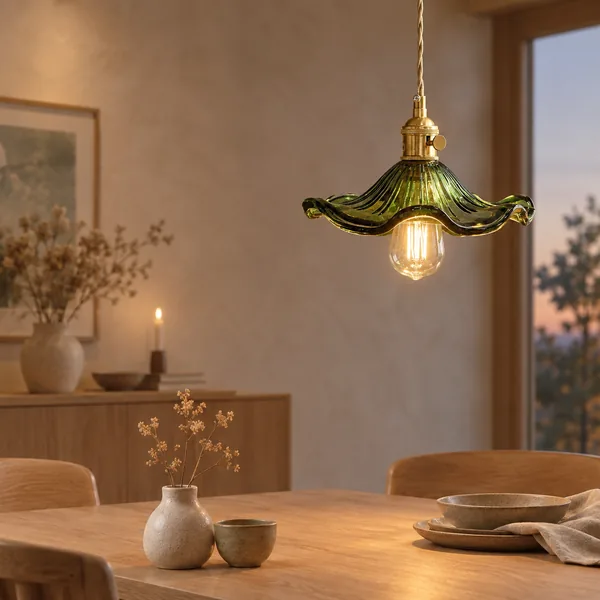
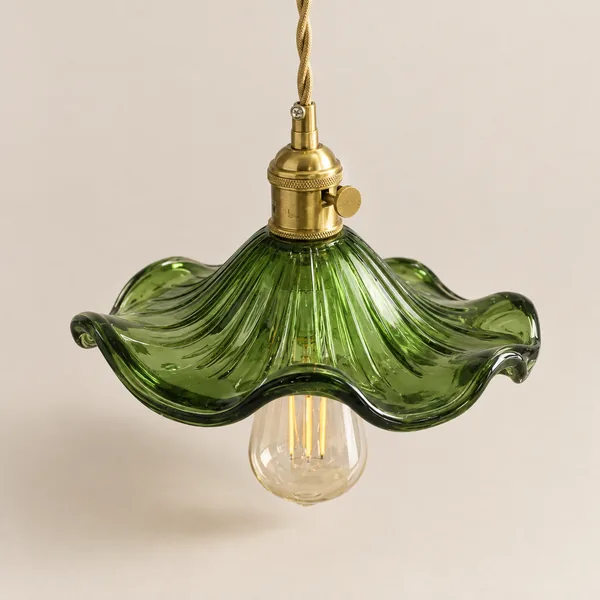
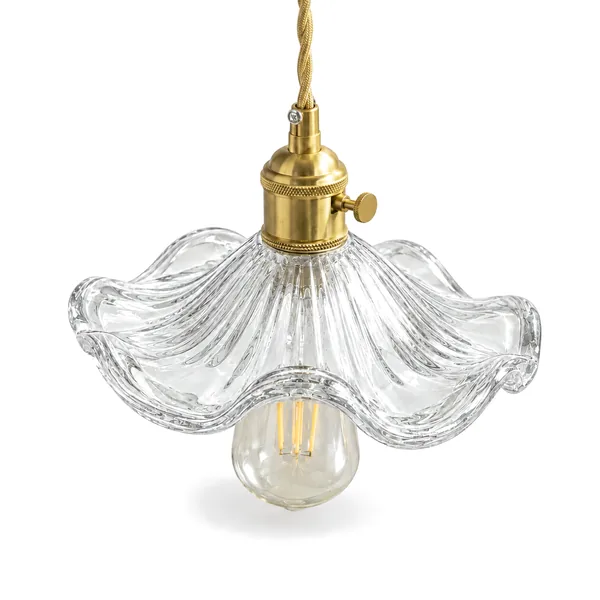
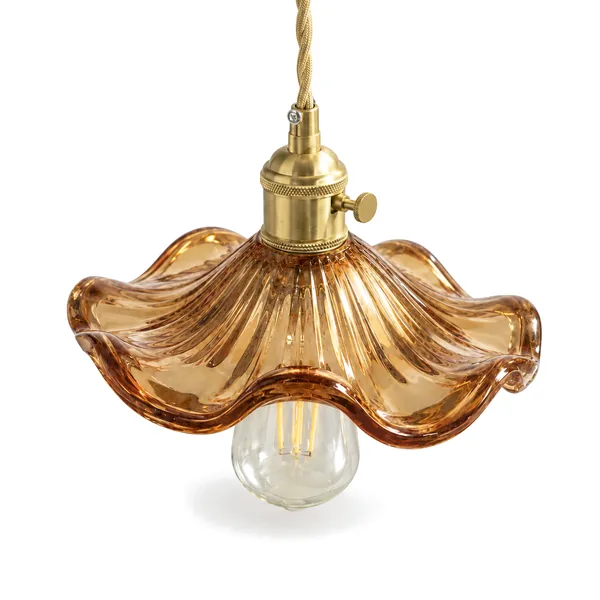
Glora Nordic Glass Pendant Light with Copper
Choosing Between Tradition and Tranquility
When selecting a pendulum wall clock or any significant timepiece for your home, consider both aesthetic and practical factors. Ask yourself:
- Where will this clock live? Bedrooms and home offices typically benefit from silent operation, while living rooms, dining spaces, and entryways can accommodate chiming mechanisms.
- What's your maintenance preference? Mechanical chiming clocks require regular winding and occasional professional servicing. Battery operated chiming clocks and silent quartz options need only battery replacement.
- What statement do you want to make? A traditional classic wall clock speaks to heritage and continuity, while sculptural modern designs express contemporary sophistication.
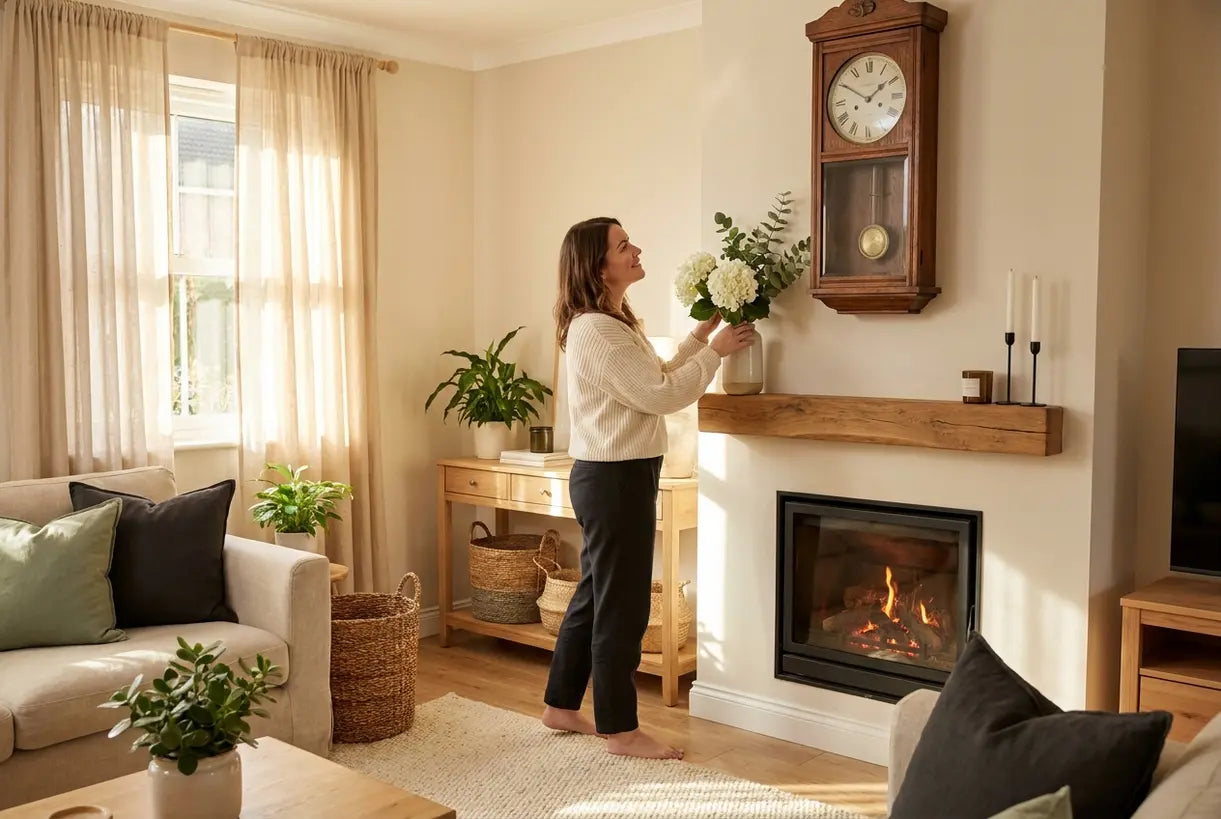
According to interior design principles, the ideal clock placement positions the center at eye level—typically 57-60 inches from the floor. In dining rooms, position above a sideboard or buffet. In living spaces, consider placing above a fireplace mantel or as part of a gallery wall arrangement. Remember that a substantial clock serves as artistic anchor; give it breathing room rather than crowding with competing decorative elements.
Caring for Your Timepiece: Essential Maintenance Tips
Whether you choose a Westminster chiming wall clock or a modern silent design, proper care ensures longevity and accuracy. For mechanical chiming clocks:
- Wind at the same time each week to maintain consistent power delivery
- Keep away from direct sunlight and extreme temperature fluctuations
- Have mechanical movements professionally serviced every 5-7 years
- Dust cases gently with a soft microfiber cloth
For quartz and silent designs, maintenance is simpler—periodic battery replacement and gentle cleaning suffice. Check theSmithsonian's guide to clock mechanics for deeper insight into timepiece technology.
Creating Timeless Moments in Your Home
The right wall clock does more than tell time—it shapes how you experience your space and your days. Whether you're drawn to the melodic heritage of a wall clock with chimes or the contemplative quiet of sculptural modern designs, the key is choosing a piece that resonates with your lifestyle and aesthetic sensibilities.
At Skonne, we believe that every element in your home should serve both function and beauty. Our curated collection of wall clocks honors the timeless tradition of quality timekeeping while embracing the Scandinavian values of simplicity, intentionality, and hygge comfort. From statement pieces that command attention to subtle accents that complete a room, each design has been selected to bring warmth and character to your walls.
Explore our complete collection and discover the perfect timepiece for your space—whether it chimes softly through your evenings or maintains peaceful silence while marking the quiet passage of hours.
Related Article
Outdoor Wall Clocks: Weather-Resistant Designs for Patios, Gardens & Exterior SpacesDiscover weather-resistant outdoor wall clocks designed for patios and gardens. From waterproof materials to UV-resistant finishes, find the perfect timepiece for your exterior space.