
How to Choose the Right LED Pendant Lights for Your Space
Summary›
- Why LED Pendant Lights Are the Smart Choice
- Selecting the Perfect Size for Your Space
- Understanding Height and Placement
- Scandinavian Style Considerations
- Dimming and Smart Features
- Installation: DIY or Professional?
- Curated Solutions for Every Room
- LED vs. Incandescent: The Efficiency Comparison
- Creating Your Perfect Lighting Layer
Lighting has the power to completely transform how a space feels and functions. When you're looking to add both character and practicality to your kitchen, dining area, or living room, LED pendant lights offer an elegant solution that balances Scandinavian simplicity with modern efficiency. These suspended fixtures don't just illuminate—they create atmosphere, define zones, and serve as sculptural elements that anchor your interior design.
Whether you're renovating your kitchen island, refreshing your dining room, or simply seeking better task lighting, selecting the right pendant requires thoughtful consideration of scale, height, and style. This guide walks you through everything you need to know to choose LED pendant lights that feel intentional and elevate your everyday moments at home. Along the way, we'll explore how thoughtfully designed fixtures—like those in our curated collection—can solve common lighting challenges with understated sophistication.
Why LED Pendant Lights Are the Smart Choice
Before diving into measurements and styles, it helps to understand why LED technology has become the preferred choice for modern pendant lighting. Unlike traditional incandescent bulbs, LED modules offer remarkable longevity—often lasting 25,000 to 50,000 hours—while consuming significantly less energy. This means fewer bulb changes and lower electricity bills over the lifetime of your fixture.
Beyond practicality, LED pendant lights provide consistent, high-quality illumination without the heat output of older technologies. This makes them ideal for task lighting over kitchen islands or creating comfortable ambient glow in dining areas. Modern LED fixtures also offer excellent color rendering, ensuring your food looks appetizing and your decor appears true to life.
Energy Efficiency That Makes a Difference
When comparing energy efficient pendant lighting options, LEDs use approximately 75% less energy than incandescent bulbs to produce the same amount of light. For a typical kitchen with three pendant lights over an island, this translates to meaningful savings on your energy bill while reducing your environmental footprint. Many LED fixtures are also compatible with dimmer switches, allowing you to adjust brightness throughout the day to match your needs and mood.
Selecting the Perfect Size for Your Space
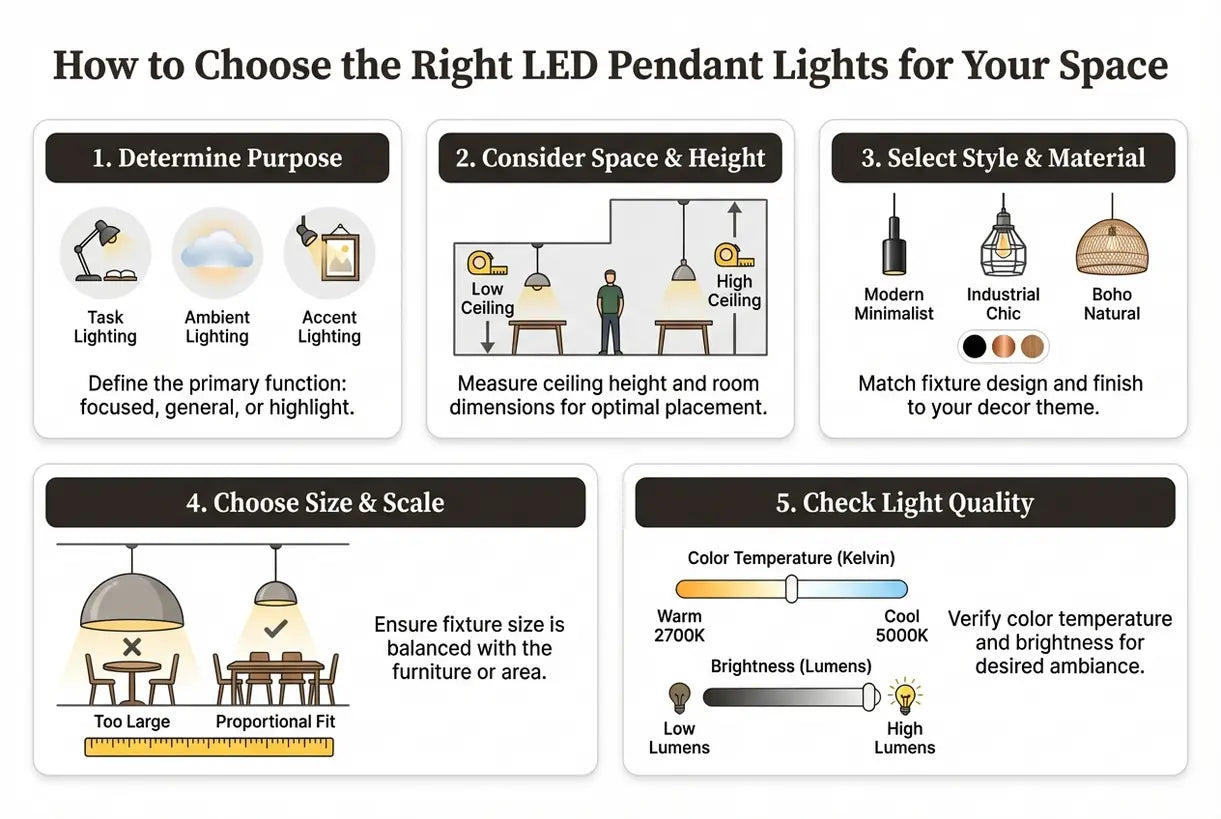
One of the most common questions when shopping for pendant lights is how to determine the right scale. A fixture that's too small can look lost and underwhelming, while one that's too large overwhelms the room and disrupts visual balance. The key is considering both the individual pendant dimensions and how multiple fixtures work together.
Kitchen Island Measurements
For kitchen islands, a reliable rule of thumb is selecting pendants with diameters between 10 and 14 inches for standard-height ceilings. If your island is particularly long or you have higher ceilings, you might scale up to 16 inches. The spacing between multiple pendants matters just as much as their size—aim for 24 to 30 inches between fixture centers to create even light distribution without crowding.
Consider the overall length of your island when determining how many pendants you need. A six-foot island typically looks balanced with two fixtures, while an eight-foot or longer island usually benefits from three. The goal is creating rhythmic visual interest while ensuring adequate task lighting for food preparation and casual dining.
Dining Room Scale Considerations
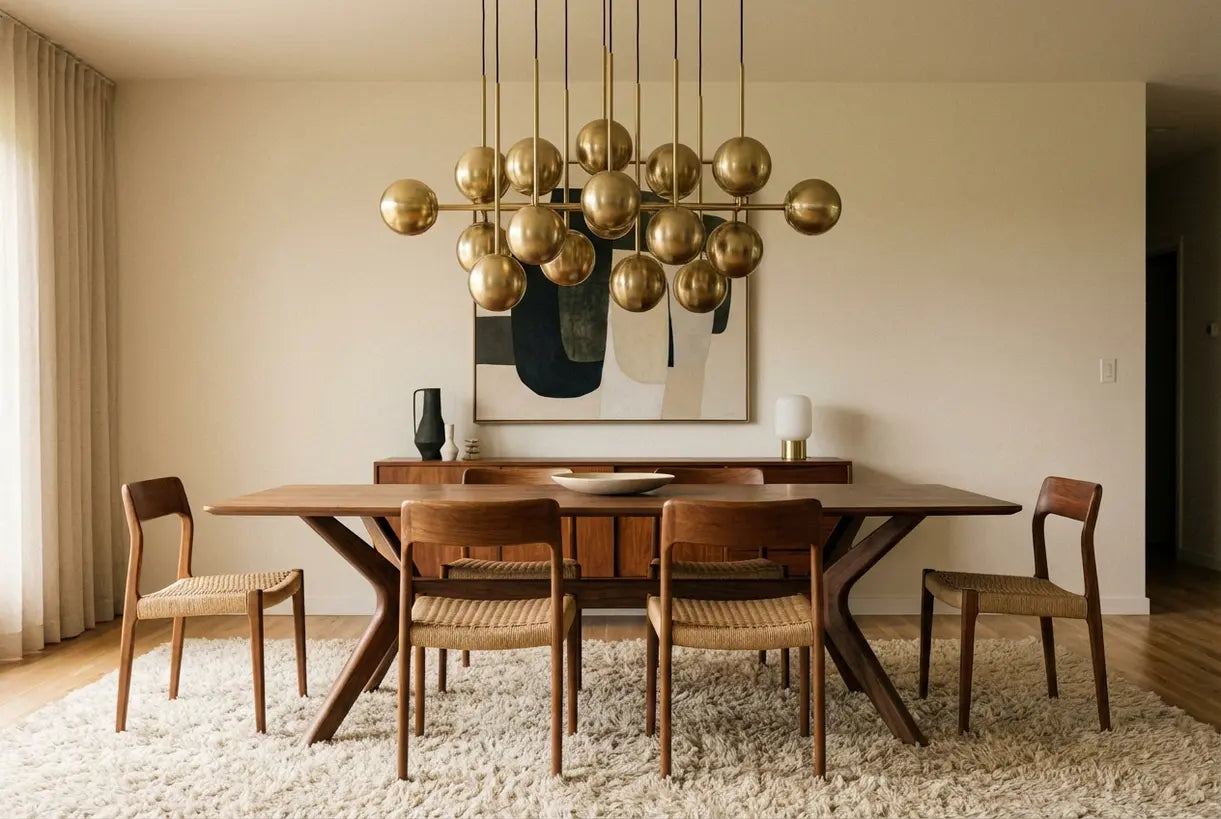
In dining areas, your pendant or chandelier should generally measure approximately one-half to two-thirds the width of your table. This proportion ensures the fixture feels substantial enough to anchor the space without obstructing sightlines across the table. For round tables, a single statement pendant or a compact cluster works beautifully. Rectangular tables often pair well with linear arrangements or multiple pendants hung in a row.
Understanding Height and Placement
Getting the hanging height right is crucial for both aesthetics and functionality. The ideal height depends on where you're installing the fixture and how you use the space beneath it.
Kitchen Island Clearance
Over kitchen islands, pendant lights should typically hang 30 to 36 inches above the countertop surface. This height provides clear sightlines while keeping the light source close enough for effective task illumination. If your household includes taller individuals or if you frequently entertain standing guests, consider hanging fixtures at the higher end of this range.
Dining Table Measurements
Over dining tables, the bottom of your pendant light should generally sit 30 to 36 inches above the table surface. For rooms with ceilings higher than eight feet, add approximately three inches of hanging length for each additional foot of ceiling height. This adjustment prevents the fixture from feeling too high and disconnected from the dining experience below.
One solution that offers exceptional flexibility is choosing adjustable pendant light height fixtures. These designs allow you to fine-tune positioning during installation or even modify hanging length later as your needs change. For those looking to explore more options, our Pendant Lights collection offers a curated selection of adjustable and fixed-height designs to suit any space.
Scandinavian Style Considerations
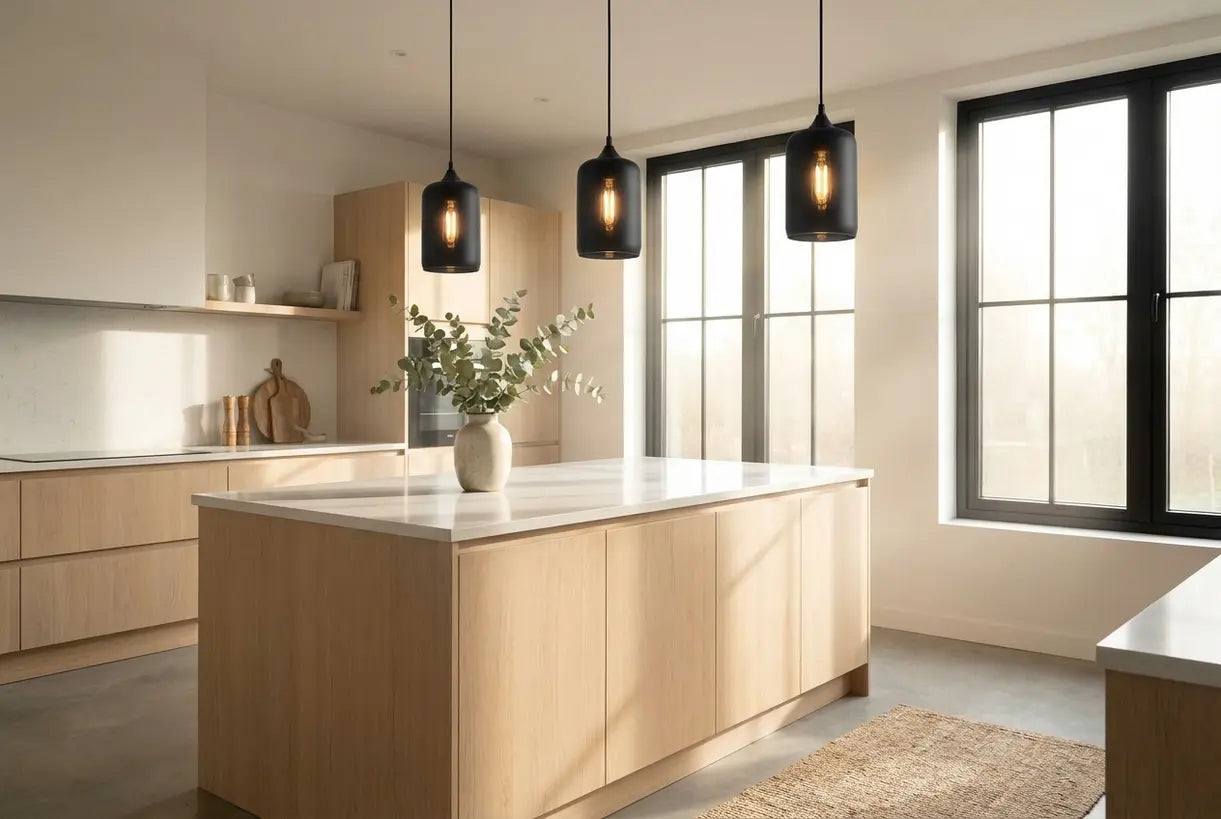
Scandinavian design principles emphasize clean lines, natural materials, and functional beauty. When selecting LED pendant lights for a Nordic-inspired interior, look for fixtures that embody these values through thoughtful simplicity.
Matte finishes in black, white, or brushed metals tend to complement Scandinavian aesthetics better than high-gloss alternatives. Glass elements—particularly in organic shapes or with subtle texture—add warmth while maintaining the airy, uncluttered feeling central to hygge-inspired spaces. Consider how your pendant lights will interact with other elements in the room, from wood grain to textile textures.
Dimming and Smart Features
Modern LED pendant lights offer far more functionality than simple on-off operation. Dimmable LED pendant lights have become increasingly accessible, allowing you to transition from bright task lighting during meal preparation to soft ambient glow for evening entertaining. When shopping for dimmable fixtures, ensure compatibility with your existing wall switches or consider upgrading to LED-specific dimmers for smooth, flicker-free operation.
Some advanced fixtures now integrate smart home technology, enabling voice control, scheduling, and remote operation through smartphone apps. While these features aren't essential for everyone, they offer compelling convenience for tech-forward households seeking seamless lighting control.
Installation: DIY or Professional?
The complexity of pendant light installation varies significantly based on your existing electrical setup and the fixture you've chosen. Simple replacement of an existing pendant or flush-mount fixture with a similar weight pendant is often manageable for handy homeowners comfortable with basic electrical work. However, new installations requiring additional junction boxes, circuit extensions, or specialized mounting should always be handled by a licensed electrician.
Safety considerations are paramount when working with electrical fixtures. Always turn off power at the circuit breaker before beginning any installation work, and use a voltage tester to confirm wires are de-energized. If you're unsure about any aspect of the installation process, professional assistance provides peace of mind and ensures code compliance.
Curated Solutions for Every Room
When it comes to finding the perfect balance of form and function, having options that are designed with intention makes all the difference. Whether you're illuminating a kitchen workspace or creating atmosphere in a dining area, selecting fixtures from thoughtfully designed collections ensures your lighting investment will serve you beautifully for years to come.
Featured Pendant Solutions
LED vs. Incandescent: The Efficiency Comparison
Understanding the practical differences between LED and traditional incandescent lighting helps justify the investment in modern fixtures. A quality LED bulb producing 800 lumens (equivalent to a 60-watt incandescent) typically consumes only 8 to 12 watts of electricity. This efficiency means you can operate multiple LED pendant lights for the same energy cost as a single incandescent fixture.
The longevity difference is equally dramatic. Where incandescent bulbs might last 1,000 to 2,000 hours, LED modules often exceed 25,000 hours of operation. For pendant lights that see daily use, this translates to years of maintenance-free illumination. When you factor in both energy savings and replacement costs, LED fixtures typically pay for themselves within the first few years of ownership.
Creating Your Perfect Lighting Layer
Choosing modern pendant lights is ultimately about creating layers of light that serve your daily life while expressing your personal aesthetic. The best kitchen island lighting or dining room centerpiece doesn't just illuminate—it enhances how you experience your home. By considering size, height, efficiency, and style together, you select fixtures that feel inevitable rather than arbitrary.
At Skonne, we believe lighting should invite warmth and intention into every room. Our curated selection of Scandinavian-inspired LED pendant lights reflects this philosophy through designs that honor both beauty and function. Whether you're drawn to the clean lines of a minimalist glass dome or the sculptural presence of a clustered arrangement, each piece in our collection is chosen to help you create spaces that feel genuinely like home.
Related Article
Tiffany Style Chandeliers for the Dining Room: Stained Glass Elegance Over Your TableExplore how Tiffany style chandeliers bring stained glass artistry and warm ambient light to your dining room, creating an unforgettable atmosphere for every meal.