
How to Choose the Perfect Pendant Lights for Your Home
Summary›
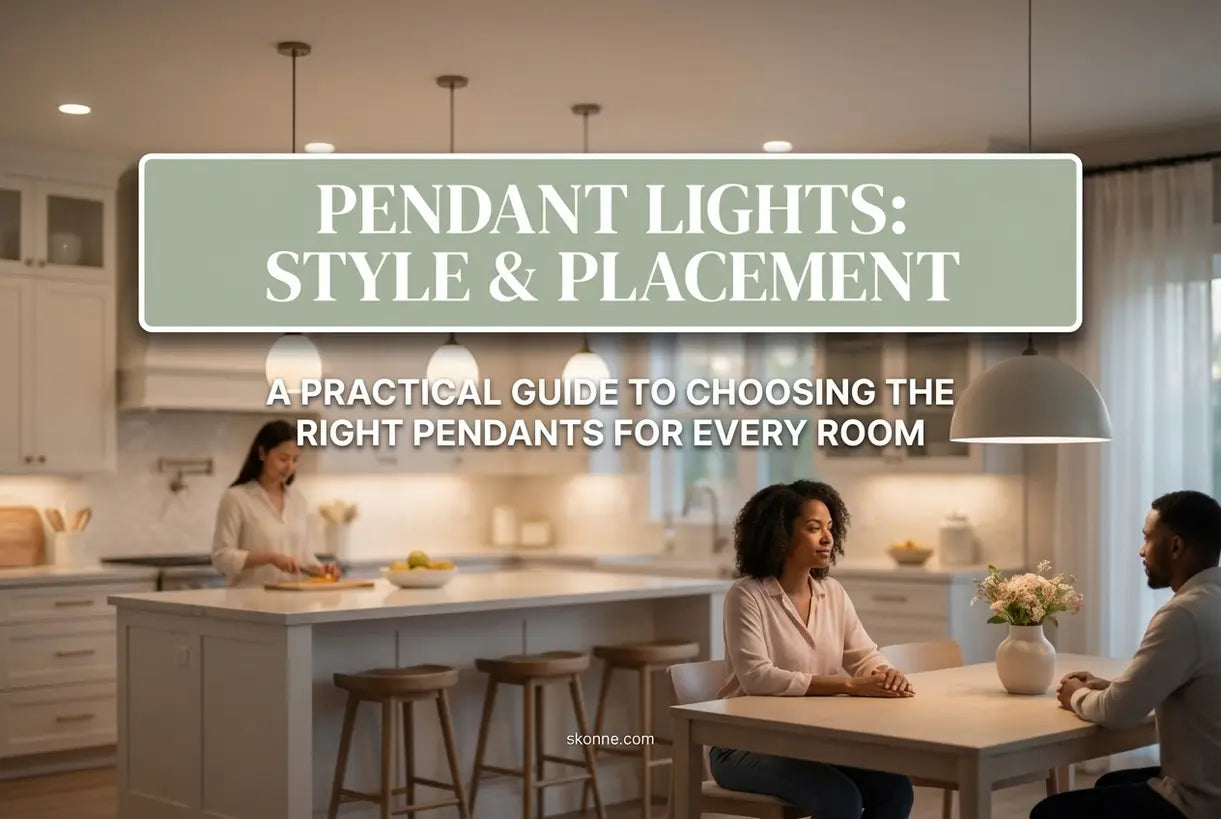
The right lighting transforms a house into a home, and pendant lights are among the most versatile fixtures you can introduce to your space. Whether you're illuminating a kitchen island, creating ambiance over a dining table, or adding warmth to a reading nook, the perfect pendant brings both function and beauty to your daily life. In the world of scandinavian design furniture and decor, lighting isn't merely practical—it's a carefully considered element that shapes how we experience our surroundings. Scandinavian principles emphasize that every fixture should serve a purpose while contributing to an atmosphere of calm intentionality.
In this guide, you'll discover everything needed to select pendant lights that elevate your space. We'll explore sizing formulas, hanging heights, style considerations, and the specific scenarios where different pendant types shine. By understanding these fundamentals, you'll be equipped to make confident choices that transform your rooms into spaces that feel both curated and livable—embodying that perfect balance of hygge and modern elegance.
Understanding Pendant Light Basics
Before diving into measurements and placement, it's important to understand what makes pendant lighting distinctive. Unlike recessed fixtures that disappear into the ceiling, pendants hang suspended by a cord, chain, or rod, creating visual interest while directing light exactly where needed. They belong to the broader family of scandinavian design furniture and lighting solutions that prioritize clean lines, natural materials, and purposeful form.
Pendant lights are categorized by their mounting style, shade material, and intended use. You'll find mini pendants under 8 inches perfect for accent lighting, standard pendants between 8 and 20 inches for task and ambient illumination, and oversized fixtures that serve as sculptural centerpieces. The key is matching the fixture's scale to your space—and understanding that the fixture itself becomes part of your room's visual composition.
When selecting your pendant, consider how it relates to other elements in the room. In Scandinavian-inspired homes, pendant lighting often bridges the gap between functional task lighting and decorative art. The fixture you choose should complement your existing hanging lights and overhead fixtures while maintaining the minimalist ethos that defines Nordic interiors.
Pendant Lights
Shop all Pendant Lights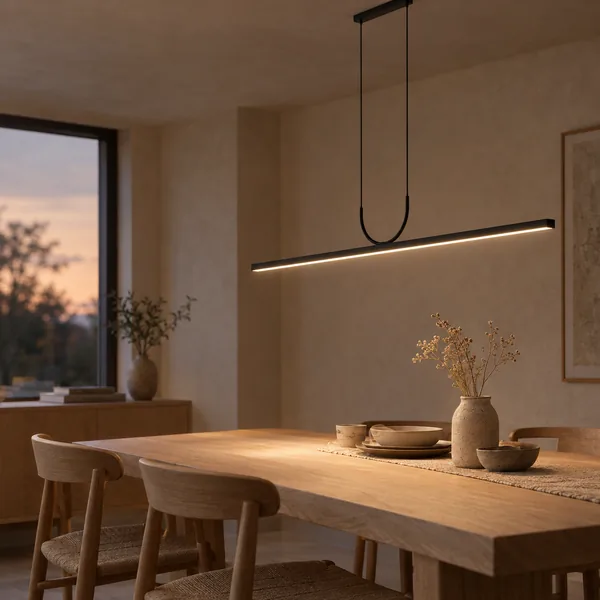
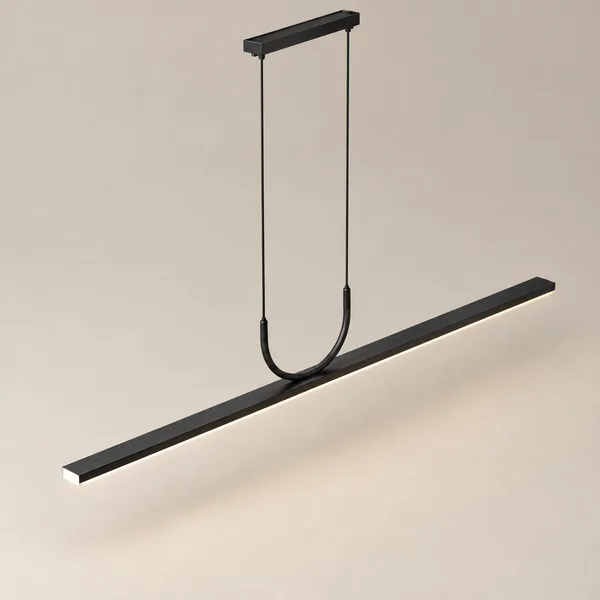 Save $140.00
Linné Minimalist Linear Black LED Pendant Light
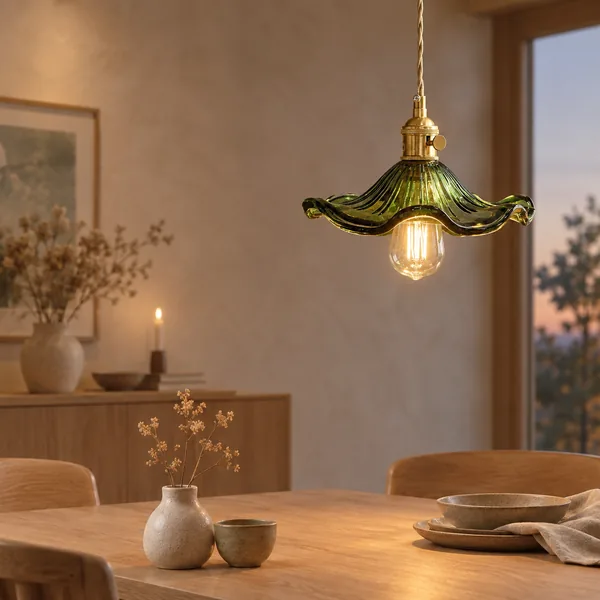
 Save $60.00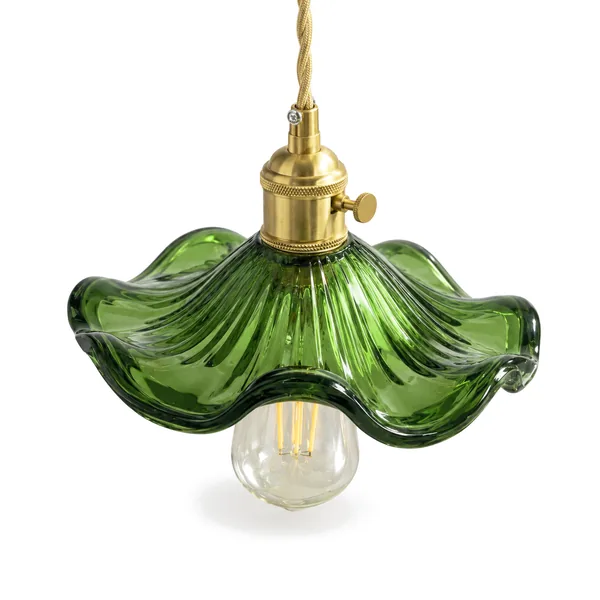
 3 options
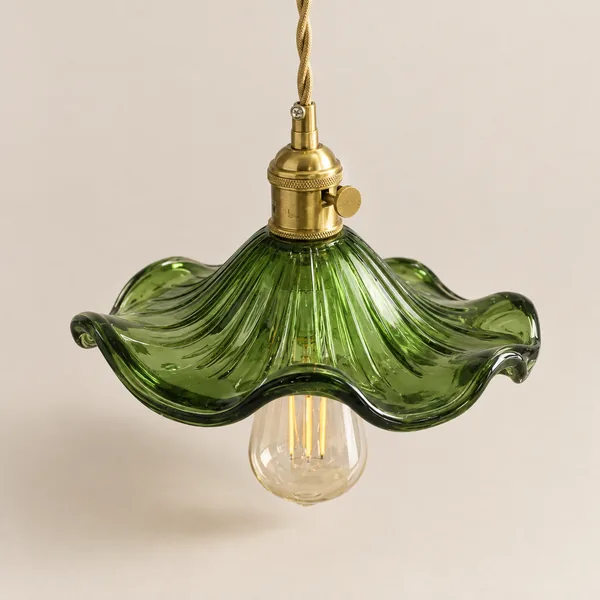
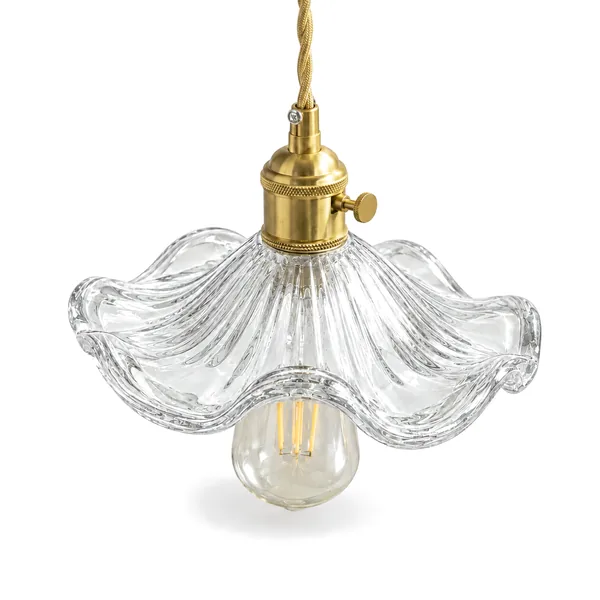
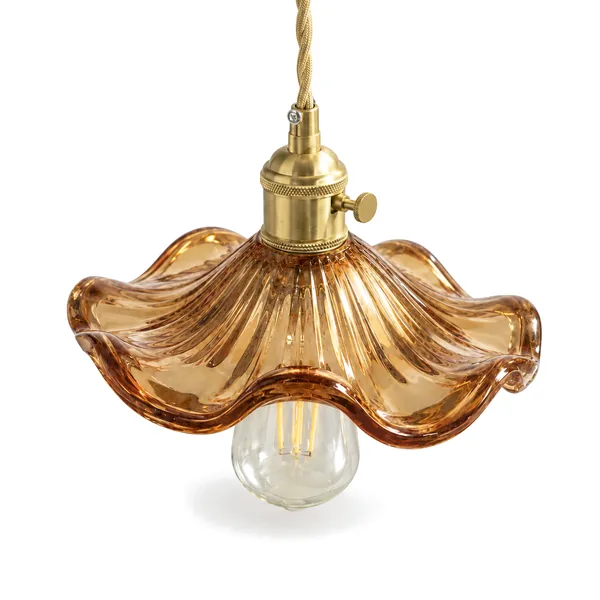
Glora Nordic Glass Pendant Light with Copper
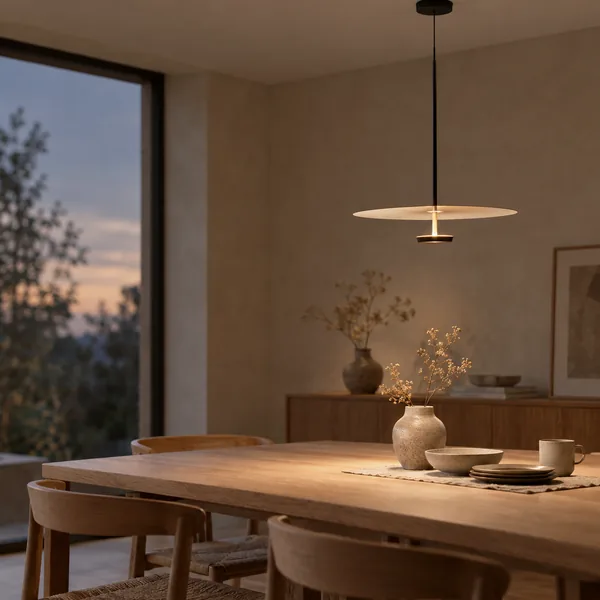
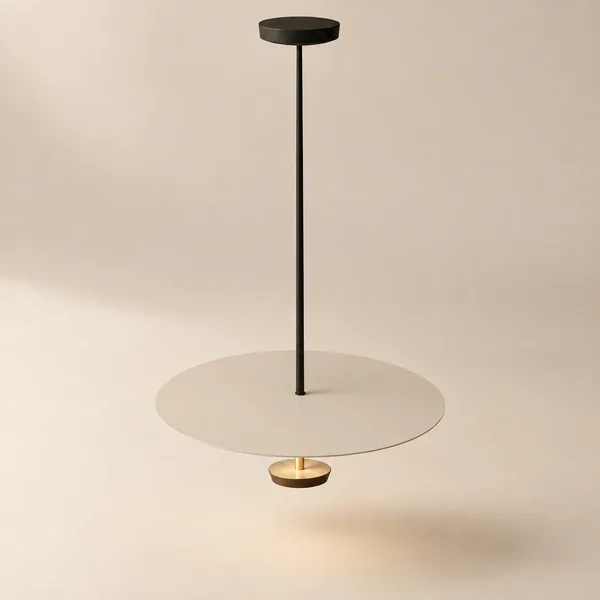 Save $120.00
Skiva Nordic Saucer Ceiling Pendant Light LED
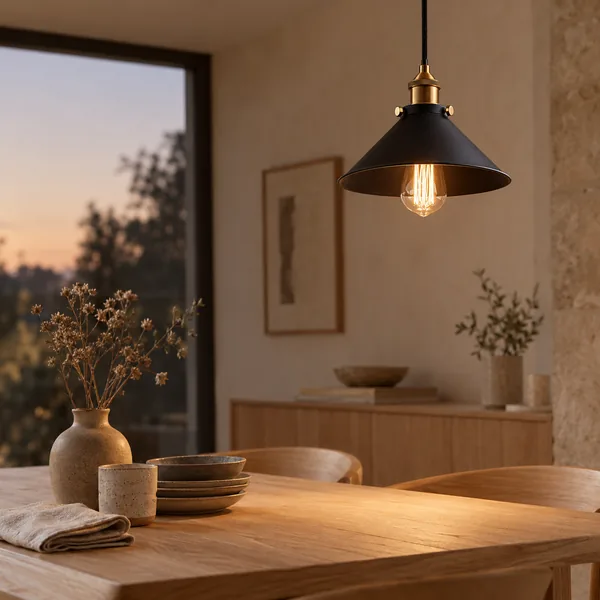
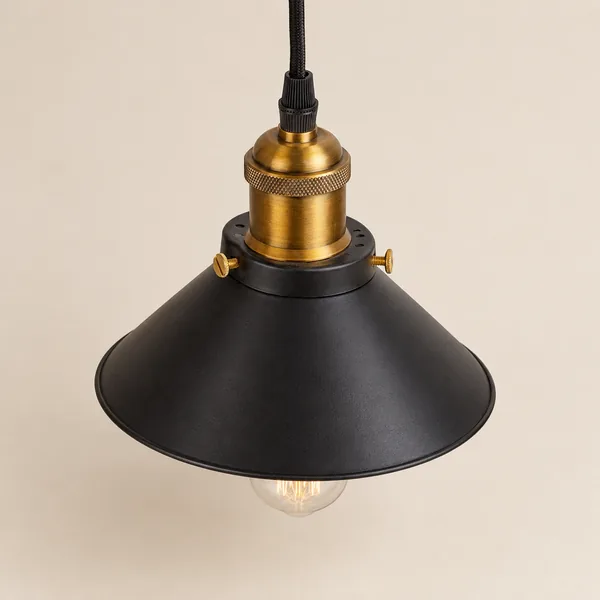
Choosing the Right Size: The Golden Rules
Size is perhaps the most critical factor when selecting pendant lights, yet it's where many homeowners feel uncertain. Getting the proportions right ensures your fixtures enhance rather than overwhelm your space. Fortunately, there are reliable formulas that interior designers use to make these decisions confidently.
For kitchen islands, begin by measuring your counter's length. A good rule of thumb is that each pendant should be approximately 10-12 inches narrower than the width of your island. If you're clustering multiple fixtures, leave 24-30 inches between them to allow for both visual separation and adequate light distribution. The combined width of your pendant arrangement should cover roughly two-thirds of the island's length for optimal balance.
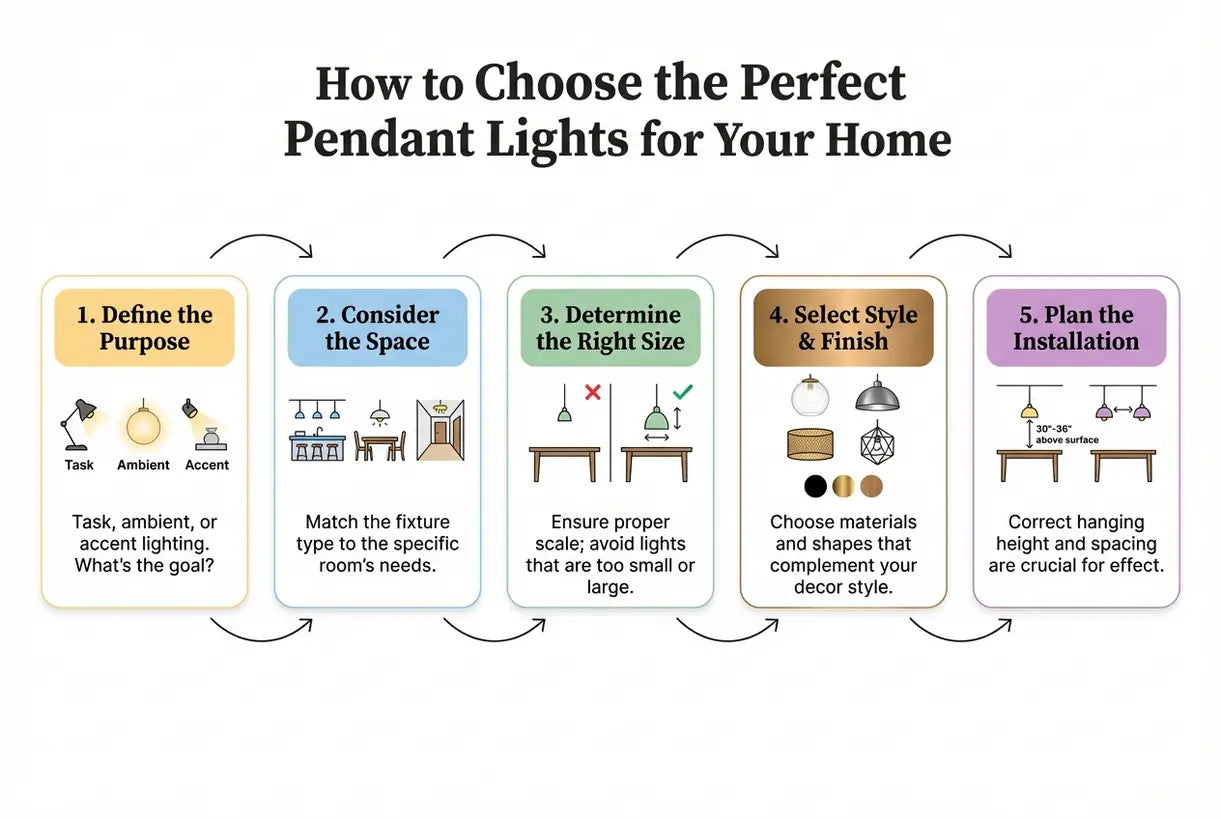
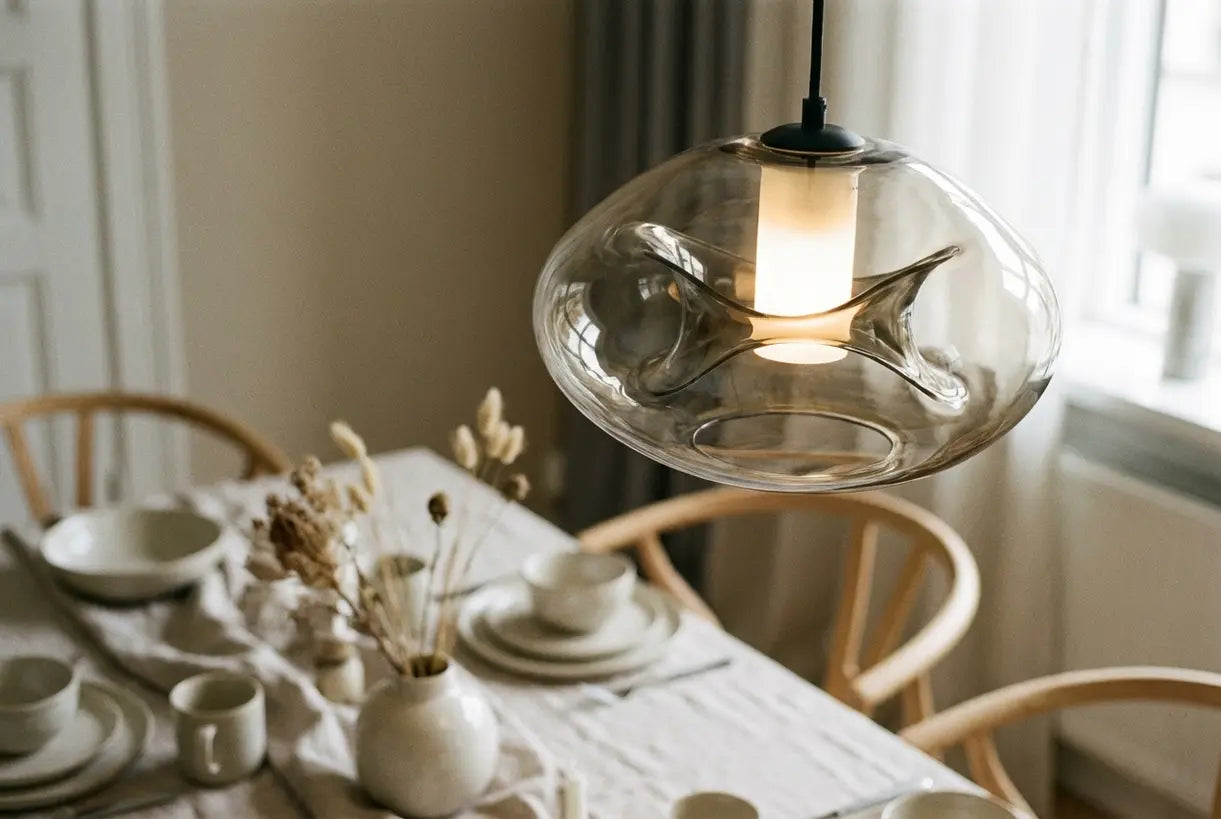
When illuminating dining areas, the diameter of your pendant should relate directly to your table dimensions. For a circular table, select a pendant with a diameter measuring one-half to two-thirds of your table's width. Above rectangular tables, consider either a linear suspension fixture or multiple pendants arranged linearly. The bottom of your fixture should hang approximately 30-36 inches above the tabletop surface—or approximately 6 inches above eye level for someone seated.
Placement and Height Guidelines
Understanding vertical placement is just as crucial as selecting the right diameter. Pendant lights that hang too high fail to provide adequate task illumination, while fixtures positioned too low create head-clearance issues and visual clutter. The standard measurements below provide a reliable starting point, though ceiling height and individual preferences may require adjustments.
Over kitchen islands, standard ceiling heights (8-9 feet) accommodate pendant suspension lengths of 28-34 inches. This typically places the fixture bottom 30-36 inches above the countertop. For higher ceilings, add 3 inches of suspension length for every additional foot of ceiling height. The goal is creating a visual connection between the pendant and the surface below without obstructing sightlines across your kitchen.
Dining room applications require similar calculations but with different priorities. Here, the lighting should create intimacy while ensuring guests can see their food and converse comfortably. Position pendant bottoms 30-36 inches above dining surfaces in rooms with standard ceilings. For those seeking modern pendant lights that make a statement while maintaining functionality, adjustable suspension systems offer flexibility for different occasions.
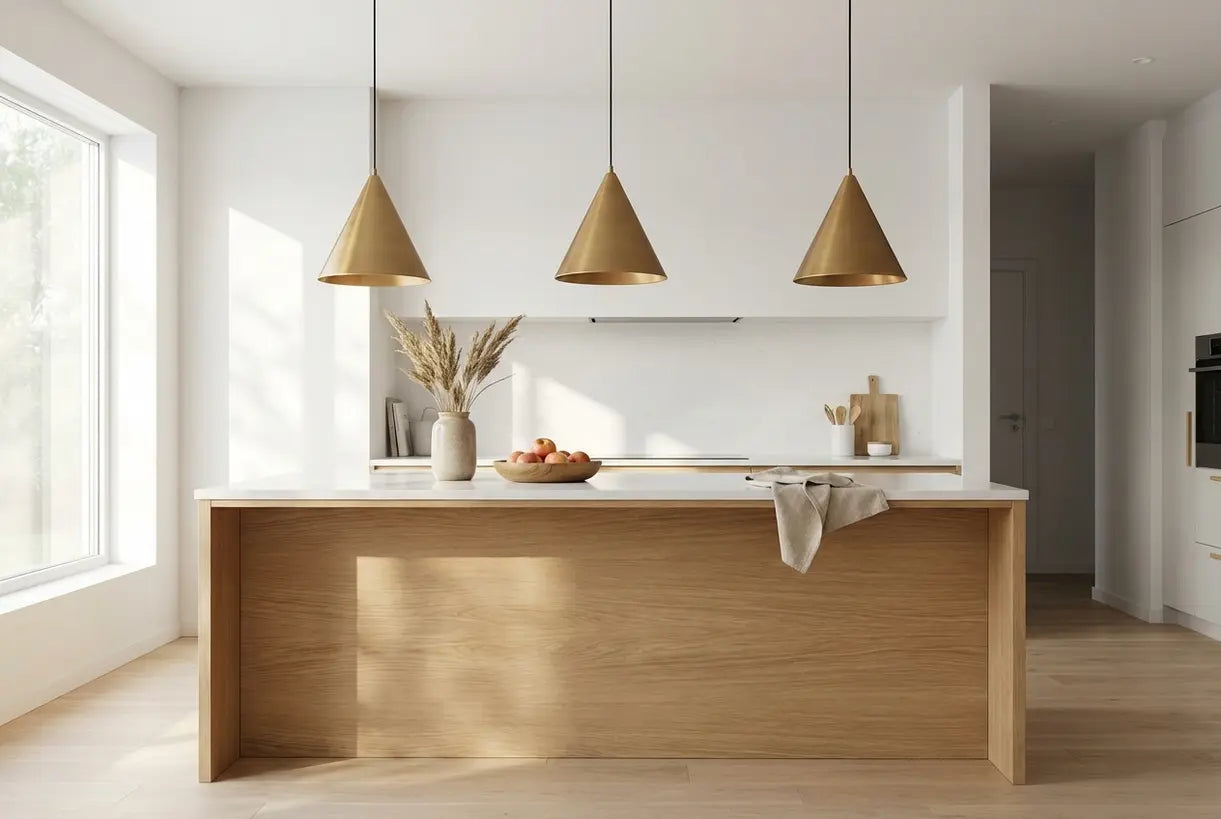
One common challenge homeowners face is finding pendant lights that provide sufficient illumination without creating harsh glare over work surfaces. The solution lies in selecting fixtures with appropriate diffusion and scale for your specific needs. Our Matte Black Glass Pendant - 8" addresses this challenge beautifully—its sleek glass shade softens LED output while the 8-inch diameter works perfectly in clusters above counters and islands.
Scandinavian Style and Aesthetic Considerations
The philosophy behind Scandinavian lighting design emphasizes intentional curation—every element should contribute to a sense of well-being while serving its practical purpose. When selecting pendant lights with Nordic inspiration, look for clean lines, natural materials, and finishes that age gracefully. Matte blacks, brushed brass, and clear or opal glass dominate this aesthetic, offering timelessness over trendy statements.
Incorporating pendant lighting into a Scandinavian-inspired home means considering how each fixture interacts with your broader environment. The best dining room pendant lighting in this style creates pools of warm illumination without visual heaviness. Materials like brushed brass bring subtle warmth to neutral palettes, while glass elements maintain the airy, open feeling central to Nordic interiors.
For those embracing the full Scandinavian aesthetic, coordinating your lighting with scandinavian design furniture creates visual harmony. Look for pendants that echo the materials and proportions of your tables, chairs, and cabinetry. A slim, elegant pendant over a light oak dining table maintains the material conversation between fixtures and furniture, creating spaces that feel considered and complete. For a comprehensive selection that honors these principles, our Pendant Lights collection offers curated options designed for modern living.
When approaching transitional spaces—those bridging traditional and contemporary elements—pendant selection requires particular care. Warm metal finishes and geometric shapes work beautifully here, offering sophistication without starkness. Consider how your lighting choices will interact with natural daylight and existing color palettes to ensure cohesion throughout your home.
Featured Scandinavian Pendants
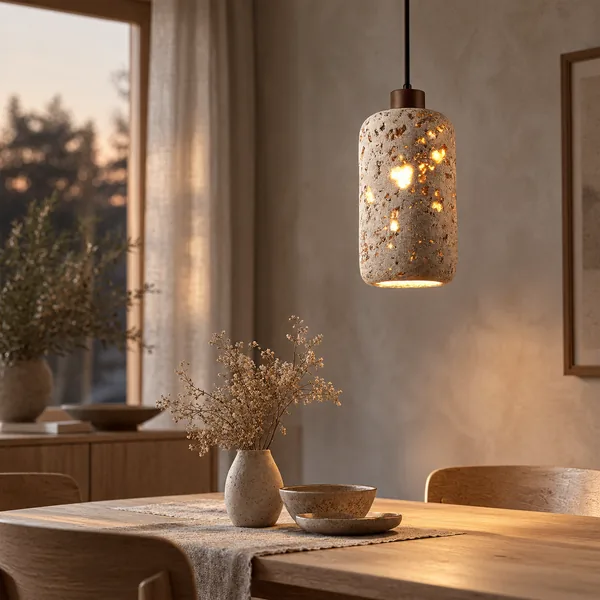 Fjella Travertine Stone Pendant Light Japandi$289.00$439.00
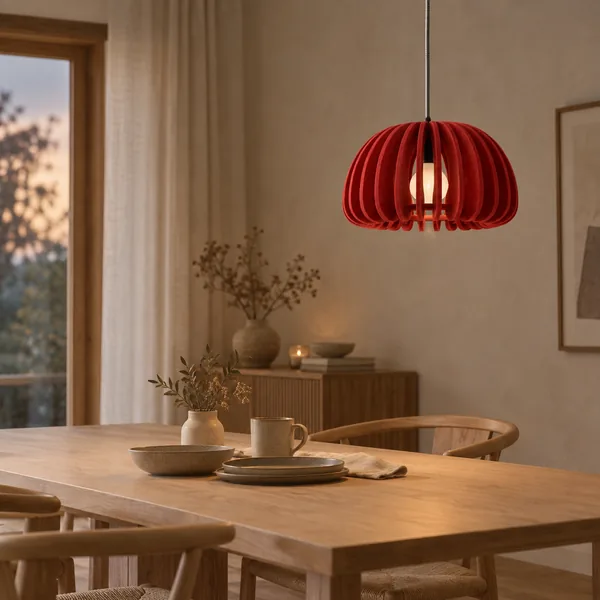 Dampa Modern Acoustic Felt Ceiling Pendant Light$269.00$369.00
Achieving layered lighting in kitchen and dining spaces often requires combining different pendant scales and styles. Smaller mini pendant lights work beautifully in groupings of three or five over islands, while larger singular fixtures anchor dining spaces. The interplay between these elements—large and small, warm and cool tones—creates visual depth and ensures adequate illumination for every activity.
Style-conscious homeowners often wonder about mixing metal finishes within a space. Current design wisdom suggests that intentional mixing creates sophistication when done with restraint. Limit yourself to two complementary finishes—perhaps combining the brushed brass warmth for dining rooms with matte black accents for kitchen task lighting. This approach maintains visual coherence while adding dimension to your lighting scheme.
When coordinating with existing decor, consider the weight and visual presence of each fixture. High-traffic areas benefit from pendants that provide adequate illumination while remaining physically unobtrusive. The material choice—whether glass, metal, or fabric—impacts how the fixture feels in your space, with transparent options maintaining openness in compact rooms.
Pendants & Chandeliers
Shop all Pendants & ChandeliersSave $140.00Linné Minimalist Linear Black LED Pendant Light
Save $60.003 optionsGlora Nordic Glass Pendant Light with Copper
Save $120.00Skiva Nordic Saucer Ceiling Pendant Light LED
Bathroom Applications and Moisture Considerations
While kitchens and dining rooms are the most common locations for pendant lighting, bathrooms represent an increasingly popular application for these versatile fixtures. The soft, directed illumination pendants provide flatters skin tones and eliminates the harsh shadows created by overhead lighting alone. However, bathroom installations require careful attention to safety ratings and moisture protection.
Building codes require that all electrical fixtures installed in bathrooms carry appropriate damp or wet location ratings. Look for pendants specifically rated for bathroom use—these feature sealed components and protective finishes that resist corrosion from humidity. Placement should avoid direct contact with water sources, with pendants positioned at least 3 feet horizontally from tub edges and shower enclosures.
For vanity lighting, consider mounting pendant lights on either side of the mirror rather than above it. This positioning eliminates shadows under the eyes and provides the even illumination necessary for grooming tasks. Scale appropriately for the space: smaller bathrooms benefit from compact fixtures that don't overwhelm the room, while larger master baths can accommodate more substantial pendants that contribute to a spa-like atmosphere.
Bulb Selection and Lighting Quality
The bulb you choose dramatically impacts how your pendant performs and feels. LED technology has revolutionized home lighting, offering exceptional efficiency and longevity while providing color temperature options that suit different activities and moods. Understanding these choices ensures your pendant lighting enhances rather than detracts from your daily experience.
Color temperature, measured in Kelvin (K), determines whether light appears warm and golden or cool and blue. For residential applications, particularly those embracing Scandinavian warmth, 2700K to 3000K provides the cozy, inviting glow that complements natural materials and neutral palettes. Cooler temperatures (4000K and above) feel more clinical and work better for task-specific applications like home offices than for living spaces.
Pro Tip: Install dimmer switches for all pendant lighting. This simple addition transforms task lighting into ambient illumination, allowing you to adjust brightness for different times of day and activities while extending bulb lifespan.
Consider lumens—the measure of actual light output—rather than wattage when selecting bulbs. A 60-watt equivalent LED typically produces 800 lumens while consuming just 8-10 watts. For standard kitchen islands, aim for 35 lumens per square foot of counter space. Dining applications may require less intense illumination, with 25-30 lumens per square foot creating sufficient ambient lighting for conversation and dining.
Conclusion: Creating Light That Feels Like Home
Selecting the perfect pendant lights requires balancing practical considerations—size, height, illumination levels—with the intangible qualities that make a space feel right. By understanding the formulas for proportion, appreciating the impact of material and finish choices, and recognizing how lighting shapes our daily rituals, you transform a technical decision into an opportunity for enhancing your quality of life.
The best lighting choices reflect both your functional needs and your aesthetic values. Whether you're drawn to the industrial edge of cage pendants, the warmth of brushed brass bells, or the sleek sophistication of matte glass, the right fixture awaits in a collection designed for modern living. At Skonne, we believe that thoughtful lighting—anchored in the principles of Scandinavian design—creates spaces where life unfolds with greater intention and beauty.
Related Article
Scandinavian Home Decor: How to Style Your Space the Nordic WayLearn how to style your home with Scandinavian design principles. Discover neutral palettes, natural materials, and hygge essentials for a cozy Nordic space.