
Scandinavian Home Design: Architecture, Exteriors & House Styles
Summary›
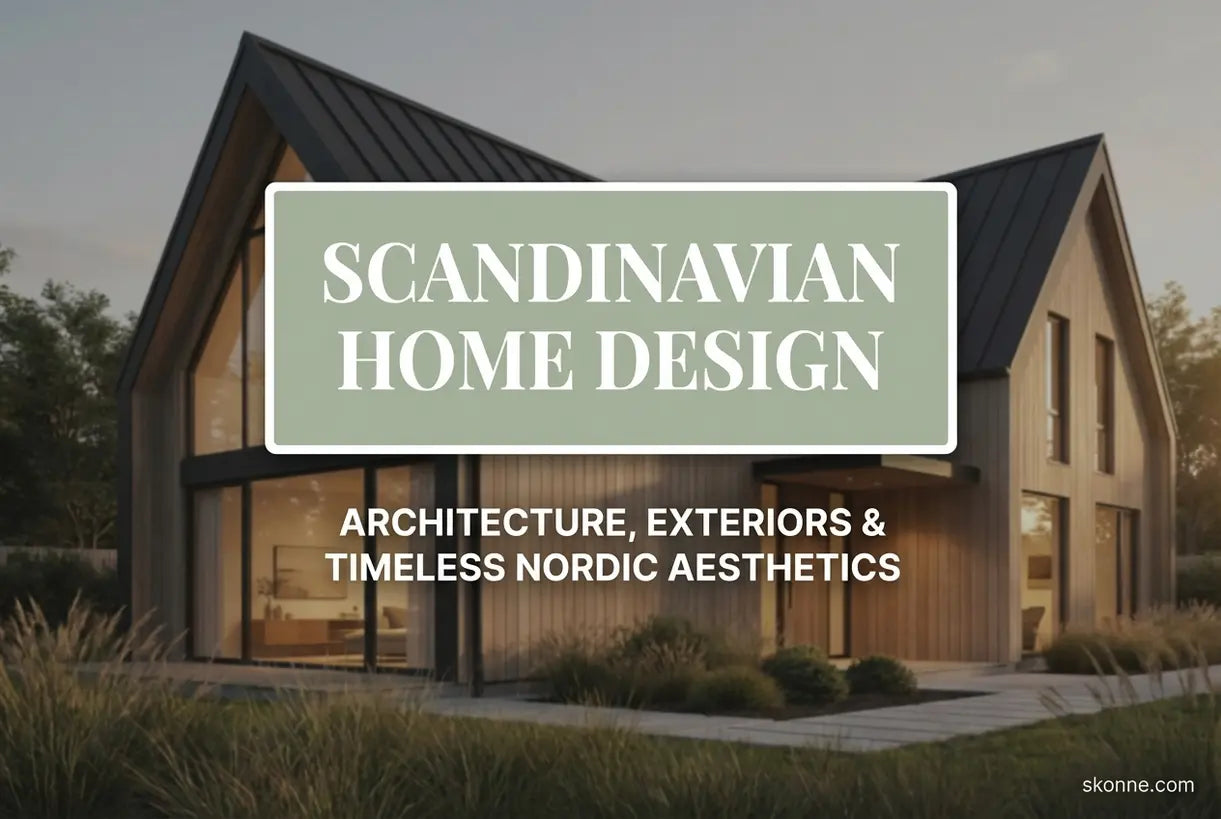
There's a reason why scandinavian home design has captured the imagination of homeowners worldwide. Beyond its clean lines and understated elegance, this architectural philosophy represents something deeper—a intentional approach to living that prioritizes harmony with nature, functional beauty, and the creation of spaces that nurture wellbeing. Whether you're dreaming of building a new nordic-inspired residence or simply appreciating the aesthetic from afar, understanding the architectural principles behind scandi style homes reveals why this movement has remained timeless.
At its core, scandinavian architecture emerged from necessity and evolved into an art form. The harsh Nordic climate demanded buildings that could withstand long winters while maximizing precious daylight hours. These practical origins birthed a design language that values simplicity without sacrificing warmth, creating structures that feel both contemporary and deeply rooted in human comfort. In this guide, we'll explore the defining characteristics of scandinavian home design, from exterior elements to architectural styles, helping you recognize what makes these spaces so enduringly appealing.
What is Scandinavian Home Design?
Scandinavian home design refers to an architectural and interior approach originating from Denmark, Sweden, Norway, Finland, and Iceland. Emerging prominently in the early 20th century and reaching global recognition by the 1950s, this design philosophy emphasizes functionalism, clean lines, and a profound connection to the natural environment.
Unlike maximalist or overly ornate architectural styles, nordic house styles embrace the philosophy that less truly is more. Every element serves a purpose, from the orientation of windows that capture optimal daylight to the materials selected for their durability and organic beauty. This isn't minimalism for its own sake—it's considered design that enhances daily life.
The movement gained international traction through pioneering architects like Alvar Aalto, Arne Jacobsen, and Gunnar Asplund, who demonstrated that modern architecture could be both innovative and deeply human. Their work established the foundation for what we now recognize as quintessential scandinavian home design.
Key Features of Scandinavian Architecture
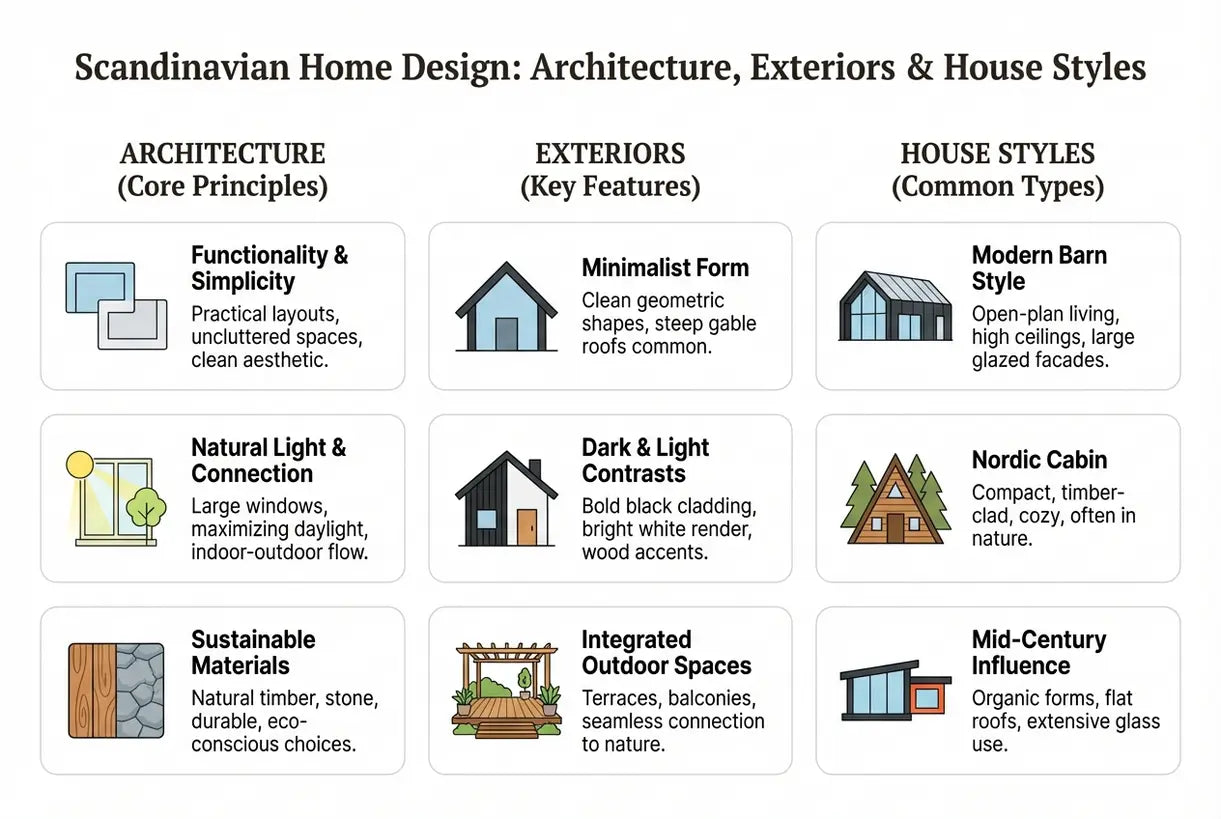
Understanding scandinavian house architecture requires examining several fundamental principles that distinguish it from other modern styles. These aren't merely aesthetic choices—they're solutions to the unique challenges of Nordic living.
Connection to Nature
Perhaps the most defining characteristic of scandinavian architecture is the seamless relationship between built structures and their natural surroundings. Buildings are designed to complement rather than dominate the landscape, often featuring:
- Large windows that frame views of forests, mountains, or water
- Natural materials like wood, stone, and glass used extensively
- Earth-toned color palettes that harmonize with outdoor environments
- Covered outdoor spaces that extend the living area into nature
This biophilic approach doesn't just look beautiful—it supports mental wellbeing by maintaining our innate connection to the natural world, even during long Nordic winters.
Maximizing Natural Light
In regions where winter brings fewer than six hours of daylight, capturing every available ray becomes essential. Scandinavian architects approached this challenge with ingenuity:
- Strategic window placement on south-facing walls
- Skylights and clerestory windows that draw light deep into interiors
- Open floor plans that allow light to travel unobstructed
- Light-colored interior surfaces that reflect and amplify illumination
Modern scandinavian house design continues this tradition, with contemporary architects using advanced glazing technologies and passive solar principles to maximize energy efficiency while flooding spaces with natural light.
Honest Materials and Craftsmanship
Scandinavian design rejects synthetic disguises in favor of materials that age gracefully and tell their own stories. You'll find untreated wood that develops a silvered patina over time, concrete left in its raw state, and metals chosen for how they'll weather naturally. This honesty extends to craftsmanship—exposed joinery and visible structural elements are celebrated rather than hidden.
Popular Scandinavian House Styles
While unified by common principles, scandinavian architecture encompasses several distinct house styles that have evolved over decades. Each offers a different interpretation of Nordic living.
The Classic Nordic Cabin
Perhaps the most romanticized of scandi style homes, the traditional cabin features steeply pitched roofs that shed heavy snow, extensive timber construction, and compact footprints that maximize warmth. Modern interpretations maintain these practical roots while incorporating larger windows and open-concept interiors.
Contemporary Minimalist Residences
This style pushes the boundaries of minimalist scandinavian homes with flat or gently sloping roofs, rectilinear forms, and extensive use of glass. These structures often appear to float above the landscape, with cantilevered sections and seamless indoor-outdoor transitions creating spaces that feel expansive despite modest square footage.
The Functionalist Villa
Inspired by the 1930s functionalist movement, these homes prioritize practicality and social living. Expect open-concept layouts centered around the kitchen and living areas, multiple access points to outdoor spaces, and a deliberate blurring of boundaries between interior rooms.
Scandinavian Lighting
Shop all Scandinavian Lighting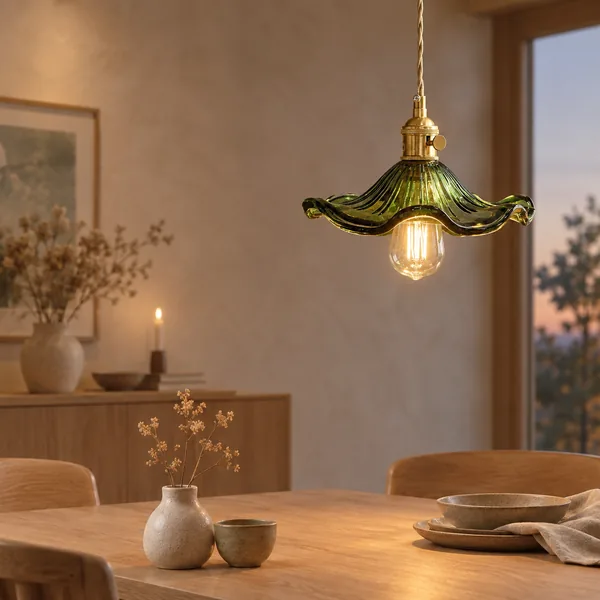
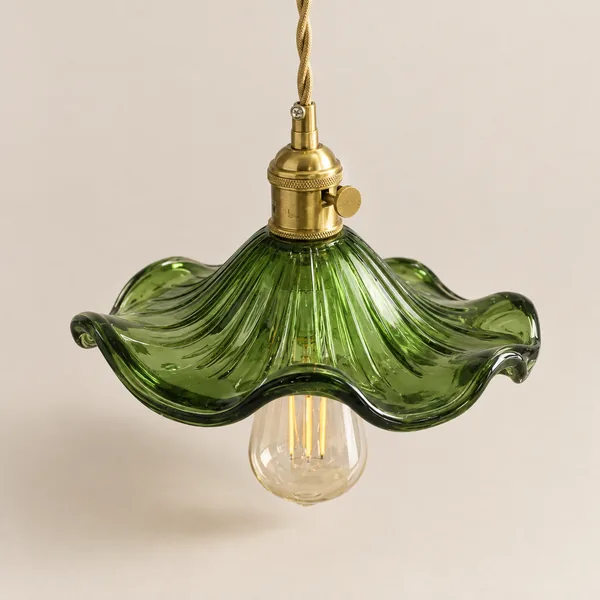 Save $60.00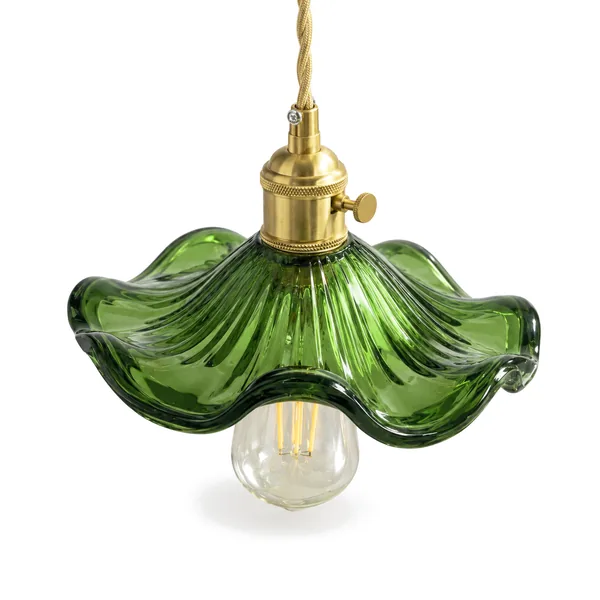
 3 options
Glora Nordic Glass Pendant Light with Copper
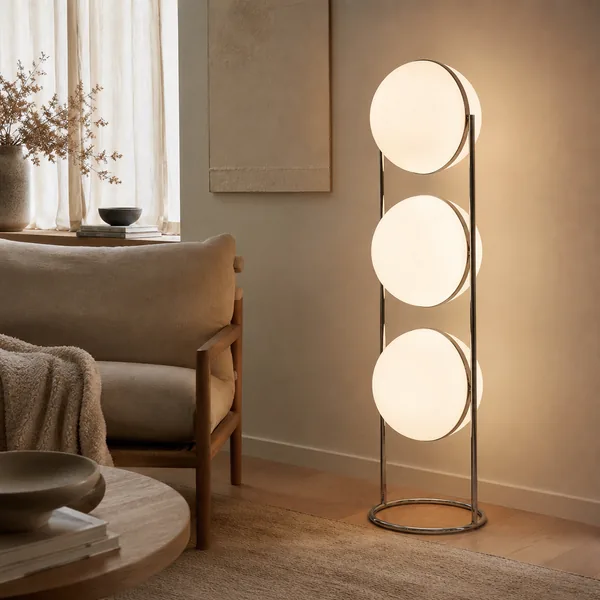
 Save $150.00
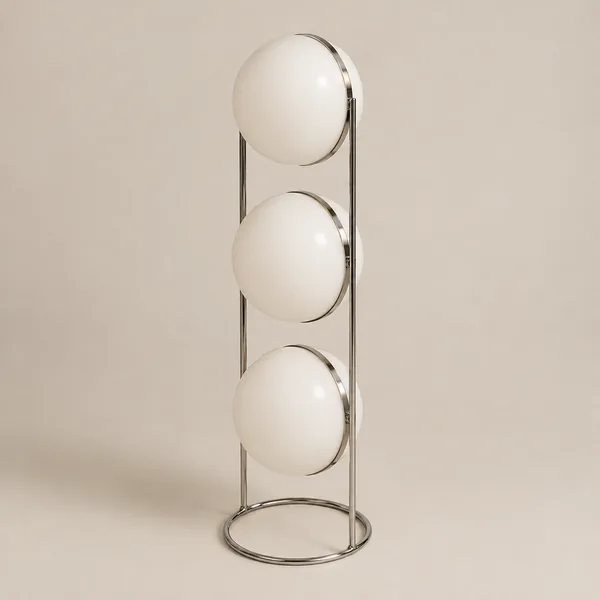
Kulglod Bauhaus Chrome Acrylic Globe Floor Lamp
 Save $230.00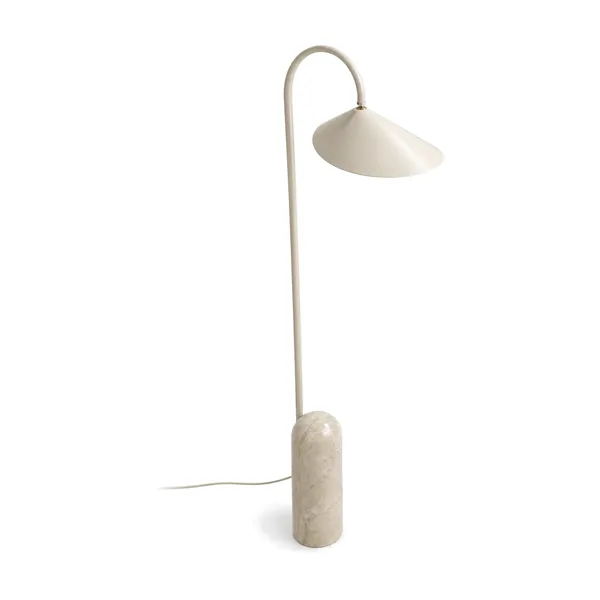
 2 options
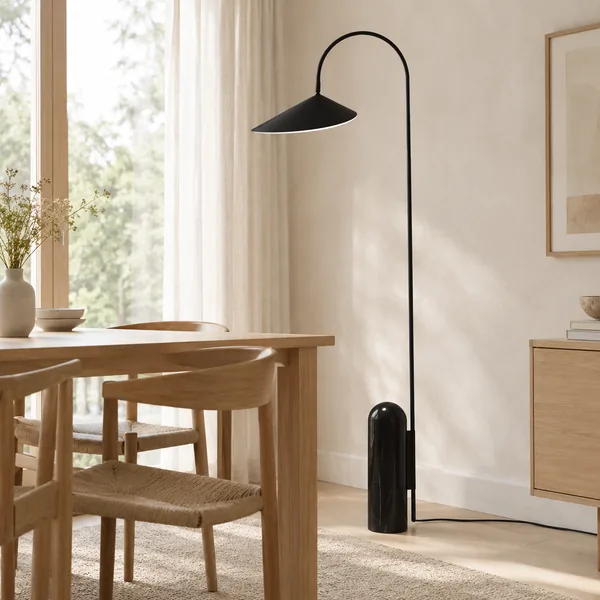
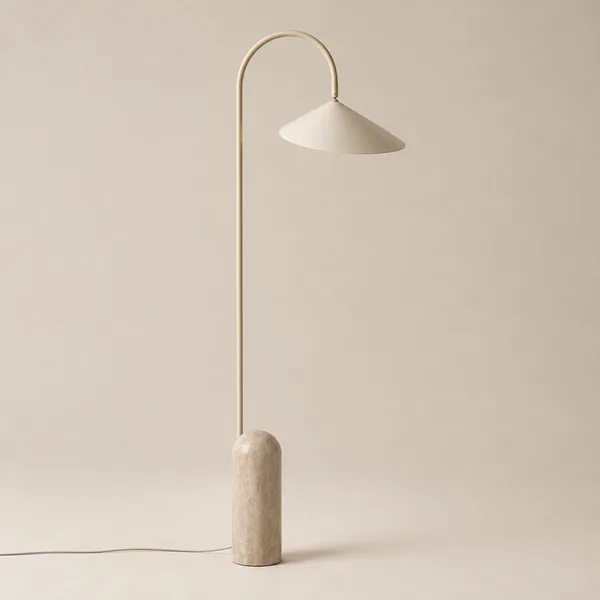
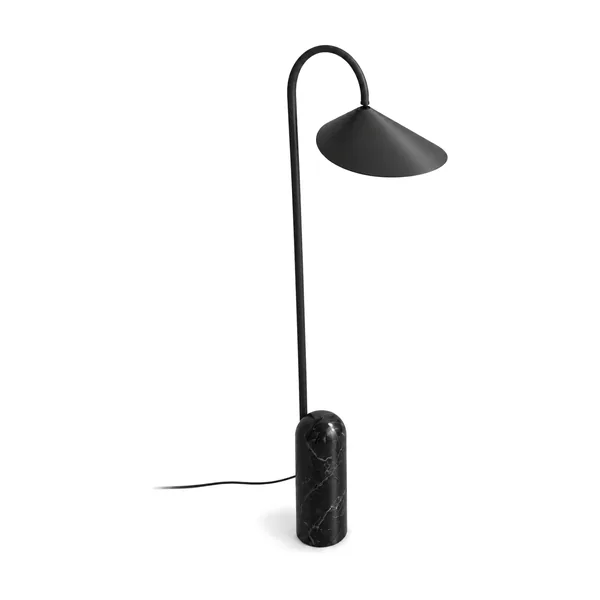
Velbue Marble Base Arc Floor Lamp Danish Design
 Save $210.00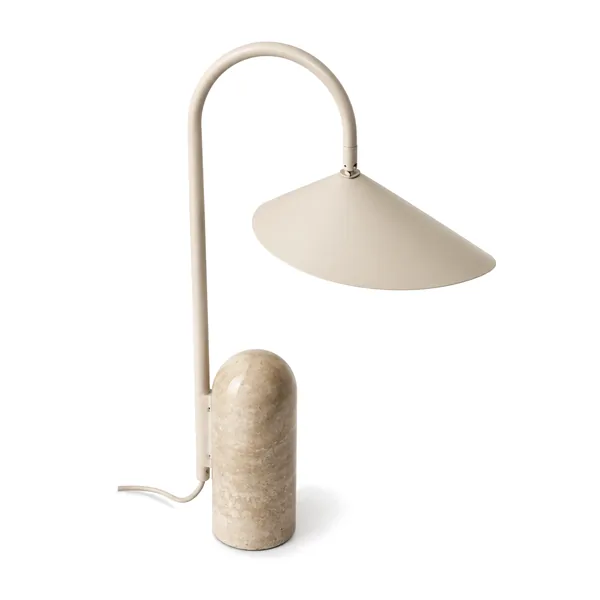
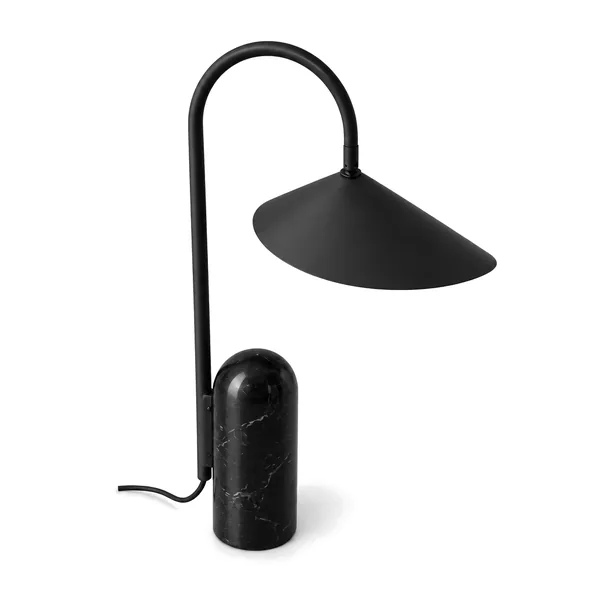 2 options
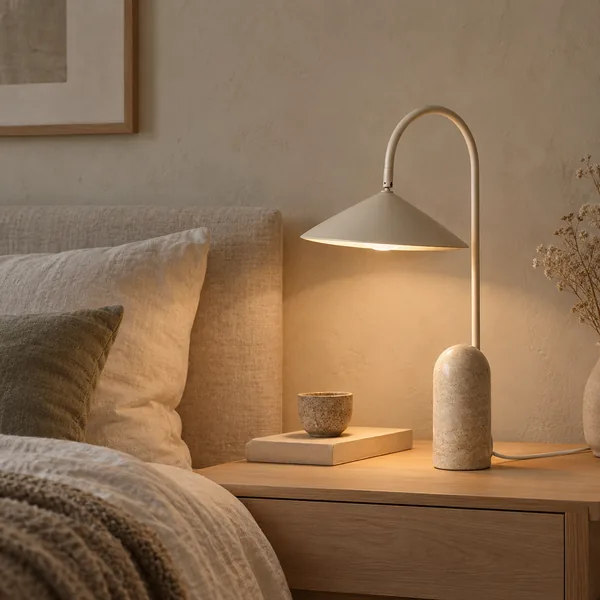
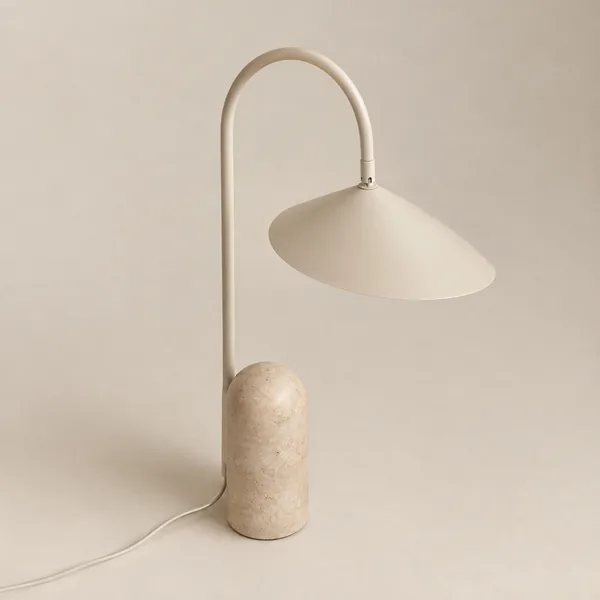
Solvei Danish Minimalist Arc Table Lamp Marble
Scandinavian Home Design Exteriors
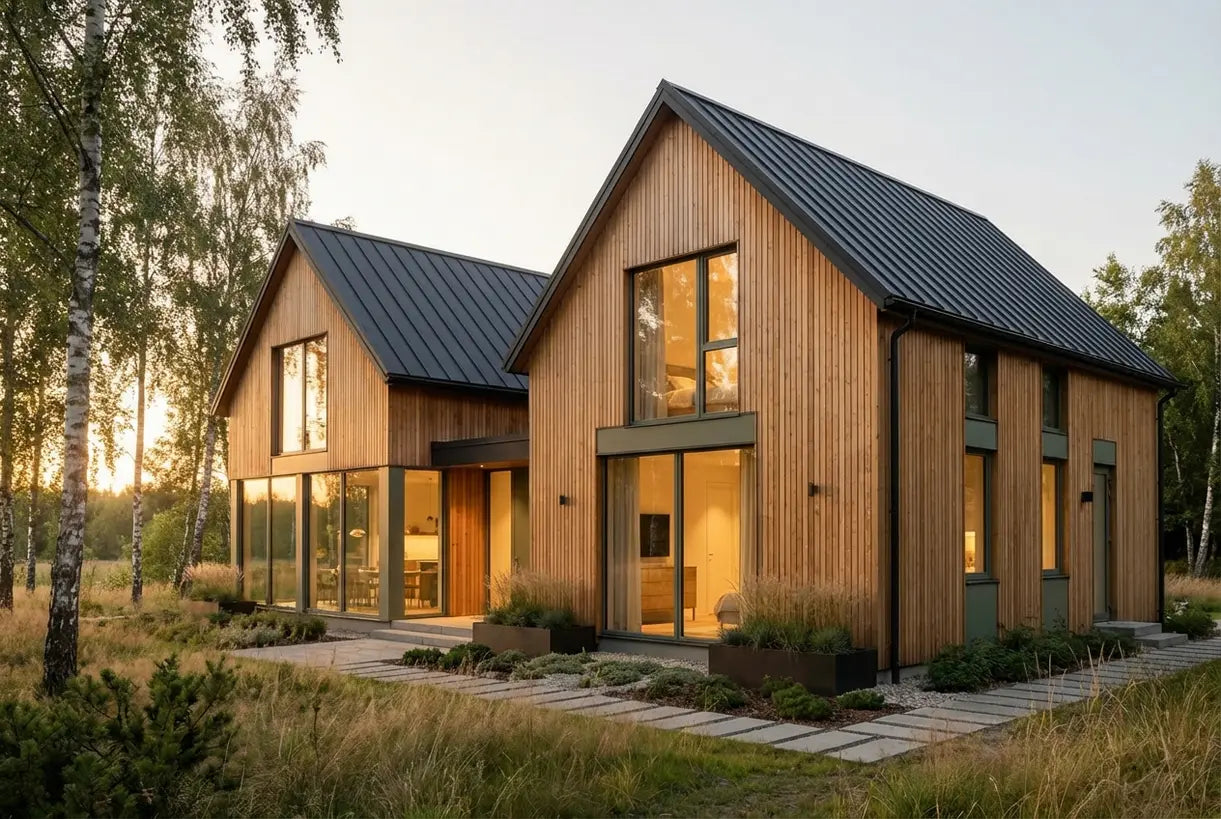
The exterior of a scandinavian home is where the design philosophy becomes tangible. scandinavian home design exterior elements work together to create structures that are both striking and contextual.
Material Palette
Nordic exteriors typically draw from a restrained palette of natural materials:
- Wood cladding: Often vertical boards in black, charcoal, or natural gray tones. The treatment preserves the timber while allowing it to age beautifully.
- Dark metal roofing: Standing seam metal in matte black or dark gray provides durability and modern aesthetics.
- Stone and concrete: Used for foundations, chimneys, and accent walls, grounding the structure visually and literally.
- Large glass panels: Floor-to-ceiling windows dissolve the boundary between interior and exterior.
Color Schemes
While interiors often feature white walls to maximize light reflection, exteriors embrace darker tones. Charcoal, deep forest green, warm black, and natural grayed wood create homes that appear nestled into the landscape rather than imposed upon it. This darkness also serves a practical purpose—darker surfaces absorb winter heat more efficiently.
Roof Forms
Traditional scandinavian roofs are steeply pitched to handle heavy snow loads, but contemporary interpretations have introduced low-slope and even flat roof designs in milder climates. The key consideration remains managing precipitation—whether snow, rain, or the region's frequent fog and mist.
The Interior-Exterior Connection in Nordic Home Design
While our focus is scandinavian home design from the outside in, understanding the interior-exterior relationship helps explain why these homes feel so harmonious. The same principles guiding exterior material choices—honesty, natural origins, and longevity—influence interior selections.
When you step inside a scandinavian home, you should feel as though the exterior materials have simply continued inward. Wood floors mirror exterior cladding. Large windows maintain sightlines to the landscape. The color palette transitions smoothly from outdoor earth tones to interior warmth.
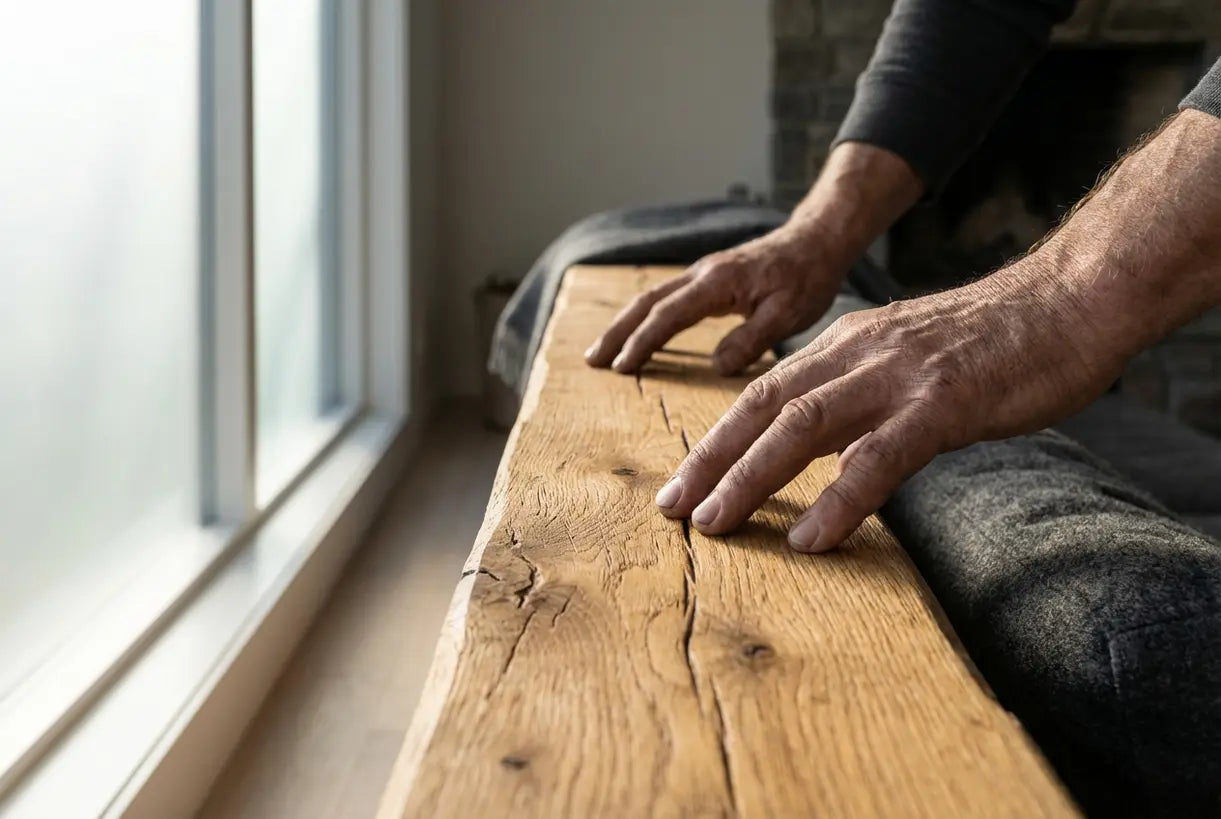
This continuity creates what Scandinavians call samhörighet—a sense of belonging and coherence with one's surroundings. It's the feeling that your home isn't separate from nature but an extension of it.
For those seeking to bring this philosophy into their own spaces, our Chandeliers collection offers statement pieces that honor these same principles of natural materials and thoughtful craftsmanship.
Lighting That Honors Scandinavian Architectural Principles
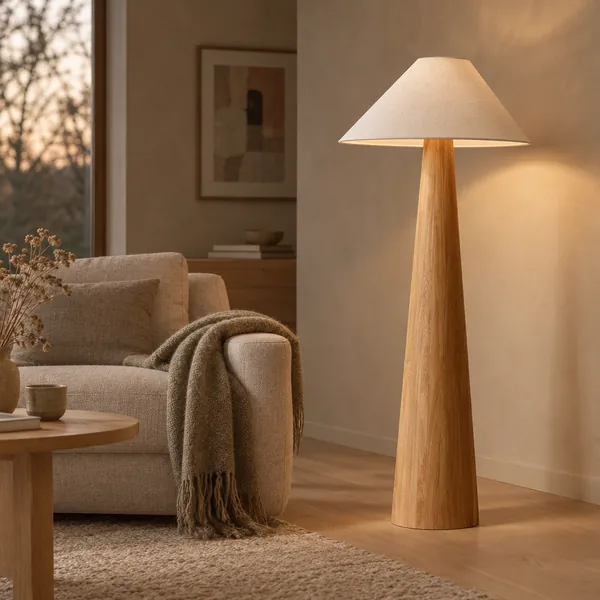 Stille Japanese Wabi-Sabi Solid Wood Floor Lamp$399.00$699.00
Pendant Lights
Shop all Pendant Lights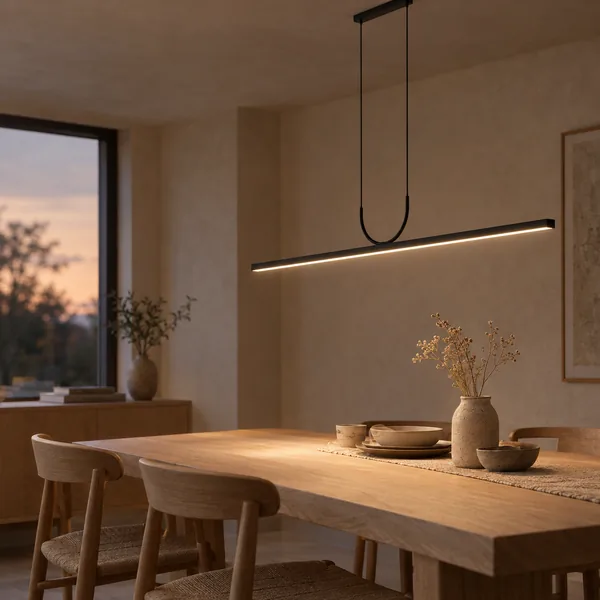
 Save $140.00
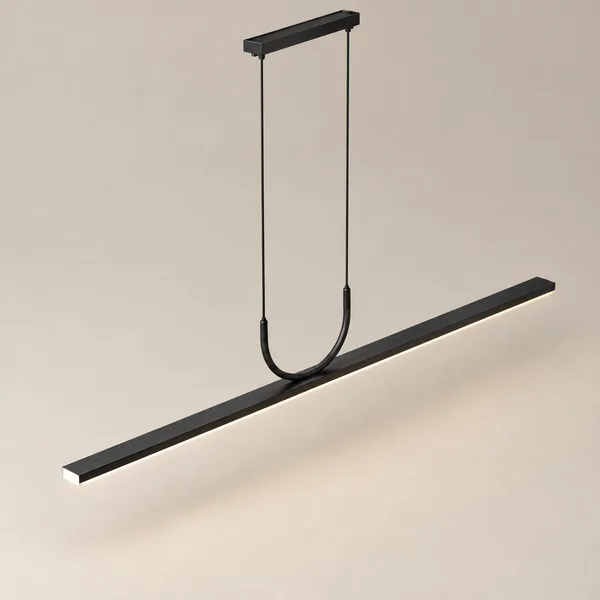
Linné Minimalist Linear Black LED Pendant Light
Save $60.003 optionsGlora Nordic Glass Pendant Light with Copper
 Save $120.00
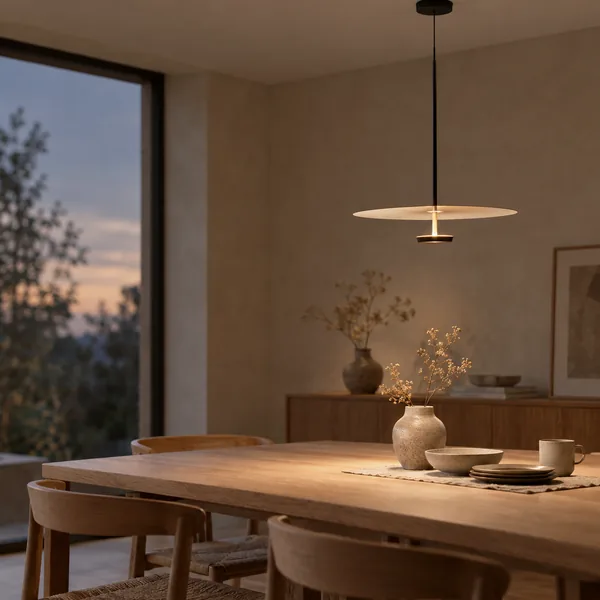
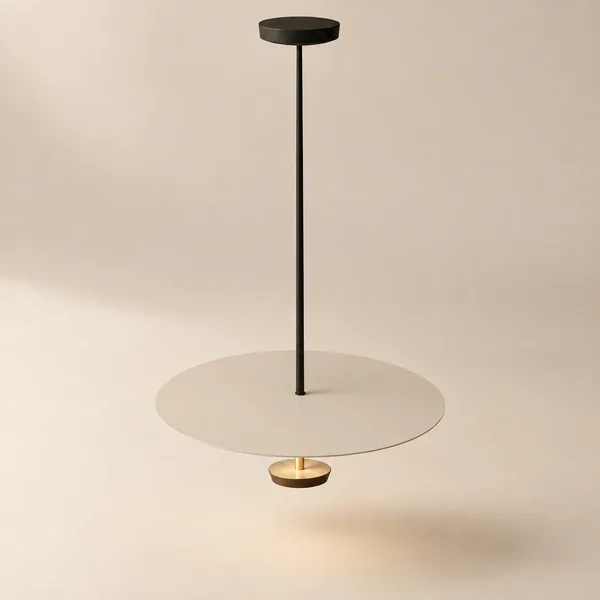
Skiva Nordic Saucer Ceiling Pendant Light LED
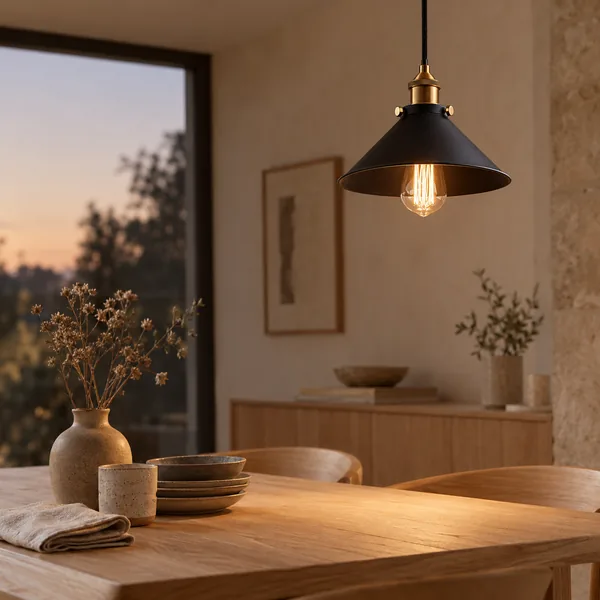
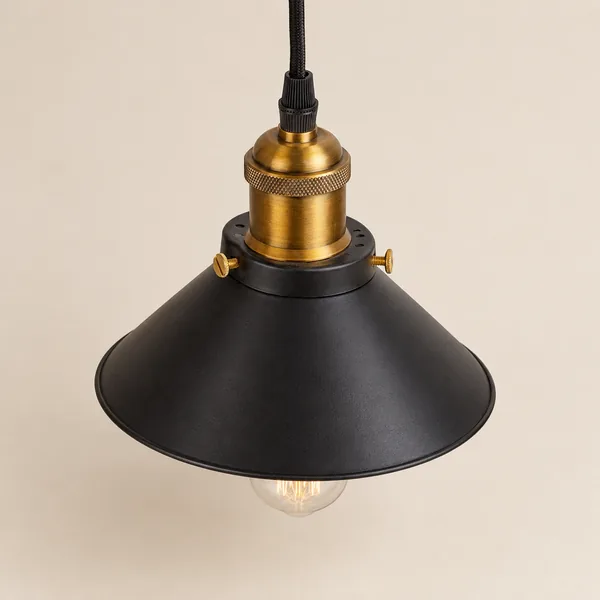
Bringing Scandinavian Home Design Principles Into Your Space
Whether you're building a new home from the ground up or renovating an existing space, incorporating scandinavian home design principles is achievable at any scale. Start by assessing your relationship with natural light—can you enlarge windows or add skylights? Consider your material choices—are there opportunities to introduce honest, natural finishes? And most importantly, ask whether every element in your home serves a purpose and brings you joy.
Remember that scandinavian design isn't about achieving perfection. It's about creating intentional spaces that support how you actually live. The best scandi style homes feel lived-in and loved, with patina on wood surfaces and comfortable furniture arranged for real conversation. This is the hygge spirit—the warmth and coziness that makes a house truly feel like home.
At Skonne, we believe that the right lighting can transform how you experience your space. Whether you're drawn to the sculptural forms of our Driva Sculptural Cloud Pendant Light or the organic warmth of our Stille Japanese Wabi-Sabi Solid Wood Floor Lamp, each piece in our collection is designed to complement scandinavian architectural principles. Explore our curated selection at skonne.com and discover lighting that honors the same values of purposeful design and natural beauty that define the finest nordic house styles.
Related Article
Scandinavian Furniture: Iconic Pieces, Materials & Design PhilosophyPractical tips for choosing pendant lights: determine size, hanging height, bulb types, and style to light kitchens, dining rooms, and small spaces.