
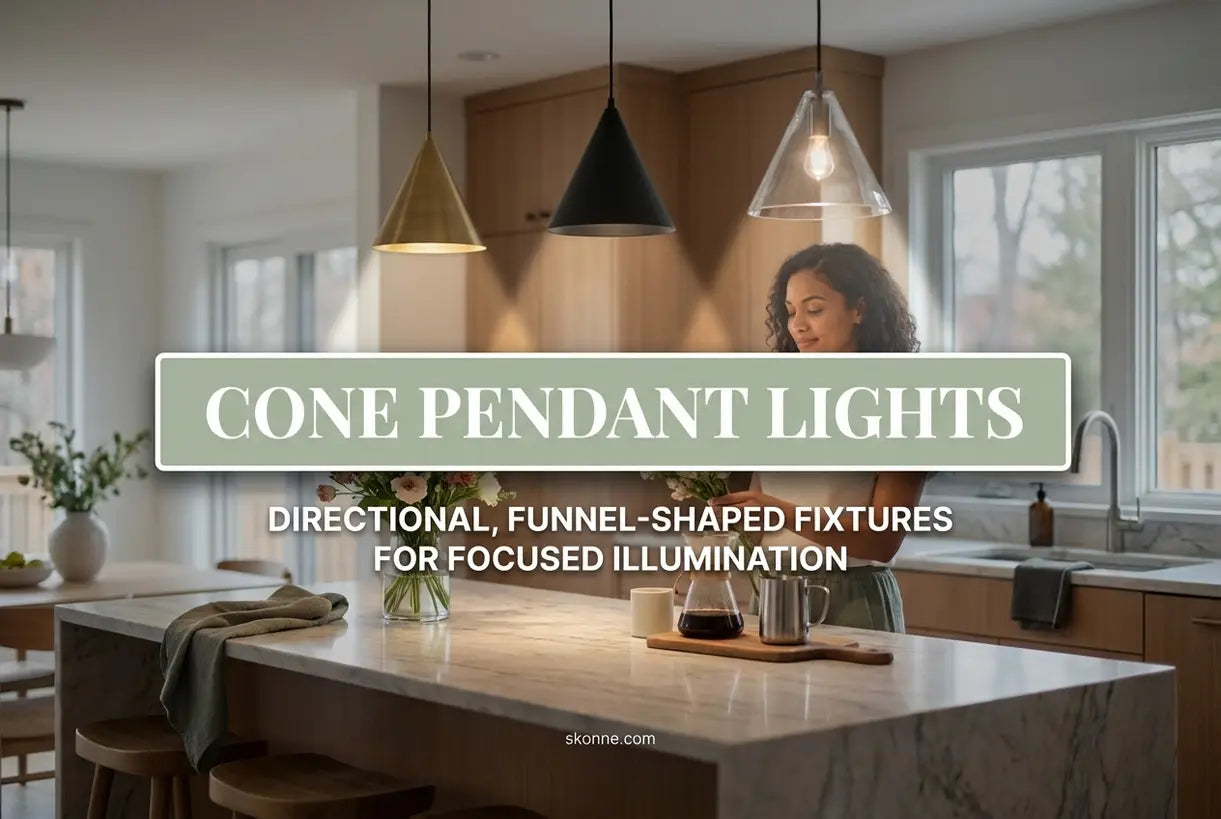
Cone Pendant Lights: Directional, Funnel-Shaped Fixtures for Focused Illumination
Summary›
When you're seeking lighting that does more than simply illuminate a room, the cone pendant light emerges as a thoughtful solution. These architectural fixtures channel light downward through their distinctive funnel-shaped silhouette, creating pools of focused illumination that transform everyday spaces into intentional environments. Whether you're designing a new kitchen island or refreshing your dining area, understanding the unique qualities of these directional pendants will help you make choices that elevate your entire home.
At Skonne, we believe lighting should feel both purposeful and inviting. The Scandinavian design philosophy embraces this duality—where form serves function without sacrificing the warmth that makes a house feel like home. As we explore the world of cone pendant lights together, you'll discover how these versatile fixtures can solve common lighting challenges while adding sculptural beauty to your interiors.
Why Choose a Cone Pendant Light?
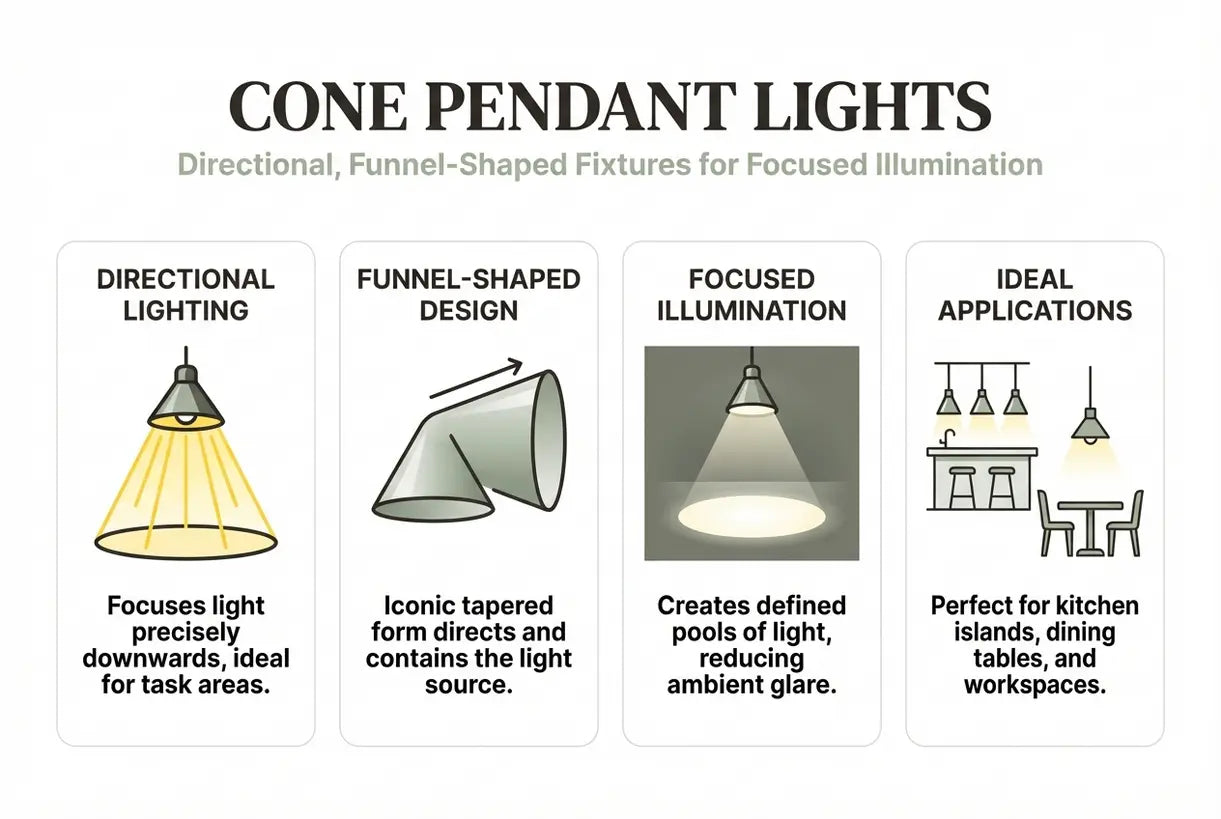
The beauty of a funnel-shaped pendant lies in its geometry. Unlike globes or cylinders that diffuse light in multiple directions, the conical design naturally directs illumination downward. This creates what lighting designers call focused illumination—perfect for tasks like food preparation at a kitchen island or intimate dining conversations.
Consider these advantages when selecting cone pendant lights for your home:
- Directional precision: Light travels exactly where you need it, reducing glare and eye strain
- Visual boundaries: The downward cast naturally defines zones within open floor plans
- Architectural interest: The clean lines complement modern and transitional interiors
- Scalability: Available in sizes from petite accent pieces to dramatic statement fixtures
The versatility extends to materials as well. From hand-blown glass that creates ethereal glow to brushed brass that adds warmth and sophistication, your choice of material dramatically influences the atmosphere of your space.
Kitchen Island Lighting: Where Cone Pendants Shine
The kitchen island has become the heart of modern homes—a place for morning coffee, homework sessions, and evening wine with friends. This multifunctional space demands lighting that adapts to every occasion, which is precisely why kitchen island lighting benefits so dramatically from cone pendant installations.
When properly positioned, multiple cone pendants create a rhythm of light that transforms your island from a mere work surface into a design focal point. The spacing between fixtures matters as much as the fixtures themselves. A general rule suggests placing pendants approximately 24 to 30 inches apart for balanced illumination and visual harmony.
For those looking to explore more options, our Linear Pendant Lights collection offers a curated selection of fixtures that work beautifully alongside cone designs for layered lighting schemes.
Pendant Lights
Shop all Pendant Lights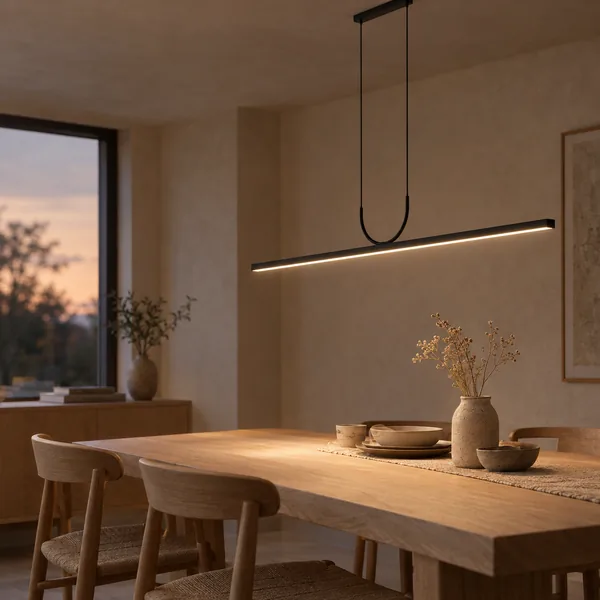
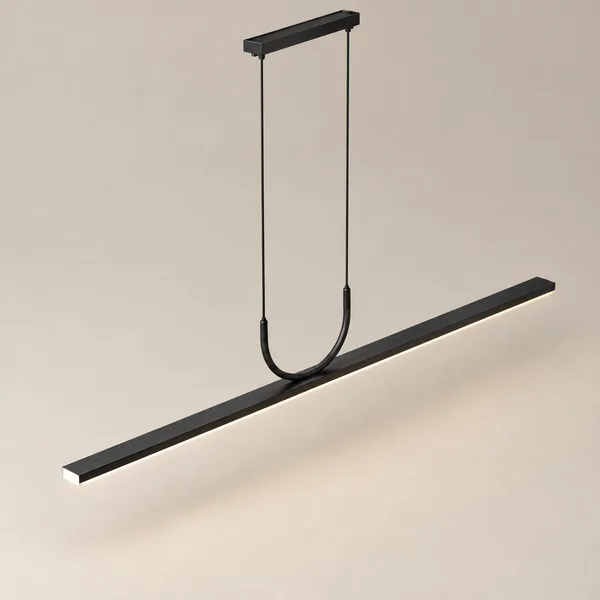 Save $140.00
Linné Minimalist Linear Black LED Pendant Light
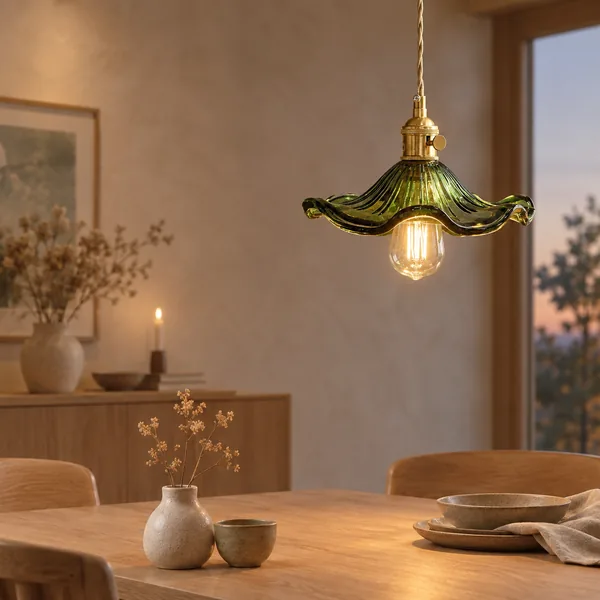
 Save $60.00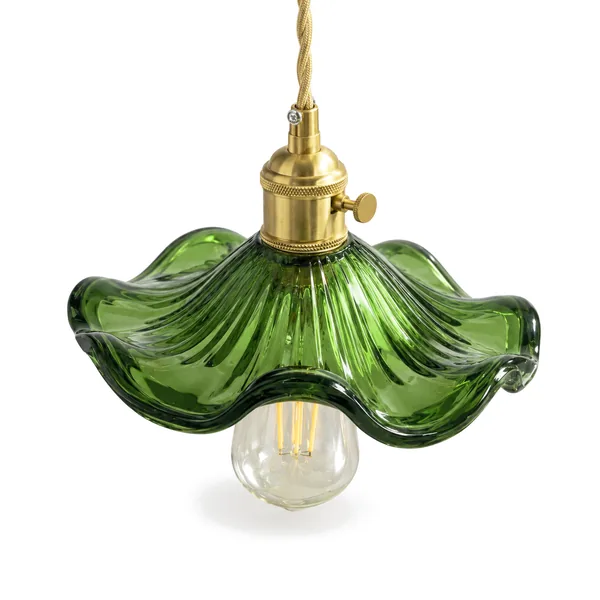
 3 options
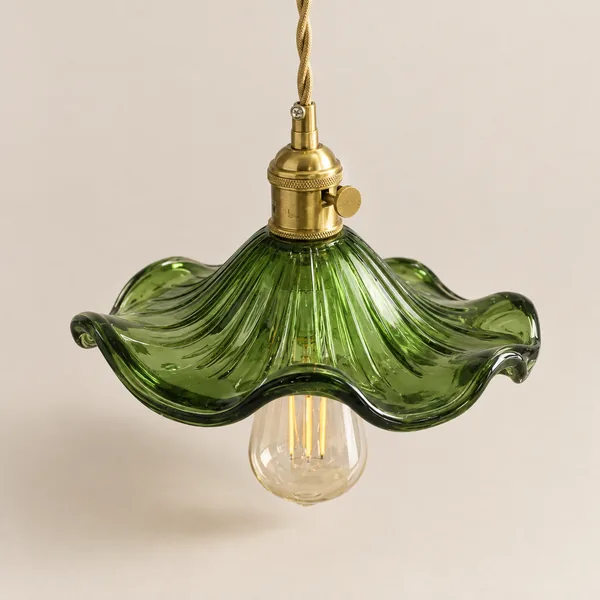
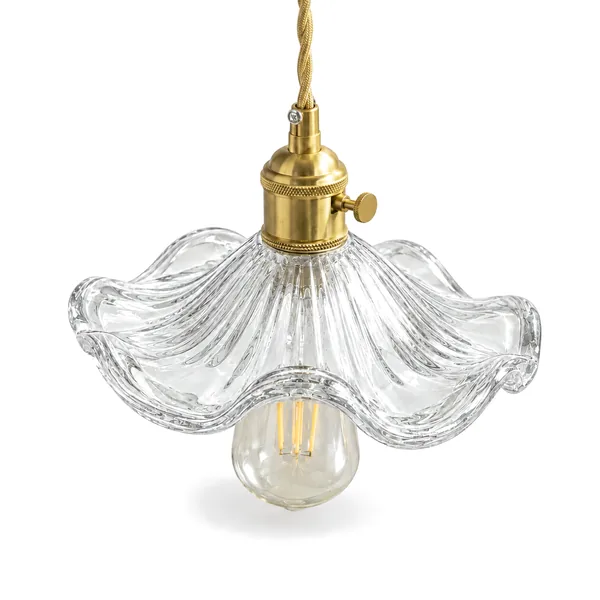
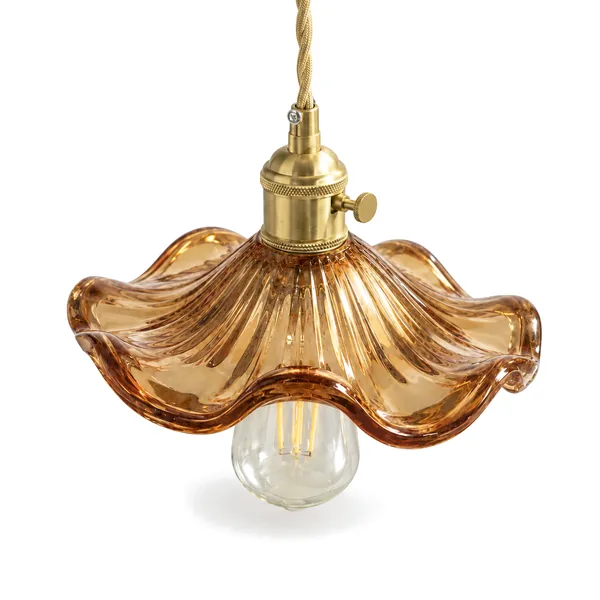
Glora Nordic Glass Pendant Light with Copper
 Save $120.00
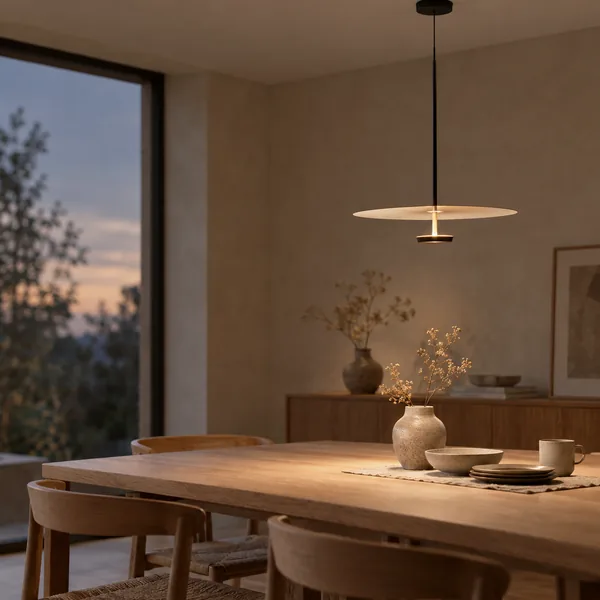
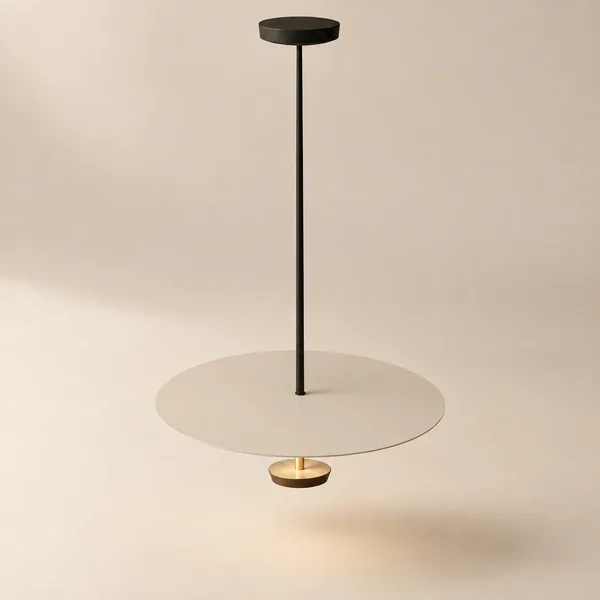
Skiva Nordic Saucer Ceiling Pendant Light LED
Finding the Right Size for Your Space
Selecting the appropriate scale prevents your lighting from overwhelming or underwhelming your room. The relationship between your fixture and the surface below creates the foundation for successful directional lighting design.
Quick Sizing Guide: For kitchen islands, choose pendants with diameters between 12 and 20 inches. For dining tables, select fixtures that are approximately one-third the width of your table for proportional balance.
Beyond diameter, consider the overall height of your space. Taller ceilings accommodate longer drops, allowing you to showcase the elegant lines of your funnel-shaped pendant as they descend toward your work surface. Lower ceilings may benefit from semi-flush adaptations that maintain the conical aesthetic while respecting spatial constraints.
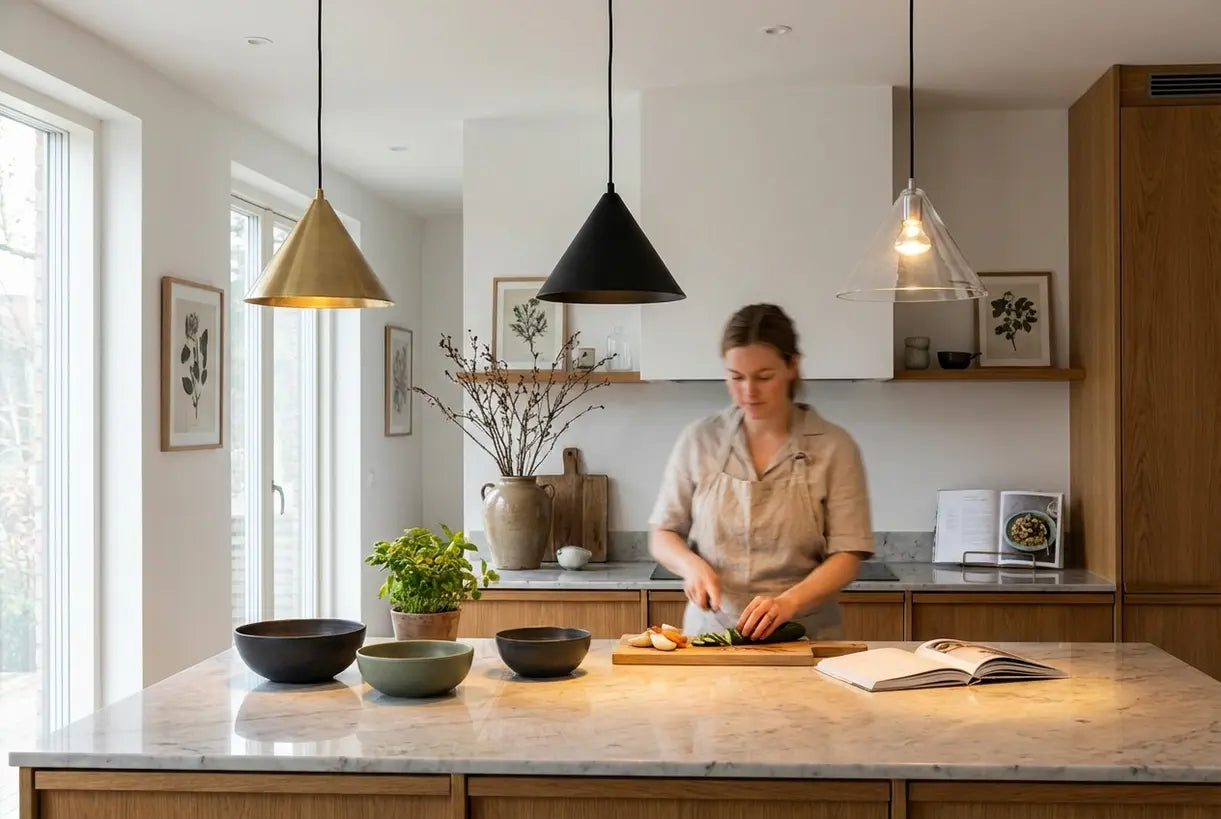
When three pendants grace a kitchen island, as many Scandinavian-inspired designs do, the collective presence should fill roughly two-thirds of the island's length. This creates visual weight without crowding the space.
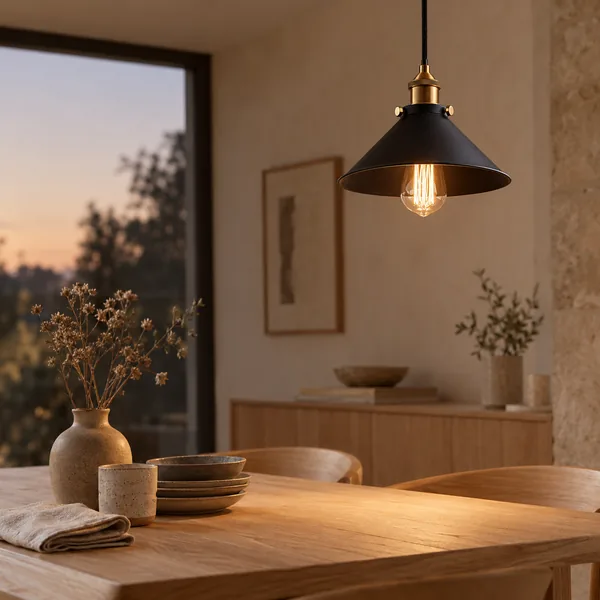
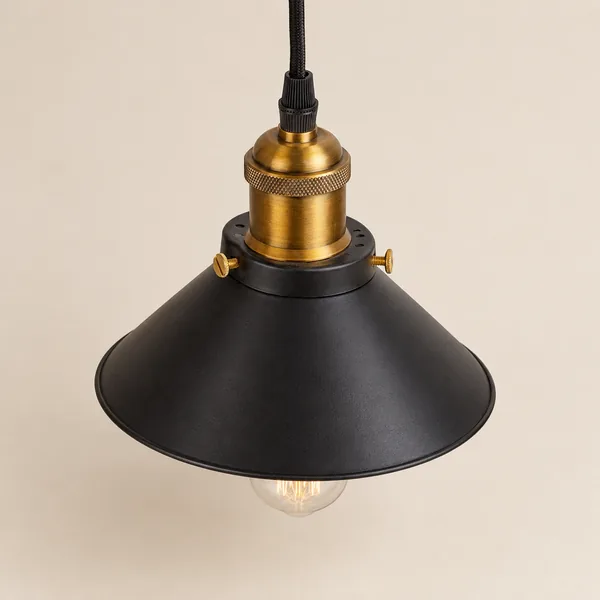
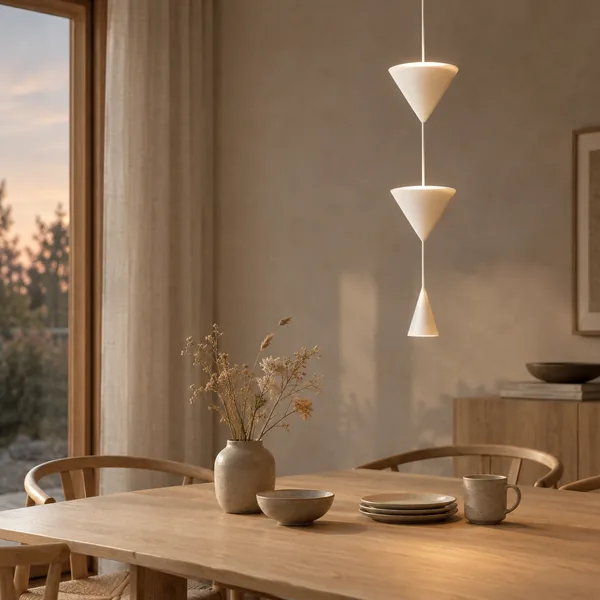 Kjella 3-Head Modern Cone Pendant Light in Metal$219.00$319.00
Materials That Define the Mood
The material composition of your cone pendant light significantly influences both the quality of light and the overall aesthetic of your space. Understanding these differences helps you select fixtures that align with your design vision.
Glass Cone Pendants: Ethereal Elegance
Large glass cone pendant light options diffuse illumination softly through their translucent surfaces. These fixtures create ambient glow while maintaining directional focus, making them ideal for dining areas where you want both task lighting and atmospheric warmth. Hand-blown variations, like our Lyskap Hand-Blown Glass Sculptural Pendant Light, showcase artisanal craftsmanship that adds character to minimalist interiors.
Metal Cone Pendants: Refined Warmth
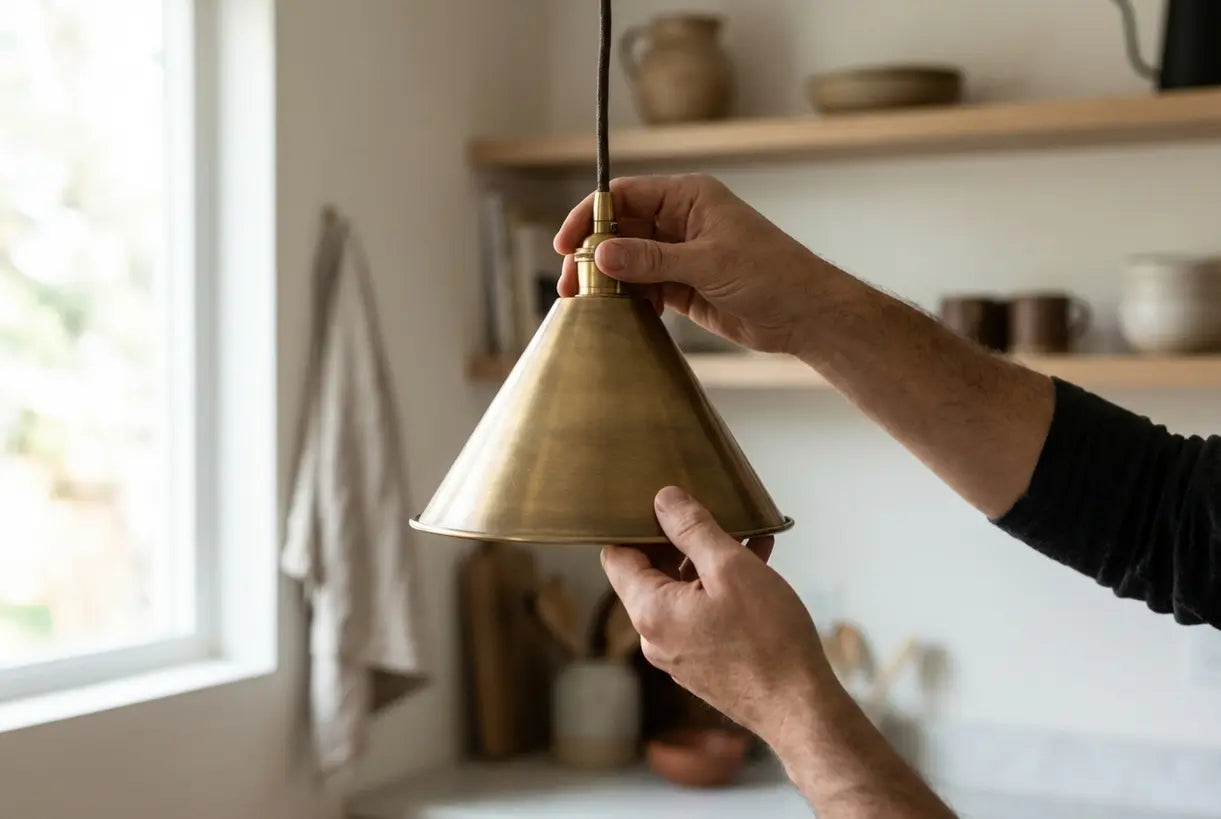
Brass cone pendant light fixtures have experienced a remarkable resurgence in contemporary design. The warm metallic tones complement natural wood and neutral palettes that define Scandinavian aesthetics. Black cone pendant light options offer dramatic contrast in lighter spaces, while gold and white variations provide sophisticated alternatives to suit diverse color schemes.
Modern cone pendant designs often incorporate mixed materials—metal exteriors with gold or white interiors that reflect and amplify light output, maximizing efficiency without sacrificing style.
Design Principles for Maximum Impact
Successful lighting design extends beyond fixture selection to encompass placement, layering, and coordination with your overall interior scheme. These principles help you achieve professional results in your own home.
Height Considerations
The vertical positioning of your pendants determines both functionality and visual proportion. Over kitchen islands, maintain 30 to 36 inches of clearance between the countertop and the bottom of your fixture. This height provides adequate illumination for tasks while preserving sightlines across the space. For dining applications, position pendants approximately 30 inches above the table surface when unoccupied, adjusting slightly higher for taller centerpieces.
Creating Visual Rhythm
When installing multiple cone pendants, consistency creates calm. Ensure all fixtures hang at identical heights unless you're deliberately creating an asymmetrical arrangement for artistic effect. The repetition of conical shapes establishes a cohesive look, especially important in open-concept homes where the kitchen, dining, and living areas flow together.
Glass Pendant Lights
Shop all Glass Pendant Lights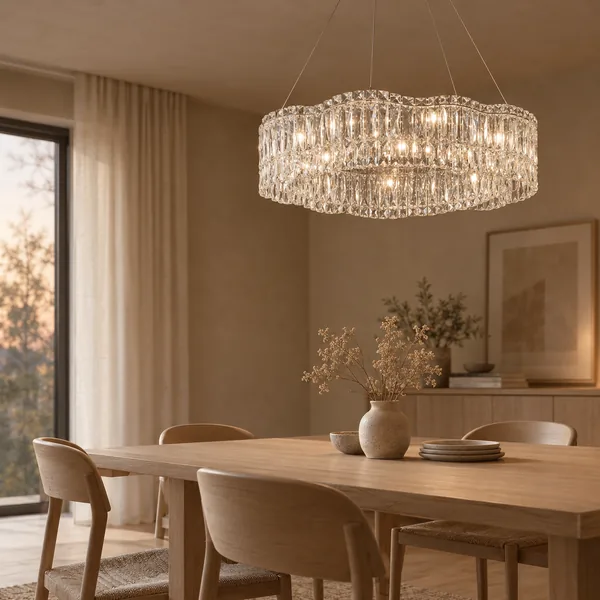
 Save $200.00
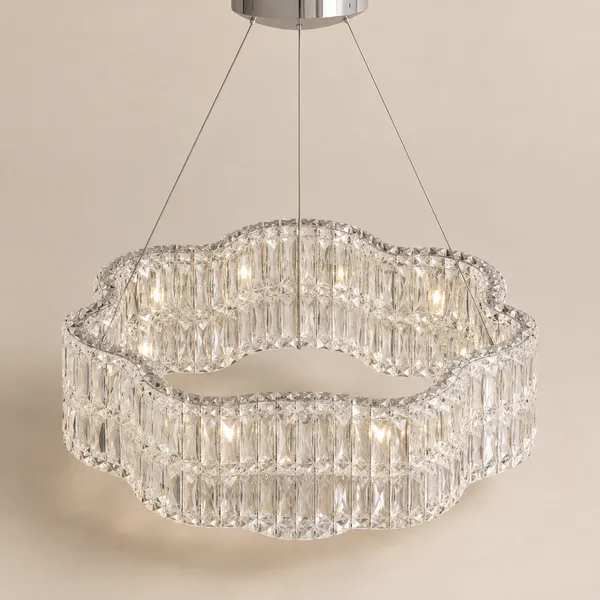
Halvring K9 Crystal Halo LED Chandelier Light
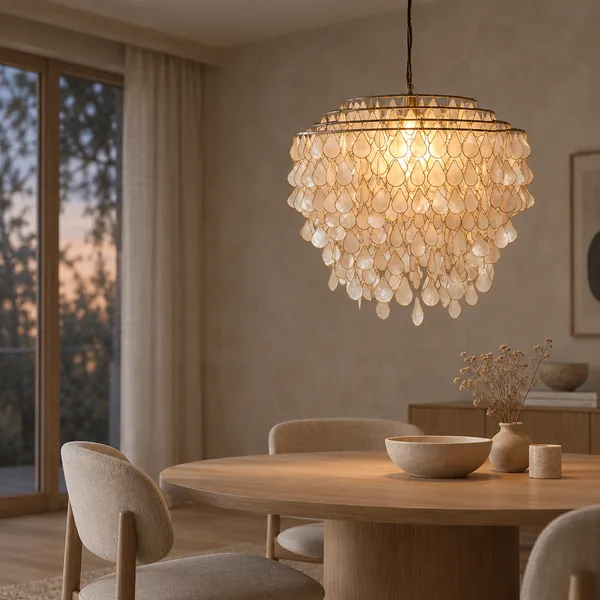
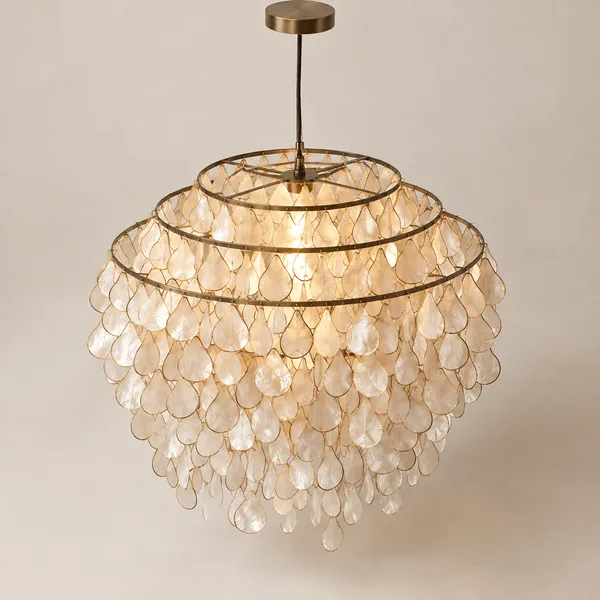 Save $370.00
Skjelva Nordic Retro Shell Pendant Chandelier
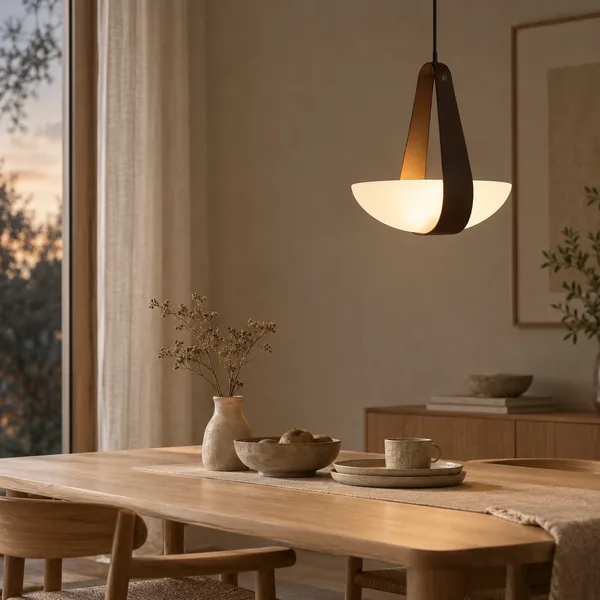
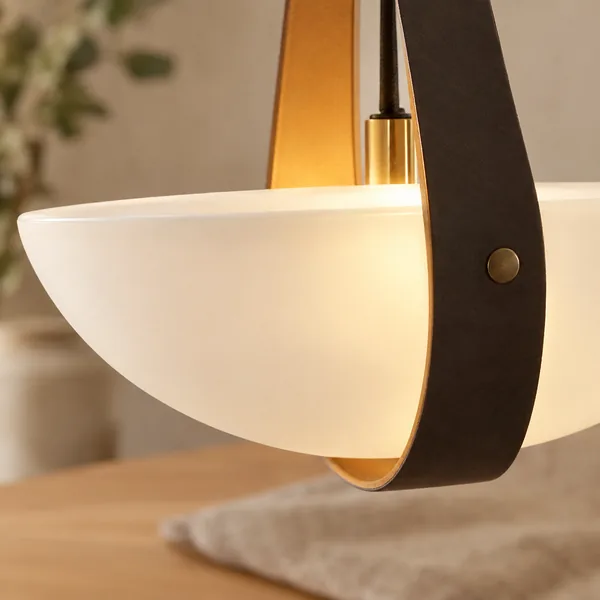
 Save $460.00
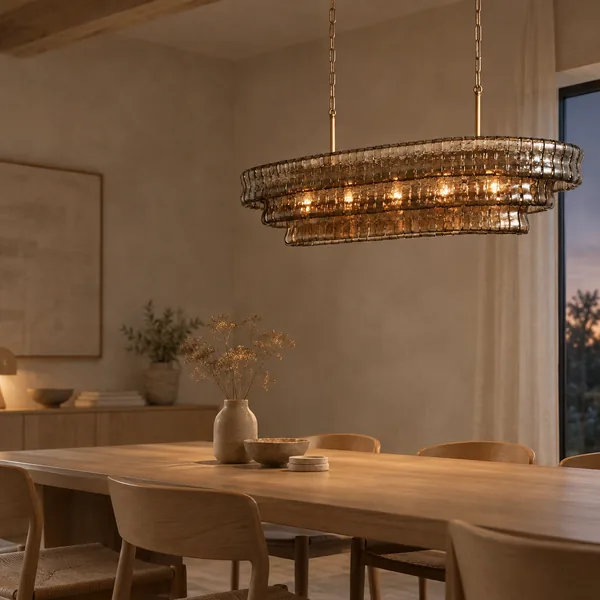
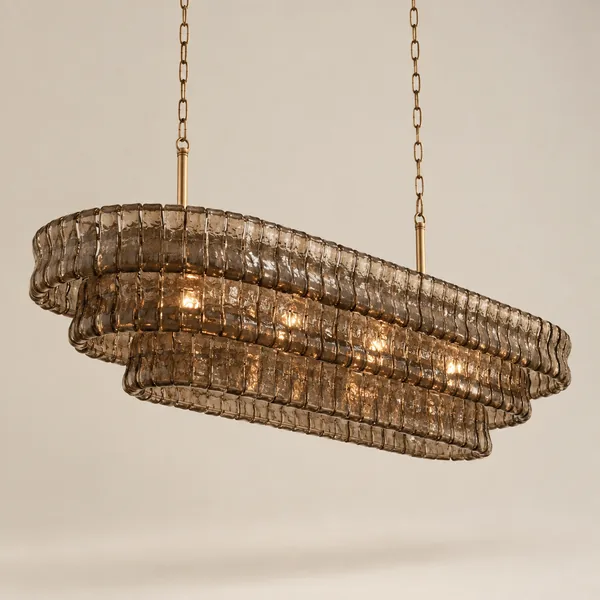
Dimma Smoky Gray Glass Chandelier Dining Room
Layering Your Lighting
Cone pendants excel as task lighting, but truly exceptional spaces incorporate multiple lighting layers. Combine your focused illumination pendants with ambient ceiling fixtures and accent lighting to create depth and dimension. This layered approach, rooted in Scandinavian design philosophy, ensures your space feels welcoming at any time of day.
Consider how the Gloda Horn Pendant Light Modern Acrylic Lamp could serve as a statement piece in your living area while coordinating with task-focused cones in the kitchen. This thoughtful curation creates visual continuity throughout your home.
Curated Lighting for Scandinavian Living
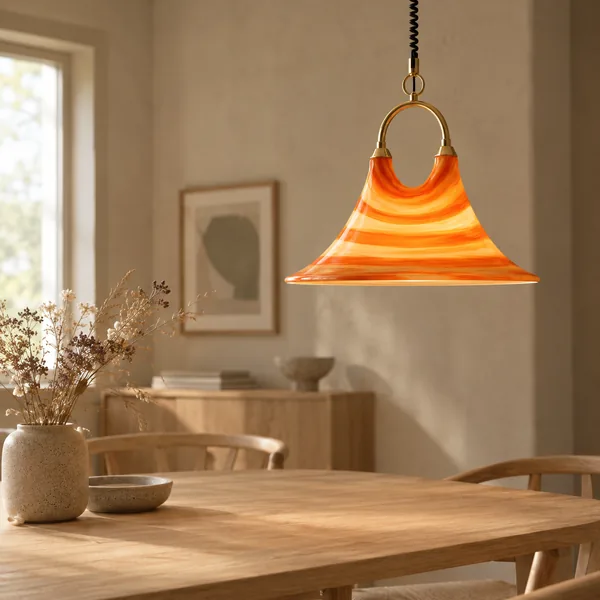 Gloda Horn Pendant Light Modern Acrylic Lamp$249.00$369.00
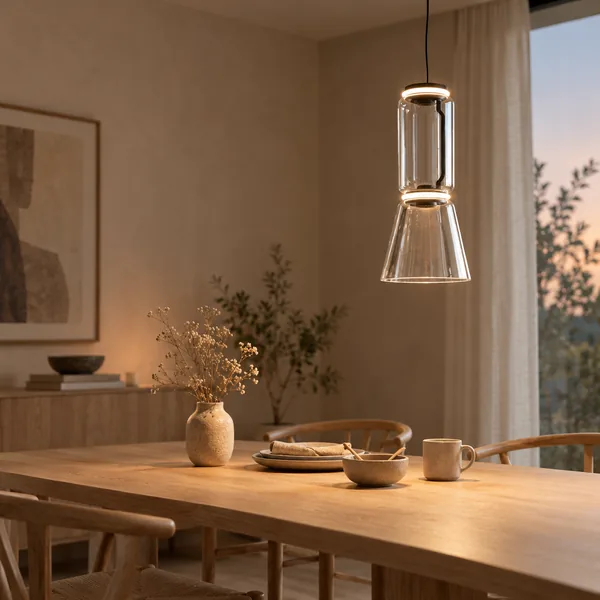 Lyskap Hand-Blown Glass Sculptural Pendant Light$569.00$799.00
Styling Your Cone Pendant Lights
Beyond technical specifications, the way you style your lighting fixtures expresses your personal aesthetic. These suggestions help you maximize the beauty of your cone pendant light installations.
Minimalist spaces benefit from clean, unadorned cones in matte black or brushed metal. The simplicity of the funnel shape speaks for itself against neutral backgrounds. For warmer, more organic interiors, consider brass or gold finishes that catch and reflect ambient light throughout the day. Pair these with natural wood elements and textured textiles for that quintessential hygge atmosphere.
Don't overlook the importance of bulb selection. The exposed nature of many cone pendants means your light source remains visible. Edison-style filament bulbs add vintage charm, while modern LEDs provide efficiency and consistent color temperature. Consider dimmable options that allow you to transition from bright task lighting to intimate evening ambiance.
Conclusion: Light with Intention
The journey toward better home lighting begins with understanding how different fixtures serve different purposes. A cone pendant light offers something distinctive—directional lighting that respects your space while defining it, focused illumination that supports daily activities without overwhelming your senses.
Whether you choose a large glass cone pendant light for your dining room or a cluster of brass cone pendant light fixtures for your kitchen island, the principles remain consistent: scale appropriately, position thoughtfully, and select materials that speak to your aesthetic values.
At Skonne, we curate lighting that honors the Scandinavian tradition of purposeful beauty. Our collection of modern cone pendant options ranges from subtle everyday fixtures to extraordinary statement pieces, each designed to bring warmth and intention to your home. As you consider your next lighting project, remember that the right fixture does more than illuminate—it transforms the way you experience your space.
Related Article
Home Office Pendant Lights: Task-Focused Fixtures for a Productive WorkspaceTransform your workspace with pendant lights designed for home office productivity. Discover Scandinavian task-focused lighting solutions.