
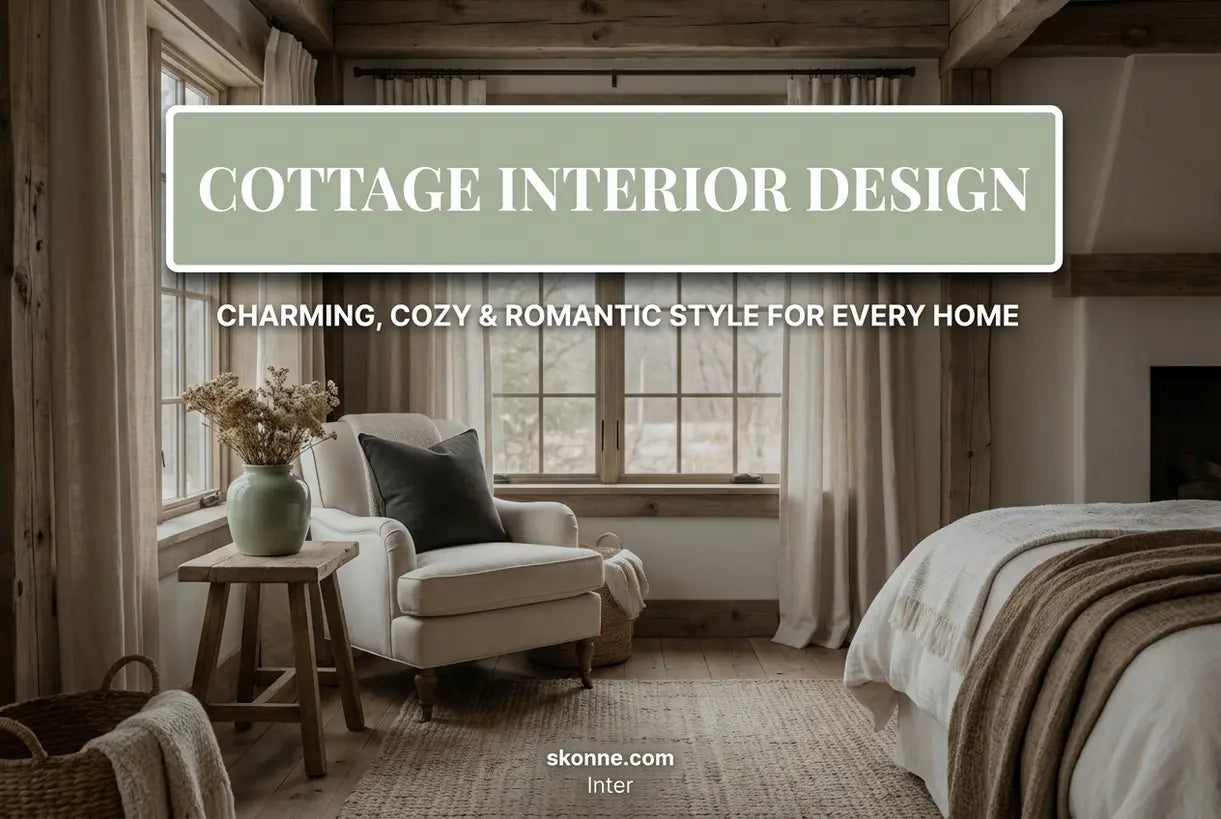
Cottage Interior Design: Charming, Cozy & Romantic Style for Every Home
Summary›
There's something undeniably enchanting about walking into a room that feels like a warm embrace. Cottage interior design captures that exact feeling—an aesthetic that whispers of simpler times, sun-drenched gardens, and stories woven into every carefully chosen piece. Whether you live in a bustling urban apartment or a sprawling suburban home, bringing cottage style interior design into your space creates an atmosphere of calm, comfort, and romantic beauty.
At its heart, cottage interior design isn't about perfection. It's about intention. It's the art of blending weathered woods with soft fabrics, of mixing vintage treasures with meaningful new pieces, and most importantly, of creating spaces that invite you to slow down and savor the moment. Throughout this guide, we'll explore how to infuse your home with this timeless aesthetic—and discover why the right lighting can transform cottage charm from a concept into an experience you'll feel every single day.
The Soul of Cottage Interior Design
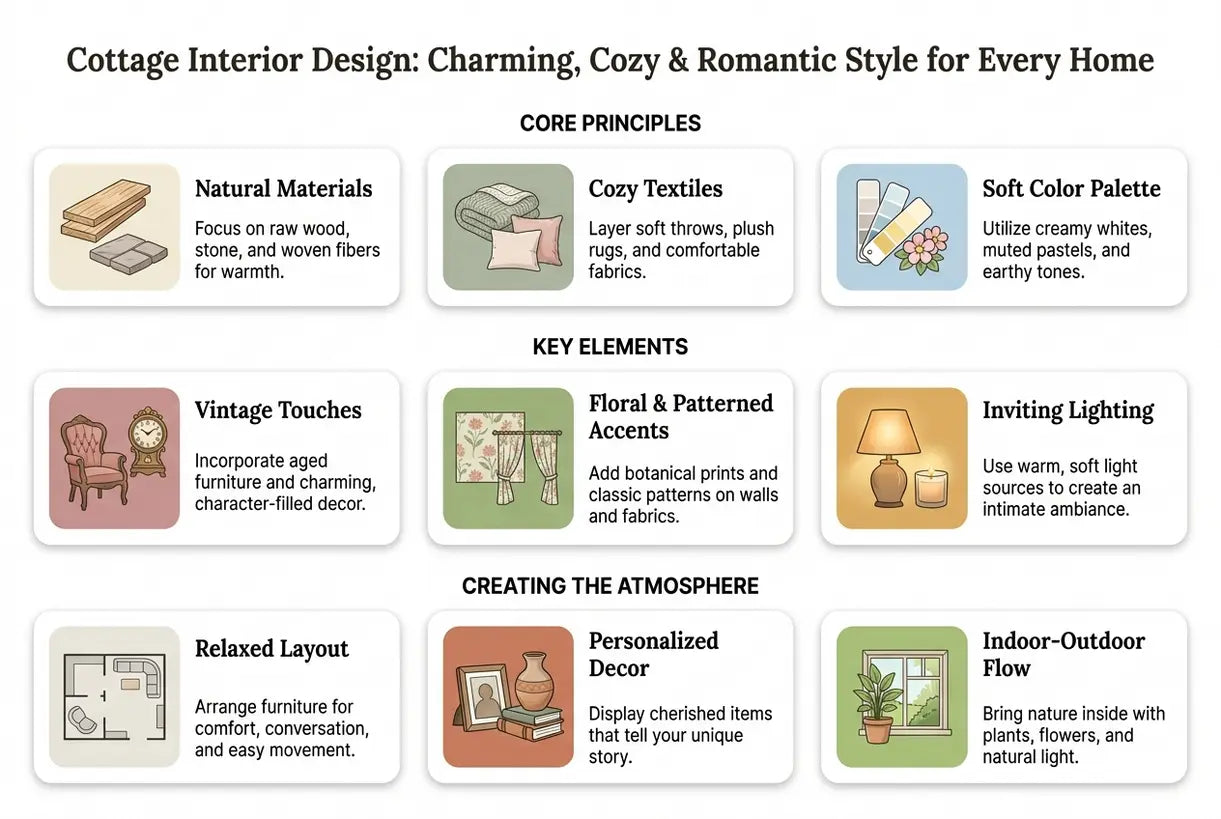
So what does cottage style decor look like in practice? Imagine walking into a sunlit room where every surface tells a story. Rustic cottage decor embraces imperfections—think peeling paint on a vintage cabinet, the gentle warp of reclaimed floorboards, or the soft patina of brass that's aged gracefully over decades. This aesthetic celebrates the handmade, the inherited, and the well-loved.
The foundation of any cottage home design rests on three pillars: curated comfort, natural materials, and warmth. Unlike stark modern minimalism or overly ornate traditional design, cottage style occupies that perfect middle ground where elegance meets ease. It's the difference between a room that looks like a magazine spread and one that feels like home.
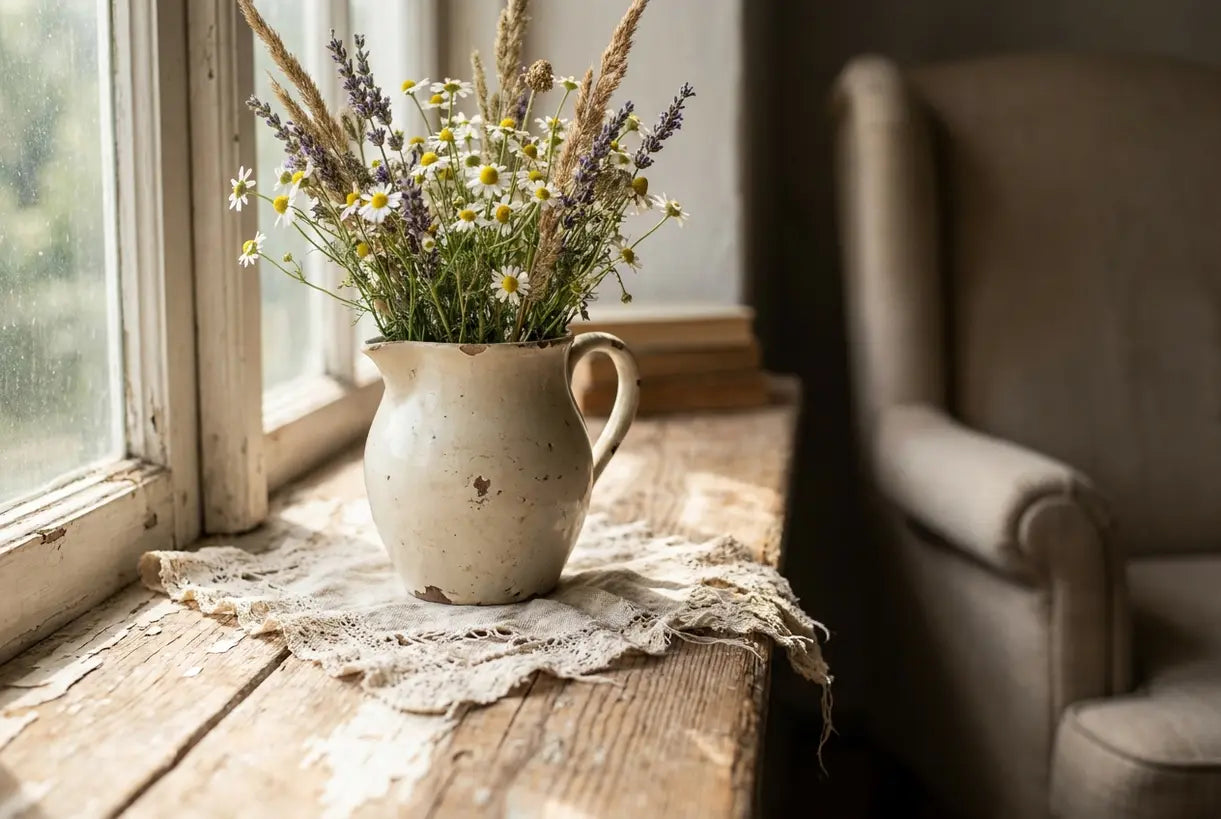
Textiles play a starring role in creating this atmosphere. Linen throws casually draped over armchairs, hand-knitted wool blankets piled in wicker baskets, and vintage lace curtains filtering afternoon light all contribute to that coveted cozy cottage decor feeling. The goal isn't to create a museum piece—it's to craft a living space that invites barefoot walks across wooden floors and lazy Sunday mornings with coffee in hand.
Natural Materials & Textures
The magic of cottage interior design lies in its reverence for the natural world. Wood isn't merely a material here—it's a storyteller. Reclaimed barn beams, butcher block countertops, and antique pine dressers each carry their own history. Pair these with natural stone accents, terracotta pots, and organic cotton textiles to build layers of tactile interest.
Color palettes in English cottage design tend toward the soft and muted: sage greens, dusty roses, warm creams, and weathered grays that echo the natural landscape. These aren't loud colors demanding attention; rather, they create a backdrop for living, allowing your curated objects and the people who gather in your space to take center stage.
Plants, too, are essential to the cottage aesthetic. Trailing ivy on mantels, potted herbs on windowsills, and wildflower arrangements in vintage pitchers bring life and movement into rooms. They soften hard edges and bridge the gap between indoors and out—a fundamental principle of creating that sought-after rustic cottage ambiance.
Lighting
Shop all Lighting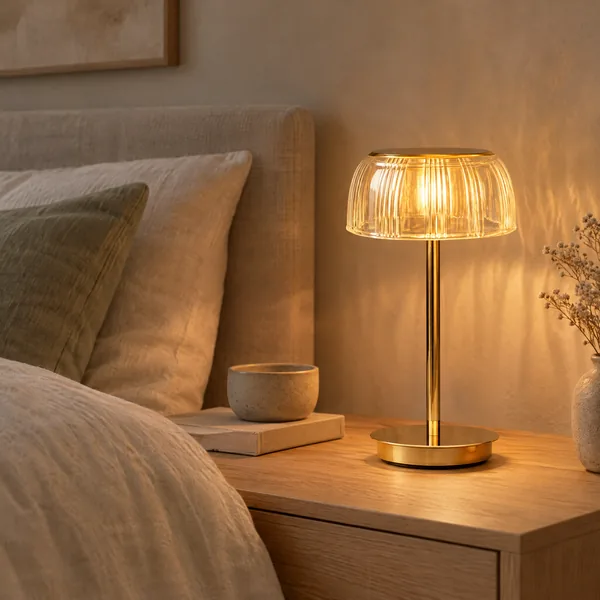
 Save $30.00
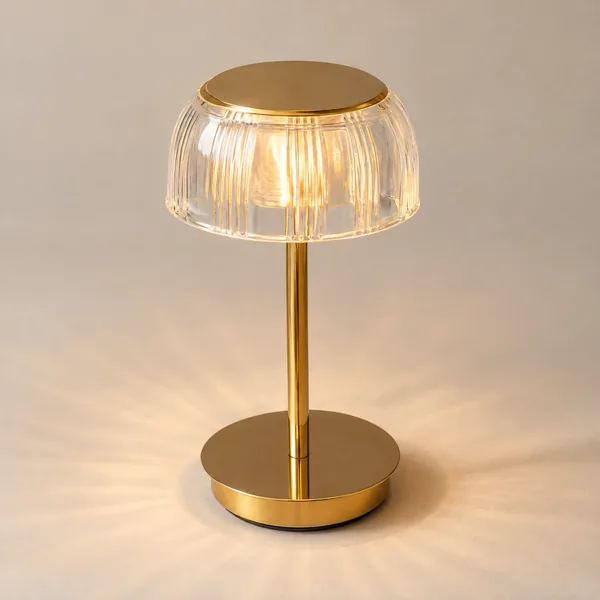
Kvalla Jellyfish LED Rechargeable Table Lamp
 Save $140.00
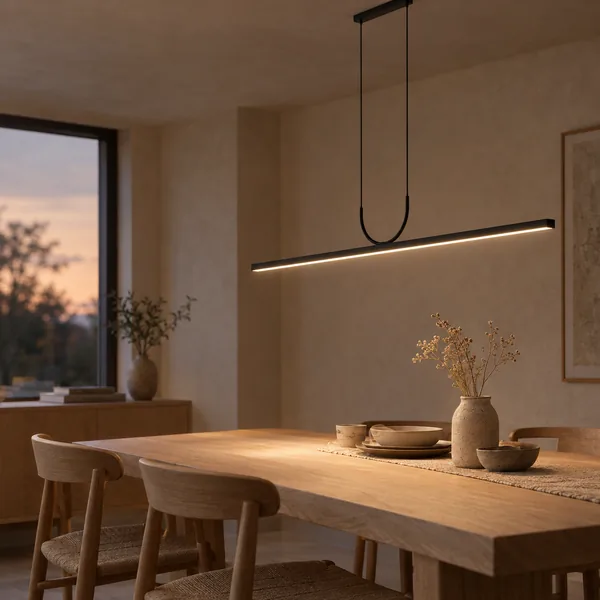
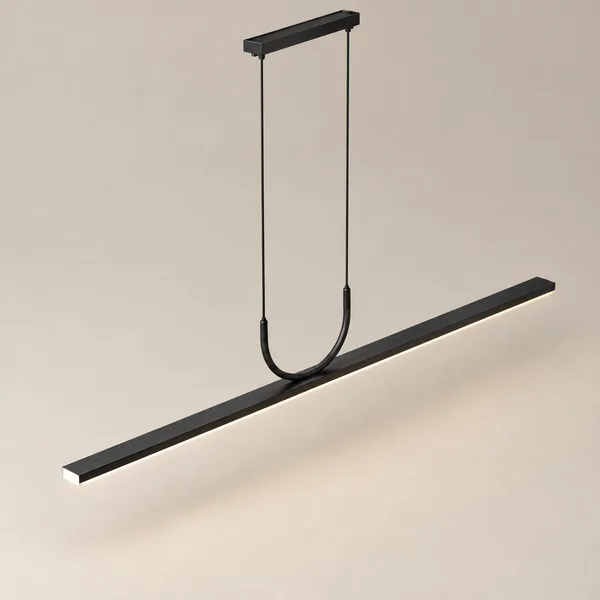
Linné Minimalist Linear Black LED Pendant Light
 Save $60.00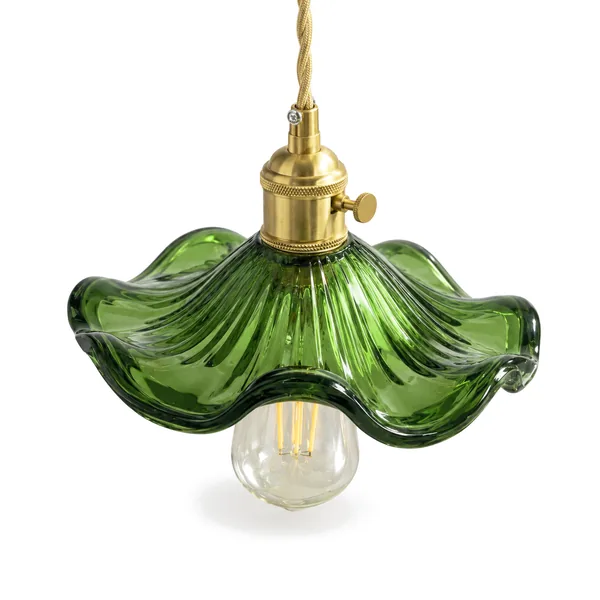
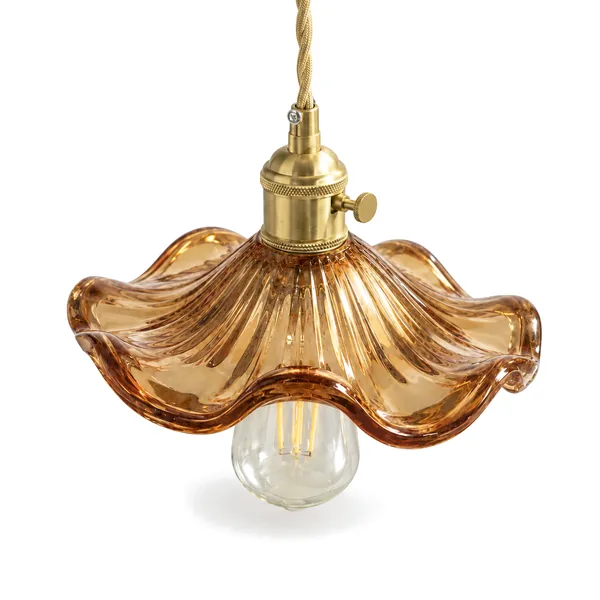 3 options
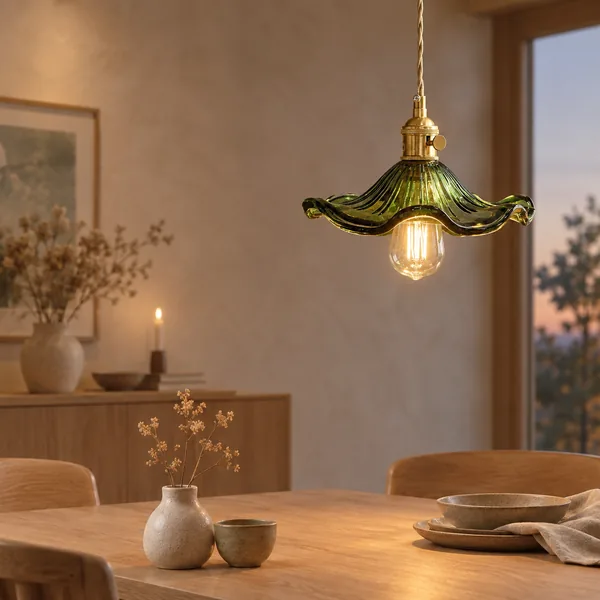
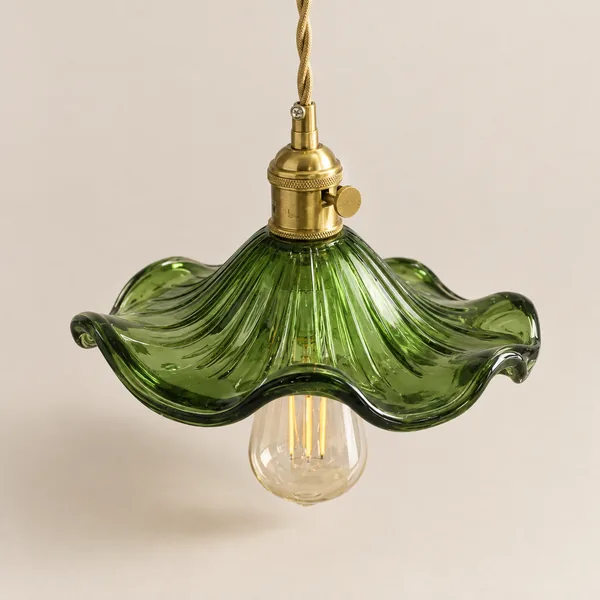
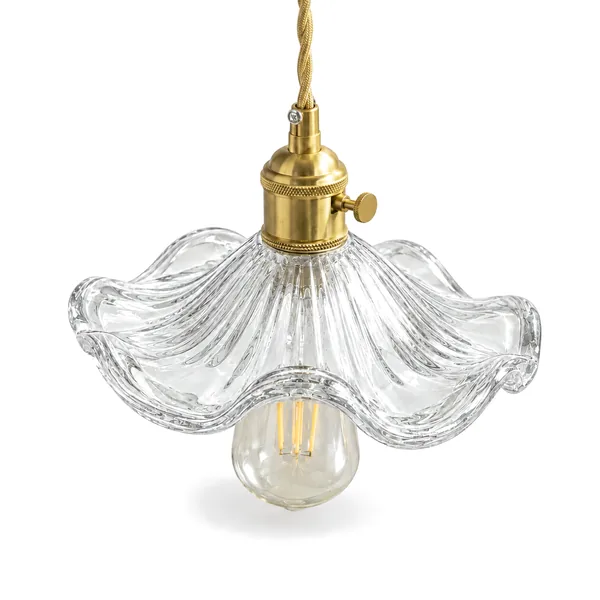
Glora Nordic Glass Pendant Light with Copper
Mastering the Art of Balance
Creating a cohesive cottage interior requires understanding the rules that professional designers use to achieve visual harmony. While cottage style embraces eclecticism, it still follows principles that prevent spaces from feeling chaotic rather than curated.
The 70-30 Rule in Decorating
The 70-30 rule in decorating suggests dividing your space (or your design choices) into 70% dominant elements and 30% accent elements. In a cottage setting, this might translate to 70% neutral, foundational pieces—cream walls, natural wood floors, linen upholstery—and 30% statement accents: a vibrant vintage rug, a collection of blue transferware, or a striking piece of folk art.
Practical Application: Apply the 70-30 rule when selecting your color palette. Keep 70% of the room in soft, neutral tones. Use the remaining 30% for deeper, richer accent colors that tie together your design story.The 3-4-5 Rule in Decorating
When arranging furniture and decor, the 3-4-5 rule in decorating helps create proper scale and proportion. This mathematical ratio ensures that elements relate harmoniously to each other. Group objects in odd numbers (threes and fives often work best) and vary their heights to create visual interest without clutter.
For those seeking the perfect accent piece to anchor their cottage vision, lighting can be the element that ties everything together. The right lamp doesn't just illuminate—it becomes a sculptural statement that embodies the warmth cottage style demands. Consider how our curated selection can complete your design story.
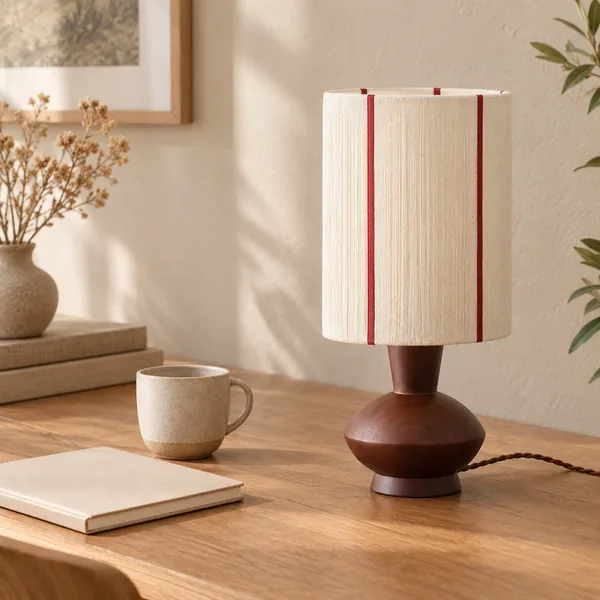 Vedra Solid Wood Vintage Table Lamp with Rope$299.00$509.00
What Is Modern Cottage Style?
Modern cottage style represents the beautiful evolution of traditional cottage aesthetics into contemporary living. It's where the romantic nostalgia of cottagecore interior meets clean lines and functional design sensibilities. Think fewer frills, more intention—but still deeply, unmistakably cozy.
This interpretation strips away the overly precious elements while preserving the soul: natural materials remain central, but they're presented with more restraint. A modern cottage might feature a streamlined linen sofa rather than a floral chintz one, or minimalist floating shelves instead of ornate built-ins. The color palette leans cooler—soft whites, pale grays, and sage greens—while still maintaining that essential warmth.
The key difference lies in breathing room. Where traditional cottage style might layer pattern upon pattern, modern cottage embraces negative space. It allows each carefully chosen piece to have its moment. This approach resonates particularly with younger homeowners who love the cottage aesthetic but require their spaces to function in contemporary ways—home offices, open-concept living, and multi-purpose rooms.
How Do I Make My House Look Like a Cottage?
Transforming your existing home into a cottage haven doesn't require a complete renovation. It's about strategic choices that shift the energy of your space toward warmth and welcome. Here's how to bring country cottage style into any home:
- Start with decluttering, not minimalism. Cottage style cherishes meaningful objects, but everything should earn its place. Keep what you love; rehome what doesn't serve you.
- Embrace vintage and secondhand. Flea markets, estate sales, and family attics are treasure troves for cottage-worthy pieces. Look for wood with patina, brass with age, and ceramics with character.
- Layer lighting. Ambient, task, and accent lighting work together to create that golden-hour glow all day long. This is especially crucial for romantic cottage decorating.
- Bring the outside in. Natural elements—branches in vases, stones on bookshelves, fresh or dried flowers—ground your space in the organic beauty that cottage style celebrates.
- Soften all the hard edges. Add cushions to wooden chairs, drape throws over leather sofas, and hang sheer curtains to filter harsh light.
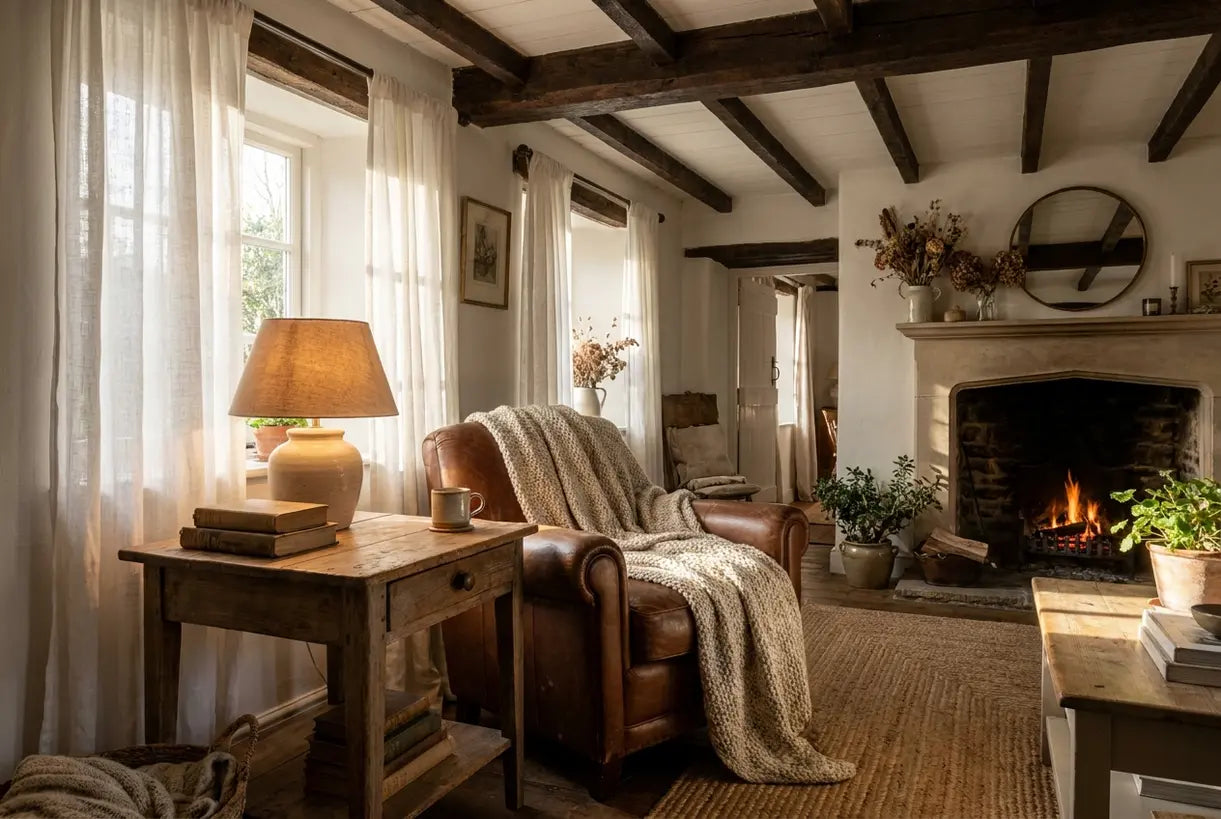
Lighting, in particular, deserves special attention when answering "How do I make my house look like a cottage?" Harsh overhead lighting destroys the intimate atmosphere you're trying to create. Instead, focus on creating pools of warm light at various heights throughout your rooms. For those exploring options, our Table Lamps collection offers pieces that blend Scandinavian simplicity with the warmth cottage style demands.
The Transformative Power of Cottage-Style Lighting
Here's a secret that designers know: cozy cottage decor lives or dies by its lighting. It's not just about visibility—it's about sculpting atmosphere. The right fixtures cast a warm amber glow that makes skin look radiant, creates depth and shadow, and transforms ordinary evenings into something magical.
Consider how different light sources interact in your space. A pendant over the dining table creates intimate gathering moments. Wall sconces flanking a mirror add gentle wash lighting. Table lamps in reading corners invite you to curl up with a book. Together, they create the layered, nuanced lighting that defines truly exceptional cottage interiors.
Elevate Your Cottage Aesthetic with These Curated Lighting Pieces
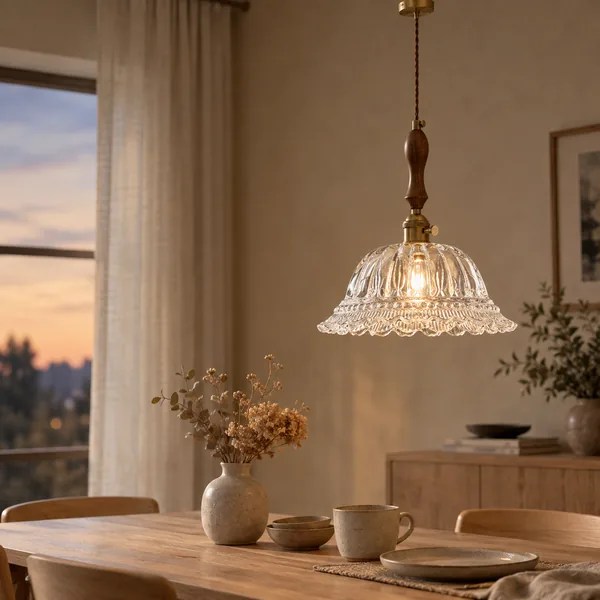 Gloda Walnut Brass French Style Pendant Light$169.00$229.00
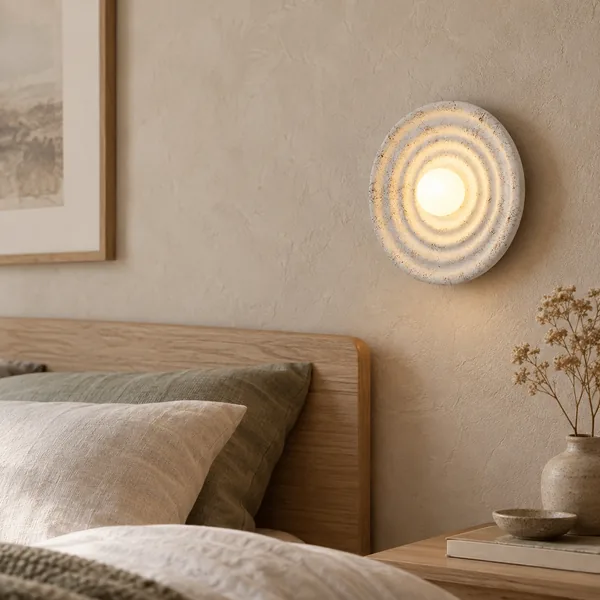 Lysring Circular LED Wall Light Wabi-Sabi Style$169.00$229.00
At Skonne, we believe that cottage style interior design and Scandinavian hygge share a common philosophy: the best spaces nurture connection—with ourselves, with loved ones, and with the natural world. Our curated lighting collection honors this intersection, offering pieces that bring Nordic simplicity to romantic cottage aesthetics.
Glass Pendant Lights
Shop all Glass Pendant Lights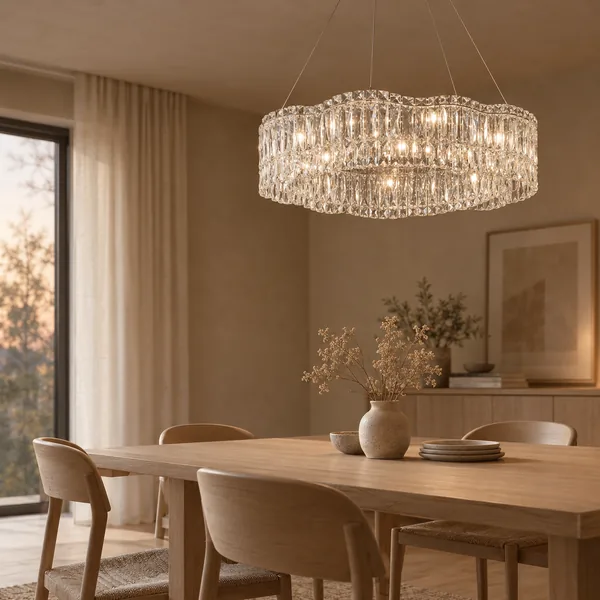
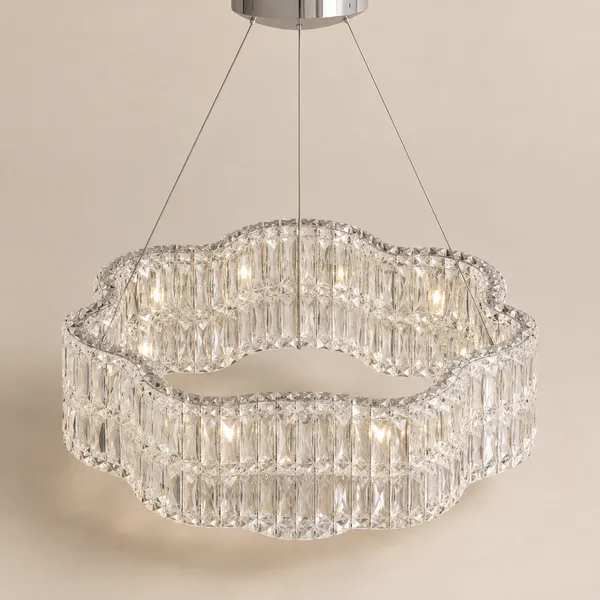 Save $200.00
Halvring K9 Crystal Halo LED Chandelier Light
 Save $370.00
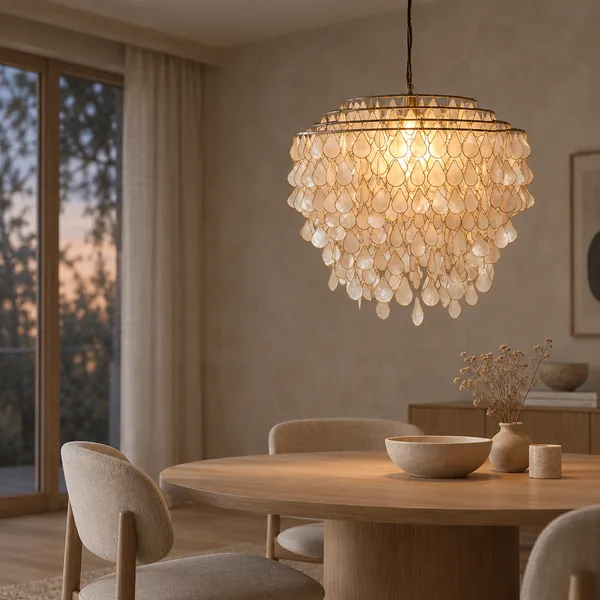
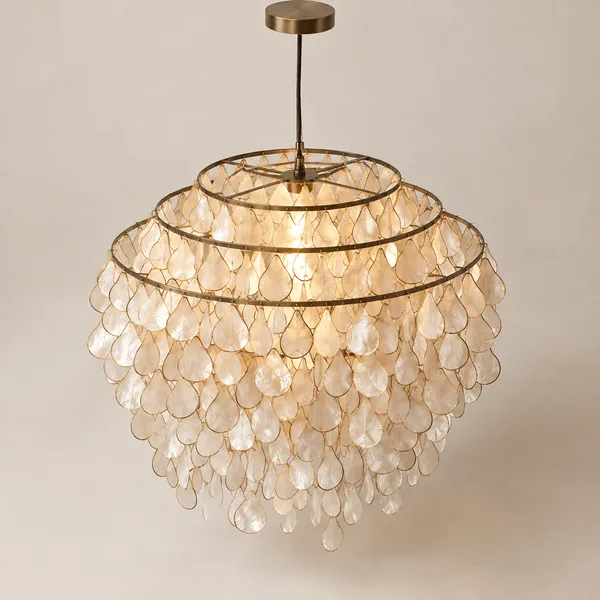
Skjelva Nordic Retro Shell Pendant Chandelier
 Save $460.00
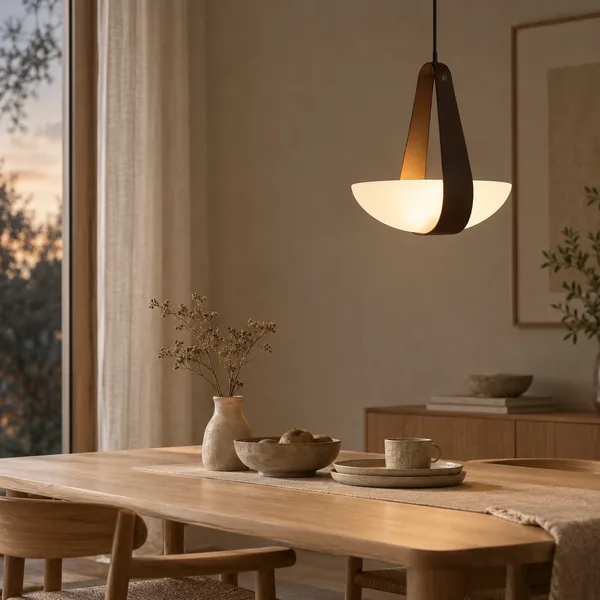
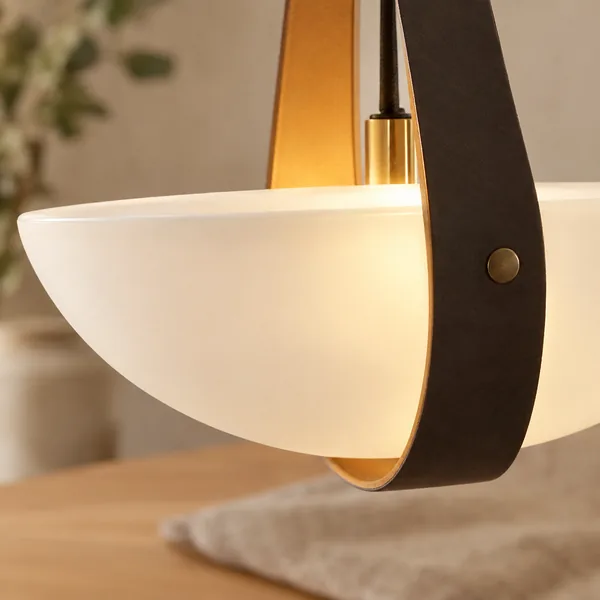
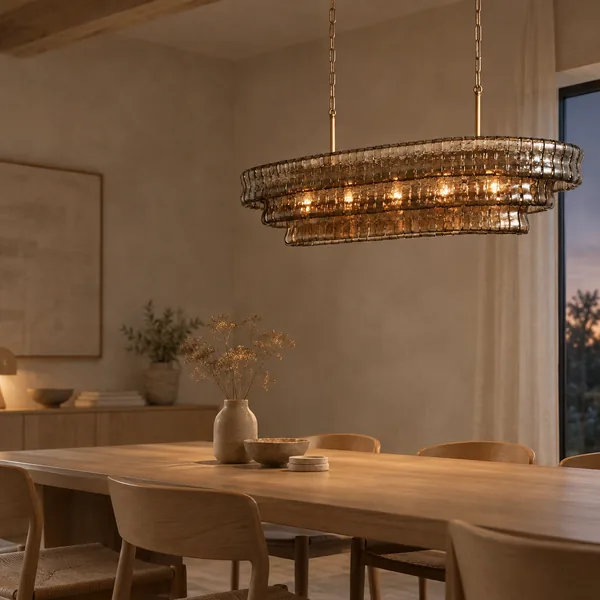
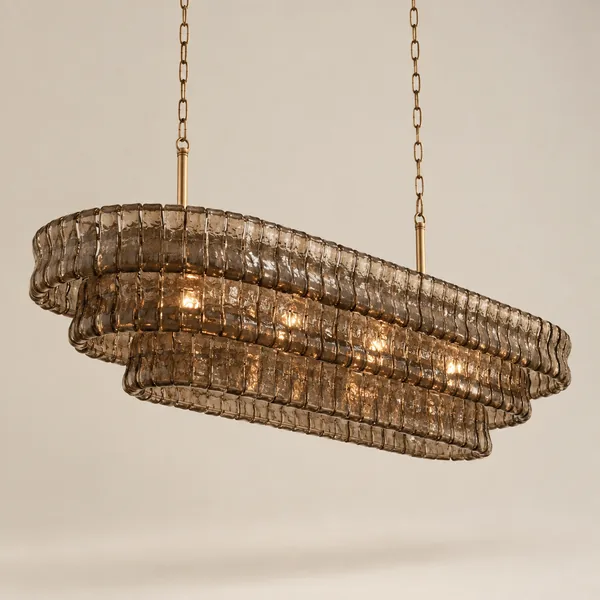
Dimma Smoky Gray Glass Chandelier Dining Room
Every Home Has Cottage Potential
Whether you're drawn to the rustic patina of a traditional English cottage or the cleaner lines of a contemporary interpretation, the principles remain constant: natural materials, warm lighting, meaningful objects, and spaces designed for living rather than displaying.
Cottage interior design isn't about achieving a specific look—it's about creating a feeling. It's the feeling of walking through your front door and exhaling. It's gathering around a softly lit table with people you love. It's the satisfaction of surrounding yourself with beauty that serves a purpose.
Ready to bring cottage charm into your own home? Start with one room. Choose one piece that speaks to you—a lamp that casts the perfect glow, a weathered wood accessory, a soft linen throw. Let it guide your choices. And remember: the most beautiful cottage interiors weren't decorated overnight. They evolved, layer by thoughtful layer, into spaces that feel like home.
Related Article
Bauhaus Interior Design: Functional Beauty & Geometric Modernism for Today's HomesExplore Bauhaus interior design principles and learn how to bring functional beauty, geometric forms, and modernist elegance into your contemporary home.