
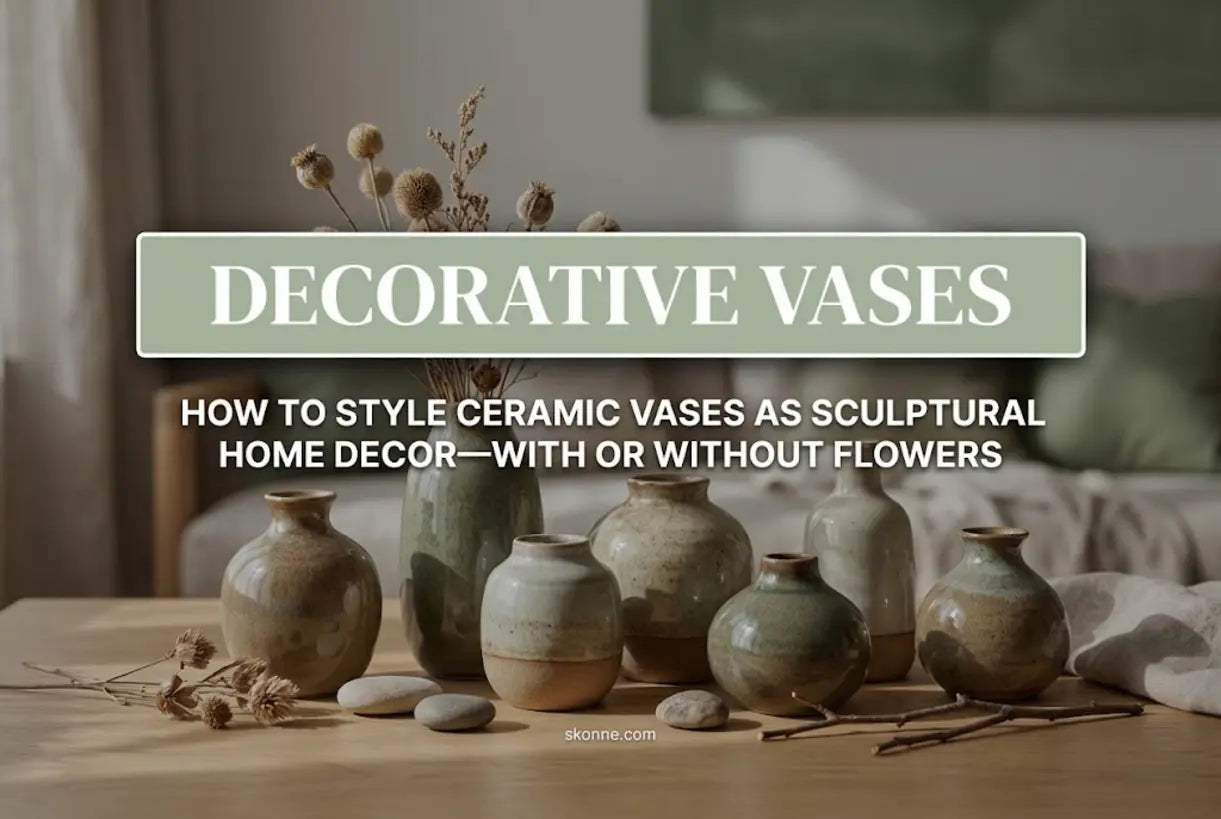
Decorative Vases: How to Style Them as Home Decor Objects (With or Without Flowers)
Summary›
- Why Ceramic Vases are Essential Decor Objects
- Beyond Blooms: Creative Ways to Style Without Flowers
- Featured Find: The Stille Small Jingdezhen Ceramic Wabi-Sabi Vase
- Mastering Tall Vase Styling
- Room-by-Room Styling Strategies
- More Ceramic Visions from Our Collection
- The Art of Shelf Styling with Vases
- Caring for Your Ceramic Treasures
- Conclusion: The Timeless Appeal of Ceramic Vessels
A decorative ceramic vase holds the unique power to transform any corner of your home from ordinary to intentionally designed. Whether perched on a floating shelf, anchoring your dining table, or greeting guests in the entryway, these sculptural pieces offer endless versatility. Unlike other decor that might feel seasonally bound, ceramic vases transition seamlessly between functions—today a vessel for fresh peonies, tomorrow a standalone art piece catching the morning light.
At Skonne, we believe that beautiful objects should work effortlessly within your space. This guide explores how to style decorative vases with or without blooms, offering practical inspiration rooted in Scandinavian design principles. You will discover creative filler alternatives, shelf arrangement techniques, and our curated collection of artisan ceramic pieces engineered to elevate your interior.
Why Ceramic Vases are Essential Decor Objects
Ceramic vases have transcended their utilitarian origins to become objects of artistic expression. The interplay of clay, fire, and glaze creates surfaces that catch light differently throughout the day, adding subtle texture to minimalist interiors. Unlike glass or metal alternatives, ceramic offers an organic warmth that aligns perfectly with the Scandinavian concept of hygge—that feeling of cozy contentment we all crave in our homes.
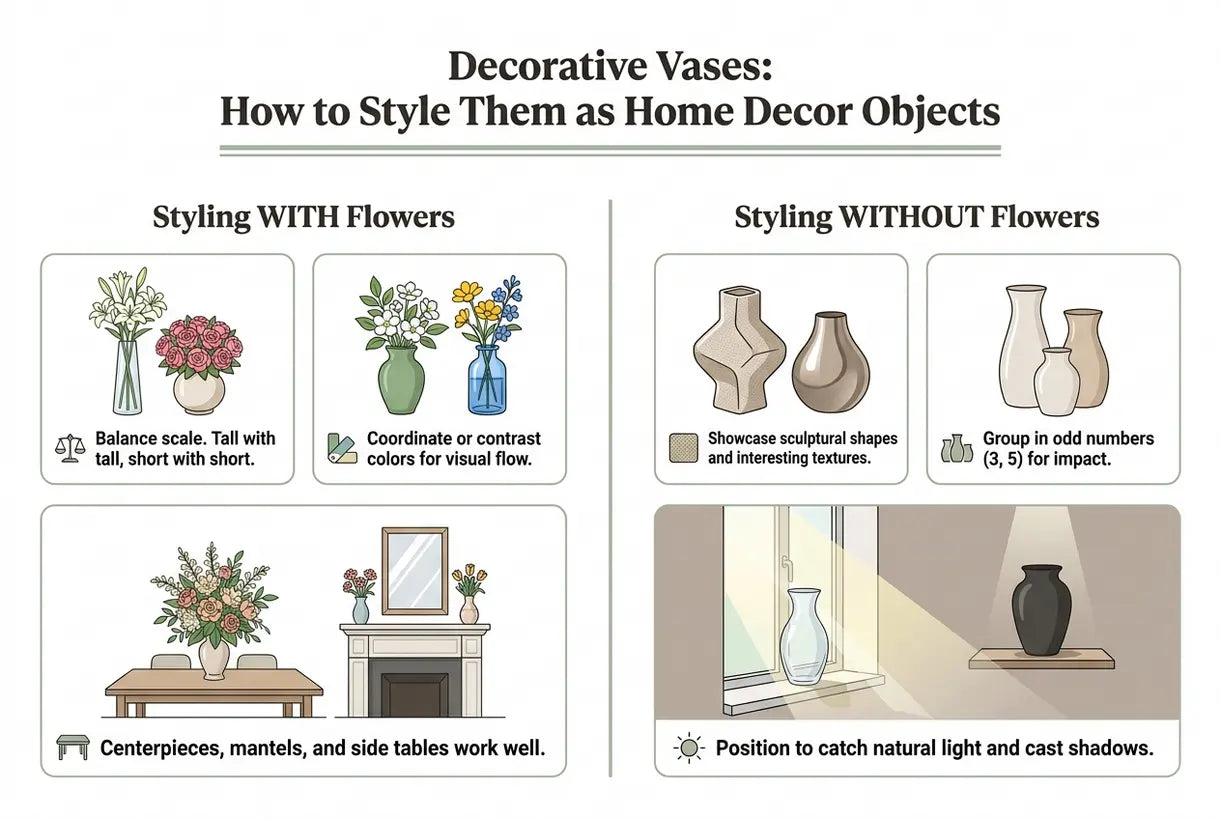
The beauty of a well-chosen decorative ceramic vase lies in its chameleon-like ability to adapt. In spring, it might hold branches of cherry blossoms. Come winter, the same vessel becomes a sculptural focal point against a backdrop of wool throws and candlelight. This year-round functionality makes ceramic vases one of the smartest investments for design-conscious homeowners seeking maximum impact with minimal clutter.
Beyond Blooms: Creative Ways to Style Without Flowers
The most sophisticated interiors often feature vases as standalone sculptural elements rather than mere flower holders. This approach celebrates the artisan craftsmanship of the ceramic itself—the deliberate imperfections of a wabi-sabi glaze, the tactile quality of a hand-thrown body, or the striking silhouette of a modern form.
Dried Botanicals: The Sustainable Choice
Decorative Trays & Bowls and vases share a symbiotic relationship in layered interiors. Similarly, dried botanicals have emerged as the sustainable alternative to fresh flowers, offering longevity and a muted color palette that complements Nordic aesthetics.
Pampas grass, dried lavender, and bleached ruscus create vertical interest without the maintenance of water changes and petal cleanup. For a more rustic approach, consider branches from your own garden—birch twigs, eucalyptus stems, or even skeletal seed heads become architectural elements when arranged in a well-proportioned vessel.
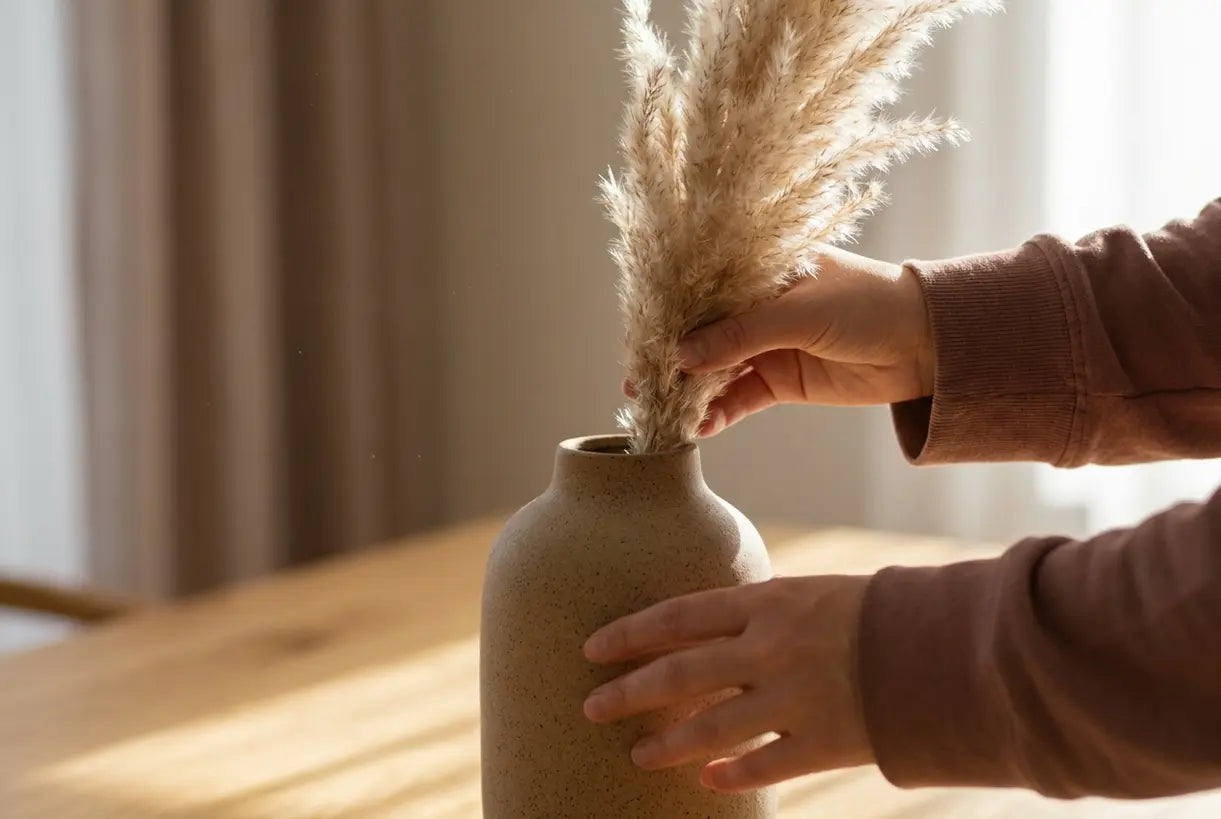
When arranging dried materials, consider the principle of asymmetry. A single dramatic branch often creates more visual impact than a crowded bunch. Angle your stems to follow the natural curve of the vase neck, allowing negative space to breathe around the composition.
Natural Fillers: Pebbles, Sand, and Shells
For those who prefer a lower profile, filling your vase partially with natural materials anchors the piece while adding textural contrast. Smooth river stones, coarse sand, or collected shells create a foundation that draws the eye downward, emphasizing the vessel's form. This technique works particularly well with clear glass hurricanes layered inside ceramic vases, or with vessels placed on open shelving where the filler is visible from above.
The Empty Vase as Sculpture
Perhaps the boldest statement is simply allowing your ceramic vase to stand empty. This approach demands confidence in the object's intrinsic beauty—its glaze variations, organic contours, and proportional harmony with surrounding furniture. In the wabi-sabi philosophy, beauty is found in imperfection and impermanence. An empty vase embodies this perfectly, serving as a meditation on form and material.
Decorative Vases
Shop all Decorative Vases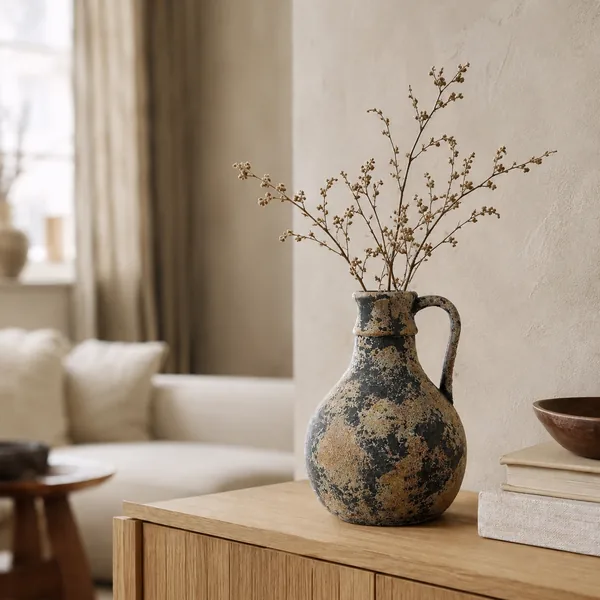
 Save $40.00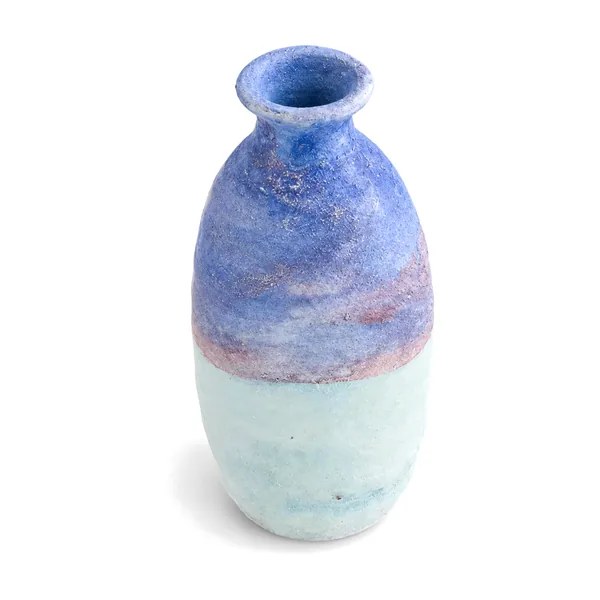
 4 options
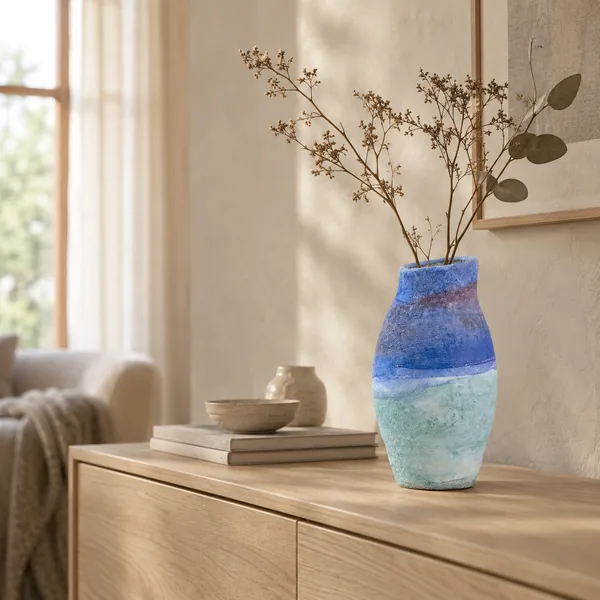
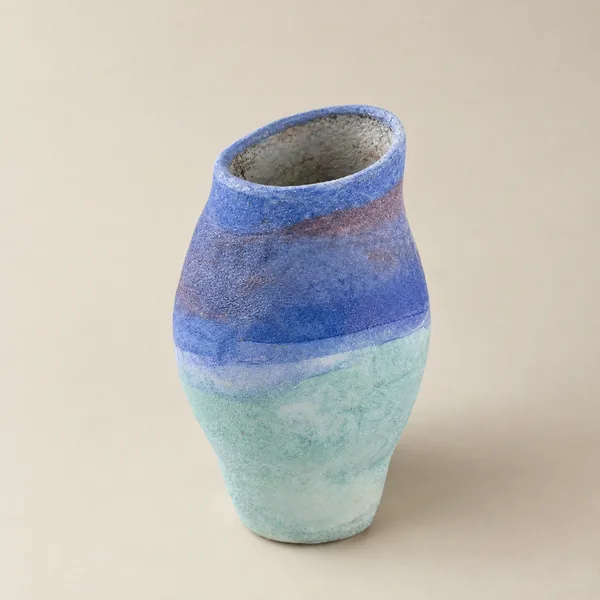
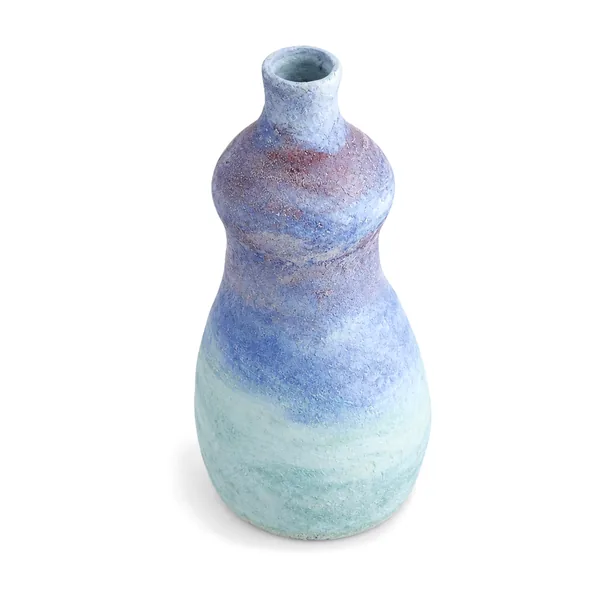
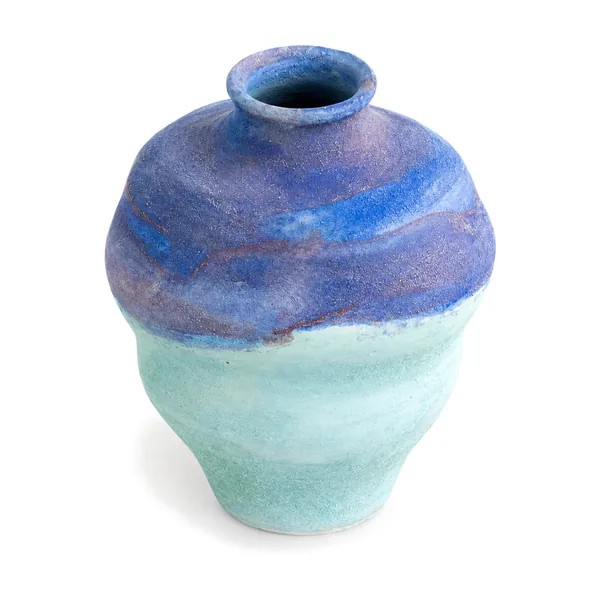
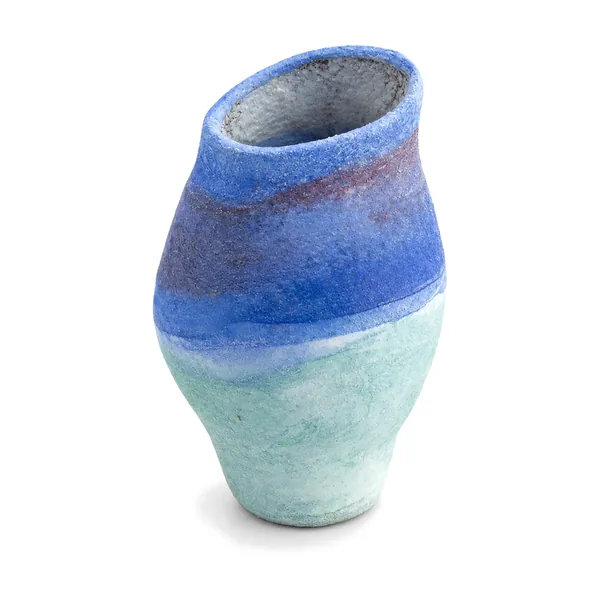
Dyvna Blue Gradient Ceramic Vase for Home Decor
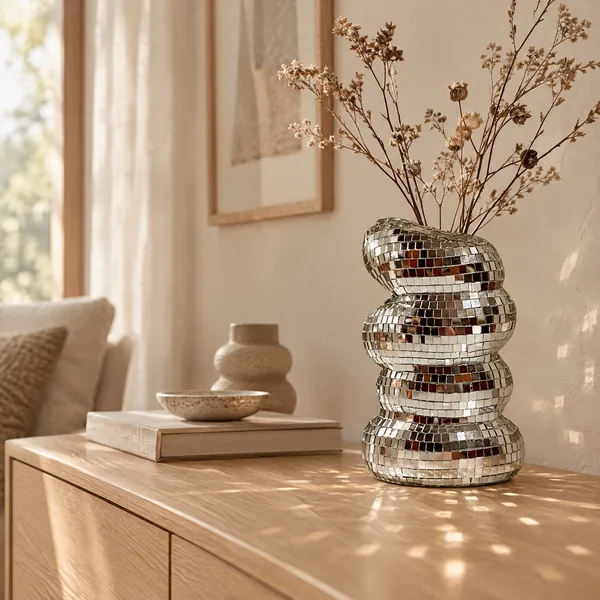
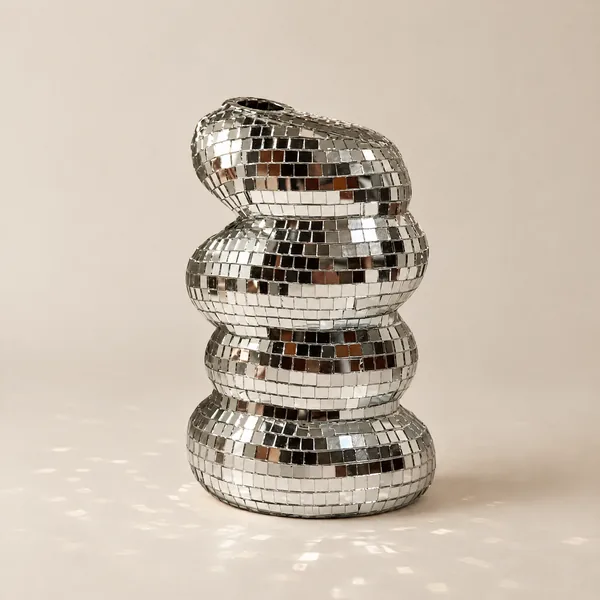
Featured Find: The Stille Small Jingdezhen Ceramic Wabi-Sabi Vase
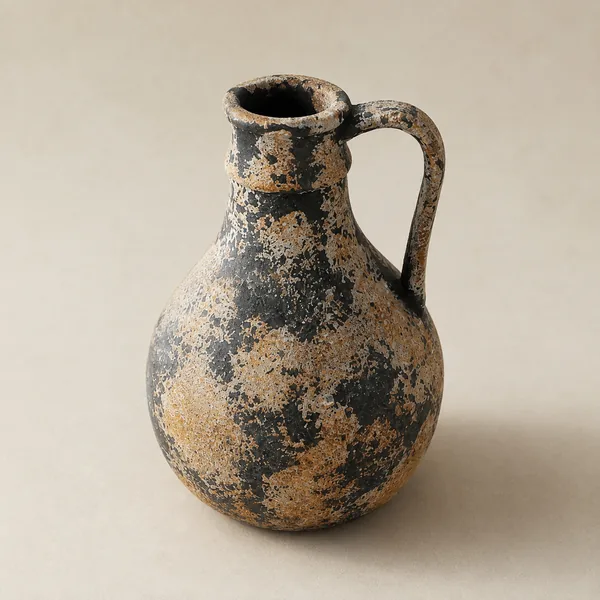
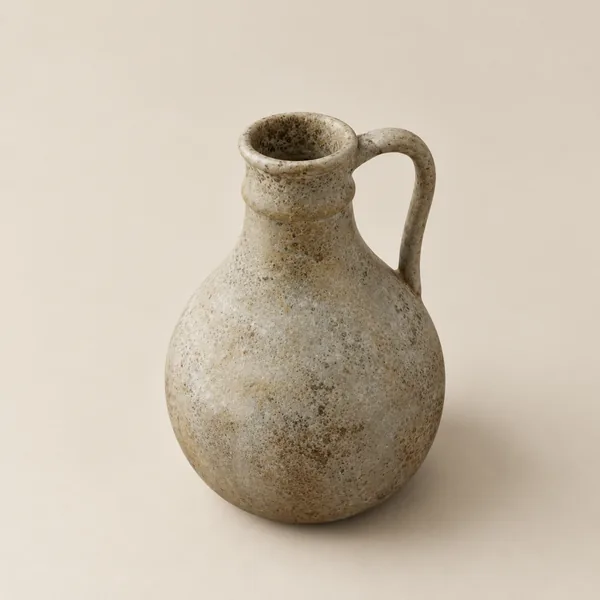
When seeking a vessel that embodies the essence of understated elegance, our Stille Small Jingdezhen Ceramic Wabi-Sabi Vase stands apart. Originating from China's porcelain capital, this piece carries centuries of ceramic tradition in its handmade form.
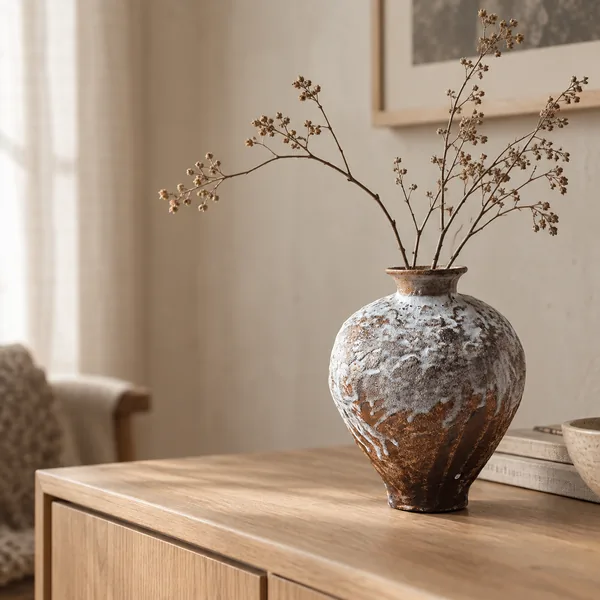 Stille Small Jingdezhen Ceramic Wabi-Sabi Vase$129.00$189.00
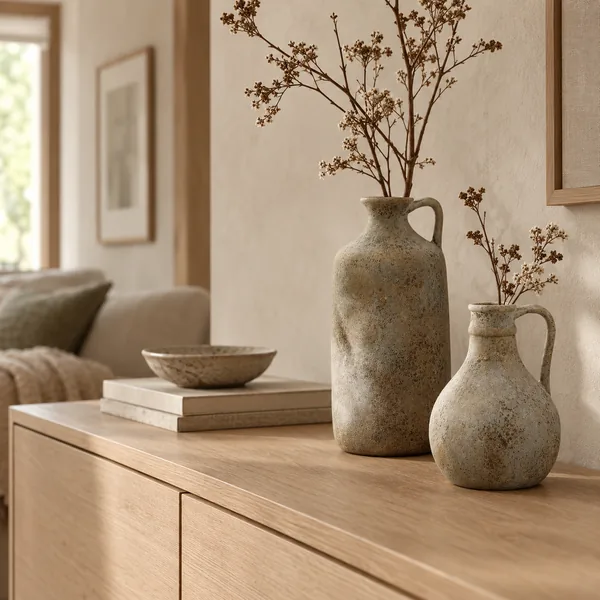
The Stille vase works exceptionally well as a bedside companion holding a single dried stem, or grouped in threes across a mantelpiece. Its petite scale makes it versatile for smaller spaces—apartment dwellers and minimalist enthusiasts will appreciate how it adds character without overwhelming limited surface area.
Mastering Tall Vase Styling
Tall vases present unique opportunities and challenges in interior styling. Their vertical presence can emphasize ceiling height and draw the eye upward, but they require thoughtful placement to avoid feeling top-heavy or obtrusive.
The key to styling tall vases successfully lies in proportion and balance. Position them on substantial furniture—console tables, sideboards, or the floor beside a fireplace—where their height feels grounded rather than precarious. When filling tall vessels, consider the visual weight of your materials. Heavy branches or substantial dried grasses work better than lightweight fillers that might tip the vase or look insignificant within the large scale.
Room-by-Room Styling Strategies
The Entryway: First Impressions
Your entryway sets the tone for your entire home. A decorative ceramic vase placed on a console table creates an immediate focal point. Consider pairing a medium-height vase with a stack of design books and a sculptural tray for keys. The organic curves of ceramic soften the typically linear nature of entryway furniture.
Living Room: Layered Conversations
In living spaces, vases work best as part of a curated vignette. On a coffee table, surround a low ceramic vessel with candles and small objects of varying heights. For built-in shelving, mix vases with books, framed photography, and natural decorative elements. The goal is creating visual rhythm through varied textures—matte ceramic against glossy paper, rough earthenware beside smooth glass.
Bedroom: Intimate and Calm
Bedroom styling calls for restraint. A single small vase on a nightstand, perhaps holding a sprig of dried lavender or standing empty in its simple beauty, promotes the restful atmosphere essential for sleep. Choose pieces with muted glazes—soft whites, warm grays, or sage greens—that complement rather than compete with your bedding palette.
Dining Spaces: Centerpiece Dynamics
Dining table centerpieces require careful consideration of sight lines across the table. Low, wide ceramic vases work beautifully here, allowing conversation to flow while adding tablescape interest. For special occasions, these same vases can be elevated with seasonal branches or minimalist floral arrangements.
Home Decor
Shop all Home Decor
 Save $44.50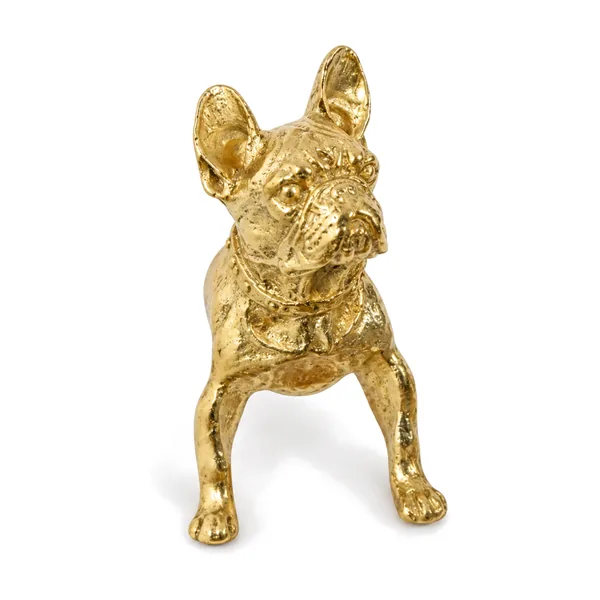
 2 options
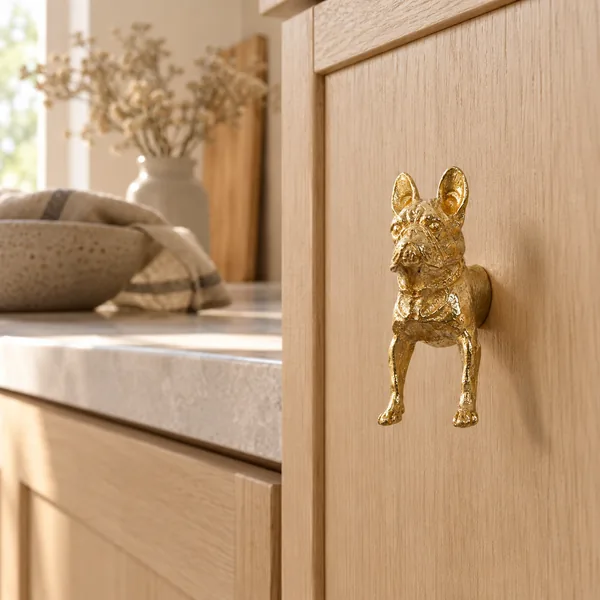
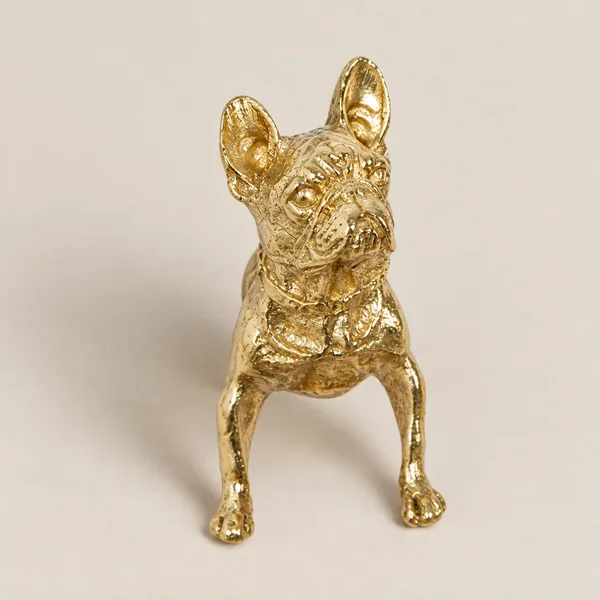
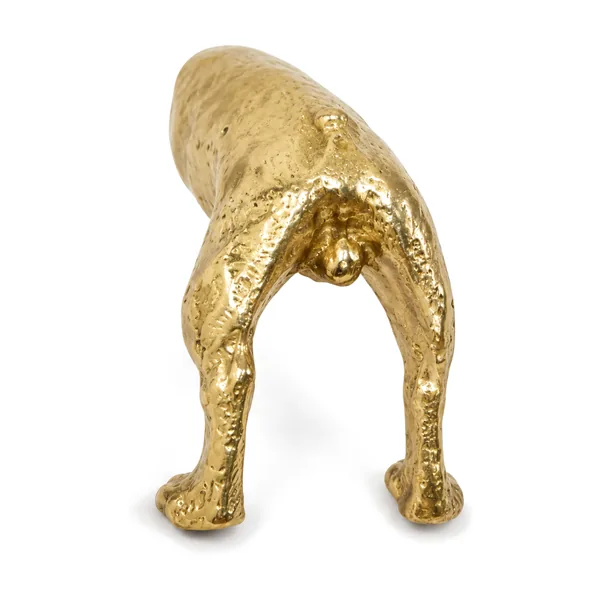
Tassa Polished Brass Dog Cabinet Pull Handle
 Save $110.00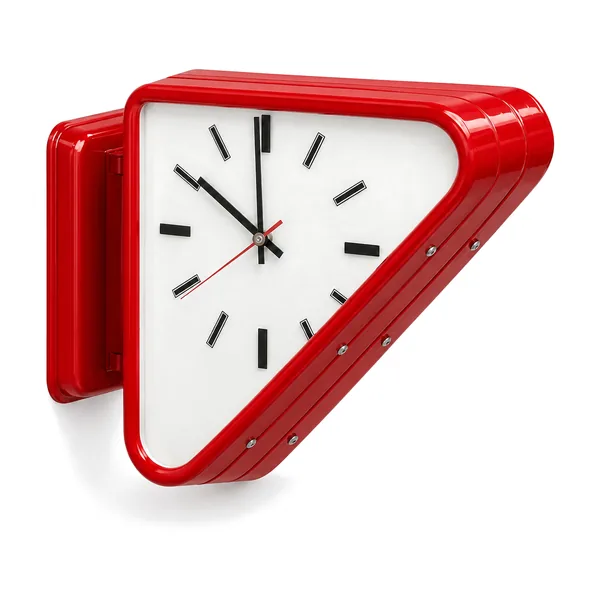
 +15 options
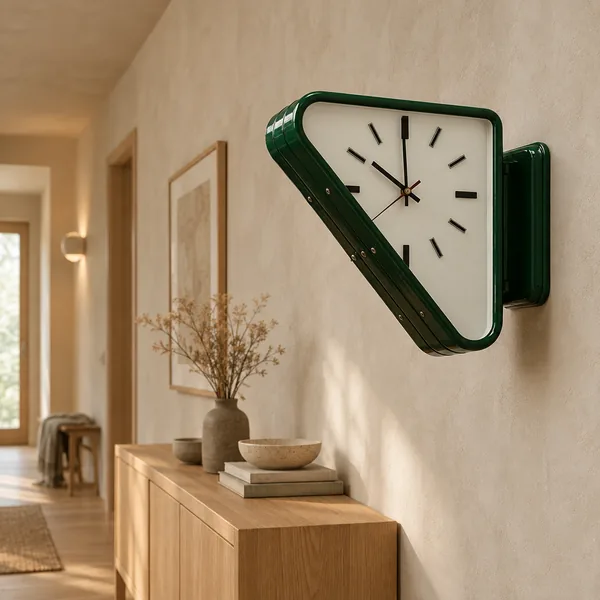
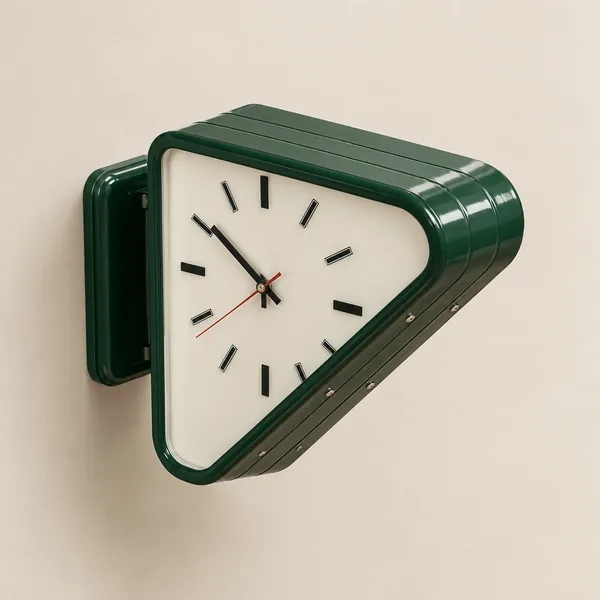
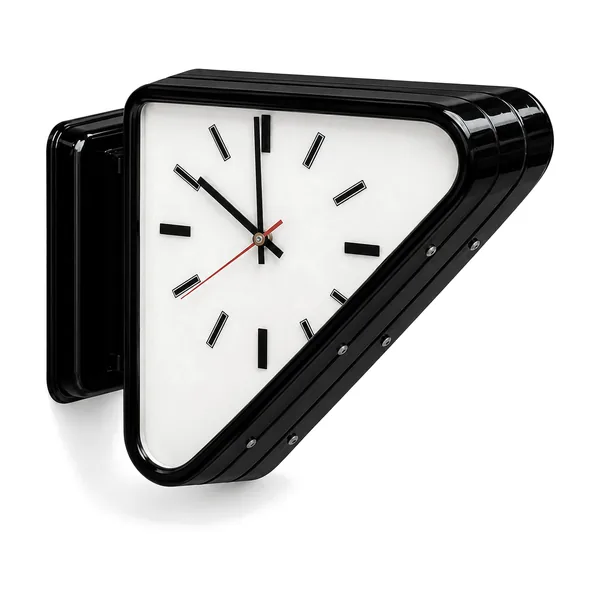
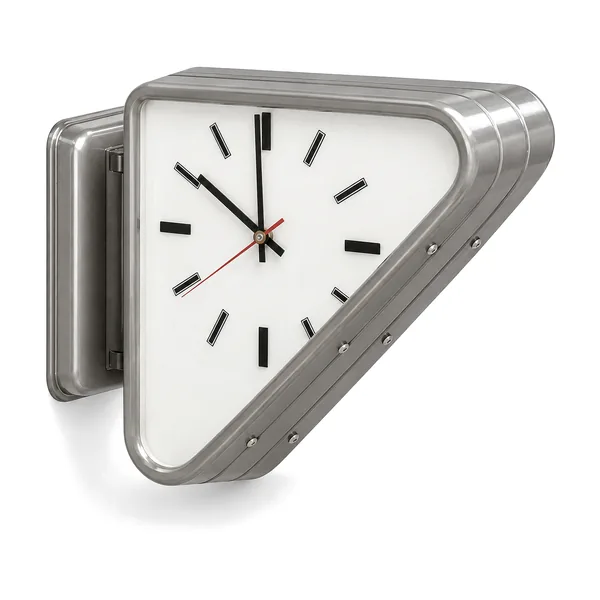
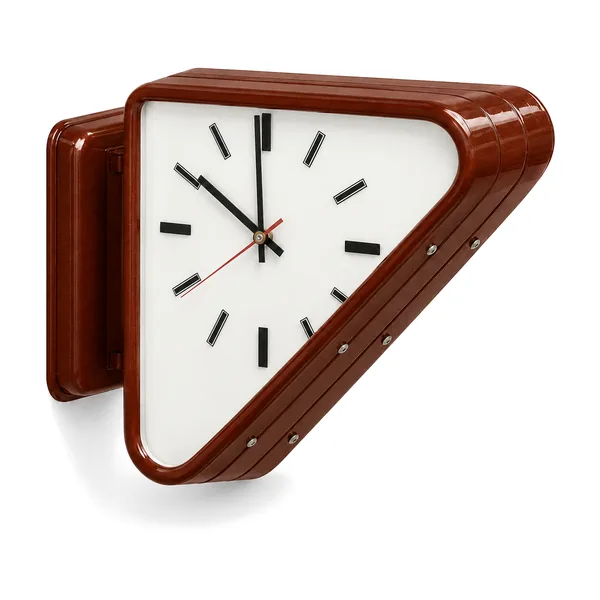
Tvilling Dual-Sided Geometric Metal Wall Clock
More Ceramic Visions from Our Collection
Beyond individual styling, consider how multiple vases can create a cohesive design language throughout your home. Our curated selection offers options for every aesthetic, from rustic farmhouse to modern minimalist.
Sculptural Ceramic Statements
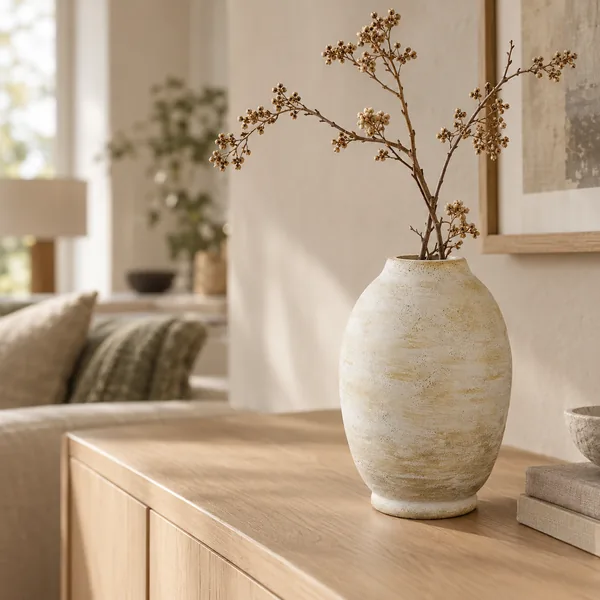 Leirvik Rustic Handmade Ceramic Vase for Home$119.00$189.00
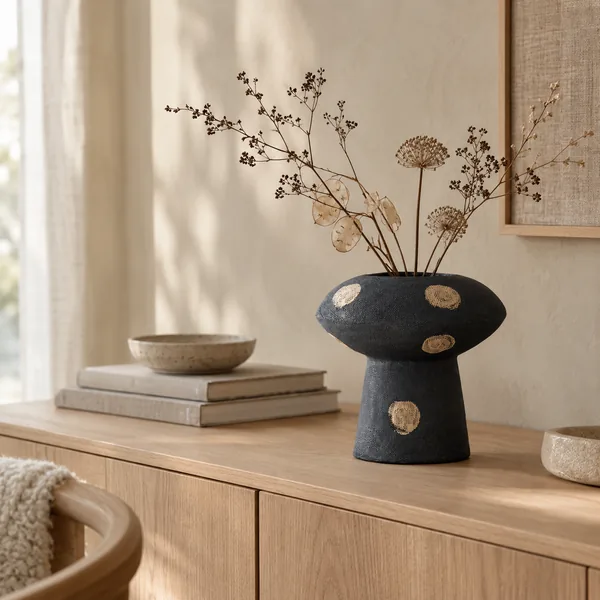 Prikka Handcrafted Ceramic Vase with Gold Detail$219.00$319.00
The Leirvik Rustic Handmade Ceramic Vase brings warmth to farmhouse-inspired spaces with its artisanal texture and organic silhouette. Meanwhile, the Prikka Handcrafted Ceramic Vase with Gold Detail introduces subtle luxury through its hand-applied gold accents—perfect for elevating a console table or serving as a sophisticated dining room accent.
The Art of Shelf Styling with Vases
Shelves offer the perfect stage for displaying decorative vases, but successful styling requires understanding visual weight and balance. The rule of thirds applies here: group objects in odd numbers, vary heights significantly, and ensure negative space prevents cluttered appearances.
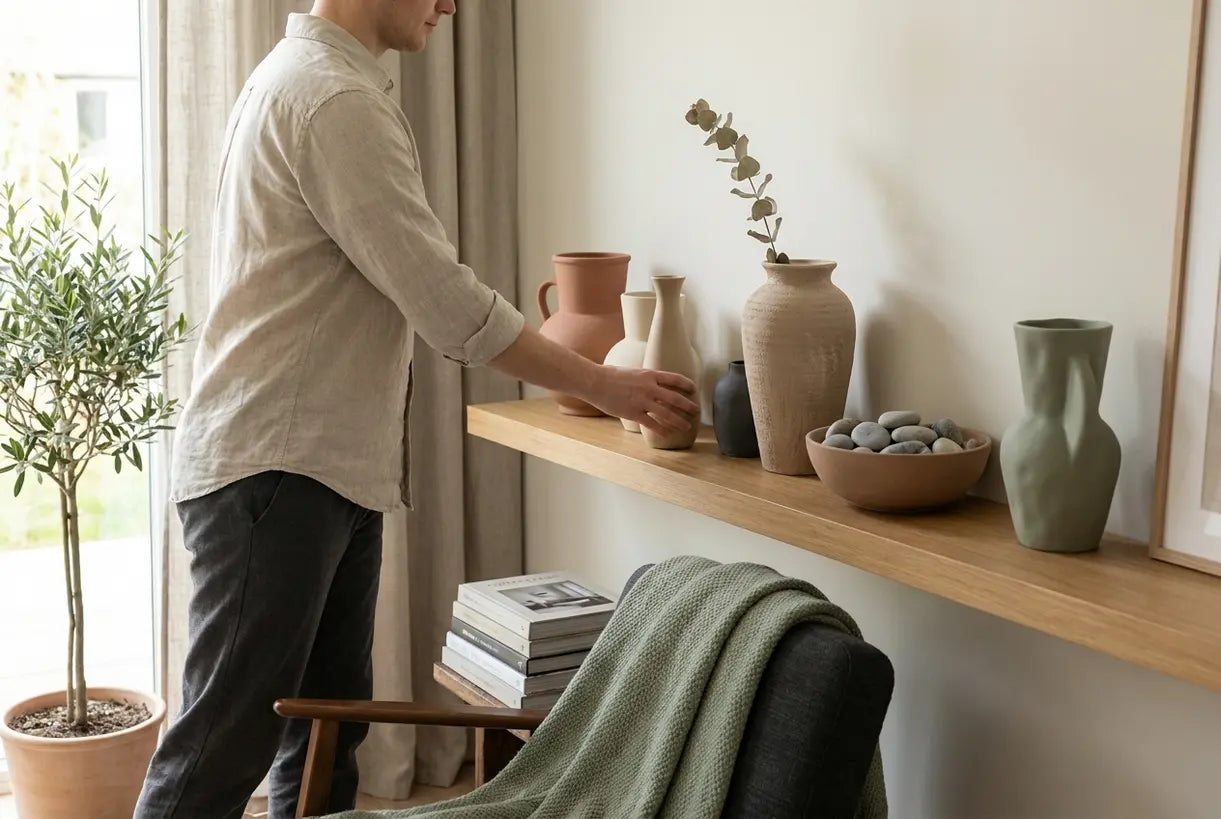
When arranging a standard bookcase, place your tallest vase on the top shelf or second-to-top, slightly off-center. This anchors the composition. On middle shelves, pair smaller vases with horizontal elements like stacked books or shallow boxes. The contrast between vertical vases and horizontal lines creates dynamic tension that draws the eye.
Pro Tip: Leave approximately 30% of your shelf space empty. This breathing room makes your displayed items—including your ceramic vases—feel intentional and curated rather than crowded.
Caring for Your Ceramic Treasures
To maintain the beauty of your decorative ceramic vases, dust them regularly with a soft microfiber cloth. For vases with narrow necks, use a bottle brush or pipe cleaner to reach interior surfaces. If displaying with water and fresh flowers, change the water every two days to prevent staining and mineral buildup. Unglazed ceramics should never hold water long-term, as clay remains porous and can develop mold or mineral deposits. These pieces are best reserved for dried arrangements or purely decorative display.
Conclusion: The Timeless Appeal of Ceramic Vessels
A decorative ceramic vase represents more than a functional object—it is a canvas for personal expression, a celebration of artisan craft, and a versatile tool for transforming your living spaces. Whether styled with dried botanicals, filled with natural elements, or allowed to stand alone in sculptural glory, these pieces bring warmth, texture, and intentional beauty to any interior.
At Skonne, we curate our ceramic collection with the discerning homeowner in mind—individuals who appreciate the intersection of traditional craftsmanship and contemporary Scandinavian design. From the wabi-sabi imperfection of our Stille vase to the refined elegance of our Prikka with gold detailing, each piece offers endless styling possibilities. We invite you to explore our collection and discover how the right vase can elevate your home from simply furnished to thoughtfully designed.
Related Article
Mosaic Flower Vases: Handcrafted, Colorful Tile Designs for Artistic InteriorsHandcrafted mosaic flower vases featuring colorful tile patterns and artisan designs. Perfect statement pieces for adding artistic personality to modern and traditional interiors alike.