
Mosaic Flower Vases: Handcrafted, Colorful Tile Designs for Artistic Interiors
Summary›
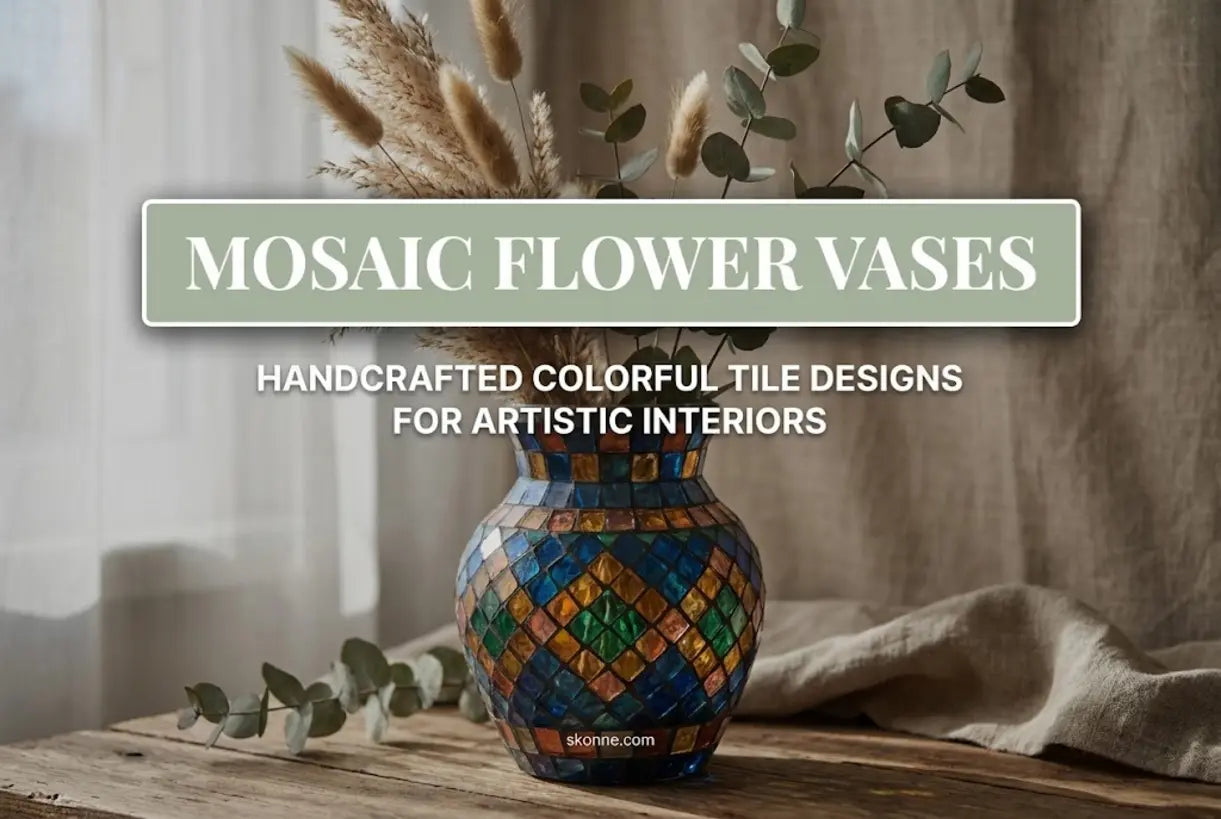
There's something deeply captivating about the interplay of light and color that transforms a simple vessel into a work of art. A mosaic flower vase represents more than just a container for blooms — it's a celebration of centuries-old craftsmanship, where individual pieces come together to create something far greater than the sum of their parts. Whether you're drawn to the intricate patterns of traditional Turkish designs or the clean geometry of modern interpretations, these handcrafted pieces add an unmistakable sense of artistry to any interior.
In this guide, we'll explore the world of mosaic vases — their origins, the materials that define them, and how to style them within your home. Along the way, you'll discover how Skonne's curated collection offers the same artistic spirit through thoughtfully designed alternatives that honor this rich tradition while fitting seamlessly into contemporary Scandinavian-inspired spaces.
Understanding the Mosaic Flower Vase: Materials and Craftsmanship
At its core, a mosaic flower vase is any vessel adorned with small pieces of colored glass, ceramic, stone, or tile arranged in decorative patterns. The term mosaic derives from the Greek mousa (muse), reflecting the artistic inspiration behind this timeless decorative technique. These pieces often feature glass mosaic tiles, ceramic fragments, mirror inlays, or natural stone cut and placed by hand to create vibrant, light-catching surfaces.
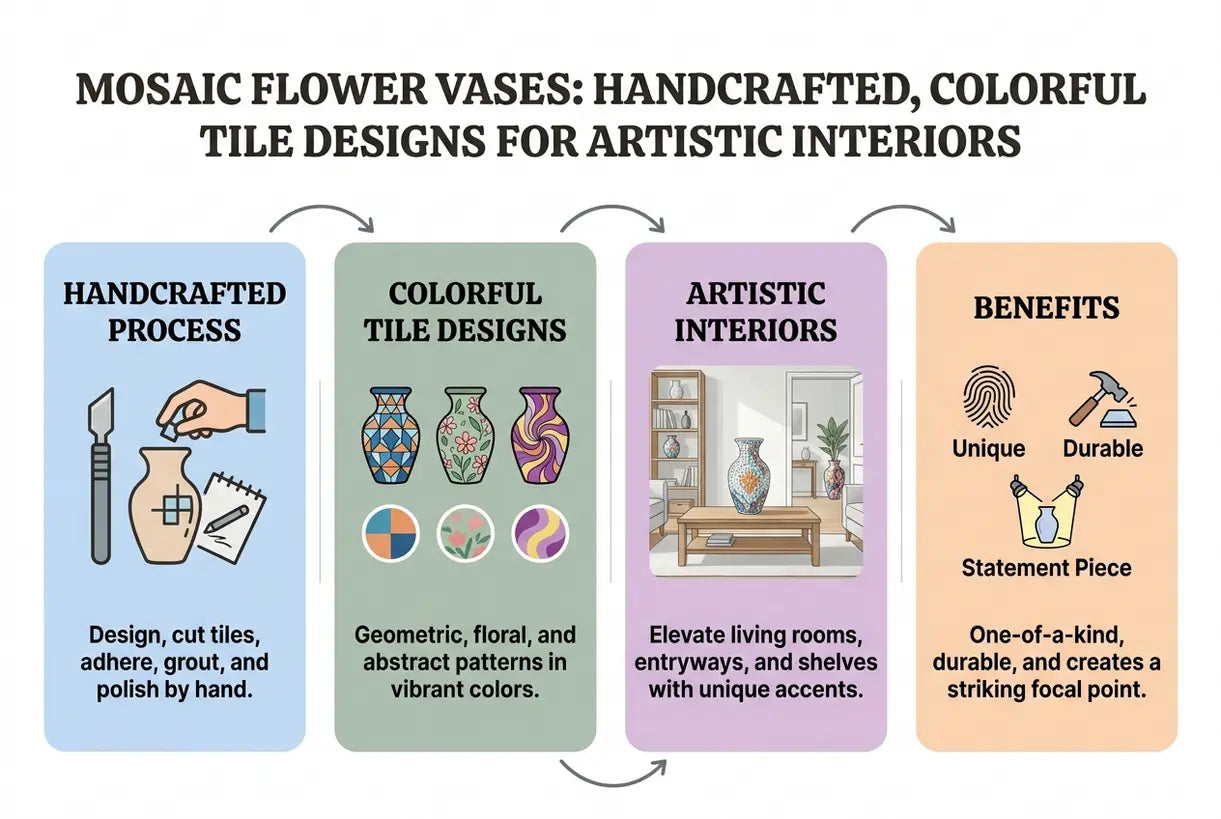
The most sought-after mosaic vases today blend traditional techniques with contemporary aesthetics. From the iconic blue mosaic vase patterns reminiscent of Mediterranean tilework to soft pink mosaic vase designs that bring warmth to minimalist spaces, the color palette possibilities are virtually endless. Many collectors specifically seek out vintage mosaic vase pieces, which carry the patina of time and the unique irregularities that only handcrafting can achieve.
The Enduring Appeal of Handcrafted Mosaic Designs
What sets mosaic art apart in our age of mass production is its inherent uniqueness. No two handcrafted mosaic pieces are exactly alike. The slight variations in tile placement, the subtle unevenness of hand-cut glass, and the organic flow of grout lines all contribute to a character that machine-made items simply cannot replicate.
This artisan quality speaks directly to a desire for intentional, meaningful decor. When you display a decorative mosaic vase in your living space, you're not merely filling an empty corner — you're making a statement about valuing craftsmanship, heritage, and the beauty of imperfection. The visual texture alone can elevate an entire room, catching light differently throughout the day and revealing new details with each glance.
The patterns range from geometric precision to flowing, organic designs. Some of the most beloved mosaic vase patterns include the classic starburst, floral motifs, chevron arrangements, and abstract color-field compositions. Each pattern carries its own energy — geometric designs tend to feel modern and balanced, while organic patterns evoke natural forms and relaxed elegance.
Decorative Vases
Shop all Decorative Vases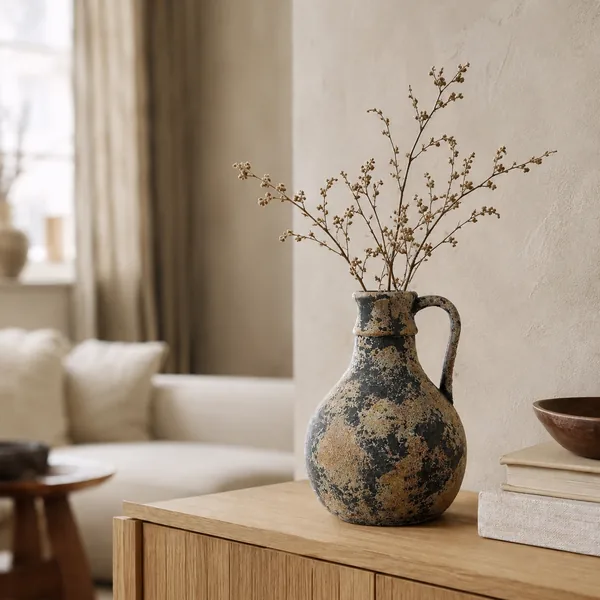
 Save $40.00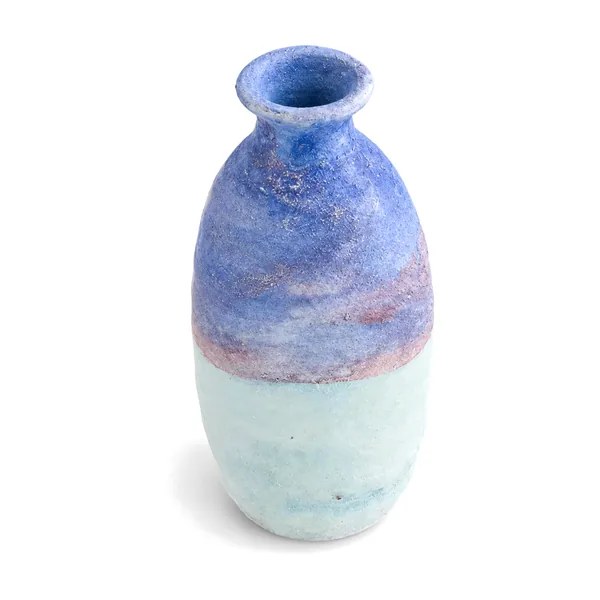
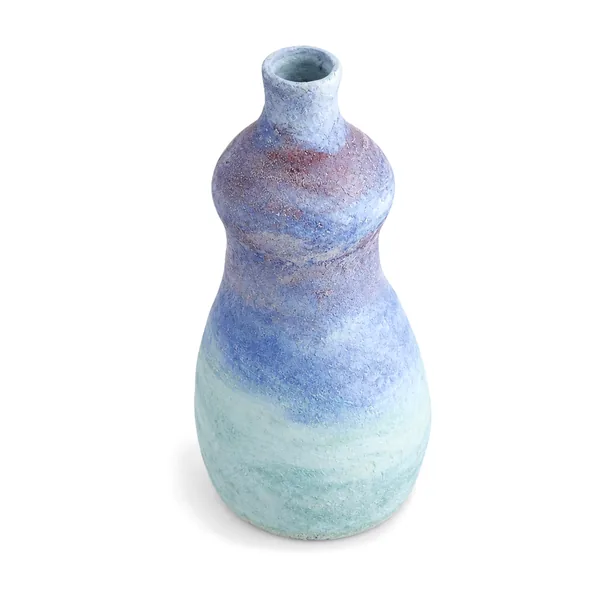
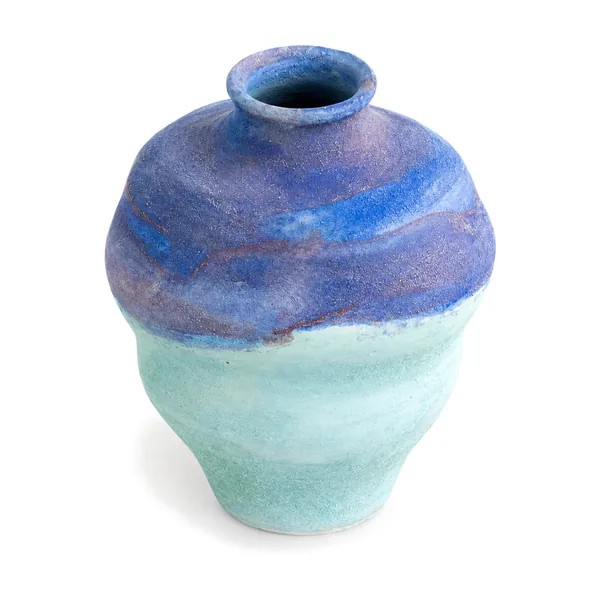
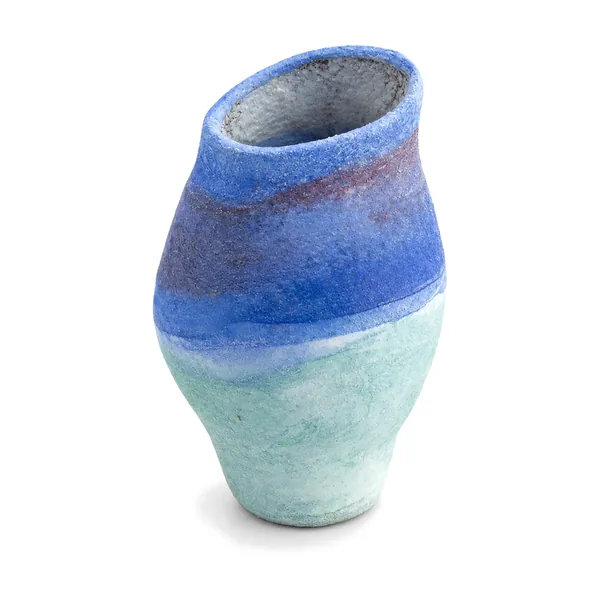 4 options
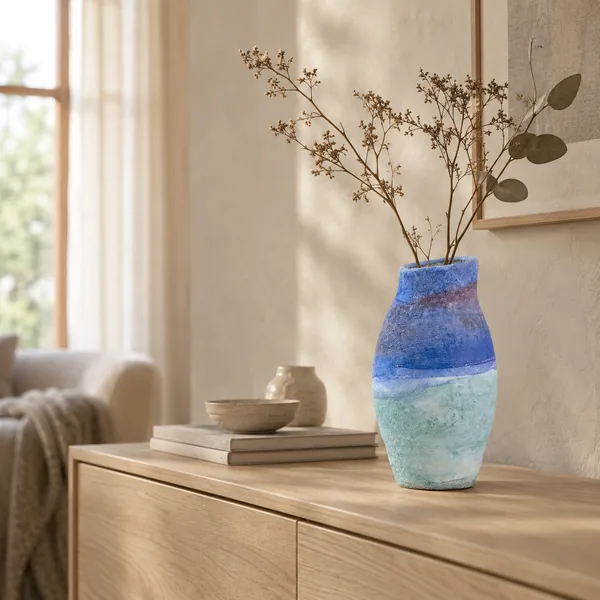
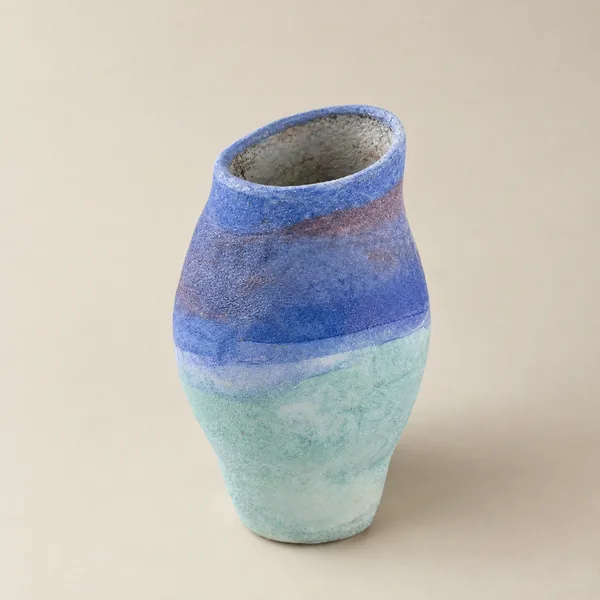
Dyvna Blue Gradient Ceramic Vase for Home Decor
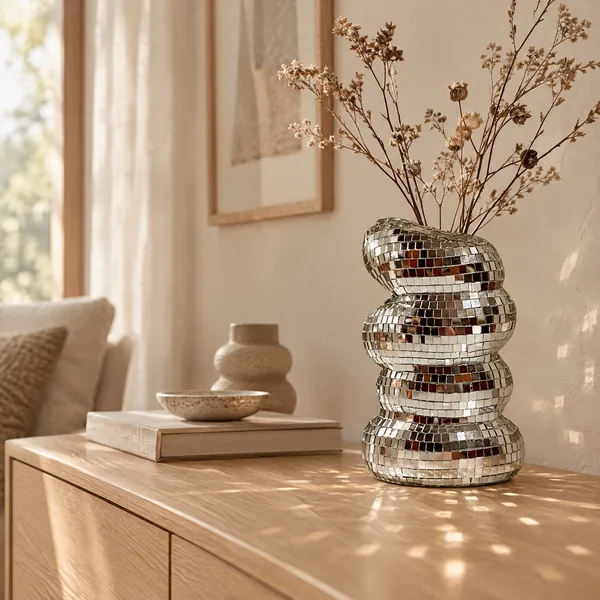
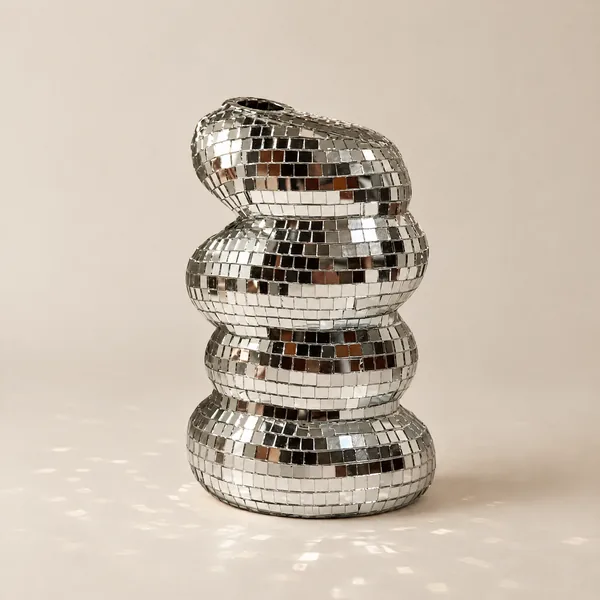
Styling Mosaic Vases in Scandinavian-Inspired Interiors
The Scandinavian design philosophy emphasizes hygge — that warm, cozy feeling of intentional living — and mosaic flower vases fit beautifully within this ethos when selected thoughtfully. Rather than overwhelming a space with busy patterns, consider how a single statement piece can anchor a room's color story.
In a neutral Scandinavian interior, a colorful mosaic vase becomes a natural focal point. The key is balance: pair your vase with natural materials like raw wood, linen textiles, and soft ceramics. For those who love the mosaic aesthetic but prefer a more understated approach, consider pieces that channel the same artisan energy through different materials and forms.
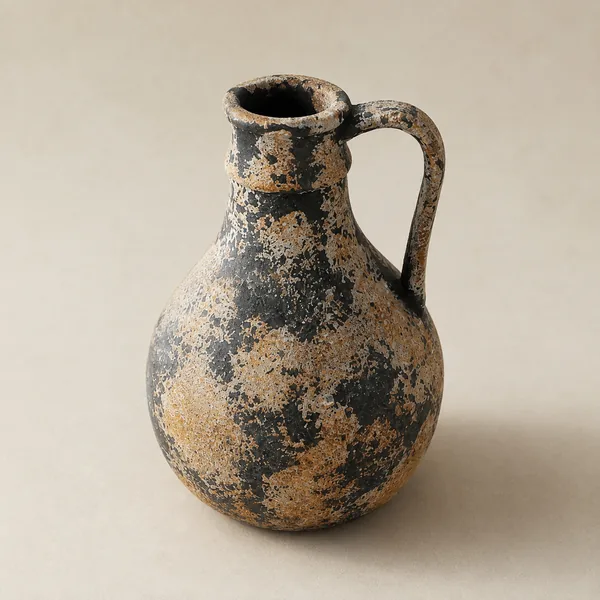
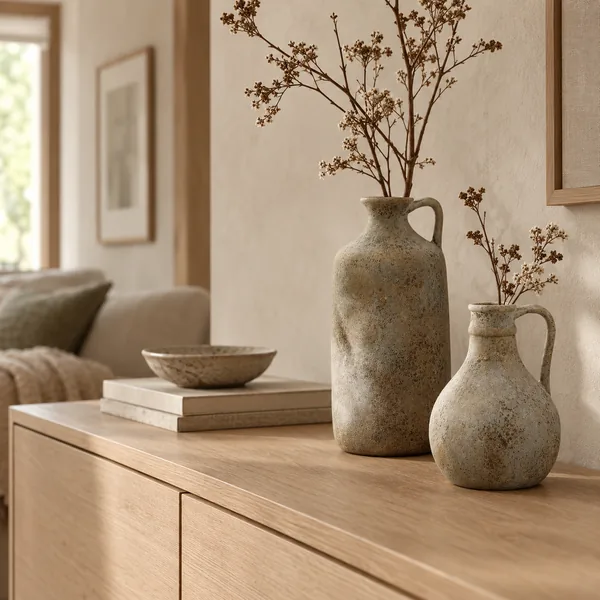
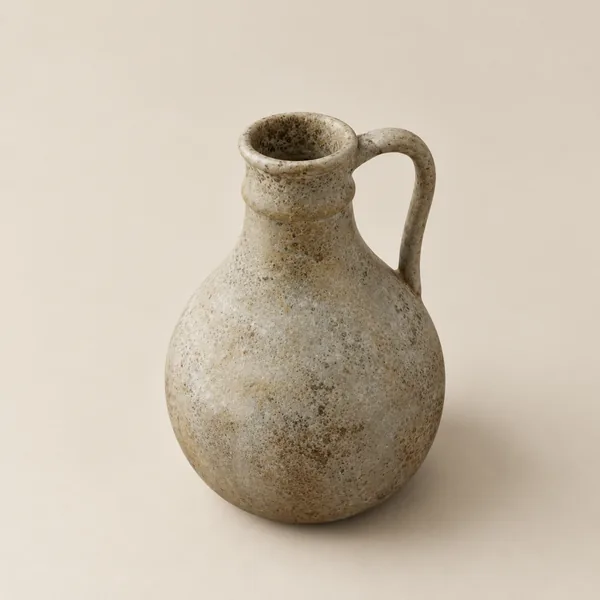
The Jorde Handmade Rustic Ceramic Vase exemplifies this approach beautifully. While not a traditional mosaic piece, its expressive active glaze and organic character capture that same handcrafted essence. Each Jorde Handmade Rustic Ceramic Vase features unique glaze patterns that evoke the visual complexity of mosaic work, making it an ideal centerpiece for those who appreciate artisan quality with Scandinavian restraint.
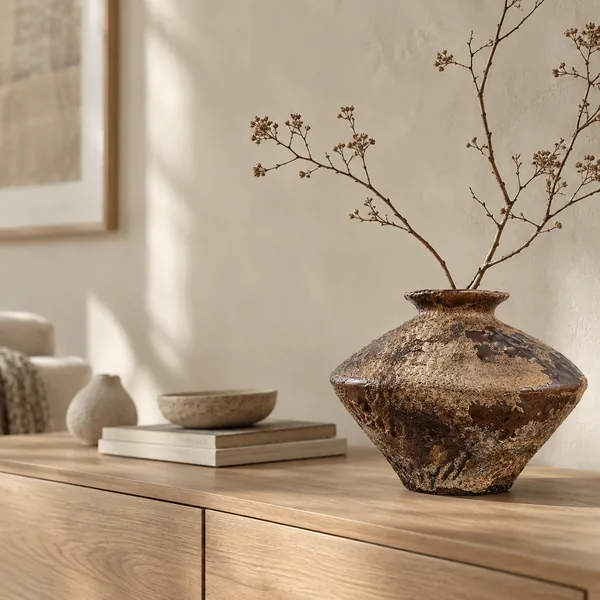 Jorde Handmade Rustic Ceramic Vase Home Decor$129.00$189.00
Color, Pattern, and Contemporary Alternatives
The most striking mosaic designs often rely on bold color stories. From deep cobalt blues to sunset corals and emerald greens, color choices in mosaic vases can either harmonize with existing decor or create intentional contrast. For those seeking to capture this chromatic richness without committing to a fully tiled piece, there are elegant alternatives that offer similar visual impact.
Our Decorative Trays & Bowls collection features pieces that complement the mosaic aesthetic through pattern and color, providing additional styling opportunities throughout your home.
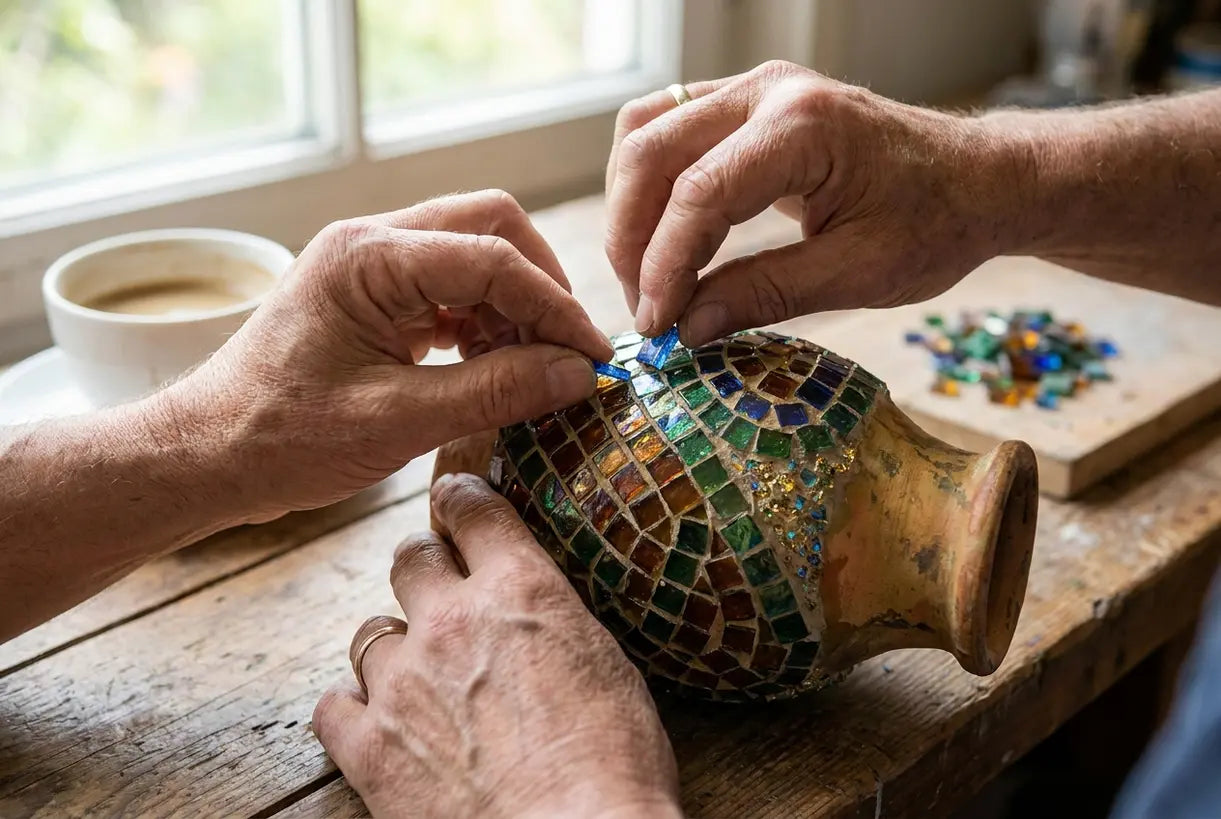
The tradition of mosaic craftsmanship continues to evolve, with contemporary artisans experimenting with new materials and techniques. The video below demonstrates the intricate process behind Turkish mosaic work — a technique that has inspired countless modern interpretations:
Exploring Bold Mosaic-Inspired Patterns
For interiors that crave the bold personality of mosaic design, the Randal Multicolor Striped Ceramic Vase offers a compelling interpretation. Its vibrant stripes wrap around a sleek sculptural form, creating that same mosaic-like pattern and visual impact through a contemporary ceramic lens. The Randal Multicolor Striped Ceramic Vase proves that you can achieve mosaic-level drama while maintaining the clean lines that Scandinavian interiors demand.
Alternatively, the Vårka Borosilicate Round Glass Vase showcases how color itself — in saturated turquoise, soft pink, or deep blue — can deliver the emotional resonance of mosaic art without any pattern at all. Available in five vibrant colors, this premium glass vase demonstrates that color and materiality can create just as much visual interest as intricate tilework.
Artisan Vases with Mosaic Spirit
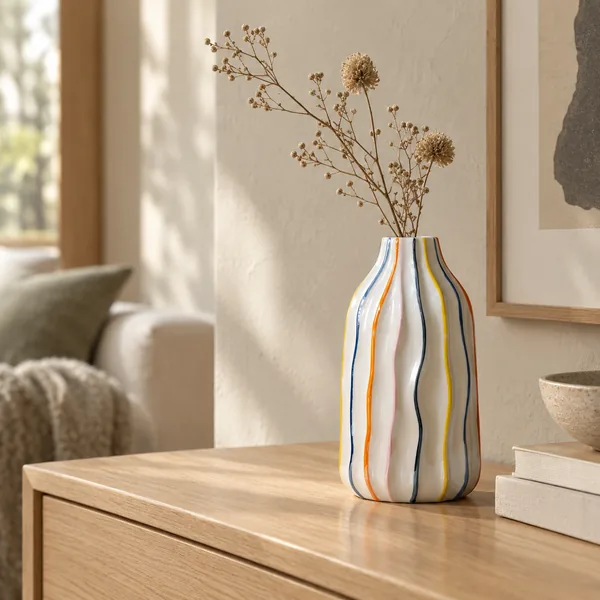 Randal Multicolor Striped Ceramic Vase Decor$69.00$119.00
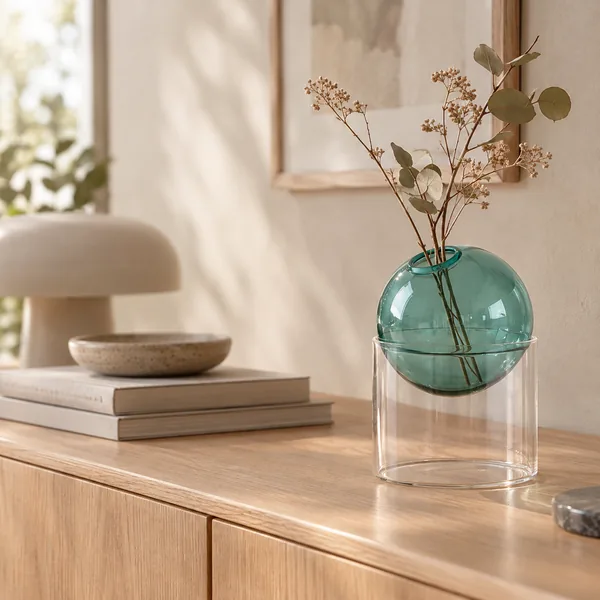 Vårka Borosilicate Round Glass Vase for Flowers$38.00$59.00
Homeware
Shop all Homeware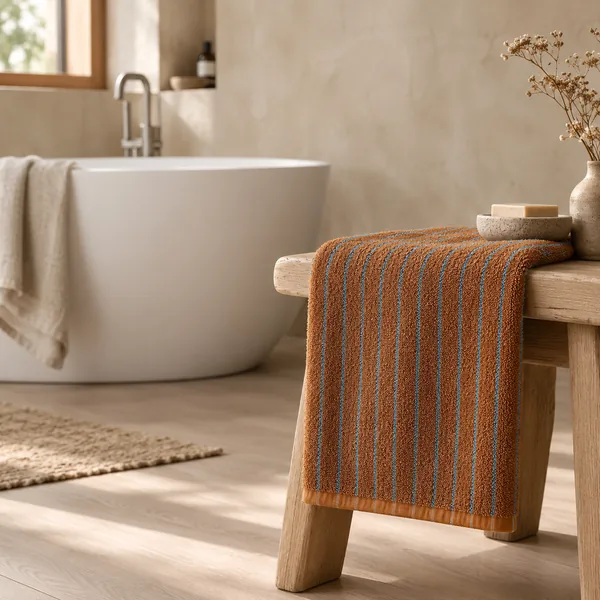
 Save $10.00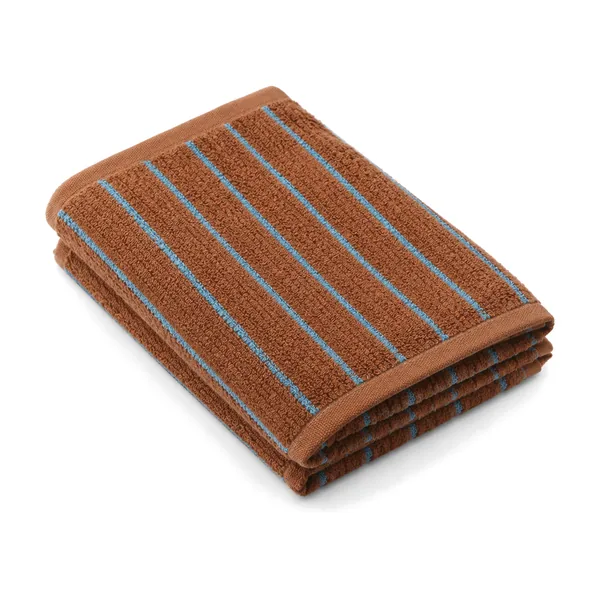
 2 options
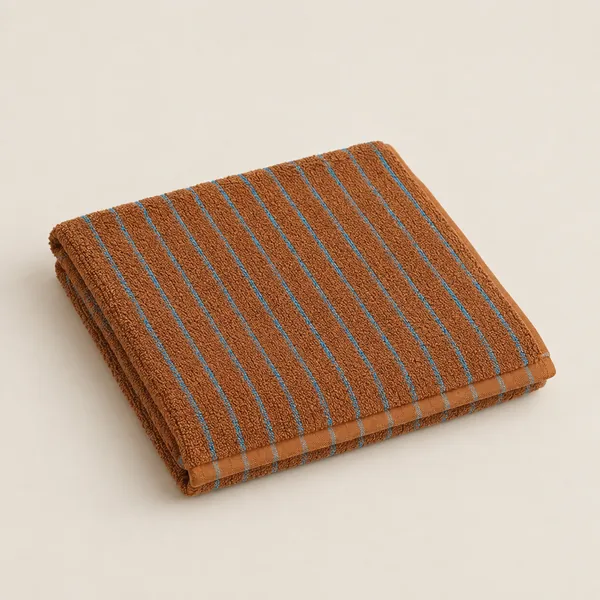
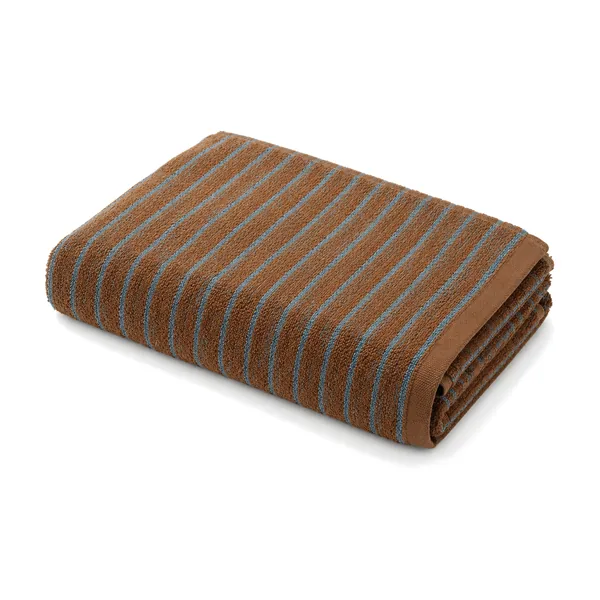
Halvmyr Rust Stripe Combed Cotton Bath Towel
 Save $110.00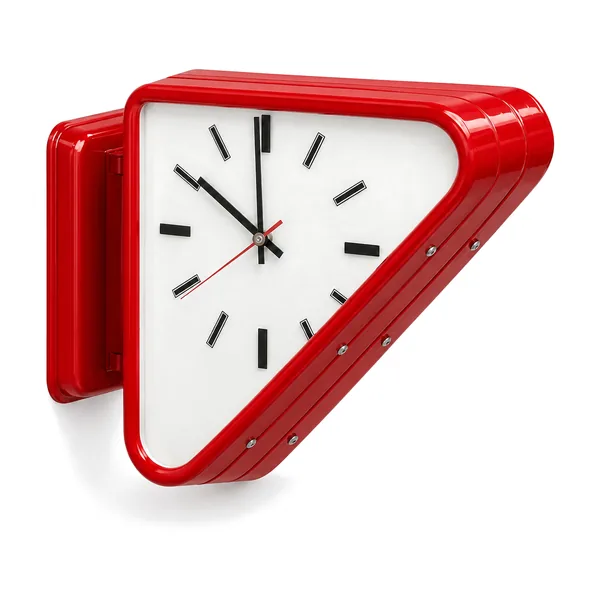
 +15 options
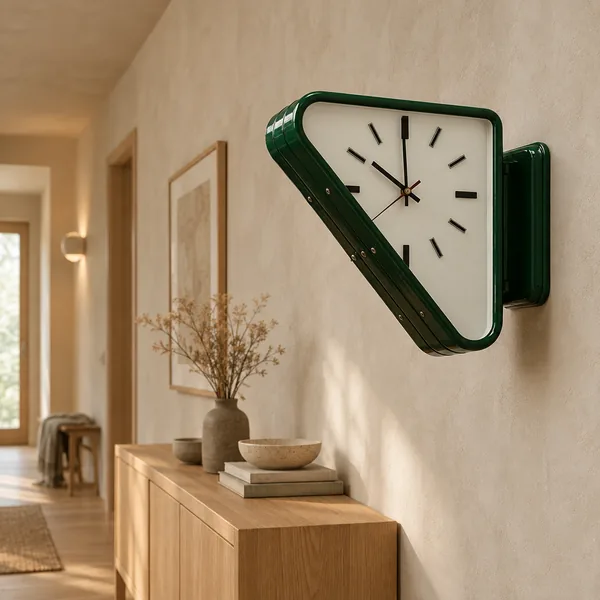
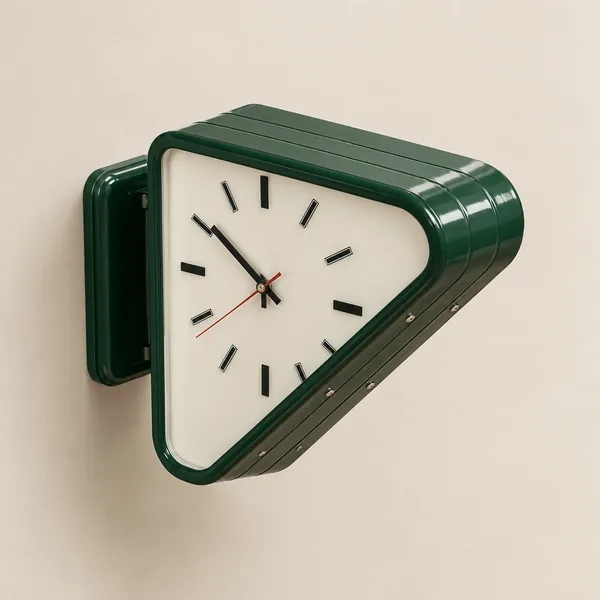
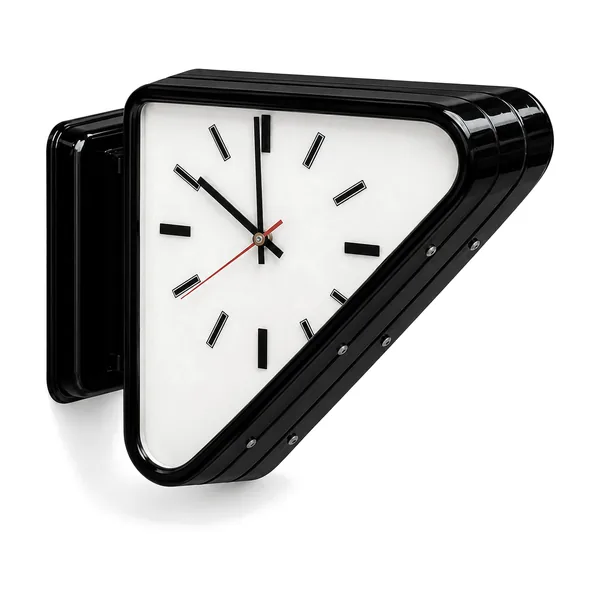
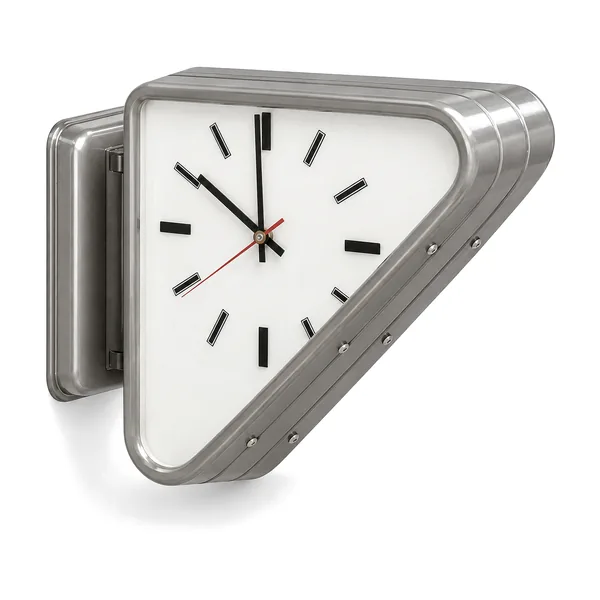
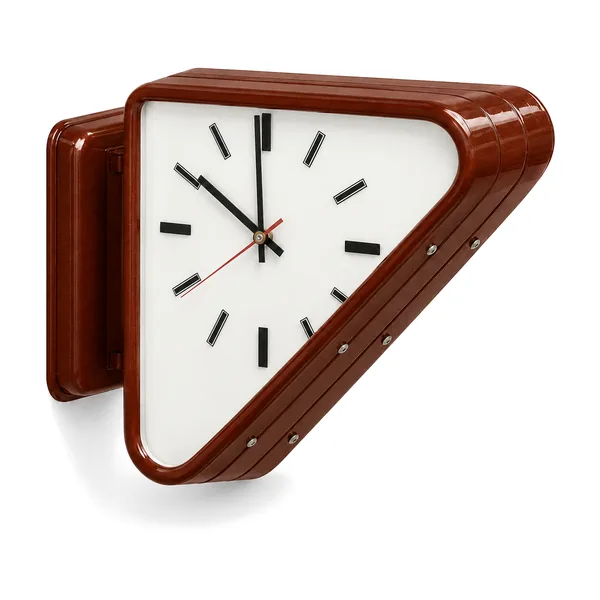
Tvilling Dual-Sided Geometric Metal Wall Clock
 Save $70.00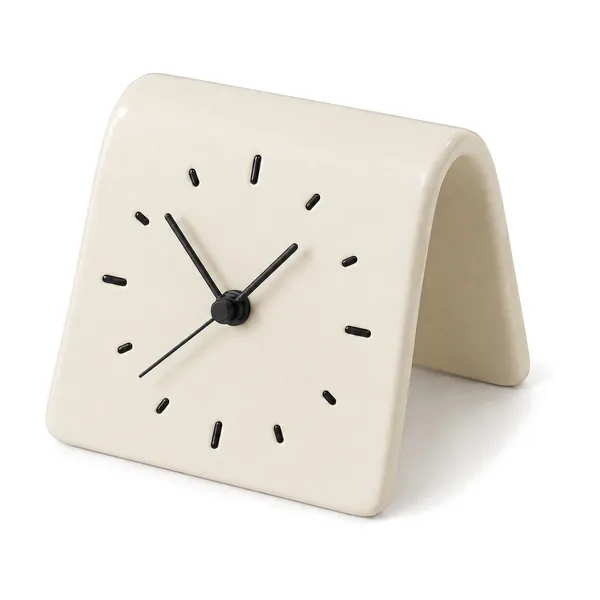
 +37 options
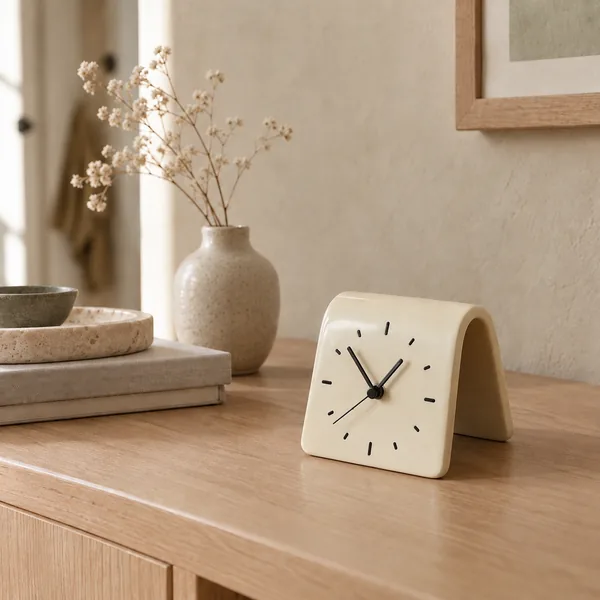
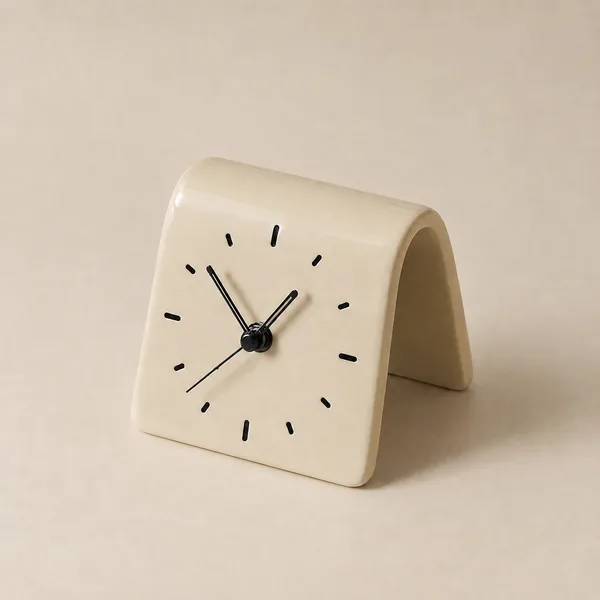
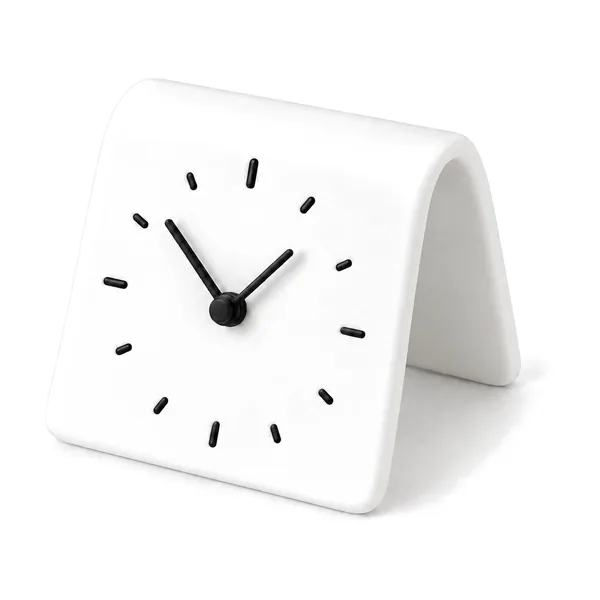
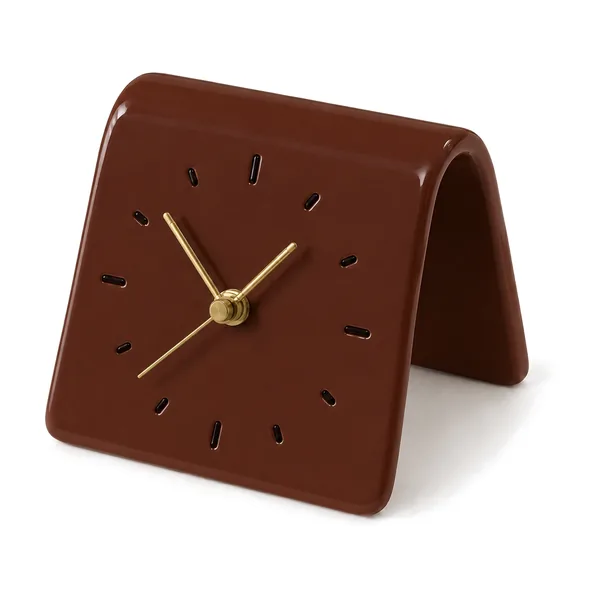
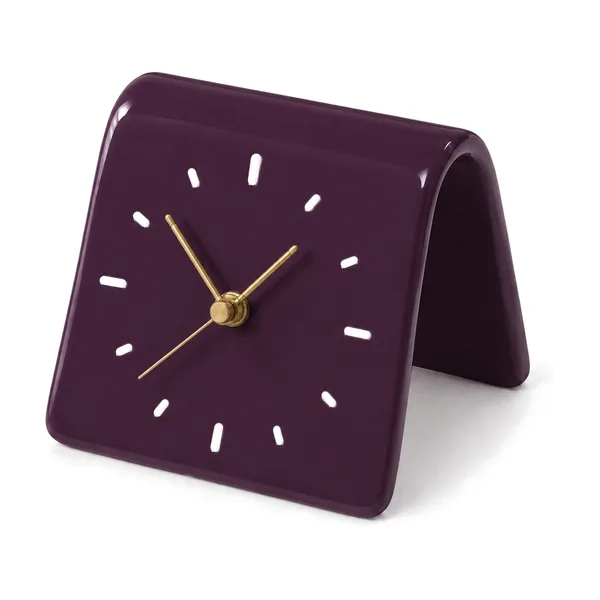
Tilje Silent Ceramic Desk Clock for Modern Homes
 Save $60.00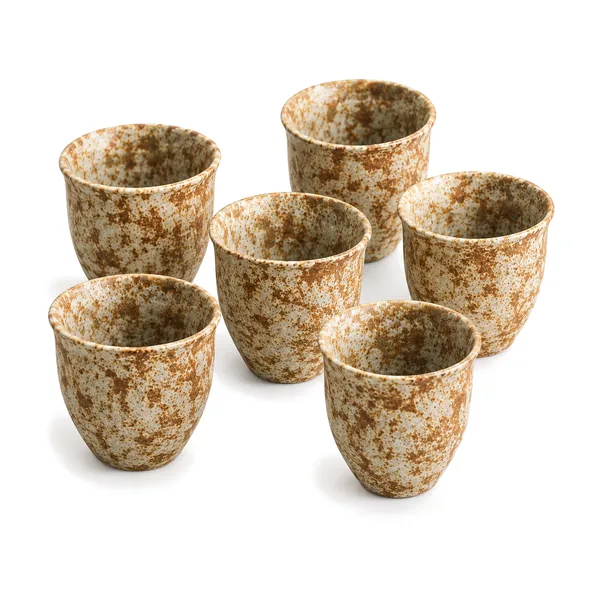
 4 options
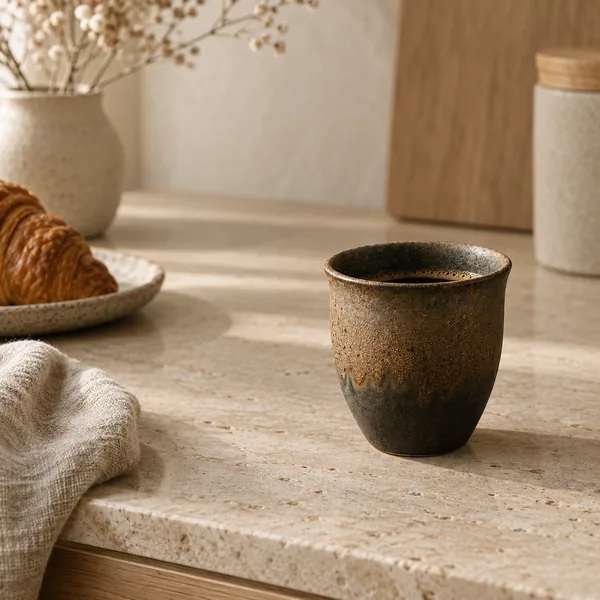
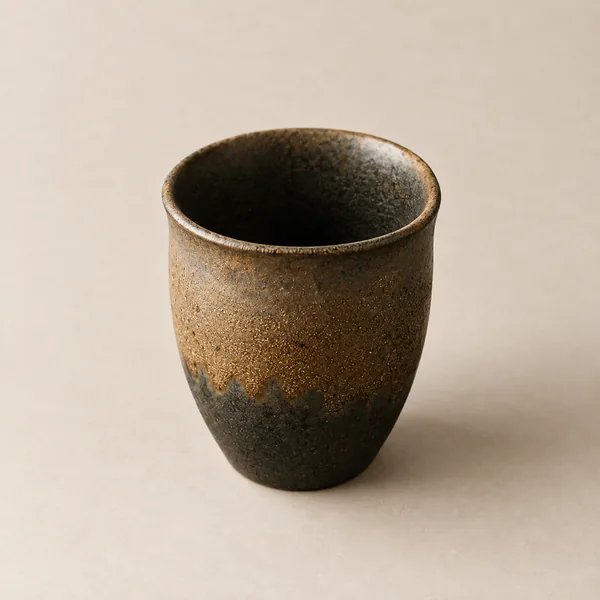
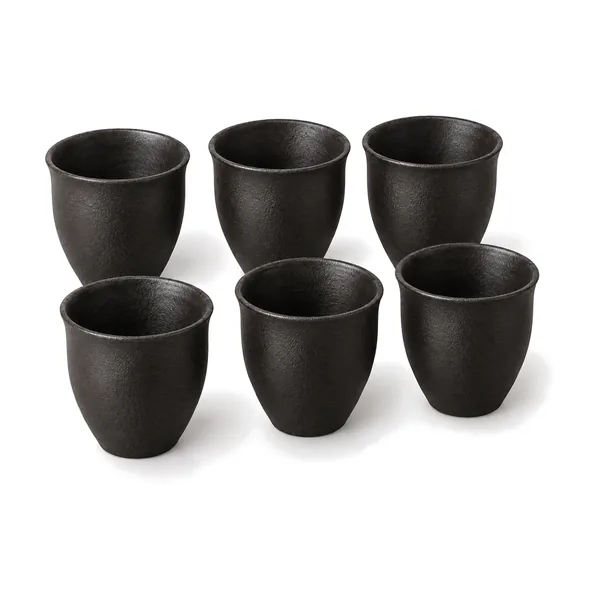
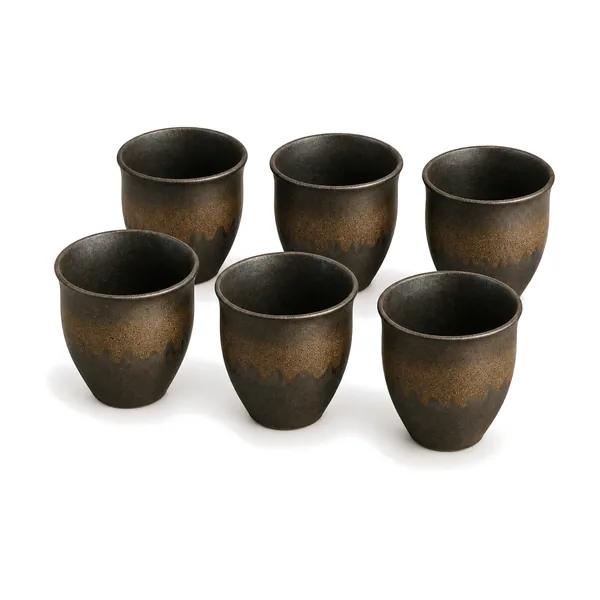
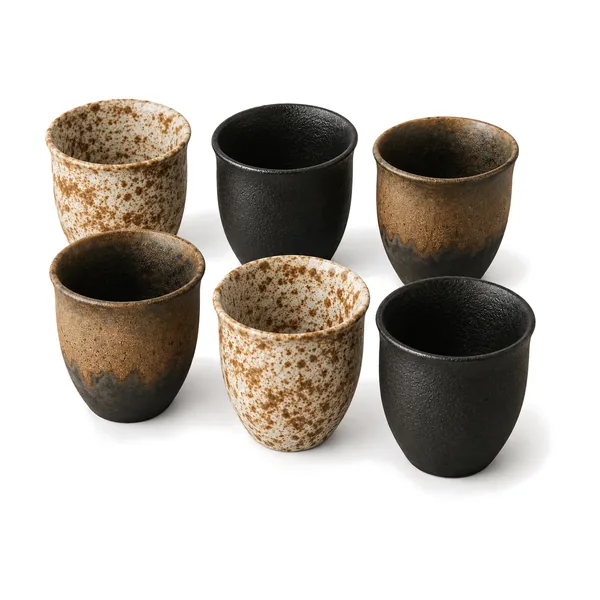
Leira Handcrafted Ceramic Espresso Cup Set of 6
Choosing the Right Bloom Companions
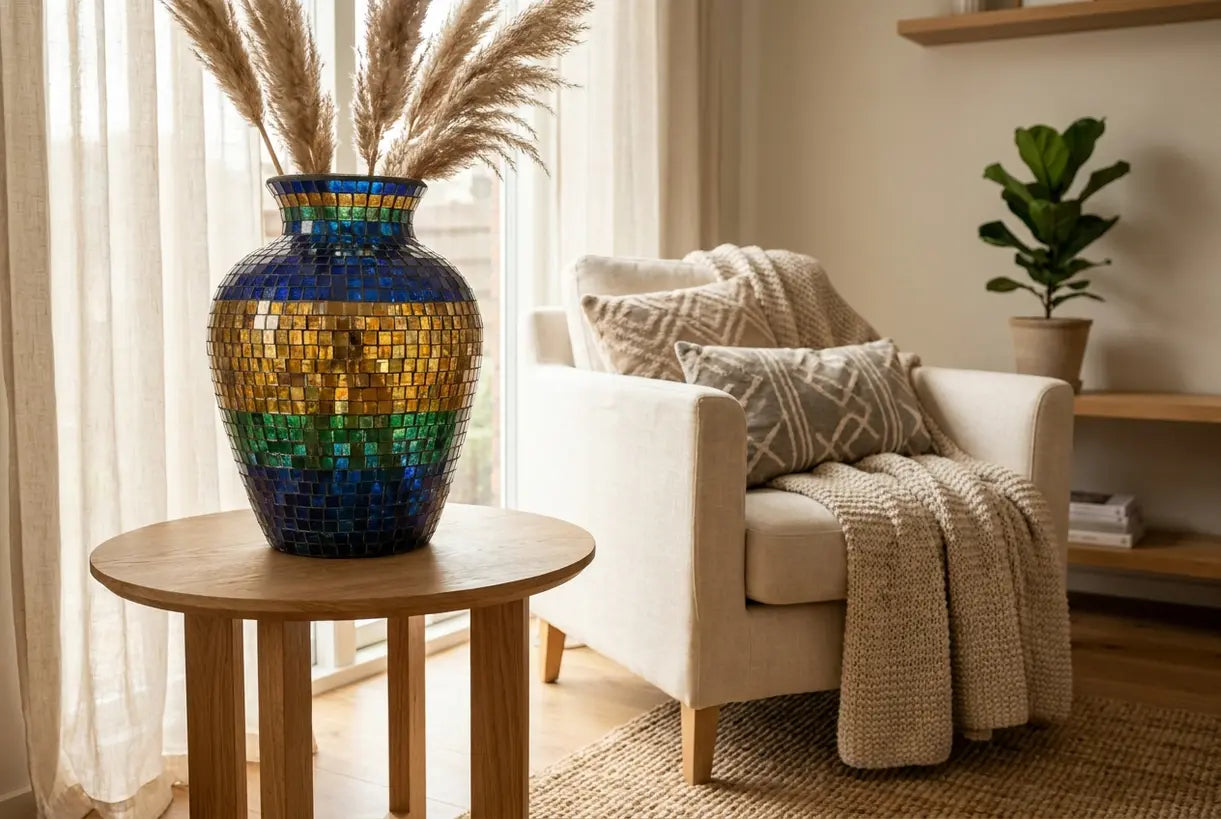
When styling your mosaic flower vase — or its artisan alternatives — consider what botanicals best complement the piece. Single-stem statements work beautifully: a tall branch of pussy willow, a sculptural monstera leaf, or a dried pampas plume can echo the organic irregularity of handcrafted design. For fuller arrangements, opt for blooms that pick up colors within the vase itself.
Dried flowers and grasses have become increasingly popular companions for mosaic-inspired vessels, particularly in Scandinavian interiors. Their muted tones and textural quality create a beautiful dialogue with colorful, patterned surfaces. According to interior design experts, the dried flower movement aligns perfectly with sustainable, slow-living values central to the Scandinavian aesthetic.
Pro Styling Tip: Place your mosaic or artisan vase where natural light can hit it — whether that's morning sun through a kitchen window or afternoon light in a living room. The way light plays across textured surfaces is half the magic of these pieces.
Creating Visual Harmony
The key to successfully incorporating a ceramic mosaic vase or any bold decorative piece is context. In a minimalist space, one colorful vase on a raw wood console speaks volumes. In more eclectic interiors, group your mosaic piece with other handcrafted items — perhaps a hand-thrown bowl or a textile wall hanging — to create a curated collection that tells a story of global craftsmanship.
Remember that negative space is your friend. A bold vase deserves room to breathe. Position it where it can be appreciated from multiple angles, and resist the urge to overcrowd the surrounding area with competing objects.
Conclusion: Bringing Artistry Home
The mosaic flower vase tradition represents one of humanity's oldest and most beloved decorative arts — the transformation of small, ordinary pieces into something extraordinary through patience, vision, and skilled hands. Whether you choose an authentic mosaic tile vase crafted using centuries-old techniques or opt for a contemporary piece that channels the same artisan spirit through modern materials, you're bringing more than decor into your home. You're inviting in a sense of history, craftsmanship, and intentional beauty.
At Skonne, we believe that every object in your home should earn its place through quality and meaning. Our collection of handcrafted vases — from the organic character of the Jorde to the bold stripes of the Randal and the vibrant glass of the Vårka — honors the mosaic tradition while speaking the language of contemporary Scandinavian design. Each piece is selected to bring that same sense of artistry, warmth, and hygge to your space.
Explore our full collection of vases and discover how the right piece can transform not just a room, but the way you experience your home every day.
Related Article
Cream, Gray & Beige Flower Vases: Neutral Tones for Minimal & Scandinavian InteriorsDiscover beautiful cream, gray and beige flower vases perfect for minimal Scandinavian interiors. Style tips and handpicked ceramic vases await.