
Desk Lamp Bulbs: How to Choose the Right Replacement Bulb for Your Desk Lamp
Summary›
- Why Bulb Selection Matters for Your Workspace
- Socket Compatibility: The Foundation of Your Selection
- Wattage and Lumens: Decoding Brightness for Task Work
- Color Temperature: Soft White Versus Daylight
- Size, Shape, and Specialized Features
- Aesthetic Considerations for Scandinavian Design
- Maintaining Your Lighting Investment
- Conclusion
Your desk lamp is more than just a functional fixture—it's the cornerstone of your personal workspace sanctuary. Yet many of us overlook the most critical component that determines whether our late-night work sessions are productive or painful: the desk lamp bulbs that power them. Whether you're replacing a burned-out bulb in a cherished heirloom lamp or upgrading your home office for better energy efficiency, making the right choice transforms both aesthetics and functionality.
At Skonne, we understand that Scandinavian design is about intentional living—every element should serve both form and function beautifully. This comprehensive guide demystifies the technical specifications of desk lamp bulbs while honoring the warm, curated feeling that makes your workspace distinctly yours. From understanding lumens and color temperature to ensuring socket compatibility, you'll discover exactly how to select replacement bulbs that enhance your desk lamp's performance without compromising on style.
Why Bulb Selection Matters for Your Workspace
The type of light bulb for desk lamp fixtures directly impacts your eye comfort, energy consumption, and the overall ambiance of your room. Poor lighting contributes to digital eye strain, headaches, and decreased productivity, while the right illumination creates that coveted hygge atmosphere central to Scandinavian design philosophy.
Modern LED light bulb for desk lamp options have revolutionized how we approach task lighting. Unlike their incandescent predecessors, LED bulbs convert more energy into light rather than heat, lasting up to 25 times longer while using 75% less electricity. This sustainability factor aligns perfectly with the environmentally conscious values that drive contemporary Nordic-inspired interiors.
Socket Compatibility: The Foundation of Your Selection
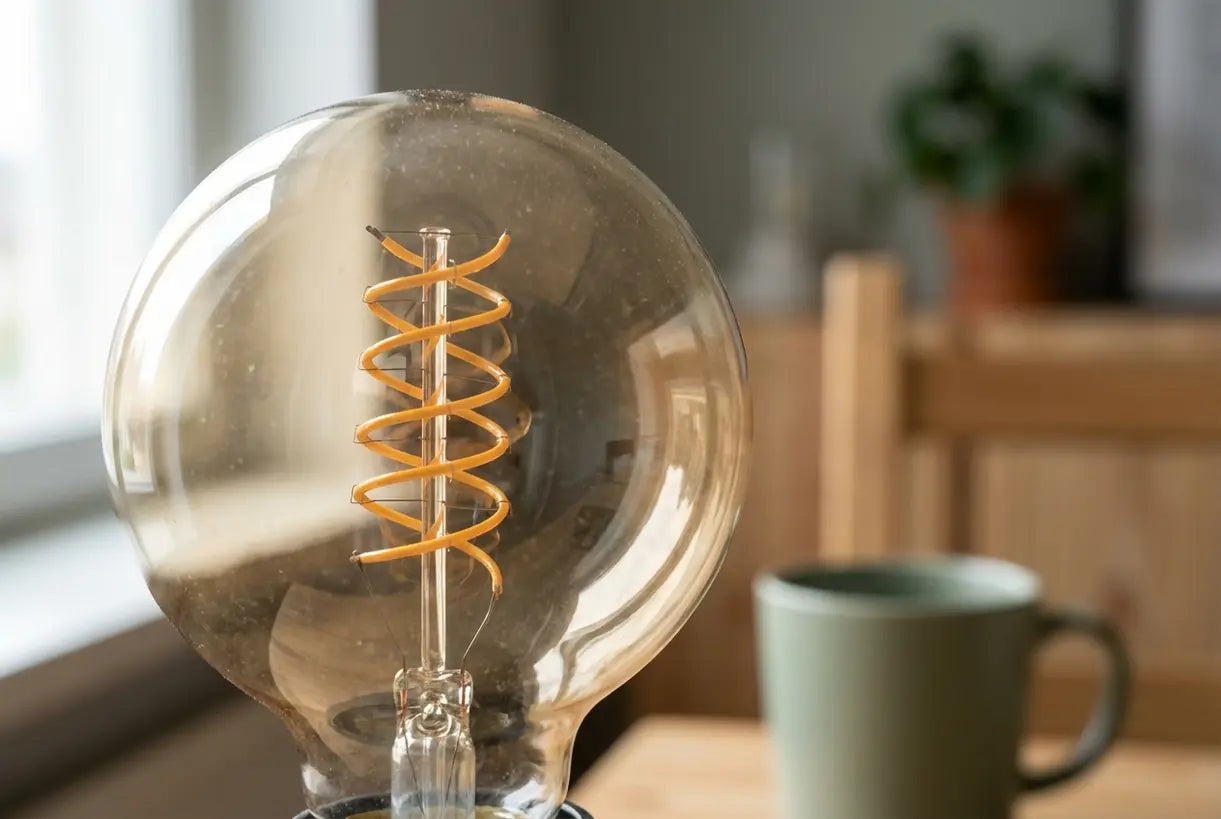
Before considering brightness or color temperature, you must identify your lamp's socket type. The most common base for desk lamps in the United States is the E26 socket (Edison Screw), though European-designed lamps often require the slightly metric E27 socket. These two are often interchangeable due to their similar dimensions, but always verify your lamp's specifications to ensure a proper fit.
Other socket types include bayonet mounts (primarily found in older British fixtures) and specialized candelabra bases for smaller accent lamps. If you're unsure about your socket type, this visual reference demonstrates the replacement process:
When shopping for replacement bulb options, always check the maximum wattage rating printed on your lamp's socket or base. Exceeding this limit creates fire hazards and can damage your fixture's wiring, regardless of how energy-efficient modern LEDs are.
Wattage and Lumens: Decoding Brightness for Task Work
Traditional shopping for desk lamp wattage has evolved. While watts measure energy consumption, lumens actually indicate brightness. For comfortable desk work, aim for 450 to 800 lumens, which roughly equates to the output of a 40-60 watt incandescent bulb. Detailed tasks like drafting or intricate crafting may require 800-1100 lumens.
The advantage of modern LED desk lamp bulb technology is achieving higher lumens with minimal wattage—often just 6-10 watts equaling 60 watts of old incandescent light. This efficiency makes LEDs ideal for extended work sessions without worrying about heat buildup or excessive energy costs.
For those looking to explore more options, our Home Office Lighting offers a curated selection of desk solutions designed with optimal bulb compatibility in mind.
Desk Lamps
Shop all Desk Lamps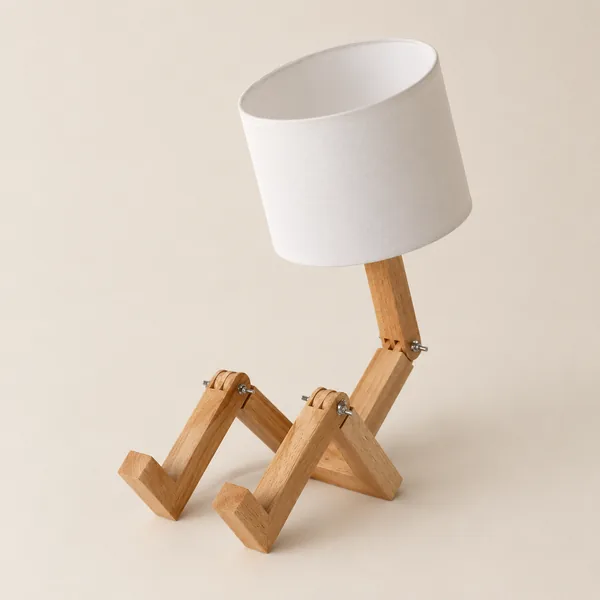
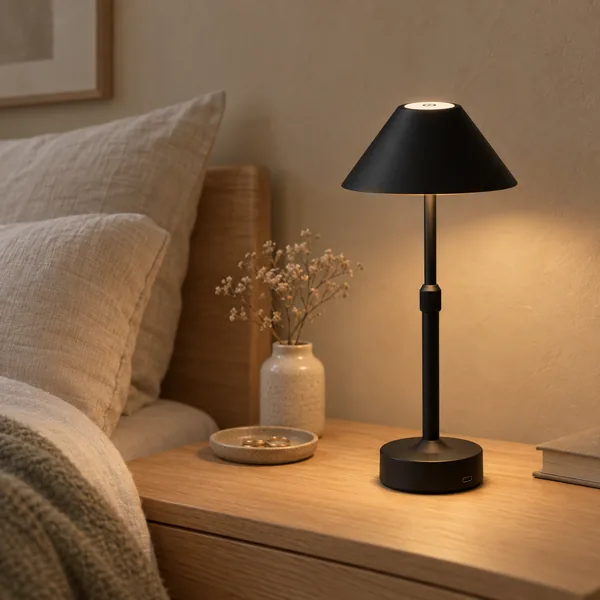
 Save $50.00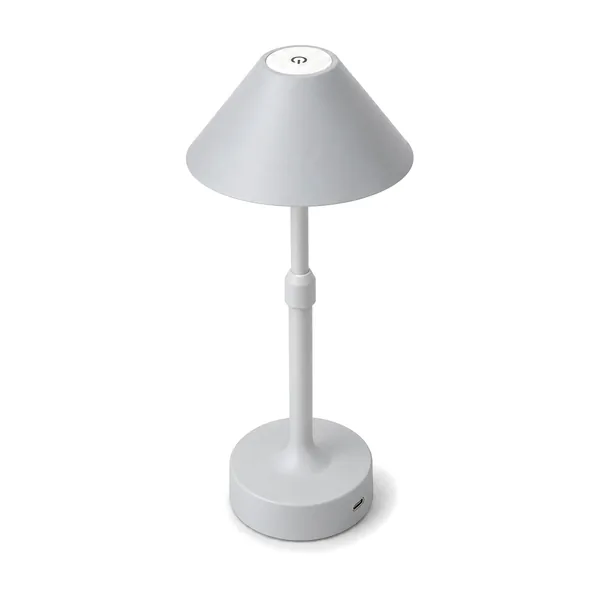
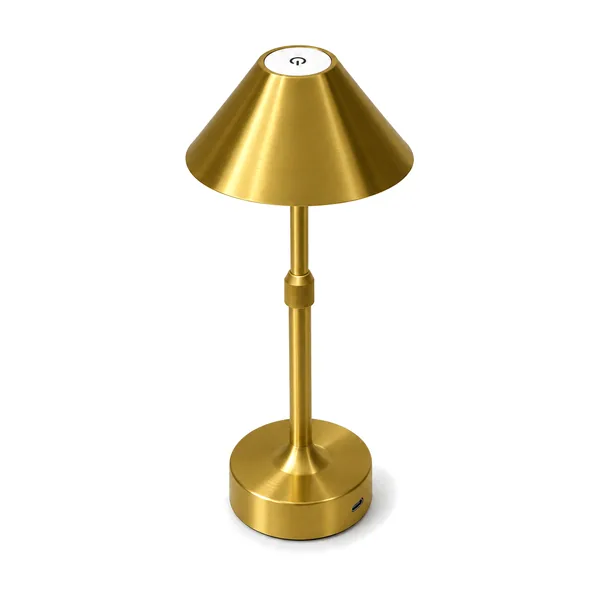 4 options
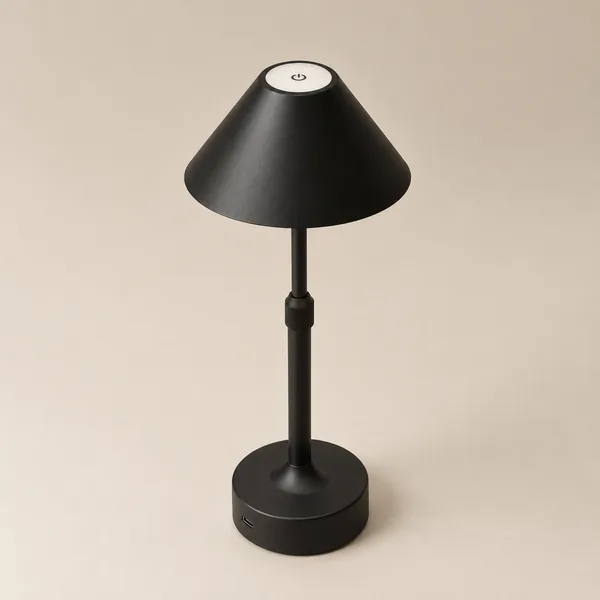
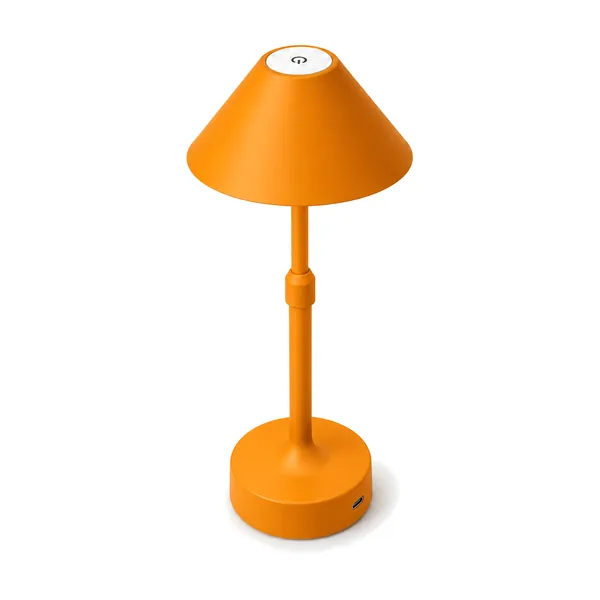
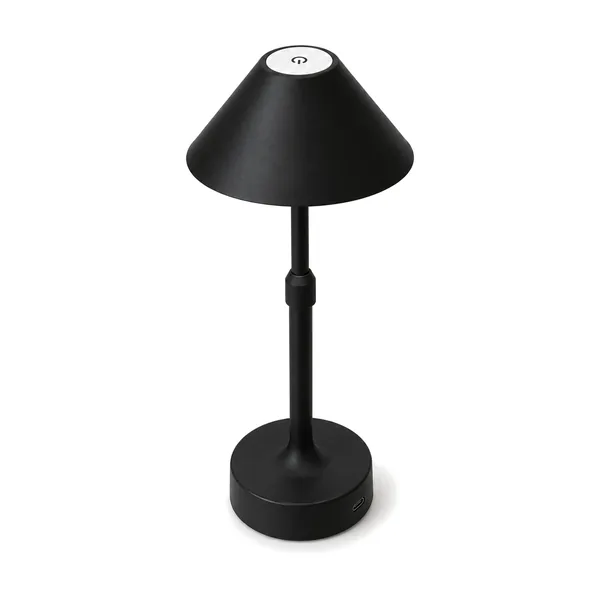
Solra Telescopic Cordless Dimmable Table Lamp
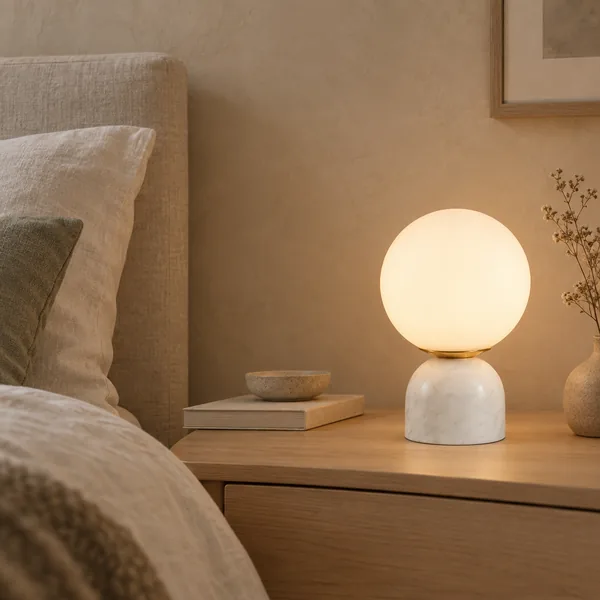
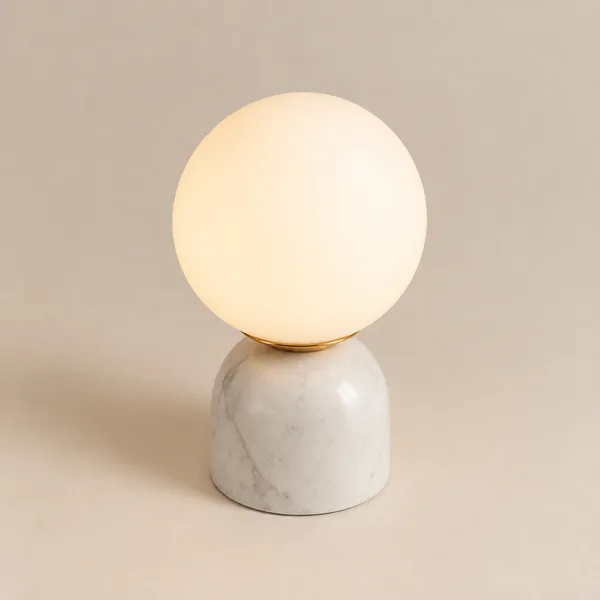 Save $140.00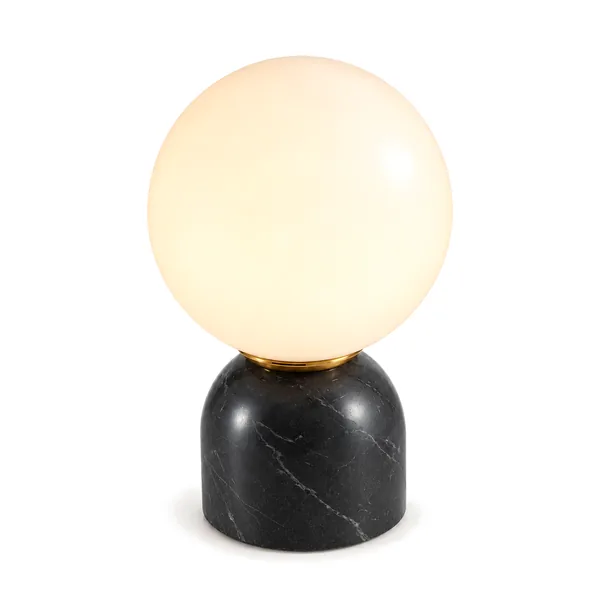
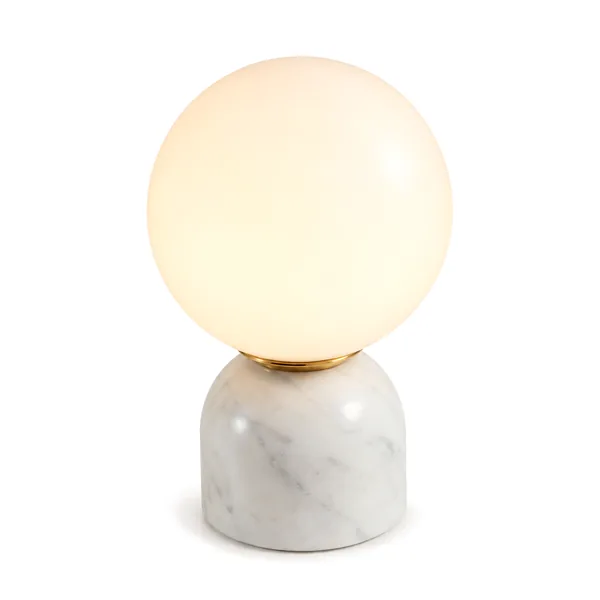
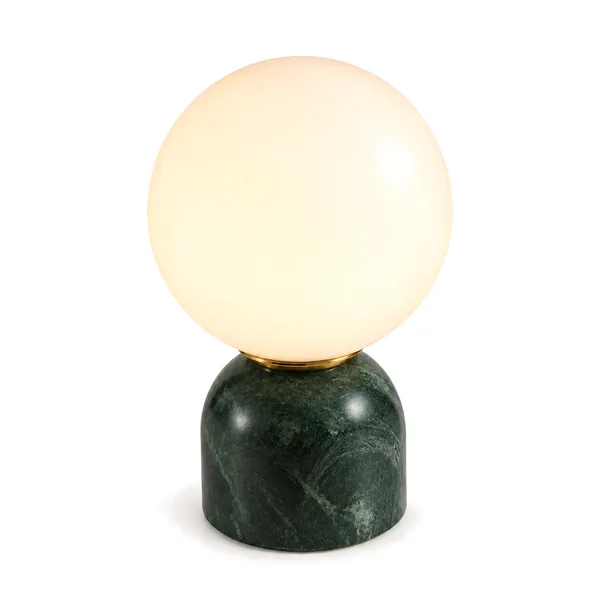 3 options
Marvei Marble Globe Table Lamp Nordic Minimalist
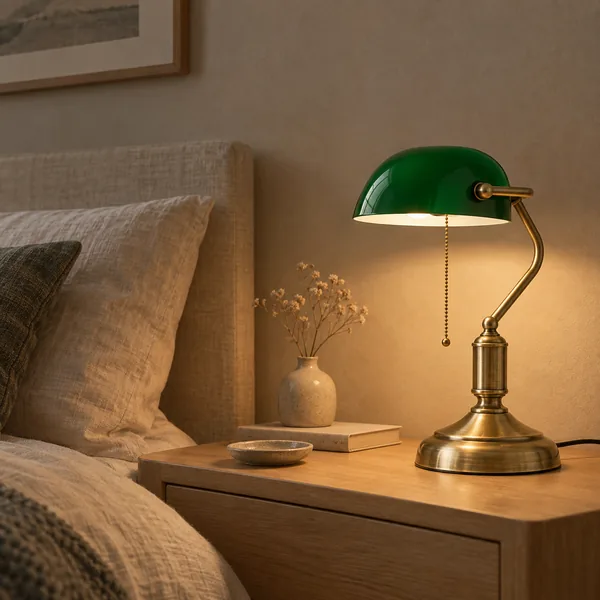
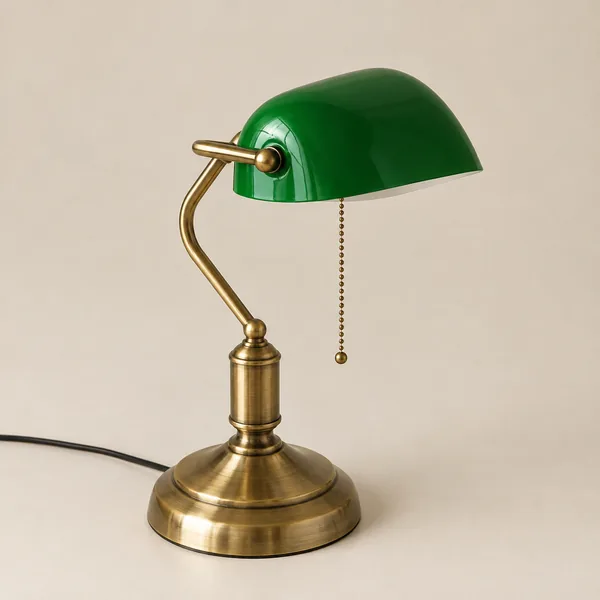
Color Temperature: Soft White Versus Daylight
One of the most frequent questions we encounter concerns color temperature, measured in Kelvin (K). This choice significantly affects your circadian rhythm and productivity levels:
- Soft White (2700K-3000K): Emits a warm, yellowish glow similar to sunset. Ideal for evening reading and creating cozy atmospheres, but may induce drowsiness during intensive daytime work.
- Bright White/Cool (3500K-4100K): Balanced light suitable for general task work and kitchens.
- Daylight (5000K-6500K): Mimics natural noon sunlight with blue tones. Excellent for detailed work, reducing eye strain during high-focus tasks, though potentially too stimulating before bedtime.
For a versatile home office, consider dimming desk lamp bulbs or adjustable fixtures that allow you to shift between warm ambient evening light and cooler, alert-focused daytime illumination. The Glodbot Handcrafted Solid Wood Robot Table Lamp exemplifies this philosophy—its LED compatibility allows you to select color temperatures that complement its warm, sustainably sourced wooden structure.
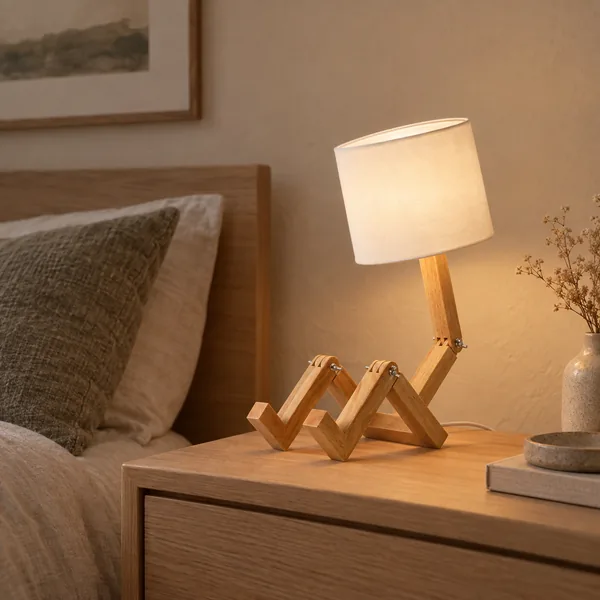 Glodbot Handcrafted Solid Wood Robot Table Lamp$79.00$129.00
Size, Shape, and Specialized Features
Beyond base type and brightness, pay attention to bulb shape. Standard A19 bulbs fit most traditional desk lamps, while globe (G) or candle (C) shapes suit decorative fixtures with exposed bulbs. Always measure your lamp shade clearance—oversized bulbs may not fit under narrow shades or enclosed fixtures.
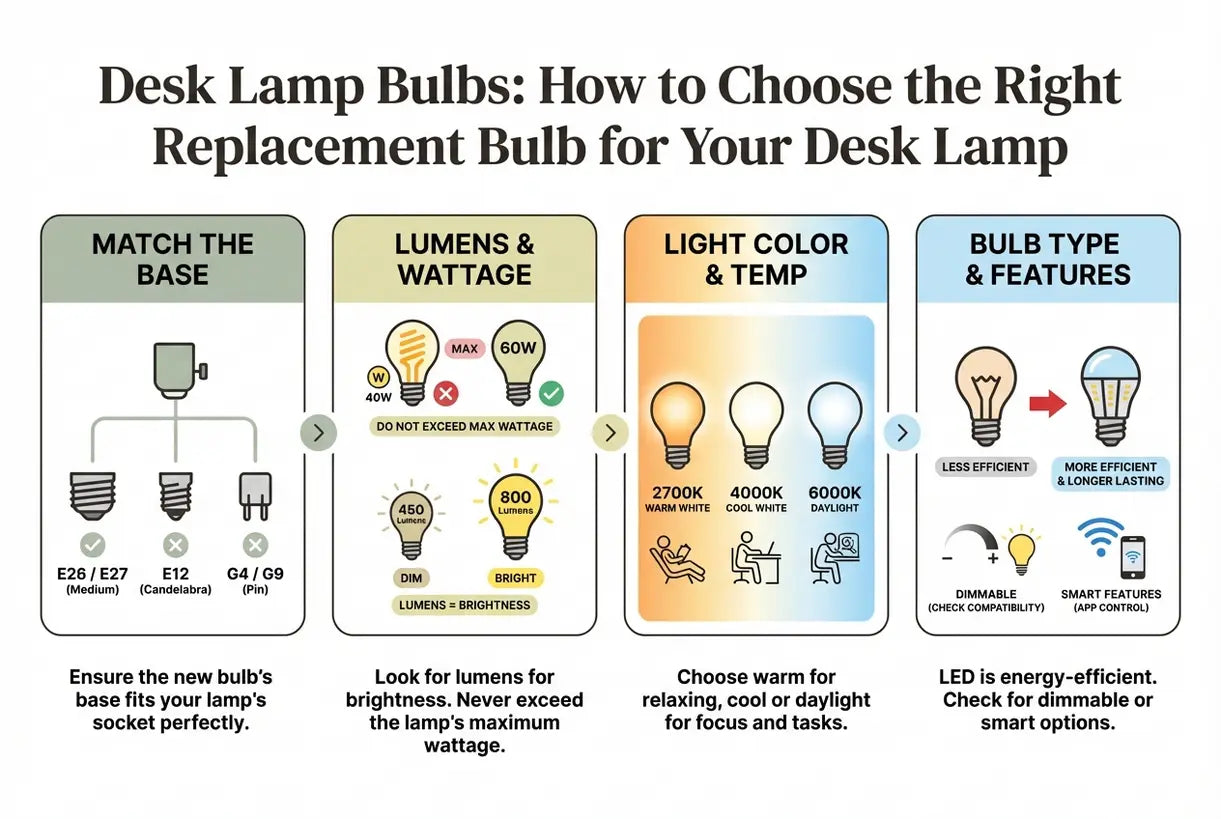
For ultimate control over your environment, consider dimmable bulbs paired with compatible dimmer switches. Not all LEDs dim smoothly, so look for bulbs specifically labeled "dimmable" and ensure your lamp's wiring supports dimming functionality. Smart bulbs offer additional convenience, allowing you to adjust color temperature and brightness through voice commands or app controls—perfect for transitioning from focused work mode to relaxed evening reading.
Modern Solutions Beyond Traditional Bulbs
While replacing traditional bulbs remains common, integrated LED desk lamps offer increasingly sophisticated alternatives. These fixtures eliminate the guesswork of bulb selection while providing customizable lighting environments. The Glöra Crystal Table Lamp with LED Color Glow features swappable color films that manipulate its built-in LED to create prismatic ambient effects, while the Lysa Dimmable Rechargeable Cordless Table Lamp offers portable cordless design with 3-tone dimmable LED lighting—no bulb replacement required.
Create a relevant title
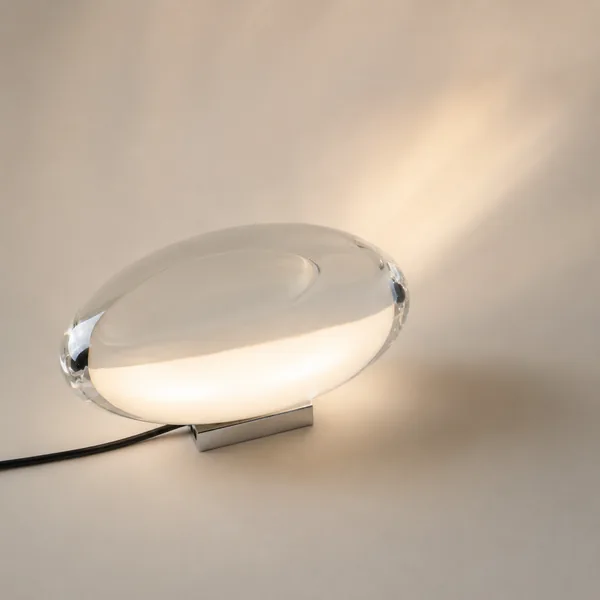 Glöra Crystal Table Lamp with LED Color Glow$49.00$79.00
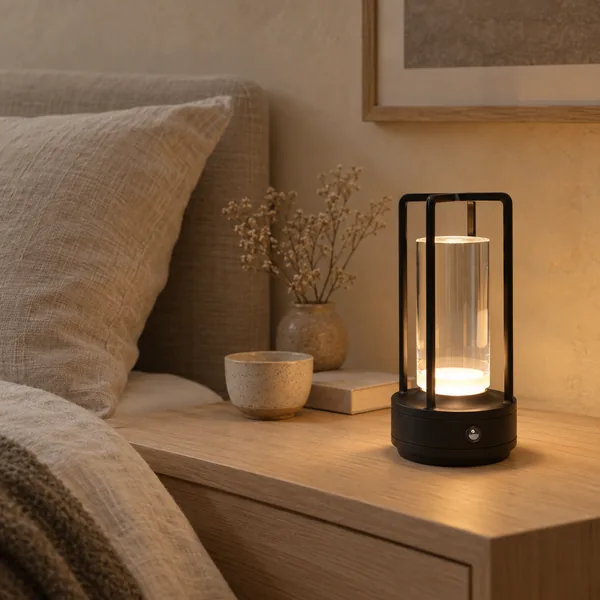 Lysa Dimmable Rechargeable Cordless Table Lamp$59.00$89.00
Table Lamps
Shop all Table Lamps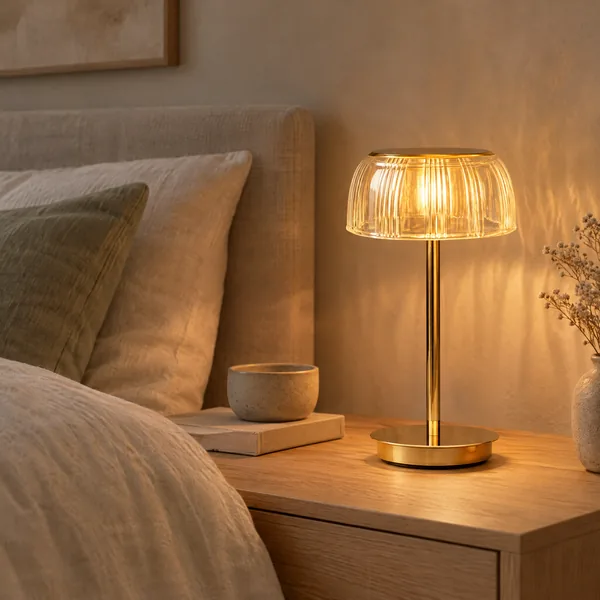
 Save $30.00
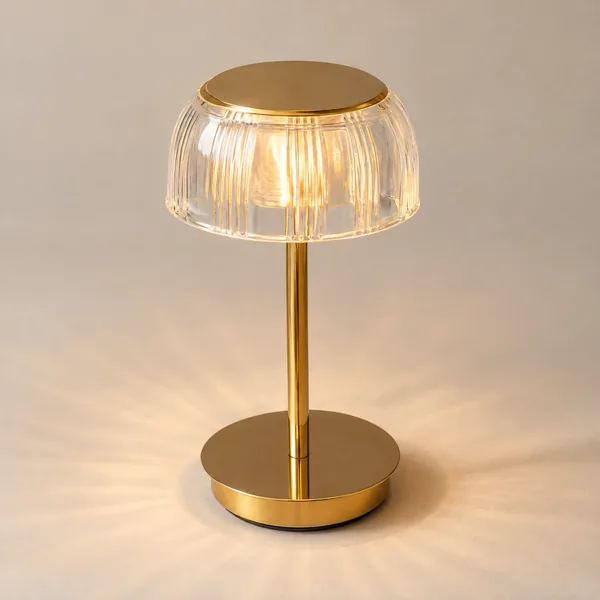
Kvalla Jellyfish LED Rechargeable Table Lamp
 Save $60.00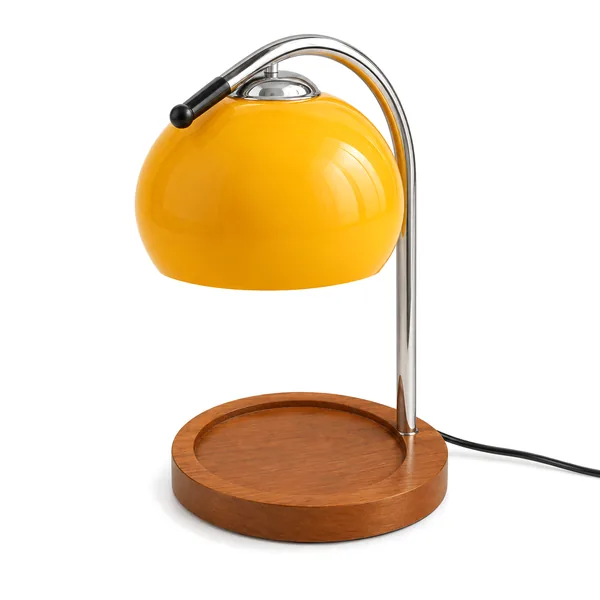
 3 options
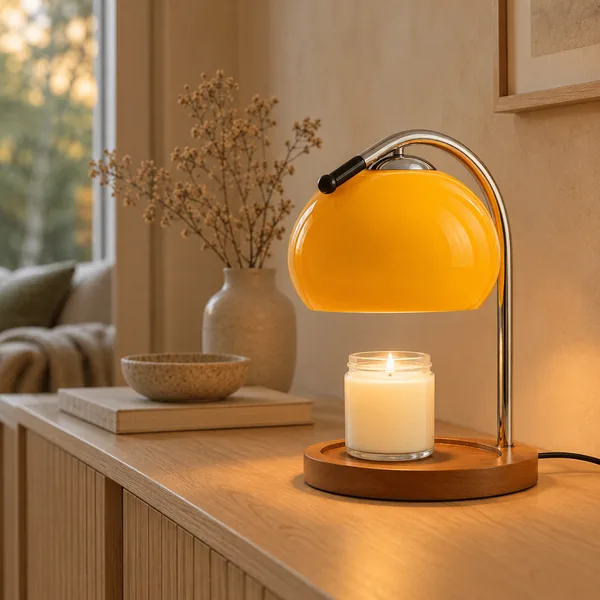
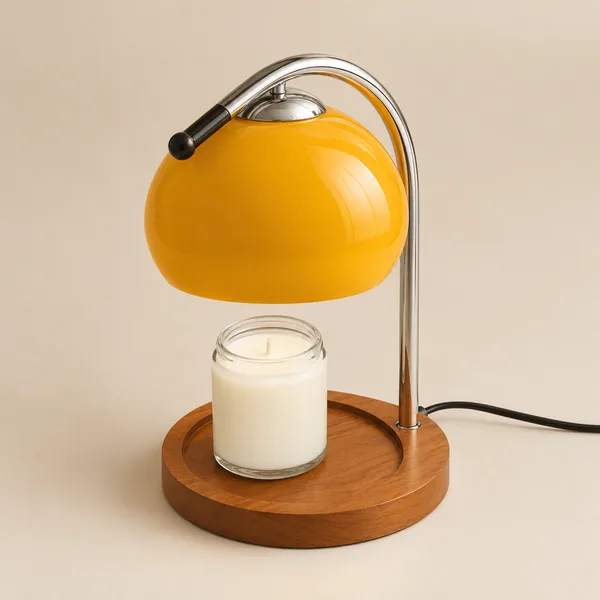
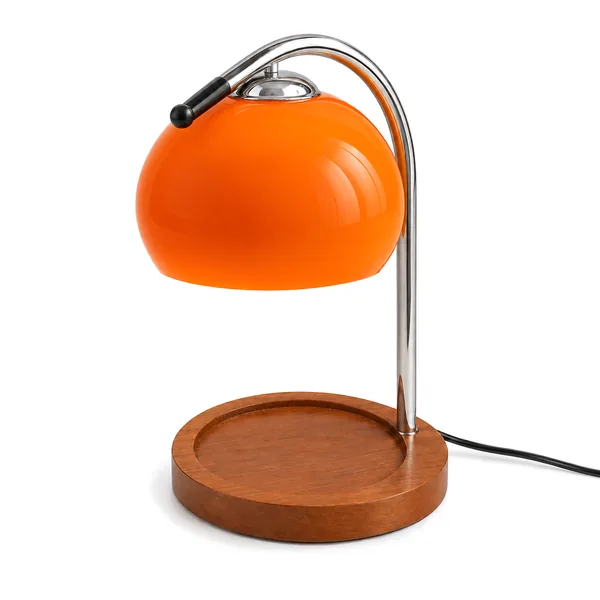
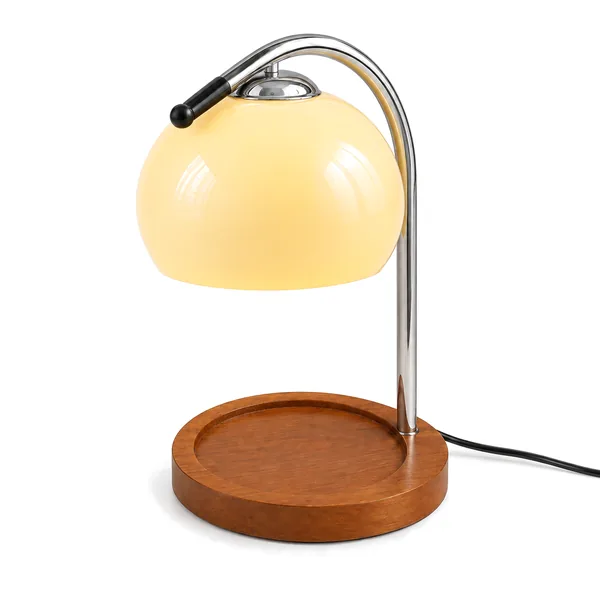
Solvarm Stained Glass Candle Warmer Table Lamp
 Save $220.00
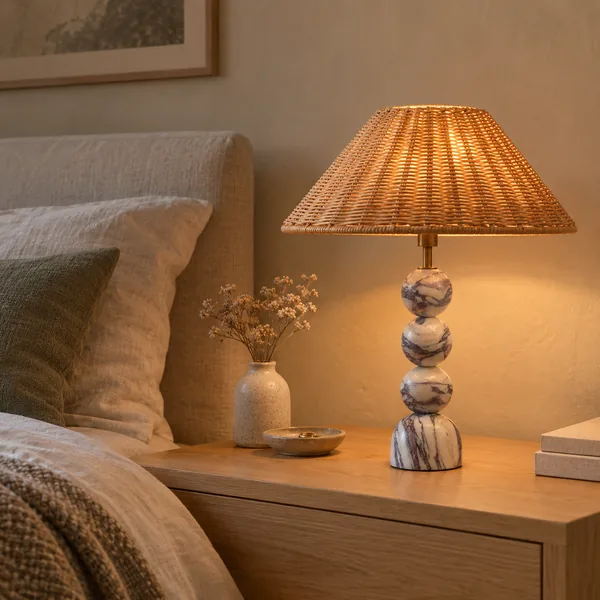
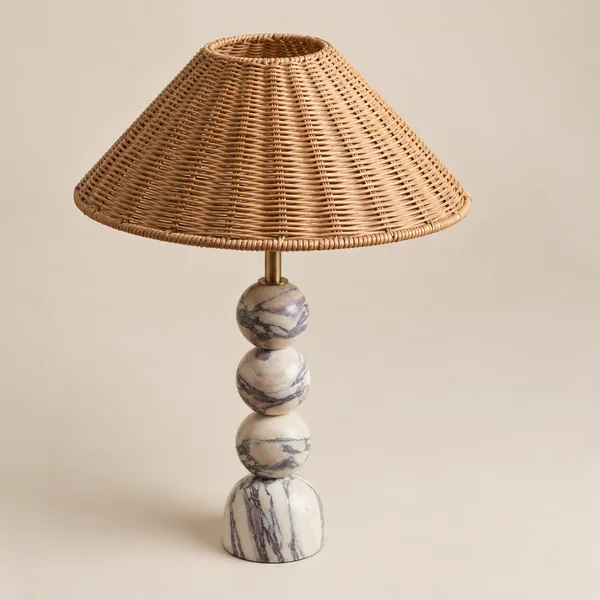
Stenglo Nordic Marble Table Lamp Rattan Shade
Aesthetic Considerations for Scandinavian Design
When selecting replacement bulbs for Scandinavian-inspired spaces, consider how the illumination interacts with natural materials. Warm white temperatures (2700K-3000K) beautifully enhance oak, walnut, and other wood grains common in Nordic furniture. Clear LED bulbs with visible filaments add industrial character that complements minimalist metal accents while providing functional task lighting.
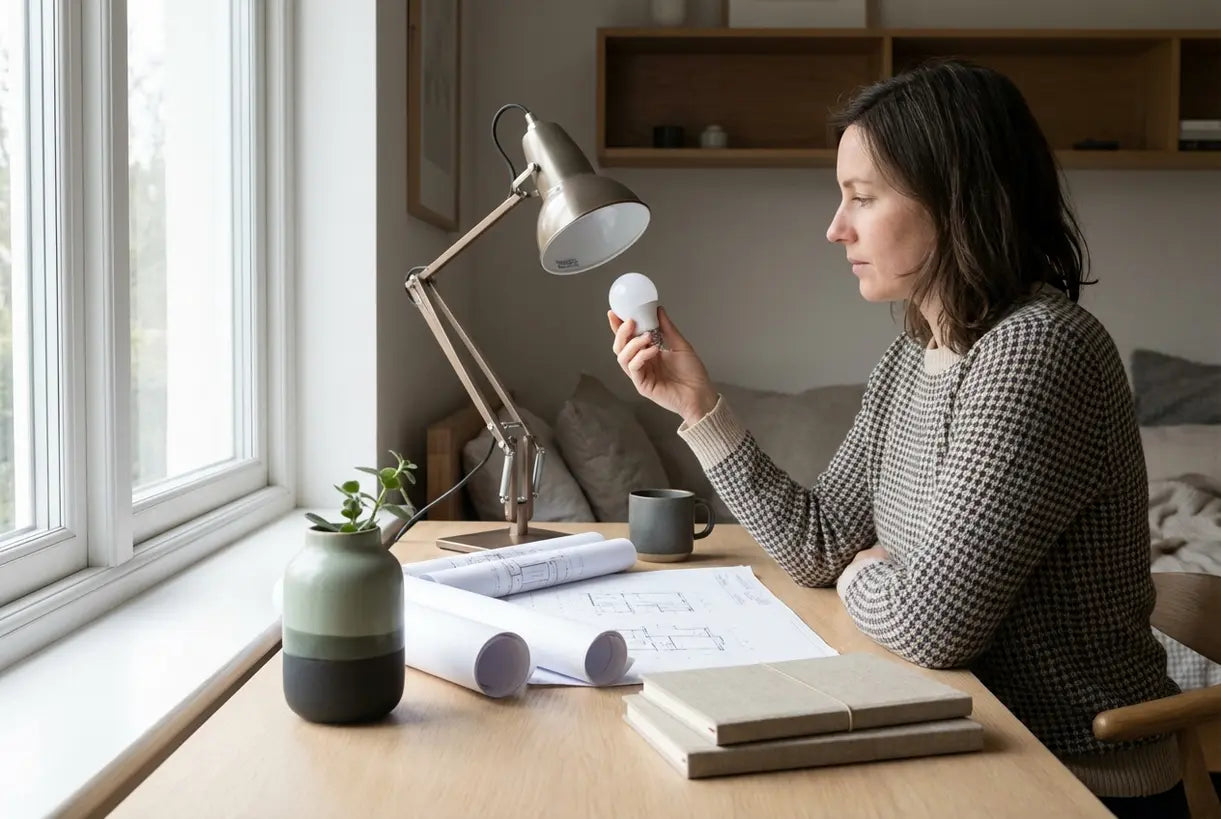
The best bulbs for table lamps in hygge-inspired rooms balance sufficiency with subtlety—bright enough to read comfortably but warm enough to maintain evening tranquility. Consider bulbs with high color rendering indices (CRI) above 90, which accurately display colors and textures in your carefully curated workspace.
Maintaining Your Lighting Investment
Proper bulb maintenance extends the life of both your lamp and its light source. Always turn lamps off before changing bulbs to prevent electrical shock. When handling new E27 bulb for desk lamp installations, avoid touching the glass with bare fingers—skin oils can create hot spots that reduce LED lifespan. For traditional fixtures using halogen bulbs, never exceed recommended wattages, as these generate significant heat that can damage wooden bases or fabric shades.
Store unused bulbs in their original packaging in cool, dry locations to prevent premature degradation. Even LEDs, while long-lasting, gradually dim over years of use—plan to replace them once you notice decreased brightness rather than waiting for complete failure.
Conclusion
Selecting the right desk lamp bulbs transforms your workspace from merely functional to intentionally harmonious. By understanding the relationship between socket types, lumens, and color temperatures, you create lighting environments that support both productivity and wellbeing. Whether you opt for traditional replacement bulb solutions or invest in integrated LED fixtures like our curated collection at Skonne, remember that lighting is deeply personal—it should evolve with your daily rhythms and aesthetic sensibilities.
As you curate your ideal workspace lighting, consider exploring our complete range of Scandinavian-inspired solutions designed to bring warmth and intentionality to every corner of your home office.
Related Article
Dorm Desk Lamps: Best Compact, Bright & Budget-Friendly Picks for StudentsDiscover the best dorm desk lamps that are compact, bright, and student-budget friendly. From cordless LED options to foldable designs, find your perfect study lighting.