
Dining Room Floor Lamps: How to Use a Standing Lamp to Light Your Dining Space
Summary›
- Can You Put a Floor Lamp in the Dining Room?
- Why Choose a Dining Room Floor Lamp Over Traditional Overhead Lighting?
- How to Choose the Right Floor Lamp for Your Dining Space
- Where Should Dining Room Lamps Be Placed?
- How to Light a Dining Room Without Overhead Lighting
- Layering Light: The Scandinavian Approach to Dining Room Ambiance
- Conclusion: Embracing Intentional Dining Room Lighting
There's something unexpectedly intimate about soft, golden light pooling across a dining table while a warm conversation unfolds. Yet when most people imagine dining room lighting, they picture pendant lights, chandeliers, or recessed ceiling fixtures. The idea of a dining room floor lamp feels unconventional, even daring. But for those seeking that coveted Scandinavian hygge feeling—where light embraces rather than illuminates—a thoughtfully placed standing lamp dining room setup might be exactly the architectural warmth your space has been missing.
As designers and homeowners alike rediscover the power of ambient, layered lighting, floor lamps are emerging as intentional design statements rather than utilitarian afterthoughts. In this guide, we'll explore how to transform your dining area using a floor lamp dining table arrangement that prioritizes atmosphere over harsh overhead glare. Whether you're working with a rental that lacks proper wiring, a room with ceilings too low for pendants, or simply crave the soft sophistication that only sculptural lighting can provide, this is your roadmap to dining space floor lighting done right.
Can You Put a Floor Lamp in the Dining Room?
The short answer is unequivocally yes—and those who do rarely look back. Standing lamp dining room placement has gained significant traction in interior design circles, particularly among advocates of minimalist and Scandinavian aesthetics. Unlike fixed ceiling fixtures, floor lamps offer flexibility: they can be repositioned for dinner parties, angled to highlight seasonal table settings, or moved entirely when your space needs reimagining.
Consider the practical advantages. A floor lamp occupies zero table space, unlike candles which compete with plates and centerpieces. They reach heights that table lamps cannot, casting light precisely where it's needed without obstructing sightlines across the table. And when selected with intention, a sculptural floor lamp serves as functional art—a vertical presence that anchors the room's aesthetic while performing the essential work of creating atmosphere.
Why Choose a Dining Room Floor Lamp Over Traditional Overhead Lighting?
Overhead lighting, while practical, often creates harsh shadows and unflattering downlighting that makes food appear washed out and faces look shadowed. A modern floor lamp dining room approach addresses these issues while introducing something ceiling fixtures cannot: emotional resonance.
Scandinavian design philosophy prioritizes light quality over light quantity. In Nordic countries where winter darkness arrives early, lighting becomes architectural—a way to craft cozy, welcoming interiors that combat seasonal gloom. This ethos translates beautifully to dining spaces anywhere. By choosing a minimalist dining room lamp positioned at seating height rather than overhead, you create flattering, indirect illumination that wraps the scene in warmth.
The benefits extend beyond aesthetics. Standing lamp for dining area arrangements allow you to:
- Control intensity through dimming options and bulb selection
- Eliminate glare and eye strain during long dinner conversations
- Create distinct zones within open-concept living spaces
- Highlight architectural features or artwork adjacent to the dining area
- Adapt quickly for different occasions—from casual breakfasts to formal entertaining
Floor Lamps
Shop all Floor Lamps
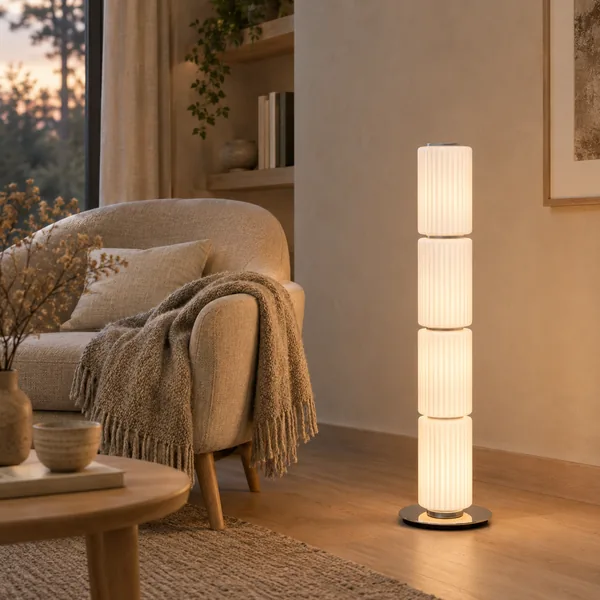
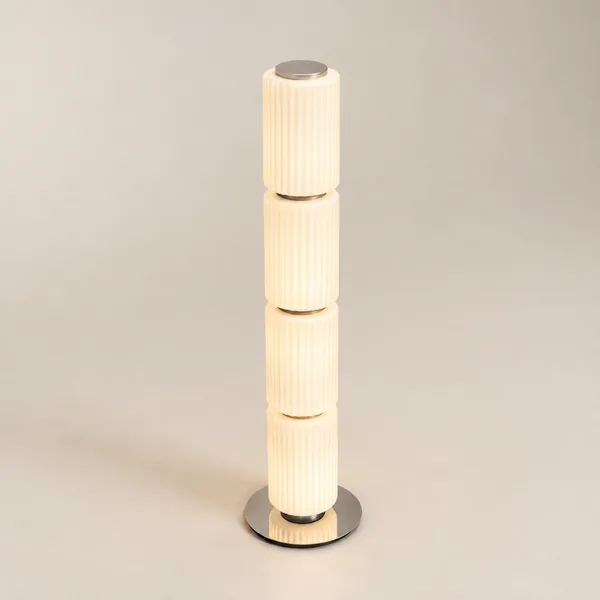
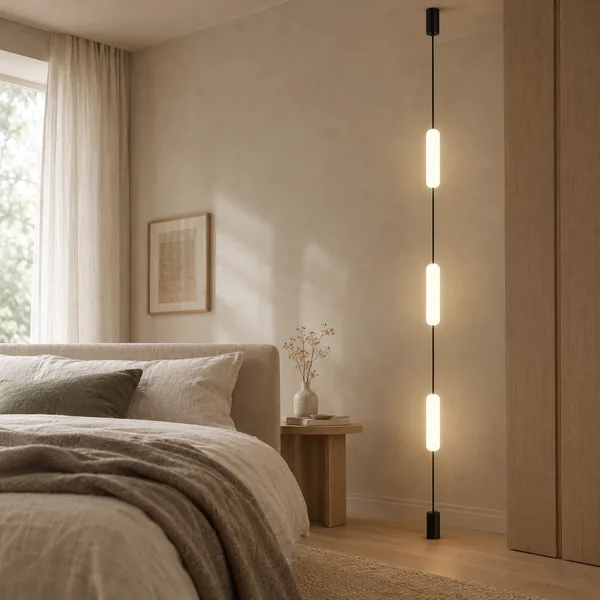
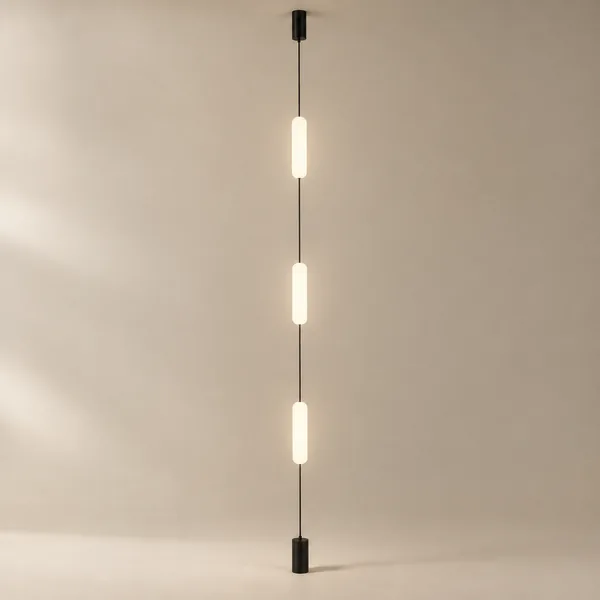
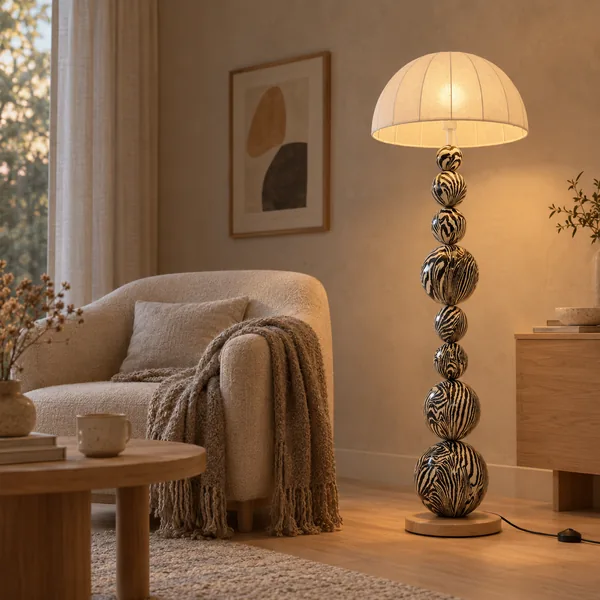
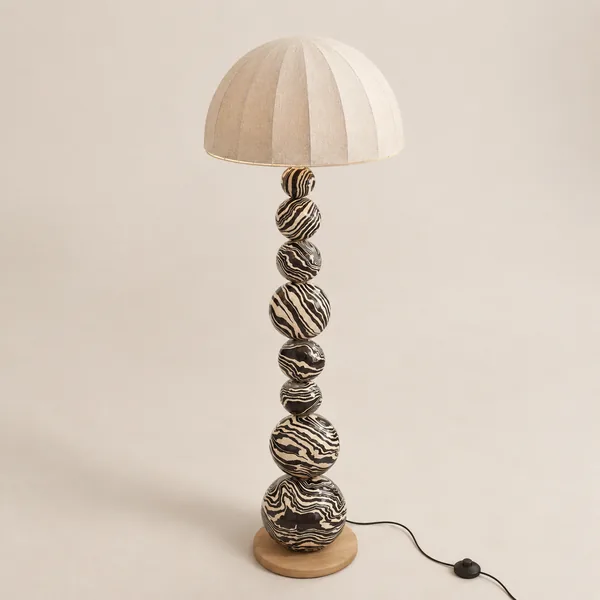
How to Choose the Right Floor Lamp for Your Dining Space
Selecting the perfect dining room floor lamp ideas requires balancing form, function, and scale. Start by observing your typical dining activities. Do you primarily eat casual weeknight dinners, or host elaborate multi-course gatherings? Is your table a workspace during daytime hours? Understanding how people actually use your dining area will inform whether you need adjustable brightness, directional lighting, or purely ambient glow.
Height Guidelines for Dining Room Floor Lamps
Proportion matters immensely. A floor lamp that's too tall overwhelms; one that's too short fails to deliver adequate illumination. The ideal height for a dining room floor lamp depends on your ceiling height, table dimensions, and lamp style:
| Arc or Overhanging Lamps | 65–84 inches overall; shade should hover 30–36 inches above table surface |
| Standard Torchiere/Uplight | 65–72 inches; light washes ceiling for reflected ambient glow |
| Mid-Height Statement Lamps | 48–60 inches; optimal for seated eye level visibility without obstruction |
Consider scale relationships too. In rooms with standard 8-foot ceilings, aim for lamps under 66 inches to maintain breathing room. For dramatic double-height spaces, taller lamps or clustered arrangements can help fill vertical space without cluttering the floor plane.
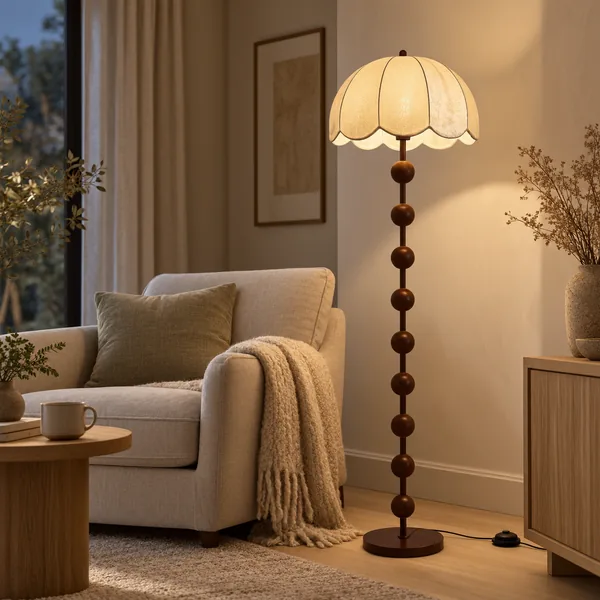 Kveld Scandinavian Mushroom Floor Lamp Walnut$219.00$349.00
The Kveld Scandinavian Mushroom Floor Lamp Walnut exemplifies the organic, approachable form that Scandinavian design celebrates. Its gentle curved silhouette and warm walnut tones create an invitation to linger—exactly the quality every dining room deserves.
Where Should Dining Room Lamps Be Placed?
Placement strategy separates amateur setups from professional-caliber interiors. Unlike ceiling fixtures with fixed positions, standing lamp dining room arrangements offer creative freedom that can feel overwhelming without guidance.
Corner Placement for Ambient Glow
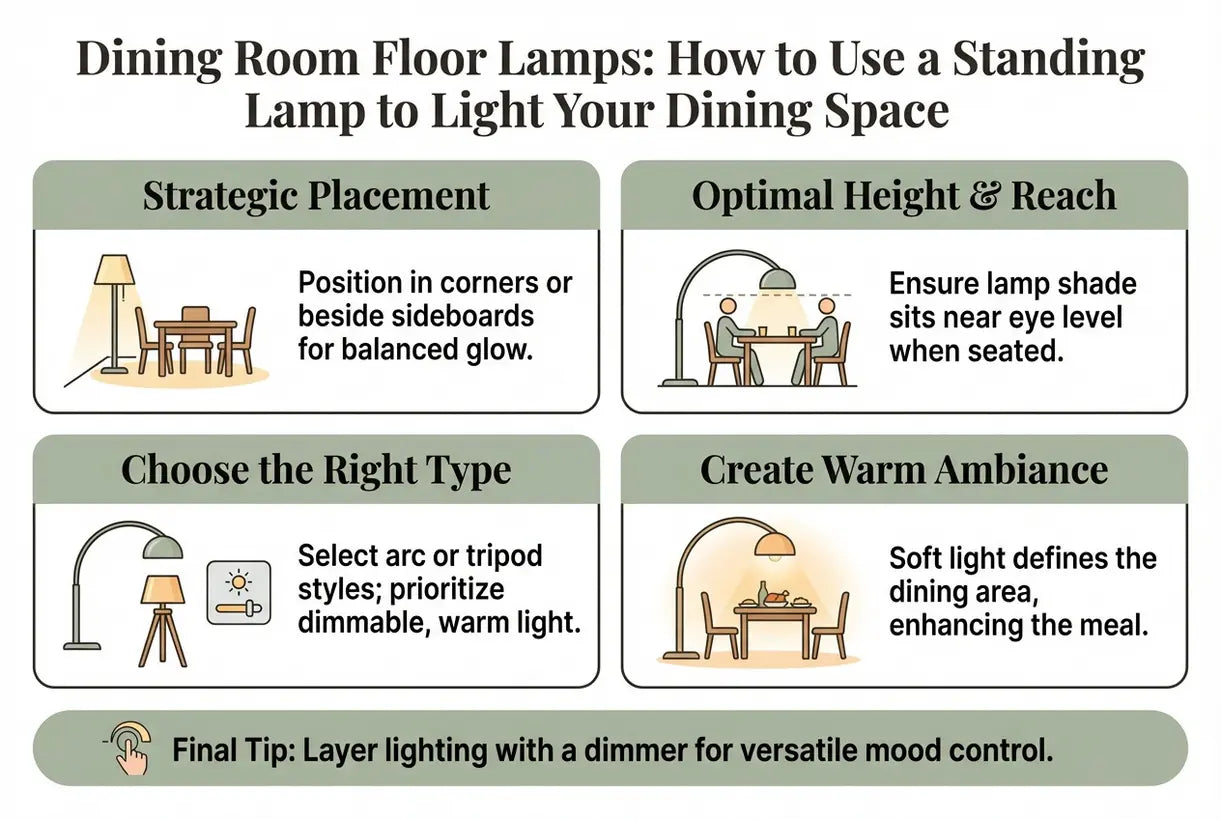
Positioning a floor lamp in the corner behind or beside your dining table creates the most natural pool of light. The lamp becomes a luminous backdrop, casting warm illumination across the scene rather than directing harsh beams downward. This approach works particularly well with torchiere-style lamps that bounce light off the ceiling, or semi-opaque shades that diffuse brightness evenly.
Arc Lamps Over the Dining Table
For those seeking the centered illumination of a pendant without hardwiring, arc floor lamps offer an elegant compromise. The cantilevered arm extends gracefully from a weighted base, positioning the shade directly above the table's center. This configuration works beautifully in the dining room floor lamp ideas repertoire, creating the focused functionality of task lighting while maintaining the sculptural presence only floor lamps provide.
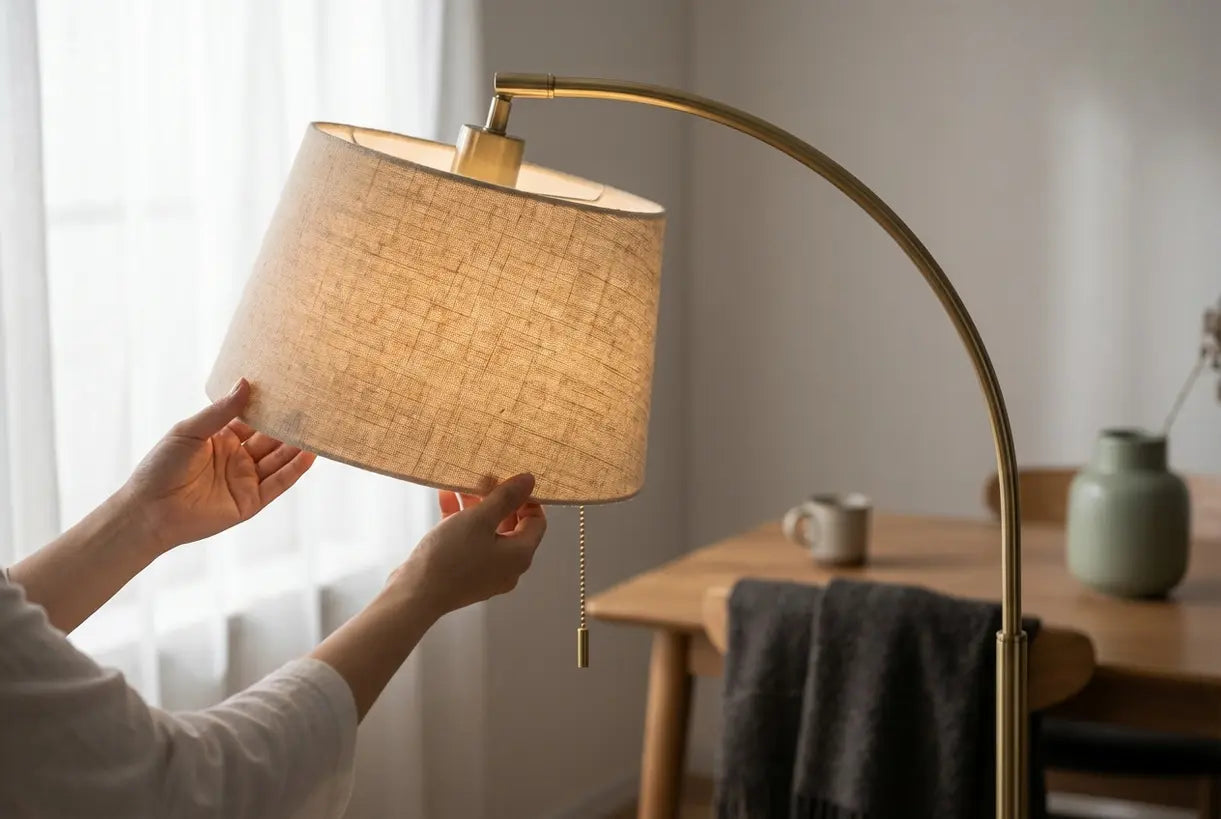
When placing arc lamps, ensure the weighted base sits safely away from chair traffic while the shade clears heads even when guests stand. Measure twice: walking paths around dining tables typically need 36 inches of clearance for comfortable movement.
How to Light a Dining Room Without Overhead Lighting
Renters, historic home dwellers, and minimalists often face dining spaces with no overhead fixture or desire to install one. Learning how to light a dining room without overhead lighting transforms from challenge to creative opportunity when you embrace floor-based illumination strategies.
The key is layering. A single floor lamp, however beautiful, rarely provides sufficient ambient coverage for an entire dining experience. Instead, create a lighting triangle: position your primary floor lamp in one corner, supplement with table-level sources (candles, small lamps on credenzas), and consider wall-mounted sconces if hardwiring is available.
Opt for lamps with substantial light output—300 to 500 lumens minimum for adequate dining visibility. Dimmable bulbs are non-negotiable; full brightness is rarely appropriate for dining, but having the option ensures practicality for tasks like setting the table or cleaning.
Curated Ambience: Floor Lamps for Intimate Dining
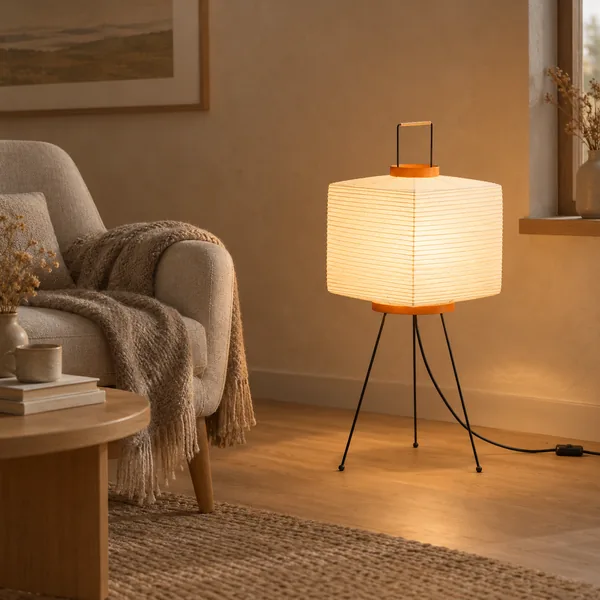 Papira Handcrafted Rice Paper Ambient Floor Lamp$159.00$249.00
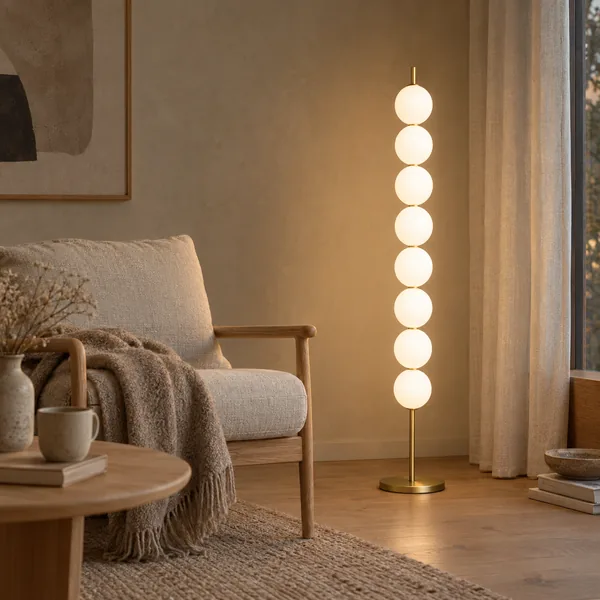 Glödra Nordic Brass Floor Lamp Statement Light$439.00$639.00
The Papira Handcrafted Rice Paper Ambient Floor Lamp demonstrates how materials influence dining room atmosphere. Its rice paper shade diffuses light into a soft, enveloping glow that makes every meal feel intimate—no harsh shadows, no overhead glare, just warmth.
When you want to make a bolder statement, the Glödra Nordic Brass Floor Lamp brings sculptural elegance to formal dining settings. The polished gold finish catches and reflects light, becoming a conversation piece even when unlit.
Dining Room Lighting
Shop all Dining Room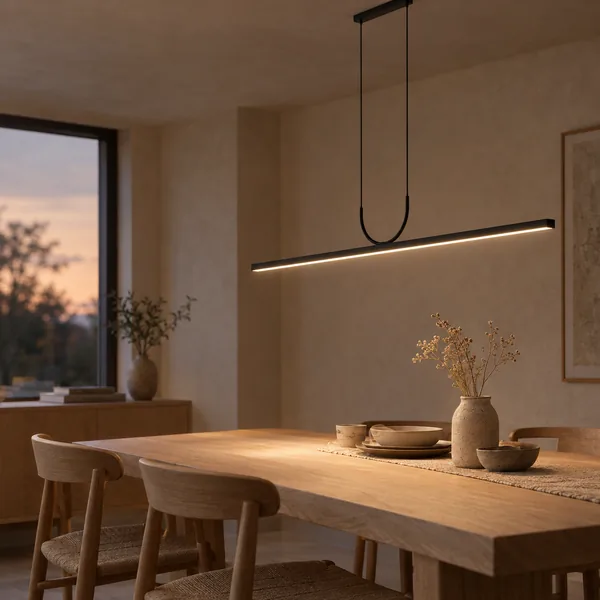
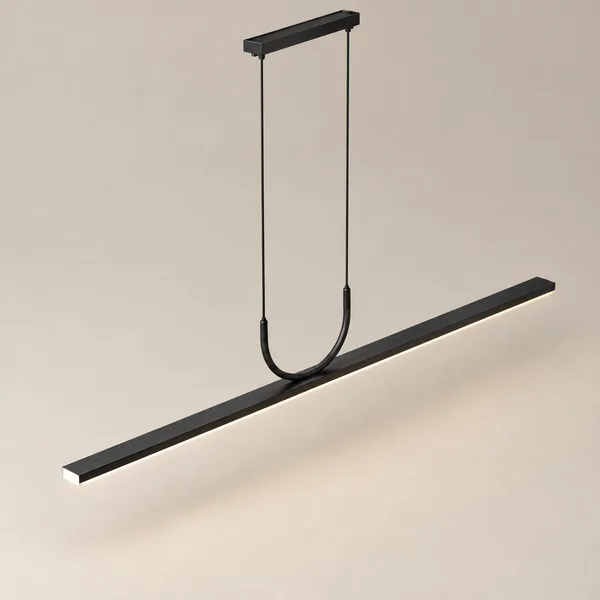 Save $140.00
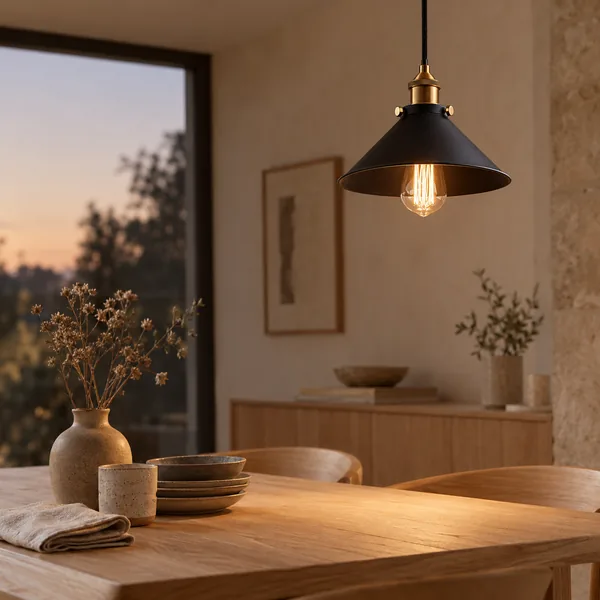
Linné Minimalist Linear Black LED Pendant Light
 Save $60.00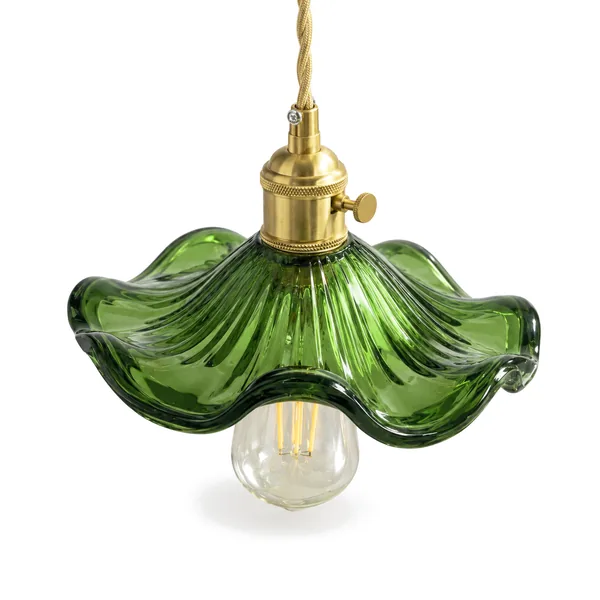
 3 options
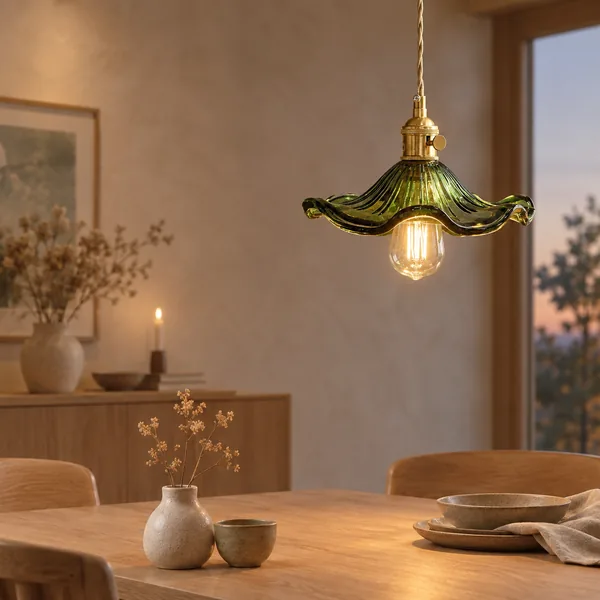
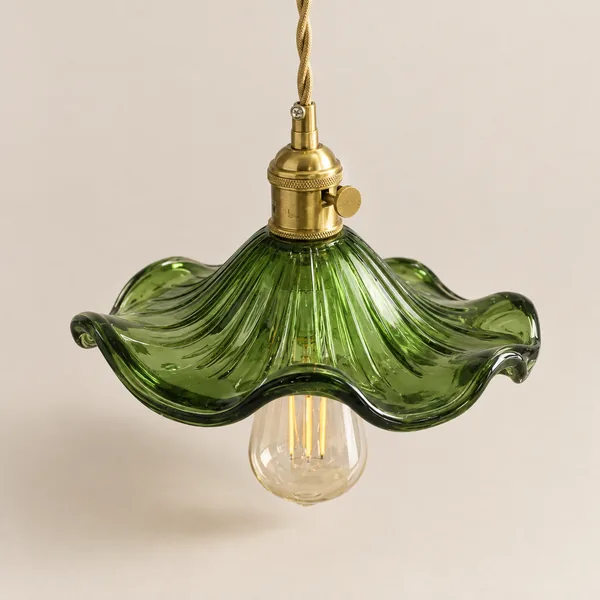
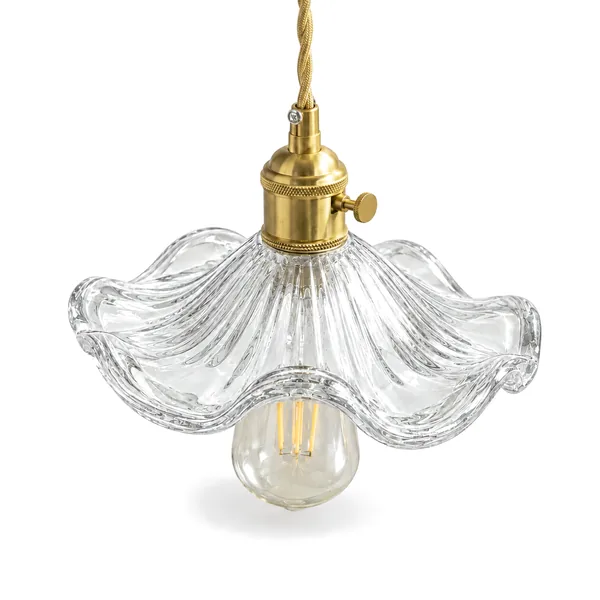
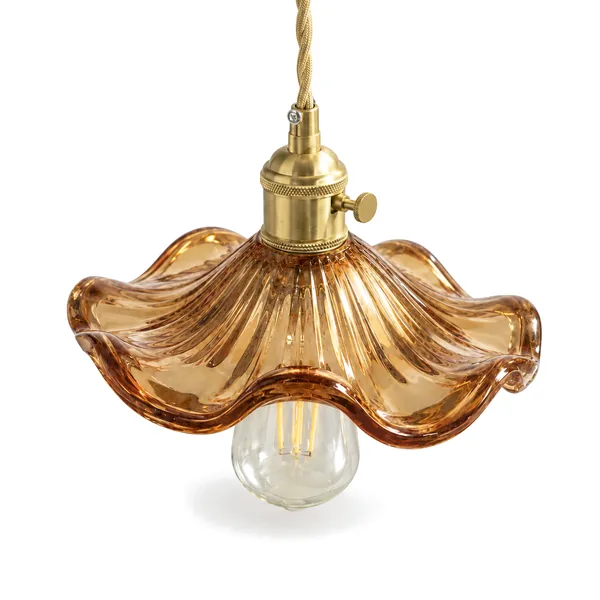
Glora Nordic Glass Pendant Light with Copper
 Save $120.00
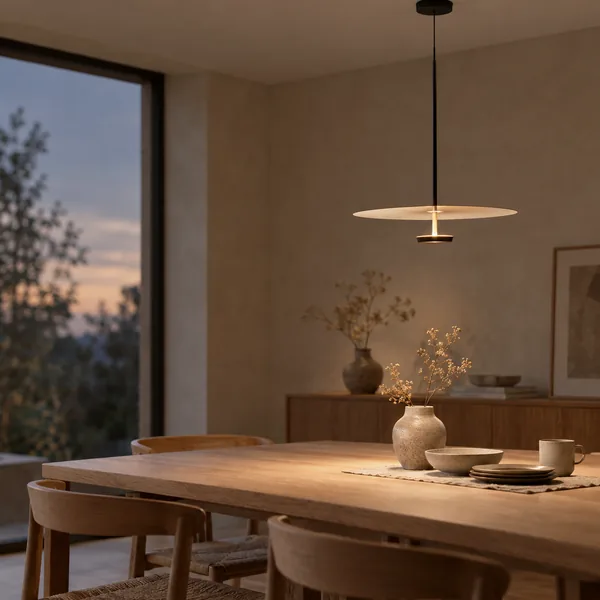
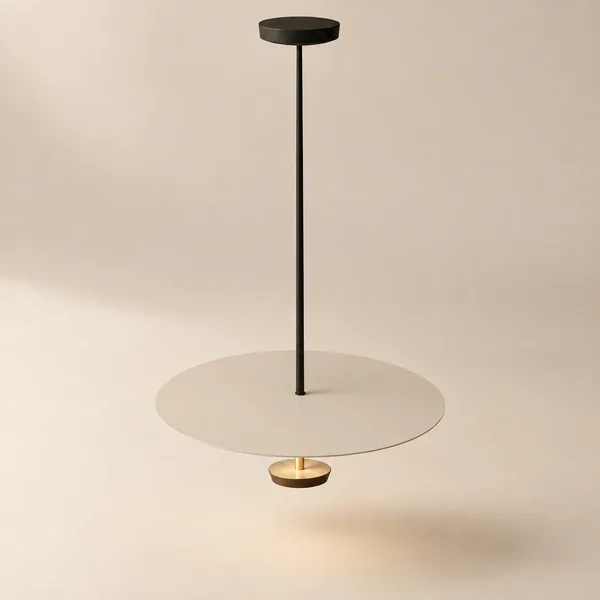
Skiva Nordic Saucer Ceiling Pendant Light LED
Layering Light: The Scandinavian Approach to Dining Room Ambiance
The most sophisticated dining room lighting ideas don't rely on single sources—they orchestrate multiple layers working in harmony. Scandinavian design excels at this. Rather than flooding spaces with uniform brightness, Nordic interiors build atmosphere through deliberate contrasts: pools of warm light against pockets of shadow, creating depth and visual interest.
Combining Floor Lamps with Pendant Lights and Other Sources
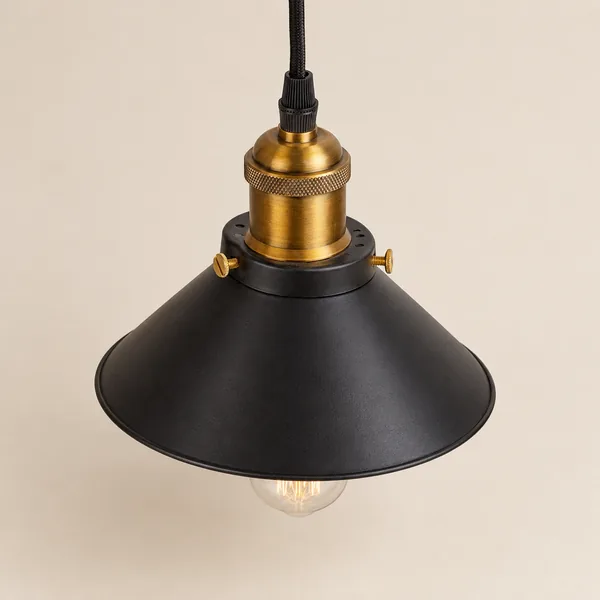
Even with a beautiful floor lamp dining table arrangement, consider how it interacts with other light sources. Pendant Lights provide focused downward illumination perfect for task visibility, while floor lamps contribute the ambient warmth that makes spaces feel lived-in rather than staged.
The ideal dining lighting trio includes:
- Ambient layer: Your dining room floor lamp or natural window light providing base illumination
- Task layer: Pendants or focused lighting for food visibility and practical function
- Accent layer: Candles, wall sconces, or dimmable table lamps for decorative sparkle
Each layer should be independently controllable. Dimmers are essential, allowing you to adjust from bright preparation light to intimate dining ambience with a single touch.
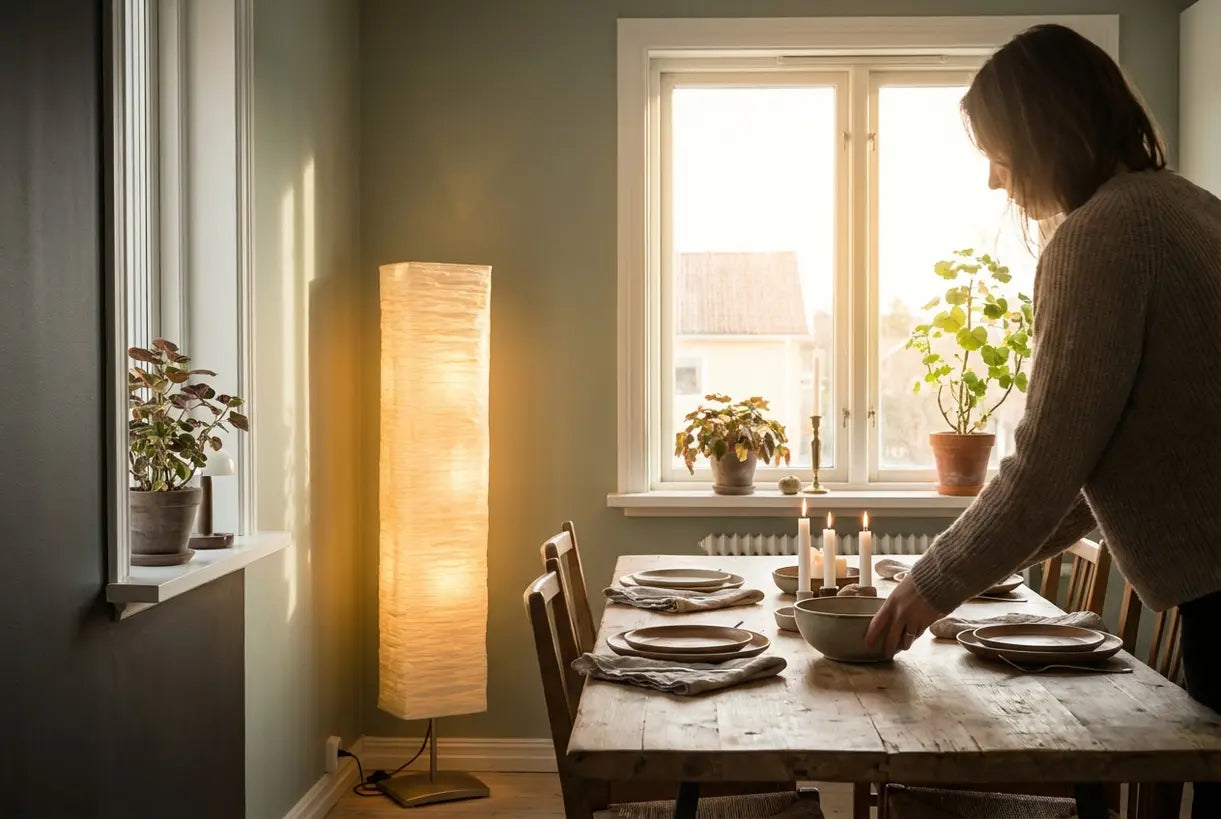
Design Tip: Keep bulb temperatures consistent across all sources. Mixing warm (2700K) and cool (4000K+) light creates jarring color mismatches that disrupt the cozy atmosphere you're cultivating. Aim for 2700K–3000K for that golden Scandinavian glow.
Conclusion: Embracing Intentional Dining Room Lighting
The dining room deserves better than afterthought lighting. Whether you're illuminating a compact breakfast nook or a grand formal space, a thoughtfully chosen floor lamp transforms the experience of gathering around the table. From the practical flexibility of standing lamp dining room arrangements to the emotional warmth of Scandinavian-inspired glow, the right fixture elevates every meal into something worth savoring.
At Skonne, we curate dining room floor lamp selections that honor the Nordic tradition of hygge—that untranslatable concept of cozy contentment that only quality lighting can create. Whether you're drawn to organic mushroom silhouettes, handcrafted paper shades, or sculptural brass statements, your perfect dining companion awaits.
Related Article
Arco Floor Lamp & Iconic Designer Floor Lamps: Investment Pieces Worth KnowingExploring the legendary Arco floor lamp and other iconic designer lighting pieces that stand the test of time as worthy investments for design-conscious homes.