
Floor Lamp Grow Lights: The Best Standing Lamps for Plants & Indoor Gardens
Summary›
- Understanding Floor Lamp Grow Lights
- Can Any Floor Lamp Work as a Grow Light?
- Features to Look for in a Quality Floor Lamp Grow Light
- The Aesthetic Advantage: Design-Forward Indoor Plant Lighting
- Strategic Placement for Maximum Plant Health
- Curated Floor Lamps for the Design-Conscious Plant Parent
- Caring for Your Indoor Garden Through the Seasons
- Conclusion: Cultivating Beauty Inside and Out
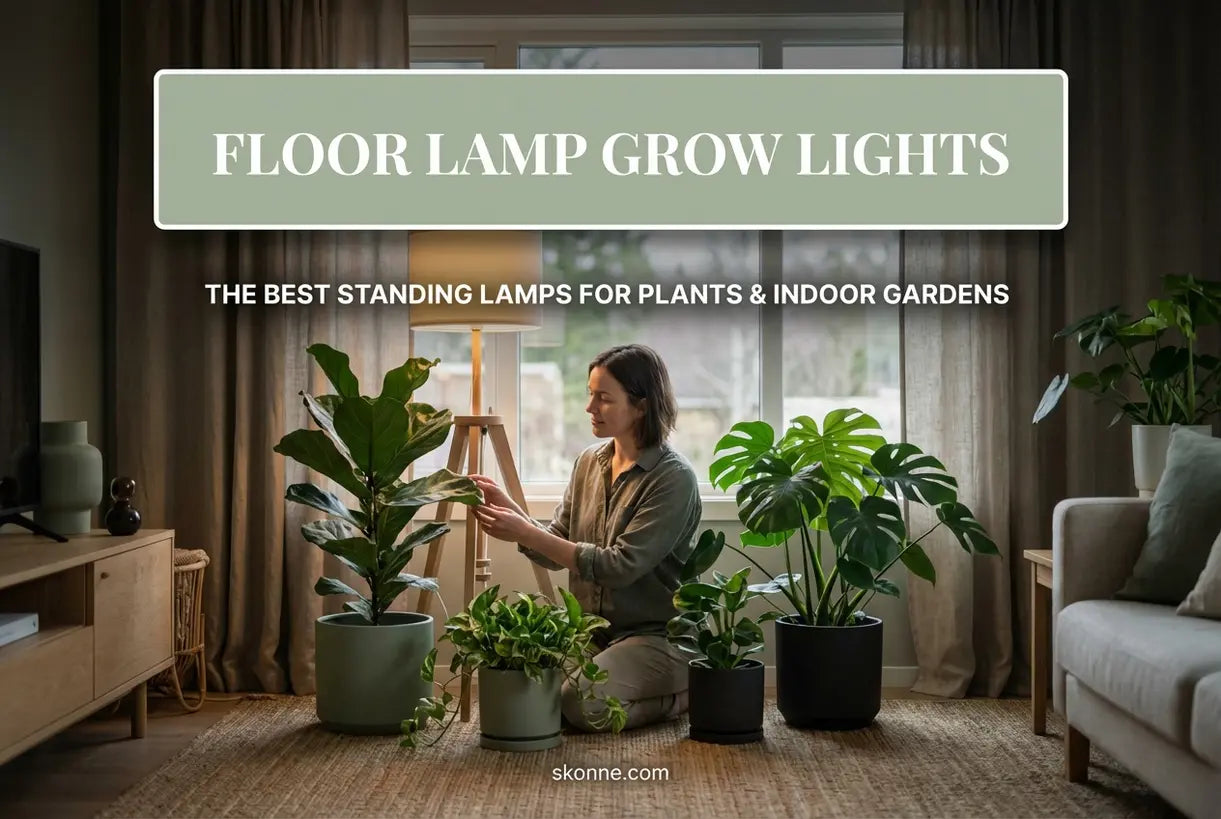
Creating a thriving indoor garden requires more than just water and soil—it demands the right indoor plant lighting that supports photosynthesis while honoring your aesthetic sensibilities. For design-conscious plant parents, the challenge has always been finding standing grow lights that don't look like industrial laboratory equipment. The answer lies in a beautifully designed floor lamp grow light that elevates your space while nourishing your leafy companions.
At Skonne, we believe that caring for plants should feel as intentional as caring for your home. A full spectrum floor lamp offers the perfect marriage of function and form, providing your indoor jungle with essential light wavelengths while maintaining the Scandinavian-inspired aesthetic you've cultivated. Whether you're nurturing a single statement fiddle leaf fig or an entire wall of trailing pothos, understanding how to choose the right floor lamp for plants transforms both your plants' health and your room's atmosphere.
Understanding Floor Lamp Grow Lights
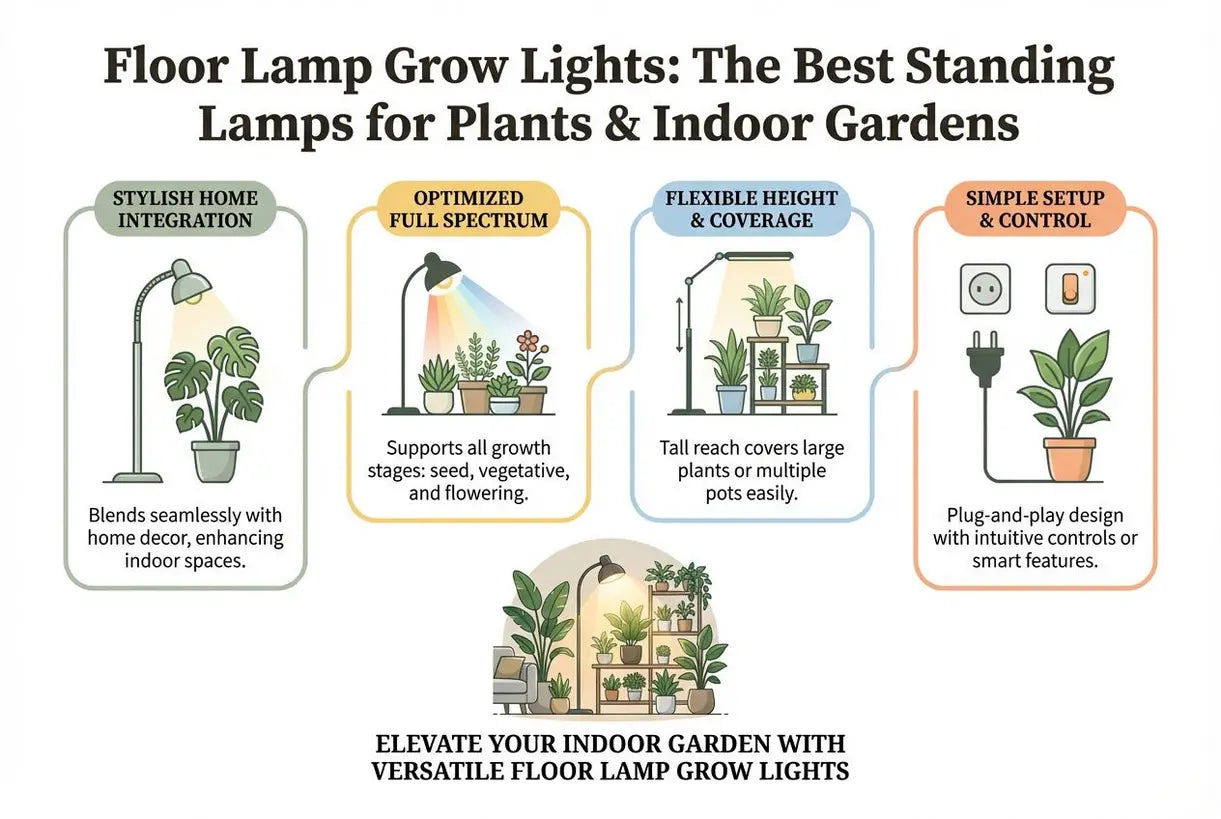
Not all lighting is created equal when it comes to photosynthesis. Plants require specific wavelengths of light—primarily red and blue spectrums—to convert energy into growth. While traditional incandescent bulbs emit limited usable light, modern LED technology allows for standing grow lights to deliver targeted wavelengths efficiently while consuming minimal energy.
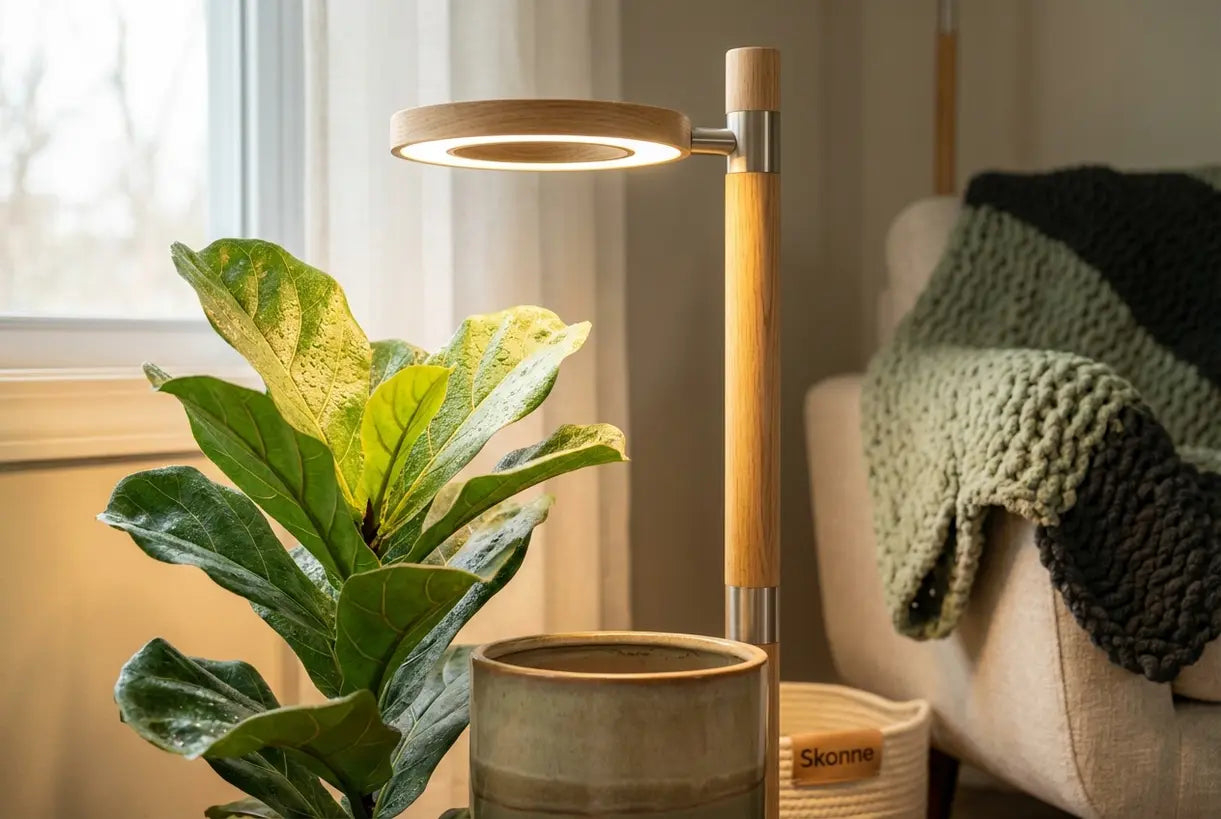
A quality floor lamp grow light incorporates full-spectrum LEDs that mimic natural sunlight, supporting everything from propagation to flowering. These specialized floor lamps typically feature adjustable height mechanisms and articulating heads, allowing you to position light precisely where your plants need it most. The best part? Contemporary designs have evolved dramatically from the clinical-looking fixtures of the past, embracing natural materials and organic silhouettes that complement—not compete with—your interior design.
For those exploring complementary lighting options, our Table Lamps collection offers smaller-scale accent pieces that can create layered ambient environments for your plants.
Can Any Floor Lamp Work as a Grow Light?
This is perhaps the most common question among indoor gardeners. The short answer: most standard floor lamps aren't ideal for plant growth. Regular LED or incandescent bulbs typically lack the specific wavelength intensity that plants require for photosynthesis. While a standard lamp might provide enough ambient light for a low-light tolerant snake plant, it won't deliver the concentrated spectrum necessary for light-hungry species like succulents, herbs, or flowering tropicals.
However, this doesn't mean you need to sacrifice style for functionality. Today's best indoor plant lighting solutions embrace natural materials, warm finishes, and thoughtful design details that align with Scandinavian aesthetics. The key is selecting fixtures specifically engineered with plant-loving LED technology housed within frames that complement your curated space.
Design Tip: Look for floor lamps that incorporate warm-toned wood, natural fibers, or ceramic elements—these organic materials create visual harmony with your plants while the specialized LED technology works silently below the surface.
Features to Look for in a Quality Floor Lamp Grow Light
When evaluating standing grow lights for your indoor garden, several features distinguish exceptional fixtures from basic options:
- Full Spectrum LED Technology: Seek lamps offering wavelengths between 400-700nm, covering both blue light (for vegetative growth) and red light (for flowering and fruiting)
- Adjustable Height and Positioning: The ability to raise or lower your lamp ensures you're providing optimal light intensity as plants grow
- Timer Functionality: Consistent light cycles matter—automated timers help establish the 12-16 hour daily light exposure most houseplants need
- Energy Efficiency: Quality LED grow lamps use significantly less electricity than older grow light technologies
- Aesthetic Integration: The lamp should look intentional in your space, not like an afterthought
Floor Lamps
Shop all Floor Lamps
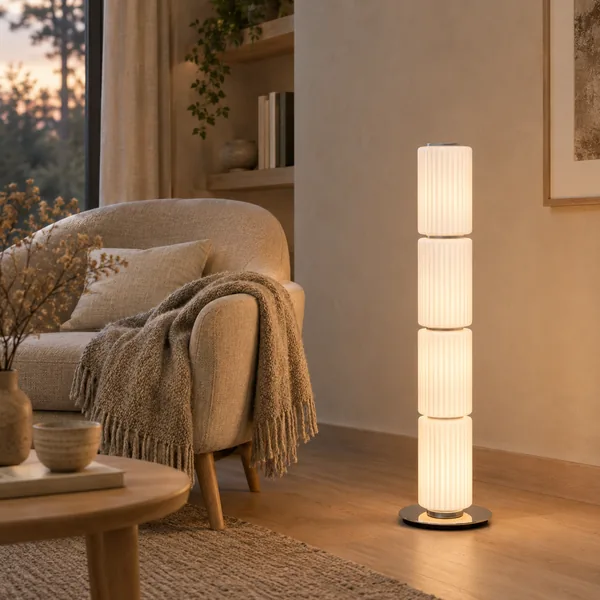
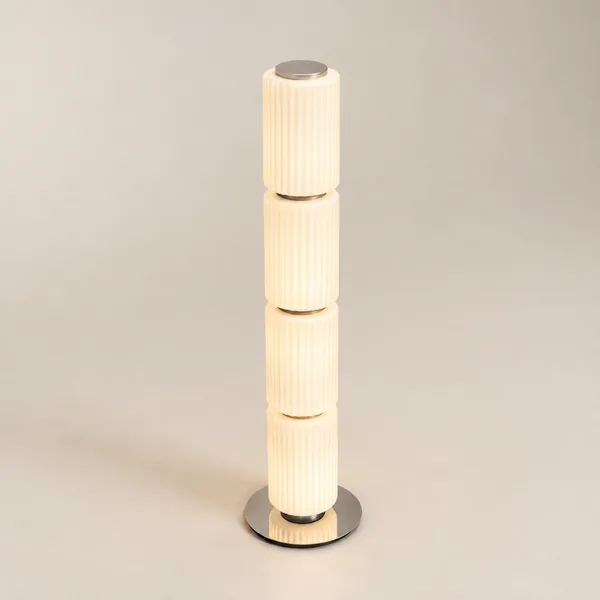
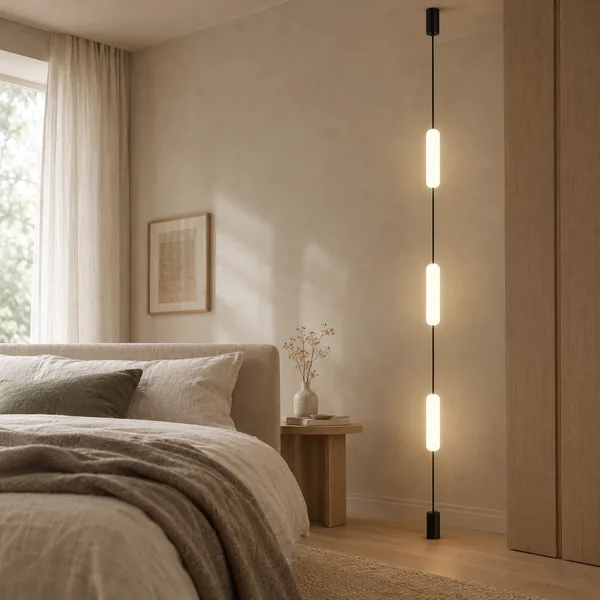
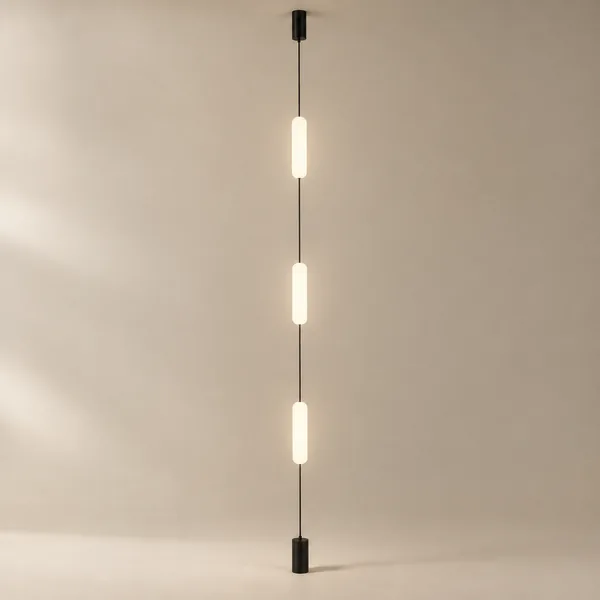
The Aesthetic Advantage: Design-Forward Indoor Plant Lighting
The evolution of plant lighting has finally caught up with contemporary interior design sensibilities. No longer must indoor gardeners choose between thriving plants and a cohesive aesthetic. Modern floor lamp for plants options embrace the same principles that define Scandinavian design: simplicity, natural materials, and intentionality.
This shift matters because our living spaces are increasingly viewed as sanctuaries. The plants we nurture and the lighting we choose both contribute to an atmosphere of calm and wellbeing. When your standing grow lights double as sculptural floor lamps, you eliminate visual clutter while supporting multiple aspects of a healthy home environment.
Introducing the Stille Japanese Wabi-Sabi Floor Lamp
For the plant parent who values organic materials and artisanal craftsmanship, the Stille Japanese Wabi-Sabi Solid Wood Floor Lamp represents the pinnacle of design-conscious indoor plant lighting. Handcrafted from solid wood, this floor lamp brings warmth and intentionality to any indoor garden setup.
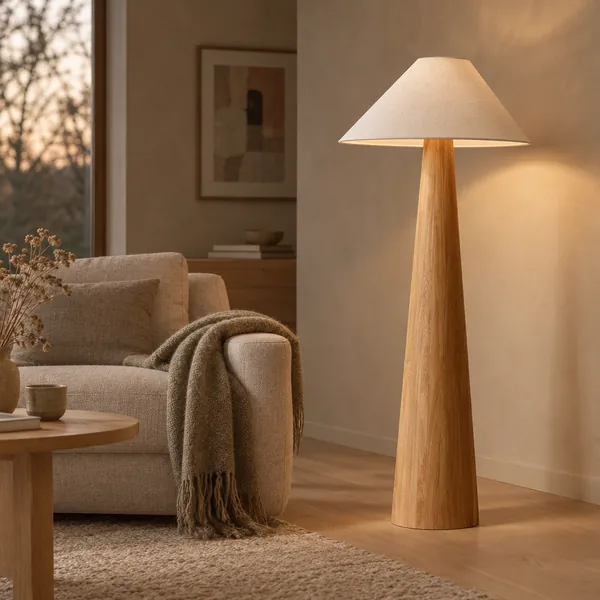 Stille Japanese Wabi-Sabi Solid Wood Floor Lamp$399.00$699.00
The wabi-sabi philosophy—that beauty exists in imperfection and transience—resonates deeply with plant care. Just as we learn to appreciate the natural growth patterns and occasional asymmetry of our plants, this handcrafted wooden floor lamp celebrates organic grain patterns and artisanal details. The LED technology within provides the specific light spectrum your plants crave while the exterior maintains the warm, intentional atmosphere of a Scandinavian-inspired home.
Strategic Placement for Maximum Plant Health
Positioning your floor lamp grow light correctly is as important as selecting the right fixture. Most houseplants thrive when receiving 12-16 hours of light daily, but intensity and distance matter significantly.
For seedlings and low-light plants like pothos or philodendron, position your lamp 12-18 inches above the foliage. Medium-light plants such as monstera and ficus prefer 6-12 inches of distance, while light-hungry succulents and herbs benefit from placement 6 inches or closer. Adjustable floor lamps make these modifications effortless as your plants grow and their needs evolve.
Consider the direction of natural light in your space as well. A thoughtfully placed full spectrum floor lamp can supplement morning or afternoon sun in darker corners, extending your viable plant zones beyond windowsills. The goal is creating consistent, distributed light that eliminates harsh shadows and supports even growth.
Curated Floor Lamps for the Design-Conscious Plant Parent
Building upon the philosophy that functional plant care should never compromise style, we've selected two additional pieces that exemplify the marriage of horticultural support and Scandinavian design principles.
Elevated Lighting for Your Indoor Garden
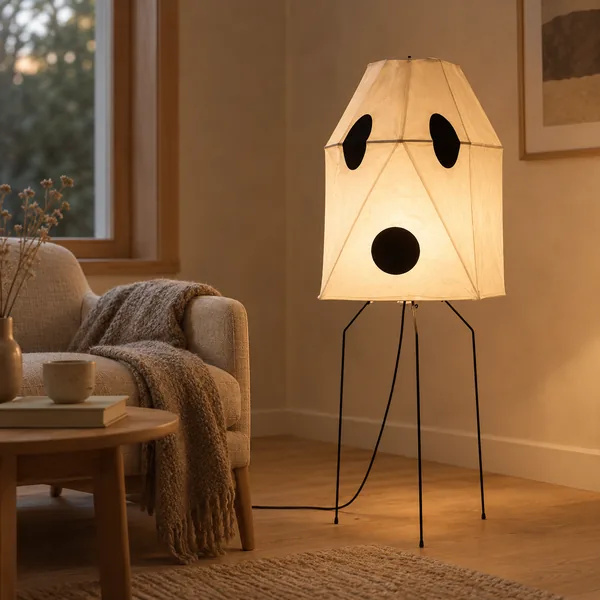 Stillvei Wabi-Sabi Rice Paper Floor Lamp 57in$389.00$529.00
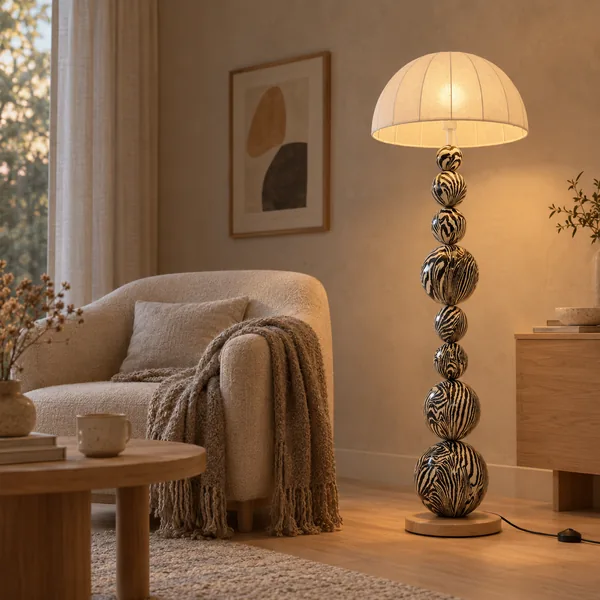
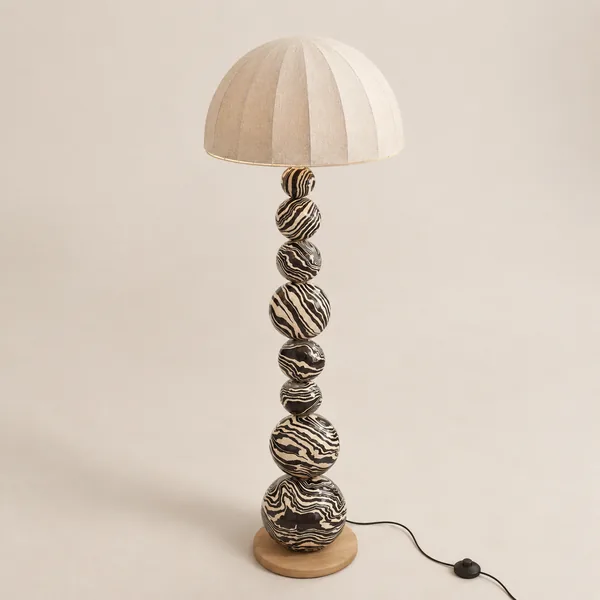
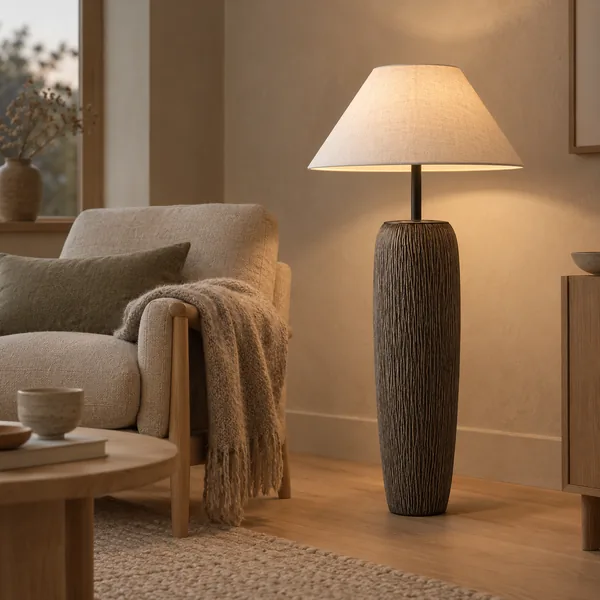 Vasten Artisan Japanese Ceramic Floor Lamp$394.00$569.00
The Stillvei Wabi-Sabi Rice Paper Floor Lamp demonstrates how traditional materials can house modern LED technology. The translucent rice paper shade diffuses light softly, creating the gentle, dappled effect that many tropical understory plants prefer. At 57 inches tall, it provides ample height adjustment potential for everything from small succulents to reaching monstera leaves.
Meanwhile, the Vasten Artisan Japanese Ceramic Floor Lamp brings sculptural presence to plant display areas. The hand-finished ceramic base anchors the piece with artistic weight while the warm LED illumination supports growth below. This lamp particularly complements spaces where plants serve as living art—its own ceramic craftsmanship creates visual dialogue with glossy leaves and organic plant forms.
Living Room Lighting
Shop all Living Room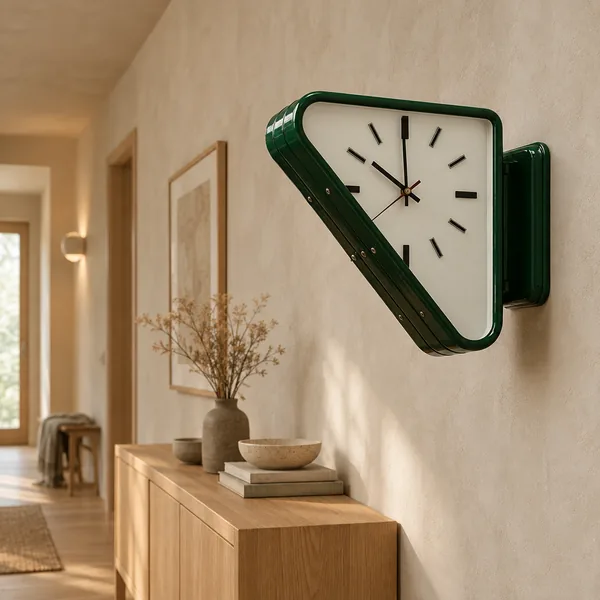
 Save $110.00
 +15 options
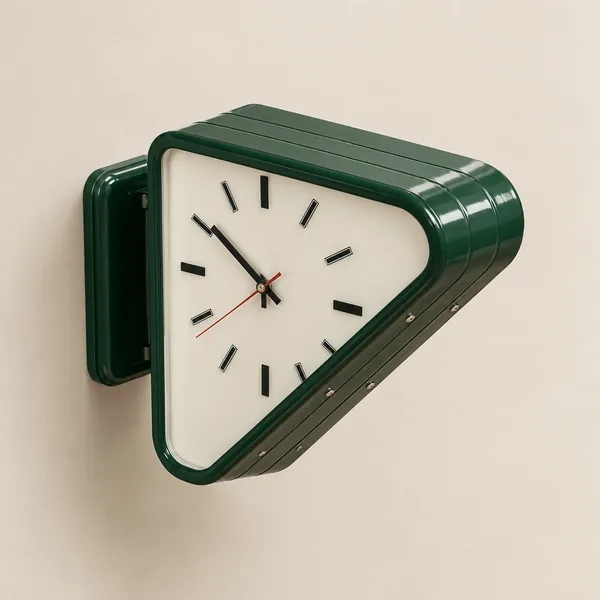
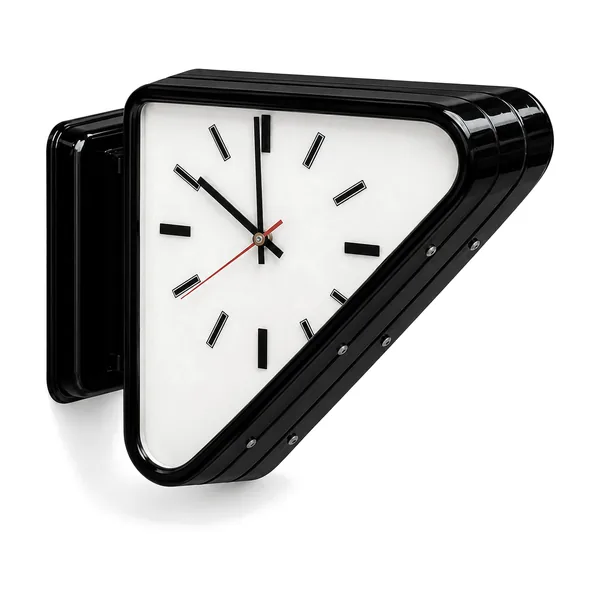
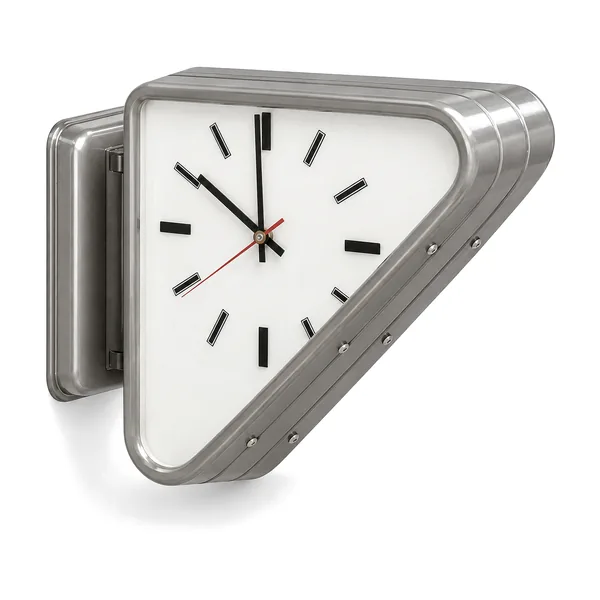
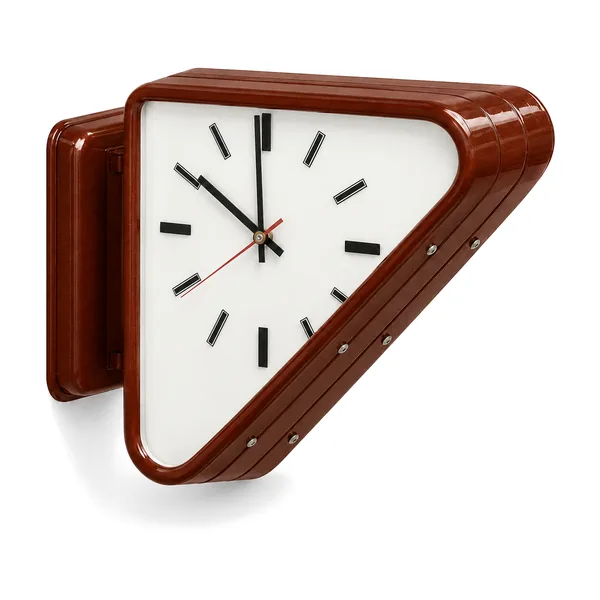
Tvilling Dual-Sided Geometric Metal Wall Clock
 Save $70.00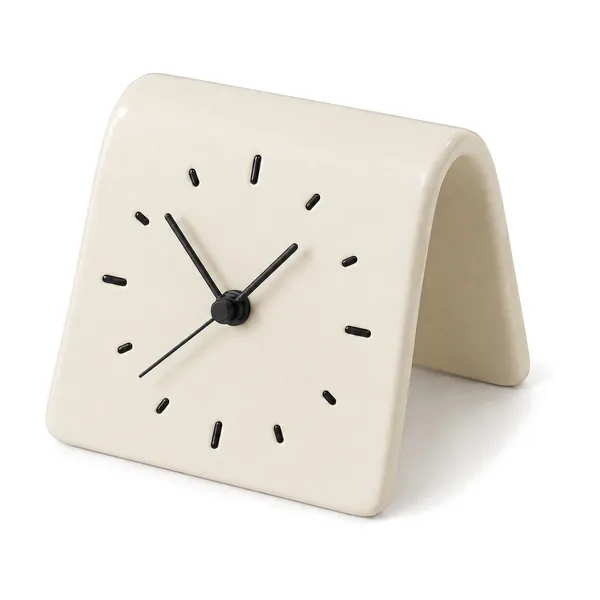
 +37 options
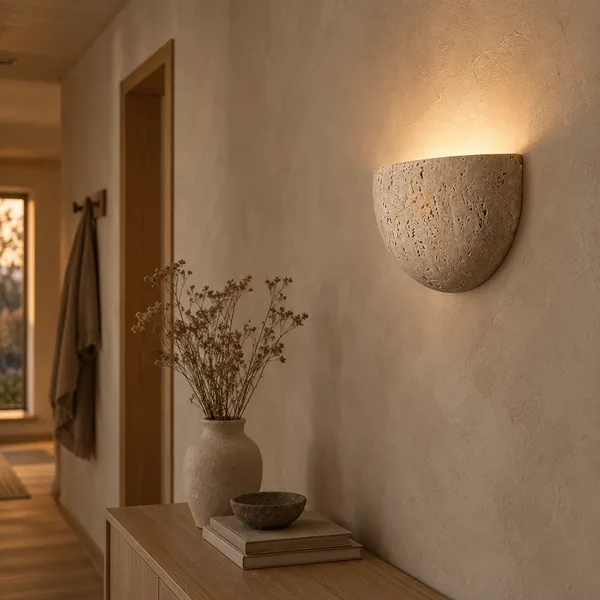
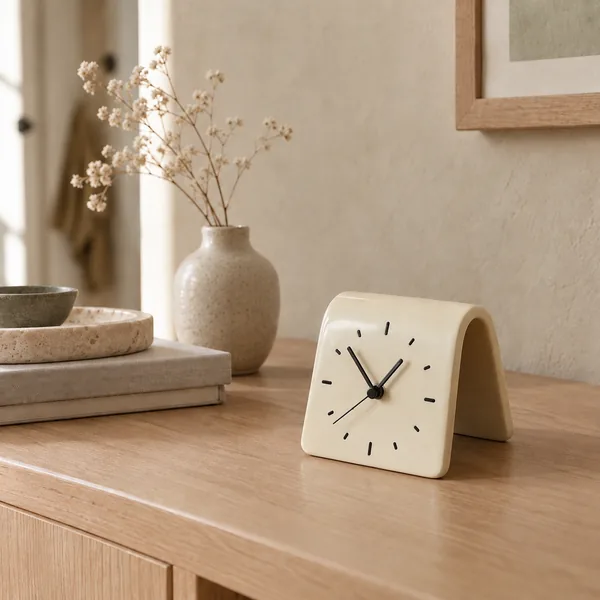
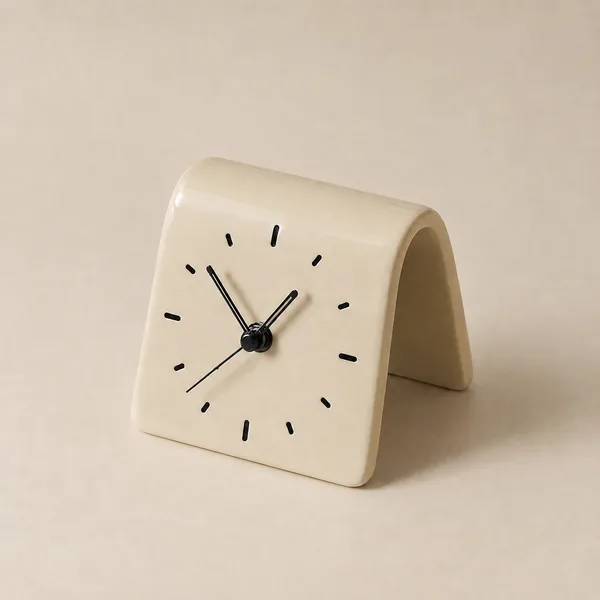
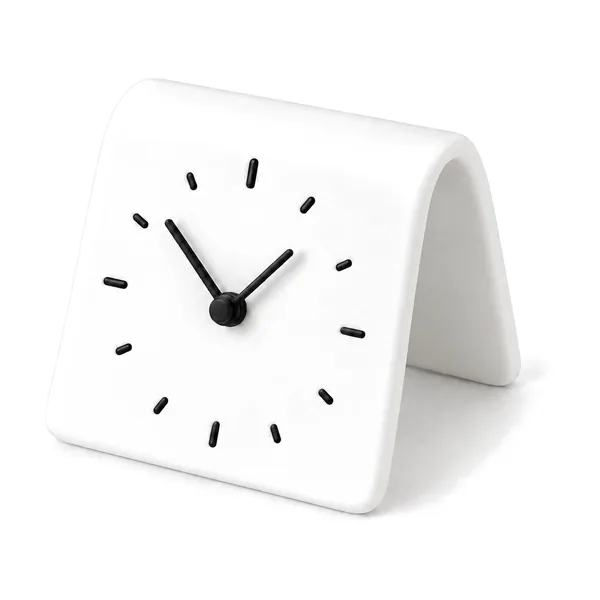
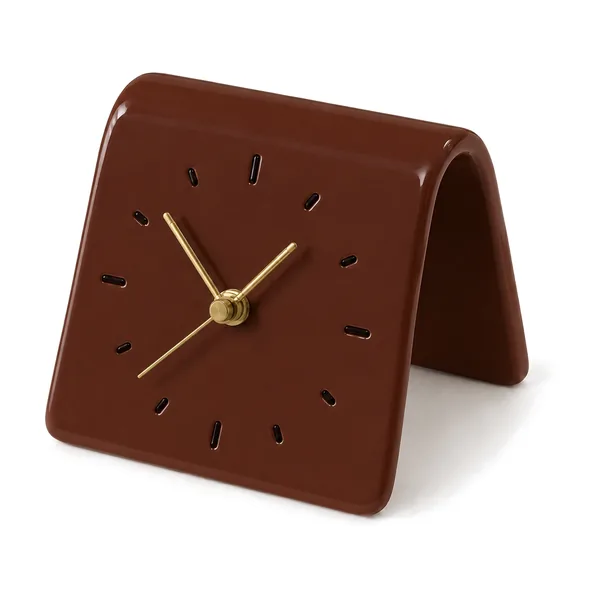
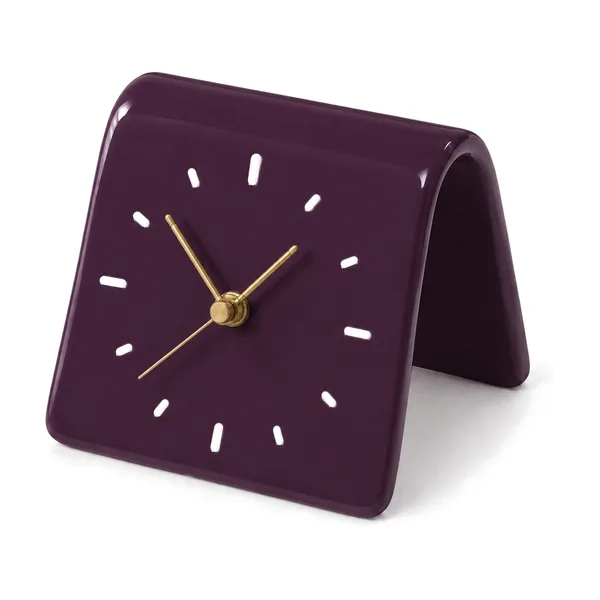
Tilje Silent Ceramic Desk Clock for Modern Homes
Caring for Your Indoor Garden Through the Seasons
As daylight hours shift with the seasons, your plants' lighting needs evolve accordingly. During autumn and winter months when natural light diminishes, a floor lamp grow light becomes essential rather than supplementary. This consistent artificial support prevents the leggy, weak growth that often plagues houseplants during darker periods.
Spring and summer present different challenges—intense direct sunlight through windows can scorch delicate leaves, making strategic lamp placement away from harsh rays preferable. The adjustability of quality standing grow lights allows you to respond to these seasonal fluctuations with ease, maintaining optimal conditions year-round.
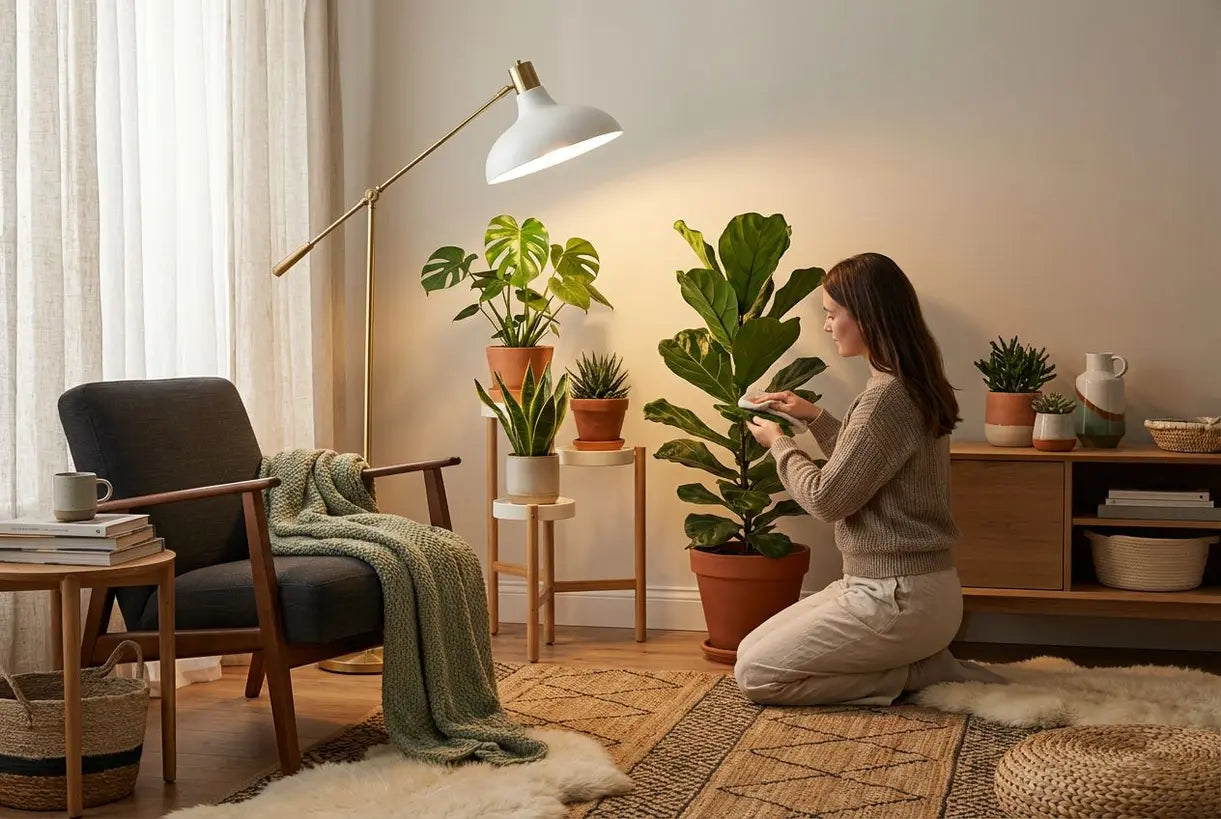
Beyond plant health considerations, the psychological benefits of indoor gardens supported by thoughtful indoor plant lighting are well-documented. Studies consistently show that interaction with plants and exposure to green spaces reduces stress and enhances wellbeing. When your plant care tools—like a beautifully designed floor lamp—contribute to a cohesive, calming environment, these benefits amplify.
Hygge Tip: Create a dedicated plant corner with your floor lamp as the centerpiece. Add a comfortable chair positioned to enjoy your thriving indoor garden, transforming plant care from a chore into a mindful ritual of connection with nature.
Conclusion: Cultivating Beauty Inside and Out
The right floor lamp for plants transcends mere functionality—it becomes an integral part of your home's design narrative while supporting the living organisms that share your space. As we've explored, modern standing grow lights no longer require aesthetic compromise; they can embody the same Scandinavian principles of simplicity, natural materials, and intentional living that define your interior style.
At Skonne, our curated collection of floor lamps embraces this philosophy. Each piece—whether the organic warmth of solid wood, the gentle diffusion of rice paper, or the artistic presence of handcrafted ceramic—supports thriving indoor gardens while elevating your space. The full spectrum floor lamp you choose becomes not just a tool for plant care, but a statement about how you choose to live: thoughtfully, beautifully, and in harmony with the natural world.
Explore our complete collection to discover the perfect lighting solution for your indoor garden. Your plants—and your design sensibilities—deserve nothing less.
Related Article
Dining Room Floor Lamps: How to Use a Standing Lamp to Light Your Dining SpaceLearn how to use a dining room floor lamp to create warm, intentional lighting. Discover placement tips, Scandinavian styling ideas, and the best standing lamps for your dining space.