
Dining Room Wall Lights: How to Layer Ambience with Wall Sconces Around Your Table
Summary›
- Understanding Layered Lighting in Dining Rooms
- Where Should Wall Sconces Be Placed in a Dining Room?
- Optimal Sconce Height and Proportion Guidelines
- Layering Techniques: How to Combine Sconces with Overhead Lighting
- Material and Finish Selection for Scandinavian Dining Rooms
- Sizing Guidelines and Spatial Planning
- Conclusion: Creating Your Layered Ambiance
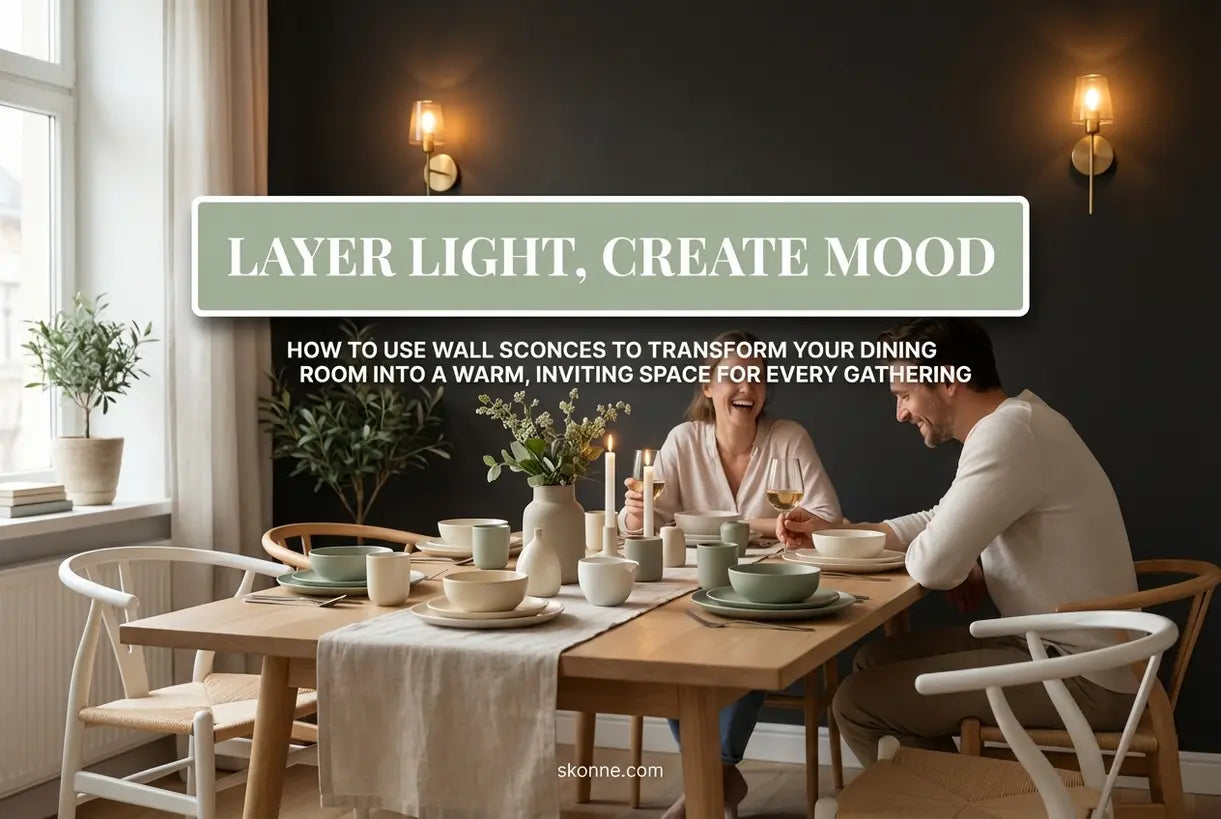
The secret to a dining room that feels truly inviting often lies not in the chandelier alone, but in how you layer your lighting sources. While overhead fixtures provide essential illumination, it is the thoughtful placement of dining wall light fixtures that transforms a functional space into an intimate gathering place. Understanding how to position wall sconces around your dining table allows you to create depth, eliminate harsh shadows, and establish that coveted hygge atmosphere that makes lingered conversations feel inevitable.
Whether you are refreshing an existing space or designing from scratch, mastering the art of layering ambience with dining wall sconces requires both technical knowledge and an eye for cohesive design. In this guide, we will explore placement strategies, mounting heights, and design principles that elevate your dining experience—plus curated fixture recommendations that embody the clean, warm aesthetic of modern Scandinavian living.
Understanding Layered Lighting in Dining Rooms
Layered lighting is the foundation of professional interior design, particularly in dining spaces where mood matters as much as function. Rather than relying on a single overhead source, layered lighting combines ambient, task, and accent illumination to create dimensional warmth. Wall sconces serve a unique dual purpose in this framework: they contribute to ambient light distribution while acting as decorative elements that frame your dining narrative.
The Danish concept of hygge—that feeling of cozy contentment—depends heavily on controlling light levels throughout an evening. Bright overhead lighting might suffice for Tuesday night homework sessions, but Saturday dinner parties require something softer, more atmospheric. This is precisely where well-chosen wall lights prove their worth, offering dimmable alternatives that adapt to your lifestyle.
The Three Layers Every Dining Room Needs
To achieve professional-quality lighting, consider your dining room in three distinct layers:
- Ambient lighting provides overall illumination—typically your ceiling fixture or recessed lighting
- Task lighting focuses on specific functional areas such as sideboards or serving stations
- Accent lighting highlights architectural features, artwork, or creates decorative intrigue
Wall sconces excel primarily as accent lighting, though when strategically positioned around dining walls, they also supplement ambient illumination. The key is selecting fixtures that complement your primary overhead piece without competing for attention. Consider exploring our Adjustable Wall Lights collection for options that offer flexibility in directing light precisely where needed.
Dining Room Lighting
Shop all Dining Room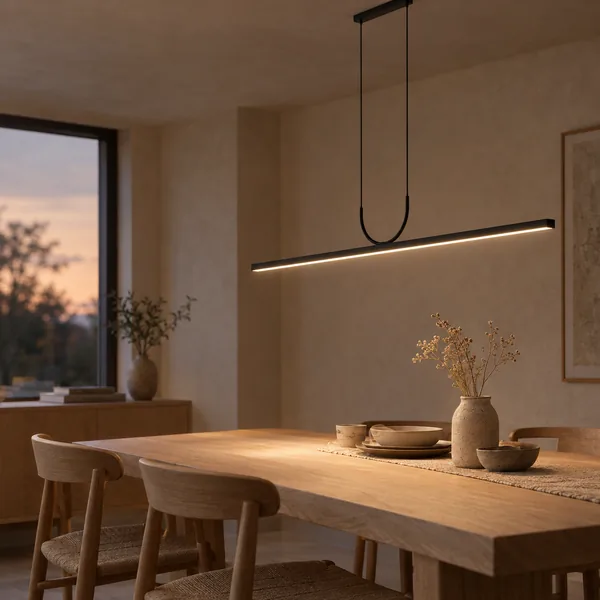
 Save $140.00
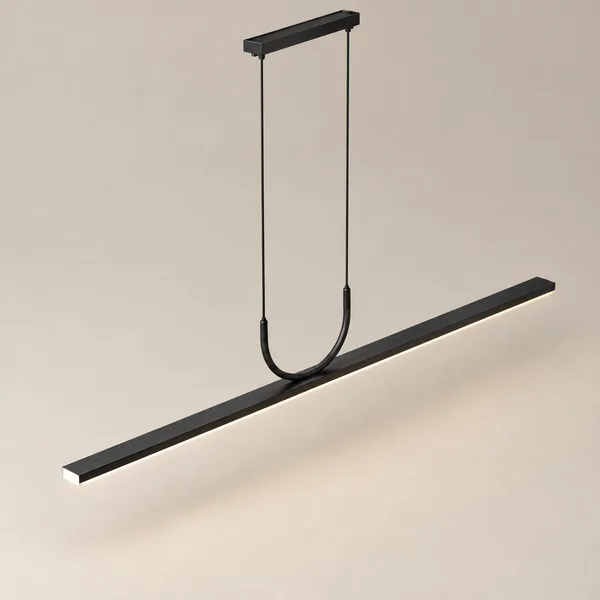
Linné Minimalist Linear Black LED Pendant Light
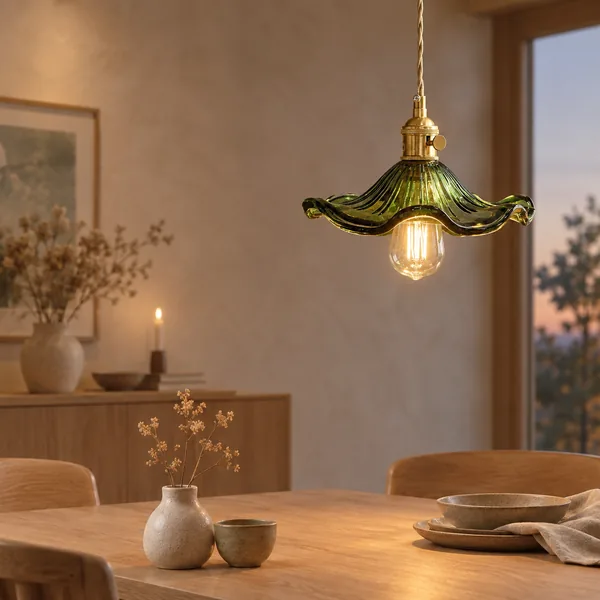
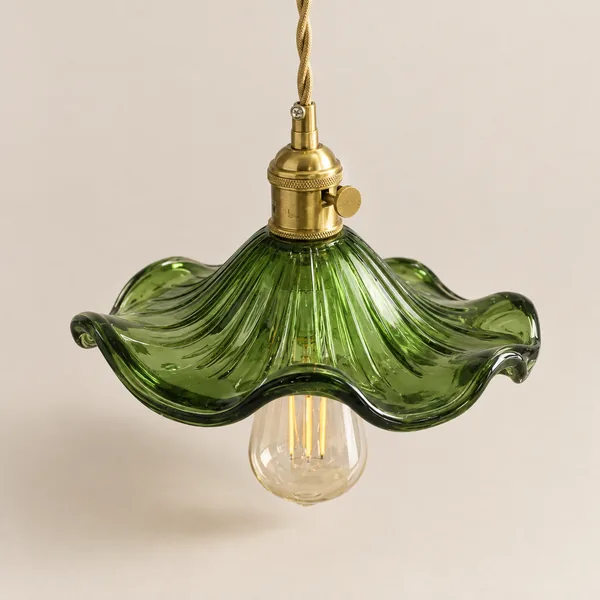 Save $60.00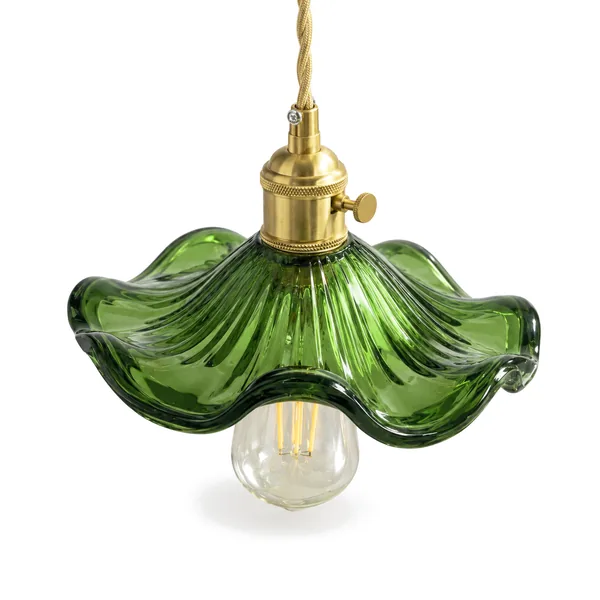
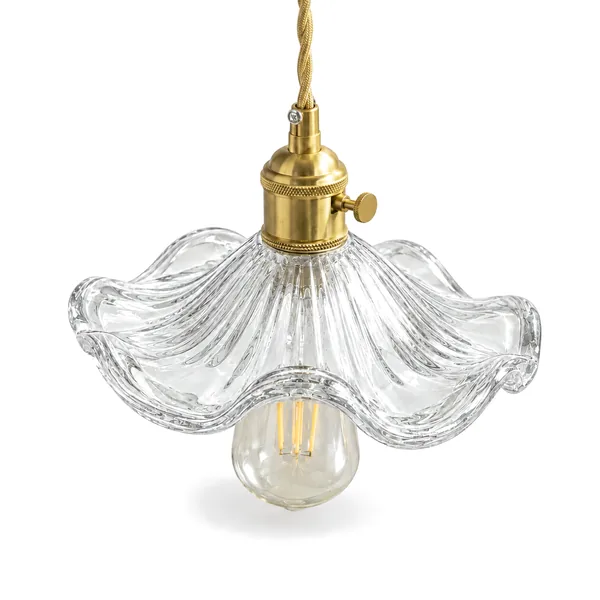
 3 options
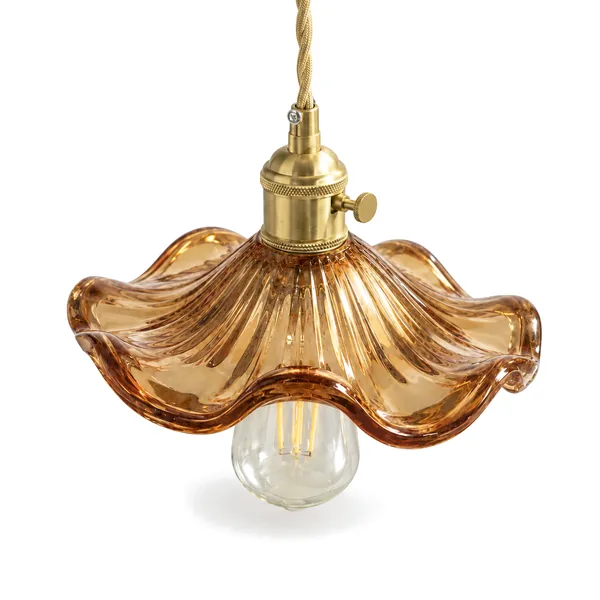
Glora Nordic Glass Pendant Light with Copper
 Save $120.00
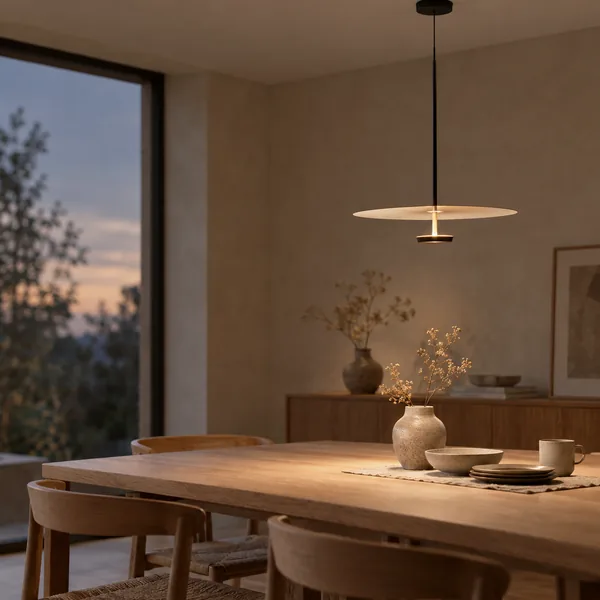
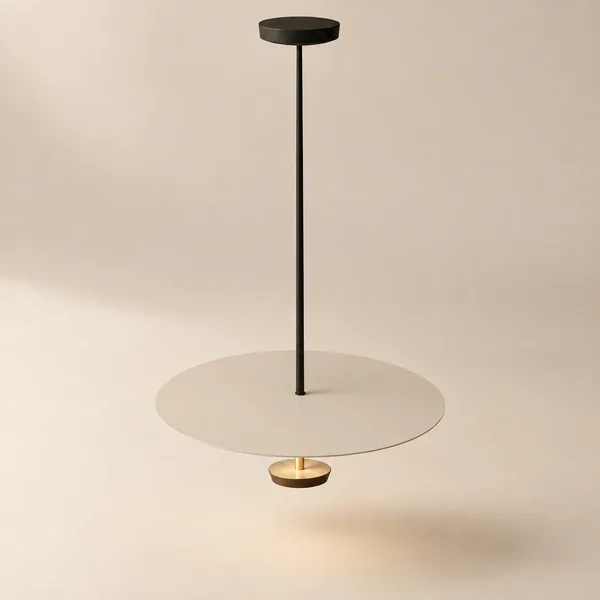
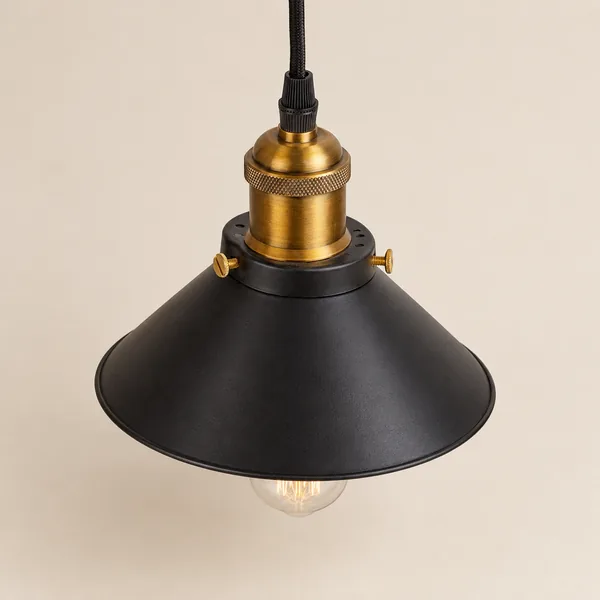
Skiva Nordic Saucer Ceiling Pendant Light LED
Where Should Wall Sconces Be Placed in a Dining Room?
Placement determines whether your wall lights enhance or detract from your dining experience. Unlike living rooms where sconces might flank a fireplace or sofa, dining rooms require more intentional positioning relative to the table and surrounding architecture.
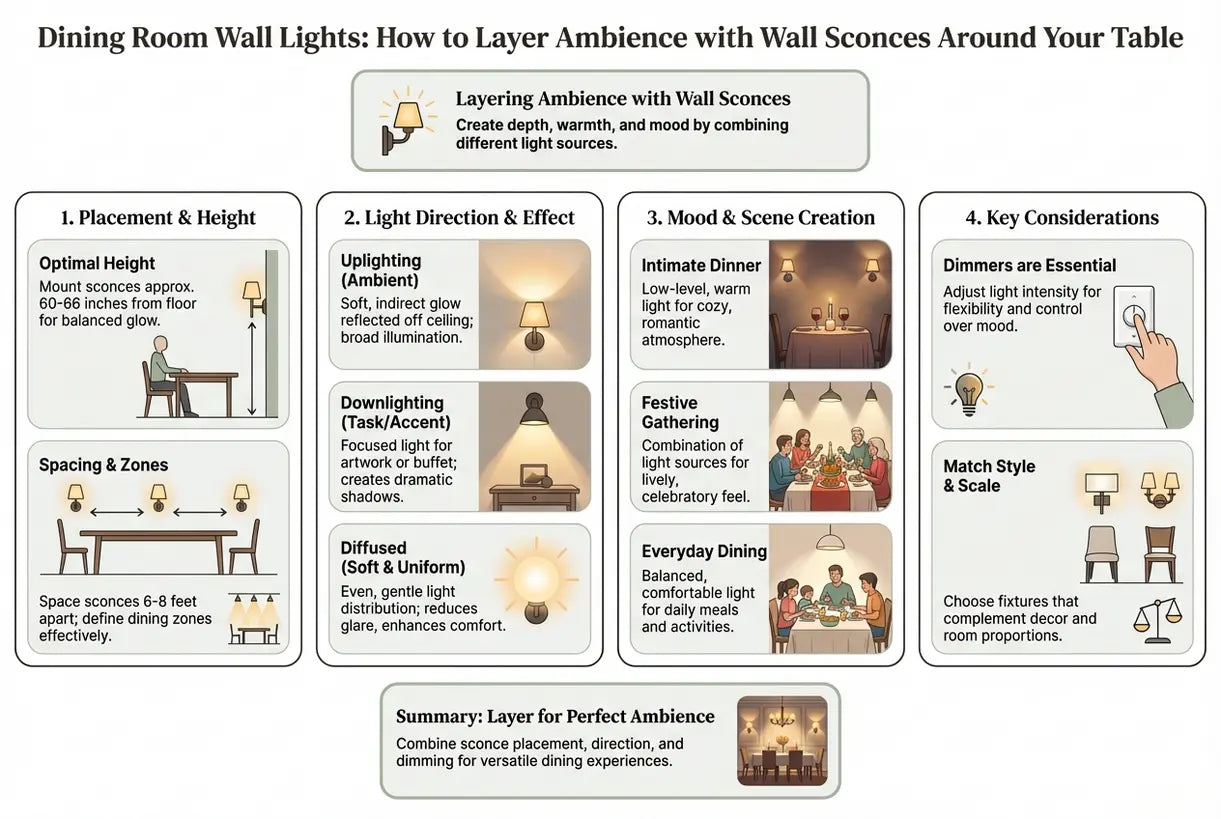
The most effective placement for dining wall sconces is typically alongside the dining table, mounted on the walls that run parallel to the table's length. This positioning creates a natural frame for the gathering space while casting light toward the table without creating direct glare in diners' eyes. For standard rectangular tables, consider installing sconces mid-way along each long wall, spaced approximately six to eight feet apart if using multiple fixtures.
Alternative placements include flanking a buffet or sideboard, which provides functional illumination for serving areas while maintaining visual balance in the room. Some designers also mount sconces above wainscoting or on walls opposite mirrors to maximize light reflection and perceived room size.
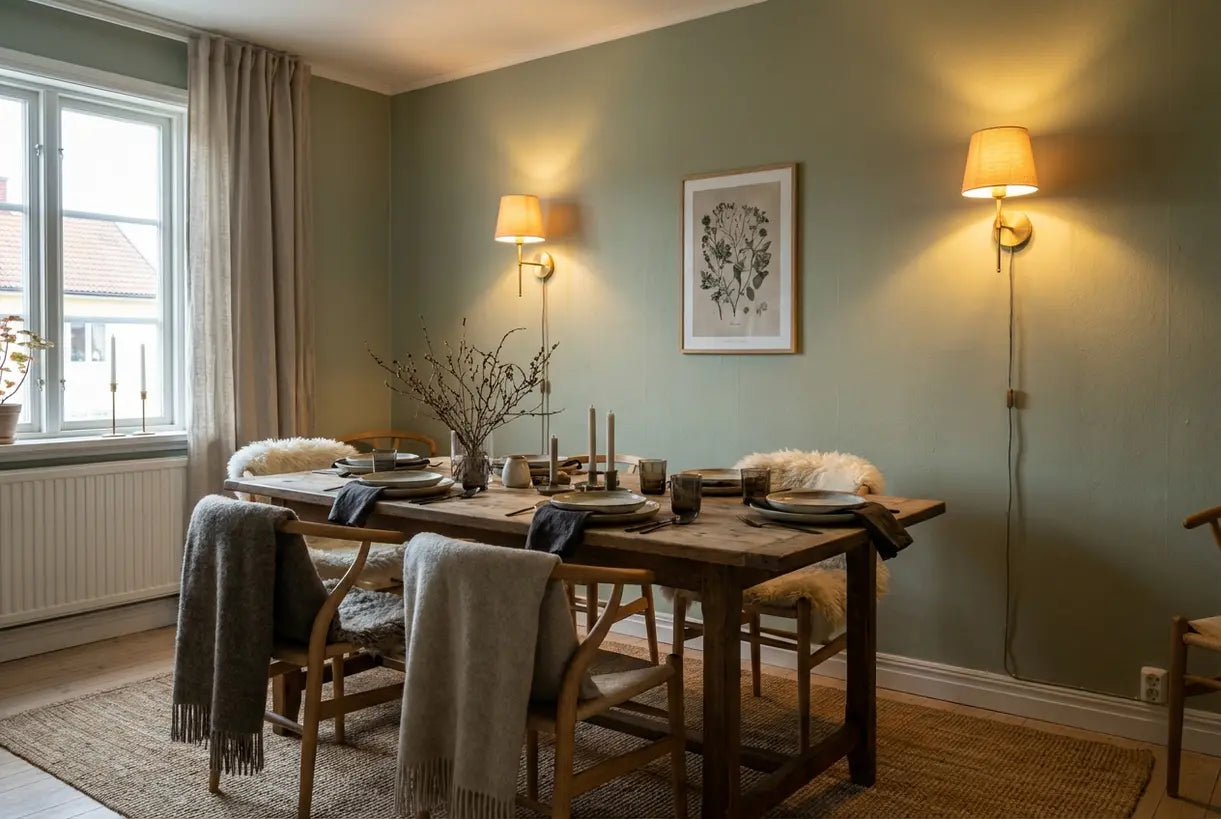
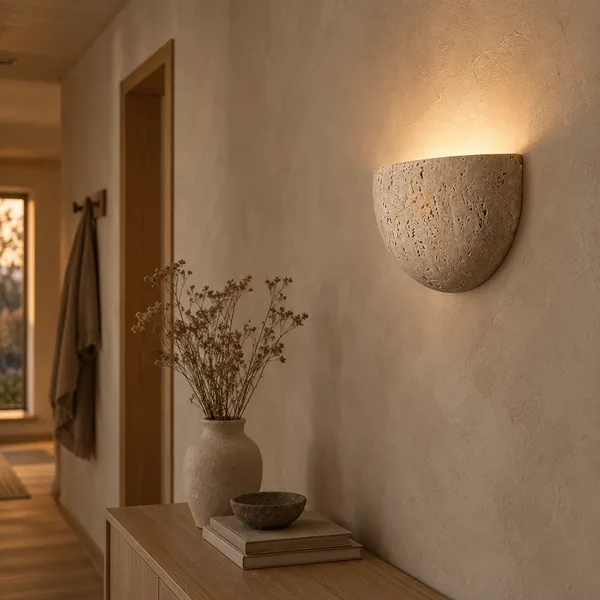
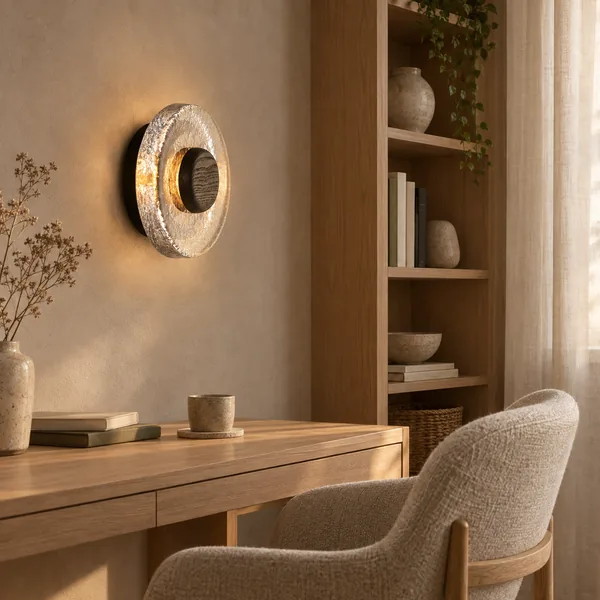
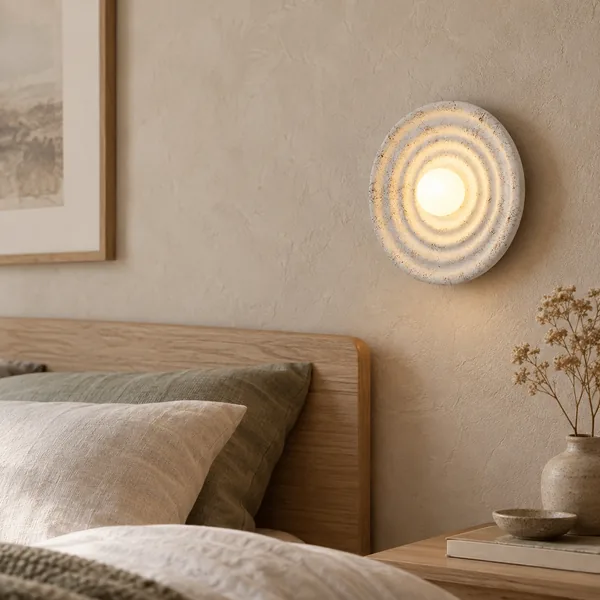 Lysring Circular LED Wall Light Wabi-Sabi Style$169.00$229.00
Optimal Sconce Height and Proportion Guidelines
Scale and proportion separate amateur installations from curated interior moments. When installing dining room wall sconces, mounting height directly impacts both the quality of light distribution and the overall room aesthetics.
Standard Mounting Heights for Dining Applications
The general rule for wall sconce placement suggests mounting fixtures between 60 and 72 inches from the floor. However, dining rooms present unique considerations. In spaces with standard 8-foot ceilings, position sconces approximately 66 inches high—roughly at eye level when standing. This height ensures light projections complement rather than compete with your overhead chandelier or pendant.
For rooms featuring chair rails or wainscoting, mount sconces approximately four to six inches above the molding. If your dining room includes a buffet or console, ensure sconces sit at least six inches above the tallest decorative objects to prevent crowding and light obstruction.
Pro Tip: Always consider the sconce's projection depth. Fixtures extending more than 8 inches from the wall may obstruct traffic flow or feel imposing in narrow dining spaces. Look for streamlined designs that complement rather than dominate your wall space.
Layering Techniques: How to Combine Sconces with Overhead Lighting
True lighting mastery involves orchestrating multiple sources to work in harmony. When layering dining wall light fixtures with pendants or chandeliers, consider the quality of light each source produces rather than simply their combined brightness.
Temperature matching proves crucial for cohesion. If your chandelier emits warm 2700K light, ensure your wall sconces produce similar warmth. Mixed color temperatures create jarring, unprofessional atmospheres that disrupt the dining mood. Many modern dining wall sconces now feature dimmable LEDs, allowing seamless transitions from bright family dinners to intimate evening entertaining.
Consider also the distribution patterns of your chosen fixtures. Upward-facing sconces wash ceilings with reflected light, visually expanding room height. Downward-facing designs provide more targeted illumination for sideboards or artwork. For dining applications, ambient-diffusing sconces—those that emit gentle light in multiple directions—typically create the most flattering dining ambience.
Material and Finish Selection for Scandinavian Dining Rooms
The aesthetic character of your wall sconces significantly influences your dining room's overall design language. Scandinavian-inspired spaces favor natural materials, matte finishes, and organic forms that feel intentional rather than ostentatious.
Matte black finishes remain perennially popular for dining wall sconces, offering dramatic contrast against light walls while receding visually when unlit. Brass and bronze tones introduce warmth that complements wooden furniture and neutral textiles. For contemporary Scandinavian spaces, consider textured glass, ceramic, or linen-inspired resin materials that diffuse light softly while contributing artisanal character.

Curated Dining Room Wall Lighting Selections
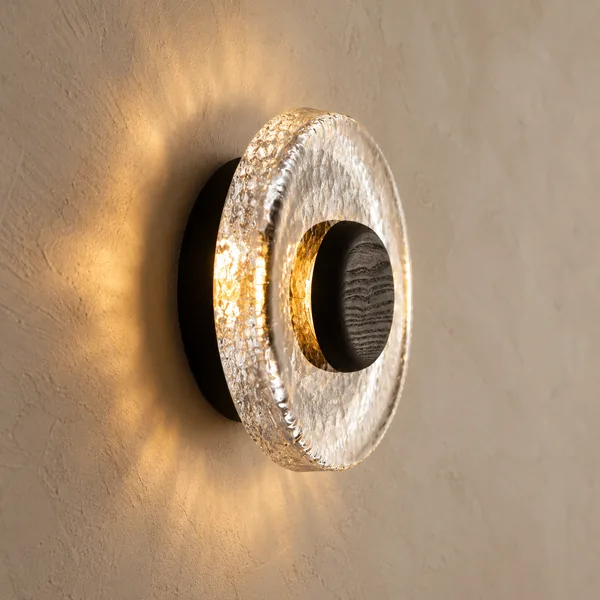
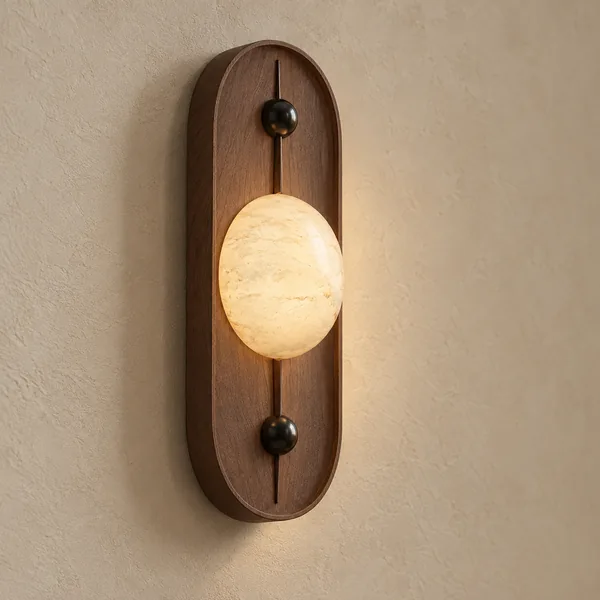
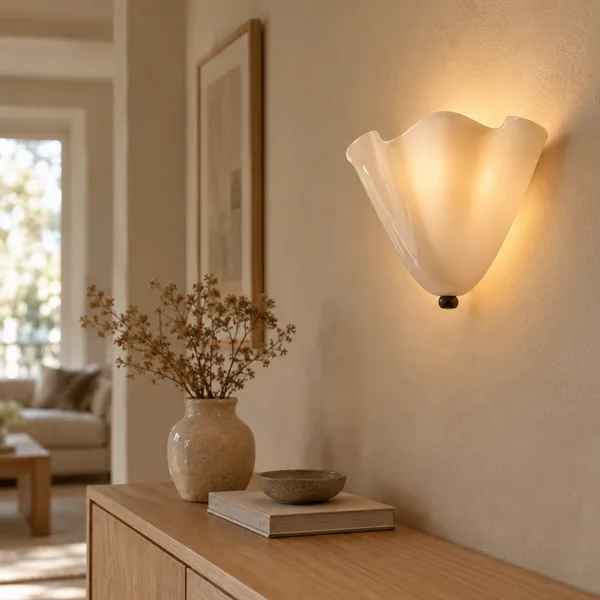 Glodsten Handcrafted Glass Stone LED Wall Light$259.00$319.00
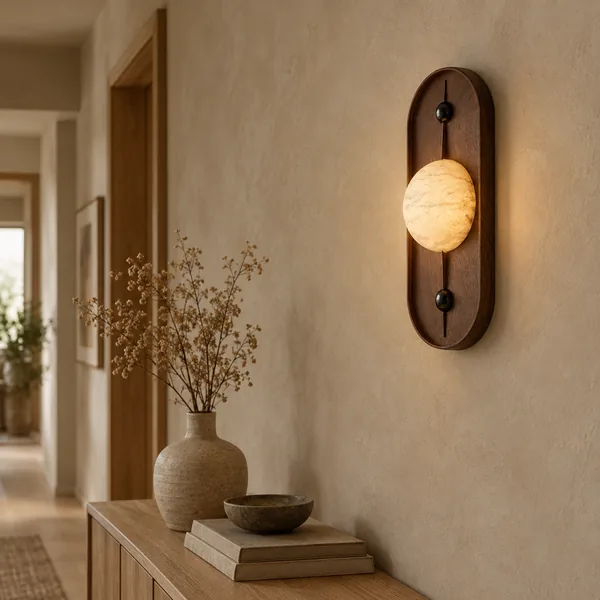
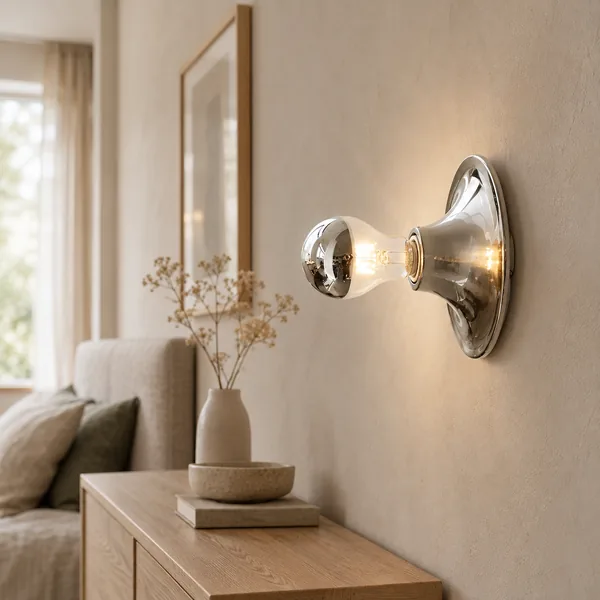 Glødvar Retro Iron Wall Sconce Nordic Design$89.00$129.00
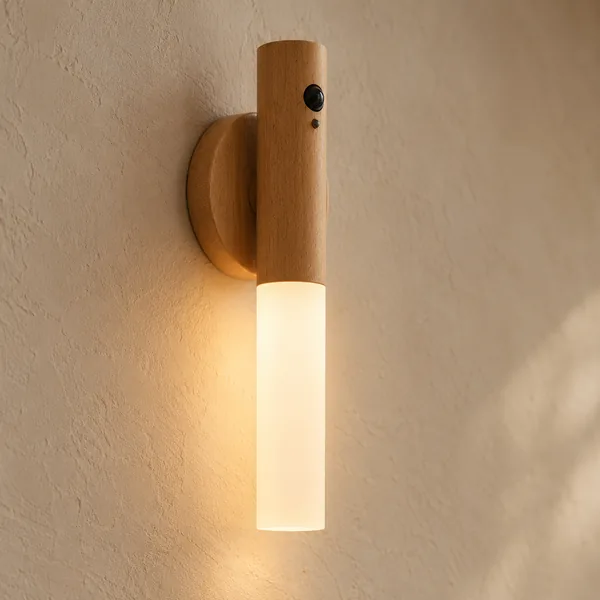
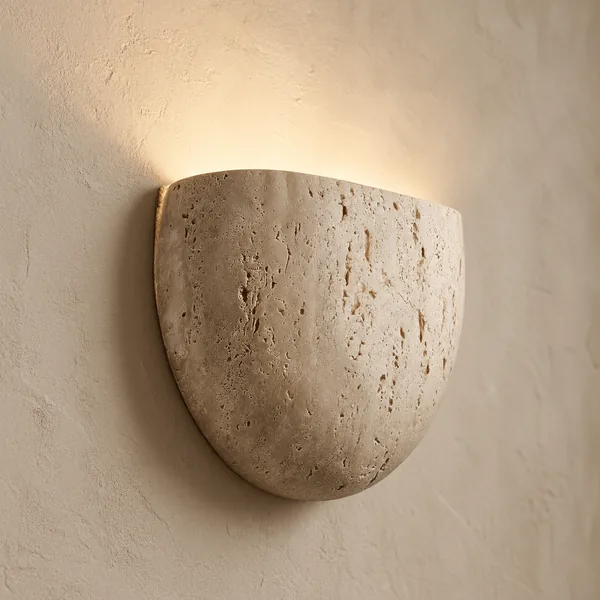
Each of these fixtures exemplifies the Wabi-Sabi philosophy embraced in contemporary Scandinavian design—beauty through subtle imperfection and the embrace of organic materials. The Lysring Circular LED Wall Light Wabi-Sabi Style creates a soft halo effect perfect for surrounding your dining table with gentle, indirect illumination. For dimensional interest, the Glodsten Handcrafted Glass Stone LED Wall Light adds textural complexity through its artisanal stone construction. Those seeking classic Nordic character will appreciate the Glødvar Retro Iron Wall Sconce's vintage appeal in multiple finish options.
Flush-Mount Wall Lights
Shop all Flush-Mount Wall Lights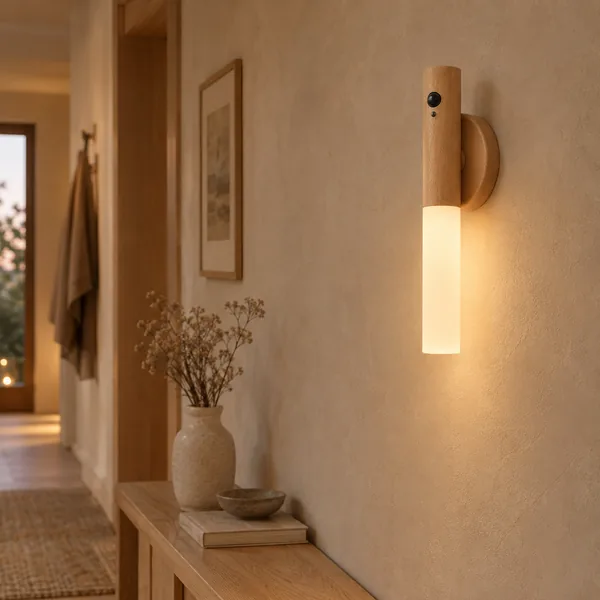
Sizing Guidelines and Spatial Planning
Proportion represents one of the most common mistakes in dining room lighting selection. Overly large sconces overwhelm intimate spaces; undersized fixtures disappear visually and fail to cast adequate light.
For dining rooms with standard 8-foot ceilings, select wall sconces measuring 12 to 16 inches in height. Rooms with 9-foot or higher ceilings can accommodate fixtures up to 20 inches tall. In terms of width, individual sconces should occupy no more than one-third the width of the wall section where mounted.
When positioning multiple fixtures along a dining wall, maintain 6 to 8 feet of separation for ambient lighting, or 4 to 6 feet for more focused illumination. Always consider furniture placement—sconces should never align directly behind dining chairs where they might create uncomfortable backlighting or conflict with artwork.
Design Note: The eye travels naturally to symmetry in dining spaces. When possible, install sconces in pairs flanking central architectural elements or distribute evenly odd-numbered groupings for balanced visual interest.
Conclusion: Creating Your Layered Ambiance
Mastering dining wall light placement transforms your evening meals from routine to remarkable. By understanding mounting heights, distribution patterns, and the interplay between overhead and wall-mounted sources, you create spaces that adapt effortlessly from family dinners to formal entertaining.
The Scandinavian approach to dining room lighting prioritizes warmth, intention, and human connection over mere brightness. At Skonne, we curate wall sconces that embody this philosophy—fixtures that cast light gently while serving as design statements worthy of your most meaningful gatherings. Explore our complete collection of dining wall sconces to discover pieces that speak to your aesthetic while delivering the layered ambience your home deserves.
Related Article
Nursery Wall Lights: Safe, Soft & Stylish Fixtures for Your Baby's RoomDiscover safe, soft nursery wall lights designed for baby's comfort. Scandinavian-inspired fixtures that create the perfect soothing ambiance.