
DIY Home Decor: Best Tips, Projects & Handmade Ideas to Personalize Your Space
Summary›
- The Foundation: Understanding DIY Decor Fundamentals
- The Golden Rules of Decorating Every DIY Enthusiast Should Know
- Elevating DIY Projects with Statement Lighting
- Budget-Friendly DIY Luxury: Getting the High-End Look
- Incorporating Handmade Elements: The Scandinavian Approach
- Room-by-Room DIY Home Decor Ideas
- Sustainable DIY: Decorating with Intention
- Conclusion: Your DIY Home Decor Journey Starts Here
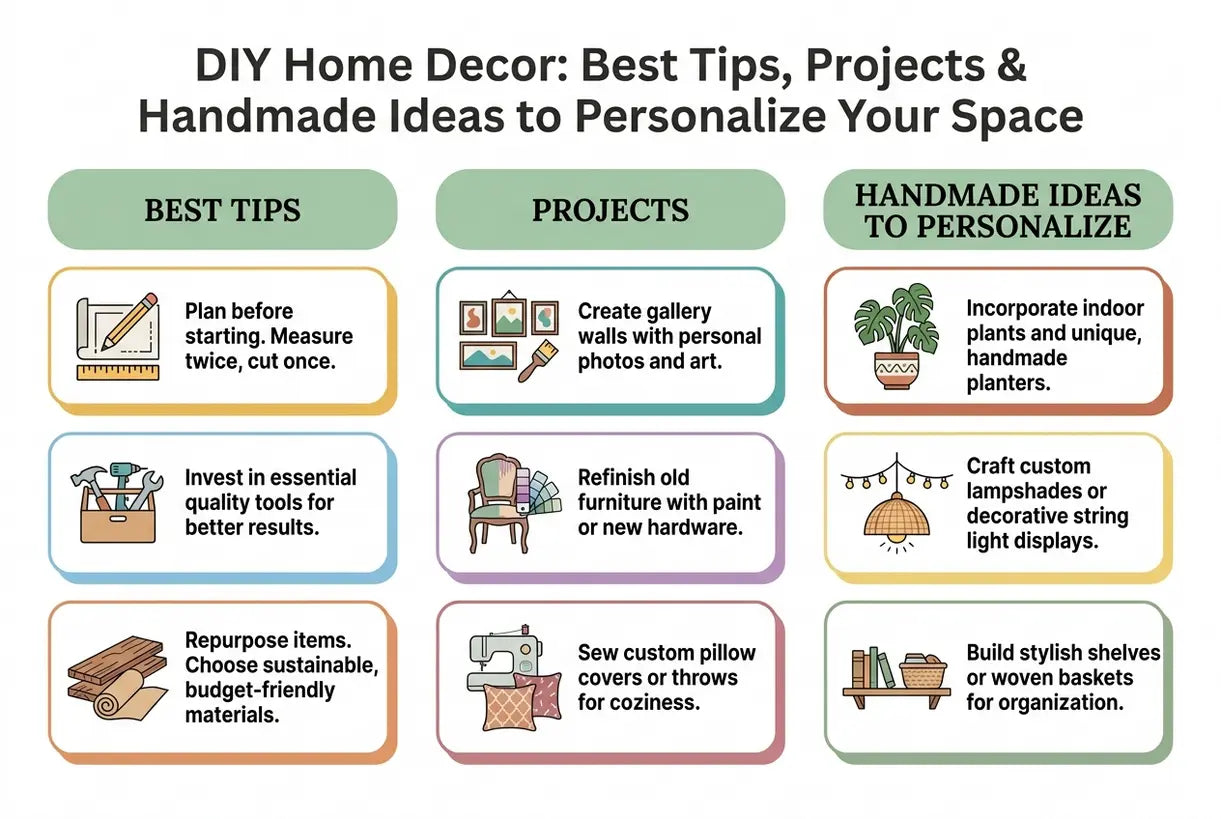
There's something profoundly satisfying about stepping back to admire a room you've crafted with your own hands. Whether you're painting a vintage dresser, weaving your first macramé wall hanging, or arranging thrifted treasures into a beautiful vignette, DIY home decor transforms not just your space—but your relationship with it.
For homeowners and renters aged 28-45 who appreciate Scandinavian aesthetics and intentional design, these diy home decor tips offer the perfect blend of creativity and sophistication. You're not looking for rushed craft projects; you want curated, elevated pieces that reflect your personal style while maintaining that warm, hygge feeling Scandinavian design is known for.
The best part? You don't need a massive budget or professional training to achieve stunning results. With the right guidance and carefully selected pieces, you can create a home that feels both uniquely yours and thoughtfully designed. Throughout this guide, you'll discover foundational decorating rules, accessible project ideas, and the artisan-crafted elements that will elevate your DIY journey from good to extraordinary.
The Foundation: Understanding DIY Decor Fundamentals
Before diving into specific projects, it's essential to understand what makes DIY home decor truly successful. The most impactful spaces blend handmade character with cohesive design principles. This doesn't mean everything must be crafted from scratch—rather, it's about curating pieces that tell your story while working together harmoniously.
Start by identifying your personal aesthetic. Are you drawn to minimalist Scandinavian lines, or do you prefer the organic textures of wabi-sabi decor? Understanding your style gives you a filter for every project decision, ensuring your DIY efforts result in a cohesive home rather than a collection of mismatched experiments.
Consider also the emotional connection you'll develop with handmade pieces. When you invest time and creativity into your space, every item carries meaning. That ceramic vase you selected becomes more than décor—it becomes a daily reminder of your creative journey and the intention you've brought into your home.
Lamps
Shop all Lamps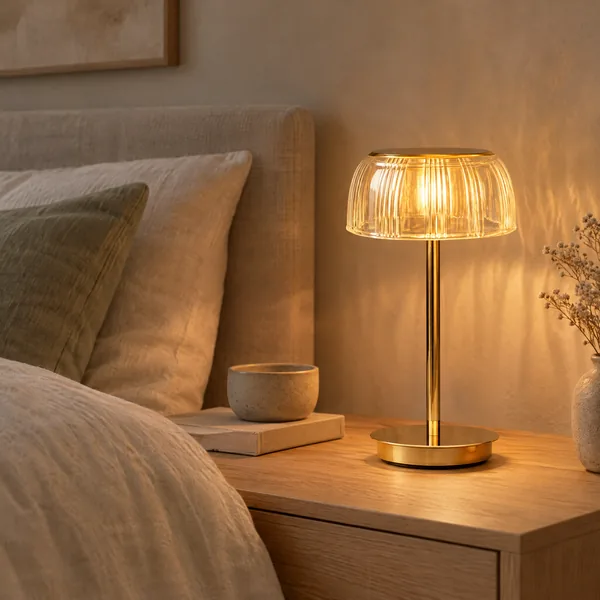
 Save $30.00
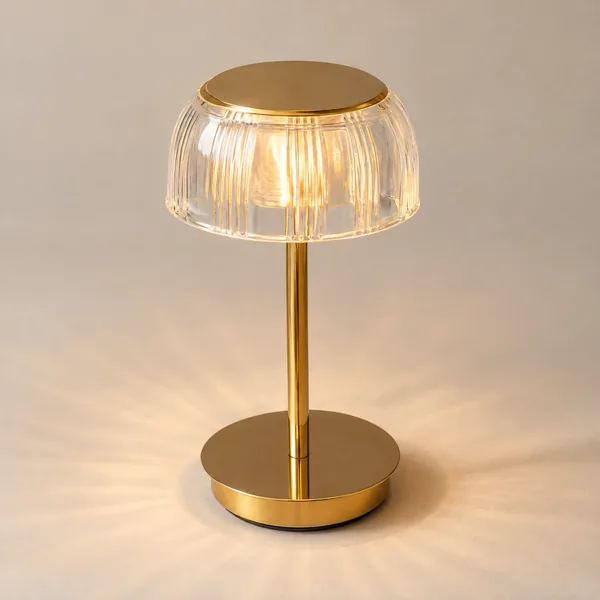
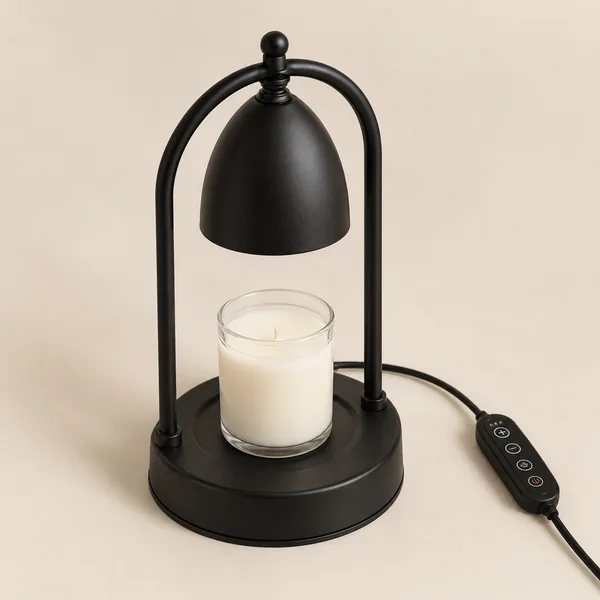
Kvalla Jellyfish LED Rechargeable Table Lamp
 Save $140.00
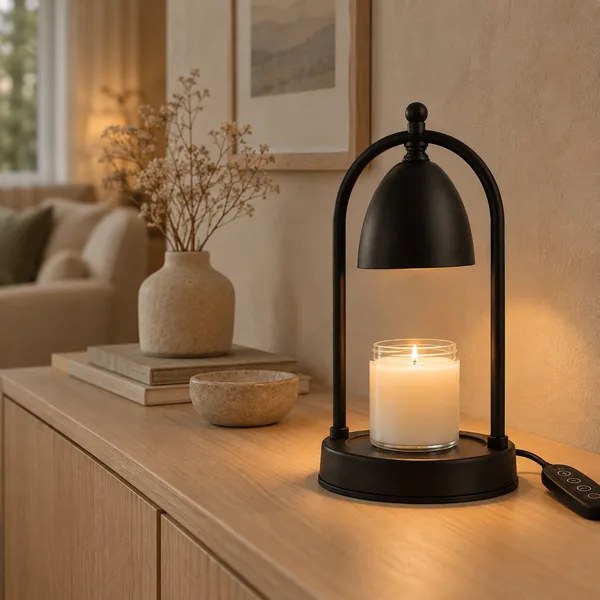
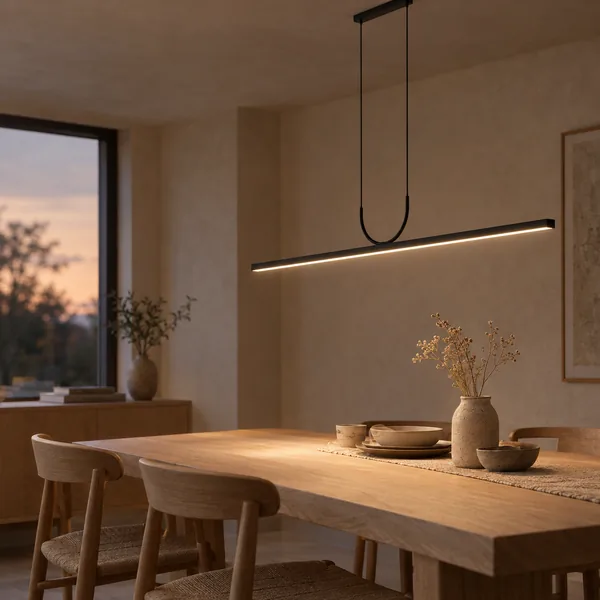
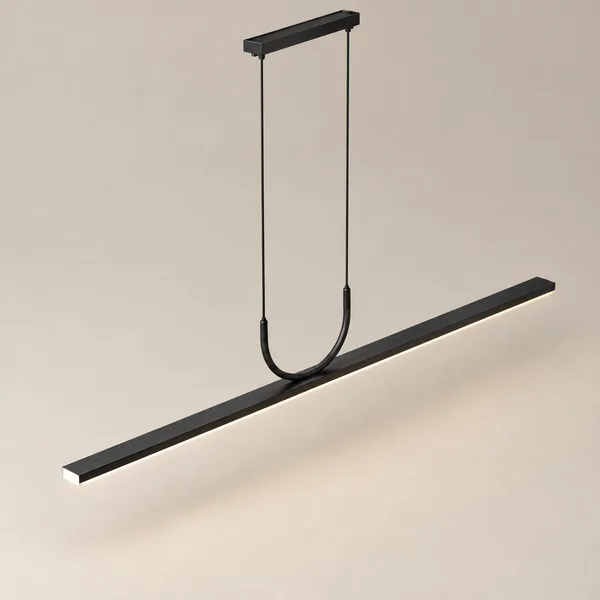
Linné Minimalist Linear Black LED Pendant Light
 Save $60.00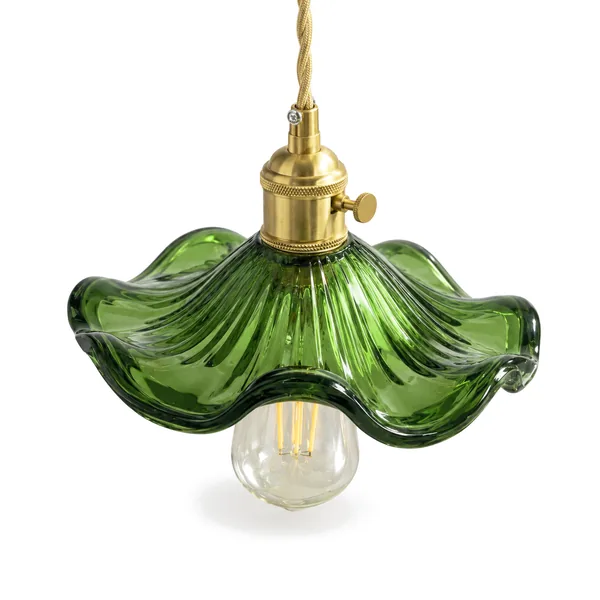
 3 options
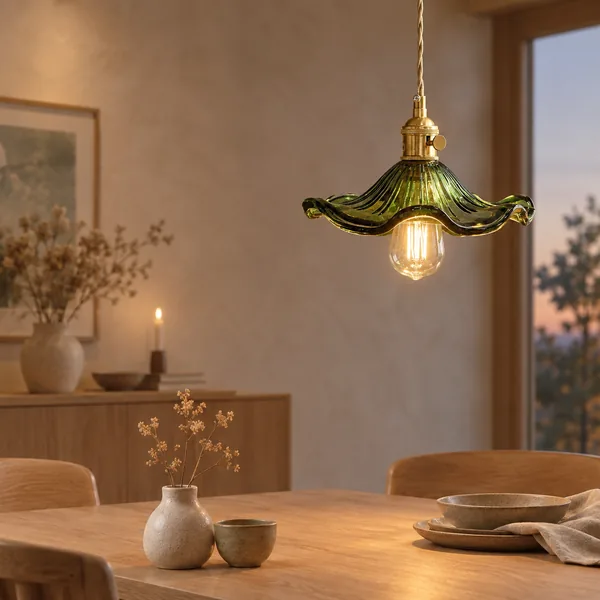
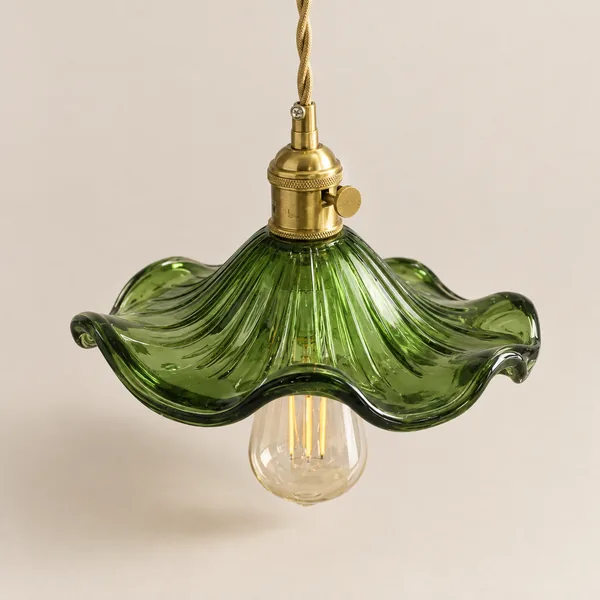
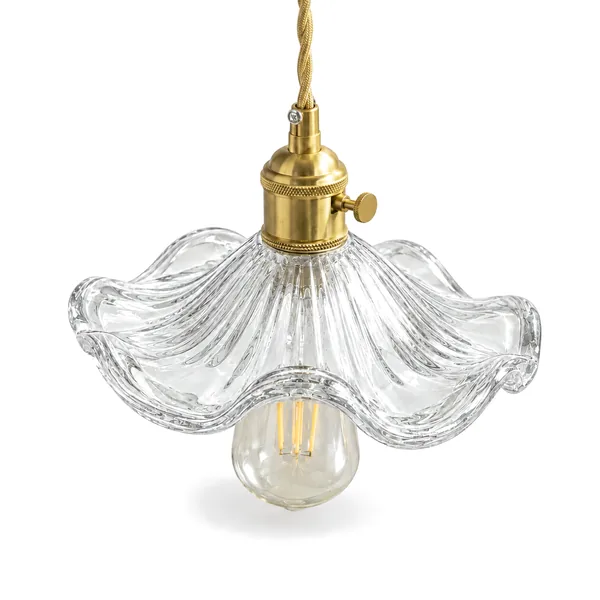
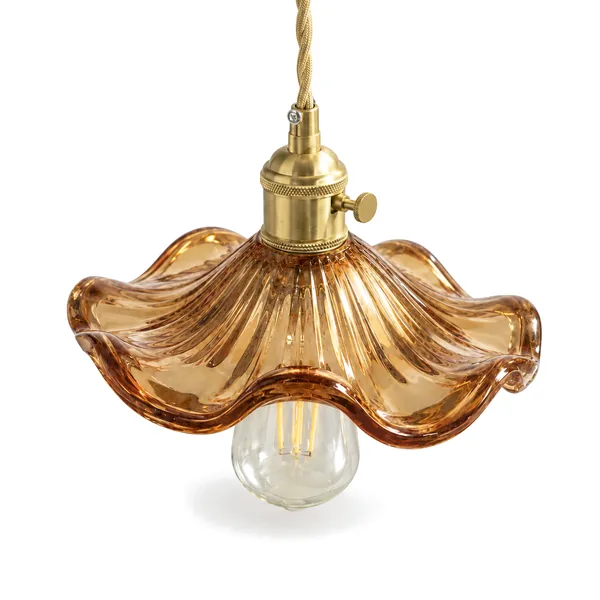
Glora Nordic Glass Pendant Light with Copper
The Golden Rules of Decorating Every DIY Enthusiast Should Know
Experienced interior designers rely on time-tested principles to create balanced, beautiful spaces. Understanding these rules empowers you to break them intentionally—or follow them to achieve professional-looking results in your own DIY home decor projects.
The 3-5-7 Rule for Visual Harmony
The 3-5-7 rule is a powerful guideline for arranging decorative items. When styling a surface like a mantel, shelf, or coffee table, group objects in odd numbers—specifically 3, 5, or 7 items. Odd-numbered groupings are more visually interesting and dynamic than even-numbered ones because they force your eye to move around the arrangement.
Apply this principle by selecting objects of varying heights, textures, and shapes. For instance, style a console table with a tall ceramic vase, a medium-sized stack of books, and a small sculptural object. This trio creates visual rhythm while keeping the display from feeling cluttered or too symmetrical.
The 70/30 Color Rule for Balanced Palettes
When planning a room's color palette, the 70/30 rule provides essential guidance. Designate 70% of your room for dominant colors—typically found on walls, large furniture, and flooring. The remaining 30% is reserved for accent colors through accessories, artwork, and textiles.
This ratio ensures your space feels grounded and cohesive while still allowing personality to shine through. For Scandinavian-inspired spaces, you might use 70% warm whites and soft grays, with 30% coming from natural wood tones, muted sage greens, or dusty blues in your DIY projects and accessories.
The 80/20 Rule for Intentional Design
Similar to the Pareto principle in business, the 80/20 rule in decorating suggests that 80% of your room's visual impact comes from 20% of its elements. This means investing extra care in anchor pieces—statement lighting, a quality sofa, or a beautiful area rug—while keeping supporting elements simpler.
For DIY enthusiasts, this rule is liberating. It means you can focus your creative energy on a few standout projects rather than trying to handcraft every element. A handmade ceramic vase or custom pendant light becomes your 20% that elevates the entire space.
Elevating DIY Projects with Statement Lighting
Lighting is perhaps the most transformative element in any DIY home decor project. The right fixture doesn't just illuminate—it sculpts the atmosphere, draws the eye, and anchors your entire design. When your hands are busy crafting smaller decorative elements, a well-chosen pendant light can do the heavy lifting of defining your space's character.
Consider how lighting interacts with your handmade pieces. Warm, dimmable light enhances the organic textures of pottery and woven textiles, while directional lighting showcases your curated collections. The interplay between your DIY projects and professional lighting creates layers of visual interest.
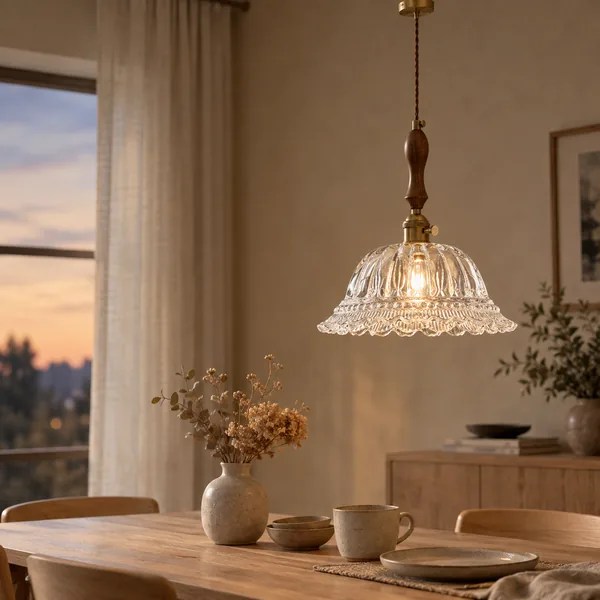 Gloda Walnut Brass French Style Pendant Light$169.00$229.00
The Gloda Walnut Brass French Style Pendant Light exemplifies how artisan-crafted lighting elevates DIY spaces. Its combination of rich walnut wood and polished brass introduces warmth and sophistication, while the adjustable design lets you customize the ambiance for different occasions. At under $420, it offers that elevated feel without luxury pricing—perfect for the 28-45 demographic balancing quality with budget consciousness.
Incorporating such a piece into your DIY home decor strategy means you're investing in longevity. While decorative objects may rotate seasonally, a well-crafted pendant becomes a permanent, beloved feature of your home.
Budget-Friendly DIY Luxury: Getting the High-End Look
One of the most rewarding aspects of DIY home decor is achieving expensive, curated aesthetics at a fraction of designer prices. Smart DIY enthusiasts know that luxury isn't about how much you spend—it's about understanding materials, proportions, and the small details that signal quality.
The video below demonstrates how accessible materials can transform into stunning décor pieces that rival high-end showrooms. These techniques work beautifully alongside Scandinavian-inspired pieces, creating cohesive, elevated spaces regardless of budget.
Material Substitution Secrets
Understanding material alternatives is key to budget friendly diy decor. Brass-look spray paint transforms basic hardware into luxe accents. Faux concrete finishes give ordinary planters that industrial-chic appeal. Gold leaf elevates simple frames and objects into statement pieces. The trick is applying these finishes with patience and attention to detail—hastily applied materials signal "craft project," while carefully executed finishes read as "curated design."
The Power of Imperfection
Particularly relevant for Scandinavian and wabi-sabi aesthetics, embracing imperfection actually elevates your DIY work. Hand-painted brushstrokes, slight irregularities in hand-formed pieces, and organic textures communicate authenticity and craftsmanship. Rather than striving for machine-made perfection, allow your human touch to show through—it adds character that factory-made items simply cannot replicate.
Artisan Accents for Your DIY Masterpieces
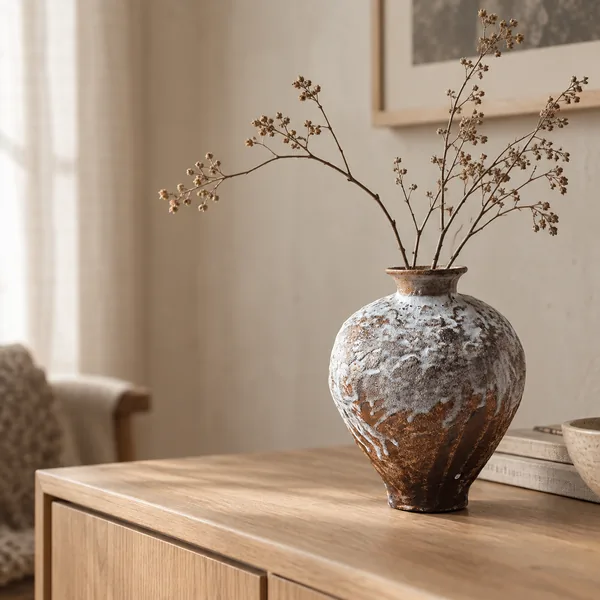 Stille Small Jingdezhen Ceramic Wabi-Sabi Vase$129.00$189.00
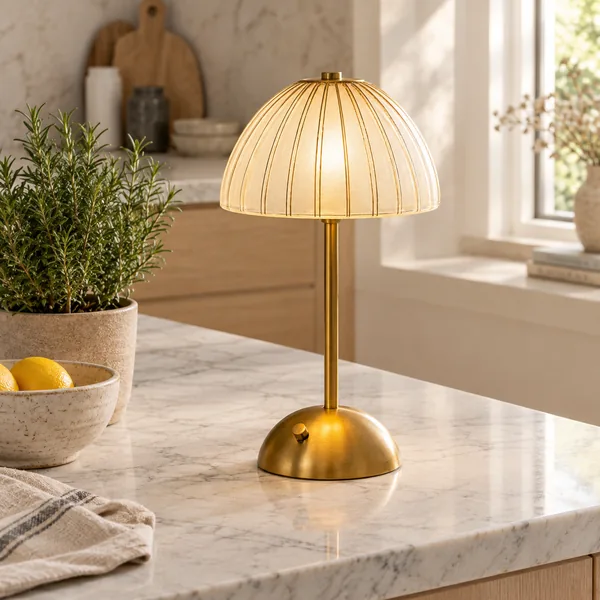 Lysglass Dimmable Cordless Crystal Table Lamp$58.00$119.00
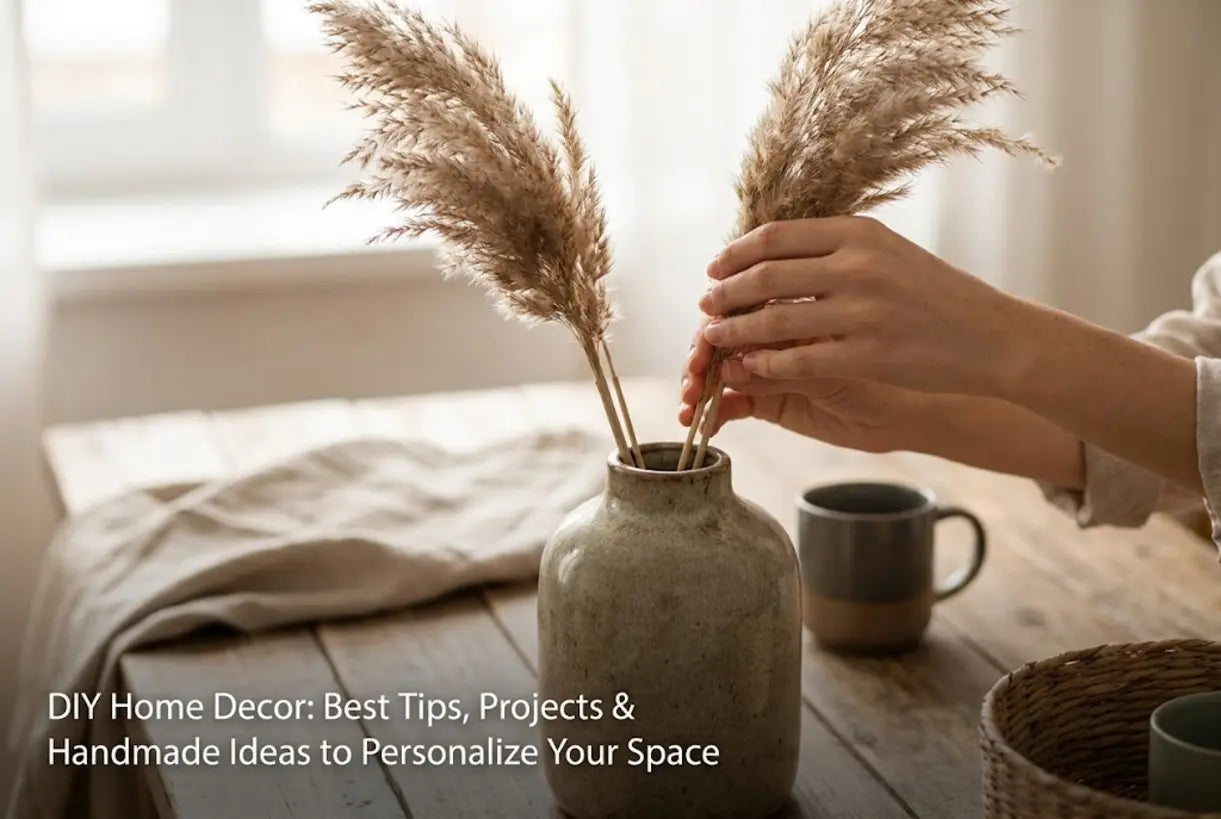
Integrating authentic artisan pieces alongside your DIY projects creates that coveted curated look. The Stille Small Jingdezhen Ceramic Wabi-Sabi Vase brings centuries of ceramic tradition into your space. Handcrafted by skilled artisans in Jingdezhen, this vase celebrates imperfection and organic form—the very qualities that make wabi-sabi so compelling. Place your DIY-dried botanical arrangements in this vessel, and the combination of handmade elements creates a sophisticated, gallery-worthy display.
For your bedside or workspace, the Lysglass Dimmable Cordless Crystal Table Lamp offers versatility that DIY enthusiasts appreciate. Its portability means you can rearrange your space freely as projects evolve, while the touch-controlled dimming lets you customize ambiance from bright task lighting to soft evening glow. At under $60, it's an accessible way to introduce high-end function into your personalized space.
Incorporating Handmade Elements: The Scandinavian Approach
Scandinavian design philosophy centers on intentionality and connection—exactly what DIY home decor achieves. The Nordic concept of hygge (coziness and comfortable conviviality) extends beyond candles and throws; it's about creating spaces where you feel genuinely at home, surrounded by objects that matter.
Handmade elements are central to this philosophy. When you craft something yourself or select an artisan-made piece, you're choosing connection over mass production. Each item carries a story—whether it's the hours you spent refinishing a vintage side table or the journey of a ceramic piece from an artist's studio to your shelf.
For those exploring Scandinavian DIY decor, natural materials are essential. Wood, linen, wool, and ceramic create that tactile, grounding quality that makes Nordic interiors so inviting. Your projects might include simple woodworking, textile crafts like weaving or knitting, or ceramic work—each medium offering unique ways to express your aesthetic.
Home Decor
Shop all Home Decor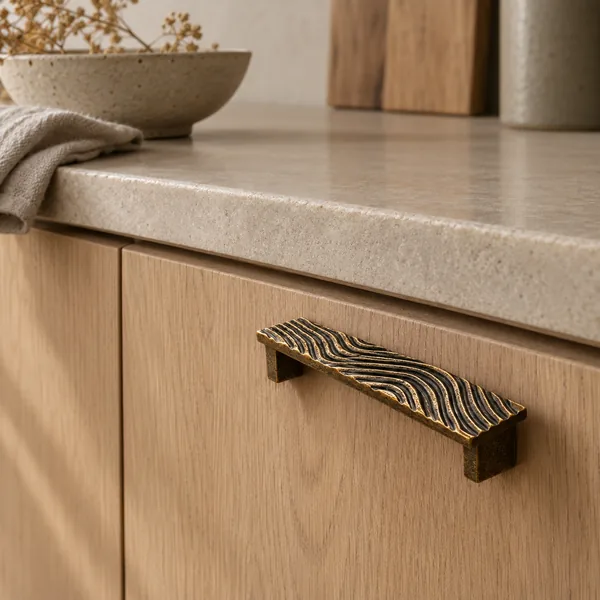
 Save $44.50
 2 options
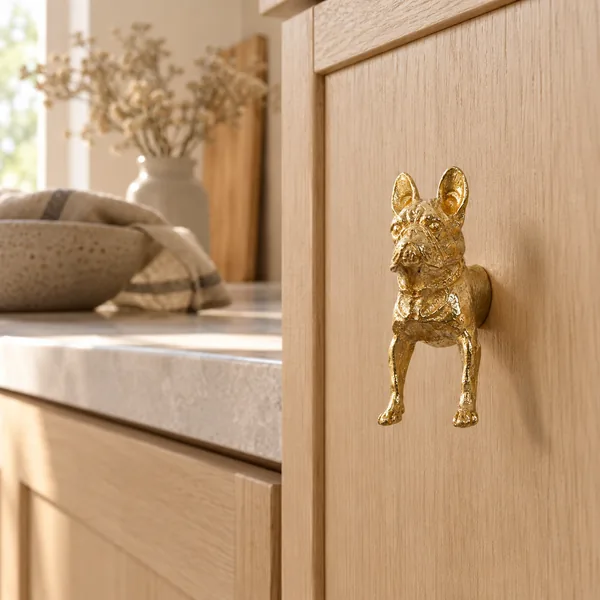
Tassa Polished Brass Dog Cabinet Pull Handle
 Save $110.00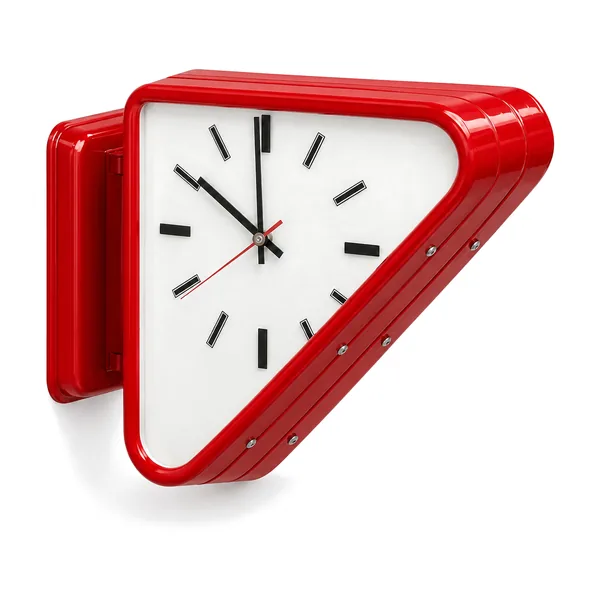
 +15 options
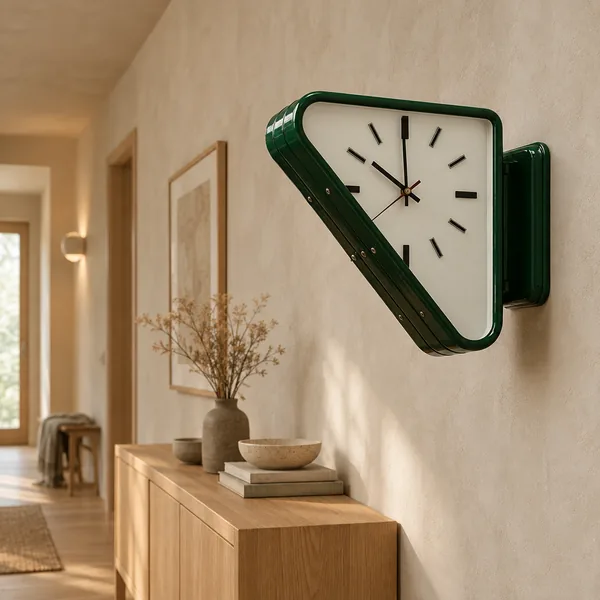
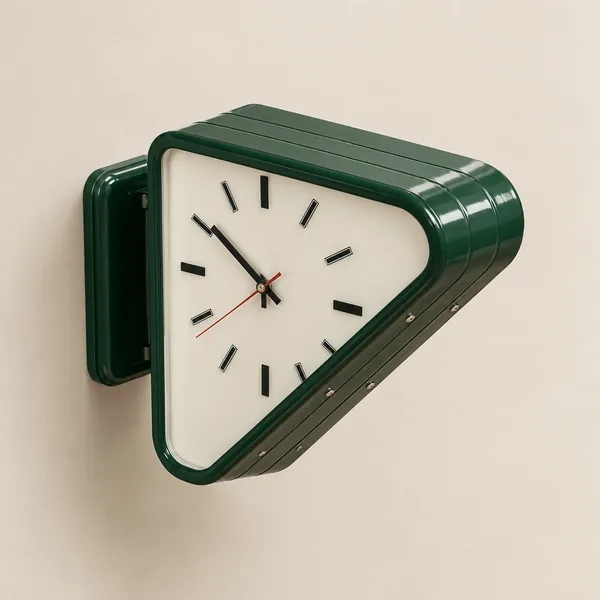
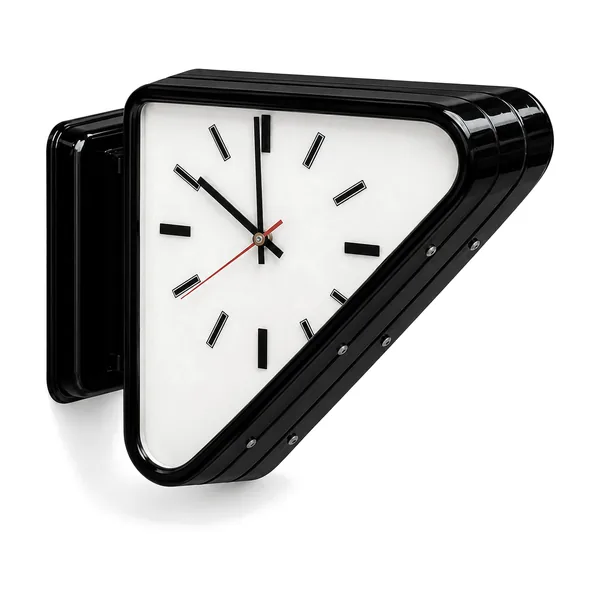
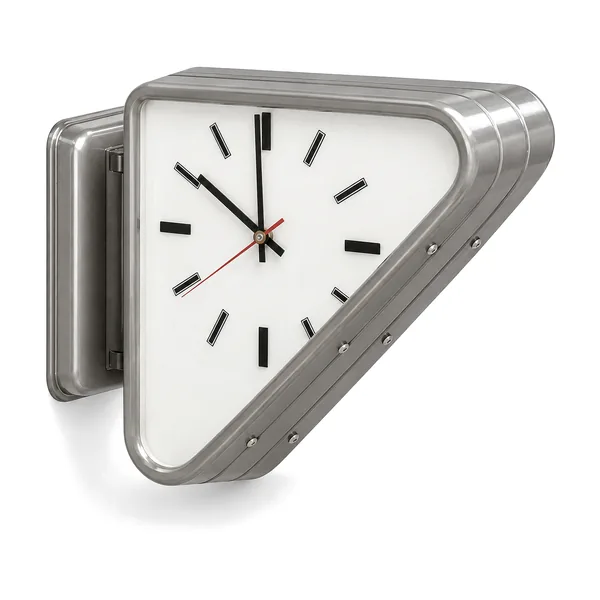
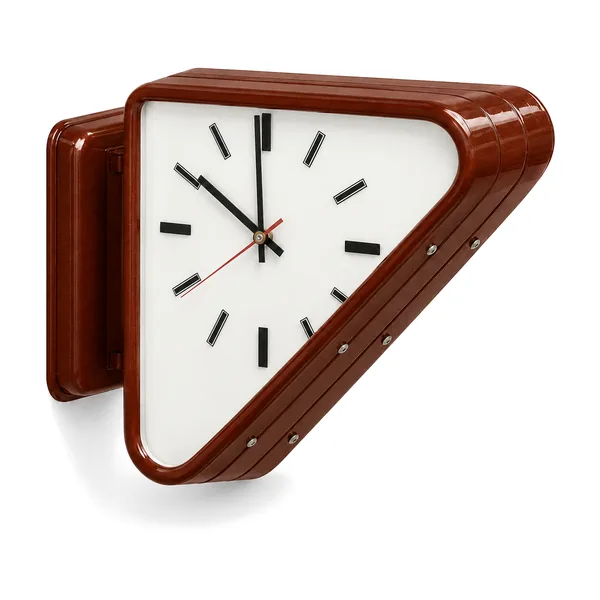
Tvilling Dual-Sided Geometric Metal Wall Clock
Building Your Handmade Collection
Start small and build intentionally. Rather than trying to DIY everything at once, identify one or two areas where handmade elements would have maximum impact. Perhaps it's your bedroom nightstand, styled with your DIY projects alongside pieces like our Decorative Trays & Bowls collection to organize small treasures. Or maybe it's your entryway, where a handmade catch-all tray and artisan mirror create an inviting first impression.
The key is curating, not cluttering. Scandinavian design reminds us that negative space is just as important as the objects we include. Each handmade piece should have room to breathe and be appreciated.
Room-by-Room DIY Home Decor Ideas
Applying your DIY home decor skills room by room allows you to develop cohesive design narratives throughout your home. Here are targeted tips for key spaces:
Living Room: Creating Conversation and Comfort
Your living room should invite gathering and relaxation. DIY projects here might include custom throw pillows in natural linen, a hand-stained coffee table, or a gallery wall mixing your own artwork with carefully chosen prints. Apply the 3-5-7 rule to your bookshelf styling, and use the 70/30 color rule to keep large furniture neutral while introducing personality through accessories.
Lighting plays a crucial role in creating atmosphere. A statement pendant or floor lamp becomes the jewelry of your living room, elevating even simple furniture arrangements. Choose warm, dimmable options that transition smoothly from afternoon reading sessions to evening entertaining.
Bedroom: Your Personal Sanctuary
Diy home decor bedroom projects should prioritize calm and restoration. Consider hand-dyed bedding in soft, muted tones, DIY wood wall art featuring natural grain patterns, or simple ceramic dishes for jewelry on your dresser. The goal is creating a space that feels like a retreat from daily demands.
Bedside lighting deserves special attention—opt for pieces that offer both function and beauty. The ability to adjust brightness means your morning routine and bedtime reading have equal support.
Entryway: Making First Impressions Count
Even small entryways benefit from DIY attention. A hand-painted bench, DIY hooks carved from driftwood, or a simple shelf for keys and mail can transform this transitional space. Remember that entryway design sets the tone for your entire home, so choose projects that reflect the aesthetic you've established elsewhere.
Sustainable DIY: Decorating with Intention
Today's DIY enthusiasts are increasingly conscious of sustainability—and Scandinavian design offers a natural framework for eco-conscious creativity. The Nordic emphasis on quality over quantity, natural materials, and timeless rather than trendy design aligns perfectly with sustainable decorating.
When planning your handmade home decor projects, consider sourcing materials responsibly. Reclaimed wood, vintage textiles, and natural dyes all minimize environmental impact while adding authentic character. Thrift store finds become canvases for your creativity, giving new life to existing objects rather than purchasing new.
The durability of your DIY projects matters too. When you invest time in creating something, you're more likely to keep and cherish it long-term—a welcome antidote to disposable decor culture. This mindset shift from "decorating" to "curating" creates homes that evolve thoughtfully rather than being completely restyled season after season.
Conclusion: Your DIY Home Decor Journey Starts Here
The beauty of DIY home decor lies not just in the finished rooms, but in the process—the learning, the creative problem-solving, and the deepening connection with your living space. As you apply these diy home decor tips, from the 3-5-7 rule to the 80/20 principle, you're developing an eye for design that will serve you for years to come.
Remember that the best DIY spaces blend your handmade creations with carefully selected artisan pieces. The warmth of something you crafted yourself pairs beautifully with professional quality lighting, ceramics, and décor that anchor your space with sophistication. This balance—personal creativity plus elevated design—is what transforms houses into homes.
At Skonne, we believe in supporting your DIY journey with pieces that inspire and endure. Whether you're searching for the perfect pendant to complete your dining room project or a ceramic vase that celebrates wabi-sabi imperfection, our curated collection is designed for design enthusiasts who value both aesthetics and authenticity. Your space is your canvas—and with the right foundation pieces, your DIY creations will truly shine.
Related Article
Seasonal Home Decor: How to Refresh Your Space for Every Season & HolidayLearn how to refresh your home for every season with Scandinavian-inspired decor tips. From spring florals to cozy winter touches, transform your space year-round.