
Dome Pendant Lights: Sleek, Directional Shades for Kitchens, Desks & Dining Tables
Summary›
- What Are Dome Pendant Lights?
- Why Dome Pendant Lights Work in Modern Homes
- Ideal Applications: Kitchens, Desks & Dining Tables
- Glass vs. Metal: Choosing Your Dome Pendant Material
- Sizing Guidelines for Dome Pendant Lights
- Style Directions: From Modern to Vintage
- Installation Best Practices: Height and Spacing
- Creating Cohesive Lighting Schemes
- Conclusion
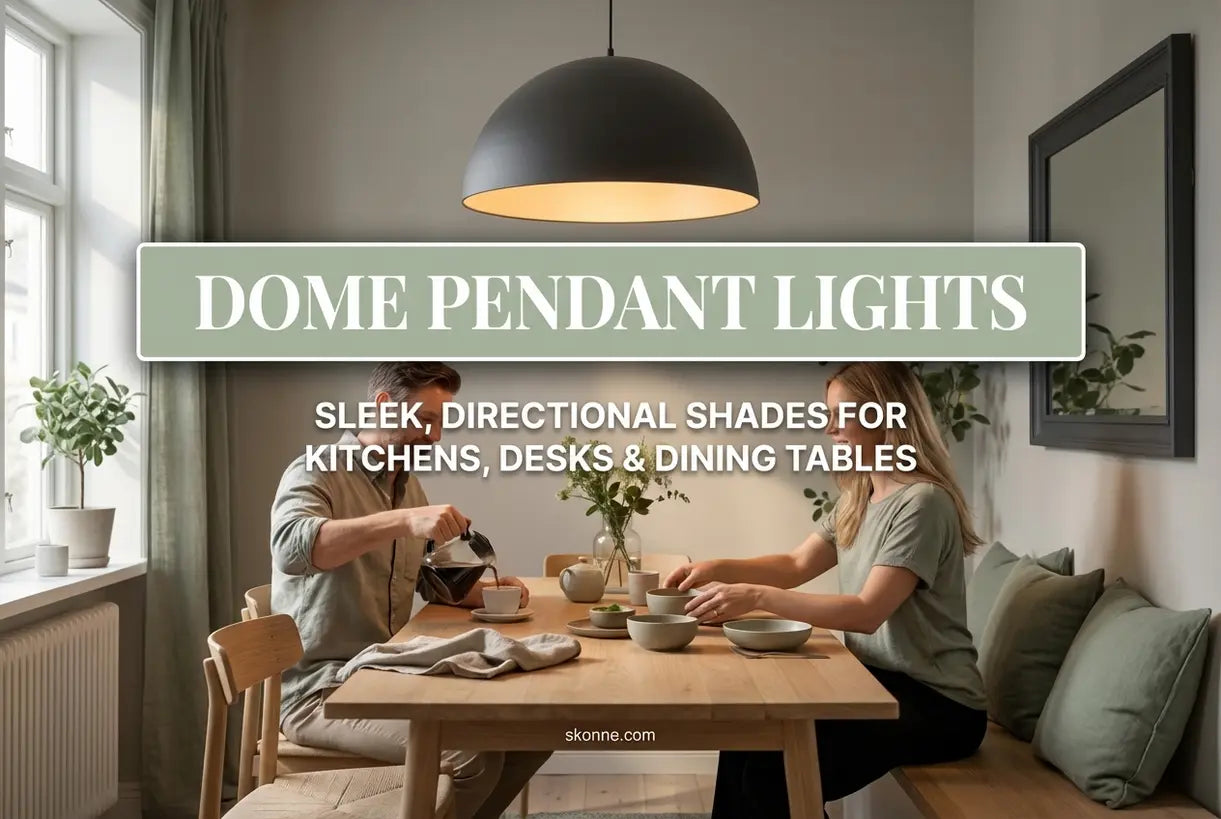
There's something undeniably captivating about a dome pendant light suspended above a kitchen island or dining table. Its graceful, rounded silhouette casts light downward with intention, creating focused pools of illumination that transform everyday moments into something more intentional. Whether you're preparing morning coffee or sharing an evening meal, the right dome pendant light doesn't just brighten your space—it shapes how you experience it.
At Skonne, we believe lighting should feel effortless yet impactful. Dome pendant lights embody this philosophy perfectly: sleek, directional, and surprisingly versatile. This guide will walk you through everything you need to know about selecting, sizing, and styling dome pendants for kitchens, desks, and dining areas. Along the way, you'll discover curated pieces from our Scandinavian-inspired collection designed to bring warmth and character to your home.
What Are Dome Pendant Lights?
A dome pendant light is defined by its hemispherical shade—rounded on top with a flat or slightly curved bottom edge that directs light downward. Unlike drum pendants with cylindrical shapes or globe pendants with fully spherical enclosures, dome pendants strike a beautiful balance between open and enclosed lighting.
The directional nature of dome pendants makes them particularly effective for task lighting. The curved shade captures and reflects light downward, creating concentrated illumination beneath the fixture while maintaining a soft ambient glow that radiates upward. This dual-quality lighting is why dome pendants have become a staple in modern kitchens and dining rooms.
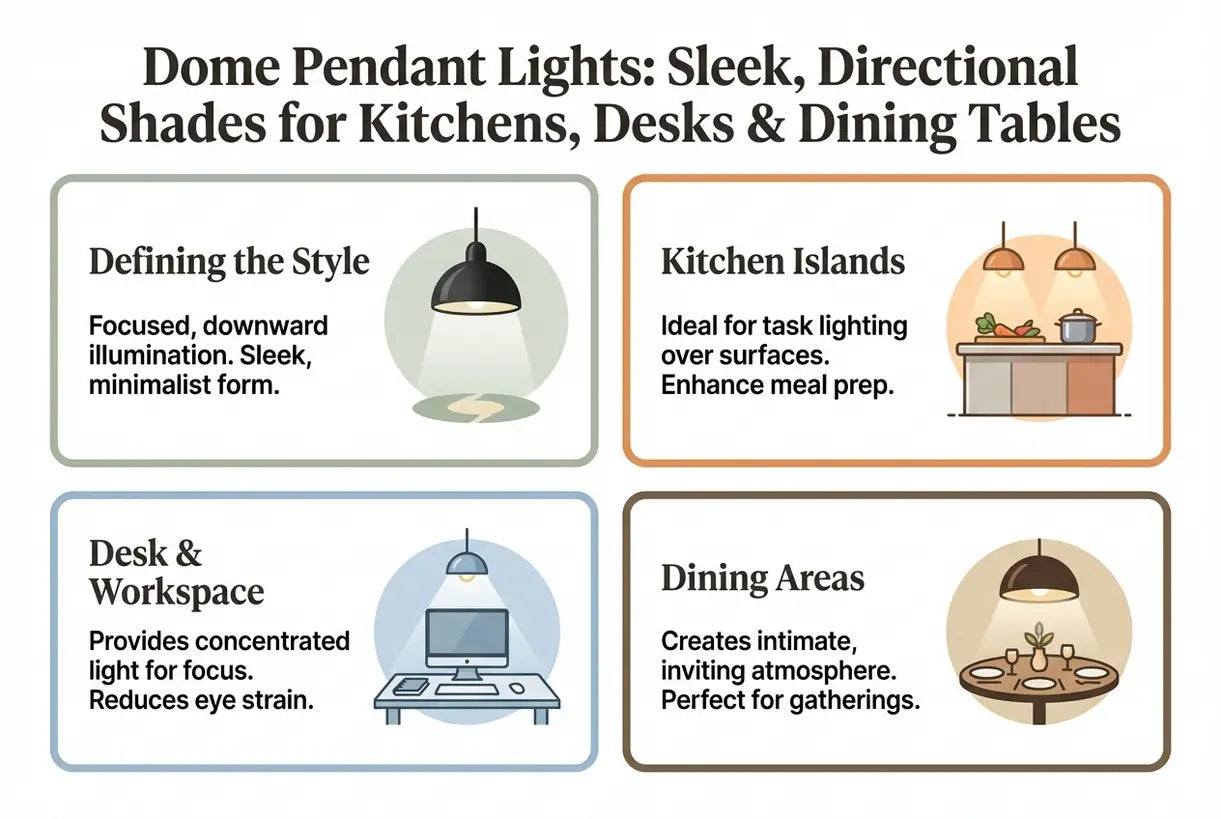
It's worth noting the subtle distinction between dome and inverted bowl pendant light styles. While both feature rounded forms, traditional dome pendants curve upward (like a half-sphere), whereas inverted bowl pendants curve downward, resembling an upturned dish. Dome pendants tend to feel more contemporary and Scandinavian, while inverted bowls lean toward mid-century and bohemian aesthetics.
Why Dome Pendant Lights Work in Modern Homes
Scandinavian design principles emphasize lagom—the Swedish concept of "just the right amount." Dome pendant lights exemplify this philosophy. Their streamlined silhouettes add visual interest without overwhelming a space, making them ideal for the clean, uncluttered interiors that define modern homes.
Here are the key advantages dome pendants bring to your lighting scheme:
- Directional illumination: Focused downward light perfect for task-oriented spaces
- Space efficiency: Compact profile suits rooms with standard or low ceilings
- Design versatility: Available in materials ranging from hand-blown glass to brushed metal
- Scalable sizing: Works as a single statement piece or in linear arrangements
- Timeless appeal: Balances contemporary and classic sensibilities
Whether you're drawn to a glass dome pendant light with its ethereal translucence or prefer the grounded presence of a metal dome pendant, this style adapts to your aesthetic while delivering consistent performance.
Ideal Applications: Kitchens, Desks & Dining Tables
The true beauty of dome pendant lighting lies in its adaptability. Let's explore how these fixtures enhance three of the most important spaces in your home.
Kitchen Island Dome Pendant Lighting
Kitchen islands serve as the heart of modern homes—a place for food prep, casual dining, and gathering. A large dome pendant light or series of pendants suspended above your island provides essential task lighting while defining the space visually.
For longer islands, consider installing multiple dome pendants in a row, spaced 24 to 30 inches apart. This creates even illumination across the entire surface and adds rhythmic visual interest. If your island is compact, a single oversized dome pendant can serve as a sculptural focal point. For those looking to explore more options, our Linear Pendant Lights collection offers curated selections perfect for elongated kitchen islands.
Dining Table Illumination
Over a dining table, dome pendants create an intimate atmosphere that encourages lingering conversation. The downward-directed light highlights your table setting and food presentation while casting a warm glow that flatters faces and flatware alike.
A vintage dome pendant adds character to farmhouse or industrial dining rooms, while a modern dome pendant in clear glass feels fresh and airy above contemporary tables. Consider the proportions of your table—a single large dome suits square tables beautifully, while linear arrangements work better for rectangular surfaces.
Desk and Workspace Focus
Home offices and study nooks benefit tremendously from the focused illumination dome pendants provide. Suspended above a desk, these fixtures eliminate shadows that can cause eye strain during reading or computer work.
The key for desk applications is proper height placement—typically 30 to 36 inches above the work surface. This ensures adequate brightness without harsh glare on screens or paperwork. A white dome pendant reflects maximum light, while a black dome pendant adds sophisticated contrast to lighter interiors.
Pendant Lights
Shop all Pendant Lights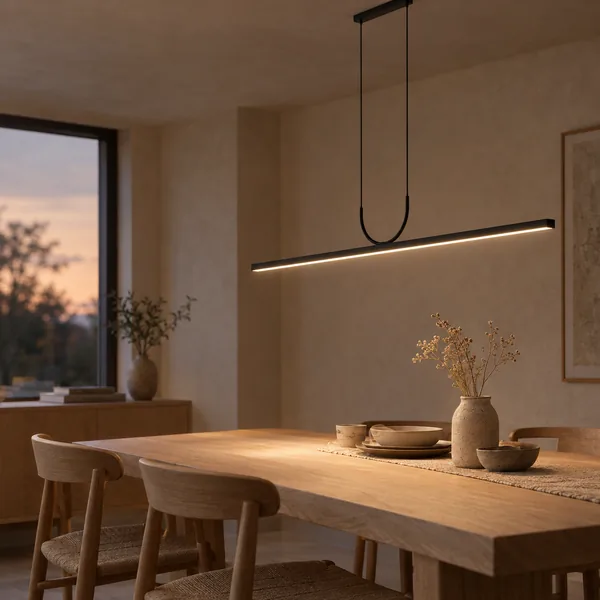
 Save $140.00
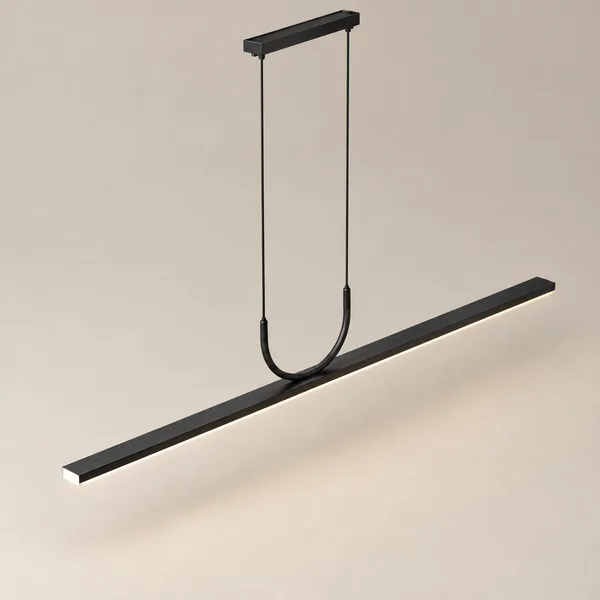
Linné Minimalist Linear Black LED Pendant Light
 Save $60.00
 3 options
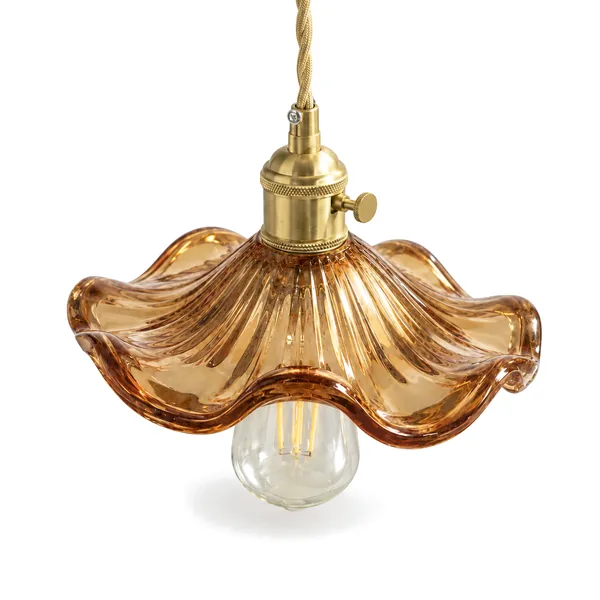
Glora Nordic Glass Pendant Light with Copper
 Save $120.00
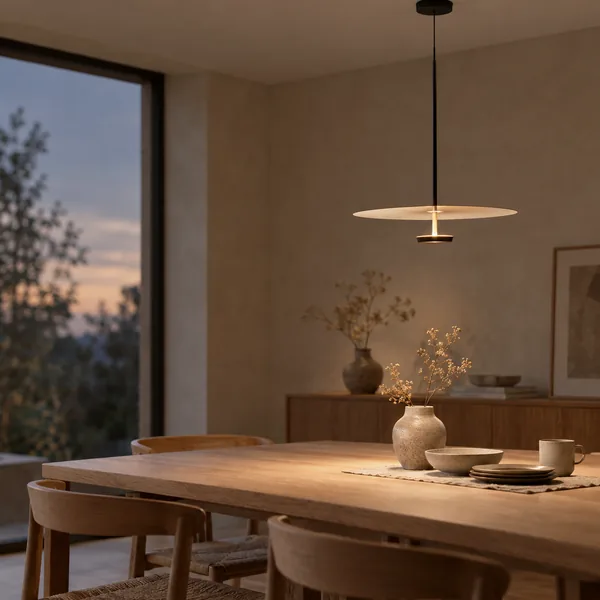
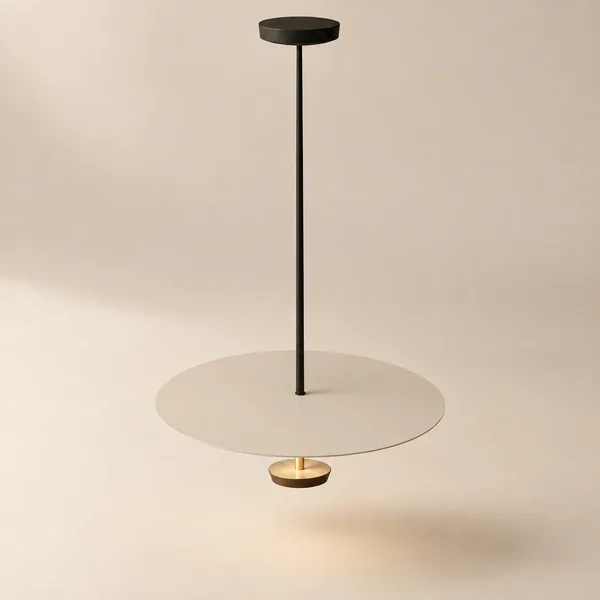
Skiva Nordic Saucer Ceiling Pendant Light LED
Glass vs. Metal: Choosing Your Dome Pendant Material
Material selection significantly impacts both the aesthetic and functional qualities of your dome pendant lighting. Understanding these differences helps you choose a fixture that aligns with your design vision and practical needs.
Glass Dome Pendants: Luminous Elegance
Glass dome pendant lights diffuse light beautifully, creating soft, ambient illumination that flatters skin tones and spaces alike. The transparency of glass allows the bulb within to become part of the visual experience, adding depth and interest.
Within glass options, you'll find variations:
- Clear glass: Maximum brightness, industrial or modern aesthetic
- Smoky or amber glass: Warm, vintage-inspired ambiance
- Frosted glass: Diffused, glare-free illumination
- Hand-blown glass: Organic character, artisan appeal
Glass pendants work beautifully in spaces where you want to maintain an open, airy feeling. They're particularly effective in kitchens with limited natural light, as they don't visually weigh down the space.
Metal Dome Pendants: Grounded Sophistication
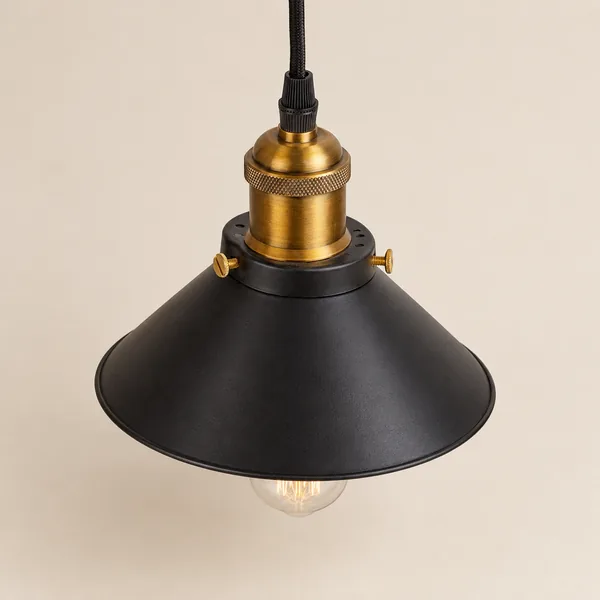
Metal dome pendant fixtures offer a different kind of beauty—solid, substantial, and often more directional in their light output. Common finishes include brushed brass, matte black, polished nickel, and powder-coated colors.
Metal shades typically feature an interior finish that affects light reflection. Gold or bronze interiors cast a warm, inviting glow, while white or silver interiors maximize brightness. This combination of exterior style and interior function allows for nuanced design expression.
Metal dome pendants excel in industrial, farmhouse, and minimalist interiors. They ground a space visually and work particularly well in rooms with higher ceilings where their solid forms create pleasing proportional balance.
Sizing Guidelines for Dome Pendant Lights
Selecting the right size dome pendant prevents your fixture from feeling either lost or overwhelming in your space. While personal preference always plays a role, these guidelines provide a helpful starting point.
Quick Sizing Rule: For kitchen islands, choose a pendant diameter between 10 to 14 inches for standard 36-inch tall islands. For dining tables, select a fixture approximately one-third the width of your table.
What size dome pendant light do I need for my dining table? The answer depends on your table's dimensions. For a standard 72-inch dining table, a single dome pendant with a 20 to 24-inch diameter creates appropriate visual weight. Alternatively, three smaller pendants (each 10 to 12 inches) spaced evenly across the table's length offer even more flexible lighting control.
For kitchen islands, scale your pendants to the island's length and your ceiling height. A general formula: add the room's length and width in feet, and use that number in inches as your maximum pendant diameter. For example, in a 12 by 14 foot kitchen, look for pendants no larger than 26 inches in diameter.
Style Directions: From Modern to Vintage
The versatility of dome pendant lighting extends to its stylistic range. Whether your home leans contemporary, traditional, or somewhere in between, there's a dome pendant that complements your aesthetic.
Modern Minimalist
Clean lines and unadorned surfaces define modern dome pendants. Look for fixtures with smooth, uniform curves and finishes in matte black, brushed nickel, or clear glass. These pendants let their form speak for itself without decorative embellishment.
The Driva Sculptural Cloud Pendant Light in Glass exemplifies this approach with its ethereal, cloud-shaped form that floats gracefully above any surface.
Scandinavian & Hygge
Scandinavian-inspired dome pendants prioritize warmth and material honesty. Hand-blown glass with subtle imperfections, natural brass that develops patina over time, and warm color palettes define this style. These fixtures invite you to slow down and savor your surroundings.
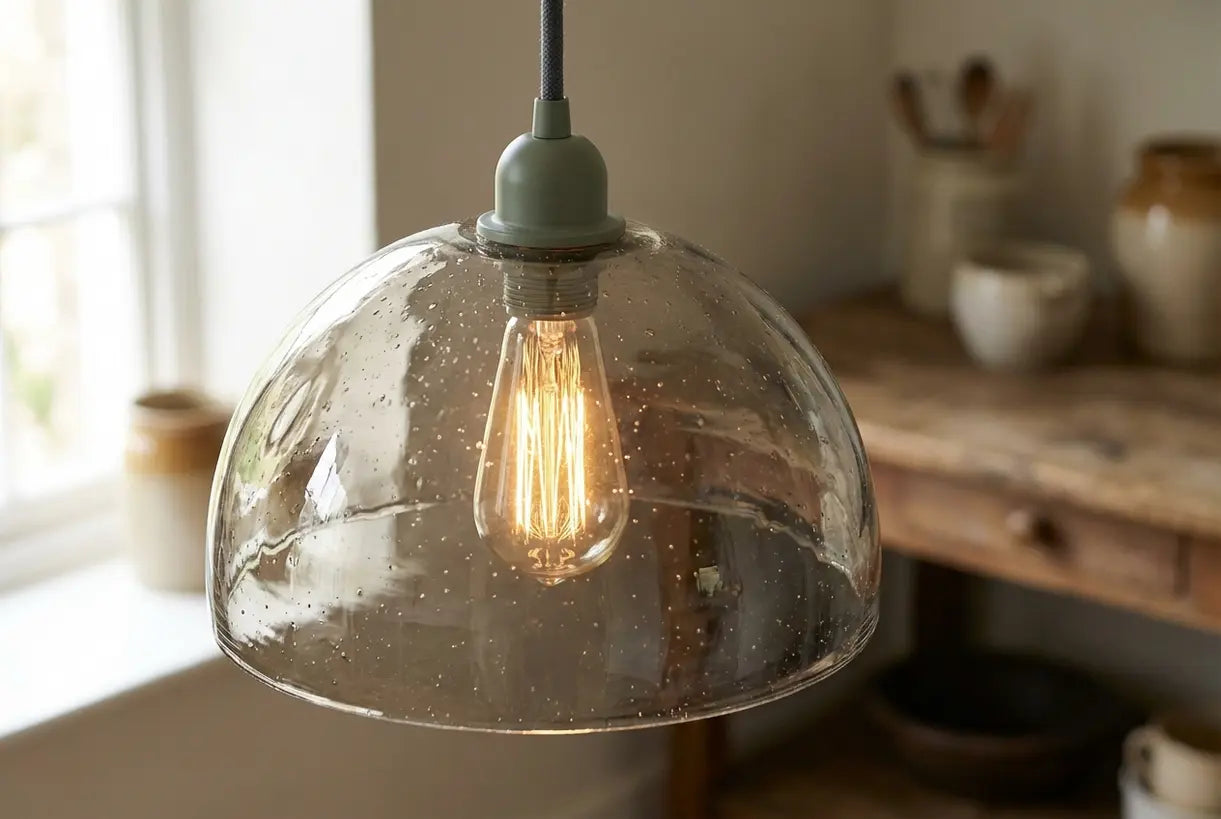
Our Glødform Nordic Hand-Blown Glass Pendant Light captures this ethos perfectly with its organic air bubbles and artisan character.
Vintage & Industrial
Reclaimed materials, aged finishes, and utilitarian design elements give vintage dome pendants their character. Look for fixtures with visible hardware, riveted construction, or antiqued metal surfaces. These pieces tell a story and add soul to contemporary spaces.
An oversized dome pendant in aged brass or patinated copper becomes a sculptural focal point in loft apartments, converted warehouses, or any space that embraces industrial heritage.
Installation Best Practices: Height and Spacing
Even the most beautiful dome pendant light won't perform well if improperly installed. These guidelines ensure optimal placement for both aesthetics and function.
Kitchen Island Hanging Height
How high should dome pendant lights hang over a kitchen island? The standard recommendation is 30 to 36 inches from the countertop to the bottom of the pendant shade. This height provides adequate task lighting without obstructing sightlines across the kitchen.
For ceilings higher than 9 feet, add 3 inches of hanging length for every additional foot of ceiling height. This prevents the fixture from feeling disconnected from the space it illuminates.
When installing multiple pendants, space them 24 to 30 inches apart on center. For a 6-foot island, two pendants work beautifully. For an 8-foot or longer island, consider three pendants for even light distribution.
Dining Table Spacing
Over dining tables, dome pendants should hang 28 to 34 inches above the tabletop surface. This lower positioning creates intimacy and ensures adequate illumination for dining tasks. If you have an adjustable fixture, you can raise it for general ambiance and lower it for special occasions.
For linear arrangements with multiple pendants, space them evenly across the table's length, typically 24 to 30 inches apart. When using a single oversized dome pendant, center it precisely over the table rather than following the room's center line if they differ.
Desk and Workspace Placement
Task lighting requires more precise positioning. Install dome pendants 30 to 36 inches above desk surfaces to prevent glare on screens and paperwork. If your desk sits against a wall, position the pendant slightly forward (toward the room) rather than directly overhead to minimize shadows cast by your body.
Glass Pendant Lights
Shop all Glass Pendant Lights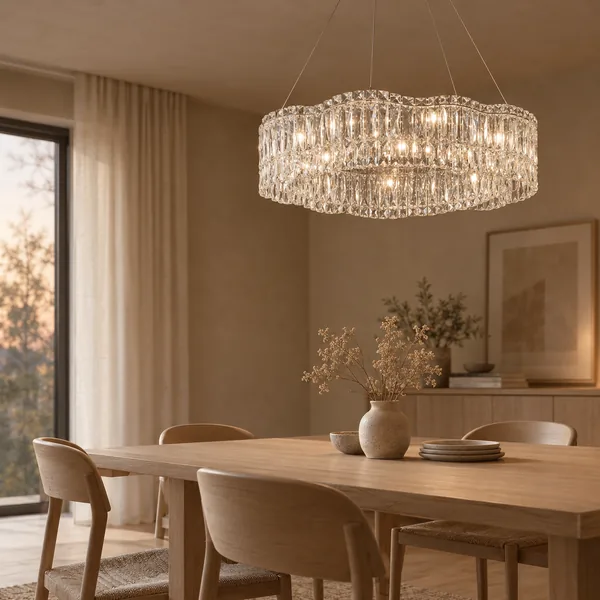
 Save $200.00
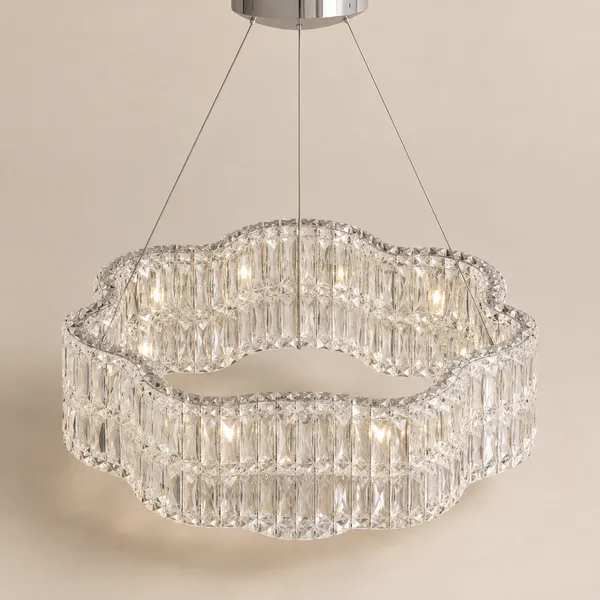
Halvring K9 Crystal Halo LED Chandelier Light
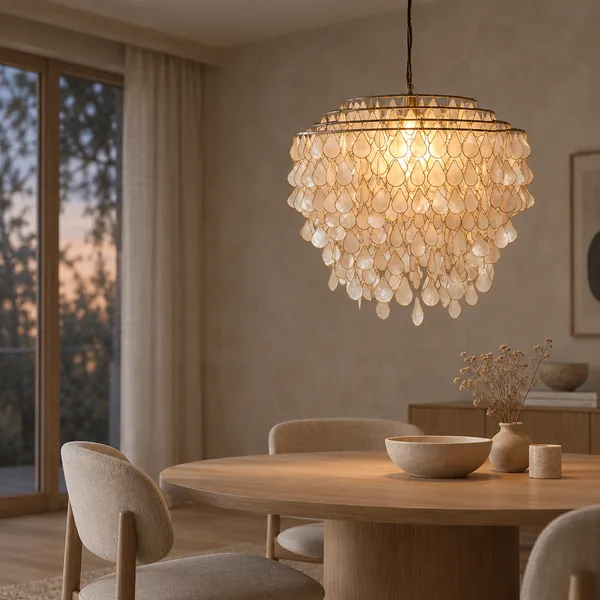
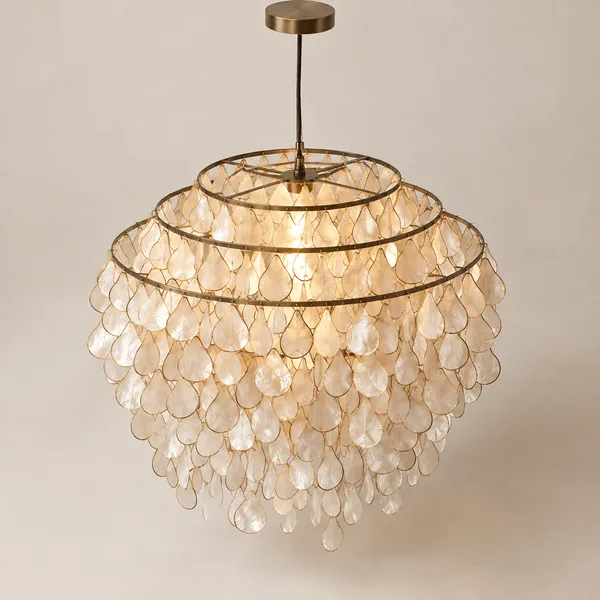 Save $370.00
Skjelva Nordic Retro Shell Pendant Chandelier
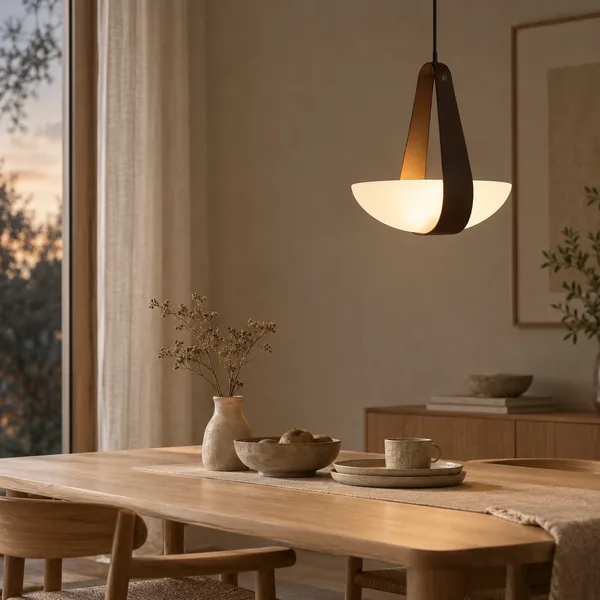
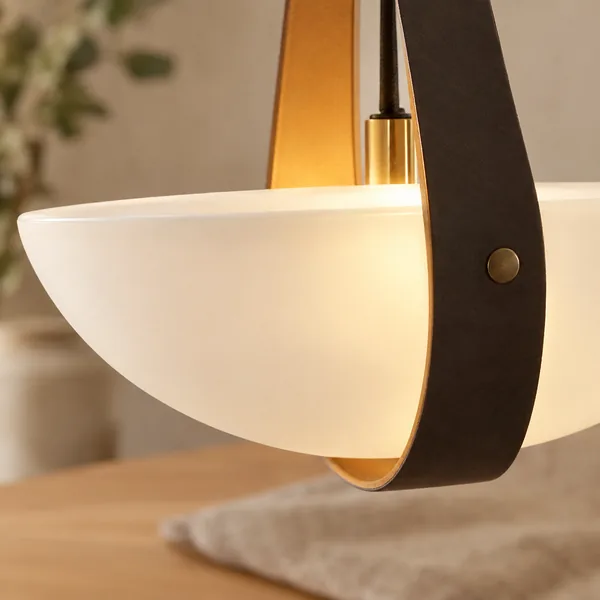
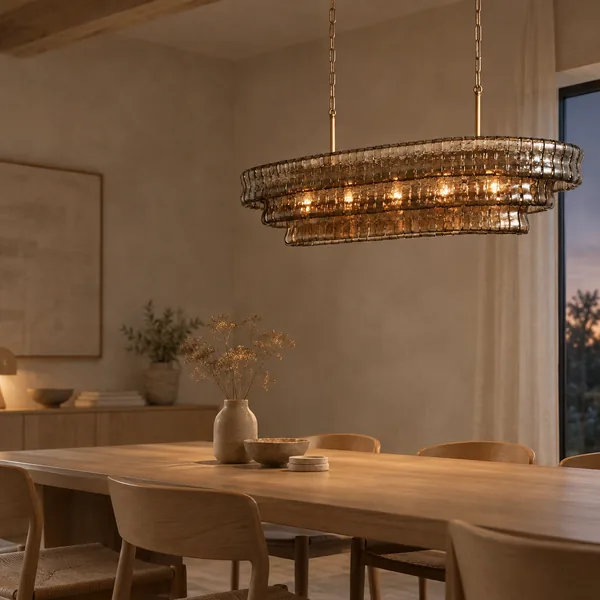
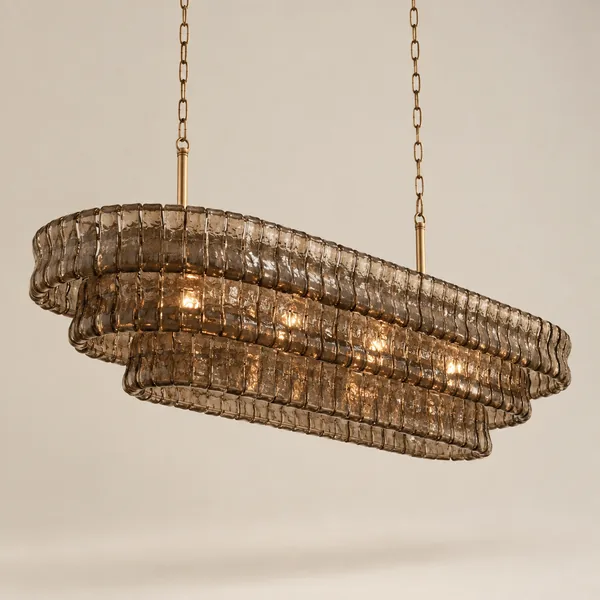 Save $460.00
Dimma Smoky Gray Glass Chandelier Dining Room
Creating Cohesive Lighting Schemes
The most successful interiors layer multiple light sources to serve different needs. Dome pendants excel as task lighting but work best when complemented by ambient and accent lighting.
In kitchens, pair your island pendants with recessed ceiling lights for general illumination and under-cabinet lighting for counter tasks. In dining rooms, consider wall sconces or picture lights to add ambient glow that balances the focused pendant light above the table.
For home offices, combine your desk pendant with a floor lamp in the room's corner to eliminate harsh shadows and create a more inviting workspace.
Design Tip: When mixing dome pendants with other fixtures, maintain consistency in metal finishes or glass types to create visual cohesion throughout your space.
Featured Glass Dome Pendants
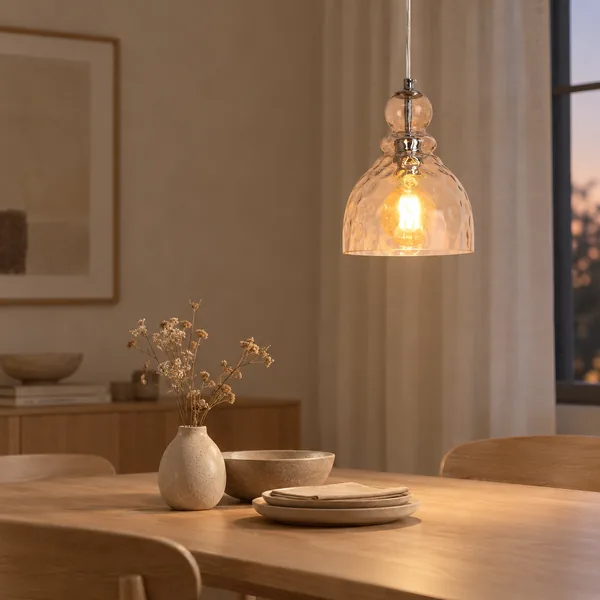 Dropa Glass Drop Pendant Light for Kitchen Dining$79.00$119.00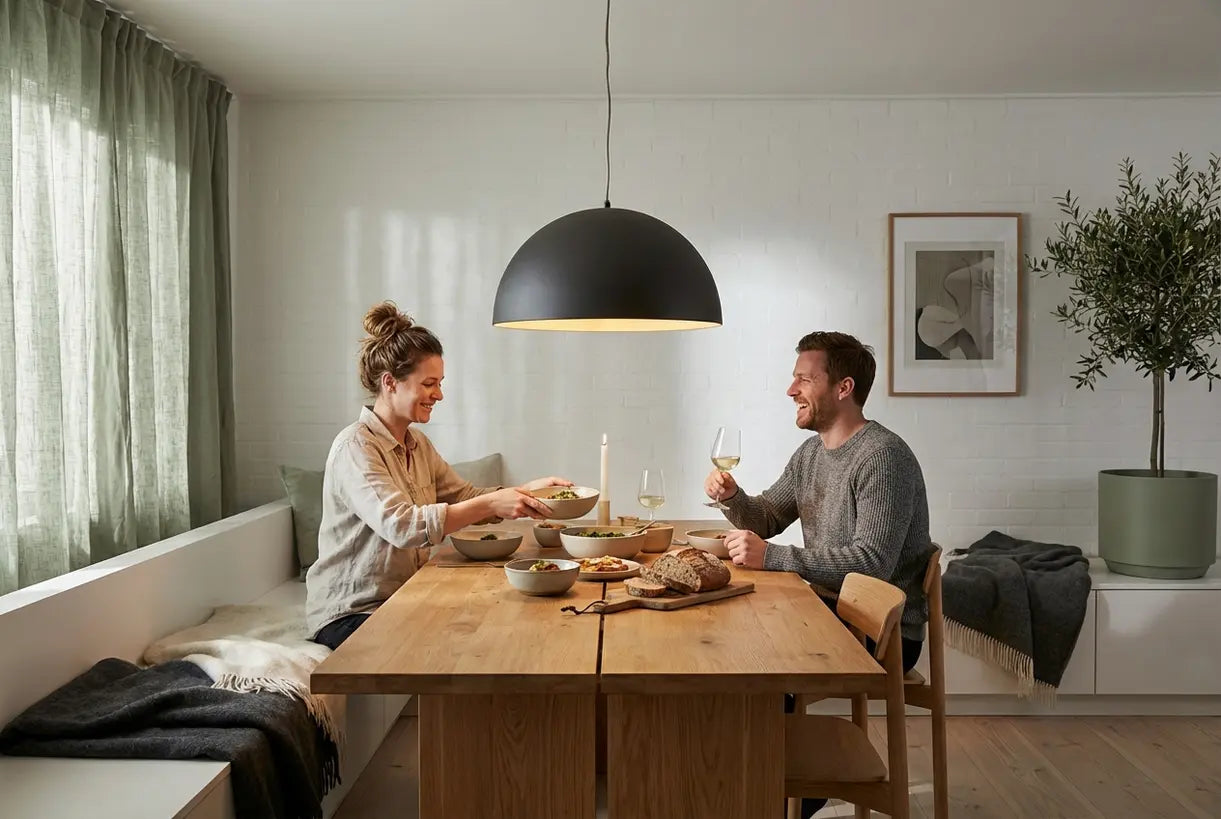
Conclusion
Dome pendant lights offer an exceptional combination of form and function that suits modern living beautifully. Their directional illumination supports daily tasks while their sculptural presence enhances your interior design. Whether you choose a glass dome pendant light for its ethereal quality or a metal dome pendant for its grounded sophistication, this versatile fixture adapts to kitchens, dining rooms, and workspaces with equal grace.
At Skonne, we've curated a collection of dome pendant lighting that honors Scandinavian design principles—craftsmanship, material honesty, and the pursuit of hygge. From hand-blown glass pendants that capture light like lanterns to sleek metal shades that define space with precision, each piece in our collection is selected to bring warmth and intention to your home.
As you plan your lighting updates, remember that the best fixtures don't just illuminate—they transform how you experience your space. Explore our dome pendant collection and discover how the right light can elevate everyday moments into something truly special.
Related Article
Champagne Bronze Pendant Lights: Warm Antique Finish for Transitional InteriorsChampagne bronze pendant lights bring timeless warmth to transitional interiors with their soft, antique gold undertones and versatile Scandinavian appeal.